සිවුමංසල කොලූගැටයා #44: HIV ආසාදිතයන් වැළද ගන්නා නේපාලය

In my latest column written for Ravaya newspaper on 11 Dec 2011, I question why people living with HIV in Sri Lanka face such a high level of stigma and discrimination irrespective of their educational level and social class. The perpetrators of such discrimination also come from all strata in society: doctors and healthcare workers are among them. I recall the bitter experience of pediatrician Dr Mrs Kamalika Abeyaratne, the first Lankan to publicly acknowledge her HIV status, who stood up and spoke out for the rights of those living with HIV in Sri Lanka.

I then contrast the Sri Lanka situation with that in Nepal, where the communities have gradually come around to accept those living with HIV. What cultural, social and other factors enabled such a transformation? I draw from a 2002 documentary called Love for a Longer Life, made by Nepali film maker Durba Basnet, which I earlier blogged about.
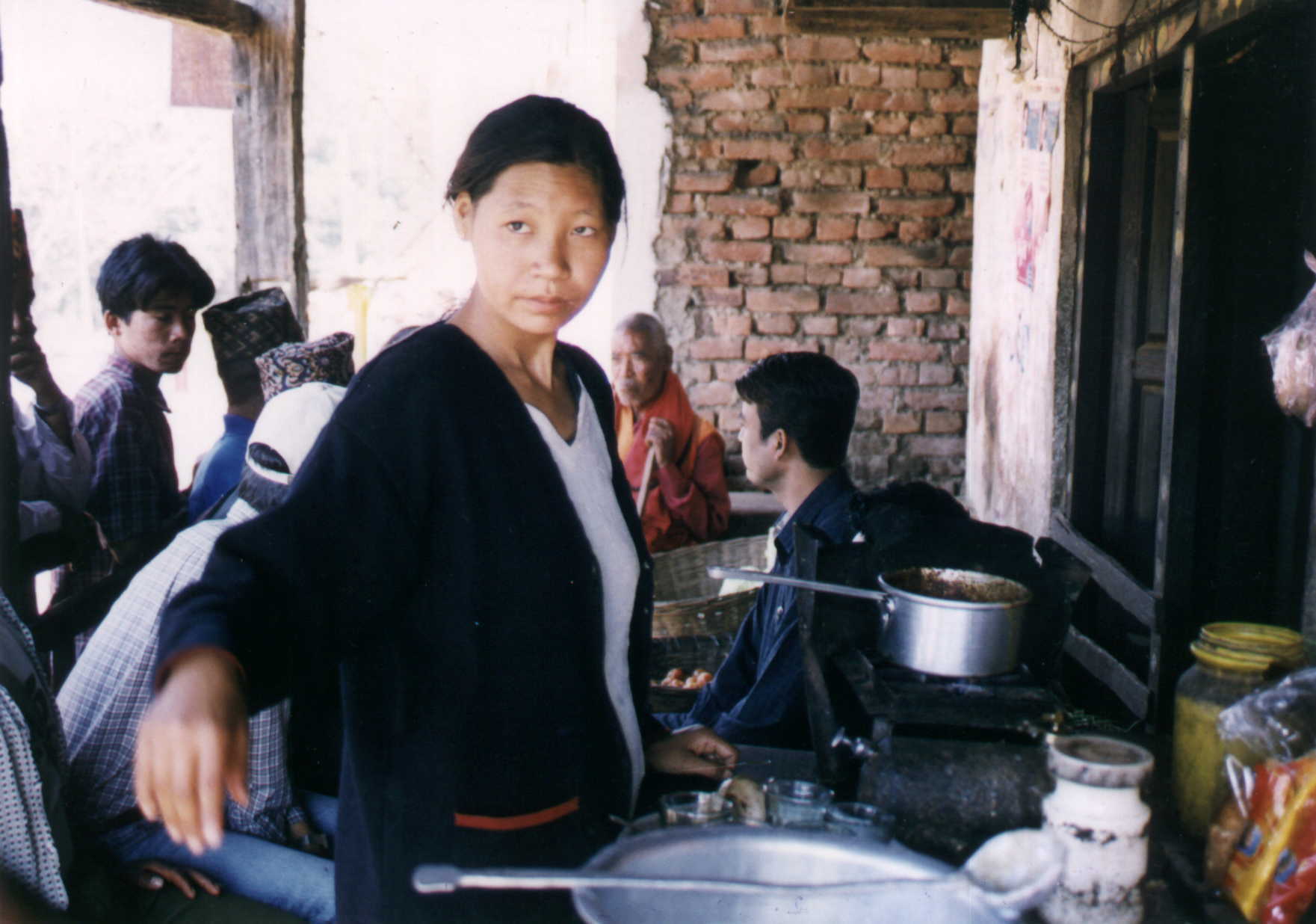
Lakshmi Lama at her tea shop in Ratomate, central Nepal

පසුගිය සතියේ HIV/AIDS සහ මෙරට මාධ්‍ය වාර්තාකරණය ගැන මගේ විග්‍රහයට එක් ප්‍රතිචාරයක් ලැබුණේ මාධ්‍ය ක‍ෂත්‍රයේ ම දිගු කලක් අත්දැකීම් ඇති, මැදහත් මතධාරියකු සේ මා සළකන කෙනකුගෙන්. ඔහු මගේ විග්‍රහය පිළි ගන්නා අතර බහුතරයක් මාධ්‍යවේදීන් හා කතුවරුන් HIV ආසාදිතයන් ගැන දක්වන ආකල්පය සමස්ත ලක් සමාජයේ ම ආකල්පවල පිළිබිඹුවක් බවට තර්ක කළා. ඔහු කියන්නේ සමාජයේ තිත්ත ඇත්ත, ඇති සැටියෙන් හසු කර ගන්නා මාධ්‍යවලට දොස් තබනවා වෙනුවට එයට අදාල සමාජ තත්ත්වයන් ගැන අවධානය යොමු කළ යුතු බවයි.

බොහෝ විට අපේ මාධ්‍යවලින් පෙන්නුම් කරන්නේ මෙරට පොදු සමාජයේ සිතුම් පැතුම්, භීතිකා හා ආශාවන් බව ඇත්තයි. එහෙත් අන්තවාදී මත දැක්වීමට හා කතුවරුන්ගේ පෞද්ගලික සුචරිතවාදය පොදු මතයක් බවට පත් කිරීමට නම් මා එකග වන්නේ නැහැ.

HIV සමග ජීවත් වන බහුතරයක් ලාංකිකයන් තම සැබෑ තත්ත්වය රහසිගතව පවත්වා ගන්නේ මේ වයිරසය ගැන අපේ සමාජයේ මුල බැස ගෙන ඇති දරුණු අපකීර්තිය නිසායි. සමාජ මට්ටම් හෝ උගත්කම් හෝ අනුව මේ අපකීර්තිය වෙනස් නොවන බව ද පෙනී යනවා.

2011 නොවැම්බර් 13දා රාවය 18 වන පිටුවේ පළ වූ ප්‍රින්සි මංගලිකා සමග කරන ලද සම්මුඛ සාකච්ඡාව කියවන්න. HIV සමග ජීවත් වෙමින් එම තත්ත්වය ප්‍රසිද්ධියේ පිළිගන්නා ලාංකිකකයන් අතලොස්ස අතරට ප්‍රින්සි ද අයත්. ඇය Positive Women’s Network නම් ස්වෙච්ඡා ආයතනය හරහා HIV සමග ජීවත් වන අයගේ සුබසිද්ධිය තකා වැඩ කරන ක්‍රියාකාරිනියක්.

ඇගේ අනුවේදනීය කථාවේ දරුණුතම පැතිකඩ නම් ඇගේ HIV තත්ත්වය පරීක‍ෂා කළ රෝහලේ කාර්ය මණ්ඩලයෙන් ම රහසිගත තොරතුර ඇගේ ගමට කාන්දු වීම හා එයින් පසු හට ගත් අමානුෂික ප්‍රතිචාරයයි. අපරාධකරුවන් ලෙස හංවඩු ගසා කොන් කිරීමට ලක් වන ඇයගේ පවුලට ගේදොර ගම් අතහැර දමා යන්නට සිදු වුණා. ඒ 2001දී. 2005 HIV මාධ්‍ය වැඩමුළුවකදී මා ප්‍රින්සි මුණ ගැසෙන විට ඇය HIV ක්‍රියාකාරිනියක් වී සිටියා. එදා වැඩමුළුව අමතා වෛද්‍ය විශේෂඥයන් හා සන්නිවේදකයන් ද කථා කළත් ඉතා ම සංවේදී හා හෘදයංගම කථාව කළේ ඇයයි.

ප්‍රින්සිගේ කථාවට සමාන්තර අත්දැකීම් ලැබූ HIV ආසාදිතයන් මෙරට සිටිනවා. මෑතදී අසන්නට ලැබුණේ ඩෙංගු රෝගය නිසා රෝහල් ගත කෙරුණු 15 හැවිරිදි දැරියකට රෝහලේදී HIV මිශ්‍ර වූ රුධිරය දීමෙන් ඇය HIV ආසාදිත වූ සැටියි. දැන් ඇයත් සමග පන්තිකාරයේ සිටින්නට අනෙකුත් දැරියන් (හා ඔවුන්ගේ දෙමවුපියන්) අදිමදි කරනවා. පාසල් වෑන් රියක ඇයට යන්නට බැහැ. සාමාන්‍ය ස්පර්ශයෙන් බෝ විය නොහැකි HIV වයිරසයට ලක් සමාජය මෙතරම් බිය ඇයි?

මේ තත්ත්වය දැනුවත්කම හා අධ්‍යාපනික මට්ටම් ඉහළ යාමෙන් පමණක් වෙනස් වන්නේද නැහැ. වෛද්‍යවරුන් හා සෞඛ්‍ය සේවක සේවිකාවන් ඇතැම් දෙනාත් ්‍යෂඪ භීතිකාව කරපින්නා ගත් අයයි.

තමන්ගේ HIV තත්ත්වය විවෘතව හා ප්‍රසිද්ධියේ ප්‍රකාශයට පත් කළ ප්‍රථම ලාංකිකයා වුයේ ළමා රෝග විශේෂඥ වෛද්‍ය කාමලිකා අබේරත්න මහත්මියයි (1934 – 2004). දරුණු රිය අනතුරකට ලක් වීමෙන් තුවාල ලබා ප්‍රතිකාර කිරීමේදි රජයේ ප්‍රධාන රෝහලකදී HIV මිශ්‍ර වූ රුධිරය දීමෙන් ඇය ආසාදිත වුණා. මේ ප්‍රශ්නය ගැන මාධ්‍ය හා ජන සංවිධාන හරහා සංවාදයක් ගොඩ නංවන්නට ඇය මහත් කැපවීමෙන් ක්‍රියා කළා.

2006දී පළ වූ ඇගේ චරිත කතාවේ (A Life in the Round) විස්තර කැරෙන ආකාරයට ඇගේ HIV ආසාදනය ප්‍රකට වු පසු එයට දරුණු ම ප්‍රතිචාරයන් ලැබුණේ වෛද්‍යවරුන්ගෙන්. ඔවුන් බහුතරයක් ඇය හා වෛද්‍යවරයකු වූ ඇගේ සැමියා ඇසුරු කිරීම නවතා දැමූවා. ඇතැම් වෛද්‍යවරු ඇගේ චරිතය ගැන අසත්‍ය හා අභූත චෝදනා එල්ල කළා. වෛද්‍යවරුන් සමහරකගේ ආකල්පය මෙය නම්, සෙසු ජන සමාජය ගැන කවර කථා ද? HIV ආසාදිත අයට වෛද්‍ය උපදෙස් දීමට හා ප්‍රතිකාර කිරීමට දැඩි සේ මැලි වන සෞඛ්‍ය සේවක සේවිකාවන් ගැන විටින් විට වාර්තා වෙනවා.

අපේ රටේ මේ අවාසනාවන්ත තත්ත්වය පවතින අතරේ දකුණු ආසියාවේ අධ්‍යාපන හා සමාජ සංවර්ධන දර්ශකයන් අතින් අපට වඩා බොහෝ සේ පිටුපසින් සිටින නේපාලයේ HIV පිළිබද මහජන ආකල්පය වෙනස් වී තිඛෙනවා. මේ උදාහරණ කිහිපය සළකා බලන්න.

රජීව් කෆ්ලේ (Rajiv Kafle) HIV සමග ජීවත්වන, ඒ ගැන විවෘතව කථා කරන නේපාල තරුණයෙක්. ඔහුට HIV ආසාදනය වුණේ ‘කොලූකමට මත්ද්‍රව්‍ය අත්හදා බලන්නට ගිහින්’ HIV ආසාදිතයකු පාවිච්චි කළ එන්නත් ඉඳිකටුවක් හරහා. ඒ බව දැන ගත් පසු රජීව් කළේ තම HIV තත්ත්වය ප්‍රසිද්ධ කළ මුල් ම නේපාල ජාතිකයා බවට පත් වීමයි. තමන් ඒ තත්ත්වයට පත් කළ නොදැනුවත්කමට එරෙහිව සිය ජීවිතය කැප කිරීමයි. ඔහු පාසල් හා විශ්ව විද්‍යාලවලට ගොස් ඒවායේ බලධාරීන්ගේ ඇරයුමින් HIV/AIDS ගැන දේශන කරනවා. HIV ගැන පොතෙන් උගත් වෛද්‍යවරයකුට වඩා විශ්වාසනීය හා සමීප ලෙසින් ඒ ගැන කථා කරන්නට ඔහුට කුසලතාව තිඛෙනවා. ඛෙහෙවින් ගතානුගතික නේපාල සමාජයේ මෙය ඉදිරි පිම්මක්.

රජීව්ගෙන් පසු තමන්ගේ HIV තත්ත්වය ප්‍රසිද්ධියේ කියා සිටීමට තවත් නේපාල ජාතිකයන් පෙළඹුණා. ඔවුන්ට HIV ආසාදනය සිදු වූ ආකාරය එකිනෙකට වෙනස්, සමහර කාන්තාවන් බලහත්කාරයෙන් ඉන්දියාවට පැහැරගෙන ගොස් ගණිකා වෘත්තියේ යෙදවීම නිසා ආසාදිත වුණා. දෙවසරක් මුම්බායි නගරයේ සිර වී සිටි බූනා ලාමා (Buna Lama) HIV ආසාදිත යයි දැන ගත් විට ඇගේ ලිංගික ජාවාරම්කරුවන් මුදා හරිනු ලැබුවා. දැන් ඇය නේපාලයේ නගර හා ගම්වල සැරිසරමින් කාන්තාවන්ට HIV පිළිබද තතු කියා දෙනවා. එමෙන්ම HIV සමග වසන අයට මානසික සහනය ලබා දෙන ආකාරයත්, සෙසු ප්‍රජාව ඔවුන්ට බද්ධ විය යුතු සැටි ගැනත් උපදෙස් දෙනවා.

HIV/AIDS ගැන මෙසේ විවෘතව කථා කිරීමට හැකි වීම පවා ගතානුගතික නේපාල සමාජයට (සාපේක‍ෂව) අළුත් දෙයක්. අගහිගකම් හා පසුගාමීත්වය ඉස්මතු වූ සමාජයක HIV ගැන චින්තන විප්ලවයක් ඇති වූයේ කෙලෙස ද?

HIV සමග ජීවත්වන මිනිසුන්, ගැහැණුන් හා ළමයින් සමාජයෙන් කොන් කිරීම වෙනුවට ඔවුන්ට ආදරයෙන්, කරුණාවෙන් හා සුහදත්වයෙන් සැළකීමට නේපාලයේ සාමාන්‍ය ජනතාව ටිකෙන් ටික හුරු වී තිඛෙනවා. මෙය ක්‍රම ක්‍රමයෙන් ඇති වූ ආකල්පමය වෙනසක්.

මධ්‍යම නේපාලයේ රතොමාටේ (Ratomate) නම් ගමක් තිඛෙනවා. ගමේ තේ කඩය එහි කේන්ද්‍රස්ථානයක්. තේ කඩ හිමියාත්, ඔහුගේ දියණියත් එහි වැඩ කරනවා. එහෙත් ගමේ වැඩි දෙනකුගේ මනාපය ඇත්තේ ලක්ෂ්මී ලාමා හදන තේ කෝප්පයටයි. ‘අපේ අය කැමති හොදට කහටට තේ බොන්නටයි. තාත්තා හදන තේවලට වඩා මගේ තේ රසවත් බව හැමෝ ම කියනවා’ ලක්ෂ්මී කියන්නේ අහිංසක උද්දාමයකින්.

ලක්ෂ්මී HIV සමග වාසය කරන නේපාල කාන්තාවක්. ඇගේ HIV තත්ත්වය ගමේ අය දන්නවා. එය ඇයට උරුම වුණේ ලාබාල වියේදී බලහත්කාරයෙන් ඇය ඉන්දියාවේ වාණිජ ලිංගික කර්මාන්තයට ගෙන යාම නිසා. වසර තුනකට පසු ඇය ආපසු ආවේ HIV ආසාදිත බව නොදැනයි. අළුත් ජීවිතයක් අරඹන්නට සිතා ගෙන ඇය විවාහ වුණත් සෞඛ්‍ය සේවිකාවක් කළ රුධිර පරීක‍ෂණයකින් ඇගේ HIV තත්ත්වය සොයා ගනු ලැබුවා. ඒ තොරතුර ගමේ පැතිරුණු විට මුලදී ගමේ සැවොම ඇය හා දෙමවුපියන් කොන් කළත්, කල් ගත වන විට මේ ආකල්පය වෙනස් වුණා.

ලක්ෂ්මීට සිය පියාගේ තේ කඩයේ වැඩ කරමින් තමන්ටත් පවුලටත් ප්‍රයෝජනවත් ලෙස කල් ගෙවන්නට හැකි වී ඇත්තේ ප්‍රජාවගේ ආකල්පමය වෙනස නිසායි. ලක්ෂ්මී අතින් හදන තේ කෝප්පය හරහා HIV වයිරසය කිසි ලෙසකින් පැතිරිය නොහැකි බව දැන් ඇගේ ගම් වැසියන් දන්නවා. ඇය මුණ ගැසී කථා බහ කිරීමෙන් හෝ සමාජ සබදතාවලින් හෝ තමන්ට කිසිදු අවදානමක් නැති බව ඔවුන්ට පසක් වී තිඛෙනවා. “ඇයට අවශ්‍ය අපේ ආදරය හා සැළකීමයි. ඒවා ලැබුණොත් තව කලක් ඇයට ජීවත් වන්නට පුළුවන්” අසල්වැසියකු වන කුමාරි ශ්‍රේෂ්තා කියනවා.

මේ නේපාල ජාතිකයන් හමු වන්නේ ජීවමාන චරිත නිරූපණය කැරෙන, ඔවුන්ගේ අවසරය ඇතිව 2002දී නිර්මාණය වූ Love for a Longer Life නම් වාර්තා චිත්‍රපටයකයි. එය අධ්‍යක‍ෂණය කළේ සංවේදීව නේපාල ප්‍රශ්න විග්‍රහ කිරීමේ කුසලතාව ඇති නේපාල ජාතික දුර්බා බස්නෙට් (Dhurba Basnet). ආසියාවේ දියුණුවන රටවල සංවර්ධන අභියෝග හා අර්බුදවලට සිවිල් සමාජය ප්‍රතිචාර දක්වන හැටි නිරූපනය වන Truth Talking නම් වූ වාර්තා චිත්‍රපට මාලාවේ එක් චිත්‍රපටයක්.

මෙබදු ජන ආකල්ප වෙනසක් සිදු වන්නේ කෙසේ ද? එයට උපකාර වන සමාජ සාධක මොනවා ද? දුර්බා වරක් මා සමග කීවේ HIV ආසාදිතයන්ට ගැරහීම නේපාල ජන මාධ්‍ය ද කරමින් සිටි බවයි. සානුකම්පිතව HIV ආසාදිතයන්ගේ අදහස් විමසමින් ඔවුන්ට සවන් දීමට සමාජ විද්‍යාඥයන් හා සමාජ ක්‍රියාකාරිකයන් කිහිප දෙනකු පෙරට විත් තිඛෙනවා. මේ නිසා HIV පිළිබදව වඩාත් විවෘත වූත්, හරවත් වූත් සමාජ සංවාදයක් 1990 දශකය අගදී හා 2000 දශකය මුලදී ඇති වූ බව ඔහු කියනවා. එවකට එරට HIV සමග ජීවත් වන සංඛ්‍යාව 50,000ක් වූ අතර 2008 වන විට එම සංඛ්‍යාව 70,000ක් බව නේපාල රජය අනුමාන කළා.

බහුතර හින්දු භක්තික නේපාල සමාජයේ මෙබදු විපර්යාසයක් හට ගත හැකි නම්, උදේ සවස පිරිත් කියන, මෙත්තා-මුදිතා-කරුණා-උපේක‍ෂා ගැන නිරතුරුව කථා කරන ලංකාවේ HIV චින්තන වෙනසක් කවදා ඇති වෙයි ද?

චිත්‍රපටය නරඹන්න:

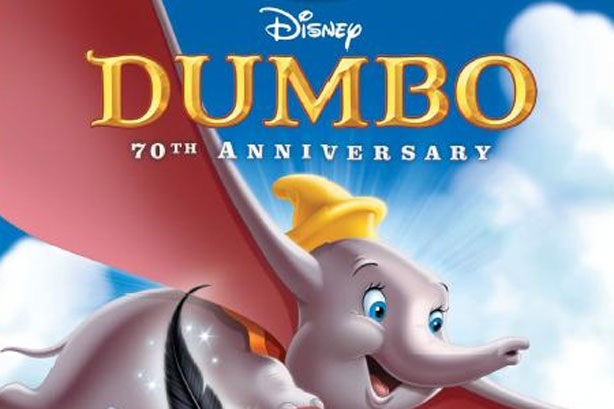
Happy 70th Birthday, Dumbo: vive la différence!

Dumbo at 70: Have large ears, will fly -- forever!

It’s hard to believe, but good old Dumbo is 70 this week!

The adorable baby elephant (whose real name is Jumbo, Jr.) has been flapping his extra-large ears and flying into our hearts for seven full decades. Read more at IMDB

Released theatrically on 23 October 1941, Dumbo was Walt Disney’s fourth animated film. And at just 64 minutes, the movie was also the shortest and least expensive produced by the Studio.

Read the synopsis on Rotten Tomatoes

Dumbo is the only Disney animated feature film that has a title character who doesn’t speak — he really is a creature of few words, or none!

Dumbo not only turned a profit, but charmed critics as well. The movie won the 1941 Academy Award® for Original Musical Score, was nominated for another the Academy Award for Best Song for “Baby Mine”, and took the Best Animation Design award at the 1947 Cannes Film Festival.

Since its release, Dumbo has stolen the hearts of generation after generation, and can today be found on countless consumer products and the ever-popular Dumbo the Flying Elephant attraction at Disney parks around the world. And in celebration of the beloved classic’s 70th anniversary, Walt Disney Studios Home Entertainment has released Dumbo for the first time on Blu-ray.

Read the story about digital restoration of Dumbo

Here’s the most famous song from Dumbo, Baby Mine, which Dumbo’s mommy sings to him. This is one of the all time favourite Disney movie moments that has made millions cry for 70 years. It is sung by actor and singer Elizabeth “Betty” Noyes.

Baby Mine From “Dumbo”

Music and lyrics by Frank Churchill and Ned Washington

Baby mine, don’t you cry
Baby mine, dry your eyes
Rest your head close to my heart
Never to part
Baby of mine

Little one when you play
Pay no heed to what they say
Let your eyes sparkle and shine
Never a tear
Baby of mine

If they knew all about you
They’d end up loving you too
All those same people who scold you
What they’d give just for the right to hold you

From your head down to your toes
You’re not much, goodness knows
But you’re so precious to me
Sweet as can be
Baby of mine

සිවුමංසල කොලූගැටයා #37: අලි-මිනිස් සංහිදියාවේ අළුත් පිටුවක්

This is my latest Sinhala column published in Ravaya newspaper on 23 October 2011, which is about human-elephant interactions in Sri Lanka, which has the highest density of Asian elephants in the world. I have covered much of the same ground in English in another recent essay, Chandani: Riding a Jumbo Where No Woman Has Gone Before…


ඔක්තෝබර් මුල සතියේ කොළඹින් ඇරඹුණු, ගාල්ල මහනුවර හා යාපනය නගරවලට ද යන්නට නියමිත යුරෝපීය චිත්‍රපට උළෙලේ ප්‍රදර්ශනය කළ එක් චිත්‍රපටයකට මගේ විශේෂ අවධානය යොමු වුණා. ජර්මන් චිත්‍රපට කණ්ඩායමක් ලංකාවේ රූපගත කොට 2010දී නිර්මාණය කළ එය, Chandani: The Daughter of the Elephant Whisperer නම් වාර්තා චිත්‍රපටයක්. සිංහලෙන් ‘චාන්දනී – ඇත්ගොව්වාගේ දියණිය’ සේ අරුත් දිය හැකියි. අපේ රටේ ඈත අතීතයට දිව යන අලි – මිනිස් සබදතාවන්ගේ අළුත් පැතිකඩක්, කථාවක ස්වරූපයෙන් කියන නිර්මාණයක් හැටියට මේ චිත්‍රපටය මා දකිනවා.

අලි ඇතුන් ගැන චිත්‍රපට නිපදවන්නට සිනමාවේ මෙන් ම ටෙලිවිෂන් කර්මාන්තයේත් බොහෝ දෙනා කැමතියි. ගොඩබිම වෙසෙන විශාල ම ජීවීන් හැටියටත්, සමාජශීලි හා බුද්ධිමත් සත්ත්ව විශේෂයක් හැටියටත්, අලි ඇතුන්ගේ සුවිශේෂ බවක් තිඛෙනවා. බටහිර චිත්‍රපට කණ්ඩායම් වැඩි අවධානයක් යොමු කරන්නේ අප්‍රිකානු අලියාටයි. ආසියානු අලි ඇතුන් ගැන චිත්‍රපට රූපගත කරන්නට වුවත් ඔවුන් තෝරා ගන්නේ ලංකාවට වඩා ඉන්දියාව, තායිලන්තය වැනි රටවල්. මා මීට පෙර වතාවක (2011 මාර්තු 13) පෙන්වා දුන් පරිදි සොබාදහම ගැන චිත්‍රපට නිපදවන විදේශීය කණ්ඩායම් මෙරටට ඇද ගන්නට අප තවමත් එතරම් උත්සාහයක් ගන්නේ නැහැ. ඉදහිට හෝ මෙහි එන විදෙස් චිත්‍රපට නිෂ්පාදකයන්ට හසු කර ගන්නට හැකි විසිතුරු සැබෑ කථා විශාල ප්‍රමාණයක් අප සතුව තිඛෙනවා. චාන්දනී චිත්‍රපටය එයට තවත් උදාහරණයක්.

මේ චිත්‍රපටය වනජීවීන් හෝ පරිසරය හෝ ගැන කථාවක් නොවෙයි. එය අවධානය යොමු කරන්නේ හීලෑ අලි ඇතුන් හා මිනිසුන් අතර සබදතාවයටයි. වාර්තා චිත්‍රපටයකට වඩා නාට්‍යමය හා රියැලිටි ස්වරූපයෙන් නිර්මිත මෙහි මිනිස් ‘චරිත’ තුනක් හමුවනවා.

කථා නායිකාව 16 හැවිරිදි චාන්දනී රේණුකා රත්නායක. ඇය පින්නවෙල අලි අනාථාගාරයේ ප්‍රධාන ඇත්ගොව්වා වන සුමනබණ්ඩාගේ දෙටු දියුණිය. සිට පිය පරම්පරාවේ සාම්ප්‍රදායිකව කර ගෙන ආ අලි ඇතුන් හීලෑ කර රැක බලා ගැනීමේ කාරියට අත තබන්නට ඇයට ලොකු ඕනෑකමක් තිඛෙනවා. පවුලේ පිරිමි දරුවකු නැති පසුබිම තුළ සුමනබණ්ඩා එයට එක`ග වී පරම්පරාගත දැනුම හා ශිල්පක්‍රම ටිකෙන් ටික චාන්දනීට උගන් වනවා. මේ සදහා කණ්ඩුල නම් අලි පැටවකු සොයා ගෙන එන ඔහු කණ්ඩුලගේ වගකීම් සමුදාය ක්‍රම ක්‍රමයෙන් චාන්දනීට පවරනවා.

ලංකාවේ අලි ඇතුන් පිළිබදව 1995දී පොතක් ලියූ ජයන්ත ජයවර්ධන කියන හැටියට අලින් හීලෑ කිරීමේ වසර තුන් දහසකට වඩා පැරණි සම්ප්‍රදායක් අපට තිඛෙනවා. වනගත අලින් අල්ලා, මෙල්ල කොට පුහුණු කළ හැකි වූවත් බල්ලන්, පූසන් වැනි ගෘහස්ත සතුන්ගේ මට්ටමට අලින් හීලෑ නොවන බවත් ඔහු කියනවා.

“ර්‍ගොඩබිම වෙසෙන දැවැන්ත ම සත්ත්වයා වන අලියාට විශාල ශරීර ශක්තියක් තිඛෙන නිසා ඔවුන් හැසිරවීම ප්‍රවේශමෙන්, සීරුවෙන් කළ යුක්තක්. අලි පුහුණුවට ආවේනික වූ වචන දුසිමක් පමණ යොදාගෙන මේ දැවැන්තයන්ට අණ දීමේ කලාවක් අපේ ඇත්ගොව්වන්ට තිඛෙනවා. එහිදී ඇත්ගොව්වා සහ අලියා අතර ඇතිවන සබදතාවය ඉතා වැදගත්.”

එම සම්ප්‍රදාය පිළිබද ඉගි කිහිපයක් අප චාන්දනී චිත්‍රපටයේ දකිනවා. අලි හසුරු වන බස් වහර, අලියාගේ සිරුරේ මර්මස්ථාන හා අලින්ගේ ලෙඩට දුකට ප්‍රතිකාර කිරීමට කැප වූ දේශීය සත්ත්ව වෙදකම් ආදීය එයට ඇතුළත්. අලි පුහුණු කිරීම හා මෙහෙයවීම ක්‍රමවේදයන් ගණනාවක සංකලනයක්. එයට දැනුම, ශික‍ෂණය, කැපවීම යන සියල්ල අවශ්‍යයි. චාන්දනීට මේ අභියෝග ජය ගත හැකිද යන්න පිරිමි ඇත්ගොව්වන්ට මෙන් ම ඇගේ අසල්වාසීන්ට ද ප්‍රශ්නයක්. කථාව දිග හැරෙන්නේ එයට චාන්දනී හා ඇගේ පියා ඉවසිලිවන්තව හා අධිෂ්ඨානයෙන් මුහුණ දෙන ආකාරය ගැනයි.

මෙහි දී චාන්දනීගේ මග පෙන්වීමට වනජීවී ෙක‍ෂත්‍ර නිලධාරියකු වන මොහමඩ් රහීම් ඉදිරිපත් වනවා. මොහොමඩ් සමග උඩවලවේ ජාතික වනෝද්‍යානය හා ඒ අවට ගම්මානවල සංචාරය කරන චාන්දනී, වනගත අලි ඇතුන් මුහුණ දෙන ඉඩකඩ, ආහාර හා ජලය පිළිබද දැවෙන ප්‍රශ්න දැක ගන්නවා.

තදබද වූ මේ දූපතේ, සීමිත බිම් ප්‍රමාණයක් සදහා මිනිසුන් හා අලින් අතර පවතින නිරතුරු අරගලයෙන් වසරක් පාසා අලි 150ක් පමණත්, මිනිසුන් 50 දෙනකු පමණත් මිය යනවා. මේ අලි-මිනිස් ගැටුමට ඓතිහාසික, සාමාජයීය හා ආර්ථීක සාධක ගණනාවක් ඇතත් ඒවා විග්‍රහ කිරීමට මේ චිත්‍රපටය උත්සාහ කරන්නේ නැහැ. එබදු දැඩි අර්බුදයක් පසුබිමේ ඇති බව ප්‍රේක‍ෂකයාට සිහිපත් කළත් එයට සරල පැලැස්තර විසදුම් ඉදිරිපත් කරන්නේත් නැහැ.

මේ චිත්‍රපටයේ මා දකින එක් ගුණයක් නම් මිනිසුන්ට වඩා අලි ඇතුන්ගේ ජීවිත වටිනා බව තර්ක කරන අන්තවාදී පරිසරවේදීන්ට එහි කිසිදු තැනක් නොදීමයි. ඒ වෙනුවට මිනිස් සමාජයට පිවිස යම් තරමකට හීලෑ බවක් ලැබූ අලි ඇතුන් සමග සානුකම්පිකව ගනුදෙනු කරන මානවයන් ද ලක් සමාජයේ සිටින බව මේ චිත්‍රපටය හීන්සීරුවේ ලෝකයට කියනවා. අවිහිංසාවාදය හා සාංස්කෘතික සාරධර්ම ගැන දේශනා කිරීමකින් තොරව එය ප්‍රායෝගිකව මේ දූපතේ සිදු වන හැටි රූපානුසාරයෙන් හා කථානුසාරයෙන් පෙන්වා දෙනවා.

අලින් හා මිනිසුන් අතර මිතුදම වෘතාන්ත චිත්‍රපට ගණනාවක ම තේමාව ලෙස මින් පෙරත් යොදා ගෙන තිඛෙනවා. සිනමාවේ මුල් යුගයේ උදාහරණයක් නම් 1937දී නිර්මාණය වූ Elephant Boy රුඩ්යාඩ් කිප්ලිංගේ ඔදදප්ස කථාව පදනම් කරගෙන තැනූ ඒ චිත්‍රපටයෙන් කියවුණේ කැලයේ අලින් සමග මිතුරු වන දරුවකු ගැනයි. හීලෑ කළ අලි ඇතුන් හා දරුවන් ගැනත් සිනමා සිත්තම් බිහි වී තිඛෙනවා. ජපන් ජාතික චිත්‍රපට අධ්‍යක‍ෂක ෂුන්සාකු කවාකේ 2005දී නිර්මාණය කළ Hoshi ni natta shonen (Shining Boy and Little Randy) චිත්‍රපටයෙන් කියැවුණේ ඇත්ගොව්වකු වීමේ ආශාවෙන් තායිලන්තයට ගිය ජපන් දරුවකුගේ සැබෑ කථාවයි.

බොහෝ විට මෙබදු චිත්‍රපටවල ප්‍රධාන මිනිස් චරිතය වන්නේ පිරිමි ළමයෙක්. චාන්දනී වැනි දැරියක් මෙබදු කාරියකට ඉදිරිපත් වීම සැබෑ ලෝකයේ කොතැනක වූවත් අසාමාන්‍ය වීම මෙයට හේතුව විය හැකියි. ඉතිහාසය පුරා ම පිරිමින් පමණක් සිදු කළ වගකීමක් කාන්තාවකට පැවරීම හරහා සුමනබණ්ඩා සියුම් සමාජ විප්ලවයකටත් දායක වනවා. එහෙත් චාන්දනී චිත්‍රපටයේ අරමුණ එබදු මහා පණිවුඩ සන්නිවේදනය නොවෙයි. එය දැරියක හා අලි පැටවකු අතර ඇතිවන මිතුරුකම වටා ගෙතුණු විසිතුරු කථාන්තරයක්.

ලංකාවේ අලි ඇතුන් කණ්ඩායම් දෙකකට ඛෙදිය හැකියි. වනගත (වල්) අලි හා හීලෑ කළ අලි හැටියට. 2011 අගෝස්තුවේ පැවැත්වූ මුල් ම අලි ඇත් සංගණනයෙන් සොයා ගත්තේ වනගත අලි ඇතුන් 7,339ක් මෙරට සිටින බවයි. (රක‍ෂිත ප්‍රදේශවල හෝ ඒවා ආසන්නයේ 5,879කුත් අනෙකුත් ප්‍රදේශවල තවත් 1,500කුත් වශයෙන්.) ඇතැම් පරිසරවේදීන් මේ සංගණනයේ ක්‍රමවේදය විවේචනය කළා. එහෙත් පරිපූර්ණ දත්තවලට වඩා කුමන හෝ දත්ත සමුදායක් ලබාගැනීම හරහා අලි සංරක‍ෂණයට රුකුලක් ලැඛෙන බව සිතිය හැකියි.

අපේ රටේ හීලෑ අලි ඇතුන් සිය ගණනක් ද සිටිනවා. එමෙන්ම මේ දෙකොටසට අතරමැදි සංක්‍රමනීය තත්ත්වයේ අලි ඇතුන් ද සිටිනවා. ස්වාභාවික පරිසරයේ විවිධ හේතු නිසා මවු සෙනෙහස අහිමි වූ ලාබාල අලි පැටවුන්ට රැකවරණය දෙමින් ඔවුන් ලොකු මහත් කිරීමට පින්නවෙල අලි අනාථාගාරය ඇරඹුවේ 1975දී. මේ වන විට සියයකට ආසන්න අලි ඇතුන් සංඛ්‍යාවක් එහි නේවාසිකව සිටිනවා. දෙස් විදෙස් සංචාරකයන් අතර ජනප්‍රිය ආකර්ශනයක් බවට පත්ව ඇති මේ අනාථාගාරයේ, පශ= වෛද්‍යවරුන් හා සත්ත්ව විද්‍යාඥයන්ගේ අනුදැනුම ඇතිව අලි ඇතුන් බෝ කිරීමේ වැඩපිළිවෙලක් ද 1982 සිට ක්‍රියාත්මක වනවා. මීට අමතරව උඩවලවේ වනෝද්‍යානයට බද්ධිතව ඇත් අතුරු සෙවන නම් තවත් තැනක් ද පිහිටුවා තිඛෙනවා.

ලංකාවේ වෘතාන්ත චිත්‍රපටයක් නිපදවීමට සාමාන්‍යයෙන් යොද වන තරමේ මුදල් හා තාක‍ෂණික ආයෝජනයක් මේ වාර්තා චිත්‍රපටයට වැය කරන්නට ඇතැයි අනුමාන කළ හැකියි. එහෙත් මේ ආයෝජනයේ උපරිම ඵල නෙළා ගන්නට එහි සංස්කරණය (editing) මීට වඩා කල්පනාකාරී හා නිර්දය ලෙස සිදු කළා නම් හැකි වන බව චිත්‍රපට මාධ්‍යයේ ශිල්පීය ක්‍රම දත් මගේ ඇතැම් මිතුරන්ගේ අදහසයි.

ආසියානු අලි ඇතුන් වනගතව හමුවන රටවල් අතරින් වැඩි ම අලි ඝනත්වය (highest Asian elephant density) ඇත්තේ ලංකාවේයි. මේ දූපතේ බිම් හා සොබා සම්පත්, මිලියන් 20කට වැඩි ජන සංඛ්‍යාවක් හා හත් දහසකට අධික අලි ඇතුන් ගණනක් අතර තුලනය කර ගන්නේ කෙසේද යන්න අප මුහුණ දෙන ප්‍රබල සංරක‍ෂණ අභියෝගයක්. අලි ඇතුන් ගැන කථා කරන විට පරිසරවේදීන් බහුතරයක් ආවේගශීලී වනු දැකිය හැකියි. මෙරට ඉතිරිව ඇති වනාන්තර, තණබිම් හා විල්ලූ ප්‍රදේශවලට ස්වාභාවිකව දරා ගත හැකි අලි ඇතුන් සංඛ්‍යාව කොපමණ ද? ඒ සංඛ්‍යාව ඉක්මවා අලි ගහණයක් ඇති බව විද්‍යාත්මකව සොයා ගතහොත් අතිරික්තය ගැන කුමක් කළ හැකි ද – කළ යුතු ද? වනගත අලින්ට සමාන්තරව හීලෑ අලින් මනා සේ රැක බලා ගැනීම ඔස්සේ අලින් වද වී යාමේ තර්ජනය පාලනය කළ හැකි ද? මේ සියල්ල සංකීර්ණ ප්‍රශ්නයි.

ඒවාට පිළිතුරු සොයන්නට විද්‍යාත්මක ක්‍රමවේදයන් මෙන් ම අපේ සාරධර්ම ද යොදා ගත හැකියි. විසදුම් සොයා යන අතර අලි – මිනිස් සබදතාවයේ පැතිකඩ ගැන නිවැරදි, නිරවුල් සන්නිවේදනයක් දේශීයව මෙන් ම ජාත්‍යන්තරව ද කළ යුතුයි. ‘මිනී මරන අලි’ හා ‘අලි මරන මිනිසුන්’ ගැන සරල ත්‍රාසජනක වාර්තාවලින් ඔබ්බට යන තුලනාත්මක කථාබහකට අප යොමු විය යුතුයි. එමෙන් ම අලි – දිවි – වලසුන්ට සීමා නොවූ අතිශයින් විවිධ හා විචිත්‍ර ජීවි විශේෂ රාශියක් මේ දූපතේ අපත් සමග වෙසෙන බවත් අමතක නොකරන්න!

Titus Thotawatte (1929 – 2011): The Final Cut

Also published on Groundviews.org on 20 Oct 2011

Titus Thotawatte: The Magician

Emmanuel Titus de Silva, who was better known as Titus Thotawatte, was the finest editor in the six decades of the Lankan cinema. He was also a great assimilator and remixer – a ‘builder of bridges’ across cultures, media genres and generations.
Titus straddled the distinctive spheres of cinema and television with a technical dexterity and creativity rarely seen in either one. Both spheres involve playing with sound and pictures, but at different levels of scale, texture and ambition. Having excelled in the craft of making movies in the 1960s and 1970s, Titus successfully switched to television in the 1980s and 1990s. There, he again blaze his own innovative trail in Sri Lanka’s nascent television industry. As a result, my generation remembers him for his television legacy whereas my patents’ generation recall more of his cinematic accomplishments.

Titus left an indelible mark in the history of moving images. The unifying thread that continued from 16mm and 35mm formats in the cine world to U-matic and Betacam of the TV world was his formidable genius for story telling.

Titus de Silva, as he was then known, was a member of the ‘three musketeers’ who left the Government Film Unit (GFU) in the mid 1950s to take their chances in making their own films. The other two were director Lester James Peries and cinematographer Willie Blake. Lester recalls Titus as “an extraordinarily talented but refreshingly undisciplined character” who had been shunned from department to department at GFU “as he was by nature a somewhat disruptive force”!

The trio would go on to make Rekava (Line of Destiny, 1956) – and make history. In his biography by A J Gunawardana, Lester recalls how they were full of self-confidence, “cocky as hell” and determined to overcome the artificiality of studio sets. “We were revolutionaries, shooting our enemies with the camera, and set on changing the course of Sinhala film. In our ignorance, we were blissfully unaware of the hazards ahead – seemingly insurmountable problems we had to face, problems that no book on film-making can ever tell you about!”

In the star-obsessed world of cinema, the technical craftsmen who do the real magic behind the cameras rarely get the credit or recognition they deserve. Editors, in particular, must perform a very difficult balancing task – between the director, with his own vision of how a story should be told, and the audience that fully expects to be lulled into suspending their disbelief. Good editors distinguish themselves as much for what they include (and how) as for what they leave on the ‘cutting room floor’.

The tango between Lester and Titus worked well, both in the documentaries they made while at GFU, and the two feature films they did afterward: Rekava was followed by Sandeshaya (The Message, 1960).

They also became close friends. At his own expense, Titus also accompanied Lester to London where they re-edited and sub-titled Rekava (into French) for screening at the Cannes festival of 1957. As Lester recalls, “Titus was a great source of moral and technical strength to me; his presence was invaluable during sub-titling of the film”.

Titus Thotawatte - photo courtesy biography by Nuwan Nayanajith Kumara

In all, Titus edited a total of 25 Lankan feature films, nine of which he also directed. The cinematic trail that started with Rekava in 1956 continued till Handaya in 1979. While most were in black and white, typical of the era, Titus also edited the first full length colour feature film made in Sri Lanka: Ran Muthu Duwa (1962).

His dexterity and versatility in editing and making films were such that his creations are incomparable among themselves. In the popular consciousness, perhaps, Titus will be remembered the most for his last feature film Handaya – which he both directed and edited. Ostensibly labelled as a children’s film, it reached out and touched the child in all of us (from 8 to 80, as the film’s promotional line said). It was an upbeat story of a group of children and a pony – powerful visual metaphors for the human spirit triumphing in a harsh urban reality that has been exacerbated in the three decades since the film’s creation.

Handaya swept the local film awards at the Saravaviya, OCIC and Presidential film awards for 1979/1980. It also won the Grand Prix at the International Children and Youth Film Festival in Giffoni, Italy, in 1980. That a black and white, low-budget film outcompeted colour films from around the world was impressive enough, but the festival jury watched the film without any English subtitles was testimony to Titus’s ability to create cine-magic that transcended language.

Despite the accolades from near and far, a sequel to Handaya was scripted but never made: the award-winning director just couldn’t raise the money! This and other might-have-beens are revealed in the insightful Thotawatte biography written by journalist Nuwan Nayanajith Kumara. Had he been born in a country with a more advanced film industry with greater access to capital, the biographer speculates, Titus could have been another Steven Spielberg or Walt Disney.

Titus Thotawatte was indeed the closest we had to a Disney. As the pioneer in language versioning at Rupavahini from its early days in 1982, he not only voice dubbed some of the world’s most popular cartoons and classical dramas, but localised them so cleverly that some stories felt better than the originals! Working long hours with basic facilities but abundant talent, Titus once again sprinkled his ‘pixie dust’ in the formative years of national television.

In May 2002, when veteran broadcaster (and good friend) H M Gunasekera passed away, I called him the personification of the famous cartoon character Tintin. I never associated Titus personally, but having grown up in the indigenised cartoon universe that he created on our television, I feel as if I have known him for long. Therefore, Therefore, I hope Titus won’t mind my looking for a cartoon analogy for himself.

I don’t have to look very far. According to his loyal colleagues (and his biographer), Titus was a good-hearted and jovial man with a quick temper and scathing vocabulary. It wasn’t easy working with him. That sounds a bit like the inimitable Captain Haddock, the retired merchant sailor who was Tintin’s most dependable human companion. Haddock had a unique collection of expletives and insults, providing some counterbalance to the exceedingly polite Tintin. Yet beneath the veneer of gruffness, Haddock was a kind and generous man. It was their complementarity that livened up the globally popular stories, now a Hollywood movie by Steven Spielberg awaiting December release.

Perhaps that’s too simplistic an analogy for Titus. From all accounts, he was a brilliantly creative and multi-layered personality who embodied parts of Dr Dolittle (Dosthara Honda Hitha), Top Cat (Pissu Poosa), Bugs Bunny (Haa Haa Hari Haawa) and a myriad other characters that he rendered so well into Sinhala that some of my peers in Sri Lanka’s first television generation had no idea of their ‘foreign’ origins…

Titus was also a true ‘Gulliver’ whose restlessly imaginative mind traversed space and time — even after he was confined to one place during the last dozen years of his life.

A pity he spent too much time in Lilliput…

Chandani: Riding a Jumbo Where No Woman Has Gone Before…

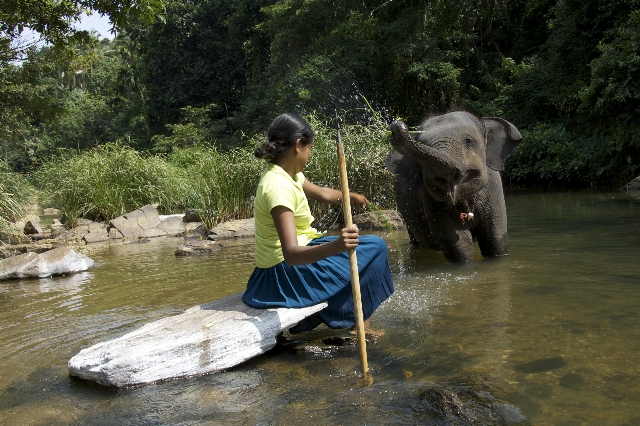
Chandani Ratnayake with Kandula: She wants to become Sri Lanka's ambassador to elephants...

This film review has just appeared in The Nation newspaper, Sri Lanka, and can be accessed online at http://www.nation.lk/2011/10/16/eyefea6.htm

Years ago, I resolved not to watch any more documentaries about elephants – I have sat through far more than my fair share of them at film festivals across Asia and Europe. I have nothing against elephants; it’s just that most films about them are so predictably formulaic. Sooner or later, they all suggest: we greedy humans have robbed these giants of their jungles, and are now driving them to extinction.

While that is undeniable, the ground reality is a bit more nuanced. But few filmmakers or film commissioners want to go there. In any case, even the most balanced conservation film would still be trapped in an anthropocentric view of the human-elephant relationship: how differently might an elephant tell the same story?

Given these misgivings, I was pleasantly surprised by Arne Birkenstock’s new film, Chandani: The Daughter of the Elephant Whisperer (88 mins, 2010). He proves that it is always possible to find a refreshingly new way of telling a very old story.

The German film, shot entirely on location in Sri Lanka, centres around a young girl who loves elephants so much that she wants to spend the rest of her life tending to them. Sixteen-year-old Chandani Renuka Ratnayake is the eldest daughter Sumanabanda, the chief mahout at the elephant orphanage in Pinnawela. They hail from a family that has tamed and looked after elephants for generations. Lacking a son, he agrees to let Chandani train as a mahout.

There is only one small problem: Chandani is going where no Lankan woman has gone before. Other mahouts and the community doubt whether the eager young lass can rise to the many challenges involved in this hitherto male-only profession.

Sumanabanda brings home an elephant calf named Kandula, and assigns it to Chandani. Under the watchful eye of her father, Chandani does all the feeding, bathing and other chores. She has to divide her time between school and her boisterous charge. Soon, the two young ones bond with each other.

She also receives guidance from a wildlife ranger named Mohammed Raheem. He takes her to the Udawalawe National Park, an important habitat for wild elephants. There, she gets glimpses of the daily skirmish between wild elephants and humans for the land claimed by both species.

Exploring the relationship between children and elephants is a recurrent theme for filmmakers across cultures and genres. An early example was Elephant Boy (1937), a British adventure film directed by documentary filmmaker Robert J. Flaherty and Zoltan Korda, based on Rudyard Kipling’s “Toomai, of the Elephants”. A few years ago I watched the Japanese film Hoshi ni natta shonen — with a goofy English name, Shining Boy and Little Randy — directed by Shunsaku Kawake in 2005. It was the bittersweet story of a young boy who goes to Thailand to become Japan’s first elephant trainer.

The child character is usually male, possibly influenced by Mowgli of Jungle Book fame. But here, Chandani is playing herself: she has grown up watching the complexities of ex-situ conservation of the largest land mammal.

The elephant orphanage, set up on a 10-hectare coconut estate in 1975 to look after young elephants whose mothers have been killed — often in violent confrontations with villagers — is now home to nearly a hundred elephants. A captive breeding programme, introduced in 1982, has resulted in several live births.

Pinnawela continues a long tradition — going back to over 3,000 years — where elephants are captured, tamed and trained in Sri Lanka. Jayantha Jayewardene, an expert on Asian elephants, says the elephant, although tamed and trained, is not quite a domesticated animal in the same sense that dogs are.

As he explains in his book, The Elephant in Sri Lanka: “It (the elephant) is an immensely powerful animal whose strength and wild nature calls for caution in handling it, especially during capture and the initial training stages. Later on, using less than a dozen words of command, the handler, called a mahout, is able to exercise control over this powerful animal. In most instances, the elephant and mahout develop a strong and lasting bond.”

After months of training, Chandani faces her moment of truth. She has to accompany Kandula in the local perahera, the procession that tours the streets with decoratively dressed elephants as star attractions. Peraheras are noisy, crowded and sometimes chaotic affairs: participating elephants and mahouts need focus and coordination.

The young girl and elephant prove their mettle. If Chandani’s family and peers are impressed by that public performance, the indifferent state is not. Sumanabanda is belatedly informed that he is not legally allowed to raise an elephant at home (even if he paid ‘good money’ for the creature). Eventually, he and his daughter agree that it is best for Kandula to return to the jungle. Their emotional attachment is strong by now, making separation painful. As Chandani watches Kandula being taken away, she reflects on her chosen future…

Relaxed Drama

The film is labeled as a documentary, but there is considerable movement, tension and other emotions that lend it a dramatic quality. Evidently, many sequences have been scripted. We don’t know how much time and effort that entailed. It probably helped that Chandani and Sumanabanda seem ease-going people. The director has managed to get even the (usually stiff) government officials to relax for the camera.

By staying tightly focused on his characters, Birkenstock avoids a common pitfall in many elephant films that either eulogise pachyderms or editorialise too heavily about their predicament. He blends striking images with an evocative soundtrack to tell a compelling story that is informed by real world issues — but not deep immersed in them.

This mix is welcome indeed. In 2000, when I served on the global jury of Wildscreen, the world’s leading wildlife and natural history film festival in Bristol, UK, we told filmmakers that simply documenting animal and plant behaviour and their habitats was no longer adequate in a world facing a multitude of environmental crises. There was an urgent need, our jury statement said, for films that explored the nexus between the natural environment and human society — both the conflict and harmony between the two.

Chandani and Kandula the elephant

Forming the backdrop to Chandani are the tough choices confronting biodiversity conservation in Sri Lanka. The wildlife ranger Mohammed, in particular, brings in both specialised knowledge and official perspective — mercifully without any activist shrill. Hard core environmentalists might not find this film ‘green enough’. For mass audiences worldwide, however, it conveys a very important message: how some ordinary Lankans are doing their bit for inter-species harmony against many odds.

That is no small accomplishment on our crowded island which has the world’s highest density of wild Asian Elephants. The first-ever nationwide elephant census in August 2011 produced a total of 7,379 jumbos across the island: 5,879 of them were spotted near parks and sanctuaries, while another 1,500 were estimated to be living in other areas. Some environmentalists were unhappy with the methodology and questioned its results. But even imperfect data can inspire more systematic conservation measures.

Sooner or later, we have to answer the hard question: how many wild elephants can the island’s remaining forests realistically sustain? This has already sparked off heated arguments. In the long-term, the survival of the Lankan Elephant might be assured only though captive breeding.

Meanwhile, every year, a few dozen elephants and humans perish in increasingly violent encounters over land and food. As we search for lasting solutions, we need more Chandanis, Mohammeds and Sumanabandas to show us the way.

Science writer Nalaka Gunawardene is far more interested in wild-life in urban jungles than wildlife in natural ones.

Chandani and Kandula pass a very public test!

9/11 plus 10: Remembering the WTC Twin Towers from the movies…

In the end, movie memories are all that we are left with.

As we remember the 9/11 tragedy 10 years later, a cool compilation released online last month packs extracts from lots of movies that featured the World Trade Centre Twin Towers.

As the Los Angeles Times noted, Dan Meth — a New York animator and filmmaker who generally works creating humorous videos for the Web — has put together a deceptively simple, deeply moving tribute to the twin towers by creating a montage of their appearances on film.

Twin Tower Movie Cameos 1969 – 2001

The filmmaker says about this creation:
“From 1969 to 2001, the Twin Towers made countless cameos in Hollywood films. Sometimes featured prominently in the foreground, sometimes lurking in the distance. This montage celebrates the towers’ all-too-short film career with songs that capture the passing decades. Man, I miss them.”

Read the story behind this compilation in the Los Angeles Times

Tareque Masud (1956 – 2011): The Song of Freedom, Interrupted

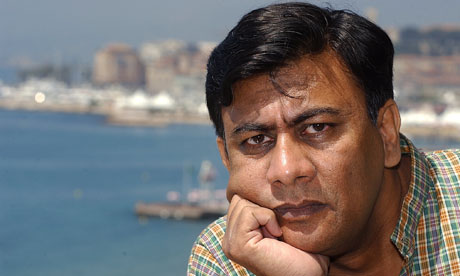
Tareque Masud in Cannes in 2002. Photo by Olivier Laban-Mattei/AFP

South Asia’s notorious killing fields, a.k.a. roads, have robbed us of another highly talented and committed professional. Bangladesh film maker Tareque Masud died on the spot when his microbus collided head-on with a passenger bus in in Ghior, close to Dhaka, on August 13.

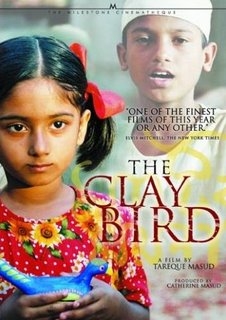
The accident also killed Mishuk Munier, CEO of Bangladesh’s private ATN television news channel and three others, and injured Tareque’s film maker wife Catherine. The Masuds and team had been returning after scouting for locations for their next feature film, named Kagojer Ful (The Paper Flower). It was to be a prequel to his award-winning first full-length feature film, Matir Moina (English release title “The Clay Bird”).

That film, which tells the story of a young boy living at a madrasa or Islamic religious school, was inspired by his own childhood experiences. When it debuted at the Cannes Film Festival in 2002, it won him the International Critic’s Award as well as the FIPRESCI Prize for Directors’ Fortnight for “its authentic, moving and delicate portrayal of a country struggling for its democratic rights.”

Matir Moina was received with critical praise and toured the international circuit. However, the Bangladeshi Government initially refused to issue a censor certificate for national screening, saying it gave a distorted image of the madrasa system, and that it could hurt feelings in this Muslim-dominated country. Confronted by Tareque’s appeal and widespread international pressure, the decision was later reversed.

Matir Moina later became the first entry from Bangladesh in the best foreign language film category at the Oscar awards.

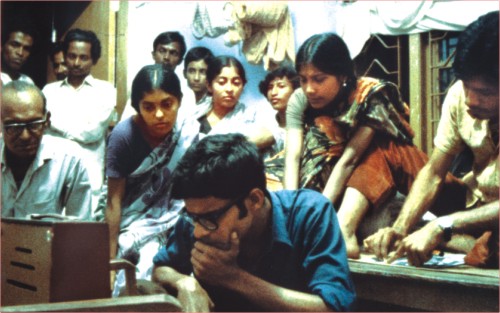
Tareque made several documentaries before venturing into feature film making. I first came to know his work through Muktir Gaan (The Song of Freedom, 78 mins, 1995), the most famous film in early age of his career.

In that documentary, the camera follows a music troupe during the Liberation War of Bangladesh in 1971. The members of the troupe sing songs to inspire freedom fighters. The film was made mainly based on the footage of American filmmaker Lear Levin that Masud got from the basement of Levin’s house in New York.

Catherine Masud tells the untold story of how Muktir Gaan was made

Muktir Gaan was an extraordinarily compelling film that was released theatrically in Bangladesh, blazing a new trail in distributing long-format documentaries in South Asia. It was also a strong entry at the inaugural edition of Film South Asia festival in Kathmandu, where I was on the jury. We awarded it a Jury Special Mention.

A scene from Muktir Gaan, 1995The Masuds followed it up with Muktir Kotha (The Story of Freedom, 82 mins, 1996), an oral history documentary about the experience of ordinary villagers during 1971 Liberation War. They also made many development related films through their Dhaka based production company, AudioVision.

I have fond memories of meeting Tareque and Catherine at the FSA festival. Our paths crossed at least a couple of times more in different corners of South Asia. Although we once discussed a collaborative project, it never happened due to the lack of funding.

As one film critic noted, “They were a delightful couple who managed to be deeply committed to the improvement of Bangladeshi society without ever being pompous or self-righteous.”

The Guardian obituary by Ronald Bergen, 15 Aug 2011

The Making of Matir Moina – Tareque and Catherine Masud

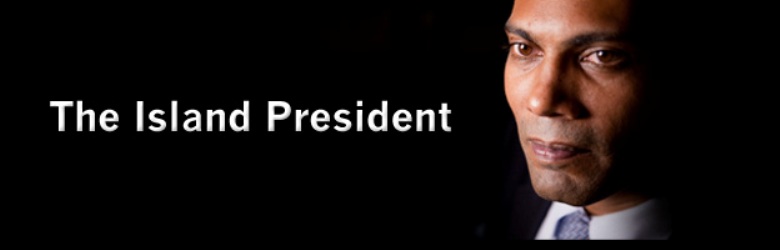
The Island President: New film profiles Mohamed Nasheed at the Frontline of Climate Justice

When it comes to climate change, we're all Maldivians!
President Mohamed Nasheed of the Maldives is an articulate, passionate climate witness on behalf of his endangered island nation of 350,000 people. The technocratic and amiable President is one of the youngest heads of state in the world today. The one-time freelance journalist (who worked with and for various media when he was in political exile) remains very accessible to the international media. He knows the power of old and new media — and how to leverage it for his cause.

I admit to being a Nasheed fan. During the past couple of years, I have blogged about, interviewed and made a short film about President Nasheed. In the less than three years he has been in office, he has faced more than his fair share of economic and political challenges at home, but he has never lost sight of the long-term, bigger issue of climate change advocacy.

And now, his global status as the ‘rock star of climate change’ is enhanced by ‘The Island President’, a 90-minute, feature-style major documentary about him produced by a leading American production company, Actual Films. The film is to be released this summer at various film festivals. I can’t wait to catch it.

The Island President has been in the making for nearly two years. The film makers had exclusive access to the President both in his island nation and on his international travels.

The Island President: Official Trailer

The official Synopsis reads: “The Island President is a a dramatic feature documentary that lifts the issue of global warming out of the theoretical and into the personal. President Mohamed Nasheed is trying to save 385,000 people from drowning. His nation of 1,200 low-lying islands, the Maldives, is sinking into the Indian Ocean as sea levels rise due to global warming.

“With a young, charismatic South Asian leader updating a role once played by Jimmy Stewart, The Island President is like a non-fiction Mr. Smith Goes to Washington elevated to the world stage. Actual Films has secured exclusive access to follow President Nasheed as he prepares over the coming months for the 2009 Copenhagen Climate Summit in December. The terms of the 1997 Kyoto Treaty on Climate Change are about to expire, and leaders from around the world will converge on Copenhagen to hammer out a new treaty with renewed urgency. As the Danish Minister for Climate and Energy acknowledged, “the December days in Copenhagen in 2009 will be…a political thriller on an international scale.” The Summit will be an international showdown where President Nasheed will try to convince world leaders to finally take serious action against looming danger of climate change. The stakes couldn’t be higher-President Nasheed sees this as the last chance to save his homeland, and the world.”

The Island President is a co-production involving Actual Films, AFTERIMAGE PUBLIC MEDIA and the Independent Television Service (ITVS), with funding provided by the Corporation for Public Broadcasting (CPB).

Read about the film makers: Jon Shenk, Director; Bonni Cohen, Producer; and Richard Berge, Producer.

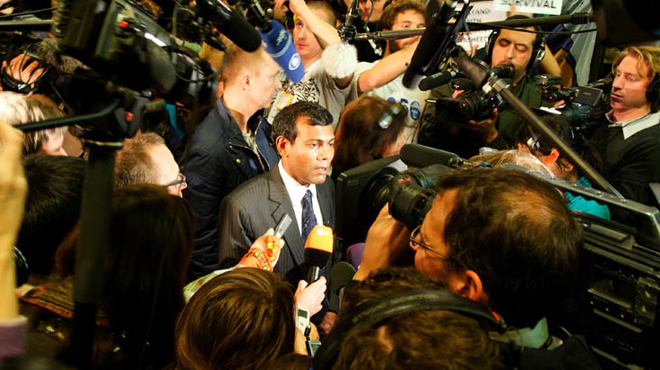
October 2009: President Mohamed Nasheed: Encounter with a genial climate crusader…

President Nasheed knows what to say and how to say it to the eager media...

සිවුමංසල කොලූගැටයා #21: ප‍්‍රතිනිර්මාණය වූ සියැටල් නායක කථාව/මිථ්‍යාව

In this Ravaya column, in Sinhala and printed in the Ravaya newspaper of 3 July 2011,
I point out that a certain speech said to be uttered by a native American chief is, in fact, a latter day script by a filmmaker.

The same ground was covered in English in my April 2009 blog post: ‘Chief Seattle speech’: Global environmental legend, or pervasive myth?

අද්භූත හෝ අහඹු සිදුවීම් පාදක කර ගත් කථාන්තරවලට අපි මිථ්‍යා (myths) යයි කියනවා. දේව විශ්වාස, ඇදහිලි ආදියත් ඇතැම් අය මේ ගණයට ම එකතු කරනවා. ඒවායේ ඇත්ත නැත්ත කෙසේ වෙතත් මිථ්‍යාවන්ට දැඩි ඇල්මක් එදා මෙන් ම අදත් මිනිස් සමාජයේ තිබෙනවා. 21 වන සියවසට පිවිසියත් අප ඇතැම් දෙනකු තවමත් නූතන මිථ්‍යාවන් වැළඳගන්නේ ඒ නිසයි. එබදු මිථ්‍යාවන්, උගත් හා වෘත්තිකයන් සේ පුහුණව ලැබූ අය අතරත් හමුවනවා. ‘සියැටල් නායකයාගේ මහා දාර්ශනික පාරිසරික පණිවුඩය’ එයින් එකක්.

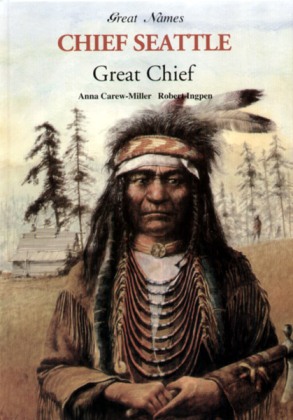
මේ කථාවේ කතුවරයා ලෙස බොහෝ දෙනා සළකන්නේ Chief Seattle නමින් ප‍්‍රකට, 1780-1866 කාලයේ වාසය කළ අමෙරිකාවේ ආදිවාසී ජන නායකයෙක්. (ඉතිහාසයේ වැරදි නම් කිරීමක් නිසා කලක් මේ ජනයාට ‘රතු ඉන්දියනුවන්’ යයි කීවත් අද ඒ නම භාවිතයේ නැහැ.) ඒ ආදිවාසීන්ගේ නිජබිම්වල 16 හා 17 වන සියවස්වල පැමිණ පදිංචි වූ යුරෝපීය සුදු ජාතිකයන් සමග සාමකාමීව සහජීවනය වෙත යොමු වූ නායකයකු ලෙස සියැටල් ඉතිහාසගත වී තිබෙනවා. ඔහුගේ නම විවිධාකාරයෙන් ලියනවා. Sealth, Seathl හා See-ahth වශයෙන්. එහෙත් වඩාත් ම ප‍්‍රකට සියැටල් නායකයා හැටියටයි. මිනිසාගේ පාරිසරික වගකීම් ගැනත්, මිහිතලය හා අප කරන ගනුදෙනුව ගැනත් උදාර අදහස් පළ කළ කෙනකු ලෙස අප ඔහු ගැන අසා තිබෙනවා.

The man was real; the speech wasn't his
1854 වසරේ මුල් කාර්තුවේ දවසක බටහිර ඇමෙරිකාවේ සියැටල් නගරයේ එලිමහන් රැස්වීමකදී සියැටල් නායකයා හැගීම්බර කථාවක් කළ බවට යම් සාක්‍ෂි තිබෙනවා. එයට ආසන්න ම හේතුව වූයේ පාරම්පරිකව ආදිවාසීන් ජීවත් වූ ඉඩම් සුදු ජාතිකයන්ට විකුණන ලෙස රජයෙන් කළ ඉල්ලීමයි. ‘ඉඩම් අයිතිය’ පිළිබඳ සංකල්පයක් නොතිබූ ආදිවාසීන් මෙයින් වික්‍ෂිප්ත වුණා. ඒ වන විට සිදුවෙමින් තිබූ පාරිසරික හා සාමාජයීය අකටයුතුකම් ගැන ද නායකයාගේ සිතේ ලොකු කලකිරීමක් තිබෙන්නට ඇති. නමුත් ඔහු තමන්ගේ බසින් එදා කළ කථාවේ වාර්තාවක් නැහැ.

ඊට වසර කිහිපයකට පසු සුදු ජාතික වෛද්‍යවරයකු හා ලේඛකයකු වූ හෙන්රි ස්මිත් මුල් වරට ඒ කථාවේ ඉංග‍්‍රීසි අනුවාදයක් සකස් කළා. ඒ සඳහා ඔහු කිහිප වතාවක් සියැටල් නායකයා මුණ ගැසී කථා බහ කළත් ඔහුගේ අනුවාදයට වැල්වටාරම් හා මනරම් අදහස් එකතු කළ බව ඇන්ඩි කාර් (Andy Carr) නම් අමෙරිකානු පරිසරවේදියා හා පර්යේෂකයා විශ්වාස කරනවා.

1887දී මේ ඉංග‍්‍රීසි අනුවාදය මුල් වරට Seattle Sunday Star පුවත්පතේ පළ වුණා. එයින් පසු විවිධ දාර්ශනික, ආගමික හා පාරිසරික ප‍්‍රකාශනවල එය නැවත නැවතත් පළ කරනු ලැබුවා. 1969 දී අමෙරිකාවේ ටෙක්සස් විශ්ව විද්‍යාලයේ සම්භාව්‍ය සාහිත්‍යය පිළිබඳ මහාචාර්ය විලියම් ඇරෝස්මිත් (Prof William Arrowsmith) නැවත වරක් එය කාලානුරූපිත ලෙස සංස්කරණය කළා.

1970 අපේ‍්‍රල් 22 දා අමෙරිකාවෙන් ඇරඹුණු මිහිතල දිනය (Earth Day) සඳහා පරිසරවේදීන් මිලියන් 20ක් දෙනා යොදා ගත්තේ ඒ සංශෝධිත කථාවයි. ඒ වන විට වාත දුෂණය, ජල දුෂණය හා රසායනික ද්‍රව්‍ය අධික ලෙස ආහාරපානවලට මිශ‍්‍රවිම ආදී කරුණු ගැන අමෙරිකානු ජනතාව දැනුවත් වෙමින්, කලබල වෙමින් සිටියා. මේ කාලීන සිතුම් පැතුම් මහාචාර්යවරයාගේ සංශෝධනයට ඔහු ඇතුළත් කළා.

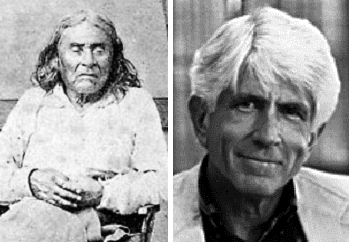
Chief Seattle (left) and actual speech writer Ted Perry

මේ සංශෝධිත කථාව මුල් මිහිතල දිනයේදී ඇසු අය අතර ටෙඞ් පෙරී (Ted Perry) නම් චිත‍්‍රපට තිර රචකයකු ද සිටියා. ඊට ටික දිනකට පසුව එරට කි‍්‍රස්තියානි ටෙලිවිෂන් සමාගමක් (Southern Baptist Television Commission) ඔහුට ඇරයුම් කළා ඒ වන විට සිදුවෙමින් තිබූ පරිසර විපත් පිළිබඳව කිතු දහම පදනම් කරගෙන සාමයිකව විග‍්‍රහ කරන වාර්තා චිත‍්‍රපටයක් රචනා කරන්නට.

සියැටල් නායකයා 1970 දී සිටියා නම්, එවකට මතු වී තිබූ පාරිසරික ප‍්‍රශ්න හා සංවර්ධන පිළිබඳ සංකල්පමය අර්බුද ගැන ඔහු කුමක් කියනු ඇත්දැයි ටෙඞ් පෙරී කල්පනා කළා. මේ අනුව යමින් සියැටල් නායකයාගේ කථාවේ අළුත්ම ප‍්‍රතිනිර්මාණයක් ඔහු ලයාන්විත හා කාව්‍යමය බසින් තිර රචනයකට නැගුවා. මුල් කථාවේ නොතිබුණු දෙවියන් පිළිබඳ ක‍්‍රිස්තියානි සංකල්පත් ඔහු මේ තිර රචනයට එකතු කළා. 1973දී මේ වාර්තා චිත‍්‍රපටය එළි දැක්කේ Home නමින්. චිත‍්‍රපටයට වඩා විශාල ජනප‍්‍රියතාවයක් ලැබුණේ එහි යොදා ගත් සියැටල් නායකයා කළා යැයි කියන දාර්ශනික කථාවටයි.

පසුගිය වසර 40කට අසන්න කාලයක් තිස්සේ ලොව පුරා ප‍්‍රචලිත වී, විවිධ භාෂාවලට පෙරැළී ඇත්තේ මෙසේ හෙන්රි ස්මිත්ගේ මුල් අනුවාදය, විලියම් ඇරෝස්මිත් විසින් කාලානුරූපීව සංශෝධනය කර ටෙඞ් පෙරී විසින් ප‍්‍රතිනිර්මාණය කරන ලද කථාවයි! එඞ්වින් ආරියදාස හා ධර්මසිරි ගමගේ යන ලේඛකයන් මෙහි අගනා සිංහල අනුවාදයන් කර තිබෙනවා.

1980 දශකය අගවන විට ලොව පුරා පාරිසරික ශුද්ධ ලියවිල්ලක මට්ටමට පිළිගැනීමක් ලැබුණු මේ කථාවේ ඓතිහාසික විශ්වාසනීයත්වය ගැන ටික දෙනකු ප‍්‍රශ්න කරන්නට පටන් ගත්තා. සියවසකට වැඩි කාලයක් පුරා සියැටල් නායක කථාවේ පරිනාමය ගැන ජෝන් ස්කල් (John Scull) නම් පර්යේෂකයා විස්තරාත්මකව අධ්‍යයනය කළා. ආදිවාසී නායකයකුගෙන් පටන්ගෙන ක‍්‍රිස්තියානි වාර්තා චිත‍්‍රපටයකින් හමාර වූ ඒ ගමනේදී, මුල් අදහස් විශාල වශයෙන් වෙනස් වී ඇති සැටි ඔහු සාක්‍ෂි සහිතව පෙන්වා දුන්නා. (සාමයික කලා කෘතීන් ගැන මට ප‍්‍රශ්නයක් නැහැ. මෙහිදී අප කථා කරන්නේ පසු කාලීනව සාමයික මුහුණුවරක් දීමෙන් මුල් කෘතිය විකෘති වීම ගැනයි. එහෙත් ‘මුල් කෘතිය’ කුමක්දැයි කිසිවකු හරිහැටි නොදන්නා නිසා සිදු වී ඇති වෙනස්කම් සිතාගන්නටත් අමාරුයි!)

1992 වන විට මේ සැබෑ තත්ත්වය හෙළි කරන ගවේශණාත්මක වාර්තා New York Times හා Newsweek ප‍්‍රකාශනවල පළ වුණා. එහෙත් ඒ වන විට සියැටල් නායක කථාව ලෝක ව්‍යාප්ත මිථ්‍යාවක් බවට පත් වී හමාරයි. ‘සියැටල් නායකයා මෙබදු අදහස් සැබැවින් ම කීවත්, නොකීවත් ඔහු වැනි ශ්‍රේෂ්ඨ පරිසරවේදියකුගේ මුවට මෙබදු අදහස් ආරෝපණය කිරීමේ වරදක් නැතැයි’ පරිසරවේදීන් තර්ක කළා.

එය ප‍්‍රශ්න කරන අයට පරිසරවේදීන්ගෙන් දැඩි විවේචන එල්ල වුණා. ‘සම්ප‍්‍රදායික දැනුම හෙළා දකින්නට උත්සාහ කරන සුදු ජාතික කුමන්ත‍්‍රණයක කොටස්කරුවන්’ හැටියට හදුන්වා දෙනු ලැබුවා. (2009 අපේ‍්‍රල් 22 වනදා මගේ බ්ලොග් අඩවියේ මේ ගැන විග‍්‍රහයක් මා ලියා පළ කළා. එයට ලැබුණු පාඨක ප‍්‍රතිචාර බහුතරයක් ද මේ ආකාරයේ එවායි. ආදිවාසී දැනුම හෙලා දකින බටහිර ඒජන්තයෙකු ලෙස ඇතැම් පාඨකයන් මට අවලාද නැගුවා. (http://tiny.cc/Seattle බලන්න).

ජෝන් ස්කල් මීට වසර කිහිපයකට පෙර මුලින් මතු කළ, මා මතවාදීව එකග වෙන තර්කය මෙයයි. පරිසරය රැකගන්නට අධ්‍යාත්මික හා චින්තනමය වෙනසක් ද අවශ්‍ය බව ඇත්ත. එහෙත් කාව්‍යමය බසින් විසිතුරු වුණු, තාර්කික බවින් හීන වූ මෙබදු ලියැවිල්ලක් කරන්නේ මානව පරිනාමය ගැන අප තුළ මහා කලකිරීමක් හා ඉච්ඡභංගත්වයක් ඇති කිරීමයි. ගොඩ ගන්නට බැරි තරම් අසාධ්‍ය වුණු රෝගියකුගේ මට්ටමට මිහිතලය පත්ව ඇතැයි අදහසක් ද එයින් ජනිත වෙනවා. පරිසරය හා මිනිසා අතර යම් තුලනයක් හා සංහිදියාවක් ඇති කිරීමට අවශ්‍ය මානසික රාමුව මෙය යයි මා සිතන්නේ නැහැ.

1990දී ආචාර්ය ආනන්ද ඩබ්ලිව් පී ගුරුගේ මහාවංශයේ සඳහන් වන ප‍්‍රධාන ඓතිහාසික අවස්ථා පාදක කර ගෙන නිර්මාණාත්මක කෘතියක් ලිව්වා. ‘Voices of Ancient Sri Lanka’ නම් එහි අඩංගු වූයේ මෙරට ඉතිහාසයේ වැදගත් සංධිස්ථානවලදී එවකට විසූ රජවරුන් හා අනෙකුත් ප‍්‍රභූන් පවත්වන්නට ඇතැයි අනුමාන කළ හැකි මහජන කථා පෙළක්. එය පසුව ‘ශ්‍රී ලංකා ප‍්‍රතිරාවය’ නමින් සිංහලෙන් ද පළවුණා.

ඒ පොතේ ලියැවී ඇති වදන්මාලා ගුරුගේ සූරීන්ගේ පරිකල්පනයෙන් මතු වූ, ඔහුගේ කෘතහස්ත ශෛලියෙන් ඔප් වැටුණු ඒවායි. සැබැවින් ම ඒ පුද්ගලයන් එම අදහස් කී බවට තිරසාර සාක්‍ෂි නැහැ. එහෙත් එසේ වූ පමණට එම කතා රසවීදීමට අපට බාධාවක් ද නැහැ. සියැටල් නායකයාගේ කථාවත් මෙයට සමාන තත්ත්වයක්.

සියැටල් නායකයා හරබර කථාවක් කරන්නට ඇති. එය ඔහුට ම ආවේණික උපමා, රූපක ආදියෙන් පිරී තිබෙන්නටත් ඇති. එහෙත් අද ලෝකයේ සංසරනය වන විචිත‍්‍ර කථාව සියැටල්ගේ නොව තිර රචක ටෙඞ් පෙරීගේ බව සිහි තබා ගැනීම වැදගත්. චිත‍්‍රපටය පරිකල්පනාවේ නිදහස ඇති කලාවක්. අප සැබෑ ලෝකය හා පරිකල්පනා ලෝකය අතර වෙනස හදුනාගත යුතුයි.

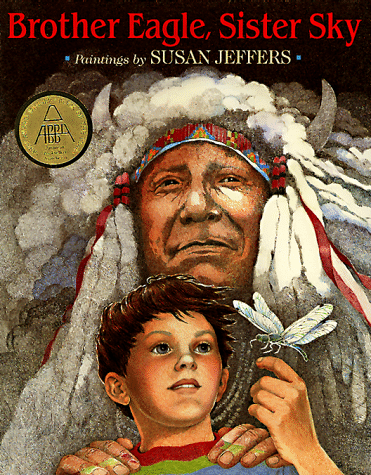
This 1991 book built on the Chief Seattle fable
නොකපන ලද දියමන්තියක් සියැටල් බිහි කළා නම් එය ටෙඞ් පෙරීගේ අතින් හැඩ වැඩ වී ඔටුන්නක සවි වුණා යයි කිව හැකියි. මුල් දියමන්තියේ කාන්තිය වඩාත් ප‍්‍රබල කිරීමේ ගෞරවය තිර රචකයාට හිමි විය යුතුයි. සියැටල් ඇත්තට ම කී දේ කුමක්ද තිර රචකයා එයට එකතු කළේ මොනවාද යන්න මේ වන විට පැහැදිළි නැහැ. ආදීවාසී නායකයෙකු මහා ප‍්‍රාඥයකු හැටියට හුවා දක්වන්නට පරිසරවේදීන් මෙන් ම අධ්‍යාපනවේදීන් ද කැමතියි. එහි ලොකු වරදක් නැති වූවත් මිථ්‍යාවක් මත ගොඩ නගන දර්ශනයට කල් පැවතිය නොහැකි බව අප සිහි තබා ගත යුතුයි.

සියැටල් නායකයා මහ පොළවේ පය ගසා ගෙන එහි හද ගැස්ම හදුනාගත් අය බවට විවාදයක් නැහැ. තමන් මිහිතලය සමග නිරන්තර ගනුදෙනුවක් කරමින් සිටින බවත්, එහිදී ඕනෑවට වඩා උකහා ගත්තොත් එහි අහිතකර විපාක විදින්නට සිදුවන බවත් ආදිවාසීන් හොදාකාර දන්නවා. අද ලෝකයේ සංවර්ධන අර්බුදයේ ලොකු ම අභියෝගයත් එයයි. අපේ (සහ අන් ජීවීන්ගේ) පැවැත්මට අවශ්‍ය පාරිසරික ප‍්‍රවාහයන් විනාශ නොකොට අපේ භෞතික අවශ්‍යතා සපුරා ගන්නේ කෙසේ ද?

ප‍්‍රාග්-නූතන යුගයේ හෝ ගල් යුගයේ ජීවන රටාවකට ආපසු යන්නට හැකියාවක් නැහැ. අල්පේච්ඡ දිවි පෙවෙතක් ගැන කථා කරන පරිසරවේදීන් පවා එබන්දකට සූදානම් නැහැ. මේ නිසා ප‍්‍රායෝගිකව කළ හැකි තුලනයන් මොනවා ද යන්න හදුනාගෙන ඒ සඳහා අපේ කාලය, ශ‍්‍රමය හා නිර්මානශීලී හැකියාව යොමු කිරීමයි අවශ්‍ය වන්නේ. එසේ නැතිව යටගිය දවසකින් නොතිබුණු රොමෑන්ටික් සිහිනයකට හෝ චිත‍්‍රපට තිරනාටක රචකයෙකුගේ වදන් සිත්තමකට හෝ අපේ ලෝකයේ මහා ප‍්‍රශ්න විසඳන්නට හැකියාවක් නැහැ.

පරිසරවේදීනි, දැන්වත් අවදිවන්න!

‘Cheque-book development’: BBC World News editorial air time being sold to development agencies?

The BBC Trust – an independent body which safeguards the values of the publicly funded British Broadcasting Corporation – recently faulted the BBC Panorama series for faking child labour footage in India, apologised to the corporate house falsely implicated, and returned a prestigious TV award won by the 2008 programme concerned.

This was certainly a welcome move. But there is much more that the guardian of BBC values can and should investigate, among them the conduct of the BBC’s global TV broadcasting arm currently branded as BBC World News (earlier called BBC World TV). In this context, I want to draw attention to an op-ed essay I wrote in August 2007 that flagged an on-going practice where publicity-hungry development agencies were paying intermediaries who are apparently selling editorial coverage on BBC World. This is unethical and possibly illegal. I called it ‘Cheque-book development’.

The essay originally appeared in MediaChannel.org, an outspoken media-watch website produced from New York by the highly respected ‘News Dissector’ and media activist Danny Schechter. MediaChannel.org has since experienced funding difficulties and their online archive is currently not accessible. My op-ed also appeared, in full, at Asia Media Forum where it is still available.

Excerpts of the essay were featured in my blog post of 15 August 2007: ‘Cheque-book Development’: Paying public media to deliver development agency logos

I am reproducing the full text of my op-ed essay without any changes so it is more widely available. Despite expressions of dismay from fellow media watchers, there was no reaction of any kind from the BBC at the time. Let us hope the BBC Trust will now consider it worth looking into.

‘Cheque-book development’ corrupting the media?

By Nalaka Gunawardene (August 2007)

BLURB: In their ceaseless efforts to keep their organisations in the media spotlight, spin doctors of development agencies are distorting news values and corrupting the media, turning issue-based communication products into ‘logo delivery mechanisms’.

There is a new kind of ‘tout’ accosting development and humanitarian agency officials at international meetings.

These smart and well-heeled persons are not looking for a supply contract. In the age of spin, they are offering agencies ‘product placement’ – in the globalised news media.

“I can get your agency on BBC World,” is a common claim. In some quarters now, Al Jazeera International (AJI) is also being mentioned.

This is not an over-enthusiastic journalist looking for a scoop. These intermediaries are peddling the jealously-guarded access to highly visible news and current affairs TV channels.

Some are freelancers or stringers, while others are film production company executives. Their media access is hard earned: they all have track records of producing TV news features or documentaries to international broadcast standards.

There is only one problem: they are not supposed to sell this media access to the highest bidder.

But it happens more frequently than we suspect.

I have personally witnessed this kind of offer being made. Worryingly, the development community does not find anything ethically or morally wrong with this practice.

One possible reason: the competition among development and humanitarian organisations for public recognition has intensified in the past decade. Their communication officers are under tremendous pressure to raise the profile of their organisations -– and in some cases, of egotistic bosses.

So when a cash-for-media coverage opportunity comes along, it is too good to be missed.

The obvious question is hardly raised: how come access to a trusted news outlet is being marketed? Instead, many development professionals simply ask: how much?

The answer depends on how many precious seconds of air time, on which broadcast outlet and for what kind of story. But we are not talking about small change: some of these deals involve fifty or hundred thousand US dollars.

And those funds are drawn from the already tight communication budgets of development and humanitarian agencies.

At Asia Media Summit 2006 in Kuala Lumpur, the regional communication chief of a leading UN agency told me how she’d worked with such an ‘access peddler’ to get a post-tsunami story on BBC World TV. The few minutes of coverage almost drained her budget – but the agency management was highly pleased with their ‘few minutes of fame’.

I found that it was not a BBC staffer but a freelancer who was involved. Money had exchanged hands, though I didn’t find out how much, or on what kind of contractual arrangement it was done.

This is not an isolated incident. As development organisations compete more intensely for external funding, they are increasingly adopting desperate strategies to gain higher media visibility for their names, logos and bosses.

Communication officers in some leading development and humanitarian organisations have been reduced to publicists. When certain UN agency chiefs tour disaster or conflict zones, their spin doctors precede or follow them. Some top honchos now travel with their own ’embedded journalists’ – all at agency expense.

In this publicity frenzy, these agencies’ communication products are less and less on the issues they stand for or reforms they passionately advocate. Instead, the printed material, online offerings and video films have become ‘logo delivery mechanisms’.

The access peddlers know this weakness very well, and have turned it into a veritable cottage industry.

It’s not just the development sector’s vanity that fuels this process. Many 24/7 news channels are struggling to fill their hours inexpensively. Some turn a blind eye to ethical sourcing as long as they can have a steady supply of subsidised content.

Some media outlets are harder to penetrate than others. CNN International regulations prevent access peddling by its staff or intermediaries. The Public Broadcasting System (PBS) in the United States does not allow interviews with representatives of any entity sponsoring the production or broadcast of a programme.

Sadly, not every broadcaster is as careful.

This practice is wrong on two counts. One, allowing intermediaries to sell access to the airwaves is a form of corruption. Two, every time this happens, it siphons off tax-payer supported development funds intended for combating poverty and suffering in the majority world.

It is the reverse of cheque-book journalism, where some media organisations pay celebrity or other sources for exclusive access to their stories. When development agencies are paying sections of the media to get promotional or favourable stories aired, we must call it ‘cheque-book development’.

Some practitioners might argue that the end justifies the means. But beyond narcissism, the development benefit of logo-delivery media coverage is highly debatable.

Journalistic stories, whether on development, humanitarian or any other topic, must earn their place in the media on their intrinsic value. Despite greater corporatisation of the media, a good story can still stand up on its own.

Attaching cash to a development story seriously distorts those news values, making it harder for other development players to get rightful media coverage for their stories.

The origins of this unhealthy trend dates back to at least the 1970s, when the World Bank and some UN agencies started buying air time on public television networks to broadcast promotional films. Throwing money was a lot easier than working with producers to generate sustained coverage on issues of public interest. This spoilt the chances for others who were not willing or able to buy airtime but had public interest content to offer.

Paradoxically, the same development agencies take to the moral high ground on transparency and corruption in the global south. But as they broker more cash-for-media coverage deals behind the scenes, we are left gasping at the hypocrisy of it all.

Nalaka Gunawardene writes on media, development and society. The views in this essay are entirely his own. He can be reached on and he blogs at https://movingimages.wordpress.com