News feature published in Ceylon Today broadsheet newspaper, 23 January 2014
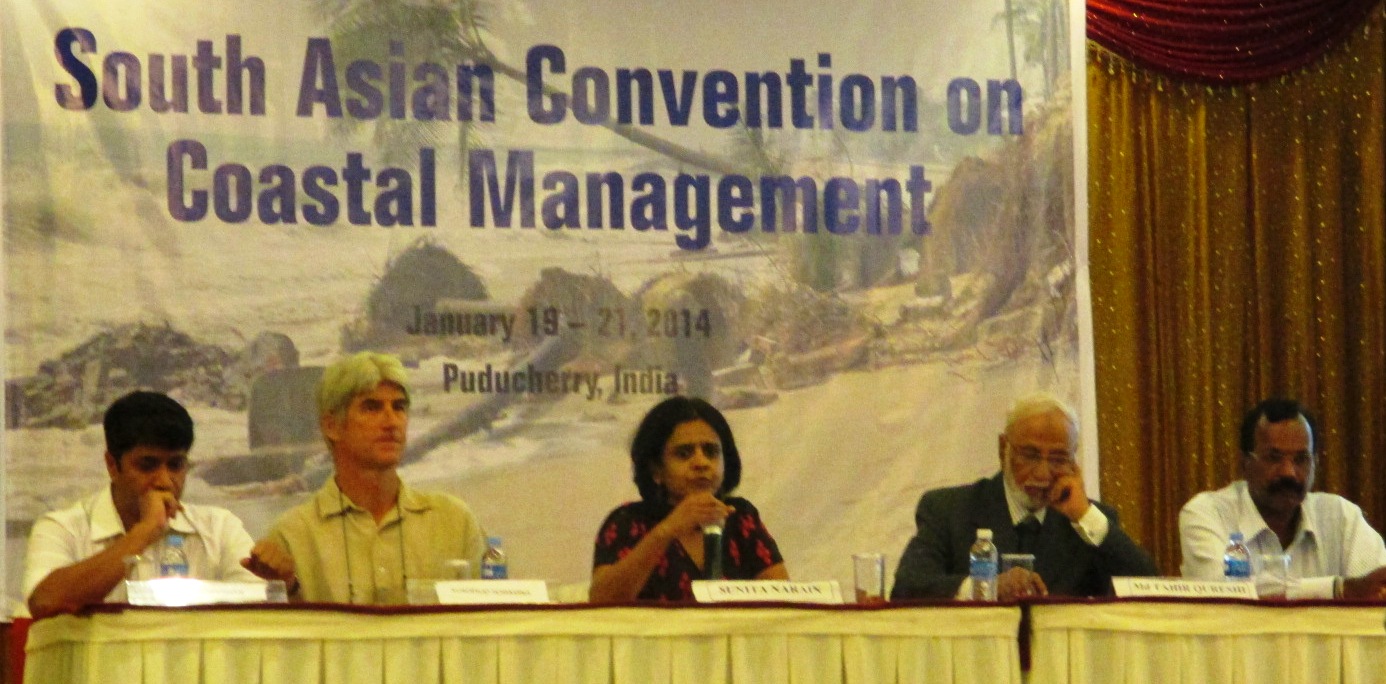
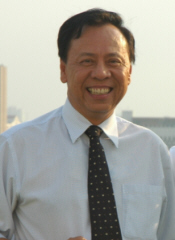
South Asia Coastal Management Convention in Pondicherry – L to R Chandra Bhushan, Aurofilio Schiavina, Sunita Narain, Tahir Qureshi, Anil Premaratne
South Asian Coasts Reeling Under Pressure
By Nalaka Gunawardene in Pondicherry, India
As economic development gathers pace in South Asia, its coastal regions are coming under pressure as never before. More ports, power plants and tourist resorts are jostling with fishermen and farmers.
Balancing livelihoods, economic growth and environmental conservation is the only way to avoid a major resource crisis, acknowledged participants at the South Asia Convention on Coastal Management held in Pondicherry, India, from 19 to 21 January 2014.
Over 70 senior government officials, researchers, civil society activists and journalists from Bangladesh, India, Maldives, Pakistan and Sri Lanka came together for this event, organised by Delhi-based Centre for Science and Environment (CSE) and Pondicherry-based citizen group, PondyCAN.
They reported how a disproportionately high share of South Asia’s industrialisation, urbanisation and tourism development is concentrated along its combined 11,240 km of coastline. In total, coastal areas support livelihoods of some 400 million South Asians through fisheries, tourism and other activities.
In many parts of the region, high population density exists alongside sensitive ecosystems – such as mangroves and coral reefs and river estuaries. This intensifies the challenge of managing coastal resources. Climate change impacts, already felt as extreme weather events, add to these pressures.
Participants discussed strategies for regulating coastal development, protecting coastal habitats and coping with climate change.
They agreed on the urgent need for improving scientific understanding of coastal regions, which begins with clearly defining, demarcating and mapping such areas. Evidence based policy making and effective regulation depend on such a knowledge base, currently lacking or inadequate.
“There is a need to strengthen regulatory systems, build capacity and do more research to better manage coastal challenges in South Asia,” said Sunita Narain, Director General of CSE.
In CSE’s view, she said, the most important intervention is to strengthen existing institutions to get them to deliver with greater transparency and accountability.
She added: “We need to balance conservation with benefits to local communities. We also need partnerships between conservation, development and livelihoods without which coastal resource management is not possible in a region like South Asia”.
Only such an approach can reconcile the many pressures faced by South Asia’s maritime countries including poverty, depleting resources, increasing hazards and large scale enterprises seeking quick profits from the coastal resources.
“We need to make sure these plans incorporate climate change to make them more meaningful to countries like ours,” he added.
Large scale infrastructure development projects are adding to other pressures. India – which already has 202 commercial ports and 27 thermal power plants on its coastline – is planning another 76 ports and 59 power plants. Over 70% of Sri Lanka’s tourist hotels are located in the coastal zone, with more coming up. The scramble for the coast is increasing in other countries, too.
Meanwhile, over two thirds of the world’s ship breaking takes place on open beaches in Bangladesh, India and Pakistan with little regard for worker health or environmental pollution. It is a highly hazardous industry with lucrative returns for operators.
Participants agreed on the need for the South Asian countries to share experiences and approaches and to learn from each other.
Premaratne pointed out that laws and regulations are just one strategy for better managing coastal areas. Other strategies include awareness raising and public education, and the involvement of local communities in resource management and benefit sharing.
Participants also stressed the need for placing all scientific information and maps in the public domain. Right now, these are often trapped in state agencies or research institutes, with no easy access to researchers or other citizens.
Probir Banerjee, President PondyCAN, stressed that the “worst affected are the people living at the margins and the objective has to be to enhance livelihoods, and not compromise them.”
In this week’s Ravaya column, I feature Indian agricultural scientist and activist Dr Anupam Paul, who is committed to organic farming and preserving traditional varieties of rice (folk rice).
He was in Colombo in December 2013 when I had an interesting interview on the uphill struggle to sustain in-situ conservation efforts working with a handful of committed farmers who still grow folk rice varieties instead of hybrid ones promoted by the Green Revolution.
While unexplained mass kidney failure is a serious public health problem in Sri Lanka, some persons are exaggerating the number of cases and deaths resulting from it, says the kidney specialist who first detected the disease.
Consultant Nephrologist Dr Tilak Abeysekera, who heads the Department of Nephrology and Transplantation at the Teaching Hospital Kandy, told a recent scientific meeting that it is very important to correctly diagnose the ailment – and not get it mixed up with other types of kidney disease.
“For example, only 16% of kidney patients in the Anuradhapura district can be classified as affected by what is now called Chronic Kidney Disease of unknown aetiology, or CKDu,” he said. He was speaking at a national symposium organised by the National Academy of Sciences of Sri Lanka (NASSL).
The symposium, held in Colombo on 10 December 2013, brought together senior representatives from many public institutions, research organisations and advocacy groups. It discussed the current status of knowledge of the disease, its occurrence, cause(s) and the short and long-term action needed to combat or mitigate it.
Wide-ranging discussions at the symposium highlighted the need for better disease surveillance, and further research. Participants also agreed on the need for much caution by policy makers and the media to avoid creating panic and confusion.
“Some writers to newspapers have claimed that the kidney disease is worse than the (2004) tsunami. The two tragedies are not comparable, and many numbers being mentioned in the media are gross exaggerations,” Dr Abeysekera said.
Mystery disease
CKDu emerged in the early 1990s, when hundreds of people in Sri Lanka’s Dry Zone – heartland of its farming — developed kidney failure without having the common causative factors of diabetes or high blood pressure.
Most affected were men aged between 30 and 60 years who worked as farmers. The disease built up inside the body without tell-tale signs or symptoms, manifesting only in advanced stages.
Dr Abeysekera was the first to notice and report this variation of the disease that had no immediately apparent cause. As the numbers rose, doctors and other scientists began probing further, trying to identify factors that triggered kidney failure.
Having first appeared in the North Central Province, CKDu has since been reported from parts of five more provinces: the North Western, Uva, Eastern, Central and Northern. The endemic area now covers around 17,000 square km, which is home to over 2.5 million people. To date, it remains exclusively a Dry Zone disease.
Owing to discrepancies in record keeping, it is difficult to arrive at a reliable estimate of deaths resulting from CKDu, According to Dr. Kingsley de Alwis, President of NASSL, deaths have variously been estimated at between 20,000 and 22,000 over the past 20 years. These numbers are not fully verified.
According to him, some 8,000 persons are currently undergoing treatment. This costs the public health sector over Rs. 4,000 million every year.
Over the years, many scientific studies have been carried out and various environmental, geochemical and lifestyle related factors have been probed. Researchers now suspect environmental and genetic factors as causes – but a definitive link to a specific factor has yet to be found.
The National CKDu research project, initiated and led by the Ministry of Health during 2009-2011, has concluded that CKDu is caused by multiple factors instead of a single one (see also box below).
In particular, it found chronic exposure of people in the endemic area to low levels of Cadmium through the food chain and also to pesticides. It also reported a genetic susceptibility in individuals with CKDu.
Many causes
Dr Shanthi Mendis, Director, Management of Non-communicable Diseases at WHO, told the symposium that kidney disease due to environmental factors is not unique to Sri Lanka. It has also been reported from Japan, Nicaragua, El Salvador, Croatia, Bulgaria and Serbia among others.
In Sri Lanka, WHO-supported research has shown that men over 39 years of age who are engaged in chena cultivation are more prone to CKDu. A positive family history in parents or siblings also increases the risk.
According to Dr Mendis, among the factors that appear to play a role are: chronic exposure to low levels of Cadmium through the food chain; exposure to nephrotoxic (kidney-damaging) pesticides; concurrent exposure to other heavy metals (Arsenic and Lead); deficiency of Selenium in diet; genetic susceptibility to kidney failure; and the use of Ayurvedic herbal remedies containing the Sapsanda plant (Aristolochia indica).
Cadmium enters the environment mainly through chemical fertilisers. The national research project did not find drinking water as a main source of Cadmium.
“In endemic areas, high Cadmium levels were found in certain vegetables such as lotus roots, freshwater fish and tobacco. But Cadmium in rice in both endemic and nonendemic areas was less than the allowable limit of 0.2 milligrams per kilogram,” Dr Mendis said.
Traces of Fluoride and Calcium naturally occurring in groundwater may also aggravate the effect of nephrotoxins and contribute to CKDu, she added.
Agrochemicals are not the only substances to watch. Dr Mendis also highlighted 66 Ayurvedic medicinal prescriptions that contain Aristolochia, being used for treating over 20 ailments. These include remedies for snakebite, fever, body pains, labour pain, indigestion and headache. Most people have no idea what their medicine contains, making it particularly difficult to assess exposure to this factor.
As often happens, research has raised more questions while clarifying some issues. Further studies are needed to understand exactly how certain plants accumulate heavy metals from their surroundings.
According to NASSL President Dr de Alwis, this is the typical process of science. “We need not be unduly alarmed about the number of different causes to which CKDu is attributed by scientists…Science works through a series of interactions, as well as the clash of ideas.”
Dr Tissa Vitarana, Senior Minister of Scientific Affairs who opened the symposium, asked all researchers to keep an open mind in such scientific investigations, ensure rigour of testing and analyis, and discuss their findings widely.
“There has been a spate of media abuse on CKDu. I’m glad to note that the media hype has died down so that a more sensible evaluation becomes possible,” he said.
Dr Vitarana, who is a virologist by training, added: “Cadmium, the main heavy metal suspected of being responsible for CKDu, enters our environment mainly through chemical fertilisers. There is no argument that we need to reduce use of such fertilisers. But as a scientist, I need to be convinced that Cadmium is the main cause. Right now, there is no such conclusive evidence, so we need to keep an open mind.”
Remedies & prevention
While the debate on exact causes of CKDu continues in scientific circles, the public health toll keeps rising.
“CKDu is a major public health issue placing a heavy burden on Government health expenditure and is a cause of catastrophic expenditure for individuals and families leading to poverty and stigma in the community,” WHO’s Dr Mendis said.
And as Minister Vitarana noted, in affected areas of the Dry Zone, farmers’ morale is breaking down. “This can raise questions on the future of farming in Sri Lanka.”
Based on the National CKDu research project, WHO has recommended a number of short and long term actions for ministries and other state agencies concerned with health, water supply, food and agriculture sectors.
An urgent priority is to supply clean drinking water to all people living in the endemic districts. Most people currently rely on groundwater, tapped through tube wells, hand pumps, or dug wells. The government’s 2014 budget proposals have recently allocated Rs 900 million to set up Reverse Osmosis small treatment plants that can purify ground water at local level.
Meanwhile, acting on other recommendations, the Ministry of Health has intensified public education and CKDu surveillance. At the same time, more treatment facilities – including kidney dialysis units – are being set up.
Many families of patients living with CKDu face economic hardship as their breadwinner can no longer work. They need both livelihood and counselling support.
On the preventive front, the Health Ministry now advises against consuming lotus roots in endemic areas, and asks people to be careful with all herbal medicines containing Sapsanda. One study recommendation is for regulating the use of nephrotoxic herbal medicines.
The national research study has also recommended action for stricter regulation of agrochemicals. It specifically calls for regulating the indiscriminate use of synthetic fertilisers, in particular phosphate fertilisers containing traces of Cadmium, Arsenic and Lead. Farmer reliance on these can be reduced by greater use of locally made rock phosphate. Similarly, better regulation of pesticide distribution and use is also needed.
Going a step further, the study has advocated strengthening tobacco regulation to protect people from exposure to Cadmium through passive smoking. This should add to the already strong case against tobacco.
The humanitarian crisis of CKDu has reached such levels, notes WHO, that urgent remedial actions are needed even as researchers continue their investigations.
“Translating available research findings into action should not be delayed. Implementing multisectoral measures to people’s (especially children’s) exposure to nephrotoxins is a top priority,” said Dr Mendis. “Follow-up research should not be a barrier for implementing WHO recommendations.”
Text box:
It was a national study, clarifies Health Ministry
The national research project on CKDu was co-funded by the World Health Organization (WHO) and Sri Lanka National Science Foundation (NSF). Comprising 11 studies, it is most comprehensive investigation on the topic so far, and involved dozens of local researchers and senior public health officials.
Research teams measured arsenic, cadmium, lead, selenium, pesticides and other elements, often linked with kidney failure, in biological samples from CKDu patients from three endemic areas (Anuradhapura, Polonnaruwa and Badulla). They compared the data with control groups from the endemic areas and a non-endemic area, i.e. Hambantota. They also analysed food, water, soil and agrochemicals from all the areas for the presence of heavy metals such as Cadmium, Arsenic and Lead.
The research findings were formally released in mid 2013. They were also published as a scientific paper in the international medical journal BMC Nephrologyin August 2013. The full paper can be accessed free online at: http://www.biomedcentral.com/1471-2369/14/180
“This is a national study carried out by our own experts, with World Health Organization (WHO) providing technical advice and part of the funding,” said Dr P.G. Mahipala, Director General of Health Services at the Ministry of Health.
He clarified: “It is not correct to refer to this study as a WHO study.”
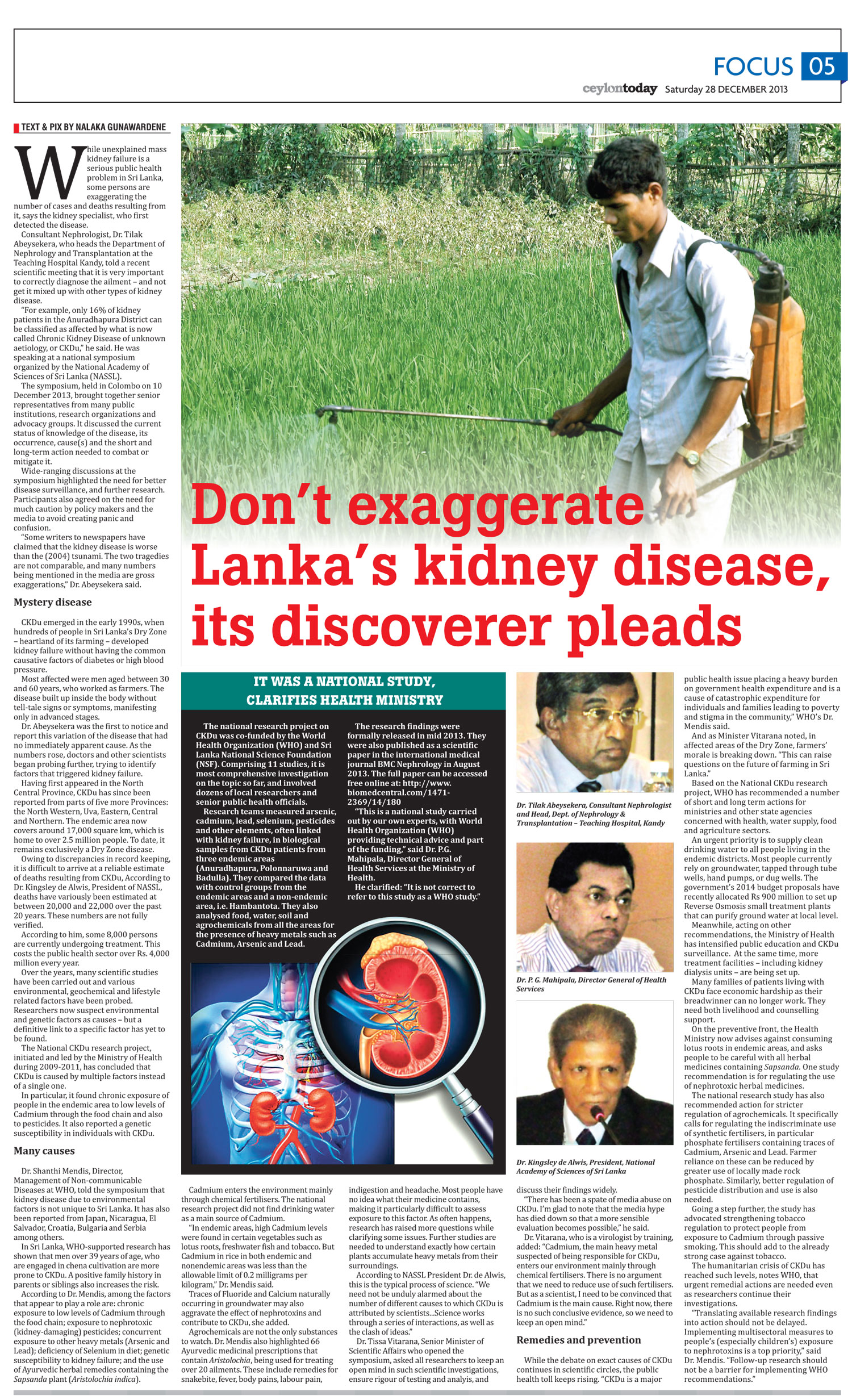
Don’t exaggerate Lanka’s kidney disease – by Nalaka Gunawardene – Ceylon Today, 28 Dec 2013
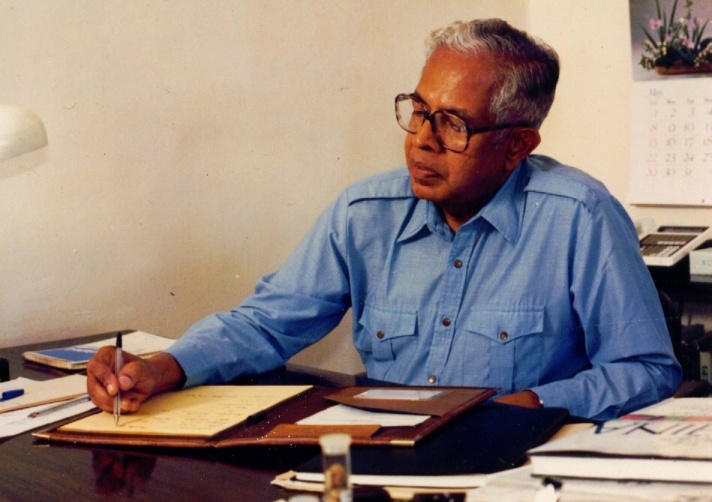
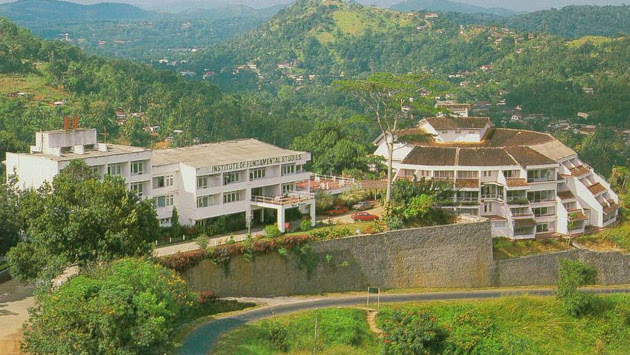
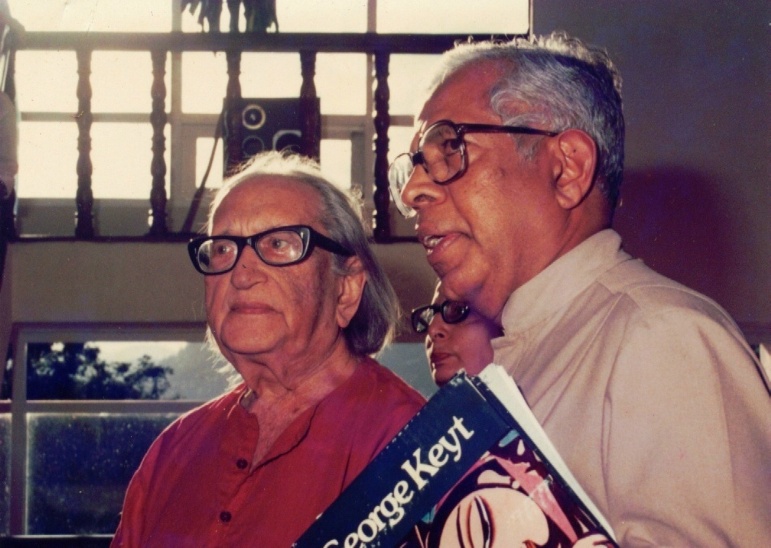
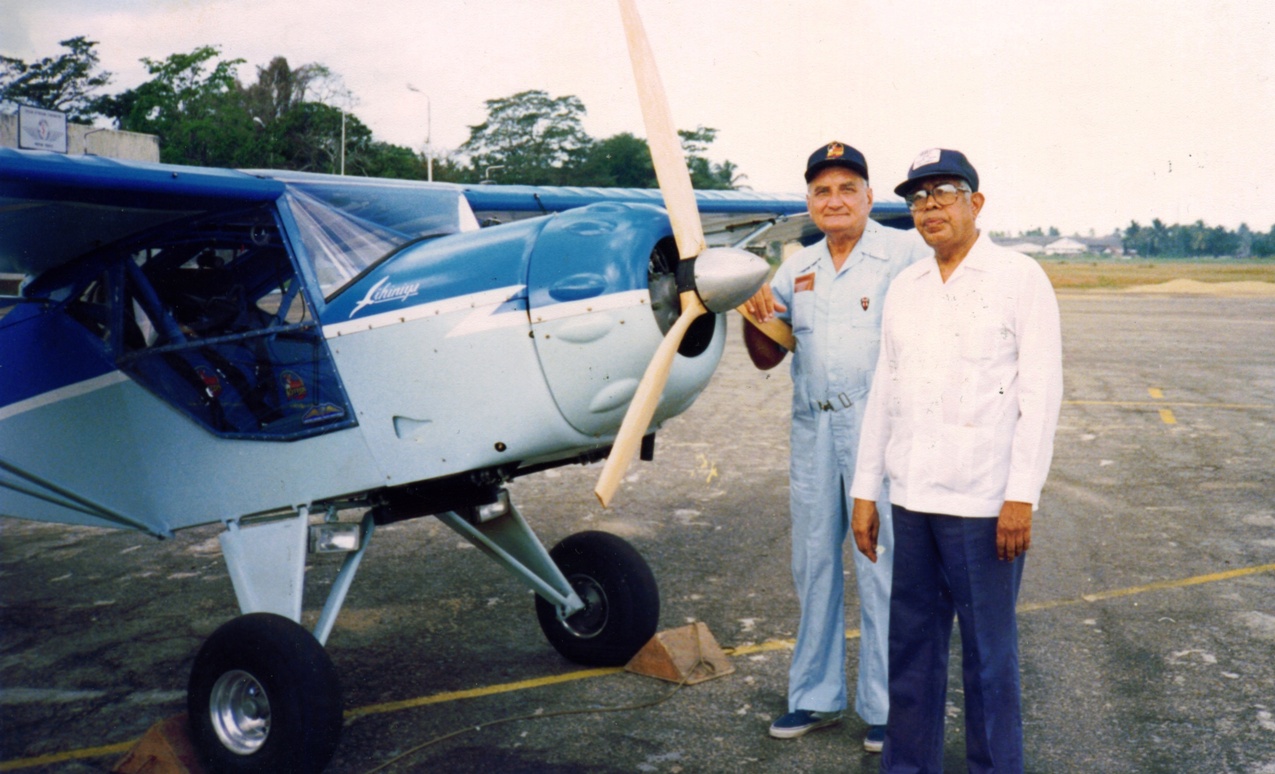
In this week’s Ravaya column, I pay another tribute to Dr Cyril Ponnamperuma, Lankan biochemist who was one of the best known and most accomplished scientists produced by Sri Lanka.This explores the time he spent in Sri Lanka in the late 1980s, working as Presidential Science Adviser and Director of the Institute of Fundamental Studies (IFS) in Kandy.
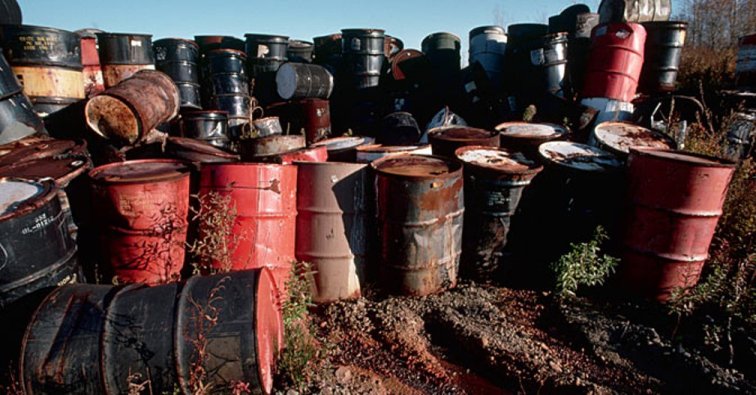
This week’s Ravaya column (in Sinhala) looks at the widespread practice of toxic waste dumping in Italy (and overseas) by mafia groups contracted for the task by polluting industries. In the 1990s, this gave rise to what is now called Ecomafia.
Arriving in the Philippines just two weeks after the super typhoon Haiyan (local name Yolanda) hit the archipelago nation on 8 November 2013, I’ve been following many unfolding debates on disaster recovery and resilience.
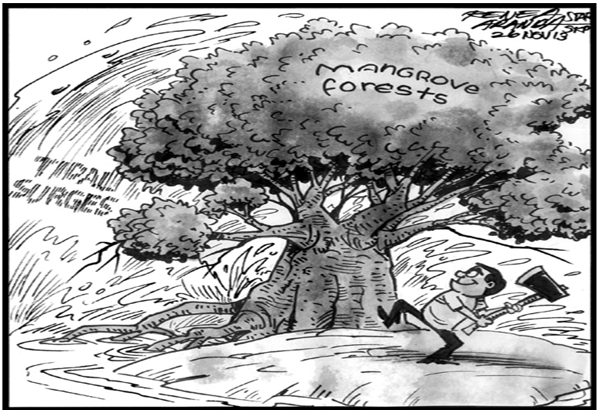
The Filipino media have been full of post-disaster stories. Among them, I came across an editorial in the Philippine Star on 26 Nov 2013, titled Stopping the Waves, which touched on the role of protecting natural barriers that can guard coastal areas from storm surges.
A key excerpt: “Nothing can stop a storm surge, but there are ways of minimizing the impact of powerful waves. Levees have been built in some countries, although the ones in New Orleans were breached by the storm surge during Hurricane Katrina. Another option is to develop mangrove forests, which can also function as bird sanctuaries and breeding grounds for marine life.”
It added: “Yolanda has revived the debate over the proposed destruction of the coastal lagoon to make way for commercial development. That mangrove forest must be protected and expanded rather than destroyed, and more mangrove areas must be propagated throughout the archipelago. You can’t roll back deadly waves, but their punch can be blunted. Natural barriers should help do the job.”
This is just what TVE Asia Pacific’s regional TV series The Greenbelt Reports highlighted. Filmed at 12 locations in four Asian countries (India, Indonesia, Sri Lanka and Thailand) which were hardest hit by the Indian Ocean tsunami of December 2004, the series showcased Nature’s protection against disasters and climate change.
It covered three coastal ecosystems or ‘greenbelts’ — coral reefs, mangroves and sand reefs. Reporters and producers from TVE Asia Pacific journalistically investigated the state of greenbelts in South Asia and Southeast Asia by talking to researchers, activists and government officials. They also looked at efforts to balance conservation needs with socio-economic needs of coastal communities.
Here’s the overview documentary (additionally, there were 12 stand-alone short videos as well):
The Greenbelt Reports: Armed by Nature: Part 1 of 3
The Greenbelt Reports: Armed by Nature: Part 2 of 3
The Greenbelt Reports: Armed by Nature: Part 3 of 3
India’s Down to Earth magazine was presented with the first Greenaccord International Media Award at an international conference held in Naples, Italy, last week.
The award, newly established by the Rome-based non-profit group Greenaccord, recognises outstanding media contributions to covering issues of environment and sustainable development.
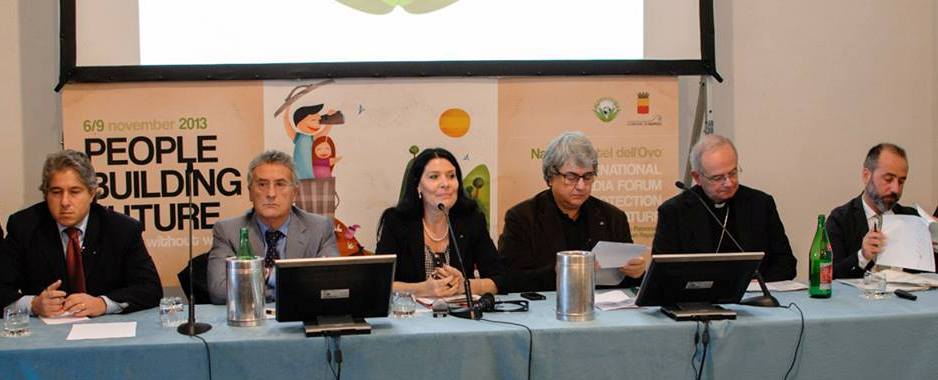
Tommaso Sodano, deputy mayor of the City of Naples, presented the award at the conclusion of the 10th Greenaccord International Media Forum held from 6 to 9 November 2013.
Darryl D’Monte (centre) receives Greenaccord International Media Award on behalf of Down to Earth magazine, India – Naples, 9 Nov 2013 – Photo courtesy Greenaccord Press Office
“We asked all our Asian colleagues for nominations for this inaugural award, and many of them recommended Down to Earth magazine that has covered sustainability issues from a developing country perspective for 21 years,” said Alfonso Cauteruccio, President of Greenaccord.
Down to Earth is a fortnightly magazine focusing on issues of science and environment. It is published by the Centre for Science and Environment (CSE), a leading research and advocacy group in India. Founded by leading journalist and activist Anil Agarwal in May 1992, it provides reportage, analysis and commentary on a broad range of issues related to environment and development.
From the beginning, the magazine has challenged its readers to think about sustainable development. It inspires and encourages its readers to become more environment-friendly.
Darryl D’Monte, senior Indian journalist and a former editor of the Times of India, accepted the award on behalf of Down to Earth editors and publishers.
“Anil Agarwal was a trail-blazing journalist who combined knowledge and advocacy. Down to Earth, launched just before the Earth Summit in Rio in mid 1992, reflects that vision,” D’Monte said in his acceptance speech.
D’Monte recalled how Agarwal and CSE played a key role in the early days of global climate negotiations, especially in focusing global attention on per capita emissions of global warming greenhouse gases.
“Climate change is as much politics as it is science, and Anil was well aware of that. He approached all debates well armed with statistics, analysis and a southern perspective, which is also the Down to Earth magazine’s approach to issues,” he added.
Darryl D’Monte talks about Down to Earth magazine at Greenaccord Forum in Naples – Photo courtesy Greenaccord Press Office
Down to Earth presents accessible content intended for interested non-specialists including policy makers. Articles are often investigative, in-depth, all presented in well edited and designed form. In recent years, it has developed an extensive website at www.downtoearth.org.in.
The magazine has been an important vehicle for many CSE campaigns in the public interest, including its exposes on pesticide residues in popular soft drinks and bottled water brands, and agitation for cleaner air in Delhi and other metropolitan areas in India.
CSE’s right to clean air campaign resulted in New Delhi becoming the world’s first city to introduce compressed natural gas (CNG) for all public transport vehicles, D’Monte said.
Greenaccord is a non-profit association, headquartered in Rome, and founded to be of service to the world of information and training that deals with environmental issues. The association is made up of journalists and professionals who volunteer their time to provide training to their colleagues.
Since 2003, Greenaccord organises an annual gathering of journalists and scientists concerned about sustainability – which has become one of the largest such gatherings taking place on a regular basis.
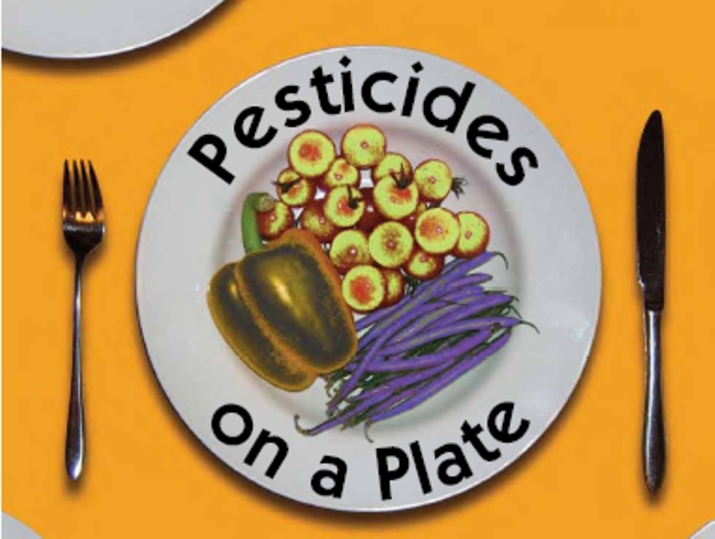
How can we protect ourselves from slow poisoning by agrochemical residues in our food? In this week’s Ravaya column, I discuss two options for Sri Lanka: organic farming, and the in-situ testing of farm produce for residues (after determining maximum residue levels).
In this week’s Ravaya column (in Sinhala), I discuss the public health implications of rising levels of pesticide residues in our food. I cite research by the Hector Kobbekaduwa Agrarian Research and Training Institute (HARTI) on pesticide use habits of upcountry vegetable and potato farmers, which makes alarming reading.
Among other things, researchers found that up to a quarter of surveyed farmers grow some chemicals-free vegetables their own use! So this is not a matter of ignorance, but willful poisoning of the unsuspecting consumer.
News feature written for Ceylon Today newspaper, 19 Oct 2013
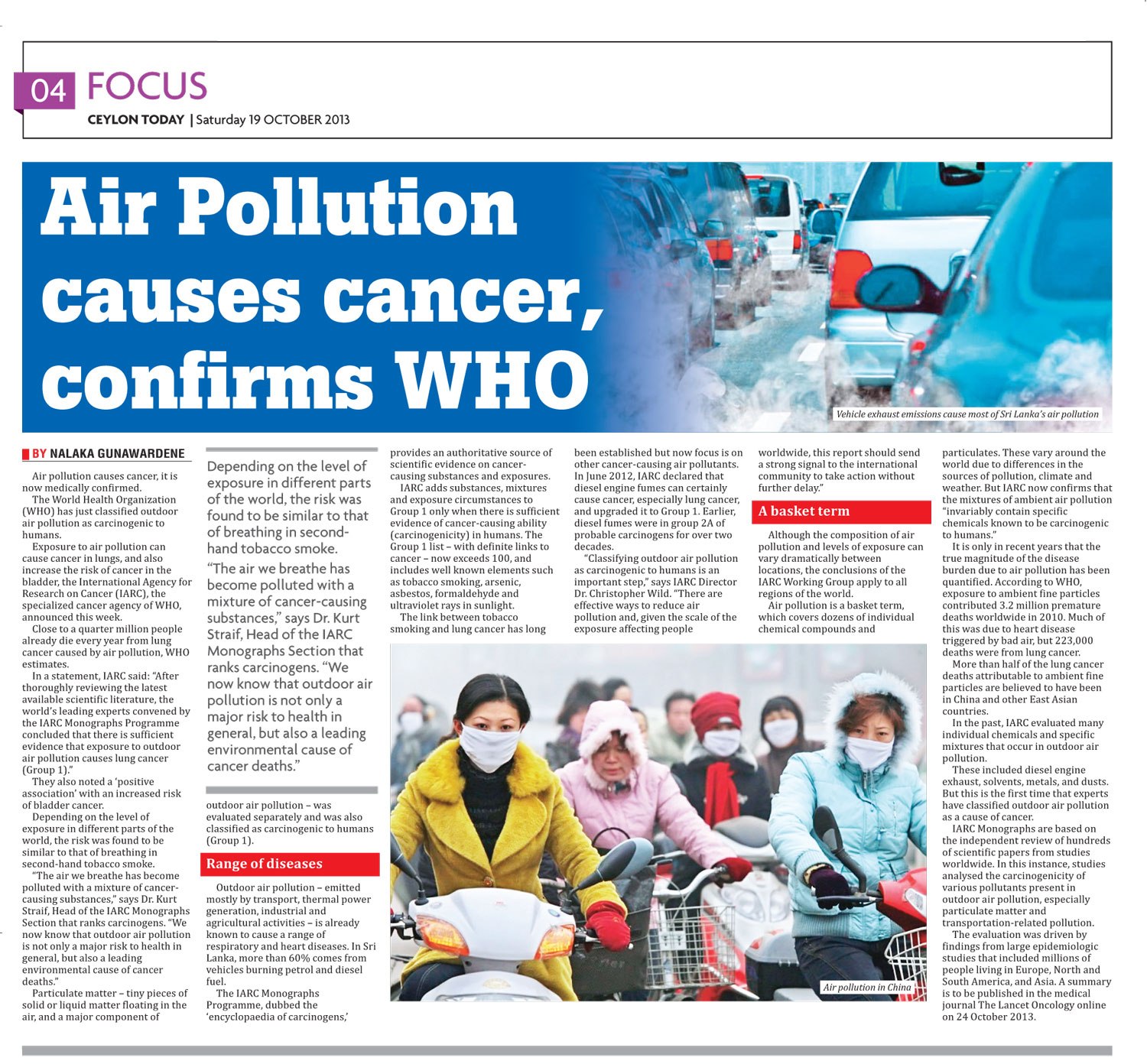
Air Pollution causes cancer, confirms WHO
By Nalaka Gunawardene
Air pollution causes cancer, it is now medically confirmed.
The World Health Organization (WHO) has just classified outdoor air pollution as carcinogenic to humans.
Exposure to air pollution can cause cancer in lungs, and also increase the risk of cancer in the bladder, the International Agency for Research on Cancer (IARC), the specialized cancer agency of WHO, announced this week.
Close to a quarter million people already die every year from lung cancer caused by air pollution, WHO estimates.
In a statement, IARC said: “After thoroughly reviewing the latest available scientific literature, the world’s leading experts convened by the IARC Monographs Programme concluded that there is sufficient evidence that exposure to outdoor air pollution causes lung cancer (Group 1).”
They also noted a “positive association” with an increased risk of bladder cancer.
Depending on the level of exposure in different parts of the world, the risk was found to be similar to that of breathing in second-hand tobacco smoke.
“The air we breathe has become polluted with a mixture of cancer-causing substances,” says Dr Kurt Straif, Head of the IARC Monographs Section that ranks carcinogens. “We now know that outdoor air pollution is not only a major risk to health in general, but also a leading environmental cause of cancer deaths.”
Particulate matter — tiny pieces of solid or liquid matter floating in the air, and a major component of outdoor air pollution– was evaluated separately and was also classified as carcinogenic to humans (Group 1).
Outdoor air pollution – emitted mostly by transport, thermal power generation, industrial and agricultural activities — is already known to cause a range of respiratory and heart diseases. In Sri Lanka, more than 60% comes from vehicles burning petrol and diesel fuel.
The IARC Monographs Programme, dubbed the “encyclopaedia of carcinogens”, provides an authoritative source of scientific evidence on cancer-causing substances and exposures.
IARC adds substances, mixtures and exposure circumstances to Group 1 only when there is sufficient evidence of cancer-causing ability (carcinogenicity) in humans.
The link between tobacco smoking and lung cancer has long been established but now focus is on other cancer-causing air pollutants. In June 2012, IARC declared that diesel engine fumes can certainly cause cancer, especially lung cancer, and upgraded it to Group 1. Earlier, diesel fumes were in group 2A of probable carcinogens for over two decades.
“Classifying outdoor air pollution as carcinogenic to humans is an important step,” says IARC Director Dr Christopher Wild. “There are effective ways to reduce air pollution and, given the scale of the exposure affecting people worldwide, this report should send a strong signal to the international community to take action without further delay.”
Although the composition of air pollution and levels of exposure can vary dramatically between locations, the conclusions of the IARC Working Group apply to all regions of the world.
Air pollution is a basket term, which covers dozens of individual chemical compounds and particulates. These vary around the world due to differences in the sources of pollution, climate and weather. But IARC now confirms that the mixtures of ambient air pollution “invariably contain specific chemicals known to be carcinogenic to humans”.
It is only in recent years that the true magnitude of the disease burden due to air pollution has been quantified. According to WHO, exposure to ambient fine particles contributed 3.2 million premature deaths worldwide in 2010. Much of this was due to heart disease triggered by bad air, but 223 000 deaths were from lung cancer.
More than half of the lung cancer deaths attributable to ambient fine particles are believed to have been in China and other East Asian countries.
In the past, IARC evaluated many individual chemicals and specific mixtures that occur in outdoor air pollution. These included diesel engine exhaust, solvents, metals, and dusts. But this is the first time that experts have classified outdoor air pollution as a cause of cancer.
IARC Monographs are based on the independent review of hundreds of scientific papers from studies worldwide. In this instance, studies analysed the carcinogenicity of various pollutants present in outdoor air pollution, especially particulate matter and transportation-related pollution.
The evaluation was driven by findings from large epidemiological studies that included millions of people living in Europe, North and South America, and Asia. A summary is to be published in the medical journal The Lancet Oncology online on 24 October 2013.
Air Pollution causes cancer, Ceylon Today, 19 Oct 2013










 Open Minds!