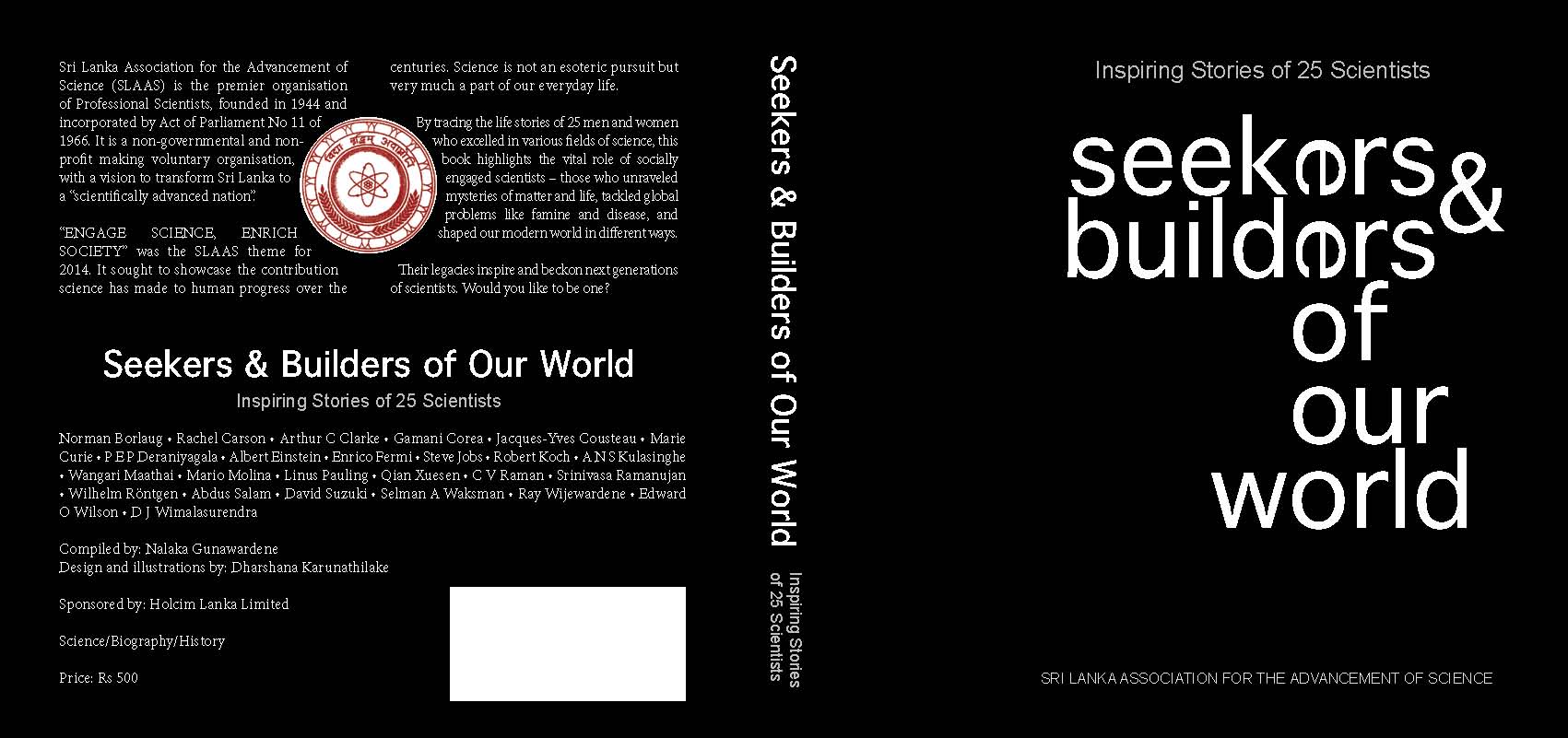
Titled ‘Seekers and Builders of Our World: Inspiring Stories of 25 Scientists’, the 350-page book highlights the vital role of socially engaged scientists – those who unraveled mysteries of matter and life, tackled global problems like famine and disease, and shaped our modern world in different ways.
The book will be launched at the opening ceremony of SLAAS Annual Sessions at BMICH Colombo on 1 December 2014.
At the invitation of SLAAS, the book was authored by the award-winning science writer Nalaka Gunawardene. It was designed and illustrated by artist and cartoonist Dharshana Karunathilake.
“Publication of this book hopes to ignite an interest in young minds and engage the next generation of scientists early so that they can be a part of the knowledge base that we badly need to nurture in our country,” says Dr A M Mubarak, General President of SLAAS for 2014, in his foreword to the book.
Among those profiled in the book are biologists, chemists, engineers, mathematicians, physicists and information technology pioneers. Some of them made pioneering discoveries – such as antibiotics, radioactivity and relativity – while others were responsible for pushing the limits of knowledge, design and technology.
Particular focus has been given to childhood influences that inspired them to pursue scientific careers, as well as life challenges – including poverty, societal discrimination or disability — they overcame with hard work, resolve and imagination.
The 25 personalities (in alphabetical order) are: Norman Borlaug; Rachel Carson; Arthur C Clarke; Gamani Corea; Jacques-Yves Cousteau; Marie Curie; P E P Deraniyagala; Albert Einstein; Enrico Fermi; Steve Jobs; Robert Koch; A N S Kulasinghe; Wangari Maathai, Mario Molina; Linus Pauling; Qian Xuesen; C V Raman; Srinivasa Ramanujan; WilhelmRöntgen; Abdus Salam; David Suzuki; Selman A Waksman; Ray Wijewardene; Edward O Wilson; and D J Wimalasurendra.
These names were chosen to inspire not only recent science graduates but also students in GCE Ordinary Level and Advanced Level classes and to promote a culture of research and spirit of inquiry.
“Engage Science, Enrich Society” has been the SLAAS theme for 2014. It sought to showcase the contribution science has made to human progress over the centuries. Through life stories of local and international scientists, the book reminds us that science is not an esoteric pursuit but very much a part of everyday life.
SLAAS is the premier organisation of professional scientists in Sri Lanka. Founded in 1944 and incorporated by Act of Parliament No 11 of 1966, it is a non-governmental and non-profit making voluntary organisation, with a vision to transform Sri Lanka to a “scientifically advanced nation”.
The book is being sold at a subsidised price of Rs 500. Limited copies will be available for sale from SLAAS office, “Vidya Mandiraya”, 120/10, Wijerama Road, Colombo 7, from December 5 onwards.
In this week’s Ravaya column (in Sinhala), published on 23 November 2014, I ask whether astrologers are the most powerful persons in Sri Lanka. This is because all important decisions of the state, including the ceremonial opening of Parliament and scheduling of elections, is done strictly on astrological advice.
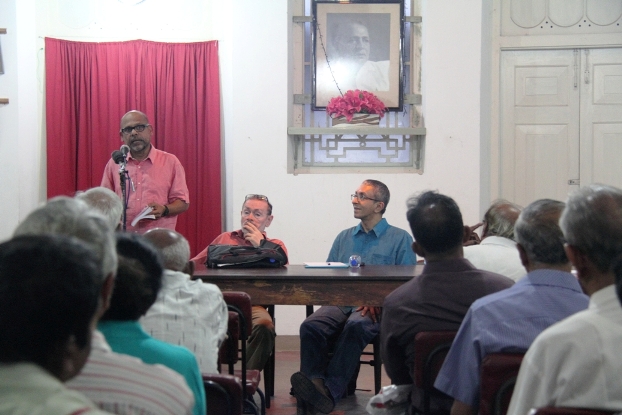
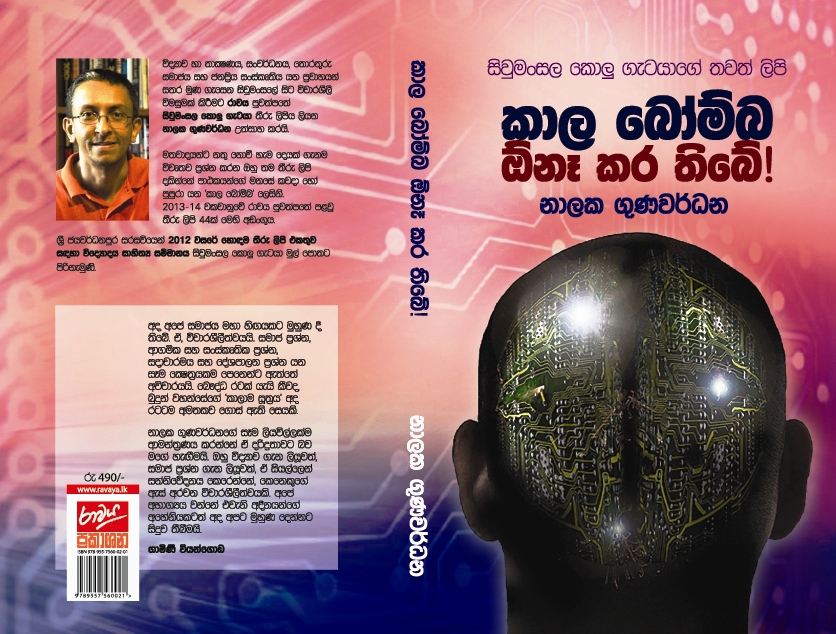
Speaking at a recent meeting of the Sri Lanka Rationalists’ Association to discuss my latest book, writer and political commentator Gamini Viyangoda said astrology determines so many personal and public decisions in Sri Lanka. In this obsession, ruling party and opposition party politicians seem united.
The Sunday Observer newspaper in Sri Lanka recently sought my views on the concept of ‘Science for All’, which comes into focus with World Science Day observed globally on November 10. I sent them an op-ed of 700 words, from which they have quoted extensively in a long feature published today: http://www.sundayobserver.lk/2014/11/09/spe05.asp
Here, for the record, is my full essay in original form:
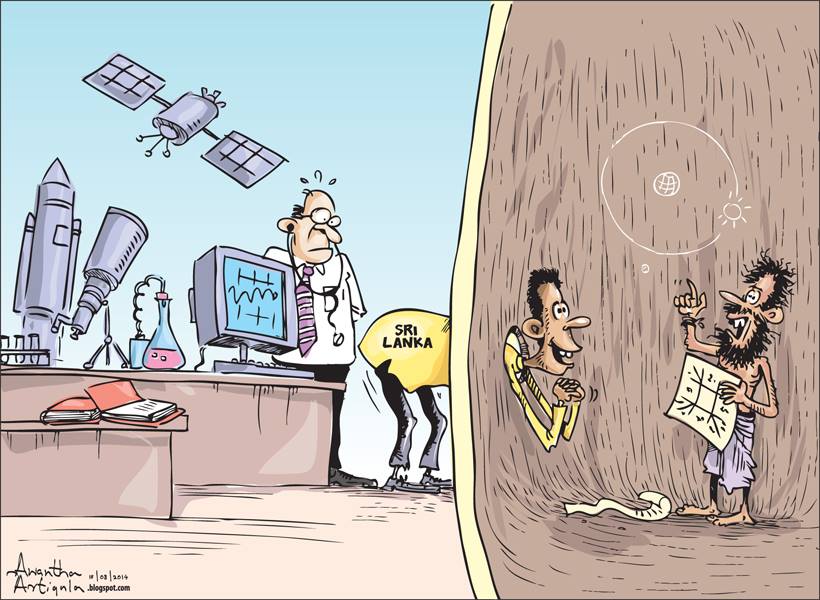
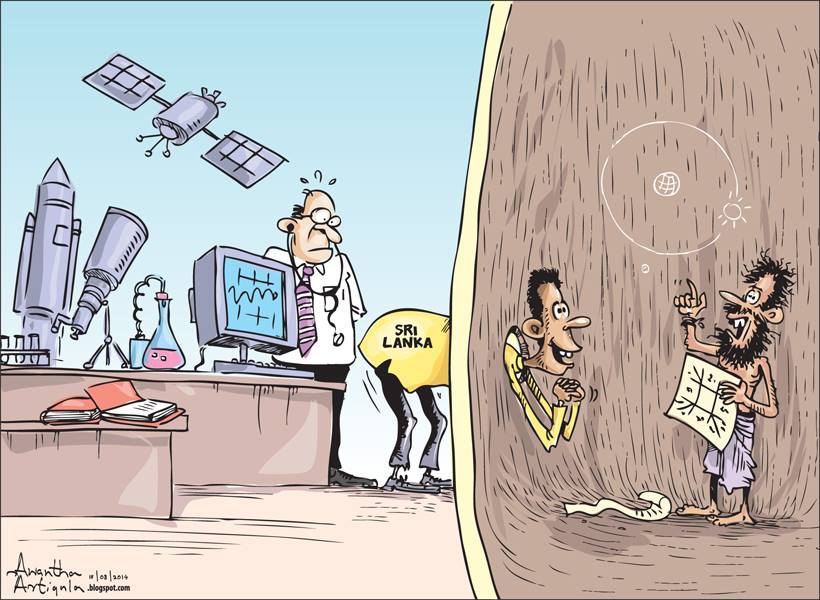
We can take the citizen to Science but…? Cartoon by Awantha Artigala
The annual, global event was initiated in 2001 by UNESCO, the UN agency covering education, science and culture. It is an opportunity to remind ourselves why science is relevant to our daily lives.
World Science Day aims to ensure that everyone is kept informed of new developments in science, and the role scientists in society is understood and valued.
The notion of ‘Science for All’ is not confined to scientific subjects studied in school or university. Science is much more than textbooks, laboratories and experts.
Some among us are drawn to studying science and technology in depth and pursue careers in medicine, engineering or other specialized fields. Sri Lanka certainly needs such highly skilled persons to transform the economy and society.
Beyond this, however, every citizen needs a certain minimum knowledge and understanding of science and technology to lead productive and safe lives today. Without it, we can get easily confused, sidelined or exploited by various scams.
Consider a few recent headline-making developments.
Last month, an international health conference held in Colombo heard that no new malaria cases had been reported in Sri Lanka since October 2012. It suggests that we have probably eliminated the ancient disease from our island. Science based disease surveillance and control measures were responsible for this feat in public health.
The Koslanda landslide on 29 October destroyed an entire settlement, instantly burying many innocent people and making hundreds more homeless. That was a national tragedy, especially as the hazard was identified by scientists at the National Building Research Organisation (NBRO) who had repeatedly warned the people at risk to relocate.
Alas, that did not happen for socio-economic reasons. A key lesson of Koslanda is that hazard information and warnings need timely and effective communication. To be effective, they need to be accompanied by viable alternatives to those at risk.
We often read media reports that can be scary. We hear about pesticide residues in our food, the rising number of road traffic accidents, and the danger of digital identity theft. Some basic scientific knowledge and technical skills become essential survival tools in the 21st century. Science cannot be left to scientists alone.
We can understand this with a sporting analogy. Our national passion of cricket is played professionally by a handful of men and women who make up the national teams and pools. But practically all 20 million Lankans know enough about cricket to follow and appreciate the game.
Similarly, we have a few thousand professionals practising or teaching science and technology for a living. The rest of society also needs to know at least the basic concepts — and limits — of science.
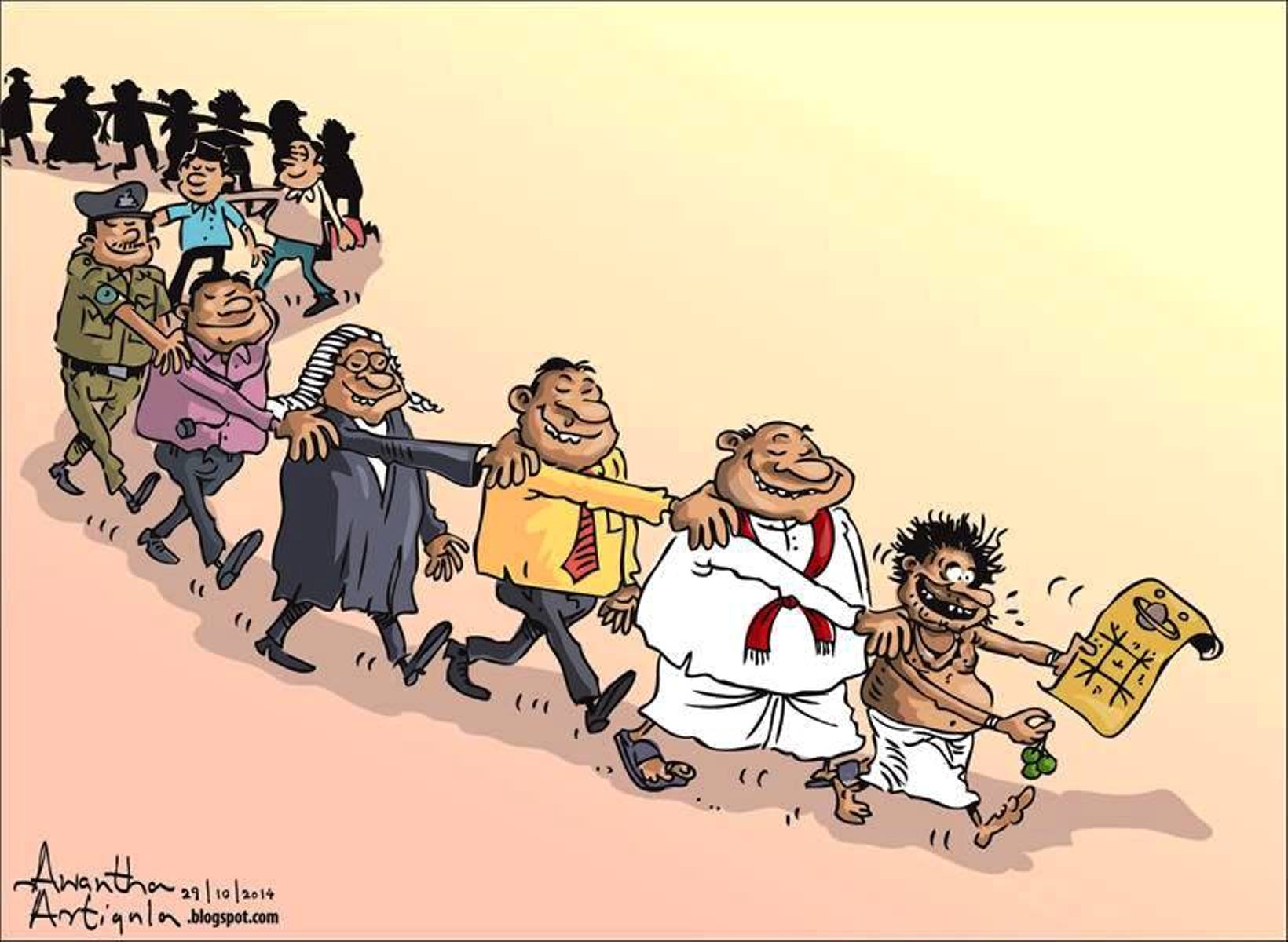
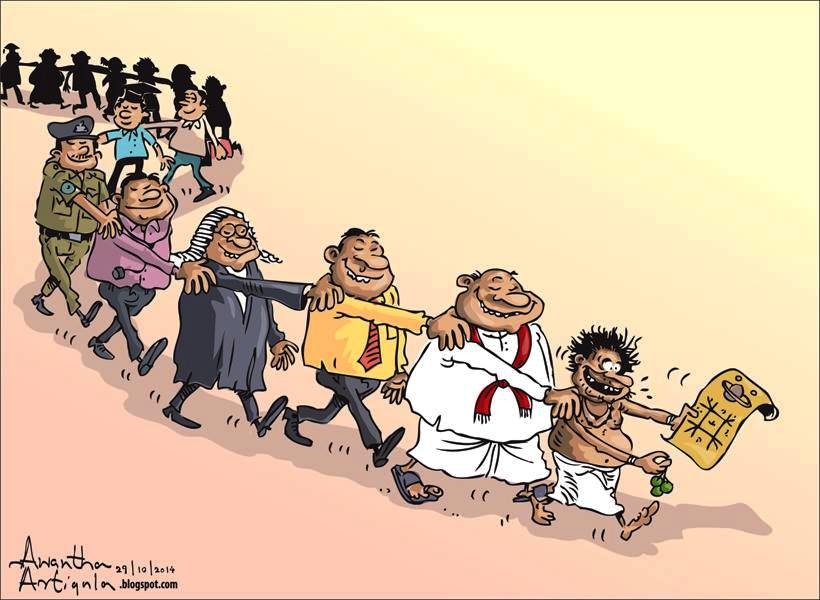
Science for All would be a ‘good idea’ for a nation obsessed with astrology! Cartoon by Awantha Artigala
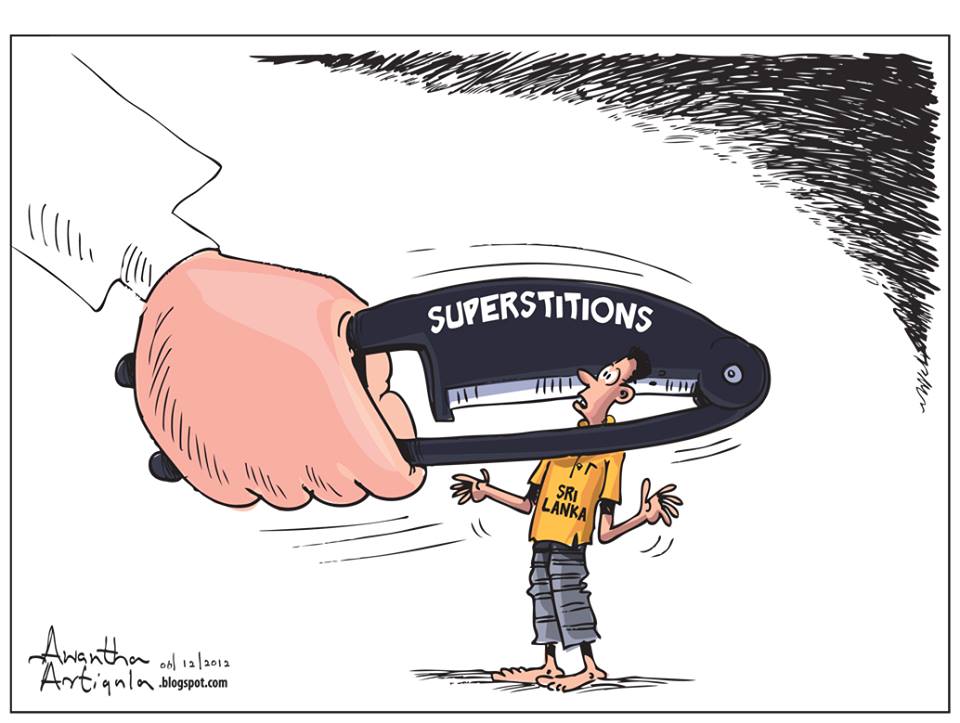
For example, the scientific method involves questioning and investigating before accepting anything. A healthy dose of scepticism is very useful to safeguard ourselves from superstitions and increasingly sophisticated – but not always honest – product advertising.
The Coordinating Secretariat for Science, Technology and Innovation (COSTI, website: http://costi.gov.lk), set up in 2013 under the Senior Minister of Science and Technology, has recently set up a National Coordinating Council on Science for All in Sri Lanka. Its mandate is to empower Lankans of all ages and walks of life with science knowledge to enable them to make informed decisions in everyday life.
The Council wants to play a catalytic role, inspiring media, education and professional institutions to promote science communication as an essential survival skill for modern times. It will collaborate with such message ‘multipliers’ who can help reach large numbers of people quickly. A national policy on science communication is to be drawn up to guide future activities.
American astronomer Carl Sagan (1934 – 1996) was at the forefront in promoting science for its sense of wonder and also for countering pseudoscience. As he used to say, “Our species needs, and deserves, a citizenry with minds wide awake and a basic understanding of how the world works.”
[Award-winning science writer Nalaka Gunawardene counts over 25 years of national and international experience, and serves as co-chair of the recently established National Coordinating Council on Science for All in Sri Lanka.]
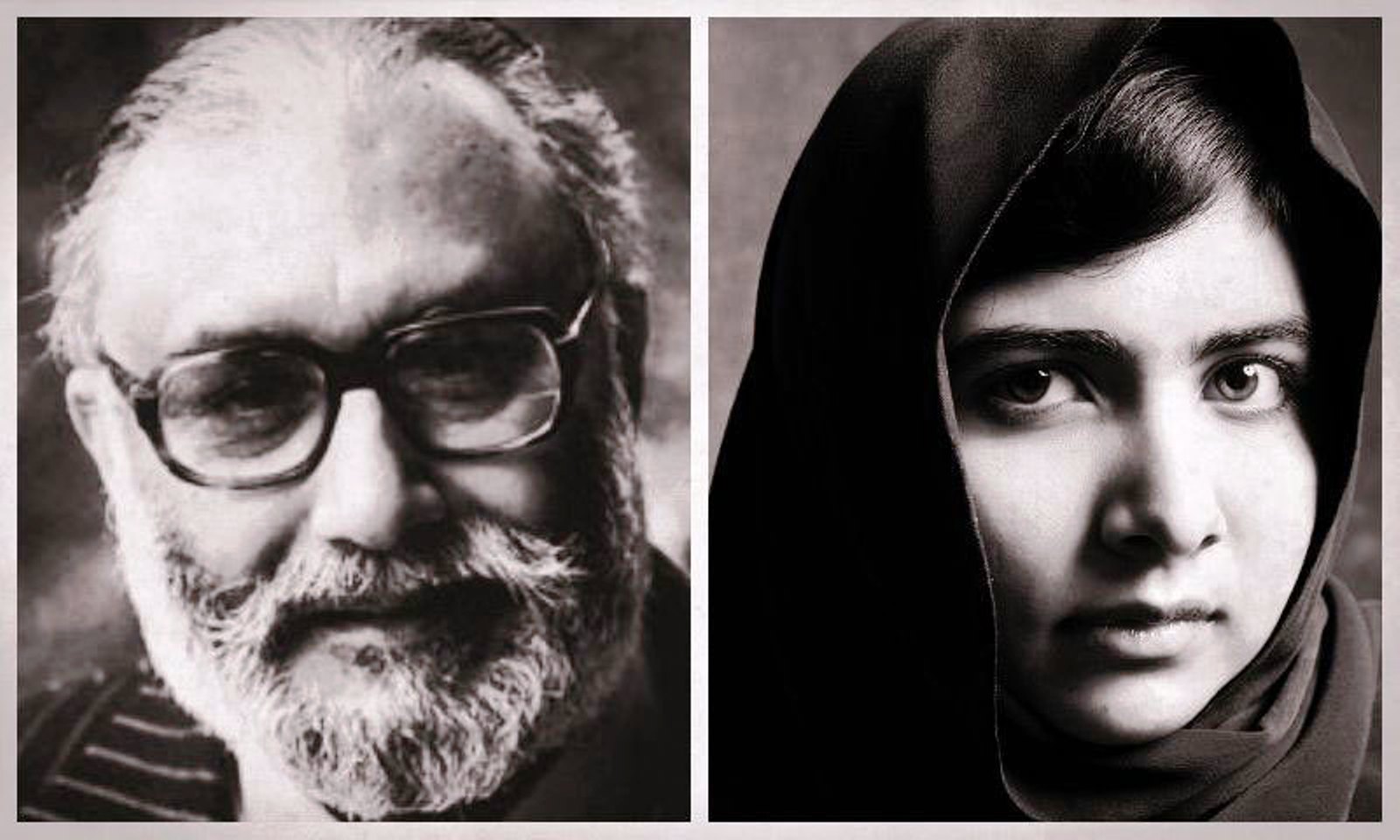
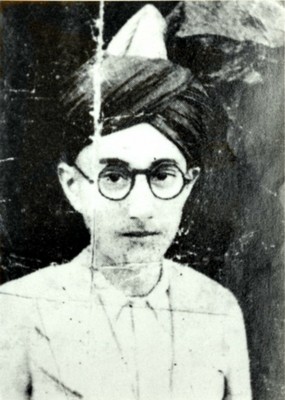
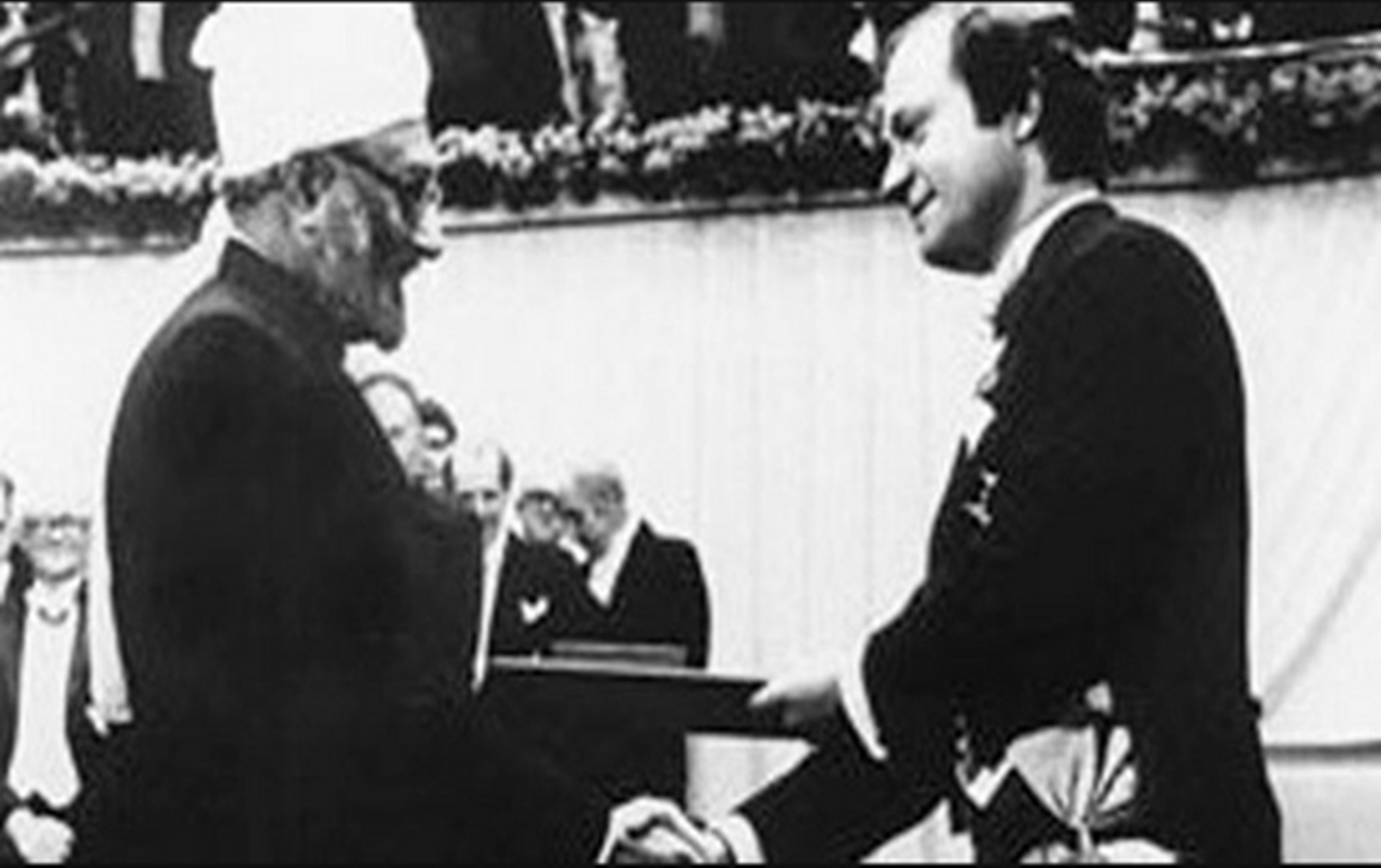
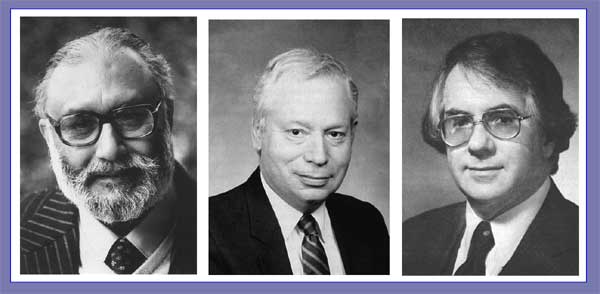
Malala Yousafzai, the Pakistani teenager turned activist, shared this year’s Nobel Peace Prize. She became the second Pakistani national in her country’s 67 year history as an independent state. Her Nobel has revived memories of the first national of Pakistan – as well as the first muslim — to win a Nobel Prize: Dr Abdus Salam (1926 – 1996).
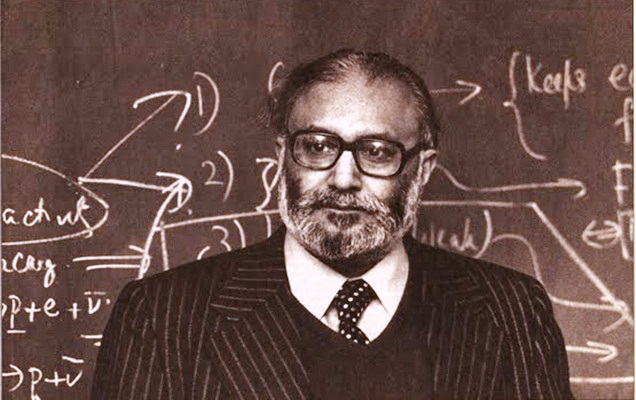
Salam was one of the most influential theoretical physicists of the 20th century. He shared the Nobel Prize in Physics in 1979 with two American physicists, Sheldon Lee Glashow and Steven Weinberg.
In this week’s Ravaya column (in Sinhala), I look at this illustrious South Asian who probed further from where Albert Einstein left off, and is called Einstein of the developing world.
I interviewed Salam twice as a young reporter – first in 1989 when he visited Sri Lanka, and again in 1990 when I visited him at the International Center for Theoretical Physics, ICTP.
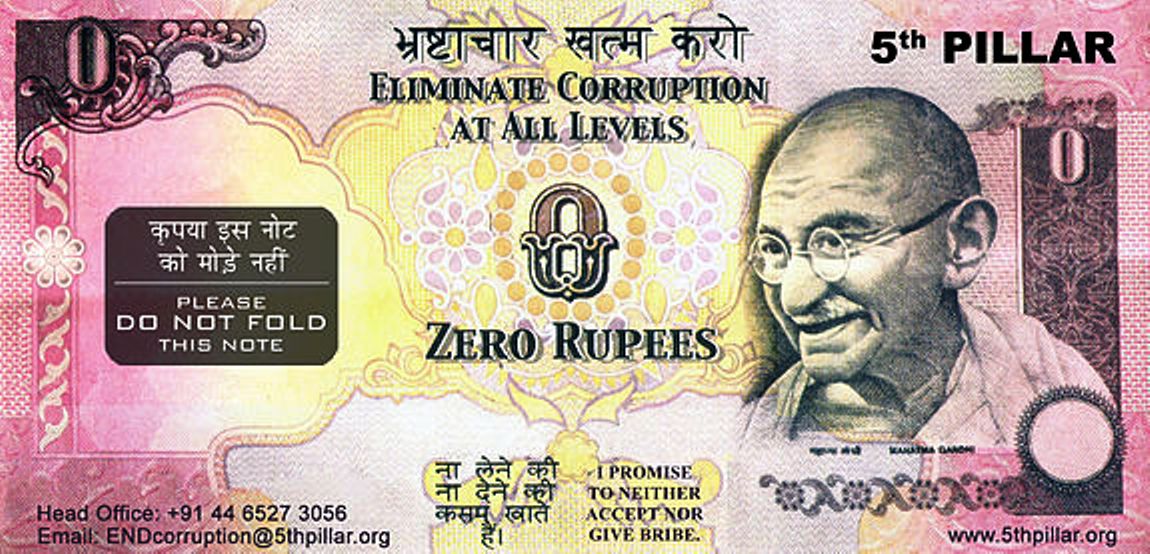
In this week’s Ravaya column (in Sinhala), I describe the Zero Rupee Note, an innovative effort developed by activists in India to fight systemic political corruption.
The notes, which have no monetary value but carry a moral power, are paid in protest by angry citizens to government servants who solicit bribes in return for services which are supposed to be free.
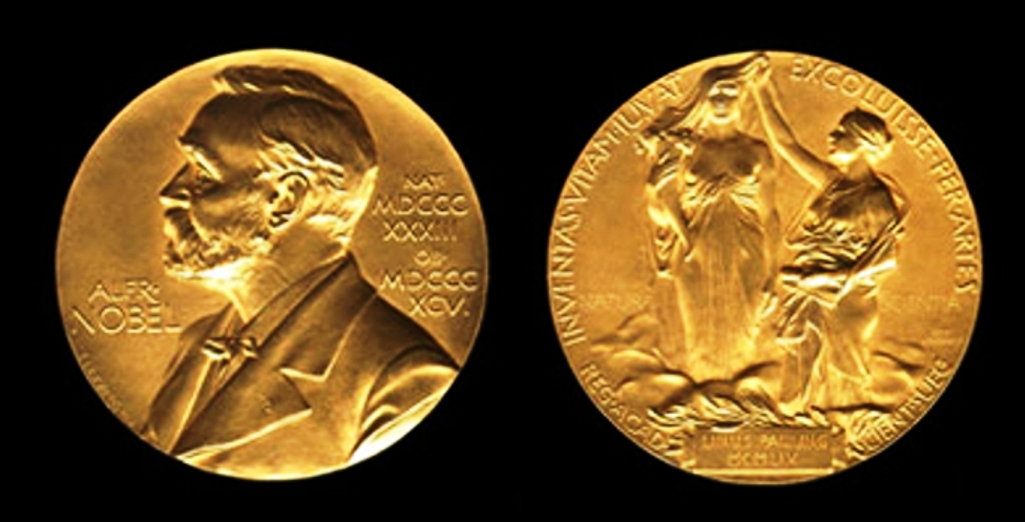
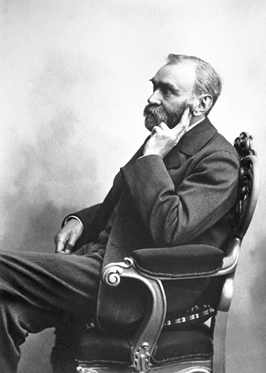
The selection of Nobel Peace Prize laureate often stirs more debate than all other Nobel prizes (in chemistry, physics, medicine, literature and economics) combined. The peace prize remains an essentially political one, reflecting the reality that most conflicts — and their resolution — are largely influenced by political considerations.
Members of the Norwegian Nobel Committee, all Norwegian nationals, may not be too well known beyond their country. Yet their annual selection reverberates around the world.
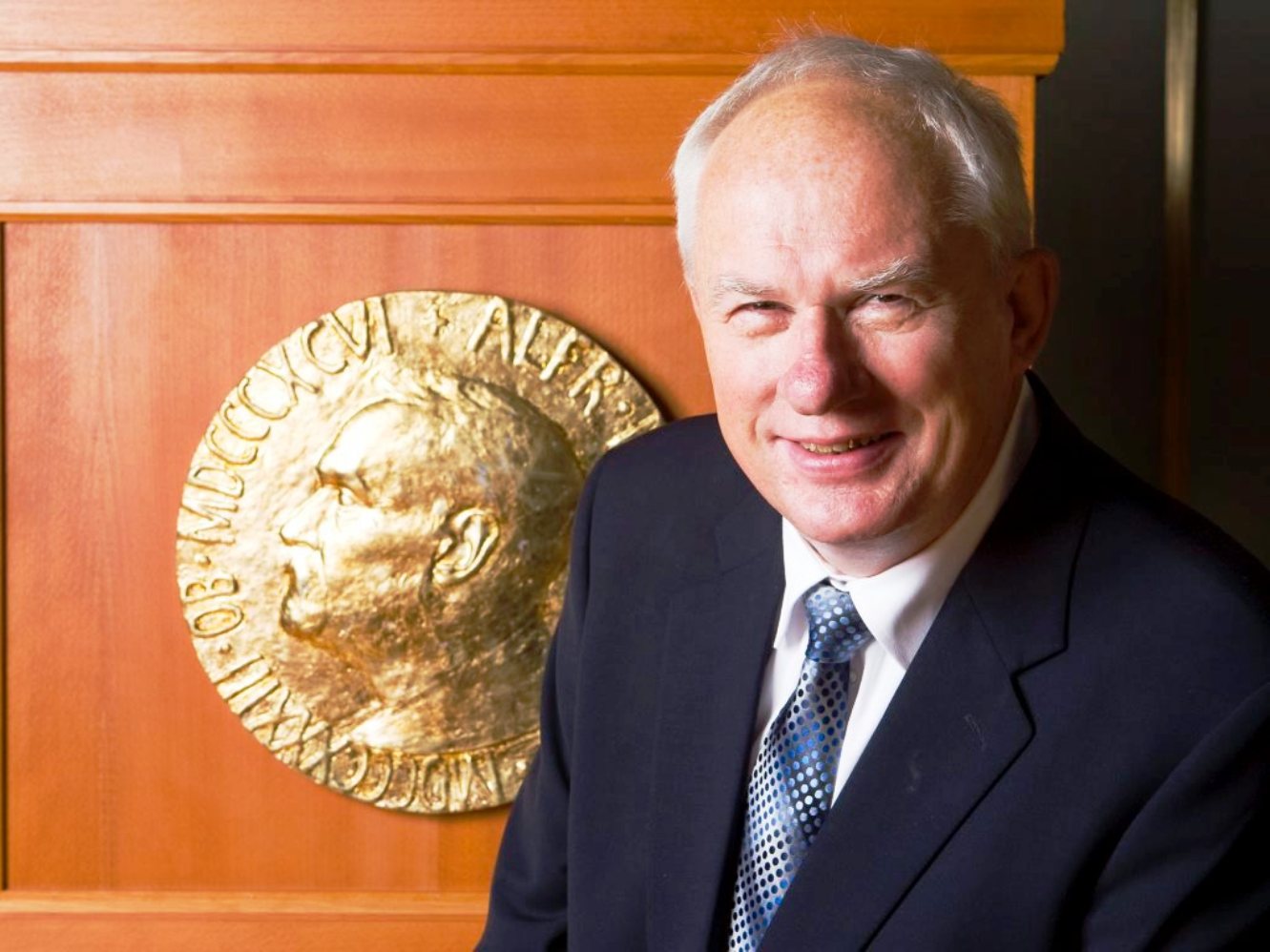
Five years ago, on a visit to the Norwegian capital, I listened to a talk by Dr Geir Lundestad, a historian who is Director of the Nobel Institute in Oslo and secretary to the Norwegian Nobel Committee. He gave some interesting insights into the legacy and limitations of the prize. I share these in my latest Ravaya column (in Sinhala) just as the winners of Nobel Peace Prize 2014 are to be announced this week.
One is the indulgence — and even perverse ‘celebration’ — of insularity, conflating it for distinctiveness and cultural identity. This is found among certain academics, artistes and social activists.
The other is obsessive nostalgia for, and romanticising of, history – at least, a certain interpretation of historical events and processes. Never mind whatever problems of development and governance of today, these nostalgists seem to contend, we were once a great nation (or the greatest of all).
In my column (published in Ravaya newspaper, 5 October 2014), I discuss how best to counter insularity and unhealthy obsession with history. I also lament, as does Udan, the gradual decline of Lankans with bilingual or trilingual skills which enabled them to connect with each other and the wide world outside their island.
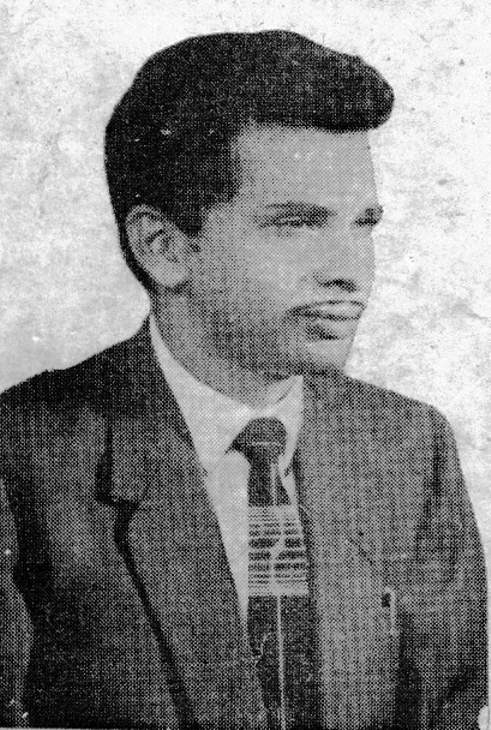
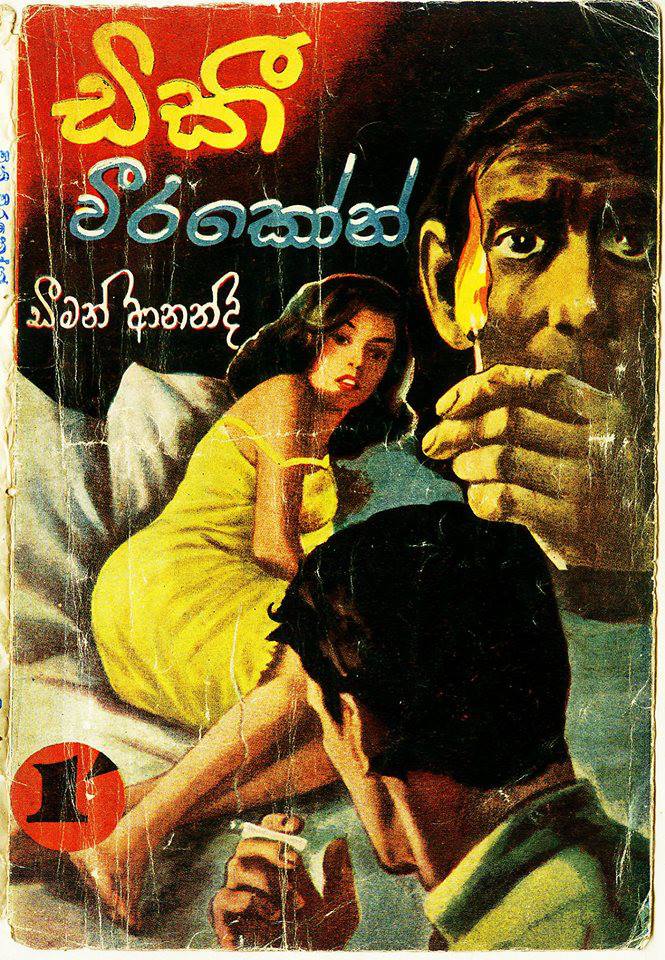
This week in my Ravaya column (in Sinhala), I pay tribute to Lankan writer Deeman Ananda (1933-2007), who wrote over 1,000 books of crime fiction, detective fiction and other thrillers in Sinhala from 1960s well into the 1980s.
Deeman’s books provided light entertainment and were highly popular among a whole generation of young readers, many of who took to reading thanks to these books. Yet the Deeman was ridiculed and demonized by the literary mainstream while many parents, teachers and schools outright ‘banned’ these books. This, in turn, made them even more popular – kids who read these books secretively later ‘graduated’ on to other literary genres.
Besides writing 1,009 is in a quarter century, Deeman Ananda also wrote screenplay for four Sinhala movies, and scripted the second comic book in Sinhala, named Thisa, published in the mid 1960s. Despite all these contributions, he died under-rated and under-appreciated. Yet he remains a well-loved icon on Lankan popular culture – and I salute him as one who went upstream against cultural orthodoxy.
Three Deeman Ananda book covers – from over 1,000 crime thrillers he wrote in Sinhala
This week in my Ravaya column (in Sinhala), I discuss the role of literary translations in connecting cultures – both within Sri Lanka (across different linguistic groups) and linking Lanka with the rest of the world.
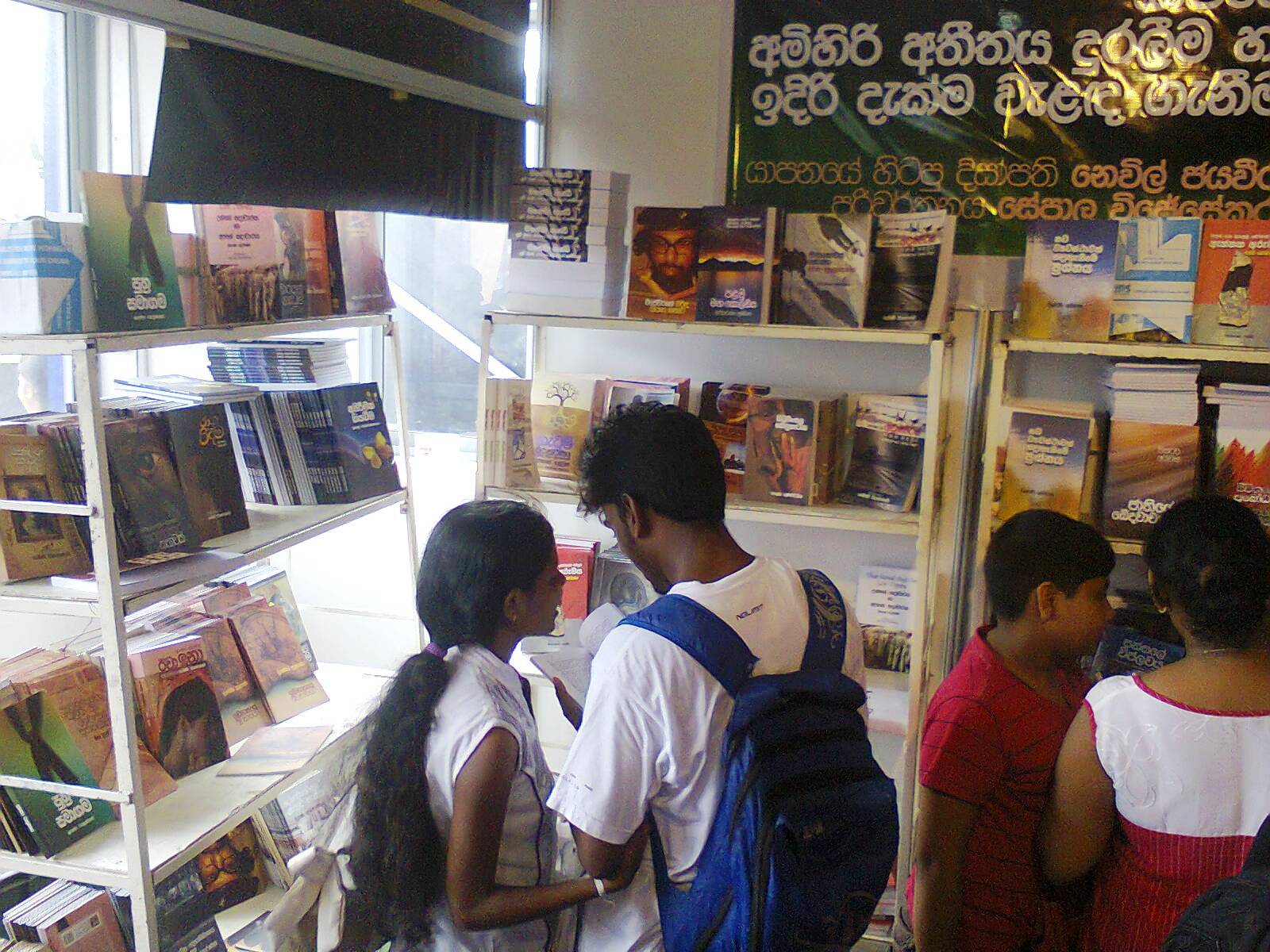
Inspiration for this column came in part from the Colombo International Book Fair 2014 (Sep 10-16), and the launch of a book (translated from Sinhala to English) a few days earlier, where I was asked to serve as compere.
Translations are like bridges, but I caution that poor translations offer hazardous connections to readers. I also argue that more Sinhala and Tamil books should be rendered into Sinhala, especially for the benefit of second and third generation Lankan diaspora members many of who are no longer reading in their parents’ mother tongue.




 Open Minds!