Text of my ‘When Worlds Collide’ column published in Ceylon Today Sunday newspaper on 21 October 2012
Dr Wijaya Godakumbura is what I call a serial life-saver.
All medical doctors have opportunities to save lives. But only a few take it to a higher, crusading level. Consultant surgeon Godakumbura is one who has been doing it – in hospitals and outside – for over four decades.
His motto is simple yet powerful: Prevention is better than cure.
After specializing in the UK in 1971, he worked for Sri Lanka’s public health service all his career, serving in hospitals in various parts of the island. Wherever he went, he came across hundreds of cases of injury and death caused by assorted accidents – some on the road (which get attention) but also many at home (rarely noticed).
For years, he quietly and diligently worked on treating the injured, saving as many…
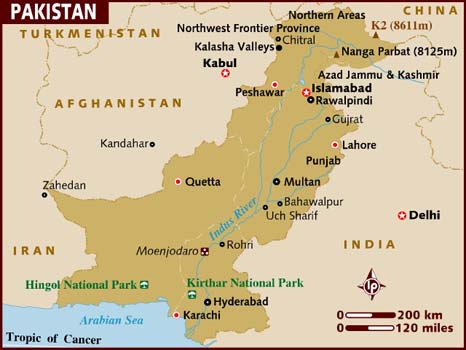
In this week’s Ravaya column (in Sinhala), I reflect on my recent visit to Pakistan, after 15 years.
When I last visited, in 1997, there were only state owned radio and TV channels. That changed in 2002 when private ownership was allowed. In a decade, private broadcasting has grown and expanded — especially in news and current affairs TV channels, which are now a dominant factor in Pakistan’s everyday life.
What does this mean for media pluralism, governance and social order in a country as complex as Pakistan? Are 24/7 news channels part of the problem or part of the solution? Since the genie cannot be sent back into the lamp, how best can its powers be harnessed for the public interest?
“ඇෆ්ගනිස්ථානයට යාබදව තිබෙන විකාර දේශය” හැටියට මගේ මිය ගිය පාකිස්ථානු මිතුරිය සනියා හුසේන් ඇගේ උපන් බිම හදුන්වා දෙන්නට පුරුදුව සිටියා. එය වඩාත් තිව්ර ලෙස දැනුනේ ඉංගී්රසියෙන් කී විටයි. ‘I live in Absurdistan, located next to Afghanistan!’
The kidneys are vital organs in our body that help keep the blood clean and chemically balanced through filtering. Healthy kidneys separate waste and excess water.
Similarly, a healthy and vibrant media helps separate fact from fiction, and provides clarity and context vital for an open, pluralistic society to function.
In Sri Lanka, mass kidney failure during the past two decades has been followed by what I see as a mass media failure to understand, analyse and report adequately on this public health emergency. Instead of helping affected people and policy makers to work out solutions, some journalists have become mere amplifiers of extreme activist positions.
As health officials and policy makers struggle with the prolonged humanitarian crisis, partisan media coverage has added to public confusion, suspicion and fear. As a science writer and journalist, I have watched this with growing concern.
I just gave a talk on this to the Science Communication Leadership Workshop which was part of the First General Assembly of Association of Academies and Societies of Sciences in Asia (AASSA) held in Colombo, Sri Lanka, on 17 October 2012.
Published in Ceylon Today newspaper, 16 October 2012:
The RAY Award LogoSix Lankan inventors are shortlisted for the inaugural “Ray Award” to help a state recognised inventor to commercialise his or her invention.
All six have proven track records in innovation — they are past winners of the Presidential Awards for Innovation.
The winner will be announced at a gala awards ceremony to be held on 17 October 2012 at the Cinnamon Lakeside Hotel, Colombo 2. The chief guest will be Dr Tissa Vitarana, Senior Minister of Scientific Affairs.
“The Ray” carries a plaque and citation from the Trust. The Commercial Bank would provide a credit line worth Rs 1 million worth to assist the winner to prepare the invention for commercialisation.
Meanwhile, the University of Moratuwa would provide the technical support to convert the winner’s invention to a product or process ready for the market.
The Ray Award is a biennial award given in memory of the late Ray Wijewardene, one of the finest Lankan inventors. Trained as an engineer but applying his skills to help small farmers, he designed the world’s first two-wheeled hand tractor in the 1950s.
The Award is administered and presented by the Ray Wijewardene Charitable Trust (RWCT) in collaboration with the Sri Lanka Inventors Commission (SLIC). It is powered by Commercial Bank.
All past winners of the Presidential Awards for innovation, presented by SLIC, were eligible and invited to apply for this award. As part of their application, they were asked to present a plan for commercialising their invention.
The Trust received a total of 56 applications by the deadline of 31 July 2012. During August 2012, an independent selection panel appointed by the Trust reviewed all applications and conducted face-to-face interviews with a long list of 17 candidates.
Applications were assessed on three criteria, or three ‘I’s – Invention, Innovation and Impact, according to the Ray Wijewardene Trust.
The shortlist of six candidates was announced in early October 2012. Listed in no particular order, they are:
Dr Anil Goonetilleke
A chest specialist who invented a dry powder inhaler, or ‘Ventohaler’, that helps users take in more of the dose
Sunil Somasiri Gomes
An expert in cleaner production who invented the Ecodesigned Spherical to reduce wastage and increase efficiency in natural rubber latex industry
I S Waidiyarathna Karunatilake
An accountant who built an eco-friendly motor boat that is fuel-efficient and does not erode river banks
Dr S J B Lenadora
A consultant obstetrician and gynaecologist who designed an innovative Pneumatic Self Retaining Abdominal Retractor
Sankha Nanayakkara
An electrical and electronics engineer who invented a surge diverter with unlimited surge handling capability
R M Dammika Sujith Rathnayake
A self-taught technician who has developed an efficient coir machine that reduces waste
Winner of the Ray Award 2012 is being selected by an independent selection panel appointed by the Ray Wijewardene Trust. It is headed by Prof Uditha Liyanage, Director and Chairman of the Board of Management, Postgraduate Institute of Management (PIM) affiliated to University of Sri Jayawardenapura. Other members are: Prof Ranjith Senaratne Senior Professor of Crop Science, University of Ruhuna; Deepal Sooriyaarachchi, Commissioner, Sri Lanka Inventors Commission (SLIC); Tissa Jinasena, Director of Loadstar (Private) Limited; Tissa Jayatilaka, Executive Director of U.S – Sri Lanka Fulbright Commission; and Mrs Nirmali Wickremesinghe, Principal, Ladies College, Colombo.
Text of my ‘When Worlds Collide’ column published in Ceylon Today Sunday newspaper on 14 October 2012
The battle to keep the Internet open and free is being fought on several fronts, and for a whole range of reasons – from access to knowledge and enabling social justice and to supporting democratic pluralism and market liberalism.
With connectivity spreading and getting cheaper, an estimated 3 million Lankans (15% of population) regularly use the medium. They and their families are slowly but surely tapping its potential for education, skills development and income generation.
As information society takes root, we grapple with post-connectivity challenges. Among them: how to negotiate with self-appointed guardians of culture and morals. The Internet is their favourite whipping boy now.
As with any other medium with diverse content, user discretion is advised. Throwing the baby out with the bathwater is not.
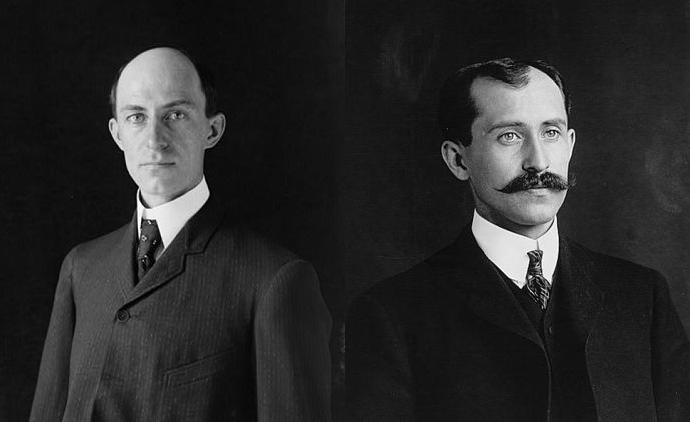
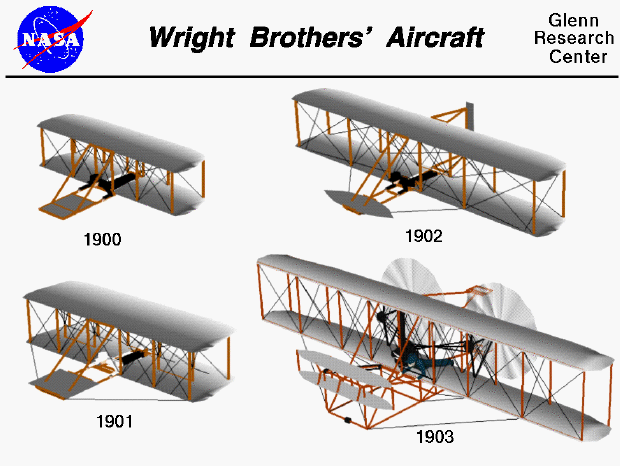
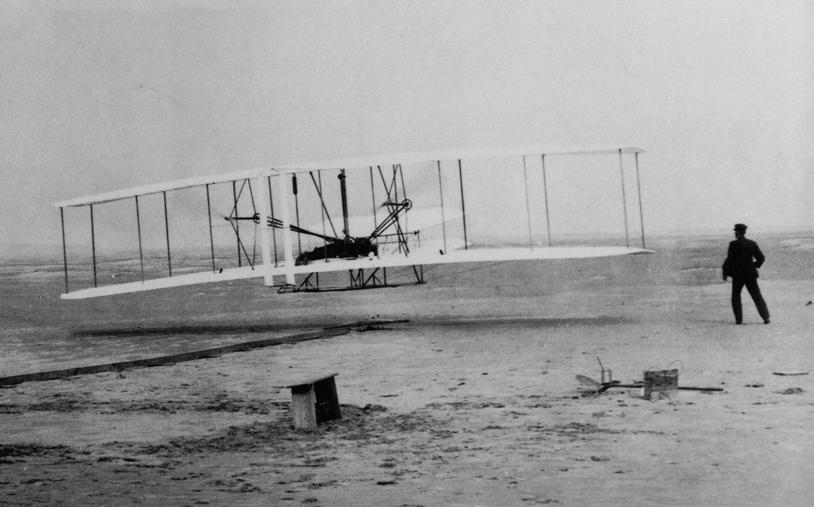
Continuing my discussion on inventions and innovation, in this week’s Ravaya column (in Sinhala, published 14 Oct 2012), I recount the story of the Wright brothers as indefatigable innovators.
Several others had designed heavier-than-air machines during the 19th Century, but none had been as practical as the Wright Brothers. While other experimenters put more emphasis on developing powerful engines, the Wright Brothers focused on developing a reliable method of pilot control.
As cycle repairers, they believed – correctly – that an unstable vehicle like a flying machine could be controlled and balanced with enough practice. They tinkered endlessly with models and prototypes, and also used a small, home-built wind tunnel to collect more accurate data and insights. Such experimentation made their design more efficient and navigable. The rest is history…
Wilbur (left) and Orville Wright – photo from Wikipedia
Malima (New Directions in Innovation) is a Sinhala language TV series on science, technology and innovation. This episode was produced and first broadcast by Sri Lanka’s Rupavahini TV channel on 27 September 2012.
Produced by Suminda Thilakasena and hosted by science writer Nalaka Gunawardene, this episode features the following items:
• An interview with inventor Nalaka Chandrawansa, who has developed an energy-efficient fan that can be fitted under a mosquito net. It consumes less than 20W to operate, compared with table fans (average 45W) and ceiling fans (average 70W), accumulating power savings. And because the compact fan provides a more targeted stream of air that cools the sleeper on the bed, it also does not stir dust elsewhere in the room that sometimes causes health problems. This innovation has been grated a Sri Lanka Patent, certified by Sri Lanka Sustainable Energy Authority and won a President’s Award in 2010. It is manufactured and marketed by the inventor himself. Details at: http://www.freshnight.net
• Introducing Sri Lanka’s indigenous technology: kedella karuwa, a simple tool for sweeping outdoors, which might have inspired the rake.
• A Japanese company has recently introduced the innovative ‘Grappa’ foldable shopping bag — which also doubles as a safety helmet in the case of a disaster. It is made of mesh fabric sides, much like a standard reusable shopping bag, but the bottom consists of hard plastic and expanded polystyrene (EPS), which is often found in safety helmets to absorb impact. More about this at: http://www.springwise.com/health_wellbeing/japanese-eco-friendly-shopping-bag-doubles-safety-helmet/
• An interview with schoolboy inventor Therusha Chethana Fernando, a student of De Mazenod College, Kandana, Sri Lanka. He has developed a portable water cooler that can chill water to 5 degrees C below outside temperature without using refrigeration technology or electricity. Instead, the simple device uses a permeable clay container and a battery-powered small fan. With 3 litres of water filled, the entire unit weighs 4 kg, easy enough to carry around.
Text of my ‘When Worlds Collide’ column published in Ceylon Today Sunday newspaper on 7 October 2012
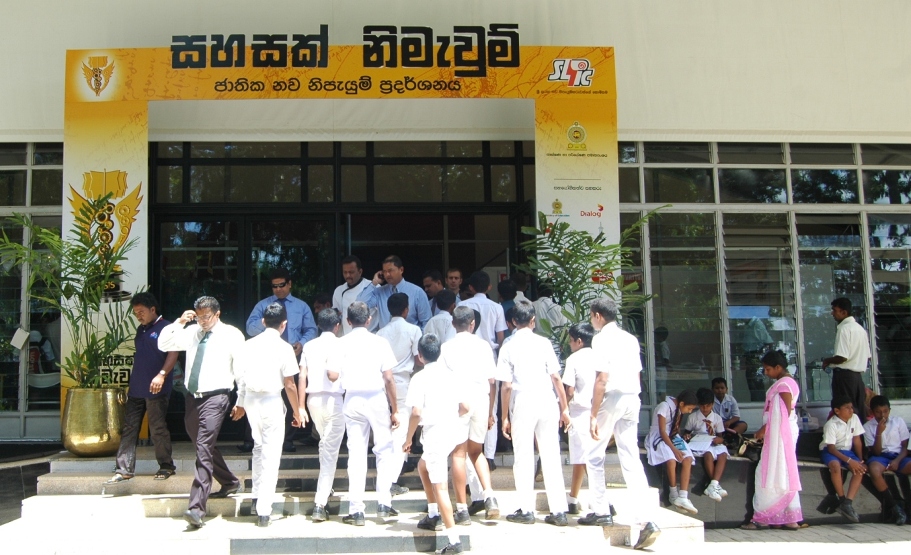
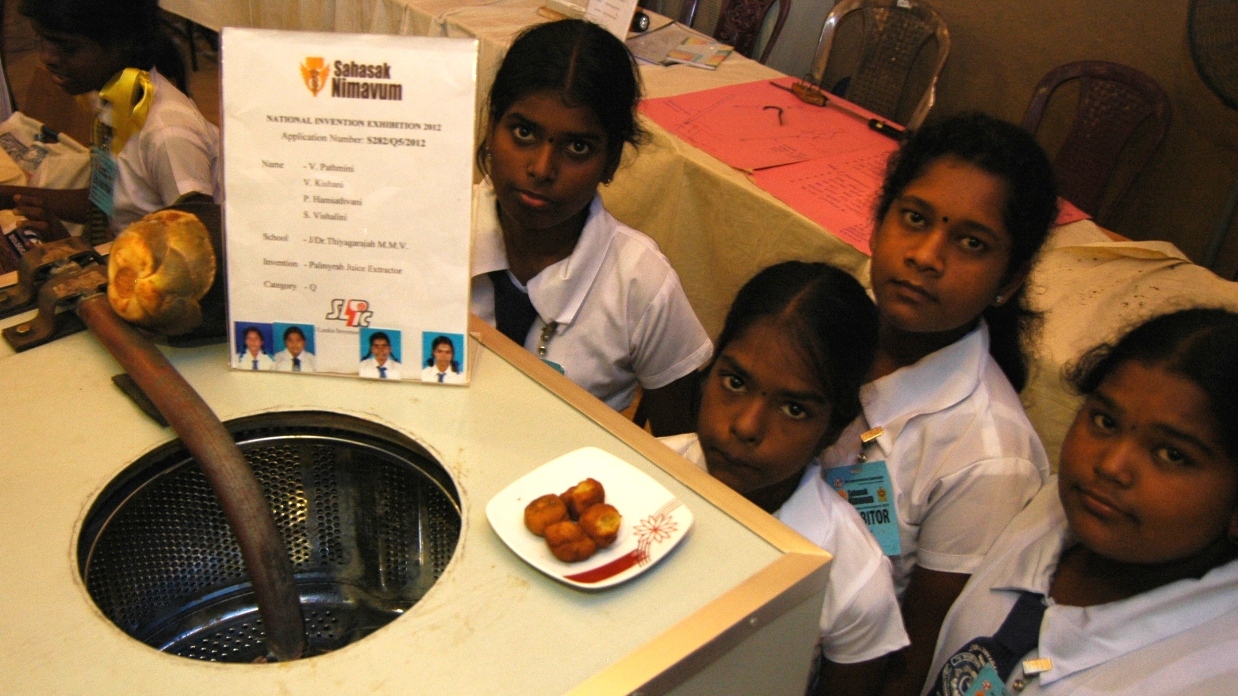
Last week, I spent many hours at Sri Lanka’s first exhibition of inventions and inventors held at BMICH, Colombo, and took lots of photos and notes. I have yet to process all that information, but some trends and directions are emerging.
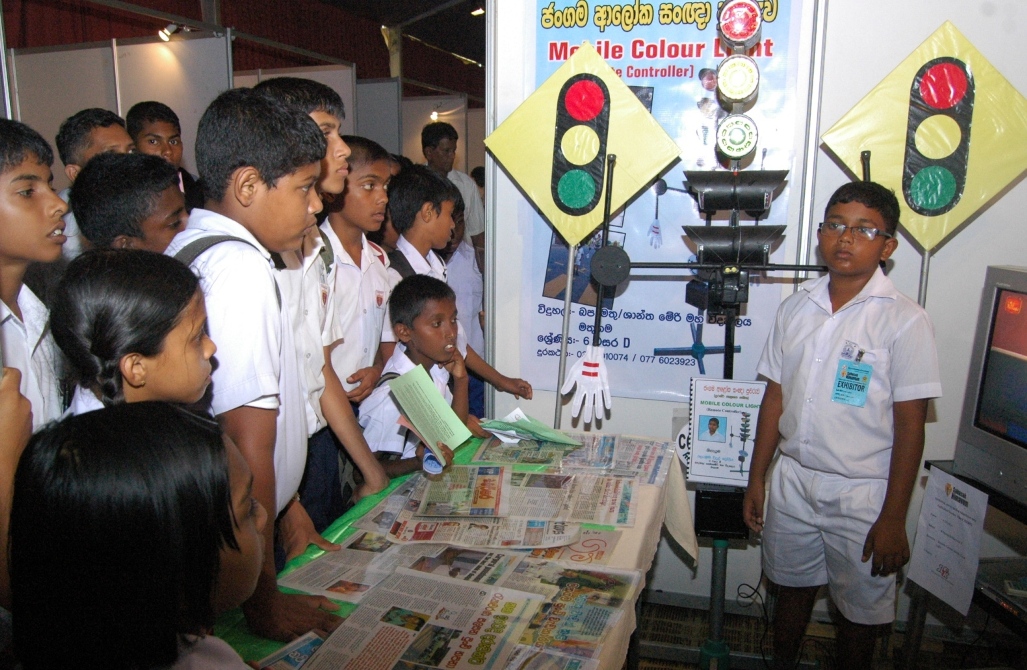
Ambitiously named Sahasak Nimawum (‘A Thousand Inventions’ in Sinhala), the event showcased nearly that many ideas, designs, prototypes as well as some inventions already in the market. There was diversity in topics, themes, inventors and technologies.
It’s like a gem mine – precious and semi-precious stones amidst lots of gravel. We just have to sift though much to get to a few treasures.
That’s how it works in spotting or nurturing innovation: no shortcuts, guarantees or productivity schedules. Innovation takes time, effort and patience. Society’s celebration sure helps bring out more.
In this week’s Ravaya column (in Sinhala), published in issue for 7 Oct 2012, I share my impressions of Sahasak Nimawum, the first national inventors exhibition of Sri Lanka held on Sep 30, Oct 1 and 2 in Colombo.
Organised by Sri Lanka Inventors Commission, it brought together over 900 innovations – including some 400 by school children from around the island.
I spent many hours at the exhibition, talking to dozens of exhibitors and taking hundreds of photos. Clearly, I can only share a few overall impressions in a column like this. I’ll be using the other info in my future writing aimed at critically cheerleading innovation in Sri Lanka.
Sahasak Nimawum 2012 entrance – photo Janaka Sri Jayalath
Text of my ‘When Worlds Collide’ column published in Ceylon Today Sunday newspaper on 30 September 2012
“Those who are crazy enough to believe they can change the world are the ones that do!” – Steve Jobs (1955-2011)
It will soon be one year since Apple’s co-founder and inventive genius departed in a hurry. There are many ways to remember him. I think of him as the quintessential maverick.
Indeed, he turned that personal quality into a core value at Apple. That was also the theme of a memorable advertising slogan – ‘Think Different’ – that boosted the company’s sagging image in 1997.
Jobs had just returned after 11 years in the ‘tech wilderness’. The campaign’s TV component, a commercial named “The Crazy Ones”, saluted notable mavericks through history.
The commercial, entirely in black-and-white, featured 17 iconic personalities –including Albert Einstein, Mahatma Gandhi, Buckminster Fuller, Thomas Edison…




 Open Minds!