The Coming Pesticide Tsunami: Made in China?

Feature article published in Ceylon Today broadsheet newspaper on 14 March 2013.
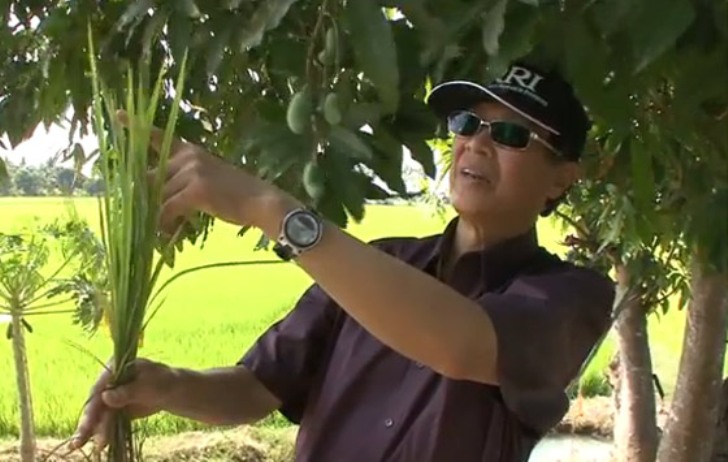
Dr K L Heong: Beware of South-South dumping of hazardous pesticides!

The Coming Pesticide Tsunami: Made in China?

By Nalaka Gunawardene

Countries in Asia and Africa are threatened by a ‘Pesticide Tsunami’ that can seriously affect people’s health and the environment, a leading Asian entomologist warns.

Many developing countries that lack laws and regulations for pesticide marketing are vulnerable to ‘South-South dumping’ of highly hazardous agrochemicals coming from elsewhere in the developing world itself.

In recent years, China has become the world’s largest producer of pesticides, with most of its output being exported to developing countries, says Dr Kong Luen “K.L.” Heong, Principal Scientist at the International Rice Research Institute (IRRI), in Los Banos, the Philippines.

Dr Heong has been researching insect ecology in Asian paddy fields for decades. He is a leading advocate of integrated pest management (IPM) and sustainable agriculture that seeks to reduce current high dependence on agrochemicals in farming.

“Unless developing countries develop mechanisms to protect themselves, the coming Pesticide Tsunami is going to hit them hard. We urgently need to build self-protection at country level,” he said at a regional workshop of science and environmental communicators held recently in Bangkok, Thailand.

Dr Heong called for developing country governments to play a stronger governance role “to ensure quality information and pesticide prescriptions for farmers”.

Analysing statistics from China’s Institute for the Control of Agrochemicals, Ministry of Agriculture (ICAMA), Dr Heong showed how pesticide production in China has more than quadrupled between 2000 and 2009 – from around 500,0000 metric tons to over 2 million metric tons.

In that time, however, China’s domestic use of pesticides showed only a modest increase. That means much of the surplus was exported.

“It goes to countries that have lesser controls. It will not go to Australia, or Europe, or the United States for sure. Where else would it go? The developing world,” Dr Heong said in an interview.

Statistics maintained by the United Nations Food and Agricultural Organisation (FAO), which collates national data received from member governments, show that pesticide imports into developing countries have escalated during the past few years.

According to this database (available at: http://faostat.fao.org) Sri Lanka imported pesticides worth a total of USD 60.15 million in 2011. The figure for the previous year, 2010, was USD 47 million, i.e. an increase of over 20%. (Import quantities are not shown.)

South-South Dumping?

For decades, health and environmental activists have accused western multinational companies of ‘dumping’ hazardous pesticides in the developing world when, in fact, many such substances are banned in their own countries.

During the past decade, however, countries like China and India have also begun exporting their pesticides to the rest of the developing world. Some of these are no longer allowed use within their countries. (See box below: China’s Rising Toxic Exports).

“We are not (sufficiently) well aware of South-South dumping,” Dr Heong said. “We in Southeast Asia know this now. (But) what about Africa? There is a mechanism that dominates pesticide sales there, and it is worrying.”

In 2001, an international treaty called the Stockholm Convention was adopted to eliminate or restrict the production and use of persistent organic pollutants (POPs). These chemical substances, once widely used in pesticides, run off from farmlands and slowly build up through food chains, threatening human health and the environment.

The Stockholm Convention, and the related Rotterdam Convention for Prior-Informed Consent, both came into force in 2004. The latter provides a first line of defence giving importing countries the tools and information they need to identify the potential hazards and to exclude chemicals they cannot manage safely.

Dr Heong emphasized the critical role of governance in strengthening defences against the pesticide tsunami: sound policies, adequate national laws and regulations, and their proper enforcement.

“We cannot control exports by another country. But we can all control imports into our own countries. It’s all about individual countries acting in their own defence,” he said.

He added: “This is deadly poison we are talking about! I feel strongly that the poison should not be sold like toothpaste in the open market. And that is the key: governments should either revive their laws or implement the laws (for effective regulation)”.

Filipino rice farmer spraying pesticides

Governance crucial

He emphasized the need for structural transformation in policy and governance — which he likened to the ‘roof’ of the ‘house’ of agricultural production and consumption.

“We spend a lot of money training our farmers; we spend even more money researching ecological engineering, new (plant) varieties and so on. These are like the furniture, and very nice furniture. But because they are placed in a ‘house without a roof’, they just get washed away. So building a roof is vital,” he explained.

In his view, registering importers of agrochemicals and licensing wholesale traders is necessary – but not sufficient. Toxic agrochemicals are currently being peddled to farmers mostly by untrained salespersons and vendors – they have no certification, and operate without much (or any) supervision and accountability.

“Most subsistence rice farmers across Asia simply ask their nearest local vendor for crop protection advice – and the vendors, in turn, promote whatever they have in stock, or whichever brand that gives them the highest profit margins,” Dr Heong said.

He wants to see developing countries introduce regulatory and certification systems similar to how pharmaceutical drugs are imported and distributed. The medical and healthcare professionals have their own certification schemes to ensure compliance with laws and regulations.

“We are dealing with a profession, and we are dealing with poison! Why are we not having a certification programme (for those peddling it to end users)?” Dr Heong asked.

Malaysian-born K L Heong holds a PhD and DSc from Imperial College, London. Besides insect ecology, he has also studied the sociology of farmers’ decision making, and designed communication strategies for educating farmers on sustainable agriculture.

His research and campaigns have changed rice farmers’ attitudes and practices in plant protection in many countries. For example, his work in Vietnam contributed to farmers more than halving their insecticide use in several provinces in the Mekong Delta; similar reductions were also recorded when his work extended to Central Thailand and Northern Vietnam.

Dr Heong is a leading voice interviewed in ‘Hopper Race’, a new documentary film produced by TVE Japan looking at rice planthopper threats to rice production in Asia. The Bangkok workshop was held to plan the documentary’s distribution across South and Southeast Asia.

Read my full interview with Dr K L Heong, published on TVEAP website

Text Box: China’s Rising Toxic Exports

China’s domination in the world pesticides trade is borne out by global statistics compiled by the UN’s FAO, and confirmed by independent researchers.

Writing a paper in the Proceedings of the International Academy of Ecology and Environmental Sciences in 2011, researchers Wen Jung Zhang, Fu Bing Jiang and Jiang Feng Ou say China is now the largest producer and exporter, and the second largest consumer of pesticides in the world.

The researchers, attached to the School of Life Sciences at Sun Yet-sen University in Guangzhou, note: “Since 1983, China has increased the production of organophosphorus and carbamated pesticides. Meanwhile, pyrethroid and other pesticides were developed. Since 1994, pesticide export of China has exceeded its imports.

“So far, more than 2,000 pesticide companies, of which more than 400 companies are manufacturers of original pesticides; more than 300 varieties of original pesticides and 3,000 preparations are being manufactured…”

They add: “Pesticide pollution of air, water bodies and soils, and pesticide induced deaths in China has been serious” in recent years.

They say China has banned the use of high-residual HCH, DDT and other organochlorined pesticides since 1983. And since 2007, several highly poisonous organophosphorous pesticides (namely, parathionmethyl, parathion, methamidophos, and phosphamidon) are also banned.

What is not clear is if similar considerations are applied to pesticides that China exports to other developing countries.

Their full paper, “Global pesticide consumption and pollution: with China as a focus” is online at: http://tiny.cc/PestC
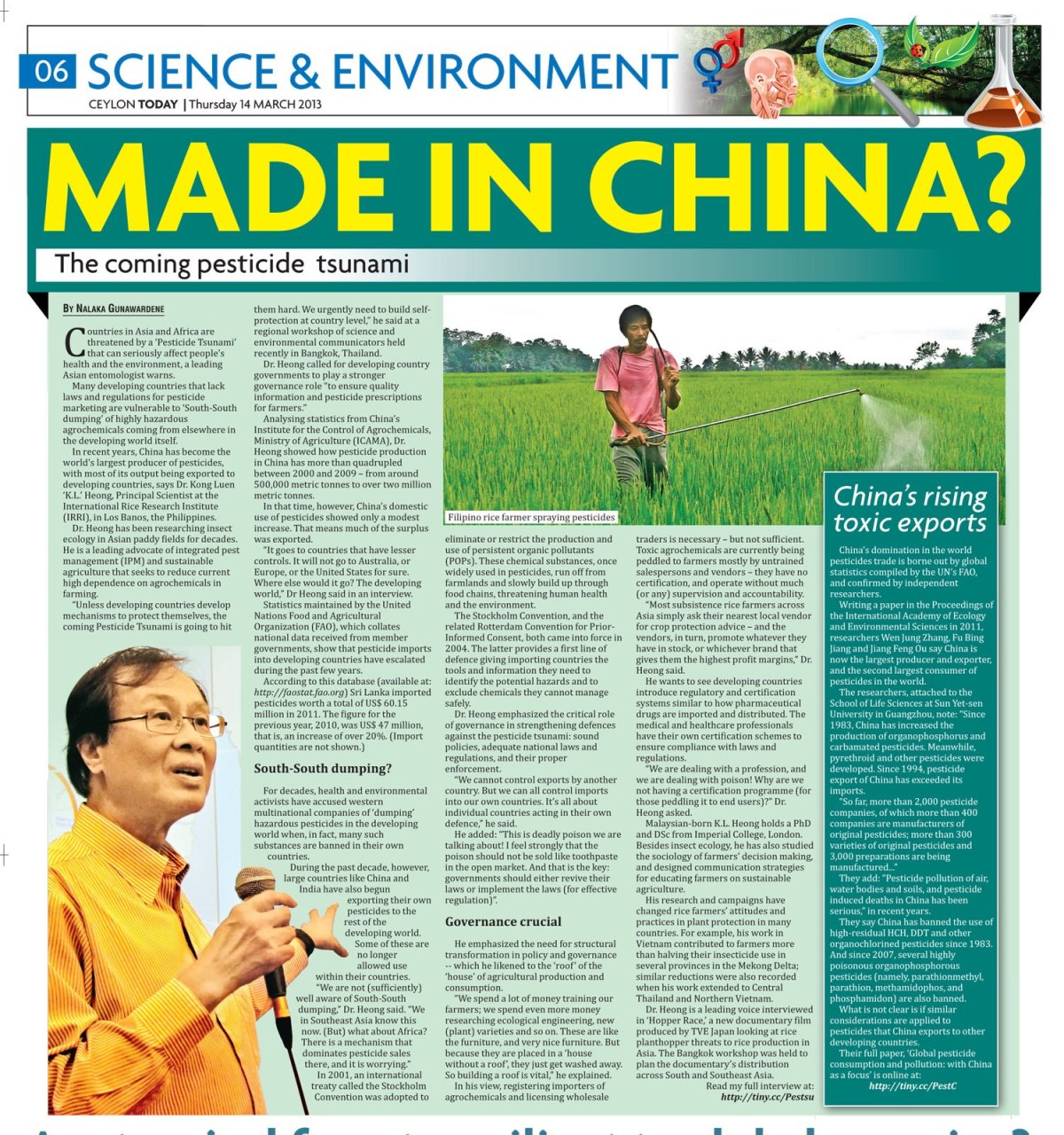
Ceylon Today, 14 March 2013 - The Coming Pesticide Tsunami - Made in China
Ceylon Today, 14 March 2013 – The Coming Pesticide Tsunami – Made in China

Who will defend Earth? Interview with M Moidel, filmmaker of ‘Planetary Defense’ documentary

In December 2008, when talking about Earth-threatening asteroids, I referred to Planetary Defense, an excellent documentary film made by Canadian filmmaker M Moidel, who runs the Space Viz production company.

Since its 2007 release, the film has inspired discussion and debate. It had its global premiere at the UN Headquarters, and been screened at high level meetings of people who share this concern. It has also been broadcast on United Nations TV and various TV channels, and is available on DVD.

Synopsis: Scientists and the military have only recently awakened to the notion that impacts with Earth do happen. “Planetary Defense” meets with both the scientific and military communities to study our options to mitigate an impact from asteroids and comets, collectively known as NEO’s (Near Earth Objects). Who will save Earth?

In the aftermath of the meteor that exploded in the skies over Chelyabinsk, in Siberia, Russia, on 15 February 2013, I interviewed Toronto-based M Moidel by email on the continuing relevance of his film. Excerpts from that interview:

How did you choose this topic for a scientific documentary?

I take a great interest in writing/filming subject matter which is so big, that it should shape the way we go about our daily lives, like if we contacted extra-terrestrials (ETs), or colonized Mars. Those big events would have major consequences on our re-thinking of our real place in the Cosmos.

The threat of being wiped out by an asteroid is similarly humbling. Most of us don’t think about Extinction Level Events on a day-to-day basis and what we might do about it.

How realistic are the prospects of a large enough asteroid colliding with our Earth?

David Morrison (former NASA Space Scientist) said in my film, Planetary Defense: “If we actually found an asteroid on a collision course, we could predict the impact decades in advance. And we believe we have the technology in our space program to deflect it, so that the event doesn’t even happen. I could study earthquakes all my life, and I might be able to improve my ability to predict them, but I could never develop a technology to stop an earthquake from happening. In studying asteroids, I not only have the potential to predict the next calamity, but actually to avoid it.”

Interview clip with NASA scientist David Morrison:

I like to present the options where we have the ability to change our destiny (or not act upon it at all). That’s a story that interests me. (Besides, it’s the ultimate literary conflict: Man vs. Nature!) It’s that ability to do something about possible calamity (as Neil deGrasse Tyson, Astrophysicist and Frederick P. Rose Director of the American Museum of Natural History, says in my film) that leaves the viewers “scared for our future, but empowered to do something about it”.

What was the most surprising element you uncovered during your information research for this documentary?

There were several surprising factoids:
• The fact that only a handful of people, a hundred or so around the Earth, are working on the NEO Mitigation Hazard issue.
• The fact that so few people think about something that is unlikely to happen in our lifetime — but the consequences of not doing something about it are too horrible.
• The fact that we COULD do something about it, unlike the dinosaurs, because we have a Space Programme!
• The fact that there is so little day-to-day concern or knowledge about it among ordinary (non-technical) people.
• The fact that so little (sustained or pulsing) force is required to move a big asteroid or comet (once it is de-spun) so that it misses the Earth entirely.

As Arthur C Clarke concluded in the last interview clip in Planetary Defense (before the Epilogue): “The dinosaurs became extinct because they didn’t have a space programme!”

What were the reactions to your film ‘Planetary Defense’ when it was first released in 2007?

Prior to the final edit, I sought out editorial reviews from the key participants. The scientists who participated in it also advised me as they each received advance copies. I listened to each expert and made appropriate changes so I knew the content would be spot-on.

The reaction, upon release, was spectacular! There are four major reviewers of educational content in the United States. To get a review from any one of them is not easy. “Planetary Defense” received two of the four with simultaneous reviews in both “Booklist” (Chicago) and “The Library Journal” (NYC).

Following that, the United Nations TV premiered it understanding immediately how this is a global issue. It has aired in Canada a few years running.

The infamy was not comparable to the effect of Orson Welles’ (1938) CBS radio broadcast of H. G. Wells’ novel “The War of the Worlds” (1898) elicited on the public; but I was happy with the appreciation from both the scientific and educational communities.

Of course the comments speak for themselves – see: http://www.spaceviz.com/img/Planetary_Defense_comments.pdf

Spaceguard is a scientifically credible concept, yet it has not received too much political support. Why?

For two reasons. One, policy makers have limited budgets. They ask: “Who was the last person to die from an asteroid impact? After the laughing subsides, the vote is taken (if any) that this issue can be kicked down the line for a few more years, to the next administrations’ budget.

Two, the second reason is also sad. Humans have very little memory for horrible events unless it happened to them, as a people or a country.

For example, outside Indian Ocean rim countries and Pacific island nations (that are exposed to tsunami hazard), how many westerners really empathize and think regularly about tsunamis? About 250,000 people perished in the Boxing Day tsunami of 2004, and yet it’s a bygone memory outside those affected areas.

Planetary Defense, a SpaceViz Documentary by M Moidel

Can the Siberian meteorite on 15 February 2013 change this?

Siberia just experienced an actual airburst, a one in a 100 year event. This time around, unlike the 1908 Tunguska event, there were plenty of video cameras to record the event from all angles. After going viral for not even a week, the story has died down from the news (not enough devastation or death?) and people are going about their daily business.

Although the Russian government is now calling for Space-faring nations to cooperate and work on a Space Defense or Planetary Defense, it might take a few more near-misses, on a regular basis, to make any real ‘impact’ in human beings acquiescence to this threat!

What, in your imagination, is the best thing that can happen for political leaders to take NEO impact threat more seriously?

Well, it almost happened with the airburst over Siberia. As I said, we have short attention spans (when not enough death and destruction) or when it doesn’t happen to “us”. So either more regular, deadly impacts are required — or hopefully, films like mine can wake up a few more policy makers before all that death and destruction occurs. I’m doing my part…

‘Planetary Defense’ sounds a bit Utopian on a highly divided planet?

Well, that’s an excellent question. But at the risk of repeating myself, people have short attention spans — and shorter memories when it doesn’t affect them directly.

What’s odd is it does affect all of us directly — and we can do something about it! It is not cost-prohibitive either to search for NEOs, test deflection mechanisms or actually engage in a defensive mission.

Currently, NEO searches are being done on minimal budgets. The how-to’s are being thought out by some of the greatest minds on the planet. The military is (also) awakening to the threat.

The recent airburst over Siberia has fueled Russian interest in Space Defense technology. Decades of planning, command and control, NEO characterizations and deflection techniques — all these are critical in mitigating impacts with the Earth. All these aspects are covered in my film (aside from an overview of the subject). The road map is in place!

For all these reasons and more, my film is still very timely! So yes, we can all come together to work on this because it’s not cost-prohibitive (and the cost of doing nothing is simply…unthinkable).

Sir Arthur C Clarke, who gave you an interview, called Planetary Defense ‘one of the most important documentaries made’. Why?

Humanity’s view of ourselves changed in 1968 after seeing Earth as a whole planet floating in the darkness of Space (Apollo 8 photographs). From then on, we started thinking a bit more globally.

Perhaps it won’t take a deadly impact nor a Utopian dream. Perhaps knowledge of the threat from ‘out there’ might finally imbue logic upon the denizens of Earth and we can act as one world (or at least one people) in the cause of self-preservation and the continuation of ‘life as we know it’. There is no “Plan B for Planet Earth”.

Apollo 8's enduring legacy (image courtesy NASA)
Earthrise: Apollo 8's enduring legacy (image courtesy NASA)

සිවුමංසල කොලූගැටයා #96: ආතර් සී. ක්ලාක් නැවත කියවමු!

This week, my Ravaya column (in Sinhala) is about why we in Sri Lanka should re-read Arthur C Clarke, author of 100 books and over 1,000 essays of both fiction and non-fiction. This marks his 95th birth anniversary that falls on 16 Dec 2012.

As a science writer, Sir Arthur wrote on many and varied topics. Here, I single out two aspects: human violence and human gullibility, both of which continue to affect societies around the world.

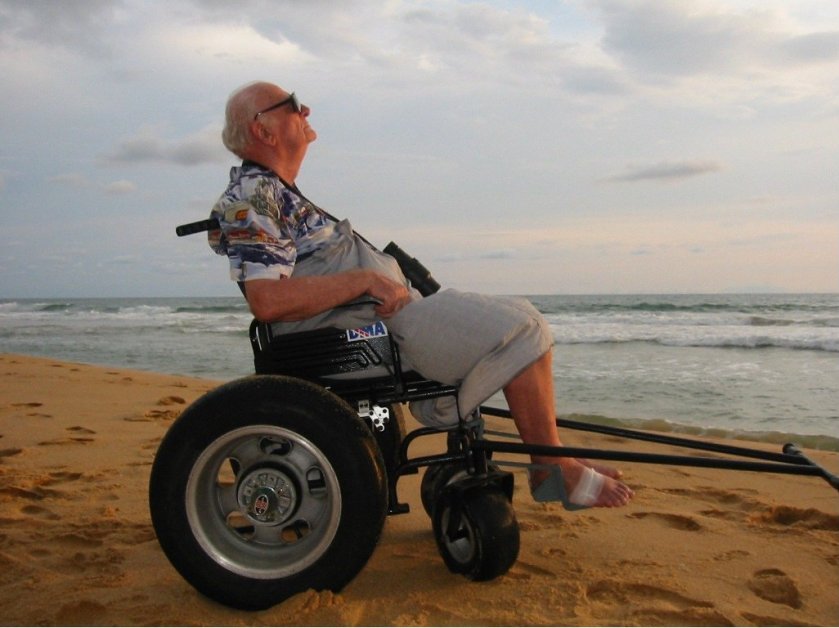
Sir Arthur Clarke revisits Hikkaduwa beach in souther Sri Lanka in his custom-made Dune Roller, circa 2005

ශ‍්‍රීමත් ආතර් සී. ක්ලාක්ගේ 95 වන ජන්ම සංවත්සරය අදට යෙදෙනවා.

ඔහුගේ අදහස් හා පරිකල්පනය කැටි කරගනිමින් වසර 25කට වැඩි කාලයක් පුරා විටින් විට මා ලියූ ලිපි එකතු කොට සම්පාදනය කළ ‘ආතර් සී. ක්ලාක් චින්තන චාරිකා’ නම් අලූත් පොතත් මේ සතියේ එළි දකිනවා.

ක්ලාක් 1917 එංගලන්තයේ ඉපිද, 2008 මාර්තුවේ ශ‍්‍රී ලංකාවේ දී මිය ගියා. ඔහුගේ අවුරුදු 90ක ජීවත කාලයෙන් අඩ සියවසකට වැඩි කාලයක් ගත කළේ මෙරට පදිංචිකරුවකු හැටියටයි. (පුරවැසියකු නොවේ!) එසේ වුවත් අපේ රටේ බොහෝ දෙනා තවමත් ක්ලාක් චින්තනය ගැන එතරම් නොදන්නා බව පෙනෙනවා.

මෙයට එක් හේතුවක් නම් ඔහුගේ සියයකට ආසන්න පොත්වලින් හා දහසකට අධික වූ විද්වත් ලිපි ලේඛනවලින් දේශීය භාෂාවලට පෙරළී ඇත්තේ සීමිත ප‍්‍රමාණයක් වීම. වෙළඳපොළ හේතු නිසාදෝ එසේ පරිවර්තනය හෝ අනුවාදය වී ඇත්තේ ද ඔහුගේ ප‍්‍රබන්ධ කෘති සමහරක් පමණයි.

ක්ලාක් විවිධාකාරයෙන් විග‍්‍රහ කළ හැකියි. ඉතා පටු කෝණයකින් බලන ඇතැම් දෙනා ඔහු හුදෙක් ප‍්‍රබන්ධ කථාකරුවකු හා විද්‍යාත්මක සාත්තරකරුවකු ලෙස දකිනවා. තවත් අයට ඔහු ගැජට්කාරයකු පමණයි. යම් පමණකට එය සැබෑ වූවත්, ඔහුගේ බුද්ධිමය දායකත්වයේ තවත් පැතිකඩ ගණනාවක් තිබෙනවා.

විද්‍යාව හා කලාවත්, පෙරදිග හා අපරදිග දැනුමත් එකට සංකලනය කිරීම හරහා අසාමාන්‍ය වූ දැක්මක් ඔහු ලබා ගත්තා. එමෙන්ම වර්තමාන දේශපානකින හෝ ආර්ථික මතවාදයන් තුළ සිරකරුවකු නොවී දිගුකාලීන ඓතිහාසික හා පරිනාමීය දෘෂ්ටි කෝණයකින් කරුණු විග‍්‍රහ කිරීමට ඔහුට හැකියාව තිබුණා.

හැම චින්තකයා හා ලේඛකයා ම සිය නිර්මාණ කරන්නේ තමන්ගේ කාලයට අනුරූපවයි. ආතර් සී. ක්ලාක්ට අනාගතවේදී දැක්මක් තිබුණත් ඔහු විසි වන සියවසේ චරිතයක්. ඔහුගේ දැක්ම වඩාත් මතුව ආයේ ඔහු මානව ප‍්‍රචණ්ඩත්වය හා විවිධ මානව විශ්වාසයන් ගැන ලියූ හා කියූ දේ හරහායි. මේ විග‍්‍රහයන් ඔහුගේ කාලයට අනුරූපව කරනු ලැබූවත් අපේ වත්මන් සියවසට අදාල කර ගත හැකියි.

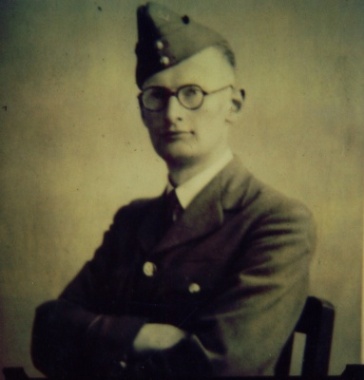
Flt Lt Arthur C Clarke of the Royal Air Force, circa 1942 -  Photo owned by Arthur C Clarke Estate
Flt Lt Arthur C Clarke of the Royal Air Force, circa 1942 – Photo owned by Arthur C Clarke Estate
පළමුවන ලෝක යුද්ධ සමයේ ඉපදී, දෙවන ලෝක යුද්ධයේදී ගුවන් හමුදා සේවයේ නිරත වී, සීතල යුද්ධයේ සමස්ත කාල වකවානුව ම අත්විඳි ඔහු මානව ප‍්‍රචණ්ඩත්වය ගැන හා ගෝත‍්‍රික කලහකාරීබව ගැන ලිව්වේ හා කථා කළේ ෙසෙද්ධාන්තිකව නොව ප‍්‍රායෝගික අත්දැකීම් ඇතිවයි.

බටහිර ලෝකයෙන් පෙරදිගට සංක‍්‍රමණය වී 1956 සිට ශ‍්‍රී ලංකාවේ පදිංචි වූ ඔහුට යළිත් තුන් වතාවකදී ගැටුම්කාරී පරිසරයක ජීවත් වන්නට සිදු වුණා. 1971දී හා 1987-89දී මෙරට දකුණේත්, 1980 දශකය සිට ඔහුගේ ජීවිතයේ අවසානය තෙක් මෙරට උතුරු හා නැගෙනහිරත් සිදු වූ සන්නද්ධ අරගලයන් නිසා ඔහු දැඩි සේ කම්පාවට පත් වුණා.

දේශපාලන මතවාද වෙනුවෙන් හෝ බිම් ප‍්‍රදේශ සඳහා හෝ වෙනත් කුමන හේතුවක් නිසා හෝ අවි ආයුධ අතට ගැනීම ඔහු කිසි විටෙකත් අනුමත කළේ නැහැ. එහෙත් ආක‍්‍රමණශීලී ස්වභාවය හා ප‍්‍රචණ්ඩත්වය මානවයන්ට පරිණාමයෙන් උරුම වූවක් බවත්, පරිණාමීය අතීතයේ දී නම් එය අපේ වර්ගයාගේ රැක්මට හා පැවැත්මට උපකාරී වූ බවත් ඔහු දැන සිටියා.

දැනුමෙන්, චින්තනයෙන් හා තාක්ෂණයෙන් ඉදිරියට ගියත් මේ උරග මොළ ඉතිරියක් තවමත් අප තුළ පවතින බවත්, එය අධ්‍යාපනය හා ශික්ෂණය හරහා සමනය කර නොගත් විට ගැටුම් හට ගන්නා බවත් ඔහු තේරුම් ගත්තා. ඉතා සරල මුගුරක සිට අතිශයින් විනාශකාරි පරමාණු බෝම්බ දක්වා සමස්ත අවි ආයුධ පරාසය හරහා ම මතු වන්නේ මේ පරිණාමීය ආවේගය හා ගෝත‍්‍රිකත්වය බව ඔහු යළි යළිත් පෙන්වා දුන්නා.

ශ‍්‍රී ලංකාවේ සන්නද්ධ අරගල තුනේදී ඒ ගැන මහත් ශෝකබරිත නිරීක්ෂකයකු හැටියට ඔහු ඉඩ ලද හැම අවස්ථාවක ම මේ ප‍්‍රාථමික ආවේගයන්ගෙන් ඔබ්බට යාමේ වැදගත්කම අවධාරණය කළා.

ඔහු විසිවන සියවස නිතර හැඳින්වූයේ ලෝක ඉතිහාසයේ අතිශයින් ම මිලේච්ඡ වූ සියවස හැටියටයි. රටවල් අතර ප‍්‍රකාශිත යුද්ධ, රටවල් තුළ සිවිල් යුද්ධ, ත‍්‍රස්තවාදී හා අපරාධකාරී ක‍්‍රියා මෙන් ම දේශපාලන මතවාදයන් නිසා ද මිලියන ගණනක් අහිංසක හා නිරායුධ ජනයාගේ ජීවිත හානි කළ එම බිහිසුණු සියවසෙන් අප අමතක නොවන පාඩම් උගත යුතු බව ඔහු නැවත කියා සිටියා.

යුනෙස්කෝව (එක්සත් ජාතීන්ගේ අධ්‍යාපනික, විද්‍යාත්මක හා සංස්කෘතික සංවිධානය) සමඟ ඔහුට සමීප සබඳතාවක් තිබුණා. දෙවන ලෝක යුද්ධයේ උණුසුම පහව යන්නටත් කලින් 1945දී යුනෙස්කෝව පිහිටුවා ගන්නා විට එහි ප‍්‍රඥප්තියේ ආරම්භක වැකිය ලෙස එහි නිර්මාතෘවරුන් ලීවේ මෙයයි. ‘යුද්ධ හට ගන්නේ මිනිසුන්ගේ මනසේ නිසා සාමයට පවුරු සවිමත් කළ යුත්තේ ද පළමු කොට ම මිනිස් මනසේයි.’

මේ ගැඹුරු සංකල්පය එවකට 29 හැවිරිදි තරුණයකුව සිටි ආතර් සී. ක්ලාක්ගේ මනසට කිඳා බැස්සා. ඉක්බිතිව 1955දී ඇල්බට් අයින්ස්ටයින්, බර්ට්රන්ඞ් රසල් ඇතුළු ලෝකයේ ඉහළ පෙළේ විද්‍යාඥයන් හා බුද්ධිමතුන් පිරිසක් න්‍යෂ්ටික අවිවලට එරෙහිව නිකුත් කළ රසල්-අයින්ස්ටයින් ප‍්‍රකාශනය (Russell-Einstein Manifesto) ද ඔහුගේ චින්තනය තවත් තීව‍්‍ර කළා.

ක්ලාක් ශ‍්‍රී ලංකාවේ තරුණ සන්නද්ධ අරගලයන් හා බෙදුම්වාදී යුද්ධය ගැන විටින් විට ප‍්‍රසිද්ධියේ අදහස් දැක් වූ විට ඒවාට මෙබඳු දිගු කාලීන හා පුළුල් පසුබිමක් තිබුණා. ඔහු කිසි විටෙකත් සාමය ගැන සරල හා සිල්ලර මට්ටමින් කථා කළේ නැහැ. එමෙන් ම ඔහු හැම විට කීවේ ‘කල් පවතින’ හා ‘තිරසාර’ සාමයක් ගැනයි. ඔහුගේ අවසාන ප‍්‍රසිද්ධ ප‍්‍රකාශය වූ 90වන ජන්ම දින ආවර්ජනයේත් මේ සංකල්පය නැවත වරක් අවධාරණය කළා.

දශක නවයක ජීවිත කාලයේ කිසිදු පෞද්ගලික අපේක්ෂාවක් ඉතිරිව නැතත්, මහා පරිමාණයේ ප‍්‍රාර්ථනා තුනක් ඔහු සඳහන් කළා.

• පළමු වැනි පැතුම නම් විශ්වයේ වෙනත් තැනෙක ජීවයක් පැවතීම පිළිබඳ ස්ථීරසාර සාක්ෂියක් ලැබේවා යන්නයි.

• දෙවැනි පැතුම නම් පිවිතුරු බලශක්ති ප‍්‍රභවයන් භාවිතයට ලෝකය ඉක්මනින් ම යොමු වනු ඇතැයි යන්නයි.

• තෙවැනි පැතුම නම් කල් පවතින තිරසාර සාමයක් හැකි ඉක්මනින් ශී‍්‍ර ලංකාවේ උදා වේවා යන්නයි.

“සාමය යනු නිකම් උද්‍යොග පාඨයක් හෝ ලියවිල්ලක් නොවන බව මා දන්නවා. ඒ සඳහා අති විශාල කැපවීමක්, පරිත්‍යාගයක් හා දිගු කාලීන දැක්මක් අවශ්‍යයි,” ඔහු කියා සිටියා.

විද්‍යාව ජනප‍්‍රිය කිරීමට ලෝක මට්ටමින් කරන විද්වත් දායකත්වය සඳහා 1952 සිට යුනෙස්කෝ පිරිනමන කාලිංග සම්මානය 1961දී හිමි වූයේ ක්ලාක්ටයි. එය ලබා ගනිමින් ඔහු 1962 සැප්තැම්බරයේ නවදිල්ලියේදී කළ කථාවේ අවසාන වැකි කිහිපය අඩසියවසක් ගත වී තවමත් අපට අදාල කර ගත හැකියි.

“තර්කානුකූලව හා සාක්ෂි මත පදනම් වූ චින්තනයක් පෙර අපර දෙදිග සියලූ රටවලට අවශ්‍යයි. එය වඩාත් හදිසි අවශ්‍යතාවයක් වන්නේ දියුණු වෙමින් පවතින රටවලයි. ආසියාවේ හා අප‍්‍රිකාවේ බොහෝ රටවල මිලියන් ගණනක් ජනයා භෞතික, මානසික හා ආධ්‍යාත්මික දරිද්‍රතාවයේ ඇද බැඳ තබන ප‍්‍රබල සාධක දෙකක් තිබෙනවා. එනම් අන්ධ භක්තිය හා මිථ්‍යා විශ්වාසයි.

“විද්‍යාව එහි සාංස්කෘතිකමය හා තාක්ෂණික යන මුහුණුවර දෙකෙන් ම මේ පසුගාමී සාධකවලට එරෙහි වනවා. ගතානුගතිකත්වයේ යදම් බිඳ දමා මුළු මහත් ජාතීන් වඩා යහපත් ජීවන තත්ත්වයන් වෙත කැඳවා ගෙන යන්නට විද්‍යාත්මක චින්තනය මඟ පෙන්වනවා.

“විවෘත මනසින් යුතුව හා විචාරශීලිව හැම දෙයක් ම ප‍්‍රශ්න කිරීම විද්‍යාවේ ක‍්‍රමවේදයයි. ඉන්ද්‍රිය ගෝචර ප‍්‍රත්‍යක්ෂ හරහා මතු වන දේ අපේ එල්බ ගත් විශ්වාසවලට පටහැනි වන විට දී පවා එය පිළිගැනීම විද්‍යාවේ විනයයි.

“එහෙත් අන්තවාදියාගේ ආදර්ශ පාඨය වන්නේ ‘කරුණු හා තර්ක ඉදිරිපත් කරන්නට එපා – මගේ තීරණය අවසාන විනිශ්චයයි’ යන්නයි. එබඳු අධිපතිවාදයක් විද්‍යාවේ නැති නිසා අන්තවාදීන්ට විද්‍යාවේ තැනක් ද නැහැ.

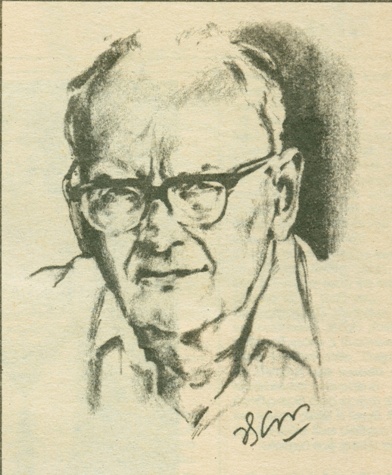
Arthur C Clarke drawn by K W Janaranjana (Courtesy Maanawa magazine, Jan-Feb 1988)
“මිථ්‍යා විශ්වාස හා ඇදහිලි ඕනෑ තරම් පෙරදිග රටවල හමු වනවා. සමහරක් අහිංසක නොමඟ යාම් වූවත් ඇතැම් ඒවා පුද්ගලයන්ට හා ජන සමාජයන්ට ඉතා අහිතකරයි. උදාහරණයක් නම් මෑතදී (1962) ලොව ඇතැම් රටවල පැතිර ගිය ලෝක විනාශයක් ගැන අස්ථාන භීතියයි. ග‍්‍රහලෝකවල ස්වභාවික ගමන් මාර්ගවලට අනුව ඉඳහිට ඒවා අහසේ සාපේක්ෂව එක ම කලාපයක සමීප ලෙසින් පිහිටනවා. එයින් පෘථිවියේ කිසිදු ආපදාවක් ඇති විය නොහැකියි. එහෙත් ඒ ගැන බිය උපදවා ගත් ඉන්දියානු හා අනෙකුත් ජාතිකයන් කී දෙනෙකු එම ‘අපල උපද්‍රව’ දුරු කිරීමට කියා තමන්ගේ සීමිත මුදල් අපරාදේ වැය කළා ද?

“මීට දෙවසරකට පෙර මේ කාලිංග සම්මානයෙන් පුද ලැබූ ෂන් රොස්ටාන්ඞ් මෙබඳු සම්මාන ප‍්‍රදානෝත්සවයකදී භාරතය හැඳින්වූයේ ‘අතීතය ප‍්‍රතිකේෂප නොකර අනාගතය වැළඳ ගන්නා ශ්‍රේෂ්ඨ දේශය’ හැටියටයි. මෙය අද කාලයේ ඕනෑ ම රටකට ගැලපෙන ප‍්‍රතිපත්තියක්. එහෙත් හැම රටක හා ජාතියක ම අතීතයේ ආයාසයෙන් ප‍්‍රතිකේෂප කළ යුතු ඇතැම් උරුමයන් ද තිබෙනවා.

“ගැඹුරට විග‍්‍රහ කළ විට විද්‍යාව යනු තර්කානුකූලව සිතීම හා විචාරශීලිව ලෝකය හා අප සමාජය දෙස බැලීමයි. අප ඉවත ලිය යුත්තේ කුමක් ද හා තව දුරටත් පවත්වා ගනිමින් ප‍්‍රවර්ධනය කළ යුත්තේ කුමක් ද යන්න එබඳු චින්තන ක‍්‍රමවේදයකින් අපට වෙන් කර ගත හැකියි. අනාගතයට දිවෙන අවිනිශ්චිත මාර්ගයෙහි අපට හොඳ මඟ පෙන්වන්නන් ත‍්‍රිත්වය වනුයේ විද්‍යාත්මක චින්තනය, සහජයෙන් අප ලබන ප‍්‍රඥව හා අමාරුවෙන් ප‍්‍රගුණ කර ගත යුතු දුරදක්නා නුවණයි.”

මගේ මතය නම් හැම පරම්පරාවක් ම මෙබඳු බුද්ධිමතුන් හා ලේඛකයන් නැවත කියවිය යුතුයි. එසේ කියවද්දී ඔවුන්ගේ ජීවන කාලීන පසුබිම ගැන ද විමර්ශනය කළ යුතුයි. මෙය බර්ට්රන්ඞ් රසල්, මහත්මා ගාන්ධි, මාටින් වික‍්‍රමසිංහ මෙන් ම ආතර් සී. ක්ලාක්ටත් පොදුයි. එසේ යළි කියවා අපේ පරම්පරාවට හා යථාර්ථයට මේ චින්තකයින්ගේ අදහස් අදාල කර ගත යුතුයි.

මෙබඳු යළි කියවීමක් තබා ක්ලාක් මුල්වරට හරිහැටි කියවීමක්වත් මෙරට තවමත් සිදු නොවීම කණගාටුවට කරුණක්. ඔහුගේ 2008 වියොවින් දින කිහිපයකින් දෙසතිය සඟරාව සම්මුඛ සාකච්ඡාවක් කරමින් මා කීවේ ලක් සමාජය ක්ලාක් ගැන උදම් ඇනුවාට ඔහුගේ හරබර අදහස් හා නිර්දේශවලින් ප‍්‍රයෝජනයක් නොගත් බවයි.

ජීවමාන ක්ලාක් සංචාරක ආකර්ෂණයක් හා ජාත්‍යන්තර ප‍්‍රදර්ශන භාණ්ඩයක් බවට පත් කරන්නට මෙරට ඇතැම් දෙනා හා ආයතන තැත් කළා. ඔහුගේ නමින් 1984 පිහිටුවන ලද රාජ්‍ය තාක්ෂණික ආයතනය වසර තිහකට ආසන්න කාලයක් නිසි විද්‍යාත්මක ඵලදායීතාවකින් තොරව මහජන මුදලින් දිගට ම පවත්වා ගෙන යනවා.

ක්ලාක්ගේ චින්තනය ගැඹුරු විලක් නම් ලක් සමාජය මෙතුවක් කර ඇත්තේ ඒ විල් තෙර හිඳ ගෙන ඉඳහිට නැඟී එන රළක් පෑගීම හා නොගැඹුරු දියේ ඉනවටක් දක්වා යාම පමණයි. එයින් ඔබ්බට මේ චින්තන චාරිකාව ගෙන යාමේ ලොකු වගකීමක් ක්ලාක් සමඟ සමීපව බුද්ධි ගවේෂණයේ යෙදුණු අපට දැන් පැවරී තිබෙනවා.

ආතර් සී. ක්ලාක් චින්තන චාරිකා කෘතිය හරහා මා උත්සාහ කරන්නේත් මේ විලේ තවත් මානයකට සිංහල කියවන සමාජය කැඳවා ගෙන යන්නටයි. ඒ චාරිකාවට අවශ්‍ය වන්නේ නොතිත් වූ දැනුම් පිපාසය හා විවෘත මනසක් පමණයි. යම් තාක් දුරකට ගිය පසු බුද්ධිමත් පාඨකයන්ට තනිව පිහිනා යන්නට ඉඩ හැරීම ලේඛකයන්ගේ සම්ප‍්‍රදායයි!

Read the full transcript on TVEAP website

සිවුමංසල කොලූගැටයා #84: දිවි සුරකින දැනුම ඛෙදන පොත් දෙකක්

This is the text of my (Sinhala language) column in Ravaya newspaper of 23 September 2012. I review two new books, both of much public interest, and written by two senior professionals who have been passionately committed to public safety for decades.

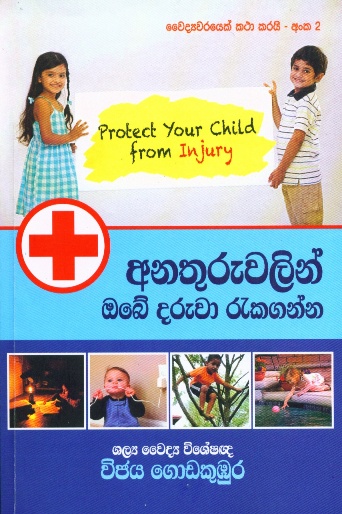
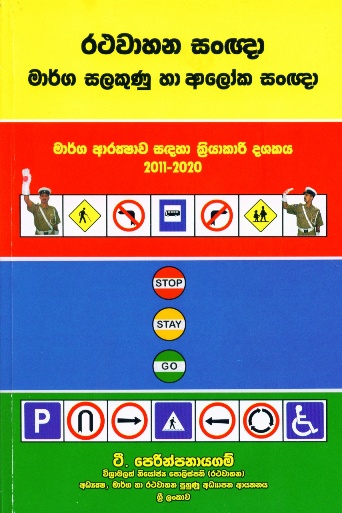
Protect Your Child from Injury (in Sinhala) is written by Dr Wijaya Godakumbura, while Traffic Signs, Road Markings and Traffic Signals is authored by T Perinpanayagam, a retired senior police officer.

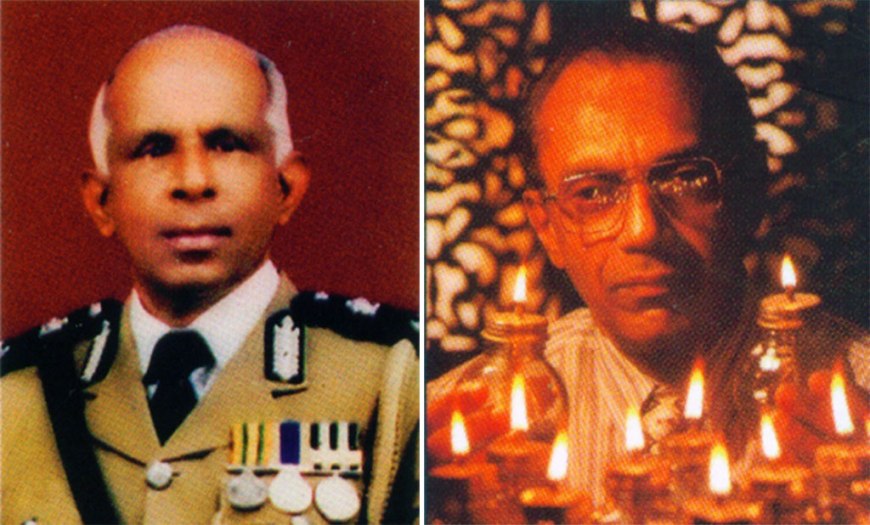
T Perinpanayagam (left) and Dr Wijaya Godakumbura: Life-long commitment to safety

මේ සාහිත්‍ය මාසයයි. කොළඹ පොත් ප්‍රදර්ශනය පැවැත්වෙන සතියයි. මේ නිසා මෑතදී මට හමුවූ පොත් දෙකක් ගැන අද කථා කරනවා.

පොත් ප්‍රදර්ශනය පැවැත්වෙන කාලය තුළ අළුත් පොත් සිය ගණනක් එළි දකිනවා. (මගේ 2011 කොලම් අතරින් 44ක් අඩංගු පොතක් ද ඒ අතර වනවා.) අතිශයින් විවිධ වූ රසිකත්වයකට හා පාඨක සමුහයකට දායාද කැරෙන මේ පොත් අතර නිර්මාණාත්මක මෙන්ම දැනුම වඩන පොත් ද තිඛෙනවා. පොතක අගය තීරණය වන්නේ එය පාඨකයන්ට සමීප වන ආකාරයටයි.

ඇතැම් පොත් චින්තන විප්ලවයන් කරන අතරේ තවත් පොත් ඉතා ප්‍රායෝගික ලෙසින් ජීවිතය අර්ථවත්, සාරවත් කර ගන්නට අත්වැලක් සපයනවා. හැම පොතකට ම ජීවිත බේරන්නට බැහැ. එබඳු පොත් ලියැවෙන්නේ ඉඳහිටයි. ගෙවී ගිය සති කිහිපය තුළ දිවි සුරකින දැනුම කැටි කර ගත් හරවත් පොත් දෙකක් එළි දක්වන උත්සවයන් මෙහෙයවීමේ වරම මට ලැබුණා. ඒවා ලියා ඇත්තේ මා අගය කරන, පොදු උන්නතියට කැපවුණු වෘත්තිකයන් දෙදෙනකු විසින්.

එයින් එක ලේඛකයෙක් දෙස් විදෙස් සම්මානයට පාත්‍ර වූ වෛද්‍යවරයෙක් හා නව නිපැයුම්කරුවෙක්. අනෙක් ලේඛකයා සිය කැපවීම නිසා ජනාදරයට පත් වූ හා ජාත්‍යාන්තර පිළිගැනීමක් ලද පොලිස් නිලධාරියෙක්.

Protect Your Child from Injury – Book by Dr Wijaya Godakumbura
සුදීප ආරක‍ෂිත කුප්පි ලාම්පුවේ (www.safebottlelamp.org) නිපැයුම්කරුවා හා ප්‍රවර්ධකයා ලෙස ශෛල්‍ය වෛද්‍ය විශේෂඥ විද්‍යාජෝති විජය ගොඩකුඹුර මා මීට පෙර හඳුන්වා දී තිඛෙනවා (2012 ජනවාරි 15 කොලම). වසර 45ක් තිස්සේ මාධ්‍ය හරහා සෞඛ්‍ය දැනුම ඛෙදා දෙන ඔහු 1971දී ලියූ “වෛද්‍යවරයෙක් කථා කරයි” නම් කෘතියට රාජ්‍ය සාහිත්‍ය සම්මානයක් හිමි වුණා. දශක හතරකට පසු ඔහු ලියූ දෙවන සිංහල පොත නම් කර ඇත්තේ “අනතුරුවලින් ඔබේ දරුවා රැක ගන්න” කියායි.

වාර්ෂිකව ලොව පුරා මිලියන් 5.5ක් (ලක‍ෂ 55 ක්) දෙනා විවිධ අනතුරුවලින් මිය යන අතර ශ්‍රී ලංකාවේ මේ සංඛ්‍යාව 12,000ක් පමණ වනවා. වැඩි වශයෙන් පුවත් වාර්තාකරණයට හසු වන්නේ මෙයින් සියයට 22ක් පමණ වන මාර්ග අනතුරුයි. එයට අමතරව දියේ ගිලීම්, පිලිස්සීම්, වැටීම්, විෂවීම්, මිනිමැරුම්, සියදිවි නසා ගැනීම් හා වෙනත් හදිසි අනතුරු නිසා නිකරුණේ හා අකාලයේ බොහෝ ජීවිත විනාශ වන සැටිත්, ඒ අතරින් ළමා ජීවිතවලට සිදුවන අනතුරු වැඩියෙන් ම ඛේදජනක වන සැටිත් වෛද්‍ය ගොඩකුඹුර සංඛ්‍යා ලේඛන දක්වමින් විස්තර කරනවා.

ළමයින්ට අනතුරු වීමේ හැකියාව වැඩියි. ඔවුන්ගේ අනතුරු හඳුනා ගැනිමේ හැකියාව අඩු අතර කුතුහලය හා හැම දෙයක් ම ගවේෂණය කිරීමේ ආසාව ඉහළයි. මේ සංයෝගය ඇතැම් විට මාරාන්තික ප්‍රතිඵල අත්කර දෙන බව ඔහු කියනවා.

“ඔවුහු දණ ගෑම, ගස් මතට නැගීම, පටු ස්ථාන අතරින් රිංගා යෑම, ගේට්ටුව මත පැද්දීම, තරප්පු අත්වැල දිගේ පහතට ලිස්සා යාම, දිවීම වැනිදේට ආශා කරති. යමක් අල්ලා ගැනීමේ සහ එය මුඛය තුළට දැමීමේ හැකියාව කුඩා කාලයේදීම වර්ධනය වන හෙයින් වස ශරිරගතවීමේ ප්‍රවණතාවයක් තිබේ. ආවරණයක් නැති ළිඳකට දණ ගා යන බිළිඳා, තම සෙවනැල්ල දැක එය අල්ලන්නට උත්සාහ කරයි. ගිනිදැල් දැකීමෙන් ආශ්වාදයක් ලබන හෙයින් යමක් දැල්වීමට අවස්ථාවක් ලදහොත් ඔවුන් එසේ කිරීමට ඉඩ ඇත.”

මෙකී නොකී විවිධාකාරයේ අනතුරු වීමේ හැකියාව අප හැමගේ ගෙදර, වත්ත පිටියේ, මහමඟ, කඩමණ්ඩිවල හා කාර්යාලවල එමට තිඛෙනවා. ඩෙංගු මදුරු උවදුර ගැන රජයට හා පළාත් පාලන ආයතනවලට දොස් තබන අප, ගෙදරදොරේ වෙනත් දිසි හා අදිසි අනතුරුවලින් අපේ දරුවන් බේරා ගන්නට කළ හැකි සියල්ල කරනවා ද? අනතුරුවලින් ජීවිත හානි සිදුවූ විට අසීමිත ලෙස කඳුළු සළන අපේ ටෙලිවිෂන් නාලිකා, අනතුරු වැළැක්වීමට පුළුල් ලෙස ජාතික සංවාදයක් ඇති කරන්නට සෑහෙන ගුවන් කාලයක් කැප කරනවා ද?

සෑම දිනක ම වළක්වා ගත හැකිව තිබු හදිසි අනතුරක් වළක්වා නොගත් හෙයින් දරුවකු අහිමිවීම නිසා ලෝකයේ පවුල් 2,000ක් අධික මානසික පීඩාවට පත් වන බවත්, දරුවන් පස් වැනි වියට පා තබන විට ඔවුන්ගේ ජීවත්වීමට ඇති විශාලතම බාධකය හදිසි අනතුරු බවත් ලෝක සෞඛ්‍ය සංවිධානය (WHO) හා එක්සත් ජාතීන්ගේ ළමා අරමුදල (UNICEF) උපුටා දක්වමින් වෛද්‍ය ගොඩකුඹුර කියනවා.

අනතුරු දෙආකාරයි. “හිතාමතා ම කෙරෙන” හා “ඉබේ සිදුවන” (නොහොත් හදිසි අනතුරු) වශයෙන්. එහෙත් ගැඹුරට සිතීමේදී කිසිදු අනතුරක් ඉබේ සිදු නොවන බවත්, හදිසි අනතුරු සිදු වනවා නොව “සිදු වන්නට බොහෝ දෙනා ඉඩ හරින” බවත් ඔහු තර්ක කරනවා.

මෙයට ප්‍රධාන හේතු වන්නේ නොදන්නාකම හා නොසැලකිල්ලයි. “මේ බව වටහා ගෙන තමාගේ නොදන්නාකම හෝ නොසැලකිල්ල නිසා තමාගේ හෝ වෙනත් අයකුගේ දරුවකුව අනතුරක් වීමට ඉඩ නොතැබීම අප සැමගේ වගකීමයි,” ඔහු අවධාරණය කරනවා.

අනතුරුවලින් සියයට 95ක ම ළමා මරණ සිදු වන්නේ ශ්‍රී ලංකාව ද ඇතුළු අඩු හා මධ්‍යම ආදායම්ලාභී රටවලයි. එමෙන්ම සෑම එක් මරණයකට ම සාපේක‍ෂව දහසක් දෙනා අනතුරුවලට මුහුණ පා දිවි ගලවා ගන්නවා. එහෙත් ඒ ඇතැම් දෙනා සදහට ම දුබලතා, සමේ කැලැල් හෝ මෝළයේ ආබාධ සමඟ ජීවත් වනවා.

ළමයින් අනතුරුවලින් බේරා ගැනීම දෙමවුපියන්ගේ හා සෙසු වැඩිහිටියන්ගේ වගකීමක් වන අතර එයට තුඩු දෙන සමාජ හා ආර්ථීක සාධක ගැන සමස්ත සමාජයට හා රජයට ද වගකීමක් පැවරෙනවා. උදාහරණ නම් ක්‍රීඩා පිට්ටනි නැතිකමින් මහ පාරේ සෙල්ලම් කරන ළමයින්, මහමාර්ග හා දුම්රිය මාර්ග අයිනේ (මිදුලක් නැතිව) නිවාස පිහිටා තිබීම, තාප්ප රහිත ළිං, වැටක් රහිත තරප්පු පේලි, අඩු මිළැති අනාරක‍ෂිත කුප්පි ලාම්පු භාවිතය.

වෛද්‍ය ගොඩකුඹුර කියන්නේ නැතිබැරිකම ළමා අනතුරුවලට විවිධාකාරයෙන් දායක වන බවයි. උදා: ළමයින් හට සුපරික්‍ෂාව ලබා දීමට අපහසුවීම හා දැනුම, තොරතුරු හා සේවා ලබා ගැනීමට අඩු ආදායම්ලාභීන්ට අවස්ථා හිඟ වීමයි.

අනතුරු වළක්වා ගැනීමේ දශක ගණනක සිය දැනුම හා අත්දැකීම් වෛද්‍ය ගොඩකුඹුර මේ පොතේ සරලවත් තර්කානුකූලවත් කැටි කොට තිබෙනවා. ඔහු එය තුන් ආකාරයකට වර්ග කරනවා. අනතුරක් මුළුමනින් ම වළක්වා ගැනීම ප‍්‍රාථමික ක‍්‍රියා මාර්ගයයි. යම් හෙයකින් අනතුරක් වූ විට ශාරිරික අනතුරු අවම කිරීම (උදා: ආසන පටි හා හෙල්මට් භාවිතය) ද්විතීය ක‍්‍රියා මාර්ගයයි. අනතුරකින් ශාරිරික හානි වූ විට ඵල විපාක අවම කිරීම තෘතීය ක‍්‍රීයා මාර්ගයයි (උදා: ප‍්‍රථමාධාර නොපමාව ප‍්‍රතිකාර දීම, නිසි පුනරුත්ථාපනය).

මේ පොතේ මා දකින සුවිශේෂත්වය නම් අනතුරු වළක්වා ගන්නට, එක් එක් අයට ගත හැකි ලොකු හා කුඩා පියවර නිරවුල්ව ඉදිරිපත් කර තිබීමයි. මෙය දුවන ගමන් කළ මාධ්‍ය වාර්තාවක් නොවෙයි. කලක් තිස්සේ මහත් ඕනෑකමින් හා ක‍්‍රමීය මට්ටමින් අධ්‍යයනය කොට, මනසින් හා හදවතින් කරන විග‍්‍රහයක්.

බෝවන රෝග වළක්වා ගන්නට රජය හා සමාජය දක්වන උනන්දුව අනතුරු වැළැක්වීමට ලැබී නැති බවත්, අනතුරුවලින් ආරක්‍ෂිත සමාජයක් බිහි කිරීමට අවශ්‍ය සියළු තොරතුරු දැනටමත් සෞඛ්‍ය හා අනෙකුත් අදාල බලධාරීන් සතුව ඇති බවත් කතුවරයා පෙන්වා දෙනවා.

Book on Traffic Signals, Road Signs and Traffic Lights, by T Perinpanayagam
අනතුරුවලින් සංඛ්‍යාත්මකව වැඩි ප‍්‍රතිශතයකට වග කියන මාර්ග අනතුරු ගැන සිය ජීවිත කාලය පුරා මහත් කැපවීමෙන් ක‍්‍රියා කරන විශ‍්‍රාමික නියෝජ්‍ය පොලිස්පති ටී. පෙරින්පනායගම් මහතාගේ නවතම කෘතිය ”රථවාහන සංඥ, මාර්ග සළකුණු හා ආලෝක සංඥ” නමින් පසුගියදා ප‍්‍රකාශයට පත් වුණා.

වෛද්‍ය ගොඩකුඹුර මෙන් ම පෙරින්පනායගම් මහතා ද දිවි සුරකින්නට සිය දිවිය කැප කළ, තම ක්‍ෂෙත‍්‍රයේ ගැටළු හා අභියෝග මනා සේ අධ්‍යයනය කොට, මහත් ඕනෑකමින් සන්නිවේදනය කරන්නෙක්.

අපේ මහාමාර්ගවල කලක සිට පැවත එන රථවාහන සංඥ හා මාර්ග සළකුණු මෙන් ම අළුත් ඒවා ද දැන් දක්නට ලැබෙනවා. ඒ ගැන අළුතින් රිය පදවන්නට පටන් ගන්නා අයටත් කලක් තිස්සේ රිය පදවන හැමටත් නිරවුල් හා පැහැදිලි දැනුමක් ලබා දීම මේ කතුවරයාගේ අරමුණයි.

නමුත් හුදෙක් රියදුරන්ට පමණක් නොවෙයි. මහමග ඇවිදින, බයිසිකල් හා මෝටර් සයිකල් පදවන සැමටත් අදාළ ප‍්‍රායෝගික දැනුම හා උපදෙස් මෙහි අඩංගුයි. එපමණක් නොවෙයි රථවාහන හසුරුවන පොලිස් නිලධාරීන්ට හා මාර්ග සළකුණු පිහිටුවීම හා නඩත්තු කිරීම කරන පළාත් පාලන ආයතන සහ (මාර්ග අධිකාරිය වැනි) සෙසු රාජ්‍ය ආයතනවලටත් වැදගත් වන සංකල්පමය නිරවුල් බව මේ පොතෙන් සැකෙවින් හා සරලව ලබා දෙනවා.

1957දී උප පොලිස් පරික්‍ෂකයකු ලෙස ශ‍්‍රී ලංකා පොලිසියට බැඳුණු පෙරින්පනායගම් මහතා 1993-1997 කාලය තුළ රථවාහන පරිපාලනය පිළිබඳ මෙරට මුල් ම නියෝජ්‍ය පොලිස්පතිවරයා ලෙස සේවය කොට විශ‍්‍රාම ගියා. රථවාන පොලිස් නිලධාරීන් පළඳින විශේෂිත සුදු ඇඳුම, තොප්පිය හා සුදුපටිය 1987දී ඔහු විසින් නිර්මාණය කරන ලද්දක්.

ආරක්‍ෂිත මහාමාර්ග හා ප‍්‍රවේශම්කාරී මාර්ග භාවිතය ගැන ඔහුගේ උනන්දුව පොඩියක්වත් අඩු වී නැහැ. මාර්ග හා රථවාහන පුහුණු අධ්‍යාපන ආයතනයේ සභාපති හැටියටත්, දෙස් විදෙස් විද්වත් සමිති සමාගම් ගණනාවක ක‍්‍රියාකාරී සාමාජිකයකු ලෙසත් ඔහු සිය ක්‍ෂෙත‍්‍රයේ සක‍්‍රියව නිරතව සිටිනවා.

2011-2020 කාලය මාර්ග ආරක්‍ෂාව පිළිබඳ ක‍්‍රියාකාරී දශකය ලෙස එක්සත් ජාතීන්ගේ සංවිධානය විසින් ප‍්‍රකාශයට පත්කොට තිබෙනවා. එයට දේශීය වශයෙන් අනුබල දෙන්නේ WHO සංවිධානයයි. ශ‍්‍රී ලංකාවේ දිනකට මාර්ග අනතුරු 150ක් සිදු වන අතර එයින් ජීවිත අහිමි වන සංඛ්‍යාව 6 දෙනෙකු පමණ වන බවත්, 1977-2007 දක්වා 30 වසරක කාලය තුළ මාර්ග අනතුරු නිසා ලාංකිකයන් 40,000කට වැඩි පිරිසක් මිය ගිය බවත් WHO දේශීය නියෝජිත ආචාර්ය එෆ්. ආර්. මේථා පොතට පණිවුඩයක් ලියමින් කියනවා.

මේ පොත් දෙකේ ම කතුවරුන් අපට මතක් කරන්නේ අනතුරුවලින් මිය යන සංඛ්‍යාවට ඔබ්බෙන් තවත් සමාජ බලපෑම් රැසක් ද ඇතිවන බවයි. දිවි ගලවා ගෙන ආබාධිත වන අය, නැවතත් රැකියාවක් කිරීමේ වරම අහිමි වන අය නිසා ඔවුන්ගේ පවුල්වලට, සමාජයට හා ආර්ථිකයට ඇති වන විපාක එක එල්ලේ ගණන් බැලීම පවා අපහසුයි.

සියළුම අනතුරුවලින් තොරවු රටක් හෝ සමාජයක් හෝ නැහැ. එහෙත් පොදු හා පෞද්ගලික පියවර තුළින්, දැනුවත්වීම හා අවධි වූ සිහියෙන් ක‍්‍රියා කිරීම හරහා අනතුරු අවම කරගත් දියුණු රටවල් මෙන් ම දියුණු වන රටවල් ද තිබෙනවා.

වෛද්‍ය ගොඩකුඹුර හා පෙරින්පනායගම් වැනි විද්වතුන්ගේ දැනුමෙන් හා දැක්මෙන් ලක් සමාජය නිසි ඵල නෙළා ගන්නට නම් රාජ්‍ය, විද්වත්, පෞද්ගලික හා ස්වෙච්ඡ සංවිධාන ඒ උතුම් අරමුණු වටා ඒකරාශි විය යුතුයි. ඒ සඳහා ඇස් හා මනස විවර කරවන මේ පොත් දෙක, සෑම ගෙදරක ම තිබිය යුතුයි.

Shattered Sky: New film on climate advocacy lessons of ozone protection

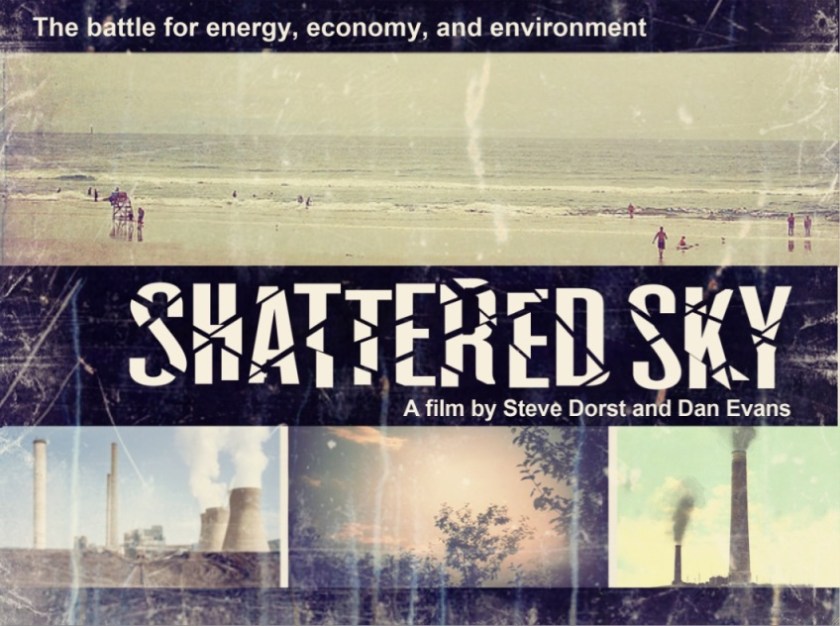
A film by Steve Dorst and Dan Evans.

An invisible compound threatens Earth’s life-support systems, with effects so pervasive that scientists sound the alarm, businesses must innovate, politicians are forced to take action—and American leadership is absolutely vital. Climate change? No…the hole in the ozone layer. For the first time in film, Shattered Sky tells the story of how—during geopolitical turmoil, a recession, and two consecutive Republican administrations— America led the world to solve the biggest environmental crisis ever seen. Today, will we dare to do the same on energy and climate?

A film by Steve Dorst and Dan Evans. The story of how America led the world to solve the biggest environmental crisis ever seen. Today, will we dare to do the same on energy and climate?

A new film looks at American leadership during the ozone crisis and compares it to the situation with global warming today. A good interview with the filmmaker.

Montreal Protocol at 25: Celebrating Ozone Safe Generation!

On 16 September, the International Day for the Preservation of the Ozone Layer will be observed once again all over the world. This year’s theme is “Protecting our atmosphere for generations to come”.

Exactly 25 years ago, governments of the world came together at a historic conference in Montreal, Canada, to adopt the Montreal Protocol on Substances that Deplete the Ozone Layer.

In a quarter century, it has rallied governments and industries in both developed and developing countries to phase out, or substantially reduce, nearly 100 chemicals that damage the ozone layer in the upper atmosphere.

The Ozone Secretariat and UNEP OzonAction have jointly produced two 30-second videos mark the 25th anniversary of the Montreal Protocol (MP).

These Public Service Announcements (PSAs) hail the extraordinary achievements of this Multilateral Environmental Agreement over a quarter century. They also project the MP as a protector of our shared atmosphere for generations to come.

The first PSA briefly introduces the ozone layer depletion issue and highlights its recovery that was made possible when countries of the world joined hands for saving the ozone layer – a global action at its best.

The second PSA revolves around the multiple benefits of the Protocol: it is not just a treaty protecting the ozone layer, but has multiple benefits for our biodiversity, climate, human health and the global economy.

The third version of this PSA (below) is twice as long, gives more info and moves at a more leisurely pace.

These PSAs, made by friends in the UK are proof that even a highly esoteric and technical subject like ozone protection can be presented in engaging, human interest terms.

Growing up in an Ozone Safe World: that’s worth celebrating!

සිවුමංසල කොලූගැටයා #73: රියෝ නුවර සැණකෙලියෙන් එහා ලෝකය

In this week’s Ravaya column (in Sinhala), I share my impressions and reflections of the city of Rio de Janeiro that just hosted the Rio+20 conference. But this piece is not about the event, but its venue — where the first world of affluence and third world of deprivation co-exist.

Similar impressions were shared in an English column last week: When Worlds Collide #21: Walking in Rio with Three Friendly Ghosts…

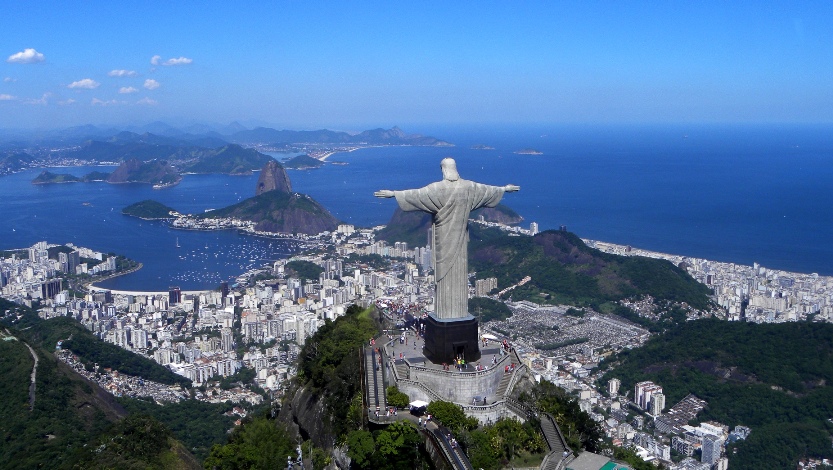
Statue of Christ te Redeemer looks down on Rio de Janeiro from Corcovado Mountain

තිරසාර සංවර්ධනය පිළිබඳ එක්සත් ජාතීන්ගේ සමුළුව (UN Conference on Sustainable Development, Rio+20) බ‍්‍රසීලයේ රියෝ ද ජනෙයිරෝ නුවර පැවැත්වුණා.

රාජ්‍ය නිලධාරී, සිවිල් සමාජ ක‍්‍රියාකාරිකයන්, විද්වතුන් හා ජනමාධ්‍ය නියෝජිතයන් 50,000කට අධික සංඛ්‍යාවක් 2012 ජූනි මස මැදදී රියෝ නුවරට පැමිණියා.

එයින් බොහෝ දෙනකු රැස්වීම්, ප‍්‍රදර්ශන හා උද්ඝෝෂණ ආදිය පැවැත්වෙන තැන්වල කල් ගත කළ නිසා රියෝ නුවර දැක බලා ගන්නට කෙතරම් අවකාශ ලැබුණාදැයි කියන්නට අමාරුයි. රාජ්‍ය නායක සමුළුව ඇරඹුණු දිනයේ ඒ සියල්ල පසෙක තබා රියෝ නුවර එදිනෙදා ජීවිතය අත් විඳින්නට මා පැය කිහිපයක් වීදි සංචාරය කළා.

රියෝ ද ජනෙයිරෝ නුවර බ‍්‍රසීලයේ දෙවන විශාලතම නගරයයි. (පළමු තැනට එන්නේ සාවෝ පෝලෝ මහා නගරයයි.) වර්ග කීමී 1,260ක් විශාල රියෝ නගර සභා ප‍්‍රදේශයේ මිලියන 6ක් දෙනා වාසය කරනවා. එමෙන් තුන් ගුණයක් විශාල මහා රියෝ (Metro Rio) ප‍්‍රදේශයේ සිටින පදිංචිකරුවන් ගණන මිලියන් 12.5කට වැඩියි.

අත්ලාන්තික් සාගරය අබියස පිහිටි මේ මනරම් වෙරළබඩ නගරය, දකුණු අමෙරිකානු සාංස්කෘතික කේන්ද්‍රස්ථානයක් ලෙසත්, සංචාරක ආකර්ශනයක් ලෙසත් ලෝක ප‍්‍රසිද්ධයි. වාර්ෂිකව පැවැත්වෙන, දින ගණනක් පුරා දිවෙන වීදි සැනකෙලිය (Rio Carnival) නිසාත්, අවට පිහිටි ගිරි ශිඛර හා කඳු මුදුන් නිසාත්, පියකරු වෙරළ තීරයන් නිසාත් මේ නගරය ගැන ලොව පුරා පවතින්නේ හිතකර ආකල්පයක්. දැඩි තරගකාරී පසුබිමක් තුළ 2016 ඔලිම්පික් උළෙල පැවැත්වීමේ වරම දිනා සිටින්නේ ද රියෝ නුවරයි.

එහෙත් රියෝ හුදෙක් පියකරු දසුන් හා විනෝද කෙළිවලට සීමා වූවක් නොවෙයි. ඉසුරුබර බ‍්‍රසීල ජාතිකයන් හා දුගී දුප්පත් වැසියන් දෙපිරිසට ම නිවහනක් වන මේ නගරය ලෝකයේ විසමතා හා අසමානතා කැටි කරන කැඩපතක් වගෙයි.

සමස්තයක් ලෙස එනුවර යටිතල පහසුකම් හා පොදු ප‍්‍රවාහන සේවා යම් මට්ටමකට දියුණු වී ඇතත්, ඉසුරුබර රියෝ වැසියන් වෙසෙන ප‍්‍රදේශ හා දුප්පත් ජනයා වෙසෙන ප‍්‍රදේශ අතර ඇස් පනාපිට පෙනෙන වෙනස්කම් තිබෙනවා.

රියෝ වැසියන්ගෙන් සියයට 20ක් පමණ වෙසෙන්නේ ෆවෙලා (favela) නමින් හඳුන්වන අඩු ආදායම් නිවාස ගොනුවලයි. එබඳු ෆවෙලා දහසකට වැඩි සංඛ්‍යාවක් තිබෙනවා. ඒවායේ ජීවත්වන වැසියන්ගේ ආදායම, සෞඛ්‍ය හා අධ්‍යාපන මට්ටම් මෙන් ම අනෙකුත් සමාජ-ආර්ථික සාධක වඩාත් පහළයි. දුගී බවින් මතුව එන වීදි ප‍්‍රචණ්ඩත්වය, මත්ද්‍රව්‍ය භාවිතය, අපරාධ වැඩි වීම හා පොලීසියේ දුෂණ වංචා ආදී සමාජ විසමතා රැසක් එහි හමු වනවා.

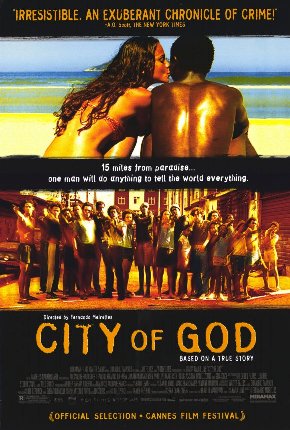
City of God, 2002
2002දී නිෂ්පාදනය කළ ‘දෙවියන්ගේ නගරය’(City of God) නම් බ‍්‍රසීල වෘතාන්ත චිත‍්‍රපටය හරහා මේ ෆවෙලා ජනපදවල එදිනෙදා ජීවිතය ගැන නෙතඟ බැල්මක් සෙසු ලෝකයට ලැබුණා. දරිද්‍රතාවයේ හා ප‍්‍රචණ්ඩත්වයේ ග‍්‍රහණයට හසු වූවත් ෆවෙලා යනු මිනිසත් බවේ කාන්තාර නොවෙයි. හිත හොඳ මිනිසුන් හා ගැහැනුන් එහි සිටිනවා. එනයින් බලන විට ෆවෙලාහි යථාර්ථය බොම්බාය, ජකර්තාව හා මැනිලා වැනි ආසියානු මහා නගරවල පැල්පත්වලට සමානයි. මෙබඳු සංකීර්ණ සමාජ සම්බන්ධතා කෙටි සංචාරයකින් තේරුම් ගැනීමත් අසීරුයි.

‘දෙවියන්ගේ නගරය’ චිත‍්‍රපටයේ නිරූපණය වූ රියෝ ෆවෙලා, දශකයක් ඉක්ම ගිය පසු තරමක් යහපත් අතට හැරී තිබෙන බව බ‍්‍රසීල මාධ්‍ය මිතුරන් කියනවා. ෆවේලා වැසියන්ගේ දායකත්වය නැතිව එනුවර ඉසුරුබර ප‍්‍රදේශවලට පැවතිය නොහැකි බවත් ඔවුන් පිළි ගන්නවා.

‘දෙවියන්ගේ නගරය’ චිත‍්‍රපටයේ නිරූපණය වූ රියෝ ෆවෙලා, දශකයක් ඉක්ම ගිය පසු තරමක් යහපත් අතට හැරී තිබෙන බව බ‍්‍රසීල මාධ්‍ය මිතුරන් කියනවා. ෆවේලා වැසියන්ගේ දායකත්වය නැතිව එනුවර ඉසුරුබර ප‍්‍රදේශවලට පැවතිය නොහැකි බවත් ඔවුන් පිළි ගන්නවා.

රියෝ නුවර අවිධිමත් ආර්ථිකය, වීදි හා පදික වෙළඳුන්, කැලි කසල ඉවත් කරන්නන් හා තවත් බොහෝ සේවා සපයන්නේ ෆවෙලා වාසීන් විසින්. ඉසුරුබර සුළුතරයක ඉහළ ජීවන තත්ත්‍වය පවත්වා ගන්නට මේ බහුතරයකගේ ක‍්‍රියාකාරිත්වය නැතිව ම බැහැ. සුවිශේෂත්වය නම් දුප්පත් – පොහොසත් දෙපිරිස රියෝ නගරය බෙදා ගෙන සමාන්තර ජීවිත ගත කිරීමයි. මෙබඳු සාපේක්‍ෂව සාමකාමී සහජීවනයක් ලෝකයේ හැම මහා නගරයක ම හමු වන්නේ නැහැ.

2002දී මිහිතල සමුළුව පැවැත් වූ දකුණු අප‍්‍රිකාවේ ජොහැන්නස්බර්ග් නුවර තත්ත්‍වය මීට ඉඳුරා ම වෙනස්. 1994දී වර්ණභේදවාදී අමිහිරි අතීතයෙන් මිදී ප‍්‍රජාතන්ත‍්‍රවාදී රාමුවක් තුළ, නව ව්‍යවස්ථාවක් යටතේ දකුණු අප‍්‍රිකානු ජනයා දිවි ගෙවනවා. එහෙත් ඓතිහාසිකව මුල් බැස ගත් දැඩි ඇති නැති පරතරයක් එරට තිබෙනවා. දකුණු අප‍්‍රිකාවේ ඉසුරුබර සුළුතරය කල් ගෙවන්නේ මංකොල්ලකෑම්, මිනීමැරුම් ආදිය පිළිබඳ නිරන්තර බියෙන් හා සැකයෙන්.

ජොහැන්නස්බර්ග් හා කේප්ටවුන් නගර සමඟ සසඳන විට ඊට වැඩි සැහැල්ලූවකින් රියෝ නුවර දිවි ගෙවෙන බව පෙනෙනවා. මෙයට එක් හේතුවක් විය හැක්කේ දශකයකට වැඩි කලක් තිස්සේ මානුෂික මුහුණුවරක් ඇති ධනවාදී ආර්ථිකයක් ඇති කරන්නට එරට රජයන් ගන්නා උත්සාහයයි.

බ‍්‍රසීලය සොබා සම්පත් හා ජන සම්පත් අතින් පොහොසත්. අද ලෝකයේ මතුව එන ආර්ථක බලවතකු ලෙස සැළකෙන ප‍්‍රමුඛ පෙළේ රාජ්‍යයක්. භූමි ප‍්‍රමාණයෙන් මෙන් ම ජනගහනයෙන් ද බ‍්‍රසීලය ලෝකයේ පස් වන විශාලතම රටයි. එය ඉන්දියාව මෙන් තුන් ගුණයක් විශාලයි. ජනගහනය මිලියන් 192යි. එරට ඒක පුද්ගල දළ ජාතික ආදායම අමෙරිකානු ඩොලර් 12,000යි. ඇති නැති පරතරය පැවතුණත් ගෙවී ගිය දශකය තුළ එරට දුගී ජනයාගේ ජීවන මට්ටම ද ඉහළ ගොස් තිබෙනවා.

මිහිතලයේ ඉදිරි පැවැත්ම ගැන පුළුල්ව හා ගැඹුරින් විවාද කරන ජගත් සමුළුවක් සිය නගරයේ පැවැත් වෙන අතර, තමන්ගේ ජීවන අරගලයේ නිරත වන රියෝ වැසියන් ඒ ගැන එතරම් තැකීමක් කළේ නැහැ. අපේ පොදු අනාගතය (Our Common Future) බඳු උතුම් සංකල්ප ගැන සිතන්නට කලින් අද දවසේ දිවි ගැට ගසා ගන්නා අභියෝගයට බහුතරයක් රියෝ වාසීන් හා බ‍්‍රසීල ජාතිකයන් මුහුණ දෙනවා.

ලොව පුරා තිරසාර සංවර්ධනයට යොමු වන සමාජයන්ට ඇති පොදු අභියෝගය වන්නේත් එයයි. පැහැබර හෙට දවසක් ගැන සිතන්නට අවකාශයක් නැති අති විශාල ජනකායකට අද දවසේ මූලික ජීවන අවශ්‍යතා සපයා දෙන්නේ කෙසේ ද? එබඳු පසුබිමක් තුළ පරිසරය හා සොබා සම්පත් ප‍්‍රවේශමින් පරිහරණය කරන අතර ආර්ථික සංවර්ධනයේ ප‍්‍රතිලාභ හැමට බෙදී යන ආකාරයේ ප‍්‍රතිපත්ති හා සැළසුම් සකස් කරන්නේ කෙසේ ද?

1992 ජූනි මාසයේදීත් රියෝ නුවර මිහිතල සමුළුවක් පැවැත්වුණා. තිරසාර සංවර්ධනයේ අභියෝග ගැන රාජ්‍ය නායකයන් හා සමාජ ක‍්‍රියාකාරිකයන් විවාද කරන අතර, මගේ ජ්‍යෙෂ්ඨ සහෘදයකු වූ බි‍්‍රතාන්‍ය පුවත්පත් කලාවේදී හා වාර්තා චිත‍්‍රපට නිෂ්පාදක රොබට් ලෑම්බ් (Robert Lamb) අසම්මත රටාවක වාර්තාකරණයකට මුල පිරුවා.

සමුළුව පැවැත් වූ කාලයට ආසන්නව උපත ලත් දරු දැරියන් 11 දෙනකුගේ ජීවිතය, ඔවුන්ගේ සමාජ හා ආර්ථික සාධක මගින් තීරණය කැරෙන්නේ කෙසේදැයි දිගු කාලීන විමර්ශනයක් ඔහු ඇරඹුවා. බ‍්‍රසීලය, චීනය, කෙන්යාව, පැපුවා නවගිනියාව, දකුණු අප‍්‍රිකාව (කළු සහ සුදු දරුවන් දෙදෙනෙක්), වෙනසුවෙලාව හා ඉන්දියාව යන දියුණු වන රටවලත්, අමෙරිකාව, බි‍්‍රතාන්‍ය හා නෝර්වේ යන දියුණු රටවලත් 1992 උපන් දරුවන්ගේ ප‍්‍රගමනය මේ යටතේ වසර දෙකෙන් දෙකට චිත‍්‍රපට ගත කරනු ලැබුවා.

රොබට් එයට දුන් කථාමාලා නාමය ‘Children of Rio’ හෙවත් ‘රියෝ පරම්රාවේ දරුවෝ’ යන්නයි. විසි වසරකට පෙර ලෝකයේ රටවල් සිය වැසියන්ට වඩාත් හොඳ අනාගතයක් බිහි කරන්නට දුන් ප‍්‍රතිඥාවන් කෙතරම් දුරට ක‍්‍රියාත්මක කොට හා සාර්ථක වී ඇත්දැයි ඉඟියක් මේ හරහා ලද හැකියි.

අද වන විට මේ දරුවන් වයස 20ට ආසන්නයි. මේ දශක දෙක තුළ ඔවුන් හා පවුල් අත්දුටු යථාර්ථය සංවේදී ලෙස හසු කර ගැනීම හරහා තිරසාර සංවර්ධනයේ සැබෑ තත්ත්‍වය පිළිබිඹු වන ලෝක ව්‍යාප්ත මාධ්‍ය අත්හදා බැලීමක් බවට මෙය පත්ව
තිබෙනවා.

රියෝ පරම්පරාවේ එක් දරුවකු රියෝ නුවර ම ෆවෙලා පවුලක උපන් රෝසාමරියා (Rosamaria) දැරියයි. ඇය කුඩා කල ඇගේ පියා ඔවුන් හැර දමා යන්නට ගියා. ඇය හදා වඩා ගත්තේ මව හා ඥාතීන් විසින්. රෝසාමරියා පාසල් ගියත් ඉගෙනීමට ඇල්මක් හෝ පසුබිමක් තිබුණේ නැහැ. විනය හේතුන් නිසා පාසලෙන් නෙරපනු ලබන ඇය නව යෞවන වියේ දරු දැරියන් සමග නිදැල්ලේ කල් ගෙවීම කෙළවර වන්නේ වයස 18දී ඇයත් මවක බවට පත් වීමෙන්.

මේ දරුවා හදා ගන්නට ඇයත් සහකරුවාත් දැඩි අරගලයක යෙදෙනවා. හරිහැටි අධ්‍යාපනයක් නැති නිසා ඇයට ආදායමක් ඉපැයීමට ඇති අවස්ථා සීමිතයි. අපරාධ හා විෂමාචාර මෙන් ම හොඳහිත හා ධෛර්යවන්තකම ද බහුල ෆවේලාවක සිට කවදා හෝ තමන් නොලද වරප‍්‍රසාද සිය බිළිඳු පුතුට ලබා දීමට රෝසාමරියා අධිෂ්ඨාන කර ගෙන සිටිනවා. http://tiny.cc/CORosa

ඇගේ කථාව අනුවේදනීය වනවා මෙන් ම රියෝ සමුළුවේ ගෝලීය අරමුණු අවසන් විනිශ්චයේදී සැබෑ ලෝකයේ ගැහැනුන්. මිනිසුන් හා දරුවන්ට අදාල වන සැටි ගැන ප‍්‍රබල විවරණයක් සපයනවා.

‘Children of Rio’ බඳු දිගු කාලීන මාධ්‍ය වාර්තාකරණයන් කිරීමට මාධ්‍ය සම්පත් හා කුසලතා පෙළගැස්මක් අවශ්‍යයි. දුවන ගමන් ප‍්‍රවෘත්ති වාර්තා කරන මාධ්‍යවේදීන්ට එබඳු විමර්ශනාත්මක හා සංවේදී වාර්තාකරණයකට අවකාශ නැහැ. එබඳු දිගු කාලීන ආයෝජනයක් කරන්නට බොහෝ මාධ්‍ය ආයතන කැමතිත් නැහැ.

1980 දශකයේ මුල මහවැලි ජනපදවල පදිංචි කෙරුණු පවුල් කිහිපයක ඉදිරි ගමන දශක දෙක තුනක් තිස්සේ රූපමය ආකාරයෙන් වාර්තා කළ හැකි වී නම් කෙතරම් අපූරු ද? යුද්ධයෙන් පසු අධිවේගී සංවර්ධනයකට යොමුව ඇති ශ‍්‍රී ලංකාව පිළිබඳව දිගු කාලීන මානුෂික වාර්තාකරණයකට දැන් වුවත් යොමු විය හැකි නම් ශීර්ෂ පාඨයන්, උද්‍යෝග පාඨයන් හා දේශපාලන සංකල්ප සියල්ලෙන් ඔබ්බට යන ගැඹුරු විග‍්‍රහයක් ලද හැකියි.

රියෝ පරම්පරාවේ කථාව දශක දෙකක් සම්පූර්ණ වන මොහොතේ එය බෙදා හදා ගන්නට මගේ ටෙලිවිෂන් ගුරුවරයා වූ රොබට් ලෑම්බ් අප අතර නැහැ. පිලිකාවකින් පරාජය වූ රොබට් මේ වසරේ පෙබරවාරියේ මිය යන විට වයස 59යි.

රියෝ පරම්පරාවේ කථාව ඔහුගේ අනුගාමිකයන් දිගට ම වාර්තා කරයි ද? තවත් වසර 10කින්, 20කින් මේ ජීවිතවල ඉදිරි කථාව කුමන අයුරකින් ලියැවේද? මේ අවිනිශ්චිත බවට මැදි වෙමින් මා රියෝ නුවරින් සමු ගෙන ආපසු පැමිණියා.

Dispatch from Rio+20: The UN Kicks the Paper Habit – at last!

Text of my news feature published in Ceylon Today newspaper on 23 June 2012

The UN Kicks the Paper Habit – at last!

By Nalaka Gunawardene
In Rio de Janeiro, Brazil

The United Nations secretariat – the world’s largest bureaucracy – has long been known as a formidable ‘paper factory’. It cranks out millions of documents every year in the organisation’s six working languages. Some of it is not read even once.

A few years ago, it acknowledged producing over 700 million printed pages every year (2005 figures). The cost of printing documents in its New York and Geneva offices along was over 250 million dollars a year.

And major international conferences convened by the UN have seen a splurge of paper – both official documents and many that are simply self-promotional of various participating national delegation, development agencies or companies. When such events end, literally tons of paper are left behind convention sites.

Environmentalists have been urging the UN to go easy on paper for many years, both to save trees pulped to make paper, and to reduce chemicals use and carbon emissions in printing or copying.

The message is finally being heeded. The United Nations Conference on Sustainable Development in Rio de Janeiro is the first major UN event to reduce paper use – and it shows.

The entire meeting process is using less paper, and more electronic means for generating and sharing information. It’s the result of a new initiative called PaperSmart.

The vast Rio Centro convention centre, where the main inter-governmental meetings and major groups’ discussions are being held, is surprisingly paper-free.

So is the media centre, the operations base for hundreds of journalists from all over the world covering dozens of parallel sessions and events. In the past, this was a favourite ‘dumping ground’ for paper based materials.

At Rio+20 this week, only a handful of non-governmental organisations, academic bodies and activist groups still peddled paper. Most others had cut back on indiscriminate distribution of publications, posters, postcards and other materials.

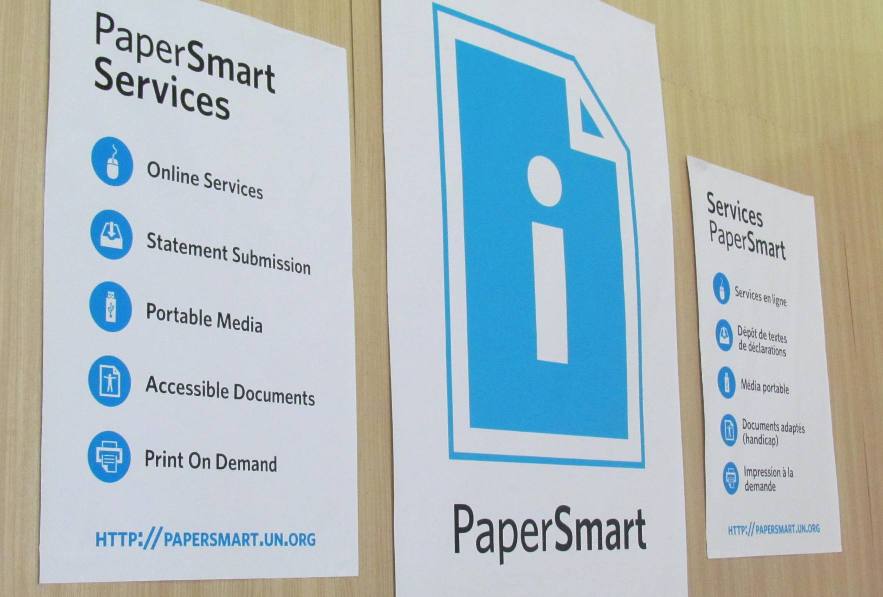
Of course, the UN system loves to belabour the point. A dedicated website (http://papersmart.un.org) explains the underlying thinking and mechanics. PaperSmart is based on four principles: sustainability, efficiency, accessibility and knowledge management.

Switching from atoms to electrons has not been easy or smooth. Some participants – including web-savvy journalists – have been struggling with the complicated Rio+20 website and related online UN information services.

It’s still a work in progress, but PaperSmart is definitely a positive development to be cheered.

“After decades of sanctimonious preaching about the environment, the United Nations is taking a step in the right direction,” says Thalif Deen, the UN Bureau Chief of the developing world’s news agency, Inter Press Service (IPS).

Deen is a veteran of many UN conferences and processes who has seen how telexes and teleprinters gave way to instant global communications with Internet-enabled laptops and smartphones.

He recalls: “I was on the reporting staff of the first conference newspaper IPS published during the 1992 Earth Summit in Rio where the UN’s carbon foot print was all over the conference centre: reams and reams of reports and documents and thousands of UN staffers flying in from UN offices the world over.”

Deen hails Rio+20 as “a major breakthrough for a global institution long accused of extravagance and conspicuous consumption”.

A few years ago, Deen asked Shashi Tharoor, then UN under-secretary-general for public information, on when the paperless office might finally arrive at the UN Secretariat.

The digitally savvy Tharoor admitted the UN’s track record was not a good one. He then offered a comparison: “The amount of paper we use in a year to produce every single UN document, in all six official languages, is equivalent to what the New York Times consumes to print a single Sunday edition.”

Things have evolved a bit both in the newspaper industry and the UN bureaucracy since that remark was made in 2005. Newspapers in the west are now selling less, especially in paper editions.

Simply stamping out paper use can be misleading unless the total energy and resource uses are factored in. In recent years, concerns have been raised on the carbon emissions of massive internet servers.

Of course, these are dwarfed by the amount of planet-warming gases spewed out by delegates flying long distances to be in the same crowded conference with thousands of others.

As at June 20 evening, Rio+20 had close to 40,000 officially registered participants in various categories. Many unofficial events attract more.

Environmentalists, relieved by the reduced use of paper, would also be quick to point out growing problems of electronic waste.

It seems there is no such thing as an impact-free communication!

Dispatch from Rio+20: Next Election or Next Generation?

Text of my news feature published in Ceylon Today newspaper on 22 June 2012

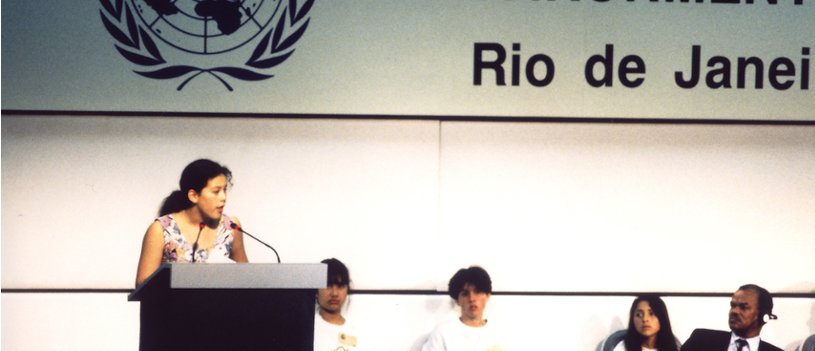
Severn Cullis-Suzuki addressing Earth Summit in Rio, June 1992

Next Election or Next Generation?
By Nalaka Gunawardene in Rio de Janeiro, Brazil

Twenty years ago, a passionate young girl addressed – and challenged – the world leaders gathered at the Earth Summit in Rio de Janeiro, Brazil.

They called it the speech that stopped the world for six minutes. All the platitudes and rhetoric of heads of state are long forgotten, but this speech endures. It has been viewed million of times online.

Her speech was uncluttered and sincere. “I am only a child and I don’t have all the solutions, but I want you to realize neither do you…If you don’t know how to fix it, please stop breaking it!”

Her name was Severn Cullis-Suzuki, and she was 12 years old. The young Canadian environmental activist closed a Plenary Session with her powerful speech that received a standing ovation.

Raised in Vancouver and Toronto, Severn is the daughter of writer Tara Elizabeth Cullis and environmental activist turned TV personality David Suzuki. When she was 9, she started the Environmental Children’s Organization (ECO), a small group of children committed to learning and teaching other kids about environmental issues.

They did various local projects and in 1992, raised enough money to go to the Rio Earth Summit. Their wanted to remind the world leaders that the future of all children – indeed, all future generations – were going to be impacted by decisions made at the Summit.

Listen to the memorable speech at the Earth Summit by Severn Cullis-Suzuki:

Two decades on, another young girl from the Asia Pacific earned her chance to address Rio+20, the follow up to the original Summit, this time with the theme ‘The Future We Want’

As it opened on the morning of 20 June 2012, Brittany Trilford, a 17-year-old school girl from New Zealand, spoke truth to power.

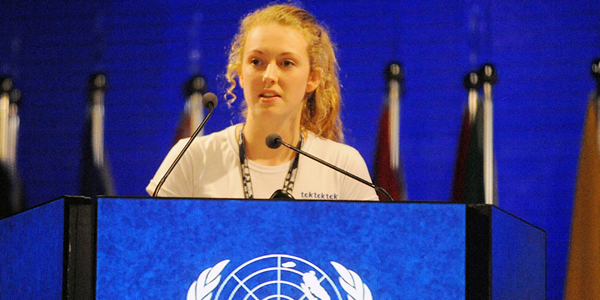
Brittany Trilford at Rio+20 conference on 20 June 2012

Addressing over 130 heads of state from around the world, assembled in Rio Centro conference centre, she said: “Please ask yourselves why you are here. Are you here to save face? Or are you here to save us?”

Brittany won an international competition to earn her five minutes of fame. The ‘Date with History Contest’ was a global online search for a person under 30 to represent youth and future generations at Rio+20.

Organised by the Global Campaign for Climate Action, Climate Nexus and the Natural Resources Defence Council (NRDC), contest participants were asked to upload a 2 to 3 minute short video speech about the future they wanted.

After entries closed in early May 2012, online voting was allowed for 22 finalists – which included at least 3 from each region of the world. The final winner was chosen by an international panel that included environmentalists, UN officials and celebrities such as actor Leonardo DiCaprio.

Brittany Trilford addresses world leaders at the UN Earth Summit

Brittany is a final year student attending school in Wellington, New Zealand. In her winning entry, she wished for more innovation and imagination.

“One solution would be to change our education system to embrace creativity and innovation. To tackle our problems there are definitely out there. Our leaders have to listen, be open-minded and persistent enough to give these ideas a chance,” she said.

As she ended the speech: “I want a future where education encourages innovative thinking, creativity and entrepreneurship. I want a future where we run with natural processes and not against them. I want a future where leaders will stop talking and start acting. I want a future where leaders lead.”

Her video was filmed at home with basic camera equipment. As she explained, “I entered to show solidarity with youth around the world, demanding that our leaders remember we are all their children and they owe us a fighting chance at a future we want to inherit.”

In a poignant media event hours before the Summit opened, the star of 1992 Severn Cullis-Suzuki joined the winner of 2012, Brittany Trilford.

Severn is now a writer and activist on culture and environmental issues, as well as the mother of two young boys.

“I have grown up a lot these 20 years but those six minutes of speaking to the UN two decades ago remains the most powerful thing I have ever done in my life to affect people,” she said wistfully.

Shortly after arriving in Rio – her first time since 1992 – Severn addressed a group of young delegates working with Green Cross International, the global environmental group created by Mikhail Gorbachev.

Severn’s message today remains the same, but now she also thinks about the future of her own children. She returned to Rio on their behalf to appeal for solutions to issues like global climate change which she called an “inter-generational crime”.

The world’s children have spoken loud and clear, twice over. But will they be heard by the world’s governments – preoccupied with multiple crises and more concerned about staying on in office.

Will the next generation prevail over the next election?

Dispatch from Rio+20: Ensure Good Governance and People’s Rights for a Sustainable Sri Lanka

Text of my news feature published in Ceylon Today newspaper on 21 June 2012

Hemantha Withanage in Rio de Janeiro

Ensure Good Governance and People’s Rights for a Sustainable Sri Lanka, urge civil society in Rio

By Nalaka Gunawardene in Rio de Janeiro, Brazil

As world leaders gather in Rio de Janeiro for the United Nations Conference on Sustainable Development, 50 Lankan civil society organisations (CSOs) have issued a joint statement calling for good governance and respect for people’s rights in Sri Lanka.

Mere economic growth – by raising per capita Gross National Product (GNP) — can be a highly misleading indicator of development, the statement said.

“Better governance is a must for a sustainable society. Better environmental governance and environmental justice should be ensured for sustainable living,” it added.

The 15-page document is signed by 50 people’s organisations working on environment, development and human rights issues at the grassroots level. It urged the government of Sri Lanka to “follow the middle path in development as we proposed in 2002 for the World Summit on Sustainable Development (WSSD)”.

The statement has been released on the web and is being distributed to over 40,000 participants attending the major UN conference, also known as Rio+20. (Full text at: http://tiny.cc/SLRio20)

The government of Sri Lanka was also due to release its official report for the conference, but copies of it were not available. There was also no mention of it anywhere on the Ministry’s official website.

CSOs underlined the need to respect the basic rights of people while ensuring environmental safeguards and maintaining a slow growth. It emphasized that sustainable development and good governance were inseparable.

The statement called for greater media freedom, right to freedom of expression and right to dissent as articulated in Article 14 of the Universal Declaration of Human Rights, and in Agenda 21, an action plan for sustainable development that countries adopted at the original Earth Summit in Rio in June 1992. Sri Lanka has committed itself to both.

“It is very well known that without access to information, public participation, accountability, rule of law and predictability — which are the basic pillars of good governance — you cannot achieve sustainable development,” said Hemantha Withanage, the statement’s principal author in an exclusive interview.

“The sustainable development principles agreed at the Earth Summit in 1992 had environment, social and economical pillars. But today, we know that without a political pillar, sustainable development cannot be achieved,” added Withanage, Executive Director of the Centre for Environmental Justice in Sri Lanka.

“The space for CSOs and recognition of their role in development is vital,” the statement noted, calling for greater civil society involvement in policy formulation in all areas of development.

The statement mentions a wide array of issues and concerns raised by ordinary Lankans who were consulted during its preparation. These range from local and national to global, and cover sectors such as agriculture, water, livelihoods, energy, public health, disaster management and biodiversity conservation.

“The world needs to move towards a simultaneous action at local, national, regional and international level to confront the social, economic and ecological crises which the present development model has caused,” it notes. “What we need instead is to defend our commons and total transformation towards sustainable consumption and production patterns.”

It explicitly called “to stop all kinds of corporate control, capture and monopolisation of natural resources.”

“Our demands are not only for Rio+20. After all, this is just another meeting of the world nations under the UN flag. We should not treat this as an end of everything. It is an on-going process,” Withanage said.

He recalled being involved in the ‘Citizens Report on Environment and Development’ that Sri Lanka civil society organisations collectively prepared for the Earth Summit in 1992. Many of its aspirations were never met, he lamented.

“Meanwhile, we have seen more deterioration of the social and environmental rights over the past two decades,” he said.

CSOs also called for an assessment of environmental and social costs of Sri Lanka’s prolonged civil conflict that ended in 2009. Its impact on natural resources remains little understood even as economic development projects are being rolled out in conflict affected areas, the statement said.

The CSO statement was produced at the end of Sri Lanka Civil Society Dialogue on Rio+20 held in Negombo on 17 – 18 May 2012. It was convened by the Centre for Environmental Justice/Friends of the Earth Sri Lanka, National Fisheries Solidarity Movement (NAFSO) and the Sri Lanka Nature Group.

Read my interview with Hemantha Withanage on Groundviews.org
Rio+20 interview: “Green Economy should not justify Greed Economy!”