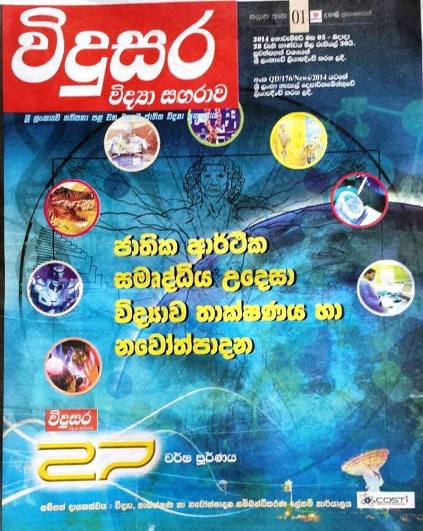
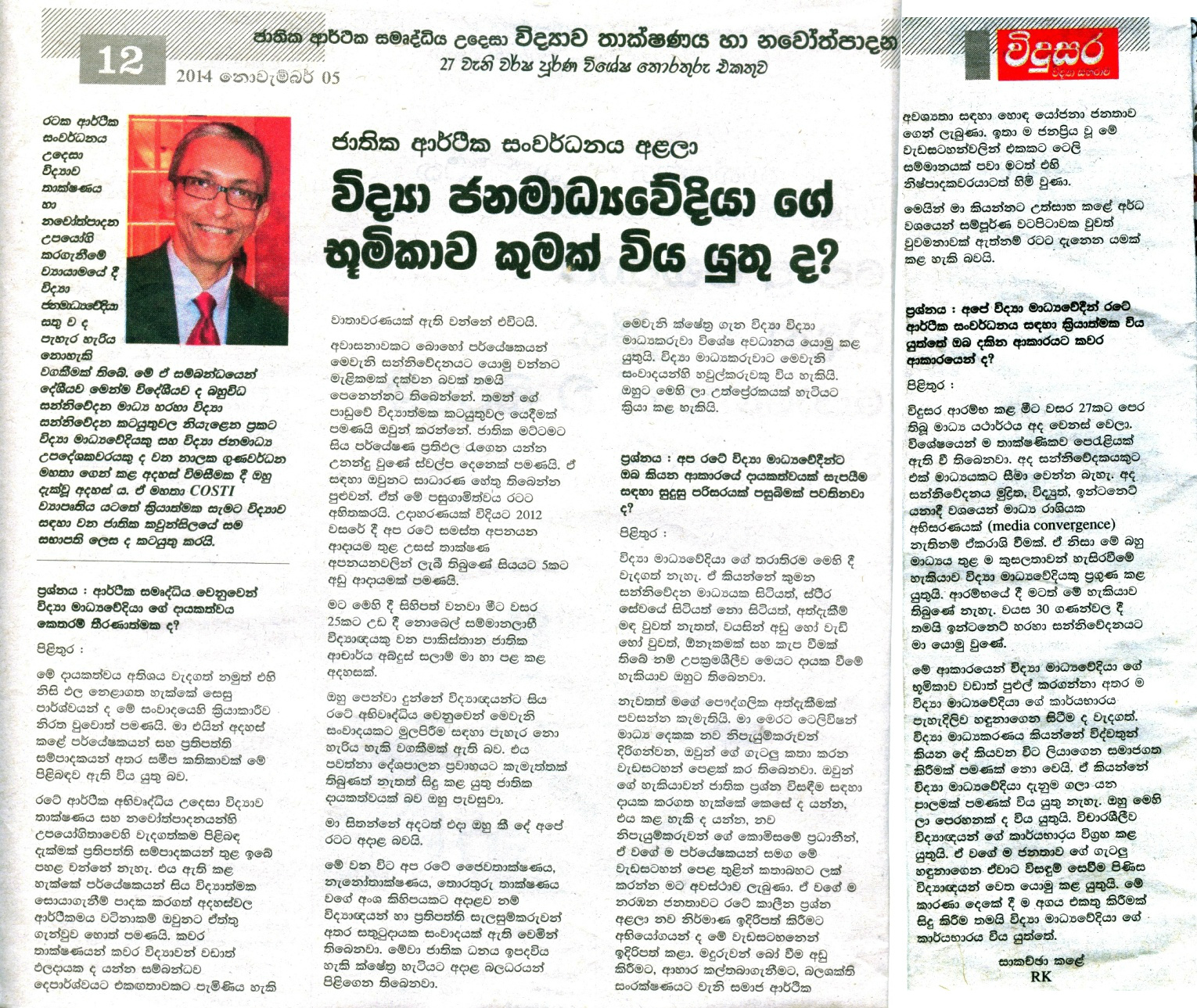
Vidusara, Sri Lanka’s only science and technology weekly magazine, has interviewed me in their issue dated 5 November 2014, which marks their 27th anniversary. They talked to me about the role of science journalists and other science communications in promoting science and technology for national economic development.
Here’s my Q&A with the newspaper’s editor, Rajendra Kulasinghe:
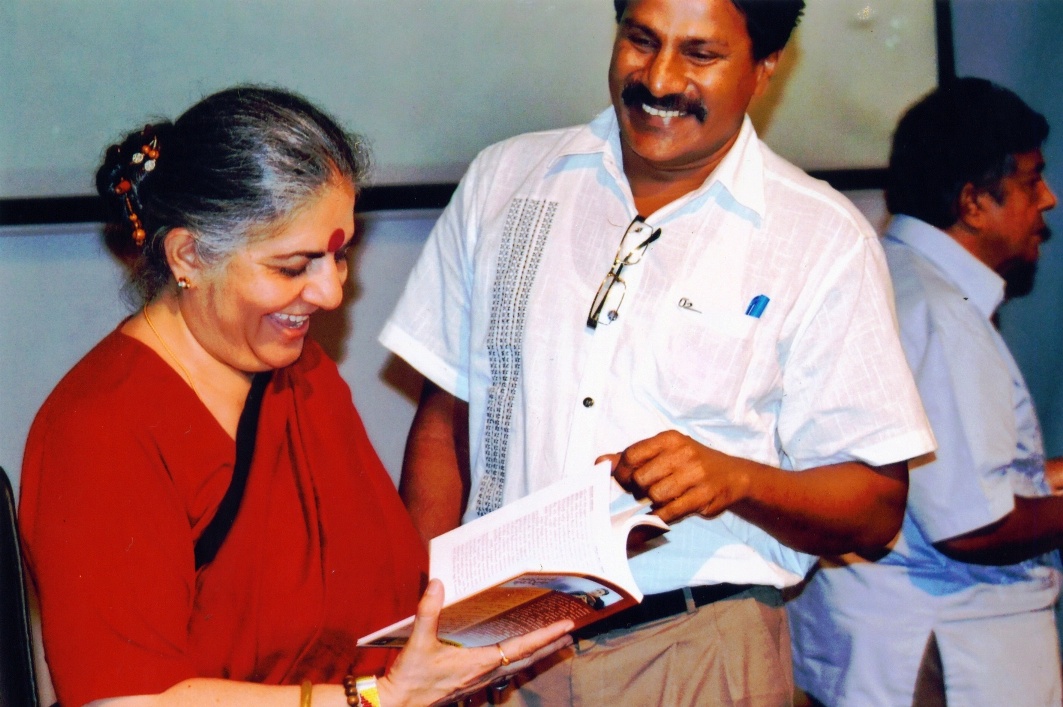
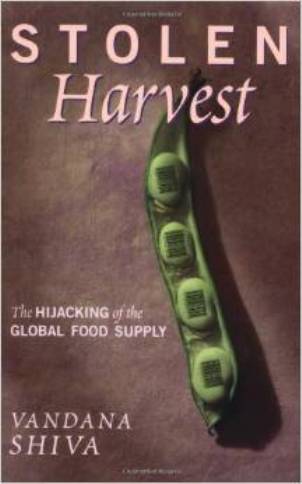
Indian social and environmental activist Dr Vandana Shiva visited Sri Lanka in June 2014, and delivered a well attended public lecture in Colombo. She also joined the launch of a Sinhala translation of her book ‘Stolen Harvest’, written in 2000.
The translator, Sydney Marcus Dias, sent me a copy recently and I have quoted from it in my latest Ravaya column (in Sinhala) appearing in issue dated 7 Sep 2014.
In this, I urge Lankan agro and green activists to engage in a critical reading of Vandana Shiva and not to blindly hero worship her. There is undoubtedly a crisis in modernized methods of farming that rely on high external inputs (agro-chemicals) promoted for half a century under the Green Revolution. Despite evidence for its economic and ecological unsustainability, however, these remain the basis of state agricultural policies in Sri Lanka.
Why? It is a national level failure of vision and policy making. True, local and global agro companies exploit this weakness, but they are operating within what is legal. This is opportunistic of them, for sure, but I don’t agree with Sydney Marcus Dias or any other activists that there is a huge international conspiracy to destabilize Lankan agriculture and destroy it along with the livelihoods of millions of small scale farmers.
We don’t need global conspirators when our own myopic politicians, misguided by officials and experts, are doing a good job of it on their own!
‘Stolen Harvest’ in English and Soragath Aswenna in Sinhala are both worth a read – and can form the basis of discussion. They are NOT the last word on any of the issues discussed, but certainly good opening thoughts to debate further.
NOTE: By sad coincidence, Sarath Fernando, highly respected Lankan farmer activist and founder of the Movement for National Land and Agricultural Reform (MONLAR), died the same weekend this column appeared in print. In June, Vandana Shiva made an affectionate reference to him as ‘my very dear friend Sarath Fernando’.
Sydney Marcus Dias presenting a copy of his Sinhala translation of Stolen Harvest to Dr Vandana Shiva in Colombo, June 2014
Vandana Shiva speaks during Fronteiras do Pensamento project at UFRGS on May 28, 2012 in Porto Alegre, Brazil – Photo by Alexandro Auler/LatinContent/Getty Images)
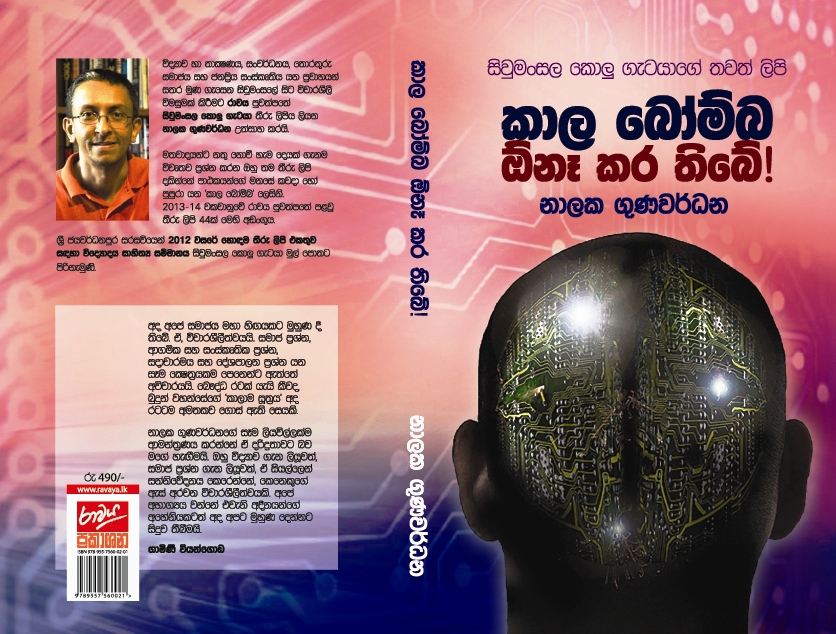
Promo note for my latest Sinhala language book, being released this week at Colombo International Book Fair to be held from 10 – 17 September 2014.
Kaala Bomba One Kara Thibe – by Nalaka Gunawardene (Ravaya Publishers, 2014) book cover
Award winning science writer Nalaka Gunawardene’s latest Sinhala book, Kaala Bomba One Kara Thibe (‘කාල බෝම්බ ඕනෑ කර තිබේ!’ = Wanted: Time Bombs of the Mind!), will be released at the Colombo International Book Fair that starts on 10 September 2014.
A Ravaya Publication, the book compiles 44 of his weekly columns named Sivu Mansala Kolu Getaya published in the Ravaya newspaper during 2013-14.
Launched in 2011, the popular column offers musings of a sceptical inquirer who sits at the intersection (or confluence) of science, development, mass media and information society. The University of Sri Jayawardenapura presented Nalaka a Vidyodaya Literary Award for the best newspaper column of 2012.
Written in an easy, conversational Sinhala rich in metaphor and analogy, Nalaka connects the local with global and also bridges sciences and humanities. The new collection touches on pharmaceuticals, organic farming, tobacco control, rationalism, citizen journalism and social media among many other topics.
“Lankan society today suffers from a major deficiency of critical thinking. Blind faith and sycophancy dominate our social, religious, political and cultural spheres. Whether writing on science, development or social issues, Nalaka Gunawardene comes up with refreshing doses of scepticism,” says Gamini Viyangoda, leading Sinhala writer and political commentator.
In his quest for clarity and reason, Nalaka talks to researchers, activists and officials. He also draws on his many experiences and global travels as a journalist and development communicator.
In his foreword, researcher and university lecturer Dr Udan Fernando says: “At a time when insularity and monoculturalism are being celebrated in Sri Lanka, Nalaka represents the endangered cosmopolitan perspective.”
Nalaka has dedicated this book to two giants of public science in Sri Lanka: late Prof Cyril Ponnamperuma (1923-1994) and late Dr Ray Wijewardene (1924-2010). “They embraced the best of East and West without losing their roots. We urgently need such public intellectuals today,” Nalaka says.
The book includes columns profiling the work of both scientists, including the Sinhala adaptation of a long interview with Dr Wijewardene.
The title is inspired by the words of Swedish economist, Gunnar Myrdal, who once said, “Books are like time bombs. If they contain ideas that are correct, then one day they will explode. And if they don’t, they will be consigned to the dustbin of history.”
The 300-page book is priced at Rs. 490. It will be available from leading bookstores, and at special discounts from the Ravaya booth during the Colombo Book Fair.
Sivu Mansala Kolu Getaya – columnhead in Ravaya newspaper
Although it has been discussed for centuries, there is no universally accepted definition of basic human needs. During the 1970s, basic needs emerged as a key topic in development debates. Various studies – catalysed by UN agencies and the Club of Rome – tried to define it.
In 1976, the International Labour Organization (ILO) prepared a report that identified basic needs as food, clothing, housing, education and public transportation. It partially drew on ILO’s country reports on Columbia, Kenya and Sri Lanka. Since then, different development agencies have adopted variations of the original ILO list. National planners have used the concept to benchmark economic growth.
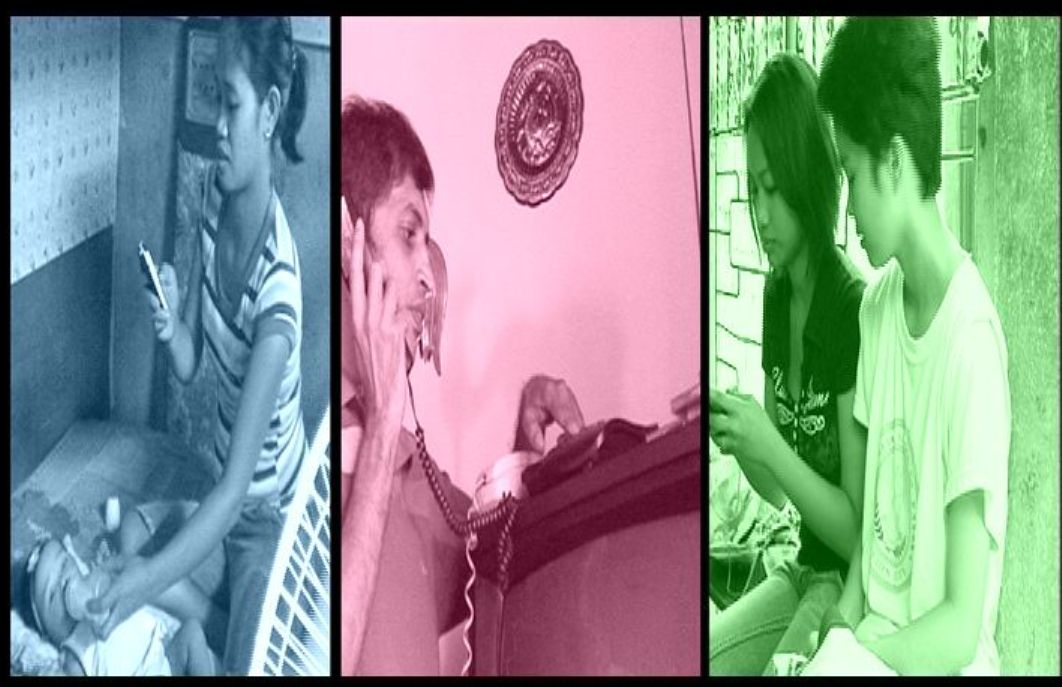
The ground reality has changed drastically since those heady days. In view of the rapid evolution of information society, communication should be considered a basic human need. This is the basic thrust in my latest Ravaya column (in Sinhala).
See also my related writing on revisiting basic needs:
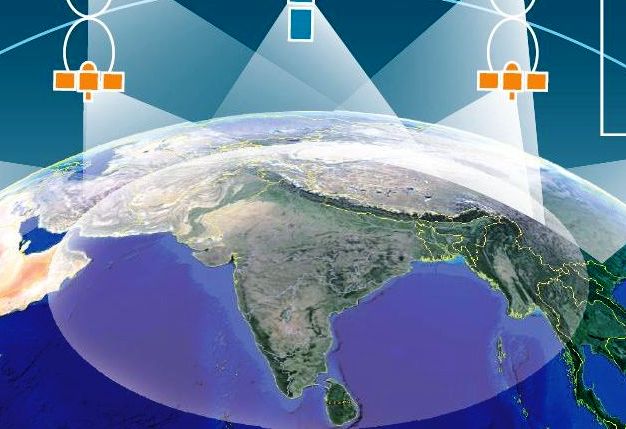
Both China and India are keen to enhance links with smaller Asian countries in using satellites as part of their ‘space diplomacy’ strategies.
Last week in my Ravaya column (in Sinhala), I wrote about space technology capabilities of South Asian countries. This week’s column probes whether or not Sri Lanka needs its own satellite.
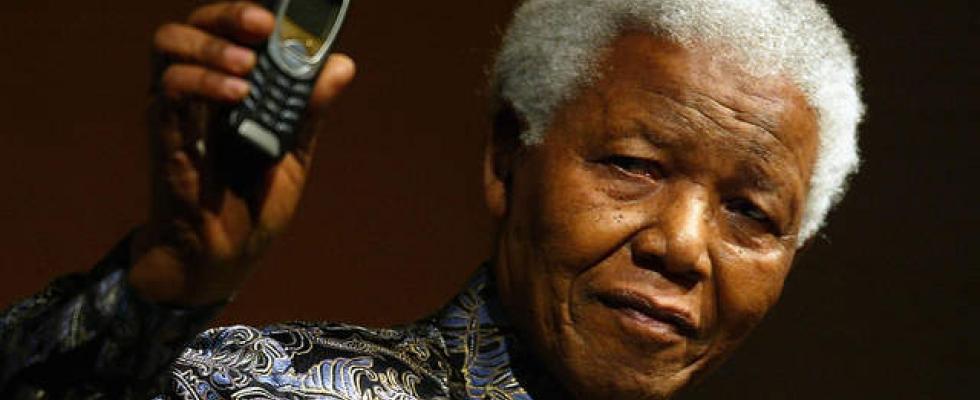
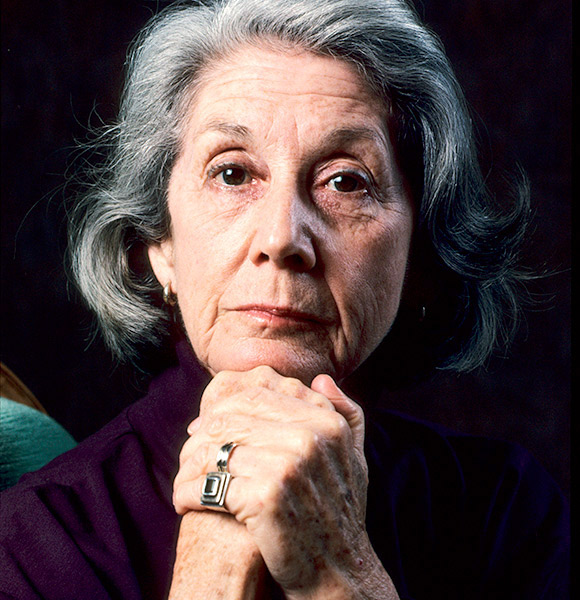
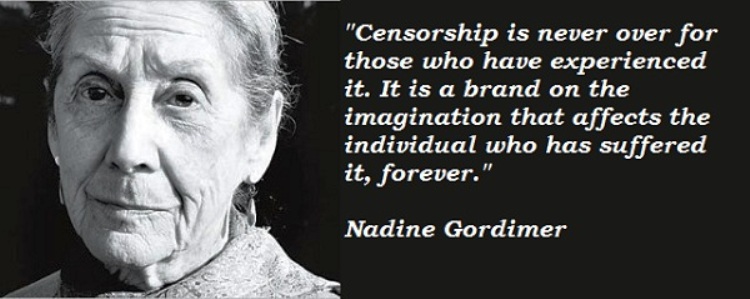
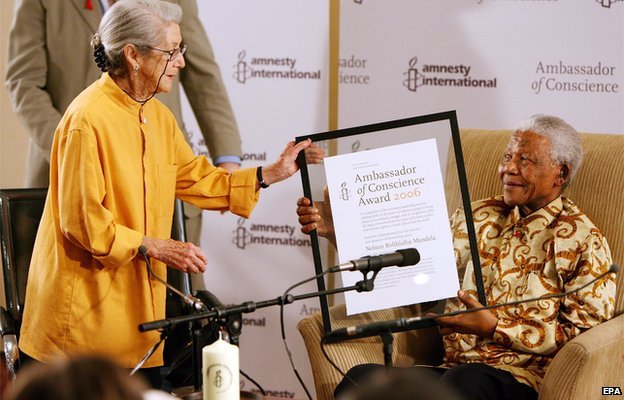
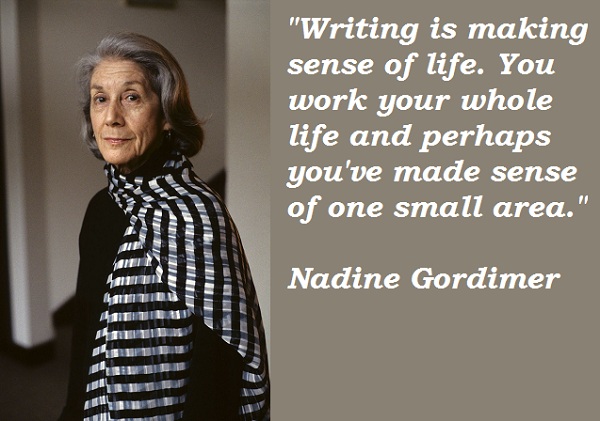
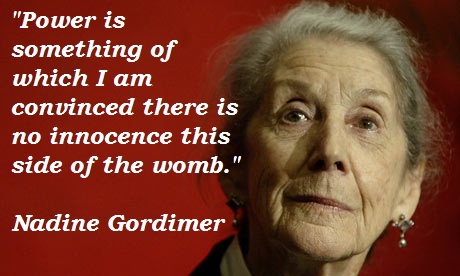
In this week’s Ravaya column (in Sinhala), I pay tribute to South African writer and social activist Nadine Gordimer (1923-2014). I focus on how she never hesitated to speak out for justice, fairness and equality even when that elicited ridicule and harassment from her own government that quickly labeled her a ‘traitor’.
I also recall how I once listened to her speak, during the recording of a TV debate in Johannesburg in mid 2002, and how she later marched the streets with activists from all over the world demanding land rights for the poor.
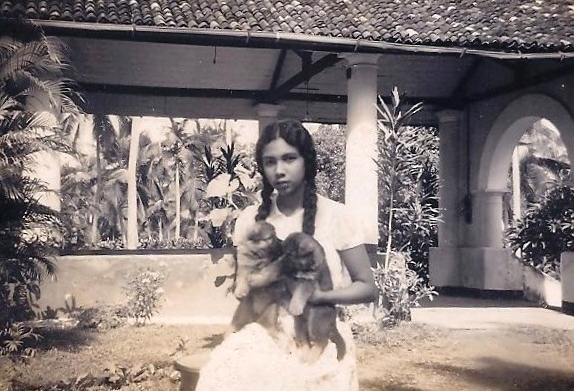
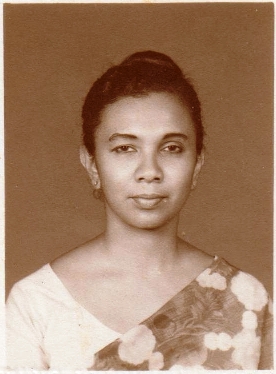
In this week’s Ravaya column (in Sinhala), I salute a fellow traveler in journalism and conservation who departed two years ago: Manel Tampoe (1927-2012).
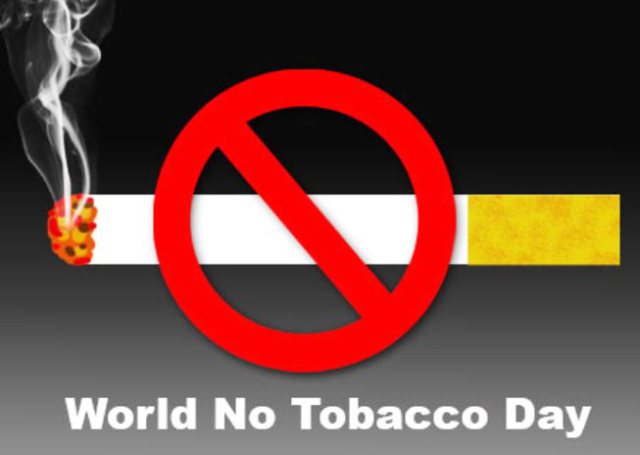
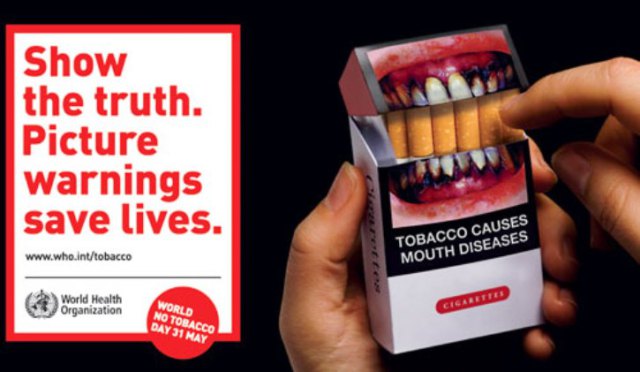
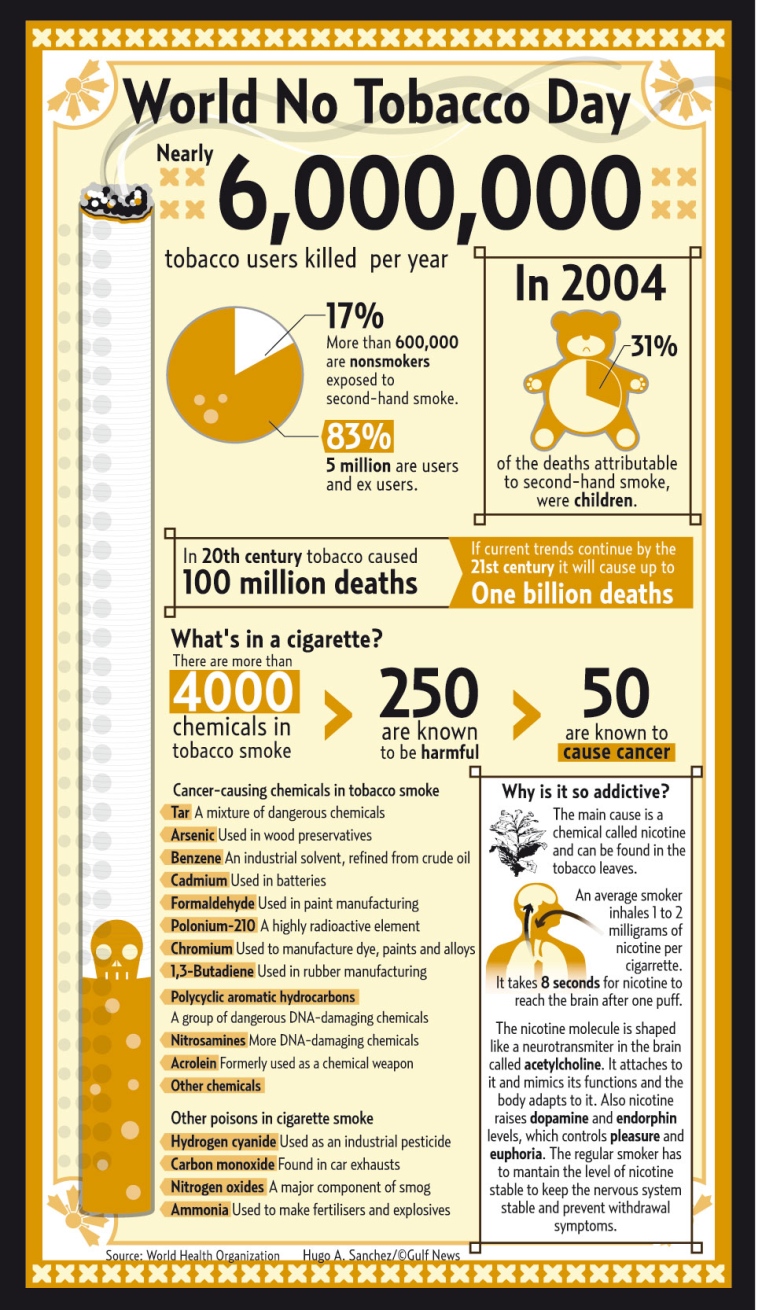
In this week’s Ravaya column (in Sinhala), I explore the formidable policy dilemmas posed by tobacco control in Sri Lanka. I argue that it isn’t a simple or simplistic battle between ‘good’ and ‘evil’ as anti-tobacco activists would make us believe.
There is no doubt that tobacco kills many smokers — and some non-smokers, too. Yet starting, continuing or quitting smoking is a personal lifestyle choice which, at least in democracies, governments can’t legislate. As long as tobacco remains a legitimate trade, education and persuasion must complement legal regulation.
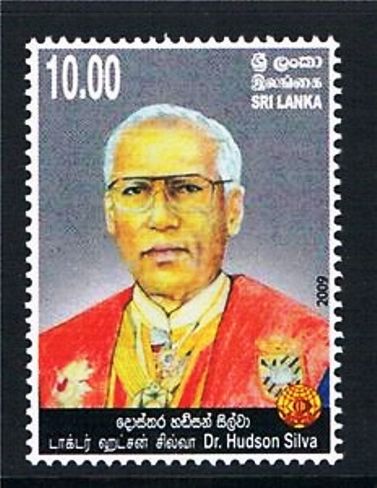
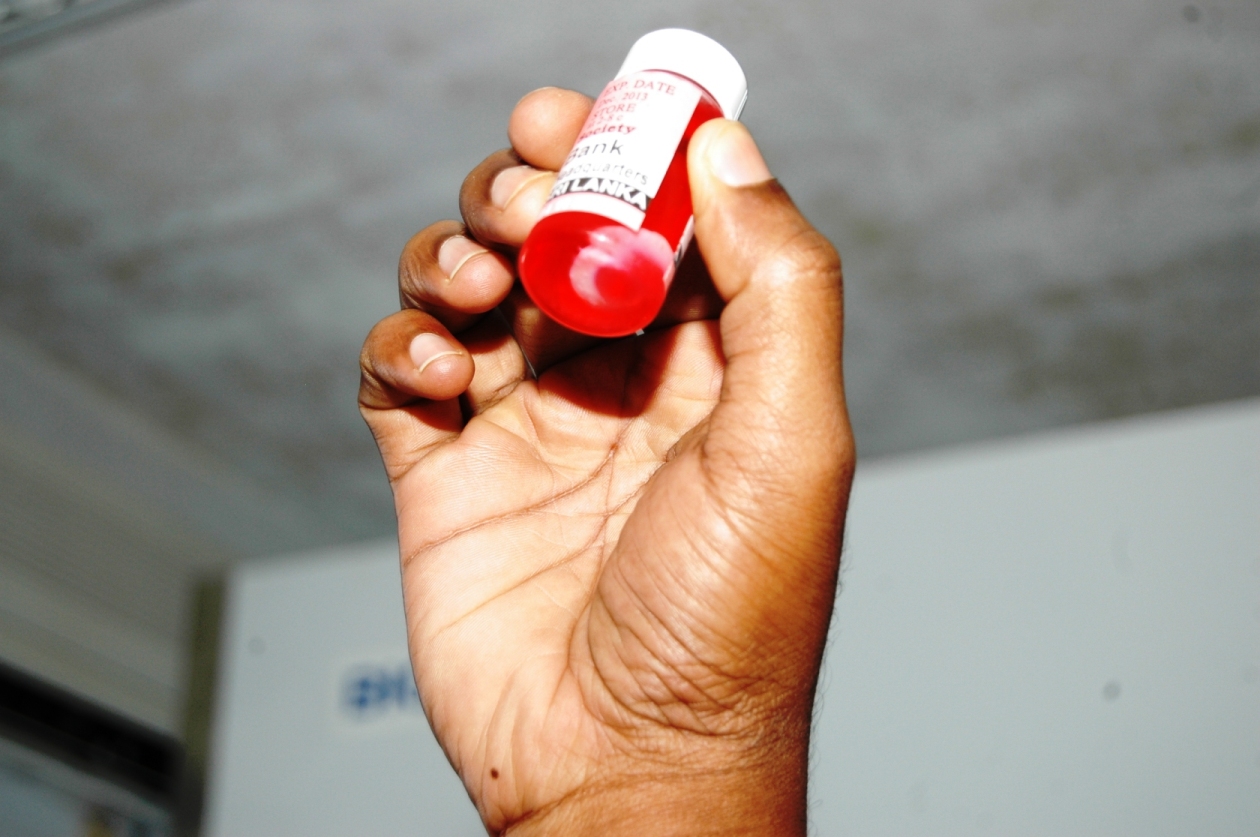
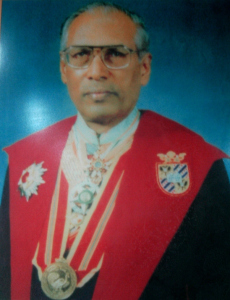
In this week’s Ravaya column, in Sinhala, I further explore the origins and evolution of Sri Lanka Eye Donation movement, with emphasis on its founder and leader for 40 years, Dr Hudson Silva (1929-1999).
Dr Hudson Silva (left) and Arthur C Clarke with then Prime Minister R Premadasa and Minister Tyronne Fernando (extreme right) at Eye Donation Society function circa mid 1980s [Photo courtesy Arthur C Clarke Archive]අක්ෂිදාන බෞද්ධ සංකල්පයක් මත පදනම් වුවත් වෛද්ය හඞ්සන් මුල පටන්ම මේ ව්යාපාරය ගොඩ නැංවූයේ ජාති, ආගම් හෝ දේශපාලන භේද කිසිවක් නොමැතිවයි. එක් උතුම් අරමුණක් සඳහා විවිධාකාර පුද්ගලයන් හා ආයතන එක්සත් හා එක්සිත් කර ගැනීමේ හැකියාව ඔහු සතු වුණා.




![Sri Lanka tobacco use trend 2000-2012 as seen in ADIC surveys [Full reports at: http://www.adicsrilanka.org/publication/]](https://nalakagunawardene.com/wp-content/uploads/2014/05/sri-lanka-tobacco-use-trend-2000-2012-as-seen-in-adic-surveys.jpg)
![Dr Hudson Silva (left) and Arthur C Clarke with then Prime Minister R Premadasa and Minister Tyronne Fernando at Eye Donation Society function circa mid 1980s [Photo courtesy Arthur C Clarke Archive]](https://nalakagunawardene.com/wp-content/uploads/2014/06/dr-hudson-silva-left-and-arthur-c-clarke-with-then-prime-minister-r-premadasa-and-minister-tyronne-fernando-at-eye-donation-society-function.jpg)
 Open Minds!