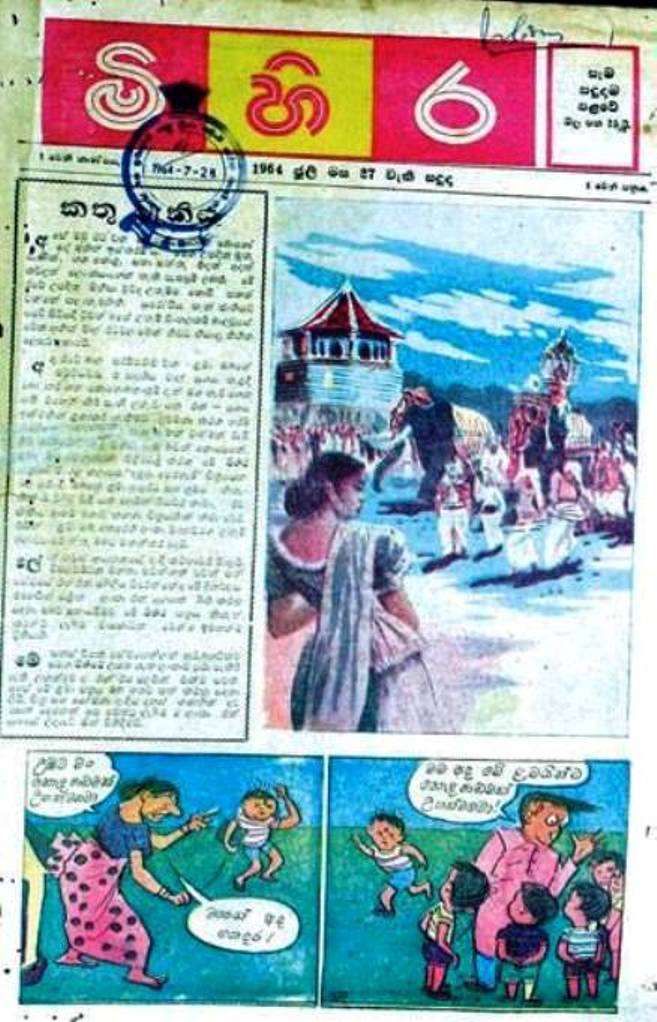
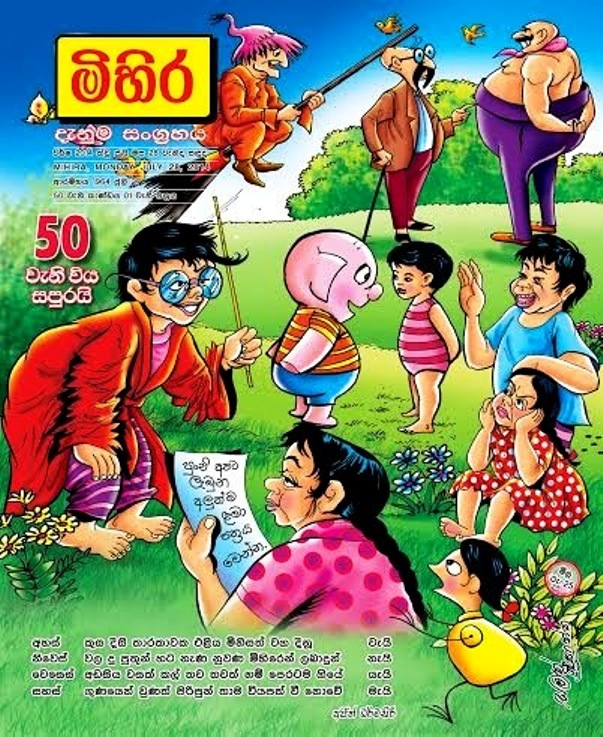
The Sinhala children’s weekly newspaper Mihira just completed 50 years of publication. The paper, launched by Associated Newspapers of Ceylon Limited (ANCL, or Lake House) on 27 July 1964, holds nostalgic memories for those of us who grew up in the 1960s and 1970s with limited access to reading material.
In this week’s Ravaya column (in Sinhala), I invoke some memories. I wrote an English blogpost along similar lines a few days ago:
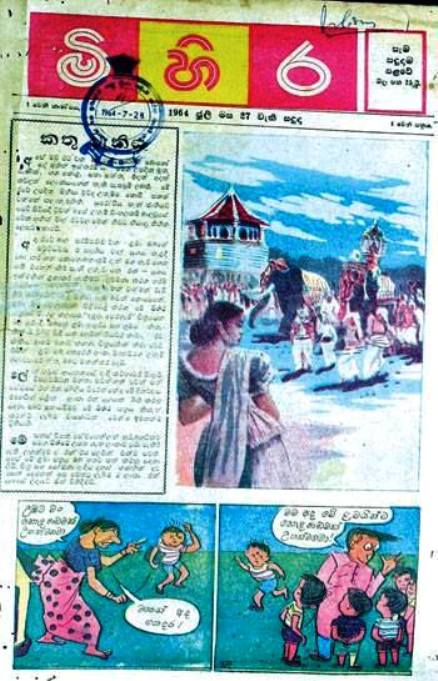
Mihira children’s newspaper first issue – 27 July 1964
Sinhala children’s weekly newspaper Mihira has just completed 50 years of publication. The paper holds nostalgic memories for those of us who grew up in the 1960s and 1970s with limited access to reading material.
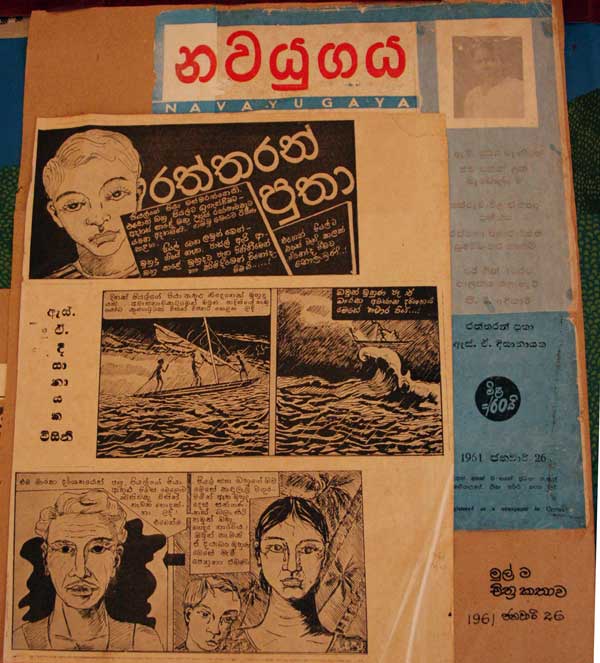
The tabloid was launched by Associated Newspapers of Ceylon Limited (ANCL, or Lake House) on 27 July 1964. Its founder editor was veteran journalist Srilal Hikkaduwa Liyanage (who was also founder editor of Tharunee women’s newspaper and Navayugaya informative newspaper from the same publishing house).
I wasn’t even born when Mihira came out. Sometime in 1969, when I was a precocious three-year-old, my father bought me my first copy. I was hooked: for the next dozen years, I eagerly awaited the arrival of each week’s issue on Mondays.
In the early years, Mihira carried a mix of stories, comics, articles and verse. While many were produced by talented writers and artists who understood the child’s mind, some were actually children’s own contributions.
In fact, Mihira is where I first got myself into print. As a school boy of 9 years, I submitted several of my (Sinhala) verses to Mihira (at the suggestion of my Grade 3 class teacher). One of them, on my perception of an animated clock, was printed in one issue of October 1975. I was thrilled to bits – that clipping is somewhere at the bottom of my personal archives…
Funnily enough, thousands of printed pieces later, I still get an enormous kick each time a newspaper publishes my writing.
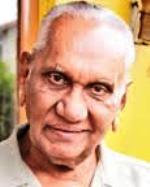
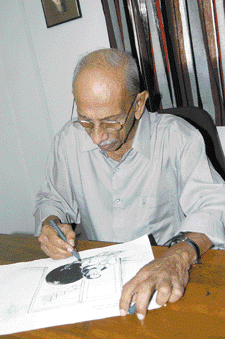
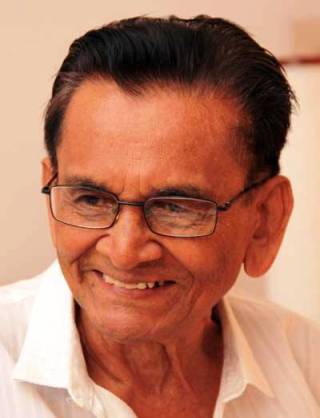
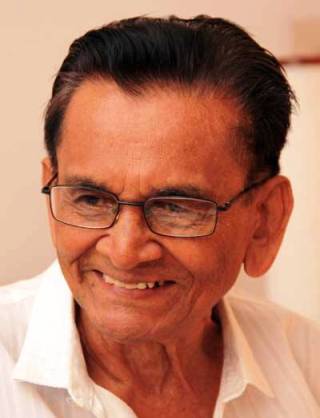
S A Dissanayake, comics artist
To me (and many others of my generation), the most memorable part of Mihira were extraordinary comics written and drawn by S A Dissanayake. He drew a long-running comic (chitra katha) called Onna Babo (‘ඔන්න බබො’), which chronicled the adventures of three intrepid kids (‘බූ – බබා’, ‘තුල්සි’) and involved a wicked witch (බටකොළ ආච්චි), wizards and other characters. For us entertainment starved kids, ඔන්න බබො was Harry Potter of the 1960s and 70s. All these years later, some sub-plots are still clearly etched in my memory…
S A Dissanayake also drew the more comical Yodaya (‘‘යෝධයා’’) about a good-hearted village giant and a learned but wicked man (‘‘යෝධයා සහ පඬිතුමා”), as well as several other popular comics.
When some teachers and parents condemn all comics as polluting children’s minds, I always remind them of the glorious exceptions created by S A Dissanayake. Some feel his stories paved the way for the enormous popularity of TinTin comics and animations in Sri Lanka later on.
I just read that Dissanayake (who was a school teacher by profession) still draws children’s comics for Mihira – a rare feat (world record?) of a comic artist drawing for the same publication for half a century.
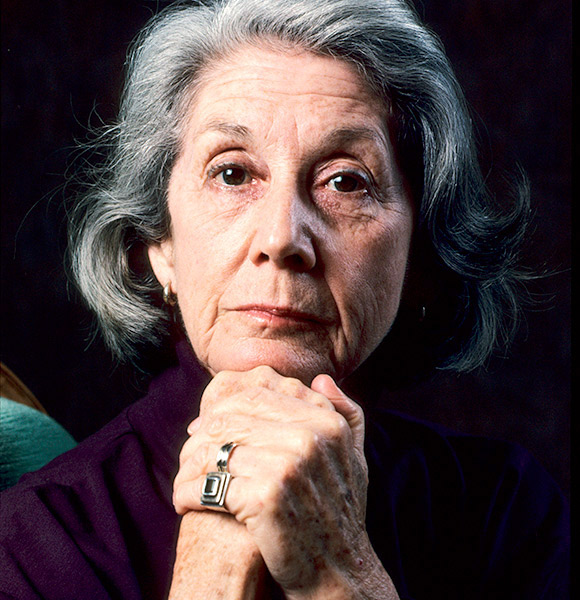
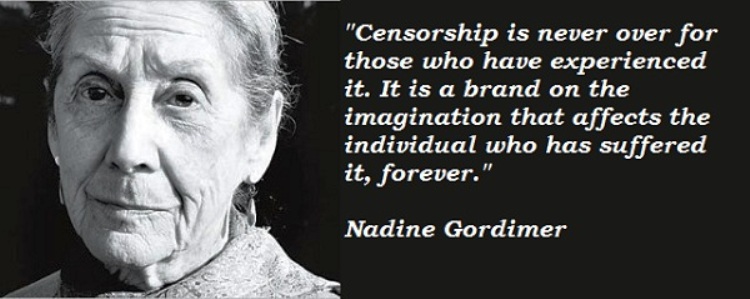
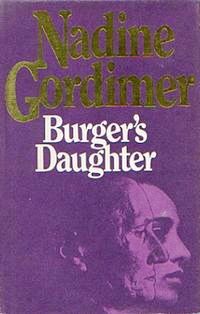
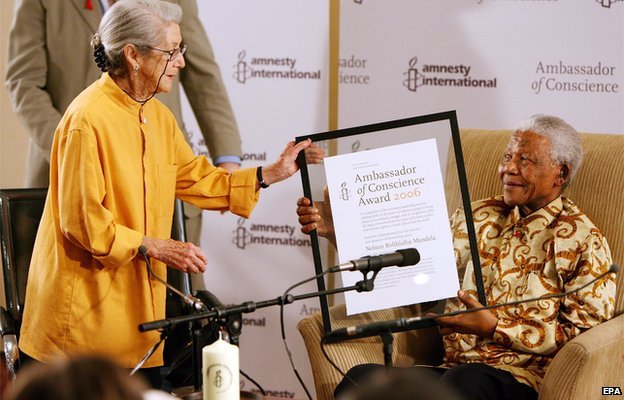
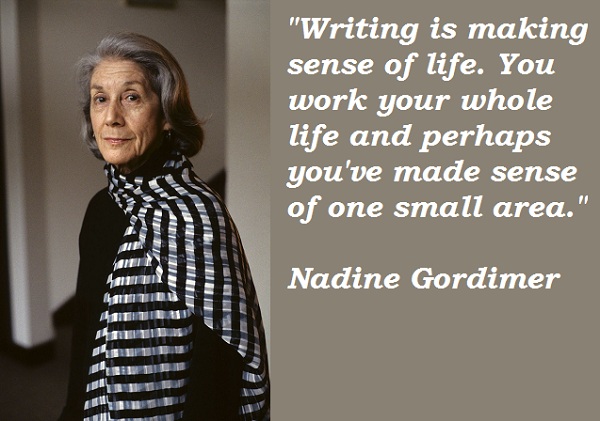
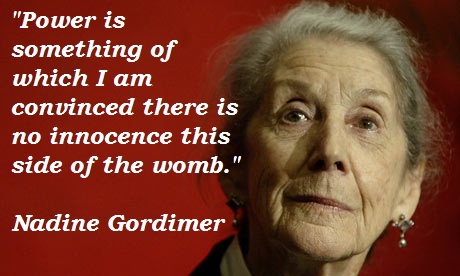
In this week’s Ravaya column (in Sinhala), I pay tribute to South African writer and social activist Nadine Gordimer (1923-2014). I focus on how she never hesitated to speak out for justice, fairness and equality even when that elicited ridicule and harassment from her own government that quickly labeled her a ‘traitor’.
I also recall how I once listened to her speak, during the recording of a TV debate in Johannesburg in mid 2002, and how she later marched the streets with activists from all over the world demanding land rights for the poor.
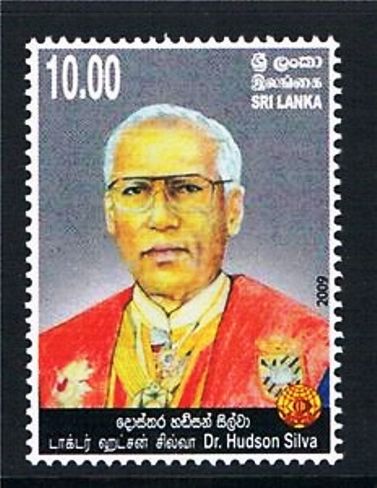
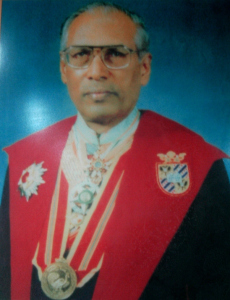
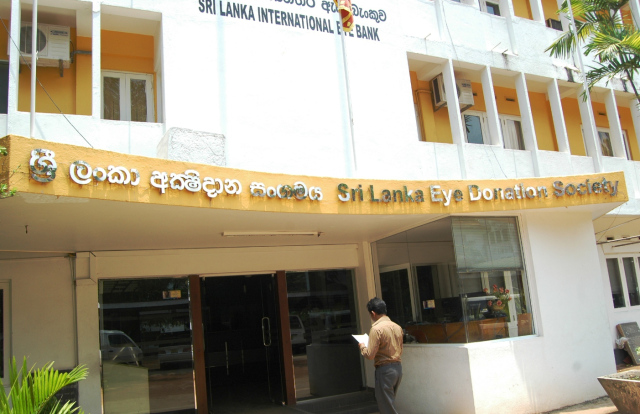
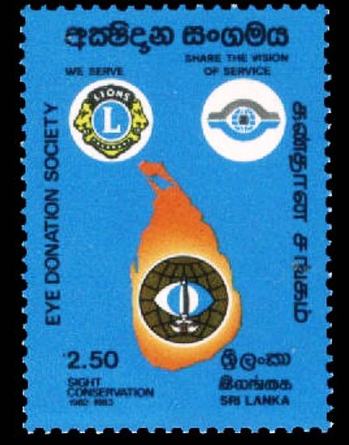
In this week’s Ravaya column, in Sinhala, I further explore the origins and evolution of Sri Lanka Eye Donation movement, with emphasis on its founder and leader for 40 years, Dr Hudson Silva (1929-1999).
Dr Hudson Silva (left) and Arthur C Clarke with then Prime Minister R Premadasa and Minister Tyronne Fernando (extreme right) at Eye Donation Society function circa mid 1980s [Photo courtesy Arthur C Clarke Archive]අක්ෂිදාන බෞද්ධ සංකල්පයක් මත පදනම් වුවත් වෛද්ය හඞ්සන් මුල පටන්ම මේ ව්යාපාරය ගොඩ නැංවූයේ ජාති, ආගම් හෝ දේශපාලන භේද කිසිවක් නොමැතිවයි. එක් උතුම් අරමුණක් සඳහා විවිධාකාර පුද්ගලයන් හා ආයතන එක්සත් හා එක්සිත් කර ගැනීමේ හැකියාව ඔහු සතු වුණා.
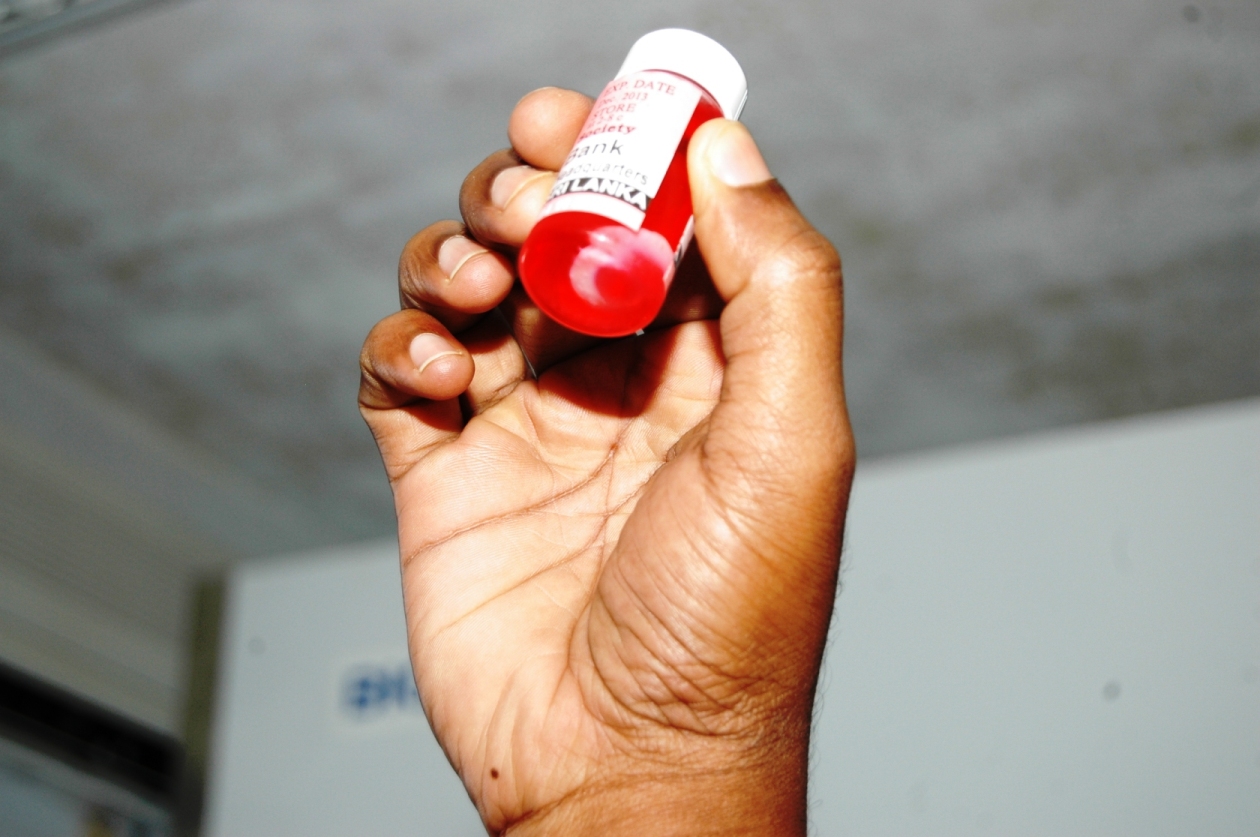
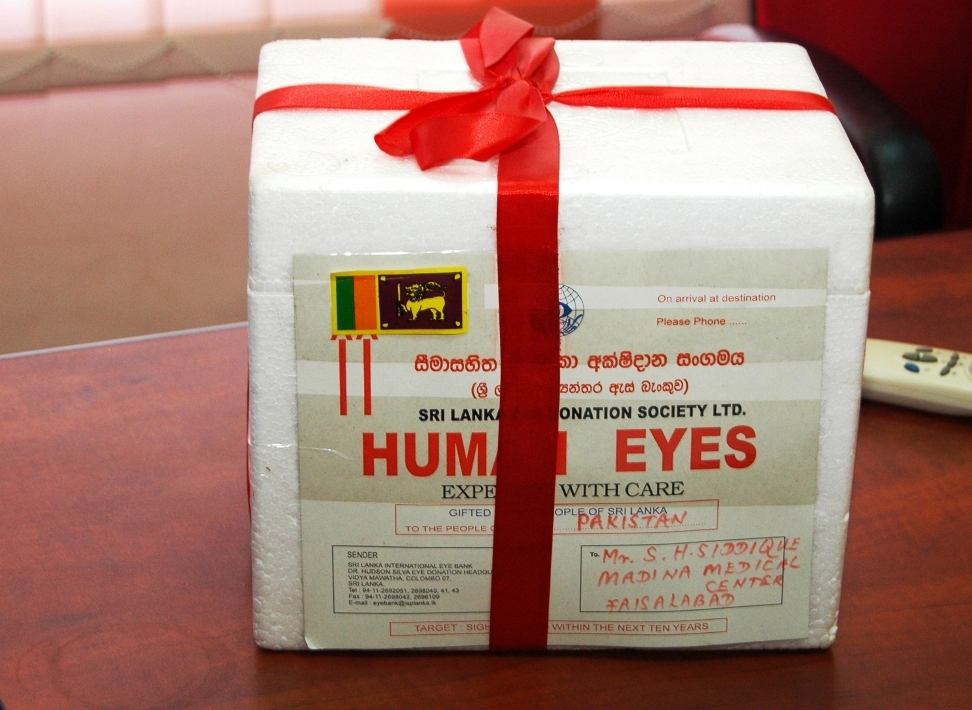
The first eyes donated from Sri Lanka were dispatched overseas, to Singapore, on 25 May 1964. In the half century that followed, over 66,500 eye corneas have been donated from Sri Lanka to a total of 117 cities in 54 countries worldwide (by end April 2014). This is one of the greatest humanitarian gifts in modern times, which has earned Sri Lanka unparalleled gratitude and goodwill around the world.
In this week’s Ravaya column, in Sinhala, I trace the origins of eye donation in Sri Lanka. I have just written up the same information in English at:
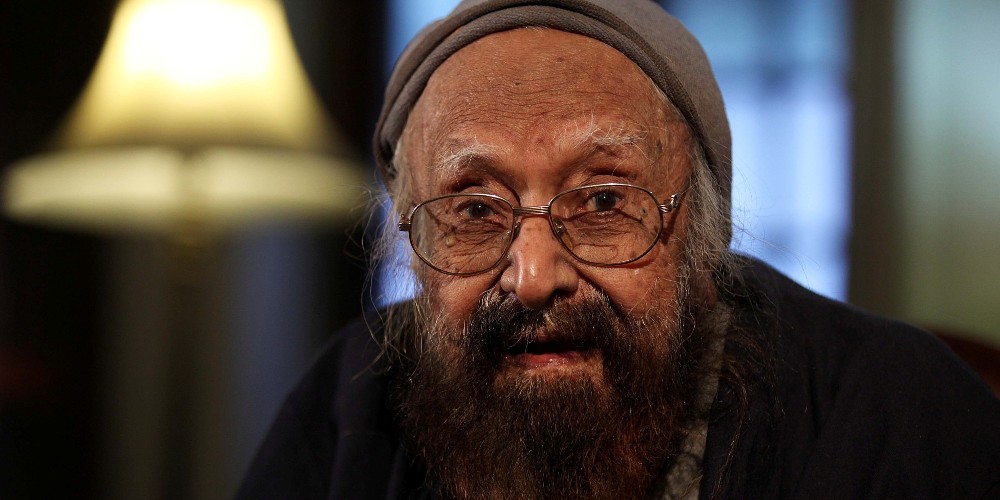
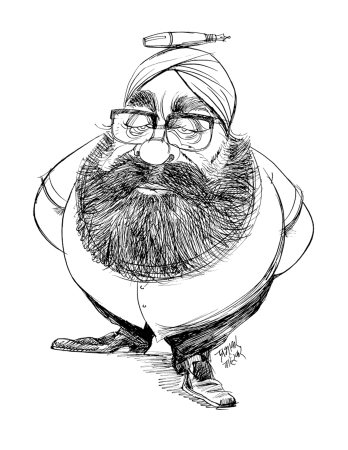
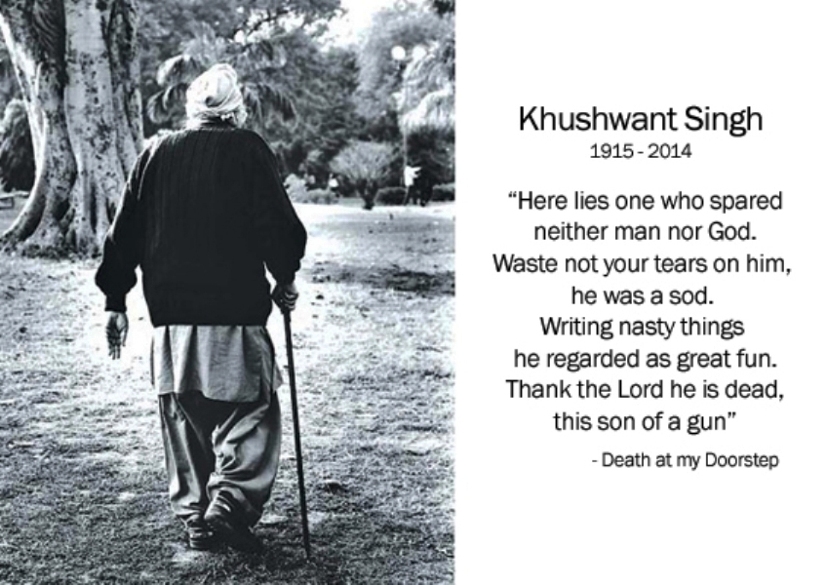
In this week’s Ravaya column (in Sinhala), I pay tribute to Khushwant Singh (1915-2014), writer and journalist who died on 20 March 2014 aged 99. He is best remembered for his satire, humour and trenchant secularism. I make special mention of his defiance of death threats from Sikh fundamentalists in the 1980s, and his vocal stand against all organised religions.
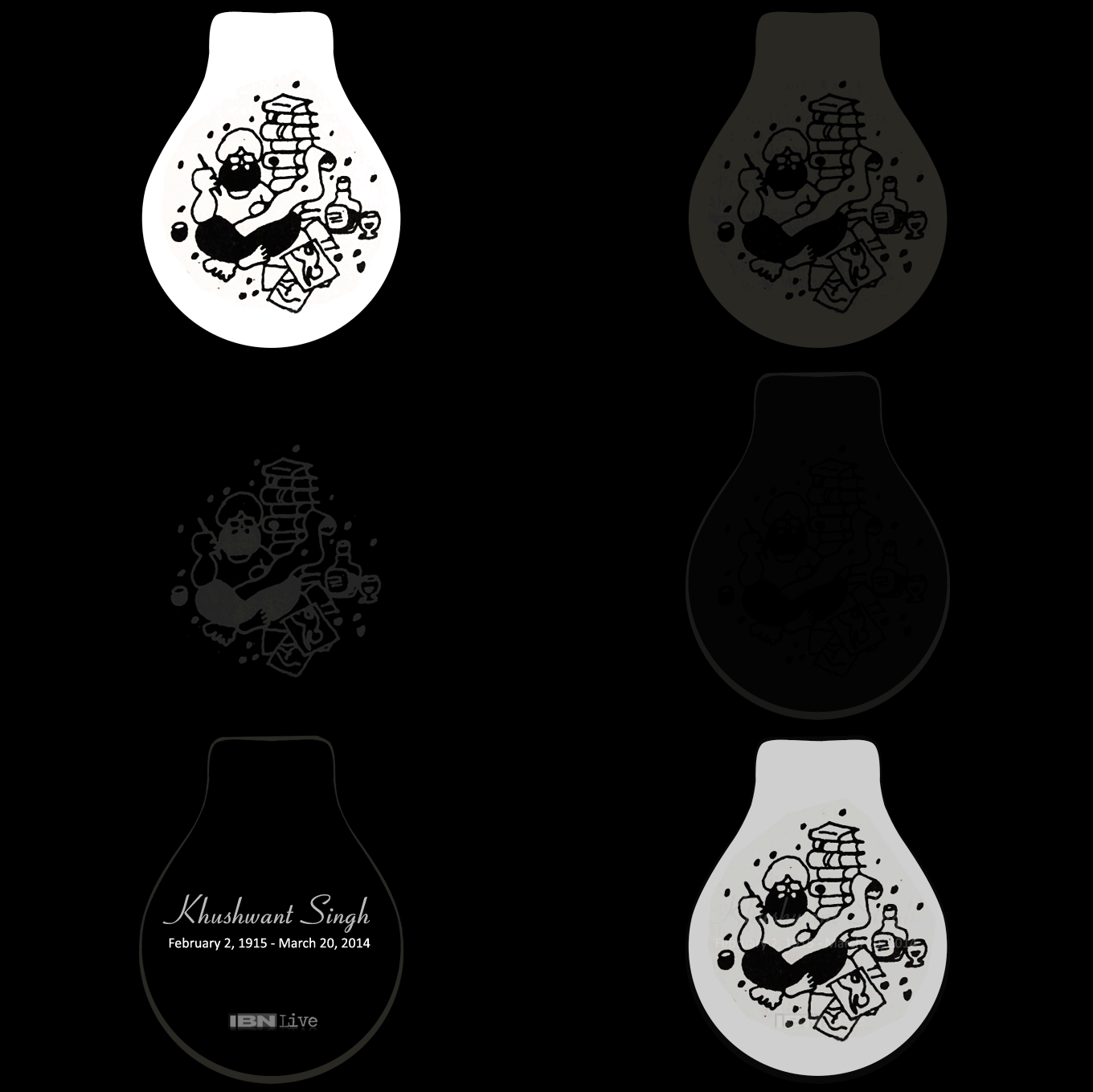
IBN TV’s tribute to Khushwant Singh played on the image of editor inside the light bulb – the graphic used by him when he edited Illustrated Weekly of India (1969-78)
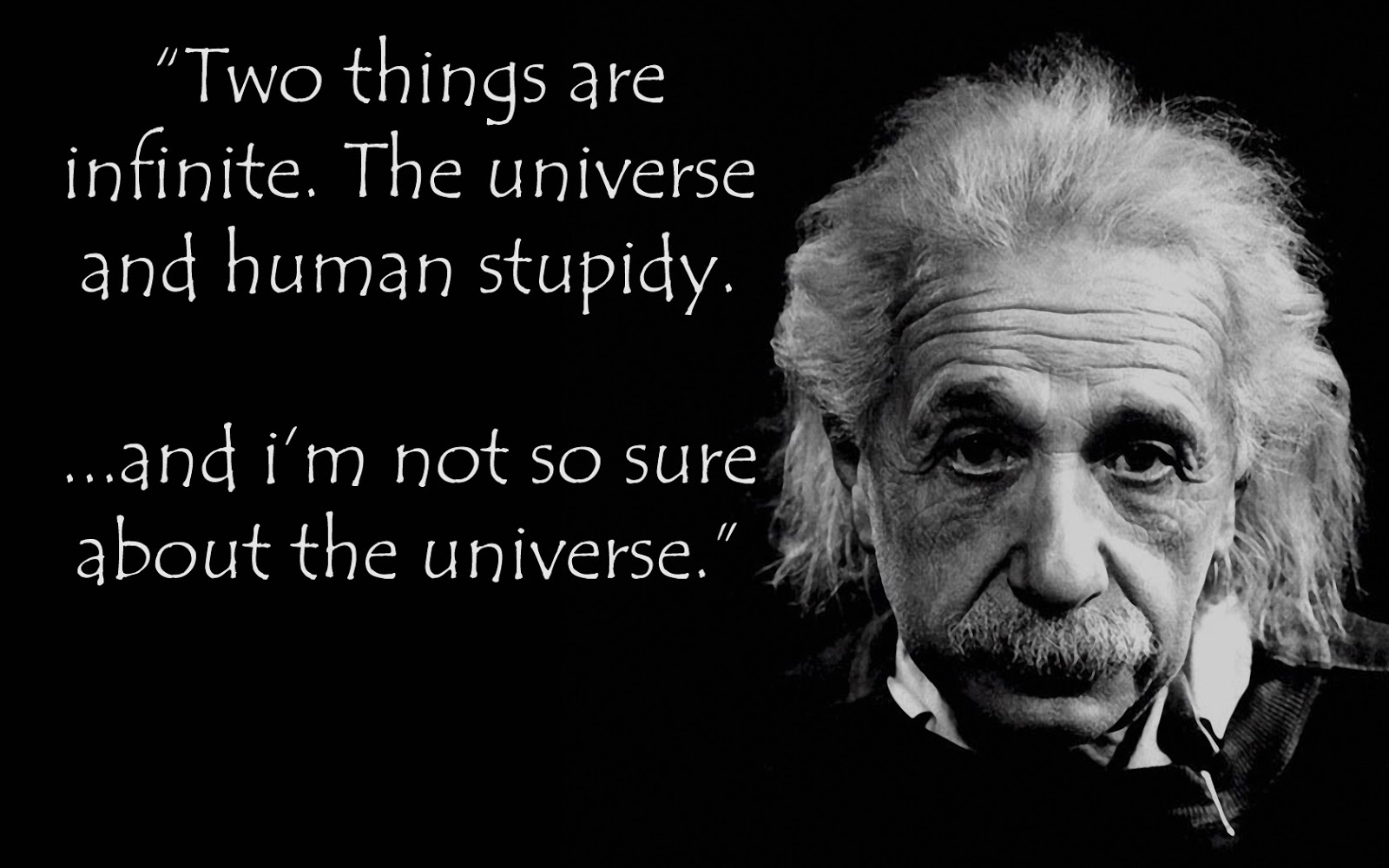
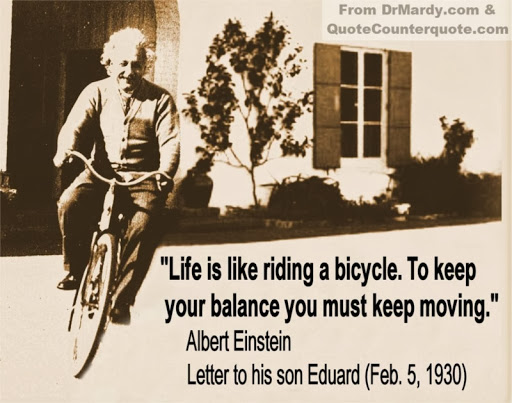
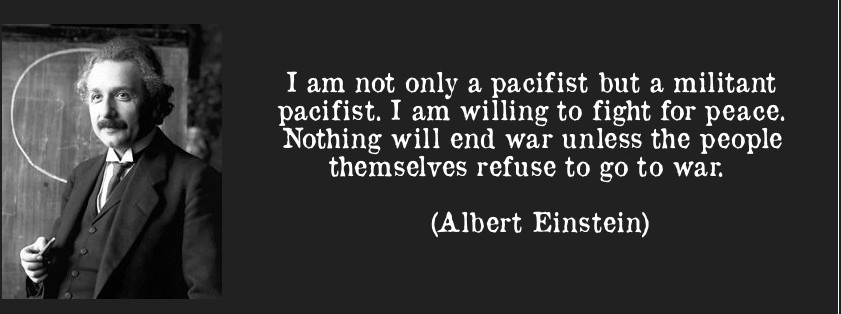
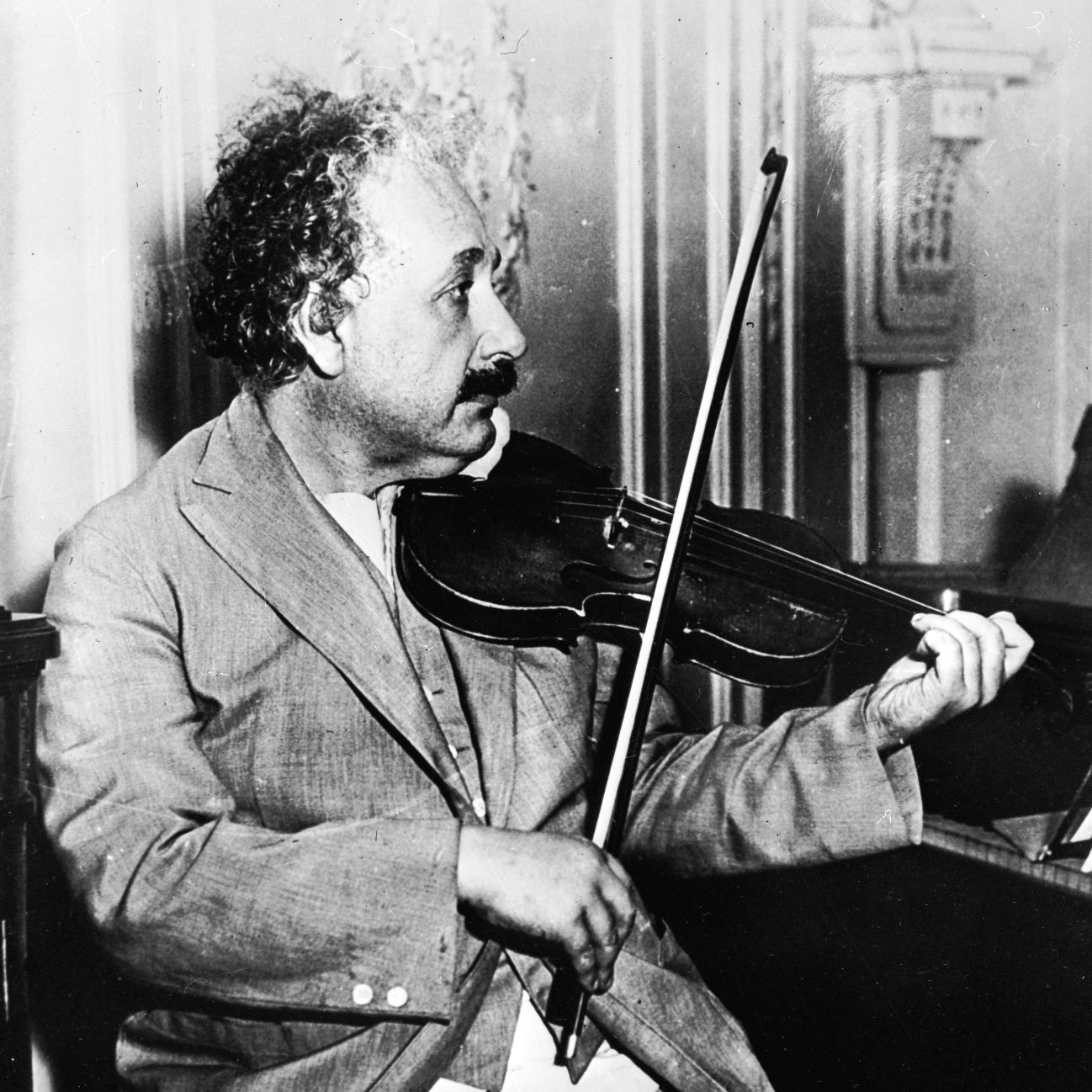
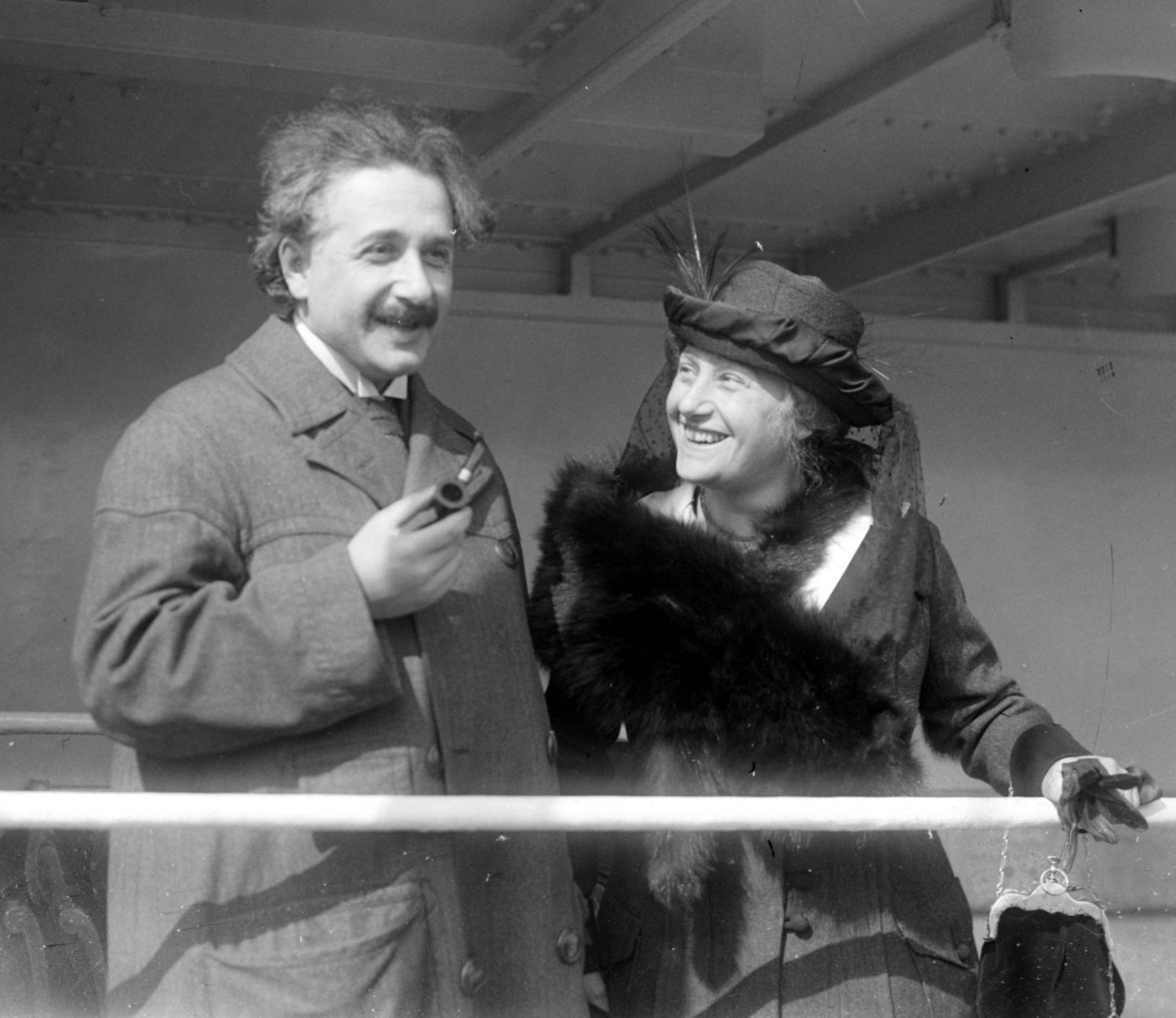
My column on Einstein’s obscure visit to Ceylon in October 1922 was well received, and some appreciative readers asked me to look at the human being behind the intellectual. So, in this week’s Ravaya column (in Sinhala language), I explore Einstein the humanist, pacifist and supporter of civic rights all his life.
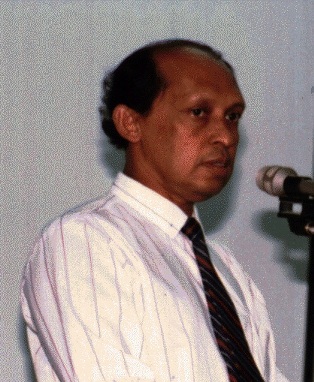
In this week’s Ravaya column (in Sinhala), I share info on Albert Einstein’s short visit to Ceylon in October 1922 on his way to Japan. This is based on a recent talk given by physicist Dr Kirthi Tennakone, who has unearthed this info from Einstein diaries and other archival records.
I’m yet to write this in English, but intend doing so shortly.
Albert & Elsa Einstein – Photo courtesy Wikimedia Commons

![Dr Hudson Silva (left) and Arthur C Clarke with then Prime Minister R Premadasa and Minister Tyronne Fernando at Eye Donation Society function circa mid 1980s [Photo courtesy Arthur C Clarke Archive]](https://nalakagunawardene.com/wp-content/uploads/2014/06/dr-hudson-silva-left-and-arthur-c-clarke-with-then-prime-minister-r-premadasa-and-minister-tyronne-fernando-at-eye-donation-society-function.jpg)


 Open Minds!