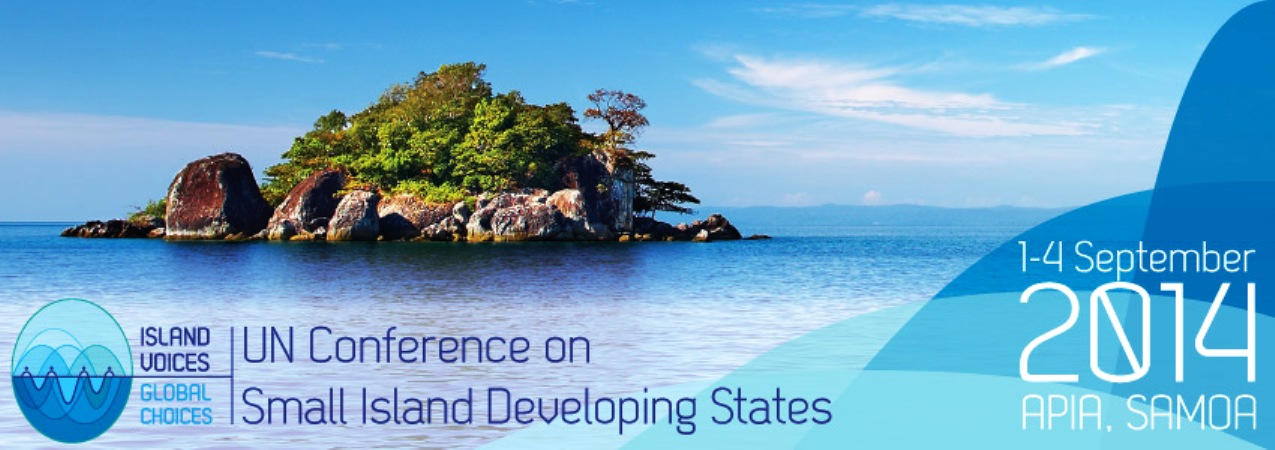
The United Nations, convener of the conference, has also designated 2014 as the International Year of Small Island Developing States (details at: www.sids2014.org). The year is meant to express global solidarity with the small island states around the world.
SIDS was first recognised as a distinctive group around the time of the first Earth Summit in 1992. They are low-lying coastal countries sharing many development challenges, including small populations, limited natural resources, remoteness, susceptibility to disasters and fragile environments. Many are…
Although it has been discussed for centuries, there is no universally accepted definition of basic human needs. During the 1970s, basic needs emerged as a key topic in development debates. Various studies – catalysed by UN agencies and the Club of Rome – tried to define it.
In 1976, the International Labour Organization (ILO) prepared a report that identified basic needs as food, clothing, housing, education and public transportation. It partially drew on ILO’s country reports on Columbia, Kenya and Sri Lanka. Since then, different development agencies have adopted variations of the original ILO list. National planners have used the concept to benchmark economic growth.
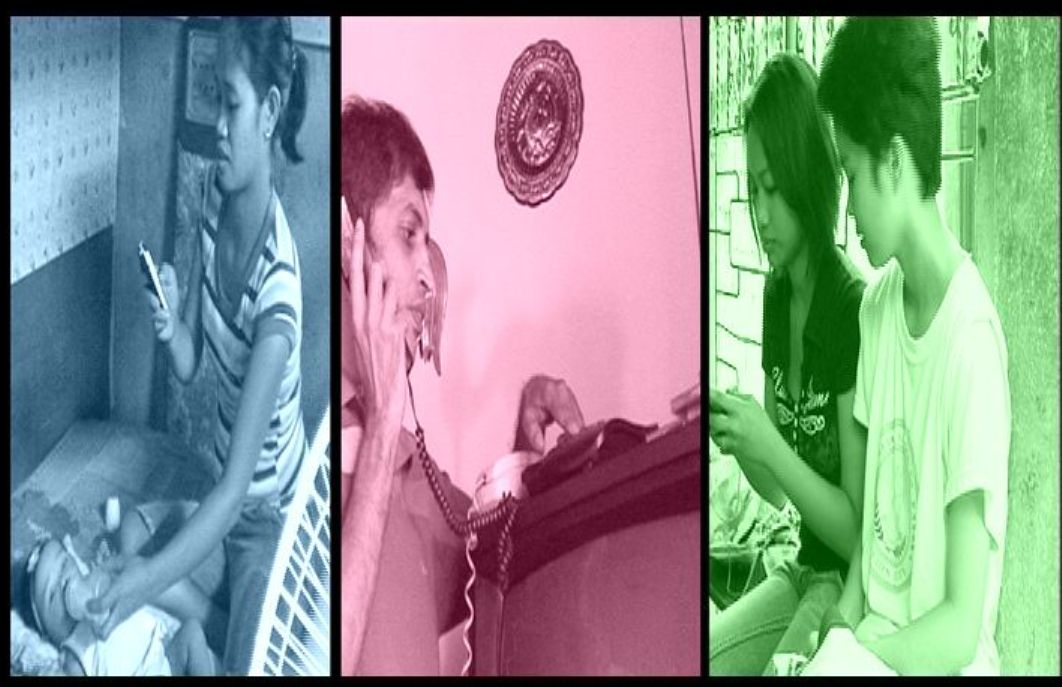
The ground reality has changed drastically since those heady days. In view of the rapid evolution of information society, communication should be considered a basic human need. This is the basic thrust in my latest Ravaya column (in Sinhala).
See also my related writing on revisiting basic needs:
Text of my ‘When Worlds Collide’ column published in Ceylon Today newspaper on 29 August 2014
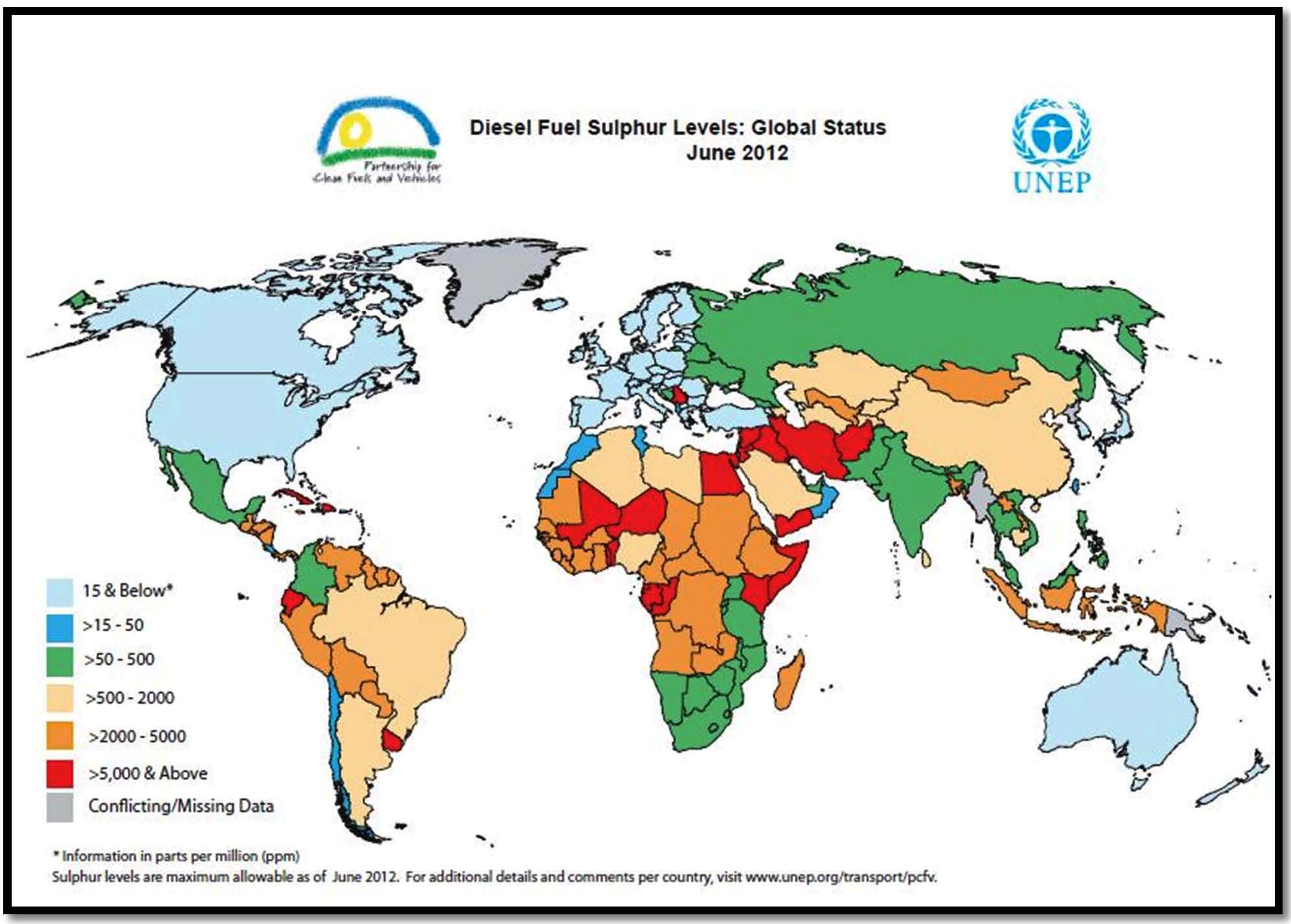
Diesel fuel sulphur status – June 2012, Map by UNEP
Progress is slow and incremental. Those who take all-or-nothing positions often end up with…nothing.
So let’s hail Sri Lanka’s leading petroleum distributor introducing a super diesel with lower levels of sulphur. This is indeed good news. But much more remains to be done.
Until now, Super Diesel marketed by the state-owned Ceylon Petroleum Corporation (CPC) had a sulphur content of 500 ppm (parts per million). From 22 August 2014, its sulphur has come down to 10 ppm.
“CPC is compelled to improve the quality of diesel, since it contributes a lot towards the reduction of harmful diesel exhaust emissions causing environmental pollution and serious health hazards which have been reported to have costly effects both economically and socially on the society at large,” a…
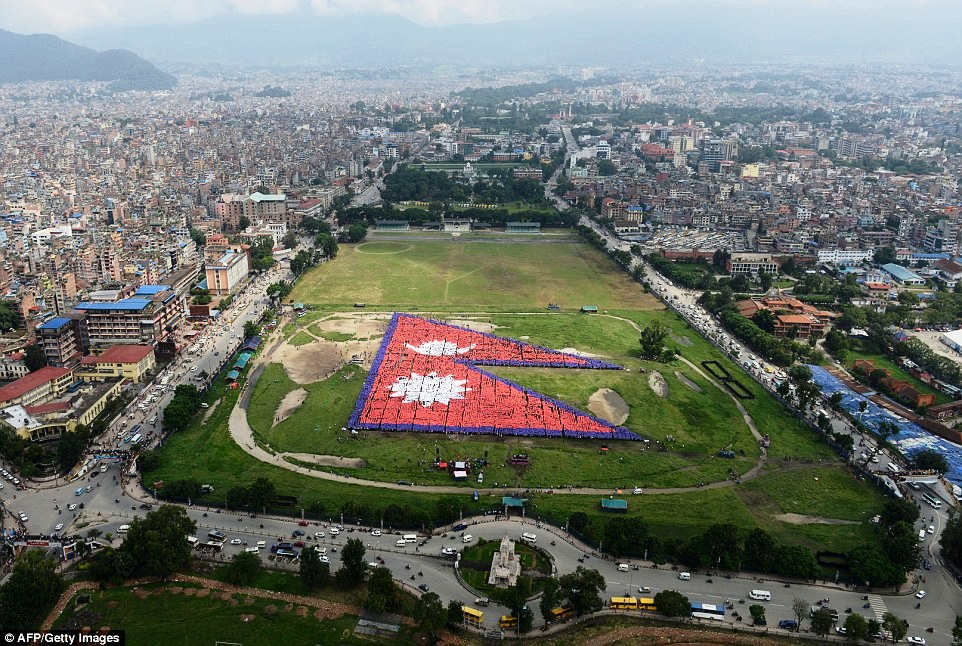
The Tudikhel open ground in central Kathmandu is transformed into a large flag holder as 35,000 Nepalese break the world record for the biggest human flag – 23 August 2014 – Photo by AFP/Getty Images
If there’s one thing (many) South Asian nations have in abundance, it’s people. Now, countries of this populous region are competing to hold the world record in an unusual phenomenon called the human national flag.
On 23 August 2014, more than 35,000 Nepalese came together in Kathmandu’s city centre to form the world’s largest “human national flag”. The feat was best seen from the air, and had a special visual significance too: the Himalayan nation has the world’s only flag which is not a quadrilateral (it’s made up of two triangles).
The exercise was billed as an effort to ‘unite the hearts of Nepal’. As seen from the Facebook page (https://www.facebook.com/events/1521476671414710/), it entailed plenty of preparation. Unless you’re in North Korea, getting thousands of people to perform an act of mass coordination isn’t easy.
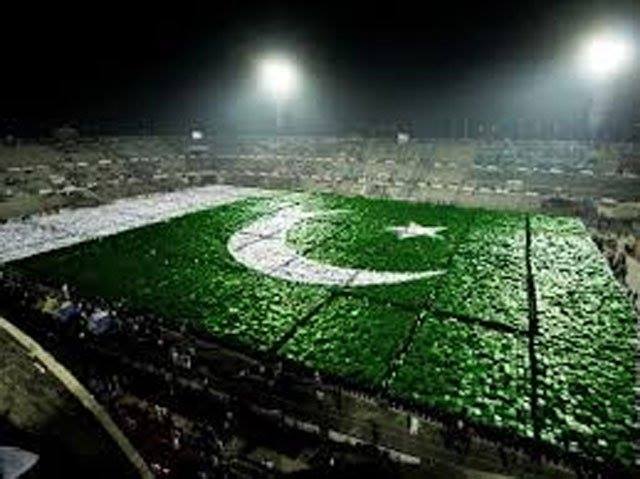
If Guinness World Records accepts this claim based on photographic and video evidence, Nepal will replace Pakistan as current record holder. On 15 February 2014, a total of 28,957 people came together at the National Hockey Stadium in Lahore to make up their flag during Punjab Youth Festival 2014. http://www.guinnessworldrecords.com/world-records/2000/largest-human-national-flag
On 5 February 2014, a total of 28,957 Pakistanis came together at the National Hockey Stadium in Lahore to create their national flag
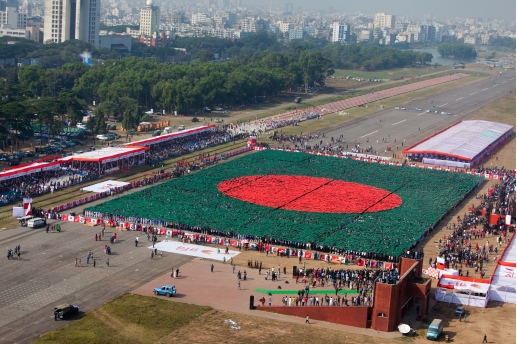
Pakistanis beat Bangladesh to this record. A total of 27,117 volunteers, mostly students, stood up with red and green blocks to form their flag at the National Parade Ground in Sher-e-Bangla Nagar in Dhaka on 16 December 2013. They stood there for 6 minutes 16 seconds, though the requirement for setting a new world record was 5 minutes.
Bangladesh human national flag created at the National Parade Ground in Sher-e-Bangla Nagar in Dhaka on 16 December 2013. Photo by Shahidul Alam/Drik News
So here’s a chance for Sri Lanka’s patriots to literally fly their flag into a world record. Of course, coordinating the creation of the Lion Flag will be more demanding (making up Pakistani and Bangladeshi flags is relatively easier than Nepal’s).
“Sri Lanka has many persons claiming to practise astrology with its professed powers of predicting the future. However, not one of them anticipated the Indian Ocean Tsunami on 26 December 2004 which killed close to 50,000 people in Sri Lanka!”
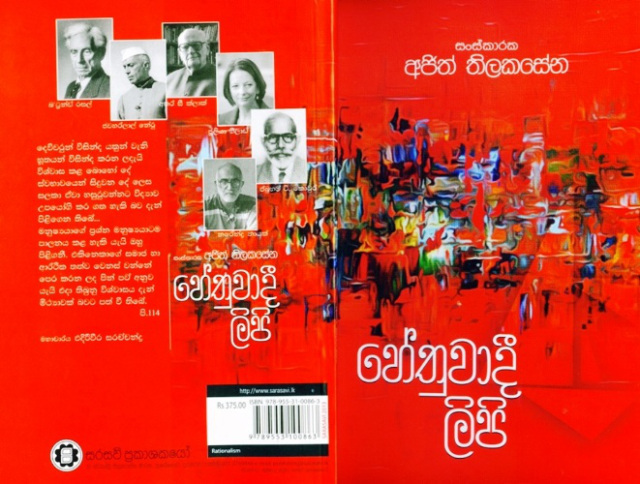
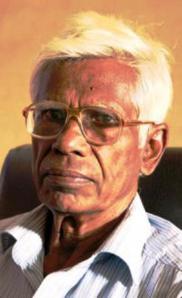
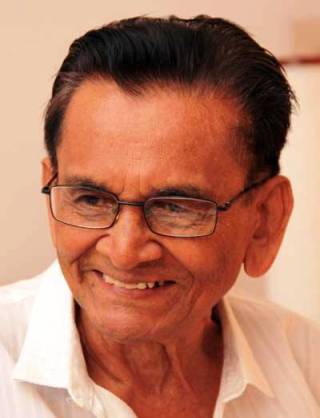
With this statement, Ajith Thilakasena, veteran Sinhala author and rationalist, opens his powerful prologue to an anthology of essays he recently edited titled Hethuwaadi Lipi (Rationalist Essays, Sarasavi Publishers, 2013).
Ajith Thilakasena
He notes how, despite this, the hit-or-miss (actually, more miss than hit) ‘prophecies’ of astrologers are still widely amplified by our print and broadcast media. That, in turn, prompts many people to accept them uncritically.
“There is no shortage of blind followers for astrologers and other soothsayers despite their proven…
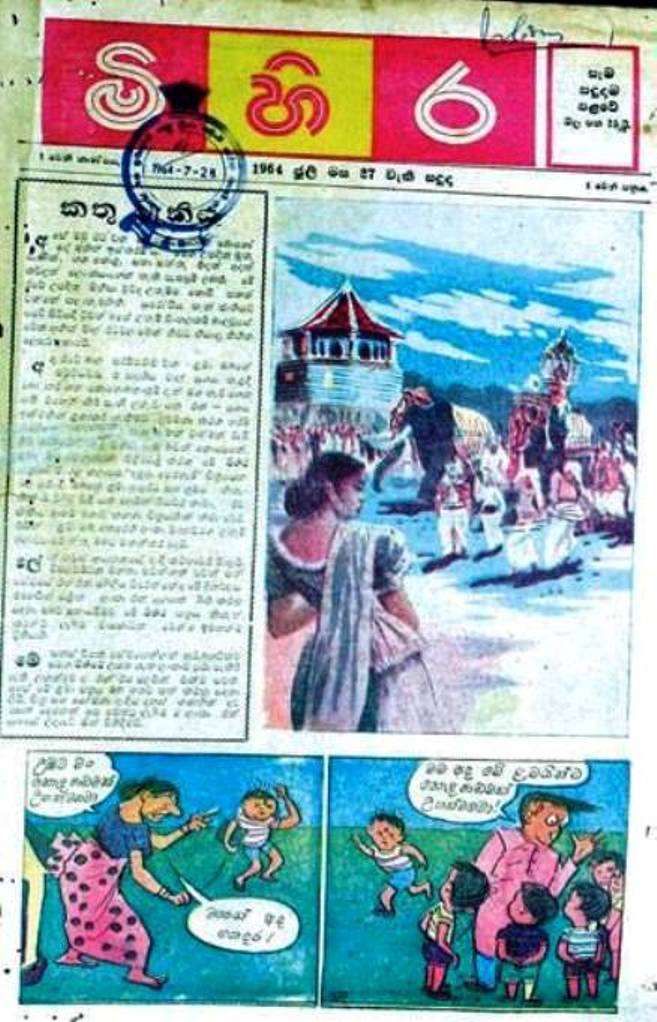
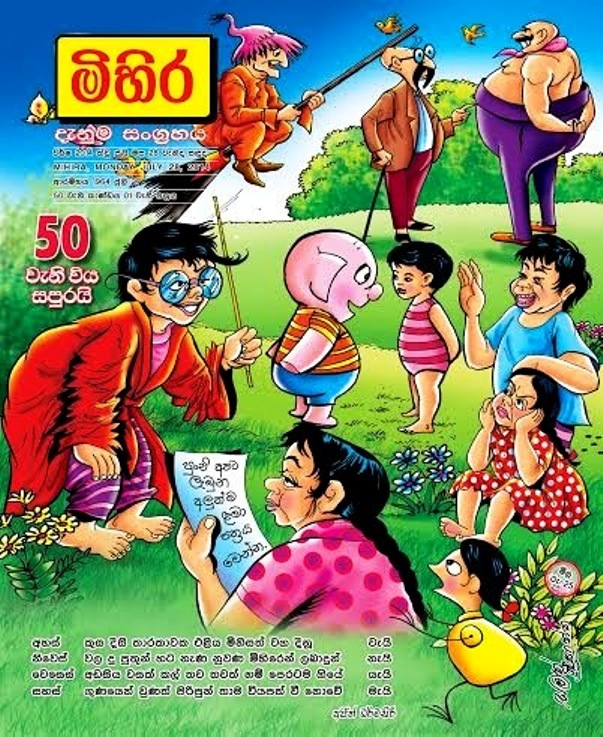
The Sinhala children’s weekly newspaper Mihira just completed 50 years of publication. The paper, launched by Associated Newspapers of Ceylon Limited (ANCL, or Lake House) on 27 July 1964, holds nostalgic memories for those of us who grew up in the 1960s and 1970s with limited access to reading material.
In this week’s Ravaya column (in Sinhala), I invoke some memories. I wrote an English blogpost along similar lines a few days ago:
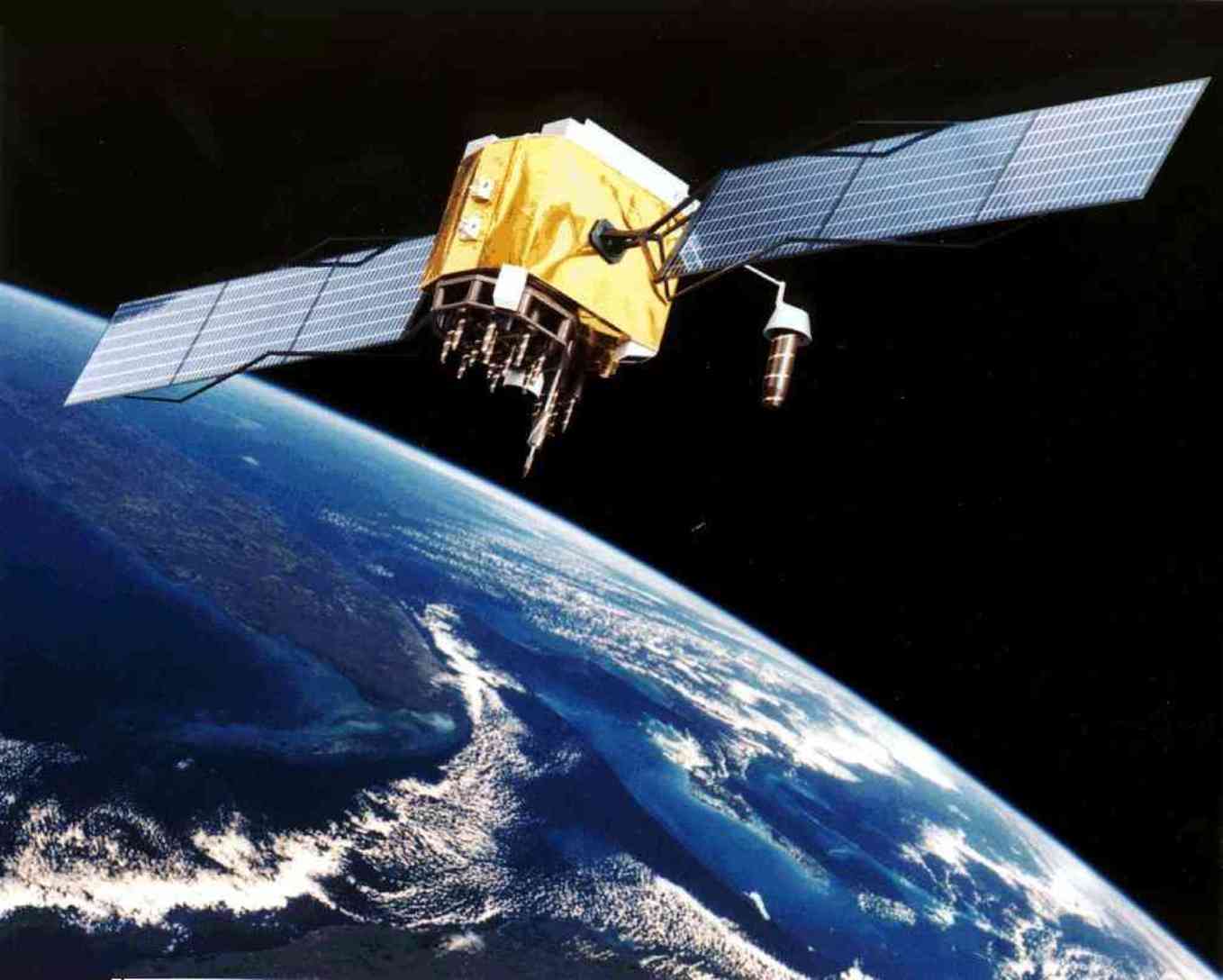
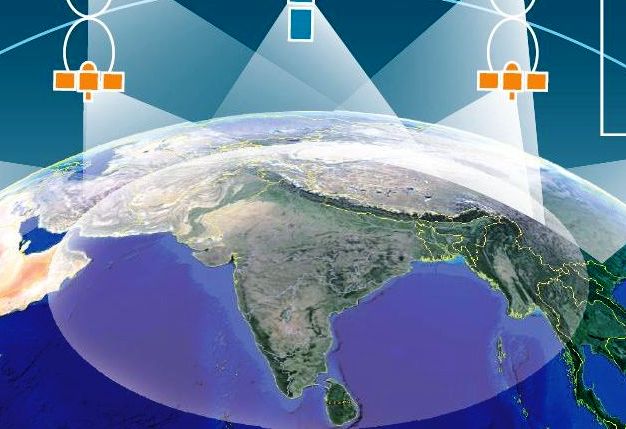
Both China and India are keen to enhance links with smaller Asian countries in using satellites as part of their ‘space diplomacy’ strategies.
Last week in my Ravaya column (in Sinhala), I wrote about space technology capabilities of South Asian countries. This week’s column probes whether or not Sri Lanka needs its own satellite.
It is dangerous to be right when the government is wrong, cautioned the French writer and philosopher François-Marie Arouet (1694 – 1778), better known by his pen name, Voltaire.
Thankfully, men and women with the courage of their conviction regularly disagree with the establishment (whether political or academic). Societies move forward largely thanks to them.
A case in point is organic farming in Sri Lanka, sustained by a handful of committed individuals and groups while the full resources and might of the state promoted the opposite.
Half a century ago, Sri Lanka adopted the Green Revolution’s approach of high external input farming. It policy favoured hybrid seeds along with the widespread use of chemical fertilisers, weedicides and pesticides. These boosted yields, for sure, but there was…