සිවුමංසල කොලූගැටයා #116: ඔබ දන්නෙහිද ගැන ඔබ දන්නෙහිද?

I look at general knowledge quizzing in Sri Lanka in this week’s Ravaya column (in Sinhala).

It’s a mind sport where I have played all the roles possible — as a participant, Sri Lanka’s national quiz champion, quiz compiler, quizmater, quiz programme designer for radio and TV, and chronicler of the game.

I covered similar ground in English in this column written in Aug 2012:
When Worlds Collide #27: Who Wants to be…a Quizmaster?
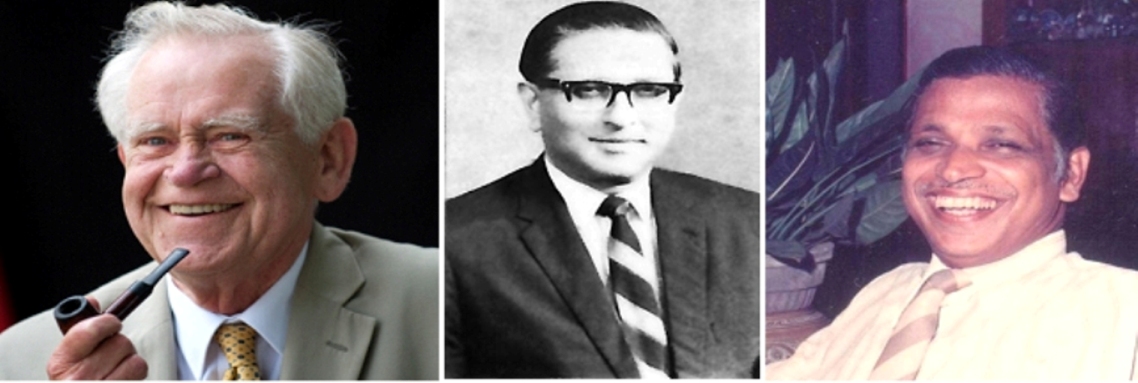
L to R - Magnús Magnússon, Shelton Wirasinha, Gunaratne Abeysekera
L to R – Magnús Magnússon, Shelton Wirasinha, Gunaratne Abeysekera

ඔබ දන්නෙහිද (Do You Know) හෙවත් දැනුම මිනුම (quiz) තරගාවලි දශක ගණනාවක් තිස්සේ අපේ පාසල් සිසුන් අතර ජනපි‍්‍රයයි. සූක්‍ෂම හා ඉලක්කගත ලෙසින් දැනුම හා මතකය උරගා බලන මේ මනෝමය කී‍්‍රඩාව ලිහිල් මට්ටමින් හෝ බැරැරුම් ලෙසින් හෝ කළ හැකියි.

පාසල් සිසුන් ලෙස මේ කී‍්‍රඩාවේ දස්කම් පෑ සමහරුන් පසු කලෙක වෘත්තීය ක්‍ෂෙත‍්‍රයන්හි හපනුන් බවට පත් වුණා. ශී‍්‍ර ලංකාවේ ලලිත් ඇතුලත්මුදලි 1950 ගණන්වල රේඩියෝ තරග ජය ගත් අතර අමෙරිකාවේ හිලරි ක්ලින්ටන් (එවකට හිලරි රෝඩම්) 1960 දශකයේ ටෙලිවිෂන් තරගවල තරුවක් වුණා.

ශී‍්‍ර ලංකාවේ ඔබ දන්නෙහිද මනෝ කී‍්‍රඩාවේ ආරම්භය හා මුල් යුගය ගැන මා තොරතුරු සොයනවා. (ඔබ දන්නා තොරතුරු ඇත්නම් ලියා එවන්න: contact details) මගේ මතකයට එන පැරණි ම තරගාවලි පැවැත්වුණේ එවකට අපට තිබූ එක ම රේඩියෝ ආයතනය වූ ගුවන්විදුලි සංස්ථාවේ නාලිකා හරහායි.

සිංහලෙන් ‘ඕවල්ටීන් පැන පොඩි’ හා ඉංගී‍්‍රසියෙන් ‘Take it or Leave It’ යන සතිපතා තරගයන්ට 1970 දශකයේ සවන් දුන් මා, 1980 සිට මේ ක්‍ෂෙත‍්‍රයේ තරග කරන්නට පටන් ගත්තා. එවක් පටන් අද වන තෙක් මේ මනෝ කී‍්‍රඩාව මගේ ප‍්‍රධාන විනෝදාංශයයි. එහි හැම ඉරියව්වක හා මට්ටමක ම මා කි‍්‍රයා කොට තිබෙනවා.

ශී‍්‍ර ලංකාවේ ප‍්‍රවීණ ප‍්‍රශ්න විචාරකයන් දෙදෙනෙකු සමඟ වැඩ කිරීමෙන් මා අත්දැකීම් ලැබුවා. මුලින් ඔවුන්ගේ ප‍්‍රශ්නවලට මුහුණ දුන් පාසල් සිසුවකු ලෙස ඔවුන් හදුනා ගත් මා, ඉනික්බිති ඔවුන් සමඟ ප‍්‍රශ්න සම්පාදනය හා ඉදිරිපත් කිරීමට සහායකයකු ලෙස සම්බන්ධ වුණා.

මෙයින් පළමුවැන්නා දක්‍ෂ ගුරුවරයකු හා විදුහල්පතිවරයකු වූ ෂෙල්ටන් වීරසිංහ සූරීන් (1923 – 1985). රිච්මන්ඞ් හා වෙස්ලි විදුහල්වල අධිපති ලෙස සේවය කළ ඔහු කී‍්‍රඩා, සංගීත, ශාස්තී‍්‍රය හා පරිපාලන ක්‍ෂෙත‍්‍රවල කුසලතා තිබූ අයෙක්.

රූපවාහිනී නාලිකාව 1982 පෙබරවාරි 15දා අරඹා දින කිහිපයක් තුළ විකාශය ඇරැුඹි මෙරට පළමුවැනි ටෙලිවිෂන් ඔබ දන්නෙහිද වැඩසටහන් මාලාව වූ Dulux Do You Knowහි ප‍්‍රශ්න විචාරකයා වුණා. ඔහුට මුහුණ දුන් මුල් ම පාසල් සිසුන් හය දෙනා අතර සිටි මා එයින් ජයග‍්‍රහණය කළා.

වීරසිංහයන් උද්යෝගීමත්, විනෝදකාමී හා ප‍්‍රතාපවත් චරිතයක්. මවුබස ඉංගී‍්‍රසිය වූ අයට පවා ආදර්ශයට ගත හැකි තරම් විශිෂ්ඨ ඉංගී‍්‍රසි උච්චාරණයක් ඔහුට තිබුණා. එහෙත් කලූ සුද්දකු වනවා වෙනුවට ඔහු ලාංකික උරුමය අගය කළ අයෙක්.

කලාකාමී පරපුරකින් ආ ගුණරත්න අබේසේකර (1934 – 1992) සූරීන් රජයේ පරිපාලන තනතුරක් දරණ අතර රේඩියෝ මාධ්‍යයේ හපන්කම් කළ අයෙක්. සහජයෙන් ම මිත‍්‍රශීලි හා සිනාබරිත වූ ඔහු, පෞරුෂයෙන් වීරසිංහට වඩා වෙනස් වූවත් මුහුකුරා ගිය පෙරඅපර දෙදිග පිළිබඳ දැනුමක් ඔහුට ද තිබුණා.

මෙරට ටෙලිවිෂන් ඉතිහාසයේ මුල් ම සිංහල ඔබ දන්නෙහිද වැඩසටහන් මාලාව වූ ‘සොයමු පිළිතුරු’ 1984 සම්පාදනය කොට ඉදිරිපත් කළේ ඔහුයි. එම ශූරතාවලිය දිනූ ආනන්ද විද්‍යාලයීය කණ්ඩායමේ නායකයා වූයේ මායි.

මේ දෙදෙනා ම තමන් විසින් සම්පාදිත ප‍්‍රශ්න තමන්ට ම ආවේණික ශෛලියකින් විමසුවා. ප‍්‍රශ්න විචාරයේ ප‍්‍රශස්තම අදියර එයයි. එහෙත් නිතර කැරෙන්නේ කවුරුන් හෝ සම්පාදනය කර දුන් ප‍්‍රශ්න ගොන්නක් නිවේදන/කථන හැකියාව ඇති අයකු විසින් විමසීමයි. එහිදී අර්ධ වශයෙන් නිවැරදි හෝ ආසන්න හෝ පිළිතුරක් දුන්නොත් එය බාර ගන්නවා ද නැද්ද ආදී තීරණ ගැනීම අපහසු වනවා.

පාසලෙන් නික්ම ගිය පසු මේ දැවැන්තයන් දෙදෙනාගේ ප‍්‍රශ්න සම්පාදනයට හා තොරතුරු ගවේෂණයට මා ස්වේච්ඡාවෙන් සම්බන්ධ වුණා. පුඵල් වූත් ගැඹූරු වූත් දැනුම් සාගරයෙන් තොරතුරු උකහා ගෙන, නිරවද්‍යතාවය මුඵමනින් තහවුරු කොට එය රසවත්, කෙටි පැනයක් බවට පත් කිරීම මා උගත්තේ මේ දෙදෙනාගෙන්. එය ආයාසයෙන් ප‍්‍රගුණ කළ යුතු කලාවක්.

එසේ ම රේඩියෝ හා ටෙලිවිෂන් හරහා ප‍්‍රශ්න විචාරීමේදී සුහදශීලී සංයමයක් හා සියඵ තරගකරුවන් වෙත උපේක්‍ෂා සහගත ආකල්පයක් පවත්වා ගත යුතුයි. ඇතැම් තරගකරුවන් නොදන්නාකමට කියන විකාරරූපී හෝ අභව්‍ය පිළිතුරුවලට පවා ප‍්‍රශ්න විචාරක නොසැලී සිටිය යුතුයි.

විද්‍යා-කලා ක්‍ෂෙත‍්‍රවල පුඵල් දැනුමක් තිබුණත් මහාචාර්ය නන්දදාස කෝදාගොඩ සූරීන් ප‍්‍රශ්න විචාරන විට වැරදි පිළිතුරු ඔහුට ඉවසා දරා ගන්නට බැහැ. එබදු පිළිතුරු ඔහු නොරිස්සුම් ස්වරයෙන් ඇතැම් විට කෝපාන්විතව බැහැර කළා. මෙය විද්‍යුත් මාධ්‍ය කලාවට ගැලපෙන්නේ නැහැ. ප‍්‍රශ්න විචාරකයා දැනුම ගවේෂණයේ මිත‍්‍රශීලි මාර්ගෝපදේශකයකු විය යුතුයි.

විවිධ හා විචිත‍්‍ර ප‍්‍රශ්න විචාරකයන්ගේ ශෛලීන් හා ශිල්පක‍්‍රම සමීපව අධ්‍යයනය කරමින් සිටි මට, එය අත්හදා බලන්නට අවස්ථාවක් ලැබුණේ 1990දී. රූපවාහිනීයේ මුතුහර ළමා සාමාජිකයන් අතර සතිපතා පැය බාගයේ පැන විසදුම් තරගාවලියක් වසරක් පුරා ඉදිරිපත් කිරීමට නිෂ්පාදිකා ලලිතා සිරිබද්දන මහත්මිය මට ඇරැයුම් කළා.

එවිට මගේ වයස 23යි. ඒ දක්වා රේඩියෝ-ටෙලිවිෂන් ප‍්‍රශ්න විචාරකයන් හැටියට කි‍්‍රයා කොට තිබුණේ මැදිවියට පත්, ඉස නිකට පැසුණු උදවිය. මා වැනි තරුණයකුට තමන් ම ප‍්‍රශ්න සම්පාදනය කොට ඒවා විමසන්නට හැකි වේදැයි සමහරුන් විමතියට පත් වුණා. එහෙත් පටිගත කිරීම් වලට පෙර මගේ ප‍්‍රශ්න විමර්ශනයට කළ ඉල්ලීම් මා බැහැර කළා.

ප‍්‍රශ්න විමසන්නට පෙර ඒවා දැන සිටියේ මගේ සහායකයා ලෙස කි‍්‍රයා කළ (දැන් වෛද්‍ය) චතුර රත්නායක හා මා පමණයි. දේශපාලනික හා ආගමික තේමාවන් ඕනෑකමින් මඟ හැර, අන් සියඵ දැනුම් ක්‍ෂෙත‍්‍රයන් ආවරණය වන පරිද්දෙන් අප ප‍්‍රශ්න සම්පාදනය කළා.

පැන විමසීමේදී මා තෝරා ගත්තේ ගුණරත්න අබේසේකරයන්ට සමාන ශෛලියක්. එනම් ප‍්‍රශ්නයේ යම් පසුබිම් තොරතුරු ද ලබා දෙමින් එය විමසීම. මේ නිසා පැය බාගයකදී ඇසිය හැකි ප‍්‍රශ්න ගණන තරමක් සීමා වෙතත්, උඩින් පල්ලෙන් හරසුන් ලෙස තොරතුරු මතු කිරීම සමනය වනවා. අද දක්වාත් රේඩියෝ, ටෙලිවිෂන් හා සජීව සභාවලදී මා අනුගමනය කරන ශෛලිය මෙයයි.

ඔබ දන්නෙහිද යනු අද වන විට මනෝමය කී‍්‍රඩාවක් ලෙස ලොව පුරා පිළිගෙන ව්‍යාප්ත වී තිබෙනවා. එය චෙස්, සුදෝකු ආදිය තරම් ම ප‍්‍රකට නොවූවත් උද්යෝගිමත්ව එහි නියැලෙන තරගකරුවන් හා කණ්ඩායම් සිටිනවා. ඔවුන්ට ම වෙන් වූ තරගාවලි හා ජාත්‍යන්තර මට්ටමේ ශූරතාවලියක් ද තිබෙනවා. මෙය පාසල් හෝ සරසවි සිසුන්ට සීමා වන්නේ නැහැ. විවිධ වයස් මට්ටම්වලට අයත්, විවිධ වෘත්තීන්හි නිරත වන අය මේ මනෝ කී‍්‍රඩාවේ යෙදෙනවා.

මේ ක්‍ෂෙත‍්‍රය හරිහැටි නොදන්නා අය සිතන්නේ පැන විසදීම් බුද්ධි මට්ටම උරගා බලන බවයි. එහෙත් බුද්ධිය මනින බුද්ධි පරීක්‍ෂණ (IQ tests) ඊට වෙනස්. ඔබ දන්නෙහි ද කී‍්‍රඩාවලට යම් බුද්ධි මට්ටමක් අවශ්‍ය බව සැබෑයි. එහෙත් ඊටත් වඩා ප‍්‍රයෝජනවත් වන්නේ රට හා ලෝකය ගැන පුඵල් වූ දැනුම සහ එය ඉක්මනින්, නිරවුල්ව සිහිපත් කිරීමේ හැකියාවයි.

මේ නිසා ඔබ දන්නෙහි ද තරගාවලි ප‍්‍රවර්ධනයට අයින්ස්ටයින්, මාරි කියුරි, තාගෝර් වැනි ලෝ ප‍්‍රකට බුද්ධිමතුන්ගේ මුහුණත් යොදා ගැනීම සංකල්පමය වශයෙන් වැරදියි. එසේ ම මේ මනෝ කී‍්‍රඩාවේ ඉහළට යන්නට උසස් අධ්‍යාපනයක් තිබීම උපකාරී වූවත් එය අත්‍යවශ්‍ය නැහැ.

බි‍්‍රතාන්‍යයේ ඉතා ජනපි‍්‍රය, 1972දී ඇරැඹී අද දක්වා වාර්ෂිකව පවත්වන BBC Mastermind ටෙලිවිෂන් තරගාවලිය 1980දී ජය ගත්තේ ටැක්සි රියදුරෙක්. ආචාර්ය, මහාචාර්ය හා විවිධ වෘත්තිකයන් අභිබවා මේ පුද්ගලයා ඉදිරියට ගියේ කියැවීමේ නොතිත් ආසාව හා පුරුද්ද නිසායි.

Mastermind වැඩසටහන් මාලාව 1972 – 1997 වකවානුවේ වසර 25ක් ඉදිරිපත් කළෙ මැග්නස් මැග්නසන් (Magnús Magnússon) නම් ප‍්‍රවීණ ප‍්‍රශ්න විචාරකයායි. ප‍්‍රශ්න සම්පදානයට ඔහු විවිධ ක්‍ෂෙත‍්‍රවල ප‍්‍රබලයන් සම්බන්ධ කර ගත්තා.

ඉතා තියුණු තරගයකින් පසු බි‍්‍රතාන්‍යයේ මහ මොළකාරයා ලෙස තේරෙන ජයග‍්‍රාහකයාට ලැබෙන්නේ කීර්ති නාමය හා වීදුරු පලිහක් පමණයි. එදත් අදත් මුදල් ත්‍යාග පිරිනැමෙන්නේ නැහැ.

එහෙත් බි‍්‍රතාන්‍යයේත්, වෙනත් රටවලත් ලොකු මුදල් ත්‍යාග සහා කැරෙන ඔබ දන්නෙහිද තරගාවලි තිබෙනවා. 1964දී ඇරැඹී තවමත් දිවෙන අමෙරිකානු ටෙලිවිෂන් තරගාවලිය Jeopardy! හා 1989දී බි‍්‍රතාන්‍යයේ අරඹා අද වන විට ලෝකයේ රටවල් 100කට පමණ ව්‍යාප්ත වී ඇති Who Wants to be a Millionaire (සිංහලෙන් – ඔබ ද ලක්‍ෂපති මම ද ලක්‍ෂපති) මේ අතර වනවා.

මුදලට දැනුම හෑල්ලූ කළ යුතු ද යන්න මේ ක්‍ෂෙත‍්‍රයේ දිගු කලක් පවතින විවාදයක්. ඔබ දන්නෙහි ද කී‍්‍රඩාවේ දශක තුනකට වැඩි කාලයක් සම්බන්ධ වූ මගේ මතය නම් එහි වරදක් නැති බවයි.

කි‍්‍රකට් වැනි කී‍්‍රඩාවලත් මේ විවිධත්වය තිබෙනවා. කිසිදු මුදලක් නොපතා කී‍්‍රඩා කිරීමේ සිට 20-20 හා IPL බදු අධික තරග මුදල් හා කී‍්‍රඩක ගෙවීම් කරන තැන දක්වා පරාසයක් පවතිනවා.

මනෝ කී‍්‍රඩාවකත් මේ පරාසයට ඉඩ දිය යුතුයි. එහෙත් කී‍්‍රඩාවේ ප‍්‍රමිතීන්, සාරධර්මයන් රැකෙන පරිදි හා වංචාවලට ඉඩ නොලැබෙන පරිදි එය පවත්වා ගැනීම ඔබ දන්නෙහිද ක්‍ෂෙත‍්‍රයට ඇලූම් කරන, එහි නියැලී සිටින අප කාගේත් වගකීමක්.

දකුණු ආසියාවේ මේ කී‍්‍රඩාවේ ඉදිරියෙන් ම සිටින්නේ ඉන්දියානුවන්. 1967දී කල්කටාවෙන් ඇරැඹුණු මේ රැල්ල අද ඉන්දියාව පුරා පැතිර ගිහින්. ප‍්‍රාන්ත මට්ටමින් හා ජාතික මට්ටමින් වාර්ෂිකව පැවැත්වෙන තරගාවලි තිබෙනවා. බංග්ලාදේශයේ හා පාකිස්ථානයේ ද මේ කී‍්‍රඩාව පුඵල් මට්ටමෙන් කැරෙනවා. මේවායේ මුල් තැන ගන්නේ පාසල් සිසුන් නොව සරසවි සිසුන්, ඇදුරන්, වෘත්තිකයන් හා වෙනත් වැඩිහිටියන්.

1990දී ශී‍්‍ර ලංකා ජාතික ශූරයා ලෙස මා සාර්ක් තරුණ ශූරතාවලියට පාකිස්ථානයේ ඉස්ලාමාබාද් නුවරට ගියා. (මා ශී‍්‍ර ලංකාව නියෝජනය කළ එක ම අවස්ථාව ද එයයි.) අපේ කලාපයේ ලොකු රටවල ඔබ දන්නෙහිද කී‍්‍රඩාව කෙතරම් සංවිධානාත්මක ලෙස සිදු වනවා ද යන්න ගැන එහිදී මට දැකිය හැකි වුණා.

1990 පටන් මා විවිධ රේඩියෝ හා ටෙලිවිෂන් තරගමාලා සම්පාදනය කොට මෙහෙයවා තිබෙනවා. අද දරුවන්ට හා තරුණ පරපුරට පෙර පරම්පරාවලට වඩා දැනුම් ගවේෂණයට මූලාශ‍්‍ර හා තාක්‍ෂණයන් තිබෙනවා. ඒ වුණත් ලෙහෙසියෙන් තොරතුරු සොයා ගන්නට හැකි වූ පමණට සැළසුම්ගත වූ දැනුම වර්ධනය වන්නේ නැහැ.

ප‍්‍රශ්න විචාරකයකු හැටියට මට හමු වන සමහර තරගකරුවන් අවබෝධයකින් තොරව වට්ටෝරුගත දැනුම කටපාඩම් කළ අයයි. තරග විභාගයකට මුහුණ දෙන ආකාරයට මේ මනෝ කී‍්‍රඩාව කරන්නට බැහැ. (ශබ්දකෝෂ කට පාඩම් කරන අයට ලේඛකයන් වන්නට බැහැ වගෙයි!)

නිරවුල් අවබෝධයකින් හා සැබෑ උද්යෝගයකින් දැනුම සොයා යාම ඔබ දන්නෙහිද ජයග‍්‍රහණයට එදත් අදත් අත්‍යවශ්‍ය ගුණාංගයක්.

Serendib Quiz with Nalaka Gunawardene - Slide for first event held on 29 July 2012
Serendib Quiz with Nalaka Gunawardene – Slide for first event held on 29 July 2012

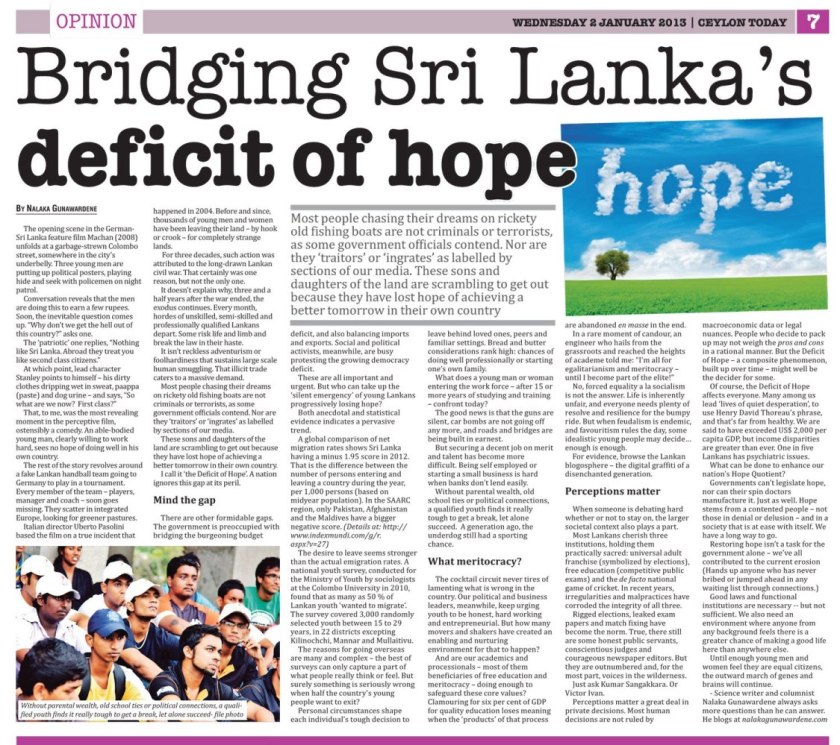
Bridging Sri Lanka’s Deficit of Hope: What’s to be done?

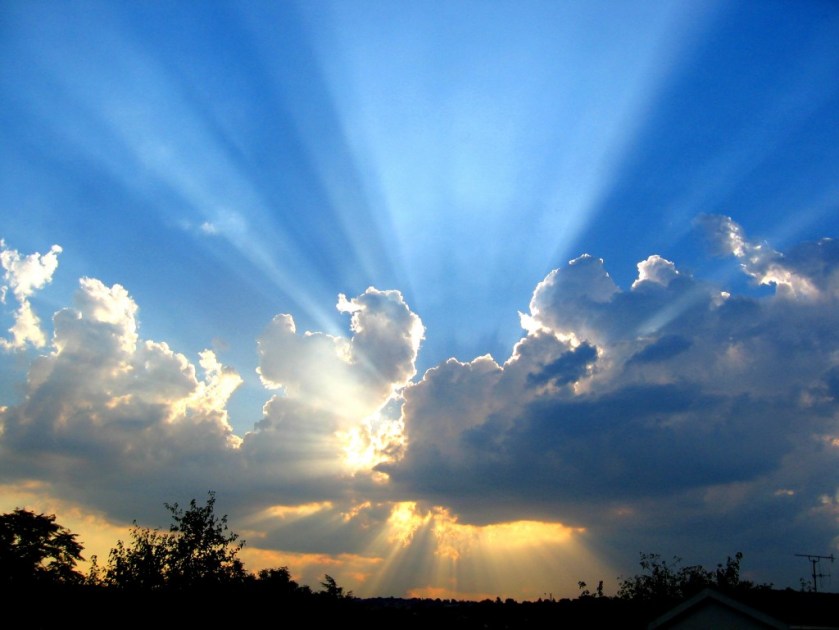
Rays of Hope - or just Nature painting colours in the sky? It's in the eye of the beholder...
Rays of Hope – or just Nature painting colours in the sky? It’s in the eye of the beholder…

During the height of the Cold War, Soviet Communist Party chief (Leonid) Brezhnev and his deputy were having a one-on-one meeting.

Brezhnev says, “Maybe it’s time we opened our borders and allowed free emigration?”

The deputy retorts: “Don’t be ridiculous. If we did that, no one would be left in the country except you and me!”

To which Brezhnev replies, “Speak for yourself!”

That was a joke, of course — one of many examples of dark humour that helped communism’s oppressed millions to stay sane.

What might happen if we suddenly found ourselves in a borderless world? Or at least in a world where free movement across political borders was allowed? Which places would see a mass exodus, and to where might people be attracted the most?

I very nearly included the old Soviet joke in my latest op-ed essay titled ‘Bridging Sri Lanka’s Deficit of Hope’ that is published today by Groundviews.org.

It asks WHY many thousands of young men and women of Sri Lanka have been leaving their land — by hook or crook – for completely strange lands. This has been going on for over a generation.

Here’s an excerpt:

For three decades, such action was attributed to the long-drawn Lankan civil war. That certainly was one reason, but not the only one.

It doesn’t explain why, three and a half years after the war ended, the exodus continues. Every month, hordes of unskilled, semi-skilled and professionally qualified Lankans depart. Some risk life and limb and break the law in their haste.

It isn’t reckless adventurism or foolhardiness that sustains large scale human smuggling. That illicit trade caters to a massive demand.

Most people chasing their dreams on rickety old fishing boats are not criminals or terrorists, as some government officials contend. Nor are they ‘traitors’ or ‘ingrates’ as labelled by sections of our media.

These sons and daughters of the land are scrambling to get out because they have lost hope of achieving a better tomorrow in their own country.

I call it the Deficit of Hope. A nation ignores this gap at its peril.

As usual, I ask more questions than I can answer on my own. But I believe it’s important to raise these uncomfortable questions.

Towards the end, I ask: What can be done to enhance our nation’s Hope Quotient?

“Governments can’t legislate hope, nor can their spin doctors manufacture it. Just as well. Hope stems from a contented people — not those in denial or delusion — and in a society that is at ease with itself. We have a long way to go.”

Read the full essay and join the discussion on Groundviews.org:
Bridging Sri Lanka’s Deficit of Hope

Or read the compact version of the essay that appears in Ceylon Today newspaper:

Bridging Sri Lanka's Deficit of Hope by Nalaka Gunawardene - Ceylon Today, 2 Jan 2013
Bridging Sri Lanka’s Deficit of Hope by Nalaka Gunawardene – Ceylon Today, 2 Jan 2013

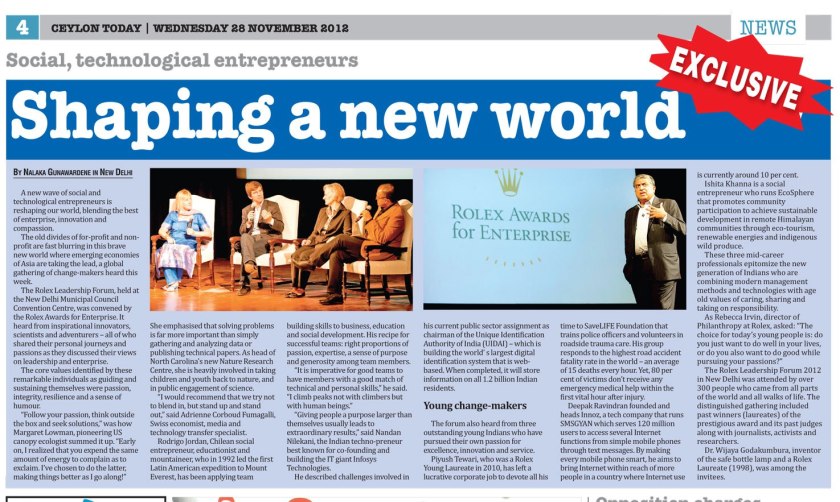
Rolex Awards 2012: Social and technological entrepreneurs shaping a new world

News feature published in Ceylon Today newspaper, 28 November 2012

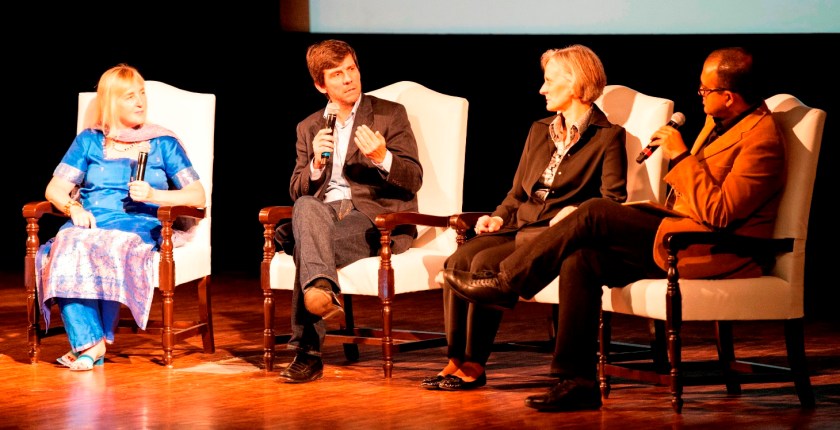
L to R - Margaret Lowman, Rodrigo Jordan, Adrienne Corboud Fumagalli & moderator R Sukumar
L to R – Margaret Lowman, Rodrigo Jordan, Adrienne Corboud Fumagalli & moderator R Sukumar

Social and technological entrepreneurs shaping a new world
By Nalaka Gunawardene in New Delhi

A new wave of social and technological entrepreneurs is reshaping our world, blending the best of enterprise, innovation and compassion.

The old divides of for-profit and non-profit are fast blurring in this brave new world where emerging economies of Asia are taking the lead, a global gathering of change-makers heard this week.

The Rolex Leadership Forum, held at the New Delhi Municipal Council Convention Centre, was convened by the Rolex Awards for Enterprise. It heard from inspirational innovators, scientists and adventurers – all of who shared their personal journeys and passions as they discussed their views on leadership and enterprise.

The core values identifies by these remarkable individuals as guiding and sustaining themselves were passion, integrity, resilience and a sense of humour.

“Follow your passion, think outside the box and seek solutions,” was how Margaret Lowman, pioneering US canopy ecologist summed it up. “Early on, I realized that you expend the same amount of energy to complain as to exclaim. I’ve chosen to do the latter, making things better as I go along!”

She emphasised that solving problems is far more important than simply gathering and analysing data or publishing technical papers. As head of North Carolina’s new Nature Research Centre, she is heavily involved in taking children and youth back to nature, and in public engagement of science.

“I would recommend that we try not to blend in, but stand up and stand out,” said Adrienne Corboud Fumagalli, Swiss economist, media and technology transfer specialist.

Rodrigo Jordan, Chilean social entrepreneur, educationist and mountaineer, who in 1992 led the first Latin American expedition to Mount Everest, has been applying team building skills to business, education and social development. His recipe for successful teams: right proportions of passion, expertise, a sense of purpose and generosity among team members.

“It is imperative for good teams to have members with a good match of technical and personal skills,” he said. “I climb peaks not with climbers but with human beings.”

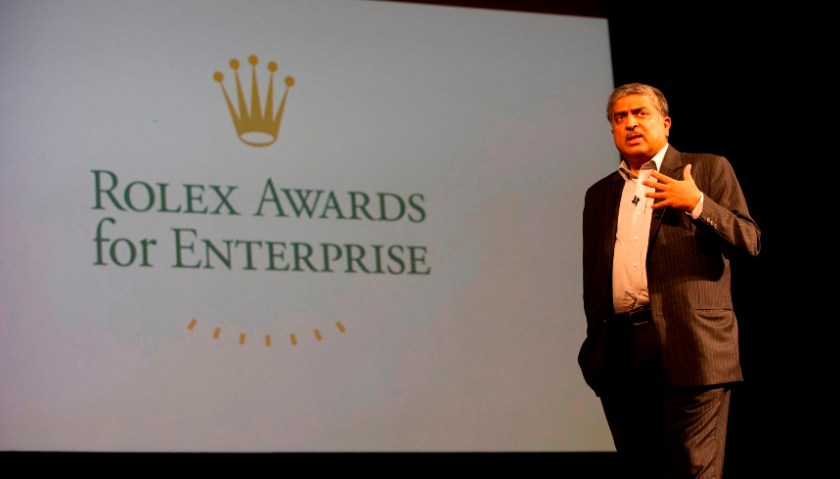
Nandan Nilekani speaks at Rolex Leadership Forum 2012

“Giving people a purpose larger than themselves usually leads to extraordinary results,” said Nandan Nilekani, the Indian techno-preneur best known for co-founding and building the IT giant Infosys Technologies.

He described challenges involved in his current public sector assignment as chairman of the Unique Identification Authority of India (UIDAI) – which is building the world’ s largest digital identification system that is web-based. When completed, it will store information on all 1.2 billion Indian residents.

Young change-makers

The forum also heard from three outstanding young Indians who have pursued their own passion for excellence, innovation and service.

Piyush Tewari, who was a Rolex Young Laureate in 2010, has left a lucrative corporate job to devote all his time to SaveLIFE Foundation that trains police officers and volunteers in roadside trauma care. His group responds to the highest road accident fatality rate in the world – an average of 15 deaths every hour. Yet, 80 per cent of victims don’t receive any emergency medical help within the first vital hour after injury.

Deepak Ravindran founded and heads Innoz, a tech company that runs SMSGYAN which serves 120 million users to access several Internet functions from simple mobile phones through text messages. By making every mobile phone smart, he aims to bring Internet within reach of more people in a country where Internet use is currently around 10 per cent.

Ishita Khanna is a social entrepreneur who runs EcoSphere that promotes community participation to achieve sustainable development in remote Himalayan communities through eco-tourism, renewable energies and indigenous wild produce.

These three mid-career professionals epitomise the new generation of Indians who are combining modern management methods and technologies with age old values of caring, sharing and taking on responsibility.

As Rebecca Irvin, director of Philanthropy at Rolex, asked: “The choice for today’s young people is: do you just want to do well in your lives, or do you also want to do good while pursuing your passions?”

The Rolex Leadership Forum 2012 in New Delhi was attended by over 300 people who came from all parts of the world and all walks of life. The distinguished gathering included past winners (laureates) of the prestigious award and its past judges along with journalists, activists and researchers.

Dr Wijaya Godakumbura, inventor of the safe bottle lamp and a Rolex Laureate (1998), was among the invitees.

Rolex Leadership Forum in Delhi, Ceylon Today 28 Nov 2012

සිවුමංසල කොලූගැටයා #93: අධ්‍යාපන ක‍්‍රමයෙන් විකෘති වන අපේ දරුවෝ

In this week’s Ravaya column (in Sinhala), I discuss the brutal, almost inhuman pressures the formal education system — schools, teachers and most parents — exert on our children.

I explored similar ground in an English essay written 10 years ago, titled Let’s Restore the Joy of Learning!

My daughter was six at the time, and I was hoping she would be spared the worst of the Lankan educational system as she grew up. Alas, things have only become worse in that decade. I’ve tried to buffer her from the worst excesses: while she does not have parental pressure to ‘get ahead at any cost’, she is being driven by her school to ‘perform’ so as to ‘maintain the school’s glory’!

See also my June 2010 blog post: Why isn’t school very cool? Have we asked our kids yet?

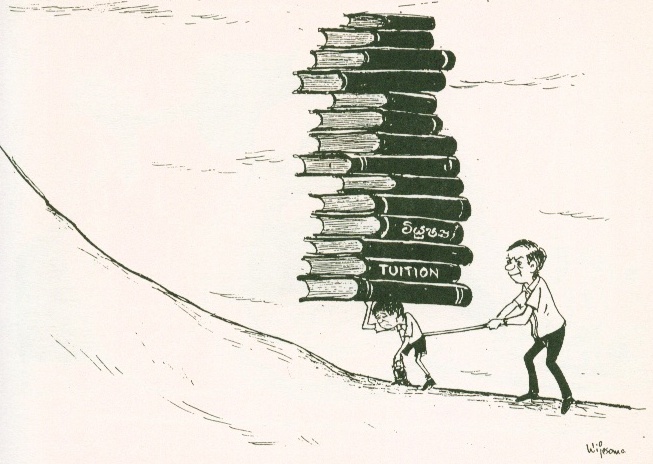
A hapless school kid being primed for the Great Rat Race - cartoon by W R Wijesoma, 1994

කලක් මගේ සහෘදයකු වූ ජ්‍යෙෂ්ඨ කාටූන් ශිල්පී ඩබ්ලිව්. ආර්. විජේසෝම සූරීන් කාලීන දේශපාලන හා සමාජයීය ප‍්‍රවණතා ගැන විනිවිද දකින සියුම් දැක්මක් තිබූ කෙනෙක්. ඔහු සිය කාටූන් හරහා විටින් විට මතු කළ තේමාවක් වූයේ විධිමත් අධ්‍යාපන ක‍්‍රමයේ අධික විෂයානුබද්ධ දැනුම හා අසංවේදී ක‍්‍රියා නිසා පීඩාවට පත් වන අපේ දරුවන් ගැනයි. ඔහු එය සංකේතාත්මකව නිරූපනය කළේ සිරුරේ ප‍්‍රමාණයටත් වඩා විශාල වූ පොත් කර ගසා ගෙන ආයාසයෙන් ගමන් කරන පාසල් දරුවකුගේ රූපයකින්.

සැබෑ ජීවිතය විප‍්‍රරූපණය කිරීමට (caricaturise) කාටූන් ශිල්පීන්ට නිර්මාණාත්මක නිදහසක් තිබෙනවා. එහෙත් මීට වසර 15කට 20කට පෙර විජේසෝමයන් කී දේ ඇත්තට ම සිදු වනවා. මහ පොත් ගොන්නක් ගෙන යාම නිසා ශාරීරික ආබාධවලට පත් දරුවන් ගැන වෛද්‍යවරුන් වාර්තා කරන්නේ වසර ගණනාවක සිට. මේ නිසා වඩාත් ශ‍්‍රමක්ෂතා විද්‍යානුකූලව (ergonomically) සැකසූ බෑගයක් දරුවන්ට දීමේ උත්සාහයක් තිබෙනවා. එය හොඳ ප‍්‍රතිචාරයක් වුවත් ප‍්‍රශ්නයේ මුල එතැන නොවෙයි.

මෙතරම් පෙළ පොත් කන්දරාවක ඇති දැනුම් සම්භාරයක් නිසි සේ උකහා ගන්නට අපේ දරුවන්ට ස්වාභාවික හා සාධාරණ ධාරිතාවක් තිබේ ද? නැත්නම් නිල අධ්‍යාපන තන්ත‍්‍රයත්, දෙමවුපියනුත්, ජන සමාජයත් නිර්දය ලෙසින් මේ බර දරුවන්ගේ සිරුරට හා මනසට පටවන්නේ ඇයි?

විධිමත් අධ්‍යාපන ක‍්‍රමයේ හොඳ මෙන් ම නරක ද තිබෙනවා. අධ්‍යාපනයේ ගුණාත්මක බව ඉහළ නැංවීමට අවංකව උද්ඝෝෂණය කරන අය පවා ක‍්‍රමීය මට්ටමින් පාසල් හා සරසවි ක‍්‍රමයේ දුර්වලතා ගැන එතරම් තැකීමක් කරන්නේ නැහැ.

මා මේ දැවැන්ත සමාජ ප‍්‍රශ්නය ගැන කථා කරන්නේ සෙද්ධාන්තිකව නොවෙයි. නුදුරු දිනයක තරගකාරී ප‍්‍රසිද්ධ විභාගයකට පෙනී සිටින දියණියක් මටත් සිටිනවා. උවමනාවට වඩා අතිශයින් පුම්බන ලද විෂයය මාලාවන් ගණනාවක බර කර ගසා ගෙන දැනුම් කන්දක් නගින්නට ඇය හා ඇගේ මිතුරියන් ගන්නා මහත් වූ ආයාසය මා බලා සිටින්නේ කම්පාවෙන් හා වේදනාවෙන්.

ගෙවී යන සෑම සතියක ම මට සිහි වන්නේ මා පාසල් යන කාලයේ නැරඹූ සෝමලතා සුබසිංහගේ ‘විකෘති’ නාට්‍යයයි. පාසලත්, ටියුෂන් පන්තියත් යන දෙකෙන් එහාට හරිහැටි නිදා ගන්නවත්, හුස්ම ගන්නවත් ඉස්පාසුවක් නැති, අතිශය පීඩාකාරී තත්ත්වයක සාමාන්‍ය පෙළ හා උසස් පෙළ සිසු සිසුවියන් කල් ගත කරනවා. දැන් දැන් මේ තත්වය පහේ ශිෂ්‍යත්වයටත් අදාල වන බව වාර්තා වනවා.

දශක කිහිපයක් තිස්සේ අප බොහෝ දෙනෙකු (කැමති වුවත් නැති වුවත්) යෙදී සිටින්නේ මහා ලාංකික මූසික තරගය (Great Lankan Rat Race) නම් නොනවතින තරග දිවීමකයි. එයට කුඩා කල සිට ම දෙමවුපියන්, ගුරුවරුන් හා පාසල් විසින් දරුවන් සූදානම් කරන්නේ මහත් ඕනෑකමින්.

අවසාන විනිශ්චයේදී හොදින් උගෙන, විභාග ඉහළින් සමත්වී රටට ලෝකයට වැඩ දායක කෙනෙකු වීම උතුම් අරමුණක්. එහෙත් බෙහෙවින් පටු හා ඒකාකාරී ලෙසින් සකස් වූ අධ්‍යාපන ක‍්‍රමයක සීමිත අවස්ථා සඳහා අතිශය තරගකාරීව එකිනෙකා සමග කුලල් කා ගන්නට දරුවන්ට සිදුව තිබෙනවා. මෙබඳු නිර්දය පොර බැදීමකදී වඩාත් සංවේදී, ස්වාභාවයෙන් ආක‍්‍රමණශීලී හෝ තරගකාරී නොවන, තමන්ගේ ම පරිකල්පන ලෝකයට නිමග්න වූ දරුවන් මුළු ගැන්වෙනවා.

ස්නායු රෝග විශේෂඥ වෛද්‍ය නිලූපුල් පෙරේරා මේ පිළිබඳව විවෘතව අදහස් දක්වන විද්වතෙක්. කය, මනස හා පෞරුෂත්වය යන සියල්ල වර්ධනය කරන සමබර ඉගැනුමක් වෙනුවට ඉතා විශාල තොරතුරු ප‍්‍රමාණයක් ආයාසයෙන් ස්මරණය කිරීමට ළමයින්ට බල කරන අපේ අධ්‍යාපන ක‍්‍රමය ඔවුන්ගේ කායික හා මානසික සෞඛ්‍යයට දැඩි අහිතකර බලපෑම් කරන බව ඔහු නිතර පෙන්වා දෙනවා.

ඔහුගේ ම වචන වලින් මෙය කෙටියෙන් කියන්නේ ‘පොත නැමැති උගුලේ පැටලිලා – පීඩනයට පත් වෙලා’ යනුවෙන්.

සමාජයට හා රටට අවශ්‍ය වන්නේත්, අධ්‍යාපනයේ අවසන් අරමුණ වන්නේත් ඇවිදින දැනුම් කෝෂ්ඨාගාර බිහි කරන්නට නොව, දැනුම, බුද්ධිය හා සමාජයීය කුසලතා යන සියල්ල මනාව තුලනය කරගත් පුද්ගලයන් බවට පාසල් දරුවන් පත් කරන්නටයි. එහෙත් වත්මන් ක‍්‍රමයේ යාන්ත‍්‍රික ලෙස කරුණු උගැනීමටත්, අතිශය තරගකාරී විභාගවලදී එය වැමෑරීමටත් දෙන විශාල ප‍්‍රමුඛතාවය නිසා පූර්ණ පෞරුෂයක් දියුණු කිරීමට තිබෙන අවස්ථා මග හැරී යන බව ඔහු කියනවා.

මෙබඳු තොරතුරු සමුදායක් මතක තබා ගැනීමට තැත් කිරීම අද වැනි තොරතුරු සමාජය ඉදිරියට ගිය කාලයක තව දුරටත් අවශ්‍ය හෝ ප‍්‍රයෝජනවත් හෝ වේද?

තොරතුරු මහ ගොඩක් ධාරණය කරගත් පමණට එය දැනුම බවට පත් වන්නේ නැහැ. දැනුම යනු අවබෝධය හා අදාලත්වය අනුව මනස තුළ සකසා ගත් තොරතුරුයි.

අපේ මොළය තොරතුරු දැනුම ලෙස ගබඩා කර ගන්නා ක‍්‍රම දෙකක් ඇති බව වෛද්‍ය පෙරේරා කියනවා. එකක් කෙටි කාලීන මතකයයි. අනෙක දිගු කාලීන මතකයයි. අප දිනපතා ලබන බොහෝ අත්දැකීම් හා අපට හමුවන තොරතුරු කෙටි කාලීන මතකයේ තාවකාලිකව රැඳුනත් දිගු කාලීන මතකයට ඒවා බහුතරයක් කිඳා බසින්නේ නැහැ.

තොරතුරක් එසේ කිඳා බසින්නට නම් අප යමක් විමර්ෂණය කොට, මනසින් කිරා මැන බලා ඕනෑකමින් ග‍්‍රහණය කළ යුතුයි. එය කාලය හා ශ‍්‍රමය වැය වන, සෙමෙන් හා ඉවසීමෙන් කළ යුතු ක‍්‍රියාවක්. දුවන ගමන් කළ හැකි දෙයක් නොවේ.

කලා, විද්‍යා, වාණිජ කෙෂ්ත‍්‍රවල ඕනෑ ම විෂයයක් උගැනීමේදී එය ක‍්‍රමානුකූලව, ආසාවෙන් කිරීම වඩාත් ප‍්‍රතිඵලදායක ක‍්‍රමයයි. එහෙත් අති විශාල ලෙස පුළුල් කරන ලද විෂයමාලාවන් සීමිත පාසල් කාලයක් තුළ උගැනීමේ අභියෝගයට මුහුණ දෙන විට මේ ප‍්‍රශස්ත ක‍්‍රමවේදයන්ට ඉඩක් ඉතිරි වන්නේ නැහැ.

සරල උපමාවකින් මොළය කළයකටත්, දැනුම ජලයටත් සමාන කරමින් වෛද්‍ය පෙරේරා කියන්නේ කළයකට ජලය පිරවිය යුතු රටාවක් හා සංයමයක් ඇති බවයි. අධිවේගීව කළයක් පුරවන්නට තැත් කළොත් එහි ස්වාභාවික ධාරිතාව දක්වා හෝ හරිහැටි පිරෙන්නේ නැහැ. ඊටත් කලින් පිටාර ගලන්නට පටන් ගන්නවා.

මිනිස් මොළය මීට වඩා අතිශයින් සංකීර්ණ වුවත් මේ උපමාව ක‍්‍රියාවලිය තේරුම් ගැනීමට ප‍්‍රයෝජනවත්. අද අධ්‍යාපන ක‍්‍රමය අධිවේගීව යන ගමනෙන් දරුවන්ටත්, රටටත් ප‍්‍රශස්ත ප‍්‍රතිඵල ලබා ගන්නට නොහැකි වී තිබෙනවා. හෙමින් හෙමින් සීමිත පරාසයක් වුව හොදින් ප‍්‍රගුණ කිරීම මීට වඩා ප‍්‍රයෝජනවත්.

දැනුම ඉතා ඉක්මනින් පුළුල් වන අද කාලයේ අපේ දරුවන්ට ඒ නව ලොවත් සමග පෙරට යන්නට නම් මෙකී අධිවේගී ධාවනය අත්‍යවශ්‍ය බවට සමහරුන් තර්ක කරනවා. විෂයය මාලාවන් සංශෝධනය වන හැම විටෙක ම ඒවා තව තවත් විශාල කිරීමට හේතුව ලෙස දක්වන්නේ මෙයයි.

එහෙත් මෙය තව දුරටත් පිළිගත හැකි තර්කයක් නොවේ. අද අපට අවශ්‍යව ඇත්තේ ඇවිදින දත්ත ගබඩා බිහි කිරීම නොව තොරතුරු සාගරයේ නිසි ලෙස සැරිසරමින් යාමේ කුසලතාවයත්, සොයා ගත් තොරතුරු දැනුම ලෙස අදාල කර ගෙන ගැටළු විසදීමේ හැකියාවත් ඇති පුද්ගලයන් බිහි කිරීමයි.

ලේඛකයකු, කවියකු, සාහිත්‍ය විචාරකයෙකු හා 18 වන සියවසේ ප‍්‍රාඥයකු ලෙස පිළි ගැනෙන ඉංග‍්‍රීසි ජාතික සැමුවෙල් ජොන්සන් (1709 – 1784) ඉංග‍්‍රීසි භාෂාවේ මුල් ම ශබ්දකෝෂය සම්පාදනය කළා. ඔහුගේ කාලයේ ලොව පැවති දැනුම් ප‍්‍රමාණය අදට වඩා බෙහෙවින් සීමිත වුවත් එවකට පවා හැම තොරතුරක් ම යාන්ති‍්‍රක ලෙස ධාරණය කිරීමේ තේරුමක් නැති බව ඔහු දැන සිටියා.

දැනුම පිළිබඳව හොඳ ම උපදේශයක් ඔහු දී තිබෙනවා: ”දැනුම (knowledge) දෙයාකාරයි. එක්කෝ යම් විෂයයක් ගැන අප හොඳින් දන්නවා. නැතිනම් ඒ ගැන තොරතුරු සොයා ගත හැකි ක‍්‍රමවේදයන් හා මූලාශ‍්‍රයන් අප දන්නවා. පුස්තකාලයකට පිවිසෙන අප මුලින් කළ යුත්තේ එහි සූචිය පරිශීලනය කරන සැටි දැන සිටීමයි.”

ලේඛකයකු වීම ගර්වයක් හැටියට සැළකූ මගේ පාසල් මිතුරකු සිටියා. ලේඛන කලාවට ලැදියාවක් තිබූ අප ඒ සඳහා නිර්මාණශීලී අත්හදා බැලීම් කරමින් ශිල්පීය ක‍්‍රම ප‍්‍රගුණ කර ගන්නා අතර ඔහු කළේ ශබ්දකෝෂ කටපාඩම් කිරීම පමණයි. පසු කලෙක ඔහු බර වචන දහස් ගණනක් දත්, එහෙත් හරිහැටි එක් රසවත් වැකියක් හෝ ඡ්දයක් හෝ ලියා ගන්නට නොහැකි අවසනාවන්ත තත්ත්වයට පත් වුණා.

තොරතුරු ගබඩා කිරීමේ පටු අරමුණින් කරන උගැනීමේ අවසන් ප‍්‍රතිඵලයත් මීට සමාන්තරයි. (ලේඛකයකු ලෙස මා යොදා ගත්තේ එදිනෙදා වචන සීමිත සංඛ්‍යාවක්. සංකීර්ණ සංකල්ප පවා සරල එදිනෙදා බසින් ප‍්‍රකාශ කිරීම තමයි සන්නිවේදනයේ අභියෝගය!)

දැනුම් කන්ද තරණය කිරීමේ දුෂ්කර කි‍්‍රයාවේ කිසිදු දොසක් නොදකින බොහෝ දෙමවුපියන්, ගුරුවරුන් හා පාසල් ප‍්‍රධානීන් සිටිනවා. ඔවුන් ඇතැම් දෙනාගේ මතය නම් අද කාලයේ ළමුන් සහජයෙන් “අලස” බවත්, මෙබඳු දරදඩු විනයකට යටත් නොකළොත් ඔවුන් කිසි දිනෙක සිය උත්සාහයෙන් විෂයයන් උගෙන විභාග සමත් නොවනු ඇති බවත්. ඉඳහිට ඇතැම් දරුවන් ගැන මෙය අදාල විය හැකි වුවත්, මානසික හිංසනයක් පොදුවේ සාධරණීකරණය කරන්නට මෙය තර්කයක් ලෙස යොදා ගැනීම බිහිසුණුයි.

තරග විභාග ආසන්න වන විට ඇතැම් දරුවන් මානසික රෝගවලට ගොදුරු වන්නේත්, ආන්තික අවස්ථාවල සිය දිවි නසා ගන්නේත් මේ දැඩි පීඩනය දරා ගත නොහැකි වූ විටයි. කලකට ඉහත ඉඳහිට වාර්තා වූ මෙබඳු අවාසනාවන්ත සිදුවීම් දැන් හැම තරග විභාගයක් ගැන ම වාර්ෂිකව අසන්නට ලැබෙනවා.

2002දී ඉංග‍්‍රීසි ලිපියක් ලියමින් මා තර්ක කළේ මේ කුරිරු අධ්‍යාපන ක‍්‍රමය අපේ රටේ ඉතා පුළුල්ව හා ආයතනගතව සිදු වන ළමා අපයෝජනයක් බවයි. දශකයක් ගත වීමෙන් පසු ඒ තත්ත්වය උග‍්‍ර වී ඇතත් විසඳුමක් පෙනෙන්නට නැහැ.

විජේසෝමගේ කාටූන් හා සෝමලතා සුබසිංහගේ නාට්‍ය හරහා කලක් තිස්සේ ලක් සමාජයට කියන දෙය තව දුරටත් නොසළකා සිටීමට බැරි මට්ටමට ප‍්‍රශ්නය උඩු දුවා ඇති බව පෙනෙනවා. කුහකකම්, පටු මානසිකත්වයන් හා බොරු මානයන් පසෙක දමා අපේ දරුවන් බිහිසුණු අධ්‍යාපන ක‍්‍රමයෙන් බේරා ගත යුතුව තිබෙනවා.

උගත්කම ඉහළින් අගය කරන සමාජයක් මේ ආකාරයට දැනුම හඹා යන්නට හා එය ඊළඟ පරපුරට කාවද්දන්නට තැත් කිරීම තේරුම් ගත හැකියි. එහෙත් අප කරන දෙයින් හොඳට වඩා නරකක් සිදු වේ නම් ඒ ගැන යළිත් සිතා බැලිය යුතුයි නේද?

සිවුමංසල කොලූගැටයා #86: නව අදහස් හා නිපැයුම් බදා ගනිමු ද – බෙදා ගනිමු ද?

In this week’s Ravaya column (in Sinhala), published in issue for 7 Oct 2012, I share my impressions of Sahasak Nimawum, the first national inventors exhibition of Sri Lanka held on Sep 30, Oct 1 and 2 in Colombo.

Organised by Sri Lanka Inventors Commission, it brought together over 900 innovations – including some 400 by school children from around the island.

I spent many hours at the exhibition, talking to dozens of exhibitors and taking hundreds of photos. Clearly, I can only share a few overall impressions in a column like this. I’ll be using the other info in my future writing aimed at critically cheerleading innovation in Sri Lanka.

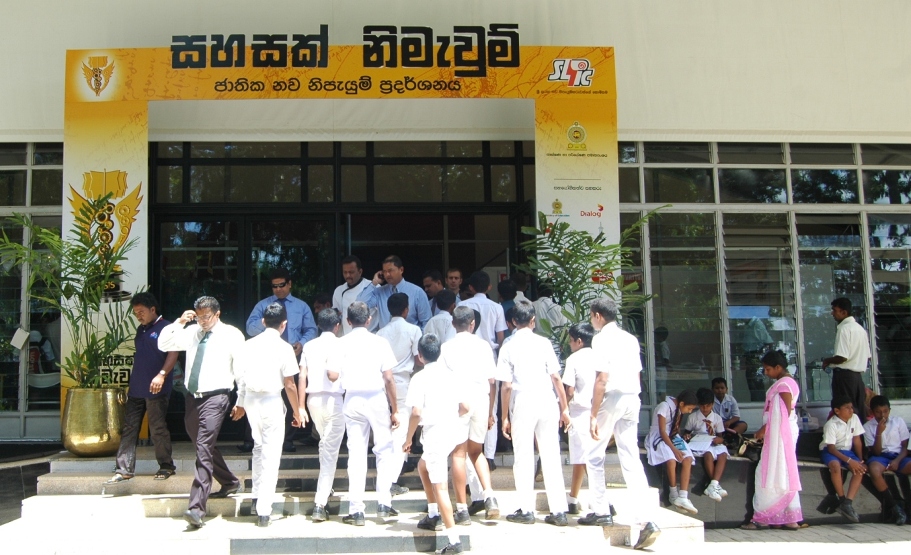
Sahasak Nimawum 2012 entrance – photo Janaka Sri Jayalath

සහසක් නිමැවුම් ජාතික නව නිපැයුම් ප‍්‍රදර්ශනයේ තෙදින ම මා හැකි තරම් කල් එහි ගත කරමින් 900කට අධික ප‍්‍රදර්ශන කුටිවලින් බහුතරයක් නැරඹුවා. හැකි හැම විටෙක ම නව නිපැයුම්කරුවන් සමඟ ඔවුන්ගේ නිර්මාණ ගැන කථා බහ කළා. මේ තොරතුරු ගවේෂණය නව නිපැයුම් ගැන මා කරන මාධ්‍ය කටයුතුවලට ප‍්‍රයෝජනවත් වන අතරේ එය මගේ දැක්ම පුළුල් කිරිමටත් දායක වුණා.

නව නිපැයුම් තේමාව යටතේ පමණක් ජාතික මට්ටමින් මෙබඳු ප‍්‍රදර්ශනයක් පැවැත්වු ප‍්‍රථම වතාව මෙයයි. මෙරට නව නිපැයුම් එක් තැන් කැරෙන විවිධාකාරයේ ප‍්‍රදර්ශන පැවැත්වෙනවා. ශ‍්‍රී ලංකා ඉංජිනේරු ආයතනය (IESL) තම වාර්ෂික සැසිවාරයට අනුබද්ධිතව ඔක්තෝබරයේ පවත්වන Techno ප‍්‍රදර්ශනයේ විශේෂ අංගයක් වන්නේ නව නිපැයුම්කරුවන්ගේ තරඟයයි. ශ‍්‍රී ලංකා විද්‍යාභිවර්ධන සංගමය (SLAAS), ඇතැම් සරසවි හා ප‍්‍රධාන පෙළේ පාසල් ද නව නිපැයුම් තරඟ හා ප‍්‍රදර්ශන සංවිධානය කරනවා. මේ සියල්ල ප‍්‍රශංසනීයයි.

එහෙත් රාජ්‍ය ආයතනයකට ඇති පුළුල් කැඳවීමේ හැකියාව (convening power) ඔවුන්ට නැහැ. සහසක් නිමැවුම් සඳහා දීපව්‍යාප්ත නියෝජනයක් ලබා ගන්නට නව නිපැයුම්කරුවන්ගේ කොමිසම එම හැකියාව දක්‍ෂ ලෙස භාවිත කළා. තොරතුරු ඒකරාශි කිරීමේ හා බෙදා හැරීමේ යම් අඩුපාඩු තිබුණත් ප‍්‍රථම උත්සාහයක් හැටියට සහසක් නිමැවුම් පිළිබඳව අපේ ප‍්‍රණාමය කොමිසමේ සමස්ත කාර්ය මණ්ඩලයට ම හිමි වියු යුතුයි.

සහසක් නිමැවුම් අත්විඳි මගේ නිරීක්‍ෂණ කිහිපයක් තිබෙනවා. ප‍්‍රදර්ශනයේ මා සිත්ගත් නව නිපැයුම් ගැන වෙන වෙන ම විස්තර කරනු වෙනුවට මෙබඳු කොලමකින් කළ හැක්කේ ප‍්‍රවණතා ගැන සටහනක් කිරිමයි.

ප‍්‍රදර්ශනය ජාතික වශයෙන් වැදගත් කෙෂත‍්‍ර 7කට තේමා වශයෙන් ගොනු කර තිබුණා. එනම් ආබාධිත පුද්ගලයන් වඩාත් ස්වාධීන කිරීම, ආහාර පාන, පරිසර සංරක්‍ෂණය, බලශක්ති විසඳුම්, පොදුජන ආරක්‍ෂාව, අධ්‍යාපනික උපකාරක, හා පිටරටින් ගෙන්වන දේට නිසි ආදේශක. නිල මට්ටමින් මෙසේ වර්ග කළත් බොහෝ නව නිපැයුම්කරුවන් කරන්නේ තමන් අවට පරිසරයේ හා ජන සමජයේ ප‍්‍රශ්න විසඳන්නට තැත් කිරීමයි.

දිගු කලක් ලක් සමාජයේ නිසි අවධානයට ලක් නොවූ ආබාධිත පුද්ගලයන්ගේ සුවිශේෂී අවශ්‍යතා ගැන නව නිපැයුම්කරුවන් දැන් වැඩියෙන් ප‍්‍රතිචාර දක්වනවා. වැඩි දියුණු කළ කිහිලිකරු, අතක ඇඟිලි අහිමි අයට දෘඩ ග‍්‍රහනය (grip) ලබා දෙන උපාංග, කෘත‍්‍රිම අත් හා පාද ආදීය දේශිය අමුද්‍රව්‍ය යොදා නිපදවීමේ උත්සාහයන් කිහිපයක් තිබුණා. වාස්තු විද්‍යාඥයන්, ඉංජිනේරුවන් හා අනෙක් විද්වතුන් බහුතරයක් ආබාධ ඇති අයගේ අවශ්‍යතා දිගින් දිගට නොතකා හරින රටක නව නිපැයුම්කරුවන් ඒවාට විසඳුම් සොයා යාම අගය කළ යුතුයි.

මා දුටු බොහෝ නව නිපැයුම් විප්ලවකාරී නොවූවත් පුද්ගල හෝ නිවෙස් මට්ටමින් එදිනෙදා දිවියේ ආයාසය අඩු කොට ආරක්‍ෂාව ද වැඩි කළ හැකි ආකාරයේ දියුණු කිරිම්. බිම් මට්ටමේ නවෝත්වාදනය ගැන ලොව ප‍්‍රමුඛ පෙළේ විශේෂඥයකු වන ඉන්දියානු ආචාර්ය අනිල් කේ. ගුප්ත පුන පුනා කියන්නේත් අපේ වැනි රටවලට වැඩිපුර ම අවශ්‍ය මේ ආකාරයේ නිපැයුම් බවයි.

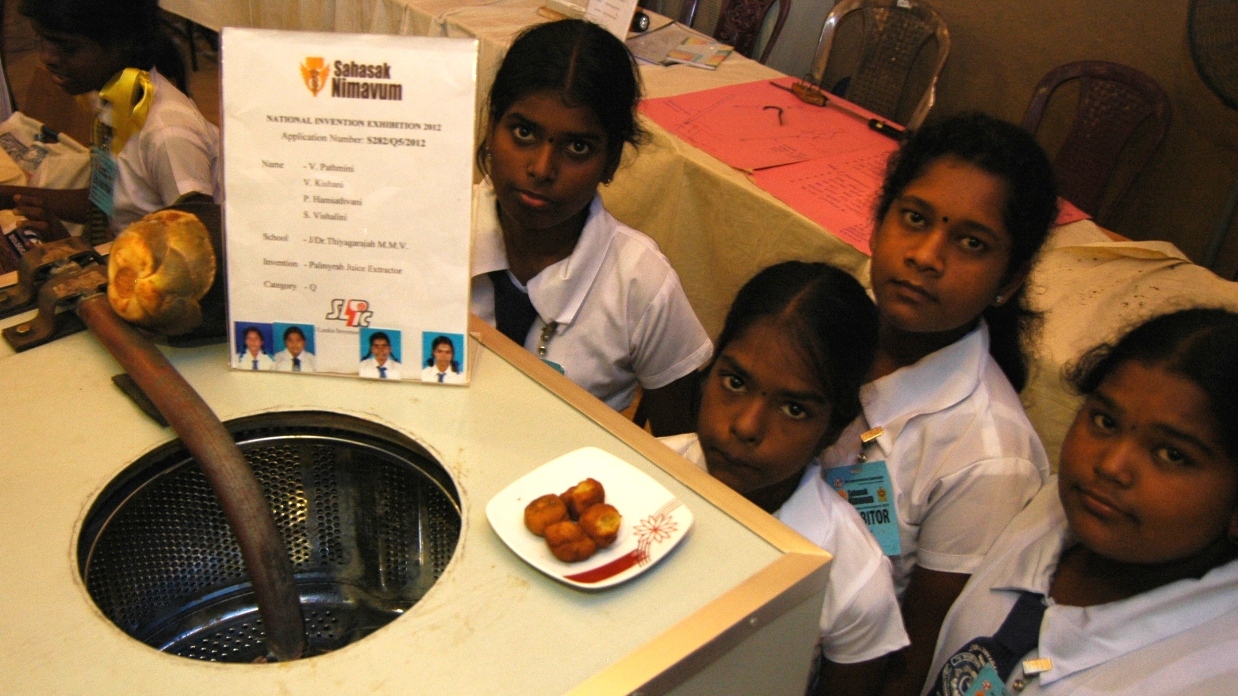
Jaffna school girls presenting one of their inventions – Photo by Janaka Sri Jayalath

ගෘහනියන්ට, ගොවීන්ට, කම්කරුවන්ට හා අනෙක් වැඩ කරන ජනතාවට සුළු මට්ටමින් හෝ සහනයක් හා වියදම් ඉතිරි කිරීමක් ගෙන දිය හැකි, නොවිසඳුණු අභියෝග ගැන 2012 ජනවාරි 8 කොලමින් මා විග‍්‍රහ කළා. මේ අභියෝග සමහරකට අපේ පාසල් දරුවන් හා වැඩිහිටි නිපැයුම්කරුවන් දැන් ප‍්‍රතිචාර දක්වනවා. පේටන්ට් මට්ටමට යා හැකි වූවත් – නොවූවත්, පොදු උන්නතිය සළකා බලා මේවා හැකි තාක් ප‍්‍රවර්ධනය කළ යුතුයි.

බුද්ධිමය හිමිකම් රැක ගැනීම හැම නිපැයුම්කරුවකුගේ ම අයිතියක් හා වගකීමක්. එහෙත් අප ගිය සතියේ කථා කළ පරිදි මෙරට ඇතැම් නිපැයුම්කරුවන් පේටන්ට් හඹා යාම උන්මාදයක් කර ගෙන තිබෙනවා. පේටන්ට් එකතු කිරිමෙන් ඔබ්බට නොයන නිපැයුම්කරුවන්ගේ ඔවුන්ට හෝ සමාජයට හෝ එතරම් ප‍්‍රයෝජනයක් නැහැ.

අපේ වැනි රටක වසරකට පේටන්ට් නිකුත් කැරෙන සංඛ්‍යාව ඉහළ නැංවිය යුතු නමුත් එ්වා වෙළඳපොළට හෝ සමාජයට ගෙන ඒම ගැන මීට වඩා උනන්දුවක් ද තිබිය යුතුයි. එමෙන්ම මාධ්‍ය හරහා සහ මහජන ප‍්‍රදර්ශන ඔස්සේ සිය නව අදහස් රටට ඉදිරිපත් කිරීමටත්, ඒ ගැන විචාරයන්ට නිසි ප‍්‍රතිචාර දීමටත් හැකි පෞරුෂය අපේ නිපැයුම්කරුවන් තුළ ඇති කළ යුතුයි.

ප‍්‍රදර්ශනයේ සිය නිර්මාණ පෙන් වූ 400ක් පමණ පාසල් දරුවන් අතර උතුරු නැගෙනහිර පළාත්වලින් ආ දරුවන් රැසක් ද සිටියා. යුද්ධය පැවති කාලයේ ඉතා දුෂ්කර දිවි ගෙවූ ඔවුන් හැම සම්පතක් ම සකසුරුවම් ලෙසින් ප‍්‍රයෝජනයට ගන්නට පෙළැඹුණු බව අනුමාන කළ හැකියි.

එකල විදුලි බලය නොමැතිව, බැටරි අලෙවිය ද තහනම් වූ නිසා බයිසිකල් ඩයිනමෝ හරහා රේඩියෝ යන්ත‍්‍ර ක‍්‍රියාත්මක කළ බව මා අසා තිබුණා. බලශක්තිය, ආහාර කල් තබා ගැනීම, කුඩා කර්මාන්ත ආදී ක්‍ෂෙත‍්‍ර රැුසකට උපකාර වන නව අදහස් ත‍්‍රිකුණාමලය, මන්නාරම, යාපනය හා මඩකලපුව දිස්ත‍්‍රිකක්වලින් ආ පාසල් සිසුන් ඉදිරිපත් කළා. ඔවුන්ගේ ඉංග‍්‍රීසි බස හැසිරවීමත්, පෞරුෂයත් ඇතැම් දකුණේ පාසල් දරුවන්ට වඩා ඉහළයි. මේ නිර්මාණශීලිත්වය නිසි මඟට යොමු කිරීම අප කාගේත් වගකීමක්.

සහසක් නිමැවුම් ප‍්‍රදර්ශන කුටි සිය ගණනක් අතර සැරිසරු මට විවිවධාකාරයේ චරිත මුණ ගැසුණා. ඉතා වැඩි දෙනෙකු මගේ සුහද ප‍්‍රශ්නවලට පිළිතුරු දුන්නේ උද්‍යොගයෙන්. එහෙත් පාසල් සිසුන් ගණනාවකගේ නව නිමැවුම් එක් රුස් කළ එක් තැනෙකදී පමණක් ඒ විවෘත බව තිබුණේ නැහැ. මාධ්‍ය භාවිතය සඳහා ජායාරූප ගැනීම පවා ඔවුන් ප‍්‍රතික්‍ෂෙ කළා. එහි සිටි පාසල් දරුවන් කීවේ තමන්ගේ අදහස් “කොල්ලකෑම වළක්වන්නට” එසේ පියවර ගන්නා බවයි.

බුද්ධිමය හිමිකම් ගැන දැනුවත්වීම ඉතා හොඳයි. ඒත් මහජන ප‍්‍රදර්ශනයකට පැමිණ තොරතුරු බෙදා නොගෙන බදා ගෙන සිටීමේ තර්කානුකූල බවක් නැති බව ඔවුන් තේරුම් ගත්තේ නැහැ. මෙය කොළඹ ආනන්ද විද්‍යාලයේ නිල ස්ථාවරය ද යන්න විමසන්නට ගුරුවරයකු හෝ වැඩිහිටියකු ඒ මොහොතේ එහි සිටියේ නැහැ.

අදහස් “කොල්ලකන්නට” එන්නේ කවුදැයි මා ඇසු විට එයට පිළිතුරු දීමට මේ දරුවන්ට හැකි නොවුවත්, ව්‍යාපාරිකයන්ගෙන් හා විදේශිකයන්ගෙන් ප‍්‍රවේශම් විය යුතු බව එක් අයෙක් යාන්තමට සඳහන් කළා.

ලක් සමාජයේ මෙබඳු “බිල්ලන්” ගැන පුළුල්ව පැතිර ඇති භීතිකාව දැන් කුඩා දරුවන්ටත් වැළදී තිබෙන බව පෙනෙනවා. එහෙත් බොහෝ දෙනෙකු නොදකින අදිසි උවදුරු ගැන ඉඟියක් ද ප‍්‍රදර්ශන කුටි සමහරෙක දී මට අසන්නට ලැබුණා.

පොතෙන් ඉහළට ඉගෙන සමාජ සම්මතයේ උගතුන් යයි කියන පිරිසක් සිටිනවා. බොහෝ නව නිපැයුම් බිහි වන්නේ ඒ උගතුන් හා වෘත්තීය පර්යේෂකයන් අතින් නොව සැබෑ ලෝකයේ ජීවන අරගලයේ යෙදෙන ගැහැණුන් හා මිනිසුන් අතින්.

මෙරට නව නිපැයුම්කරුවන් බහුතරයක් විද්‍යා උපාධිධාරීන් නොවෙයි. ඇතැම් දෙනා තාක්‍ෂණවේදීන් (technicians) හා කාර්මිකයන් (mechanics). තවත් සමහරුන්ගේ ජීවිකාව සම්පුර්ණයෙන් වෙනස් දෙයක්. මේ අය මතු කරන නව අදහස්, ප‍්‍රායෝගික නිපැයුම් දක්වා ගෙන යන්නට යම් විද්වත් දැනුමක් අවශ්‍ය වන අවස්ථා තිබෙනවා. එහිදී මුල් සංකල්පයේ බුද්ධිමය හිමිකම් සුරැකෙන පරිදි ඒ මග පෙන්වීම ලැබිය යුතුයි. එහෙත් බොහෝ විට මෙරට සිදු වන්නේ පොතේ උගතුන්ගේ අධිපතිවාදයට නිපැයුම්කරුවන් නතු වී අසරණවීමයි!

සැබෑ අදහස් කොල්ලකෑම කලක් තිස්සේ සිදුවන්නේ අපේ සමහර සරසවි හා පර්යේෂණායතන තුළයි. (මේ ගැන සාක්ෂි මා ළඟ තිබෙනවා.) පොතෙන් උගත් අපේ උදවිය නව නිපැයුම්කරුවන් ගැන දක්වන අධිමාන ආකල්පය වෙනස් වන තුරු මේ දෙපිරිස අතර සාධාරණාත්මක (equitable) සහයෝගයක් ඇති වන්නේ නැහැ.

“ඔය මජං බාස් උන්නැහේලා සහ කම්මල්කාරයෝත් එක්ක අපි වගේ අයට පුළුවන් ද එකට වැඩ කරන්න?” ඉංජිනේරු ක්‍ෂෙත‍්‍රයේ ආචාර්ය උපාධි ලද මගේ මිතුරෙක් වරක් අවඥවෙන් කීවා. “මහන්සි වෙලා ඉගෙන ගත්තෙ නැත්නම් අපිත් එ් අය වගේ තමයි!”

ආචාර්ය අනිල් ගුප්ත වැනි පුළුල් දැක්මක් ඇති විද්වතුන් නැති අපේ රටේ මෙවැනි අධිපතිවාදීන් තමන්ට රිසි සේ නව නිපැයුම්කරුවන් සියුම් ලෙස ගසා කනවා. මේ ගැන හඬක් නැගීමට පවා නොහැකි තරමට අපේ නිපැයුම්කරුවන් අසරණයි. පේටන්ට් ඉල්ලූම්පත් ඇගැයීමට, සම්මාන විනිශ්චය කිරීමට රාජ්‍ය ආයතන හැම විට ම යොදා ගන්නේ පොතේ උගතුන්. මේ නිසා අධිපතිවාදය තවත් තහවුරු වනවා.

සහසක් නිමැවුම් ප‍්‍රදර්ශනයේ තම නිපැයුම් පෙන් වූ සම්මානලාභී නිපැයුම්කරුවන් සමහරකුටත් මෙබඳු උගතුන්ගෙන් අයුතු යෝජනා ලැබී තිබෙනවා. “ඔබේ නිපැයුම ගැන ආචාර්ය උපාධියක් කරන්නට මගේ ශිෂ්‍යයකුට ඉඩ දෙන්න” යයි එක් උගතකු කියනවා. එබඳු බොහෝ අවස්ථාවල දැඩි උත්සහයෙන් නව අදහස් ගෙන ආ නිපැයුම්කරුවා පත් වන්නේ “පර්යේෂණ සහකාරක” මට්ටමට.

මේ අධිපතිවාදය ගැන විවෘතව සිය නමින් මාධ්‍ය හරහා කථා කරන්නට කිසිදු නිපැයුම්කරුවකු ඉදිරිපත් නොවන්නේ ප‍්‍රතිප‍්‍රහාර එල්ල වීමේ බියෙන්. ඇත්තට ම දරුවන් බිය විය යුත්තේ මේ උගත් මහත්-හොරුන් කරන බුද්ධිමය කොල්ලයන් ගැනයි.

වාර්ෂිකව ජාතික නව නිපැයුම් ප‍්‍රදර්ශනයක් පවත්වන්නට කොමසාරිස් දීපාල් සුරියආරච්චිට ලොකු ඕනෑකමක් තිබෙනවා. ඉදිරි වසරවලට යෝජනාවක්: තමන්ගේ නිපැයුම් පෙන්වන හා අන් අයගේ නිපැයුම් බලන අතරේ නව නිපැයුම්කරුවන්ට නිරවුල් නීතිමය හා තාක්‍ෂණික මග පෙන්වීම ලබා දෙන සාකච්ඡ පැවැත්විය හැකි නම් අගෙයි.

අපේ ටෙලිවිෂන් නාලිකාවලින් මීට වඩා මෙබඳු ධනාත්මක තොරතුරු ආවරණය වීම ද අවශ්‍යයි. ඉඳහිට සම්මානයක් දිනු නිපැයුම්කරුවකු හුවා දැක්වීම පමණක් මදි. නවෝත්පාදනය වටා බැඳුණු ආර්ථික හා සමාජයීය සාධක ගැන දිගින් දිගට අප සමාජයේත්, මාධ්‍ය හරහාත් සංවාදයක් ගොඩ නැගිය යුතුයි.

තමන්ගේ නව අදහස් හා නිපැයුම්වල අභිමානය පවත්වා ගන්නා අතර සැබෑ හෝ මවා ගත් කොල්ලකෑම්වලට නිසි ආරක්‍ෂිත උපක‍්‍රම ගන්නට නිපැයුම්කරුවන් සවිමත් කළ යුතුයි. බදා ගන්නවා වෙනුවට බෙදා ගැනීම වටිනා බව ඔවුන්ට අප තර්කානුකූලව පහදා දීම අවශ්‍යයි.

Photos: ජනක ශ‍්‍රී ජයලත්

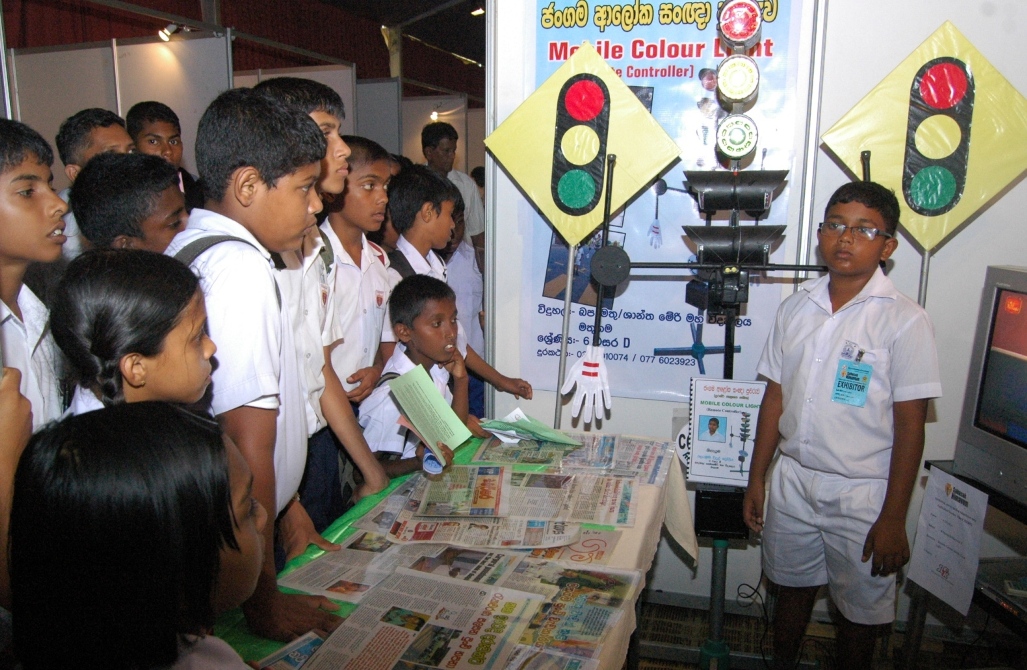
Asurumuni Didula Loliya, a student of Matugama St Mary’s College, shows his mobile colour light – Photo by Janaka Sri Jayalath

Malima Episode #11: Finding Radius and Finding Way Around in a Computer

Malima (New Directions in Innovation) is a Sinhala language TV series on science, technology and innovation.

Produced by Suminda Thilakasena and hosted by science writer Nalaka Gunawardene, this episode was produced and first broadcast by Sri Lanka’s Rupavahini TV channel on 9 August 2012.

Malima: Episode 11 presented by Nalaka Gunawardene from Nalaka Gunawardene on Vimeo.

This episode features the following elements:

• An interview with Dinesh Katugampola, a textile engineer who has invented the world’s first Radius Metre that calculates the radius of a circle. The Radius Meter – which comprises measuring instruments as well as a software based calculator – instantly works out the radius an arch or sphere by measuring only small part of that arch or sphere. In practical terms, this helps plot major arches in mechanical engineering, road and building construction and in many other fields. This invention won a silver medal in mechanical designs category at ‘Inventions Geneva’ international exhibition in April 2012. More at: http://www.sundaytimes.lk/120429/BusinessTimes/bt25.html

• Introducing Sri Lanka’s indigenous technology: Dongaraya is a simple device used by farmers to make noise from the breeze that, in turn, scares birds away from paddy fields.

• A Japanese university research team has developed a machine that can measure brain waves and capture different moods. We have a news story on what this means for future of brain-machine interface.

• An interview with Nipun Kavishka Silva a Grade 9 student at De Mazenod College, Kandana, Sri Lanka, who — with his sister Pipunika Silva, has invented ‘NP System’: a computer operating system for blind and visually impaired people. It assists those who cannot see to use computers by providing voice instructions as they use a Braille keyboard and mouse or touchpad. They were winners at Intel International Science and Engineering Fair (ISEF) in Pittsburgh, USA, in May 2012. More info at: http://www.ft.lk/2012/05/24/sri-lankan-students-win-big-at-intel-isef-in-usa/

Serendib Quiz with Nalaka Gunawardene: Test Your Brain Power, Win Prizes!

Media Release: 15 July 2012

Quizzing is a well established hobby as well as a mind sport around the world. Participants engage in a friendly tussle using quick wits and sharp memories.

Also known as general knowledge competitions, quizzing has been a popular programme type on Lankan radio and TV for several decades. Recently, reality quiz shows on TV have renewed interest in this activity.

Now, a group of quiz enthusiasts have launched named Serendib Quiz, a live quizzing event to nurture a serious quizzing culture in Sri Lanka.

The first Serendib Quiz will be held on Sunday, 29 July 2012 at 2.00 pm at Galadari Hotel, Colombo 1.

The quiz, in English, will involve 50 questions from all areas of knowledge, both local and global. It will be compiled and conducted by Nalaka Gunawardene, one of the most versatile quizzing professionals in Sri Lanka who has over 30 years of experience as a quiz kid turned quizmaster.

Participation in this team event is open to all educational institutions (schools, universities, training institutes), public and private establishments, banks and other financial institutions, as well as groups of private individuals.

Prizes worth a total of Rs. 225,000 can be won by the highest performing teams at this quiz, organised by Quiz World (Pvt) Limited, an educational services company dedicated to promoting quizzing as a mind sport. http://quizworldlanka.com

Serendib Quiz is sponsored by Commercial Credit PLC in partnership with Sarasavi Bookshop (Pvt) Limited and Fast Ads (Pvt) Limited. The media sponsors are Daily News, Sunday Observer and TV Derana.

Prior registration is required (by or before 24 July 2012). More information, along with the Entry Form, are available on request from Vindana Ariyawansa, phone 0773 996 096; Email: Vindana@gmail.com

සිවුමංසල කොලූගැටයා #73: රියෝ නුවර සැණකෙලියෙන් එහා ලෝකය

In this week’s Ravaya column (in Sinhala), I share my impressions and reflections of the city of Rio de Janeiro that just hosted the Rio+20 conference. But this piece is not about the event, but its venue — where the first world of affluence and third world of deprivation co-exist.

Similar impressions were shared in an English column last week: When Worlds Collide #21: Walking in Rio with Three Friendly Ghosts…

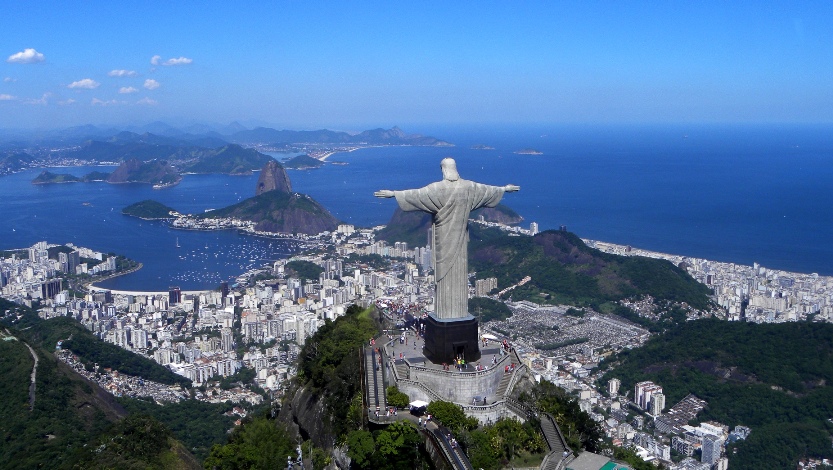
Statue of Christ te Redeemer looks down on Rio de Janeiro from Corcovado Mountain

තිරසාර සංවර්ධනය පිළිබඳ එක්සත් ජාතීන්ගේ සමුළුව (UN Conference on Sustainable Development, Rio+20) බ‍්‍රසීලයේ රියෝ ද ජනෙයිරෝ නුවර පැවැත්වුණා.

රාජ්‍ය නිලධාරී, සිවිල් සමාජ ක‍්‍රියාකාරිකයන්, විද්වතුන් හා ජනමාධ්‍ය නියෝජිතයන් 50,000කට අධික සංඛ්‍යාවක් 2012 ජූනි මස මැදදී රියෝ නුවරට පැමිණියා.

එයින් බොහෝ දෙනකු රැස්වීම්, ප‍්‍රදර්ශන හා උද්ඝෝෂණ ආදිය පැවැත්වෙන තැන්වල කල් ගත කළ නිසා රියෝ නුවර දැක බලා ගන්නට කෙතරම් අවකාශ ලැබුණාදැයි කියන්නට අමාරුයි. රාජ්‍ය නායක සමුළුව ඇරඹුණු දිනයේ ඒ සියල්ල පසෙක තබා රියෝ නුවර එදිනෙදා ජීවිතය අත් විඳින්නට මා පැය කිහිපයක් වීදි සංචාරය කළා.

රියෝ ද ජනෙයිරෝ නුවර බ‍්‍රසීලයේ දෙවන විශාලතම නගරයයි. (පළමු තැනට එන්නේ සාවෝ පෝලෝ මහා නගරයයි.) වර්ග කීමී 1,260ක් විශාල රියෝ නගර සභා ප‍්‍රදේශයේ මිලියන 6ක් දෙනා වාසය කරනවා. එමෙන් තුන් ගුණයක් විශාල මහා රියෝ (Metro Rio) ප‍්‍රදේශයේ සිටින පදිංචිකරුවන් ගණන මිලියන් 12.5කට වැඩියි.

අත්ලාන්තික් සාගරය අබියස පිහිටි මේ මනරම් වෙරළබඩ නගරය, දකුණු අමෙරිකානු සාංස්කෘතික කේන්ද්‍රස්ථානයක් ලෙසත්, සංචාරක ආකර්ශනයක් ලෙසත් ලෝක ප‍්‍රසිද්ධයි. වාර්ෂිකව පැවැත්වෙන, දින ගණනක් පුරා දිවෙන වීදි සැනකෙලිය (Rio Carnival) නිසාත්, අවට පිහිටි ගිරි ශිඛර හා කඳු මුදුන් නිසාත්, පියකරු වෙරළ තීරයන් නිසාත් මේ නගරය ගැන ලොව පුරා පවතින්නේ හිතකර ආකල්පයක්. දැඩි තරගකාරී පසුබිමක් තුළ 2016 ඔලිම්පික් උළෙල පැවැත්වීමේ වරම දිනා සිටින්නේ ද රියෝ නුවරයි.

එහෙත් රියෝ හුදෙක් පියකරු දසුන් හා විනෝද කෙළිවලට සීමා වූවක් නොවෙයි. ඉසුරුබර බ‍්‍රසීල ජාතිකයන් හා දුගී දුප්පත් වැසියන් දෙපිරිසට ම නිවහනක් වන මේ නගරය ලෝකයේ විසමතා හා අසමානතා කැටි කරන කැඩපතක් වගෙයි.

සමස්තයක් ලෙස එනුවර යටිතල පහසුකම් හා පොදු ප‍්‍රවාහන සේවා යම් මට්ටමකට දියුණු වී ඇතත්, ඉසුරුබර රියෝ වැසියන් වෙසෙන ප‍්‍රදේශ හා දුප්පත් ජනයා වෙසෙන ප‍්‍රදේශ අතර ඇස් පනාපිට පෙනෙන වෙනස්කම් තිබෙනවා.

රියෝ වැසියන්ගෙන් සියයට 20ක් පමණ වෙසෙන්නේ ෆවෙලා (favela) නමින් හඳුන්වන අඩු ආදායම් නිවාස ගොනුවලයි. එබඳු ෆවෙලා දහසකට වැඩි සංඛ්‍යාවක් තිබෙනවා. ඒවායේ ජීවත්වන වැසියන්ගේ ආදායම, සෞඛ්‍ය හා අධ්‍යාපන මට්ටම් මෙන් ම අනෙකුත් සමාජ-ආර්ථික සාධක වඩාත් පහළයි. දුගී බවින් මතුව එන වීදි ප‍්‍රචණ්ඩත්වය, මත්ද්‍රව්‍ය භාවිතය, අපරාධ වැඩි වීම හා පොලීසියේ දුෂණ වංචා ආදී සමාජ විසමතා රැසක් එහි හමු වනවා.

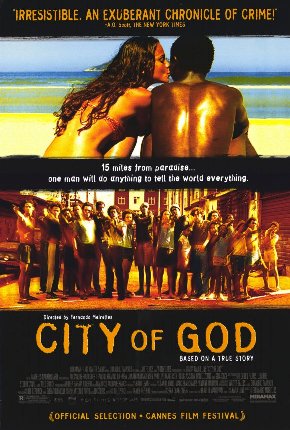
City of God, 2002
2002දී නිෂ්පාදනය කළ ‘දෙවියන්ගේ නගරය’(City of God) නම් බ‍්‍රසීල වෘතාන්ත චිත‍්‍රපටය හරහා මේ ෆවෙලා ජනපදවල එදිනෙදා ජීවිතය ගැන නෙතඟ බැල්මක් සෙසු ලෝකයට ලැබුණා. දරිද්‍රතාවයේ හා ප‍්‍රචණ්ඩත්වයේ ග‍්‍රහණයට හසු වූවත් ෆවෙලා යනු මිනිසත් බවේ කාන්තාර නොවෙයි. හිත හොඳ මිනිසුන් හා ගැහැනුන් එහි සිටිනවා. එනයින් බලන විට ෆවෙලාහි යථාර්ථය බොම්බාය, ජකර්තාව හා මැනිලා වැනි ආසියානු මහා නගරවල පැල්පත්වලට සමානයි. මෙබඳු සංකීර්ණ සමාජ සම්බන්ධතා කෙටි සංචාරයකින් තේරුම් ගැනීමත් අසීරුයි.

‘දෙවියන්ගේ නගරය’ චිත‍්‍රපටයේ නිරූපණය වූ රියෝ ෆවෙලා, දශකයක් ඉක්ම ගිය පසු තරමක් යහපත් අතට හැරී තිබෙන බව බ‍්‍රසීල මාධ්‍ය මිතුරන් කියනවා. ෆවේලා වැසියන්ගේ දායකත්වය නැතිව එනුවර ඉසුරුබර ප‍්‍රදේශවලට පැවතිය නොහැකි බවත් ඔවුන් පිළි ගන්නවා.

‘දෙවියන්ගේ නගරය’ චිත‍්‍රපටයේ නිරූපණය වූ රියෝ ෆවෙලා, දශකයක් ඉක්ම ගිය පසු තරමක් යහපත් අතට හැරී තිබෙන බව බ‍්‍රසීල මාධ්‍ය මිතුරන් කියනවා. ෆවේලා වැසියන්ගේ දායකත්වය නැතිව එනුවර ඉසුරුබර ප‍්‍රදේශවලට පැවතිය නොහැකි බවත් ඔවුන් පිළි ගන්නවා.

රියෝ නුවර අවිධිමත් ආර්ථිකය, වීදි හා පදික වෙළඳුන්, කැලි කසල ඉවත් කරන්නන් හා තවත් බොහෝ සේවා සපයන්නේ ෆවෙලා වාසීන් විසින්. ඉසුරුබර සුළුතරයක ඉහළ ජීවන තත්ත්‍වය පවත්වා ගන්නට මේ බහුතරයකගේ ක‍්‍රියාකාරිත්වය නැතිව ම බැහැ. සුවිශේෂත්වය නම් දුප්පත් – පොහොසත් දෙපිරිස රියෝ නගරය බෙදා ගෙන සමාන්තර ජීවිත ගත කිරීමයි. මෙබඳු සාපේක්‍ෂව සාමකාමී සහජීවනයක් ලෝකයේ හැම මහා නගරයක ම හමු වන්නේ නැහැ.

2002දී මිහිතල සමුළුව පැවැත් වූ දකුණු අප‍්‍රිකාවේ ජොහැන්නස්බර්ග් නුවර තත්ත්‍වය මීට ඉඳුරා ම වෙනස්. 1994දී වර්ණභේදවාදී අමිහිරි අතීතයෙන් මිදී ප‍්‍රජාතන්ත‍්‍රවාදී රාමුවක් තුළ, නව ව්‍යවස්ථාවක් යටතේ දකුණු අප‍්‍රිකානු ජනයා දිවි ගෙවනවා. එහෙත් ඓතිහාසිකව මුල් බැස ගත් දැඩි ඇති නැති පරතරයක් එරට තිබෙනවා. දකුණු අප‍්‍රිකාවේ ඉසුරුබර සුළුතරය කල් ගෙවන්නේ මංකොල්ලකෑම්, මිනීමැරුම් ආදිය පිළිබඳ නිරන්තර බියෙන් හා සැකයෙන්.

ජොහැන්නස්බර්ග් හා කේප්ටවුන් නගර සමඟ සසඳන විට ඊට වැඩි සැහැල්ලූවකින් රියෝ නුවර දිවි ගෙවෙන බව පෙනෙනවා. මෙයට එක් හේතුවක් විය හැක්කේ දශකයකට වැඩි කලක් තිස්සේ මානුෂික මුහුණුවරක් ඇති ධනවාදී ආර්ථිකයක් ඇති කරන්නට එරට රජයන් ගන්නා උත්සාහයයි.

බ‍්‍රසීලය සොබා සම්පත් හා ජන සම්පත් අතින් පොහොසත්. අද ලෝකයේ මතුව එන ආර්ථක බලවතකු ලෙස සැළකෙන ප‍්‍රමුඛ පෙළේ රාජ්‍යයක්. භූමි ප‍්‍රමාණයෙන් මෙන් ම ජනගහනයෙන් ද බ‍්‍රසීලය ලෝකයේ පස් වන විශාලතම රටයි. එය ඉන්දියාව මෙන් තුන් ගුණයක් විශාලයි. ජනගහනය මිලියන් 192යි. එරට ඒක පුද්ගල දළ ජාතික ආදායම අමෙරිකානු ඩොලර් 12,000යි. ඇති නැති පරතරය පැවතුණත් ගෙවී ගිය දශකය තුළ එරට දුගී ජනයාගේ ජීවන මට්ටම ද ඉහළ ගොස් තිබෙනවා.

මිහිතලයේ ඉදිරි පැවැත්ම ගැන පුළුල්ව හා ගැඹුරින් විවාද කරන ජගත් සමුළුවක් සිය නගරයේ පැවැත් වෙන අතර, තමන්ගේ ජීවන අරගලයේ නිරත වන රියෝ වැසියන් ඒ ගැන එතරම් තැකීමක් කළේ නැහැ. අපේ පොදු අනාගතය (Our Common Future) බඳු උතුම් සංකල්ප ගැන සිතන්නට කලින් අද දවසේ දිවි ගැට ගසා ගන්නා අභියෝගයට බහුතරයක් රියෝ වාසීන් හා බ‍්‍රසීල ජාතිකයන් මුහුණ දෙනවා.

ලොව පුරා තිරසාර සංවර්ධනයට යොමු වන සමාජයන්ට ඇති පොදු අභියෝගය වන්නේත් එයයි. පැහැබර හෙට දවසක් ගැන සිතන්නට අවකාශයක් නැති අති විශාල ජනකායකට අද දවසේ මූලික ජීවන අවශ්‍යතා සපයා දෙන්නේ කෙසේ ද? එබඳු පසුබිමක් තුළ පරිසරය හා සොබා සම්පත් ප‍්‍රවේශමින් පරිහරණය කරන අතර ආර්ථික සංවර්ධනයේ ප‍්‍රතිලාභ හැමට බෙදී යන ආකාරයේ ප‍්‍රතිපත්ති හා සැළසුම් සකස් කරන්නේ කෙසේ ද?

1992 ජූනි මාසයේදීත් රියෝ නුවර මිහිතල සමුළුවක් පැවැත්වුණා. තිරසාර සංවර්ධනයේ අභියෝග ගැන රාජ්‍ය නායකයන් හා සමාජ ක‍්‍රියාකාරිකයන් විවාද කරන අතර, මගේ ජ්‍යෙෂ්ඨ සහෘදයකු වූ බි‍්‍රතාන්‍ය පුවත්පත් කලාවේදී හා වාර්තා චිත‍්‍රපට නිෂ්පාදක රොබට් ලෑම්බ් (Robert Lamb) අසම්මත රටාවක වාර්තාකරණයකට මුල පිරුවා.

සමුළුව පැවැත් වූ කාලයට ආසන්නව උපත ලත් දරු දැරියන් 11 දෙනකුගේ ජීවිතය, ඔවුන්ගේ සමාජ හා ආර්ථික සාධක මගින් තීරණය කැරෙන්නේ කෙසේදැයි දිගු කාලීන විමර්ශනයක් ඔහු ඇරඹුවා. බ‍්‍රසීලය, චීනය, කෙන්යාව, පැපුවා නවගිනියාව, දකුණු අප‍්‍රිකාව (කළු සහ සුදු දරුවන් දෙදෙනෙක්), වෙනසුවෙලාව හා ඉන්දියාව යන දියුණු වන රටවලත්, අමෙරිකාව, බි‍්‍රතාන්‍ය හා නෝර්වේ යන දියුණු රටවලත් 1992 උපන් දරුවන්ගේ ප‍්‍රගමනය මේ යටතේ වසර දෙකෙන් දෙකට චිත‍්‍රපට ගත කරනු ලැබුවා.

රොබට් එයට දුන් කථාමාලා නාමය ‘Children of Rio’ හෙවත් ‘රියෝ පරම්රාවේ දරුවෝ’ යන්නයි. විසි වසරකට පෙර ලෝකයේ රටවල් සිය වැසියන්ට වඩාත් හොඳ අනාගතයක් බිහි කරන්නට දුන් ප‍්‍රතිඥාවන් කෙතරම් දුරට ක‍්‍රියාත්මක කොට හා සාර්ථක වී ඇත්දැයි ඉඟියක් මේ හරහා ලද හැකියි.

අද වන විට මේ දරුවන් වයස 20ට ආසන්නයි. මේ දශක දෙක තුළ ඔවුන් හා පවුල් අත්දුටු යථාර්ථය සංවේදී ලෙස හසු කර ගැනීම හරහා තිරසාර සංවර්ධනයේ සැබෑ තත්ත්‍වය පිළිබිඹු වන ලෝක ව්‍යාප්ත මාධ්‍ය අත්හදා බැලීමක් බවට මෙය පත්ව
තිබෙනවා.

රියෝ පරම්පරාවේ එක් දරුවකු රියෝ නුවර ම ෆවෙලා පවුලක උපන් රෝසාමරියා (Rosamaria) දැරියයි. ඇය කුඩා කල ඇගේ පියා ඔවුන් හැර දමා යන්නට ගියා. ඇය හදා වඩා ගත්තේ මව හා ඥාතීන් විසින්. රෝසාමරියා පාසල් ගියත් ඉගෙනීමට ඇල්මක් හෝ පසුබිමක් තිබුණේ නැහැ. විනය හේතුන් නිසා පාසලෙන් නෙරපනු ලබන ඇය නව යෞවන වියේ දරු දැරියන් සමග නිදැල්ලේ කල් ගෙවීම කෙළවර වන්නේ වයස 18දී ඇයත් මවක බවට පත් වීමෙන්.

මේ දරුවා හදා ගන්නට ඇයත් සහකරුවාත් දැඩි අරගලයක යෙදෙනවා. හරිහැටි අධ්‍යාපනයක් නැති නිසා ඇයට ආදායමක් ඉපැයීමට ඇති අවස්ථා සීමිතයි. අපරාධ හා විෂමාචාර මෙන් ම හොඳහිත හා ධෛර්යවන්තකම ද බහුල ෆවේලාවක සිට කවදා හෝ තමන් නොලද වරප‍්‍රසාද සිය බිළිඳු පුතුට ලබා දීමට රෝසාමරියා අධිෂ්ඨාන කර ගෙන සිටිනවා. http://tiny.cc/CORosa

ඇගේ කථාව අනුවේදනීය වනවා මෙන් ම රියෝ සමුළුවේ ගෝලීය අරමුණු අවසන් විනිශ්චයේදී සැබෑ ලෝකයේ ගැහැනුන්. මිනිසුන් හා දරුවන්ට අදාල වන සැටි ගැන ප‍්‍රබල විවරණයක් සපයනවා.

‘Children of Rio’ බඳු දිගු කාලීන මාධ්‍ය වාර්තාකරණයන් කිරීමට මාධ්‍ය සම්පත් හා කුසලතා පෙළගැස්මක් අවශ්‍යයි. දුවන ගමන් ප‍්‍රවෘත්ති වාර්තා කරන මාධ්‍යවේදීන්ට එබඳු විමර්ශනාත්මක හා සංවේදී වාර්තාකරණයකට අවකාශ නැහැ. එබඳු දිගු කාලීන ආයෝජනයක් කරන්නට බොහෝ මාධ්‍ය ආයතන කැමතිත් නැහැ.

1980 දශකයේ මුල මහවැලි ජනපදවල පදිංචි කෙරුණු පවුල් කිහිපයක ඉදිරි ගමන දශක දෙක තුනක් තිස්සේ රූපමය ආකාරයෙන් වාර්තා කළ හැකි වී නම් කෙතරම් අපූරු ද? යුද්ධයෙන් පසු අධිවේගී සංවර්ධනයකට යොමුව ඇති ශ‍්‍රී ලංකාව පිළිබඳව දිගු කාලීන මානුෂික වාර්තාකරණයකට දැන් වුවත් යොමු විය හැකි නම් ශීර්ෂ පාඨයන්, උද්‍යෝග පාඨයන් හා දේශපාලන සංකල්ප සියල්ලෙන් ඔබ්බට යන ගැඹුරු විග‍්‍රහයක් ලද හැකියි.

රියෝ පරම්පරාවේ කථාව දශක දෙකක් සම්පූර්ණ වන මොහොතේ එය බෙදා හදා ගන්නට මගේ ටෙලිවිෂන් ගුරුවරයා වූ රොබට් ලෑම්බ් අප අතර නැහැ. පිලිකාවකින් පරාජය වූ රොබට් මේ වසරේ පෙබරවාරියේ මිය යන විට වයස 59යි.

රියෝ පරම්පරාවේ කථාව ඔහුගේ අනුගාමිකයන් දිගට ම වාර්තා කරයි ද? තවත් වසර 10කින්, 20කින් මේ ජීවිතවල ඉදිරි කථාව කුමන අයුරකින් ලියැවේද? මේ අවිනිශ්චිත බවට මැදි වෙමින් මා රියෝ නුවරින් සමු ගෙන ආපසු පැමිණියා.

Dispatch from Rio+20: Next Election or Next Generation?

Text of my news feature published in Ceylon Today newspaper on 22 June 2012

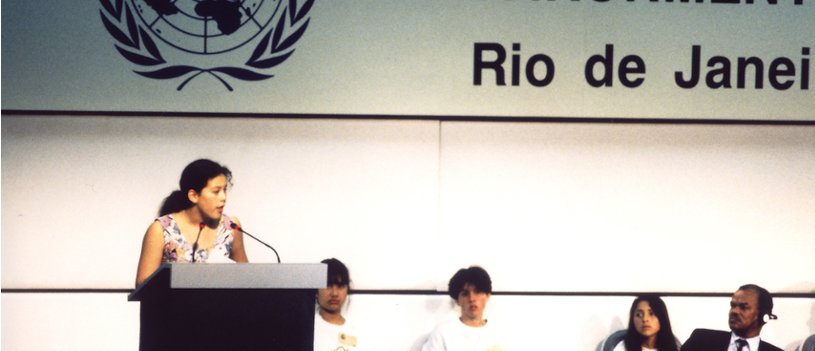
Severn Cullis-Suzuki addressing Earth Summit in Rio, June 1992

Next Election or Next Generation?
By Nalaka Gunawardene in Rio de Janeiro, Brazil

Twenty years ago, a passionate young girl addressed – and challenged – the world leaders gathered at the Earth Summit in Rio de Janeiro, Brazil.

They called it the speech that stopped the world for six minutes. All the platitudes and rhetoric of heads of state are long forgotten, but this speech endures. It has been viewed million of times online.

Her speech was uncluttered and sincere. “I am only a child and I don’t have all the solutions, but I want you to realize neither do you…If you don’t know how to fix it, please stop breaking it!”

Her name was Severn Cullis-Suzuki, and she was 12 years old. The young Canadian environmental activist closed a Plenary Session with her powerful speech that received a standing ovation.

Raised in Vancouver and Toronto, Severn is the daughter of writer Tara Elizabeth Cullis and environmental activist turned TV personality David Suzuki. When she was 9, she started the Environmental Children’s Organization (ECO), a small group of children committed to learning and teaching other kids about environmental issues.

They did various local projects and in 1992, raised enough money to go to the Rio Earth Summit. Their wanted to remind the world leaders that the future of all children – indeed, all future generations – were going to be impacted by decisions made at the Summit.

Listen to the memorable speech at the Earth Summit by Severn Cullis-Suzuki:

Two decades on, another young girl from the Asia Pacific earned her chance to address Rio+20, the follow up to the original Summit, this time with the theme ‘The Future We Want’

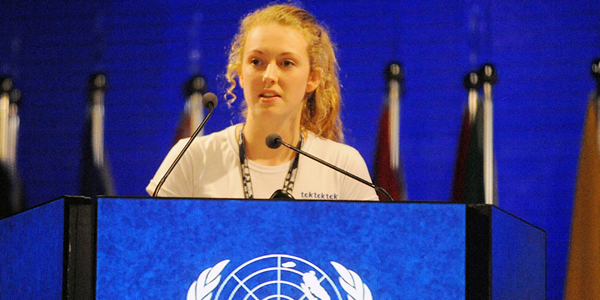
As it opened on the morning of 20 June 2012, Brittany Trilford, a 17-year-old school girl from New Zealand, spoke truth to power.

Brittany Trilford at Rio+20 conference on 20 June 2012

Addressing over 130 heads of state from around the world, assembled in Rio Centro conference centre, she said: “Please ask yourselves why you are here. Are you here to save face? Or are you here to save us?”

Brittany won an international competition to earn her five minutes of fame. The ‘Date with History Contest’ was a global online search for a person under 30 to represent youth and future generations at Rio+20.

Organised by the Global Campaign for Climate Action, Climate Nexus and the Natural Resources Defence Council (NRDC), contest participants were asked to upload a 2 to 3 minute short video speech about the future they wanted.

After entries closed in early May 2012, online voting was allowed for 22 finalists – which included at least 3 from each region of the world. The final winner was chosen by an international panel that included environmentalists, UN officials and celebrities such as actor Leonardo DiCaprio.

Brittany Trilford addresses world leaders at the UN Earth Summit

Brittany is a final year student attending school in Wellington, New Zealand. In her winning entry, she wished for more innovation and imagination.

“One solution would be to change our education system to embrace creativity and innovation. To tackle our problems there are definitely out there. Our leaders have to listen, be open-minded and persistent enough to give these ideas a chance,” she said.

As she ended the speech: “I want a future where education encourages innovative thinking, creativity and entrepreneurship. I want a future where we run with natural processes and not against them. I want a future where leaders will stop talking and start acting. I want a future where leaders lead.”

Her video was filmed at home with basic camera equipment. As she explained, “I entered to show solidarity with youth around the world, demanding that our leaders remember we are all their children and they owe us a fighting chance at a future we want to inherit.”

In a poignant media event hours before the Summit opened, the star of 1992 Severn Cullis-Suzuki joined the winner of 2012, Brittany Trilford.

Severn is now a writer and activist on culture and environmental issues, as well as the mother of two young boys.

“I have grown up a lot these 20 years but those six minutes of speaking to the UN two decades ago remains the most powerful thing I have ever done in my life to affect people,” she said wistfully.

Shortly after arriving in Rio – her first time since 1992 – Severn addressed a group of young delegates working with Green Cross International, the global environmental group created by Mikhail Gorbachev.

Severn’s message today remains the same, but now she also thinks about the future of her own children. She returned to Rio on their behalf to appeal for solutions to issues like global climate change which she called an “inter-generational crime”.

The world’s children have spoken loud and clear, twice over. But will they be heard by the world’s governments – preoccupied with multiple crises and more concerned about staying on in office.

Will the next generation prevail over the next election?

Video: Sri Lanka’s Lost Generations: Systems Ecologist Ranil Senanayake on genepool implications of insurrection & war


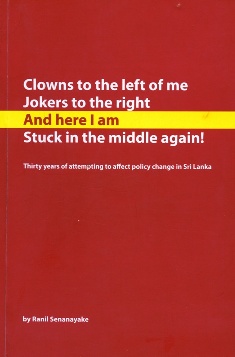
Last year, I read an uncommon book with an unusually long title written by an unorthodox author.

Clowns to the Left of Me, Jokers to the Right and Here I am Stuck in the Middle again: 30 years of attempting policy change in Sri Lanka was an author-published volume by systems ecologist Dr Ranil Senanayake. In it, he collected some of his more noteworthy media articles and non-technical writing on forestry, biodiversity, agriculture, conservation and the broader issues of sustainable development, published over three decades.

In his Epilogue, I came across one of the most chilling passages I read that year: “It has been commented that this nation twice removed from its gene pool the genes for activism. In 1971 the government ‘removed’ up to 20,000 or more of the educated. Those who attended university, demonstrated interest in radical politics, were young or unemployed were singled out for liquidation. The next programme was in the late 1980s when over 40,000 were ‘removed’ with hardly a word being uttered in protest on any international stage…These people never passed their genes on. Genetically speaking, we removed from our race a large percentage of the traits for high intellectual potential and activism. Metaphorically it has become the time of the bottom feeders to manifest themselves as intellectuals and leaders.”

I touched on this when I filmed a long interview with Ranil (now published on Groundviews.org: read Part 1 and Part 2). Here is the short video I edited, where his expressions match the gravity of his concerns:

Reproduced below is the full transcript of this short video (11 mins). My questions posed to him have been paraphrased on-screen; his spoken answers are verbatim.

You can debate Ranil’s views either on this blog, or on Groundviews where this video is also published.

Sri Lanka’s Lost Generations: Ranil Senanayake Speaks

An Eye for an Eye?

See, in 1971 and in the late 80s, when we heard these so called JVP revolution. We went out and we killed first 20,00 mass of men, more or less. And the second time, about 40,000. Young people, children of this country. Why? Because they were a threat to the established government of this country.

Now, I can see that if there is indeed a revolution, a country must respond. But responding in this brutal manner because the response was not merely a military response, it was a response of pure terrorism. It was terrorised the whole nation.

Collateral Damage?

One story that I can share with you is that a senior person who was involved in this, in the control, at a table made the statement that “If 10% of the people that we destroy were hardcore JVPers we would have broken the back of the revolution”. This totally horrified me. It, it…I was depressed for weeks when I heard that.

It meant 90% of those people they killed were innocent. Their only ‘crime’ was they were young, they were educated and they had the fire of youth in them.

I, as a person, said I could not live in a country that kills its own people — own children — for its survival and I left, I went away for sometime. I wrote a poem which Hon Lakshman Jayakody read into the Parliament, into the Hansard, pointing out where we were going wrong, in this case.

What Have We Done?

But worse, what that action brought was the REMOVAL from our gene pool of the genes for intellect, education. The genes for revolution. The genes that would drive people forward; the genes that produced people who would fight and die for a country, for a nation. We removed this and as from my genetics, as an geneticist, you remove 60,000 children from a population as small as ours, you are taking away a large ocean of the cleverest of our population. And we shot ourselves in the foot.

This is karma vipaka, as the Buddha says. For the action ghastly action, for the action of taking away of our youth, killing our youth, removing them from our gene pool, we will have to suffer the fate of having a gene pool, well, you see what we have today…

We ALL live with the consequences…

Unfortunately, there is something else, as a Sri Lankan and as a Buddhist, which I find loathsome and that is — when ever somebody dies for whatever reason even a murderer, it is our tradition to give a dana (alms giving). First, a week after they deceased, then a month and annually. We have lost 60,000 children for our own society, for maintaining our status quo. Has anyone EVER given a Dane to these people who have departed? Up to today, no!

So is it a surprise that as a nation we suffer what we suffer? We are responsible for that and yet uptodate we are not willing to accept the responsibility for the actions we did. I think that is something that we have to deal with. Sri Lankans will have to deal with in the future to come. Because, as Buddha says, karma vipaka — for every action there is a reaction. And for that action, look what we have today.

On Sri Lanka’s Separatist War…

The separatism that came after the youth insurrection was again something that was building up for sometime. It was the similar, shall we say almost parallel, political moment that happened in the North. Where the separatism when they were talking about it on a political platform then descended into a violent struggle, if you want to call it.

I think it was, it is still pointless, but I think what most people fail to realise is that it is rooted in our history. It’s rooted in 3,000 years of history. And that is why it is so difficult for us to deal with the subject of finding a common ground, to deal with the subject of extending our hands out, to deal with the subject of trying to understand the other position, because unfortunately we are still rooted in these many, many years, thousands of years of history.

Breaking Free of History’s Grip?

It is indeed, it should be the task of the leaders and the politicians to bring us into the modern age. To demonstrate that that history is past, that we have to now forge something into the future. That involves all of us.

But our shallow politicians have chosen otherwise, from both areas, from both sectors. They have chosen division as their power, division as their source of strength, because as I told you , because of the past history this is the easiest, this is the least common denominator — this is the easiest place to go to, it’s the shallowest political refuge.

And that’s what politicians from both sides have been doing. Not looking at the future, not working towards bringing us into the future but dragging us back into the past and opening up the old wounds and the old fears that we brought along with this for all these years and capitalising on them, from both sides.

Aren’t we ALL immigrants on the island of Lanka?

Indeed, you are absolutely right! Humanity has been wandering around this planet for thousands and thousands, tens of thousands of years. People have come and people have gone. I mean, this whole question of I came first or you came first is spurious at best, I mean, this is just the refuge of a cheap politician to say I came first, you came later, you came first, I came first, this is all ridiculous…

Prisoners of Our Fathers’ Hopes & Fears?

We are prisoners of our own constructs. Or, as the song goes, “We are indeed prisoners of our father’s hopes and fears.”

Fears. Fears is where the politicians move to. Fear is what they use as their tool of power. We are trapped in this thing and until that fear is removed, and until we are educated into understanding where we are, and we are educated into understanding that there is nothing lost, in treating another human being as equal and as a brother, we are lost.

We are a nation of people who claim to live by the words of the Buddha. If we do, this would never come about. Never. So it shows as a nation a loss, it shows as a nation, that we have failed to live up to what we claim we are – Buddhists…

Dr Ranil Senanayake
Interviewed by Nalaka Gunawardene
Colombo, Sri Lanka, on 19 March 2012

Released online: June 2012
Dr Ranil Senanayake Online profile

No copyright restriction.This video may be used by anyone, anywhere.