සිවුමංසල කොලූගැටයා #46: තොරතුරු ගලනයේ වේලි බිදී යයි!

In December 2003, on the eve of the World Summit on the Information Society (WSIS), I did a wide-ranging interview with Sir Arthur Clarke on satellite TV, internet, censorship and other challenges of emerging information societies. It was published in One World South Asia on 5 December 2003.

I adapted into Sinhala parts of that interview for my Ravaya Sunday newspaper column last week (18 Dec 2011),making the point that much of what he said about satellite TV at the time is now equally relevant to the rapid spread of the Internet.

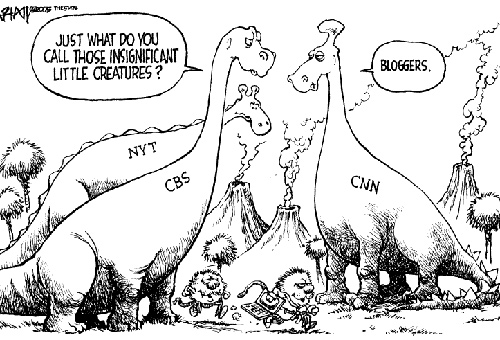
For this week’s column, appearing in the print edition for 25 Dec 2011, I have adapted more segments of that interview covering topics such as: violence in society and media’s role; educational potential of television; does satellie TV spread cultural imperialism; and how technology – not politicians or generals – now determine the free flow of information across borders. This cartoon, drawn by David Granlund a year ago, aptly captures that last point!
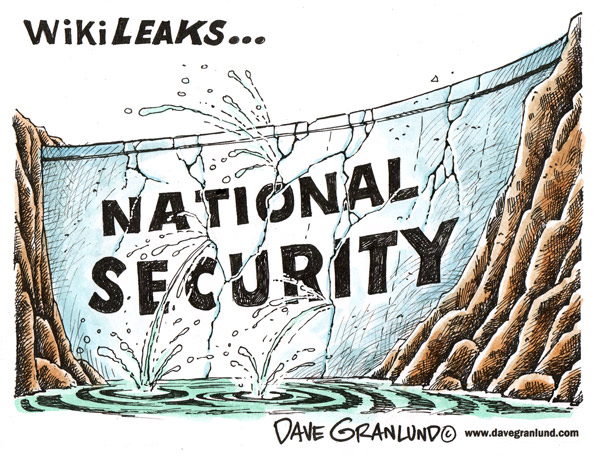
A welcome dam breach, this one! - cartoon by Dave Granlund

See also my essay of 19 Dec 2010: Living in the Global Glass House: An Open Letter to Sir Arthur C Clarke

ප්‍රබලව මතුව එන තොරතුරු තාක්ෂණ හා සන්නිවේදන අභියෝගයන්ට ප්‍රශස්තව මුහුණ දෙන සැටි අන්තර් රාජ්‍ය මට්ටමින් සාකච්ඡා කළ තොරතුරු සමාජය පිළිබඳ පළමුවන ලෝක සමුළුව (World Summit on the Information Society, WSIS-1) 2003 දෙසැම්බරයේ ජිනීවා නුවර පවත්වනු ලැබුවා. මේ සමුළුවට දින කිහිපයකට පෙර ශ්‍රීමත් ආතර් සී ක්ලාක් සමග මා කළ දීර්ඝ සාකච්ඡාවක් (ඉන්දියාවෙන් සංස්කරණය කැරෙන) One World South Asia ජාත්‍යන්තර වෙබ් අඩවිය පළ කළා. එහි අරමුණ වූයේ අද තොරතුරු සමාජයේ පෙර ගමන්කරුවෙකු වූ ක්ලාක් එවකට දැකිය හැකි අළුත් ප්‍රවණතා සහ අභියෝග ගැන දරණ විද්වත් අදහස් ලෝකය සමග ඛෙදා ගැනීමයි.

පසුගිය සතියේ (2011 දෙසැම්බර් 18) ඒ සාකච්ඡාවෙන් කොටස් කිහිපයක් මා සිංහලට අනුවාදය කළා. අද එහි ඉතිරි කොටස.

නාලක: භූස්ථාවර කක්ෂයේ (Geostationary orbit) රදවන ලද පණිවුඩ චන්ද්‍රිකා මගින් ලෝක ව්‍යාප්ත සන්නිවේදන ජාලයක් ඇති කළ හැකි යයි ඔබ මුල් වරට පෙන්වා දී වසර 50ක් ගත වී තිඛෙනවා. මේ අඩ සියවස ගැන ඔබේ අදහස් මොනවා ද?

ක්ලාක්: තාක්ෂණික දියුණුව කෙසේ සිදු වේද යන්නත්, එය කෙතරම් ඉක්මනින් සිදු විය හැකි ද යන්නත් ගැන අනාවැකි කීම ඉතා අපහසුයි. 1945දී මා Wireless World සගරාවේ ලිපිය ලියන කාලයේ සිතුවේ පණිවුඩ චන්ද්‍රිකා සැබැවින් නිර්මාණය වී උඩුගුවනට යන්නට අඩු තරමින් වසර 50ක්වත් ගත වනු ඇති කියායි. එමෙන් ම ඒවා මහා පරිමාණයේ අභ්‍යවකාශ මධ්‍යස්ථාන වේ යයි ද, ඒවා නඩත්තුවට කක්ෂගත වූ කාර්මික පිරිස් සිටිනු ඇතැයි ද මා සිතුවා. එහෙත් (1948 දී නිපද වූ) ට්‍රාන්සිස්ටරය හා 1950 ගණන්වල සිදු වූ ක්ෂුද්‍ර ඉලෙක්ට්‍රොනික නිපදවීම් නිසා 1940 ගණන්වල අප දැන සිටි තාක්ෂණ මට්ටමට වඩා ඛෙහෙවින් සංකීර්ණ, සංයුක්ත හා ස්වයංක්‍රීය වූ චන්ද්‍රිකා නිපදවීමට හැකියාව ලැබුණා. මේ නිසා චන්ද්‍රිකා තාක්ෂණය ලොකු ඉදිරි පිම්මක් පනින්නට සමත් වුණා. මගේ ලිපිය පළ වී වසර 20ක් ගෙවී ගිය තැන – 1965දී – මුල් ම වාණිජමය පණිවුඩ චන්ද්‍රිකාව (Early Bird) උඩුගුවන් ගත කළා. ට්‍රාන්සිස්ටරය නිපදවූයේ නැතිනම් සමහර විට චන්ද්‍රිකා තාක්ෂණය මෙන් ම අභ්‍යවකාශ තරණයේ සෙසු ජයග්‍රහණත් මීට වඩා වෙනස් වන්නට ඉඩ තිබුණා.

පණිවුඩ චන්ද්‍රිකා අධ්‍යාපනික වශයෙන් වැදගත් ටෙලිවිෂන් වැඩසටහන් විකාශය කිරීමට යොදා ගත යුතු බව ඔබ කලක සිට විශ්වාස කරනවා. අද වන විට ව්‍යාප්තව ඇති චන්ද්‍රිකා ටෙලිවිෂන් සේවාවන් මේ කාර්යය හරි හැටි ඉටු කරනවා ද?

අද ලෝකයේ සිටින ප්‍රධානතම මාධ්‍ය හිමිකරුවන් දෙදෙනකු වන රූපර්ට් මර්ඩොක් සහ (CNN ආරම්භක) ටෙඩ් ටර්නර් සමග චන්ද්‍රිකා මාර්ගයෙන් සම්බන්ධ වන්නට මෑත අවස්ථා දෙකකදී මට හැකි වුණා. එහිදී මා ඔවුන් දෙදෙනාට චන්ද්‍රිකා ටෙලිවිෂන් මාධ්‍යය හොදට හා නරකට යොදා ගැනීම පිළිබ`දව අවවාද කිහිපයක් දුන්නා. මා මුලින් ම සිහිපත් කළේ බ්‍රිතාන්‍යයේ පුවත්පත් හිමිකරුවන් සම්බන්ධයෙන් කලකට ඉහත බ්‍රිතාන්‍ය අගමතිවරයකු කී කථාවක්. ඔහු කීවේ පුවත්පත් හිමිකරුවන් වගකීමකින් තොර වූ බලයක් නතු කර ගෙන එය හසුරුවන බවත් ඉතිහාසය මුළුල්ලේ මෙබඳු තැනක් හිමි කර ගෙන සිටියේ ගණිකාවන් පමණක් බවත් (“The privilege of the harlot throughout the ages: power without responsibility.”)

මෑතක් වන තුරු මුද්‍රිත මාධ්‍යය හිමි කර ගෙන සිටි බලයටත් වඩා විශාල බලයක් අද ටෙලිවිෂන් මාධ්‍යය ලබා ගෙන තිඛෙනවා. මෙසේ මිනිස් සිතුම් පැතුම්, චර්යාවන් හා ජීවන රටාවන් සම්බන්ධයෙන් ඉමහත් බලපෑමක් එල්ල කළ හැකි මාධ්‍යයක් වන ටෙලිවිෂනයට, ඒ හා සමානුපාතික වූ ඉමහත් වගකීමක් ද අනිවාර්යෙන් ම පැවරෙන බව මා මේ දෙපළට කියා සිටියා.

දියුණු වන ලෝකයේ රටවල ටෙලිවිෂන් මාධ්‍යයේ තවමත් සැළකිය යුතු ප්‍රමාණයකින් බටහිර වැඩසටහන් දැකිය හැකියි. මේ ගැන ඔබේ අදහස් මොනවා ද?

යම් මට්ටමකින් ‘විද්‍යුත් අධිරාජ්‍යවාදයක්’ ලෝකයේ සිදු වන බව අප පිළිගත යුතුයි. පවතින වෙළඳපොළ ආර්ථීක රටාව තුළ මෙය මුළුමනින් නතර කිරීමට හෝ අධික ලෙස පාලනය කිරීම අපහසුයි. අනෙක් අතට මෙබඳු ප්‍රවණතා නිසා සිදු වන්නේ සමාජයේ නිරායාසයෙන් ම සිදු වන්නට නියමිත විපර්යාසයන් වඩාත් ඉක්මනින් සිදු වීමයි.

සුබවාදීව බලන විට තාක්ෂණය හා බද්ධ වූ නව සන්නිවේදන මාධ්‍ය මඟින් අපේ සංස්කෘතික දායාදයන්, උරුමයන් හා සිරිත් විරිත් අනාගත පරම්පරාවලට දැක බලා ගත හැකි පරිදි සංරක්ෂණය කර තැබීමට අවස්ථා ලැඛෙනවා. සමහර විට සැබෑ ලෝකයේ ක්‍රමයෙන් තුරන් වී ගෙන යන ඇතැම් ජන කලා හා සංස්කෘතික අංග අපේ දූ දරුවන්ට දැක බලා ගත හැකි වනු ඇත්තේ ටෙලිවිෂන්, ඉන්ටර්නෙට් හා CD බඳු මාධ්‍ය තුළින් පමණක් විය හැකියි. ඉතිහාසවේ මීට පෙර වකවානුවල පැවැති වටිනා කලා ශිල්ප හෝ සාංස්කෘතික අංග එසේ සුරකින්නට හැකියාවක් තිබුණේ නැහැ.

නිදහසේ තොරතුරු ගලායාම (free flow of information) මින් ඉදිරියට තීරණය කරන්නේ ඉංජිනේරුවන් විසින් මිස දේශපාලකයන් හෝ නිලධාරීන් හෝ විසින් නොවන බව ඔබ කියන්නේ ඇයි?

එළඹෙන දශකය තුළ වඩ වඩාත් මාධ්‍යවේදීන්, ව්‍යාපාරිකයන් හා සංචාරකයන් ජංගම දුරකථන ලෝක ව්‍යාප්ත මට්ටමින් භාවිතා කරනු ඇති. එමෙන් ම කටහ`ඩ සන්නිවේදනයට පමණක් සීමා නොවී, ඔවුන්ට හ`ඩ හා රූප දෙක ම සන්නිවේදනය කළ හැකි වනු ඇති. ඒ ස`දහා පහසුවෙන් අතේ ගෙන යා හැකි, ජංගම සන්නිවේදන කට්ටල භාවිතයට එනවා. මේවා පණිවුඩ හුවමාරු කරන්නේ පොළව මත ඇති විදුලි සංදේශ රැහැන් පද්ධති හරහා නොව, පණිවුඩ චන්ද්‍රිකා හරහායි. මෙම කට්ටල වඩාත් ලාබදායී වන විට රට රටවල් අතර සංචාරයේ යෙදෙන හැම දෙනකු ම පාහේ මේවා භාවිතා කරන්නට පටන් ගනීවි. එවිට දේශීය මට්ටමේ දුරකථන හා අනෙකුත් සන්නිවේදන සේවා මත ඔවුන්ට යැපෙන්නට සිදු වන්නේ නැහැ.

මෙහි ප්‍රතිඵලය සිතා බලන්න. තමන්ගේ රටේ ජනතාවගේ මානව හිමිකම් කඩකරමින් රජය, හමුදා හෝ අන් පාක්ෂිකයන් විසින් සිදු කරන අපරාධ හෝ සමූල ඝාතන බදු කිසිවක් පිටස්තර ලෝකයෙන් තව දුරටත් වසන් කරන්නට රටකට හැකි වන්නේ නැහැ. මෙබදු නව සන්නිවේදන තාක‍ෂණයන් හා ඒවා හො`ද හැටි භාවිතා කරන කැපවීමකින් යුතු මාධ්‍යවේදීන් සිටින විට අකටයුතුකම් කිරීමෙන් වැළකී සිටීමට රාජ්‍ය පාලකයන් හා වෙනත් බල කණ්ඩායම් මත ලොකු බලපෑමක් ඇති කෙරෙනවා.

සමහරුන් අද දවසේ ප්‍රචලිත ප්‍රචණ්ඩත්වය තාක්ෂණයේ අතුරු ඵලයක් යැයි කියනවා. ඔබ මේ තර්කයට එකඟ වනවාද?

ප්‍රචණ්ඩත්වය යනු පරිනාමීය ඉතිහාසය මුළුල්ලේ මානව වර්ගයා සතුව තිබු ලක්ෂණයක්. මේ නිසා එය තාක්ෂණයෙන් ඉස්මතු වූවා යැයි කීම වැරදියි. තාක්ෂණය සිදු කර ඇත්තේ ප්‍රචණ්ඩත්වය ප්‍රකාශ කළ හැකි මාර්ග හා අවස්ථා ප්‍රමාණ වැඩි කිරීමයි. තාක්ෂණය මෙසේ අනිසි හා අයහපත් ලෙස යොදා ගැනීම මිනිස් මනසේ වරදින් සිදුවන දෙයක්.

මා විශ්වාස කරන්නේ ඕනෑ ම ශිෂ්ටාචාරයක ඉදිරි ගමනට තාක්ෂණික දියුණුව සමඟ අත්වැල් බැඳ ගෙන ආධ්‍යාත්මික හා සදාචාරාත්මක දියුණුවක් සමාන්තරව සිදු විය යුතු බව. එසේ සිදු නොවී, තාක්ෂණය පමණක් කඩිමුඩියේ ඉදිරියට ගිය හොත් වැඩි දුර යන්නට කලින් ස්වයං විනාශයක් සිදු වෙනවා. අපේ වර්ගයා මුහුණ දී තිඛෙන ලොකු ම අන්තරාය මෙයයි.

මා සිතන්නේ අද සමාජයේ ප්‍රබල ප්‍රශ්නයක් බවට පත්ව ඇති ප්‍රචණ්ඩත්වය සඳහා යම් තාක් දුරට වගකීම ටෙලිවිෂන් මාධ්‍යය භාර ගත යුතු බවයි. (එහෙත් ප්‍රචණ්ඩත්වය ප්‍රවර්ධනය කරන එක ම මාර්ගය මෙය නොවෙයි.) සිය ගණන් අහිංසක මිනිසුන්ට, දරුවන්ට මරු කැඳවන, නැතහොත් ඔවුන් සදාකාලිකව ආබාධිත කරවන බෝම්බ, වෙඩි තැබීම් හා වෙනත් ප්‍රචණ්ඩ ක්‍රියා සඳහා යම් තරමක හෝ දායකත්වයක් ශ්‍රව්‍ය-දෘශ්‍ය මාධ්‍යයෙන් ලැඛෙනවා. බොහෝ විට චිත්‍රපට හා ටෙලිවිෂන් වෘතාන්ත කථාවල පෙන්නුම් කරන දෙයක් නම් යුක්තිය, සාධාරණත්වය හෝ සත්‍යය සඳහා සටන් කරන අයට ඕනෑ තරම් ප්‍රචණ්ඩ ක්‍රියා කළ හැකි බව. මෙය ළමා හා තරුණ මනසට ව්‍යාකූල හා වැරදි අදහස් ඇතුළු කරන්නට පුළුවන්.

ටෙලිවිෂන් මාධ්‍යයේ නියැලී සිටින සමහරුන් කියන්නේ හොලිවුඩ් හා බොලිවුඩ් වෙතින් එන ඇතැම් චිත්‍රපට තමන්ගේ නිෂ්පාදනවලටත් වඩා පහත මට්ටමක් පවතින බවයි.

මෙය පිළිගත හැකි සංසන්දනයක් නොවෙයි. චිත්‍රපටවල හා ටෙලිවිෂන් වැඩසටහන්වල නිරූපනය වන ප්‍රචණ්ඩත්වය සාධාරණීකරණය කරන තවත් තර්කයක් නම් ඇතැම් මිනිසුන් තුළ සහජයෙන් පැන නඟින ප්‍රචණ්ඩ සිතුවිලි මෙබඳු නිර්මාණ නැරඹීම නිසා අවිහිංසක ලෙස පහ වී යන බවත් (catharsis), ඒ නිසා සැබෑ ලෝකයේ ප්‍රචණ්ඩකම් කිරීමට ඔවුන් නොපෙළඹෙන බවත්. මෙය ද පිළිගත හැකි තර්කයක් නොවෙයි. චිත්‍රපට හා ටෙලිවිෂන් ඇත්තට ම මිනිස් චර්යාවන්ට ප්‍රබල බලපෑමක් එල්ල නොකරනවා නම්, කෝටි ගණන් මුදල් වැය කරමින් ටෙලිවිෂන් දැන්වීම් පෙන්වන්නට වෙළඳ ආයතන ක්‍රියා කරයි ද?

ප්‍රතිපත්තියක් හැටි මා මාධ්‍ය වාරණයට විරුද්ධයි. එහෙත් අද දවසේ සමහර ටෙලිවිෂන් නාලිකා විකාශය කරන බාල මට්ටමේ, හරසුන් වැඩසටහන් ගැන සිතන විට යම් තරමක හෝ විනයක්, වගකීමක් මාධ්‍ය තූළින් මතු නොවන්නේ ඇයිදැයි ප්‍රශ්න කරන්නට සිදු වනවා.

සිවුමංසල කොලූගැටයා #45: තොරතුරු සමාජයේ මාධ්‍ය භාවිතය හා වාරණය

As I have often said on this blog, Television used to be the favourite whipping boy of those who love to criticise communication technologies and consumer gadgets — until the Internet and mobile phones came along.

When it finally arrived in Asia in 1991, direct TV broadcasting by satellite scared the daylights out of many Asian governments and self-appointed guardians of culture and public morals. How can the unexposed (i.e. ‘unspoilt’) hundreds of millions of Asians cope with massive volumes of information and entertainment beaming down from the skies, they asked. Their real concern was the loss of control over what the public watched, which governments and ruling elites had tightly controlled for decades since radio and TV emerged as mass media.

So, for much of that decade, we witnessed howls of protests from them — but their worst fears never materialised. Satellite TV found its niche alongside terrestrial transmissions, and Asian broadcasters soon mastered the medium. Today, global broadcasters like CNN, BBC and Al Jazeera compete with hundreds of Asian satellite TV channels and the audiences have a far greater choice.

As I wrote in September 2008: “In 1990, most Asian viewers had access to an average of 2.4 TV channels, all of them state owned. This has changed dramatically — first with the advent of satellite television over Asia in 1991, and then through the gradual (albeit partial) broadcast liberalisation during the 1990s. Asian audiences, at last freed from the unimaginative, propaganda-laden state channels, exercised their new-found choice and quickly migrated to privately owned, commercially operated channels.”

Sir Arthur Clarke was the man who triggered this satellite communication revolution. In 1945, while still in his late 20s, he was the first to propose the concept of using a network of satellites in the geo-synchronous orbit for television and telecommunications. His vision became a reality in the mid 1960s, and within a generation, humankind has come to rely critically on the network of comsats placed, in what is now called the Clarke Orbit, some 22,300 miles above the earth.

In December 2003, on the eve of the World Summit on the Information Society (WSIS) and days before his 86th birthday, I did a wide-ranging interview with Sir Arthur Clarke on satellite TV, internet, censorship and other challenges of information societies. It was published in One World South Asia on 5 December 2003.

For my Ravaya column this week (18 Dec 2011), I have adapted parts of that interview into Sinhala, making the point that much of what he said about satellite TV at the time is now equally relevant to the rapid spread of the Internet. It’s also a nice way to mark his 94th birth anniversary this week.

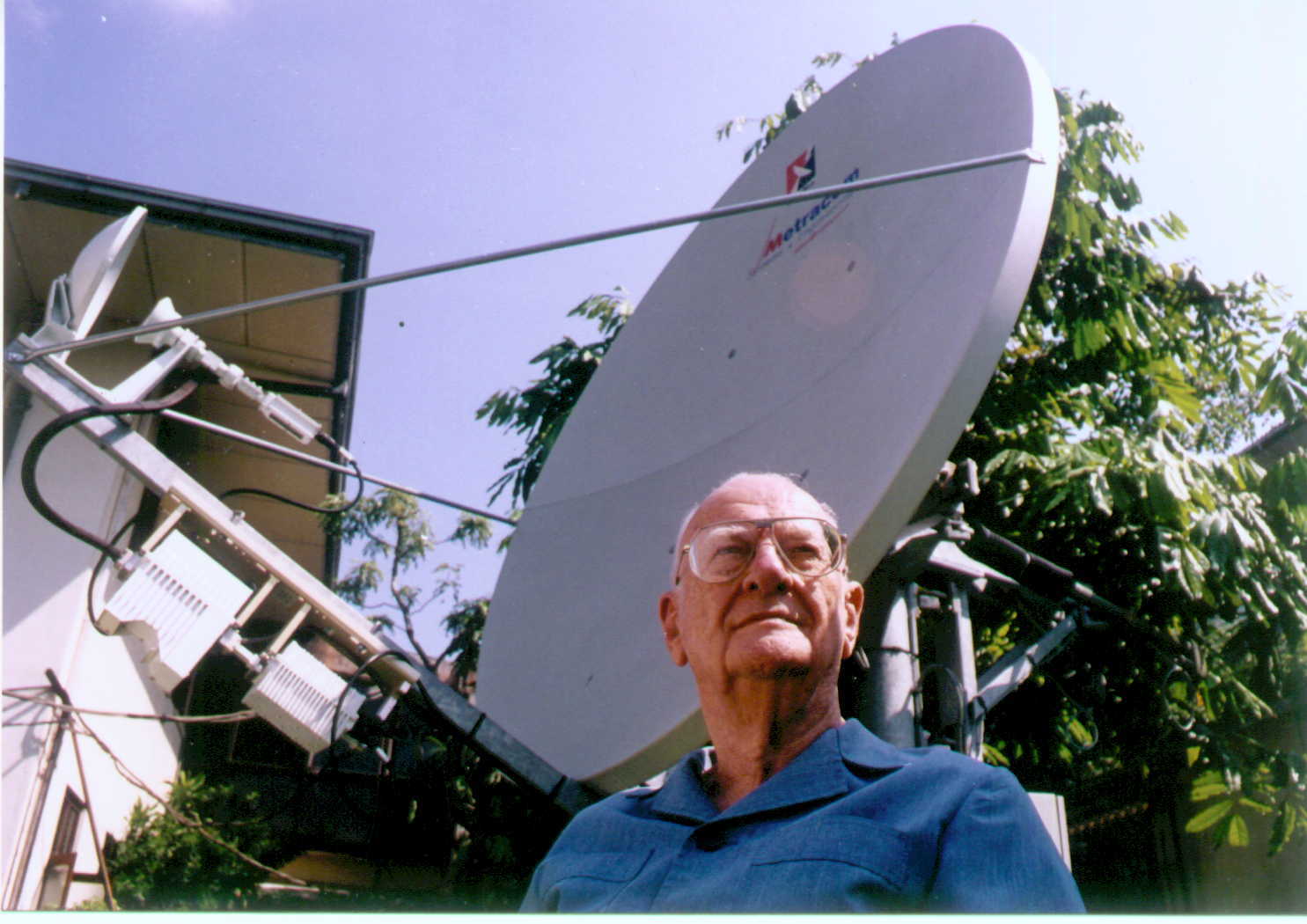
Sir Arthur C Clarke: Opened up the heavens as part of information superhighway...

අතට හසු නොවන, මනසට අළුත් හා නුහුරු ඉන්ටර්නෙට් ගැන ඇතැම් දෙනා බිය සැක උපදවා ගැනීම පුදුමයක් නොවෙයි. 2011 නොවැම්බර් 20දා මා කීවේ වසර 16ක් ගත වීත් ලක් සමාජය තවමත් ඉන්ටර්නෙට් සමග බද්ධ වන්නේ යම් චකිතයක්, සැකයක් හා දෙගිඩියාවක් සමග බවයි.

ඉන්ටර්නෙට් ආගමනයට කලින් මේ අයුරින් ම බය හා සැක ඇති කළ මාධ්‍ය ප්‍රවණතාවක් වූයේ කෘත්‍රිම චන්ද්‍රිකා හරහා ටෙලිවිෂන් විකාශයන් විසුරුවා හැරීමයි. (direct broadcasting by satellite)’ ආසියා කලාපයේ මෙය ඇරඹුණේ 1991දී. AsiaSat චන්ද්‍රිකාව BBC, CNN හා STAR TV නාලිකාවල උඩුගුවනින් එන ටෙලිවිෂන් සංඥා, අඩු වියදමකින් තනා ගන්නා දීසි ආකාරයේ ඇන්ටෙනාවකින් හසු කර ගත හැකි වුණා.

රාජ්‍ය දේශ සීමා ගැන තැකීමක් නොකර නිදහසේ පාවී එන මේ විකාශ ගැන එවකට ආසියානු රජයන් සලිත වූ සැටි මට මතකයි. වර්තමානයේ ඉන්ටර්නෙට් මාධ්‍යයට එරෙහිව නගන චෝදනාවලට සමාන චෝදනා ගොන්නක් 1990 දශකය පුරා අපේ පණ්ඩිතයෝ චන්ද්‍රිකා හරහා එන ටෙලිවිෂන් විකාශයන්ටත් එල්ල කළා. එය ආසියානු රටවල දේශපාලන ස්ථාවරත්වයට, සංස්කෘතීන්ට හා ජන සමාජයන්ට බරපතල අහිතකර බලපෑම් ඇති කළ හැකි යයි ඇතැම් උගතුන් හා ‘සංස්කෘතික බහිරවයන්’ අනතුරු ඇගවීම් ද කළා.

එහෙත් එබන්දක් සිදු වූයේ නැහැ! නොබෝ කලකින් ආසියානු නාලිකා තම ප්‍රේක්ෂකයන්ට වඩාත් අදාල හා ප්‍රයෝජනවත් වැඩසටහන් විකාශය කරන්නටත් ඒ චන්ද්‍රිකා තාක‍ෂණය ම යොදාගත්තා. මේ වන විට ලෝක ටෙලිවිෂන් නාලිකා, ආසියානු නාලිකා හා දේශීය නාලිකා තුන ම අපේ ටෙලිවිෂන් යන්ත්‍ර හරහා බලා ගත හැකියි.

හාස්‍යජනක කරුණක් නම් මේ දැඩි විවේචනවල යෙදෙන ඇතැම් දෙනා එකී මාධ්‍ය දැක හෝ භාවිතා කර නැති අය වීමයි! එහෙන් මෙහෙන් අහුලාගත් කොටස් මත පදනම් වී කරන මේ විවේචන පිළි ගන්නා රාජ්‍ය නිලධාරීන් හා ප්‍රතිපත්ති සම්පාදකයන් ද සිටීම තමා අපේ ඛේදවාචකය. විෂය දත්තවුන් නිහඩව සිටින මේ දූපතේ, කුමන්ත්‍රණවාදීන් හැම දෙයක් ම නොපිටට හරවා ගන්නවා. (විකිලීක්ස් හා විකිපීඩියා දෙක පටලවා ගැනීම පිළිබද මගේ විග්‍රහය බලන්න: 2011 ජූලි 10)

වඩාත් ප්‍රබලව මතුව එන තොරතුරු තාක‍ෂණ හා සන්නිවේදන අභියෝගයන්ට ප්‍රශස්තව මුහුණ දෙන සැටි අන්තර් රාජ්‍ය මට්ටමින් සාකච්ඡා කළ තොරතුරු සමාජය පිළිබඳ පළමුවන ලෝක සමුළුව (World Summit on the Information Society, WSIS-1) 2003 දෙසැම්බරයේ ජිනීවා නුවර පවත්වනු ලැබුවා. එයට මුල් වුයේ යුනෙස්කෝ සංවිධානය, ලෝක විදුලි සංදේශ සංගමය (ITU) හා එක්සත් ජාතීන්ගේ සංවර්ධන වැඩසටහන (UNDP) යන ආයතන ත්‍රිත්වයයි. මේ සමුළුවට දින කිහිපයකට පෙර ශ්‍රීමත් ආතර් සී ක්ලාක් සමග මා කළ දීර්ඝ සාකච්ඡාවක් (ඉන්දියාවෙන් සංස්කරණය කැරෙන) One World South Asia ජාත්‍යන්තර වෙබ් අඩවිය පළ කළා.

මගේ ඉලක්කය වූයේ තොරතුරු සමාජයේ පෙර ගමන්කරුවෙකු වු ක්ලාක් එවකට දැකිය හැකි වු අළුත් ප්‍රවණතා සහ අභියෝග ගැන දරණ විද්වත් අදහස් ඒ තීරණාත්මක මොහොතේ ලෝකය සමග ඛෙදා ගැනීමයි. ක්ලාක්ගේ 94 වන ජන්ම සංවත්සරය (2011 දෙසැම්බර් 16) සැමරෙන මේ සතියේ ඒ සාකච්ඡාවෙන් කොටස් කිහිපයක් මා සිංහලට අනුවාදය කළා.

එදා චන්ද්‍රිකා ටෙලිවිෂන් ගැන ක්ලාක් කී බොහෝ දේ අද ඉන්ටර්නෙට් සඳහා ද වලංගූයි. නමුත් එක් ප්‍රබල වෙනසක් නම් චන්ද්‍රිකා හරහා ටෙලිවිෂන් විකාශ කිරීමට තාක්ෂණය හා වත්කම තිබුණේ ප්‍රධාන පෙළේ මාධ්‍ය සමාගම්වලට පමණක් වුවත් ඉන්ටර්නෙට් හරහා ලොවට සන්නිවේදනය කිරීමේ හැකියාව ලොකු පොඩි කාටත් එක සේ උදා වී තිබීමයි. දැවැන්ත මාධ්‍ය සමාගම් අතළොස්සක් නීතිමය හා නීතියට පරිබාහිර උපක්‍රමවලින් හැසිරවීමේ අත්දැකීම් ඇති ලෝකයේ ආණ්ඩුවලට, කුඩා පරිමාණයේ පුරවැසි මාධ්‍යවේදීන් සිය දහස් ගණනක් සමග කුමන ආකාරයෙන් ගනුදෙනු කළ හැකි ද යන්න විශාල අභියෝගයක් වී තිඛෙනවා. ක්ලාක් අප අතර නැතත්, වසර අටකට පෙර ඔහු පළ කළ අදහස් අදටත් අදාලයි.

නාලක: චන්ද්‍රිකා ටෙලිවිෂන් නාලිකා ඔස්සේ එන වැඩසටහන්වල අන්තර්ගතය ගැන කිසිදු රජයකට පාලනයක් නැහැ. රටක පවතින මාධ්‍ය නීති රීති හෝ සාරධර්ම ඒ අයුරින් ම පිළිපැදිය යුතු යැයි චන්ද්‍රිකා ටෙලිවිෂන්වලට බලපෑම් කරන්නටත් බැහැ. මේ පසුබිම තුළ මෙම මාධ්‍යය වඩාත් තදින් හැසිරවිය යුතු යැයි ඔබ සිතනවාද?

ක්ලාක්: පෘථීවියට ඉහළ කක‍ෂගතව තිඛෙන පණිවුඩ චන්ද්‍රිකාවලින් එන ටෙලිවිෂන් විකාශයන් පාලනය කිරීමට හෝ තහනම් කිරීමට හෝ කිසිදු ආණ්ඩුවකට හැකි වේ යැයි මා සිතන්නේ නැහැ. කෙසේ වෙතත් මාධ්‍යයක් තහනම් කිරීම, නීති විරෝධී කිරීම හෝ වාරණය කිරීම ප්‍රගතශීලි පියවරක් ලෙස මා පිළිගන්නේත් නැහැ. අපි මේ තත්ත්වය පුළුල් දෘෂ්ටි කෝණයකින් විග්‍රහ කළ යුතුයි. මෙබඳු ප්‍රශ්න ගැන කථාබහ කරන අප බොහෝ දෙනකුට තොරතුරු හා විනෝදාස්වාදය ලබා ගත හැකි මාර්ග ගණනාවක් තිඛෙනවා. බොහෝ විට අප සිටින්නේ තොරතුරු අධිපෝෂණය නැතහොත් තොරතුරු දූෂණය (information pollution) නමැති තත්ත්වයේයි. මේ නිසා එහි ප්‍රතිවිරුද්ධ තත්ත්වයල එනම් තොරතුරු සාගතය (information starvation) ගැන අපට හරි වැටහීමක් නැහැ.

මට සිතෙන්නේ චන්ද්‍රිකා ටෙලිවිෂන් වැඩසටහන්වලින් ජන ජීවිතයට, සංස්කෘතියට හෝ සභ්‍යත්වයට හානි සිදුවේ යැයි කෑ මොර ගසන උදවිය තමන්ගේ බුද්ධියේ ප්‍රමාණයට වඩා වැඩි අධ්‍යාපනයක් ලැබීම නිසා බක පණ්ඩිතයන් වී සිටින අය බවයි. සමාජයේ බහුතරයකගේ සිතුම් පැතුම් හෝ රුචි අරුචිකම් හෝ ගැන මේ ‘කල්චරල් අප්පුලාට’ හැඟීමක් හෝ තැකීමක් නැහැ. ඔවුන් සිතන්නේ ඔවුන් ටික දෙනෙකුගේ අභිමතය හා අභිරුචිය මත සියලූ දෙනාගේ කියැවීමේ පුරුදු හෝ ටෙලිවිෂන් නැරඹීමේ රටා සකස් විය යුතුයි කියායි. බටහිර සභ්‍යත්වයට හෝ ජාත්‍යන්තර ප්‍රවාහයන්ට අනාවරණය නොවු ගැමි ජනයා සදහට ම එම තත්ත්වයේ තබා ගත යුතු බවත්, චන්ද්‍රිකා ටෙලිවිෂන් හා ඉන්ටර්නෙට් බඳු මාධ්‍ය මඟින් මේ ජනයාගේ මනස දූෂණය වන බවත් මෙකී පණ්ඩිතයෝ කියනවා. එසේ කියමින් ඔවුන් තමන්ගේ පවුල්වල පාවිච්චියට මේ හැම නවීන තාක‍ෂණයක් ම යොදා ගන්නවා. (මෙය හරියට රටේ බහුතරයකට ස්වභාෂාවලින් වැඩ කරන්නට යැයි කියමින් ටික දෙනෙකු ඉංගිරිසිය දිගට ම භාවිත කිරීම වැනි ක්‍රියාවක්!) මෙබඳු ආත්මාර්ථකාමී, වංක විද්වතුන්ගෙන් රටට හා සමාජයට වන යහපතට වඩා හානිය වැඩියි.

චන්ද්‍රිකා ඔස්සේ එන ටෙලිවිෂන් විකාශයන් මෙන් ම පොළව මත පිහිටි සම්ප්‍රේෂණාගාරවලින් ඛෙදා හැරෙන (terrestrial) ටෙලිවිෂන් විකාශයන් ඔස්සේත් හොඳ-නරක දෙයාකාරයේ ම වැඩසටහන් අපට හමු වෙනවා. අප කළ යුතුව ඇත්තේ ක්‍රමානුකූලව ප්‍රේක‍ෂකයන් වඩාත් දැනුවත් හා නැණවත් පිරිසක් බවට පත් කිරීමෙන් මේ ගුණාගුණ තෝරා බේරා ගන්නට හැකි පිරිසක් බවට ඔවුන් පත් කිරීමයි. දිගු කලක් තිස්සේ ටෙලිවිෂන් මාධ්‍යය හා සම්බන්ධව ක්‍රියා කිරීමෙන් පසුව මා තීරණය කර ඇත්තේ මෙයයි: ගුණාත්මක බවින් අඩු ටෙලිවිෂන් වැඩසටහන් පවා, කිසියම් වටිනාකමකින් යුක්තයි. (Even bad TV is better than no TV!). අප කළ යුත්තේ ටෙලිවිෂන් යන්ත්‍ර නිවා දැමීම හෝ විකාශ තහනම් කිරීම හෝ නොවේ. ගුණාත්මක පැත්ත වර්ධනය කර ගන්නට වෙර දැරීමයි.

ස්වාධීනව පාලනය කැරෙන, ස්වාධීනව අදහස් දක්වන මාධ්‍ය ආයතන – විශේෂයෙන් ටෙලිවිෂන් ආයතන – කෙරෙහි බොහෝ ආණ්ඩු දක්වන්නේ අයහපත් ආකල්පයක් නේද?

එයට හේතුව නිදහසේ තොරතුරු හා අදහස් ගලා යාම හරහා සිවිල් සමාජය ශක්තිමත් වන නිසායි. එවිට ඒකාධිපති පාලකයන්ට හා ආණ්ඩුවලට එය තර්ජනයක් වෙනවා. පසුගිය දශක දෙක පමණ කාලය තුළ තමයි චන්ද්‍රිකා ඔස්සේ විකාශය වන ටෙලිවිෂන් සේවාවන් ප්‍රචලිත වී ඇත්තේ. ඊට පෙර සියලූ ටෙලිවිෂන් විකාශයන් මහ පොළොව මත පිහිටි සම්ප්‍රේෂණයන් හරහායි සිදු කෙරුණේ. ඒ යුගයේ මෙම මාධ්‍යය මීට වඩා පාලනය කිරීමට ආණ්ඩුවලට හැකි වුණා. කොටින් ම කිවහොත් මේ මාධ්‍යයට බිය වූ ඇතැම් පාලකයෝ තමන්ගේ රටවල ජාතික ටෙලිවිෂන් සේවාවන් ඇරඹීම වසර ගණන් ප්‍රමාද කළා.

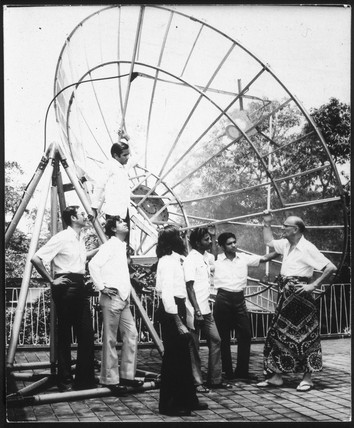
Arthur C Clare (extreme right) with Indian ISRO engineers who installed satellite antenna at his Colombo home, in 1975
හොඳම උදාහරණය ලැඛෙන්නේ දකුණු අප්‍රිකාවෙන්. 1960 දශකය වන විට ලෝකයේ ඉසුරුබර රාජ්‍යයන් අතුරෙන් ටෙලිවිෂන් සේවාවක් අරඹා නොතිබූ එක ම රට වූයේ දකුණු අපිකාවයි. එවකට එහි පැවති සුදු පාලකයන්ගේ රජයේ සන්නිවේදන අමාත්‍යවරයා එරට ටෙලිවිෂන් සේවාවක් ඇරඹීමට කිසිසේත් එකග වූයේ නැහැ. ‘ටෙලිවිෂන් තමයි අප්‍රිකාවේ සුදු මිනිසාගේ පාලනය හමාර කරන්නේ’ යයි ඔහු කළ ප්‍රකාශයෙහි ලොකු අරුතක් ගැබ් වී තිබුණා. ^‘Television will mean the end of the white man in Africa.’)

ඔහුගේ දෘෂ්ටිකෝණයෙන් විග්‍රහ කළ විට ඔහු කී දේ හරියට ම හරි! පසු කලෙක වර්ණභේදවාදයට විරුද්ධව ගෙන ගිය අරගලයට ටෙලිවිෂන් මාධ්‍යයේ බලපෑම හා දායකත්වය ලැබුණා. කඩුවට වඩා පෑන බලවත් බව අප අසා තිඛෙනවා. ඔය දෙකට ම වඩා ටෙලිවිෂන් කැමරාව බලවත්. මේ නිසා ලෝකයේ හැම ආකාරයේ ආණ්ඩුවක්ම – ප්‍රජාතාන්ත්‍රවාදී වේවා, ඒකාධිපති වේවා – මේ මාධ්‍යය හසුරුවන්නට අඩු වැඩි පමණින් උත්සාහ කිරීම පුදුමයක් නොවෙයි.

මාධ්‍ය හා පුවත් වාරණය (media censorship) ගැන ඔබ සිතන්නේ කුමක්ද?

මාධ්‍ය වාරණය යනු සංකීර්ණ ක්‍රියාදාමයක්. ඒ ගැන සරලව හා පොදුවේ අදහස් දැක්වීමට අපහසුයි. මාධ්‍ය වාරණයට මා එක`ග නැති වුවත්, ඇතැම් අවස්ථාවල යම් යම් සුවිශේෂී තත්ත්වයන් යටතේ ටික කලකට මාධ්‍ය වාරණය කිරීමට අවශ්‍ය වන බව මා පිළිගන්නවා. බහුතරයකගේ යහපත සදහා. ඒ වාගේ ම කාගේත් යහපත උදෙසා මාධ්‍යවලින් පිටු දැකිය යුතු හා තුරන් කළ යුතු අංග ද තිඛෙනවා. උදාහරණ නම් ලිංගික වශයෙන් විකෘති අදහස් ඉදිරිපත් කරන රූප හා තොරතුරු, සහ ජාති-ආගම් භේද අවුස්සමින් ප්‍රචන්ඩත්වයට දායක විය හැකි ආකාරයේ ලියකියවිලි.

නමුත් යම්කිසි තොරතුරක්, විග්‍රහයක් හෝ අදහසක් සමාජයට හිතකර ද නැත් ද යන්න නිර්ණය කිරීම ලෙහෙසි නැහැ. එය විවිධ පුද්ගලයන් විසින් විවිධාකාරයෙන් විනිශ්චය කළ හැකියි නේද?

ඇත්තෙන්ම ඔව්. මේ ප්‍රශ්නය සම්බන්ධයෙන් මැදහත්, අපක‍ෂපාතී පුද්ගලයන් පවා බොහෝ විට එකග වන්නේ නැහැ. මහජනයාට ඉදිරිපත් කළ යුත්තේ කුමක් ද? වසන් කළ යුත්තේ කුමක් ද යන්න තෝරා බේරා ගැනීම ඉතා අසීරුයි. එහෙත් රජයන් හා පාලකයන්ගේ පැත්තෙන් බැලු විට මෙන්න මෙසේ කිව හැකියි. දූෂණ, අක්‍රමිකතා, වංචා සහ බලය අනිසි ලෙස භාවිතා කිරීම් ආදිය පිළිබද මාධ්‍ය මගින් කැරෙන අනාවරණයන් පාලකයන් බොහෝ විට බලවත් අපහසුතාවයට පත් කරන බව ඇත්ත. එහෙත් එය ඔවුන්ට ඉතා ප්‍රයෝජනවත් හා වැදගත් වන්නට ද පුළුවන්.

තමන්ගේ රටේ සැබැවින් ම සිදු වන්නේ කුමක්දැයි හරිහැටි දැන ගන්නට නිසි අවකාශ තිබුණා නම් බොහෝ පාලකයන්ට තමන්ගේ බලය – ඇතැම්විට ජීවිතය පවා – මීට වැඩි කාලයක් රැක ගන්නට තිබුණා යයි අපට කිව හැකියි. ඕනෑ ම පාලකයකු වටා ඒකරාශී වන වන්දිභට්ටයන් පිරිස ඉදිරිපත් කරන පක‍ෂග්‍රාහී විග්‍රහයට වඩා ඔබ්බට ගොස් තොරතුරු දැනගැනීමේ උපක්‍රමයක් හැම පාලකයකුට ම අවශ්‍යයි. මේ නිසා තමයි එක් බටහිර ප්‍රජාතන්ත්‍රවාදී රටක නායකයකු වරක් කියා සිටියේ නිදහස් මාධ්‍ය පාලකයන්ට මහත් හිසරදයක් විය හැකි වූවත්, බොහෝ විට ඔවුන්ගේ හිස රැක ගන්නත් ඒ නිදහස් මාධ්‍ය ම දායක වන බව.

මෙය ටෙලිවිෂන් ප්‍රවෘත්ති වාර්තාකරණය පැත්තෙන් බැලු විට මුද්‍රිත මාධ්‍යයටත් වඩා ප්‍රබල සත්‍යයක්. විශේෂයෙන්ම චන‍ද්‍රිකා සන්නිවේදන තාක‍ෂණය නිසා අද ටෙලිවිෂන් ඔස්සේ ප්‍රවෘත්ති විකාශය කිරීම බොහෝ විට සජීවී ලෙසින් සිදු කැරෙනවා. මේ නිසා අළුතෙන් යමක් සිදුවන විට ඒ මොහොතේම ලොව හැමතැනටම එය දැක බලාගත හැකියි. මෙය කිරීමේදී ඉමහත් වගකීමකින් යුතුව ක්‍රියා කිරීමට ටෙලිවිෂන් ආයතන හා මාධ්‍යවේදීන්ට සිදුවෙනවා.

සන්නිවේදනයේ මීළඟ වසර 50 ගැන නෙතඟ බැල්මක් හෙළිය හැකි ද?

පුළුල්ව කිව හොත්, සන්නිවේදනයේ අපට රිසි ඕනෑ ම දෙයක් කළ හැකි තත්ත්වයට අද අප පත්ව සිටිනවා. මේ ඉදිරි ගමන සීමා කරන්නේ තාක්ෂණික හෝ ඉංජිනේරුමය හෝ සාධක නොවේ. එය සිදු වන්නේ නීතිමය, මූල්‍යමය හා දේශපාලනික සාධක මගින්. මෙකී සාධකල තාක්ෂණයේ ප්‍රගමනය තරම් වේගවත්ව හා කාලානුරූපව හැඩ ගැසී නැහැ.

මාධ්‍ය මත බල පෑ රාජ්‍යමය හා අනෙකුත් සීමාකාරී සාධක එකින් එක බිද වැටෙන විට මාධ්‍යවල බලය හා මාධ්‍ය අනිසි ලෙස පරිහරණය කිරීමේ ඉඩකඩ ද ඒ හා සමානුපාතිකව වැඩි විය හැකි බව අප සිහි තබා ගත යුතුයි. ජන සමාජයට හා රටට අහිතකර ප්‍රවාහයන් නූතන සන්නිවේදන මාධ්‍යයන් හරහා ඒමට එරෙහිව ගත හැකි හොද ම ආරක‍ෂක විධි විධානය ලෙස මා දකින්නේ අධ්‍යාපනයයි. මේ රටේ ප්‍රධානතම ප්‍රමුඛතාවයක් විය යුත්තේ ඉදිරි සියවසට ගැලපෙන හා විශ්ව ගම්මානයේ අභියෝගවලට මුහුණදිය හැකි ආකාරයේ ජනතාවක් බිහි කරන අධ්‍යාපන රටාවක් ගොඩ නැගීමයි.

සිවුමංසල කොලූගැටයා #39: පුවත්පතේ අනාගතේ ඩයිනසෝර් මාවත ද?

This is the Sinhala text of my weekend column in Ravaya, published on 6 Nov 2011. To mark the newspapers’s 25th anniversary that falls this month, I begin some reflections on the future of newspapers. In this first piece, I discuss how science fiction and thriller writer Michael Crichton (1942-2008) once foresaw the fate of what he called ‘Mediasaurus’.

Who succeeds mediasaurus?

රාවයට වසර 25ක් සපිරෙන්නේ 2011 නොවැම්බර් මාසයේ. මගේ මාධ්‍ය හා සන්නිවේදන ජීවිතයට වසර 25ක් පිරුණේ 2011 සැප්තැම්බරයේ. මේ පිය සටහන් දෙක නිමිති කර ගෙන එක්කෝ මට යටගිය දවස් ගැන ආවර්ණය කළ හැකියි. නොඑසේ නම් මේ සංධිස්ථානයේ කෙටි විරාමයක් ගනිමින් ගනිමින් ඉදිරිය ගැන මෙනෙහි කළ හැකියි. මා කවදත් අනාගතය දෙස එබී බලන්නට කැමැති නිසා පුවත්පත් කලාවේ හා මාධ්‍ය කර්මාන්තයේ හෙට දවස ගැන කථා කරමු.

අද ලොව බහුවිධ ජනමාධ්‍ය අතරින් සංවිධානාත්මකව පවතින පැරණිතම ජන මාධ්‍යය පුවත්පත හෙවත් මුද්‍රිත මාධ්‍යයයි. මුද්‍රණ යන්ත්‍ර මගින් පිටපත් මුද්‍රණය කොට අලෙවි කළ, කාලීන තොරතුරු රැගත් වාරික ප්‍රකාශනයක් ලෙස දැනට හදුනාගෙන ඇති පැරණිතම පුවත්පත මුල් වරට එළි දැක්කේ 1605දී ජර්මනියේ. මේ අනුව වසර 400කට වැඩි ඉතිහාසයක් පුවත්පත්වලට තිඛෙනවා. මේ සියවස් හතරක කාලය තුළ සිනමාව, රේඩියෝව, ටෙලිවිෂනය හා ඉන්ටර්නෙට් මාධ්‍යවල බිහි වීමත් සමග නව අභියෝගවලට මුහුණ දෙමින් පරිනාමය වී ආ පුවත්පතේ ඉතිහාසය විචිත්‍රයි.

21 වන සියවසේ නූතන තොරතුරු සමාජයේ ප්‍රවණතා හා ග්‍රාහක බලාපොරොත්තුවලට ප්‍රතිචාර දක්වමින් හැඩ ගැසෙන්නට පුවත්පත් කලාවට හා කර්මාන්තයට හැකි ද? නැත්නම් ඉදිරි වසර හෝ දශක කිහිපය තුළ පුවත්පත් වද වී යාමේ තර්ජනයක් ඇත් ද?

මුද්‍රිත මාධ්‍යයේ අනාගතය ගැන සුභවාදීව මෙන්ම අසුභවාදීව කැරෙන විග්‍රහයන් තිඛෙනවා. පත්තර කියවමින් හැදී වැඩී, පත්තරවලට දැඩි ඇල්මකින් යුතුව මාධ්‍ය ලෝකයට පිවිසී, කලක් පත්තරවල වැඩ කළ මට මේ ෙක‍ෂත්‍රය ගැන ලෙන්ගතුකමක් හා බැදීමක් තිඛෙනවා. එහෙත් ඒ බැදීම්වලින් මදකට දුරස් වී තුලනාත්මකව හා යථාර්ථවාදීව පුවත්පතේ අනාගතේ දෙස බැලීමට මා උත්සාහ කරනවා.

සොබා දහමේ නොනවතින පරිනාමීය කි්‍රයාදාමයක් පවතින බව (evolutionary process) අප දන්නවා. ඒ පරිනාමයේදී වඩාත් සවිමත්, උපක්‍රමශීලී හා ආක්‍රමණශීලී ජීවීන් ඉතිරි වන අතර අනෙක් ජීවීන් මුළු ගැන්වී, ව`ද වී යනවා. මෙයට සමාන ප්‍රවාහයන් මානව සමාජය හා වෙළ`දපොල ආර්ථීකය තුළත් ක්‍රියාත්මක වනවා. කාලානුරූපව හැඩ ගැසෙන්නට නොහැකි හෝ නොකැමැති හෝ කර්මාන්ත, ආයතන හා සම්ප්‍රදායයන් කල් පවතින්නේ නැහැ. ජනමාධ්‍ය ෙක‍ෂත්‍රයටත් මෙය අදාලයි.

මේ බව ප්‍රබලව අපට කියා දුන් එක් අයකු වූයේ අමෙරිකානු විද්‍යා ප්‍රබන්ධ හා ත්‍රාසජනක කථා රචක මයිකල් ක්‍රයිටන් (Michael Crichton). වෘත්තියෙන් වෛද්‍යවරයකු වූ ඔහු ජුරාසික් පාක් (Jurassic Park) පොත් පෙළ ලිවීම නිසා ලෝප්‍රකට වුණා. ජෛවීය ඉතිහාසයේ වසර මිලියන් 165ක පමණ කාලයක් තිස්සේ මහ පොළවේ ප්‍රබලතම සත්ත්ව කොට්ඨාශය වූ ඩයිනසෝරයන් (dinosaurs) නැවත බිහි කිරීමේ භයානක විද්‍යාත්මක අත්හදා බැලීමක් පාදක කර ගත් ඒ කථා, ස්ටීවන් ස්පිල්බර්ග් විසින් ජනප්‍රිය චිත්‍රපට මාලාවක් බවටත් පත් කළා.

ඩයිනෝසරයන් වද වී යාමට හේතු ගැන විද්‍යාඥයන් තවමත් තර්ක විතර්ක කරනවා. ඩයනසෝරයන් පමණක් නොවෙයි වෙනත් සත්ත්ව කොට්ඨාශයනුත් කලින් කලට වද වී යාම ජෛව පරිනාමයේ හොදින් දන්නා, පාෂාණභූත සාක‍ෂීන්ගෙන් ද ඔප්පු වන සත්‍යයක්.

1993 සැප්තැම්බර් මාසයේ Wired ගරාවේ කලාපයට මයිකල් ක්‍රයිටන් ‘Mediasaurus’ නමින් අනාගතවේදී ලිපියක් ලිව්වා. එහි මුඛ්‍ය අදහස වුණේ එදා ඩයිනසෝරයන් මෙන් ම ප්‍රධාන ප්‍රවාහයේ ජනමාධ්‍ය ද පරිනාමීයව හැඩ ගැසීමට නොහැකි වීම නිසා නුදුරු අනාගතයේදී වද වී යනු ඇති බවයි.

එහි එක් තැනෙක ඔහු මෙසේ කීවා: “මෑත සමීක‍ෂණ කිහිපයකින් හෙළි වූ පරිදි අමෙරිකානු මාධ්‍ය බහුතරයක් මහජනයාට සැබැවින් ම අදාල හා වැදගත් කරුණු ගැන වාර්තා කිරීම හා ගවේෂණය වෙනුවට වල්පල් හා ඕපාදූපවලට වැඩි අවධානයක් යොමු කරනවා. රටේ ප්‍රශ්න ගැන විග්‍රහ කරනවා වෙනුවට අපේ මාධ්‍ය කරන්නේ ඒ දැවෙන ප්‍රශ්නවලට තව ටිකක් ඉන්ධන එකතු කිරීමයි. තමන්ගේ ලොකුකම ගැන අධිතක්සේරුවක් හා ස්වයංරාගයක් ((Narcissistic) ඇති මාධ්‍යවේදීන් හා දේශපාලකයන් දෙපසකට වී කරන ක්‍රීඩා තරගයක් බදු මේ විකාරය දෙස මාධ්‍ය ග්‍රාහකයන් බලා සිටින්නේ පිළිකුලෙන් හා කලකිරීමෙන් යුතුවයි. මේ තත්වය දිගට ම පවතින්නට බැහැ!”

ක්‍රයිටන් සැබෑ ලෝකයෙන් දුරස්ථ වූ දවල් හීන බලන්නකු නොවෙයි. වෙළදපොල ආර්ථීකය තුළ තමන්ගේ පැවැත්ම සදහා මාධ්‍ය ආයතන තරගකාරීව නිරන්තර අරගලයක යෙදෙන බව ඔහු පිළි ගත්තා. (මාධ්‍යවල සමාජ වගකීම ගැන සරසවි දේශනාගාර හා විසිත්ත කාමරවල සිට බණ කියන පර්යේෂකයන්ට හසු නොවන යථාර්ථයත් එයයි.)

ඔහු තව දුරටත් මෙසේ තර්ක කළා: “වර්තමානයේ මාධ්‍ය යනු කර්මාන්තයක්. ඒ කර්මාන්තය සමාජයට සපයන නිෂ්පාදනය නම් තොරතුරුයි (information). බාල බඩු නිපදවන හා අලෙවි කරන සමාගම් පාරිභෝගිකයන් විසින් ප්‍රතිෙක‍ෂප කරනවා. අපේ මාධ්‍ය කර්මාන්තය මෑතක පටන් නොවැදගත්, වැරදි සහගත, විකෘති වූ හා වෙනත් අන්දමින් බාල මට්ටමේ තොරතුරු අපට අලෙවි කරනවා. සරුව පිත්තල දවටනවල අසුරා තිබුණත් බය නැතිව පාවිච්චි කළ නොහැකි තරමට අපේ මාධ්‍ය අපට දෙන තොරතුරුවල ප්‍රමිතියක් නැහැ. මේ නිසා ටිකෙන් ටික පාරිභෝගිකයන් මේ ‘බාල බඩු’ මිළට ගැනීම අඩු කරනවා. නොබෝ කලෙකින් අමෙරිකානු මාධ්‍ය කර්මාන්තයට ඇති තරම් පාරිභෝගිකයන් සොයා ගන්නට බැරි වේවි. එවිට ඒ මාධ්‍ය, වෙළදපොල ප්‍රවාහයන් විසින් ගසා ගෙන ගොස් අතුරුදහන් වෙනු ඇති.”

ඔහු කීවේ නිව්යෝක් ටයිම්ස් පත්‍රය වැනි මුද්‍රිත ලෝකයේ මහා බලකණු මෙන් ම ABC, NBC සහ CBS වැනි අමෙරිකානු ටෙලිවිෂන් නාලිකා ද දශකයක් ඇතුළත වෙළ`දපොලෙන් ඉවතට විසි වීල වද වී යනු ඇති බවයි.

මේ අතර සියළු මාධ්‍යයන් යටිකුරු කරන නව තාක‍ෂණයක් ද මතුව ඇති බව ක්‍රයිටන් සිය ලිපියේ සදහන් කළා. ඒ තමා ඉන්ටර්නෙට්. 1993දී ඉන්ටර්නෙට් මාධ්‍යය දියුණු රටවල පවා එතරම් ප්‍රචලිත වී තිබුණේ නැහැ. එහෙත් තොරතුරු ගලනයට එයින් ඇති කළ හැකි ප්‍රබල බලපෑම ක්‍රයිටන් කල් තබා දුටුවා.

ක්‍රයිටන්ගේ විද්‍යාත්මක චින්තනය හා පරිකල්පන ශක්තිය ගැන ලොකු පිළිගැනීමක් පැවති නිසා ඔහුගේ ලිපිය මාධ්‍ය ආයතන හා පර්යේෂකයන් අතර වාද විවාද ඇති කළා. එතැන් පටන් ගෙවී ගිය දශකය (1993-2003) කාලයේ ඉන්ටර්නෙට් මාධ්‍යයේ සීඝ්‍ර ප්‍රගමනයක් සිදු වුණා. 1995දී ලොව පුරා ඉන්ටර්නෙට් පරිහරණය කළේ මිලියන 16යි. එය 2003 අගදී මිලියන් 719 දක්වා ඉහළ ගියා. (2011 මැද වන විට මේ සංඛ්‍යාව මිලියන් 2ල110 යි) ඉන්ටර්නෙට් ප්‍රචලිත වීම සම කළ හැක්කේ 1447 දී යොහාන් ගුටන්බර්ග් විසින් මුද්‍රණ ශිල්පයේ වර්තමාන තාක‍ෂණ සම්ප්‍රදාය ඇරඹීමටයි. ඒ දක්වා ඉතා සීමිතව කෙරුණු තොරතුරු හුවමාරුවට හා දැනුම ඛෙදා හැරීමට විශාල ඉදිරි පිම්මක් පනින්නට මුද්‍රණ ශිල්පය ඉඩ සැළැස්වූවා. (ඒ දක්වා සිදු වූයේ පොත් හා වෙනත් ලේඛනවල පිටපත් තනි තනිව අතින් පිටපත් කිරීමයි.)

Mediasaurus - courtesy Slate
ඉන්ටර්නෙට් ප්‍රචලිත වීම සමග ඒ නව මාධ්‍යයට බද්ධවීමේ ක්‍රම සොයන්නට පුවත්පත්, සගරා, රේඩියෝ හා ටෙලිවිෂන් ආයතනවලට සිදු වුණා. 2003 වන විට ප්‍රධාන පෙළේ මාධ්‍ය ආයතන තමන්ගේ වෙබ් අඩවි අරඹා සයිබර් අවකාශයේ තම ලකුණ යම් තරමකට සටහන් කර තිබුණා. ක්‍රයිටන්ගේ අනාවැකියට දශකයක් පිරෙන්නට ආසන්න වන විට අමෙරිකාවේ Slate නම් වෙබ් අඩවියේ මාධ්‍යවේදියෙක් ඒ ගැන ඔහුගෙන් විමසුවා. ඒ වන විටත් මාධ්‍ය ආයතන බරපතල ගරා වැටීමකට ලක් වී තිබුණේ නැහැ. ඔහුගේ උත්තරය: “අනාගතය පිළිබදව ඉලක්කගතව අනාවැකි කියන්නට කාටවත් බැහැ. මා අනතුරු ඇග වූ මාධ්‍ය ගරා වැටීම සිදු විය හැකි බව මා තවමත් විශ්වාස කරනවා. එහෙත් එයට දශකයකට වැඩි කාලයක් ගත වන හැඩයි!”

2000 දශකය තුළ අමෙරිකාව, කැනඩාව සහ යුරෝපයේ රටවල් ගණනාවක මුද්‍රිත මාධ්‍යය විශාල වෙළදපොල අර්බුදයකට ලක් වුණා. 2008 නොවැම්බර් 4 වනදා ක්‍රයිටන් මිය යන විට ඔහු අනතුරු ඇග වූ තත්ත්වය සැබෑවට ම ඉස්මතු වෙමින් තිබුණා. බටහිර රටවල පුවත්පත් සහ සගරා මිළදී ගැනීම සැළකිය යුතු අන්දමින් අඩු වී තිඛෙනවා. අලෙවි වන පිටපත් ගණන අඩු වූ විට දැන්වීම් ලැබීම ද පහත වැටෙනවා. පත්තර හා ස`ගරා කර්මාන්තය පදනම් වී ඇත්තේ දැන්වීම් ආදායමින් තම නිෂ්පාදන වියදමෙන් වැඩි කොටසක් පියවා ගන්නා අතර ඉතිරි ආදායම පිටපත් අලෙවියෙන් ලබා ගැනීමේ ආකෘතිය තුළයි. (දැන්වීම්වලට අප පෞද්ගලිකව කැමති වූවත් නැතත් මාධ්‍ය කර්මාන්තයට ඒවා නැතුව ම බැහැ. සරල උදාහරණයක් ගත්තොත් රු. 50කට විකිණෙන පත්තර පිටපතක නිෂ්පාදන වියදම එමෙන් දෙතුන් ගුණයක් වෙනවා. මේ වෙනස පියවා ගන්නේ දැන්වීම්වලින් ලැඛෙන ආදායමින්.)

බටහිර රටවල පත්තර සගරා පමණක් නොවෙයි. ප්‍රධාන පෙළේ ටෙලිවිෂන් හා රේඩියෝ සමාගම් ද අද වන විට දැඩි ආර්ථීක කුණාටුවකට හසු වී සිටිනවා. එයට හේතු වූ සාධක ගැන පොදු එකගතාවයක් නැහැ. ඇතැම් විචාරකයන් කියන්නේ ලොව පුරා 2008 සිට පැතිර ගිය ආර්ථීක අවපාතය එයට දායක වූ බවයි.
එහෙත් තවත් පර්යේෂකයන් පෙන්වා දෙන්නේ වාණිජමය මාධ්‍ය ෙක‍ෂත්‍රයේ – විශේෂයෙන්ම පත්තර හා සගරාවල – පිරිහීම 2008 පෙර පටන් ම ඇරඹී තිබුණු බවත්, එයට එම ෙක‍ෂත්‍රය තුළින් ම මතු වූ සාධක වැඩියෙන් හේතු වූ බවත්. මයිකල් ක්‍රයිටන්ගේ 1993 විග්‍රහය සිහිපත් කරමින් ඔවුන් කියන්නේ පාරිභෝගික සමාජය විසින් මාධ්‍ය ප්‍රතිෙක‍ෂප කිරීමට වගකිව යුත්තේ මාධ්‍ය ආයතන හා මාධ්‍යවේදීන් ම බවයි.

මීට අමතරව ඉන්ටර්නෙට් මාධ්‍යයේ ව්‍යාප්ත වීම නිසා තනිකර ම ඉන්ටර්නෙට් හරහා එසැනින් ප්‍රවෘත්ති ඛෙදාහරින නව මාධ්‍ය සේවා බිහි වුණා. ඒවාත් සමග තරග කිරීම සාම්ප්‍රදායික පුවත්පත්වලට හෝ එම පුවත්පත්වල වෙබ් අඩවිවලට ලෙහෙසි වූයේ නැහැ. පත්තර කර්මාන්තයේ පසුබෑමට මේ සාධක සියල්ල අඩු වැඩි පමණින් දායක වී තිඛෙනවා. නමුත් මේ ගෝලීය ප්‍රවණතාවයට වෙනස් තත්ත්වයක් ආසියාවේ රටවල දක්නට තිඛෙනවා.

පාඨක විශ්වාසය රැක ගනිමින්, නව තාක‍ෂණයන්ගේ අභියෝගවලට මුහුණ දෙමින් වාණිජමය වශයෙන් සාර්ථක පුවත්පත් හා සගරා පවත්වා ගත හැකි ද? එසේ නැතිනම් සහනාධාර ලබන හෝ විකල්ප ආදායම් මත යැපෙන ආර්ථීක මොඩලයකට මාරු වීමට ලොව පුරා පුවත්පත්වලට ළගදී ම සිදු වෙයි ද? පුරවැසි මාධ්‍යවේදීන් හා වැටුප් ලබන මාධ්‍යවේදීන් අතර පරතරය අඩු වී යන විට මාධ්‍ය ලෝකයේ කුමන විපර්යාස සිදු වේද? මේ ප්‍රශ්නවලට අපි එළඹෙන සතිවල පිළිතුරු සොයා යමු!

සිවුමංසල කොලූගැටයා #38: පණ්ඩිතයන්ගෙන් ළදරු රූපවාහිනිය බේරා ගත් ටයි මාමා

In this column, which appears in Ravaya newspaper on 30 October 2011, I pay tribute to the late film and TV professional Titus Thotawatte. I recall how he founded and headed the effort to ‘localise’ foreign-produced programmes during the formative years of Sri Lanka’s national TV, Rupavahini, launched in 1982. In particular, I describe how Titus resisted attempts by intellectuals and civil servants to turn the new medium into a dull and dreary lecture room, and insisted on retaining quality entertainment as national TV’s core value.

See also my English tribute Titus Thotawatte (1929 – 2011): The Final Cut. However, this is a different take; I NEVER translate even my own writing.

Bugs Bunny, Dr Dolittle and Top Cat. - all localised by Titus T

ටයිටස් තොටවත්ත සූරීන් අඩ සියවසක් පුරා රූප, නාද හා වචනවලින් හපන්කම් රැසක් කළා. සිංහල සිනමාවේ තාක‍ෂණික වශයෙන් අති දක‍ෂ සංස්කාරකයකු හා චිත්‍රපට අධ්‍යක‍ෂවරයකු හැටියට ඔහු කළ නිර්මාණ වඩාත් මතක ඇත්තේ අපේ දෙමවුපියන්ගේ පරම්පරාවට. ලංකාවේ පළමුවන ටෙලිවිෂන් පරම්පරාවට අයිති මා වැනි අයට තොටවත්තයන් සමීප වූයේ ටෙලිවිෂන් මාධ්‍යයෙන් නව මං සොයා යාම නිසයි. මේ නිසා ඇතැම් දෙනකුට ටයි මහත්තයා වූ ඔහු, මගේ පරපුරේ අයට ‘ටයි මාමා’. ටෙලිවිෂන් තිරය මතුපිට මෙන් ම එය පිටුපසත් මෙතරම් විවිධ දස්කම් පෙන්වූවන් අපේ ටෙලිවිෂන් ඉතිහාසයේ දුර්ලභයි. ටයි මාමාගේ ටෙලිවිෂන් දායාදය ගැන ටිකක් කථා කරන්නේ ඒ නිසයි.

ලෝකයේ ඕනෑ ම සංස්කෘතියක ඇති හොඳ දෙයක් සොයා ගෙන එය අපට දිරවා ගත හැකි, අපට ගැලපෙන ආකාරයෙන් ප්‍රතිනිර්මාණය කිරීමට දේශීයකරණය කියා කියනවා. මා වඩා කැමති යෙදුම ‘අපේකරණයයි’. අපේ ටයි මාමා අපේකරණයට ගජ හපනෙක්!

1982 වසරේ රූපවාහිනී සංස්ථාව අරඹා මාස කිහිපයක් ඇතුළත එයට එක් වූ ටයි මාමා, ලංකාවට නැවුම් හා ආගන්තුක වූ මේ නව මාධ්‍යය අපේකරණයට විවිධ අත්හදා බැලීම් කළා. පුරෝගාමී ටෙලි නාට්‍ය කිහිපයක් මෙන් ම වාර්තා වැඩසටහන් ගණනාවක් ද ඒ අතර තිබුණත් අපට වඩාත් ම සිහිපත් වන්නේ ඔහු කළ හඩ කැවීම් හා උපශීර්ෂ යෙදීම් ගැනයි.

රූපවාහිනී සංස්ථාවේ හඩ කැවීම් හා උපශීර්ෂ සේවාව ඇරඹුවේ 1984දී. එයට දිගු කල් දැක්මක් හා තාක‍ෂණික අඩිතාලමක් ලබා දුන්නේ ටයි මාමායි. අළුත ඇරැඹුණු නව මාධ්‍යයෙන් විකාශය කරන්නට අවශ්‍ය තරම් දේශීය වැඩසටහන් නොතිබුණු, එමෙන්ම දේශීය නිර්මාණ එක්වර විශාල පරිමානයෙන් කරන්නට නොහැකි වුණු පසුබිමක් තුළ තෝරා ගත් විදෙස් වැඩසටහන් මෙරට භාෂාවලට පෙරළා ගැනීම ටෙලිවිෂන් මුල් දශකයේ එක් උපක්‍රමයක් වුණා.

මේ අනුව සම්භාව්‍ය මට්ටමේ විදෙස් වාර්තා චිත්‍රපට, නාට්‍ය හා කාටුන් කථා සිංහලයට හඩ කැවීම හෝ උපශීර්ෂ යෙදීම ටයි මාමාගේ නායකත්වයෙන් ඇරඹුණා. මුල් කාලයේ තාක‍ෂණික පහසුකම් සීමිත වුණත් නිර්මාණශීලීව ඒ අඩුපාඩුකම් මකා ගෙන ඔවුන් ඉතා වෙහෙස මහන්සිව වැඩ කළා. විදෙස් කෘතීන්ගේ කථා රසය නොනසා, අපේ බස ද නොමරා හොඳ හඩ කැවීම් හා උපශීර්ෂ යෙදීම් කරන සැටි පෙන්වා දුන්නා. මේ ගැන මනා විස්තරයක් නුවන් නයනජිත් කුමාර 2009 දී ලියූ ‘සොඳුරු අදියුරු සකසුවාණෝ’ නමැති තොටවත්ත අපදානයේ හතරවැනි පරිච්ඡේදයේ හමු වනවා.

එහි එක් තැනෙක ටයි මාමා ආවර්ජනය කළ පරිදි: “හැම ප්‍රේක‍ෂකයකු විසින් ම රස විඳිය යුතු ඉතා උසස් ගණයේ ඉංග්‍රීසි වැඩසටහන් බොහොමයක් තිඛෙන වග වැටහුණේ රූපවාහිනියට බැඳුණාට පසුවයි. ඒත් අපේ රටේ කීයෙන් කී දෙනාට ද ඉංග්‍රීසි භාෂාව තේරුම් ගන්නට පුළුවන්. උපසිරැසි යොදා හෝ හකවා හෝ එම චිත්‍රපට වැඩසටහන් විකාශය කිරීමට මා උනන්දු වුණේ ඒ නිසා…ඒවාහි අපට ඉගෙන ගත හැකි ආදර්ශවත් දෑ කොතෙකුත් තිඛෙනවා. කාටුන් වැඩසටහන්වලට පුංචි එවුන් පමණක් නොවෙයි, වැඩිහිටි අපිත් කැමැතියි. මා උත්සාහ කරන්නේ ඒ හඩ කැවීම් වුණත් අපේ දේශීයත්වයට හා රුචිකත්වයට අනුකූලව සකස් කරන්නයි. එහිදී මා යොදා ගන්නා දෙබස් හා උපසිරස්තල අපේ සංස්කෘතියට සමීප ව්‍යවහාරයේ පවතින දේයි.”

හාන්ස් ක්‍රිස්ටියන් ඇන්ඩර්සන්ගේ කථා ඇසුරෙන් නිර්මිත ඉංග්‍රීසි වැඩසටහනක් ‘අහල පහල’ හා ‘ලොකු බාස් – පොඩි බාස්’ නමින් සිංහලට හ~ කවා මුල් වරට විකාශය කළේ 1985 පෙබරවාරි 15 වනදා. එතැනින් පටන් ගත් විදෙස් වැඩසටහන් අපේකරණය විවිධාකාර වූත් විචිත්‍ර වූත් මුල් කෘතීන් රාශියක් මෙරට ටෙලිවිෂන් ප්‍රේක‍ෂයන්ට දායාද කළා. මේ අතරින් ඉතා ජනාදරයට පත් වූයේ ලෝක ප්‍රකට කාටුන් වැඩසටහන්. (ටයි මාමාගේ යෙදුම වූයේ ‘ඇසිදිසි සැකිලි රූ’.)

Titus Thotawatte saved young Rupavahini from over-zealous intellectuals

උදාහරණයකට ‘දොස්තර හොඳ හිත’ කථා මාලාව ගනිමු. එහි මුල් කෘතිය Dr Dolittle නම් ලෝක ප්‍රකට ළමා කථාවයි. හියු ලොෆ්ටිං (Hugh Lofting) නම් බ්‍රිතාන්‍ය ලේඛකයා 1920 සිට 1952 කාලය තුළ දොස්තර ජෝන් ඩූලිට්ල් චරිතය වටා ගෙතුණු කථා පොත් 12ක් ලියා පළ කළා. සතුන්ට කථා කළ හැකි, කරුණාවන්ත හා උපක්‍රමශීලි වෛද්‍යවරයකු වන ඔහු මිනිසුන් හා සතුන්ගෙන් සැදුම් ලත් මිතුරු පිරිසක් සමඟ නැවකින් ගමන් කරනවා. ඔහුට එදිරිවන මුහුදු කොල්ලකරුවන් පිරිසක් — ‘දිය රකුස්’ සහ ඔහුගේ සගයෝ — සිටිනවා. මේ පොත් පාදක කර ගෙන වෘතාන්ත චිත්‍රපට ගණනාවක්, වේදිකා නාට්‍ය හා රේඩියෝ වැඩසටහන් නිපදවී තිඛෙනවා. 1970-71 කාලයේ අමෙරිකාවේ NBC ටෙලිවිෂන් නාලිකාව විකාශය කළ Doctor Dolittle නම් කාටුන් කථා මාලාව තමයි ටයි මාමා ඇතුළු පිරිස දොස්තර හොඳ හිත නමින් සිංහලට හඩ කැවූයේ.

බ්‍රිතාන්‍ය ලේඛකයකුගේ කථා, අමෙරිකානු ශිල්පීන් අතින් ඇසිදිසි කථා බවට පත්ව මෙහි ආ විට එය අපේ කථාවක් කිරීමේ අභියෝගයට ටයි මාමා සාර්ථකව මුහුණ දුන්නා. එහිදී ප්‍රේමකීර්ති ද අල්විස් ලියූ රසවත් හා හරවත් ගීත අපේකරණය වඩාත් ඔප් නැංවුවා. කථා රසය රැක ගන්නා අතර ම සිංහලට ආවේනික වචන, යෙදුම්, ප්‍රස්තාපිරුළු හා ආප්තෝපදේශවලින් දෙබස් උද්දීපනය කළා.

මෙය ලෙහෙසි කාරියක් නොවෙයි. විදෙස් කාටූනයක් හඩ කවද්දී එහි පින්තූරවල වෙනසක් කරන්නේ නැහැ. මුල් කෘතියේ ධාවන වේගය හා සමස්ත ධාවන කාලය එලෙස ම පවත්වා ගත යුතුයි. එහිදි ඉංග්‍රීසි දෙබස්වලට ආදේශ කරන සිංහල දෙබස් එම තත්පර ගණන තුළ ම කියැවී හමාර විය යුතුයි. මේ තුලනය පවත්වා ගන්නට බස හොඳින් හැසිර වීම මෙන් ම විනෝදාස්වාදය නොනැසෙන ලෙස අපේකරණය කිරීමත් අත්‍යවශ්‍යයි.

ටයි මාමා සාර්ථක ලෙස අපේකරණය කළ කාටුන් කථා මාලා රැසක් තිඛෙනවා. 1944දී වෝනර් බ්‍රදර්ස් සමාගම නිපදවීම පටන් ගත්, දශක ගණනක් තිස්සේ ලෝ පුරා ප්‍රේක‍ෂකයන් කුල්මත් කළ Bugs Bunny කාටුන් චරිතයට ඔහු ‘හා හා හරි හාවා’ නම දුන්නා. එයට ආභාෂය ලැබුවේ කුමාරතුංග මුනිදාස සූරීන්ගේ ‘හාවාගේ වග’ ළමා කවි පෙළින්. 1961-62 කාලයේ මුල් වරට අමෙරිකාවේ විකාශය වූ, හැනා-බාබරා කාටුන් සමාගමේ නිර්මාණයක් වූ Top Cat කථා මාලාව, ටයි මාමා සහ පිරිස ‘පිස්සු පූසා’ බවට පත් කළා. මෙබඳු කථාවල අපේකරණය කෙතරම් සූක‍ෂම ලෙස සිදු වූවා ද කිවහොත් ඒවා විදෙස් කෘතීන්ගේ හ~ කැවීම් බව බොහෝ ප්‍රේක‍ෂයන්ට දැනුනේත් නැති තරම්.

ටයි මාමා අපේකරණය කළේ බටහිර රටවල නිෂ්පාදිත කාටූන් පමණක් නොවෙයි. ලෝකයේ විවිධ රටවලින් ලැබුණු උසස් ටෙලිවිෂන් නිර්මාණ සිංහල ප්‍රේක‍ෂකයන්ට ප්‍රතිනිර්මාණය කළා. මේ තොරතුරු නුවන් නයනජිත් කුමාරගේ පොතෙහි අග ලැයිස්තුගත කර තිඛෙනවා. රොබින් හුඩ් හා ටාසන් වැනි ත්‍රාසජනක කථා, මනුතාපය හා සිටුවර මොන්ත ක්‍රිස්තෝ වැනි විශ්ව සාහිත්‍යයේ සම්භාව්‍ය කථා, මල්ගුඩි දවසැ, ඔෂින් වැනි පෙරදිග කථා ආදිය එයට ඇතුළත්.

මෙසේ අපේකරණයට පත් කළ විදෙස් නිර්මාණවලට අමතරව ස්වතන්ත්‍ර ටෙලි නිර්මාණ රැසකට ද ටයි මාමා මුල් වූ බව සඳහන් කළ යුතුයි. එමෙන්ම ටෙලිවිෂන් සාමූහික ක්‍රියාදාමයක් නිසා ටයි මාමා නඩේ ගුරා ලෙස හපන්කම් කළේ දැඩි කැපවීමක් තිබූ, කුසලතාපූර්ණ ගෝල පිරිසක් සමඟ බවත් සිහිපත් කරන්න ඕනෑ. ප්‍රධාන ගෝලයා වූ අතුල රන්සිරිලාල් අදටත් ඒ මෙඟහි යනවා.

ටයි මාමාගේ සිනමා හා ටෙලිවිෂන් හපන්කම් ගැන ඇගැයීම් පසුගිය දින කිහිපය පුරා අපට අසන්නට ලැබුණා. මා ඔහු දකින්නේ අඩ සියවසක් පුරා පාලම් සමූහයක් තැනූ දැවැන්තයකු හැටියටයි. පාලමක් කරන්නේ වෙන් වූ දෙපසක් යා කිරීමයි. ටයි මාමා කිසි දිනෙක දූපත් මානසිකත්වයකට කොටු වුනේ නැහැ. ඔහු පෙරදිග හා අපරදිග හැම තැනින්ම හොඳ දේ සොයා ගෙන, ඒ නිර්මාණ අපේ ප්‍රේක‍ෂකයන්ට ග්‍රහණය කළ හැකි ලෙස අපේකරණය කළා. එමෙන්ම සිනමාව හා ටෙලිවිෂන් මාධ්‍යය අතර හැම රටක ම පාහේ මතුවන තරගකාරී ආතතිය වෙනුවට මාධ්‍ය දෙකට එකිනෙකින් පෝෂණය විය හැකි අන්දමේ සබඳතාවන් ඇති කළා. වැඩිහිටියන් හා ළමයින් වශයෙන් ප්‍රේක‍ෂකයන් ඛෙදා වෙන් කිරීමේ පටු මානසිකත්වය වෙනුවට අප කාටත් එක සේ රසවිඳිය හැකි ඇසිදිසි නිර්මාණ කළ හැකි බව අපේකරණය කළ වැඩසටහන් මෙන් ම ස්වතන්ත්‍ර වැඩසටහන් හරහා ද ඔප්පු කළා. ඔහුගේ පරම්පරාව හා මගේ පරම්පරාව අතර පරතරය පියවන්නත් ටයි මාමා දායක වුණා.

ටයි මාමා පාදා දුන් මෙඟහි ඉදිරියට ගිය දක‍ෂයකු වූ පාලිත ලක‍ෂ්මන් ද සිල්වා ගැන කථා කරමින් (2011 ජූනි 26 වනදා) මා කීවේ ටෙලිවිෂන් මාධ්‍යයේ අධ්‍යාපනික විභවය මුල් යුගයේ මෙරට ඒ මාධ්‍යය හැසිර වූ අය ඉතා පටු ලෙසින් විග්‍රහ කළ බවයි. ඒ අයගේ තර්කය වුණේ හරවත් දේ රසවත්ව කීමට බැරි බවයි. ඔවුන්ගේ පණ්ඩිතකම වෙනුවට ටයි මාමා අපට ලබා දුන්නේ හාස්‍යය, උපහාසය, රසාස්වාදය මනා සේ මුසු කළ එහෙත් හරවත් ටෙලිවිෂන් නිර්මාණයි. උවමනාවට වඩා ශාස්ත්‍රීය, ගාම්භීර හා ‘ප්‍රබුද්ධ’ විදියට නව මාධ්‍යය ගාල් කරන්නට උත්සාහ කළ සරසවි ඇදුරන්ට හා සිවිල් සේවකයන්ට ටයි මාමාගෙන් වැදුණේ අතුල් පහරක්.

උදාහරණයකට සිංහල ජනවහරේ හමු වන ‘උඹ’ හා ‘මූ’ වැනි වචන ළමා ළපටින් නරඹන ටෙලිවිෂන් කථාවලට උචිතදැයි සමහර සංස්කෘතික බහිරවයන් ටයි මාමා සමඟ තර්ක කර තිඛෙනවා. ටෙලිවිෂන් එකෙන් එබඳු වචන ඇසුවත් නැතත් සැබෑ ලෝකයේ එබඳු යෙදුම් එමට භාවිත වන බව ටයි මාමාගේ මතය වුණා. මෙසේ දැඩි ස්ථාවරයෙන් සිටීමට ඔහුට හැකි වුණේ ඇසිදිසි මාධ්‍ය ගැන මෙන්ම සිංහල බස ගැනත් බොහෝ සේ ඇසූ පිරූ කෙනකු නිසායි.

ඔහු කළ ලොකු ම සංස්කෘතික විප්ලවය නම් ළදරු රූපවාහිනී සංස්ථාවේ වැඩසටහන් පෙළගැස්ම අනවශ්‍ය ලෙසින් ‘පණ්ඩිත’ වන්නට ඉඩ නොදී, එයට සැහැල්ලූ, සිනහබර ශෛලියක් එකතු කිරීමයි. කට වහර හා ජන විඥානය මුල් කර ගත් ටයි මාමාගේ කතන්දර කීමේ කලාව නිසා රූපවාහිනිය යන්තම් බේරුණා. එසේ නැත්නම් සැළලිහිනියා පැස්බරකු වීමේ සැබෑ අවදානමක් පැවතුණා.

ලොව හැම තැනෙක ම බහුතරයක් දෙනා ටෙලිවිෂන් බලන්නේ රටේ ලෝකයේ අළුත් තොරතුරු (ප්‍රවෘත්ති) දැන ගන්නට හා සරල වින්දනයක් ලබන්නට. ටෙලිවිෂනය හරහා අධ්‍යාපනික හා සාංස්කෘතික වශයෙන් හරවත් දේ කළ හැකි වුවත් එය හීන් සීරුවේ කළ යුතු වැඩක්. හරියට ඛෙහෙත් පෙතිවලට පිටතින් සීනි ආලේප ගල්වනවා වගෙයි. එසේ නැතිව තිත්ත ඛෙහෙත් අමු අමුවේ දෙන්නට ගියොත් වැඩි දෙනෙකු කරන්නේ චැනලය මාරු කිරීමයි.

ටෙලිවිෂන් මාධ්‍යයේ නියම ‘ලොක්කා’ දුරස්ථ පාලකය අතැZති ප්‍රේක‍ෂකයා මිස නාලිකා ප්‍රධානීන්, වැඩසටහන් පාලකයන් හෝ නිෂ්පාදකයන් නොවෙයි. නාලිකා දෙකක් පමණක් පැවති 1980 දශකයේ දී වුවත් මේ සත්‍යය හොඳාකාර වටහා ගත් ටයි මාමා, අප හිනස්සන අතරේ අපට නොදැනී ම හොඳ දේ ඛෙදන ක්‍රමවේදයක් ප්‍රගුණ කළා. ටයි පාරේ ගියොත් ටෙලිවිෂන් කලාවට වරදින්නට බැහැ!

විශේෂ ස්තුතිය: නුවන් නයනජිත් කුමාර

Titus Thotawatte (1929 – 2011): The Final Cut

Also published on Groundviews.org on 20 Oct 2011

Titus Thotawatte: The Magician

Emmanuel Titus de Silva, who was better known as Titus Thotawatte, was the finest editor in the six decades of the Lankan cinema. He was also a great assimilator and remixer – a ‘builder of bridges’ across cultures, media genres and generations.
Titus straddled the distinctive spheres of cinema and television with a technical dexterity and creativity rarely seen in either one. Both spheres involve playing with sound and pictures, but at different levels of scale, texture and ambition. Having excelled in the craft of making movies in the 1960s and 1970s, Titus successfully switched to television in the 1980s and 1990s. There, he again blaze his own innovative trail in Sri Lanka’s nascent television industry. As a result, my generation remembers him for his television legacy whereas my patents’ generation recall more of his cinematic accomplishments.

Titus left an indelible mark in the history of moving images. The unifying thread that continued from 16mm and 35mm formats in the cine world to U-matic and Betacam of the TV world was his formidable genius for story telling.

Titus de Silva, as he was then known, was a member of the ‘three musketeers’ who left the Government Film Unit (GFU) in the mid 1950s to take their chances in making their own films. The other two were director Lester James Peries and cinematographer Willie Blake. Lester recalls Titus as “an extraordinarily talented but refreshingly undisciplined character” who had been shunned from department to department at GFU “as he was by nature a somewhat disruptive force”!

The trio would go on to make Rekava (Line of Destiny, 1956) – and make history. In his biography by A J Gunawardana, Lester recalls how they were full of self-confidence, “cocky as hell” and determined to overcome the artificiality of studio sets. “We were revolutionaries, shooting our enemies with the camera, and set on changing the course of Sinhala film. In our ignorance, we were blissfully unaware of the hazards ahead – seemingly insurmountable problems we had to face, problems that no book on film-making can ever tell you about!”

In the star-obsessed world of cinema, the technical craftsmen who do the real magic behind the cameras rarely get the credit or recognition they deserve. Editors, in particular, must perform a very difficult balancing task – between the director, with his own vision of how a story should be told, and the audience that fully expects to be lulled into suspending their disbelief. Good editors distinguish themselves as much for what they include (and how) as for what they leave on the ‘cutting room floor’.

The tango between Lester and Titus worked well, both in the documentaries they made while at GFU, and the two feature films they did afterward: Rekava was followed by Sandeshaya (The Message, 1960).

They also became close friends. At his own expense, Titus also accompanied Lester to London where they re-edited and sub-titled Rekava (into French) for screening at the Cannes festival of 1957. As Lester recalls, “Titus was a great source of moral and technical strength to me; his presence was invaluable during sub-titling of the film”.

Titus Thotawatte - photo courtesy biography by Nuwan Nayanajith Kumara

In all, Titus edited a total of 25 Lankan feature films, nine of which he also directed. The cinematic trail that started with Rekava in 1956 continued till Handaya in 1979. While most were in black and white, typical of the era, Titus also edited the first full length colour feature film made in Sri Lanka: Ran Muthu Duwa (1962).

His dexterity and versatility in editing and making films were such that his creations are incomparable among themselves. In the popular consciousness, perhaps, Titus will be remembered the most for his last feature film Handaya – which he both directed and edited. Ostensibly labelled as a children’s film, it reached out and touched the child in all of us (from 8 to 80, as the film’s promotional line said). It was an upbeat story of a group of children and a pony – powerful visual metaphors for the human spirit triumphing in a harsh urban reality that has been exacerbated in the three decades since the film’s creation.

Handaya swept the local film awards at the Saravaviya, OCIC and Presidential film awards for 1979/1980. It also won the Grand Prix at the International Children and Youth Film Festival in Giffoni, Italy, in 1980. That a black and white, low-budget film outcompeted colour films from around the world was impressive enough, but the festival jury watched the film without any English subtitles was testimony to Titus’s ability to create cine-magic that transcended language.

Despite the accolades from near and far, a sequel to Handaya was scripted but never made: the award-winning director just couldn’t raise the money! This and other might-have-beens are revealed in the insightful Thotawatte biography written by journalist Nuwan Nayanajith Kumara. Had he been born in a country with a more advanced film industry with greater access to capital, the biographer speculates, Titus could have been another Steven Spielberg or Walt Disney.

Titus Thotawatte was indeed the closest we had to a Disney. As the pioneer in language versioning at Rupavahini from its early days in 1982, he not only voice dubbed some of the world’s most popular cartoons and classical dramas, but localised them so cleverly that some stories felt better than the originals! Working long hours with basic facilities but abundant talent, Titus once again sprinkled his ‘pixie dust’ in the formative years of national television.

In May 2002, when veteran broadcaster (and good friend) H M Gunasekera passed away, I called him the personification of the famous cartoon character Tintin. I never associated Titus personally, but having grown up in the indigenised cartoon universe that he created on our television, I feel as if I have known him for long. Therefore, Therefore, I hope Titus won’t mind my looking for a cartoon analogy for himself.

I don’t have to look very far. According to his loyal colleagues (and his biographer), Titus was a good-hearted and jovial man with a quick temper and scathing vocabulary. It wasn’t easy working with him. That sounds a bit like the inimitable Captain Haddock, the retired merchant sailor who was Tintin’s most dependable human companion. Haddock had a unique collection of expletives and insults, providing some counterbalance to the exceedingly polite Tintin. Yet beneath the veneer of gruffness, Haddock was a kind and generous man. It was their complementarity that livened up the globally popular stories, now a Hollywood movie by Steven Spielberg awaiting December release.

Perhaps that’s too simplistic an analogy for Titus. From all accounts, he was a brilliantly creative and multi-layered personality who embodied parts of Dr Dolittle (Dosthara Honda Hitha), Top Cat (Pissu Poosa), Bugs Bunny (Haa Haa Hari Haawa) and a myriad other characters that he rendered so well into Sinhala that some of my peers in Sri Lanka’s first television generation had no idea of their ‘foreign’ origins…

Titus was also a true ‘Gulliver’ whose restlessly imaginative mind traversed space and time — even after he was confined to one place during the last dozen years of his life.

A pity he spent too much time in Lilliput…

9/11 plus 10: Recalling a news tremour through (archived) live TV news and front pages

Breaking News indeed!

I can remember exactly where I was and what I was doing when the news of 9/11 attacks on the World Trade Centre Twin Towers in New York reached me.

It was around 1.15 pm in the UK, a bright sunny afternoon. I was just entering London’s Kings Cross Station to buy tickets. My colleague Marietta, walking with me, received a call to her mobile phone giving the breaking news that somebody had just flown a plane into WTC.

Another clumsy pilot, I thought — recalling how a B-25 Mitchell bomber aeroplane had once accidentally crashed into the Empire State Building, back in 1945. But as we soon found out, this was no accident: it was a dastardly terrorist attack by suicidal fanatics who somehow penetrated the already high aviation security arrangements.

Life in London continued normally, but we were all completely distracted. I had work to do in an office, but can’t remember any of us actually focusing on our chores. Instead, we just watched the live TV coverage of unfolding events across the Atlantic with mounting horror. So did over a billion other people around the world.

It was a world changing event about which much has been written and said. More reflective and less impulsive commentary on this 10th anniversary puts events and their aftermath in better perspective. Of course, we now have the benefit of hindsight.

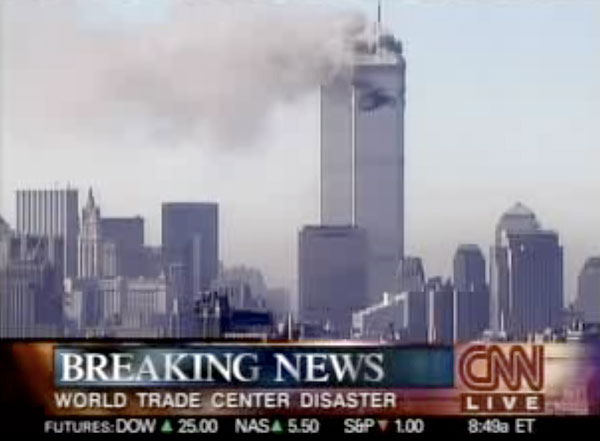
Journalism is the first rough draft of history. The reporters on duty that day were challenged to cover a breaking news event whose magnitude and historical context would become clearer only as the hours and days passed. CNN was the first to break the news live on the air, followed by the rest of the news pack. On the whole, journalists in all media rose to the enormous challenges of covering a scary, bewildering and earth-shattering story.

CNN Breaks the Big News at 8.49 am Eastern Standard Time on 9/11:

If anyone thought (like I did, for a few minutes) that it was a terrible accident, all doubts were removed when the second plane hit. By this time, all cameras were focused on the already burning first tower.

News networks cover the second plane crashing into the second tower LIVE on air at 9.03 am EST

And now, a decade later, media professionals and researchers are looking back at their own impressionistic, on-the-run coverage. Among the many attempts at retrospection, I’ve found two particularly interesting:

Understanding 9/11: A Television News Archive.
This collection contains television news programs recorded live from around September 11, 2001 by the non-profit Television Archive to help patrons research this important part of United States history. These materials were originally available on the televisionarchive.org site from October 2001 through 2003.


9/11 Gallery at Newseum in Washington DC: Chronicling an Attack on America

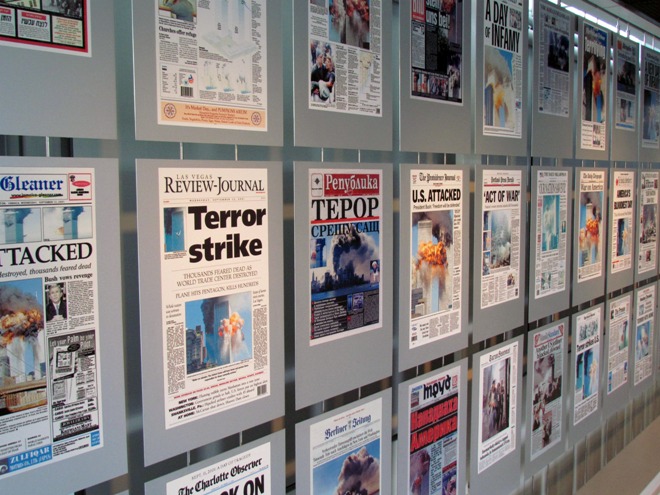
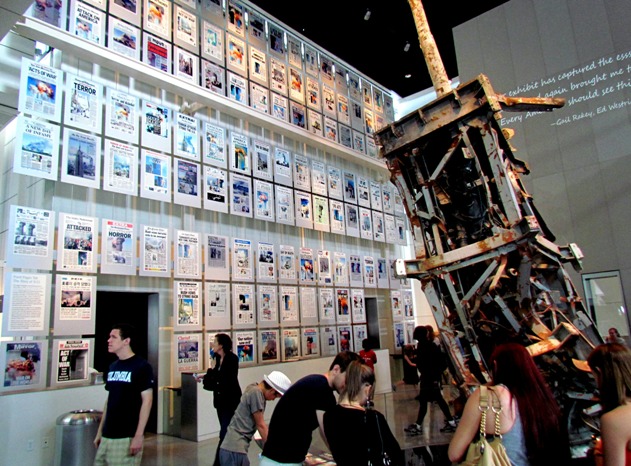
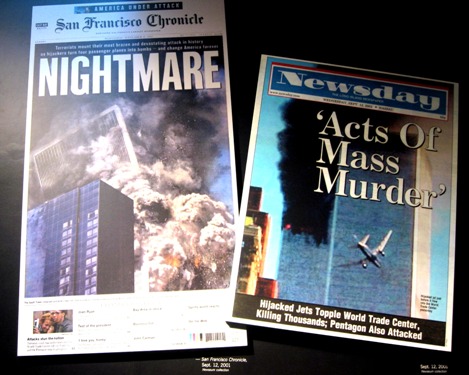
This gallery explores the horrendous events of Sept. 11, 2001, and the extraordinary challenges that faced the journalists trying to report the news to a shaken nation and world. The gallery includes a tribute to photojournalist William Biggart — a journalist who died covering the attacks — and some of the final photographs he took. Also featured are front pages from around the globe about the attacks and first-person accounts from reporters and photographers who covered the story.

9-11 Frontpages at Newseum, photo by Nalaka Gunawardene
Visitors to 9/11 Frontpages exhibit at Newseum in Washington DC, photo by Nalaka Gunawardene
Front pages of fear, fury and more...

‘Cheque-book development’: BBC World News editorial air time being sold to development agencies?

The BBC Trust – an independent body which safeguards the values of the publicly funded British Broadcasting Corporation – recently faulted the BBC Panorama series for faking child labour footage in India, apologised to the corporate house falsely implicated, and returned a prestigious TV award won by the 2008 programme concerned.

This was certainly a welcome move. But there is much more that the guardian of BBC values can and should investigate, among them the conduct of the BBC’s global TV broadcasting arm currently branded as BBC World News (earlier called BBC World TV). In this context, I want to draw attention to an op-ed essay I wrote in August 2007 that flagged an on-going practice where publicity-hungry development agencies were paying intermediaries who are apparently selling editorial coverage on BBC World. This is unethical and possibly illegal. I called it ‘Cheque-book development’.

The essay originally appeared in MediaChannel.org, an outspoken media-watch website produced from New York by the highly respected ‘News Dissector’ and media activist Danny Schechter. MediaChannel.org has since experienced funding difficulties and their online archive is currently not accessible. My op-ed also appeared, in full, at Asia Media Forum where it is still available.

Excerpts of the essay were featured in my blog post of 15 August 2007: ‘Cheque-book Development’: Paying public media to deliver development agency logos

I am reproducing the full text of my op-ed essay without any changes so it is more widely available. Despite expressions of dismay from fellow media watchers, there was no reaction of any kind from the BBC at the time. Let us hope the BBC Trust will now consider it worth looking into.

‘Cheque-book development’ corrupting the media?

By Nalaka Gunawardene (August 2007)

BLURB: In their ceaseless efforts to keep their organisations in the media spotlight, spin doctors of development agencies are distorting news values and corrupting the media, turning issue-based communication products into ‘logo delivery mechanisms’.

There is a new kind of ‘tout’ accosting development and humanitarian agency officials at international meetings.

These smart and well-heeled persons are not looking for a supply contract. In the age of spin, they are offering agencies ‘product placement’ – in the globalised news media.

“I can get your agency on BBC World,” is a common claim. In some quarters now, Al Jazeera International (AJI) is also being mentioned.

This is not an over-enthusiastic journalist looking for a scoop. These intermediaries are peddling the jealously-guarded access to highly visible news and current affairs TV channels.

Some are freelancers or stringers, while others are film production company executives. Their media access is hard earned: they all have track records of producing TV news features or documentaries to international broadcast standards.

There is only one problem: they are not supposed to sell this media access to the highest bidder.

But it happens more frequently than we suspect.

I have personally witnessed this kind of offer being made. Worryingly, the development community does not find anything ethically or morally wrong with this practice.

One possible reason: the competition among development and humanitarian organisations for public recognition has intensified in the past decade. Their communication officers are under tremendous pressure to raise the profile of their organisations -– and in some cases, of egotistic bosses.

So when a cash-for-media coverage opportunity comes along, it is too good to be missed.

The obvious question is hardly raised: how come access to a trusted news outlet is being marketed? Instead, many development professionals simply ask: how much?

The answer depends on how many precious seconds of air time, on which broadcast outlet and for what kind of story. But we are not talking about small change: some of these deals involve fifty or hundred thousand US dollars.

And those funds are drawn from the already tight communication budgets of development and humanitarian agencies.

At Asia Media Summit 2006 in Kuala Lumpur, the regional communication chief of a leading UN agency told me how she’d worked with such an ‘access peddler’ to get a post-tsunami story on BBC World TV. The few minutes of coverage almost drained her budget – but the agency management was highly pleased with their ‘few minutes of fame’.

I found that it was not a BBC staffer but a freelancer who was involved. Money had exchanged hands, though I didn’t find out how much, or on what kind of contractual arrangement it was done.

This is not an isolated incident. As development organisations compete more intensely for external funding, they are increasingly adopting desperate strategies to gain higher media visibility for their names, logos and bosses.

Communication officers in some leading development and humanitarian organisations have been reduced to publicists. When certain UN agency chiefs tour disaster or conflict zones, their spin doctors precede or follow them. Some top honchos now travel with their own ’embedded journalists’ – all at agency expense.

In this publicity frenzy, these agencies’ communication products are less and less on the issues they stand for or reforms they passionately advocate. Instead, the printed material, online offerings and video films have become ‘logo delivery mechanisms’.

The access peddlers know this weakness very well, and have turned it into a veritable cottage industry.

It’s not just the development sector’s vanity that fuels this process. Many 24/7 news channels are struggling to fill their hours inexpensively. Some turn a blind eye to ethical sourcing as long as they can have a steady supply of subsidised content.

Some media outlets are harder to penetrate than others. CNN International regulations prevent access peddling by its staff or intermediaries. The Public Broadcasting System (PBS) in the United States does not allow interviews with representatives of any entity sponsoring the production or broadcast of a programme.

Sadly, not every broadcaster is as careful.

This practice is wrong on two counts. One, allowing intermediaries to sell access to the airwaves is a form of corruption. Two, every time this happens, it siphons off tax-payer supported development funds intended for combating poverty and suffering in the majority world.

It is the reverse of cheque-book journalism, where some media organisations pay celebrity or other sources for exclusive access to their stories. When development agencies are paying sections of the media to get promotional or favourable stories aired, we must call it ‘cheque-book development’.

Some practitioners might argue that the end justifies the means. But beyond narcissism, the development benefit of logo-delivery media coverage is highly debatable.

Journalistic stories, whether on development, humanitarian or any other topic, must earn their place in the media on their intrinsic value. Despite greater corporatisation of the media, a good story can still stand up on its own.

Attaching cash to a development story seriously distorts those news values, making it harder for other development players to get rightful media coverage for their stories.

The origins of this unhealthy trend dates back to at least the 1970s, when the World Bank and some UN agencies started buying air time on public television networks to broadcast promotional films. Throwing money was a lot easier than working with producers to generate sustained coverage on issues of public interest. This spoilt the chances for others who were not willing or able to buy airtime but had public interest content to offer.

Paradoxically, the same development agencies take to the moral high ground on transparency and corruption in the global south. But as they broker more cash-for-media coverage deals behind the scenes, we are left gasping at the hypocrisy of it all.

Nalaka Gunawardene writes on media, development and society. The views in this essay are entirely his own. He can be reached on and he blogs at https://movingimages.wordpress.com

BBC Panorama, caught faking child labour footage, returns prestigious TV award

Primark: On the Rack
Two weeks after the BBC admitted that its journalists had partly faked child labour footage in India, the public broadcaster has returned a prestigious television award won by the controversial programme.

BBC had earlier won the Current Affairs Home Prize at the Royal Television Society awards for its show Primark: On The Rack, which was first broadcast on BBC 1 channel in June 2008.

In an internal investigation, the BBC Trust – an independent body which safeguards the values of the publicly funded corporation – found that it ‘more likely than not’ that certain footage in the Panorama programme was not authentic.

The implicated retailer, Primark, criticised the BBC for taking so long to find in its favour when evidence casting doubt on some of the video material has been in the corporation’s possession since before the documentary first aired in 2008.

BBC Panorama claims to be the world’s longest running investigative TV show, and has been on the air for more than 50 years. In that time, it has done some excellent exposures on matters of vital public interest.

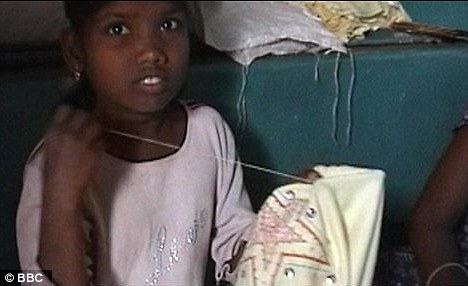
Yet hinting a decline in both editorial and ethical standards at the BBC, the reporting team was found to have taken liberties with certain visuals in this particular programme. It investigated Primark’s claims that it can deliver ‘cheap, fast fashion’ without breaking ethical guidelines, and included footage obtained in a Bangalore workshop of three boys carrying out an activity described in the programme as ‘testing the stitching’ on Primark garments.

According to the Daily Mail: “The BBC Trust’s Editorial Standards Committee examined evidence such as the unedited ‘rushes’ of the programme and emails to the production team from the freelance journalist Dan McDougall, who obtained the footage.”

BBC Trustee and Chair of the ESC Alison Hastings said after their investigations: “The BBC’s investigative journalism is rightly held in very high regard, and for more than fifty years Panorama has made a very significant contribution to that. But great investigative journalism must be based on the highest standards of accuracy, and this programme on Primark failed to meet those standards. While it’s important to recognise that the programme did find evidence elsewhere that Primark was contravening its own ethical guidelines, there were still serious failings in the making of the programme. The Trust would like to apologise on behalf of the BBC to Primark and to the audience at home for this rare lapse in quality.”

Read full report here.

Despite all these developments, the BBC Panorama official web page for this programme shows no indication of this turn of events. Accessed on at 01:30 GMT on 30 June 2011, the page says it was “last updated at 13:31 GMT, Wednesday, 18 June 2008 14:31 UK”. No apology, no correction, no link to the BBC Trust’s report.

The programme’s blurb still reads: “Panorama puts Primark’s claims that it can deliver cheap, fast fashion without breaking ethical guidelines to the test. Posing as industry buyers in India, the programme’s reporter Tom Heap and his team find some of India’s poorest people working long, gruelling hours on Primark clothes in slum workshops and refugee camps.”

So who puts the BBC Panorama to test? Are investigative journalists above the ethics of journalism because their work is hazardous, and is ultimately meant to be in the public interest?

Even Homer nods, and the best intended investigative journalists can – and do – make occasional mistakes. The important question is whether this was a bona fide error in judgement, or does it suggest a trend where the BBC’s investigative journalists and producers arrogantly believe that the end justifies the means?

Many documentaries rely on re-enactments for certain scenes, which are usually labelled as such. Does exposing child labour in supply chains give the license for do-gooding journalists to manipulate individuals and images to suit a preconceived notion of a corporation’s complicity? Could they not have resorted to other means – perhaps with less dramatic visuals, but more honest in their sourcing?

Does this rare admission of error on the part of the BBC also raise questions about the integrity of some other hard-hitting and controversial Panorama investigations over the years which have taken on some big-time targets such as the Vatican, the United Nations Peace Keepers or the CIA?

Hard questions indeed for the usually self-righteous Auntie Beeb.

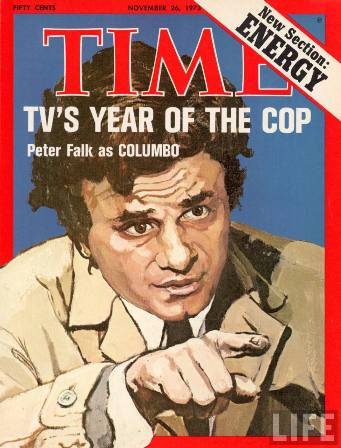
Peter Falk (1927-2011): Goodbye to Columbo from a fan in Colombo

Peter Falk (1927-2011)
Actor Peter Falk, who just died aged 83, was truly an icon of globalised popular culture. With no props besides his rumpled jacket and raspy voice, he held a whole generation spell-bound with intelligent television (and showed why the term need not be an oxymoron).

Columbo’s creators, Richard Levinson and William Link, modeled the character after the crazy-like-a-fox sleuth in the French classic “Les Diaboliques’’ (1955). But it was Peter Falk who brought the character alive and gave it a unique flavour.

It turns out that Falk didn’t originate the role of Lieutenant Columbo of the Los Angeles police. Bert Freed had first played Columbo in a 1960 teleplay. Falk wasn’t even the front-runner for the part when NBC wanted to revive the character in 1968 for a made-for-television movie, “Prescription: Murder.’’ The network had hoped to cast entertainer Bing Crosby for that program.

“An agent called and said that Crosby was scheduled to play golf and couldn’t turn it down to go over and talk’’ to the show’s creators, Falk told The Washington Post in 1990.

“He did love golf,’’ Mr. Falk said. “I play, too, but I went over and talked to them.’’

‘Just One More Thing’: Remembering Peter Falk, TV’s ‘Columbo’

Columbo could elicit an inadvertent confession from a suspect by prefacing his question with a seemingly harmless, “Just one more thing” – the phrase that became synonymous with his character and the title of the actor’s 2006 memoir.

Falk once described the character he played for 30 years in these words: “He’s unique — if he were up for auction, he would be described as ‘one of a kind, a human with the brain of Sherlock Holmes who dresses like the homeless.’ ’’

Arthur C Clarke once complained, good-naturedly, that Falk was the reason why most Americans couldn’t correctly spell the capital of Sri Lanka. (I have my own theories on geographically challenged Americans, but those can wait.)

Growing up in suburban Colombo in the 1980s, when we had just two (state-owned) TV channels and limited international fare, Columbo gave me hours of stimulating, enriching entertainment. So this is one ardent fan saying Thank You and Goodbye from…Colombo.

Taya Diaz: Amiable tour guide to a (biological) Treasure Island

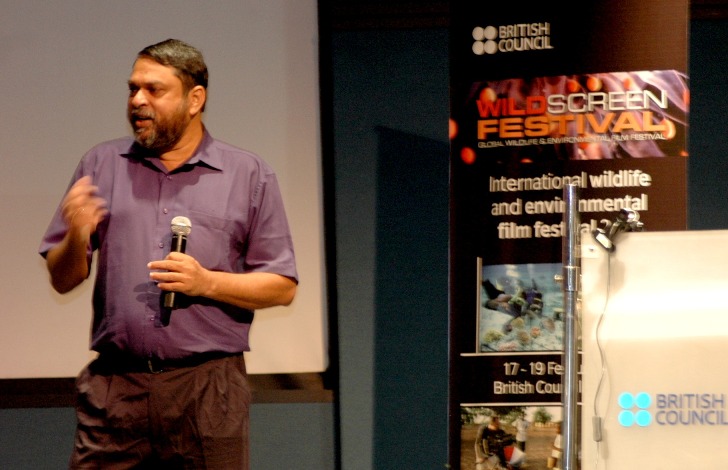
Taya Diaz conducts film making master class during Wildscreen 2011 in Colombo

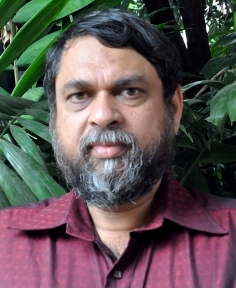
“Taya Diaz has the shortest name in Sri Lanka but is a big man with a personality to match and a bushy black beard. Apart from being an excellent guide with good knowledge of all aspects of Sri Lankan Wildlife, he’s also a writer and film maker and is excellent company.”

That’s how a bird-watching website once described Taya Diaz, Sri Lankan conservationist turned wildlife film maker.

During the past two decades, Taya has collaborated in making over 20 full-length international wildlife documentaries, all showcasing Sri Lanka’s rich biological diversity and ecosystems. He has been a scientific investigator, presenter, narrator or Sinhalese scriptwriter.

One of his earliest involvements in international film making was with The Temple Troop. Made in 1997, for the BBC and Discovery Channel, it documented a year in the life of a troop of monkeys living in Sri Lanka’s ancient city of Polonnaruwa. These monkeys have been the subject of a long-running study by the Smithsonian Institution’s Primate Biology Program.

Trained as a scientist, Taya has worked in a number of field based conservation projects including the Smithsonian study of monkeys. But it’s as a wildlife and natural history that he now makes a name both in Sri Lanka and overseas.

The Urban Elephant (2000, for PBS/National Geographic), and The Last Tusker (2000, for BBC/Discovery) are two other productions that used Taya’s ground knowledge and scientific expertise. He has provided local liaison for broadcasters such as New Zealand TV, Canal+, Discovery channel, and BBC1.

Taya Diaz: Enough stories to last a lifetime!
For all these reasons, Taya was a natural choice when TVE Asia Pacific was asked to recommend a Sri Lankan film maker to present a master class when the Wildscreen traveling film festival held in Colombo from 17 to 19 February 2011. His master class, titled “Untold Stories of Sri Lanka”, looked at Sri Lanka’s as yet largely untapped potential for authentic, factual stories related to wildlife, natural history and the environment.

He explained the premise for his master class: “Sri Lanka is a pot of plenty in every aspect — the opportunities for a documentary filmmaker are astounding. But sadly, what most audiences see on the airwaves is very standard and boringly similar, touching on the same topics year in and year out.”

Taya feels that documentary films and TV programmes are also essential for educating Sri Lankans about their own natural heritage. Sri Lanka has an impressively high number of plant and animal species for its relatively small land area — which makes it one of the most biologically diverse countries in the world.

“Sri Lankan naturalists, wildlife experts and environmentalists should collaborate more closely with film makers and/or broadcasters to make more local films aimed at local audiences,” he said during a panel discussion I moderated on February 17. “This is essential for raising awareness on environment and sustainable development issues as Sri Lanka pursues rapid economic development after the war.”

Read TVEAP News story on Taya’s master class: Story telling through the local eyes vital, says Taya Diaz