සිවුමංසල කොලූගැටයා #111: ලේ හා කදුඵ වලින් ඔබ්බට මාර්ග අනතුරු ගැන සිතමු!

I draw from the Global Status Report on Road Safety 2013, released by WHO in mid March 2013, for this week’s Ravaya column (in Sinhala). I discuss how the attitudes of Lankan road users — pedestrians, cyclists and motorists — contribute to road traffic accidents.

The challenge of reducing Sri Lanka’s alarmingly high rate of road accidents needs technocratic, sociological and attitudinal responses. This isn’t simply a law and order issue, or one that can be fixed by traffic engineering.
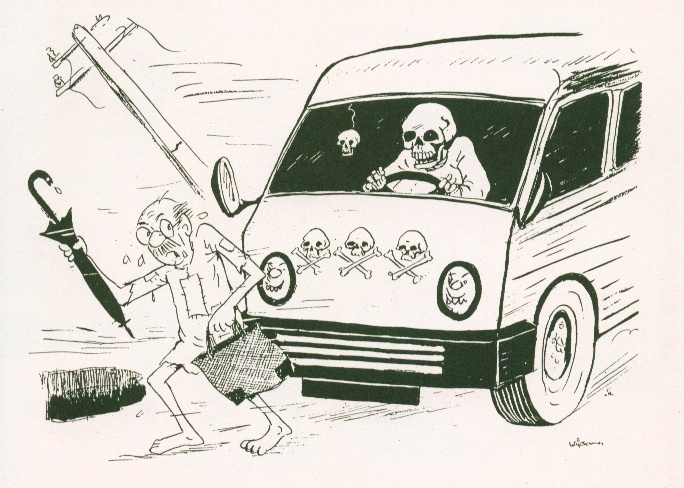
Cartoon by W R Wijesoma, first published on 14 February 1994

සංකීර්ණ වූ අද සමාජයේ ප්‍රශ්න ඕනෑවට වඩා සරල හා ලිහිල් විග්‍රහ කිරීම අවදානම් සහගතයි. දිගින් දිගට ම ඉහළ නගින මාර්ග අනතුරු ගැන ඇතැම් දෙනා කියන්නේ වාහන සංඛ්‍යාව සීමා කිරීමෙන්, රියදුරන්ට දැඩි දඬුවම් දීමෙන් හා නීතිය තදින් ක්‍රියාත්මක කිරීමෙන් එය පාලනය කර ගත හැකි බවයි.

මේ ක්‍රියාමාර්ග අවශ්‍ය වූවත් සෑහෙන්නේ නැහැ. මාර්ග අනතුරු සිදු වන්නේ හුදෙක් වාහන සංඛ්‍යාව වැඩිවීම නිසා ම නොවෙයි. අපට වඩා වාහන මෙන් ම ජන ඝනත්වය වැඩි රටවල් අනතුරු අවම කර ගෙන තිබෙනවා.

යල් පැනගිය රොමෑන්ටික් මතවාදවලට වඩා අද අවශ්‍ය වන්නේ පර්යේෂණාත්මක තොරතුරු හා විග්‍රහයන් මත පදනම් වී, ආවේගශීලී නොවී තුලනාත්මකව මේ බිහිසුණූ සමාජ ප්‍රශ්නය ක්‍රමානුකූලව විසදීමයි. අනතුරක් සිදු වූ තැන ලේ හා කදුඵ හරහා කරන මතුපිට වාර්තාකරණයෙන් ඔබ්බට සිතා බැලීමේ ලොකු වගකීමක් මාධ්‍යවලටත් තිබෙනවා.

මාර්ග අනතුරු හුදෙක් නීතිමය හා වෛද්‍යමය ප්‍රශ්නයකට වඩා මහා සංවර්ධන අභියෝගයක් බවට පත්ව ඇති බව ලෝක සෞඛ්‍ය සංවිධානය WHO මෙන් ම ලෝක බැංකුවත් කියනවා. මාර්ග අනතුරුවලින් රටක දළ දේශීය නිෂ්පාදිතය සියයට 2ක් පමණ අපතේ යන බව ආර්ථීක විද්‍යාඥයන්ගේ පිළිගැනීමයි.

මාර්ග අනතුරු පිළිබඳ ලෝක තත්ත්ව වාර්තාවක් (Global Status Report on Road Safety 2013) දෙවන වරටත් WHO සම්පාදනය කොට තිබෙනවා. මේ එක්සත් ජාතීන්ගේ විශෙෂිත ආයතනයේ සාමාජික රටවල් 182ක් ලබාදුන් දේශීය දත්ත හා අධ්‍යයනයන් සම්පිණ්ඩනය කරමින් නිමැවුණූ සංසන්දනාත්මක වාර්තාවක්. 2010 අග දක්වා ලැබුණු දත්ත එයට ඇතුළත්. http://tiny.cc/RSR13

මේ වාර්තාවට අනුව ලොව පුරා මාර්ග අනතුරු නිසා වසරකට මිලියන් 1.24ක් (දොලොස් ලක්ෂ හතලිස් දහසක්) දෙනා එතැන ම හෝ අනතුරෙන් දින 30ක් ඇතුළත මිය යනවා. මෙහි සාමාන්‍ය අගය දිනකට 3,400ක්. ශී‍්‍ර ලංකාවේ දිනකට 6 – 7 දෙනකු මාර්ග අනතුරුවලින් මිය යාම ද මෙයට දායක වනවා.

මිය යන සංඛ්‍යාවට වඩා අති විශාල සංඛ්‍යාවක් තුවාල ලබා තාවකාලිකව හෝ සදහට ම හෝ ආබාධිත වනවා. මේ සංඛ්‍යාව ගැන නිශ්චිත සංඛ්‍යා ලේඛන සොයා ගැනීම අපහසු නමුත් එය ලොව පුරා මිලියන් 20 – 50 අතර වෙතැයි අනුමාන කැරෙනවා. ඒ හරහා පවුල්වලට හා රටේ ආර්ථීකයට සිදුවන ඵලදායීතාවයේ පාඩුව අති මහත්.

මාර්ග අනතුරු යනු සංකීර්ණ සාධක රැසක් ඒකරාශි වීමේ ප්‍රතිඵලයක්. එයට වාහනවල තත්ත්වය, රියදුරන්ගේ ශාරීරික හා මානසික සෞඛ්‍යය, මහාමාර්ගවල තත්ත්වය මෙන් ම පදිකයන්ගේ හැසිරීම ද දායක වනවා. අනතුරුවලදී බොහෝ විට පදිකයන් හා පාපැදිකරුවන් වැඩි හානියට පත් වූවත් ඔවුන් මුඟමනින් ම නිර්දෝෂී වන්නේ ද නැහැ.
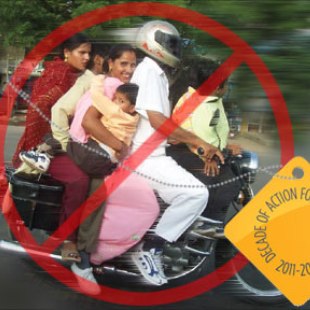
Roadsafetyමාර්ග අනතුරුවලට බලපාන ප‍්‍රධාන හානිකර සාධක පහක් හදුනාගෙන තිබෙනවා. මෝටර් බයිසිකල් ධාවකයන් හා මගීන් හෙල්මට් නොපැළදීම, වාහන රියදුරන් හා මගීන් ආසන පටි නොපැළදීම, අධී වේගයෙන් ධාවනය, බීමත්කමින් ධාවනය හා කුඩා දරුවන් නිසි ලෙස වාහන තුළ ගෙන නොයාම මේ සාධකයි.

ගිය වසරේ ‘ඔබේ දරුවා අනතුරුවලින් රැක ගන්න’ නම් පොත ලියූ, අනතුරු වැළැක්වීම ගැන ජීවිත කාලය පුරා කැප වී වැඩ කරන විශේෂඥ ශෛල්‍ය වෛද්‍ය විජය ගොඩකුඹුර, මෙරට මාර්ග අනතුරු සංඛ්‍යා ලේඛන හා රෝහල් අත්දැකීම් දිගු කලක් අධ්‍යයනය කරනවා. ඔහු කියන්නේ බීමතින් රිය පැදවීම මාර්ග ආරක්‍ෂාවට ප‍්‍රබල තර්ජනයක් බව සැබෑ වුවත්, තවත් සාධක ගණනාවක් ද තිබෙන බවයි.

ඔහු කියන හැටියට, අධික ලෙස විඩාපත් වී රිය පැදවීම හා නිදිමත නිසා ද සැළකිය යුතු අනතුරු සංඛ්‍යාවක් සිදු වනවා. එහෙත් අනතුරක් සිදු වූ වහා කම්පනය නිසා නිදිමත පහ වී යන බැවින් එය තහවුරු කරන්නට අමාරුයි. (එසේ ම නිදිබර වූ බව පිළිගන්නවා වෙනුවට බොහෝ රියදුරන් කියන්නේ පාරට බල්ලකු හෝ පුසකු පැන්නා වැනි කථාවක්.)

හොඳ අවධියෙන් සිටින රියදුරන් අනතුරුදායක අවස්ථාවල අනිච්ජානුගව (involuntarily) ගන්නා ප‍්‍රතික‍්‍රියා නිසා මාර්ග අනතුරු වළක්වා ගන්නා නමුත් විඩාපත් හා නිදිමත ගතිය සහිත රියදුරන්ට එසේ කරන්නට බැරි බව වෛද්‍ය ගොඩකුඹුර කියනවා.

විඩාව හුදෙක් ශාරීරික පමණක් නොව මානසිකව ද තිබිය හැකියි (පැය ගණනක් මනස වෙහෙසා එක දිගට පොත්පත්වල හෝ පරිගණකයක වැඩ කළ අයට). ගෙවී ගිය පැය 24 තුළ පැය 5කට වඩා අඩු නින්දක් ලද විටකදී හා අලූයම 2 හා 5 අතර කාලයේ වාහන පැදවීමෙන් වැළකුණොත් අනතුරු 19% අඩු කර ගත හැකි බව නවසීලන්ත පර්යේෂණයකදී හෙළි වී තිබෙනවා.

දියුණු වන ලෝකයේ මාර්ග අනතුරු ප‍්‍රවණතා ගැන ලිපියක් මීට වසර කිහිපයකට පෙර බි‍්‍රතාන්‍යයේ New Scientist විද්‍යා සඟරාවේ පළ වුණා. එය අරඹා තිබුණේ ‘In many Third World countries, it is better to be late than never’ කියායි. එනම් බොහෝ දියුණුවන රටවල ගමනක් යන විට ප‍්‍රමාද වී හෝ ප‍්‍රවේශමින් යාම ඇඟට වඩා ගුණ බවයි.

ඇත්තටම නොනිසි හා අසීමිත කලබලයෙන් රිය පදවන්නෝ අන් අයට වඩා කාලය ඉතිරි කර ගන්නවා ද?

මා රිය පදවන්නේ සෙමින් හා පරීක්‍ෂාකාරීව. මෙය මගේ ඇතැම් මිතුරන්ගේ අවඥාවට හා සරදමට ලක්වනවා. මගේ ජීවිත කාලයෙන් වැඩි කොටසක් පාරේ ගත කිරීමට සිදු වන බවට ඔවුන් අනතුරු අඟවනවා. මෙය අතිශයෝක්තියක් මිස ඇත්තක් නොවේ.

මෙය පර්යේෂණාත්මක මට්ටමින් සසදා ඇත්දැයි මා දන්නේ නැහැ. එක් පෞද්ගලික අත්දැකීමක් මට තිබෙනවා. කොළඹ සිට මහනුවරට ඇති කිමී 115 දුර යන්නට අවම වශයෙන් පැය තුනක් ගත වනවා. එය ජාත්‍යන්තර මට්ටමින් නම් මන්දගාමී වේගයක්.

මේ ගැන නිතර මැසිවිලි නඟන මගේ නොඉවසිලිමත් මිතුරකුත්, මාත් මීට කලකට පෙර එක ම මොහොතේ වාහන දෙකක මේ ගමනට පිටත් වුණා. අතරමඟ නොනවතා දිගට ම ගමන් කළා.

නලාව (හෝන් එක) නාද කරමින්, අන් අයට සාප කරමින්, වාහන ඉස්සර කරමින් අනෙකවිධ අවදානම් ගනිමින් මගේ මිතුරා රිය පදවන සැටි මා දන්නවා. මගේ සුපුරුදු වේගයෙන් මා මහනුවරට ළඟ වන විට ඔහු එහි ගොස් විනාඩි 10ක් පමණ ගත වෙලා. ඒ තත්පර 600ක වාසියට ඔහු කොතරම් අන්තරායකාරී වුවා ද?

‘ඔබේ රටේ රියදුරන් වාහන එලවන්නේ ඇක්සලරේටරයෙන් ද නැති නම් නලාවෙන්ද?’ කොළඹ හා තදාසන්න ප‍්‍රදේශවල මාත් සමඟ දින කිහිපයක් මෝටර් රථයකින් ගමන් කළ යුරෝපීය මිතුරෙක් විමතියෙන් මෙන් මගෙන් ඇසුවා. එයට හේතුව අපේ බොහෝ රියදුරන් නිතර නිතර නොඉවසිල්ලෙන් නලාව ගැසීමයි.

රතු එළියට නතර වූ වාහන පේලියක් තැඹිලි එළිය දිස්වත් ම අඩු තරමින් එක් රියදුරෙක්වක් නලාව ගසනවා. පදිකයන්ට පාර හරහා යන්නට අයිතිය ඇති කහ ඉරක් අබියස නතර කළත් පිටුපසින් සිටින සමහර රියදුරන්ට ඉවසිල්ලක් නැහැ. එපමණක් නොවෙයි, වාහන තදබදය ඉතා හොදින් පෙනෙන්නට තිබියදීත් – යන්නට කිසිදු ඉඩක් නැති විටදීත් – සමහරුන් ඔහේ නලාව ගසනවා!

ඇත්තට ම වාහනයකට නලාවක් සවිකර ඇත්තේ හදිසි අවස්ථාවක නාද කිරීමට පමණයි. විනයානුකූලව රථ පදවන ජපානය, සිංගප්පුරුව හා නවසීලන්තය වැනි රටක මහ මගෙහි නලා නාදය ඇසෙන්නේ ඉඳහිටයි. මෙය ඉතා කුඩා දර්ශකයක් වුවත් අපේ රියදුරන්ගේ ආකල්ප හා හැසිරීමේ තිබෙන අඩුපාඩු එයින් පෙන්නුම් කැරෙනවා.
Decade of Action for Road Safetyමා දන්නා ඉතා අපරීක්‍ෂාකාරී හා අන්තරාදායක රියදුරන් අතර පොතේ උගතුන් හා වෘත්තිකයන් ද සිටිනවා. ඔවුන් සමහරුන් දියුණු රටවල රිය පදවන විට මුඵමනින් නීතිගරුක හා ආචාරශීලි වන නමුත් සිය රටේදී ඒ සංයමය කි‍්‍රයාත්මක කරන්නේ නැහැ. මේ ඇයි?

මේ සමහරුන් අපේ රටේදී ආසන පටි පැළඳගෙන රියපදවන්නට කැමති නැහැ. (එය ඇඟට අපහසුවක් යයි සළකන නිසා). තවත් සමහරුන් රිය පදවමින් ජංගම දුරකථනය භාවිත කරන්නේ රථ වාහන පොලීසිය සමඟ හැංගිමුත්තන් කෙළිමින්….

මෙහි ආන්තික උදාහරණයක් නම් වෛද්‍යවරියක් වන මගේ මිතුරියක් දෙහැවිරිදි සිය දරුවා ද රථයේ නංවා ගෙන නිතිපතා හා සිත් සේ ජංගම දුරකථනයෙන් කථා කරමින් රිය පැදවීමයි. Hands-free උපාංගයක් පවා ඇය යොදා ගන්නේ නැහැ. ඇමතුමක් අතරමඟ පොලිස් නිලධාරියකු දුටුවොත් ඇය මඳකට කථාව නතර කරනවා. පොලිස් ඇසට පෙනෙන මානය පසු වූ විට නැවත දුරකථනය අතට ගන්නවා. තමා කිසි දිනෙක නීතියට හසු වී නැති බව ඇය ආඩම්බරයෙන් කියනවා.

අපේ බොහෝ රියදුරන් මේ තරම් නොඉවසිලිමත් ඇයි? බස් රියදුරන් දෛනික ආදායම් ඉලක්කයක් හඹා යන බව අප දන්නවා. එක ම මාර්ගයේ ධාවනය වන බස් රථ තරගයට අධිවේගීව ගමන් කරමින් සියඵදෙනාට අන්තරාවක් ඇති කරන සැටි අප දකිනවා.

එහෙත් ඉවසීමක් නැතිව රිය පදවන්නේ ඔවුන් පමණක් නොවේ. තදබදය පවතින නාගරික මාර්ගවල ලොකු කුඩා වාහන පදවන බොහෝ දෙනකුට නොසන්සිදුණු ආසාවක් තිබෙනවා. අන් හැමදෙනා ම පසුකර තමන් පමණක් කෙසේ හෝ ඉදිරියට යන්න. එහිදී මාර්ග නීති කඩ කිරීම හා ආචාරශීලි නොවී දැඩි ආක‍්‍රමණශීලි ලෙස රිය පැදවීම නිතර සිදුවනවා.

මේ ගැන මෙනෙහි කරන හෝ පර්යේෂණ කරන අය කියන්නේ නිසි ලෙස රියදුරු පුහුණුව නොලැබීම, අධ්‍යාපනයේ දුර්වලකම් හා නීතිය කි‍්‍රයාත්මක වීමේ අඩුපාඩු මීට දායක වන බවයි. එහෙත් මේ සාධක ඉක්මවා යන ආකල්පමය, සමාජයීය හා මානසික හේතූන් ද තිබෙන බව පෙනෙනවා.

කලා ක්‍ෂෙත‍්‍රයෙන් වෙළඳපොල සාර්ථකත්වය ලැබු මගේ මිතුරෙක් රිය පදවන්නේ හැකි සෑම විට ම මහපාරේ රේස් දිවීමේ අරමුණින්. පාරේ කිසිවකුට තමා පසු කර යාමට ඉඩ නොදෙන බවත්, තමා රිය පදවන්නේ ‘පිරිමිකමට සරිලන ලෙසින්’ බවටත් ඔහු උදම් අනනවා. කලාකරුවකු ලෙස මානව හිතවාදය, අවිහිංසාව හා අනුකම්පාව ගැන පෙනී සිටින මේ දෙබිඞ්ඩා, මහ පාරේ රිය පදවන විට ඒ උතුම් ගුණාංග කිසිවක් ප‍්‍රගුණ කරන්නේ නැහැ!

හීනමානය හා වෙනත් පෞරුෂත්ව දුර්වලකම් ඇති අය අතට අධිබලැති වාහන ලැබුණු විට සිදු වන දෙය අප දිනපතා මහමඟ දකිනවා. මේ මානසික තත්ත්වයන්ට හුදෙක් අධ්‍යාපනයෙන් හෝ නිතී මගින් හෝ පමණක් පිළියම් කළ හැකි ද?

මාර්ග අනතුරු ගැන රාජ්‍ය හා ජන අවධානය වැඩි කරන්නට මාර්ග ආරක්ෂාව පිළිබඳ ක‍්‍රියාකාරී දශකයක් (2011-2020) WHO ප‍්‍රමුඛ කරගත් එක්සත් ජාතීන් විසින් ප‍්‍රකාශයට පත් කොට තිබෙනවා. Decade of Action for Road Safety, 2011-2020.

මාර්ග අනතුරු මුළුමනින් නැති කරන්නට අමාරුයි. එහෙත් නිසි සැළසුම්, විනය හා නීති හරහා එය අවම කර ගත හැකියි.

සිවුමංසල කොලූගැටයා #105: මහ මග දිවි සුරකින ඉන්දියානු ව්‍යාපාරිකයා

සිවුමංසල කොලූගැටයා #110: ජාතියේ ව්‍යාධියට ප්‍රතිකාර කරන අපූරු ජීවකයා: කාලෝ ෆොන්සේකා

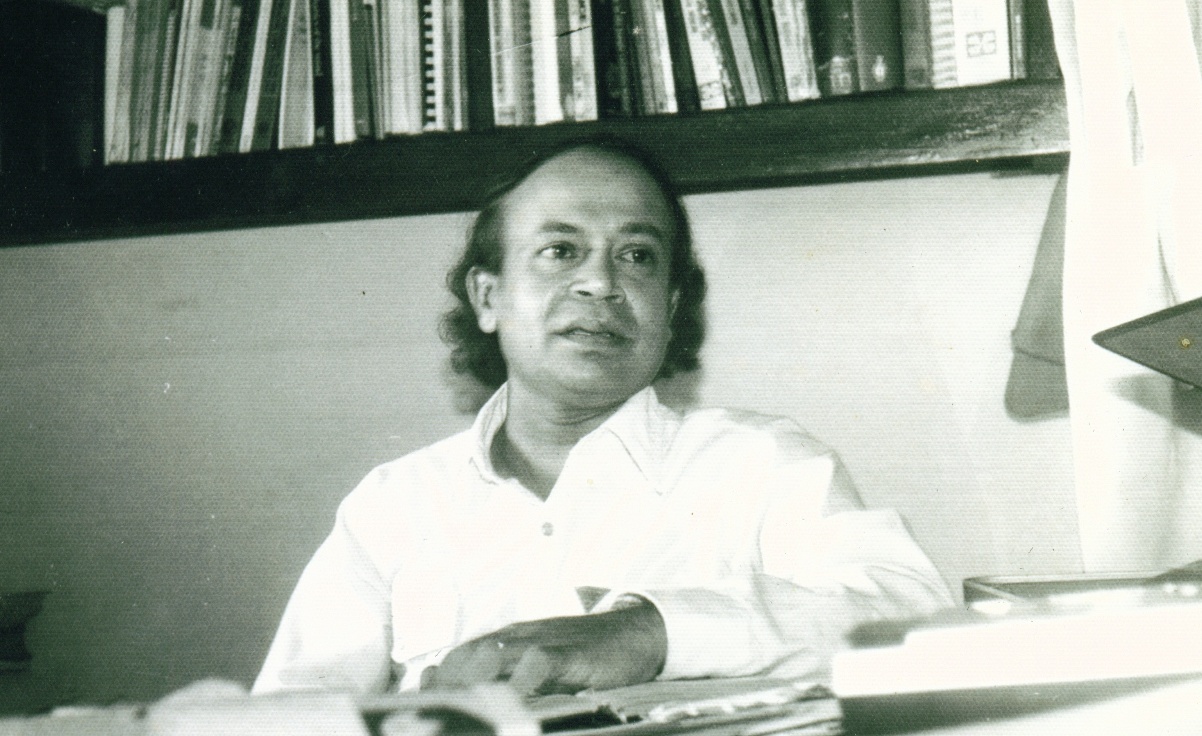
In this week’s Ravaya Sunday newspaper column (in Sinhala), I’ve written a tribute to Dr Carlo Fonseka, Emeritus Professor of Physiology at the University of Colombo, rationalist and public intellectual, who turned 80 earlier this month.

I’m still working on an English tribute. For now, I’ve covered some of this ground in an English op-ed written in January 2012: Can Rationalists Awaken the Sleep-walking Lankan Nation?

Carlo Fonseka in 1985, photo by Sunny Nawagattegama.

මා බෙහෙවින් ගරු කරන හා අගය කරන මහාචාර්ය කාලෝ ෆොන්සේකා සූරීන් 2013 මාර්තු 4 වනදා 80 විය සම්පූර්ණ කළා.

කාලෝ ෆොන්සේකා යනු විචිත්‍ර වූත්, බහුවිධ පැතිකඩවලින් සැදුම් ලද්දා වූත් අපූරු චරිතයක්. ඔහු වෛද්‍යවරයකු හැටියට පරම්පරා දෙක තුනක ලාංකික වෛද්‍යවරුන්ට උගන්වා, පුහුණු කර තිබෙනවා. කලා රසිකයකු හා ගීත රචකයකු හැටියට ඔහුගේ සෞන්දර්යාත්මක දායකත්වයෙන් ඔහු විද්‍යා-කලා ප්‍රවාහයන් දෙකෙහි ම සිය නිපුනත්වය මනාව පෙන්නුම් කරනවා. වාමාංශික දේශපාලන චින්තනයක් මත පදනම් වී ඔහු සමාජ සාධාරණත්වය හා ප්‍රතිපත්ති ගරුක දේශපාලන සම්ප්‍රදායක් සඳහා ලංකා සමසමාජ පක්ෂයේ ක්‍රියාකාරී භූමිකාවක් රඟ පෑවා.

මෙකී නොකී නොයෙකුත් කෝණවලින් කාලෝගේ සමාජ මෙහෙවර ඇගැයීමට ලක් කළ හැකියි. අද මා තැත් කරන්නේ පොදු උන්නතියට කැප වුණු බුද්ධිමතකු (Public Intellectual) හා අදීන හේතුවාදී චින්තකයකු ලෙස ඔහුගේ අඩසියවසකට වැඩි කාලයක උඩුගම් බලා පිහිනීම ගැන මෙනෙහි කරන්නයි.

කාලෝ ෆොන්සේකා යන නාමය මා මුල් වරට ඇසුවේ 1970 දශකය මුලදී ලාබාල පාසල් සිසුවකු ලෙස. ගිනි පෑගීමේ වෛද්‍ය විද්‍යාත්මක සැබෑ තත්ත්වය ගවේෂණාත්මකව හෙළි කරමින්, ඒ සඳහා කිසිදු ගුප්ත බලවේගයක පිහිට අවශ්‍ය නැති බව ප්‍රායෝගිකව පෙන්වීම නිසා ඒ වන විට කාලෝ ලක් සමාජයේ ප්‍රකට හා ආන්දෝලනාත්මක චරිතයක් වී සිටියා. ආචාර්ය ඒබ්‍රහම් ටී. කොවූර් 1960දී ඇරැඹූ හේතුවාදීන්ගේ සංගමය හරහා හැම දෙයක් ගැන ම විචාරශීලීව සීතීමේ හා විවෘතව විවාද කිරීමේ සමාජ සංගායනාවක පෙරගමන්කරුවකු බවට මේ තරුණ වෛද්‍ය කතිකාචාර්යවරයා පත් වුණා.

රේඩියෝවෙන් ඔහු අසා සිටි මා මුල් වරට කාලෝට සජීව ලෙසින් සවන් දුන්නේ 1980 දශකයේදී. හරියට ම තැන හා වසර දැන් මතක නැති වුවත් ‘විද්‍යාත්මක චින්තනය’ ගැන දේශනයේ හරය මට අද මෙන් මතකයි.

කාලෝ කෙතරම් ආකර්ශනීය කතිකයෙක් ද යන්න විවාද හා සාහිත්‍ය සංගම් කටයුතුවල නියැලි පාසල් සිසුවකු වූ මා ඉක්මනින් තේරුම් ගත්තා. එදා මෙදා තුර විවිධ අවස්ථාවල කාලෝට සවන්දීමෙන් මෙය තවත් තහවුරු වී තිබෙනවා.

කාලෝ පාසල්, සරසවි, විද්වත්, කලාකරු මෙන් ම දේශපාලන වේදිකාවලත් තැනට උචිත ලෙසින් කථා කිරීමේ අති සමතෙක්. තැනේ සහ වෙලාවේ හැටියට හරබර යමක් සන්සුන්ව, උපහාසාත්මකව හා මනා අංගචලනයන්ගෙන් පරිපූර්ණව කථා කරන ඔහු, කිසි දිනෙක ද්වේෂ සහගතව හෝ අපහාසාත්මකව හැසිරෙනු මා දැක නැහැ. එබන්දක් ගැන ආරංචියක් හෝ නැහැ.

කාලෝ ඉතා හැඟීම්බරව කථා කළ අවස්ථා ද තිබෙනවා. මා දන්නා උදාහරණය විජය කුමාරතුංගයන්ගේ 1988 අවමගුලේ දී ඔහු කළ (රූපවාහිනී හරහා රට ම දුටු) කථාවයි. ජුලියස් සීසර්ගේ අවමගුලේ දී මාක් ඇන්ටනී කළ කථාවට සමාන වූ ඒ කථාව කාලෝගේ ජීවිතයේ එක් සන්ධිස්ථානයක් වූවා…

කාලෝ කථාවට මෙන් ම විවාදයටත් සමතෙක්. ප‍්‍රතිමල්ලවයන් කියන දේ සාවධානව අසා සිට, සියුම් හා තර්කානුකූල (එහෙත් සැම විට ම ආචාරශීලී) ලෙසින් ප‍්‍රතිචාර දක්වන්නෙක්. සමහර වෙලාවට යමකු විනාඩි ගණනක් ගරු ගාම්භීරව ගොඩ නගන තර්ක, කාලෝ තත්පර ගණනකින් උපහාසාත්මකව බිඳ හෙළනවා!

දුර සිට ඔහු අගය කළ මා කාලෝ හදුනා ගත්තේ මගේ විද්‍යා ගුරුවර අසංග අබේසුන්දර සූරීන් හරහා. 1980 දශකයෙදී අබේසුන්දරයන් පළ කළ ‘මානව’ ප‍්‍රගතිශීලි විද්‍යා සඟරාවේ පාඨක ප‍්‍රශ්නවලට කාලෝ නිතිපතා පිළිතුරු දුන්නා. මේ පිළිතුරු වාර්තා කර ගන්නට අප කිහිප විටක් කාලෝ හමු වන්නට ගියා. මානව ජෛව විද්‍යාව, පරිනාමය, හේතුවාදය, ගුප්ත සංකල්පවල විද්‍යාත්මක පැත්ත ආදී බහුවිධ මාතෘකා ගැන දැනුම නිරවුල් ව හා අදීනව පළ කිරීමේ ඔහුගේ සහජ හැකියාව මා හරිහැටි දැන ගත්තේ ඒ කාලයේයි.

ඒ හැදුනුම්කම ඔස්සේ පසු කලෙක මාධ්‍යවේදියකු හා විද්‍යා ලේඛකයකු ලෙස මා විවිධ අවස්ථාවල කාලෝ මුණ ගැසී, සම්මුඛ සාකච්ජා පවත්වා තිබෙනවා. අප දෙදෙනා එක ම විද්වත් වේදිකාවේ කථා කොට තිබෙනවා. කාලෝ සැබෑ බුද්ධිමතකු වුවත් උගත්කමේ මාන්නයෙන් හා උද්දච්චකමින් හිස පුම්බා නොගත් ඉතා නිහතමානී චරිතයක්.

මතකයේ රැදුණු එක් අවස්ථාවක් නම් 1986දී සුප‍්‍රකට හැලීගේ වල්ගාතරුව නැවත දිස් වූ විට කල්පනා සඟරාවට මා ලියූ විස්තරාත්මක කවරයේ කථාවට ඔහු දැක්වූ අදහස්. වල්ගාතරුව නිසා ලෝකයේ යුධ ගැටුම් උත්සන්න විය හැකි යයි ද, පුද්ගලයන්ට හා සමාජයට අසුබ කාලයක් උදා වන්නේ යයි ද ජ්‍යොතිෂවේදීන් කර තිබූ අනතුරු ඇඟවීම් ගැන විද්‍යාත්මක විග‍්‍රහයක් කරන මෙන් කාලෝගෙන් මා ඉල්ලා සිටියා.

යුද්ධ ගැන ඔහු කීවේ මෙයයි. “1968දී විල් හා ඒරියල් ඩුරාන්ට් කියන ඉතිහාසඥ යුවල වෙඵම් 10කින් සමන්විත, ඉතිහාසය පිළිබඳ විශාල කෘතියක් ප‍්‍රකාශයට පත් කළා. මේ කෘතියේ ඔවුන් කියනවා ඒ වන විට (1968) මිනිසාට අවුරුදු 3,421ක් ඈත අතීතයට දිව යන ලිඛිත ඉතිහාසයක් තිබෙන බවත්, ඒ මුඵ කාලය මුඵල්ලේ ම සංග‍්‍රාම හෝ යුද්ධ නොතිබුණේ අවුරුදු 268ක පමණක් බවත්. ඉතින් යුද්ධ තිබුණු, යුද්ධ පටන්ගත් හැමදාමත් අහසේ වල්ගාතරු පෑවුවා ද? වල්ගාතරු හා සංග‍්‍රාම අතර සම්බන්ධයක් තිබෙතැයි අපට පිළිගන්නට බෑ.”

ඉතිහාසය, දර්ශනවාදය ආදී ක්‍ෂෙත‍්‍රයන්හි කාලෝගේ අවබෝධය කෙතරම් පුඵල් ද යන්නට ඉඟියක් මේ පිළිතුරුවලින් අපට ලැබෙනවා. ඔහු බොහෝ විට කථා කරන්නේ සාක්ෂි හා මූලාශ්‍ර උපුටා දක්වමින්.

ජ්‍යොතිෂය ගැන කථා කිරීම පවා කාලය නාස්ති කිරීමකැයි තාරකා විද්‍යාඥයන් බහුතරයක් කියන පසුබිම තුළ කාලෝ ජ්‍යොතිෂවේදීන්ට ආරාධනා කරන්නේ තමන්ගේ ක‍්‍රමවේදය පහදා දෙන ලෙසටයි.

1986දී කල්පනා සඟරාවට ඔහු කී පරිදි: “මුල් යුගයේ තාරකා විද්‍යාව (astronomy) සහ නක්‍ෂත‍්‍රය හෙවත් ජ්‍යෙති ශාස්ත‍්‍රය (astrology) කියන දෙක ම එකටයි තිබුණේ. පුරාණ බැබිලෝනියානු, ඊජීප්තු වැසියන්ට ඉර-හඳ-තාරකාවල හැසිරීම ගැන අනාවැකි කීමේ සෑහෙන හැකියාවක් තිබුණා. ගැලීලියෝ පවා මුල් කාලයේදී ජීවිකාව ගෙන ගොස් තිබෙන්නේ නක්‍ෂත‍්‍ර අනාවැකි කීමෙන්. ඒත් කල් යාමේදී තාරකා විද්‍යාව සීඝ‍්‍රයෙන් දියුණු වී ආවා. අද ඇත්තට ම තත්පරයට අනාවැකි කිව හැකි විද්‍යාවක් ඇත්නම් ඒ තාරකා විද්‍යාවයි. අනාවැකි කීමේ හැකියාව නක්ෂත‍්‍රයෙන් ගිලිහී ගොසින් තාරකා විද්‍යාවට භාර වී තියෙනවා.

“මෙවර හැලීගේ වල්ගාතරුව පායන විටත් විවිධ භයානක අනාවැකි පළ කර තියෙනවානෙ. ඔය නක්ෂත‍්‍රයේ හා අනාවැකි කාරයන්ගේ හපන්කම් උරගා බලන්නට මේක හොඳ අවස්ථාවක් හැටියටයි මා නම් දකින්නේ. නක්‍ෂත‍්‍රය පරිහරණය කරන අය සමඟ සාකච්ජා කොට, පැහැදිළි, තියුණු අනාවැකි ලබා ගන්නට ඕනෑ. ඒ අනාවැකි, නිගමනවලට එළඔණු ආකාරය ගැන ශාස්තී‍්‍රය පදනමත් ඒ අය අපට කියා දෙන්නට ඕනෑ. ඊට පස්සේ පාලක පරීක්‍ෂණයක් හැටියට, නක්‍ෂත‍්‍රය ගැන මොකුත් නොදන්නා, කිසිම දෙයක් විශ්වාස නොකරන අයටත් ඔය මොනවා හරි අනාවැකි ටිකක් පළ කරන්නට කියනවා. දෙගොල්ලන්ගේ ම අනාවැකි වාර්තා කර තබන්නට ඕනෑ. වල්ගාතරුව ඇවිත් ගියාට පස්සේ, අදාළ කාල සීමාව තුළ නක්‍ෂත‍්‍රකාරයින් කී අනාවැකි කොයි තරම් සැබෑ වුණා ද කියා සොයා බැලිය යුතුයි. එසේ සැබෑ වන්නේ දහයක් කිව්වා ම එකක් – දෙකක් හරි යන (සම්භාවිතාව පිළිබඳ) සංකල්පය මත නම්, නක්‍ෂත‍්‍රයෙන් අනාවැකි කියන්නට බැරි බව පෙනී යාවි….”

Carlo Fonseka talking about the scientific method at Maanawa Auditorium, Colombo, in Sep 2012

එදත් අදත් කාලෝ තුළ මා දකින වැදගත් ගුණයක් නම් මෙසේ විවෘත මනසකින් යුතුව ඕනෑ ම සමාජයීය හෝ ශාස්ත්‍රීය හෝ ගැටඟවක් විග්‍රහ කිරීමේ හැකියාවයි.

බටහිර වෛද්‍ය විද්‍යාවේ මහාචාර්යවරයකු දක්වා ඉහළට ගියත් ඔහු දේශීය හා පෙරදිග වෛද්‍ය විද්‍යාවන් හෙළා දකින්නේ නැහැ. එසේ ම බටහිර වෛද්‍ය ක්‍රමයට තවමත් තේරුම් ගත නොහැකි වූ සංසිද්ධීන් මිනිස් සිරුරේ හා මනසේ ඇති බව ඔහු නිහතමානීව පිළිගන්නවා.

හේතුවාදියකු හැටියට කාලෝ ප්‍රඥාගෝචරයි. අන්ධ භක්තිය හෝ විශ්වාස වෙනුවට ඉන්ද්‍රිය ගෝචර ප්‍රත්‍යක්ෂ (facts) හා තර්කානුකූල පදනමක් මත ඕනෑ ම දෙයක් විමර්ශනය කරනවා. එහෙත් විකල්ප දැනුම් ක්‍රම අවඥාවෙන් බැහැර කරන්නේ ද නැහැ.

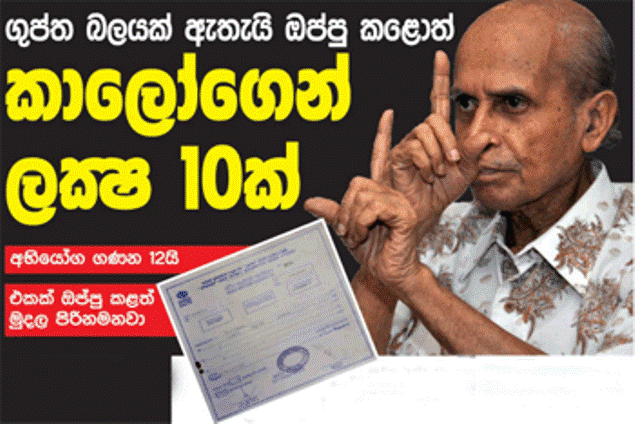
ගිය වසරේ ගුප්ත විද්‍යාවන් පිළිබඳව ලක්බිම පුවත්පත හා හේතුවාදී සංගමය හරහා කාලෝ නිකුත් කළ ප්‍රසිද්ධ අභියෝගයේ මූලික හරයත් එයයි. ඉන්ද්‍රජාලික හෝ ඇස්බැන්දුම් කිරීමට ඉඩක් නැති සුපරීක්ෂාකාරී තත්ත්වයන් යටතේ ගුප්ත ක්‍රියාවක් සිදු කිරීමටත්, අහම්බයට එහා යන ස්ථීරසාර මට්ටමකට ප්‍රතිඵල පෙන්වීමටත්, කාලෝ සකලවිධ ගුප්තවේදීන්ට ඇරැයුම් කළා. එහෙත් ඔහුගේ අභියෝගය පිළි ගන්නවා වෙනුවට ඇතැම් ගුප්තවේදීන් කළෙ ඔහුට මතවාදීව පහර දීමයි.

විචාරශීලී වීමේ අගය ගැන කාලාම සූත‍්‍රය පාදක කර ගනිමින් කාලෝ කරන විග‍්‍රහය අපේ සමාජයට දිනපතා උදේ සවස අසන්නට සැළැස්විය යුතු බව මගේ හැඟීමයි. සම්ප‍්‍රදායන්ට, කටකථාවලට, ගුරු කුලයට, ශුද්ධ ලේඛනවලට, මතවාදයන්ට, විශේෂඥයන්ට නතු නොවී තමන් ම යමක් සොයා බලා තර්කානුකූලව තේරුම් ගැනීමේ වැදගත්කම එයින් අවධාරණය කැරෙනවා. (එහෙත් සැබැවින් නිදන අය අවධි කළ හැකි වුවත් බොරුවට නිදන්නන් අවධි කළ හැකිද?)

Carlo Fonseka's open challenge to assorted black magicians of Lanka, 2012 - LKR 1 million to prove themselves (image courtesy Lakbima)
Carlo Fonseka’s open challenge to assorted black magicians of Lanka, 2012 – LKR 1 million to prove themselves (image courtesy Lakbima)

කාලයාගේ ඇවෑමෙන් කාලෝ මෘදු මෙලෙක් වී සිටියි ද?

සමහර හේතුවාදීන් හා නිදහස් මතධාරීන් කියන්නේ කාලෝ පෙර තරම් නිර්දය ලෙස මිථ්‍යාවට පහර නොදෙන බවයි. ඇතැම් විට වයසත් සමඟ කාලෝ පෙරට වඩා ඉවසිලිමත් හෝ උපේක්ෂා සහගත හෝ වී ඇති. එහෙත් අධ්‍යයනයෙන් හා තර්කනයෙන් නිවැරදි යයි ප්‍රත්‍යක්ෂ කර ගත් ස්ථාවරයක රැදී සිටිමින් එය ප්‍රවර්ධනය කරන්නට නම් අද අප දකින කාලෝ එදා ගිනි පෑගූ කාලෝ තරම් ම අධිෂ්ඨානශීලීයි. නීර්භීතයි.

බොහෝ මිථ්‍යාවන් හා ප්‍රශ්නවලට එරෙහිව එකවර මැදිහත් වනු වෙනුවට වැදගත් සමාජයීය ගැටඵ කිහිපයක සැළකිය යුතු වෙනසක් කරන්නට තමන් පසු කාලීනව තීරණය කළ බව කාලෝ වරක් මට කීවා. එසේ ඉලක්කගත වීම හා උපක්‍රමශීලී වීම 21 වන සියවසේ හැම සමාජ ක්‍රියාකාරිකයකුට ම අවශ්‍යයි.

ලෝකයේ දැවැන්ත ම විනාශකාරී ව්‍යාපාරයක් වන දුම්කොළ සමාගම්වලට එරෙහිව දුම්වැටි පාලනය සවිමත් කිරීමට ඔහු ගෙන යන අරගලය ලෙහෙසි පහසු එකක් නොවෙයි. ගිනි පෑගීමේ මුලාව හෙළිදරවු කළාටත් වඩා අති විශාල සේවයක් දුම්පානයෙන් ඇති වන ඇබ්බැහිකම දුරලීම හරහා කාලෝට කළ හැකි බව මගේ විශ්වාසයයි. දුම්කොළ ඇබ්බැහියෙන් ලාංකිකයන් මුදා ගැනීමේ උත්සාහය යම් තරමකට සාර්ථක බව පෙනෙනවා.

එහෙත් ඊටත් වඩා ගැඹුරු වූත්, දිගු කාලීනව අතිශයින් හානිකර වූත් ජාතික ව්‍යාධියක් නම් මිථ්‍යාවට, අවිද්‍යාවට හා ව්‍යාජ විද්‍යාවන්ට (pseudo-science) අපේ ඇත්තන්ගේ ඇති දැඩි නැඹුරුවයි. මේ ඇබ්බැහිකමින් ලක් සමාජය මුදා ගන්නට ජීවිත කාලයක් පුරා කාලෝ කරන ව්‍යායාමය කෙදිනක මල්ඵල ගැන්වේ ද?

කාලෝ ගැන සැබෑ රස කථා (anecdotes) රැසක් තිබෙනවා. ඔහුගේ ආත්ම චරිත කථාව ලිවීමට අදහසක් තිබේදැයි ගිය වසරේ මා විමසූ විට එබන්දක් සැළසුම් කර නැති බව පැවසුවා. ඔහු දිගු කලක් පවත්වා ගෙන ආ දිනපොත් ගොන්න ද වේයන් කා විනාශ කරලා. අඩු තරමින් ඔහුගේ මතකයන් ඔහුගෙන් අසා පටිගත කොට සටහන් කර ගන්නට හැකි නම් එයත් අපේ ජාතික මතකයේ (Memory of the Nation) වටිනා කොටසක් වනු ඇති.

කිසි දිනෙක කිසිවකුට ගිනි නොදුන් මේ ජීවකයාට, තවත් දිගු කලක් මේ ගිනි ගත් දිවයිනේ සන්තානය සමනය කරන්නට හැකි වේවා යන්න අපේ පැතුමයි!

ඡායාරූපය: සනී නවගත්තේගම

Book Review: ගවේෂණශීලී චින්තන චාරිකාවක්

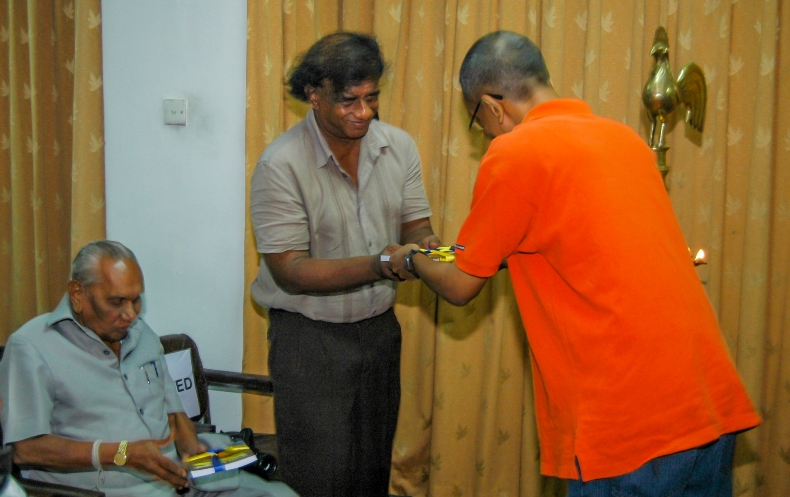
Nalaka presenting book to his science teacher & first publisher, Asanga Abeysundara

Asanga Abeysundara was my zoology teacher as well as my earliest editor-publisher. For several years in the 1980s, he edited and published (in properly printed form) a progressive science magazine in Sinhala named Maanawa (meaning ‘human’).

This non-profit publication, started in 1978 as a wall newspaper at the University of Colombo by its founder when he was an undergraduate there, later evolved into a magazine with a small circulation and loyal readership.

It was a platform for aspiring young writers – many of them in school or university at the time – to write about science, technology and their impact on society. As part of the editorial team, I remember we covered big issues like the origins of life, cost-benefits of space exploration, HIV/AIDS and human evolution.

Maanawa was entirely a labour of love: everybody, including the editor, worked for free. But printers and distributors charged for their services, which the limited sales couldn’t recover. So, despite passion and voluntary editorial inputs, the magazine stopped printing after sometime.

Yet, showing resilience and innovation, Maanawa became the first Sinhala publication to produce an Internet edition in 1996 — the year after commercial connectivity was introduced in Sri Lanka. The web edition, which played a pioneering role, is no longer online.

But this modest yet spirited publication had lasting influence on Sri Lanka’s science communication scene. Many writers who cut their teeth at Maanawa later joined Vidusara, a weekly science magazine launched by a commercial publisher in late 1987.

Others, like Chanuka Wattegama and myself, went in different directions — but are still active in science communication in one way or another.

In December 2012, I invited Asanga as a guest of honour to the launch of my Sinhala book, Mind Journeys with Arthur C Clarke. Chanuka, who wrote the introduction to the book, was a speaker (along with Dr Rohan Samarajiva).

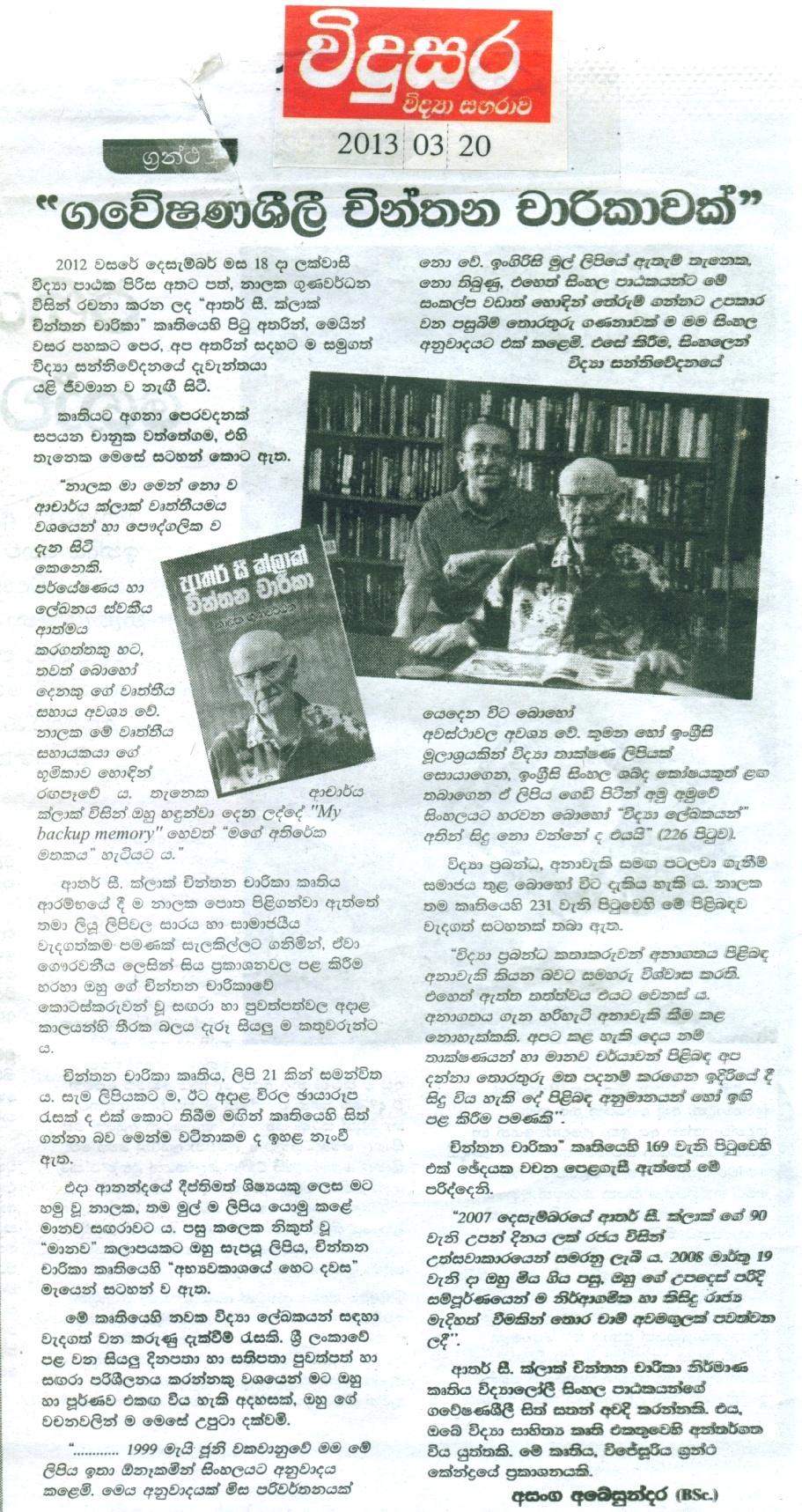
I’m delighted to read Asanga write a review of the book, which appears in Vidusara issue of 20 March 2013:

Vidusara review of Arthur C Clarke Chintana Charika by Nalaka Gunawardene

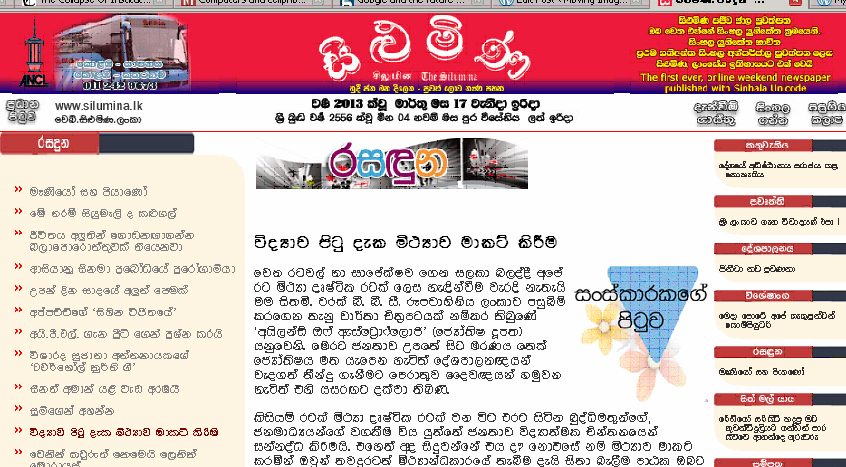
Book Review: විද්‍යාව පිටු දැක මිථ්‍යාව මාකට් කිරීම

Silumina review of Arthur C Clarke Chintana Charika by Nalaka Gunawardene

A perceptive review of my Sinhala language book, Mind Journeys with Arthur C Clarke, which came out in December 2012, has just appeared in Silumina broadsheet newspaper.

The writer is Sunil Mihindukula, a senior journalist who is best known for his writing on the performing arts, especially cinema. But Sunil has broad interests, and is a rare open-minded and skeptical person among Sinhala language journalists many of who are ‘true believers’ of assorted dogmas.

Sunil places my book in the context of rationalism and critical thinking that is so lacking in today’s Sri Lanka. Here’s an excerpt:

“මෙආකාරයෙන් මා දීර්ඝ පූර්විකාවක් ඉදිරිපත් කළේ නාලක ගුණවර්ධන ලියා ඇති ‘ආතර් සී. ක්ලාක් – චින්තන චාරිකා’ නම් වූ පොත ගැන අදහස් දක්වන්ටය. ක්ලාක් පමණක් නොව නාලක ද මිථ්‍යාවට විරුද්ධව මත පළ කරන්නෙකි. ඔහු සතිඅන්ත පුවත්පතකට ලියන තීරු ලිපිය ඊට කදිම සාක්ෂ්‍යයකි.

ආතර් සී. ක්ලාක් යනු විද්‍යාඥයකු නොවන බව පාසල් සිසුන් පවා දන්නා කරුණකි. ඔහු තමාව හඳුන්වා ගත්තේ විද්‍යා ප්‍රබන්ධ ලේඛකයකු ලෙසය. එසේ වුවත් ඔහු ඒවා රචනා කළේ ද කිසියම් විද්‍යාත්මක චින්තනයක් මත පිහිටාය. විද්‍යා ප්‍රබන්ධ මඟින් ද සමාජයට විශාල සේවයක් සිදුවෙයි. එමඟින් අනාගතය දකින්නා සේම අයහපත් අනාගත වළක්වා ගත හැකි ද වන බව ක්ලාක්ගේ නිගමනයයි. තමා දැන් උත්සාහ කරන්නෙත් ප්‍රාර්ථනා කරන්නෙත් අපේ පරම්පරාවේ උදවිය ගෙවී ගිය සියවස පුරා කළ මෝඩකම් හා අපරාධ ඉදිරි පරපුර විසින් ද කරනු ලැබීම වැළැක්වීම හැකි සෑම අන්දමකින්ම සහාය වීම ක්ලාක් කියා තිබේ.

ක්ලාක් පළකර ඇති මත චින්තා අධ්‍යයනය කිරීම බුද්ධිමත් සමාජයක්, විද්‍යාත්මක චින්තනයෙන් යුතු සමාජයක් චිරස්ථාපනය කිරීමෙහිලා අතිශය වැදගත්ය. ‘දෙසතිය’ පුවත් සඟරාවට ක්ලාක් සම්බන්ධයෙන් සම්මුඛ සාකච්ඡාවක් දෙන කතුවර නාලක ගුණවර්ධන, ඉතාම ලඝු මට්ටමෙන් ක්ලාක් ගැන ඇගයීම් කළා මිස දුරදක්නා නුවණින් එතුමා ලංකාවට දුන් යම් යම් උපදෙස් අපේ දේශීය ප්‍රතිපත්ති සමඟ බද්ධ කරගන්ට උත්සාහ නොකළ බව කියා සිටී.

ඒ සම්බන්ධයෙන් නම් අප තවමත් ප්‍රමාද නැතැයි සිතමි. ක්ලාක් ඉංග්‍රිසියෙන් ලියු පොත් හැකිතාක් සිංහලට පරිවර්තනය කිරීම, ඉන් එක් පොතක් අධ්‍යාපන විෂයයෙහි නිර්දිෂ්ට ග්‍රන්ථයක් බවට පත්කිරීම දැන් වුව කළ හැක්කකි.

නාලකගේ මෙම පොත ක්ලාක්ගේ විද්‍යාත්මක චින්තන හඳුනා ගැනීමට අපට මාහැඟි කවුළුවක් විවෘත කිරීමකි. එම කවුළුවෙන් ඇතුළුව ක්ලාක් සමඟ චින්තන චාරිකාවේ නියැළීම ප්‍රඥාසම්පන්න පාඨකයන්ට භාර ක්‍රියාවකි.


Read full review in Silumina, 17 March 2013: විද්‍යාව පිටු දැක මිථ්‍යාව මාකට් කිරීම

සිවුමංසල කොලූගැටයා #109: ළග ළග එන ‘කෘෂි රසායනික සුනාමිය’

This week’s Ravaya column (in Sinhala) is about the rising exports of hazardous pesticides coming to the developing world from China.

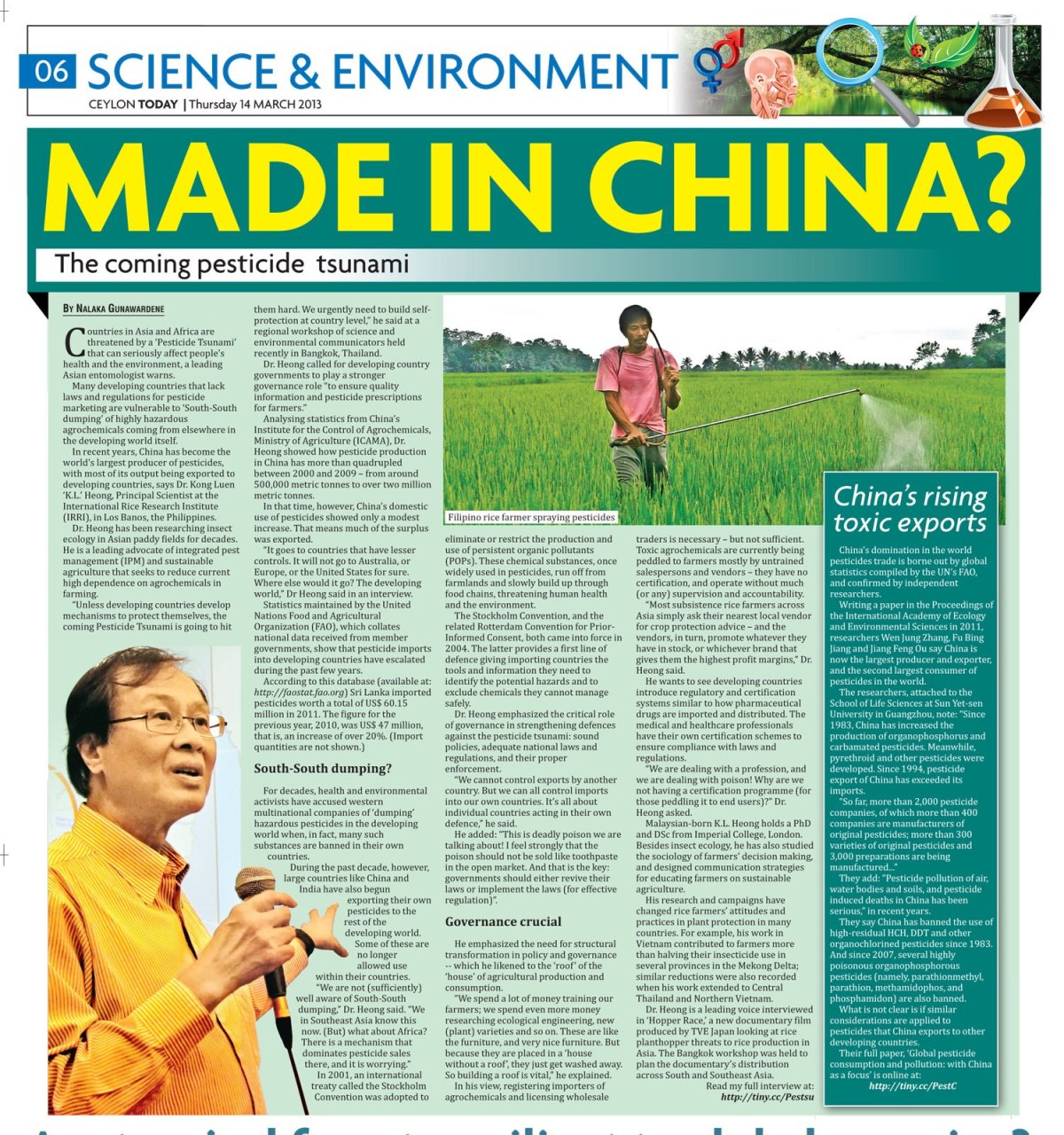
Similar ground was covered in English in The Coming Pesticide Tsunami: Made in China?

Filipino rice farmer spraying pesticides

1955දී තමන් නිපද වූ රෝද දෙකේ අත් ට‍්‍රැක්ටරය වසර දහයකට වැඩි කාලයක් ඝර්ම කලාපීය රටවල ගොවීන්ට ප‍්‍රවර්ධනය කිරීමෙන් පසු එය තමන් අතින් සිදුවු ‘ලොකු වරදක්’ යයි කීර්තිමත් ලාංකික ඉංජිනේරු රේ විජේවර්ධන ප‍්‍රසිද්ධියේ කියා සිටියා. හරිත විප්ලවය ආරම්භයේ පටන් එහි පෙරගමන්කරුවකු වූ ඔහු 1960 දශකය අවසන් වන විට එහි මූලික දැක්ම ප‍්‍රශ්න කළා.

ගොවිතැනේදී අධික ලෙස බාහිරින් ගෙනෙන පොහොර, කෘමිනාශක හා වල් නාශක ආදිය නිසා වගාබිමේ සමතුලිතතාව බිඳ වැටෙන බව ඔහු පසුව වටහා ගත්තා. කෙටි කාලීනව අධික අස්වනු ලැබිය හැකි වුවත් හරිත විප්ලව ක‍්‍රමවේදයන් නිසා වසර කිහිපයකින් වගාබිම් නිසරුවීම, පරිසර දුෂණය හා බරපතල සෞඛ්‍ය ගැටඵ මතු වන සැටි දැන් අප දන්නවා.

සියවස් ගණනාවක් තිස්සේ ආසියාව පුරා කුඹුරුවල ගොවීන් වී වගා කළේ කෘෂි රසායනවල පිහිටෙන් නොවෙයි. කුඹුරුවල ස්වාභාවික ව හමුවන කෘමීන්, මකුඵවන්, පක්ෂීන් හා වෙනත් සතුන් සමග පාරිසරික සමබරතාවක් පවත්වා ගන්නා සැටි ඔවුන් අත්දැකීමෙන් දැන සිටියා.

එහෙත් හරිත විප්ලවයේ රසායනික පොහොර, කෘමිනාශක හා වල්නාශක වගාවට හානි කරන මෙන් ම වගාවට හිතකර සතුන් ද එක සේ විනාශ කළා. රසායනික පොහොර හා අනෙකුත් කෘෂි රසායන වතුරේ දිය වී ඇල දොල හා ගංගා හරහා සමස්ත පරිසරයට ම මිශ‍්‍ර වුණා. මේ විෂ රසායනික අපේ ආහාරවලට සෘජුව මෙන් ම වක‍්‍රවත් ඇතුඵ වුණා.

මෑත කාලයේ හරිත විප්ලවවාදියෝ සැළකිය යුතු සංඛ්‍යාවක් තමන්ගේ වැරදි පිළිගනිමින්, කල්ගත වී හෝ ඒවා නිවැරදි කරගන්නට තැත් කරනවා. ජාත්‍යන්තර සහල් පර්යේෂණ ආයතනය (IRRI) කියන්නේ හරිත විප්ලවයේ විශාල කාර්යභාරයක් ඉටු කළ ලෝක ව්‍යාප්ත කෘෂි පර්යේෂණායතන ජාලයේ සාමාජිකයෙක්.

පසුගිය අඩ සියවස තුළ ආසියානු රටවල සහල් නිෂ්පාදනය වැඩි කිරීමට, සහලින් ආසියානු රටවල් ස්වයංපෝෂිත කිරීමට හා ආහාර හිගයන් වළක්වා ගන්නට විශාල පර්යේෂණාත්මක දායකත්වයක් IRRI ලබාදී තිබෙනවා. අධික ලෙස කෘෂි රසායන භාවිත කරමින් අධික අස්වනු හඹා යාම අහිතකර බව දැන් ඔවුන් පිළි ගන්නවා. මේ ගැන ප‍්‍රසිද්ධියේ කථා කරන ජ්‍යෙෂ්ඨ IRRI විද්‍යාඥයෙක් මෑතදී මට මුණ ගැසුණා.

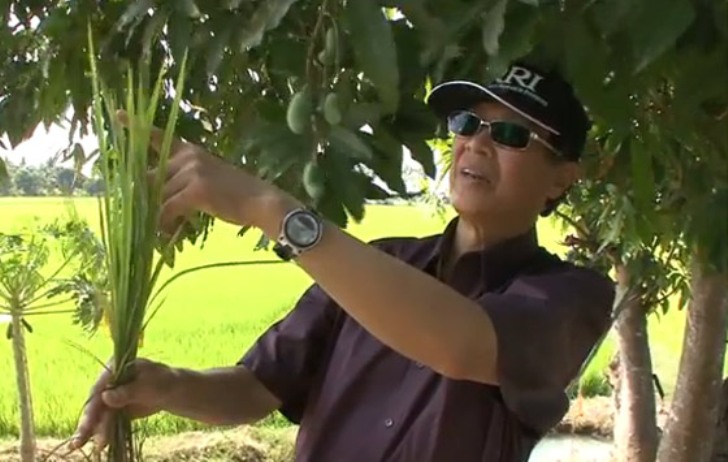
Dr K L Heong of IRRI

ආචාර්ය කොංග් ලූවන් හියොං (Dr K L Heong) ආසියාවේ ප‍්‍රමුඛ පෙළේ කීට විද්‍යාඥයෙක්. මැලේසියානු ජාතිකයකු වන ඔහු බි‍්‍රතාන්‍යයේ ඉම්ජීරියල් සරසවියෙන් ආචාර්ය උපාධියත්, ලන්ඩන් සරසවියෙන් DSc අධිඋපාධියත් ලැබූ, දශක ගණනක් පුරා ආසියාවේ වී වගාවේ කෘමීන් පිළිබඳ පර්යේෂණ කළ අයෙක්. සත්ත්ව විද්‍යාවට සීමා නොවී ගොවීන්ගේ ආකල්ප පිළිබඳ සමාජ විද්‍යාත්මක ගවේෂණ කරමින් කුඩා පරිමාණයේ වී ගොවීන්ට ඇති ප‍්‍රශ්න හා අවශ්‍යතා මැනවින් හදුනාගත් විද්වතෙක්.

ජෛව ලෝකයේ වැඩිපුර ම ජීවී විශේෂ හමු වන්නේ කෘමීන් වශයෙන්. ගම් නගර, වනාන්තර හා ගොවිබිම් යන සැම තැනෙක ම කෘමීන් සිටිනවා. මෙයින් බහුතරයක් කෘමීන් මිනිස් අපට හෝ බෝගවලට කිසිදු හානියක් කරන්නේ නැහැ. හානි කරන කෘමීන් ගොදුරු කර ගන්නා වෙනත් කෘමීන්, මකුඵවන් හා අනෙකුත් ස්වාභාවික සතුරන් (විලෝපීයයන්) සිටිනවා.

මිනිසා යොදන කෘෂි රසායනික නිසා මේ සමතුලිතතාවය බිඳ වැවෙනවා. බොහෝ වගාබිම්වලට කෘමි නාශක අන්‍යවශ්‍ය පමණක් නොව ඒවායේ ප‍්‍රයෝජනයට වඩා හානිය වැඩි බව 1950 දශකයේ සිට ප‍්‍රබුද්ධ ජෛව විද්‍යාඥයන් පෙන්වා දෙනවා. 1962දී අමෙරිකානු විද්‍යාඥ රේචල් කාසන් නිහඬ වසන්තය පොතෙන් දුන් මූලික පණිවුඩය වූයේත් එයයි (2013 ජනවරි 13 කොලම බලන්න).

ආචාර්ය හියොං කාසන්ගේ පණිවුඩය ප‍්‍රතිරාවය කරන වත්මන් පරපුරට අයත්. දියුණු රටවල කෘෂි රසායනික භාවිතය අඩු වන්නට පටන් ගෙන ඇතත් අපේ වැනි දියුණු වන රටවල ඒවා වැඩි වැඩියෙන් භාවිත වන බව ඔහු කියනවා.

කෘෂි රසායනික සුනාමියක් ළග එන බවත්, එහි බහුතර දායකත්වය ලැබෙන්නේ චීන සමාගම් වලින් බවත් ආචාර්ය හියොං අනතුරු අගවනවා. අපේ පරිසරවේදීන් මෙය නොදන්න හැඩයි.

කලක් තිස්සේ පාරිසරික හා සෞඛ්‍ය කි‍්‍රයාකරිකයන් චෝදනා කරන්නේ බටහිර රටවල භාවිතය තහනම් කළ අධික විෂ ඇති කෘෂිරසායනික, එම රටවල බහුජාතික සමාගම් විසින් දියුණුවන ලෝකයේ තවමත් අලෙවි කරන බවයි. මෙය ඓතිහාසිකව සත්‍ය වුවත් බටහිර රටවල පරිසරවේදීන්ගේ බලපෑම් නිසා එසේ කිරීමේ හැකියාව දැන් සීමා වී තිබෙනවා.

අද වන විට සංඛ්‍යා ලේඛන හරහා පැහැදිලි වන යථාර්ථය නම් අපේ රටවලට අධික විෂ සහිත කෘෂි රසායනික අලෙවි කරන්නේ ප‍්‍රධාන කොට ම චීන හා ඉන්දියානු සමාගම් විසින් බවයි.

”උතුරු – දකුණු විස රසායනික අලෙවිය(North-South dumping) ගැන අපි කලෙක සිට දැන සිටියා. එහෙත් දැන් වැඩිපුර සිදුවන්නේ දකුණු – දකුණු අලෙවියක් (South-South dumping). මේ ගැන අපේ රටවල කි‍්‍රයාකාරිකයන් එතරම් දැනුවත් වී නැහැ,” ආචාර්ය හියොං කියනවා.

skullපසුගිය දශකය තුළ ලෝකයේ විශාලතම කෘමිනාශක නිෂ්පාදකයා හා පිටරට යවන්නා බවට චීනය පත් වෙලා. චීනයේ රාජ්‍ය දත්ත පදනම් කොට ගෙන හියොං මෙය පෙන්වා දෙනවා.

”2000දී මෙටි‍්‍රක් ටොන් ලක්ෂ 5ක් පමණ වූ චීනයේ කෘමිනාශක නිෂ්පාදනය 2009 වන විට ටොන් ලක්ෂ 20 ඉක්මවා ගියා. එහෙත් එරට තුළ කෘමිනාශක භාවිතය වැඩි වී ඇත්තේ ඉතා සුඵ වශයෙන්. ඒ කියන්නේ මේ අතිරික්කය ඔවුන් පිටරටවලට විකුණනවා.”

මේවා යන්නේ කොහේ ද?

දැඩි පාරිභෝගික හා සෞඛ්‍ය ආරක්‍ෂණ නීති නිසා දියුණු රටවලට යවන්නට බැහැ. එහෙත් එබදු නීති නොමැති හෝ නීති නිසි ලෙස කි‍්‍රයාත්මක නොවන හෝ ආසියානු හා අපි‍්‍රකානු රටවලට ඒවා අලෙවි කරන බව හියොං සාක්ෂි සහිතව පෙන්වා දෙනවා.

මෙහි තවත් පැතිකඩක් තිබෙනවා. සිය රට තුළ අධික විසැති රසායනික භාවිතය ටිකෙන් ටික සීමා කරන්නට 1983 සිට චීනය පියවර ගන්නවා. 2007දී ඕගැනෝ ෆොස්ෆරස් කාණ්ඩයේ කෘමිනාශක ගණනාවක දේශීය භාවිතය තහනම් කළා. එහෙත් මේ කර්මාන්තයේ නිරත චීන සමාගම් 2,000ක් පමණ තිබෙන අතර සිය රට භාවිතය තහනම් වූ කෘමිනාශක පවා තවදුරටත් නිපදවා පිටරට යැවීමට ඔවුන්ට අවකාශ තිබෙනවා.

කිසි රටක් විවෘත ලෝක වෙළඳපොලේ කුමක් අලෙවි කරනවා ද යන්න ගැන අපට සෘජුව බලපෑම් කළ නොහැකියි. එහෙත් අපේ රට තුළට ගෙන ඒමට ඉඩ දෙන්නේ මොනවා ද යන්න තීරණය, අධීක්‍ෂණය හා පාලනය කිරීමට අපට හැකි විය යුතුයි.

ජාතික මට්ටමේ කෘෂි වෙළඳ දත්ත එක්තැන් කරන එක්සත් ජාතීන්ගේ ආහාර හා කෘෂිකර්ම සංවිධානයේ (UN-FAO) සංඛ්‍යා ලේඛන වෙබ් අඩවියට අනුව 2010දී ශී‍්‍ර ලංකාවට පිටරටින් ගෙනා කෘමිනාශකවල වටිනාකම අමෙරිකානු ඩොලර් මිලියන 47 (රුපියල් බිලියන් 5.8 ක්). 2011දී ඒ අගය ඩොලර් 60.15 දක්වා ඉහළ ගියා (රුපියල් බිලියන් 7.5). මේ දෙවසරේ මෙරටට ගෙනා කෘමිනාශක පරිමාවන් එහි සඳහන් නැහැ. එහෙත් හුදෙක් මිළ වැඩි වීම නොව ගෙන ආ පරිමාව වැඩි වීමක් ද සිදුව ඇතැයි අපට අනුමාන කළ හැකියි. බිලියන් ගණන් ගෙවා මෙරටට මේ විෂ අධික ද්‍රව්‍ය ගෙන එන්නේ කොහි සිට ද? http://faostat.fao.org

චීන කෘමිනාශක සමාගම්වල දායකත්වය නිසා පරිමාවෙන් හා වටිනාකමින් වැඩි වන ලෝක කෘෂි රසායනික වෙළදාමෙන් බේරී සිටීමට අපේ රටවල අදාල නීති, රෙගුලාසි හා අධීක්‍ෂණය වහා ම සවිමත් කළ යුතු බවට හියොං අවධාරණය කරනවා. අපේ ආරක්‍ෂාව අප ම සළසා ගතයුතුයි.

”අප මේ කථා කරන්නේ අධි බලැති වස විස ගැනයි. මේවා සබන් හෝ දන්තාලේප වැනි දෑ මෙන් පුංචි කඩවල පවා විකිණීමට තිබෙන බව ආසියාව පුරා ම මා දකිනවා. මේවා අපේ රටවලට ගෙන ඒම යම් ලියාපදිංචියක් හරහා අධීක්‍ෂණය වූවත්, රට තුළ බෙදා හැරීම හා ගොවීන්ට අලෙවි කිරීම ගැන එතරම් පාලනයක් නැහැ. මේ තත්ත්වය වෙනස් කළ යුතුයි,” හියොං කියනවා.

බොහෝ ගොවීන් තම වගා බිමේ කෘමි ප‍්‍රශ්න ගැන උපදෙස් පතා ගෙන යන්නේ තමන්ට ආසන්න ම කෘෂි රසායනික අලෙවි කරන්නා ළගට. එය ගමේ සිල්ලර කඩයක් විය හැකියි. මේ කුඩා කඩවල මුදලාලිලා තමන් ළග ඒ මොහොතේ තිබෙන හෝ තමන්ට වැඩි ම වෙළඳ වට්ටම ඇති රසායනිකය මුදලාලි ගොවියාට නිර්දේශ කරනවා. අවශ්‍ය මාත‍්‍රාවට වඩා ඉසීමෙන් ඉක්මන් හා හොඳ ප‍්‍රතිඵල ලැබේ යයි වැරදි පිළිගැනීමක් ද ගොවීන් අතර තිබෙනවා.

හියොං කියන්නේ අධික වස විස මෙසේ හිතුමතයට සිල්ලරට අලෙවි කිරීම සිදු වන තාක් කල් කෘෂි රසායනික අවභාවිතය පාලනය කළ නොහැකි බවයි. රටට ගෙන ඒමේදී කුමන කොන්දේසි මත එය කළත් ප‍්‍රායෝගික ව එය කි‍්‍රයාත්මක වන්නේ සිල්ලර වෙළෙන්දා හා ගොවියා අතර ගනුදෙනුවේදීයි.

බොහෝ රටවල කෘෂි රසායනික රටට ගෙන ඒම, බෙදා හැරීම හා අලෙවිය ගැන නීති හා රෙකුලාසි මාලාවක් තිබෙනවා. එහෙත් එය හරියට රජතුමාට හකුරු හැදුවා වගේ වැඩක්. ඉතා පිවිතුරු ලෙසින් හකුරු හදනවා යයි ප‍්‍රතිඥා දුන්නත් වැඬේට බැස්සාම එය කෙරුණේ වෙනස් විධියට. ‘කියන කොට එහෙමයි – කරන කොට මෙහෙමයි!’ යන කියමන අප අතර තිබෙන්නේ මෙවැනි පරස්පරයන් විස්තර කරන්නටයි.

හැබැයි හකුරුවලට වඩා බෙහෙවින් විස සහිත කෘෂි රසායනික ගැන එබදු දෙබිඩි පිළිවෙතක් තව දුරටත් පවත්වා ගත නොහැකියි.

බටහිර වෛද්‍ය ක‍්‍රමයේ ඖෂධ අලෙවිය උදාහරණයක් ලෙස ගනිමින් හියොං කියන්නේ වට්ටෝරු හරහා බෙහෙත් ගන්නට නම් ඒ සඳහා පුහුණුව හා අවසර ලැබූ ඖෂධවේදියකු සිටින ෆාමසියකට යා යුතු බවයි. සිල්ලර කඩවලට එබදු බෙහෙත් විකුණන්නට ඉඩක් නැහැ. ඖෂධවේදීන් සහතික කිරීම එම වෘත්තිකයන් හරහා ම සිදුවීම බොහෝ රටවල ක‍්‍රමවේදයයි. අවම වශයෙන් එබදු ස්වයං නියාමන ක‍්‍රමයකට වස විෂ විකිණීමත් ඉක්මනින් ම යොමු විය යුතු බව හියොං කියනවා.

”ප‍්‍රතිපත්ති හා නියාමන මට්ටම්වලින් නිසි පියවර නොගෙන කෙතරම් ගොවීන් පුහුණු කළත්, මහජනතාව දැනුවත් කළත් එය සෑහෙන්නේ නැහැ. එය හරියට වහලකින් තොර නිවසක් තුළ අපි වටිනා ගෘහ භාණ්ඩ තබනවා වැනි නිෂ්ඵල කි‍්‍රයාවක්” හියොං කියනවා.

රසායනික පොහොර හා කෘෂි රසායනික භාවිතය බොහෝ රටවල රාජ්‍ය කෘෂිකර්ම ප‍්‍රතිපත්තියේ ප‍්‍රබල අංගයක්. ශී‍්‍ර ලංකාවේ තත්ත්වයත් එයයි. කෘෂි රසායනික රටට ගෙන්වීම ලියාපදිංචිය ලත් රාජ්‍ය ආයතන මෙන් ම පෞද්ගලික සමාගම් විසින් ද කලක පටන් කරනු ලබන නීත්‍යානුකූල වෙළදාමක්. එහෙත් ඒවායේ සිල්ලර අලෙවිය නිසි ලෙස නියාමනය හා අධීක්‍ෂණය නොවන බවට වෛද්‍යවරුන් මෙන් ම පරිසර විද්‍යාඥයන් ද පෙන්වා දෙනවා.

මේ ගැන වඩා ප‍්‍රගතිශීලි ආසියානු රටවල් තිබේදැයි මා ඇසුවා. වියට්නාමය හා මැලේසියාව යම් තාක් දුරට කෘෂි රසායනික පාලනයට ප‍්‍රතිපත්තිමය පියවර ගෙන ඇතැයි ද මේ ගැන අත්දැකීම් කලාපීය වශයෙන් බෙදා ගැනීම ඉතා ප‍්‍රයෝජනවත් බව ද ඔහු කීවා. http://tiny.cc/Pestsu

Hazardous Pesticides freely used across Asia

The Coming Pesticide Tsunami: Made in China?

Feature article published in Ceylon Today broadsheet newspaper on 14 March 2013.

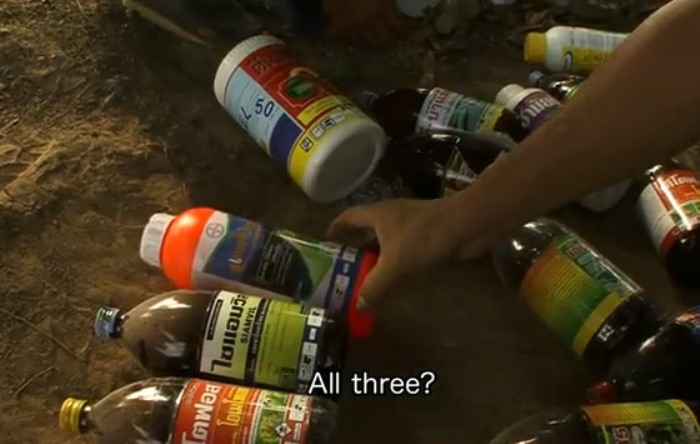
Dr K L Heong: Beware of South-South dumping of hazardous pesticides!

The Coming Pesticide Tsunami: Made in China?

By Nalaka Gunawardene

Countries in Asia and Africa are threatened by a ‘Pesticide Tsunami’ that can seriously affect people’s health and the environment, a leading Asian entomologist warns.

Many developing countries that lack laws and regulations for pesticide marketing are vulnerable to ‘South-South dumping’ of highly hazardous agrochemicals coming from elsewhere in the developing world itself.

In recent years, China has become the world’s largest producer of pesticides, with most of its output being exported to developing countries, says Dr Kong Luen “K.L.” Heong, Principal Scientist at the International Rice Research Institute (IRRI), in Los Banos, the Philippines.

Dr Heong has been researching insect ecology in Asian paddy fields for decades. He is a leading advocate of integrated pest management (IPM) and sustainable agriculture that seeks to reduce current high dependence on agrochemicals in farming.

“Unless developing countries develop mechanisms to protect themselves, the coming Pesticide Tsunami is going to hit them hard. We urgently need to build self-protection at country level,” he said at a regional workshop of science and environmental communicators held recently in Bangkok, Thailand.

Dr Heong called for developing country governments to play a stronger governance role “to ensure quality information and pesticide prescriptions for farmers”.

Analysing statistics from China’s Institute for the Control of Agrochemicals, Ministry of Agriculture (ICAMA), Dr Heong showed how pesticide production in China has more than quadrupled between 2000 and 2009 – from around 500,0000 metric tons to over 2 million metric tons.

In that time, however, China’s domestic use of pesticides showed only a modest increase. That means much of the surplus was exported.

“It goes to countries that have lesser controls. It will not go to Australia, or Europe, or the United States for sure. Where else would it go? The developing world,” Dr Heong said in an interview.

Statistics maintained by the United Nations Food and Agricultural Organisation (FAO), which collates national data received from member governments, show that pesticide imports into developing countries have escalated during the past few years.

According to this database (available at: http://faostat.fao.org) Sri Lanka imported pesticides worth a total of USD 60.15 million in 2011. The figure for the previous year, 2010, was USD 47 million, i.e. an increase of over 20%. (Import quantities are not shown.)

South-South Dumping?

For decades, health and environmental activists have accused western multinational companies of ‘dumping’ hazardous pesticides in the developing world when, in fact, many such substances are banned in their own countries.

During the past decade, however, countries like China and India have also begun exporting their pesticides to the rest of the developing world. Some of these are no longer allowed use within their countries. (See box below: China’s Rising Toxic Exports).

“We are not (sufficiently) well aware of South-South dumping,” Dr Heong said. “We in Southeast Asia know this now. (But) what about Africa? There is a mechanism that dominates pesticide sales there, and it is worrying.”

In 2001, an international treaty called the Stockholm Convention was adopted to eliminate or restrict the production and use of persistent organic pollutants (POPs). These chemical substances, once widely used in pesticides, run off from farmlands and slowly build up through food chains, threatening human health and the environment.

The Stockholm Convention, and the related Rotterdam Convention for Prior-Informed Consent, both came into force in 2004. The latter provides a first line of defence giving importing countries the tools and information they need to identify the potential hazards and to exclude chemicals they cannot manage safely.

Dr Heong emphasized the critical role of governance in strengthening defences against the pesticide tsunami: sound policies, adequate national laws and regulations, and their proper enforcement.

“We cannot control exports by another country. But we can all control imports into our own countries. It’s all about individual countries acting in their own defence,” he said.

He added: “This is deadly poison we are talking about! I feel strongly that the poison should not be sold like toothpaste in the open market. And that is the key: governments should either revive their laws or implement the laws (for effective regulation)”.

Filipino rice farmer spraying pesticides

Governance crucial

He emphasized the need for structural transformation in policy and governance — which he likened to the ‘roof’ of the ‘house’ of agricultural production and consumption.

“We spend a lot of money training our farmers; we spend even more money researching ecological engineering, new (plant) varieties and so on. These are like the furniture, and very nice furniture. But because they are placed in a ‘house without a roof’, they just get washed away. So building a roof is vital,” he explained.

In his view, registering importers of agrochemicals and licensing wholesale traders is necessary – but not sufficient. Toxic agrochemicals are currently being peddled to farmers mostly by untrained salespersons and vendors – they have no certification, and operate without much (or any) supervision and accountability.

“Most subsistence rice farmers across Asia simply ask their nearest local vendor for crop protection advice – and the vendors, in turn, promote whatever they have in stock, or whichever brand that gives them the highest profit margins,” Dr Heong said.

He wants to see developing countries introduce regulatory and certification systems similar to how pharmaceutical drugs are imported and distributed. The medical and healthcare professionals have their own certification schemes to ensure compliance with laws and regulations.

“We are dealing with a profession, and we are dealing with poison! Why are we not having a certification programme (for those peddling it to end users)?” Dr Heong asked.

Malaysian-born K L Heong holds a PhD and DSc from Imperial College, London. Besides insect ecology, he has also studied the sociology of farmers’ decision making, and designed communication strategies for educating farmers on sustainable agriculture.

His research and campaigns have changed rice farmers’ attitudes and practices in plant protection in many countries. For example, his work in Vietnam contributed to farmers more than halving their insecticide use in several provinces in the Mekong Delta; similar reductions were also recorded when his work extended to Central Thailand and Northern Vietnam.

Dr Heong is a leading voice interviewed in ‘Hopper Race’, a new documentary film produced by TVE Japan looking at rice planthopper threats to rice production in Asia. The Bangkok workshop was held to plan the documentary’s distribution across South and Southeast Asia.

Read my full interview with Dr K L Heong, published on TVEAP website

Text Box: China’s Rising Toxic Exports

China’s domination in the world pesticides trade is borne out by global statistics compiled by the UN’s FAO, and confirmed by independent researchers.

Writing a paper in the Proceedings of the International Academy of Ecology and Environmental Sciences in 2011, researchers Wen Jung Zhang, Fu Bing Jiang and Jiang Feng Ou say China is now the largest producer and exporter, and the second largest consumer of pesticides in the world.

The researchers, attached to the School of Life Sciences at Sun Yet-sen University in Guangzhou, note: “Since 1983, China has increased the production of organophosphorus and carbamated pesticides. Meanwhile, pyrethroid and other pesticides were developed. Since 1994, pesticide export of China has exceeded its imports.

“So far, more than 2,000 pesticide companies, of which more than 400 companies are manufacturers of original pesticides; more than 300 varieties of original pesticides and 3,000 preparations are being manufactured…”

They add: “Pesticide pollution of air, water bodies and soils, and pesticide induced deaths in China has been serious” in recent years.

They say China has banned the use of high-residual HCH, DDT and other organochlorined pesticides since 1983. And since 2007, several highly poisonous organophosphorous pesticides (namely, parathionmethyl, parathion, methamidophos, and phosphamidon) are also banned.

What is not clear is if similar considerations are applied to pesticides that China exports to other developing countries.

Their full paper, “Global pesticide consumption and pollution: with China as a focus” is online at: http://tiny.cc/PestC

Ceylon Today, 14 March 2013 - The Coming Pesticide Tsunami - Made in China
Ceylon Today, 14 March 2013 – The Coming Pesticide Tsunami – Made in China

සිවුමංසල කොලූගැටයා #107: දැනුම ගවේෂණය – එදා සහ අද

In this week’s Ravaya column (in Sinhala), I reflect on how IT/ICT has drastically changed how we look for information and knowledge.

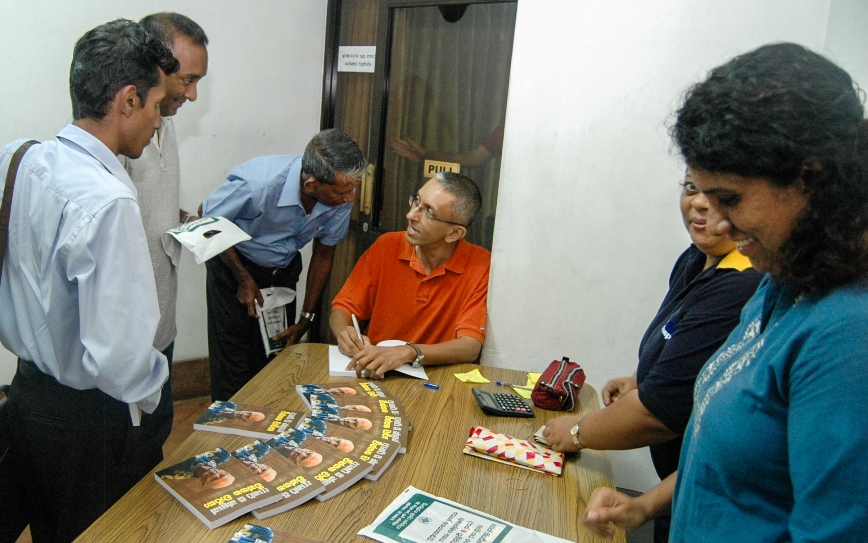
Nalaka Gunawardene signing copies of Arthur C Clarke Chintana Charika at the launch on 18 Dec 2012 in Colombo

2012 දෙසැම්බර් 18 වනදා මගේ අලූත් ම පොත ‘ආතර් සී. ක්ලාක් චින්තන චාරිකා’ එළිදැක්වීමට සරල හා චාම් රැස්වීමක් කොළඹ ජාතික පුස්තකාලයේ පැවැත්වුණා. පොත් ලියන හා කියවන ඕනෑ ම කෙනකුට විවෘත වූ මේ සභාවට සියයක් පමණ දෙනා සහභාගි වූවා. එයින් බහුතරයක් දෙනා පොතේ පිටපත් එදින මිලදී ගත්තා.

පොත් පිටපත් මා ලවා අත්සන් කරගන්නට පෙළ ගැසුණු පාඨකයන් පිරිසට නුදුරින් තලතුනා වියේ මහත්මයකු තැන්පත්ව බලා සිටියා. සෙසු පිරිස මා සමඟ කථාබහ කර හමාර වූ පසු සෙමින් මට සමීප වූ මේ තැනැත්තා මට කීවේ ටිකක් දුක හිතෙන කථාවක්.

කොළඹට තරමක් දුර බැහැර පෙදෙසක සිට ඔහු පැමිණ තිබුණේ පොතේ පිටපතක් ද රැගෙන ආපසු යාමේ මහත් ඕනෑකමින්. එහෙත් (ගමන් වියදම සිතුවාට වඩා මඳක් වැඩි වූ නිසාදෝ) එදින සහන මිල වූ රු. 350ට රුපියල් පනහක මදි පාඩුවක් මතු වෙලා. ඉතා කාරුණිකව හා අහිංසක ලෙසින් ඔහු මගෙන් ඇසුවේ කුමක් කළ හැකි ද කියා.

මා ඔහුගේ මදිපාඩුව සම්පූර්ණ කොට පොතේ පිටපතක් මිලදී ගන්නට සැළැස් වූයේ ඔහුගේ ආත්ම ගෞරවය රැකෙන පරිද්දෙන්. ඇත්තටම අප පොත්පත් ලියන්නේ මෙබඳු උද්‍යෝගශීලි පාඨකයන්ටයි.

ඒ සමඟ මගේ සිහියට ආවේ දැනුම් පිපාසයෙන් පෙළුණු, එහෙත් අතමිට සරු නොවූ දරුවන් දෙදෙනකු එම අභියෝගය ජය ගත් සැටියි.

මොහොතක් විසිවන සියවසට ආපසු යන්න.

1920 දශකය අගදී එංගලන්තයේ ගම්බද පළාතක ගොවි පවුලක දරුවෙක් පරිනාමය, විශ්වය, ඉතිහාසය හා විද්‍යාව ආදී විෂයයන් ගැන මහත් සේ උනන්දු වනවා. ගමේ පාසලේ කුඩා පුස්තකාලයෙන් ඔබ්බට යන්නට ඔහුට අවශ්‍යයි. එහෙත් තමන්ගේ ම පොත් මිලට ගන්නට ඔහු ළඟ එතරම් මුදල් නැහැ.

මේ නිසා උපක‍්‍රමශීලි වන දරුවා, තමන්ගේ ගමේ පොත් වෙළඳසැලකට ගොස් එහි අලෙවියට තිබෙන සමහර පොත් දිනකට පරිච්ඡ්දය බැගින් කියවනවා. පොත් සැලේ හිමිකරුට ටික දිනකින් මෙය තේරුම් ගියත් දරුවාගේ ධෛර්යය ගැන පැහැදී එයට නිහඬව ඉඩ දෙනවා. ඊට අමතරව පාසල් කෑම විවේකයේ යමක් කන්නට අම්මා අතට දෙන සුළු මුදලින් ද දරුවා අඩු මිලට විකිණෙන පාවිච්චි කළ පොත්පත් හා සඟරා (secondhand) මිල දී ගන්නවා.

1980 දශකය මුලදී ශ‍්‍රී ලංකාවේ කොළඹ ප‍්‍රධාන පෙලේ රජයේ පාසලකට යන තවත් දරුවෙක්, පන්ති කාමරයට හා විෂය මාලාවට කොටු නොවී නව දැනුම සොයා තමන්ගේ ම චාරිකාවක් යනවා. ඉන්ටර්නෙට් නැති ඒ අවධියේ ඔහුට පිහිටට එන්නේ කියවා ඉවතලන ජාත්‍යන්තර පුවත් සඟරා (TIME, Newsweek), විද්‍යා සඟරා හා පතපොතයි.

මරදානේ මැකලම් පාරේ (විජේවර්ධන මාවත) මෙබඳු පොත් විකිණෙන කුඩා පොත්සැල් ඔහුගේ ප‍්‍රියතම ස්ථානයක් වනවා. කැන්ටිමෙන් කන්නට අතට ලැබෙන සීමිත මුදල ඔහුත් බොහෝ සේ වැය කරන්නේ පොත්පත් සඳහායි.

අඩ සියවසක කාල පරතරයක, ලෝකයේ දුරු රටවල් දෙකක වෙනස් වූ පසුබිම් සහිත මේ දරුවන් දෙදෙනා දැනුම සොයා යාමට යොදා ගත් උපක‍්‍රම එක සමානයි. මෙයට සමාන අත්දැකීම් ඇති දැනුම් ගවේෂී තවත් බොහෝ බාල හා වැඩිහිටි අය සිටිනවා.

ඉහත දරුවන් දෙදෙනාගෙන් ලාංකික දරුවා මමයි. එංගලන්ත දරුවා පසු කලෙක විද්‍යා ලේඛකයකු ලෙස ලෝක පූජිත වූ ආතර් සී. ක්ලාක්.

1980 දශකය අග භාගයේ සිට මේ සුවිශේෂි චින්තකයා හා නිර්මාණශීලි ලේඛකයා සමඟ ඔහුගේ පර්යේෂණ සහායකයා ලෙස ක‍්‍රියා කිරීමේ දුර්ලභ අවස්ථාව මට ලැබුණා. ඒ ගැන ආවර්ජනා සමූහයක් මෑතදී එළි දුටු මගේ පොතෙහි ඇතුළත් වනවා. නමුත් තවත් පොතක් පිරවිය හැකි බොහෝ මතකයන් ද තිබෙනවා.

ශ‍්‍රී ලංකාවට ටෙලිවිෂන් ආගමනය 1979දීත්, වාණිජ මට්ටමේ ඉන්ටර්නෙට් සබඳතාවන් හඳුන්වා දීම 1995දීත් සිදු වුණා. මේ සන්නිවේදන තාක්ෂණයන් වඩාත් ප‍්‍රචලිත වී තොරතුරු සමාජයක් බිහිවීම සමඟ දැනුම සොයා යාමේ අලූත් මාර්ග විවෘත වී තිබෙනවා.

පුද්ගල පරිගණක (Personal Computer) වඩාත් පුළුල්ව අපේ රටේ භාවිතයට ආවේ 1990 දශකයේ. ඒ සමග ම සංගත තැටි (CD-ROM) අපේ අංකුර තොරතුරු සමාජයේ සංසරණය වන්නට පටන් ගත්තා. ඉන්ටර්නෙට් සබඳතා ඇරඹෙන්නට කලින් නව දැනුම ගවේෂණය සඳහා වටිනා අත්වැලක් ලැබුණේ සංගත තැටිවලින්.

සංගත තැටි ආ අළුත අපට ඒවා පෙනුනේ තාක්‍ෂණික මැජික් වගෙයි. බලා ගෙන ගියා ම සංගත තැටියක් කරන්නේ අපූරු වැඩක්. ඉතා විශාල තොරතුරු ප‍්‍රමාණයක් සංයුක්ත විධියට ගබඩා කරනවා. වචන පමණක් නොවෙයි. ඡයාරූප, වෙනත් රූප සටහන්, සිතියම්, වීඩියෝ ඛණ්ඩ, සංගීත භාණ්ඩ, හඩ පට කොටස් වැනි අන්තර්ගතයන් රැසක් එක ම ගබඩා මාධ්‍යයක හසු කර ගෙන තිබෙනවා. එමෙන් ම පහසුවෙන් ඒ අන්තර්ගතයන් අතර සැරිසරන්නට, යමක් ඉලක්කගතව සොයා යන්නට හැකියාව ද තිබෙනවා.

මෙකී හේතු නිසා සංගත තැටියක් කියන්නේ නූතන මැජික් තමයි. 1970 දශකයේ වුණත් මෙබන්දක් ගැන විස්තර කළ හැකි වූවා නම් එය විද්‍යා ප‍්‍රබන්ධයක් හැටියට සැළකෙන්නට ඉඩ තිබුණා.

ආතර් සී. ක්ලාක් තමන්ගේ සුප‍්‍රකට ක්ලාක්ගේ තුන්වන නියමයෙන් (Arthur C Clarke’s Third Law) මෙහෙම කිව්වා: “අතිශයින් දියුණු වූ තාක්‍ෂණයක් අපට මැජික්වලින් වෙන් කර හදුනා ගන්නටත් අපහසුයි.” (“Any sufficiently advanced technology is indistinguishable from magic.”)

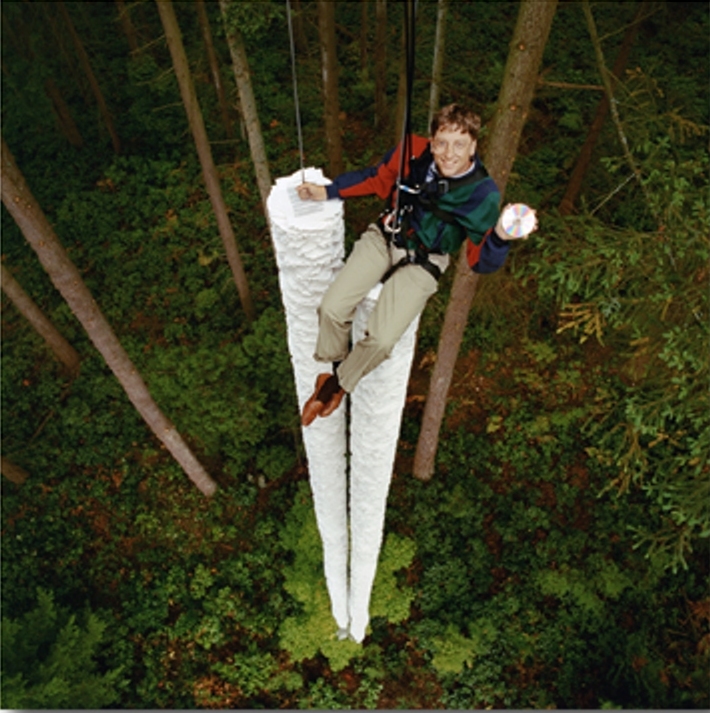
Bill Gates with CD in hand - from National Geographic Magazine, 1994

සංගත තැටි ලෝකයේ ජනප‍්‍රිය වන්නට පටන්ගත් 1990 දශකයේ මුල් යුගයේ නැෂනල් ජියෝග‍්‍රැෆික් (National Geographic) සගරාවේ ඒ ගැන ලිපියක් සමග අපූරු ඡයාරූපයක් පළ කර තිබුණා. තොරතුරු සමාජයේ ඉදිරි ගමනට පාර කැපූ දැවැන්තයකු වන බිල් ගේට්ස් විශාල ගසක කඹයකින් එල්ලී සිනාසෙමින් සිටිනවා. ඔහු අතේ සංගත තැටියක් තිබෙනවා. ඒ අසලින් මහ කන්දක් වගේ කඩදාසි ගොන්නක් ගොඩ ගසා තිබෙනවා.

මීටර් බර ගානක් උසට විහිදෙන මේ කඩදාසිවල තිබෙන සියළු අන්තර්ගතය අර තනි සංගත තැටියේ ඇති බව ඡයාරූපය ගැන විස්තරයේ කියැවෙනවා. සංගත තැටියේ හපන්කම් ගැන මා දුටු ඉතා ම විසිතුරු පැහැදිලි කිරීම එයයි.

දැනුම් ගවේෂණයට අවශ්‍ය මූලික ගුණාංග එදත් අදත් වෙනස් වී නැහැ. අසීමිත කුතුහලය, දැඩි උද්‍යෝගය, නොසිඳෙන දැනුම් පිපාසය හා චිත්ත ඒකාග‍්‍රතාව ඒ අතර වනවා. පොත් රැසක් ඇති පුස්තකාලයකට පිවිසි විට හෝ වෙබ් අඩවි ලක්ෂ ගණනක් හමුවේ හෝ අවශ්‍ය කුමක් ද කියා අප සීරුවෙන් තෝරා බේරා ගත යුතු වනවා.

එමෙන්ම තොරතුරු නිරවුල්ව හා නිවැරදිව අපේ අවශ්‍යතාවන්ට අදාළ කරගත් විට පමණයි එය දැනුම (knowledge) බවට පත් වන්නේ.

සිවුමංසල කොලූගැටයා #106: ‘ඔබ මට විශ්වාසයි’ ඕස්ටේ‍්‍රලියාවට හදුන්වා දුන් ලාංකිකයා

In my Ravaya column (in Sinhala) this week, I write about Lentil As Anything, the uncommon restaurant chain in Melbourne, Australia. It has no prices on the menu, no cashier, no cash register. Customers are invited to dine first — and pay what they think their meal was worth. This pay-as-you-feel approach has survived a dozen years, earning its founder Shanaka Fernando honours and accolades.

I wrote about this topic in English in my Ceylon Today column on 23 Jan 2013.

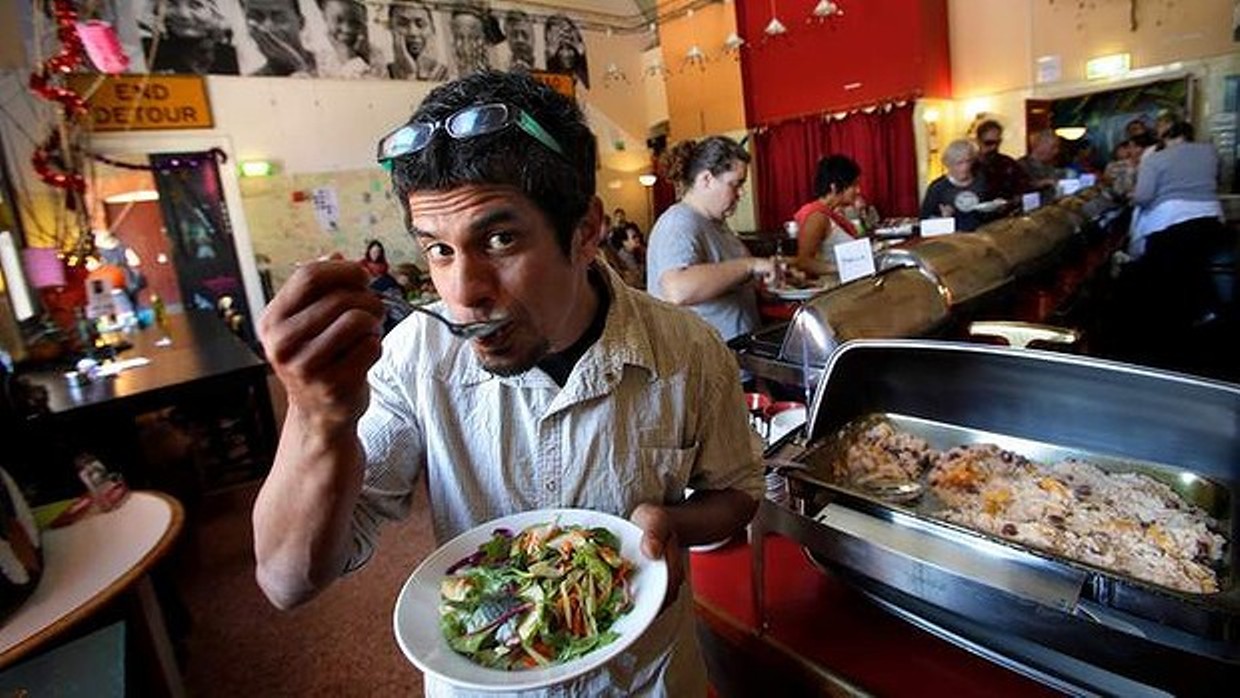
Shanaka Fernando, image courtesy Goodfood.com

වෙළඳපොල සමාජයේ හැම භාණ්ඩයකට හා සේවාවකට ම මිළක් නියම කැරෙනවා. එය නිෂ්පාදකයා හෝ අලෙවිකරුවා හෝ විසින් ගන්නා තීරණයක්. භාණ්ඩයේ වටිනාකම, පාරිභෝගික ඉල්ලූම, තරගකාරී සපයන්නන් එයට දී තිබෙන මිළ ආදී සාධක සැළකිල්ලට ගෙන මිළ නියම කිරීම සිරිතයි.

එහෙත් මේ ප‍්‍රවාහයට එරෙහිව, පාරිභෝගිකයාගේ අභිමතය පරිදි ‘සාධාරණ මිළක්’ ගෙවන්නට නිදහස දෙන අවස්ථාද ඉඳහිට හමු වනවා. අපේ බොහෝ පාරම්පරික ආයුර්වේද වෛද්‍යවරුන් රෝගීන්ට ප‍්‍රතිකාර කිරීමෙන් පසු එයට සංඛ්‍යාත්මක ගාස්තුවක් ඉල්ලා සිටියේ නැහැ. රෝගියාට දරා ගත හැකි හා සාධාරණ යයි සිතෙන මුදලක්, එසේ නොමැති නම් ද්‍රව්‍යමය පරිත්‍යාගයක් කරනු ලැබුවා.

එහෙත් මේ උතුම් පිළිවෙත ධනවාදී ආර්ථික ක‍්‍රමය ස්ථාපිත වූ පාරිභෝගික සමාජයේ වෙනත් ගනුදෙනුවලට සාර්ථකව යොදා ගත හැකි ද? එසේ කළහොත් බංකොලොත් නොවී ව්‍යාපාරයක් කොපමණ කලක් පවත්වා ගත හැකි ද?

මේ ගැන දියුණු හා ධනවාදී රටකින් අසාමාන්‍ය ගනයේ උදාහරණයක් මීට වසර කිහිපයකට පෙර මා අත්දුටුවා ඔස්ටේ‍්‍රලියාවේ මෙල්බර්න් නුවරදී.

මෙල්බර්න්, වික්ටෝරියා ප‍්‍රාන්තයේ අගනුවර හා එරට දෙවන විශාලතම නගරයයි. මහා මෙල්බර්න් ප‍්‍රදේශයේ මිලියන් 4කට අධික ජනකායක් වෙසෙනවා. ජන විවිධත්වය අතින් ඉහළ මේ නගරයේ ලොව විවිධ රටවලින් සංක‍්‍රමණය වූවන් හමු වනවා. දේශගුණික, සාංස්කෘතික හා වෙනත් සාධක රැසක් සළකා බැලූ විට ලෝකයේ ජීවත්වීමට වඩාත්ම හොඳ නගරය (world’s most livable city) ලෙස 2011 හා 2012 යන දෙවසරේ ලෝක ව්‍යාප්ත සමීක්ෂණයකදී ඉහළට ම ආවේ මේ නගරයයි.

1996 පටන් කිහිප විටක් මා මෙල්බර්න් නගරයට ගොස් තිබෙනවා. 2006දී මගේ ඔස්ටේ‍්‍රලියානු මිත‍්‍ර සංගීතවේදී හා චිත‍්‍රපට අධ්‍යක්ෂ ඇන්ඩෘ ගාර්ටන් මා අමුතු ආකායේ අවන්හලකට (රෙස්ටුරන්ට් එකකට) කැඳවා ගෙන ගියා. රසවත් නිර්මාංශ (vegetarian) ආහාරවේලක් පමණක් නොව අසාමානය සමාජශීලී අත්දැකීමක් ද පාරිභෝගිකයන්ට ලබා දෙන එහි නම Lentil as Anything. (කෙටි නම: LAA).

ලොව විවිධ සූප ක‍්‍රමවේදවලින් ආභාෂය ලැබූ නිර්මාංශ ආහාර වට්ටෝරු රාශියක් එහිදී ඇනවුම් කළ හැකියි. හැබැයි එහි විශේෂත්වය නිර්මාංශ ආහාර පමණක් තිබීම නොවෙයි. ඔවුන්ගේ කෑම ලයිස්තුවේ (menu) කිසි තැනෙක මිළ ගණන් සඳහන් කර නැහැ. එයට හේතුව ඔවුන්ගේ ක‍්‍රමයෙහි මිළ දර්ශනයක් නොතිබීමයි.

අප කැමති ආහාරවේලක් ඔවුන්ගේ සිත් ගන්නා සුළු අවන්හල ඇතුළේ විවේකීව රස විදීමෙන් පසුව නික්ම යන විට අප ‘සාධාරණ යයි සිතන ගණනක්’ දමා යන්නට කුඩා බාස්කට්ටු තබා තිබෙනවා. එහෙත් හැම පාරිභෝගිකයා ම එසේ කරනවා ද යන්න සෝදිසි කිරීමට සේවකයන් රඳවා නැහැ.

මෙය ‘දන් සැලක්’ නොවෙයි! නොඑසේ නම් දුගී හා අසරණයන්ට සහන සළසන පුණ්‍යායතනයක් ද නොවෙයි. ඔස්ටේ‍්‍රලියානු සමාජයේ හැම තරාතිරමක ම වැසියන් (සහ සංචාරකයන්) යන එන, සම්භාවනීය ලෙසින් පවත්වා ගෙන යන ව්‍යාපාරික ස්ථානයක්. එක ම වෙනස නම් ඔවුන්ගේ ව්‍යාපාරික ආකෘතිය (business model) පදනම් වී ඇත්තේ පාරිභෝගිකයා විශ්වාස කිරීමේ සංකල්පය මතයි.

“අපි අපේ පාරිභෝගිකයන්ට රසවත් හා ගුණදායක ආහාරවේලක් සතුටින් පිළි ගන්වා, එය භුක්ති විදින්නට හිතකර පරිසරයක් පවත්වා ගන්නවා. පාරිභෝගිකයන් ද එවිට හරි දේ කරනවා යයි අප විශ්වාස කරනවා,” LAA කළමණාකරුවන් කියනවා.

මා LAA වෙත කැඳවා ගෙන ගිය ඇන්ඩෘ ගාර්ට්න් කීවේ 2000දී කුඩා පරිමානයෙන් එක් තැනක පටන් ගත් මේ ව්‍යාපාරය 2006 වන විට ජනප‍්‍රිය වී අවන්හල් කිහිපයක් ම විවෘත කර ඇති බවයි. මේ සංකල්පය ලාංකික සංක‍්‍රමනිකයකුගේ අදහසක් බවත් ඇන්ඩෘ කීවා. LAA නිර්මාතෘවරයා ශානක ප‍්‍රනාන්දු (Shanaka Fernando). ඔහු මුණ ගැසීමට මට අවස්ථාවක් නොලැබුණත්, ඔහු ගැන තොරතුරු සමුදායක් සොයා ගත හැකි වුණා.

ඉසුරුබර ලාංකික පවුලක උපන් ශානක ප‍්‍රනාන්දු ළමා විය ගත කළේ ශ‍්‍රී ලංකාවේ බවත්, 1983 කළ ජූලිය ඇතුළු මෑත ඉතිහාසයේ අමිහිරි සිදුවීම් අත්වි`දි බවත් කියැවෙනවා. 1995දී ඔහු ඔස්ටේ‍්‍රලියාවට ගියේ මෙල්බර්න් සරසවියේ නීති විෂයය හදාරන්න.

එහෙත් ටික කලකින් එය අතහැර දැමූ ඔහු තමන්ගේ සිත් ගත් නොයෙක් රැකියා කළා. ත‍්‍රාසජනක ඔංචිල්ලා පදවන්නකු, සජීව විකට ශිල්පියකු (comedian) හා නැට්ටුවකු ලෙස ජීවිකාව උපයා ගන්නා අතර දේශ සංචාරය හා විවිධ සංස්කෘතීන් හැදෑරීම කළ ඔහු මෙල්බර්න් තදාසන්න ප‍්‍රදේශයක මුල් ම LAA අවන්හල 2000දී ඇරඹුවා.

LentilAsAnything_logo

ඒ සඳහා ඔහු සම්බන්ධ කර ගත්තේ ඔහු වැනි ම වෙනත් රටවල සිට ඔස්ටේ‍්‍රලියාවට සංක‍්‍රමනය වූ, අන්ත ධනවාදී ක‍්‍රමය පිළි නොගන්නා ‘ආර්ථික විකල්පවාදීන්’ පිරිසක්. නමුත් ධනවාදයට එරෙහිව විප්ලව කරනවා වෙනුවට ධනවාදී සමාජය තුළ ම වඩාත් සානුකම්පිත ප‍්‍රවේශයක් අත්හදා බලන්නට ඔවුන්ට ඕනෑ වුණා.

“හැම දෙයක්ම ඇති-හැකි අයට පමණක් සීමා වුණු නගරයක හා කාලයක අපි එයට එරෙහිව යන්නට තීරණය කළා. අපේ අවන්හලේ කැෂියර් (අයකැමියෙක්) නැහැ. ගෙවන කවුන්ටරයක්, බිල්පත්, මිළ දර්ශන කිසිවක් නැහැ. නික්ම යන තැන පෙට්ටියක් හෝ බාස්කට්ටුවක් තිබෙනවා. අපේ පාරිභෝගිකයාගේ හෘද සාක්ෂිය අනුව ගණනක් තබා යන්නට අප ඇරැයුම් කරනවා,” ශානක කියනවා.

ඔස්ටේ‍්‍රලියානු සමාජයේ ද දුගී දුප්පත්කම තිබෙනවා. කිසි දිනෙක සිය නිවෙසින් බැහැරව අවන්හලක කෑම වේලක් ගන්නට හැකියාව නැති අය LAA අවන්හල් නිසා සමාජශීලී වීමේ නිදහස අත් විදිනවා. නැතිබැරි අය පවා අති බහුතරයක් හැකි අන්දමින් මුදලක් ඉතිරි කර නික්ම යනවා. එය ඔවුන්ගේ ආත්ම ගරුත්වයයි. ඒ අතර වඩාත් දානපති හැගීමක් ඇති අයට තමන් රස විදි කෑම වේලට වඩා ඉහළ මට්ටමේ ආධාරයක් කිරීමේ විවෘත ඇරැයුමක් ද තිබෙනවා.

නන්නාදුනන පාරිභෝගිකයන්ගේ හිත හොඳකම මත විශ්වාසය තබා ව්‍යාපාරයක් පවත්වාගෙන යා හැකි ද? (අපේ රටේ නම් මෙය අදහන්නටවත් පුළුවන් ද?) මේ ගැන මා LAA අත්දැකීම ලද ඔස්ටේ‍්‍රලියානුවන්ගෙන් විමසා බැලූවා.

මුල් වසර කිහිපයේදී ශානක විකාරකාරයෙක් යයි එරට අනෙක් අවන්හල් හිමියන් හාස්‍යයෙන් බැහැර කොට තිබෙනවා. එසේම රස්තියාදුකාර, කඩාකප්පල්කාරී පාරිභෝගිකයන් ටික දෙනකුගෙන් LAAට අලාබ සිදු වී තිබෙනවා.

එක් අවස්ථාවක ශානක හා LAA සමාගම බංකොලොත් වීම අබියසට ම ගියා. එහෙත් හිත හොඳ පාරිභෝගිකයන් මේ සද්කාර්යය වැසී යන්නට ඉඩ දෙන්නේ නැහැ. ඔවුන් මේ වටා ඒක රාශීවීම මේ ව්‍යාපාරයේ ලොකු ම සවිය වෙලා.

මේ අතර නිලධාරිවාදයට මේ අසාමාන්‍ය සංකල්පය තේරුම් ගන්නට අමාරු වුණා. බිල්පත් හෝ මිළ දර්ශන නැති මේ අවන්හලෙන් පාරිභෝජන බද්ද (GST) අය කර ගන්නේ කෙලෙසද? මේ නිසා බදු නිලධාරීන් දිගින් දිගට ම LAAට අරියාදු කළා. අන්තිමේදී මේ ව්‍යාපාරයෙන් ඨීඔ අය නොකළ යුතු බවට අධිකරණ තීන්දුවක් ලබා ගන්නට ශානකට සිදු වුණා.

වසර කිහිපයක් අමාරුවෙන් වැඩ කොට සංකල්පය ස්ථාපිත කළ පසු ප‍්‍රශංසා හා සාර්ථකත්වය ටිකෙන් ටික ළගා වුණා. ඔස්ටේ‍්‍රලියාවේ පොදු ජන උන්නතියට කැපවී ක‍්‍රියා කරන අයට වාර්ෂිකව පිරිනමන වසරේ හොඳම ඔස්ටේ‍්‍රලියානුවා රාජ්‍ය සම්මාන ක‍්‍රමයේ ප‍්‍රජා වීරයා සම්මානය (Australian of the Year – Local Hero) 2007දී ශානක ප‍්‍රනාන්දුට පිරිනැමුණා.

එහි හේතුපාඨයේ LAA හදුන්වා තිබුණේ “ගතානුගතික පාරිභෝගික සමාජය උඩුකුරු යටිකුරු කරමින්, විශ්වාසය මත පදනම් වූ ව්‍යාපාරික සංකල්පයක් සමාජ පර්යේෂණයක් ලෙස ඉදිරියට ගෙන යාමක්” හැටියටයි.

ඕස්ටේ‍්‍රලියානු කැන්බරා අගනුවර පිහිටි ප‍්‍රජාතන්ත‍්‍රවාදය පිළිබඳ කෞතුකාගාරයේ මහජන ප‍්‍රදර්ශනයට මුල් ම LAA ‘පින් පෙට්ටිය’ තබා තිබෙනවා. එයට හේතුව LAA අවන්හල් නිසා මුල් වරට සියළු තරාතිරම්වල ඕස්ටේ‍්‍රලියානුවන්ට නිවසින් බැහැරව සිත සැහැල්ලූවෙන්, ආත්ම ගෞරවයක් ඇතිව කෑම වේලක් භුක්ති විදීමේ නිදහස ලැබුණු නිසායි. ජන සමාජයේ සමානාත්මතාවය හා පුද්ගලයන්ගේ ආත්ම ගෞරවය ඉහළින් සළකන ඔස්ටේ‍්‍රලියාව වැනි රටක මේ ඇගැයීම පුදුමයක් නොවෙයි.

LAA අවන්හල් ක‍්‍රමය දැන් ටිකෙන් ටික එරට පාසල් කැන්ටින්වලටත් හදුන්වා දීම ඇරඹිලා. 2008දී මුල් ම LAA ක‍්‍රමයේ කැන්ටිම මෙල්බර්න්හි කොලිංවුඞ් විද්‍යාලයේ පටන් ගත්තා. පාසල් තුළත්, වෙනත් හැම තැනකමත් LAA පිළි ගන්වන්නේ නිර්මාංශ ආහාර පමණයි. හැකි සැම විට ම කාබනික ක‍්‍රමයට වවන ලද එළවළු හා පළතුරු ඔවුන් යොදා ගන්නවා.

1995දී ශිෂ්‍යයකු හැටියට මුල් වරට එහි ගොස්, සරසවි අධ්‍යාපනය හමාර නොකළ ශානක ප‍්‍රනාන්දු අද මෙල්බර්න් නගරයේත්, ඔස්ටේ‍්‍රලියාව පුරාත් පරමාදර්ශී චරිතයක්. තවමත් තමන්ගේ පෞද්ගලික වත්කම් හා හිමිකම් ඉතා අල්පේච්ඡ මට්ටමින් පවත්වා ගන්නා, සරල චාම් ජීවිතයක් ගත කරන, බයිසිකලයෙන් ගමන් යන කෙනෙක්. ඔහුගේ අමුතු අත්දැකීම් ගැන දැන් ව්‍යාපාරිකයන්ට, ශිෂ්‍යයන්ට හා අනෙකුත් සභාවල නිතර දේශන පවත්වන්නට ශානකට ඇරයුම් ලැබෙනවා.

“මගේ පියාගේ ආසාව වූයේ මා BMW කාර් එකක් පදවන, මහා සුවිසල් නිවෙසක වෙසෙන ධනවත් නීතිඥයකු වනවා දකින්නයි. ඔහුගේ පැතුම මා ඉටු නොකළත් මා සිටින්නේ ඉතා සතුටින්. මගේ සේවක පිරිස සමග මා කරන මේ ව්‍යාපාරයෙන් ගුණදායක රසවත් ආහාර සමග සතුට හා සමාජශීලිත්වයත් අපි බෙදා දෙනවා,” ඔහු කියනවා.

LAA සංකල්පය දැක පැහැදීමට පත් වූ සංචාරකයන් තමන්ගේ රටවලත් එය ක‍්‍රියාත්මක කරන්නට තැත් කරනවා. ඒ ගැන සම්පූර්ණ තොරතුරු LAA සතුව නැතත්, අයර්ලන්තයේ Killarney නගරයේ දැනටමත් එබදු අවන්හලක් අරඹා තිබෙනවා යයි ශානක 2012 ඔක්තෝබර් සම්මුඛ සාකච්ඡුාවක දී කියා සිටියා.

ව්‍යාපාරික ලෝකය මේ සංකල්පය Pay-As-You-Please යයි නම් කරනවා. ශානක මුණ ගැසීමේ ලොකු ආසාවක් මට තිබෙනවා. ඔහු මගේ සම වයසේ, අසම්මත මගක ගිය තවත් කෙනකු නිසා.

එවිට මා ඔහුගෙන් අසන ප‍්‍රධාන ප‍්‍රශ්නය: අපේ ලංකාවේ මේ සංකල්පය සාර්ථකව ක‍්‍රියාත්මක කළ හැකි වෙයි ද?

Watch Shanaka speak at TEDx Melbourne 2012:

Shanaka Fernando on Social Enterprise and the Purpose of Money (2010 video)

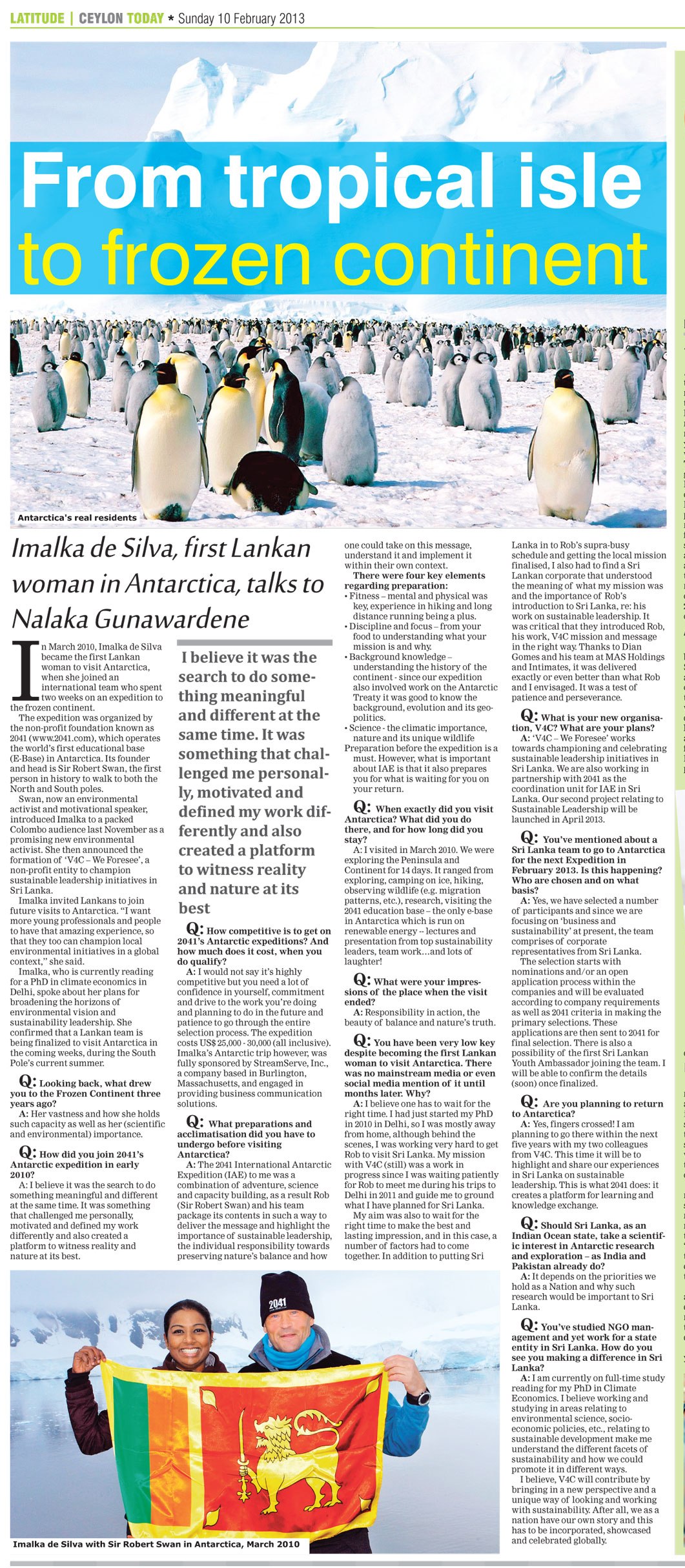
From Tropical Isle to Frozen Continent: Interview with Imalka de Silva, first Lankan woman in Antarctica

Published in Ceylon Today newspaper, Sunday 10 Feb 2013

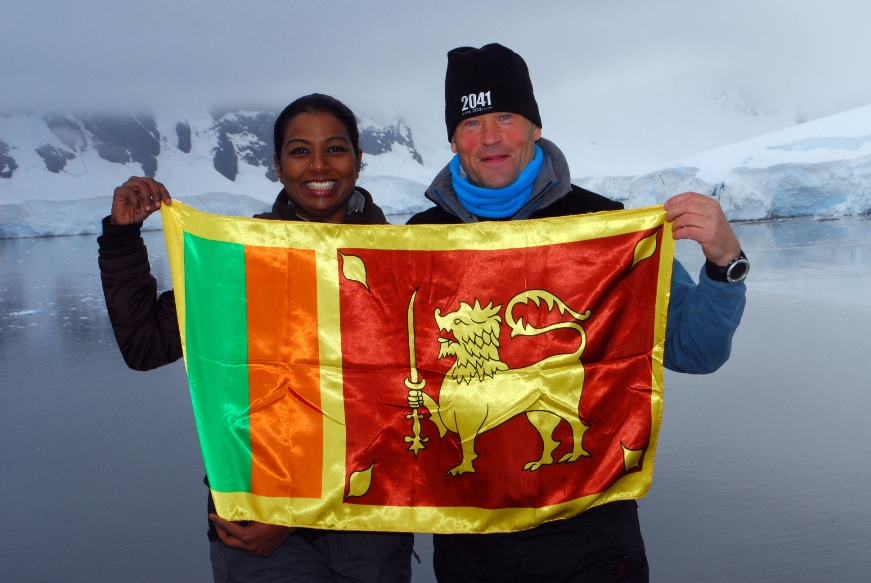
Imalka de Silva with Sir Robert Swan in Antarctica, March 2010

In March 2010, Imalka de Silva became the first Lankan woman to visit Antarctica, when she joined an international team who spent two weeks on an expedition to the frozen continent.

The expedition was organized by the non-profit foundation known as 2041 (www.2041.com), which operates the world’s first educational base (E-Base) in Antarctica. Its founder and head is Sir Robert Swan, the first person in history to walk to both the North and South poles.

Swan, now an environmental activist and motivational speaker, introduced Imalka to a packed Colombo audience last November as a promising new environmental activist. She then announced the formation of ‘V4C – We Foresee’, a non-profit entity to champion sustainable leadership initiatives in Sri Lanka.

Imalka invited Lankans to join future visits to Antarctica. “I want more young professionals and people to have that amazing experience, so that they too can champion local environmental initiatives in a global context,” she said.

Imalka, who is currently studying for a PhD in climate economics in Delhi, recently talked to Nalaka Gunawardene about her plans for broadening the horizons of environmental vision and sustainability leadership. She confirmed that a Lankan team is being finalized to visit Antarctica in the coming weeks, during the South Pole’s current summer.

Looking back, what drew you to the Frozen Continent three years ago?

Her vastness and how she holds such capacity as well as her (scientific and environmental) importance.

How did you join 2041’s Antarctic expedition in early 2010?

I believe it was the search to do something meaningful and different at the same time. It was something that challenged me personally, motivated and defined my work differently and also created a platform to witness reality and nature at its best.

How competitive is to get on 2041’s Antarctic expeditions? And how much does it cost, when you do qualify?

I would not say it’s competitive but you need a lot of confidence in yourself, commitment and drive to the work you’re doing and planning to do in the future and patience to go through the entire selection process. The expedition costs US$ 25,000 – 30,000 (all inclusive). [Note: Imalka’s Antarctic trip was fully sponsored by StreamServe, Inc., a company based in Burlington, Massachusetts, and engaged in providing business communication solutions.]

What preparations and acclimatisation did you have to undergo before visiting Antarctica?

The 2041 International Antarctic Expedition (IAE) to me was a combination of adventure, science and capacity building, as a result Rob (Sir Robert Swan) and his team package its contents in such a way to deliver the message and highlight the importance of sustainable leadership, the individual responsibility towards preserving nature’s balance and how one could take on this message, understand it and implement it within their own context.
There were four key elements regarding preparation:
• Fitness – metal and physical was key, experience in hiking and long distance running being a plus.
• Discipline and focus – from your food to understanding what your mission is and why.
• Background knowledge – understanding the history of the continent – since our expedition also involved work on the Antarctic Treaty it was good to know the background, evolution and its geo-politics.
• Science – the climatic importance, nature and its unique wildlife
Preparation before the expedition is a must. However, what is important about IAE is that it also prepares you for what is waiting for you on your return…

When exactly did you visit the Antarctica? What did you do there, and for how long did you stay?

I visited in March 2010. We were exploring the Peninsula and Continent for 14 days. It ranged from exploring, camping on ice, hiking, observing wildlife (e.g. migration patterns, etc.), research, visiting the 2041 education base – the only e-base in Antarctica which is run on renewable energy — lectures and presentation from top sustainability leaders, team work…and lots of laughter!

What were your impressions of the place when the visit ended?

Responsibility in action, the beauty of balance and nature’s truth.

You have been very low key despite becoming the first Lankan woman to visit Antarctica. There was no mainstream media or even social media mention of it until months later. Why?

I believe one has to wait for the right time. I had just started my PhD in 2010 in Delhi, so I was mostly away from home, although behind the scenes, I was working very hard to get Rob to visit Sri Lanka. My mission with V4C (still) was a work in progress since I was waiting patiently for Rob to meet me during his trips to Delhi in 2011 and guide me to ground what I have planned for Sri Lanka.

My aim was also to wait for the right time to make the best and lasting impression, and in this case, a number of factors had to come together. In addition to putting Sri Lanka in to Rob’s supra-busy schedule and getting the local mission finalised, I also had to find a Sri Lankan corporate that understood the meaning of what my mission was and the importance of Rob’s introduction to Sri Lanka re: his work on sustainable leadership. It was critical that they introduced Rob, his work, V4C mission and message in the right way. Thanks to Mr. Dian Gomes and his wonderful team at MAS Holdings and Intimates, it was delivered exactly or even better than what Rob and I envisaged. It was a test of patience and perseverance…

What is your new organisation, V4C? What are your plans?

‘V4C – We Foresee’ works towards championing and celebrating sustainable leadership initiatives in Sri Lanka. We are also working in partnership with 2041 as the coordination unit for IAE in Sri Lanka. Our second project relating to Sustainable Leadership will be launched in April 2013.

You’ve mentioned about a Sri Lanka team to go to Antarctica for the next Expedition in February 2013. Is this happening? Who has been chosen? And on what basis or considerations?

Yes, we have selected a number of participants and since we are focusing on ‘Business and Sustainability’ at present, the team comprises of corporate representatives from Sri Lanka.

The selection starts with nominations and/or an open application process within the companies, the CEO and their teams will then evaluate according to company requirements as well as 2041 criteria and select the final set. These applications are then sent to 2041 for final selection/approval. There is also a possibility of the first Sri Lankan Youth Ambassador joining the team. I will be able to confirm the details (soon) once finalized.

Are you planning to return to Antarctica?

Yes, fingers crossed! I am planning to go there within the next five years with my two colleagues from V4C. This time it will be to highlight and share our experiences in Sri Lanka on sustainable leadership. This is what 2041 does: it creates a platform for learning and knowledge exchange.

Should Sri Lanka, as an Indian Ocean state, take a scientific interest in Antarctic research and exploration – as India and Pakistan already do?

It depends on the priorities we hold as a Nation and why such research would be important to Sri Lanka.

You’ve studied NGO management and yet work for a state entity in Sri Lanka. How do you see you making a difference in Sri Lanka?

I am currently on full-time study reading for my PhD in Climate Economics. I believe working and studying in areas relating to environmental science, socio-economic policies, etc., relating to sustainable development make me understand the different facets of sustainability and how we could promote it in different ways.

For example, the exposure I am getting by working with the private sector is giving me ways of branding sustainability. This enables me to see the best fit, the do-ability and how we could at best engage Sri Lankan young professionals, entrepreneurs and environmental champions to create sustainable initiatives.

So I believe V4C will contribute by bringing in a new perspective and a unique way of looking and working with sustainability. After all, we as a nation have our own story and this has to be incorporated, showcased and celebrated globally.

Interview with Imalka de Silva - Ceylon Today, 10 Feb 2013

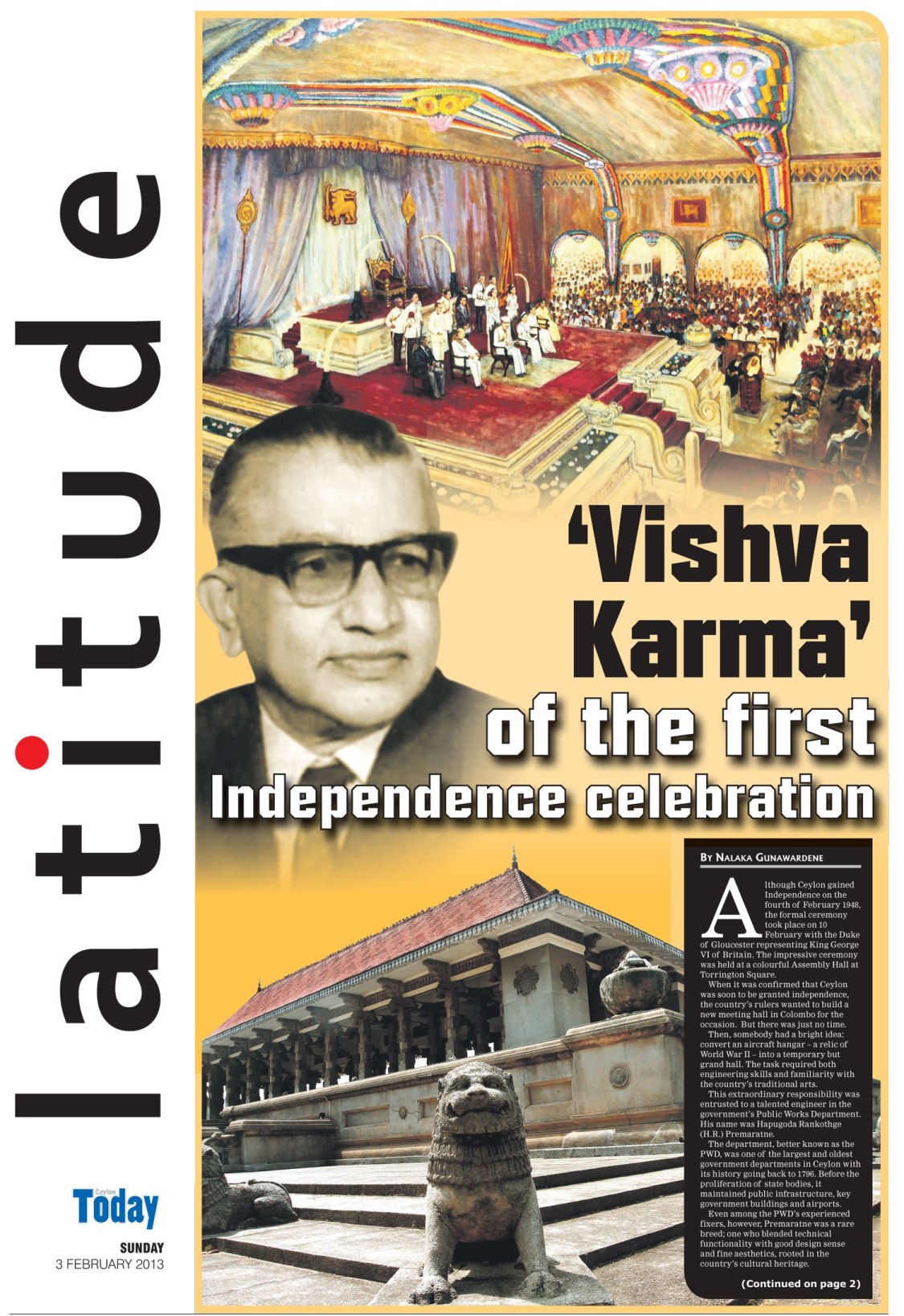
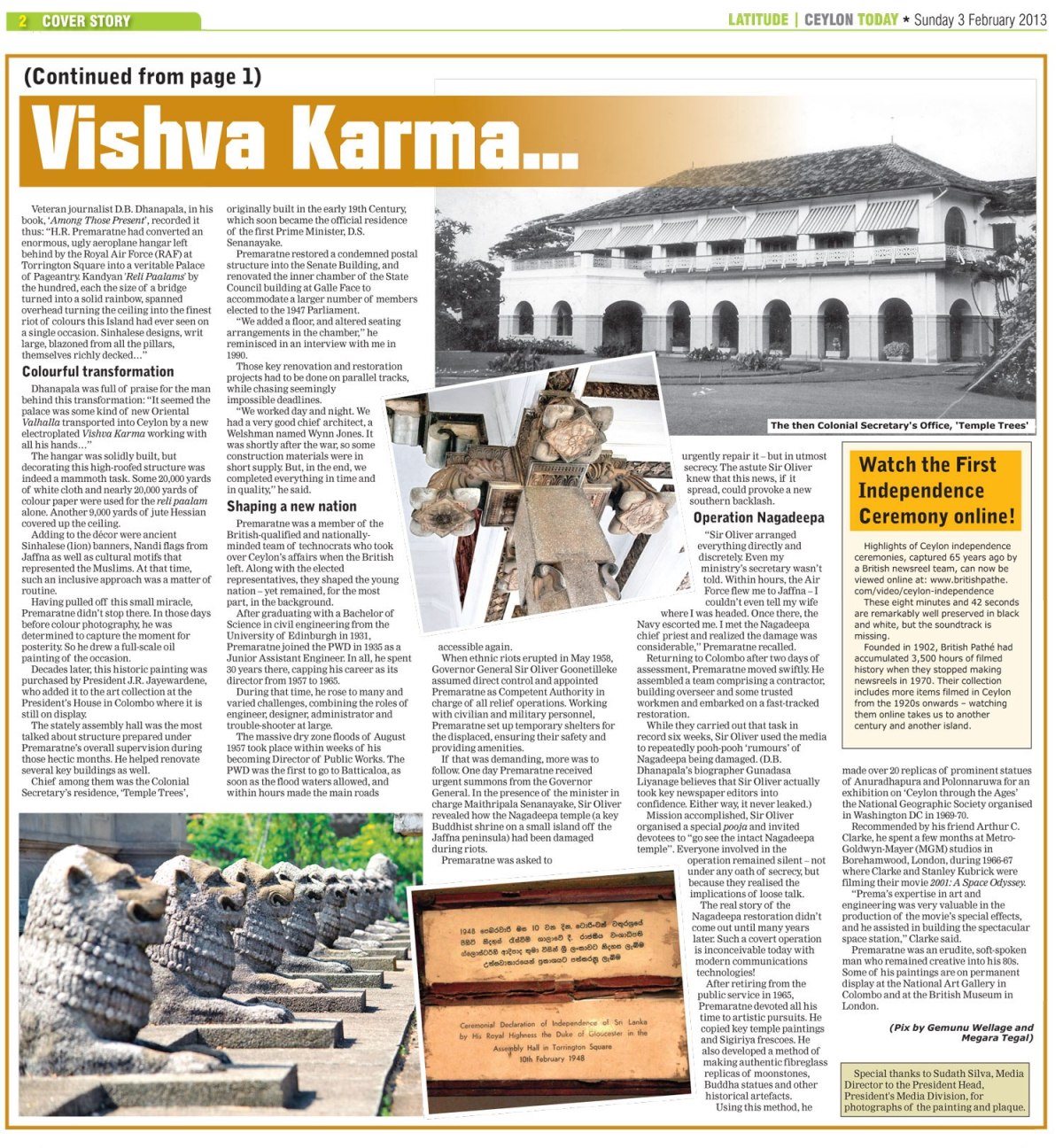
H R Premaratne: ‘Vishva Karma’ of Ceylon’s first Independence celebration

Feature article published in Ceylon Today broadsheet newspaper on 3 February 2013

First Ceylon Independence ceremony - Colombo, 10 Feb 1948, painted by H R Premaratne
First Ceylon Independence ceremony – Colombo, 10 Feb 1948, painted by H R Premaratne

Although Ceylon gained Independence on 4 February 1948, the formal ceremony took place on February 10 with the Duke of Gloucester representing King George VI of Britain. The impressive ceremony was held at a colourful Assembly Hall at Torrington Square in Colombo.

When it was confirmed that Ceylon was soon to be granted independence, the country’s rulers wanted to build a new meeting hall in Colombo for the occasion. But there was just no time.

Then somebody had a bright idea: convert an aircraft hanger – a relic of World War II — into a temporary but grand hall. The task required both engineering skills and familiarity with the country’s traditional arts.

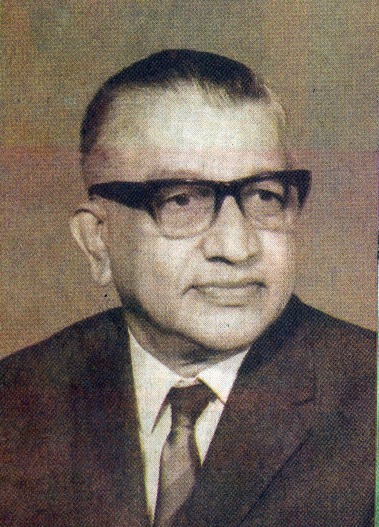
This extraordinary responsibility was entrusted to a talented engineer in the government’s Public Works Department. His name was Hapugoda Rankothge (H R) Premaratne.

The department, better known as the PWD, was one of the largest and oldest government departments in Ceylon with its history going back to 1796. Before the proliferation of state bodies, it maintained public infrastructure, key government buildings and airports.

Even among the PWD’s experienced fixers, however, Premaratne was a rare breed – one who blended technical functionality with good design sense and fine aesthetics rooted in the country’s cultural heritage.

Colourful transformation

Veteran journalist D B Dhanapala, in his book Among Those Present, recorded it thus: “H R Premaratne had converted an enormous, ugly aeroplane hanger left behind by the RAF at Torrington Square into a veritable Palace of Pageantry. Kandyan ‘Reli Paalams’ by the hundred, each the size of a bridge turned into a solid rainbow, spanned overhead turning the ceiling into the finest riot of colours this Island had ever seen on a single occasion. Sinhalese designs, writ large, blazoned from all the pillars, themselves richly decked…”

Dhanapala was full of praise for the man behind this transformation: “It seemed the palace was some kind of new Oriental Valhalla transported into Ceylon by a new electroplated Vishva Karma working with all his hands…”

The hanger was solidly built, but decorating this high-roofed structure was indeed a mammoth task. Some 20,000 yards of white cloth, and nearly 20,000 yards of colour paper were used for the ‘reli paalam’ alone. Another 9,000 yards of jute Hessian covered up the ceiling.

H R Premaratne
H R Premaratne

Adding to the décor were ancient Sinhalese (lion) banners, Nandi flags from Jaffna, as well as cultural motifs that represented the muslims. At that time, such an inclusive approach was a matter of routine.

Having pulled off this small miracle, Premaratne didn’t stop there. In those days before colour photography, he was determined to capture the moment for posterity. So he drew a full scale oil painting of the occasion.

Decades later, this historic painting was purchased by President J R Jayewardene who added it to the art collection at the President’s House in Colombo where it is still on display (main photo).

The stately assembly hall was the most talked about structure prepared under Premaratne’s overall supervision during those hectic months. He helped renovate several key buildings as well.

Chief among them was the Colonial Secretary’s residence ‘Temple Trees’, originally built in the early 19th century, which soon became the official residence of the first Prime Minister D S Senanayake.

Premaratne restored a condemned postal structure into the Senate Building, and renovated the inner chamber of the State Council building at Galle Face to accommodate a larger number of members elected to the 1947 Parliament.

“We added a floor, and altered seating arrangements in the chamber,” he reminisced in an interview with me in 1990.

Those key renovation and restoration projects had to be done on parallel tracks, while chasing seemingly impossible deadlines.

“We worked day and night. We had a very good chief architect, a Welshman named Wynn Jones. It was shortly after the War, so some construction materials were in short supply. But in the end, we completed everything in time and in quality,” he said.

Shaping New Nation

Premaratne was a member of the British qualified and nationally minded team of technocrats who took over Ceylon’s affairs when the British left. Along with the elected representatives, they shaped the young nation — yet remained, for the most part, in the background.

After graduating with a BSc in civil engineering from the University of Edinburgh in 1931, Premaratne joined the PWD in 1935 as a Junior Assistant Engineer. In all, he spent 30 years there, capping his career as its director from 1957 to 1965.

During that time, he rose to many and varied challenges, combining the roles of engineer, designer, administrator and trouble-shooter at large.

The massive Dry Zone floods of August 1957 took place within weeks of his becoming Director of Public Works. PWD was the first to go to Batticaloa, as soon as the flood waters allowed, and within hours made the main roads accessible again.

When ethnic riots erupted in May 1958, Governor General Sir Oliver Goonetilleke assumed direct control appointed Premaratne as Competent Authority in charge of all relief operations. Working with civilian and military personnel, Premaratne set up temporary shelters for the displaced, ensuring their safety and providing amenities.

If that was demanding, more was to follow. One day Premaratne received urgent summons from the Governor General. In the presence of the minister in charge Maithripala Senanayake, Sir Oliver revealed how the Nagadeepa temple (a key Buddhist shrine on a small island off the Jaffna peninsula) had been damaged during riots.

Premaratne was asked to urgently repair it – but in utmost secrecy. The astute Sir Oliver knew that this news, if it spread, could provoke a new southern backlash.

Operation Nagadeepa

“Sir Oliver arranged everything directly and discretely. Even my ministry’s secretary wasn’t told. Within hours, the Air Force flew me to Jaffna — I couldn’t tell even my wife where I was headed. Once there, the Navy escorted me. I met the Nagadeepa chief priest, and realised the damage was considerable,” Premaratne recalled.

Returning to Colombo after two days of assessment, Premaratne moved swiftly. He assembled a team comprising a contractor, building overseer and some trusted workmen and embarked on a fast-tracked restoration.

While they carried out that task in record six weeks, Sir Oliver used the media to repeatedly pooh-pooh ‘rumours’ of Nagadeepa being damaged. (D B Dhanapala’s biographer Gunadasa Liyanage believes that Sir Oliver actually took key newspaper editors into confidence. Either way, it never leaked.)

Mission accomplished, Sir Oliver organised a special pooja and invited devotees to ‘go see the intact Nagadeepa temple’. Everyone involved in the operation remained silent – not under any oath of secrecy, but because they realised the implications of loose talk…

The real story of Nagadeepa restoration didn’t come out until many years later. Such a covert operation is inconceivable today with modern communications technologies!

After retiring from the public service in 1965, Premaratne devoted all his time to artistic pursuits. He copied key temple paintings and Sigiriya frescoes. He also developed a method of making authentic fibreglass replicas of moonstones, Buddha statues and other historical artefacts.

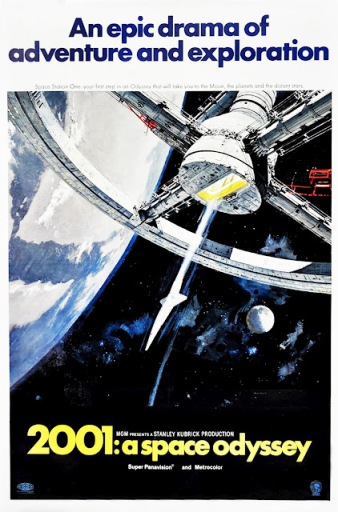
2001 A Space Odyssey (1968) Space Station One by Robert McCallUsing this method, he made over 20 replicas of prominent statues of Anuradhapura and Polonnaruwa for an exhibition on ‘Ceylon Through the Ages’ the National Geographic Society organised in Washington DC in 1969-70.

Recommended by his friend Arthur C Clarke, he spent a few months at MGM studios in Borehamwood, London, during 1966-67 where Clarke and Stanley Kubrick were filming their movie 2001: A Space Odyssey.

“Prema’s expertise in art and engineering was very valuable in the production of the movie’s special effects, and he assisted in building the spectacular space station,” Clarke said. (See: The artist who built a space station for 2001)

Premaratne was an erudite, soft-spoken man who remained creative into his 80s. I am privileged to have known him in his last few years. Some of his paintings are on permanent display at the National Art Gallery in Colombo and at the British Museum in London.

H R Premaratne tribute in Ceylon Today, 3 Feb 2013
H R Premaratne tribute in Ceylon Today, 3 Feb 2013 continued