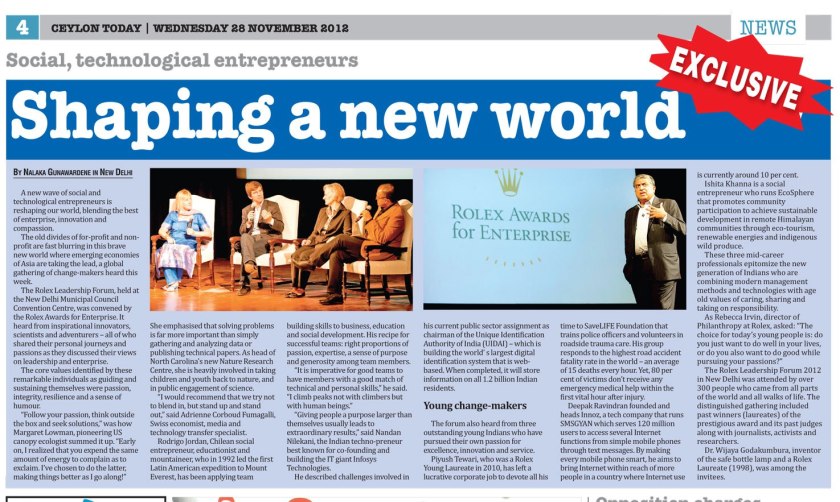
News feature published in Ceylon Today newspaper, 28 November 2012
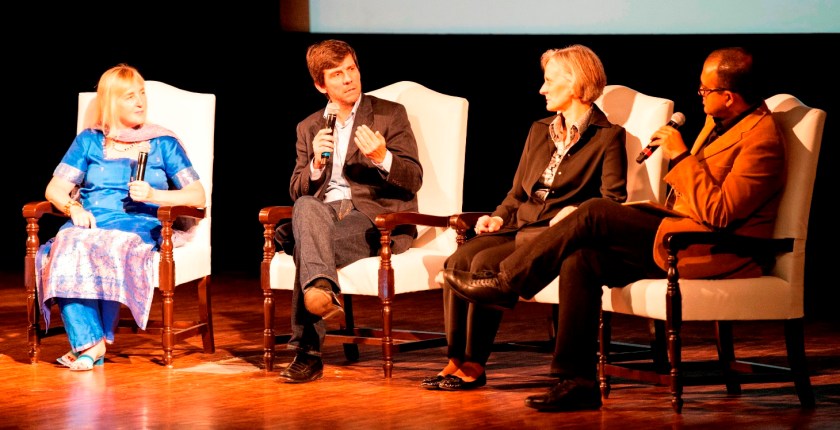
L to R – Margaret Lowman, Rodrigo Jordan, Adrienne Corboud Fumagalli & moderator R Sukumar
Social and technological entrepreneurs shaping a new world By Nalaka Gunawardene in New Delhi
A new wave of social and technological entrepreneurs is reshaping our world, blending the best of enterprise, innovation and compassion.
The old divides of for-profit and non-profit are fast blurring in this brave new world where emerging economies of Asia are taking the lead, a global gathering of change-makers heard this week.
The Rolex Leadership Forum, held at the New Delhi Municipal Council Convention Centre, was convened by the Rolex Awards for Enterprise. It heard from inspirational innovators, scientists and adventurers – all of who shared their personal journeys and passions as they discussed their views on leadership and enterprise.
The core values identifies by these remarkable individuals as guiding and sustaining themselves were passion, integrity, resilience and a sense of humour.
“Follow your passion, think outside the box and seek solutions,” was how Margaret Lowman, pioneering US canopy ecologist summed it up. “Early on, I realized that you expend the same amount of energy to complain as to exclaim. I’ve chosen to do the latter, making things better as I go along!”
She emphasised that solving problems is far more important than simply gathering and analysing data or publishing technical papers. As head of North Carolina’s new Nature Research Centre, she is heavily involved in taking children and youth back to nature, and in public engagement of science.
“I would recommend that we try not to blend in, but stand up and stand out,” said Adrienne Corboud Fumagalli, Swiss economist, media and technology transfer specialist.
Rodrigo Jordan, Chilean social entrepreneur, educationist and mountaineer, who in 1992 led the first Latin American expedition to Mount Everest, has been applying team building skills to business, education and social development. His recipe for successful teams: right proportions of passion, expertise, a sense of purpose and generosity among team members.
“It is imperative for good teams to have members with a good match of technical and personal skills,” he said. “I climb peaks not with climbers but with human beings.”
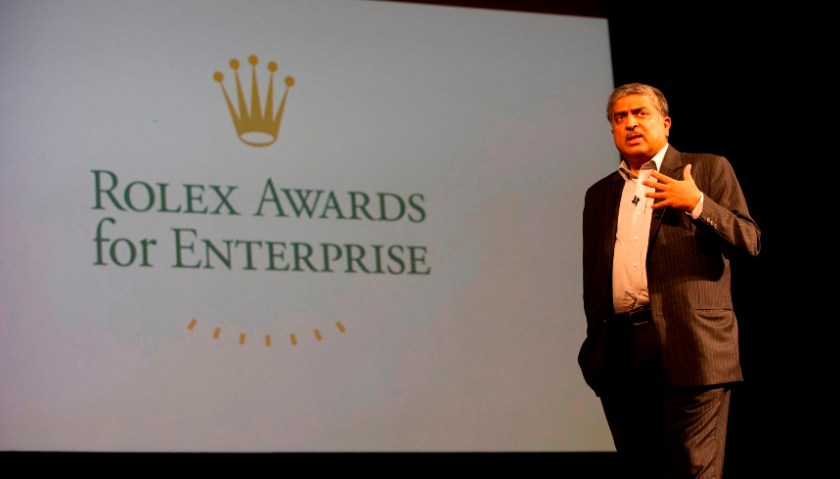
Nandan Nilekani speaks at Rolex Leadership Forum 2012
“Giving people a purpose larger than themselves usually leads to extraordinary results,” said Nandan Nilekani, the Indian techno-preneur best known for co-founding and building the IT giant Infosys Technologies.
He described challenges involved in his current public sector assignment as chairman of the Unique Identification Authority of India (UIDAI) – which is building the world’ s largest digital identification system that is web-based. When completed, it will store information on all 1.2 billion Indian residents.
Young change-makers
The forum also heard from three outstanding young Indians who have pursued their own passion for excellence, innovation and service.
Piyush Tewari, who was a Rolex Young Laureate in 2010, has left a lucrative corporate job to devote all his time to SaveLIFE Foundation that trains police officers and volunteers in roadside trauma care. His group responds to the highest road accident fatality rate in the world – an average of 15 deaths every hour. Yet, 80 per cent of victims don’t receive any emergency medical help within the first vital hour after injury.
Deepak Ravindran founded and heads Innoz, a tech company that runs SMSGYAN which serves 120 million users to access several Internet functions from simple mobile phones through text messages. By making every mobile phone smart, he aims to bring Internet within reach of more people in a country where Internet use is currently around 10 per cent.
Ishita Khanna is a social entrepreneur who runs EcoSphere that promotes community participation to achieve sustainable development in remote Himalayan communities through eco-tourism, renewable energies and indigenous wild produce.
These three mid-career professionals epitomise the new generation of Indians who are combining modern management methods and technologies with age old values of caring, sharing and taking on responsibility.
As Rebecca Irvin, director of Philanthropy at Rolex, asked: “The choice for today’s young people is: do you just want to do well in your lives, or do you also want to do good while pursuing your passions?”
The Rolex Leadership Forum 2012 in New Delhi was attended by over 300 people who came from all parts of the world and all walks of life. The distinguished gathering included past winners (laureates) of the prestigious award and its past judges along with journalists, activists and researchers.
Dr Wijaya Godakumbura, inventor of the safe bottle lamp and a Rolex Laureate (1998), was among the invitees.
Rolex Leadership Forum in Delhi, Ceylon Today 28 Nov 2012
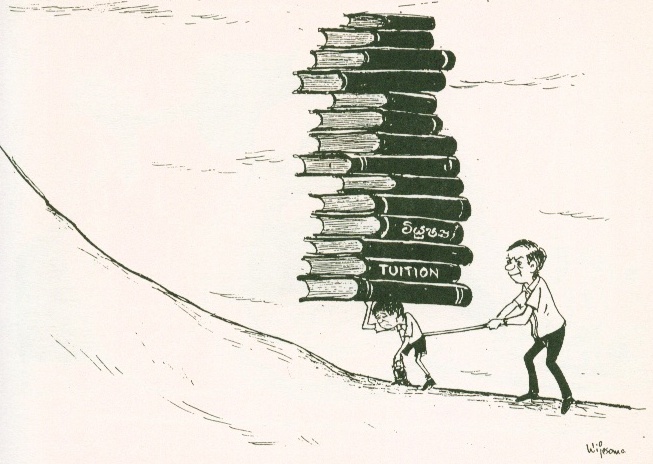
In this week’s Ravaya column (in Sinhala), I discuss the brutal, almost inhuman pressures the formal education system — schools, teachers and most parents — exert on our children.
My daughter was six at the time, and I was hoping she would be spared the worst of the Lankan educational system as she grew up. Alas, things have only become worse in that decade. I’ve tried to buffer her from the worst excesses: while she does not have parental pressure to ‘get ahead at any cost’, she is being driven by her school to ‘perform’ so as to ‘maintain the school’s glory’!
In this week’s Sunday column in Ravaya newspaper (in Sinhala), I’ve written about polar explorer Sir Robert Swan’s 2041 campaign to preserve the Antarctica as the world’s last great wilderness.
News feature published in Ceylon Today newspaper on 4 Nov 2012:
Wanted: Young Lankans for Antarctica!
By Nalaka Gunawardene
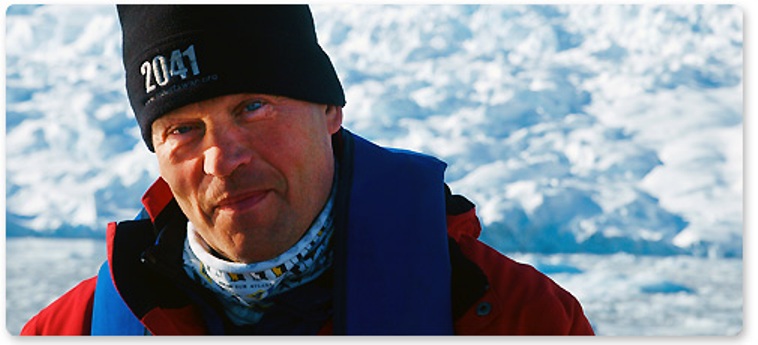
Sir Robert Swan, polar explorer
Environmentally inclined young Lankan men and women have a new opportunity to broaden their horizons: by joining an international youth expedition to the Antarctica!
This open invitation came from the polar explorer, environmental leader and motivational speaker Sir Robert Swan, who is in Sri Lanka on a short visit.
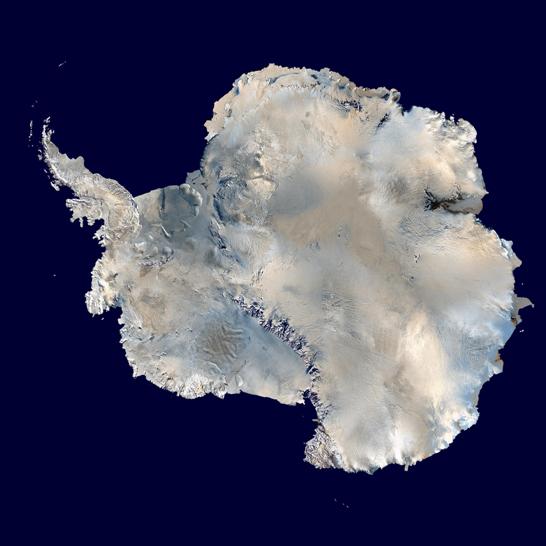
“Going to the Antarctica – the last great wilderness of the world, twice the size of Australia – is a life changing experience. We want more young people to experience it, and be transformed about what is happening to our environment, and what we can do about it,” he told a packed audience at the Galle Face Hotel on Saturday morning.
British born Swan, the first person in history to walk to both the North and South poles, has dedicated his life to the preservation of Antarctica by the promotion of recycling, renewable energy and sustainability to combat the effects of climate change.
His non-profit foundation, 2041 (www.2041.com), operates the world’s first educational base (E-Base) in Antarctica. Since 2008, it serves as a resource for teachers and an inspiration to young people around the world.
Swan introduced Imalka de Silva, said to be the first Lankan woman to visit Antarctica, who was part of an international team of youth who spent two and a half weeks at E-Base in early 2010.
“I want more young people to have that amazing experience, so that they too can champion the local environmental initiatives in a global context,” Imalka said.
She will soon be launching a new project that seeks to link the business community and environment conservation. Already, MAS Holdings (which organized the Robert Swan talk), Coca Cola (which sponsored his visit to Sri Lanka) and Millennium IT are interested in supporting competitively chosen young Lankans to visit the Antarctica, she revealed.
“Our concern for the environment needs to be broadened into a business opportunity, and only then will society change its ways,” she said.
Robert Swan, who has been spending time with selected youth groups working on environmental issues in Sri Lanka, added: “Sri Lanka can show regional leadership in motivating young people to act on environment and sustainability.”
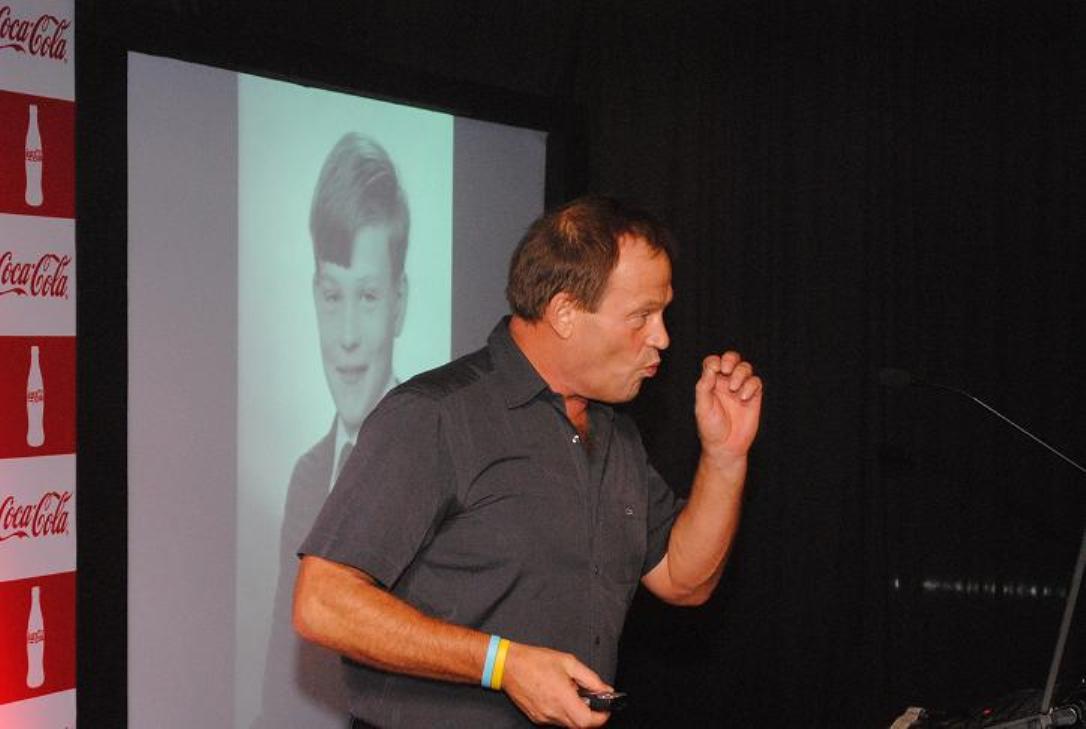
Sir Robert Swan giving a talk in Sri Lanka – image by 2041.com
In Sri Lanka, mass kidney failure during the past two decades has been followed by what I call a mass media failure. Most of our media have failed to understand, analyse and report adequately on this public health emergency. Instead of helping affected people and policy makers to work out solutions, some journalists have become amplifiers of extreme activist positions.
I talked about this at at the International Science Communication Leadership Workshop, held as part of Association of Academies & Societies of Sciences in Asia (AASSA) General Assembly in Colombo, 16-19 October 2012. An English article based on my talk appeared in Ceylon Today a few days ago:
Mass Kidney Failure & Mass Media Failure: Go ‘Upstream’ for Remedies!
I have just written up similar views (NOT a translation!) for my weekend Sinhala language column in Ravaya broadsheet newspaper:
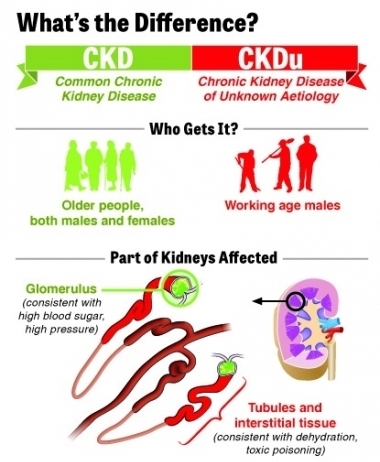
CKDu infographic courtesy Center for Public Integrity, USA
When I first met Karunathilaka three years ago, when he was experimenting with a model that measured 40 inches by 12 inches (101.6 cm x 30.5 cm). I interviewed him on Siyatha TV, showcasing his work in progress and discussing its future potential. He has come a long way since.
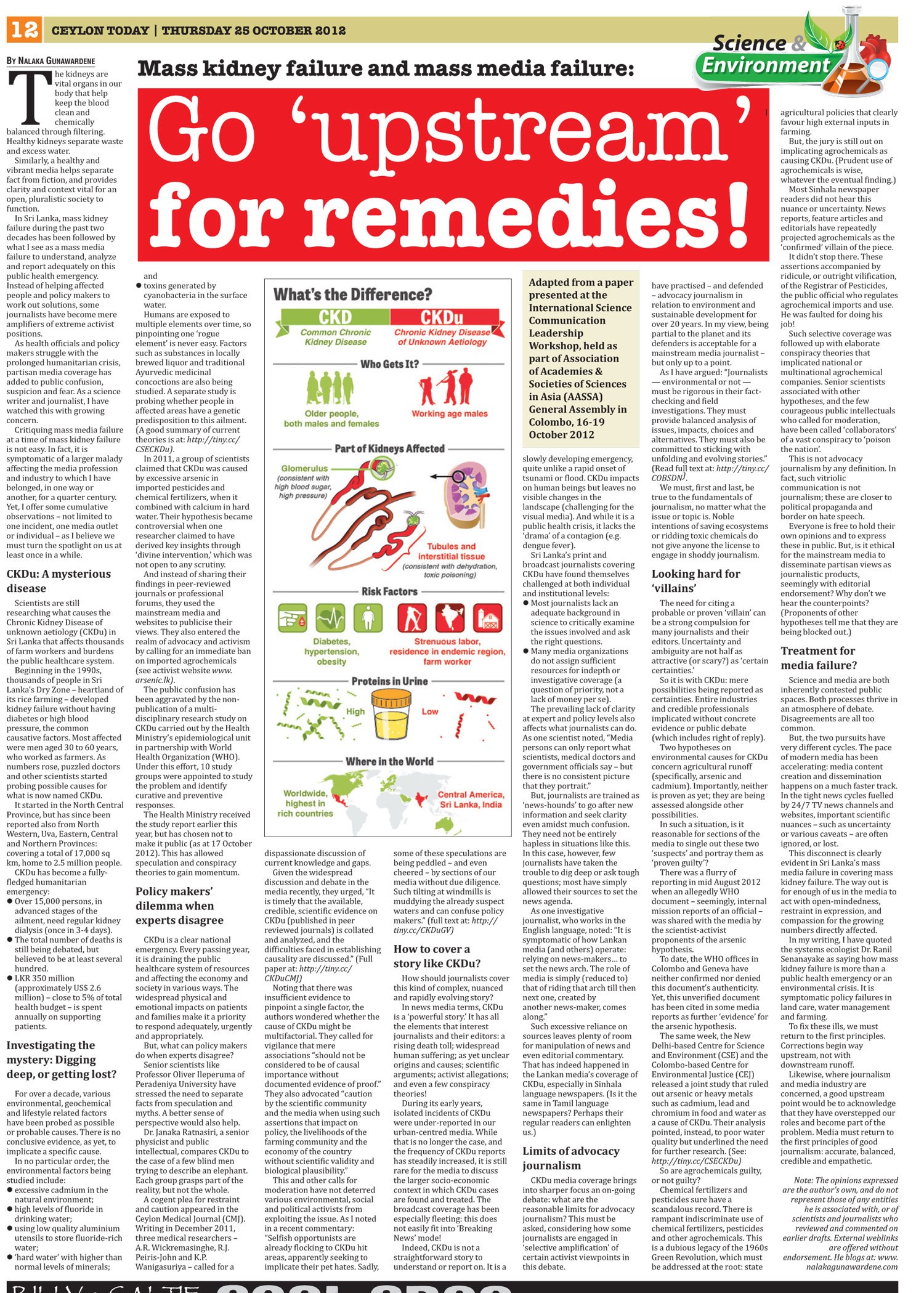
Ceylon Today newspaper has just published my article titled: Mass Kidney Failure & Mass Media Failure: Go ‘Upstream’ for Remedies!
It is adapted from a paper I presented last week at the International Science Communication Leadership Workshop, held as part of Association of Academies & Societies of Sciences in Asia (AASSA) General Assembly in Colombo, 16-19 October 2012.
In Sri Lanka, mass kidney failure during the past two decades has been followed by what I call a mass media failure. Most of our media have failed to understand, analyse and report adequately on this public health emergency. Instead of helping affected people and policy makers to work out solutions, some journalists have become amplifiers of extreme activist positions.
As health officials and policy makers struggle with the prolonged humanitarian crisis, partisan media coverage has added to public confusion, suspicion and fear. As a science writer and journalist, I have watched this with growing concern.
This is a critique of the Lankan media sector to which I have belonged, in one way or another, for a quarter century. I hope this will inspire some much-needed self-reflection among our media, which I feel over overstepped the boundaries of advocacy journalism in this issue. As I suggest, a return to first principles can help…
Full article below. Constructive engagement is welcomed.
Mass Kidney Failure & Mass Media Failure – Nalaka Gunawardene – Ceylon Today 25 Oct 2012
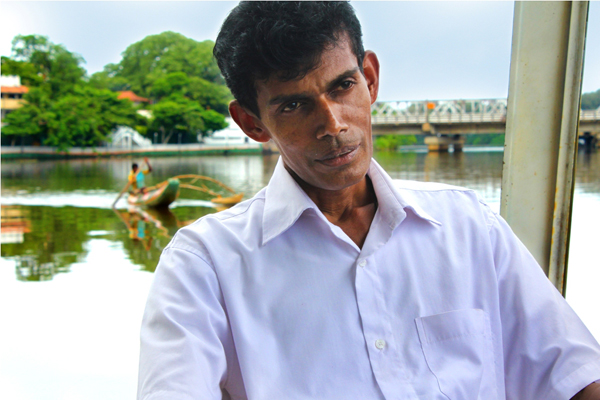
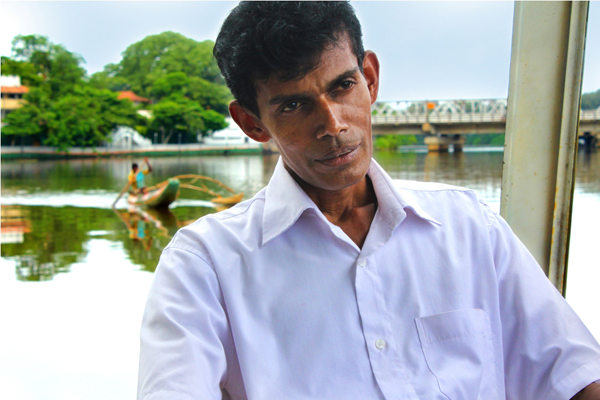
I S W Karunathilaka, winner of the ‘Ray Award’ 2012. Photo by Mevan Peiris/Snap Photography
I S W Karunathilaka, inventor of a waveless boat design that saves fuel and protects river banks, won the inaugural Ray Award for nurturing innovation excellence in Sri Lanka.
An accountant turned entrepreneur, he received the award at a gala awards ceremony held on 17 October 2012 at the Cinnamon Lakeside Hotel, Colombo, amidst an international audience.
The Commercial Bank has offered a grant worth LKR 1 million to assist Karunathilaka to prepare his invention for commercialisation, while the University of Moratuwa will provide technical advice and guidance.
Six Lankan inventors, already honoured with Presidential Awards for Innovation in recent years, were shortlisted for the award. Coming from diverse backgrounds and training, each had designed or produced a practical solution to an everyday need.
The Ray Award is a biennial, life-time award given in memory of the late Ray Wijewardene, the foremost inventor produced by Sri Lanka, to help a state recognised inventor to commercialise his or her invention. It is administered and presented by the Ray Wijewardene Charitable Trust (RWCT) in collaboration with the Sri Lanka Inventors Commission (SLIC) and the Commercial Bank.
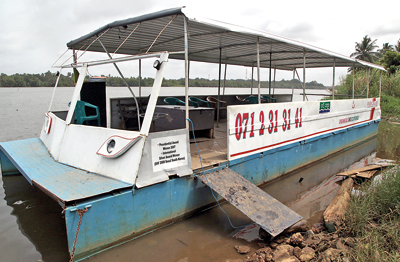
Prototype of waveless eco-boat designed by I S W KarunatilakeThe waveless boat is non-symmetric in shape: rectangular on the outside, but has curves facing the inside. It contains twin hulls, which allow water to travel through the hollow mid section and prevents waves being formed on the boat’s sides as it moves.
The boat is eco friendly in other ways too. It consumes less fuel as energy is not wasted in wave generation. Unlike conventional boats made from fibre glass, Karunathilaka’s vessel is made of steel and aluminium, with an anodic protection which reduces corrosion.
He has already built a prototype that can carry up to 50 passengers or 4,000 kg of cargo, which has been operating on the Kalu Ganga since late 2011.
“It was late Dr Ray Wijewardene’s vision and dream to see Sri Lanka develop economically through inventiveness and innovation,” said Dr Tissa Vitarana, Senior Minister of Scientific Affairs, who was chief guest. “The Ray Award celebrates what he stood for.”
“Our inventors need state recognition, society’s appreciation and funding to commercialise their ideas. We really need a good venture capital bank in Sri Lanka to support our inventors – this is what had made a difference in advanced economies like the United States,” he added.
Dr Vitarana noted that only 2 per cent of Sri Lanka’s exports received a high technology input at the moment. He underlined the need for Sri Lanka to develop its own technologies responding the country’s particular needs and powered by the country’s own innovative and enterprising people.
He hoped that RWCT would help Sri Lanka to achieve what the late Ray Wijewardene had in mind: for Sri Lanka to become a developed country without the problems of poverty.
Deepal Sooriyaarachchi, Commissioner of the Sri Lanka Inventors Commission and member of the selection panel said the Ray Award is a celebration of Lankan inventiveness. Long-listed candidates were assessed on three criteria, or three ‘I’s: Invention, Innovation and Impact.
Professor Malik Ranasinghe, Chairman of the Board of Trustees of RWCT, said the Trust supports innovations in sustainable agriculture, renewable energy, engineering and aeronautics – disciplines and pursuits that were close to Ray’s heart. “We hope that ‘The Ray’ will help to create the next Ray Wijewardene in Sri Lanka.”
All past winners of the Presidential Awards for innovation, presented by SLIC, were eligible and invited to apply for the Ray Award. The Trust received a total of 56 applications, which were reviewed by an independent panel that interviewed 17 candidates.
The selection panel was chaired by Prof Uditha Liyanage, Director and Chairman of the Board of Management, Postgraduate Institute of Management (PIM) affiliated to University of Sri Jayawardenapura.
A documentary featuring the six shortlisted inventors, produced by Ray Wijewardene’s grandson Rehan Alexander Mudannayake, was screened during the awards ceremony.
Ray Award 2012 Winner and shortlisted candidates with Dr Tissa Vitarana, Senior Minister of Science
The kidneys are vital organs in our body that help keep the blood clean and chemically balanced through filtering. Healthy kidneys separate waste and excess water.
Similarly, a healthy and vibrant media helps separate fact from fiction, and provides clarity and context vital for an open, pluralistic society to function.
In Sri Lanka, mass kidney failure during the past two decades has been followed by what I see as a mass media failure to understand, analyse and report adequately on this public health emergency. Instead of helping affected people and policy makers to work out solutions, some journalists have become mere amplifiers of extreme activist positions.
As health officials and policy makers struggle with the prolonged humanitarian crisis, partisan media coverage has added to public confusion, suspicion and fear. As a science writer and journalist, I have watched this with growing concern.
I just gave a talk on this to the Science Communication Leadership Workshop which was part of the First General Assembly of Association of Academies and Societies of Sciences in Asia (AASSA) held in Colombo, Sri Lanka, on 17 October 2012.
Malima (New Directions in Innovation) is a Sinhala language TV series on science, technology and innovation. This episode was produced and first broadcast by Sri Lanka’s Rupavahini TV channel on 27 September 2012.
Produced by Suminda Thilakasena and hosted by science writer Nalaka Gunawardene, this episode features the following items:
• An interview with inventor Nalaka Chandrawansa, who has developed an energy-efficient fan that can be fitted under a mosquito net. It consumes less than 20W to operate, compared with table fans (average 45W) and ceiling fans (average 70W), accumulating power savings. And because the compact fan provides a more targeted stream of air that cools the sleeper on the bed, it also does not stir dust elsewhere in the room that sometimes causes health problems. This innovation has been grated a Sri Lanka Patent, certified by Sri Lanka Sustainable Energy Authority and won a President’s Award in 2010. It is manufactured and marketed by the inventor himself. Details at: http://www.freshnight.net
• Introducing Sri Lanka’s indigenous technology: kedella karuwa, a simple tool for sweeping outdoors, which might have inspired the rake.
• A Japanese company has recently introduced the innovative ‘Grappa’ foldable shopping bag — which also doubles as a safety helmet in the case of a disaster. It is made of mesh fabric sides, much like a standard reusable shopping bag, but the bottom consists of hard plastic and expanded polystyrene (EPS), which is often found in safety helmets to absorb impact. More about this at: http://www.springwise.com/health_wellbeing/japanese-eco-friendly-shopping-bag-doubles-safety-helmet/
• An interview with schoolboy inventor Therusha Chethana Fernando, a student of De Mazenod College, Kandana, Sri Lanka. He has developed a portable water cooler that can chill water to 5 degrees C below outside temperature without using refrigeration technology or electricity. Instead, the simple device uses a permeable clay container and a battery-powered small fan. With 3 litres of water filled, the entire unit weighs 4 kg, easy enough to carry around.



 Open Minds!