සිවුමංසල කොලූගැටයා #82: රසායනික පොහොර ‘දෙවොලේ’ සිරගත වූ අපේ ගොවියා

The chronic kidney disease (CKDu) that has already affected thousands in its heartland of farming, has brought into sharp focus some serious environmental concerns that ecologists have long highlighted. These stem from our farmers’ high reliance on inorganic (chemical) fertilisers.

While some fertiliser is needed to sustain soil fertility when growing crops repeatedly on the same land, the ‘Green Revolution’ from the 1960s urged Lankan farmers to use large volumes of fertiliser, provided to them on massive state subsidies. That, in turn, led to indiscriminate use and waste — and higher agricultural runoffs.

Farmers aren’t thrifty because they get fertiliser at a fraction of the market price. In this week’s Ravaya column (in Sinhala, on 2 September 2012), I look at what this national addiction to chemical fertiliser is doing to both our economy and ecology. I also look at organic alternatives and probe why they are not being adopted more widely.

I covered similar ground in an English column on 26 August 2012: Watch out! Everybody Lives Downstream…
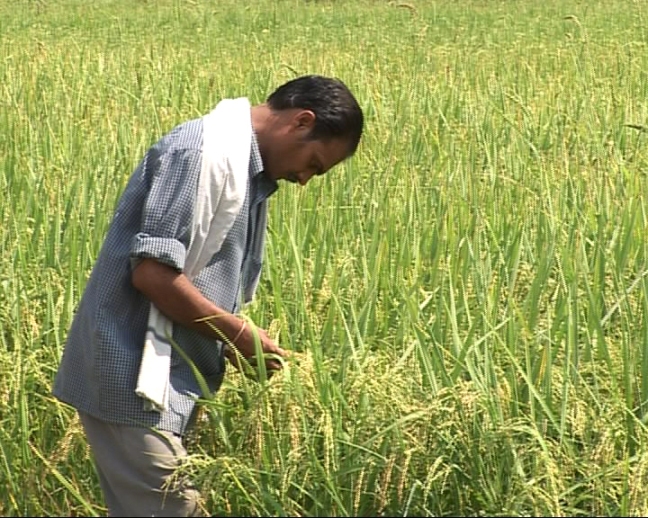
High inputs to make high yields – at a heavy price

1960 ගණන්වල මහත් උද්‍යොගයෙන් අරඹන ලදුව, රටේ නිල ප‍්‍රතිපත්තිය ලෙස ක‍්‍රියාත්මක වූ හරිත විප්ලවයේ ප‍්‍රධාන අංගයක් වූයේ අධික ලෙස කෘත‍්‍රිම රසායනික පොහොර, පලිබෝධනාශක හා වල් නාශක ආදිය භාවිතයට ගොවීන් යොමු කිරීමයි. වෙල් ගොවිතැනේ මෙන් ම හේන් ගොවිතැනේදීත් කෘෂි රසායන බහුල ලෙස යෙදීම අද බොහෝ ගොවීන්ගේ පුරුද්දක්.

විද්‍යාත්මකව මෙය හඳුන් වන්නේ බාහිරින් වගා බිමට වැඩිපුර එකතු කරන ගොවිතැන (High external input farming) කියායි. කෙටි කාලීනව මෙයින් වැඩි අස්වනු ලබා ගත හැකි වුවත් දිගු කාලීනව පරිසරයට මෙන් ම අපේ සෞඛ්‍යයට ද අහිතකර බලපෑම් ඇති කරන බවට ඇති තරම් සාක්‍ෂි ගෙවී ගිය අඩ සියවස පුරා හමු වී තිබෙනවා.

එහෙත් තවමත් අපේ කෘෂි ප‍්‍රතිපත්තීන්ගේ පදනම හරිත විප්ලවයේ සංකල්පයි. එය මතවාදීව ප‍්‍රශ්න කළ රේ විජේවර්ධන, රනිල් සේනානායක බඳු අදීන විද්‍යාඥයන්ගේ අදහස් අපේ ප‍්‍රතිපත්ති සම්පාදකයන් හා කෘෂි නිලධාරීන් නොසළකා හැරියා.

කුමන හෝ ක‍්‍රමයකින් අස්වනු වැඩි කර ගෙන කන්නයෙන් කන්නයට හා වසරින් වසරට එ ගැන උදම් ඇනීම අපේ කෘෂි නිලධාරීන් මෙන් ම දේශපාලකයන් ද යසට කරනවා. දිගු කාලීනව පසේ සාරවත් බවට (soil fertility), මිනිස් සෞඛ්‍යයට හා පරිසරයට ඇති විය හැකි බලපැම් ගැන හිතන්නේ, කථා කරන්නේ ටික දෙනයි.

අධික කෘෂි රසායන යෙදීමෙන් තොරව ගොවිතැන් කිරීමට නොදන්නා හෝ නොහැකි හෝ තරමට අපේ ගොවීන් මේ වන විට එයට ඇබ්බැහි වී සිටිනවා. ගොවීන් මෙයින් යළිත් මුදවා උත්සාහ ගැනීමට නොයෙක් ස්වේචඡ සංවිධාන හා පර්යේෂණ ආයතන උත්සාහ කළත් රටේ නිල ප‍්‍රතිපත්තිය තවමත් බරක් දෙන්නේ කෘෂි රසායන භාවිතයටයි.

මෙය හොඳින් ම පෙන්නුම් කැරෙන්නේ රසායනික පොහොර භාවිතය දෙස බලන විටයි. පසේ සාරවත් බව ගොවිතැන් දී තීරණාත්මක සාධකයක්. එය රැුක ගැනීමට ගොවීන් පාරම්පරිකව විවිධ පියවර ගත්තා. එක ම බිමක දිගින් දිගට බෝග වගා කරන විට එහි සාරය අඩු වනවා. එවිට පොහොර යෙදීම ගොවිතැනේ මුලික ක‍්‍රියාවක්. ගොම හා කොළරොඩු ආදිය මෙන් ම ස්වාභාවිකව පසට නයිට‍්‍රජන් නිපදවා දෙන පැළෑටි වැවීම ද සියවස් ගණනක් තිස්සේ ගොවීන් කළා.

රසායනික පොහොර කරන්නෙත් පැළැටිවලට අවශ්‍ය පෝෂණය ලබා දීමයි. එහෙත් නිසි කලට, නිසි පරිමාවට යොදනවා වෙනුවට අනවශ්‍ය තරම් එම පොහොර වගා බිමට යෙදු විට මේ පොහොර ජලයේ දියවී ටිකෙන් ටික යටිගං බලා දිවෙනවා. මෙය හඳුන්වන්නේ අපධාවය (Agricultural Runoff) කියායි.

අපධාවය මුළුමනින් නතර කිරීමට බැරි වුවත් අරපිරිමැස්මෙන් හා උපදෙස් දී ඇති පරිදි භාවිතයෙන් එය අවම කර ගත හැකියි. අපේ බොහෝ ගොවීන් උවමනාවට වඩා පොහොර යොදනවා. නොදැනුවත්කම හා නොසැළකිල්ල එයට හේතු විය හැකියි. තවත් හේතුවක් නම් පොහොර සහනාධාරය යටතේ ඉතා අඩු මිලට පොහොර ලැබීමයි.

නොමිළයේ ලැබෙන වාරි ජලයත්, ඉතා සහන මිළකට ලැබෙන රසායනික පොහොරත් නිසා අපේ බොහෝ ගොවීන් අරපිරිමැස්ම හා සැකසුරුවම් බව අමතක කරලා. අන්තිමේදී වාරි ජලය වගාබිම් හා කෙත්වතුවලින් නික්ම යන්නේ අනවශ්‍ය තරම් රසායනික පොහොර හා වෙනත් කෘෂි රසායනික ද්‍රව්‍ය ප‍්‍රමාණයක් ද රැුගෙනයි. මේ අපධාවය යටිගං බලා යද්දී ගස්වැල්, ජලාශ, වනාන්තර මෙන් ම මිනිස් ජනාවාසවලට ද මුසු වනවා. එයින් ඇති වන දිගුකාලීන බලපෑම් ගැන අපට තේරුම් යන්නේ කල් ගත වූ පසුයි.

රජරට නිදන්ගත වකුගඩු රෝගයට හරිහැටි හේතු කාරකයක් තවමත් පැහැදිලි ලෙස හඳුනා ගෙන නැහැ. අනුමාන කැරෙන සාධක ගණනාවක් අතර කෘෂි රසායන ද්‍රව්‍යවලින් කාන්දු වී ජලයට එකතු වන ආසනික්, කඨින ජලය හා මුසු වී ශරීරගත වීමත් තිබෙනවා.

සිවුමංසල කොලූගැටයා #81: වකුගඩු රෝගයේ විද්‍යාව හා විජ්ජාව

ශ‍්‍රී ලංකාවේ ගොවිතැන, පරිසරය රැුක ගැනීම හා ජීවන මට්ටම් දියුණු කිරිම යන සාධක තුන ඉතා සමීපව සබැඳී තිබෙනවා. කකුල් තුනකින් යුත් බංකුවක් වගෙයි. මෙයින් එකකට වැඩි අවධානයක් දී අනෙක් දෙක නොසළකා හැරියොත් පැවතිය යුතු සියුම් තුලනය නැති වී යනවා. එවිට බංකුව පෙරළෙනවා. මේ සාධක තුන සමතුලිත ලෙස ඉදිරියට ගෙන යාමේ අභියෝගයට නිදහසෙන් පසු හැම රජයක් ම මුහුණ දුන්නා.

ක‍්‍රමීය මට්ටමින් මෙබඳු ප‍්‍රශ්න ගැන පුළුල්ව විග‍්‍රහ කිරීමේ හැකියාව ඇත්තේ විද්වතුන් ඉතා ටික දෙනෙකුටයි. එබඳු දැක්මක් තිබූ ආචාර්ය රේ විජේවර්ධන හරිත විප්ලවයේ මුල් යුගයේ එහි පෙර ගමන්කරුවකු වුණත් 1960 දශකයෙන් පසු එය ප‍්‍රබලව විවේචනය කළා. හරිත විල්පවයෙන් අපේ ගොවීන්ට, ආර්ථිකයට හෝ සොබා සම්පත්වලට සැළකිය යුතු සෙතක් අත් නොවූ බව ඔහු 2010 මිය යන තුරු ම අවධාරණය කළා. http://tiny.cc/RayRav1

රූපවාහිනි නාලිකාවේ නව නිපැයුම් පිළිබඳ මා ඉදිරිපත් කරන “මාලිමා” වැඩසටහනට මෑතදී පැමිනි කේ. එම්. විජේපාල මහත්තයා වසර ගණනාවක් කෘෂිකර්ම දෙපාර්තමේන්තුවේ ක්‍ෂෙත‍්‍ර නිලධාරියකු ලෙස සේවය කොට දැන් තමාගේ ම කුඩා ව්‍යාපාරයක් පවත්වා ගෙන යනවා. නුවරඑළියේ ඔහුගේ සමාගම හරහා මුළුමනින් ජෛවීය ද්‍රව්‍ය යොදා තනන කාබනික පොහොර, වල්නාශක, කෘමිනාශක හා අනෙකුත් කෘෂි රසායන අලෙවි කරනවා. එ සියල්ල ඔහු කලක් තිස්සේ අත්හදා බලා සොයා ගත් වට්ටෝරුවලට අනුව නිෂ්පාදිතයි.

ගොඩ හා මඩ ඕනෑම බෝගයකට යෙදිය හැකි GOLF (Gold Organic Lanka Fertilizer) නම් කාබනික පොහොරක් ඔහු නිපදවා තිබෙනවා. ශාක වර්ධනයට අවශ්‍ය සියළු මුලද්‍රව්‍ය අඩංගු මේ පොහොර තනා ගන්නා සැටි මාලිමා තුළින් ම ඔහු පෙන්වා දුන්නා. එයට අමුද්‍රවය ලෙස ගන්නේ එළඟිතෙල්, මීපැණි, මෝරතෙල් ගුලි, කොහොඹ තෙල්, තල්/පොල්/කිතුල් පැණි හා බියර් ආදී ලෙහෙසියෙන් සොයා ගත හැකි දේ. මේවා ජලයේ මුසු කිරීමේ නිසි අනුපාතයන් දැක්වෙන වට්ටෝරුවට ශ‍්‍රි ලාංකික ජේටන්ට් බලපත‍්‍රයක් ලබා ගෙන තිබෙනවා. මේ පොහොර යෙදීමෙන් රසායනික පොහොර වලට සමාන හෝ වැඩි අස්වනු ලබා ගත හැකි බව තේ පර්යේෂණායතනය (TRI), කාර්මික පර්යේෂණායතනය (ITI) හා කෘෂිකර්ම දෙපාර්තමේන්තුව ස්වාධිනව තහවුරු කර තිබෙනවා.

Malima: Episode 10 presented by Nalaka Gunawardene from Nalaka Gunawardene on Vimeo.

මේ කාබනික පොහොර ගෙදරදී ම තනා ගැනීමට අනුපාත හා පියවර කියා දෙන උපදෙස් පත‍්‍රිකාවක් මෙරට ගොවීන්ට නොමිළයේ ලබා දෙන්නට විජේපාල මහත්තයා ඉදිරිපත්ව සිටිනවා. (එ සඳහා ලිපිනය ලියු, මුද්දර ගැසු කවරයක් යවන්න: විජය ඇග්‍රෝ ප‍්‍රඩක්ට්ස්, 42, කලූකැලේ, නුවරඑළිය).

භාවිතයට සුදානම් කල GOLF පොහොර දියර බෝතලයක් රු. 2,500 මිළට ඔහුගේ ආයතනයෙන් මිළට ගත හැකියි. රසායනික පොහෙර වෙළඳාමේ නියුතු බහුජාතික හා දේශීය සමාගම් සමඟ තරඟකාරීව අලෙවිකරණයට ඔහු ලැහැස්තියි. එහෙත් ඔහු කියන හැටියට මේ ජෛවීය පොහොර ප‍්‍රචලිත කරන්නට තිබෙන ලොකු ම බාධකය රසායනික පොහොර සහනාධාරයයි.

පොහොර සහනාධාරයට වසර 50ක අතීතයක් තිබෙනවා. එය මුලින් හදුන්වා දුන්නේ 1962දී. හරිත විප්ලවයේ අධි අස්වනු ලබා දෙන වී ප‍්‍රභේද වගා කිරීමේදී වගා බිමට වැඩියෙන් පොහොර දැමීම අවශ්‍ය වුණා. ගොවීන්ට එම අමතර වියදම එක්වර දරා ගත නොහැකි වූ නිසාත්, සහල් මිළ ඉහළ යාම වළක්වන්නටත්. රජය විසින් සහන මිළකට පොහොර දීම ඇරඹුවා.

කෙටි කලෙකින් එය ජාතික ඇබ්බැහිවීමක් බවට පත් වුණා. ඉන් පසු බලයට පත් රජයන්ට ද පොහොර සහනාධාරය පවත්වා ගෙන යාමේ බලපෑම් ඇති වුණා. විවිධ සංශෝධනය යටතේ එය ඉදිරියට විත් තිබෙනවා. (එය නතර කැරුණේ 1989-1994 කාලයේ පමණයි.)

2005 සිට පොහොර සහනාධාරය යටතේ යුරියා, MOP හා TSP යන රසායනික පොහොරවල කිලෝග‍්‍රැම් 50 මල්ලක් රු. 350 ඉතා සහන මිළකට ගොවීන්ට ලබා දෙනවා. ලෝක වෙළඳපොලේ පොහොර මිළ කොපමණ වුවත්, වසර 6කට වඩා මේ මිළ පවත්වා ගෙනවිත් තිබෙනවා. එහි සැබෑ වියදමෙන් සියයට 90කට වඩා මහා භාන්ඩාගාරය විසින් දරනු ලබනවා.

මෙරට භාවිත වන රසායනික පොහොරවලින් අති බහුතරයක් පිටරටින් ගෙන්වනවා. 2010 සඳහා වැඩිපුර ම චීනයෙන්. ඊළඟ ප‍්‍රභව වුයේ තුර්කිය හා ඊජිප්තුව. මෙය වසරකට රුපියල් බිලියන 50-60ක් පිටරට ඇදී යන මහා පරිමාණ ගනුදෙනුවක්.

ප‍්‍රතිපත්ති අධ්‍යයන කේන්ද්‍රයේ (IPS) පර්යේෂක මනෝජ් තිබ්බටුවාව 2010දී ලියා අති පරිදි වාර්ෂිකව පොහොර සහනාධාරය සඳහා මහා භාණ්ඩාගාරය ඉතා විශාල මුදලක් වැය කරනවා. 2009දී මෙය මෙරට දළ දේශීය නිෂ්පාදිතයෙන් (GDP) සියයට 0.6ක්ද රජයේ සමස්ත වියදමෙන් සියයට 3ක් ද වුණා. ”නිසි ඉලක්කගත කිරීමකින් තොරව ලබා දෙන පොහොර සහනාධාරයේ ප‍්‍රතිලාභ ලබන්නේ දුගී කුඩා ගොවීන්ට වඩා සාපේක්‍ෂව අතමිට සරු ගොවීන්” යයි ඔහු කියනවා.

මේ සහනාධාර දෙන්නේ රටේ මහජනතාවගේ මුදල්වලින්. පොහොර සහනාධාරයේ මුඛය අරමුණු හරිහැටි ක‍්‍රියාත්මක නොවන බව මේ ගැන අධ්‍යයනය කළ ආර්ථික හා කෘෂි විද්‍යා පර්යේෂකයන් බොහෝ දෙනා පෙන්වා දෙනවා. නමුත් සහනාධාරය වඩාත් ක‍්‍රමානුකූල කිරීම දේශපාලන වශයෙන් අපහසු කාරියක් බව ද ඔවුන් පිළි ගන්නවා.

මෙරට සිටින ප‍්‍රවීණ කෘෂි විද්‍යාඥයකු හා කෘෂි ප‍්‍රතිපත්ති උපදේශකයකු වන මහාචාර්ය සී. එස්. වීරරත්නගේ මතය: ”දිගින් දිගට වගා කරන බිමකට යම් පමණින් පොහොර යෙදීම අවශ්‍යයි. නමුත් දැන් සිදුවන්නේ අවශ්‍යතාවයක් ඇති හා නැති වගා බිම්වලට සහන මිළට ලැබෙන පොහොර යෙදීමයි. හරි නම් අවශ්‍යතාව තහවුරු කිරිමට පසේ සාරවත් බව රසායනිකව පිරික්සිය යුතුයි”.

මේ අයුරින් විග‍්‍රහ කරන විට ප‍්‍රශ්නයේ අක්මුල් ඇත්තේ වැරදි කෘෂි ප‍්‍රතිපත්තින්ගේ බව පැහැදිලියි. එ් මුලට නොගොස් අතරමැද අවස්ථාවලට සම්බන්ධිත ආයතන, සමාගම් හෝ වෙනත් ‍”දුෂ්ටයන්” සොයා යාමේ දැඩි ආසාව ඇති අයට නම් සැබෑ හේතුවලට වඩා ඕනෑ වන්නේ ෙදාස් පැවරීමට කවුරුන් හෝ කරලියට ගැනීමයි!

රේ විජේවර්ධනගේ අදීන චින්තනයේ උරුමක්කාරයකු ලෙස මා දකින්නේ පරිසර විද්‍යාඥ ආචාර්ය රනිල් සේනානායකයි. අපේ මහා පරිමාන සංවර්ධන ව්‍යාපෘති හා කෘෂි ප‍්‍රතිපත්ති ගැන 1980 දශකයේ සිට ම නොබියව විවේචනය කරන ඔහු කියන්නේ රසායනික පොහොර සහනාධාරය දැන් රටට ම කොඩිවිනයක් වී ඇති බවයි. එය මග සිටියොත් තෝ නසී – ගෙදර ගියොත් අඹු නසී වගේ වැඩක්.

“වසරකට අඩු තරමින් රුපියල් බිලියන් 50ක් පොහොර සහනාධාරයට වැඩ කරනවා. එය නතර කළොත් අපේ ආහාර මිළ එක්වර ඉහළ යනවා. එය දිගට ම දීමෙන් අපේ පසේ සාරවත්බව විනාශ වනවා. අපි කුමක් කරමු ද?”

රනිල් මෙය දකින්නේ අපේ අධ්‍යාපනික හා විද්‍යා පර්යේෂණ ක්‍ෂෙත‍්‍රවල චින්තනමය සෝදාපාලූවක ප‍්‍රතිඵලයක් ලෙයසි. ”කූට වෙළඳුන් ටික දෙනකු, දුෂිත නිලධාරීන් සමහරකු ද සමඟ එක්වී අපේ ගොවීන් රසායනික පොහොරට දිගට ම ඇබ්බැහි කර ගෙන සිටිනවා. එය අපේ වගා බිම් හා සමස්ත පරිසරය විනාශ කරද්දී අපේ බහුතරයක් උගත්තු ඇස් කන් පියා ගෙන මුවින් නොබැන සිටිනවා. මෙයයි අපේ ඛේදවාචකය!”

මේ පුළුල් කෝණයෙන් බලද්දී නිදන්ගත වකුගඩු රෝගය ඊට වඩා විශාල ගරා වැටීමක එක් රෝග ලක්‍ෂණයක් පමණක් විය හැකියි. වකුගඩු රෝගයට කෘෂි රසායනිකයන්ගේ සෘජු දායකත්වයක් ඇතත් නැතත් (තවමත් මේ ගැන පර්යේෂණ කරනවා) රසායනික පොහොර හා අනෙකුත් කෘෂි රසායනවලට අප දෙන ඉහළ ප‍්‍රමුඛතාවය දැඩි සේ විමසා බැලීම හදිසි අවශ්‍යතාවයක්.

සිවුමංසල කොලූගැටයා #69: සංක‍්‍රමණික “විදේශීය” ජීවින්ගෙන් පිරුණු අපේ දුපත

“Let genes, ideas and spices flow freely again!”

I made this appeal at the end of an op-ed essay written in July 2009, when I was concerned about increasing levels of insularity and suspicion of everything foreign among Lankans as they adjusted to the post-war realities.

My metaphor was spices, for which Lanka was famed for millennia. I wrote: “The traditional Lankan curry contained up to a baker’s dozen of spices and herbs. Most such plants were not native – black pepper came from South India, cloves from Indonesia and chilli all the way from the Americas. Cinnamon was Sri Lanka’s contribution to this delightful mix. The diverse origins didn’t really matter: the islanders knew just how to mix the native and foreign to achieve legendary results.”

As with the spices, ancient Lankans knew how to mix the home-grown with external elements. Indeed, the island’s fauna, flora and people would be radically different today if such influences and cross-fertilisation didn’t happen.

Read the latest version of that essay: Sri Lanka – Spice Island or Bland Nation?

In this week’s Ravaya column (in Sinhala) I explore the same theme, based on a recent interview with zoologist and systems ecologist Dr Ranil Senanayake, a rare public intellectual in Sri Lanka with the courage of his convictions.

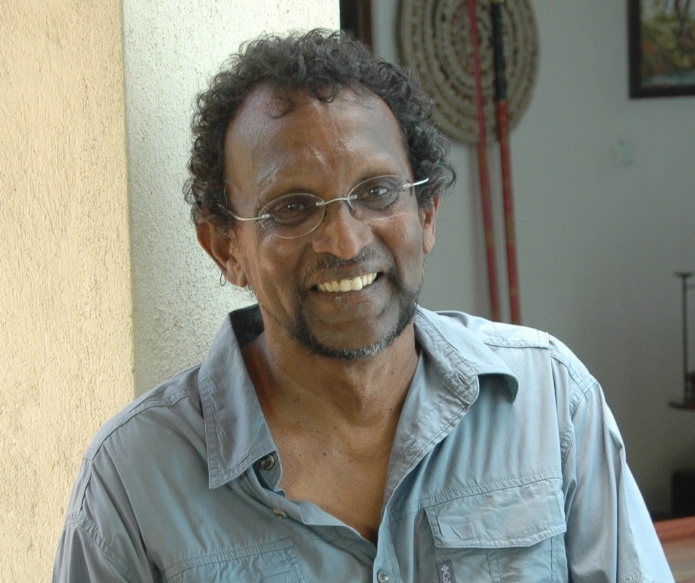
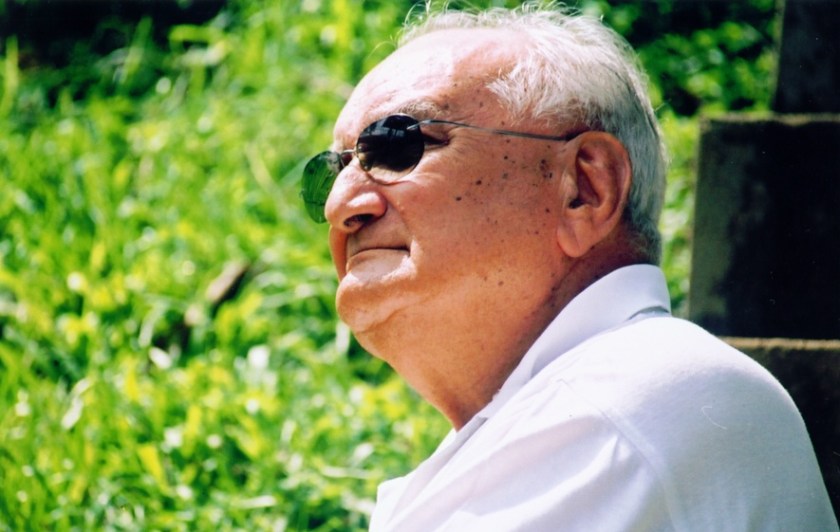
Dr Ranil Senanayake, photo by Janaka Sri Jayalath

කලක් තිස්සේ කොළඹ නිදහස් චතුරශ‍්‍රය අවට මාර්ග දෙපස වවා තිබූ Weeping Willow ගස් 2011 අගෝස්තු මාසයේ හදිසියේ ම කපා ඉවත් කරනු ලැබුවා. නගරය පියකරු කිරීමේ වැඩපිළිවෙළක එක් පියවරක් ලෙස මෙය හඳුන්වා දුන් අතර, එය සාධාරණීකරණය කරන්නට සමහර පරිසරවේදීන් මතු කළ තර්කය වූයේ “ඒවා අපේ දේශීය ශාක නොවන” බවයි.

ඒ වෙනුවට ඒ තැන්වල ශ‍්‍රී ලංකාවේ ජාතික වෘක්‍ෂය වන නා ගසේ පැළ සිටුවන ලද බවත් මාධ්‍ය වාර්තා කළා. නා ගස (Mesua ferrea var. nagassarium) ශ‍්‍රී ලංකාවේ ජාතික වෘක්‍ෂය ලෙස නම් කරනු ලැබුවේ 1986 පෙබරවාරියේදී. මෙරට නිජබිම කර ගත්ල පහතරට තෙත් කලාපයේ ස්වාභාවිකව වැවෙන නා ගස, දිගු කලක් තිස්සේ අපේ ජන ජීවිතයට හා සංස්කෘතියට සමීප ශාකයක්. එහි සවිමත් දැව පුරාණයේදී පාලම් තැනීමට යොදා ගත් බව කියනවා. මේ ශාකය ඉන්දියානු මෙන් ම මලයානු අර්ධද්වීපයේත් හමු වනවා.

අපේ ඇතැම් පරිසරවේදීන්ගේ ස්ථාවරයන් ගැන කලෙක සිට මා විමසිල්ලෙන් සිටිනවා. එයින් එකක් නම් දේශීය (native) හා විදේශීය (exotic) වශයෙන් ජෛව සම්පත් බෙදා වෙන් කොට, ලේබල් ඇලවීමයි. මෙහි කෙතරම් පදනමක් තිබේ ද? එයින් ඇති වන වාසි අවාසි කවරේ ද?

පරිසරවේදීන් පුන පුනා කියන කථාවක් නම් අප ජීවත් වන මේ ග‍්‍රහලෝකය අපේ පොදු දායාදයක් බවයි. එහි විවාදයක් නැහැ. එමෙන්ම වසර කෝටි ගණනක් තිස්සේ සිදුවෙමින් ආ, තවමත් නොනිමි පොදු ජෛව පරිනාමීය ක‍්‍රියාවලියක් අප කාටත් උරුමයි. අන් සියළු ශාක හා සත්ත්ව විශේෂ සමග අපත් එහි කොටසක්.

අපේ ලෝකයේ පරිනාමීය ඉතිහාසයේ ඉතා දිගු කලක් සිදු වූ ක‍්‍රියාදාමයන් ගැන අප දන්නේ භූවිද්‍යාව, සත්ත්ව විද්‍යාව හා උද්හිද විද්‍යාව ආදී ක්‍ෂෙත‍්‍රවල දැනුම ගවේෂණය නිසායි. පරිනාමයේදී හා ජීවින් පැතිර යාමේදී සිදු වූ දේ ගැන ජාන විශ්ලේෂණය හරහා සොයා ගෙන යාමේ හැකියාව දැන් අපට තිබෙනවා.

පරිනාමීය හා ජෛව විකාශන ඉතිහාසය දෙස බැලීමේදී පැහැදිලි කරුණක් නම් ලොව විවිධ තැන්වල බිහි වූ සත්ත්ව හා ශාක විශේෂල ජන්ම භූමිවල සිට ඉතා දුර බැහැර ගොස් ඇති බවයි. ගොඩබිම් හා සාගර හරහා වසර දහස් ගණනක් පුරා ගිය මේ චාරිකාවලදී ජාන සංකලනයක් අනිවාර්යයෙන් ම සිදුව තිබෙනවා. සියයට සියයක් “දේශීය” හෝ මිශ‍්‍ර නොවූ ජීව විශේෂ ඉතා දුර්ලභයි.

යම් ශාක විශේෂයක් දේශීය හෝ විදේශීය යැයි වර්ග කරන්නේ කෙසේ ද? සමස්ත දකුණු ආසියාවේ පළමුවන ක‍්‍රමීය පරිසර විද්‍යාඥයා (Systems Ecologist) ලෙස 1978 දී ආචාර්ය උපාධිය ලැබූල මෙරට සිටින ප‍්‍රවීණතම ජෛව විද්‍යාඥයකු වන ආචාර්ය රනිල් සේනානායකගෙන් මා මෑතකදී මේ ගැන විමසුවා.

තිරසාර හෝ දිගුකල් දැක්මක් නැතිල අයාලේ යන ආර්ථික සංවර්ධනය කලක් තිස්සේ නිර්දය ලෙස විවේචනය කරන ඔහු 1978-80 වකවානුවේ මහවැලි සංවර්ධන ව්‍යාපෘතිය ගැන ප‍්‍රසිද්ධියේ ප‍්‍රශ්න කළ විද්වතුන් ටික දෙනාගෙන් කෙනෙක්. එමෙන්ම මෙරට වන වගා කිරීමට යැයි කියමින් පයිනස් හා යුකැලිප්ටස් බඳු සමශීතෝෂ්ණ කලාපීය ශාක විශේෂ ප‍්‍රවර්ධනය කිරීමට එරෙහිව අරගල කළ අයෙක්.

‘‘යම් ශාක හෝ සත්ත්ව විශේෂයක් දේශීය ද විදේශීය ද යන්න අප විග‍්‍රහ කරන්නේ කාලයට හා ස්ථානයට සාපේක්‍ෂවයි. එහිදී අප විමසිය යුත්තේ යම් ජීවි විශේෂයක් සැළකිය යුතු කාලයක් (වසර දහස් ගණනක් පුරා) එක් තැනෙක රැඳෙමින් එහි පාරිසරික සාධකවලට හැඩ ගැසී ඇත් ද යන්නයි,’’ රනිල් කියනවා.

එහිදී ‘දේශීය’ යැයි පිළිගැනීමට අප ආපස්සට යා යුතු කාලයේ සීමාවක් තිබේ ද? මේ ගැන පොදු එකඟතාවක් නැහැ. මෙරට ග‍්‍රාමීය ගෙවතුවල සාම්ප‍්‍රදායිකව වවන ගස්, වැල් හා පඳුරු ආකාරයේ ශාක ගැන පර්යේෂණ කරන විට ඔහුට පෙනී ගියේ එම ශාක විශේෂවලින් සියයට 80ක් පමණ ම මෙරටට බැහැරින් පැමිණ ඇති බවයි.

‘‘අපේ ජන ජීවිතයට ඉතා සමීප ඇතැම් ශාක පසුගිය සහශ‍්‍ර කිහිපය තුළ මිනිසුන් විසින් ගෙනැවිත් හඳුන්වා දී තිබෙනවා. හොඳ උදාහරණ නම් ඉන්දියාවෙන් ආ අඹ ගසත්, මැලේසියාවෙන් පැමිණි කොස්. මේවා විදේශීය ශාක ලෙස අද අප දකිනවාද?’’ රනිල් ප‍්‍රශ්න කරනවා.

ශ‍්‍රී ලංකාව නිජබිම කරගත් ‘අපේ’ ශාක පමණක් ඉතිරි වන්නට ඉඩ දී වෙනත් රටකින් මෙහි ආ සියළු ම ශාක ඉවත දැමුවහොත් කුමක් සිදු වේද? මේ කල්පිතය මා රනිල්ට ඉදිරිපත් කළා.

‘‘අප ඇලූම් කරන ලොකු කුඩා ශාක රැසක් ම විදේශිකයන් කියා පසෙක තබන්නට සිදු වේවි! කොස් හා අඹවලට අමතරව අපට හුරුපුරුදු බොහෝ එලවළු, පළතුරු හා කුළුබඩු අපේ රටේ උපන් විශේෂ නොවෙයි. අතීතයේ යම් දිනෙක මේ දුපතට පාවී ගෙන පැමිණි හෝ මිනිසුන් විසින් හඳුන්වා දුන් ඒවායි. ඒවා ඉවත් කළොත් අපට පොල්, මී ගස්, කිතුල් ආදී ශාකත්, බෙහෙත් පැළෑටි ගණනාවකුත් පමණක් ඉතිරි වේවි!’’ ඔහු කියනවා.

සාම්ප‍්‍රදායික ලාංකික හොද්ද සඳහා ප‍්‍රශස්ත වශයෙන් කුලූබඩු විශේෂ 13ක් යෙදිය යුතු බව කියැවෙනවා. මේවායින් දේශීය සම්භවයක් ඇත්තේ කුරුඳු හා කරඳමුංගුවලටයි. බහුතරයක් පිටස්තරයෝ. මේ පිටස්තරයන්ගේ දායකත්වය නැති ව්වහොත් අපේ හොද්ද කෙතරම් නීරස වේවි ද?

එපමණක්ම නොවෙයි, අපේ ප‍්‍රධාන ආහාරය බත් ලබා දෙන වී ශාකයත් සමශීතෝෂණ දේශගුණය ඇති චීනයෙන් ඇරඹී ඉන්දියාව හරහා අපට ලැබුණු දායාදයක්. ‘‘වී වගාව මෙරටට හඳුන්වා දී කලක් ගත වී ඇතත්, ජාන විද්‍යාත්මකව බලන විට එය එතරම් දිගු කාලයක් නොවෙයි,’’ රනිල් කියනවා.

මෙහිදී මට සිහිපත් වන්නේ අපේ ගොවිතැන් උරුමය සොයා ගෙන ගිය ආචාර්ය රේ විජේවර්ධන නිතර කී කථාවක්. වී සමශීතෝෂණ ශාකයක් වූවත්, කාලයාගේ ඇවෑමෙන් ඝර්ම කලාපීය රටවල ජනයා වී ගොවිතැනට හොඳහැටි හුරු වී ඇති බව රේ පෙන්වා දුන්නා. අපේ මුතුන් මිත්තන්ගේ ප‍්‍රධාන ආහාරය බත් පමණක් නොව කොස්, දෙල් හා විවිධ අලවර්ග වූ බවත්, ඒ සමහරක් බහුවාර්ෂික බෝග වසර පුරා ම හිරු එළිය උකහා ගනිමින් ආහාර නිපදවිය හැකි ඝර්ම කලාපීය දේශගුණයට මනා සේ ගැලපෙන බවත් ඔහු කියා සිටියා. (2011 අගෝස්තු 28 දා කොලම කියවන්න.)

මේ සියල්ල සැලකිල්ලට ගත් විට ජෛව ලෝකය දේශීය හා විදේශීය විශේෂ ලෙස ගොඩවල් දෙකකට බෙදීම තේරුමක් නැති ක‍්‍රියාවක් බව රනිල් සේනානායක පෙන්වා දෙනවා. ලෝකයේ කිසිම තැනක මුළුනින් ම දේශීය වූ ජීව විශේෂ පමණක් හමු නොවන බවත්, මහා සාගර මැද ඇති කුඩා දුපත්වල පවා අතීතයේ යම් දිනෙක සාගර දියවැල් ඔස්සේ පාවී ආ ශාක විශේෂ වැවෙන බවත් ඔහු කියනවා.

‘‘මේ සොබා දහම් යථාර්ථය තේරුම් නොගෙන ආවේගශීලිව ලේබල් අලවන්නේ මතුපිටින් ප‍්‍රශ්න විග‍්‍රහ කරන, නොගැඹුරු දැනුමක් ඇති උදවිය’’ බව ඔහුගේ මතයයි. ලේබල් ඇලවීම වෙනුවට අද අවශ්‍යව ඇත්තේ තැනට හා කාලයට උචිත ජීව විශේෂ මොනවාද යන්න මනාව තේරුම් ගෙන ඒවා ප‍්‍රවර්ධනය කිරීමයි.

ගොවිබිමේ, ගෙවත්තේ හා මිනිස් මැදිහත්වීම ඇති ස්වාභාවික නොවන වෙනත් පරිසර පද්ධතිවල දෙස් විදෙස් ශාක භාවිතයේ වරදක් නැති බව ඔහු කියනවා.

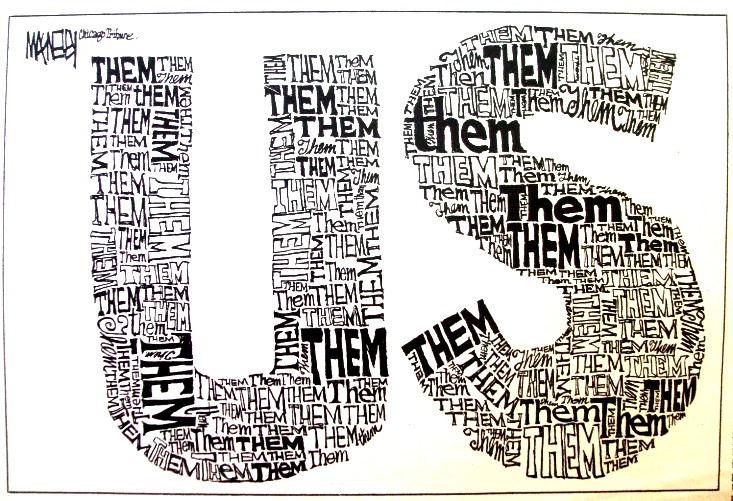
ජීවි විශේෂ දේශීය හා විදේශීය ලෙසින් වර්ග කිරීම පරිසර විද්‍යාත්මක පදනමකට වඩා ජාතිකවාදී දැක්මක් ඔස්සේ කැරෙන බව පෙනෙනවා. එහිදී මතුව එන්නේත් බොහෝ මානව සමාජවල බෙදීම් හා ගැටුම්වලට තුඩු දෙන ‘අප’ සහ ‘ඔවුන්’ නැතහොත් ‘අපේ එකා’ සහ ‘පිටස්තරයා’ (Us and Them) නම් වර්ගීකරණයයි. මෙය ජෛව හෝ ජාන විද්‍යාත්මක පදනමක් මත ගොඩ නැංවූවක් නොවෙයි.

May 2009 blog post: Us and Them: Sri Lanka’s first landmine on the road to peace…

ඉතිහාසයේ ආපස්සට ගිය හොත් අද ශ‍්‍රී ලංකාව මවුබිම සේ සළකන අති බහුතරයක් දෙනාගේ මුතුන් මිත්තන් වෙනත් රටක සිට මෙහි ආ බව පිළිගත යුතු වනවා. එසේ නම් මෙරට මුල් පදිංචිකරුවන් ලෙස නිජබිම් උරුමය ඇත්තේ වැදි ජනතාවට පමණක් ද? අන් හැම ජාතියක් ම සංක‍්‍රමණිකයන් ද?

“පිටතින් පැමිණි හැම දෙයක් දෙස ම සැකයෙන් බලනවා නම් ඉතින් සිංහලයන් මේ දුපතට ආවේත් ඉන්දියාවේ සිට නිසා, අපත් විජාතික හෝ විදේශික වනවා නේද?’’ රනිල් සේනානායක අසනවා.

‘‘අප නොදන්න සහ දන්නා (ලිඛිත) ඉතිහාසය පුරාම ඉන්දියානු සාගරයේ මානවයන් සංචරණය කොට තිබෙනවා. එදා මෙදා තුර මේ දුපතට ආ සමහරුන් මෙහි පදිංචි වුණා. තවත් සමහරුන් අපේ ජාන සංචිතයට ඔවුන්ගේ ජාන සම්මාදම් කොට ආපසු ගියා. මෙය ශාක හා සතුන්ට මෙන්ම මානව අපටත් අදාළයි. මේ ඓතිහාසික හා ප‍්‍රාග් ඓතිහාසික සිදුවීම් අමතක කොට ජාතික හා විජාතික යැයි සරල වර්ගීකරණයක් කිරීම හාස්‍යජනකයි!’’ රනිල් පෙන්වා දෙනවා.

අපේ පරිසරවේදීන්ට හා ජාතිකවාදීන්ට මේ තිත්ත ඇත්ත මතක් කර දිය හැකි විද්වතුන් ටික දෙනකු හෝ ඉතිරිව සිටීම සතුටට කරුණක්.

Cartoon by Jeff MacNelly, Chicago Tribune

සිවුමංසල කොලූගැටයා #47: ගැටළු විසඳන අසම්මත චින්තනයට ඉඩ දෙන්න!

In this week’s Sunday column for Ravaya newspaper (1 Jan 2012), I summarise key points made by Dr Anil K Gupta, founder of the Honey Bee Network of innovation in India, when he delivered the inaugural Ray Wijewardene Memorial Lecture in Colombo on 13 Dec 2011. The same ground is covered in an article I wrote in The Nation on 18 Dec 2011. All archived on this blog.

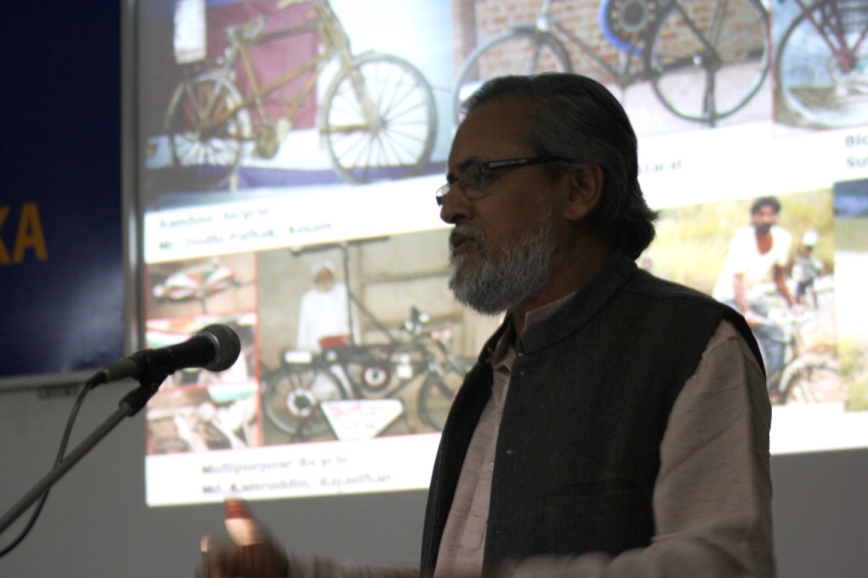
Anil K Gupta in Colombo, photo by Anisha Gooneratne

2009 දී නිෂ්පාදිත ‘3 Idiots’ හින්දි චිත්‍රපටය ඉන්දියාවේ පමණක් නොවෙයි බොලිවුඩ් චිත්‍රපට රස වි`දින ලොව පුරා සිටින රසිකයන් අතර මහත් සේ ජනප්‍රිය වුණා. රාජ්කුමාර් හිරානි අධ්‍යක‍ෂණය කළ මේ චිත්‍රපටය ඉන්දියාවේ ඉහළ ම ආදායම ලද හින්දි චිත්‍රපටය ලෙස වාර්තාවක් ද පිහිටවූවා.

සාමාන්‍ය වට්ටෝරු ක්‍රමයේ හින්දි චිත්‍රපටයකට වැඩි අරුතක්, ගැඹුරක් හා නැවුම් බවක් ගැබ් වුණු ‘3 Idiots’ චිත්‍රපටයේ අමීර් ඛාන් රඟ පාන රංචෝ (Rancho) චරිතය සුවිශේෂයි. කථාව දිග හැරෙන්නේ ඉන්දියාවේ ප්‍රමුඛ පෙළේ තාක‍ෂණික සරසවියක ඉංජිනේරු උපාධි අපේක‍ෂකයන් තිදෙනකු වටායි. දැඩි තරගකාරී තේරීමකින් අනතුරුව එයට ඇතුළත් වන සිසුන් බහුතරයක් දේශන හා නිර්දේශිත ග්‍රන්ථ, විචාර බුද්ධියකින් තොරව ගෙඩි පිටින් කඩපාඩම් කරනවා. ඒ මතකයන් විභාගවලදී නැවත වමාරනවා.

එහෙත් රංචෝ එයට වෙනස්. ඔහු යන්ත්‍රවලට හා යාන්ත්‍රික හැමදේට සැබැවින් ම ඇළුම් කරනවා. ඔහු හැමදාමත් මුල් තැනට එන්නේ කට පාඩමින් නොව මූලධර්ම හා ප්‍රායෝගික අත්හදා බැලීම් මත පදනම් වූ අවබෝධය හරහායි. ගුරුවරුන්ගෙන් ප්‍රශ්න කරන හා ඇතැම් විට ඔවුන්ට අභියෝග කරන මේ අමුතු තරුණයා, ගතානුගතික මහාචාර්යවරුන්ට හා සරසවි පාලකයන්ට එතරම් ප්‍රිය වන්නේ නැහැ.

‘3 Idiots’ කථාව දශකයක් පුරා දිවෙනවා. උපාධි ලැබීමෙන් පසු රාජ්‍ය හෝ ව්‍යාපාරික හෝ ෙක‍ෂත්‍රයන්හි උසස් රැකියා හඹා යන අනෙක් සගයන්ට රංචෝ ගැන ආගිය තොරතුරක් සොයා ගන්නට නොහැකි වනවා. වෙනත් සිදුවීම් වැලක් ද අත්දැකීමෙන් පසුව කථාව අවසන් වන්නේ ඔහුගේ සමීපතම සරසවි සගයන් දෙදෙනා රංචෝ යළි සොයා ගැනීමෙන්. ඒ වන විට හිමාලය කදුවැටියේ ලදාක් (Ladakh) ඉන්දියානු ප්‍රාන්තයේ විද්‍යා ගුරුවරයකු හැටියට ඉතා තෘප්තිමත් දිවියක් ගෙවන රංචෝ, නව නිපැයුම් 400කට අධික සංඛ්‍යාවක බුද්ධිමය අයිතිය තහවුරු කැරෙන පේටන්ට් බලපත්‍රධාරියකු වී සිටිනවා.

‘3 Idiots’ චිත්‍රපටය අසාමාන්‍ය නිර්මාණයක් වීමට හේතුවක් වූයේ නව නිපැයුම්කරුවන් පිළිබඳ සානුකම්පිත බැල්මක් යොමු කිරීමයි. ඉන්දියාවේ මහ නගරවලින් බැහැර ගම්බද ප්‍රදේශවල ප්‍රායෝගික ගැටළු විසදීමට නව නිපැයුම් බිහි කළ තිදෙනකුගේ සැබෑ නිර්මාණ මේ චිත්‍රපටයෙන් හදුන්වා දෙනවා.

• ජංගම රෙදි සෝදන යන්ත්‍රය නිපදවා ඇත්තේ බයිසිකලයක් පාදක කර ගෙනයි. එය තැනින් තැන ගෙන යා හැකියි. පාදිකය හෙවත් පෙඩලය පෑගීමෙන් ජනනය වන ශක්තියෙන් ක්‍රියාත්මක වන එයට රෙදි, සබන් කුඩු හා ජලය ඇතුළත් කර පෙරළීමට භාජනය කරනවා. මේ නිර්මාණය බිහි කළේ කේරලයේ විසි හැවිරිදි තරුණියක වන රෙම්යා ජෝසි. විදුලි බලය නැති ප්‍රදේශවල මෙය ඉතා ප්‍රයෝජනවත් යන්ත්‍රයක්.

• අඩු වියදමින් ගමන් යාමට ඉන්දියාවේ බොහෝ දෙනකු යොදා ගන්නා ස්කූටරයකට, ධාන්‍ය ඇට පිටි බවට පත් කරන කුඩා ඇඹරුම් යන්ත්‍රයක් සවි කිරීමේ අදහස මුලින් ම ආවේ මහාරාෂ්ට්‍රයේ චිත්‍රශිල්පියකු වන ජැහැන්ගීර් පේන්ටර්ටයි. තම ප්‍රදේශයේ නිතර විදුලිබලය විසන්ධි වීම නිසා අපහසුතාවයට පත් වන තම බිරිඳ ඇඹරුම්හල්වල රස්තියාදුවීම වළක්වන්නට ඔහු මේ ඇටවුම තැනූ බව කියනවා. එය වෙළඳපොළේ ඇති යන්ත්‍ර දෙකක් බද්ධ කිරීමකින් ප්‍රායෝගික ගැටළුවක් නිර්මාණශීලීව විසදීමක්.

• අශ්වයන්ගේ හා බැටළුවන්ගේ ලොම් කැපීම සඳහා සරල යන්ත්‍රයක් නිපදවා ඇත්තේ උත්තර්ප්‍රදේශයේ කරණවෑමියකු වන මොහොමඩ් ඉඩ්රිස්. ඒ සඳහා මිනිස් බලය යොදා ගන්නේ බයිසිකල් ඩයිනමෝවක් හරහායි.

එකිනෙකට වෙනස් වූවත් මේ හැම නිපැයුමකට ම පොදු සාධක තිඛෙනවා. එදිනෙදා ජීවිතයේ ගැටළු විස`දීමට හා වැඩකටයුතු වඩාත් පහසුකර ගැනීමට ඒවා උපකාර වනවා. ලෙහෙසියෙන් සොයා ගත හැකි දේ යොදාගෙන අඩු වියදමින් තනා ගන්නා මේ නිපැයුම් නඩත්තු කිරීම ද ලෙහෙසියි. ඒවා නිපදවා ඇත්තේ විශේෂඥ දැනුම නොලැබූ එහෙත් නිපැයුම් ඥානය සහජයෙන් ම ලද සාමාන්‍ය මිනිසුන් විසින්.

මේ නව නිපැයුම් සමහරක් ලොව හොල්ලන, අළුත් කර්මාන්ත බිහි කළ හැකි ඒවා නොවෙයි. ඒවා කරන්නේ පවතින තාක‍ෂණයක් හෝ යන්ත්‍රයක් හෝ මේ දක්වා නොසිතූ ආකාරයේ භාවිතයකට යොදා ගැනීමයි. එහෙත් ඒ හරහා එකී ගැටළුවට නිතිපතා මුහුණ දෙන ලක‍ෂ සංඛ්‍යාත ගැහැණුන් හා මිනිසුන්ගේ ආයාසය (drudgery) තරමකටවත් අඩු වීමෙන් ඔවුන්ට සෙතක්, විරාමයක් හා පහසුවක් සැළසෙනවා. ඇත්තට ම විද්‍යාවේ ප්‍රායෝගික භාවිතය වන තාක‍ෂණයෙන් අප බලාපොරොත්තු වන එක් ප්‍රධාන ප්‍රයෝජනයක් වන්නේ ද මෙයයි.

2010 අගෝස්තුවේ අපෙන් වියෝ වුණු ආචාර්ය රේ විෙජ්වර්ධන, සුලබ ගණයේ ඉංජිනේරුවන්ට වඩා බොහෝ සේ වෙනස් විධියට සිතූ හා ප්‍රායෝගික ගැටළු විසඳන්නට තාක‍ෂණය යොදා ගත් නව නැපැයුම්කරුවෙක්. ඔහුගේ නිපැයුම් හුදෙක් පේටන්ට් ලබා ගැනීමට සීමා වුණේ නැහැ. ඔහු උත්සාහ කළේ ගොවියන්ගේ, ගෘහණියන්ගේ, පදිකයන්ගේ හා අනෙකුත් සාමාන්‍ය ජනතාවගේ එදිනෙදා කාර්යයන් වඩාත් පහසුවෙන්, ඉක්මනින් හා ලාබදායකව කිරීමට සරල යන්ත්‍ර හා උපක්‍රම අත්හදා බලන්නටයි. ඔහුගේ ක්‍රියාකලාපය උගත් මාන්නයෙන් පිම්බුණු බහුතරයක් ඉංජිනේරුවන් අතර එතරම් පිළි ගැනීමකට ලක් වුණේ නැහැ.

එහෙත් විදෙස් පර්යේෂකයන් හා ව්‍යාපාරිකයන් අපට වඩා මේ ‘විකාරකාරයා’ අගය කළා. කලක් තිස්සේ රේ විජේවර්ධන අනුගාමිකයකු වූ ඉන්දියානු විද්වතකු ගිය මස කොළඹට ආවේ පළමුවන රේ විජේවර්ධන අනුස්මරණ දේශනය පවත්වන්නට. එය රේ විජේවර්ධන භාරයේ හා ලංකා ඉංජිනේරු ආයතනයේ සහයෝගයෙන් සංවිධානය කෙරුණා.

මේ සඳහා පැමිණි ආචාර්ය අනිල් කුමාර් ගුප්ත (Dr Anil Kumar Gupta) අහමදාබාද් නුවර ඉන්දියානු කළමණාකරණ ආයතනයේ (IIMA) මහාචාර්යවරයෙක්. එහෙත් ඔහු සම්ප්‍රදායික අච්චුවේ පොත් ගුරෙක් නොවෙයි. ගම් හා බිම් මට්ටමේ නවෝත්පාදනයන් (innovations) සොයමින් ඉන්දියාව පුරා සැරිසරන යාත්‍රිකයෙක්. හැම වසරක ම සති තුනක් ඔහු දුර බැහැර ගම්මානවල සංචාරය කරමින් නව අදහස්, සංකල්ප නිපැයුම් හා ගැටළු විස`දීමේ ජන උත්සාහයන් හ`දුනාගන්නට තැත් කරනවා. ඔහුගේ අරමුණ නව නිපැයුම් හා උපක්‍රම බිහි කරන ඉන්දියානුවන්ට ඒ සඳහා නිසි ඇගයීම ලබා දෙන අතර ඔවුන්ගේ බුද්ධිමය හිමිකම රැක ගැනීමට උපකාර වීමයි.

“මහ නගරවලින් ඈත්ව ඉන්දියාවේ ගම් දනවුවල අළුත් විධියට ප්‍රායෝගික ගැටළු විසඳන්නට තැත් කරන මිනිසුන්, ගැහැණුන් හා දරුවන් දහස් ගණනක් සිටිනවා. මේ බොහෝ දෙනකු කැලේ පිපුණු මල් වාගෙයි. ඔවුන්ගේ හපන්කම්වලින් අසල්වාසීන් හා ගම්වාසින් සහනයක් ලැබූවත් අපේ රටේ පවතින විධිමත් අධ්‍යාපන ක්‍රමයෙන්, විද්‍යා පර්යේෂණ ආයතනවලින් හෝ රාජ්‍ය දෙපාර්තමේන්තවලින් ඒ අයට මග පෙන්වීමක් හෝ උදව්වක් ලැඛෙන්නේ නැහැ. එයට හේතූව මේ අය සම්මත රටාවන්ට පරිබාහිරවීමයි,” ඔහු පැවසුවා.

පවතින තත්වයන් ගැන සෑහිමකට පත් නොවී එය හැකි අන්දමකින් දියුණු කිරීමේ ලොකු ඕනෑකමක් ඇති මානවයන් හැම සමාජයක ම සිටිනවා. එහෙත් ආසියානු සමාජවල තවමත් බහුලව ඇති දැඩි සමාජ මට්ටම් හා ධූරානුක්‍රම නිසා අසම්මත විදියට හිතන, ක්‍රියාකරන පුද්ගලයන් බොහෝ විට කොන් කැරෙන සැටිල පිස්සන් හැටියට අවමන් ලබන සැටි 2011 ඔක්තෝබර් 16 වනදා කොලමින් අපි විග්‍රහ කළා. මහාචාර්ය ගුප්තගේ ප්‍රයත්නය මේ අහිතකර සමාජ ප්‍රවාහයන්ගෙන් අසම්මතවාදීන් මුදවා ගෙන ඔවුන්ට නිදහසේ සිතන්නට, අත්හදා බලන්නට හා නව අදහස්වලින් අර්ථලාභ ලබන්නට ඉඩකඩ පෑදීමයි.

මේ සඳහා 1986-87 දී ඔහු Honey Bee Network (මී මැසි ජාලය) නම් ස්වාධීන ජනතා ව්‍යාපාරයක් දියත් කළා. එහි අරමුණ භාරතය පුරා විසිර සිටින බිම් මට්ටමේ නව නිපැයම්කරුවන් සම්බන්ධ කිරීමයි. ඒ සාමුහිකත්වය හරහා ඔවුන් බලාත්මක කිරීමයි.

මී මැසි ජාලයේ කටයුතු වඩාත් විධිමත් කරන්නට ඔහු SRISTI හා GIAN නමින් තවත් ආයතන දෙකක් 1990 දශකයේදී පිහිට වූවා. ඒ ආයතන ත්‍රිත්වයේ ම සහභාගීත්වයෙන් 2000 දී ඉන්දියානු රජය ජාතික නවෝත්පාදන පදනම (National Innovation Foundation, http://www.nifindia.org) පිහිටවූවා. මේ ආයතන ව්‍යුහයන් සියල්ලට පොදු සාධකය වන ආචාර්ය ගුප්ත දැඩි සේ අවධාරණය කරන්නේ නිලධාරිවාදය හා උගත්කමේ මාන්නය මතු වන්නට ඉඩ නොදී බිම් මට්ටමේ නව නිපැයුම්කරුවන් සමග කටයුතු කිරීමේ අවශ්‍යතාවයයි.

සිය කොළඹ දේශනයේදී ආචාර්ය ගුප්ත, ග්‍රාමීය ඉන්දියානුවන්ගේ නව නිපැයුම් හා අදහස් සඳහා උදාහරණ ගණනාවක් ඡායාරූප හා වීඩියෝ සහිතව ඉදිරිපත් කළා. බයිසිකල් හා අතින් ක්‍රියා කරන වතුර පොම්ප ඉන්දියාව පුරා ම හමුවනවා. එහෙත් ඒවා අසම්මත භාවිතයන්ට යොදා ගන්නට සිතන්නේ ටික දෙනකු පමණයි.

19 වන සියවසේ යුරෝපයේ නිපදවනු ලැබූ බයිසිකලය 21 වන සියවසේ ඉන්දියාවේ බහුවිධ ප්‍රයෝජන සඳහා යොදා ගන්නා සැටි අපූරුයි. දිය-ගොඩ දෙකේ ම ගමන් කරන බයිසිකලයක් බිහාරයේ මොහමඩ් සයිදුල්ලා නිපදවා තිඛෙනවා. ‘3 Idiots’ හරහා ජනප්‍රිය වූ රෙදි සෝදන යන්ත්‍රය හැරුණු විට බයිසිකල් තාක‍ෂණය යොදා ගෙන එළවළු කපන්නට, වතුර අදින්නට සරල උපකරණ ඉන්දියානුවන් තනා තිඛෙනවා.

“නව අදහස් හා නිපැයුම් කරන බොහෝ දෙනකු කථාවට වඩා වැඩට දක‍ෂ උදවියයි. ඔවුන් නිහඬව යම් දේවල් අත්හදා බලනවා. ඔවුන් බොහෝ විට තමන්ගේ හපන්කම් ගැන හඬ නගා කථා කරන්න කැමති නැහැ. ඔවුන් රැස්වීම් හා උත්සවවලට එන්නේත් කලාතුරකින්. මේ නිසා ගම් දනවු හරහා සැරිසරමින් හපන්කම් ඇති දක‍ෂයන් හ`දුනාගැනීම අවශ්‍ය වනවා!” ආචාර්ය ගුප්ත කියනවා.

හැම නව නිපැයුමක් ම මහා පරිමානයෙන් නිපදවා වෙළඳපොලට ගෙන ඒම අපහසුයි. එමෙන් ම ඇතැම් නිර්මාණ තව දුරටත් තාක‍ෂණය පැත්තෙන් හෝ සැළසුම්කරණය (design) පැත්තෙන් හෝ දියුණු කිරීම අවශ්‍යයි. මේ නිසා නවෝත්පාදනයට සමගාමීව ව්‍යවසාය (enterprise) හා ආයෝජනය (investment) යන සාධක දෙක ද ප්‍රවර්ධනය කළ යුතු බව ඔහු පෙන්වා දුන්නා. මේ සාධක තුන එක් තැන් වූ විට බිම් මට්ටමේ නව නිපැයුම්කරණය සඳහා උපකාර වන රන් ත්‍රිකෝණයක් බිහිවන බව ඔහුගේ මතයයි (‘golden triangle’ for grassroots creativity).

එහෙත් නව අදහස් ජනනය කරන හැම නිපැයුම්කරුවකුට ම ව්‍යාපාරික ඥානය නැති බවත්, වෙළඳපොලට ඒමට බොහෝ නිපැයුම්කරුවන්ට මගපෙන්වීම අවශ්‍ය බවත් ඔහු අවධාරණය කළා. “සමහර නව නිපැයුම්කරුවන්ට තමන්ගේ නිපැයුම් මහා පරිමාණයෙන් නිපදවා, ප්‍රචාරණය කොට අලෙවි කළ හැකියි. එහෙත් ඔවුන් බහුතරයකගේ හැකියාව ඇත්තේ තාක‍ෂණ ගැටළු විසදීමට නිසා අප ඒ සඳහා ඔවුන්ට අවකාශය හා පහසුකම් සළසා දිය යුතුයි.”

එමෙන්ම තම බුද්ධිමය අයිතිය තහවුරු කර ගන්නට බිම් මට්ටමේ නිපැයුම්කරුවන්ට නීතිමය උපදෙස් හා උදවු අවශ්‍යයි. පොදු උන්නතියට කැමති නීතිඥයන්ගේ ස්වේච්ඡා දායකත්වය ඇතිව ඉන්දියාවේ මී මැසි ජාලය නව නිපැයුම් 550කට අධික සංඛ්‍යාවකට සාර්ථකව පේටන්ට් ලබා ගෙන තිඛෙනවා. ‘ඉන්දියාවේ ඇතැම් ප්‍රමුඛ පෙළේ විද්‍යා පර්යේෂණාගාරවලටවත් මෙපමණ පේටන්ට් සංඛ්‍යාවක් ලැබී නැහැ’. ගුප්ත ආඩම්බරයෙන් කියනවා.

ලංකාවේ නව නිපැයුම්කරුවන්ට සිය බුද්ධිමය දේපල රැක ගැනීමේදී නිලධාරිවාදය හා නීති රාමුව සමග ගනුදෙනු කරන්නට සිදු වනවා. ඔවුන්ට ද මෙසේ උපකාරවීමට රේ විජේවර්ධන භාරයට හැකි නම් කෙතරම් හොඳ ද?

නමුත් සරසවි හා රාජ්‍ය පර්යේෂණාගාරවලින් බැහැරව නව නිපැයුම් කරන බිම් මට්ටමේ ලාංකිකයන් සිටිනවා ද? ඔවුන් කවුද?

අනිල් ගුප්ත සිය සභාවේ සිටි 200කට අධික පිරිසට මේ ප්‍රශ්න ඉදිරිපත් කළා. ඊළඟට ඔහු කළේ මෙරට පසුගිය වසර කිහිපය තුළ පේටන්ට් මට්ටමට ළඟ වූ නව නිපැයුම් ගණනාවක ලයිස්තුවක් පෙන්වීමයි. ආරක‍ෂිත භූමිතෙල් කුප්පි ලාම්පුව ඒ අතරින් බොහෝ දෙනා දැන සිටි, වෙළඳපොලේ කලක සිට තිඛෙන නිපැයුමක්. එහෙත් ලයිස්තුවේ අනෙක් බොහෝ ලාංකික නිපැයුම් ඒ විද්වත් සභාවේ බහුතරයක් දැන නොසිටි බව පෙනී ගියා. ගුප්තගේ අනුමානය හරි. අපේ නව නිපැයුම්කරුවන් ගැන අපේ ඇගැයීම හා දැනුවත්කම ඉතා සීමිතයි.

“නව අදහස්, උපක්‍රම හා නිපැයුම් අත්හදා බලන ලාංකිකයන් එමට සිටිනවා. ඔවුන් බොහෝ දෙනකු ඉතා නිහඬව තම කාර්යයේ නියැලි අයයි. ඒ අයට මතු වන්නට ඉඩ දෙන්න. සමාජ මට්ටම්, අධ්‍යාපනික මට්ටම්, වයස හෝ ස්ත්‍රී-පුරුෂ භාවය බාධක කර ගන්න එපා! ඔවුන් සොයා ගෙන යන්න. ඔවුන්ට අවශ්‍ය පහසුකම් දෙන්න. නමුත් ඔවුන්ගේ අසම්මත චින්තනය මොට නොකරන්න!”

නව නිපැයුම්කරුවන් දහස් ගණනක් සොයා ගත් ඉන්දියානු විද්වතාගේ මේ වටිනා ඔවදන් අපේ රටේ උගතුන්, නිලධාරීන් හා මාධ්‍යවේදීන් කුමන අයුරකින් පිළිගනී ද?

Anil Gupta’s Advice: Unleash Sri Lanka’s Grassroots Innovators!

This is the full text of an article I have written in The Nation Sunday newspaper today, 18 Dec 2011, with more images, embedded weblinks and in a better searchable format. It is based on the inaugural Ray Wijewardene Memorial Lecture delivered by Prof Anil K Gupta on 13 Dec 2011 and my conversations with him in Colombo.

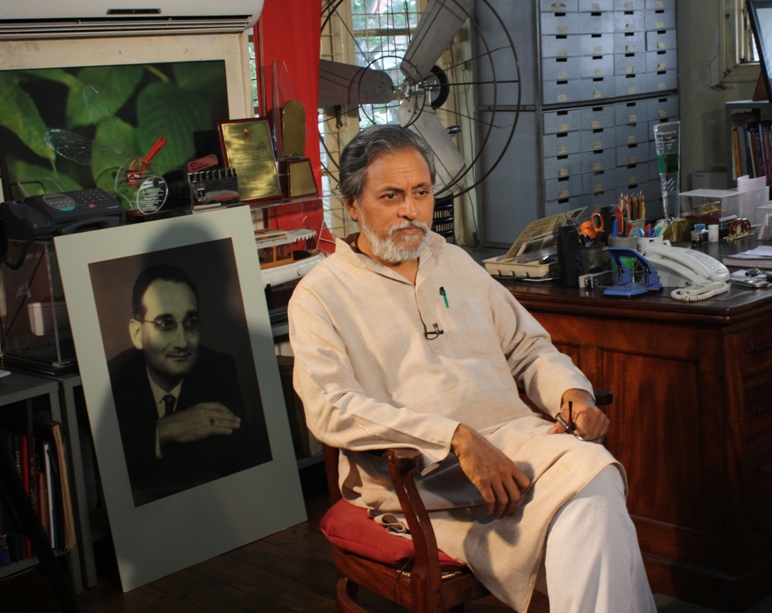
Prof Anil Gupta sits in the Colombo study of late Dr Ray Wijewardene - photo by Anisha Gooneratne

What does an inventor look like?

A nerdy kid in glasses and a white coat, tinkering perilously in a lab? Or a tightly-focused technician toiling away in a greasy workshop?

Perhaps. But most innovators are ordinary people moving among us. For the most part, they are unnoticed and unsung as they try to crack problems that have engaged their attention — or frustrated them for too long.

At one level, many of us improvise everyday for personal gain — to save money, lighten our workload or boost yields. Only a few take it to a higher level. They are unhappy with the status quo. They probe how things work and speculate how it can improve. They tackle problems that daunt most.

Spotting them isn’t easy. Such innovators may come from any social, educational or cultural background but they all march to the beat of a different drum. While education and training help, some of the most successful inventors in history were entirely self-taught.

The late Ray Wijewardene was one quintessential ‘tinkerer’ who led a life-long quest to solve practical problems and improve the quality of life – for himself, those around him, and society at large. He left his mark in agriculture, engineering design, renewable energy, transport and aviation. Just as importantly, he nurtured other innovators to go after nagging problems. A firm believer in trial and error, he encouraged constant experimentation.

Ray’s spirit of enquiry and enterprise was rekindled this week when one of the world’s leading innovation-spotters delivered the inaugural Ray Wijewardene Memorial Lecture in Colombo.

Dr Anil Kumar Gupta, a Professor at the Indian Institute of Management (IIM) in Ahmedabad, India, and Founder of the Honey Bee Network, spoke on “Grassroots Innovation for Inclusive Development: From Rhetoric to Reality” at the Institution of Engineers on 13 December 2011.

With inspiring examples and illustrations, Gupta emphasized that grassroots innovations can provide a new ray of hope – if we let them grow.

Speaking of his own country’s experience, he said: “Outside of India’s major cities, unsung heroes of the country are solving, or trying to solve, local problems in spite of the structures that have bypassed them so far. Creativity, compassion and collaboration are the key characteristics of these voices from grassroots. Let’s listen to them and resonate with them!”

And it isn’t just an Indian phenomenon. At the outset, Gupta listed a dozen recent innovations made by Lankans. Some, like the safe kerosene bottle lamp, are widely known but most remain obscure. Yet, all have been authenticated, and many granted patents.

Home-grown inventions

Few among the packed Colombo audience of over 200 seemed to recognise these home-grown innovations — just the point the professor was making.

“You get innovators all over Sri Lanka, but most are not known or recognised even in their own communities,” he said.

To make matters more challenging, most innovators tend to be loners: they are day-dreamers who don’t follow the pack.

“They don’t come to meetings or speak up much. We have to reach out to them, make them feel comfortable and valued,” Gupta added.

His suggestion: Sri Lanka should launch a national effort to discover its own innovators — both technological and social. The media can play a big role in spotting and promoting innovators, as can schools, universities and state agencies with relevant mandates.

But Gupta also had a strong word of caution: “Whatever we do, we must never try to convert these precious ‘odd-balls’ into conformists.”

Ray would surely have applauded. He was an accomplished non-conformist, or maverick, who didn’t fit into the stereotyped academic or engineering circles. Now the Ray Wijewardene Charitable Trust (RWCT), set up to promote his legacy, wants to nurture innovation in Sri Lanka.

The Trust made an auspicious start by inviting Anil Gupta to deliver the first lecture in Ray’s memory. Gupta and Wijewardene were kindred spirits who stayed in touch over the years across the Palk Strait.

Gupta himself defies the standard notion of an academic. He is an unusual professor who walks his talk — and walks through the villages and slums of India in search of innovation. His mission for the past two decades has been to ensure that grassroots innovators receive due recognition, respect and reward for their bright ideas. He also seeks to embed an innovative ethic in educational policy and institutions.

He founded the Honey Bee Network in 1986-87 “to promote a fair and responsible knowledge ecosystem”, where innovators can benefit by sharing their ideas. In the 1990s, he set up the Society for Research and Initiatives for Sustainable Technologies and Institutions (SRISTI) and Grassroots Innovation Augmentation Network (GIAN) both of which support the Honey Bee Network to scale up and convert grassroots innovations into viable products.

The man doesn’t sit in his campus; he goes innovator-scouting all over India. “In our walks, we move from village to village spotting grassroots innovations and honouring them. We have come across very simple modifications make life easier for people, and also help save natural resources,” Gupta said.

A simple example: at a rural location, he found someone had fitted six tapes on to the outlet of a single water pump. It allowed that many to draw water at the same time, and also reduced pumped up water going waste.

The bicycle is another invention that has been adapted for multiple purposes across India. Genius improvisers are using it for moving on land (and water), generating electricity, helping with the cooking, and even in washing clothes.

The popular Hindi film 3 Idiots featured a pedal-powered washing machine, which was inspired by the invention of a 20-year-old woman from Kerala, Remya Jose. It has since been showcased on Discovery Channel as part of the ‘Indian Innovators’ series of short films.

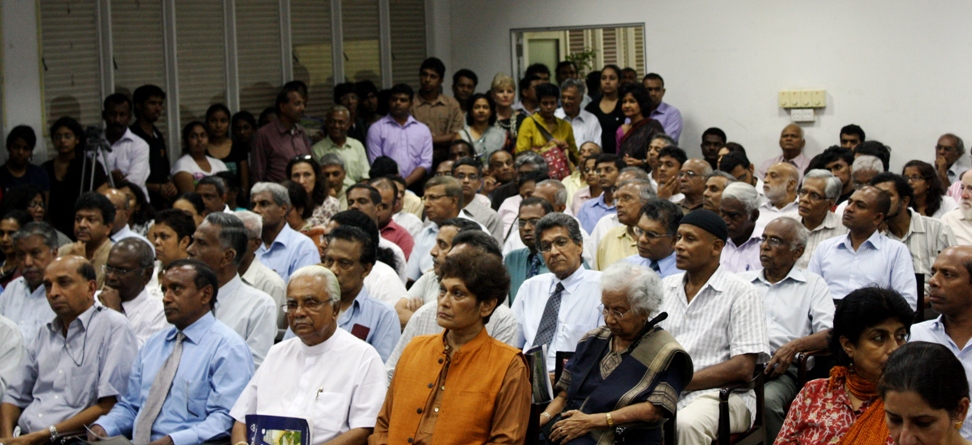
Part of audience at Ray Wijewardene Memorial Lecture in Colombo, 13 Dec 2011 - photo by Anisha Gooneratne

Benefit sharing

One defining characteristic of such grassroots innovation is that those tinkering are also immediate benefits of any improvements. As Gupta puts it: “From agricultural innovations to the gas-powered iron or pressure-cooker-driven coffee maker, we find that solutions developed by producers who are also users reflect the concerns of both the production and consumption environments.”

Not all inventions need to be earth-shattering. In fact, many aren’t – and that is perfectly fine, says Gupta.

“Even basic improvements in a water pump, for example, can make life easier for millions of people. When we look for design improvements, we should consider not only the benefits to humans, but even to domesticated animals.”

How can society ensure that grassroots innovators not just receive accolades but also get paid for their creative ideas?

Much of innovation related knowledge is ‘open source’ – meaning it has been developed by a number of people collaboratively and non-secretively. But that doesn’t mean their knowledge rights should be trampled with.

Taking out patents is one way to ensure such rights. The Honey Bee network has successfully obtained over 550 patents for grassroots innovations – more than some well-funded laboratories in India! This was made possible by mobilising pro bono lawyers and other volunteers.

The spirit of volunteerism common in Asian cultures can do much to nurture innovation and safeguard intellectual property rights at the same time, Gupta said.

His hope: “The Ray Wijewardene Trust should be able to find public-spirited lawyers in Sri Lanka to emulate the Indian experience.”

And what about glaring gaps that often exist between inventive minds and the ruthless market?

Don’t try to turn every innovator into businessman, Gupta said. “Most innovators are not good entrepreneurs because they are incorrigible improvisers. In many cases, we try to persuade and counsel innovators to work on their products. There are some who do very well, while others take time.”

Instead of trying to turn every inventor into an entrepreneur, we have to create institutions, schemes and networks that bring these two types together – the one who tinker and those who market.

We have to find ways to link innovation with investment and enterprise. Together, these three elements form what Gupta calls the ‘golden triangle’ for grassroots creativity.

Science writer Nalaka Gunawardene is a trustee of the Ray Wijewardene Charitable Trust, and has been profiling Lankan innovators for 25 years.

Prof Anil K Gupta rekindles the innovative spirit of Ray Wijewardene

Prof Anil K Gupta lights oil lamp in front of Ray Wijewardene photo before delivering Inaugural Ray Lecture in Colombo, 13 Dec 2011 - photo by Ruveen Mandawala

Ray Wijewardene was a man well ahead of his time, which might explain why he was not better understood and appreciated. He was also a systemic thinker who went to the root of problems and looked for elegant and efficient ways of solving them. He was not mesmerised by technology alone.”

With these words, an eminent Indian scholar paid tribute to the late Ray Wijewardene (1924 – 2010), whose website I helped design and launch a few weeks ago.

Dr Anil Kumar Gupta, a Professor at the Indian Institute of Management (IIM) in Ahmedabad, India, and Founder of the Honey Bee Network, spoke on “Grassroots Innovation for Inclusive Development: From Rhetoric to Reality” at the Institution of Engineers Sri Lanka (IESL) on 13 December 2011.

The IESL auditorium was packed to capacity, with more people standing and spilling over to the corridor. Anil Gupta gave an engaging talk that makes him the subcontinent’s foremost innovation-spotter. With inspiring examples and illustrations, he emphasized that grassroots innovations can provide a new ray of hope — provided we let them grow.

The lecture was organised by IESL and the Ray Wijewardene Charitable Trust (RWCT), set up to promote Ray’s legacy, and committed to nurturing innovation in Sri Lanka.

The Trust made an auspicious start by inviting Anil Gupta to deliver the first lecture in Ray’s memory. Gupta and Wijewardene were kindred spirits who stayed in touch over the years across the Palk Strait.

“It is a privilege for me and the Honey Bee Network to be invited for a lecture in honour of such an illustrious innovator, social change activist and thought leader of our sub-continent, and indeed the entire developing world,” Professor Gupta said when I first reached out to him a few months ago to invite for the lecture.

More coverage of the talk itself will follow, both on this blog and on Ray website.

17 Dec 2011: 3 Idiots and Honey Bee Network launch India’s Grassroots Innovators into New Orbit

The Nation, 18 Dec 2011: Anil Gupta’s Advice: Unleash Sri Lanka’s Grassroots Innovators!

Prof Anil Gupta delivers inaugural Ray Wijewardene memorial lecture in Colombo, 13 Dec 2011 - Photo by Ruveen Mandawala

Anil K Gupta is an unusual professor who walks the talk — and walks through the villages and slums of India in search of innovation. His mission is to ensure that grassroots innovators receive due recognition, respect and reward for their bright ideas. He also seeks to embed an innovative ethic in educational policy and institutions.

He founded the Honey Bee Network in 1986-87 “to promote a fair and responsible knowledge ecosystem”, where innovators can benefit by sharing their ideas. In the 1990s, he set up the Society for Research and Initiatives for Sustainable Technologies and Institutions (SRISTI) and Grassroots Innovation Augmentation Network (GIAN) both of which support the Honey Bee Network to scale up and convert grassroots innovations into viable products.

All three entities are partners of the National Innovation Foundation (NIF India), an autonomous body under the Department of Science and Technology in India. Since 2000, NIF has mobilized more than 160,000 innovations and traditional knowledge practices from all over India, and now holds the largest database of its kind in the world. Professor Gupta is Executive Vice Chair of the NIF, and is also a member of the National Innovation Council of India.

More images at http://www.facebook.com/RayWijewardene

Ray Wijewardene website launched: Paying it forward…

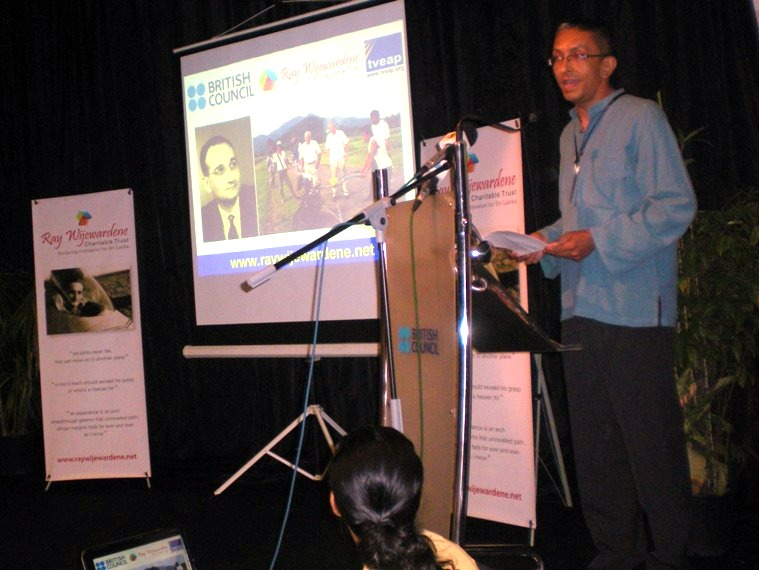
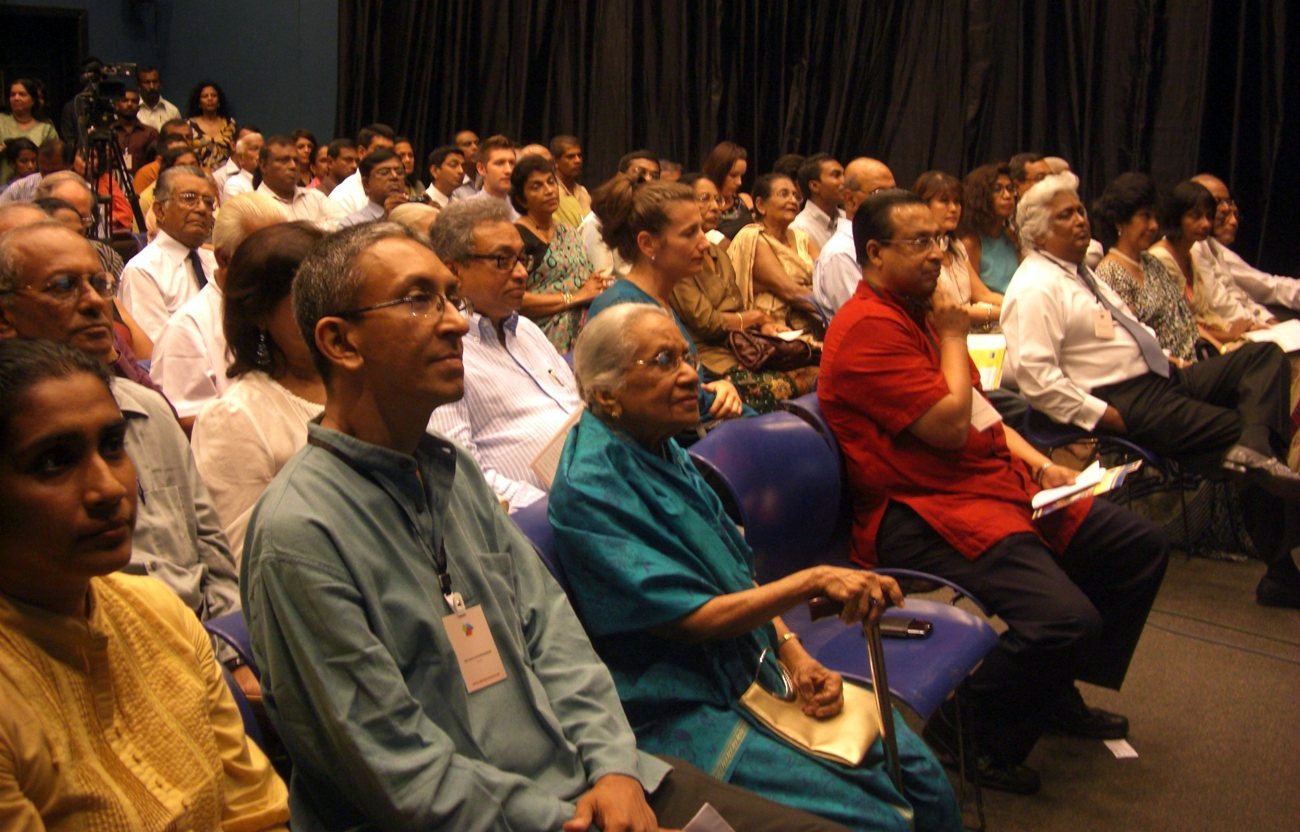
We launched the Ray Wijewardene website at the British Council Colombo on September 28 evening to a packed house of friends and well-wishers. My colleague Nadeeja Abeyasekera and I introduced the site – product of months of work. Here are my opening remarks:

Nalaka Gunawardene introduces Ray Wijewardene website at British Council Colombo, 28 Sep 2011 - photo by Dhanushka Fernando

Introduction to the Ray Wijewardene website:
by Nalaka Gunawardene, Director, TVE Asia Pacific

It’s a privilege for me and my colleagues at TVE Asia Pacific to have built the Ray Wijewardene website as an entirely voluntary effort.

This is our DIGITAL TRIBUTE to Ray Wijewardene, an outstanding scientist and thinker, not just of Sri Lanka, but of the entire developing world. On top of that, Ray was also a good friend and supporter of our own development communication work for many years. This is our way of PAYING IT FORWARD!

Looking back, I can say that this website was conceived in a moment of frustration and outrage. Let me explain!

When Ray passed away in August last year, there was very little SPECIFIC information about him anywhere on the World Wide Web. And there were ONLY a couple of good photographs online, which most newspapers and websites used when reporting on his death. They really had no choice!

In the days and weeks that followed, many warm tributes appeared in our newspapers. These shared precious memories and anecdotes about Ray. But I couldn’t help noticing that many lacked specifics, and some even had inaccuracies…probably inadvertent? Some didn’t even spell his name correctly!

We all know how Ray led a very productive and creative life — but it was not easy to find specific and accurate information about his thinking and many accomplishments. The reality these days is that if Google can’t find you, millions will never get to know about you!

I wanted to bridge this info gap as fast as possible!

So when I joined the Ray Wijewardene Charitable Trust as a Trustee, I offered to build a website as our first activity. We had no dedicated funds, but we just went ahead on a VOLUNTARY BASIS — relying on GOODWILL and IN-KIND contributions from many, e.g.
• We pooled information from Ray’s family members and friends;
• We sourced images from family and professional contacts; and
• We asked a few to write about different facets of Ray’s work/play.

This is what we call a NO-BUDGET ACTIVITY! We’ve harnessed the collaborative spirit very common on the Web. And we thank to all who joined this collaborative effort! They’re too many to mention by name – they know who they are…

Part of audience at the launch of Ray Wijewardene website, 28 Sep 2011 - Photo by Ruveen Mandawala

My colleagues at TVE Asia Pacific worked long and hard to weave all this material into the website that we launch today. As with all our products, we aim this at the interested non-specialist. We’ve tried to keep it simple, concise and engaging – we know that web visitors have very short the attention spans!

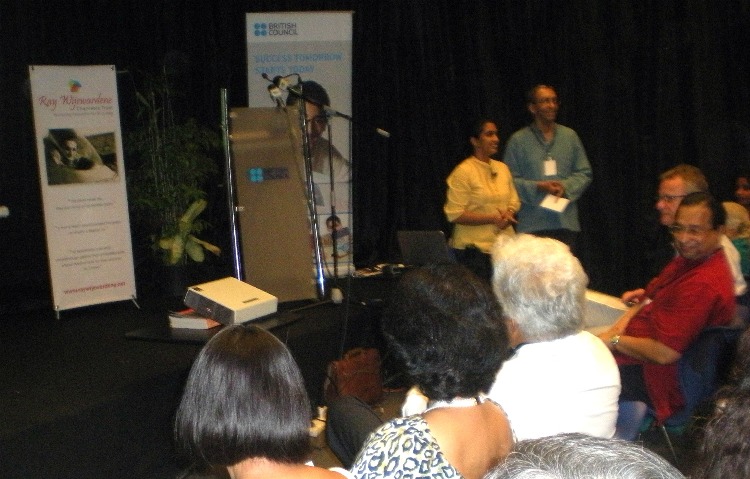
Let me ask my colleague Nadeeja Abeyasekera, who built this website, to take you on a quick tour…to entice you to browse more at your leisure!

In my view, a website is never really finished…so we will continue to add new content and links to this as and when necessary to keep it current and relevant. We also solicit more information and images from all of you, some of which can be published on this website and the rest can support the research effort for the proposed biography.

Nadeeja Abeyasekera (in yellow) & Nalaka Gunawardene take questions fron the audience

More images at http://www.facebook.com/RayWijewardene

Ray Wijewardene: Saluting a thinker who also tinkered

Working with a Genial Giant: Ray Wijewardene

As a communicator, I look for ways to say more with less. The ‘gold standard’ for brevity was set two centuries ago by the French poet, playwright, novelist and essayist Victor Hugo.

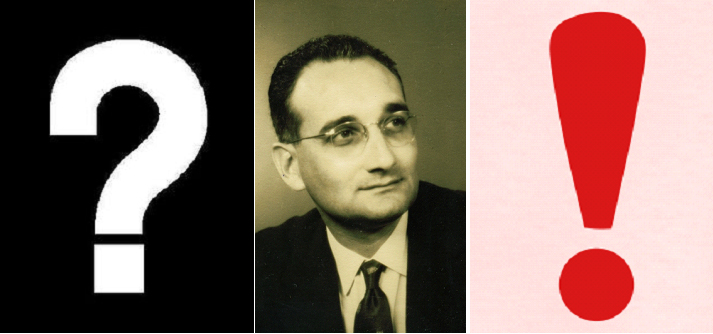
The story goes like this. Victor Hugo was travelling out of town and wanted to know how his latest book was selling. He messaged (telegraphed?) his agent: ?

The agent, not to be outdone, replied: !

Enough said. How I wish I could beat that economy of words…

I have a fondness for both question marks and exclamation marks — I used a good deal of both in my own speaking and writing. I use these as a metaphor in a tribute I just wrote about one of my mentors: Ray Wijewardene.

Ray Wijewardene: An Extraordinary Thinker and Tinkerer has just been published by Groundviews.org. It also appears on the official website about Ray Wijewardene, being formally launched today.

Here are the opening paras of my essay:

“If I had to condense the multi-faceted and fascinating life of Ray Wijewardene, I would reduce it to a whole lot of question marks and exclamation marks. In his 86 years, Ray generated more than his fair share of both.

“He was unpigeonholeable: engineer, farmer, inventor, aviator and sportsman all rolled into one. Whether at work or play, he was an innovative thinker who rose above his culture and training to grasp the bigger picture.”

Full essay: Ray Wijewardene: An Extraordinary Thinker and Tinkerer

The website was built by my team at TVE Asia Pacific (TEVAP) as a public education resource. read TVEAP News story:
TVEAP unveils new website on outstanding Sri Lankan scientist and visionary

සිවුමංසල කොලූගැටයා #29: වෙලට නොබැස පොතෙන් ගොවිතැන් කරන කෘෂි විද්‍යාඥයෝ

My weekly column on science, development and media, published in Ravaya newspaper on 28 August 2011 (converted into unicode Sinhala font using UCSC online facility, which has some limitations).

See also last week’s column:
21 Aug 2011: සිවුමංසල කොලූගැටයා #28: සැබෑ හරිත විප්ලවයක් සොයා ගිය රේ විජේවර්ධන

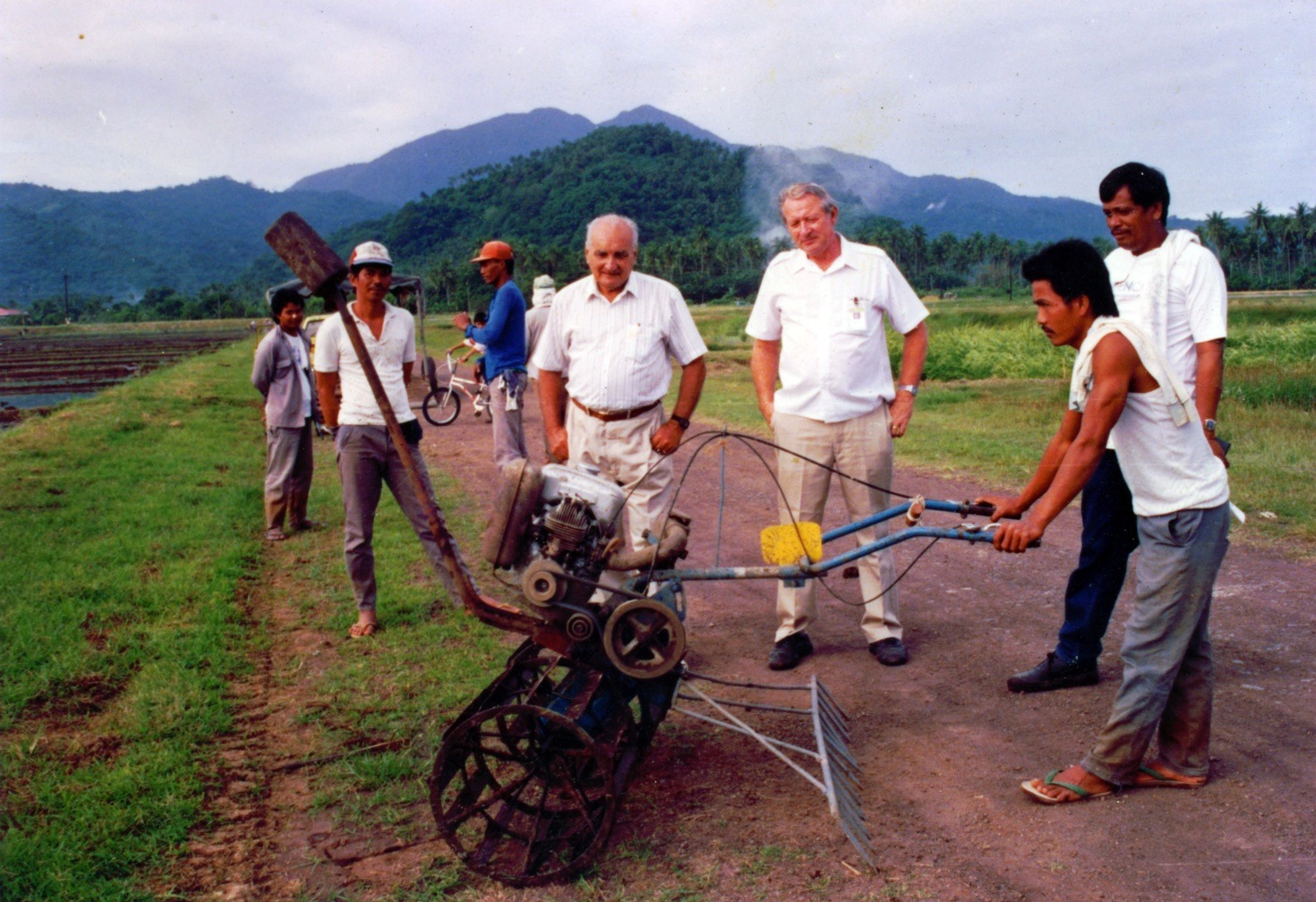
Ray Wijewardene with farmers in the field

ආචාර්ය රේ විෙජ්වර්ධනගේ චින්තනයෙන් හා වසර 86ක ජීවිතයෙන් අපට උගත හැකි පාඩම් රැසක් තිඛෙනවා. එයින් කිහිපයක් ගිය සතියේ සදහන් කළා. අද අපි නැවතත් ඒ ‘සරු කෙතට’ පිවිසෙනවා.

‘කෘෂිකර්මාන්තය’ ලෙසින් ගරු ගාම්භීර විධියට හ`දුන්වන ගොවිතැන් කිරීම ගැන රේ විෙජ්වර්ධනට තිබුණේ සැබෑ උනන්දුවක්. එහෙත් ඔහු ගොවිතැන් කිරීම දැක්කේ විද්‍යාඥයන් හා ප්‍රතිපත්ති සම්පාදකයන් දකින කෝනයෙන් නොවෙයි. අනියත කාලගුණ තත්ත්වයන් හමුවේ මහපොළවත් සමග නිරතුරුව ගනුදෙනු කරමින් ආහාර හා වෙනත් බෝග වවන කුඩා පරිමානයේ ගොවීන් ගැන බැතිබර ලෙන්ගතුකමක් ඔහුට තිබුණා. කුඩා ගොවීන්ගේ ප්‍රශ්න හදුනාගන්නට නම් ඔවුන් සමග වෙලට හා හේනට බැසිය යුතු බව ඔහු විශ්වාස කළා.

කෘෂිවිද්‍යා පර්යේෂකයන් අති බහුතරයක් දෙනා එසේ නොකර, පොතෙන් ගොවිතැන් කිරීම නිසා ගොවීන්ට අදාල හෝ ප්‍රයෝජනවත් වන උපදෙස් දීමට ඔවුන් අපොහොසත් වන බව රේ කියා සිටියා. “උපාධිධාරී නෝනාවරුන්ට හා මහත්වරුන්ට මාත් සමග වෙලට බසින්නට මා නිතර ඇරැයුම් කරනවා. එහෙත් අතේ පයේ මඩ තැවරීම ගැන බියෙන් ඔවුන් බොහෝ දෙනෙකු එසේ කරන්නේ නැහැ. මේ අයගේ දැනුම හා ශිල්ප ක්‍රම බොහෝ විට ගොවියාගේ උවමනාකම්වලට බද්ධ නොවෙන්නේ මේ පරතරය හා ආකල්ප නිසායි.”

ඝර්ම කලාපීය (tropical) රටවල ගොවිතැන් කිරීමේදීත්, සමශීතෝෂණ (temperate) රටවල ගොවිතැන් කිරීමේදීත් ප්‍රබල වෙනස්කම් තිඛෙන බව ඔහු කියා සිටියා. ඝර්ම කලාපයේ අපේ වැනි රටවල මුළු වසර පුරා හිරු එළිය ලැඛෙනවා. එහෙත් සමශීතෝෂණ කලාපීය රටවල හිරුඑළිය හරිහැටි ලැඛෙන්නේ ගිම්හානයේ දී පමණයි. මේ නිසා සාපේක‍ෂව ඉක්මනින් හිරු එළිය ආහාර බවට පත් කළ හැකි කෙටි කාලීන බෝග වගාව ඒ රටවලට වඩාත් උචිතයි.

ඇත්තට ම වී ශාකයත් සමශීතෝෂණ දේශගුණය ඇති චීනය වැනි රටවලින් ඇරඹී ඉන්දියාව හරහා අපට ලැබුණු දායාදයක්. එසේ වූව ද කාලයාගේ ඇවෑමෙන් ඝර්ම කලාපීය රටවල ජනයා වී ගොවිතැනට හොදහැටි හුරු වී ඇති බව ඔහු පෙන්වා දුන්නා. ඓතිහාසිකව අපේ මුතුන් මිත්තන්ගේ ප්‍රධාන ආහාරය බත් පමණක් නොව කොස්, දෙල් හා විවිධ අලවර්ග වූ බවත්, ඒ සමහරක් බහුවාර්ෂික බෝග වසර පුරා ම හිරු එළිය උකහාගනිමින් ආහාර නිපදවිය හැකි ඝර්ම කලාපීය දේශගුණයට මනා සේ ගැලපෙන බවත් ඔහු කියා සිටියා.

ඝර්ම කලාපීය ගොවීන්ට තිඛෙන ප්‍රධානතම අභියෝග දෙක නම් පසේ සරු බව රැක ගැනීම සහ ගොවිබිමේ වල් පැළෑටි පාලනය කිරීම. මේ අභියෝග දෙක ගැන දැඩි අවධානය යොමු කරමින් ඔහු වසර ගණනාවක් විවිධ අත්හදා බැලීම් කළා. ඝර්ම කලාපීය වනාන්තරවල මේ සාධක දෙක සොබාදහම ඉතා කාර්යක‍ෂම අයුරින් තුලනය කර ගන්නා සැටි අධ්‍යයනය කළ රේ, වනාන්තර අනුකරණය කිරීම ගොවිබිමට ගැලපෙන සැටි පෙන්වා දුන්නා.

ඝර්ම කලාපීය රටවල කිසිම අවස්ථාවක පසේ (වඩාත් ම සාරවත්) මතු පිට තට්ටුව නිරාවරණය වන්නට ඉඩ නොතැබිය යුතු බව ඔහු අවධාරණයෙන් කියා සිටියා. එසේ වූව හොත් අධික හිරුඑළියෙන් පස දූවිලි බවට පත්විය හැකි අතර, වර්ෂාව නිසා ඉක්මනින් සෝදා පාලූවට ලක්වීමට ද හැකියි. මේ තත්ත්වයන් වළක්වා ගන්නට ගොවිබිම්වල කුඩා පදුරු මෙන් ම තැනින් තැන ලොකු ගස් ද වැවිය යුතුයි. මේ ගස්වලින් ගිලිහී වැටෙන කොළ රොඩු වැස්ම නිසා පස ආරක‍ෂා වනවා. එමෙන් ම වල් පැළෑටි බිහිවීම ද වළක්වනවා.

දේශගුණික හා කාලගුණික සාධක ඛෙහෙවින් වෙනස් වූ සමශීතෝෂණ රටවල ගොවිතැන් කිරීම සදහා මුළු ගොවිබිම් යාය ම එළිපෙහෙළි කරනවා. එය ඔවුන්ට ගැලපෙන නමුත් ඝර්ම කලාපයේ අපට ඉතා අහිතකර බවත්, මේ වෙනස හදුනා නොගෙන ඒ ආකාරයේ විවෘත ගොවි බිම් අපේ රටේ ද ඇති කිරීමෙන් අපේ සරු පස විශාල වශයෙන් සෝදා පාළුවට ලක් වූ බවත් රේ පෙන්වා දුන්නා. සමශීතෝපණ රටවලින් කෘෂිකර්ම පශ්චාත් උපාධි ලබා අපේ ඝර්ම කලාපීය රටේ කෘෂිකර්ම ප්‍රතිපත්ති හදන හා පර්යේෂණ කරන බොහෝ විශේෂඥයන්ට මේ තිත්ත ඇත්ත දිරවා ගන්නට අමාරු වුණා. එයින් නොසැලූණු රේ මේ සංකල්ප ප්‍රායෝගිකව අපේ ගොවීන්ට හ`දුන්වා දෙන්නට වෙහෙස ගත්තා.

1970 දශකයේ වැඩි කාලයක් ඔහු ගත කළේ අපි්‍රකාවේ රටවල කෘෂිකර්ම උපදේශකයකු හැටියටයි. ඒ කාලයේ ලැබූ අත්දැකීම් හා කළ පර්යේෂණ පදනම් කර ගෙන ඔහු බෑවුම් කදුකර ප්‍රදේශවලට වඩාත් උචිත වගා ක්‍රමයක් හැටියට Sloping Agricultural Land Technology (SALT) ලංකාවේ ප්‍රවර්ධනය කළා. SALT 1970 දශකයේ පිලිපීනයෙන් ඇරඹුණු ක්‍රමවේදයක්. ඉතා ම සරලව කිවහොත ඉක්මනින් වැවෙන රනිල ශාක (leguminous plants) සමෝච්ච රේඛා පදනමට බෑවුම්වල වවනවා. වායුගෝලයෙන් නයිට්‍රජන් උකහා ගෙන පසේ ගැටිත‘ බවට පත් කිරීමේ හැකියාව ඇති එම ගස් පේළි අතර වෙනත් බෝග වගා කළ හැකියි.

1980දී යළිත් ලංකාවට ආ රේ, SALT ක්‍රමය අපේ කදුකරයට ගැලපෙන ලෙස සකස් කිරීමට අත්හදා බැලීම් කළා. ඉක්මනින් වැවෙන රනිල ශාක මෙන් ම දිගු කලක් වැවෙන වෙනත් බහුවාර්ෂික ශාක ද කදු බෑවුම්වල සිටුවීමෙන් වගාවට සෙවනක්, කොළරොඩු දායකත්වයක් මෙන්ම පස සෝදා යාමට එරෙහිව ස්වාභාවික බැම්මක් ද ලැඛෙනවා.

රාජ්‍ය කෘෂිකර්ම නිලධාරීවාදය මේ නව අදහස්වලට එතරම් කැමැති නොවූ නිසා ඔහු පෞද්ගලික අංශය සමග ඉදිරියට ගියා. කදුකරයේ ඇතැම් තැන්වල දුම්කොළ වවන කුඩා ගොවීන්ගේ බිම්වල සරු බව රකින්නට SALT ක්‍රමය යොදා ගත්තා. 1989 සිට ඌව පලාතේ දඩයම්පොළ ගම්මානය කේන්ද්‍ර කර ගෙන කළ SALT අත්හදා බැලීම් සාර්ථකවීමත් සමග අවට ප්‍රදේශ රැසක දුම්කොළ ගොවීන් පමණක් නොවෙයි අනෙකුත් එළවළු ගොවීන්ද මේ ක්‍රමවේදයට පෙළඹුණා.

ලංකාවේ SALT ක්‍රමය සදහා ග්ලිරිසීඩියා (Gliricidia sepium) නමින් උද්හිද විද්‍යාත්මකව හදුන්වන ශාකය වඩාත් උචිත බව ඔහුගේ නිගමනය වුණා. මේ ශාකය විවිධ නම් වලින් අපේ රටේ හැදින්වෙනවා: ගිනිසිරියා, වැටහිරියා, වැටමාර, ලදප්පා, නාංචි, සෙවන, මකුලතා හා ඇල්බීසියා වශයෙන්.

SALT යොදා ගෙන දුම්කොළ ගොවීන් සමග කළ පාංශ= සංරක‍ෂණ කටයුතුවලට ඇගැයීමක් හැටියට 1997දී බි්‍රතාන්‍යයේ වර්ල්ඩ් අවෙයාර් සම්මානය World Aware Award පිරිනමනු ලැබුවා. එහෙත් දුම්කොළ කර්මාන්තයට එරෙහි මෙරට ඇතැම් දෙනා මේ උත්සාහය හෙළා දැක්කා. දුම්කොළ සමාගම සමග හවුලේ උඩරට පාංශ= සංරක‍ෂණයට යොමුවීම ගැන අපේ සමහර පරිසරවේදීන් රේ විෙජ්වර්ධනට දැඩි සේ දෝෂාරෝපණය කළා.

ඒ ගැන මා ඔහුගෙන් ඇසූ විට ඔහු කිවේ මෙයයි: “දුම්කොළ නෙළා ගත් පසු නිපදවන භාණ්ඩය ගැන මට උනන්දුවක් නැහැ. මගේ සමස්ත අවධානය යොමු වුණේ කුඩා පරිමානයේ දුම්කොළ ගොවීන් හා ඔවුන්ගේ කදුකර ගොවි බිම් ගැනයි. දුම්කොළ වැවීමෙන් වැඩි ආදායමක් ලැඛෙන නිසා ඔවුන් ඒ බෝගය වවනවා. දුම්කොළ වෙනුවට වෙනත් බෝග වවන්නට මේ ගොවීන්ට අවශ්‍ය අවස්ථාව, තාක‍ෂණය හා වෙළදපොළ සළසා දෙන්න යයි මා අපේ පරිසරවේදීන්ට අභියෝග කරනවා”

ටික කලකට පසු ක`දුකර තේ වතුවලට ද SALT ක්‍රමය හදුන්වා දුන්නා. අද වන විට ලංකාවේ මෙන් ම ඉන්දියාවේ තේ වතුවලත් මේ ක්‍රමය ක්‍රියාත්මක වනවා. ලංකා තේ පර්යේෂණ මණ්ඩලයේ සභාපතිවරයා හැටියට වසර කිහිපයක් කටයුතු කළ රේ වැඩි අවධානයක් යොමු කළේ උඩරට කදුකර පරිසරයට හානි නොකර අපේ තේ කර්මාන්තයේ ඵලදාව වැඩි කරගන්නා තරසාර ක්‍රම පිළිබදවයි.

“දුම්කොළ හා තේ කර්මාන්තයන් සංවිධානාත්මක ලෙස ක්‍රියාත්මක වන නිසා ඔවුන් හරහා අළුත් අදහස් අත්හදා බලන්නට හා හ`දුන්වා දෙන්නට වඩාත් ලෙහෙසියි” ඔහු පැහැදිලි කළා. එහෙත් එතැනින් පටන් ගත් SALT ක්‍රමවේදය ටිකෙන් ටික කදුකර ප්‍රදේශවල ගොවිතැන් කරන හැම දෙනාට ම ව්‍යාප්ත කිරීමේ වැදගත්කම ඔහු පෙන්වා දුන්නා.

වල්පැළෑටි පාලනයට වල්නාශක යොදා ගත හැකි වූවත් එවිට විෂ රසායන ගොවිබිමට හා අවට පරිසරයට එකතු වන නිසා එය හිතකර ක්‍රමයක් නොවෙයි. වී ගොවිතැනේදී අපේ ගොවීන් වෙල්යායවල වතුර බදින්නේ වැඩිපුර ම වැඩිපුරම වල් පැළෑටි ගිල්වා මරා දැමීමට බවත්, වී ශාකයේ භෞතික අවශ්‍යතාවයන්ට එතරම් ජල ප්‍රමාණයක් උවමනා නැති බවත් ඔහු තේරුම් ගත්තා. ඔහුගේ ගණනය කිරීමට අනුව වී කිලෝග්‍රෑම් 1ක් නිපදවන්නට ජලය ටොන් 20ක් යෙදවීමේ අනුපාතයක් ලංකාවේ සමහර ප්‍රදේශවල තිඛෙනවා.

ගොවීන්ට නොමිළයේ ලැඛෙන අහස් (වැසි) දිය හෝ වාරි ජලය මේ තරම් අධික ලෙස වී ගොවිතැනට යෙදීම දිගට ම කර ගෙන යා නොහැකි බවට 1990 දශකය මුලදී ඔහු අනතුරු ඇගවූවා. 21 වන සියවසේ මතුවන ජල හිගය ගැන කල් තබා දුටු ඔහු, ජලය මෙතරම් විශාල ප්‍රමාණයක් යොදා නොගෙන එම වී අස්වැන්න ම ලබා ගැනීමේ ක්‍රමවේදයන් ප්‍රචලිත කිරීමේ වැදගත්කම අවධාරණය කළා.

වී වගාවේ SRI ක්‍රමය පෙන්වා දෙන්නේත් වඩා අඩු ජලයක් භාවිතා කරමින් ගොවිතැන් කළ හැකි බවයි. වෙල් යායට වතුර බ`දිනවා වෙනුවට කොළ රොඩු වැස්මක් ලබා දීමෙන් ඉතා අඩු වියදමකින් හා පරිශ්‍රමයකින් කුඹුරේ වල් පැළ මර්දනය වන බව රේ සොයාගත්තේ SRI ක්‍රමය ප්‍රචලිත වන්නට කලින්.

“ලංකාව සැබැවින් ම වාසනාවන්ත දිවයිනක්. වසර පුරා අපට හිරුඑළිය ලැඛෙනවා. සරු පසක් හා යහපත් දේශගුණයක් තිඛෙනවා. අපට අවශ්‍ය ආහාර බෝග සියල්ලත්, අපේ බලශක්ති අවශ්‍යතාවයෙන් කොටසකුත් අපේ පොළවෙන් ම වවා ගත හැකියි.” මේ රේ විෙජ්වර්ධන නිතර කළ ප්‍රකාශයක්. එය කෙසේ කළ යුතු ද, කළ හැකි ද යන්න ඔහු ප්‍රායෝගිකව පෙන්වා දුන්නා. දැන් අපට තිඛෙන්නේ රේ සොයා දුන් මාවතෙහි නොබියව හා කඩිනමින් ගමන් කිරීමයි.

රේ විෙජ්වර්ධන අදීන චින්තනය පිළිබ`ද නව වෙබ් අඩවියට පිවිසෙන්න: www.raywijewardene.net

Ray Wijewardene website: Celebrating a Man for All Elements!

Ray Wijewardene (1924 - 2010): A man for all elements

One year has passed since Ray Wijewardene’s death aged 86. In that year, I’ve been privileged to play a part in celebrating his life and preserving his legacy.

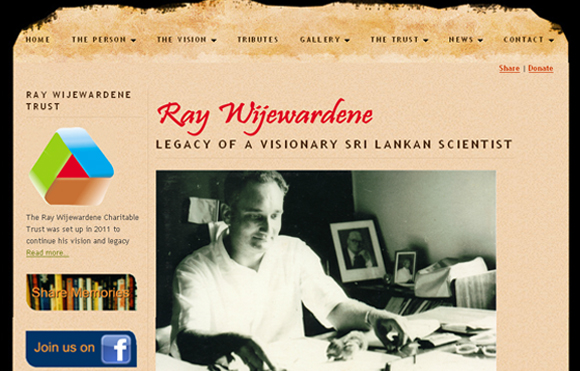
My main contribution todate is building the official Ray Wijewardene website, which was launched in time for Ray’s 87th birth anniversary. It can now be accessed at: http://www.raywijewardene.net

Here’s the promotional blurb I sent out to a few dozen people this weekend:

Philip Revatha (Ray) Wijewardene (1924 – 2010) was an extraordinary Sri Lankan who was rightly called a Renaissance Man. Educated at two of the most prestigious universities in the world (Cambridge and Harvard), he excelled in many different areas of human endeavour: agriculture, aviation, engineering design, inventions, renewable energy technologies and water sports. He also painted and played the violin.

The Ray Wijewardene official website went ‘live’ just in time for Ray’s 87th birth anniversary on 20 August 2011.

This informative website captures highlights of Ray’s rich and colourful life that covered different areas of human endeavour: agriculture, aviation, engineering design, renewable energy, transport and water sports. It promotes his vision for self-reliance, innovation and sustainable development in Sri Lanka and in other countries in the humid tropics.

Weaving the four elements: Ray's logo
The website introduces Ray as ‘a man for all elements’, and showcases his personal logo that symbolised the integration of the four elements in eastern philosophy: water, fire, air and matter/Earth.

It carries first person narratives written by five individuals who knew Ray in different capacities: aviator Capt Elmo Jayawardena, renewable energy specialist P G Joseph, science writer Nalaka Gunawardene, conservationist Dr Ranjith Mahindapala and biologist Rohan Pethiyagoda. It also collates links to tributes and appreciations that were published in the media following Ray’s death in August 2010.

In another section, the website has a photo gallery that includes many hitherto-unseen images drawn from the Wijewardene family albums and from various other institutional and media sources. These offer glimpses of Ray Wijewardene’s education, training, career and leisure activities that took him to the universities of Cambridge and Harvard, international service with the United Nations, the Olympic and Asian games and the grassroots in Sri Lanka.

The website was conceived and built by the Colombo-based non-profit media foundation TVE Asia Pacific. It is an entirely voluntary effort that involved the collaboration of many individuals from different backgrounds and geographical locations. Information and images were sourced from Ray’s family members, friends and associates.

More information, photographs and videos are to be added as new material becomes available. The website actively seeks memories, anecdotes and images for the Ray biography compilation project that is now underway.

The Ray Wijewardene Charitable Trust (RWCT) was established in early 2011 to promote Ray’s vision and ideas in Sri Lanka. The Trust will support innovation in areas that were close to Ray’s heart. This website is the Trust’s first public activity to preserve Ray’s legacy.

Ray Wijewardene: Passionate voice for small farmers and earthworms

Ray Wijewardene on the set of 'Sri Lanka 2048' TV show, June 2008: Cautiously optimistic about the future...
The small farmers, buffaloes and earthworms all over the world lost a true friend and spokesman this week when Lankan scientist Ray Wijewardene passed away.

Ray packed multiple interests and pursuits into his 86 years of life – including engineering, building and flying light aircraft, and Olympic-level competitive sailing. But he was happiest being a farmer and mechanic, and had strong opinions on the subject. He was vocal about misguided priorities in tropical farming his native Sri Lanka – and across the developing world.

He was especially passionate when speaking about small farmers in the developing world, with whom he worked many years of his international career as an expert on tropical farming systems.

Educated at Cambridge and Harvard universities, and with impeccable technical credentials, he was no stranger to the ways of academia. But he remained a sceptic about the efficacy and benefits of agricultural research — on which hundreds of millions of development funding is invested every year.

The main problem with agricultural research, he used to say, is that those who engaged in such studies and experimentation didn’t have to rely on farming for their sustenance. There was not enough self interest. In contrast, the small farmer had to eke out a meagre existence from whatever land, water and seeds or livestock she had. In her case — and a majority of small farmers around the world today are indeed women — it’s a stark choice of innovate or perish.

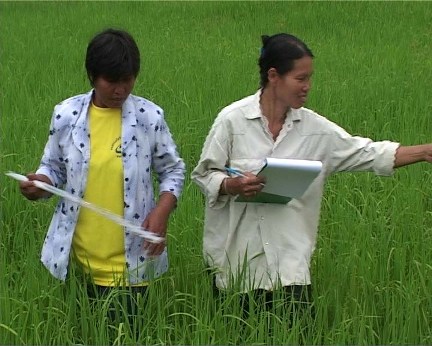
Thai researchers and farmers looking for field solutions (from Living Labs TV series)
The heroic efforts of small farmers were rarely recognised by the rest of humanity who consume their produce — and the farmers themselves are too busy planting crops or raising animals to speak on their own behalf. This is where Ray Wijewardene came in: with his education, exposure and talent, he made an outstanding spokesman for small farmers all over the tropics.

In the 1960s, as the inventor and promoter of the world’s first two-wheeled (Land Master) tractor, Ray travelled all over Asia, Africa and Latin America working with tropical farmers.

For half a century, Ray has championed the lot of the small farmer at national, regional and global levels with UN agencies, academic and research groups, corporate sector and governments. But in later years, he questioned the wisdom of trying to mechanise tropical farming, and considered that phase of his career a ‘big mistake’. He dedicated the rest of his life to researching and promoting ecologically sustainable agriculture, on which he co-wrote an authoritative book in 1984.

Ray had the rare ability to ask piercing questions without antagonizing his audiences. He was an activist in the true sense of the word, but one whose opinions were well informed and grounded in reality, not rhetoric.

This comes through very powerfully in an extensive media interview I did with Ray in 1995, which I released online this week as a tribute to Ray — who has been my mentor and friend for almost 25 years.

At the outset, Ray points out where the Green Revolutionists went astray: “All along in the Green Revolution, its promoters focused on maximizing yields through massive inputs. But they forgot that what the farmer wants is to maximize profits, not necessarily yields!”

We then talked about the particular challenges faced in tropical farming, and the mismatch of temperate farming systems promoted widely in the tropics where climatic and soil conditions are different. One of Ray’s main concerns was agriculture’s profligate use of water – more for weed control than to meet the strict biological needs of crop plants themselves!

Ray, a grandmaster in summing up complex technical issues in colourful terms, said at the time: “Water is rapidly becoming the most expensive herbicide in the world — and freshwater is increasingly scarce!” [A decade later, I would go on to script and executive produce a global TV series called Living Labs on just this issue: how to grow more food with less water, or get more crop per drop.]

Ray wasn’t fundamentally opposed to external, chemical inputs to boost soil fertility but he advocated a mix of natural and synthetic options. In our interview, he asked: “We have multinational companies supporting — directly or indirectly — the extensive use of chemical fertilizers. But who supports cow-dung? Who extols the virtues of the humble earthworm?”

He then added: “For us in Asia, these elements are far more important. Indians have recognized this, but we still haven’t. As long as our agricultural scientists are trained in the western mould of high external input agriculture, this (mindset) won’t change. Cow-dung and earthworms won’t stand a chance – until some western academic suddenly ‘re-discovers’ them…

It was Indian science writer and environmentalist Anil Agarwal who asked me, sometime in mid 1995, to interview Ray for Down to Earth, the science and environmental fortnightly magazine published by his Centre for Science and Environment. As Anil told me, “In Ray, you have not only one of the topmost agricultural experts in the developing world but one of its most original thinkers.”

By this time, I’d known Ray for almost a decade, and been exposed to several of his multiple facets. But each encounter with Ray was enriching for me, so I immediately seized the opportunity. The usually media-shy Ray already knew of and respected Anil, which helped.

Down to Earth is part of Anil Agarwal's legacy
The interview was audio taped over two long sessions, and I remember spending many hours transcribing it. I had to check some references with Ray, who cooperated wonderfully. I’ve been trained to observe the word limit set by editors, but in this instance, I sent in the full length Q&A, for it was so interesting. Down to Earth issue for 31 October 1995 carried a compact version, skillfully distilling the essence of that long exchange between Ray and myself — one of the most memorable interviews among hundreds I’ve done during 25 years of work in print and broadcast media.

How I wish the exchange was also preserved on audio tape! Indeed, it’s a small miracle that the original transcript survived for 15 years. The soft copy was lost in a hard drive crash of 1998, but fortunately I’d taken a full print-out. I’m grateful to a former colleague, Buddhini Ekanayake, for retyping the entire interview in mid 2008 when I considered releasing it in the wake of the global food crisis. That somehow didn’t work out, but the soft copy was ready at hand for me to rush to the editor of Groundviews on the day of Ray’s funeral. All I added was a new, 500-word introduction which tried to sum up the Ray Wijewardene phenomenon.

Read the full length interview with Ray Wijewardene, published for the first time, on Groundviews.org:
Who Speaks for Small Farmers, Earthworms and Cow Dung?