Malima: Episode #8: Aspiring for better TV viewng and smarter painting

Malima (New Directions in Innovation) is a Sinhala language TV series on science, technology and innovation. This episode was produced and first broadcast by Sri Lanka’s Rupavahini TV channel on 24 May 2012.

Malima: Episode 8 presented by Nalaka Gunawardene from Nalaka Gunawardene on Vimeo.

Produced by Suminda Thilakasena and hosted by science writer Nalaka Gunawardene, this episode features three stories:

• An interview with Asanka Jayamal Rajakaruna, who has developed a concept for a more realistic TV screen. Named Multiplex Optical Macrocosm for Parallax Replicated Observation, and abbreviated as MOMPRO, it has been demonstrated at prototype level. The inventor is now looking for an investor to commercialise this idea which he says can revolutionise TV and video industries.

• There are less than 700 mountain gorillas left in the wild, most of them in the in the area surrounding the Virunga National Park in Democratic Republic of Congo. These endangered Mountain Gorillas population are getting a helping hand from a fuel-efficient ‘Jiko’ stove. Partnering with local group AIDE-Kivu, the UK charity Gorilla Organization launched the fuel-efficient stove in 2008, reducing the consumption of firewood and charcoal by at least 75 per cent – reducing pressure on the forest.

• An interview with young inventor Gayathra Amodh Dharmaratna, a student of Ananda College, Colombo. He has invented an air pressure-operated painting device which ‘extends’ the reach of a painter up to 10 m or 35 ft. It can be used to uniformly paint 100 square feet in 20 minutes, and saves paint, time and effort. Having already won a junior inventor award for this, he has now applied for a Lankan patent.

Produced by Suminda Thilakasena

සිවුමංසල කොලූගැටයා #72: ඉන්ටර්නෙට් නොදැන ගොස් මංමුලා වූ උගත්තු…

My Sunday (Sinhala) column in Ravaya this week was on impressions of the National Media Summit 2012 held at the University of Kelaniya, Sri Lanka, on 24-25 May 2012. My own talk at the Summit, during a session New Media policies for Sri Lanka, was titled New Media, Old Minds: A Bridge Too Far?.

I shared my impressions in an English blog post on May 25 itself.

National Media Summit 2012 at University of Kelaniya, 25 May 2012

සාමාන්‍ය ජනතාව බැලූ බැල්මට පෙනෙන පරිද්දෙන් හෝ කලක් තිස්සේ සිතේ මුල් බැසගත් ආකල්පයන් පදනම් කර ගෙන හෝ ප‍්‍රශ්න විග‍්‍රහ කළත්, සරසවි ඇදුරන් හා පර්යේෂකයන් ඊට වඩා විවෘත මනසකින් ක‍්‍රමානුකූලව කටයුතු කරනු ඇතැයි අපේක්‍ෂාවක් තිබෙනවා.

පෙනෙන මානය (perception) හා සැබෑ තත්ත්‍වය අතර වෙනසක් තිබිය හැකියි. මේ හිඩැස අඩු කර ගන්නට අපට සමීක්‍ෂණ, නිල සංඛ්‍යා ලේඛන හා විද්වත් පර්යේෂණ උදවු වනවා. සාක්‍ෂි මත පදනම් වූ තර්ක වඩාත් ප‍්‍රබලයි. එහෙත් යල්පැන ගිය දත්ත හා තොරතුරු භාවිත නොකිරීමට අප සැවොම වග බලා ගත යුතුයි.

කැළණිය සරසවිය 2012 මැයි 24 – 25 දෙදින පැවැත් වූ 2012 ජාතික මාධ්‍ය සමුළුවේ නව මාධ්‍ය හා ප‍්‍රතිපත්ති ගැන සැසියේ කථා කරන්නට මට ද ඇරැයුම් කර තිබුණා. සංවාද කරන්නට ඇරැයුම් ලද විට මා කරන්නේ බහුලව එල්බගත් මතවාදයන් හා ජනප‍්‍රිය තර්කවලින් ඔබ්බට ගොස් අසම්මත විදියට ප‍්‍රශ්න විග‍්‍රහ කිරිමට මා අමතන සභාවට අභියෝග කිරිමයි.

මෙරට ජන මාධ්‍ය හා සන්නිවේදනය උගන්වන හැම සරසවියකින් ම ඇදුරු හා සිසු මට්ටමේ නියෝජිතයන් කැළණිය සරසවියට පැමිණ සිටියා. අපේ ජන මාධ්‍ය ක්ෂේත‍්‍රයට ඉදිරි වෘත්තිකයන් බිහි කරන්නෙත්, මාධ්‍ය හා තොරතුරු සමාජයට අදාළ ප‍්‍රතිපත්ති ගැන රජයට උපදෙස් දෙන්නෙත් මේ දැනුම් ගවේෂක උදවියයි.

මේ අයට මා සරල ප‍්‍රශ්න දෙකක් ඉදිරිපත් කළා. මේ ප‍්‍රකාශ දෙක සත්‍ය ද අසත්‍ය දැයි විමසුවා.

• මෙරට ග‍්‍රාමීය ප‍්‍රදේශවල තවමත් වැඩිපුර ම ප‍්‍රචලිත ජනමාධ්‍යය රේඩියෝවයි.

• ඉන්ටර්නෙට් යනු අපේ ජනගහනයෙන් 5%කට අඩු ප‍්‍රතිශතයක් භාවිත කරන, ඇති හැකි අයට සීමා වූ වියදම් අධික මාධ්‍යයකි.

සභාවේ බහුතරයක් දෙනා කියා සිටියේ රේඩියෝව අපේ ගම්වල ප‍්‍රචලිත ම මාධ්‍යය බවයි. ඉන්ටර්නෙට් ගැන ප‍්‍රකාශය හරි ද වැරදි ද යන්න ගැන ඊට වඩා මත බෙදුමක් ඇති බව පෙනී ගියා.

මෙහි සැබෑ තත්ත්වය මොකක්ද? නිල සංඛ්‍යා ලේඛන පදනම් කර ගනිමින් මා පෙන්වා දුන්නේ බොහෝ දෙනා සිත් සෝදිසියට විශ්වාස කරන දේ සත්‍ය නොවන බවයි.

• ජන ලේඛන හා සංඛ්‍යාලේඛන දෙපාර්තමේන්තුව කළ 2009-2010 ගෘහස්ත ඒකක ආදායම් හා වියදම් සමික්ෂණයට අනුව මෙරට නාගරික, ග‍්‍රාමීය හා වතු යන ප‍්‍රදේශ තුනේ ම නිවෙස්වල මේ වන විට රේඩියෝ යන්ත‍්‍රවලට වඩා ටෙලිවිෂන් යන්ත‍්‍ර තිබෙනවා. දීප ව්‍යාප්තව නිවාස 80%ක ටෙලිවිෂන් හමු වන විට රේඩියෝ ඇත්තේ නිවාස 75.4%ක පමණයි. (2012 පෙබරවාරි 26 කොලම කියවන්න) www.tiny.cc/HIES910 බලන්න.

ශ‍්‍රී ලංකා විදුලි සංදේශ නියාමන කොමිසම එක් රැස් කරන නිල තොරතුරුවලට අනුව 2011 අවසන් වන විට මෙරට ස්ථාපිත ඉන්ටර්නෙට් සබඳතා 375,000ක් සහ ජංගම ඉන්ටර්නෙට් සබඳතා 711,000ක් තිබුණා. මේ දෙක එකතු කළ විට සබ`දතා 1,086,000 (මිලියන් එකයි අසුහය දහසක්) වුණා. එක සබඳතාවකින් තිදෙනකු ඉන්ටර්නෙට් හා බද්ධ වනවා යයි උපකල්පනය කළොත් ඉන්ටර්නෙට් භාවිත කරන්නන්ගේ සංඛ්‍යාව මිලියන් 3 ඉක්මවා යනවා. ලෝක විදුලිසංදේශ සංගමය (ITU) දත්ත දුවා දක්වන තවත් මුලාශ‍්‍රයක් කියන්නේ ශ‍්‍රී ලංකාවේ අඩු තරමින් ඉන්ටර්නෙට් නිතිපතා (සතියකට දෙතුන් වතාවක්වත්) භාවිත කරන සංඛ්‍යාව මිලියන් 2.5ක් පමණ වන බවයි. මේ අඩු ඇස්තමේන්තුව ගත්ත ද එය ජනගහනයෙන් 10% ඉක්මවා යනවා.

මෙරට ඉන්ටර්නෙට් භාවිත කරන සමස්ත සංඛ්‍යාව හරිහැටි ගණන් බැලීම ඉතා අසීරු නමුත් 2012 පෙබරවාරිය වන විට එය මිලියන් 2 හා 2.5 අතර සංඛ්‍යාවක තිබු බව තොරතුරු සමාජයේ ප‍්‍රගමනය අධ්‍යයනය කරන ලර්න්ඒෂියා (LIRNEasia) පර්යේෂණායතනය ඒ මාසයේ ප‍්‍රකාශයට පත් කළ Broadband in Sri Lanka නම් වාර්තාවේ කියනවා. http://tiny.cc/BBSL බලන්න.

මෙබදු නිල සංඛ්‍යා ලේඛන හා විද්වත් විශ්ලේෂණ අද වන විට පහසුවෙන් ඉන්ටර්නෙට් හරහා ම සොයා ගත හැකියි. එසේ තිබියදීත් අපේ ඇතැම් ජනමාධ්‍ය ඇදුරන් පිළුණු වූ දත්ත මත එල්බ ගෙන සිිටින්නේ ඇයි?

ශ‍්‍රී ලංකාවට ජංගම දුරකථන තාක්ෂණය 1989දීත්, වාණිජ මට්ටමේ ඉන්ටර්නෙට් සේවා 1995දීත් හදුන්වා දුන්නා. වසර 23ක ජංගම දුරකථන ඉතිහාසයක් හා වසර 17ක ඉන්ටර්නෙට් අත්දැකීමක් ලක් සමාජයට තිබෙනවා. මුල් වසරවල ඇති හැකි අය අතර සෙමින් පැතිරුණු මේ නව මාධ්‍ය තාක්ෂණයන් 2000 දශකයේදී සමාජයේ විවිධ ආර්ථික මට්ටම් හරහා විහිද ගියා. නිසි විදුලි සංදේශ නියාමන ප‍්‍රතිපත්ති හා වඩා ලාබදායක විද්යුත් උපකරණ බිහි වීම මෙයට දායක වුණා.

ඉක්මණින් පරිනාමය වන විද්යුත් මාධ්‍ය හා වෙබ් මාධ්‍ය ගැන විද්‍යාත්මක පර්යේෂණ නිබන්ධන හා පෙළපොත් ලියැවෙන තුරු බලා සිටිය නොහැකියි. ලෝකයේ වෙනත් රටවල මාධ්‍ය ඇදුරන් හා පර්යේෂකයන් කරන්නේ නව මාධ්‍ය හා නව තාක්ෂණය ඔස්සේ ම ඒවා ගැන නිරික්ෂණ කරමින්, අළුත් මතවාද හා සංවාද ඒ හරහා ගොඩ නැංවීමයි.

බි‍්‍රතාන්‍යයේ විවෘත විශ්ව විද්‍යාලයේ ආචාර්ය ජෝන් නෝට්න් (Dr John Naughton) එවැනි අයෙක්. ප‍්‍රධාන ප‍්‍රවාහයේ The Observer පුවත්පතට කොලම් ලියන අතර ඔහු මාධ්‍ය හා තොරතුරු සමාජය ගැන ඒවා හරහා ම බ්ලොග්, ට්විටර් ආදිය ඔස්සේ නිතර කථා බහ කරනවා. එබදු ගවේෂණය කරන ඉන්දියානු, ඉන්දුනීසියානු, තායි හා සෙසු ආසියානු පර්යේෂකයන් ද සිටිනවා.

අපේ කිසිදු සරසවියක එබදු නව මාධ්‍ය පෙරගමන්කරුවකු සිටිදැයි සොයා ගන්නට අපහසුයි. කැළණියේ මාධ්‍ය සමුළුවේ වෙබ් මාධ්‍ය ගැන සංවාද හරවත්ව හෝ ඉලක්කගතව කිරීමට රැස්ව සිටි උගතුන් අපොහොසත් වුණා.

නව මාධ්‍ය (new media) අර්ථ දක්වන්නේ කෙසේ ද? මෙය සෙද්ධාන්තිකව ක්ෂේත‍්‍රය හැදැරීමේදී අදාළ සහ වැදගත් වුවත් ප‍්‍රායෝගිකව විග‍්‍රහ කිරිම එතරම් ලෙහෙසි නැහැ. නව මාධ්‍ය සැසියේ සැළකිය යුතු කාලයක් මේ ගැන තර්ක විතර්කවලට වෙන් කෙරුණා. මගේ අදහස වුයේ ඕනෑ ම මාධ්‍යයක් “නව” මාධ්‍යයක් වීම පුද්ගලයාට මෙන් ම ජන සමාජයකටත් සාපේක්ෂ සාධකයක් බවයි. (1980 දශකයේ ටෙලිවිෂන් අපට නව මාධ්‍යයක් වන විට ලෝකයේ බොහෝ රටවල එය අරභයා පරම්පරාවක හෝ දෙකක අත්දැකීම් සමුදායක් තිබුණා.)

ඉන්ටර්නෙට් මාධ්‍යය හරහා ප‍්‍රවෘත්ති හෝ ඕපාදුප බෙදා හරින වෙබ් අඩවි සුළුතරයක් තිබෙනවා. මේවා ගැන උඩින් පල්ලෙන් බලා පොදු නිගමනවලට එළඹීම හා ප‍්‍රතිපත්ති නිර්දේශ කිරිම අනතුරුදායක මෙන්ම ඇතැම් විට හාස්‍යජනක ක‍්‍රියාවක්. “රජයට හා ප‍්‍රභූන්ට අපහසා කරන වෙබ් අඩවි පාලනය කළ යුතුයි”, වැනි සරල උද්‍යොගපාඨ දේශපාලන වේදිකාවලින් ඇසී පුරුදු වුණත්, විද්වත් සභාවල මීට වඩා කරුණු තෝරා බේරා ගෙන සමබරව විග‍්‍රහ කිරිමේ හැකියාවක් උගතුන්ට තිබිය යුතුයි. අවාසනාවකට එදා සංවාදයේ මෙබදු විසමතා, අතිශයෝක්තීන් හා අනවශ්‍ය තරමට ලඝු කිරීම් ගණනාවක් දකින්නට හා අසන්නට ලැබුණා.

උදාහරණයකට බොහෝ කොට සංවෘත අවකාශයක් වන Facebook සහ සහජයෙන් ම විවෘත හා පොදු අවකාශයක් (Public Space) වන සමස්ත ඉන්ටර්නෙට් මාධ්‍යය අතර මූලික වෙනස පවා තේරුම් නොගත් උගතුන් සිටින බව පෙනී ගියා.

ලක් සමාජය අන් කවරදාටත් වඩා වේගයෙන් වෙනස් වෙමින් පවතිනවා. එය ආර්ථික, දේශපාලනමය, සාංස්කෘතික මෙන් ම තාක්ෂණික අංශයන්ට ද අදාළයි. මේ වෙනස්කම්වලට ජන ව්‍යූහයේ (demographic), තාක්‍ෂණයේ මෙන්ම පාරිභෝගික රටාවල බලපෑම ද හේතු වනවා. අපේ පෞද්ගලික අත්දැකීම්වලට සීමා වී මිලියන් 20ක ජන සමාජයේ තත්ත්‍වය ගැන නිගමනවලට එළඹීම ශාස්ත‍්‍රවේදීන් නොකළ යුත්තක්. ඔවුන් ඊට වඩා පර්යේෂණ හා තර්කානුකූල පදනමකින් ක‍්‍රියා කළ යුතුයි.

ඉන්ටර්නෙට් හරහා පැමිණෙන මාධ්‍ය අපේ සමාජයේ හා ජනප‍්‍රිය සංස්කෘතියේ තවත් පැතිකඩක් බවට පත් වී ගෙන යනවා. මෙය එයට සමීප හා එයත් සමග ගනුදෙනු කරන අයට නම් අරුමයක් හෝ අසාමාන්‍ය දෙයක් නොවෙයි. එහෙත් එයට ආගන්තුක උදවියට නම් මේ ප‍්‍රවාහය “උන්මාදයක්” හෝ “මනෝ විකාරයක්” ලෙස පෙනිය හැකියි.

නමුත් ඉන්ටර්නෙට් නොදැන හා පරිහරණය නොකර වත්මන් තොරතුරු සමාජයේ යම් මට්ටමකින් ඔබ්බට යා නොහැකි ආකාරයේ යථාර්ථයක් බිහි වෙමින් පවතිනවා. විශේෂයෙන් නව දැනුම සොයා යන, දැනුම ගවේෂණය කරමින් එයට එකතු කරන පර්යේෂකයන්ට, ශිෂ්‍යයන්ට හා සරසවි ඇදුරන්ට නව මාධ්‍ය හැකියාව අවශ්‍යයි.

එයින් අදහස් වන්නේ පරිගණක දෘඩාංග හා මෘදුකාංග ගැන ඉංජිනේරු මට්ටමේ දැනුමක් හැමට තිබිය යුතුයි කියා නොවෙයි. වසර 20කට වැඩි කලක් දිනපතා පරිගණක භාවිත කරන මට පරිගණකයක් අළුත්වැඩියා කිරීමට හෝ එහි කාර්මික ගැටළු විසඳීමට හැකියාව නැහැ. මා එය දකින්නේ මෝටර් රථ භාවිතය වගෙයි.

වත්මන් සමාජයේ මධ්‍යම පාංතික බොහෝ දෙනා තමන්ගේ කාරයක්, මෝටර් බයිසිකලයක් හෝ ත‍්‍රීරෝද රථයක් මිළට ගෙන පදවා ගෙන යන්නට පෙළඹෙනවා. එසේ කරන බොහෝ දෙනා මෝටර් කාර්මික තාක්ෂණය ගැඹුරින් දන්නේ නැහැ. වාහනයේ ඉන්ධන, ලිහිස්සි තෙල් හා වතුර අවශ්‍ය පමණට යොදන්නටත්, හදිසියේ රෝදයක හුළං බැස්සොත් එය මාරු කර ගන්නටත් රියදුරන් වන අප බොහෝ දෙනාට හැකියි. එමෙන්ම මාර්ග නීතිවලට අනුව ආරක්‍ෂාකාරී ලෙස රිය පදවන සැටි අප දන්නවා. වඩාත් සංකීර්ණ නඩත්තු හෝ අලූත්වැඩියාවක් අවශ්‍ය වූ විට අප මෝටර් කාර්මික ගරාජයකට යනවා.

පරිගණක භාවිතය හරහා සයිබර් අවකාශයේ සැරිසරන අයටත් තිබිය යුතු මූලික දැනුමක්, කුසලතාවක් හා රීති මාලාවක් තිබෙනවා. මේවා නොදත් ඇතැම් විද්වතුන් හා වෘත්තිකයන්, ලෙහෙසියෙන් වළක්වා ගත හැකි තොරතුරු තාක්‍ෂණ වැරදි කරනවා. බැට කෑ විට තාක්‍ෂණයට දොස් පවරනවා. කුමන්ත‍්‍රණවාදී තර්ක කරනවා!

ස්වයංමුලාවට පත් සරසවි ඇදුරන්ගෙන් උගන්නා සිසුන් මෙන් ම ඔවුන්ගෙන් ගුරුහරුකම් ගන්නා රාජ්‍ය නිලධාරින්ට කුමක් සිදු වේද? තොරතුරු සමාජයේ ඉදිරි ගමන උපෙක්ෂා සහගතවත්, මැදහත් ලෙසිනුත් නිරික්සමින් විද්වත් අදහස් දැක්වීමේ වගකීම සරසවි ඇදුරන්ට තිබෙනවා. එය හරිහැටි ඉටු නොවන බව පැය කිහිපයක් ඔවුන් සමග ගත කිරිමෙන් මට පෙනී ගියා. http://tiny.cc/NMOM ද බලන්න.

New Media, Old Minds: A Bridge Too Far?

National Media Summit 2012 at University of Kelaniya, 25 May 2012

New Media, Old Minds: A Bridge Too Far?

This was the title of a presentation I made at National Media Summit 2012, at University of Kelaniya, Sri Lanka, this morning. I was asked to talk about New Media and policies for Sri Lanka.

In my audience were academics and researchers on journalism and mass communication drawn from several universities of Sri Lanka. I was told the biennial event is to help frame new research frameworks and projects.

Now, I’m not a researcher in the conventional sense of that term, and am fond of saying I don’t have a single academic bone in my body. Despite this, occasionally, universities and research institutes invite me to join their events as speaker, panelist or moderator.

University of Kelaniya, a state university in Sri Lanka, has the island’s oldest mass communication department, started in the late 1960s.

Perhaps inertia and traditions weigh down such places — while I had a patient hearing, I found our ensuing discussion disappointing. The historical analogies, policy dilemmas and coping strategies I touched on in my presentation didn’t get much comment or questions.

Instead, rather predictably, the ill-moderated discussion meandered on about the adverse social and cultural impacts of Internet and mobile phones and the need to ‘control’ everything in the public interest (where have I heard that before?).

And much time was wasted on debating on what exactly was new media and how to define and categorise it (I’d argued: it all depends on who answers the question!).

Part of the confusion arose from many conflating private, closed communications online (e.g. Facebook) with the open, more public interest online content (e.g. news websites). Similarly, the critical need for common technical standards (to ensure inter-operability) was mistaken by some as the need for dull and dreary orthodoxy in content!

Concepts like Citizen Journalism, user-generated content, privacy, right to information were all bandied around — but without clarity, focus or depth. Admittedly we couldn’t cover everything under the Sun. But we didn’t even discuss what options and choices policy makers have when confronted with rapidly evolving new media types.

Half anticipating this, I had included a line in my talk that said: “Academics must research, analyse & advise (policy makers). But are Lankan academics thought-leaders in ICT?

I was being a polite guest by not explicitly answering my own question (but as a helpful hint, I mentioned dinosaurs a few times!). In the end, my audience provided a clear (and sadly, negative) answer: far from being path-finders or thought-leaders, they are mostly laggards who don’t even realise how much they have to catch up!

And some of them are framing Lankan media policy and/or advising government on information society issues. HELP!

Don’t take my word for it. Just try to find ANY online mention of National Media Summit 2012 that just ended a few hour ago. Google indexes content pretty fast these days — but there is NONE that I can find on Google as May 25 draws to an end (except my own PPT on SlideShare!).

Or try accessing the Mass Communication Dept at University of Kelaniya. For the past few weeks and even now, it remains inaccessible while the rest of that university website works.

New Media, Old Minds: A Bridge Too Far? YES, for now, it does seem that way…

Malima: Episode #7: Meet ELCA, Sri Lanka’s own battery-powered electric car!

ELCA prototype built by Nilanga Senevirathne Epa 2012

Malima (New Directions in Innovation) is a Sinhala language TV series on science, technology and innovation. This episode was produced and first broadcast by Sri Lanka’s Rupavahini TV channel on 10 May 2012.

Produced by Suminda Thilakasena and hosted by science writer Nalaka Gunawardene, this episode features three stories:

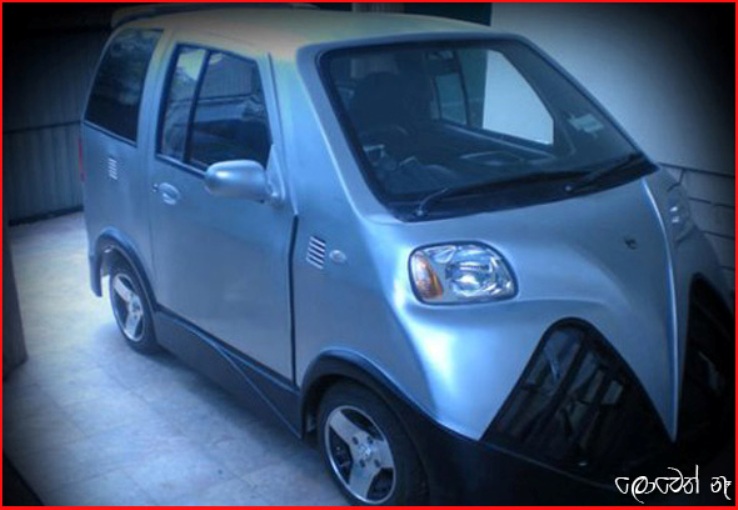
REVA meets ELCA! Indian-made compact electric car REVA has been on the market for a decade. Now, a young Lankan has made a home-grown version. Nilanga Senevirathne Epa’s ELCA (short for Electric Car) is a two-door, two-seater ideal for city and suburban running; it can reach speeds of up to 60 km per hour. Over 60% of the car is made locally but the motor and battery are imported from Japan. When fully charged, its lead-acid batteries can power the car for 80 to 100 km on — recharging can be done at home by connecting it to 5 Amp ordinary power outlet for 8 hours. Nilanga is now working with a leading company to mass produce ELCA for the local market. Next target: make batteries locally to sell them cheaper. If all goes well, ELCA should be running on Lankan roads before end 2013.

Ride, pack and go! Nearly two centuries after the bicycle was invented, they are still innovating with it. We bring you an international story about a bicycle that can be folded up and carried in a case!

Dengue mosquitoes, beware! An interview with school boy inventor G A Hirun Dhananjaya Gajasinghe, of Ruwanwella Rajasinghe Central School, who has designed a device with which gutters can be remotely turned upside down for easy cleaning. By emptying water and leaf debris collecting in gutters without having to climb to the roof, this invention can help in the battle against dengue-carrying mosquitoes – a formidable public enemy in many parts of Sri Lanka. This comes just in time for the rainy season!

Malima: Episode #6: Inventions to keep elephants at bay and to feed your fish…

Malima (New Directions in Innovation) is a Sinhala language TV series on science, technology and innovation, broadcast on Sri Lanka’s Rupavahini TV channel.

Produced by Suminda Thilakasena and hosted by science writer Nalaka Gunawardene, this episode was first broadcast on 22 March 2012. It features three stories:

• An interview with Dr Sarath Wimalasuriya, who has invented a low-cost, portable device that provided electrical pulse to a fence protecting crops from elephants. Called Shock Defender, this 5kg unit can support a fence 1.8km long, typically 50 acres (20.2 hectares). When fully charged, it can work for 48 hrs on battery. The medical doctor turned electronic inventor sells the device at one sixth the price of comparable imported ones.

• South Korean scientists say they have developed flexible memory technology that could support bendable computer platforms for e-books and cell phones.

• An interview with child inventor K K Irushika Teran Suriyakumara, student of St Benedict’s College, Colombo, who has come up with a simple automated device to remotely feed fish in a household fish tank. He has cleverly combined discarded material and a basic mobile phone. Find out how!

Malima: Episode 6 presented by Nalaka Gunawardene from Nalaka Gunawardene on Vimeo.

Malima: Episode #4: Of (cashew) nuts and mavericks: Exploring innovation’s many faces

Malima (New Directions in Innovation) is a Sinhala language TV series on science, technology and innovation. This episode was produced and first broadcast by Sri Lanka’s Rupavahini TV channel on 23 February 2012.

Produced by Suminda Thilakasena and hosted by science writer Nalaka Gunawardene, it is a magazine style programme. This episode features:

• An interview with Lankan inventor and entrepreneur B K Maheepala, who runs his own company Buddhi Industries (Pvt) Ltd, which manufactures and markets his own patented design of a cashew shelling machine. He exports most of his machines to cashew producing countries across Asia and Africa, and can’t cope with the demand! See also newspaper article at: http://www.sundaytimes.lk/120129/BusinessTimes/bt25.html

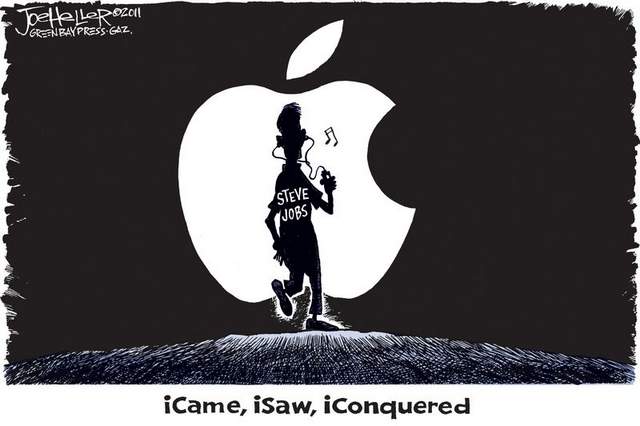
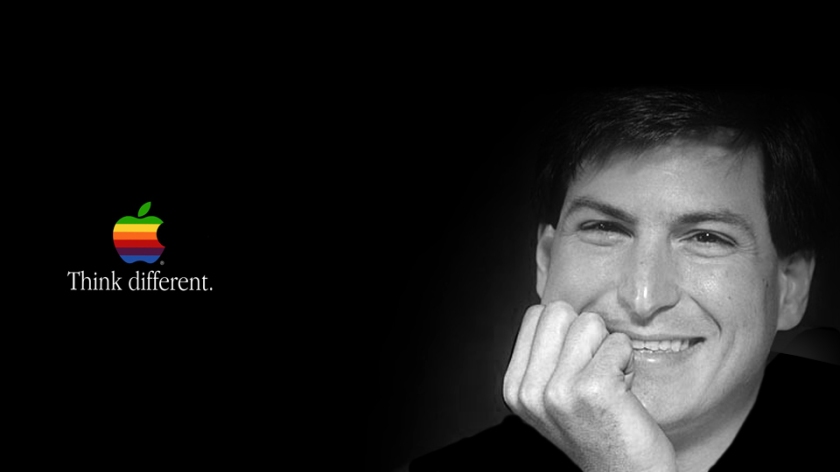
Steve Jobs (1955 – 2011) was called ‘technology’s great reinventor’ for transforming entire industries – computers, music, mobile phones – with systemic thinking that combined functionality with design elegance. We look at key lessons from his life for today’s inventors. A longer discussion of this is found in my tribute published on Groundviews.org in Oct 2011.

• Find a method to waterproof the ubiquitous mobile phone – win the gratitude of billions of mobile users worldwide. Inventors have taken up the challenge – and see what one group has introduced to the market. With this layer, never fear dropping your phone in water!

• Interview with young inventor Savindu Sanjana Jayasinghe, a student of Rajasinghe central school, Hanwella, who has invented a portable detector for measuring carbon emissions from vehicle exhaust fumes.

Produced by Suminda Thilakasena

Malima: Episode 4 presented by Nalaka Gunawardene from Nalaka Gunawardene on Vimeo.

සිවුමංසල කොලූගැටයා #36: ස්ටීව් ජොබ්ස් – අසම්මතය සුන්දර කළ ‘විකාරකාරයා’

We might admire – even revere – genius mavericks like Steve Jobs from afar, but few Asians have any idea where mavericks come from, or how best to deal with them. Our conformist and hierarchical societies don’t nurture mavericks. Our cultures tend to suppress odd-balls and iconoclasts. That’s probably why we don’t have enough of our own Steve Jobses.

This is the crux of my argument in my latest Sinhala column published in Ravaya newspaper on 16 Oct 2011. For a longer discussion of the same topic, see my English essay Goodbye, Steve Jobs; Long Live Mavericks!

පසුගිය වසර 35ක කාලය තුළ ඇපල් පරිගණක හා විද්යුත් උපකරණ නූතන තොරතුරු සමාජයේ ප්‍රගමනයේ පෙරගමන්කරුවන් ලෙස ක්‍රියා කළ බව ලෝකය ම පිළිගන්නවා. මේ නව ලොව තනන්නට මහත් සේ දායක වුණු ඇපල් සමාරම්භක ස්ටීවන් පෝල් ජොබ්ස් හෙවත් ස්ටීව් ජොබ්ස් (Steve Jobs) 2011 ඔක්තෝබර් 5 වනදා මිය ගිය විට ලෝකය ම කම්පාවට පත්වුණා. පිලිකාවක් සමග වසර ගණනක් පොර බැදීමෙන් ඔහු අන්තිමට පරාජය වන විට වයස අවුරුදු 56යි.

සරසවි ඉගෙනුම වෙනුවට තමන්ගේ ම නිර්මාණශීලී අදහස් ඔස්සේ දැඩි අධිෂ්ඨානයෙන් ඉදිරියට ගිය ස්ටීව් ජොබ්ස්, තොරතුරු තාක‍ෂණය, පාරිභෝගික විද්‍යුත් උපකරණ හා ජනප්‍රිය සංස්කෘතිය යන ෙක‍ෂත්‍ර තුනෙහි ම දැවැන්තයකු වූ බව ඔහුගේ ව්‍යාපාරික තර`ගකරුවන් පවා එක හෙළා පිළිගත්තා. අසම්මතය, පරිකල්පනය හා සුන්දරත්වය කැටි කළ ස්ටී්ව් ජොබ්ස් කථාවේ එක් පැතිකඩක් ගැන අපි අද කථා කරමු. එහි යටි අරමුණ අපේ රටවලත් ස්ටීව් ජොබ්ස්ලා බිහි විය හැකිද යන්න විග්‍රහ කිරීමයි.

1997දී ඇපල් සමාගම අපූරු ප්‍රචාරණ ව්‍යාපාරයක් හදුන්වා දුන්නා. තමන් තවත් එක් පරිගණක නිෂ්පාදන සමාගමක් නොවන බව හුවා දැක්වීම ඉලක්ක කර ගත් ඒ දැන්වීම් පෙළේ මුඛ්‍ය තේමාව වූයේ වෙනස් විධියට සිතන්න (Think Different) යන්නයි. එහි වඩාත් ම සිත් ඇද ගන්නා අංගය වූයේ තත්පර 30 හා 60 යන ධාවන කාලයන්ට නිර්මාණය වූ ටෙලිවිෂන් දැන්වීමක්. ඉතිහාසය පුරා විවිධ ෙක‍ෂත්‍රයන්ගේ විපර්යාස ඇති කරන්නට දායක වුණු චරිත 17ක රූප ඉතා ඉක්මනින් තිරයේ දිස් වුණා. තනිකර කළු-සුදු වර්ණයෙන් නිර්මිත එයට මහත්මා ගාන්ධි, ඇල්බට් අයින්ස්ටයින්, තෝමස් අල්වා එඩිසන් හා අමීලියා ඉයර්හාට් වැනි චරිත මෙන් ම බීට්ල්ස් ගායක ජෝන් ලෙනන්, පබ්ලෝ පිකාසෝ හා මොහමඩ් අලි වැනි විවිධ ෙක‍ෂත්‍රවල දැවැන්තයන් ද ඇතුළත් වුණා. මේ හැම දෙනා ම සම්මතයට එරෙහිව ගිය නිදහස් මතධාරීන් හෙවත් මැව්රික්ස් (mavericks) හැටියට පිළි ගැනෙනවා.

ඒ දැන්වීමේ කථනය සාරාංශයක් ලෙස කිවහොත්: ‍”මෙන්න විකාරකාරයෝ. විප්ලවවාදියෝ. කරදරකාරයෝ. හැම දෙයක් ම වෙනස් විධියට දකින මේ අය පිස්සන් කියා බොහෝ දෙනකු සිතුවා. එහෙත් අප ඔවුන් දකින්නේ මහ මොළකාරයන් හැටියටයි. ඉතිහාසය පුරා ම අපේ ලෝකය වෙනස් කළේ මෙවැනි අසම්මත විකාරකාරයන් තමයි.” ඒ දැන්වීම YouTube හරහා නරඹන්න: http://tiny.cc/ThinkD

ඒ දැන්වීමේ කිසි තැනෙක පරිගණකයක් දිස් වූයේ නැහැ. එහි අරමුණ වූයේ සංකල්පමය වශයෙන් ඇපල් සමාගම අනෙකුත් සියළු පරිගණක හා තොරතුරු තාක‍ෂණ සමාගම්වලට වඩා වෙනස් බව කියා පෑම පමණයි. එය ප්‍රචාරය වීම අරඹන කාලයේ ඇපල් සමාගමට තිබූ වෙළදපොල ඉතා සීමිතයි. එවකට අලෙවියෙන් හා ලාබයෙන් කුඩා වූවත් මේ අසම්මත සමාගම විකාරකාරයන්ගේ මගෙහි යන පෙරළිකාරයෙක් වීමේ පෙරනිමිති පළ කළා.
1997 දී ලෝකයට දුන් ඒ ප්‍රතිඥාව දශකයක් ඇතුළත ඉතා මැනවින් ක්‍රියාවට නැංවීමට ස්ටීව් ජොබ්ස් දිවා රෑ වෙහෙසී වැඩ කළා. iMac පරිගණකය (1998), iPod ජංගම සංගීත/මාධ්‍ය උපකරණය (2001), iTunes නම් වූ සයිබර් අවකාශයේ මහා සල්පිල (2003) iPhone ජංගම දුරකථනය (2007) හා iPad ජංගම ටැබ්ලටය (2010) ඔහු ආ අසම්මත මගෙහි අමතක නොවන පියසටහන්. කලක් සාපේක‍ෂව කුඩා පරිගණක හා විද්්‍යුත් උපකරණ සමාගමක් හැටියට පැවතුණු ඇපල් සමාගම 2010 වන විට Microsoft, IBM ඇතුළු අනෙකුත් සියළු තාක‍ෂණ සමාගම් අභිබවා ගියා.

ජොබ්ස්ගේ තාක‍ෂණ, සැළසුම් (design) හා අලෙවිකරණ කුසලතා ගැන පසුගිය දිනවල බොහෝ සෙයින් කථාබහ කෙරුණා. ඒ තොරතුරු යළිත් කීම මගේ අරමුණ නොවෙයි. නව නිපැයුම් සදහා පේටන්ට් 338ක් ඔහුට තිබුණා. එහෙත් ඔහුට වඩා පේටන්ට් ලබාගත් තව බොහෝ නිර්මාපකයන් සිටිනවා. (උදාහරණ: තෝමස් අල්වා එඩිසන් 1,093යි. පෝලරොයිඩ් කැමරාව තැනූ එඩ්වින් ලෑන්ඩ් 525යි.) කුඩා පරිමාණයේ නව නිපැයුම් විශාල ගණනක් බිහිකරනවා වෙනුවට ජොබ්ස් වැඩි අවධානය යොමු කළේ සමස්ත කර්මාන්තයක් හෝ ෙක‍ෂ්ත්‍රයක් ම විප්ලවයකට ලක් කරන ආකාරයේ වැඩ කරන්නයි. පුද්ගල පරිගණකය, ජංගම සංගීත/මාධ්‍ය උපකරණය, ජංගම දුරකථනය වැනි කිසිවක් මුල්වරට නිපදවූයේ ස්ටීව් ජොබ්ස් නොවේ. එහෙත් ඔහු කළේ පවත්නා තාක‍ෂණය උඩුකුරු වන මට්ටමේ ප්‍රබල දියුණු කිරීම් ඇති කිරීමයි. මේ සුවිශේෂී ගුණය නිසා ඔහු අපේ කාලයේ සිටි දක‍ෂතම තාක‍ෂණික ප්‍රතිනිර්මාපකයා (technology’s great re-inventor) හැටියට ටයිම් සගරාව හදුන්වා දෙනවා. එය ජොබ්ස්ගේ අසම්මත කථාව ගැන කළ හැකි හොද සම්පිණ්ඩනයක්.

බොහෝ නිපැයුම්කරුවන්ගේ කුසලතාවය හා දැක්ම පටු පරාසයකට සීමා වන නමුත් ජොබ්ස් පුළුල් දැක්මකින් යුක්තව ක්‍රමීය වෙනස්කම්වලට (systemic changes) යොමු වූ කෙනෙක්. එබදු වෙනස්කම් සදහා තාක‍ෂණය, සෞන්දර්යාත්මක සැළසුම (aesthetic design) අලෙවිකරණය (marketing) හා හොද සන්නිවේදනය යන සතරවිධ හැකියාවන් ඔහුට නොඅඩුව තිබුණා.

ස්ටීව් ජොබ්ස් තුළ මේ සංකල්ප බිහි වූයේ කෙලෙස ද? අමෙරිකාවේ වඩාත් ලිහිල් සමාජ පසුබිමක් පවතින බටහිර වෙරළේ කැලිෆෝනියාවේ ඉපදි හැදී වැඩීම ද? සහජ හැකියාවන් තියුණු කර ගනිමින් වෙහෙස මහන්සි වී වැඩ කිරීම තුළින් ඕනෑ ම කෙනකුට හිස එසවීමට ඉඩක් තිඛෙන සමානාත්මක :ැට්කසඒරස්බ- අමෙරිකානු සමාජ ක්‍රමය ද? 1960-70 දශකයන්වල බටහිර රටවල තරුණ තරුණියන් බොහෝ දෙනාට බලපෑමක් ඇති කළ හිපි සංස්කෘතිය ද? (තරුණ වියේ ඉන්දියාවට පැමිණ ආශ්‍රමයන්හි කල් ගත කළ ඔහු පෙරදිග දර්ශනයන් — විශේෂයෙන්ම ටිඛෙට් හා ජපන් සම්ප්‍රදායයන් — ගැන උනන්දු වූවා.) එසේ නැතිනම් මේ සියළු සාධකයන් මිශ්‍ර වීමේ අවසාන ප්‍රතිඵලය ද?

මේ ප්‍රශ්නවලට එක එල්ලේ පිළිතුරු දෙන්න අමාරුයි. නිර්මාණශීලිබව (creativity) පැන නගින්නේ මිනිස් මනසේ කොතැනින් ද, එයට රුකුල් දෙන අධ්‍යාපනික, සමාජයීය හා සාංස්කෘතික බලපෑම් මොනවා ද යන්න මානව විද්‍යාඥයන් හා සමාජ විද්‍යාඥයන් මහත් ඕනෑකමින් අධ්‍යයනය කරනවා. එවන් පර්යේෂකයන්ට ස්ටීව් ජොබ්ස් චරිතය ඉතා ප්‍රයෝජනවත්.

ඔහුගේ අසම්මත ජීවන කථාව ආසියාවේ අපට වැදගත් වන තව හේතුවක් තිඛෙනවා. ජන සමාජයන් සමස්තයක් වශයෙන් ගෙන සසදන විට ගණිතය, ඉංජිනේරු විද්‍යාව හා තාක‍ෂණයට සම්බන්ධ කි්‍රයාවලදී ආසියානුවන් ලෝකයේ වෙනත් බොහෝ ජාතීන්ට වඩා ඉදිරියෙන් සිටිනවා. 1950-2010 කාලය තුළ ලෝකයේ වැඩි ම ආර්ථීක වර්ධන වේගය පවත්වා ගන්නට ආසියානු කලාපයට හැකි වූයේ තාක‍ෂණ ෙක‍ෂත්‍රයන්හි නව නිපැයුම්, ආයෝජන හා හපන්කම් නිසායි. ජපානය, චීනය, කොරියාව හා ඉන්දියාව වැනි රටවල් අද විද්‍යාව හා තාක‍ෂණය අතින් ලෝකයේ පෙරමුණ ගෙන සිටිනවා. පර්යේෂණ නිබන්ධන, පේටන්ට් බලපත්‍ර ආදී නිර්නායක හරහා මේ ප්‍රවණතා මැනිය හැකියි.

එසේ වූවත් තාක‍ෂණ ෙක‍ෂත්‍රයේ ආසියානුවන්ගේ හපන්කම් බහුතරයක් සාමූහික ප්‍රයත්නයන්. අද ලොව සංකීර්ණ අවශ්‍යතාවලට නිපැයුම්කරුවන්ට තනිව ම මුහුණදීම අපහසු බව ඇත්ත. එහෙත් ලොව ජය ගත් පාරිභෝගික තාක‍ෂණයන් විශාල සංඛ්‍යාවකට මුල් වූ ජපානයේ Sony කොරියාවේ Samsung වැනි සමාගම් අප හදුනන්නේ වෙළද නාමයෙන් (brands) පමණයි. නිපැයුම්කරුවන්ගේ නමක් අප දන්නේ නැහැ. මේ රටවල සංචාරය කරන විට මට පෙනී ගිය දෙයක් නම් ඒ රටවල සාමාන්‍ය ජනයා පවා සිය නිපැයුම්කරුවන් ගැන දන්නේ ඉතා අඩුවෙන් බවයි. මෙයට හේතුව තොරතුරු ගලනයේ දුර්වලතා ද? නැතිනම් බටහිර රටවල තරම් තනි පුද්ගල මට්ටමේ නව නිපැයුම්කරුවන් ආසියාවේ මතු නොවීම ද?

මෙය මතු පිටින් විග්‍රහ කොට නිගමනවලට එළඹිය හැකි සරල ප්‍රශ්නයක් නොවේ. එහෙත් පෙරදිග අපේ රටවල අසම්මත මගක යන නිදහස් මතධාරීන්ට එරෙහි වන සමාජයීය හා සාංස්කෘතික සාධක තිඛෙන බව පිළි ගත යුතුයි. (මෙහිදී මා කථා කරන්නේ පොදුවේ ආසියානු ජන සමාජයන් ගැනයි.) ආසියාවේ බොහෝ සමාජයන්ගේ දරදඩු සමාජ මට්ටම් හා ධූරානුක්‍රම (hierarchies) තිඛෙනවා. ඒවා වත්කම, උගත්කම ආදී සාධකවලින් තවත් තීව්‍ර වනවා. සමාජ පසුබිමින් එක හා සමාන අය අතර වයස්ගත වූවන්ගේ මතයට වැඩි පිළිගැනීමක් ලැඛෙනවා. ගුරුකුල බිහි වීමේ අන්තරායක් තිඛෙනවා.

මේ සියල්ල නිසා අමුතු විදියට සිතන, සම්මතයට අභියෝග කරන නිදහස් මතධාරීන්ට ආසියානු සමාජවල ඇති අවකාශය ඉතා අඩුයි. හැම කෙනෙකු ම එක හා සමාන රේඛීය ජීවන මගක ගමන් ගත යුතු බවත්, එසේ නොගොස් ‘අයාලේ යන’ අය පිස්සන්, විකාරකාරයන් හෝ සමාජ විරෝධීන් වන බවත් මුල් බැස ගත් මතයක්. මෙබදු වාතාවරණයක අළුත් දෙයක් හිතන, කියන හා අත්හදා බලන දරුවන් හා තරුණ තරුණියන් ඔවුන්ගේ පවුල්වලින්, පාසලෙන්, සරසවියෙන් හා ජන සමාජයේ අන් අයගෙන් දැඩි පීඩනයකට ලක් වනවා. මෙය මගේ මතවාදයක් පමණක් නොවෙයි. ඉතා සරල උදාහරණයක් ගත හොත් උපතින් ම වමත්කරුවන් වන අයට ලාංකික සමාජය දක්වන ප්‍රතිචාරය ගැන මදක් සිතන්න!

මේ ගැන ශාස්ත්‍රීයව ගවේෂණය නොකළත්, අදාල අත්දැකීම් රාශියක් සොයා ගැනීමේ අවස්ථාවක් 2009-10 කාලයේ මට ලැබුණා. සියත TV හරහා නව නිපැයුම්කරුවන් හදුන්වා දෙන සතිපතා වැඩසටහන් මාලාවක් මා ඉදිරිපත් කළා. දෙස් විදෙස් සම්මාන ලද නව නිපැයුම්කරුවන් සැළකිය යුතු සංඛ්‍යාවක් සමග මා සම්මුඛ සාකච්ඡා කළා. එහිදී මා නිතර ඇසූ ප්‍රශ්නයක් වූයේ කුඩා කාලයේ අළුත් දෙයක් කරන්නට ලැබුණු උපකාර, උපදෙස් මෙන් ම බාධක මොනවා ද යන්නයි.

නව නිපැයුම්කරුවන්ගෙන් බහුතරයකට තම පවුලෙන්, අසල්වාසීන්ගෙන් බහුතරයකට තම පවුලෙන්, අසල්වාසීන්ගෙන් හෝ පාසලෙන් ලැබී ඇත්තේ දිරිගැන්වීම් නොවෙයි – උදාසීන හෝ අයහපත් ප්‍රතිචාරයක්. අසම්මත දේ කරන්නට ගොස් විභාග අසමත් වී අනාගතය අදුරු කර නොගන්නා ලෙස ඔවුන්ට අවවාද ලැබී තිඛෙනවා. එදිනෙදා ජීවිකාවක් සදහා ශිල්ප ඉගෙනීමෙන් ඔබ්බට ලෝකය වෙනස් කරන්නට සිතීම නිශ්චල ‘දැගලිල්ලක්’ බව වැඩිහිටියන් ඔවුන්ගේ මුහුණට ම කියා තිඛෙනවා.

නිතිපතා එල්ල වන මේ පීඩනය නොතකා ඒකායන අරමුණින් ‘දඩබ්බර’ විදියට ඉදිරියට යන ටික දෙනකු තමයි අවසානයේ නව නිපැයුම් බිහි කරන්නේ. එය ද එක් රැයකින් කළ හැක්කක් නොවෙයි. එහෙත් නොසැළුණු අය අතර තව කී දෙනෙක් තමන්ගේ සිහින අත්හැර දමන්නට ඇත් ද? › ලංකාවේ නව නිපැයුම්කරුවන් අතර කාන්තා නියෝජනය ඉතා අඩු ඇයි?

අපේ නව නිපැයුම්කරුවන් මුහුණ දෙන ආර්ථීක, තාක‍ෂණික බාධකයන් රැසක් ද තිඛෙනවා. ඒවා දැනටමත් හදුනා ගෙන ඇති අතර ඒ බාධක දුරුකිරීමට යම් පියවර ගන්නා බව නිපැයුම්කරුවන්ගේ කොමිසමේ වත්මන් ප්‍රධානියා මෑතදී මට කියා සිටියා. එහෙත් තනි රාජ්‍ය ආයතනයකට හෝ අධ්‍යාපන/පුහුණු ආයතනයකට හෝ නව නිපැයුම්කරුවන් බිහි කිරීමට නොහැකියි. එය සමාජ ප්‍රවාහයන් ගණනාවක අවසන් ප්‍රතිඵලයක්.

බොහෝ ආසියානුවන්ට මෙන්ම ලාංකිකයන්ට ද තාක‍ෂණ ෙක‍ෂත්‍රයේ සහජ හැකියාවක් තිඛෙනවා. එහෙත් ඒ විභවය දැගලිල්ලක්, දඩබ්බරකමක් හරහා අළුත් සංකල්පයක් හෝ නිපැයුමක් හෝ බවට පත් වන්නට පියවර ගණනාවක් පසු කළ යුතුයි. ස්ටීව් ජොබ්ස්ලා අපේ රටවල බිහි නොවන්නේ පහසුකම් හා ආයෝජන නැති නිසා පමණක් නොවෙයි. අසම්මතයට සිතන ‘විකාරකාරයන්ට’ අපේ සමාජවල ඉඩක් නොදෙන නිසා යයි මා තර්ක කරනවා. මා එසේ කියන්නේ අසම්මත මගක නිර්මාණශීලීව ගමන් කළ කෙනකු හැටියට මගේ අත්දැකීම් ද පාදක කර ගනිමින්.

Celebrating Steve Jobs, we ask: Where are all the Asian tech mavericks?

Steven Paul Jobs (1955 – 2011): The Crazy One

In my own tribute to Steve Jobs, just published on Groundviews.org, I raise some pertinent questions about nurturing discovery and innovation in Asian societies.

Here’s an excerpt:

We might admire – even revere – mavericks like Steve Jobs from afar, but few Asians have any idea where mavericks come from, or how best to deal with them. Our conformist and hierarchical societies don’t nurture mavericks. Our cultures tend to suppress odd-balls and iconoclasts. That’s probably why we don’t have enough of our own Steve Jobses, Richard Bransons and Anita Roddicks.

Mark Twin said: “The man with a new idea is a crank – until the idea succeeds”. The question is: do we Asians hush down our home-grown cranks even before they have a sporting chance? Are we culturally too biased against individualism that propels useful – and potentially transformative ­ mavericks?

As a ‘maverick spotter’ and cheerleader for all types of innovation, I often worry that we are. I have come across bright young men and women who were ridiculed in the classroom (‘freaks!’) or scorned at home (‘losers!’) for not wanting to be doctors, engineers or lawyers.

This is the central argument in my latest op-ed, a tribute to Steve Jobs and a reflection on individualistic tech innovation in our own Asian societies.

Read full essay on Groundviews.org: Goodbye, Steve Jobs; Long Live Mavericks!

Wanted: New Arthur C Clarkes of the 21st Century!

The legend lives on: Arthur C Clarke (1917 - 2008)
The legend lives on: Arthur C Clarke (1917 - 2008) - photos by Rohan de Silva

Today we mark the first death anniversary of Sir Arthur C Clarke. Exactly one year ago, when he passed away aged 90, I was thrust into a media frenzy. I’d been Sir Arthur’s research assistant and, in later years, his media spokesman and in the hours and days following his death, the family asked me to continue that role.

This blog recorded my experiences and emotions as they happened (see several posts in the latter half of March 2008). A year later, all of us who worked closely with him still miss Sir Arthur, but I can now take a more detached, longer-term view. And that’s what I’ve just done.

In an op ed essay published today in Groundviews website, I argue that sparking imagination and nurturing innovation are the best ways in which Sri Lanka can cherish Sir Arthur’s memory in the land he called home for half a century.

Despite his well known ego, Sir Arthur never sought personal edifices to be put up in his honour or memory. When a visiting journalist once asked him about monuments, he said: “Go to any well-stocked library, and just look around…”

In the weeks and months following Sir Arthur’s death, many have asked me what kind of monument was being planned in his memory. As far as the Arthur C Clarke Estate is concerned, there is none –- and that seems to surprise many.

Yet it is fully consistent with the man of ideas, imagination and dreams that Sir Arthur Clarke was. Monuments of brick and mortar — or even of steel and silicon — seem superfluous for a writer who stretched the minds of millions. Commemorative lectures or volumes cannot begin to capture the spirit and energy of the visionary who invented the communications satellite and inspired the World Wide Web.

A life of no regrets...except for a minor complaint
In my essay, I suggested: “Instead of dabbling in these banalities, Sri Lanka should go for the ‘grand prize’: nurturing among its youth the intellectual, cultural and creative attributes that made Arthur C Clarke what he was. In other words, we must identify and groom the budding Arthur Clarkes of the 21st century!”

Easier said than done. In fact, in a country like Sri Lanka that is still partly feudal, insular and stubbornly clinging on to the past instead of facing the present and future, this becomes formidable. This is why I noted: “But can imagination and innovation take root unless we break free from the shackles of orthodoxy? For transformative change to happen, we will need to rethink certain aspects of our education, bureaucracy, social hierarchies and culture. Are we willing and able to attempt these?”

I then discuss some of the key challenges involved in nurturing imagination and innovation. I end my essay with these words: “Let’s not kid ourselves: sparking imagination and innovation is much harder than launching a gleaming new satellite in Sir Arthur’s name. But the rewards would also be greater: if we get it right this time, Sri Lanka can finally take its rightful place in the 21st century.”
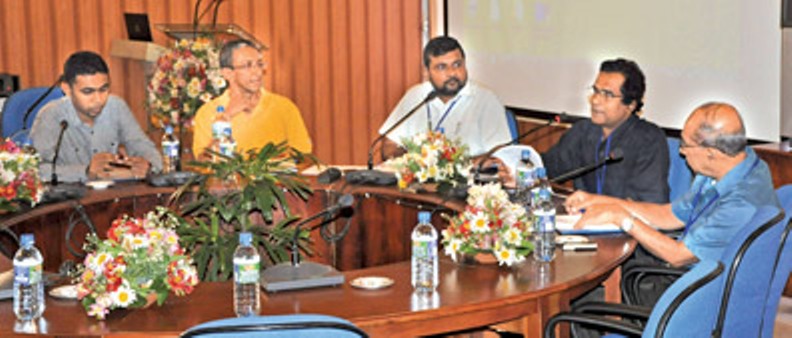
Within hours of its online publication, the essay has attracted several comments and a discussion is evolving. Just what Sir Arthur would have liked to see happen…

Read the full essay, and join the discussion at Groundviews