සිවුමංසල කොලූගැටයා #38: පණ්ඩිතයන්ගෙන් ළදරු රූපවාහිනිය බේරා ගත් ටයි මාමා

In this column, which appears in Ravaya newspaper on 30 October 2011, I pay tribute to the late film and TV professional Titus Thotawatte. I recall how he founded and headed the effort to ‘localise’ foreign-produced programmes during the formative years of Sri Lanka’s national TV, Rupavahini, launched in 1982. In particular, I describe how Titus resisted attempts by intellectuals and civil servants to turn the new medium into a dull and dreary lecture room, and insisted on retaining quality entertainment as national TV’s core value.

See also my English tribute Titus Thotawatte (1929 – 2011): The Final Cut. However, this is a different take; I NEVER translate even my own writing.

Bugs Bunny, Dr Dolittle and Top Cat. - all localised by Titus T

ටයිටස් තොටවත්ත සූරීන් අඩ සියවසක් පුරා රූප, නාද හා වචනවලින් හපන්කම් රැසක් කළා. සිංහල සිනමාවේ තාක‍ෂණික වශයෙන් අති දක‍ෂ සංස්කාරකයකු හා චිත්‍රපට අධ්‍යක‍ෂවරයකු හැටියට ඔහු කළ නිර්මාණ වඩාත් මතක ඇත්තේ අපේ දෙමවුපියන්ගේ පරම්පරාවට. ලංකාවේ පළමුවන ටෙලිවිෂන් පරම්පරාවට අයිති මා වැනි අයට තොටවත්තයන් සමීප වූයේ ටෙලිවිෂන් මාධ්‍යයෙන් නව මං සොයා යාම නිසයි. මේ නිසා ඇතැම් දෙනකුට ටයි මහත්තයා වූ ඔහු, මගේ පරපුරේ අයට ‘ටයි මාමා’. ටෙලිවිෂන් තිරය මතුපිට මෙන් ම එය පිටුපසත් මෙතරම් විවිධ දස්කම් පෙන්වූවන් අපේ ටෙලිවිෂන් ඉතිහාසයේ දුර්ලභයි. ටයි මාමාගේ ටෙලිවිෂන් දායාදය ගැන ටිකක් කථා කරන්නේ ඒ නිසයි.

ලෝකයේ ඕනෑ ම සංස්කෘතියක ඇති හොඳ දෙයක් සොයා ගෙන එය අපට දිරවා ගත හැකි, අපට ගැලපෙන ආකාරයෙන් ප්‍රතිනිර්මාණය කිරීමට දේශීයකරණය කියා කියනවා. මා වඩා කැමති යෙදුම ‘අපේකරණයයි’. අපේ ටයි මාමා අපේකරණයට ගජ හපනෙක්!

1982 වසරේ රූපවාහිනී සංස්ථාව අරඹා මාස කිහිපයක් ඇතුළත එයට එක් වූ ටයි මාමා, ලංකාවට නැවුම් හා ආගන්තුක වූ මේ නව මාධ්‍යය අපේකරණයට විවිධ අත්හදා බැලීම් කළා. පුරෝගාමී ටෙලි නාට්‍ය කිහිපයක් මෙන් ම වාර්තා වැඩසටහන් ගණනාවක් ද ඒ අතර තිබුණත් අපට වඩාත් ම සිහිපත් වන්නේ ඔහු කළ හඩ කැවීම් හා උපශීර්ෂ යෙදීම් ගැනයි.

රූපවාහිනී සංස්ථාවේ හඩ කැවීම් හා උපශීර්ෂ සේවාව ඇරඹුවේ 1984දී. එයට දිගු කල් දැක්මක් හා තාක‍ෂණික අඩිතාලමක් ලබා දුන්නේ ටයි මාමායි. අළුත ඇරැඹුණු නව මාධ්‍යයෙන් විකාශය කරන්නට අවශ්‍ය තරම් දේශීය වැඩසටහන් නොතිබුණු, එමෙන්ම දේශීය නිර්මාණ එක්වර විශාල පරිමානයෙන් කරන්නට නොහැකි වුණු පසුබිමක් තුළ තෝරා ගත් විදෙස් වැඩසටහන් මෙරට භාෂාවලට පෙරළා ගැනීම ටෙලිවිෂන් මුල් දශකයේ එක් උපක්‍රමයක් වුණා.

මේ අනුව සම්භාව්‍ය මට්ටමේ විදෙස් වාර්තා චිත්‍රපට, නාට්‍ය හා කාටුන් කථා සිංහලයට හඩ කැවීම හෝ උපශීර්ෂ යෙදීම ටයි මාමාගේ නායකත්වයෙන් ඇරඹුණා. මුල් කාලයේ තාක‍ෂණික පහසුකම් සීමිත වුණත් නිර්මාණශීලීව ඒ අඩුපාඩුකම් මකා ගෙන ඔවුන් ඉතා වෙහෙස මහන්සිව වැඩ කළා. විදෙස් කෘතීන්ගේ කථා රසය නොනසා, අපේ බස ද නොමරා හොඳ හඩ කැවීම් හා උපශීර්ෂ යෙදීම් කරන සැටි පෙන්වා දුන්නා. මේ ගැන මනා විස්තරයක් නුවන් නයනජිත් කුමාර 2009 දී ලියූ ‘සොඳුරු අදියුරු සකසුවාණෝ’ නමැති තොටවත්ත අපදානයේ හතරවැනි පරිච්ඡේදයේ හමු වනවා.

එහි එක් තැනෙක ටයි මාමා ආවර්ජනය කළ පරිදි: “හැම ප්‍රේක‍ෂකයකු විසින් ම රස විඳිය යුතු ඉතා උසස් ගණයේ ඉංග්‍රීසි වැඩසටහන් බොහොමයක් තිඛෙන වග වැටහුණේ රූපවාහිනියට බැඳුණාට පසුවයි. ඒත් අපේ රටේ කීයෙන් කී දෙනාට ද ඉංග්‍රීසි භාෂාව තේරුම් ගන්නට පුළුවන්. උපසිරැසි යොදා හෝ හකවා හෝ එම චිත්‍රපට වැඩසටහන් විකාශය කිරීමට මා උනන්දු වුණේ ඒ නිසා…ඒවාහි අපට ඉගෙන ගත හැකි ආදර්ශවත් දෑ කොතෙකුත් තිඛෙනවා. කාටුන් වැඩසටහන්වලට පුංචි එවුන් පමණක් නොවෙයි, වැඩිහිටි අපිත් කැමැතියි. මා උත්සාහ කරන්නේ ඒ හඩ කැවීම් වුණත් අපේ දේශීයත්වයට හා රුචිකත්වයට අනුකූලව සකස් කරන්නයි. එහිදී මා යොදා ගන්නා දෙබස් හා උපසිරස්තල අපේ සංස්කෘතියට සමීප ව්‍යවහාරයේ පවතින දේයි.”

හාන්ස් ක්‍රිස්ටියන් ඇන්ඩර්සන්ගේ කථා ඇසුරෙන් නිර්මිත ඉංග්‍රීසි වැඩසටහනක් ‘අහල පහල’ හා ‘ලොකු බාස් – පොඩි බාස්’ නමින් සිංහලට හ~ කවා මුල් වරට විකාශය කළේ 1985 පෙබරවාරි 15 වනදා. එතැනින් පටන් ගත් විදෙස් වැඩසටහන් අපේකරණය විවිධාකාර වූත් විචිත්‍ර වූත් මුල් කෘතීන් රාශියක් මෙරට ටෙලිවිෂන් ප්‍රේක‍ෂයන්ට දායාද කළා. මේ අතරින් ඉතා ජනාදරයට පත් වූයේ ලෝක ප්‍රකට කාටුන් වැඩසටහන්. (ටයි මාමාගේ යෙදුම වූයේ ‘ඇසිදිසි සැකිලි රූ’.)
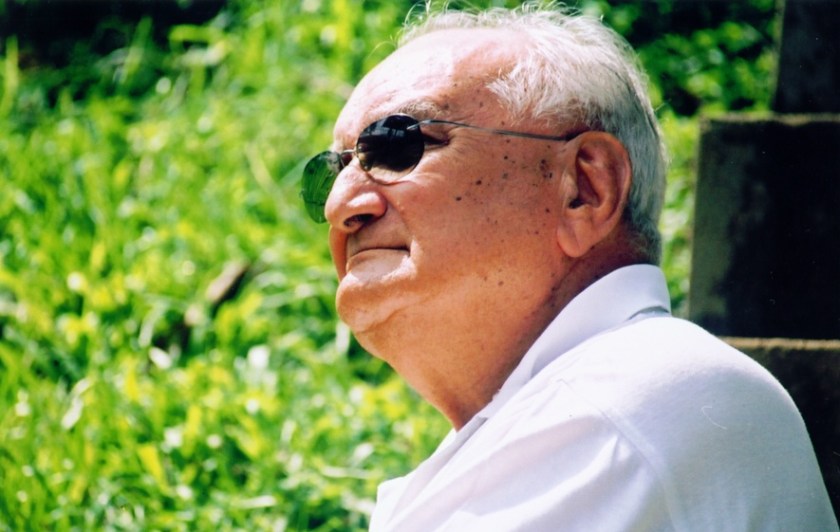
Titus Thotawatte saved young Rupavahini from over-zealous intellectuals

උදාහරණයකට ‘දොස්තර හොඳ හිත’ කථා මාලාව ගනිමු. එහි මුල් කෘතිය Dr Dolittle නම් ලෝක ප්‍රකට ළමා කථාවයි. හියු ලොෆ්ටිං (Hugh Lofting) නම් බ්‍රිතාන්‍ය ලේඛකයා 1920 සිට 1952 කාලය තුළ දොස්තර ජෝන් ඩූලිට්ල් චරිතය වටා ගෙතුණු කථා පොත් 12ක් ලියා පළ කළා. සතුන්ට කථා කළ හැකි, කරුණාවන්ත හා උපක්‍රමශීලි වෛද්‍යවරයකු වන ඔහු මිනිසුන් හා සතුන්ගෙන් සැදුම් ලත් මිතුරු පිරිසක් සමඟ නැවකින් ගමන් කරනවා. ඔහුට එදිරිවන මුහුදු කොල්ලකරුවන් පිරිසක් — ‘දිය රකුස්’ සහ ඔහුගේ සගයෝ — සිටිනවා. මේ පොත් පාදක කර ගෙන වෘතාන්ත චිත්‍රපට ගණනාවක්, වේදිකා නාට්‍ය හා රේඩියෝ වැඩසටහන් නිපදවී තිඛෙනවා. 1970-71 කාලයේ අමෙරිකාවේ NBC ටෙලිවිෂන් නාලිකාව විකාශය කළ Doctor Dolittle නම් කාටුන් කථා මාලාව තමයි ටයි මාමා ඇතුළු පිරිස දොස්තර හොඳ හිත නමින් සිංහලට හඩ කැවූයේ.

බ්‍රිතාන්‍ය ලේඛකයකුගේ කථා, අමෙරිකානු ශිල්පීන් අතින් ඇසිදිසි කථා බවට පත්ව මෙහි ආ විට එය අපේ කථාවක් කිරීමේ අභියෝගයට ටයි මාමා සාර්ථකව මුහුණ දුන්නා. එහිදී ප්‍රේමකීර්ති ද අල්විස් ලියූ රසවත් හා හරවත් ගීත අපේකරණය වඩාත් ඔප් නැංවුවා. කථා රසය රැක ගන්නා අතර ම සිංහලට ආවේනික වචන, යෙදුම්, ප්‍රස්තාපිරුළු හා ආප්තෝපදේශවලින් දෙබස් උද්දීපනය කළා.

මෙය ලෙහෙසි කාරියක් නොවෙයි. විදෙස් කාටූනයක් හඩ කවද්දී එහි පින්තූරවල වෙනසක් කරන්නේ නැහැ. මුල් කෘතියේ ධාවන වේගය හා සමස්ත ධාවන කාලය එලෙස ම පවත්වා ගත යුතුයි. එහිදි ඉංග්‍රීසි දෙබස්වලට ආදේශ කරන සිංහල දෙබස් එම තත්පර ගණන තුළ ම කියැවී හමාර විය යුතුයි. මේ තුලනය පවත්වා ගන්නට බස හොඳින් හැසිර වීම මෙන් ම විනෝදාස්වාදය නොනැසෙන ලෙස අපේකරණය කිරීමත් අත්‍යවශ්‍යයි.

ටයි මාමා සාර්ථක ලෙස අපේකරණය කළ කාටුන් කථා මාලා රැසක් තිඛෙනවා. 1944දී වෝනර් බ්‍රදර්ස් සමාගම නිපදවීම පටන් ගත්, දශක ගණනක් තිස්සේ ලෝ පුරා ප්‍රේක‍ෂකයන් කුල්මත් කළ Bugs Bunny කාටුන් චරිතයට ඔහු ‘හා හා හරි හාවා’ නම දුන්නා. එයට ආභාෂය ලැබුවේ කුමාරතුංග මුනිදාස සූරීන්ගේ ‘හාවාගේ වග’ ළමා කවි පෙළින්. 1961-62 කාලයේ මුල් වරට අමෙරිකාවේ විකාශය වූ, හැනා-බාබරා කාටුන් සමාගමේ නිර්මාණයක් වූ Top Cat කථා මාලාව, ටයි මාමා සහ පිරිස ‘පිස්සු පූසා’ බවට පත් කළා. මෙබඳු කථාවල අපේකරණය කෙතරම් සූක‍ෂම ලෙස සිදු වූවා ද කිවහොත් ඒවා විදෙස් කෘතීන්ගේ හ~ කැවීම් බව බොහෝ ප්‍රේක‍ෂයන්ට දැනුනේත් නැති තරම්.

ටයි මාමා අපේකරණය කළේ බටහිර රටවල නිෂ්පාදිත කාටූන් පමණක් නොවෙයි. ලෝකයේ විවිධ රටවලින් ලැබුණු උසස් ටෙලිවිෂන් නිර්මාණ සිංහල ප්‍රේක‍ෂකයන්ට ප්‍රතිනිර්මාණය කළා. මේ තොරතුරු නුවන් නයනජිත් කුමාරගේ පොතෙහි අග ලැයිස්තුගත කර තිඛෙනවා. රොබින් හුඩ් හා ටාසන් වැනි ත්‍රාසජනක කථා, මනුතාපය හා සිටුවර මොන්ත ක්‍රිස්තෝ වැනි විශ්ව සාහිත්‍යයේ සම්භාව්‍ය කථා, මල්ගුඩි දවසැ, ඔෂින් වැනි පෙරදිග කථා ආදිය එයට ඇතුළත්.

මෙසේ අපේකරණයට පත් කළ විදෙස් නිර්මාණවලට අමතරව ස්වතන්ත්‍ර ටෙලි නිර්මාණ රැසකට ද ටයි මාමා මුල් වූ බව සඳහන් කළ යුතුයි. එමෙන්ම ටෙලිවිෂන් සාමූහික ක්‍රියාදාමයක් නිසා ටයි මාමා නඩේ ගුරා ලෙස හපන්කම් කළේ දැඩි කැපවීමක් තිබූ, කුසලතාපූර්ණ ගෝල පිරිසක් සමඟ බවත් සිහිපත් කරන්න ඕනෑ. ප්‍රධාන ගෝලයා වූ අතුල රන්සිරිලාල් අදටත් ඒ මෙඟහි යනවා.

ටයි මාමාගේ සිනමා හා ටෙලිවිෂන් හපන්කම් ගැන ඇගැයීම් පසුගිය දින කිහිපය පුරා අපට අසන්නට ලැබුණා. මා ඔහු දකින්නේ අඩ සියවසක් පුරා පාලම් සමූහයක් තැනූ දැවැන්තයකු හැටියටයි. පාලමක් කරන්නේ වෙන් වූ දෙපසක් යා කිරීමයි. ටයි මාමා කිසි දිනෙක දූපත් මානසිකත්වයකට කොටු වුනේ නැහැ. ඔහු පෙරදිග හා අපරදිග හැම තැනින්ම හොඳ දේ සොයා ගෙන, ඒ නිර්මාණ අපේ ප්‍රේක‍ෂකයන්ට ග්‍රහණය කළ හැකි ලෙස අපේකරණය කළා. එමෙන්ම සිනමාව හා ටෙලිවිෂන් මාධ්‍යය අතර හැම රටක ම පාහේ මතුවන තරගකාරී ආතතිය වෙනුවට මාධ්‍ය දෙකට එකිනෙකින් පෝෂණය විය හැකි අන්දමේ සබඳතාවන් ඇති කළා. වැඩිහිටියන් හා ළමයින් වශයෙන් ප්‍රේක‍ෂකයන් ඛෙදා වෙන් කිරීමේ පටු මානසිකත්වය වෙනුවට අප කාටත් එක සේ රසවිඳිය හැකි ඇසිදිසි නිර්මාණ කළ හැකි බව අපේකරණය කළ වැඩසටහන් මෙන් ම ස්වතන්ත්‍ර වැඩසටහන් හරහා ද ඔප්පු කළා. ඔහුගේ පරම්පරාව හා මගේ පරම්පරාව අතර පරතරය පියවන්නත් ටයි මාමා දායක වුණා.

ටයි මාමා පාදා දුන් මෙඟහි ඉදිරියට ගිය දක‍ෂයකු වූ පාලිත ලක‍ෂ්මන් ද සිල්වා ගැන කථා කරමින් (2011 ජූනි 26 වනදා) මා කීවේ ටෙලිවිෂන් මාධ්‍යයේ අධ්‍යාපනික විභවය මුල් යුගයේ මෙරට ඒ මාධ්‍යය හැසිර වූ අය ඉතා පටු ලෙසින් විග්‍රහ කළ බවයි. ඒ අයගේ තර්කය වුණේ හරවත් දේ රසවත්ව කීමට බැරි බවයි. ඔවුන්ගේ පණ්ඩිතකම වෙනුවට ටයි මාමා අපට ලබා දුන්නේ හාස්‍යය, උපහාසය, රසාස්වාදය මනා සේ මුසු කළ එහෙත් හරවත් ටෙලිවිෂන් නිර්මාණයි. උවමනාවට වඩා ශාස්ත්‍රීය, ගාම්භීර හා ‘ප්‍රබුද්ධ’ විදියට නව මාධ්‍යය ගාල් කරන්නට උත්සාහ කළ සරසවි ඇදුරන්ට හා සිවිල් සේවකයන්ට ටයි මාමාගෙන් වැදුණේ අතුල් පහරක්.

උදාහරණයකට සිංහල ජනවහරේ හමු වන ‘උඹ’ හා ‘මූ’ වැනි වචන ළමා ළපටින් නරඹන ටෙලිවිෂන් කථාවලට උචිතදැයි සමහර සංස්කෘතික බහිරවයන් ටයි මාමා සමඟ තර්ක කර තිඛෙනවා. ටෙලිවිෂන් එකෙන් එබඳු වචන ඇසුවත් නැතත් සැබෑ ලෝකයේ එබඳු යෙදුම් එමට භාවිත වන බව ටයි මාමාගේ මතය වුණා. මෙසේ දැඩි ස්ථාවරයෙන් සිටීමට ඔහුට හැකි වුණේ ඇසිදිසි මාධ්‍ය ගැන මෙන්ම සිංහල බස ගැනත් බොහෝ සේ ඇසූ පිරූ කෙනකු නිසායි.

ඔහු කළ ලොකු ම සංස්කෘතික විප්ලවය නම් ළදරු රූපවාහිනී සංස්ථාවේ වැඩසටහන් පෙළගැස්ම අනවශ්‍ය ලෙසින් ‘පණ්ඩිත’ වන්නට ඉඩ නොදී, එයට සැහැල්ලූ, සිනහබර ශෛලියක් එකතු කිරීමයි. කට වහර හා ජන විඥානය මුල් කර ගත් ටයි මාමාගේ කතන්දර කීමේ කලාව නිසා රූපවාහිනිය යන්තම් බේරුණා. එසේ නැත්නම් සැළලිහිනියා පැස්බරකු වීමේ සැබෑ අවදානමක් පැවතුණා.

ලොව හැම තැනෙක ම බහුතරයක් දෙනා ටෙලිවිෂන් බලන්නේ රටේ ලෝකයේ අළුත් තොරතුරු (ප්‍රවෘත්ති) දැන ගන්නට හා සරල වින්දනයක් ලබන්නට. ටෙලිවිෂනය හරහා අධ්‍යාපනික හා සාංස්කෘතික වශයෙන් හරවත් දේ කළ හැකි වුවත් එය හීන් සීරුවේ කළ යුතු වැඩක්. හරියට ඛෙහෙත් පෙතිවලට පිටතින් සීනි ආලේප ගල්වනවා වගෙයි. එසේ නැතිව තිත්ත ඛෙහෙත් අමු අමුවේ දෙන්නට ගියොත් වැඩි දෙනෙකු කරන්නේ චැනලය මාරු කිරීමයි.

ටෙලිවිෂන් මාධ්‍යයේ නියම ‘ලොක්කා’ දුරස්ථ පාලකය අතැZති ප්‍රේක‍ෂකයා මිස නාලිකා ප්‍රධානීන්, වැඩසටහන් පාලකයන් හෝ නිෂ්පාදකයන් නොවෙයි. නාලිකා දෙකක් පමණක් පැවති 1980 දශකයේ දී වුවත් මේ සත්‍යය හොඳාකාර වටහා ගත් ටයි මාමා, අප හිනස්සන අතරේ අපට නොදැනී ම හොඳ දේ ඛෙදන ක්‍රමවේදයක් ප්‍රගුණ කළා. ටයි පාරේ ගියොත් ටෙලිවිෂන් කලාවට වරදින්නට බැහැ!

විශේෂ ස්තුතිය: නුවන් නයනජිත් කුමාර
සිවුමංසල කොලූගැටයා #37: අලි-මිනිස් සංහිදියාවේ අළුත් පිටුවක්

This is my latest Sinhala column published in Ravaya newspaper on 23 October 2011, which is about human-elephant interactions in Sri Lanka, which has the highest density of Asian elephants in the world. I have covered much of the same ground in English in another recent essay, Chandani: Riding a Jumbo Where No Woman Has Gone Before…


ඔක්තෝබර් මුල සතියේ කොළඹින් ඇරඹුණු, ගාල්ල මහනුවර හා යාපනය නගරවලට ද යන්නට නියමිත යුරෝපීය චිත්‍රපට උළෙලේ ප්‍රදර්ශනය කළ එක් චිත්‍රපටයකට මගේ විශේෂ අවධානය යොමු වුණා. ජර්මන් චිත්‍රපට කණ්ඩායමක් ලංකාවේ රූපගත කොට 2010දී නිර්මාණය කළ එය, Chandani: The Daughter of the Elephant Whisperer නම් වාර්තා චිත්‍රපටයක්. සිංහලෙන් ‘චාන්දනී – ඇත්ගොව්වාගේ දියණිය’ සේ අරුත් දිය හැකියි. අපේ රටේ ඈත අතීතයට දිව යන අලි – මිනිස් සබදතාවන්ගේ අළුත් පැතිකඩක්, කථාවක ස්වරූපයෙන් කියන නිර්මාණයක් හැටියට මේ චිත්‍රපටය මා දකිනවා.

අලි ඇතුන් ගැන චිත්‍රපට නිපදවන්නට සිනමාවේ මෙන් ම ටෙලිවිෂන් කර්මාන්තයේත් බොහෝ දෙනා කැමතියි. ගොඩබිම වෙසෙන විශාල ම ජීවීන් හැටියටත්, සමාජශීලි හා බුද්ධිමත් සත්ත්ව විශේෂයක් හැටියටත්, අලි ඇතුන්ගේ සුවිශේෂ බවක් තිඛෙනවා. බටහිර චිත්‍රපට කණ්ඩායම් වැඩි අවධානයක් යොමු කරන්නේ අප්‍රිකානු අලියාටයි. ආසියානු අලි ඇතුන් ගැන චිත්‍රපට රූපගත කරන්නට වුවත් ඔවුන් තෝරා ගන්නේ ලංකාවට වඩා ඉන්දියාව, තායිලන්තය වැනි රටවල්. මා මීට පෙර වතාවක (2011 මාර්තු 13) පෙන්වා දුන් පරිදි සොබාදහම ගැන චිත්‍රපට නිපදවන විදේශීය කණ්ඩායම් මෙරටට ඇද ගන්නට අප තවමත් එතරම් උත්සාහයක් ගන්නේ නැහැ. ඉදහිට හෝ මෙහි එන විදෙස් චිත්‍රපට නිෂ්පාදකයන්ට හසු කර ගන්නට හැකි විසිතුරු සැබෑ කථා විශාල ප්‍රමාණයක් අප සතුව තිඛෙනවා. චාන්දනී චිත්‍රපටය එයට තවත් උදාහරණයක්.

මේ චිත්‍රපටය වනජීවීන් හෝ පරිසරය හෝ ගැන කථාවක් නොවෙයි. එය අවධානය යොමු කරන්නේ හීලෑ අලි ඇතුන් හා මිනිසුන් අතර සබදතාවයටයි. වාර්තා චිත්‍රපටයකට වඩා නාට්‍යමය හා රියැලිටි ස්වරූපයෙන් නිර්මිත මෙහි මිනිස් ‘චරිත’ තුනක් හමුවනවා.

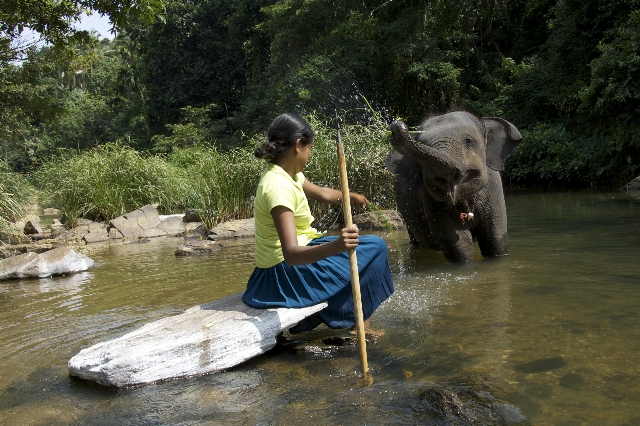
කථා නායිකාව 16 හැවිරිදි චාන්දනී රේණුකා රත්නායක. ඇය පින්නවෙල අලි අනාථාගාරයේ ප්‍රධාන ඇත්ගොව්වා වන සුමනබණ්ඩාගේ දෙටු දියුණිය. සිට පිය පරම්පරාවේ සාම්ප්‍රදායිකව කර ගෙන ආ අලි ඇතුන් හීලෑ කර රැක බලා ගැනීමේ කාරියට අත තබන්නට ඇයට ලොකු ඕනෑකමක් තිඛෙනවා. පවුලේ පිරිමි දරුවකු නැති පසුබිම තුළ සුමනබණ්ඩා එයට එක`ග වී පරම්පරාගත දැනුම හා ශිල්පක්‍රම ටිකෙන් ටික චාන්දනීට උගන් වනවා. මේ සදහා කණ්ඩුල නම් අලි පැටවකු සොයා ගෙන එන ඔහු කණ්ඩුලගේ වගකීම් සමුදාය ක්‍රම ක්‍රමයෙන් චාන්දනීට පවරනවා.

ලංකාවේ අලි ඇතුන් පිළිබදව 1995දී පොතක් ලියූ ජයන්ත ජයවර්ධන කියන හැටියට අලින් හීලෑ කිරීමේ වසර තුන් දහසකට වඩා පැරණි සම්ප්‍රදායක් අපට තිඛෙනවා. වනගත අලින් අල්ලා, මෙල්ල කොට පුහුණු කළ හැකි වූවත් බල්ලන්, පූසන් වැනි ගෘහස්ත සතුන්ගේ මට්ටමට අලින් හීලෑ නොවන බවත් ඔහු කියනවා.

“ර්‍ගොඩබිම වෙසෙන දැවැන්ත ම සත්ත්වයා වන අලියාට විශාල ශරීර ශක්තියක් තිඛෙන නිසා ඔවුන් හැසිරවීම ප්‍රවේශමෙන්, සීරුවෙන් කළ යුක්තක්. අලි පුහුණුවට ආවේනික වූ වචන දුසිමක් පමණ යොදාගෙන මේ දැවැන්තයන්ට අණ දීමේ කලාවක් අපේ ඇත්ගොව්වන්ට තිඛෙනවා. එහිදී ඇත්ගොව්වා සහ අලියා අතර ඇතිවන සබදතාවය ඉතා වැදගත්.”

එම සම්ප්‍රදාය පිළිබද ඉගි කිහිපයක් අප චාන්දනී චිත්‍රපටයේ දකිනවා. අලි හසුරු වන බස් වහර, අලියාගේ සිරුරේ මර්මස්ථාන හා අලින්ගේ ලෙඩට දුකට ප්‍රතිකාර කිරීමට කැප වූ දේශීය සත්ත්ව වෙදකම් ආදීය එයට ඇතුළත්. අලි පුහුණු කිරීම හා මෙහෙයවීම ක්‍රමවේදයන් ගණනාවක සංකලනයක්. එයට දැනුම, ශික‍ෂණය, කැපවීම යන සියල්ල අවශ්‍යයි. චාන්දනීට මේ අභියෝග ජය ගත හැකිද යන්න පිරිමි ඇත්ගොව්වන්ට මෙන් ම ඇගේ අසල්වාසීන්ට ද ප්‍රශ්නයක්. කථාව දිග හැරෙන්නේ එයට චාන්දනී හා ඇගේ පියා ඉවසිලිවන්තව හා අධිෂ්ඨානයෙන් මුහුණ දෙන ආකාරය ගැනයි.

මෙහි දී චාන්දනීගේ මග පෙන්වීමට වනජීවී ෙක‍ෂත්‍ර නිලධාරියකු වන මොහමඩ් රහීම් ඉදිරිපත් වනවා. මොහොමඩ් සමග උඩවලවේ ජාතික වනෝද්‍යානය හා ඒ අවට ගම්මානවල සංචාරය කරන චාන්දනී, වනගත අලි ඇතුන් මුහුණ දෙන ඉඩකඩ, ආහාර හා ජලය පිළිබද දැවෙන ප්‍රශ්න දැක ගන්නවා.

තදබද වූ මේ දූපතේ, සීමිත බිම් ප්‍රමාණයක් සදහා මිනිසුන් හා අලින් අතර පවතින නිරතුරු අරගලයෙන් වසරක් පාසා අලි 150ක් පමණත්, මිනිසුන් 50 දෙනකු පමණත් මිය යනවා. මේ අලි-මිනිස් ගැටුමට ඓතිහාසික, සාමාජයීය හා ආර්ථීක සාධක ගණනාවක් ඇතත් ඒවා විග්‍රහ කිරීමට මේ චිත්‍රපටය උත්සාහ කරන්නේ නැහැ. එබදු දැඩි අර්බුදයක් පසුබිමේ ඇති බව ප්‍රේක‍ෂකයාට සිහිපත් කළත් එයට සරල පැලැස්තර විසදුම් ඉදිරිපත් කරන්නේත් නැහැ.

මේ චිත්‍රපටයේ මා දකින එක් ගුණයක් නම් මිනිසුන්ට වඩා අලි ඇතුන්ගේ ජීවිත වටිනා බව තර්ක කරන අන්තවාදී පරිසරවේදීන්ට එහි කිසිදු තැනක් නොදීමයි. ඒ වෙනුවට මිනිස් සමාජයට පිවිස යම් තරමකට හීලෑ බවක් ලැබූ අලි ඇතුන් සමග සානුකම්පිකව ගනුදෙනු කරන මානවයන් ද ලක් සමාජයේ සිටින බව මේ චිත්‍රපටය හීන්සීරුවේ ලෝකයට කියනවා. අවිහිංසාවාදය හා සාංස්කෘතික සාරධර්ම ගැන දේශනා කිරීමකින් තොරව එය ප්‍රායෝගිකව මේ දූපතේ සිදු වන හැටි රූපානුසාරයෙන් හා කථානුසාරයෙන් පෙන්වා දෙනවා.

අලින් හා මිනිසුන් අතර මිතුදම වෘතාන්ත චිත්‍රපට ගණනාවක ම තේමාව ලෙස මින් පෙරත් යොදා ගෙන තිඛෙනවා. සිනමාවේ මුල් යුගයේ උදාහරණයක් නම් 1937දී නිර්මාණය වූ Elephant Boy රුඩ්යාඩ් කිප්ලිංගේ ඔදදප්ස කථාව පදනම් කරගෙන තැනූ ඒ චිත්‍රපටයෙන් කියවුණේ කැලයේ අලින් සමග මිතුරු වන දරුවකු ගැනයි. හීලෑ කළ අලි ඇතුන් හා දරුවන් ගැනත් සිනමා සිත්තම් බිහි වී තිඛෙනවා. ජපන් ජාතික චිත්‍රපට අධ්‍යක‍ෂක ෂුන්සාකු කවාකේ 2005දී නිර්මාණය කළ Hoshi ni natta shonen (Shining Boy and Little Randy) චිත්‍රපටයෙන් කියැවුණේ ඇත්ගොව්වකු වීමේ ආශාවෙන් තායිලන්තයට ගිය ජපන් දරුවකුගේ සැබෑ කථාවයි.

බොහෝ විට මෙබදු චිත්‍රපටවල ප්‍රධාන මිනිස් චරිතය වන්නේ පිරිමි ළමයෙක්. චාන්දනී වැනි දැරියක් මෙබදු කාරියකට ඉදිරිපත් වීම සැබෑ ලෝකයේ කොතැනක වූවත් අසාමාන්‍ය වීම මෙයට හේතුව විය හැකියි. ඉතිහාසය පුරා ම පිරිමින් පමණක් සිදු කළ වගකීමක් කාන්තාවකට පැවරීම හරහා සුමනබණ්ඩා සියුම් සමාජ විප්ලවයකටත් දායක වනවා. එහෙත් චාන්දනී චිත්‍රපටයේ අරමුණ එබදු මහා පණිවුඩ සන්නිවේදනය නොවෙයි. එය දැරියක හා අලි පැටවකු අතර ඇතිවන මිතුරුකම වටා ගෙතුණු විසිතුරු කථාන්තරයක්.

ලංකාවේ අලි ඇතුන් කණ්ඩායම් දෙකකට ඛෙදිය හැකියි. වනගත (වල්) අලි හා හීලෑ කළ අලි හැටියට. 2011 අගෝස්තුවේ පැවැත්වූ මුල් ම අලි ඇත් සංගණනයෙන් සොයා ගත්තේ වනගත අලි ඇතුන් 7,339ක් මෙරට සිටින බවයි. (රක‍ෂිත ප්‍රදේශවල හෝ ඒවා ආසන්නයේ 5,879කුත් අනෙකුත් ප්‍රදේශවල තවත් 1,500කුත් වශයෙන්.) ඇතැම් පරිසරවේදීන් මේ සංගණනයේ ක්‍රමවේදය විවේචනය කළා. එහෙත් පරිපූර්ණ දත්තවලට වඩා කුමන හෝ දත්ත සමුදායක් ලබාගැනීම හරහා අලි සංරක‍ෂණයට රුකුලක් ලැඛෙන බව සිතිය හැකියි.

අපේ රටේ හීලෑ අලි ඇතුන් සිය ගණනක් ද සිටිනවා. එමෙන්ම මේ දෙකොටසට අතරමැදි සංක්‍රමනීය තත්ත්වයේ අලි ඇතුන් ද සිටිනවා. ස්වාභාවික පරිසරයේ විවිධ හේතු නිසා මවු සෙනෙහස අහිමි වූ ලාබාල අලි පැටවුන්ට රැකවරණය දෙමින් ඔවුන් ලොකු මහත් කිරීමට පින්නවෙල අලි අනාථාගාරය ඇරඹුවේ 1975දී. මේ වන විට සියයකට ආසන්න අලි ඇතුන් සංඛ්‍යාවක් එහි නේවාසිකව සිටිනවා. දෙස් විදෙස් සංචාරකයන් අතර ජනප්‍රිය ආකර්ශනයක් බවට පත්ව ඇති මේ අනාථාගාරයේ, පශ= වෛද්‍යවරුන් හා සත්ත්ව විද්‍යාඥයන්ගේ අනුදැනුම ඇතිව අලි ඇතුන් බෝ කිරීමේ වැඩපිළිවෙලක් ද 1982 සිට ක්‍රියාත්මක වනවා. මීට අමතරව උඩවලවේ වනෝද්‍යානයට බද්ධිතව ඇත් අතුරු සෙවන නම් තවත් තැනක් ද පිහිටුවා තිඛෙනවා.

ලංකාවේ වෘතාන්ත චිත්‍රපටයක් නිපදවීමට සාමාන්‍යයෙන් යොද වන තරමේ මුදල් හා තාක‍ෂණික ආයෝජනයක් මේ වාර්තා චිත්‍රපටයට වැය කරන්නට ඇතැයි අනුමාන කළ හැකියි. එහෙත් මේ ආයෝජනයේ උපරිම ඵල නෙළා ගන්නට එහි සංස්කරණය (editing) මීට වඩා කල්පනාකාරී හා නිර්දය ලෙස සිදු කළා නම් හැකි වන බව චිත්‍රපට මාධ්‍යයේ ශිල්පීය ක්‍රම දත් මගේ ඇතැම් මිතුරන්ගේ අදහසයි.

ආසියානු අලි ඇතුන් වනගතව හමුවන රටවල් අතරින් වැඩි ම අලි ඝනත්වය (highest Asian elephant density) ඇත්තේ ලංකාවේයි. මේ දූපතේ බිම් හා සොබා සම්පත්, මිලියන් 20කට වැඩි ජන සංඛ්‍යාවක් හා හත් දහසකට අධික අලි ඇතුන් ගණනක් අතර තුලනය කර ගන්නේ කෙසේද යන්න අප මුහුණ දෙන ප්‍රබල සංරක‍ෂණ අභියෝගයක්. අලි ඇතුන් ගැන කථා කරන විට පරිසරවේදීන් බහුතරයක් ආවේගශීලී වනු දැකිය හැකියි. මෙරට ඉතිරිව ඇති වනාන්තර, තණබිම් හා විල්ලූ ප්‍රදේශවලට ස්වාභාවිකව දරා ගත හැකි අලි ඇතුන් සංඛ්‍යාව කොපමණ ද? ඒ සංඛ්‍යාව ඉක්මවා අලි ගහණයක් ඇති බව විද්‍යාත්මකව සොයා ගතහොත් අතිරික්තය ගැන කුමක් කළ හැකි ද – කළ යුතු ද? වනගත අලින්ට සමාන්තරව හීලෑ අලින් මනා සේ රැක බලා ගැනීම ඔස්සේ අලින් වද වී යාමේ තර්ජනය පාලනය කළ හැකි ද? මේ සියල්ල සංකීර්ණ ප්‍රශ්නයි.

ඒවාට පිළිතුරු සොයන්නට විද්‍යාත්මක ක්‍රමවේදයන් මෙන් ම අපේ සාරධර්ම ද යොදා ගත හැකියි. විසදුම් සොයා යන අතර අලි – මිනිස් සබදතාවයේ පැතිකඩ ගැන නිවැරදි, නිරවුල් සන්නිවේදනයක් දේශීයව මෙන් ම ජාත්‍යන්තරව ද කළ යුතුයි. ‘මිනී මරන අලි’ හා ‘අලි මරන මිනිසුන්’ ගැන සරල ත්‍රාසජනක වාර්තාවලින් ඔබ්බට යන තුලනාත්මක කථාබහකට අප යොමු විය යුතුයි. එමෙන් ම අලි – දිවි – වලසුන්ට සීමා නොවූ අතිශයින් විවිධ හා විචිත්‍ර ජීවි විශේෂ රාශියක් මේ දූපතේ අපත් සමග වෙසෙන බවත් අමතක නොකරන්න!

Titus Thotawatte (1929 – 2011): The Final Cut

Also published on Groundviews.org on 20 Oct 2011

Titus Thotawatte: The Magician

Emmanuel Titus de Silva, who was better known as Titus Thotawatte, was the finest editor in the six decades of the Lankan cinema. He was also a great assimilator and remixer – a ‘builder of bridges’ across cultures, media genres and generations.
Titus straddled the distinctive spheres of cinema and television with a technical dexterity and creativity rarely seen in either one. Both spheres involve playing with sound and pictures, but at different levels of scale, texture and ambition. Having excelled in the craft of making movies in the 1960s and 1970s, Titus successfully switched to television in the 1980s and 1990s. There, he again blaze his own innovative trail in Sri Lanka’s nascent television industry. As a result, my generation remembers him for his television legacy whereas my patents’ generation recall more of his cinematic accomplishments.

Titus left an indelible mark in the history of moving images. The unifying thread that continued from 16mm and 35mm formats in the cine world to U-matic and Betacam of the TV world was his formidable genius for story telling.

Titus de Silva, as he was then known, was a member of the ‘three musketeers’ who left the Government Film Unit (GFU) in the mid 1950s to take their chances in making their own films. The other two were director Lester James Peries and cinematographer Willie Blake. Lester recalls Titus as “an extraordinarily talented but refreshingly undisciplined character” who had been shunned from department to department at GFU “as he was by nature a somewhat disruptive force”!

The trio would go on to make Rekava (Line of Destiny, 1956) – and make history. In his biography by A J Gunawardana, Lester recalls how they were full of self-confidence, “cocky as hell” and determined to overcome the artificiality of studio sets. “We were revolutionaries, shooting our enemies with the camera, and set on changing the course of Sinhala film. In our ignorance, we were blissfully unaware of the hazards ahead – seemingly insurmountable problems we had to face, problems that no book on film-making can ever tell you about!”

In the star-obsessed world of cinema, the technical craftsmen who do the real magic behind the cameras rarely get the credit or recognition they deserve. Editors, in particular, must perform a very difficult balancing task – between the director, with his own vision of how a story should be told, and the audience that fully expects to be lulled into suspending their disbelief. Good editors distinguish themselves as much for what they include (and how) as for what they leave on the ‘cutting room floor’.

The tango between Lester and Titus worked well, both in the documentaries they made while at GFU, and the two feature films they did afterward: Rekava was followed by Sandeshaya (The Message, 1960).

They also became close friends. At his own expense, Titus also accompanied Lester to London where they re-edited and sub-titled Rekava (into French) for screening at the Cannes festival of 1957. As Lester recalls, “Titus was a great source of moral and technical strength to me; his presence was invaluable during sub-titling of the film”.

Titus Thotawatte - photo courtesy biography by Nuwan Nayanajith Kumara

In all, Titus edited a total of 25 Lankan feature films, nine of which he also directed. The cinematic trail that started with Rekava in 1956 continued till Handaya in 1979. While most were in black and white, typical of the era, Titus also edited the first full length colour feature film made in Sri Lanka: Ran Muthu Duwa (1962).

His dexterity and versatility in editing and making films were such that his creations are incomparable among themselves. In the popular consciousness, perhaps, Titus will be remembered the most for his last feature film Handaya – which he both directed and edited. Ostensibly labelled as a children’s film, it reached out and touched the child in all of us (from 8 to 80, as the film’s promotional line said). It was an upbeat story of a group of children and a pony – powerful visual metaphors for the human spirit triumphing in a harsh urban reality that has been exacerbated in the three decades since the film’s creation.

Handaya swept the local film awards at the Saravaviya, OCIC and Presidential film awards for 1979/1980. It also won the Grand Prix at the International Children and Youth Film Festival in Giffoni, Italy, in 1980. That a black and white, low-budget film outcompeted colour films from around the world was impressive enough, but the festival jury watched the film without any English subtitles was testimony to Titus’s ability to create cine-magic that transcended language.

Despite the accolades from near and far, a sequel to Handaya was scripted but never made: the award-winning director just couldn’t raise the money! This and other might-have-beens are revealed in the insightful Thotawatte biography written by journalist Nuwan Nayanajith Kumara. Had he been born in a country with a more advanced film industry with greater access to capital, the biographer speculates, Titus could have been another Steven Spielberg or Walt Disney.

Titus Thotawatte was indeed the closest we had to a Disney. As the pioneer in language versioning at Rupavahini from its early days in 1982, he not only voice dubbed some of the world’s most popular cartoons and classical dramas, but localised them so cleverly that some stories felt better than the originals! Working long hours with basic facilities but abundant talent, Titus once again sprinkled his ‘pixie dust’ in the formative years of national television.

In May 2002, when veteran broadcaster (and good friend) H M Gunasekera passed away, I called him the personification of the famous cartoon character Tintin. I never associated Titus personally, but having grown up in the indigenised cartoon universe that he created on our television, I feel as if I have known him for long. Therefore, Therefore, I hope Titus won’t mind my looking for a cartoon analogy for himself.

I don’t have to look very far. According to his loyal colleagues (and his biographer), Titus was a good-hearted and jovial man with a quick temper and scathing vocabulary. It wasn’t easy working with him. That sounds a bit like the inimitable Captain Haddock, the retired merchant sailor who was Tintin’s most dependable human companion. Haddock had a unique collection of expletives and insults, providing some counterbalance to the exceedingly polite Tintin. Yet beneath the veneer of gruffness, Haddock was a kind and generous man. It was their complementarity that livened up the globally popular stories, now a Hollywood movie by Steven Spielberg awaiting December release.

Perhaps that’s too simplistic an analogy for Titus. From all accounts, he was a brilliantly creative and multi-layered personality who embodied parts of Dr Dolittle (Dosthara Honda Hitha), Top Cat (Pissu Poosa), Bugs Bunny (Haa Haa Hari Haawa) and a myriad other characters that he rendered so well into Sinhala that some of my peers in Sri Lanka’s first television generation had no idea of their ‘foreign’ origins…

Titus was also a true ‘Gulliver’ whose restlessly imaginative mind traversed space and time — even after he was confined to one place during the last dozen years of his life.

A pity he spent too much time in Lilliput…

Chandani: Riding a Jumbo Where No Woman Has Gone Before…

Chandani Ratnayake with Kandula: She wants to become Sri Lanka's ambassador to elephants...

This film review has just appeared in The Nation newspaper, Sri Lanka, and can be accessed online at http://www.nation.lk/2011/10/16/eyefea6.htm

Years ago, I resolved not to watch any more documentaries about elephants – I have sat through far more than my fair share of them at film festivals across Asia and Europe. I have nothing against elephants; it’s just that most films about them are so predictably formulaic. Sooner or later, they all suggest: we greedy humans have robbed these giants of their jungles, and are now driving them to extinction.

While that is undeniable, the ground reality is a bit more nuanced. But few filmmakers or film commissioners want to go there. In any case, even the most balanced conservation film would still be trapped in an anthropocentric view of the human-elephant relationship: how differently might an elephant tell the same story?

Given these misgivings, I was pleasantly surprised by Arne Birkenstock’s new film, Chandani: The Daughter of the Elephant Whisperer (88 mins, 2010). He proves that it is always possible to find a refreshingly new way of telling a very old story.

The German film, shot entirely on location in Sri Lanka, centres around a young girl who loves elephants so much that she wants to spend the rest of her life tending to them. Sixteen-year-old Chandani Renuka Ratnayake is the eldest daughter Sumanabanda, the chief mahout at the elephant orphanage in Pinnawela. They hail from a family that has tamed and looked after elephants for generations. Lacking a son, he agrees to let Chandani train as a mahout.

There is only one small problem: Chandani is going where no Lankan woman has gone before. Other mahouts and the community doubt whether the eager young lass can rise to the many challenges involved in this hitherto male-only profession.

Sumanabanda brings home an elephant calf named Kandula, and assigns it to Chandani. Under the watchful eye of her father, Chandani does all the feeding, bathing and other chores. She has to divide her time between school and her boisterous charge. Soon, the two young ones bond with each other.

She also receives guidance from a wildlife ranger named Mohammed Raheem. He takes her to the Udawalawe National Park, an important habitat for wild elephants. There, she gets glimpses of the daily skirmish between wild elephants and humans for the land claimed by both species.

Exploring the relationship between children and elephants is a recurrent theme for filmmakers across cultures and genres. An early example was Elephant Boy (1937), a British adventure film directed by documentary filmmaker Robert J. Flaherty and Zoltan Korda, based on Rudyard Kipling’s “Toomai, of the Elephants”. A few years ago I watched the Japanese film Hoshi ni natta shonen — with a goofy English name, Shining Boy and Little Randy — directed by Shunsaku Kawake in 2005. It was the bittersweet story of a young boy who goes to Thailand to become Japan’s first elephant trainer.

The child character is usually male, possibly influenced by Mowgli of Jungle Book fame. But here, Chandani is playing herself: she has grown up watching the complexities of ex-situ conservation of the largest land mammal.

The elephant orphanage, set up on a 10-hectare coconut estate in 1975 to look after young elephants whose mothers have been killed — often in violent confrontations with villagers — is now home to nearly a hundred elephants. A captive breeding programme, introduced in 1982, has resulted in several live births.

Pinnawela continues a long tradition — going back to over 3,000 years — where elephants are captured, tamed and trained in Sri Lanka. Jayantha Jayewardene, an expert on Asian elephants, says the elephant, although tamed and trained, is not quite a domesticated animal in the same sense that dogs are.

As he explains in his book, The Elephant in Sri Lanka: “It (the elephant) is an immensely powerful animal whose strength and wild nature calls for caution in handling it, especially during capture and the initial training stages. Later on, using less than a dozen words of command, the handler, called a mahout, is able to exercise control over this powerful animal. In most instances, the elephant and mahout develop a strong and lasting bond.”

After months of training, Chandani faces her moment of truth. She has to accompany Kandula in the local perahera, the procession that tours the streets with decoratively dressed elephants as star attractions. Peraheras are noisy, crowded and sometimes chaotic affairs: participating elephants and mahouts need focus and coordination.

The young girl and elephant prove their mettle. If Chandani’s family and peers are impressed by that public performance, the indifferent state is not. Sumanabanda is belatedly informed that he is not legally allowed to raise an elephant at home (even if he paid ‘good money’ for the creature). Eventually, he and his daughter agree that it is best for Kandula to return to the jungle. Their emotional attachment is strong by now, making separation painful. As Chandani watches Kandula being taken away, she reflects on her chosen future…

Relaxed Drama

The film is labeled as a documentary, but there is considerable movement, tension and other emotions that lend it a dramatic quality. Evidently, many sequences have been scripted. We don’t know how much time and effort that entailed. It probably helped that Chandani and Sumanabanda seem ease-going people. The director has managed to get even the (usually stiff) government officials to relax for the camera.

By staying tightly focused on his characters, Birkenstock avoids a common pitfall in many elephant films that either eulogise pachyderms or editorialise too heavily about their predicament. He blends striking images with an evocative soundtrack to tell a compelling story that is informed by real world issues — but not deep immersed in them.

This mix is welcome indeed. In 2000, when I served on the global jury of Wildscreen, the world’s leading wildlife and natural history film festival in Bristol, UK, we told filmmakers that simply documenting animal and plant behaviour and their habitats was no longer adequate in a world facing a multitude of environmental crises. There was an urgent need, our jury statement said, for films that explored the nexus between the natural environment and human society — both the conflict and harmony between the two.

Chandani and Kandula the elephant

Forming the backdrop to Chandani are the tough choices confronting biodiversity conservation in Sri Lanka. The wildlife ranger Mohammed, in particular, brings in both specialised knowledge and official perspective — mercifully without any activist shrill. Hard core environmentalists might not find this film ‘green enough’. For mass audiences worldwide, however, it conveys a very important message: how some ordinary Lankans are doing their bit for inter-species harmony against many odds.

That is no small accomplishment on our crowded island which has the world’s highest density of wild Asian Elephants. The first-ever nationwide elephant census in August 2011 produced a total of 7,379 jumbos across the island: 5,879 of them were spotted near parks and sanctuaries, while another 1,500 were estimated to be living in other areas. Some environmentalists were unhappy with the methodology and questioned its results. But even imperfect data can inspire more systematic conservation measures.

Sooner or later, we have to answer the hard question: how many wild elephants can the island’s remaining forests realistically sustain? This has already sparked off heated arguments. In the long-term, the survival of the Lankan Elephant might be assured only though captive breeding.

Meanwhile, every year, a few dozen elephants and humans perish in increasingly violent encounters over land and food. As we search for lasting solutions, we need more Chandanis, Mohammeds and Sumanabandas to show us the way.

Science writer Nalaka Gunawardene is far more interested in wild-life in urban jungles than wildlife in natural ones.

Chandani and Kandula pass a very public test!

සිවුමංසල කොලූගැටයා #35: දුර දැක්මක් නැති දූපතක දුරදක්නවල ඉරණම

This is the Sinhala text of my weekly column in Ravaya newspaper, issue for 9 Oct 2011. In this, I discuss the plight of two telescopes in Sri Lanka – a private one used by Sir Arthur C Clarke, and another gifted to the government by Japan that is located in the wrong place and grossly underused.

For an English discussion of the same topics, see my article in Groundviews.org published on 4 Oct 2011: A Tale of Three Telescopes and a Blind News Media

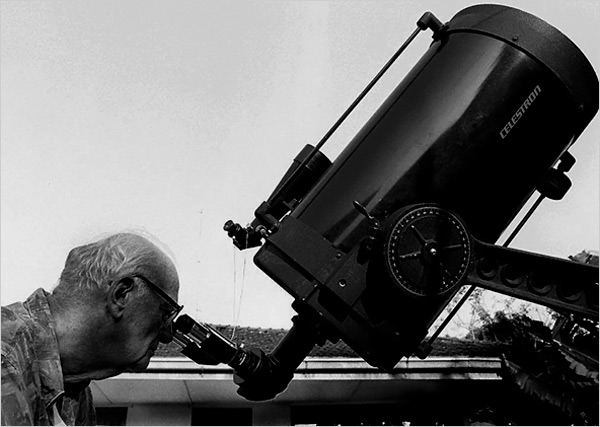
Sir Arthur Clarke with his Celestron 14-inch telescope - photo by Rohan de Silva, circa 2001

“ආතර් සී. ක්ලාක් භාවිතා කළ දුරදක්නය රුපියල් දස ලක‍ෂයකට විකුණලා!”

මේ ප්‍රවෘත්තිය සිරස මාධ්‍ය ජාලය ඔස්සේ ප්‍රචාරය වූයේ ඇතැම් දෙනකුගේ කුතුහලය අවුස්සමින්. ලංකාවේ පදිංචිකරුවකු (පුරවැසියෙකු නොවේ!) හැටියට අඩසියවසක් ගත කළ කීර්තිමත් බ්‍රිතාන්‍ය විද්‍යා ලේඛකයා පරිහරණය කළ දුරදක්නය පුවත්පතක දැන්වීමක් හරහා විකුණා ඇති බවත්, ගැණුම්කරුගේ අනන්‍යතාවය නොදන්නා බවත් එයින් කියැවුණා. එපමණකින් නතර නොවී පුවත් වාර්තාකරු කොළඹ සරසවියේ භෞතික විද්‍යාඥ ආචාර්ය චන්දන ජයරත්න උපුටා දක්වමින් කියා තිබුණේ මේ දුරදක්නය ඇතුළු ආතර් සී. ක්ලාක් පරිහරණය කළ දෑ ‘අනාගත පරපුරට දැක ගැනීමට හැකි ස්ථානයක සංරක‍ෂණය කළ යුතු’ බවයි. මේ සදහා රජයට මැදිහත් විය හැකි ද යන්න පුවතෙන් ප්‍රශ්න කොට තිබුණා.

පැය විසි හතර පුරා ම ප්‍රවෘත්ති වාර්තා කිරීමේ පීඩනයට නතු වූ වාර්තාකරුවන් මෙබදු කථාන්තර ලිවීම අපට තේරුම් ගත හැකියි. අවාසනාවකට සිරස පුවතට හසු වී තිබුණේ කටකථාවලට ඔබ්ඛෙන් වැඩි දුරක් නොගිය, අර්ධ සත්‍ය තොරතුරු ටිකක් හා මත දැක්වීම් පමණයි. මේ ගැන මීට වඩා ගැඹුරින් විග්‍රහ කිරීමට තිබුණු අවස්ථාව ඔවුන් අතින් ගිලිහී ගියා.

ආතර් සී. ක්ලාක්ගේ විද්‍යාත්මක, ලේඛන හා මාධ්‍ය කටයුතු සම්බන්ධීකරණයට කුඩා කාර්යාලයක් ඔහුගේ කොළඹ නිවසේ කොටසක පවත්වා ගෙන ගියා. එහි කාර්ය මණ්ඩලයේ වසර 21ක් තිස්සේ (අර්ධ කාලීනව) මා ද සාමාජිකයකු වුණා. ඔහු 2008 මාර්තුවේ මිය ගිය පසු අන්තිම කැමති පත්‍රයට අනුව ඔහුට හිමිව තිබූ නිශ්චල හා චංචල දේපල අධිකරණ අධීක‍ෂණය යටතේ අදාල පුද්ගලයන්ට හා ඔහුගේ නමින් ලියාපදිංචි කළ භාරයකට පවරනු ලැබුවා. මෙය නීති සහගත ක්‍රියාදාමයක්. ඒ හරහා දුරදක්නය ලද පුද්ගලයාට එය විකිණීමට උවමනා නම් කිසිදු බාධාවක් නැහැ. (ඇත්තට ම සිදුවී ඇත්තේ පුවත්පත් දැන්වීමක් පළ කළත් එය ගනුදෙනුවක් දක්වා ගමන් නොකිරීමයි.)

මාධ්‍ය පුවතින් දුරදක්නය ගැන කිසිදු විස්තරයක් හෙළි නොවුවත් එය ගැන සියළු තොරතුරු ඉන්ටර්නෙට් තොරතුරු ගවේෂණයකින් සොයා ගත හැකියි. මේ දුරදක්නය මා හොදට දන්නවා. එය අමෙරිකාවේ Celestron සමාගම නිෂ්පාදනය කළ අගල් 14 ක පරාවර්තක (reflector) දුරදක්නයක්. එය වෘත්තීය තාරකා විද්‍යාඥයන්ට නොව ආධුනික තාරකා විද්‍යාවේ නියැලෙන අයට රාත්‍රී අහස නිරික්සීමට යොදාගත හැකි ඉහළ මට්ටමේ උපකරණයක්.

රාත්‍රී අහස නිරීක‍ෂණයට කුඩා කල සිට ම ක්ලාක්ගේ ලොකු උනන්දුවක් තිබුණා. එංගලන්තයේ ගොවිපලක ගත කළ ළමා කාලයේදී ඔහු අඩු වියදමින් තමන්ගේ මුල් දුරදක්නය ගෙදරදී ම හදා ගත්තා. පසු කලෙක වාණිජ මට්ටමින් වෙළදපොලේ ඇති දුරදක්න මිළට ගෙන මේ විනෝදාංශය මහත් ඕනෑකමින් කර ගෙන ගියා. 1956 දී ඔහු ලංකාවේ පදිංචියට ආ විට උතුරු අහස මෙන් ම දකුණු අහසේත් විශාල පරාසයක් විහිදෙන තරු මෙරට සිට නැරඹිය හැකි බව තේරුම් ගත්තා. එයින් ඔහුගේ ආධුනික තාරකා විද්‍යා කටයුතු තවත් උත්සන්න වුණා.
ඒ විනෝදාංශයට යොමු වී සිටි තවත් ලාංකිකයන් හවුල් කරගෙන 1959දී ලංකා තාරකා විද්‍යා සංගමය (Ceylon Astronomical Association) පිහිටුවා ගත් ඔහු වසර කිහිපයක් එහි සභාපතිවරයාද වුණා. මීට පෙර කොලමක මා ස`දහන් කළ පරිදි වෘත්තිමය තාරකා විද්‍යා කටයුතු ස`දහා අවශ්‍ය පහසුකම් මෙරට නැති නිසා අපට ඇත්තේ ආධුනික තාරකා විද්‍යා ක්‍රියාකාරකම් පමණයි. මෙරටින් බිහි වූ සියළු ම වෘත්තිමය තාරකා විද්‍යාඥයන් රැකියාවල නිරතවන්නේ විදේශ රටවලයි. නමුත් සංවිධානගත මට්ටමින් ආධුනික තාරකා විද්‍යා නිරීක‍ෂණ කරන කිහිප දෙනකු මෙරට සිටිනවා.

ක්ලාක් Celestron-14 දුරදක්නය මෙරටට ගෙන ආවේ 1980 දශකය මුලදී. සිය නිවසේ උඩුමහලේ බැල්කනියේ එය තැන්පත් කළ ඔහු විටින් විට රාත්‍රී අහස නිරීක්සීමට එය යොදාගත්තා. ඔහු වඩාත් ම උනන්දු වූයේ චන්ද්‍රයාගේ මතුපිට බලන්නටත්, ග්‍රහලෝක නිරීක‍ෂණයටත්. සෙනසුරුගේ වළලූ හා බ්‍රහස්පතිගේ මතුපිට ලප ආදිය මේ හරහා බලා ගත හැකිවුණා. දශකයක පමණ කාලයක් මෙය මෙරට තිබූ විශාලතම දුරදක්නය වූ නිසා ලංකා තාරකා විද්‍යා සංගමයේ හා තරුණ තාරකාවේදීන්ගේ සංගමයේ නිරීක‍ෂණ සදහාත් ඔහු නොමසුරුව සිය දුරදක්නය භාවිතා කරන්නට ඉඩ දුන්නා. එහෙත් මේ දුරදක්නයෙන් කිසිදු තාරකා විද්‍යා පර්යේෂණයක් කිරීම ඔවුන්ගේ අරමුණ වූයේ නැහැ.

1994දී ජපන් රජය අගල් 18ක (සෙමී 45) GOTO වර්ගයේ පරාවර්තක දුරදක්නයක ලංකාවට පරිත්‍යාග කළා. මේ දක්වා මෙරටට ගෙන ආ විශාලත ම දුරදක්නය වූ එය කොතැනක ස්ථානගත කළ යුතු ද යන්න ඒ දිනවල විවාදයට ලක්වුණා. ප්‍රශස්ත තාරකා නිරීක‍ෂණයට බාධා කරන වීදි ආලෝකය හා නාගරික දුවිල්ලෙන් දුරස්ථ වූ තැනක මෙය පිහිටුවන ලෙස මෙරට වෘත්තිමය හා ආධුනික තාරකා විද්‍යාඥයන් උදක් ම ඉල්ලා සිටියා. ඒ දිනවල මෙරට වාසය කළ සයිමන් ටූලොක් (Simon Tulloch) නම් බ්‍රිතාන්‍ය ජාතික තාරකා විද්‍යාඥයා මෙරට විවිධ ස්ථානවලට ගොස් තාරකා විද්‍යා නිරීක‍ෂණාගාරයකට වඩාත් උචිත ස්ථාන ගැන අධ්‍යයනයක් කළා. ඔහුගේ නිර්දේශය වූයේ මහනුවර දිස්ත්‍රික්කයේ කිරිමැටියකන්ද හෝ කරකහතැන්න ප්‍රදේශ සාපේක‍ෂව වඩාත් හොද එමෙන් ම ගමනාගමනයටත් එතරම් අපහසු නොවූ තැන් දෙකක් බවයි. වැඩි විස්තර සදහා බලන්න: http://www.qucam.com/publications/SL.pdf

එහෙත් විද්‍යා හා තාක‍ෂණ අමාත්‍යාංශයේ නිලධාරීන් ඒ නොතකා මොරටුවේ පිහිටි නව තාක‍ෂණය පිළිබද ආතර් සී. ක්ලාක් ආයතනයේ (ACCIMT) එය ස්ථාන ගත කිරීමට තීරණය කළා. (1984 දී ජයවර්ධන රජය විසින් ඇති කළ මේ තාක‍ෂණික ආයතනය කිසිදු ආකාරයකින් කොළඹ පවත්වා ගෙන ගිය ආතර් සී. ක්ලාක්ගේ පෞද්ගලික කාර්යාලයට සම්බන්ධ වූයේ නැහැ. මේ වෙනස නොදත් බොහෝ දෙනා එය පටලවා ගන්නවා.) සිය නම යෙදූ රාජ්‍ය ආයතනය වූවත් දුරදක්නයකට නම් එතැන අනුචිත බව ක්ලාක් පවා එහිදී පෙන්නා දුන්නා.

පසුගිය වසර 15 පුරා මොරටුවේ තිඛෙන, මහජන මුදලින් නඩත්තු කරන මේ ජපන් දුරදක්නයෙන් කිසිදු තාරකා විද්‍යා පර්යේෂණයක් සිදු කෙරී ඇතැයි දැන ගන්නට නැහැ. මෙරට සිටින ජ්‍යෙෂ්ඨතම (විශ්‍රාමික) වෘත්තීය තාරකා විද්‍යෘඥයා වන ආචාර්ය කාවන් රත්නතුංග කියන්නේ ජාත්‍යන්තරව පිළි ගත් තාරකා විද්‍යා පර්යේෂණ නිබන්ධන එකක්වත් මේ මොරටු දුරදක්නය යොදා ගෙන ලියැ වී නැති බවයි.

“තාරකා විද්‍යාඥයකු හැටියට මෙබදු දුරදක්නයකින් කළ හැකි වැඩ කොටස මා හොදාකාර දන්නවා. එහෙත් මොරටුවේ ක්ලාක් ආයතනය මේ දුරදක්නය පවත්වා ගෙන යන්නේ දවල් කාලයේ එහි එන පාසල් සිසුන්ට පෙන්වීමටයි. ආතර් සී. ක්ලාක්ගේ පෞද්ගලික දුරදක්නයටත් වඩා වයසින් අඩු මේ ජපන් දුරදක්නයල ඒ රාජ්‍ය ආයතනයේ කාර්ය මණ්ඩලය සළකන්නේ හරියට කෞතුක භාණ්ඩයක් වගෙයි!”

විද්‍යාත්මක උපකරණ තනා ඇත්තේ පාවිච්චි කිරීමටයි. පරිගණක, අන්වීක‍ෂ හා දුරදක්න ආදිය වැඩි පරෙස්සමට යයි කියා පසෙක තැබුවොත් එය ලොකු අපරාධයක්. ලංකාවේ ලොකු ම දුරදක්නය භාර ආයතනය හැටියට මොරටුවේ ක්ලාක් ආයතනය දුර දැක්මක් නැතිව කටයුතු කිරීම ඉතා කණගාටුදායකයි.

ප්‍රසිද්ධ පුද්ගලයන් පාවිච්චි කළ භාණ්ඩවලට ඒවායේ වෙළදපොල වටිනාකමට ඉහළ අගයක් ආරෝපණය වන බව අප දන්නවා. ඒ නිර්නායකය හරහා විග්‍රහ කරන විටදීවත් ආතර් සී. ක්ලාක්ගේ පෞද්ගලික Celestron-14 දුරදක්නයට වටිනාකමක් ඇත්දැයි මා ආචාර්ය කාවන් රත්නතුංගගෙන් ඇසුවා. ඔහු කියන්නේ ප්‍රසිද්ධත්වයෙන් ලැඛෙන වටිනාකම (celebrity value) හා ඓතිහාසික, කෞතුක වටිනාකම (museum value) යන දෙක එකිනෙකට වෙනස් බවයි. ක්ලාක් විනෝදයට අහස බලන්නට යොදා ගත් දුරදක්නයට, ඔහු සතුව තිබීම නිසා අමතර වටිනාකමක් ලැබුණත් එය ඓතිහාසික වටිනාකමක් නොවෙයි. එසේ ම එය ඔහුගේ වෘත්තියට (ලේඛන කලාවට) ඍජුව යොදා ගත්තක් ද නොවෙයි.

ජන සමාජයට ලොකු දායකත්වයක් දුන් ප්‍රකට පුද්ගලයකුගේ අභාවයෙන් පසු ඔහු හෝ ඇය පරිහරණය කළ දේ කුමන අයුරින් රැකගත යුතු ද යන පොදු ප්‍රශ්නයත් මතු වනවා. වගකීම් සහිතව, දිගු කල් දැකමකින් හා සැළසුමකින් යුක්තව එයට මැදිහත් වන රාජ්‍ය හා ශාස්ත්‍රීය ආයතන පෙර අපර දෙදිග වෙනත් රටවල තිඛෙනවා. එහෙත් පටු ලෙස පුරාවිද්‍යාත්මක හා කෞතුක වටිනාකම නිර්වචනය කැරෙන අපේ රටේ එබන්දකට ඉදහිට හෝ මුල් වන්නේ අදාල පුද්ගලයාගේ පවුලේ සාමාජිකයින් හා හිතමිතුරන් මිස නිල ආයතන නොවේ. මාටින් වික්‍රමසිංහ භාරය හා (මෑත දී පිහිටවූ) රේ විෙජ්වර්ධන භාරය මෙයට උදාහරණයි.

මගේ මතය නම් ලේඛකයකුට කළ හැකි හො`ද ම උපහාරය ඔහු නිර්මාණය කළ කෘතීන් හැකි තාක් කල් වැඩි ම දෙනකුට කියැවීමේ අවස්ථාව ලබා දීම බවයි. මිය යන්නට දෙවසරකට පමණ පෙර විදෙස් මාධ්‍යවේදියකු ක්ලක්ගෙන් ඇසුවා ඔහු කුමන ආකාරයක ස්මාරකයක් පතනවා ද කියා. ක්ලාක් කිසිදු පැකිලීමකින් තොරව කීවේ “ඕනෑම හො`ද පුස්තකාලයකට ගොස් බලන්න. මගේ ස්මාරකය දැනටමත් එතැන ඇති!” (“Go to any well-stocked library and just look around!”).

මේ වටිනා අදහස ඕනෑ ම ලේඛකයකුට අදාල කරගත හැකියි. ක්ලාක් 90 විය සපුරමින් නිකුත් කළ වීඩියෝ පණිවුඩයේ කීවේ තමන් විද්‍යාව හා ලේඛන කලාව යන ෙක‍ෂත්‍ර දෙකේ ම හපන්කම් කළත් ලේඛකයකු හැටියට ජන මතකයට එක් වන්නට වඩාත් කැමති බවයි. මේ නිසා ඔහු විනෝදයට පරිහරණය කළ දුරදක්නය ගැන ලත වනවා වෙනුවට ඔහු ලියූ 100කට අධික මාහැගි පොත් සමූහයට අවධානය යොමු කරමු. ඒ පොත්වලින් අඩක්වත් තවම සිංහලට හෝ දෙමළට හෝ පෙරැළී නැහැ.

ක්ලාක්ගේ දායාදය රැක ගෙන ප්‍රවර්ධනය කිරීමට ඕනෑ නම් වැඩ පටන් ගත යුතු ඉතා ම හොද තැන එතැනයි!

Ray Wijewardene: Saluting a thinker who also tinkered

Working with a Genial Giant: Ray Wijewardene

As a communicator, I look for ways to say more with less. The ‘gold standard’ for brevity was set two centuries ago by the French poet, playwright, novelist and essayist Victor Hugo.

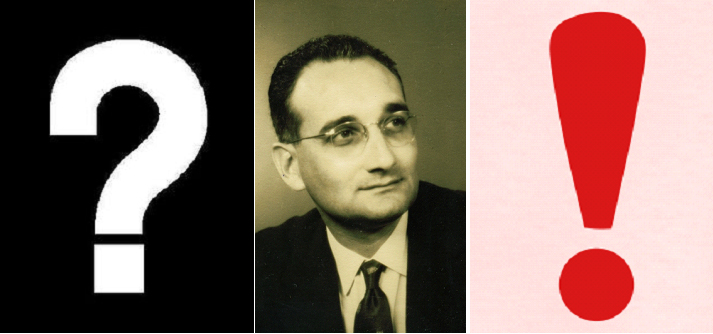
The story goes like this. Victor Hugo was travelling out of town and wanted to know how his latest book was selling. He messaged (telegraphed?) his agent: ?

The agent, not to be outdone, replied: !

Enough said. How I wish I could beat that economy of words…

I have a fondness for both question marks and exclamation marks — I used a good deal of both in my own speaking and writing. I use these as a metaphor in a tribute I just wrote about one of my mentors: Ray Wijewardene.

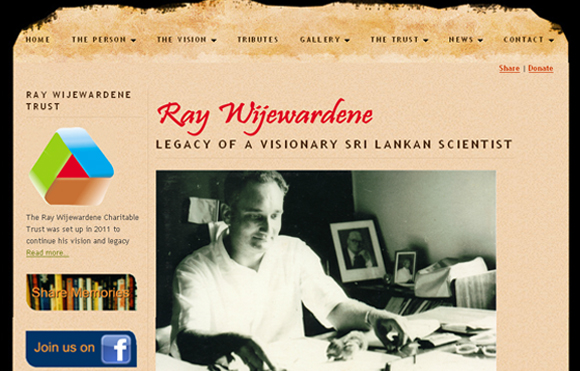
Ray Wijewardene: An Extraordinary Thinker and Tinkerer has just been published by Groundviews.org. It also appears on the official website about Ray Wijewardene, being formally launched today.

Here are the opening paras of my essay:

“If I had to condense the multi-faceted and fascinating life of Ray Wijewardene, I would reduce it to a whole lot of question marks and exclamation marks. In his 86 years, Ray generated more than his fair share of both.

“He was unpigeonholeable: engineer, farmer, inventor, aviator and sportsman all rolled into one. Whether at work or play, he was an innovative thinker who rose above his culture and training to grasp the bigger picture.”

Full essay: Ray Wijewardene: An Extraordinary Thinker and Tinkerer

The website was built by my team at TVE Asia Pacific (TEVAP) as a public education resource. read TVEAP News story:
TVEAP unveils new website on outstanding Sri Lankan scientist and visionary

Just how many Internet users in Sri Lanka? Depends on whom you ask…

Have smartphone, will travel...
Just how many Internet users are there in Sri Lanka?

Looks like a simple question, but there’s no simple answer. Trust me, I’ve been looking.

Oh sure, it’s not possible to calculate such numbers precisely because there always are more users than are subscribers. But official and industry sources usually have a good idea. In Sri Lanka’s case, their figures vary considerably.

The Telecommunications Regulatory Commission of Sri Lanka (TRCSL) is the official data collector. It used to publish a quarterly compendium of telecom industry related statistics.
The last such report, for December 2010, cites these cumulative figures for the whole of Sri Lanka by end 2010:
• Mobile phone subscribers: 17,359,312
• Fixed phone subscribers: 3,578,463
• Internet & Email Subscribers – fixed: : 280,000 (provisional figure)
• Mobile Broadband Subscribers: 294,000 (provisional figure)

The 2010 Annual Report of Central Bank of Sri Lanka, which provides an official state of the whole economy, draws on these statistics. However, in Chapter 3, on p59, it lists “Internet and e-mail” as 430,000, attributing it to TRCSL.

Although for the same point in time (Dec 2010), it doesn’t tally. TRCSL’s own data, when we add up fixed and mobile subscribers of Internet, comes to 574,000.

Both these state entities seem to be hooked on “email users” — a throw-back to the early dial-up days when some subscribers simply signed up for email facility and didn’t want web browsing as the latter was more costly. As far as I know, that demarcation disappeared years ago. But I may be wrong.

Even if we take the highest case scenario, of a total 574,000 Internet subscribers (fixed and mobile), it still comes to less than 3 per cent of Sri Lanka’s total population of 20 million (exactly how many people live on the island will be known after the latest census is taken in December 2011).

That’s the number of subscribers. The number of users is usually higher. Assuming an average 3 users per subscription, we can imagine around 1.72 million (approx 8 per cent of population) getting online. This calculation brings us closer to the number given for Sri Lanka in the Internet World Stats website. It lists for Sri Lanka: “1,776,200 Internet users as of Jun/10, 8.3% penetration, per ITU.”

As far as I know, the International Telecommunications Union (ITU) collects national statistics from its member governments and collates them to discern regional and global trends. ITU’s free country data compilation on Internet users says Sri Lanka had 12.00 Internet users per 100 population in 2010.

The ITU focal point in Sri Lanka is the TRCSL, whose own published data is mentioned above. What am I missing here?

A researcher friend who had access to Wireless Intelligence, a subscription only service containing well over 5 million individual data points on 940 operators (across 2,200 networks) and 55 groups in 225 countries, found yet another statistic.

According to WI, Sri Lanka by end 2010 had:
• 1,971,018 mobile broadband subscribers
• 213,000 fixed broadband subscribers

This produced a total of 2,184,018 — which takes the percentage of population to almost 11%. And if we apply the same average number of 3 users, it could give us 30% of population accessing and using the Internet. But is that assumption of 3 users per subscription equally applicable to mobile devices? I’m not sure. I’ll wait for industry experts to clarify.

In fact, neither industry sources and researchers have a reliable figure of how many smartphones are in use in Sri Lanka. Because a significant number comes in through private channels (via returning travellers or Lankan expatriates), the looking simply at the import figures could be misleading. A conservative estimate is that at least one million smartphones with Internet access capability are in use. The number keeps growing.

Exactly how many such smartphone users go online on a regular basis? What kind of info do they look up? How long on average do they stay online per session?

If you know the answers, or have reflected on these, please share.

Let’s hope more reliable data would emerge from the 2011 countrywide census of population. An early report (July 2010) said: “Information will also be collected for the first time on people’s communication methods.”

4 April 2011: Fraudband or Broadband? Find out for yourself! New film tells how…

28 March 2011: What’s the universal icon for the Internet? Is there one?

Arthur C Clarke Institute in Sri Lanka: Time to ask some tough questions!

Read also: 4 Oct 2011: A Tale of Three Telescopes and a Blind News Media

Sir Arthur C Clarke at the ACCIMT in better times

For many years, I’ve been explaining and clarifying to everyone that I worked with the late Sir Arthur C Clarke in his personal office in Colombo, which was completely separate from a government entity named the Arthur C Clarke Institute for Modern Technologies in Moratuwa, Sri Lanka. This is not just an institutional demarcation; the latter body set up by the government of Sri Lanka in 1984 and sustained since then with public funding has completely under-served its founding ideals and remains mediocre and unproductive after a quarter century. I have no wish to be associated, even mistakenly, with such an entity.

I remained quiet about this for as long as Sir Arthur was alive, as it was not tactful for me – as part of his team – to criticise a state entity named in his honour. A year after his death, I broke that silence and wrote a media article which was published in the current affairs magazine Montage in April 2009.

That elicited some strange ‘reader comments’ on the magazine’s website — several of which alleged that I was a ‘traitor’ who was out to discredit the hard-working (‘Sinhala Buddhist’) engineers and managers of this institute! I could not fathom how and why the staff’s ethnicity or religious faith was relevant.

Beyond such vitriol, these pseudonymous ‘readers’ never once responded to my specific questions about the public-funded institute’s scientific productivity and public accountability.

Unfortunately, Montage went out of publication and its website, which was located at http://www.montagelanka.com, is also no longer available online. So in the public interest, I’m reproducing my article below, unedited as it appeared in print in April 2009. Alas, I never saved the online comments so those are probably lost forever…

As always, this blog is open to a rational discussion of the core issues raised below, as all the concerns still remain valid. And there are no ‘sacred cows’ in my book!

* * * * *

Published in Montage magazine, Sri Lanka; April 2009 issue (print issue and
originally online at: http://www.montagelanka.com/?p=1476)

Monument for Sir Arthur C Clarke: Time to ask some tough questions

By Nalaka Gunawardene

As the first death anniversary of Sir Arthur C Clarke approaches, Lankans are still debating how best to cherish the memory of the celebrated author and visionary who called the island his home for more than half a century.

Ours is a land where private individuals — and governments –- just love to put up ostentatious and often superfluous structures to honour the departed. We typically don’t assess their cost-effectiveness or utility. Neither do we pause to ask how the person being honoured would have felt about it.

The Telecommunications Regulatory Commission of Sri Lanka (TRCSL) recently announced plans to launch the country’s first satellite, which is to be named after Sir Arthur. According to news reports, it will be launched into low earth orbit (LEO) at an estimated cost around US$ 20 million.

Would naming Sri Lanka’s first satellite be a fitting tribute to Sir Arthur, universally acclaimed as inventor of the communications satellite (comsat)? Or should a monument to this ‘one man cheering squad for Sri Lanka’ be more rooted in the Lankan soil, where people can see and feel its presence everyday? And, by the way, what about the state technical institute in Moratuwa that already bears the Arthur Clarke name?

Sir Arthur, with whom I worked closely for 21 years as an aide and a decade as spokesman, would surely have wanted an open and frank debate on this matter. He opted for rational, evidence-based decisions based on cost-benefit analysis. He frowned upon grandiose plans made for their own sake, whether their implementation was going be paid for by public or private funds.

Besides, he already had an asteroid, dinosaur species and a geostationary comsat named after him during his lifetime. Topping that without going over the top would be a challenge indeed.

A living legacy

The tussle for the Clarke legacy started within hours of his death on 19 March 2008. He had left clear written instructions for his funeral to be held on a strictly secular and austere basis. He didn’t want any decorations, and explicitly disallowed official involvement by British or Lankan governments.

As this news spread, it fell on me to explain to government officials why offers of a state funeral and other types of state patronage could not be accommodated. This raised some eyebrows and dashed hopes of some who wanted to turn the sombre event into a carnival. In the end, the state appealed for a symbolic radio silence of two minutes to coincide with the funeral.

In the weeks and months that followed, many have asked me what kind of monument was being planned in Sir Arthur’s memory. The answer, as far as the Arthur Clarke Estate is concerned, is none –- and this seems to surprise many.

Yet it is entirely consistent with Sir Arthur’s personality and vision: he never sought personal edifices in his honour or memory. When a journalist once asked him about a monument, he said: “Go to any well-stocked library, and look around…”

That evokes memories of the well known epitaph for Sir Christopher Wren, one of the greatest architects of all time, who significantly changed London’s skyline: “Lector, Si Monumentum Requiris Circumspice”(“Reader, if you seek his monument, look around”). It also begs the question why Sir Arthur chose not to make any mention of the physical entity that already bore his name: the Arthur C Clarke Institute for Modern Technologies (ACCIMT).

Indeed, the ACCIMT is today a perfect example of a good idea gone astray, becoming a disgrace to the very man it was meant to honour. How did things go wrong to the point where Sir Arthur Clarke distanced himself from the Arthur Clarke Institute in the last few years of his life? These thorny questions need to be asked now that we are discussing matters of legacy.

The world was very different, and aspirations were very high, when ACCIMT was established in 1984 by an Act of Parliament to help transfer and adopt modern technologies in five areas: computers, telecommunications, energy, robotics and space technology. The Institute, initially called the Arthur Clarke Centre, was to undertake research and development as well as train technical professionals in ways that would accelerate economic development and advance the quality of life.

Several leading Lankan professionals were associated with its creation. Among them were civil servant (later Minister) Dr Sarath Amunugama and diplomat (now academic) Dr Naren Chitty. In 1985, President J R Jayewardene appointed the eminent biochemist (and his science advisor) Professor Cyril Ponnamperuma as its founder director.

As patron, Sir Arthur had no executive functions or responsibilities, but generously provided advice, guidance and some funding to the fledgling institute. He donated US$ 35,000 received for the 1982 Marconi Fellowship. Just as importantly, he mobilised his far-flung network of international contacts in scientific, technological and engineering circles. The Arthur Clarke ‘fan club’ stretched far and wide -– from the White House to the Kremlin, and from elite academia to geeky Silicon Valley. Carrying this unique calling card, ACCIMT had access to a global reservoir of goodwill, partnerships and external funding.

Tragically, despite this head start and advantages, the Institute reaped little benefit. While it did show some early promise, it has failed to consolidate itself as a credible and productive technical institute. Its founding aim of becoming a centre of excellence for the developing world also flopped. When assessed using universally accepted measures of scientific productivity -– such as research publications in refereed international journals, peer citations and patents for innovation — it shows a dismally poor track record.

For sure, it has been dabbling with a few everyday technologies such as traffic lights, telephone locks and domestic gas leak alarms. Useful as these applications are in specific situations, they cannot justify 25 years of substantial investment of Lankan tax payer money as well as international donor funds.

March of ICTs

Perhaps an institute with this kind of lofty mandate could have been more influential at the apex policy level. The past 25 years have seen Sri Lanka adopting many new information and communication technologies or ICTs (e.g. mobile telephony in 1989, commercial internet connectivity in 1995). There has been an unprecedented and phenomenal growth in the coverage of telecom services. These developments have thrown up many policy and regulatory challenges for the state and private sector players.

Alas, ACCIMT has not kept up with the rapid evolution of information society, and failed to carve out a clear niche for itself even as Sri Lanka engages the Global Village through a multitude of ICTs. Its voice is neither heard nor heeded in key debates on bridging the digital divide, and on how best to prepare our youth to ‘exploit the inevitable’ in a globalised marketplace. These concerns were very dear to Sir Arthur, who continued to talk and write perceptively about them to the very end of his life. But ACCIMT is still stuck in the obsolete analog concerns of the 1980s.

Peer acceptance and recognition are indicators of any technical institute’s standing. ACCIMT would struggle to demonstrate its worth on these criteria. It is routinely bypassed by state policy making mechanisms and agencies. It is curious how the telecom industry regulator is spearheading the government’s newly announced satellite project. Why is ACCIMT, with a statutory mandate in this subject, not playing a more prominent role in such plans and discussions?

When the rest of government ignores the institute, it’s not surprising that technology-based industries don’t turn to it for advice either. The institute’s principal activity these days is conducting training courses in electronics — useful, no doubt, but for which purpose there already are several dedicated vocational training centres.

For much of its 25 years, the Arthur Clarke institute has taken cover behind its famous patron to avoid adequate public scrutiny. Large sections of society, including many in the media, harboured a misconception that Sir Arthur Clarke was personally involved in its management and research; in practice, he had none.

Early sparks

Things didn’t always look this bleak. For a while, it seemed as if the institute would live up to its founders’ expectations. For example, it was the first to downlink and relay CNN broadcasts in Sri Lanka. CNN founder Ted Turner‘s respect for Sir Arthur made this possible. The institute was also involved designing low-cost dish antennae for households to directly capture satellite TV transmissions in the 1980s when only two terrestrial channels were available. March of technology and commerce later made these services redundant.

One far-sighted activity that Professor Ponnamperuma started was the Science for Youth programme. On a national and competitive basis, 25 of the brightest high school leavers were selected and introduced to modern technologies over six consecutive weekends. Out of that exercise eventually emerged the Young Astronomers’ Association and Computer Society of Sri Lanka, the latter now a professional body.

As part of the 1986 batch, I can personally vouch for the insights and inspiration Science for Youth gave me in those pre-Internet days. I was especially fascinated by the outspoken views of inventor and aviator Ray Wijewardene. The friendship I formed with him has lasted for over two decades and enriched me enormously. Later, as a young science journalist, I used to cover the institute’s public events hosting of visiting tech pioneers and Russian cosmonauts. For a while, ACCIMT was a ‘happening place’.

Then, sometime in the 1990s, the institute abandoned most of its public engagement and outreach activities. This inward looking attitude didn’t change even after the government decided to locate the country’s largest optical telescope (donated by Japan) at the institute. I remember how exasperated Sir Arthur was to hear schools being told that they may visit and look at the telescope during the working hours from 9 am to 5 pm!

But by then, he was not going to intervene. After he turned 80 in 1997, Sir Arthur adopted a policy of ‘benign neglect’ towards the institute on which he had pinned such high hopes only years earlier. Ever conscious of his ‘resident guest’ status, he chose not to criticise the institute in public, although he shared his dismay and disappointment in private.

As we debate how best to preserve Sir Arthur’s illustrious legacy, we cannot afford to continue such ‘benign neglect’ on the publicly-funded Arthur Clarke Institute. A good starting point would be to belatedly ask tough questions and engage in some serious introspection.

Sir Arthur would have expected nothing less.

About the writer: Science writer Nalaka Gunawardene worked for Sir Arthur Clarke’s personal office, which was totally separate from the Arthur Clarke Institute. The views in this article are entirely those of the author.

Photographs courtesy Rohan de Silva, Arthur C Clarke Estate.

Read also these other critiques of the governmental Clarke Institute in Sri Lanka:

16 June 2010: Sri Lanka’s Sacred Cows and Orbital Dreams: Asking difficult questions

4 Oct 2011: A Tale of Three Telescopes and a Blind News Media

9 Oct 2011: සිවුමංසල කොලූගැටයා #35: දුර දැක්මක් නැති දූපතක දුරදක්නවල ඉරණම

FINALLY, SOME HOPE OF SALVAGING ARTHUR C CLARKE’S LEGACY — ON THE OTHER SIDE OF THE PLANET!

24 May 2013: New Arthur C Clarke Centre to study Human Imagination

සිවුමංසල කොලූගැටයා #29: වෙලට නොබැස පොතෙන් ගොවිතැන් කරන කෘෂි විද්‍යාඥයෝ

My weekly column on science, development and media, published in Ravaya newspaper on 28 August 2011 (converted into unicode Sinhala font using UCSC online facility, which has some limitations).

See also last week’s column:
21 Aug 2011: සිවුමංසල කොලූගැටයා #28: සැබෑ හරිත විප්ලවයක් සොයා ගිය රේ විජේවර්ධන

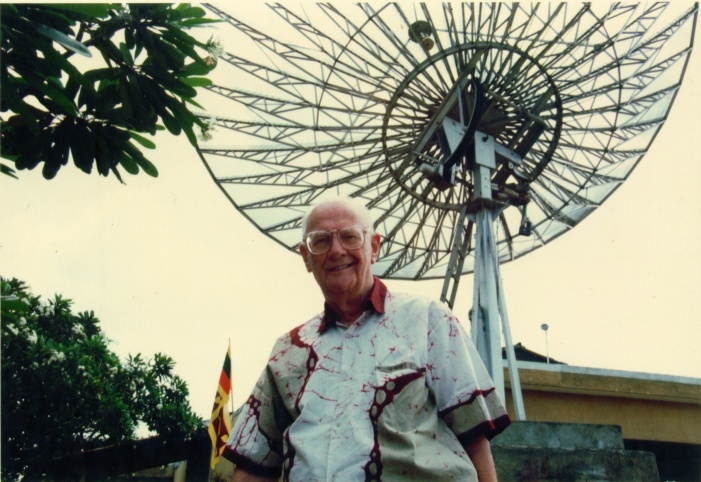
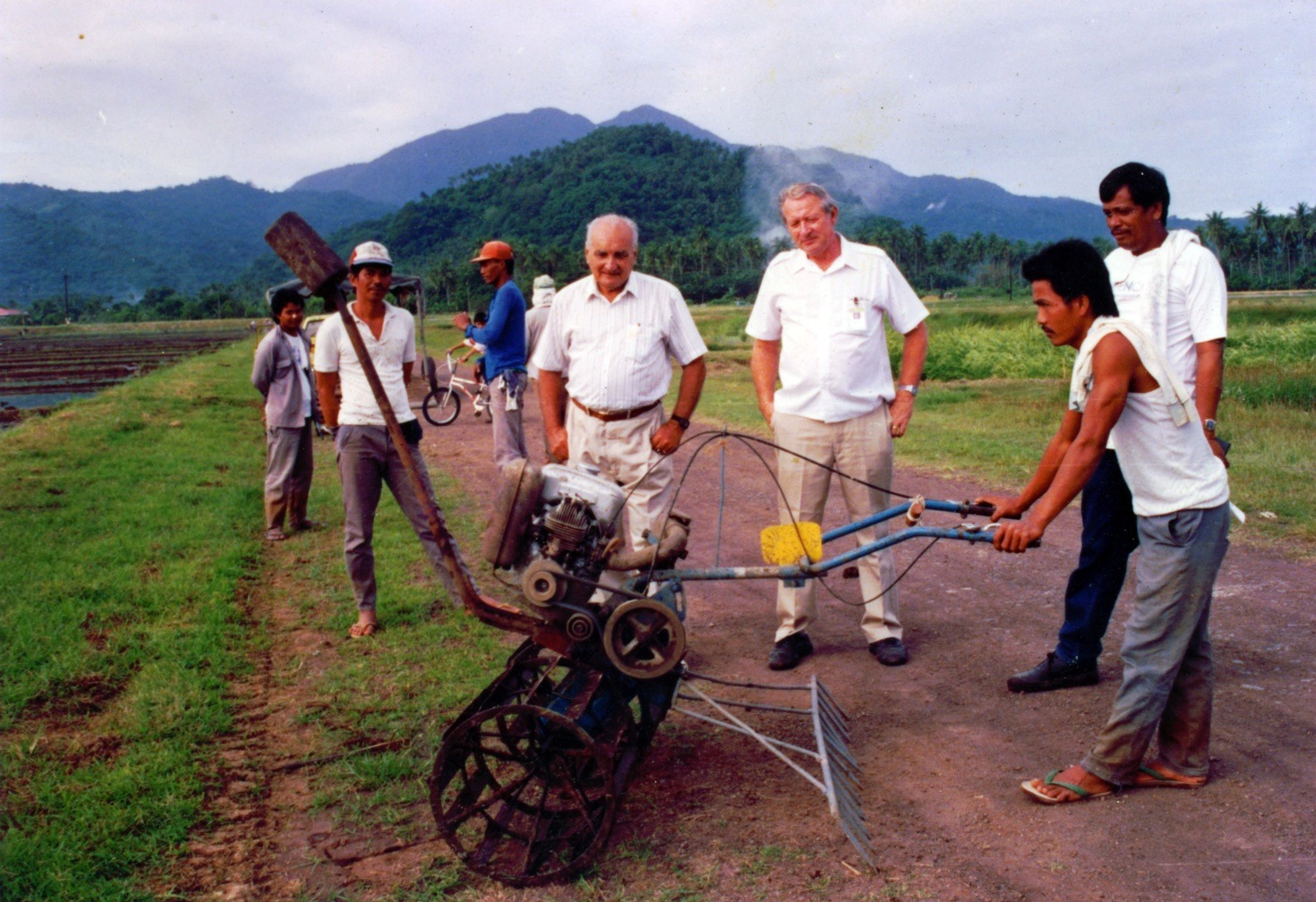
Ray Wijewardene with farmers in the field

ආචාර්ය රේ විෙජ්වර්ධනගේ චින්තනයෙන් හා වසර 86ක ජීවිතයෙන් අපට උගත හැකි පාඩම් රැසක් තිඛෙනවා. එයින් කිහිපයක් ගිය සතියේ සදහන් කළා. අද අපි නැවතත් ඒ ‘සරු කෙතට’ පිවිසෙනවා.

‘කෘෂිකර්මාන්තය’ ලෙසින් ගරු ගාම්භීර විධියට හ`දුන්වන ගොවිතැන් කිරීම ගැන රේ විෙජ්වර්ධනට තිබුණේ සැබෑ උනන්දුවක්. එහෙත් ඔහු ගොවිතැන් කිරීම දැක්කේ විද්‍යාඥයන් හා ප්‍රතිපත්ති සම්පාදකයන් දකින කෝනයෙන් නොවෙයි. අනියත කාලගුණ තත්ත්වයන් හමුවේ මහපොළවත් සමග නිරතුරුව ගනුදෙනු කරමින් ආහාර හා වෙනත් බෝග වවන කුඩා පරිමානයේ ගොවීන් ගැන බැතිබර ලෙන්ගතුකමක් ඔහුට තිබුණා. කුඩා ගොවීන්ගේ ප්‍රශ්න හදුනාගන්නට නම් ඔවුන් සමග වෙලට හා හේනට බැසිය යුතු බව ඔහු විශ්වාස කළා.

කෘෂිවිද්‍යා පර්යේෂකයන් අති බහුතරයක් දෙනා එසේ නොකර, පොතෙන් ගොවිතැන් කිරීම නිසා ගොවීන්ට අදාල හෝ ප්‍රයෝජනවත් වන උපදෙස් දීමට ඔවුන් අපොහොසත් වන බව රේ කියා සිටියා. “උපාධිධාරී නෝනාවරුන්ට හා මහත්වරුන්ට මාත් සමග වෙලට බසින්නට මා නිතර ඇරැයුම් කරනවා. එහෙත් අතේ පයේ මඩ තැවරීම ගැන බියෙන් ඔවුන් බොහෝ දෙනෙකු එසේ කරන්නේ නැහැ. මේ අයගේ දැනුම හා ශිල්ප ක්‍රම බොහෝ විට ගොවියාගේ උවමනාකම්වලට බද්ධ නොවෙන්නේ මේ පරතරය හා ආකල්ප නිසායි.”

ඝර්ම කලාපීය (tropical) රටවල ගොවිතැන් කිරීමේදීත්, සමශීතෝෂණ (temperate) රටවල ගොවිතැන් කිරීමේදීත් ප්‍රබල වෙනස්කම් තිඛෙන බව ඔහු කියා සිටියා. ඝර්ම කලාපයේ අපේ වැනි රටවල මුළු වසර පුරා හිරු එළිය ලැඛෙනවා. එහෙත් සමශීතෝෂණ කලාපීය රටවල හිරුඑළිය හරිහැටි ලැඛෙන්නේ ගිම්හානයේ දී පමණයි. මේ නිසා සාපේක‍ෂව ඉක්මනින් හිරු එළිය ආහාර බවට පත් කළ හැකි කෙටි කාලීන බෝග වගාව ඒ රටවලට වඩාත් උචිතයි.

ඇත්තට ම වී ශාකයත් සමශීතෝෂණ දේශගුණය ඇති චීනය වැනි රටවලින් ඇරඹී ඉන්දියාව හරහා අපට ලැබුණු දායාදයක්. එසේ වූව ද කාලයාගේ ඇවෑමෙන් ඝර්ම කලාපීය රටවල ජනයා වී ගොවිතැනට හොදහැටි හුරු වී ඇති බව ඔහු පෙන්වා දුන්නා. ඓතිහාසිකව අපේ මුතුන් මිත්තන්ගේ ප්‍රධාන ආහාරය බත් පමණක් නොව කොස්, දෙල් හා විවිධ අලවර්ග වූ බවත්, ඒ සමහරක් බහුවාර්ෂික බෝග වසර පුරා ම හිරු එළිය උකහාගනිමින් ආහාර නිපදවිය හැකි ඝර්ම කලාපීය දේශගුණයට මනා සේ ගැලපෙන බවත් ඔහු කියා සිටියා.

ඝර්ම කලාපීය ගොවීන්ට තිඛෙන ප්‍රධානතම අභියෝග දෙක නම් පසේ සරු බව රැක ගැනීම සහ ගොවිබිමේ වල් පැළෑටි පාලනය කිරීම. මේ අභියෝග දෙක ගැන දැඩි අවධානය යොමු කරමින් ඔහු වසර ගණනාවක් විවිධ අත්හදා බැලීම් කළා. ඝර්ම කලාපීය වනාන්තරවල මේ සාධක දෙක සොබාදහම ඉතා කාර්යක‍ෂම අයුරින් තුලනය කර ගන්නා සැටි අධ්‍යයනය කළ රේ, වනාන්තර අනුකරණය කිරීම ගොවිබිමට ගැලපෙන සැටි පෙන්වා දුන්නා.

ඝර්ම කලාපීය රටවල කිසිම අවස්ථාවක පසේ (වඩාත් ම සාරවත්) මතු පිට තට්ටුව නිරාවරණය වන්නට ඉඩ නොතැබිය යුතු බව ඔහු අවධාරණයෙන් කියා සිටියා. එසේ වූව හොත් අධික හිරුඑළියෙන් පස දූවිලි බවට පත්විය හැකි අතර, වර්ෂාව නිසා ඉක්මනින් සෝදා පාලූවට ලක්වීමට ද හැකියි. මේ තත්ත්වයන් වළක්වා ගන්නට ගොවිබිම්වල කුඩා පදුරු මෙන් ම තැනින් තැන ලොකු ගස් ද වැවිය යුතුයි. මේ ගස්වලින් ගිලිහී වැටෙන කොළ රොඩු වැස්ම නිසා පස ආරක‍ෂා වනවා. එමෙන් ම වල් පැළෑටි බිහිවීම ද වළක්වනවා.

දේශගුණික හා කාලගුණික සාධක ඛෙහෙවින් වෙනස් වූ සමශීතෝෂණ රටවල ගොවිතැන් කිරීම සදහා මුළු ගොවිබිම් යාය ම එළිපෙහෙළි කරනවා. එය ඔවුන්ට ගැලපෙන නමුත් ඝර්ම කලාපයේ අපට ඉතා අහිතකර බවත්, මේ වෙනස හදුනා නොගෙන ඒ ආකාරයේ විවෘත ගොවි බිම් අපේ රටේ ද ඇති කිරීමෙන් අපේ සරු පස විශාල වශයෙන් සෝදා පාළුවට ලක් වූ බවත් රේ පෙන්වා දුන්නා. සමශීතෝපණ රටවලින් කෘෂිකර්ම පශ්චාත් උපාධි ලබා අපේ ඝර්ම කලාපීය රටේ කෘෂිකර්ම ප්‍රතිපත්ති හදන හා පර්යේෂණ කරන බොහෝ විශේෂඥයන්ට මේ තිත්ත ඇත්ත දිරවා ගන්නට අමාරු වුණා. එයින් නොසැලූණු රේ මේ සංකල්ප ප්‍රායෝගිකව අපේ ගොවීන්ට හ`දුන්වා දෙන්නට වෙහෙස ගත්තා.

1970 දශකයේ වැඩි කාලයක් ඔහු ගත කළේ අපි්‍රකාවේ රටවල කෘෂිකර්ම උපදේශකයකු හැටියටයි. ඒ කාලයේ ලැබූ අත්දැකීම් හා කළ පර්යේෂණ පදනම් කර ගෙන ඔහු බෑවුම් කදුකර ප්‍රදේශවලට වඩාත් උචිත වගා ක්‍රමයක් හැටියට Sloping Agricultural Land Technology (SALT) ලංකාවේ ප්‍රවර්ධනය කළා. SALT 1970 දශකයේ පිලිපීනයෙන් ඇරඹුණු ක්‍රමවේදයක්. ඉතා ම සරලව කිවහොත ඉක්මනින් වැවෙන රනිල ශාක (leguminous plants) සමෝච්ච රේඛා පදනමට බෑවුම්වල වවනවා. වායුගෝලයෙන් නයිට්‍රජන් උකහා ගෙන පසේ ගැටිත‘ බවට පත් කිරීමේ හැකියාව ඇති එම ගස් පේළි අතර වෙනත් බෝග වගා කළ හැකියි.

1980දී යළිත් ලංකාවට ආ රේ, SALT ක්‍රමය අපේ කදුකරයට ගැලපෙන ලෙස සකස් කිරීමට අත්හදා බැලීම් කළා. ඉක්මනින් වැවෙන රනිල ශාක මෙන් ම දිගු කලක් වැවෙන වෙනත් බහුවාර්ෂික ශාක ද කදු බෑවුම්වල සිටුවීමෙන් වගාවට සෙවනක්, කොළරොඩු දායකත්වයක් මෙන්ම පස සෝදා යාමට එරෙහිව ස්වාභාවික බැම්මක් ද ලැඛෙනවා.

රාජ්‍ය කෘෂිකර්ම නිලධාරීවාදය මේ නව අදහස්වලට එතරම් කැමැති නොවූ නිසා ඔහු පෞද්ගලික අංශය සමග ඉදිරියට ගියා. කදුකරයේ ඇතැම් තැන්වල දුම්කොළ වවන කුඩා ගොවීන්ගේ බිම්වල සරු බව රකින්නට SALT ක්‍රමය යොදා ගත්තා. 1989 සිට ඌව පලාතේ දඩයම්පොළ ගම්මානය කේන්ද්‍ර කර ගෙන කළ SALT අත්හදා බැලීම් සාර්ථකවීමත් සමග අවට ප්‍රදේශ රැසක දුම්කොළ ගොවීන් පමණක් නොවෙයි අනෙකුත් එළවළු ගොවීන්ද මේ ක්‍රමවේදයට පෙළඹුණා.

ලංකාවේ SALT ක්‍රමය සදහා ග්ලිරිසීඩියා (Gliricidia sepium) නමින් උද්හිද විද්‍යාත්මකව හදුන්වන ශාකය වඩාත් උචිත බව ඔහුගේ නිගමනය වුණා. මේ ශාකය විවිධ නම් වලින් අපේ රටේ හැදින්වෙනවා: ගිනිසිරියා, වැටහිරියා, වැටමාර, ලදප්පා, නාංචි, සෙවන, මකුලතා හා ඇල්බීසියා වශයෙන්.

SALT යොදා ගෙන දුම්කොළ ගොවීන් සමග කළ පාංශ= සංරක‍ෂණ කටයුතුවලට ඇගැයීමක් හැටියට 1997දී බි්‍රතාන්‍යයේ වර්ල්ඩ් අවෙයාර් සම්මානය World Aware Award පිරිනමනු ලැබුවා. එහෙත් දුම්කොළ කර්මාන්තයට එරෙහි මෙරට ඇතැම් දෙනා මේ උත්සාහය හෙළා දැක්කා. දුම්කොළ සමාගම සමග හවුලේ උඩරට පාංශ= සංරක‍ෂණයට යොමුවීම ගැන අපේ සමහර පරිසරවේදීන් රේ විෙජ්වර්ධනට දැඩි සේ දෝෂාරෝපණය කළා.

ඒ ගැන මා ඔහුගෙන් ඇසූ විට ඔහු කිවේ මෙයයි: “දුම්කොළ නෙළා ගත් පසු නිපදවන භාණ්ඩය ගැන මට උනන්දුවක් නැහැ. මගේ සමස්ත අවධානය යොමු වුණේ කුඩා පරිමානයේ දුම්කොළ ගොවීන් හා ඔවුන්ගේ කදුකර ගොවි බිම් ගැනයි. දුම්කොළ වැවීමෙන් වැඩි ආදායමක් ලැඛෙන නිසා ඔවුන් ඒ බෝගය වවනවා. දුම්කොළ වෙනුවට වෙනත් බෝග වවන්නට මේ ගොවීන්ට අවශ්‍ය අවස්ථාව, තාක‍ෂණය හා වෙළදපොළ සළසා දෙන්න යයි මා අපේ පරිසරවේදීන්ට අභියෝග කරනවා”

ටික කලකට පසු ක`දුකර තේ වතුවලට ද SALT ක්‍රමය හදුන්වා දුන්නා. අද වන විට ලංකාවේ මෙන් ම ඉන්දියාවේ තේ වතුවලත් මේ ක්‍රමය ක්‍රියාත්මක වනවා. ලංකා තේ පර්යේෂණ මණ්ඩලයේ සභාපතිවරයා හැටියට වසර කිහිපයක් කටයුතු කළ රේ වැඩි අවධානයක් යොමු කළේ උඩරට කදුකර පරිසරයට හානි නොකර අපේ තේ කර්මාන්තයේ ඵලදාව වැඩි කරගන්නා තරසාර ක්‍රම පිළිබදවයි.

“දුම්කොළ හා තේ කර්මාන්තයන් සංවිධානාත්මක ලෙස ක්‍රියාත්මක වන නිසා ඔවුන් හරහා අළුත් අදහස් අත්හදා බලන්නට හා හ`දුන්වා දෙන්නට වඩාත් ලෙහෙසියි” ඔහු පැහැදිලි කළා. එහෙත් එතැනින් පටන් ගත් SALT ක්‍රමවේදය ටිකෙන් ටික කදුකර ප්‍රදේශවල ගොවිතැන් කරන හැම දෙනාට ම ව්‍යාප්ත කිරීමේ වැදගත්කම ඔහු පෙන්වා දුන්නා.

වල්පැළෑටි පාලනයට වල්නාශක යොදා ගත හැකි වූවත් එවිට විෂ රසායන ගොවිබිමට හා අවට පරිසරයට එකතු වන නිසා එය හිතකර ක්‍රමයක් නොවෙයි. වී ගොවිතැනේදී අපේ ගොවීන් වෙල්යායවල වතුර බදින්නේ වැඩිපුර ම වැඩිපුරම වල් පැළෑටි ගිල්වා මරා දැමීමට බවත්, වී ශාකයේ භෞතික අවශ්‍යතාවයන්ට එතරම් ජල ප්‍රමාණයක් උවමනා නැති බවත් ඔහු තේරුම් ගත්තා. ඔහුගේ ගණනය කිරීමට අනුව වී කිලෝග්‍රෑම් 1ක් නිපදවන්නට ජලය ටොන් 20ක් යෙදවීමේ අනුපාතයක් ලංකාවේ සමහර ප්‍රදේශවල තිඛෙනවා.

ගොවීන්ට නොමිළයේ ලැඛෙන අහස් (වැසි) දිය හෝ වාරි ජලය මේ තරම් අධික ලෙස වී ගොවිතැනට යෙදීම දිගට ම කර ගෙන යා නොහැකි බවට 1990 දශකය මුලදී ඔහු අනතුරු ඇගවූවා. 21 වන සියවසේ මතුවන ජල හිගය ගැන කල් තබා දුටු ඔහු, ජලය මෙතරම් විශාල ප්‍රමාණයක් යොදා නොගෙන එම වී අස්වැන්න ම ලබා ගැනීමේ ක්‍රමවේදයන් ප්‍රචලිත කිරීමේ වැදගත්කම අවධාරණය කළා.

වී වගාවේ SRI ක්‍රමය පෙන්වා දෙන්නේත් වඩා අඩු ජලයක් භාවිතා කරමින් ගොවිතැන් කළ හැකි බවයි. වෙල් යායට වතුර බ`දිනවා වෙනුවට කොළ රොඩු වැස්මක් ලබා දීමෙන් ඉතා අඩු වියදමකින් හා පරිශ්‍රමයකින් කුඹුරේ වල් පැළ මර්දනය වන බව රේ සොයාගත්තේ SRI ක්‍රමය ප්‍රචලිත වන්නට කලින්.

“ලංකාව සැබැවින් ම වාසනාවන්ත දිවයිනක්. වසර පුරා අපට හිරුඑළිය ලැඛෙනවා. සරු පසක් හා යහපත් දේශගුණයක් තිඛෙනවා. අපට අවශ්‍ය ආහාර බෝග සියල්ලත්, අපේ බලශක්ති අවශ්‍යතාවයෙන් කොටසකුත් අපේ පොළවෙන් ම වවා ගත හැකියි.” මේ රේ විෙජ්වර්ධන නිතර කළ ප්‍රකාශයක්. එය කෙසේ කළ යුතු ද, කළ හැකි ද යන්න ඔහු ප්‍රායෝගිකව පෙන්වා දුන්නා. දැන් අපට තිඛෙන්නේ රේ සොයා දුන් මාවතෙහි නොබියව හා කඩිනමින් ගමන් කිරීමයි.

රේ විෙජ්වර්ධන අදීන චින්තනය පිළිබ`ද නව වෙබ් අඩවියට පිවිසෙන්න: www.raywijewardene.net

Ray Wijewardene website: Celebrating a Man for All Elements!

Ray Wijewardene (1924 - 2010): A man for all elements

One year has passed since Ray Wijewardene’s death aged 86. In that year, I’ve been privileged to play a part in celebrating his life and preserving his legacy.

My main contribution todate is building the official Ray Wijewardene website, which was launched in time for Ray’s 87th birth anniversary. It can now be accessed at: http://www.raywijewardene.net

Here’s the promotional blurb I sent out to a few dozen people this weekend:

Philip Revatha (Ray) Wijewardene (1924 – 2010) was an extraordinary Sri Lankan who was rightly called a Renaissance Man. Educated at two of the most prestigious universities in the world (Cambridge and Harvard), he excelled in many different areas of human endeavour: agriculture, aviation, engineering design, inventions, renewable energy technologies and water sports. He also painted and played the violin.

The Ray Wijewardene official website went ‘live’ just in time for Ray’s 87th birth anniversary on 20 August 2011.

This informative website captures highlights of Ray’s rich and colourful life that covered different areas of human endeavour: agriculture, aviation, engineering design, renewable energy, transport and water sports. It promotes his vision for self-reliance, innovation and sustainable development in Sri Lanka and in other countries in the humid tropics.

Weaving the four elements: Ray's logo
The website introduces Ray as ‘a man for all elements’, and showcases his personal logo that symbolised the integration of the four elements in eastern philosophy: water, fire, air and matter/Earth.

It carries first person narratives written by five individuals who knew Ray in different capacities: aviator Capt Elmo Jayawardena, renewable energy specialist P G Joseph, science writer Nalaka Gunawardene, conservationist Dr Ranjith Mahindapala and biologist Rohan Pethiyagoda. It also collates links to tributes and appreciations that were published in the media following Ray’s death in August 2010.

In another section, the website has a photo gallery that includes many hitherto-unseen images drawn from the Wijewardene family albums and from various other institutional and media sources. These offer glimpses of Ray Wijewardene’s education, training, career and leisure activities that took him to the universities of Cambridge and Harvard, international service with the United Nations, the Olympic and Asian games and the grassroots in Sri Lanka.

The website was conceived and built by the Colombo-based non-profit media foundation TVE Asia Pacific. It is an entirely voluntary effort that involved the collaboration of many individuals from different backgrounds and geographical locations. Information and images were sourced from Ray’s family members, friends and associates.

More information, photographs and videos are to be added as new material becomes available. The website actively seeks memories, anecdotes and images for the Ray biography compilation project that is now underway.

The Ray Wijewardene Charitable Trust (RWCT) was established in early 2011 to promote Ray’s vision and ideas in Sri Lanka. The Trust will support innovation in areas that were close to Ray’s heart. This website is the Trust’s first public activity to preserve Ray’s legacy.