Malima Episode #11: Finding Radius and Finding Way Around in a Computer

Malima (New Directions in Innovation) is a Sinhala language TV series on science, technology and innovation.

Produced by Suminda Thilakasena and hosted by science writer Nalaka Gunawardene, this episode was produced and first broadcast by Sri Lanka’s Rupavahini TV channel on 9 August 2012.

Malima: Episode 11 presented by Nalaka Gunawardene from Nalaka Gunawardene on Vimeo.

This episode features the following elements:

• An interview with Dinesh Katugampola, a textile engineer who has invented the world’s first Radius Metre that calculates the radius of a circle. The Radius Meter – which comprises measuring instruments as well as a software based calculator – instantly works out the radius an arch or sphere by measuring only small part of that arch or sphere. In practical terms, this helps plot major arches in mechanical engineering, road and building construction and in many other fields. This invention won a silver medal in mechanical designs category at ‘Inventions Geneva’ international exhibition in April 2012. More at: http://www.sundaytimes.lk/120429/BusinessTimes/bt25.html

• Introducing Sri Lanka’s indigenous technology: Dongaraya is a simple device used by farmers to make noise from the breeze that, in turn, scares birds away from paddy fields.

• A Japanese university research team has developed a machine that can measure brain waves and capture different moods. We have a news story on what this means for future of brain-machine interface.

• An interview with Nipun Kavishka Silva a Grade 9 student at De Mazenod College, Kandana, Sri Lanka, who — with his sister Pipunika Silva, has invented ‘NP System’: a computer operating system for blind and visually impaired people. It assists those who cannot see to use computers by providing voice instructions as they use a Braille keyboard and mouse or touchpad. They were winners at Intel International Science and Engineering Fair (ISEF) in Pittsburgh, USA, in May 2012. More info at: http://www.ft.lk/2012/05/24/sri-lankan-students-win-big-at-intel-isef-in-usa/

සිවුමංසල කොලූගැටයා #82: රසායනික පොහොර ‘දෙවොලේ’ සිරගත වූ අපේ ගොවියා

The chronic kidney disease (CKDu) that has already affected thousands in its heartland of farming, has brought into sharp focus some serious environmental concerns that ecologists have long highlighted. These stem from our farmers’ high reliance on inorganic (chemical) fertilisers.

While some fertiliser is needed to sustain soil fertility when growing crops repeatedly on the same land, the ‘Green Revolution’ from the 1960s urged Lankan farmers to use large volumes of fertiliser, provided to them on massive state subsidies. That, in turn, led to indiscriminate use and waste — and higher agricultural runoffs.

Farmers aren’t thrifty because they get fertiliser at a fraction of the market price. In this week’s Ravaya column (in Sinhala, on 2 September 2012), I look at what this national addiction to chemical fertiliser is doing to both our economy and ecology. I also look at organic alternatives and probe why they are not being adopted more widely.

I covered similar ground in an English column on 26 August 2012: Watch out! Everybody Lives Downstream…

High inputs to make high yields – at a heavy price

1960 ගණන්වල මහත් උද්‍යොගයෙන් අරඹන ලදුව, රටේ නිල ප‍්‍රතිපත්තිය ලෙස ක‍්‍රියාත්මක වූ හරිත විප්ලවයේ ප‍්‍රධාන අංගයක් වූයේ අධික ලෙස කෘත‍්‍රිම රසායනික පොහොර, පලිබෝධනාශක හා වල් නාශක ආදිය භාවිතයට ගොවීන් යොමු කිරීමයි. වෙල් ගොවිතැනේ මෙන් ම හේන් ගොවිතැනේදීත් කෘෂි රසායන බහුල ලෙස යෙදීම අද බොහෝ ගොවීන්ගේ පුරුද්දක්.

විද්‍යාත්මකව මෙය හඳුන් වන්නේ බාහිරින් වගා බිමට වැඩිපුර එකතු කරන ගොවිතැන (High external input farming) කියායි. කෙටි කාලීනව මෙයින් වැඩි අස්වනු ලබා ගත හැකි වුවත් දිගු කාලීනව පරිසරයට මෙන් ම අපේ සෞඛ්‍යයට ද අහිතකර බලපෑම් ඇති කරන බවට ඇති තරම් සාක්‍ෂි ගෙවී ගිය අඩ සියවස පුරා හමු වී තිබෙනවා.

එහෙත් තවමත් අපේ කෘෂි ප‍්‍රතිපත්තීන්ගේ පදනම හරිත විප්ලවයේ සංකල්පයි. එය මතවාදීව ප‍්‍රශ්න කළ රේ විජේවර්ධන, රනිල් සේනානායක බඳු අදීන විද්‍යාඥයන්ගේ අදහස් අපේ ප‍්‍රතිපත්ති සම්පාදකයන් හා කෘෂි නිලධාරීන් නොසළකා හැරියා.

කුමන හෝ ක‍්‍රමයකින් අස්වනු වැඩි කර ගෙන කන්නයෙන් කන්නයට හා වසරින් වසරට එ ගැන උදම් ඇනීම අපේ කෘෂි නිලධාරීන් මෙන් ම දේශපාලකයන් ද යසට කරනවා. දිගු කාලීනව පසේ සාරවත් බවට (soil fertility), මිනිස් සෞඛ්‍යයට හා පරිසරයට ඇති විය හැකි බලපැම් ගැන හිතන්නේ, කථා කරන්නේ ටික දෙනයි.

අධික කෘෂි රසායන යෙදීමෙන් තොරව ගොවිතැන් කිරීමට නොදන්නා හෝ නොහැකි හෝ තරමට අපේ ගොවීන් මේ වන විට එයට ඇබ්බැහි වී සිටිනවා. ගොවීන් මෙයින් යළිත් මුදවා උත්සාහ ගැනීමට නොයෙක් ස්වේචඡ සංවිධාන හා පර්යේෂණ ආයතන උත්සාහ කළත් රටේ නිල ප‍්‍රතිපත්තිය තවමත් බරක් දෙන්නේ කෘෂි රසායන භාවිතයටයි.

මෙය හොඳින් ම පෙන්නුම් කැරෙන්නේ රසායනික පොහොර භාවිතය දෙස බලන විටයි. පසේ සාරවත් බව ගොවිතැන් දී තීරණාත්මක සාධකයක්. එය රැුක ගැනීමට ගොවීන් පාරම්පරිකව විවිධ පියවර ගත්තා. එක ම බිමක දිගින් දිගට බෝග වගා කරන විට එහි සාරය අඩු වනවා. එවිට පොහොර යෙදීම ගොවිතැනේ මුලික ක‍්‍රියාවක්. ගොම හා කොළරොඩු ආදිය මෙන් ම ස්වාභාවිකව පසට නයිට‍්‍රජන් නිපදවා දෙන පැළෑටි වැවීම ද සියවස් ගණනක් තිස්සේ ගොවීන් කළා.

රසායනික පොහොර කරන්නෙත් පැළැටිවලට අවශ්‍ය පෝෂණය ලබා දීමයි. එහෙත් නිසි කලට, නිසි පරිමාවට යොදනවා වෙනුවට අනවශ්‍ය තරම් එම පොහොර වගා බිමට යෙදු විට මේ පොහොර ජලයේ දියවී ටිකෙන් ටික යටිගං බලා දිවෙනවා. මෙය හඳුන්වන්නේ අපධාවය (Agricultural Runoff) කියායි.

අපධාවය මුළුමනින් නතර කිරීමට බැරි වුවත් අරපිරිමැස්මෙන් හා උපදෙස් දී ඇති පරිදි භාවිතයෙන් එය අවම කර ගත හැකියි. අපේ බොහෝ ගොවීන් උවමනාවට වඩා පොහොර යොදනවා. නොදැනුවත්කම හා නොසැළකිල්ල එයට හේතු විය හැකියි. තවත් හේතුවක් නම් පොහොර සහනාධාරය යටතේ ඉතා අඩු මිලට පොහොර ලැබීමයි.

නොමිළයේ ලැබෙන වාරි ජලයත්, ඉතා සහන මිළකට ලැබෙන රසායනික පොහොරත් නිසා අපේ බොහෝ ගොවීන් අරපිරිමැස්ම හා සැකසුරුවම් බව අමතක කරලා. අන්තිමේදී වාරි ජලය වගාබිම් හා කෙත්වතුවලින් නික්ම යන්නේ අනවශ්‍ය තරම් රසායනික පොහොර හා වෙනත් කෘෂි රසායනික ද්‍රව්‍ය ප‍්‍රමාණයක් ද රැුගෙනයි. මේ අපධාවය යටිගං බලා යද්දී ගස්වැල්, ජලාශ, වනාන්තර මෙන් ම මිනිස් ජනාවාසවලට ද මුසු වනවා. එයින් ඇති වන දිගුකාලීන බලපෑම් ගැන අපට තේරුම් යන්නේ කල් ගත වූ පසුයි.

රජරට නිදන්ගත වකුගඩු රෝගයට හරිහැටි හේතු කාරකයක් තවමත් පැහැදිලි ලෙස හඳුනා ගෙන නැහැ. අනුමාන කැරෙන සාධක ගණනාවක් අතර කෘෂි රසායන ද්‍රව්‍යවලින් කාන්දු වී ජලයට එකතු වන ආසනික්, කඨින ජලය හා මුසු වී ශරීරගත වීමත් තිබෙනවා.

සිවුමංසල කොලූගැටයා #81: වකුගඩු රෝගයේ විද්‍යාව හා විජ්ජාව

ශ‍්‍රී ලංකාවේ ගොවිතැන, පරිසරය රැුක ගැනීම හා ජීවන මට්ටම් දියුණු කිරිම යන සාධක තුන ඉතා සමීපව සබැඳී තිබෙනවා. කකුල් තුනකින් යුත් බංකුවක් වගෙයි. මෙයින් එකකට වැඩි අවධානයක් දී අනෙක් දෙක නොසළකා හැරියොත් පැවතිය යුතු සියුම් තුලනය නැති වී යනවා. එවිට බංකුව පෙරළෙනවා. මේ සාධක තුන සමතුලිත ලෙස ඉදිරියට ගෙන යාමේ අභියෝගයට නිදහසෙන් පසු හැම රජයක් ම මුහුණ දුන්නා.

ක‍්‍රමීය මට්ටමින් මෙබඳු ප‍්‍රශ්න ගැන පුළුල්ව විග‍්‍රහ කිරීමේ හැකියාව ඇත්තේ විද්වතුන් ඉතා ටික දෙනෙකුටයි. එබඳු දැක්මක් තිබූ ආචාර්ය රේ විජේවර්ධන හරිත විප්ලවයේ මුල් යුගයේ එහි පෙර ගමන්කරුවකු වුණත් 1960 දශකයෙන් පසු එය ප‍්‍රබලව විවේචනය කළා. හරිත විල්පවයෙන් අපේ ගොවීන්ට, ආර්ථිකයට හෝ සොබා සම්පත්වලට සැළකිය යුතු සෙතක් අත් නොවූ බව ඔහු 2010 මිය යන තුරු ම අවධාරණය කළා. http://tiny.cc/RayRav1

රූපවාහිනි නාලිකාවේ නව නිපැයුම් පිළිබඳ මා ඉදිරිපත් කරන “මාලිමා” වැඩසටහනට මෑතදී පැමිනි කේ. එම්. විජේපාල මහත්තයා වසර ගණනාවක් කෘෂිකර්ම දෙපාර්තමේන්තුවේ ක්‍ෂෙත‍්‍ර නිලධාරියකු ලෙස සේවය කොට දැන් තමාගේ ම කුඩා ව්‍යාපාරයක් පවත්වා ගෙන යනවා. නුවරඑළියේ ඔහුගේ සමාගම හරහා මුළුමනින් ජෛවීය ද්‍රව්‍ය යොදා තනන කාබනික පොහොර, වල්නාශක, කෘමිනාශක හා අනෙකුත් කෘෂි රසායන අලෙවි කරනවා. එ සියල්ල ඔහු කලක් තිස්සේ අත්හදා බලා සොයා ගත් වට්ටෝරුවලට අනුව නිෂ්පාදිතයි.

ගොඩ හා මඩ ඕනෑම බෝගයකට යෙදිය හැකි GOLF (Gold Organic Lanka Fertilizer) නම් කාබනික පොහොරක් ඔහු නිපදවා තිබෙනවා. ශාක වර්ධනයට අවශ්‍ය සියළු මුලද්‍රව්‍ය අඩංගු මේ පොහොර තනා ගන්නා සැටි මාලිමා තුළින් ම ඔහු පෙන්වා දුන්නා. එයට අමුද්‍රවය ලෙස ගන්නේ එළඟිතෙල්, මීපැණි, මෝරතෙල් ගුලි, කොහොඹ තෙල්, තල්/පොල්/කිතුල් පැණි හා බියර් ආදී ලෙහෙසියෙන් සොයා ගත හැකි දේ. මේවා ජලයේ මුසු කිරීමේ නිසි අනුපාතයන් දැක්වෙන වට්ටෝරුවට ශ‍්‍රි ලාංකික ජේටන්ට් බලපත‍්‍රයක් ලබා ගෙන තිබෙනවා. මේ පොහොර යෙදීමෙන් රසායනික පොහොර වලට සමාන හෝ වැඩි අස්වනු ලබා ගත හැකි බව තේ පර්යේෂණායතනය (TRI), කාර්මික පර්යේෂණායතනය (ITI) හා කෘෂිකර්ම දෙපාර්තමේන්තුව ස්වාධිනව තහවුරු කර තිබෙනවා.

Malima: Episode 10 presented by Nalaka Gunawardene from Nalaka Gunawardene on Vimeo.

මේ කාබනික පොහොර ගෙදරදී ම තනා ගැනීමට අනුපාත හා පියවර කියා දෙන උපදෙස් පත‍්‍රිකාවක් මෙරට ගොවීන්ට නොමිළයේ ලබා දෙන්නට විජේපාල මහත්තයා ඉදිරිපත්ව සිටිනවා. (එ සඳහා ලිපිනය ලියු, මුද්දර ගැසු කවරයක් යවන්න: විජය ඇග්‍රෝ ප‍්‍රඩක්ට්ස්, 42, කලූකැලේ, නුවරඑළිය).

භාවිතයට සුදානම් කල GOLF පොහොර දියර බෝතලයක් රු. 2,500 මිළට ඔහුගේ ආයතනයෙන් මිළට ගත හැකියි. රසායනික පොහෙර වෙළඳාමේ නියුතු බහුජාතික හා දේශීය සමාගම් සමඟ තරඟකාරීව අලෙවිකරණයට ඔහු ලැහැස්තියි. එහෙත් ඔහු කියන හැටියට මේ ජෛවීය පොහොර ප‍්‍රචලිත කරන්නට තිබෙන ලොකු ම බාධකය රසායනික පොහොර සහනාධාරයයි.

පොහොර සහනාධාරයට වසර 50ක අතීතයක් තිබෙනවා. එය මුලින් හදුන්වා දුන්නේ 1962දී. හරිත විප්ලවයේ අධි අස්වනු ලබා දෙන වී ප‍්‍රභේද වගා කිරීමේදී වගා බිමට වැඩියෙන් පොහොර දැමීම අවශ්‍ය වුණා. ගොවීන්ට එම අමතර වියදම එක්වර දරා ගත නොහැකි වූ නිසාත්, සහල් මිළ ඉහළ යාම වළක්වන්නටත්. රජය විසින් සහන මිළකට පොහොර දීම ඇරඹුවා.

කෙටි කලෙකින් එය ජාතික ඇබ්බැහිවීමක් බවට පත් වුණා. ඉන් පසු බලයට පත් රජයන්ට ද පොහොර සහනාධාරය පවත්වා ගෙන යාමේ බලපෑම් ඇති වුණා. විවිධ සංශෝධනය යටතේ එය ඉදිරියට විත් තිබෙනවා. (එය නතර කැරුණේ 1989-1994 කාලයේ පමණයි.)

2005 සිට පොහොර සහනාධාරය යටතේ යුරියා, MOP හා TSP යන රසායනික පොහොරවල කිලෝග‍්‍රැම් 50 මල්ලක් රු. 350 ඉතා සහන මිළකට ගොවීන්ට ලබා දෙනවා. ලෝක වෙළඳපොලේ පොහොර මිළ කොපමණ වුවත්, වසර 6කට වඩා මේ මිළ පවත්වා ගෙනවිත් තිබෙනවා. එහි සැබෑ වියදමෙන් සියයට 90කට වඩා මහා භාන්ඩාගාරය විසින් දරනු ලබනවා.

මෙරට භාවිත වන රසායනික පොහොරවලින් අති බහුතරයක් පිටරටින් ගෙන්වනවා. 2010 සඳහා වැඩිපුර ම චීනයෙන්. ඊළඟ ප‍්‍රභව වුයේ තුර්කිය හා ඊජිප්තුව. මෙය වසරකට රුපියල් බිලියන 50-60ක් පිටරට ඇදී යන මහා පරිමාණ ගනුදෙනුවක්.

ප‍්‍රතිපත්ති අධ්‍යයන කේන්ද්‍රයේ (IPS) පර්යේෂක මනෝජ් තිබ්බටුවාව 2010දී ලියා අති පරිදි වාර්ෂිකව පොහොර සහනාධාරය සඳහා මහා භාණ්ඩාගාරය ඉතා විශාල මුදලක් වැය කරනවා. 2009දී මෙය මෙරට දළ දේශීය නිෂ්පාදිතයෙන් (GDP) සියයට 0.6ක්ද රජයේ සමස්ත වියදමෙන් සියයට 3ක් ද වුණා. ”නිසි ඉලක්කගත කිරීමකින් තොරව ලබා දෙන පොහොර සහනාධාරයේ ප‍්‍රතිලාභ ලබන්නේ දුගී කුඩා ගොවීන්ට වඩා සාපේක්‍ෂව අතමිට සරු ගොවීන්” යයි ඔහු කියනවා.

මේ සහනාධාර දෙන්නේ රටේ මහජනතාවගේ මුදල්වලින්. පොහොර සහනාධාරයේ මුඛය අරමුණු හරිහැටි ක‍්‍රියාත්මක නොවන බව මේ ගැන අධ්‍යයනය කළ ආර්ථික හා කෘෂි විද්‍යා පර්යේෂකයන් බොහෝ දෙනා පෙන්වා දෙනවා. නමුත් සහනාධාරය වඩාත් ක‍්‍රමානුකූල කිරීම දේශපාලන වශයෙන් අපහසු කාරියක් බව ද ඔවුන් පිළි ගන්නවා.

මෙරට සිටින ප‍්‍රවීණ කෘෂි විද්‍යාඥයකු හා කෘෂි ප‍්‍රතිපත්ති උපදේශකයකු වන මහාචාර්ය සී. එස්. වීරරත්නගේ මතය: ”දිගින් දිගට වගා කරන බිමකට යම් පමණින් පොහොර යෙදීම අවශ්‍යයි. නමුත් දැන් සිදුවන්නේ අවශ්‍යතාවයක් ඇති හා නැති වගා බිම්වලට සහන මිළට ලැබෙන පොහොර යෙදීමයි. හරි නම් අවශ්‍යතාව තහවුරු කිරිමට පසේ සාරවත් බව රසායනිකව පිරික්සිය යුතුයි”.

මේ අයුරින් විග‍්‍රහ කරන විට ප‍්‍රශ්නයේ අක්මුල් ඇත්තේ වැරදි කෘෂි ප‍්‍රතිපත්තින්ගේ බව පැහැදිලියි. එ් මුලට නොගොස් අතරමැද අවස්ථාවලට සම්බන්ධිත ආයතන, සමාගම් හෝ වෙනත් ‍”දුෂ්ටයන්” සොයා යාමේ දැඩි ආසාව ඇති අයට නම් සැබෑ හේතුවලට වඩා ඕනෑ වන්නේ ෙදාස් පැවරීමට කවුරුන් හෝ කරලියට ගැනීමයි!

රේ විජේවර්ධනගේ අදීන චින්තනයේ උරුමක්කාරයකු ලෙස මා දකින්නේ පරිසර විද්‍යාඥ ආචාර්ය රනිල් සේනානායකයි. අපේ මහා පරිමාන සංවර්ධන ව්‍යාපෘති හා කෘෂි ප‍්‍රතිපත්ති ගැන 1980 දශකයේ සිට ම නොබියව විවේචනය කරන ඔහු කියන්නේ රසායනික පොහොර සහනාධාරය දැන් රටට ම කොඩිවිනයක් වී ඇති බවයි. එය මග සිටියොත් තෝ නසී – ගෙදර ගියොත් අඹු නසී වගේ වැඩක්.

“වසරකට අඩු තරමින් රුපියල් බිලියන් 50ක් පොහොර සහනාධාරයට වැඩ කරනවා. එය නතර කළොත් අපේ ආහාර මිළ එක්වර ඉහළ යනවා. එය දිගට ම දීමෙන් අපේ පසේ සාරවත්බව විනාශ වනවා. අපි කුමක් කරමු ද?”

රනිල් මෙය දකින්නේ අපේ අධ්‍යාපනික හා විද්‍යා පර්යේෂණ ක්‍ෂෙත‍්‍රවල චින්තනමය සෝදාපාලූවක ප‍්‍රතිඵලයක් ලෙයසි. ”කූට වෙළඳුන් ටික දෙනකු, දුෂිත නිලධාරීන් සමහරකු ද සමඟ එක්වී අපේ ගොවීන් රසායනික පොහොරට දිගට ම ඇබ්බැහි කර ගෙන සිටිනවා. එය අපේ වගා බිම් හා සමස්ත පරිසරය විනාශ කරද්දී අපේ බහුතරයක් උගත්තු ඇස් කන් පියා ගෙන මුවින් නොබැන සිටිනවා. මෙයයි අපේ ඛේදවාචකය!”

මේ පුළුල් කෝණයෙන් බලද්දී නිදන්ගත වකුගඩු රෝගය ඊට වඩා විශාල ගරා වැටීමක එක් රෝග ලක්‍ෂණයක් පමණක් විය හැකියි. වකුගඩු රෝගයට කෘෂි රසායනිකයන්ගේ සෘජු දායකත්වයක් ඇතත් නැතත් (තවමත් මේ ගැන පර්යේෂණ කරනවා) රසායනික පොහොර හා අනෙකුත් කෘෂි රසායනවලට අප දෙන ඉහළ ප‍්‍රමුඛතාවය දැඩි සේ විමසා බැලීම හදිසි අවශ්‍යතාවයක්.

Malima Episode #10: How to trigger an organic farming revolution…

Malima (New Directions in Innovation) is a Sinhala language TV series on science, technology and innovation. This episode was produced and first broadcast by Sri Lanka’s Rupavahini TV channel on 26 July 2012.

Malima: Episode 10 presented by Nalaka Gunawardene from Nalaka Gunawardene on Vimeo.

Produced by Suminda Thilakasena and hosted by science writer Nalaka Gunawardene, this episode features the following items:

• An interview with K M Wijepala, proprietor of Wijaya Agro Products in Nuwara Eliya, Sri Lanka, who has developed an entirely organic, liquid fertilizer as a substitute for imported, costly chemical fertilizers. Named GOLF (Gold Organic Lanka Fertilizer), it provides all required nutrients for all kinds of crops according to the innovator. Already patented in Sri Lanka, GOLF’s efficacy has been tested and confirmed by the state’s Tea Research Institute (TRI) and Industrial Technology Institute (ITI). Wijepala, a former field officer of the Department of Agriculture, is giving the recipe away to his fellow farmers as his contribution to a chemicals-free future for agriculture. In his view, the only ‘obstacle’ standing in the way of popularising this indigenous, low-cost fertilizer is the huge state subsidy given to imported chemical fertilizers. GOLF sells at one fifth of the real cost of chemical fertilizers but the 90% subsidy distorts the market. As long as the subsidy continues, farmers will have no interest or incentive in looking at any alternatives.

• An interview with young inventor Samali Gunasekera, a Grade 13 student at Bomiriya Central College, Kaduwala, Sri Lanka, who has designed a multipurpose helping handle for the kitchen. It helps raise cooking vessels, kettles and other utensils; it is also fitted with a spoon. This handle can make life easier for everyone including those with disabilities.

Malima: Episode #9: Innovating solutions for energy crisis

Buckminster Fuller, the visionary American engineer and designer who used challenge his audiences saying: “There’s no energy shortage; there’s no energy crisis; there’s a crisis of ignorance.”

In this episode of Malima (New Directions in Innovation), a Sinhala language TV series on science, technology and innovation, we feature a wide-ranging interview on how innovation can find solutions to the energy crisis.

Produced by Suminda Thilakasena and hosted by science writer Nalaka Gunawardene, this show interviews two Lankan specialists:
• Dr Ajith de Alwis, Professor of Chemical and Process Engineering, University of Moratuwa, Sri Lanka
• Engineer Asoka Abeygunawardana, Adviser to the Minister of Power and Energy and Executive Director, Energy Forum, Sri Lanka

The interview opens with an overview of Sri Lanka’s energy generation and use, and then looks at the current role and future potential of renewable energy sources – ranging from biomass and hydro electricity to wind, solar, biogas and dendro power. In particular, we look at what Lankan inventors can do to make renewable energies cheaper, safer and more user-friendly.

Malima: Episode 9 presented by Nalaka Gunawardene from Nalaka Gunawardene on Vimeo.

This episode was filmed in April 2012 and first broadcast by Sri Lanka’s Rupavahini TV channel on 12 July 2012.

Malima: Episode #8: Aspiring for better TV viewng and smarter painting

Malima (New Directions in Innovation) is a Sinhala language TV series on science, technology and innovation. This episode was produced and first broadcast by Sri Lanka’s Rupavahini TV channel on 24 May 2012.

Malima: Episode 8 presented by Nalaka Gunawardene from Nalaka Gunawardene on Vimeo.

Produced by Suminda Thilakasena and hosted by science writer Nalaka Gunawardene, this episode features three stories:

• An interview with Asanka Jayamal Rajakaruna, who has developed a concept for a more realistic TV screen. Named Multiplex Optical Macrocosm for Parallax Replicated Observation, and abbreviated as MOMPRO, it has been demonstrated at prototype level. The inventor is now looking for an investor to commercialise this idea which he says can revolutionise TV and video industries.

• There are less than 700 mountain gorillas left in the wild, most of them in the in the area surrounding the Virunga National Park in Democratic Republic of Congo. These endangered Mountain Gorillas population are getting a helping hand from a fuel-efficient ‘Jiko’ stove. Partnering with local group AIDE-Kivu, the UK charity Gorilla Organization launched the fuel-efficient stove in 2008, reducing the consumption of firewood and charcoal by at least 75 per cent – reducing pressure on the forest.

• An interview with young inventor Gayathra Amodh Dharmaratna, a student of Ananda College, Colombo. He has invented an air pressure-operated painting device which ‘extends’ the reach of a painter up to 10 m or 35 ft. It can be used to uniformly paint 100 square feet in 20 minutes, and saves paint, time and effort. Having already won a junior inventor award for this, he has now applied for a Lankan patent.

Produced by Suminda Thilakasena

සිවුමංසල කොලූගැටයා #70: ශ‍්‍රී ලංකාවෙන් ලෝකයට දායාද කළ සදෘශ්‍ය වනවගා විප්ලවය

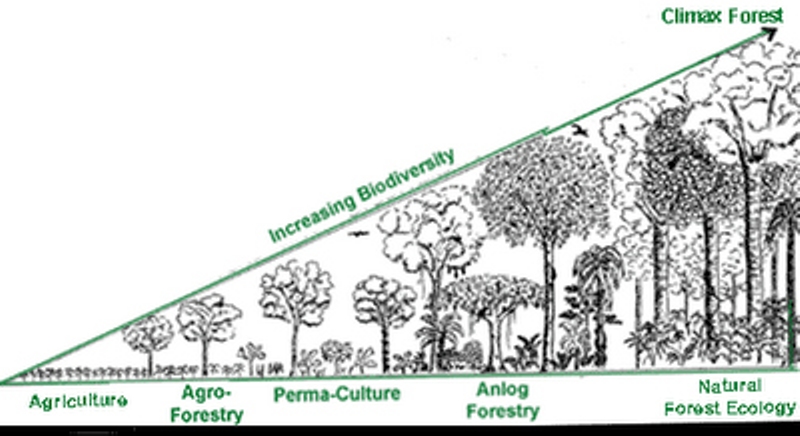
In this week’s Ravaya column (in Sinhala), I write about Analog Forestry, a Lankan innovation that is now adopted in many tropical countries in Africa, Asia and Latin America.

Analog Forestry is a system of planned, managed forests that are designed to mimic the function and ecology of the pre-existing climax vegetation for the area, and are also designed to provide economic benefits.

Read: Just like a forest by Aditya Batra, Down to Earth magazine, 15 June 2011

තවත් ලෝක පරිසර දිනයක් ජුනි 5 වනදා සමරනු ලැබුවා. සෑම වසරක ම මේ කාලයට පරිසරය හා සොබා සම්පත් ගැන අවධානය යොමු වනවා. පරිසරවේදීන් කියන්නේ මහා පරිමානයේ සංවර්ධන ව්‍යාපෘති හා පාරිභෝගික සමාජය නිසා අපේ පරිසරයට විශාල තර්ජන ඇති බවයි. පරිසරයේ නිල සුරැකුම්කරුවන් ලෙස නීතිමය බලතල හා ප‍්‍රතිපත්තිමය වගකීම් ඇති රාජ්‍ය ආයතන කියන්නේ අභියෝග බොහොමයකට නිසි ප‍්‍රතිචාර දක්වන බවයි.

මේ දෙපිරිස වාද විවාද කරන අතරේ නිහඩව නමුත් ගැඹුරින් පාරිසරික තත්ත්වයන් අධ්‍යයනය කරමින් ප‍්‍රායෝගික විසදුම් සොයන හා නව සංකල්ප අත්හදා බලන ටික දෙනෙකුත් සිටිනවා. නිලබලය හෝ ප‍්‍රසිද්ධිය හෝ හඹා නොයන එහෙත් සොබා සම්පත් හා මානව සමාජය අතර සංහිදියාවක් ඇති කරන්නට වෙර දරන පර්යේෂකයන්, බිම් මට්ටමේ ක‍්‍රියාකාරිකයන් අපේ රටේ සිටිනවා. බැනර්, මාධ්‍ය ප‍්‍රකාශ හෝ පෙළපාලිවලින් තොරව නිහඩව වැඩ කර ගෙන යන මේ අය සැබෑ පරිසර වීරයෝ. මා කවදත් වැඩි අවධානයක් යොමු කරන්නේ ඔවුන් ගැනයි.

අපට සොබා දහම මවන්නනට බැහැ. එහෙත් සොබාදහම අධ්‍යයනය කොට එහි ක‍්‍රියාදාමයන් අනුකරණය කළ හැකියි. සොබාදහමට එරෙහි වනවා වෙනුවට සොබාදහම සමග සහයෝගයෙන් අපේ අවශ්‍යතා ඉටුකර ගැනීමේ ක‍්‍රමවේදයන් දැන් හඳුනා ගෙන තිබෙනවා. ගිය සතියේ කොලමින් මා හදුන්වා දුන් මෙරට සිටින ප‍්‍රවීණතම පාරිසරික විද්‍යාඥයකු වන ආචාර්ය රනිල් සේනානායකගේ නව්‍යකරණයක් වන සදෘශ්‍ය වන වගාව (Analog Forestry) ගැන සොයා බලමු.

සදෘශ්‍ය වන වගාවේ ආරම්භය 1975 දක්වා අතීතයට යනවා. රනිල් සේනානායක සිය පරිසර විද්‍යා ආචාර්ය උපාධියට ක්ෂේත‍්‍ර පර්යේෂණ කරමින් ශ‍්‍රී ලංකාවේ බොහෝ ගම්බද හා කැලෑබද ප‍්‍රදේශවල සංචාරය කළා. කෙටි කලකින් පසුව වුවත් එක ම ස්ථානයට නැවත ගිය විට එතැන ඉන් පෙර හමු වූ උභයජීවින්, කටුස්සන්, සර්පයන් හා අනෙකුත් ජීවීන් සංඛ්‍යාවෙනුත් විවිධත්වයෙනුත් අඩු වන සැටි ඔහු දුටුවා. මෙයට හේතුව ඔවුන්ට උන්හිටි තැන් අහිමිවීමයි. ස්වභාවික වනාන්තර අඩු වීමයි.

ස්වභාවික වනාන්තරවලට පසුව වඩාත් ම මේ ජීවින්ට හිතකර පරිසරයක් ඇත්තේ අපේ පුරාණ ගම්වල බව විකී අතුකෝරාල නම් මිතුරකු රනිල්ට පෙන්වා දුන්නා. මේ ඔස්සේ ගවේෂණය කළ රනිල් සොයා ගත්තේ පුරාණ ගම්වල තුරුලතා හා භූමි සැකසුම බොහෝ දුරට ස්වභාවික වනාන්තරය අනුකරණය කළ බවයි. මේ නිසා මිනිස් ජනවාස අතර වුවත් අනතුරකින් තොරව පවතින්නට සොබා දහමට ඉඩ ලැබී තිබුණා.

අමෙරිකාවේ කැලිෆෝනියා සරසවියෙන් ආචාර්ය උපාධිය ලබා 1978දී යළි ශ‍්‍රී ලංකාවට ආ රනිල්, 1980 දශකයේ වැඩි කලක් ගත කළේ වනාන්තර අනුකරණය කරමින් සොබා දහමටත් ගැමියන්ටත් හිතකර හා ප‍්‍රයෝජනවත් පරිසර පද්ධති බිහි කළ හැකි ද යන්න සෙවීමටයි.

වනාන්තරයක් වැවෙන්නේ පියවරෙන් පියවර දශක ගණනාවක් පුරා. තණ කොළ හා කුඩා පදුරුවලින් ඇරැඹී ටිකෙන් ටික වඩාත් විශාල ගස් බිහි වනවා. ඒ වටා සංකීර්ණ වූත් විචිත‍්‍ර වූත් ශාක හා සත්තව සමුහයක් එක්තැන් වනවා. මේ ක‍්‍රියාදාමය සමීපව අධ්‍යයනය කිරිමෙන් පසු මුඩුබිමක් හෝ විවෘත බිම් පෙදෙසක ටිකෙන් ටික වනාන්තරයක් අනුකරණය කැරෙන විදියේ ගස්වැල් වැඩෙන්නට සැලැස්විය හැකියි.

අපේ පුරාණ ගම්මානවල භූමි පරිභෝජන රටාවට අමතරව දකුණු අමෙරිකාවේ ගෝතමාලා රටේ වනාන්තර හා ගම්බද ප‍්‍රදේශ ආශ‍්‍රිතවත් ඔහු පර්යේෂණ කළා. මේ සියල්ලේ ප‍්‍රතිඵලය හැටියට සදෘශ්‍ය වනවගාව නමින් අළුත් සංකල්පයක් ලෝකයාට ඉදිරිපත් කරන්නට රනිල්ට හැකි වුණා.

සදෘශ්‍ය වන වගාව යනු වනාන්තරයක හා ගොවි බිමක සම්මිශ‍්‍රණයක්. සීමිත භූමි ප‍්‍රමාණයක මිලියන් 20ක මානව ජනගහනයක් හා විශාල ජෛව විවිධත්වයක් පවත්වා ගන්නට උපකාර වන එක් ක‍්‍රමවේදයක්. ගොවිබිම් සොයා වනබිම් ගිනි තබා එලි පෙහෙලි කරනවා වෙනුවට වනාන්තර හා ගොවිබිම් එක ම බිම් පෙදෙසහි එක ම කාලයේ පවත්වා ගැනීමට හැකිවිම මෙහි සුවිශේෂී ලක්ෂණයයි.

මෙහි විද්‍යාත්මක සිද්ධාන්ත තහවුරු කර ගත් පසු ප‍්‍රායෝගිකව අත්හදා බලන්නට රනිල්ට ඕනෑ වුණා. එහෙත් රජයේ වන දෙපාර්තමේන්තුව මේ සංකල්පය ගැන කිසිදු උනන්දුවක් දැක් වූයේ නැති බව ඔහු කියනවා.

එයින් අධෛර්්‍යයට පත් නොවූ ඔහු, පාරම්පරිකව තමන්ට කොළඹ හිමි වූ ඉඩමක් විකුණා ඒ මුදලින් ඌව පළාතේ බණ්ඩාරවෙලට සමීප මිරහවත්ත ප‍්‍රදේශයෙන් ඉඩමක් මිළට ගෙන සදෘශ්‍ය වන වගාවේ ප‍්‍රායෝගික අත්හදා බැලීම් ඇරඹුවා. පුරාණ ගම්මානවලින් හා ලෝකයේ වෙනත් රටවලින් උගත් දේ එහිදී වසර අටක් පුරා පෞද්ගලික වියදමින් හා පරිශ‍්‍රමයෙන් ක‍්‍රියාත්මක කළා. මේ සඳහා තවත් උද්යෝගිමත් පර්යේෂක පිරිසක්ද සම්බන්ධ කරගෙන Neo-Synthesis Research Centre (NSRC) නම් ලාබ නොලබන, පර්යේෂණ ආයතනයක් ද ආරම්භ කළා.

‘‘අපේ වන දෙපාර්තමේන්තුව යටත් විජිත යුගයේ ආරම්භ කළේ දැව උකහා ගැනීමේ මුඛ්‍ය අරමුණින් මිස වනාන්තර රැුක ගැනීමට නොවෙයි. අවාසනාවකට අද දක්වා එහි බොහෝ නිලධාරීන් වනාන්තර දකින්නේ දැව සඳහා උකහා ගත හැකි ගස් එකතුවක් ලෙසයි. වනාන්තර යනු ඉතා සංකීර්ණ පරිසර පද්ධති බවත්, ඒවායේ ජෛව විවිධත්වයේ බහුතරයක් ඇත්තේ මහ ගස්වල නොව කුඩා පැළෑටි, පඳුරු, වැල්, අපිශාක හා පාංශු ජීවින්ගේ බව ඔවුන් දකින්නේ නැහැ’’ ඔහු කියනවා.

සදෘශ්‍ය වන වගා බිමෙහි ආර්ථික වශයෙන් ප‍්‍රයෝජනවත් කුළුබඩු, පළතුරු හා වෙනත් බෝග වර්ග වවන්නට හැකියි. වගා කරන්නට පෙර ස්වභාවිකව යම් තැනෙක තිබෙන සියළු ගස්වැල් කපා ඉවත් කිරිම වෙනුවට ඒවා සෙවනෙහි ම වගා කළ හැකියි. සමශීතෝෂ්ණ දේශගුණය ඇති රටවල පුළුල්ව කැරෙන විවෘත වගාබිම් සංකල්පය ගෙඩිපිටින් ඝර්ම කලාපීය අපේ රටට ආදේශ කරනු වෙනුවට මේ විකල්පය වඩාත් පරිසර හිතකාමියි.

එමෙන්ම බෝග ඵලදායිතාවේ හා ගොවීන්ගේ ආදායම්වල වැඩිවීමක් මිස අඩුවක් වන්නෙත් නැහැ. එහෙත් බටහිර සංකල්පවලට නතු වූ අපේ කෘෂි විද්‍යාඥයන්ට හා කෘෂි ව්‍යාපෘති නිලධාරින්ට මෙලෙස වනය හා ගොවිබිම මුසු කිරිම දිරවා ගන්නට අමාරුයි. මේ නිසා සදෘශ්‍ය වන වගාවේ සාර්ථක හා හිතකර බව හොදින් සනාථ වී තිබියදීත් අපේ කෘෂි හා වන දෙපාර්තමේන්තු තවමත් එය පිළි ගන්නේ නැහැ.

“1980 දශකයේ වන දෙපාර්තමේන්තුව හා ඔවුන්ගේ විදේශ විශේෂඥයන් විශ්වාස කලේ මෙරටට තනිකර ම ආගන්තුක පයිනස් හා යුකැලිප්ටස් ගස් යොදා ගෙන කෘත‍්‍රිම වන වගා කිරීම ගැන පමණයි. වන බිම් අසල වෙසෙන ගම් වාසීන්ගේ ආදායම් උවමනාකම් ගැන කිසිදු හැගීමක් හෝ තැකීමක් වන නිලධාරින්ට තිබුණේ නැහැ. මේ නිසා සදෘශ්‍ය වන වගාව වැනි සංකල්පයක් නිලධාරින් අගය කළේ නැහැ,” රනිල් කියනවා.

වනාන්තර අනුකරණය කරමින් ගම්වල සදෘශ්‍ය වන වගා කිරීම හරහා වනය රැක ගන්නා අතර ගැමි ජනයාගේ ආදායම් ද වැඩි කළ හැකි බව වසර 25 ක් පුරා NSRC පර්යේෂණ ආයතනය මෙරට බදුල්ල, මොණරාගල වැනි දිස්ති‍්‍රක්කවල අත්දැකීමෙන් ඔප්පු කොට තිබෙනවා.

ශ‍්‍රී ලංකාවේ මිරහවත්තෙන් පටන් ගත් වනය හා ගොවිබිම් එක්තැන් කිරිමේ විප්ලවය දැන් ලෝකයේ ඝර්ම කලාපීය රටවල් ගණනාවකට පැතිර ගොස් තිබෙනවා. Analog Forestry Network (www.analogforestrynetwork.org) නමැති විද්වත් ජාලයට රටවල් 16ක සදෘශ්‍ය වන වගාකරුවන් අයත්. එය ක‍්‍රියාත්මක වන්නේ ඒ රටවල රාජ්‍ය නිලධාරී, පර්යේෂක හා ගොවි සංවිධානවල සහභාගිත්වයෙන්. සදෘශ්‍ය වන වගාව දශක දෙකක් තිස්සේ විද්‍යාත්මක අධ්‍යයනයට ද ලක්ව තිබෙනවා. ඒ ගැන MSc හා PhD මට්ටමේ පර්යේෂණ නිබන්ධන ගණනාවක් හා ජාත්‍යන්තර නිබන්ධන රැසක් ලියැවී තිබෙනවා.

“සදෘශ්‍ය වන වගාව සෑබැ ලෝකයේ ප‍්‍රායෝගික ලෙස ක‍්‍රියාත්මක වන, පාරිසරික මෙන් ම සමාජයීය ලෙසින් විපුල ඵල දෙන ක‍්‍රමවේදයක් බවට අද ආසියාව, අප‍්‍රිකාව හා දකුණු ඇමෙරිකාව පුරා පිළි ගෙන තිබෙනවා. එහෙත් එය උපන් ශ‍්‍රී ලංකාවේ තවමත් කිසි පිළි ගැනීමක් නොලැබීම අපේ අවාසනාවක්. නිලධාරින්ගේ අධිපතිවාදයේ දරුණුකම එයින් පෙනෙනවා,” යයි රනිල් සේනානායක කියනවා.

2008දී මා විධායක නිෂ්පාදනය කළ “2048 ශ‍්‍රී ලංකාව” ටෙලිවිෂන් සංවාද මාලාවේ එක් වැඩසටහනකට, මොණරාගල මාරගලකන්ද ගම්මානය ආශ‍්‍රිතව කැරෙන සදෘශ්‍ය වන වගාව ගැන කෙටි වීඩියෝ වාර්තාවක් නිෂ්පාදනය කළා. රජයේ සෘජු මැදිහත්වීමකින් තොරව, පෞද්ගලික ඉඩම් යොදා ගෙන ගම්වාසීන්ගේ විශ්වාසය හා සහයෝගය දිනා ගෙන කරගෙන යන මේ වන වගාවේ සාර්ථකත්වය හොඳාකාර දැක බලා ගන්නට අපට හැකි වුණා. http://tiny.cc/SL48AF

රනිල් සේනානායක ඇරඹු NSRC අද ඉදිරියට යන්නේ එහි වත්මන් අධ්‍යක්ෂ කැමී මෙල්වානිගේ නායකත්වයෙන්. උඩරට කදුකරයේ ලොකු කුඩා තේ වතු ආශ‍්‍රිතව සදෘශ්‍ය වන වගා ඔවුන් අරඹා තිබෙනවා. මේවා අවට ගම්වාසීන්ට අතුරු ආදායම් ලබාදෙන අතර කලක් තිස්සේ වගාකිරිමෙන් නිසරු වූ බිම්වලට නැවත ජීවය ලබා දීමක් (Ecological Restoration) හැටියටත් NSRC දකිනවා. කුරුදු, කරාබුනැටි, අලිගැට පේර වැනි ආර්ථික වටිනාකමක් ඇති බෝග මේ වන වගා අතර වවනවා. මේ සඳහා තේවතු හිමියන් මෙන් ම වතු කම්කරුවන් ද හවුල් කර ගෙන තිබෙනවා.

“සදෘශ්‍ය වන වගාවක සාර්ථකත්වය දකින්නට වසර ගණනාවක් ඉවසිල්ලෙන් ක‍්‍රියා කළ යුතුයි. සොබාවික පරිසරයේ සිටින ගෙම්බන්, සමනලයන්, කූරන් ආදී සතුන් සදෘශ්‍ය වන වගාවට පැමිණෙන්නට ගත් විට එය වනයක හොඳ අනුකරණයක් බවට පත්ව හමාරයි,” මෙල්වානි කියනවා.

NSRC අමතරව ඌව පළාත කේන්ද්‍ර කර ගත් අනාගතේ අපේ අතේ (Future in Our Hands) නම් ස්වෙච්ඡ සංවිධානය ද සදෘශ්‍ය වන වගාවේ යෙදෙනවා. හේන් ගොවිතැන සඳහා අක්කර ගණන් කැලෑ බිම් ගිනි තබා හෙළි පෙහෙලි කරනු වෙනුවට සදෘශ්‍ය වන වගාවේ නිරත වීම හරහා ආදායම් ලැබීමට ගොවීන් කැමතියි.www.futureinourhands.org

මේ ක‍්‍රියාදාමයන්ට බිම් මට්ටමේ රාජ්‍ය නිලධාරින්ගේ සහයෝගය ලැබෙනවා. ජාතික මට්ටමේ නිල පිළගැනිම හෝ අනුදැනුම නැතිව වුවත් දැනුම, කැපවීම හා සංවිධානය වීම හරහා පරිසරය රැක ගනිමින් ගැමි ආදායම් ද ඉහළ නැංවිය හැකි බවට සදෘශ්‍ය වන වගාව හොඳ උදාහරණයක්.

පරිසරය රැක ගන්නවා කියන්නේ සොබා සම්පත් පරිහරණය නොකර ඒවා කොටු කර, හමුදා ආරක්ෂාව යටතේ තැබීම නොවේ! සොබාදහමේ පුනර්ජනනීය සම්පත්, යම් සීමාවන්ට අදාළව නැණවත්ව හා ප‍්‍රවේශමින් පරිහරණය කිරීමේ කිසිදු වරදක් නැහැ. අද අපට අවශ්‍ය වන්නේ පරිසරය ද නොනසා, මානවයන් ද රැක ගන්නට හැකි තිරසාර වූත් ප‍්‍රායෝගික වූත් සංවර්ධන දැක්මක්.

Do You HEAR Me? New film looks at voice-based emergency communications

Phoning each other during personal or shared emergencies is one of the commonest human impulses. Until recently, technology and costs stood in the way. No longer.

We now have practically all grown-ups (and some young people too) in many Asian countries carrying around phones or having easy, regular access to them. For example, Sri Lanka’s tele-density now stands at 106.1 phones 100 people (2011 figures).

What does this mean in times of crisis caused by disasters or other calamities? This is explored in a short video I just made for LIRNEasia:

Synopsis:

With the spread of affordable telecom services, most Asians now use their own phones to stay connected. Can talking on the phone help those responding to emergencies to be better organised? How can voice be used more efficiently in alerting and reporting about disasters? Where can computer technology make a difference in crisis management?

These questions were investigated in an action research project by LIRNEasia in partnership with Sarvodaya, Sri Lanka’s largest development organisation. Experimenting with Sahana disaster management software and Freedom Fone interactive voice response system, it probed how voice-based reporting can fit into globally accepted standards for sharing emergency data. It found that while the technology isn’t perfect yet, there is much potential.

Produced by TVE Asia Pacific for LIRNEasia with funding support from Humanitarian Innovation Fund in the UK.

Malima: Episode #7: Meet ELCA, Sri Lanka’s own battery-powered electric car!

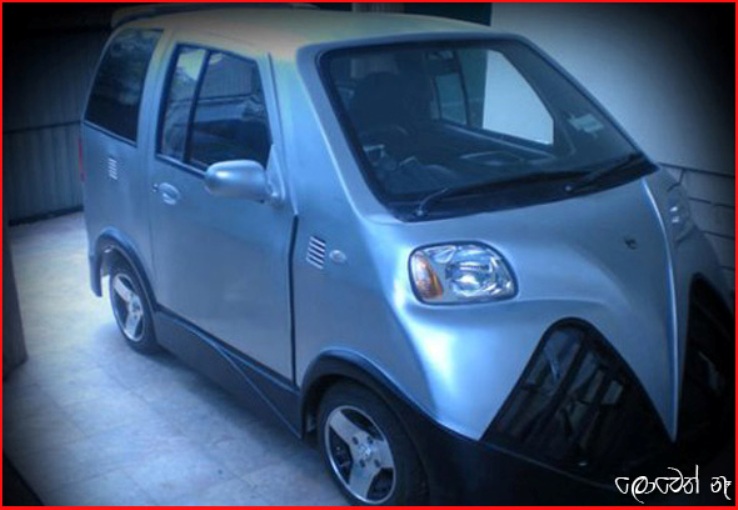
ELCA prototype built by Nilanga Senevirathne Epa 2012

Malima (New Directions in Innovation) is a Sinhala language TV series on science, technology and innovation. This episode was produced and first broadcast by Sri Lanka’s Rupavahini TV channel on 10 May 2012.

Produced by Suminda Thilakasena and hosted by science writer Nalaka Gunawardene, this episode features three stories:

REVA meets ELCA! Indian-made compact electric car REVA has been on the market for a decade. Now, a young Lankan has made a home-grown version. Nilanga Senevirathne Epa’s ELCA (short for Electric Car) is a two-door, two-seater ideal for city and suburban running; it can reach speeds of up to 60 km per hour. Over 60% of the car is made locally but the motor and battery are imported from Japan. When fully charged, its lead-acid batteries can power the car for 80 to 100 km on — recharging can be done at home by connecting it to 5 Amp ordinary power outlet for 8 hours. Nilanga is now working with a leading company to mass produce ELCA for the local market. Next target: make batteries locally to sell them cheaper. If all goes well, ELCA should be running on Lankan roads before end 2013.

Ride, pack and go! Nearly two centuries after the bicycle was invented, they are still innovating with it. We bring you an international story about a bicycle that can be folded up and carried in a case!

Dengue mosquitoes, beware! An interview with school boy inventor G A Hirun Dhananjaya Gajasinghe, of Ruwanwella Rajasinghe Central School, who has designed a device with which gutters can be remotely turned upside down for easy cleaning. By emptying water and leaf debris collecting in gutters without having to climb to the roof, this invention can help in the battle against dengue-carrying mosquitoes – a formidable public enemy in many parts of Sri Lanka. This comes just in time for the rainy season!

Malima: Episode #6: Inventions to keep elephants at bay and to feed your fish…

Malima (New Directions in Innovation) is a Sinhala language TV series on science, technology and innovation, broadcast on Sri Lanka’s Rupavahini TV channel.

Produced by Suminda Thilakasena and hosted by science writer Nalaka Gunawardene, this episode was first broadcast on 22 March 2012. It features three stories:

• An interview with Dr Sarath Wimalasuriya, who has invented a low-cost, portable device that provided electrical pulse to a fence protecting crops from elephants. Called Shock Defender, this 5kg unit can support a fence 1.8km long, typically 50 acres (20.2 hectares). When fully charged, it can work for 48 hrs on battery. The medical doctor turned electronic inventor sells the device at one sixth the price of comparable imported ones.

• South Korean scientists say they have developed flexible memory technology that could support bendable computer platforms for e-books and cell phones.

• An interview with child inventor K K Irushika Teran Suriyakumara, student of St Benedict’s College, Colombo, who has come up with a simple automated device to remotely feed fish in a household fish tank. He has cleverly combined discarded material and a basic mobile phone. Find out how!

Malima: Episode 6 presented by Nalaka Gunawardene from Nalaka Gunawardene on Vimeo.

Malima: Episode #3 – From mopeds to flying machines, chasing dreams…

Malima (New Directions in Innovation) is a Sinhala language TV series on science, technology and innovation. This episode was produced and first broadcast by Sri Lanka’s Rupavahini TV channel on 9 February 2012.

Produced by Suminda Thilakasena and hosted by science writer Nalaka Gunawardene, it is a magazine style programme. This episode features:

• An interview with versatile Lankan inventor Niranjan Weerakoon, who has several patents and won many awards. We take a quick look at his motorised bicycle (moped) already on the roads, as well as his coconut plucking machine, research on generating electricity from sea waves, and Lakro – the energy efficient wood stove he has recently introduced to the local market.

• The Wright Brothers were indefatigable inventors. What lessons can today’s inventors learn from their pursuit of building and flying the first successful aircraft in 1903?

• The dance of the dung beetle has long amused insect watchers. Researchers at Lund University in Sweden say the beetles use their circular strut as a corrective navigation system when moving dung balls away from the pile. This could inspire the design of future robots. More at: http://www.sciencedaily.com/releases/2012/01/120119101555.htm

• Interview with young inventor Pasindu Paveetha Ranawaka, age 8, a student of Vidyartha College, Kandy. He has invented a battery-operated electric pen that creates unusual lines and shapes. Can anyone become an artist with such a pen in hand? We experiment to find out.
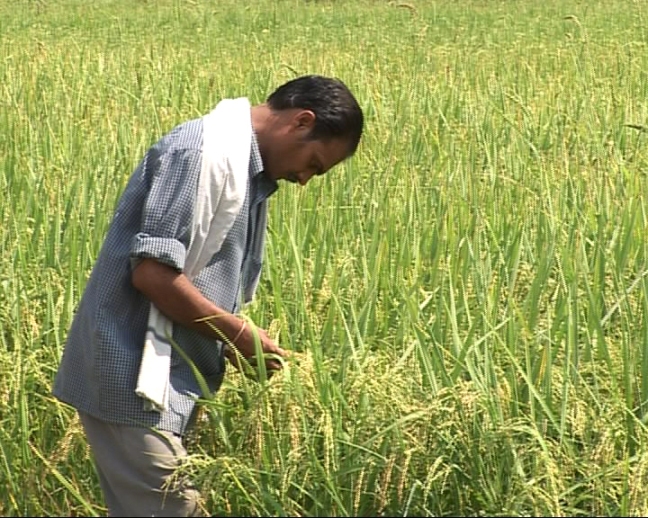
Malima: Episode 3 presented by Nalaka Gunawardene from Nalaka Gunawardene on Vimeo.