Arriving in the Philippines just two weeks after the super typhoon Haiyan (local name Yolanda) hit the archipelago nation on 8 November 2013, I’ve been following many unfolding debates on disaster recovery and resilience.
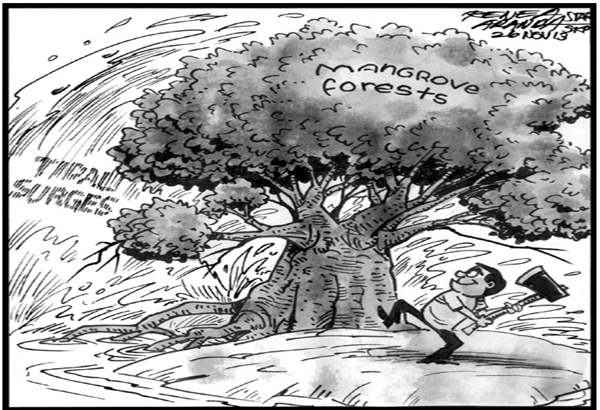
The Filipino media have been full of post-disaster stories. Among them, I came across an editorial in the Philippine Star on 26 Nov 2013, titled Stopping the Waves, which touched on the role of protecting natural barriers that can guard coastal areas from storm surges.
A key excerpt: “Nothing can stop a storm surge, but there are ways of minimizing the impact of powerful waves. Levees have been built in some countries, although the ones in New Orleans were breached by the storm surge during Hurricane Katrina. Another option is to develop mangrove forests, which can also function as bird sanctuaries and breeding grounds for marine life.”
It added: “Yolanda has revived the debate over the proposed destruction of the coastal lagoon to make way for commercial development. That mangrove forest must be protected and expanded rather than destroyed, and more mangrove areas must be propagated throughout the archipelago. You can’t roll back deadly waves, but their punch can be blunted. Natural barriers should help do the job.”
This is just what TVE Asia Pacific’s regional TV series The Greenbelt Reports highlighted. Filmed at 12 locations in four Asian countries (India, Indonesia, Sri Lanka and Thailand) which were hardest hit by the Indian Ocean tsunami of December 2004, the series showcased Nature’s protection against disasters and climate change.
It covered three coastal ecosystems or ‘greenbelts’ — coral reefs, mangroves and sand reefs. Reporters and producers from TVE Asia Pacific journalistically investigated the state of greenbelts in South Asia and Southeast Asia by talking to researchers, activists and government officials. They also looked at efforts to balance conservation needs with socio-economic needs of coastal communities.
Here’s the overview documentary (additionally, there were 12 stand-alone short videos as well):
The Greenbelt Reports: Armed by Nature: Part 1 of 3
The Greenbelt Reports: Armed by Nature: Part 2 of 3
The Greenbelt Reports: Armed by Nature: Part 3 of 3
India’s Down to Earth magazine was presented with the first Greenaccord International Media Award at an international conference held in Naples, Italy, last week.
The award, newly established by the Rome-based non-profit group Greenaccord, recognises outstanding media contributions to covering issues of environment and sustainable development.
Tommaso Sodano, deputy mayor of the City of Naples, presented the award at the conclusion of the 10th Greenaccord International Media Forum held from 6 to 9 November 2013.
Darryl D’Monte (centre) receives Greenaccord International Media Award on behalf of Down to Earth magazine, India – Naples, 9 Nov 2013 – Photo courtesy Greenaccord Press Office
“We asked all our Asian colleagues for nominations for this inaugural award, and many of them recommended Down to Earth magazine that has covered sustainability issues from a developing country perspective for 21 years,” said Alfonso Cauteruccio, President of Greenaccord.
Down to Earth is a fortnightly magazine focusing on issues of science and environment. It is published by the Centre for Science and Environment (CSE), a leading research and advocacy group in India. Founded by leading journalist and activist Anil Agarwal in May 1992, it provides reportage, analysis and commentary on a broad range of issues related to environment and development.
From the beginning, the magazine has challenged its readers to think about sustainable development. It inspires and encourages its readers to become more environment-friendly.
Darryl D’Monte, senior Indian journalist and a former editor of the Times of India, accepted the award on behalf of Down to Earth editors and publishers.
“Anil Agarwal was a trail-blazing journalist who combined knowledge and advocacy. Down to Earth, launched just before the Earth Summit in Rio in mid 1992, reflects that vision,” D’Monte said in his acceptance speech.
D’Monte recalled how Agarwal and CSE played a key role in the early days of global climate negotiations, especially in focusing global attention on per capita emissions of global warming greenhouse gases.
“Climate change is as much politics as it is science, and Anil was well aware of that. He approached all debates well armed with statistics, analysis and a southern perspective, which is also the Down to Earth magazine’s approach to issues,” he added.
Darryl D’Monte talks about Down to Earth magazine at Greenaccord Forum in Naples – Photo courtesy Greenaccord Press Office
Down to Earth presents accessible content intended for interested non-specialists including policy makers. Articles are often investigative, in-depth, all presented in well edited and designed form. In recent years, it has developed an extensive website at www.downtoearth.org.in.
The magazine has been an important vehicle for many CSE campaigns in the public interest, including its exposes on pesticide residues in popular soft drinks and bottled water brands, and agitation for cleaner air in Delhi and other metropolitan areas in India.
CSE’s right to clean air campaign resulted in New Delhi becoming the world’s first city to introduce compressed natural gas (CNG) for all public transport vehicles, D’Monte said.
Greenaccord is a non-profit association, headquartered in Rome, and founded to be of service to the world of information and training that deals with environmental issues. The association is made up of journalists and professionals who volunteer their time to provide training to their colleagues.
Since 2003, Greenaccord organises an annual gathering of journalists and scientists concerned about sustainability – which has become one of the largest such gatherings taking place on a regular basis.
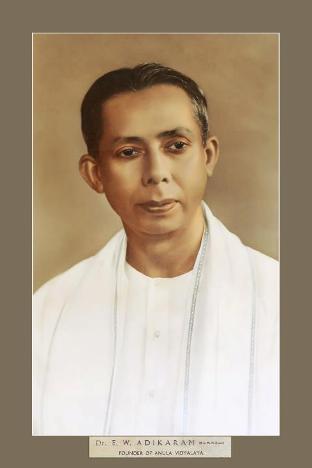
In this week’s Ravaya column (in Sinhala), I pay tribute to scholar and free thinker Dr E W Adikaram (1905-1985), a Lankan pioneer in public communication of science in Sinhala.
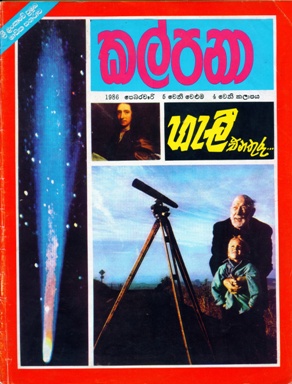
I also recall with gratitude how, a few months before his death at age 80, he advised and guided me through a challenging science writing assignment on the history and science of comets.
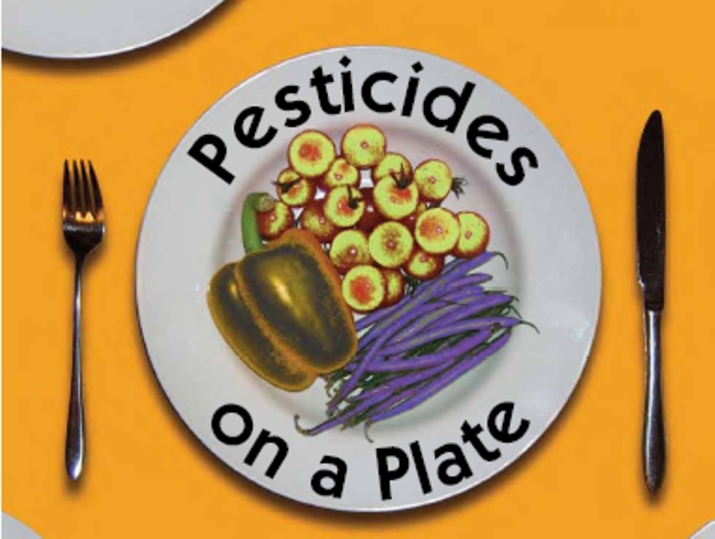
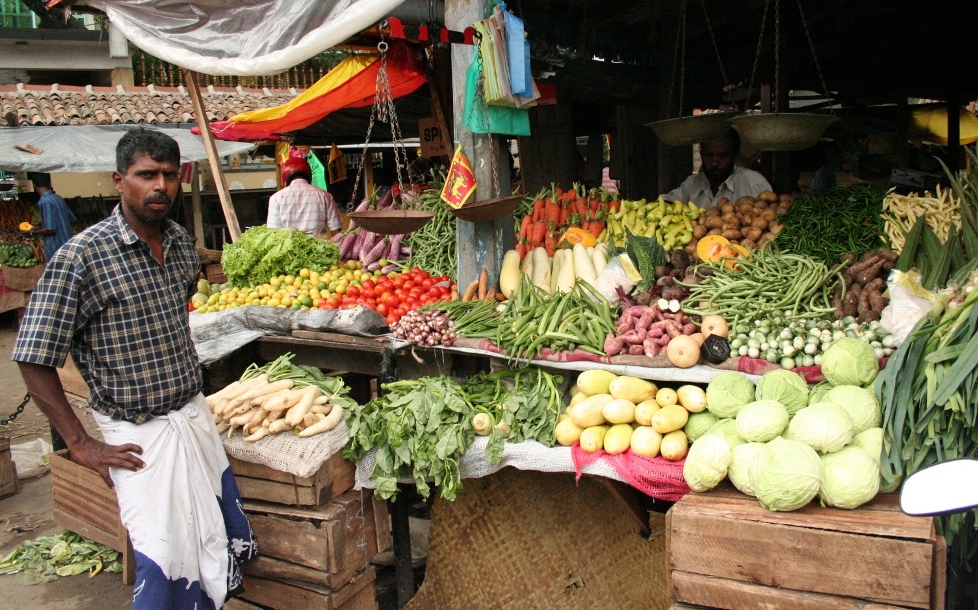
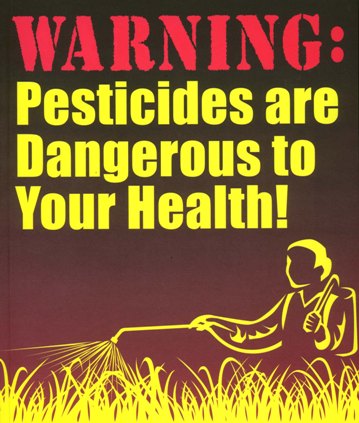
How can we protect ourselves from slow poisoning by agrochemical residues in our food? In this week’s Ravaya column, I discuss two options for Sri Lanka: organic farming, and the in-situ testing of farm produce for residues (after determining maximum residue levels).
I’m delighted that Malima TV show on innovation, which I presented on Sri Lanka’s national TV Rupavahini for much of 2012, just won a Sumathi Tele Award — our equivalent of the Emmy Awards.
A Special Jury Award was presented to Malima at the 18th Sumathi Tele Awards festival held in Colombo on 30 October 2013.
The jury commended the studio-based show for both its content and presentation, noting our creative effort to link technology to everyday life in solving problems.
Exact jury citation (in Sinhala) read:
උතුර දකුණ මාරු නොකොට,
බුද්ධියෙන් ප්රඥාව කරා,
සතුටින් ගුණ නුවනින් යනුව ජීවිතය ගවේෂණය සඳහා
නව දිශානතියකින් කළ ඉදිරිපත් කිරීමක්.
සංකල්ය නිර්මාණයේ නිර්මාණශීලීතාව අගය කිරීමක්.
ජාතික රූපවාහිනීය නිෂ්පාදනය කළ,
නාලක ගුණවර්ධන ඉදිරිපත් කළ,
සුමින්ද තිලකසේන අධ්යක්ෂණය කළ
මාලිමා වැඩසටහනට පිරිනමනු ලබන සම්මානයයි මේ…..
The award was received by the show’s producer Mr Suminda Thilakasena and myself; it was presented by Ms Pavithra Wanniarachchi, Minister of Power & Energy, one of the guests of honour that evening.
Ms Pavithra Wanniarachchi, Minister of Power & Energy, presents Sumathi Tele Award to Suminda Thilakasena (left) and Nalaka Gunawardene on 30 Oct 2013
Sumathi Awards have been organised by the privately owned Sumathi Group since 1995. It has established itself as the leading awards festival of the Lankan television industry that started in 1979.
Rupavahini broadcast of the evening (our award is presented around 16th minute):
Full awards list, as published in Lakbima daily newspaper, 1 November 2013:
Full list of award winners at 18th Sumathi Tele Awards, as published in Daily Lakbima, 1 Nov 2013
In this week’s Ravaya column (in Sinhala), I discuss the public health implications of rising levels of pesticide residues in our food. I cite research by the Hector Kobbekaduwa Agrarian Research and Training Institute (HARTI) on pesticide use habits of upcountry vegetable and potato farmers, which makes alarming reading.
Among other things, researchers found that up to a quarter of surveyed farmers grow some chemicals-free vegetables their own use! So this is not a matter of ignorance, but willful poisoning of the unsuspecting consumer.
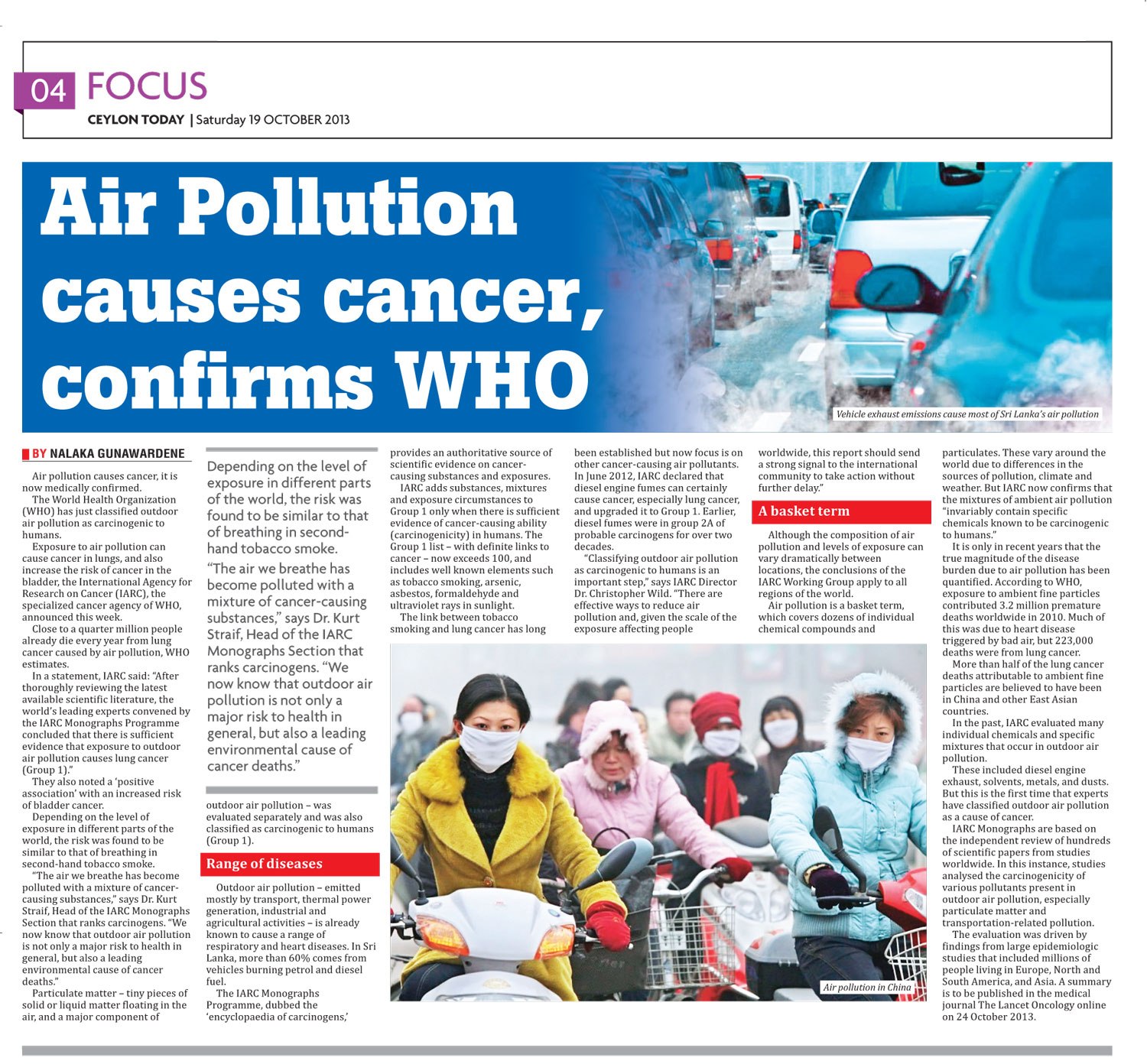
News feature written for Ceylon Today newspaper, 19 Oct 2013
Air Pollution causes cancer, confirms WHO
By Nalaka Gunawardene
Air pollution causes cancer, it is now medically confirmed.
The World Health Organization (WHO) has just classified outdoor air pollution as carcinogenic to humans.
Exposure to air pollution can cause cancer in lungs, and also increase the risk of cancer in the bladder, the International Agency for Research on Cancer (IARC), the specialized cancer agency of WHO, announced this week.
Close to a quarter million people already die every year from lung cancer caused by air pollution, WHO estimates.
In a statement, IARC said: “After thoroughly reviewing the latest available scientific literature, the world’s leading experts convened by the IARC Monographs Programme concluded that there is sufficient evidence that exposure to outdoor air pollution causes lung cancer (Group 1).”
They also noted a “positive association” with an increased risk of bladder cancer.
Depending on the level of exposure in different parts of the world, the risk was found to be similar to that of breathing in second-hand tobacco smoke.
“The air we breathe has become polluted with a mixture of cancer-causing substances,” says Dr Kurt Straif, Head of the IARC Monographs Section that ranks carcinogens. “We now know that outdoor air pollution is not only a major risk to health in general, but also a leading environmental cause of cancer deaths.”
Particulate matter — tiny pieces of solid or liquid matter floating in the air, and a major component of outdoor air pollution– was evaluated separately and was also classified as carcinogenic to humans (Group 1).
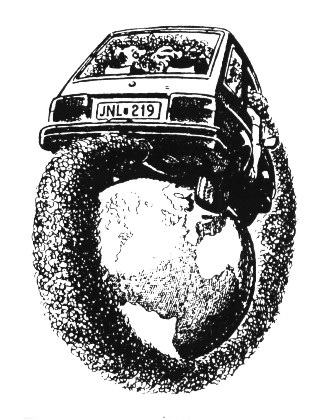
Outdoor air pollution – emitted mostly by transport, thermal power generation, industrial and agricultural activities — is already known to cause a range of respiratory and heart diseases. In Sri Lanka, more than 60% comes from vehicles burning petrol and diesel fuel.
The IARC Monographs Programme, dubbed the “encyclopaedia of carcinogens”, provides an authoritative source of scientific evidence on cancer-causing substances and exposures.
IARC adds substances, mixtures and exposure circumstances to Group 1 only when there is sufficient evidence of cancer-causing ability (carcinogenicity) in humans.
The link between tobacco smoking and lung cancer has long been established but now focus is on other cancer-causing air pollutants. In June 2012, IARC declared that diesel engine fumes can certainly cause cancer, especially lung cancer, and upgraded it to Group 1. Earlier, diesel fumes were in group 2A of probable carcinogens for over two decades.
“Classifying outdoor air pollution as carcinogenic to humans is an important step,” says IARC Director Dr Christopher Wild. “There are effective ways to reduce air pollution and, given the scale of the exposure affecting people worldwide, this report should send a strong signal to the international community to take action without further delay.”
Although the composition of air pollution and levels of exposure can vary dramatically between locations, the conclusions of the IARC Working Group apply to all regions of the world.
Air pollution is a basket term, which covers dozens of individual chemical compounds and particulates. These vary around the world due to differences in the sources of pollution, climate and weather. But IARC now confirms that the mixtures of ambient air pollution “invariably contain specific chemicals known to be carcinogenic to humans”.
It is only in recent years that the true magnitude of the disease burden due to air pollution has been quantified. According to WHO, exposure to ambient fine particles contributed 3.2 million premature deaths worldwide in 2010. Much of this was due to heart disease triggered by bad air, but 223 000 deaths were from lung cancer.
More than half of the lung cancer deaths attributable to ambient fine particles are believed to have been in China and other East Asian countries.
In the past, IARC evaluated many individual chemicals and specific mixtures that occur in outdoor air pollution. These included diesel engine exhaust, solvents, metals, and dusts. But this is the first time that experts have classified outdoor air pollution as a cause of cancer.
IARC Monographs are based on the independent review of hundreds of scientific papers from studies worldwide. In this instance, studies analysed the carcinogenicity of various pollutants present in outdoor air pollution, especially particulate matter and transportation-related pollution.
The evaluation was driven by findings from large epidemiological studies that included millions of people living in Europe, North and South America, and Asia. A summary is to be published in the medical journal The Lancet Oncology online on 24 October 2013.
Air Pollution causes cancer, Ceylon Today, 19 Oct 2013
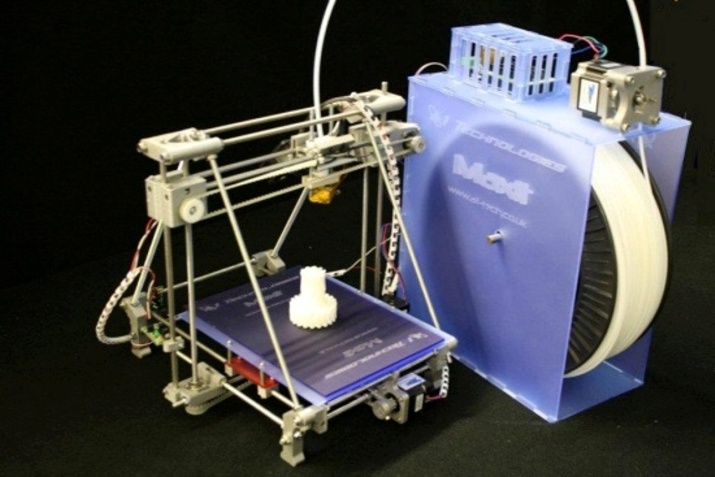
My latest Ravaya column (in Sinhala) is about the promise and challenges of 3D printing technology.
Sri Lanka took many years to come to terms with colour copiers and printers in 2D. For a while, they were not even allowed. This time around, regulating 3D printing will be harder — and there won’t be as much time to endlessly ponder what to do.
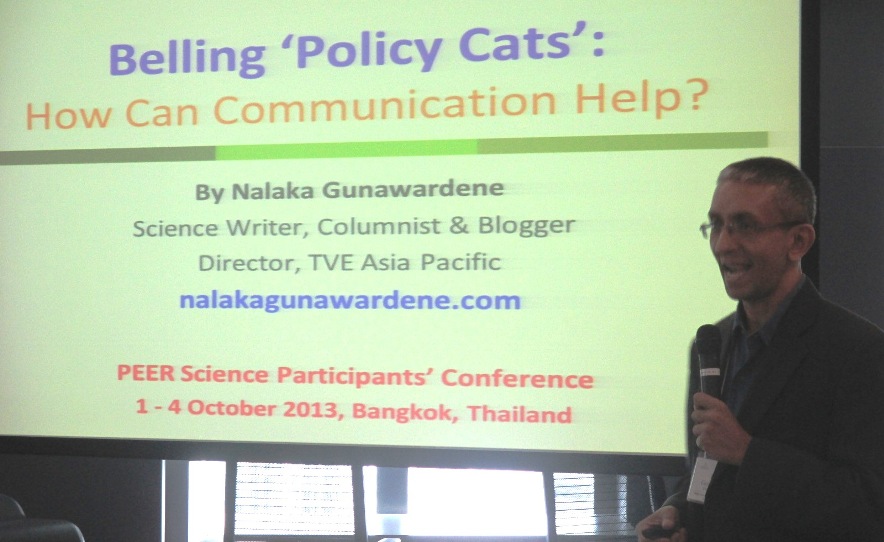
Nalaka Gunawardene speaks at PEER Science Conference 2013 in Bangkok, 3 Oct 2013
How to ‘Bell’ the policy ‘cats’?
This question is often asked by researchers and activists who would like to influence various public policies. Everyone is looking for strategies and engagement methods.
The truth is, there is no one sure-fire way — it’s highly situation specific. Policy makers come in many forms and types, and gaining their attention depends on many variables such as a country’s political system, governance processes, level of bureaucracy and also timing.
Perfecting the finest ‘bells’ and coming across the most amiable and receptive ‘cats’ is an ideal rarely achieved. The rest of the time we have to improvise — and hope for the best.
Good research, credible analysis and their sound communication certainly increase chances of policy engagement and eventual influence.
How Can Communications Help in this process? This was the aspect I explored briefly in a presentation to the PEER Science Participants’ Conference 2013 held in Bangkok, Thailand, from 1 to 4 Oct 2013.
It brought together over 40 principal investigators and other senior researchers from over a dozen Asian countries who are participating in Partnerships for Enhanced Engagement in Research (PEER) Science program. PEER Science is a grant program implemented by the (US) National Academies of Science on behalf of the U.S. Agency for International Development (USAID) and in cooperation with the National Science Foundation (NSF).
I flagged some key findings of a global study by SciDev.Net (where I am an honorary trustee) which looked at the different contextual settings within which policymakers, the private sector, NGOs, media organisations and the research community operate to better understand how to mainstream more science and technology evidence for development and poverty reduction purposes.
I like show and tell. To illustrate many formats and approaches available, I shared some of my work with LIRNEasia and IWMI, two internationally active research organisations for which I have produced several short videos (through TVE Asia Pacific) communicating their research findings and policy recommendations.
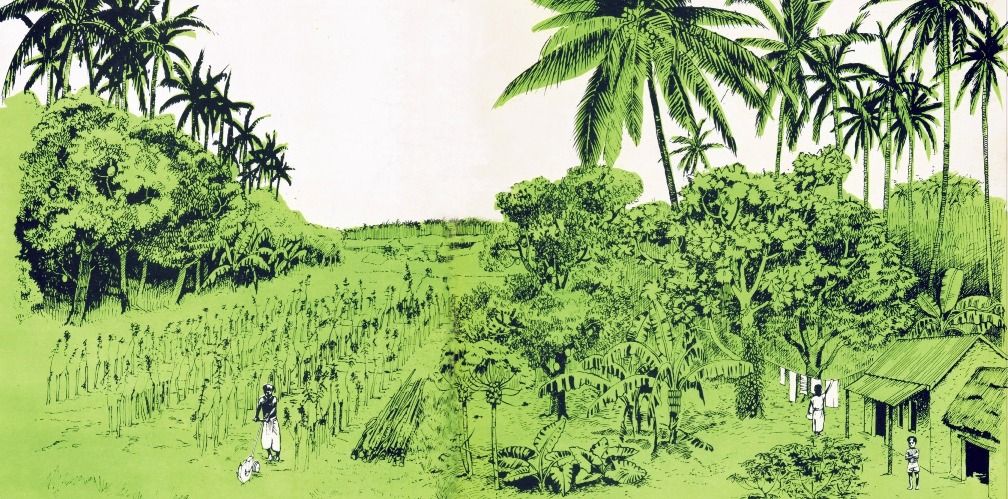
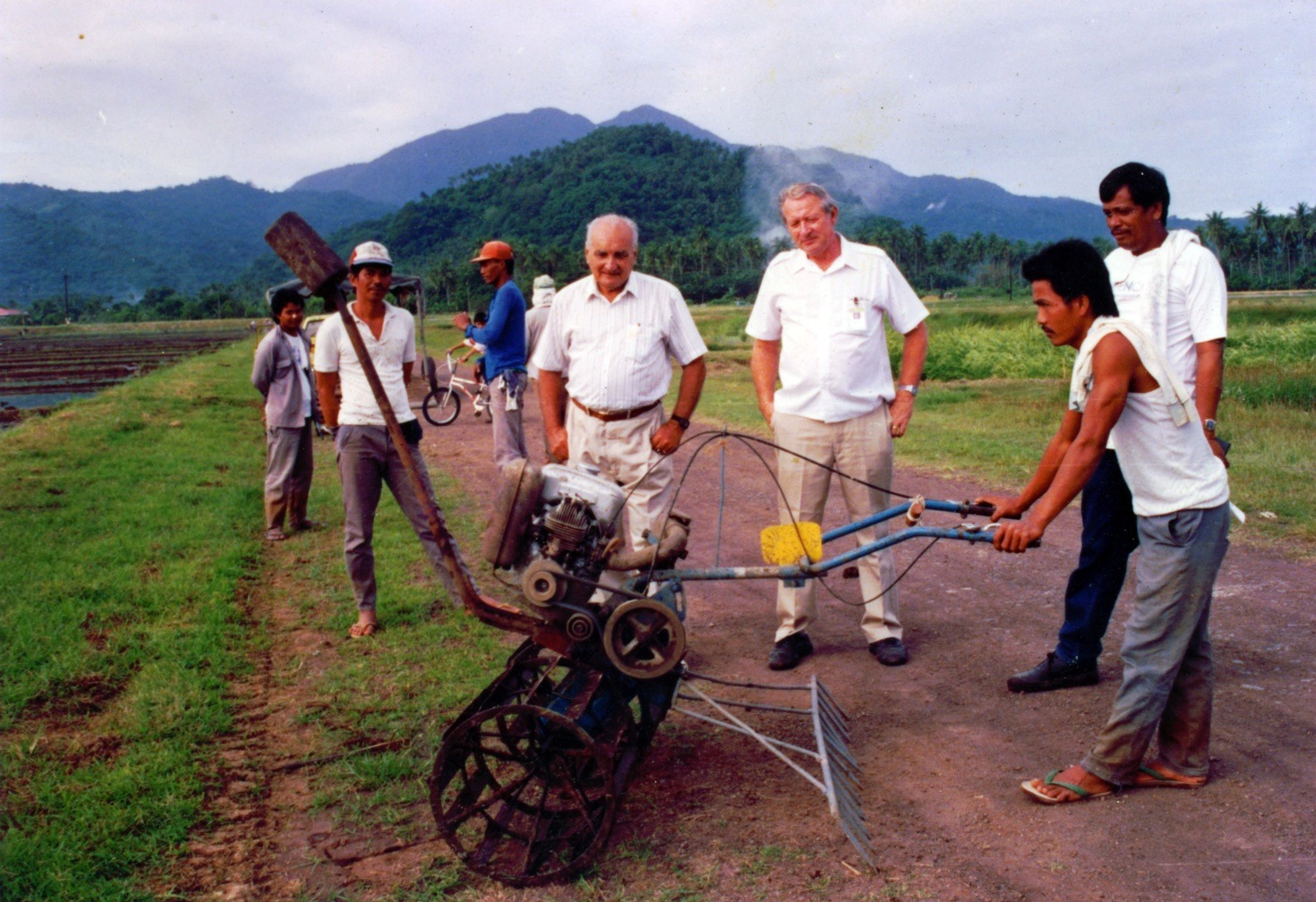
This week, my Ravaya Sunday column (in Sinhala) carries the third and concluding part of my long exchange with the late Dr Ray Wijewardene, agro-engineer turned farmer and a leading practitioner in conservation farming in the humid tropics. Today, we discuss soil conservation in Sri Lanka’s hill country, restoring shifting (chena) cultivation to its original method, and how small farmers can become more resilient to market forces.











 Open Minds!