සිවුමංසල කොලූගැටයා #76: ඞීසල් දුමාරයෙන් මතු වන පිළිකා උවදුර

In this week’s Sunday column in Ravaya (22 July 2012, in Sinhala), I discuss the far-reaching public health implications of the World Health Organisation (WHO)’s recent assessment that diesel engine fumes do certainly cause cancer, especially lung cancer, in humans.

I have already written an English column on this: ‘Slow Murder’ by Subsidised Diesel Fumes

පිළිකා පර්යේෂණ සඳහා වන ජාත්‍යන්තර ඒජන්සිය (International Agency for Research on Cancer, IARC) යනු ලෝක සෞඛ්‍ය සංවිධානයේ (WHO) කොටසක්. 2012 ජුනි 12දා මේ ආයතනය ඉතා වැදගත් ප‍්‍රවෘත්ති නිවේදනයක් නිකුත් කළා. එයින් කියැවුණේ නවතම වෛද්‍ය විද්‍යාත්මක පර්යේෂණ ප‍්‍රතිඵල සළකා බැලීමෙන් පසු ඞීසල් දහන දුමාරය නියත වශයෙන් පෙනහළු පිළිකා සාදන බව WHO ආයතනය පිළිගත් බවයි.

WHO යනු ලෝකයේ සියලූ රටවල රජයන් සාමාජිකත්වය දරණ අන්තර් රාජ්‍ය ආයතනයක්. ශ‍්‍රී ලංකාව ද එහි සාමාජික රටක්. ලෝකයේ වෛද්‍ය විද්‍යාත්මක හා මහජන සෞඛ්‍ය කරුණු සම්බන්ධයෙන් අවසන් විනිශ්චය ලබා දෙන්නට හැකි විද්වත් මට්ටමක් හා නිල පිළි ගැනීමක් එයට තිබෙනවා.

WHO/IARC ඞීසල් දුමාරය ගැන අවධානය යොමු කිරීම ඇරඹුනේ දශක දෙකකට පෙර. වසර ගණනාවක් තිස්සේ පිළිකා-කාරක වීමට ඉඩ ඇති දෙවැනි පෙළ ලැයිස්තුවේ ඞීසල් දුමාරය ඇතුළත් කර තිබුණා. ගිය මාසයේ කළේ ඞීසල් දුමාරය මුල් පෙළ ලැයිස්තුවට “උසස්” කිරිමයි. මේ අනුව දුම්කොළ දුමාරය, ඇස්බැස්ටස් වැනි නියත පිළිකා-කාරක අතරට ඞීසල් දුමාරය ද එකතු වෙනවා.

WHO/IARC අධ්‍යක්ෂ වෛද්‍ය ක‍්‍රිස්ටෝෆර් වයිල්ඞ් කිවේ මේ තීරණය ලොව පුරා වෛද්‍ය හා සෞඛ්‍ය ක්ෂේත‍්‍රවල බලධාරින්ගේ හදිසි අවධානයට ලක්විය යුතු බවයි. “ඞීසල් දුමාරයට නිරතුරු හසු වන බොහෝ දියුණුවන රටවල ජනයාට එයින් බේරීමට අවශ්‍ය පසුබිම හෝ තාක්ෂණය හෝ නැති බව අප දන්නවා. මෙයට පිළියම් යෙදිය යුතුයි,” ඔහු ප‍්‍රකාශ කළා.

ඞීසල් දුමාරයේ දුෂක රැසක් තිබෙනවා. එයින් අපට වඩාත් හානි කරන්නේ PM10 නම් ඉතා කුඩා දහන අංශුයි. මේවා ආශ්වාසය හරහා අපේ පෙනහළුවලට ඇතුළු වනවා. ගර්ත (Alveoli) නම් ඉතා කුඩා කෝෂ දක්වා ගමන් කොට එහිදී ආසාදන ඇති කළ හැකියි. ඞීසල් දුමාරය කලක් තිස්සේ ආශ්වාස කිරීමෙන් පෙනහළු පිළිකා හට ගත හැකියි.

දකුණු ආසියාවේ මහාමාර්ගවල ඞීසල් වාහන සංඛ්‍යාව සීඝ‍්‍රයෙන් වැඩි වෙමින් තිබෙනවා. 2010 වන විට මෙරට ධාවනය වන සමස්ත වාහනවලින් 45%ක් ඞීසල් වාහන. බස් හා ලොරි පමණක් නොවේ. වෑන් රථ, කාර්, අධිසුඛෝපබෝගී වාහන මෙන් ම මෑත පටන් ත‍්‍රිරෝද රථ ද ඞීසල් දහනය කරන වාහන අතර තිබෙනවා. මේ වාහන තම සංඛ්‍යාවට වඩා විශාල වූ වාත දුෂක ප‍්‍රමාණයක් දුමාරය හරහා පිට කරනවා. මෙරට ප‍්‍රවාහන ක්ෂේත‍්‍රයෙන් පිටවන වාත දුෂක සළකන විට සල්ෆර් ඩයොක්සයිඞ් 96%ක් ද PM10 89%ක් ද එන්නේ ඞීසල් වාහනවලින්.

සාක් කලාපයේ වාත දුෂණය ගැන කලෙක සිට පර්යේෂණ හා උද්ඝෝෂණ කරන පරිසරය හා විද්‍යාව සඳහා වන කේන්ද්‍රය (Centre for Science and Environment, CSE) නම් ඉන්දියානු ආයතනය මෙය හදුන්වන්නේ අපේ මහාමාර්ගවල “මාරක ඞීසල්කරණය” (Deadly Dieselisation) කියායි. සියළු ඛනිජ ඉන්ධන දහනයේදී දුෂණයක් ඇති වෙතත් එය වඩාත් දරුණු වන්නේ ඞීසල් දහනයේදී බව ඔවුන් වසර ගණනාවක සාක්ෂි සහිතව පෙන්වා දෙන්නක්.

CSE ආයතනයේ පර්යේෂණ අධ්‍යක්ෂ අනුමිතා රෝයිචෞද්‍රි WHO/IARC තීරණයට ප‍්‍රතිචාර දක්වමින් කිවේ: “ඞීසල් දුමාරයේ බිහිසුණුකම ගැන වසර 20ක් පමණ අප බොහෝ දේ දැන සිටියා. WHO කර ඇත්තේ එය තහවුරු කිරීමයි. මේ කාලය තුළ ලෝකයේ වෙනත් රටවල් තම ජනතාව රැක ගැනීමට යම් පියවර ගෙන තිබෙනවා. නමුත් දකුණු ආසියාවේ අප සිට්න්නේ පිටුපසින්.” (සම්පුර්ණ ප‍්‍රකාශය කියවන්න http://tiny.cc/DieIndia)

මෙරට තත්ත්වය ඉන්දියාවටත් වඩා බරපතලයි. ඞීසල් දහනයේදී වැඩිපුර සල්ෆර් ඩයොක්සයිඞ් නම් දුෂකය පිට වන්නේ ඞීසල්වලක වැඩි සල්ෆර් අන්තර්ගතයක් තිබීමෙන්. වාත දුෂණය ගැන ක‍්‍රියාත්මක වන රාජ්‍ය නිලධාරින්, පර්යේෂකයන් හා පරිසරවේදීන්ගේ Clean Air Sri Lanka නම් එකමුතුවක් තිබෙනවා. එහි වත්මන් සභාපති රුවන් වීරසූරිය කියන්නේ මෙරට බෙදා හැරෙන ඞීසල් ඉන්ධනවල සල්ෆර් අන්තර්ගතය කොටස් මිලියනයකට 3,000ක් (3,000 ppm) බවයි. ඉන්දියාවේ මෙය 300 ppm වන අතර ජපානයේ එය 30 – 50 ppm තරම් අඩු බව ඔහු කියනවා.
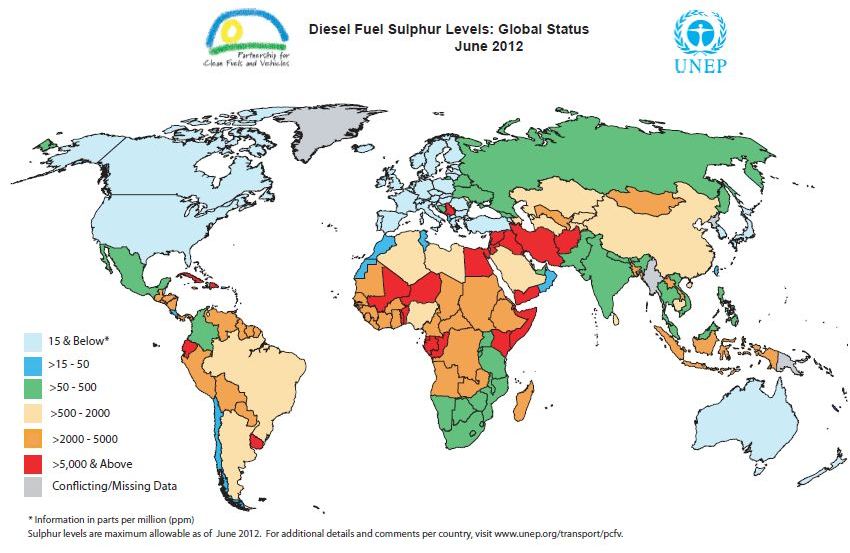
Sulphur content in diesel around the world – UNEP map 2012

“ලංකා ඛනිජතෙල් සංස්ථාව වඩාත් පිරිසිදු (සල්ෆර් මට්ටම අඩු) ඞීසල් මෙරට බෙදා හැරීමට පියවර ගෙන නැහැ,” යයි ඔහු කියන්නේ මේ ගැන වෛද්‍යවරුන්, විද්‍යාඥයන් හා පරිසරවේදින් කලක සිට බලපෑම් කරන පසුබිමකයි.

පේරාදෙනිය විශ්ව විද්‍යාලයේ රසායන විද්‍යා මහාචාර්ය ඔලිවර් ඉලේපෙරුම WHO/IARC තීරණය සම කරන්නේ මීට කලකට පෙර දුම්කොළ දුමාරය ගැන ඔවුන් ගත් තීරණයටයි. “දුම්බීමෙන් පෙනහළු පිළිකා සෑදෙන බවට දශක ගණනක් වෛද්‍ය සාක්ෂි එකතු වෙමින් තිබුණා. ඒ බව මුළුමනින් සහතික කරමින් දුම්කොළ දුම පිළිකා-කාරකයක් යයි WHO පිළිගත් ආකාරයට ම අද ඞීසල් ගැනත් නියත තීරණයකට ඔවුන් එළැඹ සිටිනවා.”

දුම්කොළ සමාගම් එම වෛද්‍ය විද්‍යාත්මත තීරණය එකවර පිළි නොගෙන එම වගකීමෙන් අත්මිදීමට නොයෙක් සූක්ෂම උප්පරවැට්ටි ක‍්‍රියාත්මක කළා. මහජන මනසේ දෙගිඩියාව, අවිනිශ්චිත බව ඇති කළා. ඞීසල් වාහන නිෂ්පාදකයන් මෙන් ම ඛනිජ තෙල් සමාගම් දැන් ඞීසල් සම්බන්ධයෙන් ද නොයෙකුත් කතාන්දර පතුරුවා හරින්නට හැකියි. මෙය වෛද්‍යවරුන්, විද්‍යාඥයන් හා පරිසරවේදීන් එක්සත්ව හා එක්සිත්ව ක‍්‍රියා කළ යුතු තීරණාත්මක මොහොතක්.

අපේ තෙල් පිරිපහදුවෙන් නිකුත් කැරෙන ඞීසල් මෙන් ම විටින් විට පිටරටින් ගෙන්වන පිරිපහදු කරන ලද ඞීසල් ද තත්ත්වයෙන් බාල, පිරිසිදු බවින් අඩු මට්ටමක ඇති බව මහාචාර්ය ඉලේපෙරුම කියනවා. ඞීසල් දහන දුමාරය තුළ අඩංගු දුෂක ප‍්‍රමාණය ඉක්මණින් අඩු කිරීමේ හොඳම පියවර නම් වඩාත් පවිත‍්‍ර ඞීසල් මෙරට වෙළඳපොලට හදුන්වාදීම බව ඔහු කියනවා.

එයට සමාන්තරව ඞීසල් වාහන හිමියන්ට ද වගකීමක් පැවරෙනවා. තම වාහනවල එන්ජින් නිසි කලට නිසි ලෙසට නඩත්තු කිරීමෙන් දහන දුමාර දුෂක තරමක් දුරට සීමා කළ හැකියි. (ඒ සමග එන්ජිමේ කාර්්‍යක්ෂමතවායද වැඞී වෙනවා.)

WHO/IARC තීරණය සමග ඞීසල් දහනය පාරිසරික ප‍්‍රශ්නයක් පමණක් නොව මහජන සෞඛ්‍යය සම්බන්ධ තීරණාත්මක සාධයක් බවට ද පත් වනවා. දුම්කොළ නිසා හට ගන්නා පිළිකාවලට ප‍්‍රතිකාර කිරීමට දැනටමත් අපේ ජාතික සෞඛ්‍ය පිරිවැයෙන් සැලකිය යුතු මුදලක් වැය වනවා. ඞීසල් දුමාරය පිළිකා-කාරක බව දැන දැන ම එය පාලනය කරන්නට තව දුරටත් බලා සිටිය නොහැකියි.

මේ ගැන මෙරට මාධ්‍ය හරහා මුලින් ම විග‍්‍රහ කළ ආර්ථික විද්‍යාඥ හා ප‍්‍රතිපත්ති පර්යේෂක මහාචාර්ය රොහාන් සමරජීව කීවේ ඞීසල්වලට දැනට ලැබෙන සහනාධාරය ඉක්මණින් සමාලෝචනය කළ යුතු බවයි. (ඔහුගේ ලිපි දෙකක් ජුනි 17දා හා ජුලි 15 දා රාවයේ පළ වුණා.)

“මෙරට ඞීසල් වාහන සංඛ්‍යාව සිඝ‍්‍රයෙන් වැඩිවීමට ප‍්‍රධාන හේතුව නම් ඞීසල් (පෙට‍්‍රල්වලට වඩා) ලාබ වීමයි. මේ මිළ වෙනසට මුල් වන්නේ රජය කලෙක සිට ම ඞීසල්වලට සහනාධාරයක් ලබා දීමයි. මේ සහනාධාරය වෙළඳපොල විසමතාවයක් වී පිළිකාවලට වක‍්‍රව කැරෙන සහනාධාරයක් වීමට ඉඩ තැබිය යුතු ද?” ඔහු ප‍්‍රශ්න කරනවා.

ඞීසල් සහනාධාරයට හේතුව භාණ්ඩ ප‍්‍රවාහනයට මෙන් ම බස් හා දුම්රිය මගී ප‍්‍රවාහනයට සහනයක් ලබා දීම. නමුත් ඉන්ධන අලෙවියේදී වෙනස්කම් කළ නොහැකි නිසා පෞද්ගලික ප‍්‍රවාහනය සඳහා වැඩි වැඩියෙන් ඞීසල් වාහන යොදා ගැනිම නතර කළ නොහැකියි.

මෙය ඉන්දියාවේ ද කලෙක සිට සිදු වන්නක්. අඩු ආදායම් ලබන අයට සලසා ඇති සහනාධාරයෙන් අතමිට සරු අයත් හොඳ හැටි ප‍්‍රතිලාභ ලබනවා. අන්තිමේ මහජන සෞඛ්‍යයට විපත් සිදු වූ විට එයට උර දෙන්නට වන්නෙත් සහනාධාර දෙන අපේ රජයන්ට ම බව CSE ආයතනය කියනවා.

ඉන්දියාව හා ශ‍්‍රී ලංකාව මෙසේ කරන අතර පෙට‍්‍රල් හා ඞීසල් අතර මිළ වෙනසක් නොකිරීමට චීනය වග බලා ගන්නවා. ලෝකයේ තවත් රටවල් ඞීසල් වාහන සඳහා අය කැරෙන තීරුබදු හා වාර්ෂික බලපත‍්‍ර ගාස්තු වැඩි මට්ටමක පවත්වා ගෙන ඞීසල් වාහන ව්‍යාප්තියට පාලනය කරන්නට වෙර දරනවා.

මෙරට වාත දුෂණය ගැන අධ්‍යයනයකින් පසු විස්තරාත්මක ප‍්‍රකාශයක් කරමින් CSE ආයතනය 2011 අපේ‍්‍රල් මාසයේ අවධාරනය කළේ 2012 අවසන් වන්නට පෙර EURO IV ප‍්‍රමිතියට යොමු වීමට ශ‍්‍රී ලංකාව පියවර ගත යුතු බවයි.

මෙරට ප‍්‍රතිපත්ති සම්ප‍්‍රදායකයන්ට සිදු වන්නේ කෙටි කාලීන ආර්ථික සහන හා දිගු කාලීන සමාජයීය ව්‍යසනයක් තුලනය කර ගැනීමටයි. ඞීසල් වාහන භාවිතය නතර කිරීම ප‍්‍රායෝගික නැහැ. මහාමාර්ගවල ධාවනයට අමතරව දුම්රිය ධාවනය හා නැව් ධාවනයටත් බොහෝ කොට යොදා ගන්නේ ඞීසල්. අවශ්‍ය වන්නේ හැකි තාක් සල්ෆර් අඩු ඞීසල් ඉන්ධන, වඩාත් ඉහළ දහන ප‍්‍රමිතියක් තිබෙන හා මනා සේ නඩත්තු කැරෙන වාහනවල දහනය කිරීමයි.

මහාචාර්ය සමරජීව විශේෂ අවධානය යොමු කර ඇත්තේ මෑත සිට ප‍්‍රචාරණය කැරෙන ඞීසල් තිරෝද රථවලටයි. “මේ වාහන ඞීසල් දුමාර පිට කරනවා පමණක් නෙවෙයි සාපේක්ෂව පහත් මට්ටමක හිඳගෙන ගමන් කරන සිය මගීන් මහාමාර්ගවල දුෂිත වාතයට වඩාත් නිරාවරණය කරනවා.”

අඩුතරමින් දහන දුමාර තත්ත්ව ප‍්‍රමිති සහතිකය වාර්ෂිකව විශාල ප‍්‍රමාණයේ ඞීසල් වාහනවලටත් අනිවාර්ය කළ යුතු බව මහාචාර්ය ඉලේපෙරුම කියනවා. “පොදු ජන මිතුරන්” යයි සළකමින් ලංගම බස්රථ හා ලොරිවලට දුම් සහතිකය තවමත් අනිවාර්ය කොට නැහැ. මේ නිසා ඒ වාහනවල එන්ජින් නඩත්තුව හරිහැටි පවත්වා ගන්නට බලපෑමක් ද නැහැ. අබලන් ඞීසල් වාහන හැකි ඉක්මණින් ධාවනයෙන් ඉවත් කිරීම ද, මහ මග දිවෙන හැම ඞීසල් වාහනයක් ම නිසි ලෙස නඩත්තු කිරීම ද කළ යුතු බව ඔහු කියනවා.

වැඩි විස්තර සඳහා බලන්න http://tiny.cc/Gasp සහ http://tiny.cc/Gasp2

Diesel Addiction can be dangerous – Cartoon courtesy CSE India

සිවුමංසල කොලූගැටයා #74: පත්තර ලිපිවලින් විප්ලව කළ හැකි ද?

I’ve been writing op-ed essays in newspapers for a decade, and features for a quarter century in mainstream, broadsheet newspapers. Do they make a difference? I often ask that myself. There are no easy ways to measure the influence or impact of what we write — except when a reader tells me how a particular piece changed his/her mind. It’s always good to have such feedback, but most people don’t reach out even when they like what they read.

In this week’s Ravaya column (in Sinhala), I ask the big question: can an op-ed article in a newspaper make a difference? I cite four specific instances where they did — leading to the founding of WWF, Amnesty International, Sri Lanka Eye Donation Society and the Suriya Mal Movement in Sri Lanka that was a peaceful defiance of British rule in early 20th century Ceylon.

AI, WWF and Sri Lanka Eye Donation Society logos: each organisation started with a newspaper op-ed

‘පත්තරවලට ලියන්න ලැජ්ජා නැද්ද?’

මීට වසර කිහිපයකට පෙර මේ ප‍්‍රශ්නය මට යොමු කළේ ව්‍යාපාර කළමණාකාරීත්ව ක්‍ෂෙත‍්‍රයේ ඉහළට උගත්, රටේ සිදු වන දේ ගැන අවධියෙන් සිටින තරුණ වෘත්තිකයෙක්. ඇතැම් දෙනා මෙන් ඔහු සාවඥව කථා කරන්නකු ද නොවෙයි.

ඔහුට සැබැවින් ම ප‍්‍රශ්නයක් වී තිබුණේ මගේ නමින් ඉංග‍්‍රීසි හා සිංහල පුවත්පත්වලට ලිවීම මා දිගින් දිගට කරන්නේ ඇයි ද යන්නයි. මෙරට ජනමාධ්‍ය කලාව හා කර්මාන්තය ගැන පාඨකයකු හැටියට පමණක් හදුනන ඔහුගේ අවංක ආකල්පය වූයේ විසමතා රැසක් කැටි කර ගත් මේ ක්‍ෂෙත‍්‍රයේ සිය ආත්ම ගරුත්වය හා විශ්වාසනීයත්වය ගැන තකන කිසිවකුත් තව දුරටත් නොසිටිය යුතු බවයි.

වසර 25ක් තිස්සේ මාධ්‍ය ක්‍ෂෙත‍්‍රයේ විවිධාකාරයෙන් නියැලී සිටින මගේ මනසේ ද විටින් විට මතුවන ප‍්‍රශ්නයක් නම් මේ අප ලියන දෙයින් ජන සමාජයට හා පොදු උන්නතියට දායකත්වයක් ලැබේ ද යන්නයි.

හැම පුවත්පත් ලිපියක් ම එක හා සමාන වැදගත් වන්නේ නැහැ. ඇති කරන කෙටි කාලීන හා දිගු කාලීන සමාජයීය බලපෑම් ද වෙනස්. පුවත්පත් හා සගරාවල පළ වන ලිපි අති බහුතරයක් ඒ මොහොතේ කියවා පසෙක තබන නමුත් ඉඳහිට කලක් පවතින සමාජයීය වෙනස්කම් හා චින්තන විප්ලවයන් කරන්නට ලිපියක් සමත් වනවා. එයට ලේඛකයාගේ කරුණු ගවේෂණය හා ඉදිරිපත් කිරිමේ දක්ෂකම මෙන් ම එය පළ වීමෙන් පසු සමාජය එයට දක්වන ප‍්‍රතිචාරය ද බලපානවා.

අප කථා කරන්නේ ප‍්‍රවෘත්ති වාර්තාකරණය ගැන නොවෙයි. විශේෂාංග ලිපි හා මති මතාන්තර ලිපි ගැනයි. මේවා බොහෝ විට පුවත්පතක මාණ්ඩලික ලේඛකයන් නොව බාහිරව සිටින අය ලියන ඒවායි. පොදු උන්නතියට කැප වු බුද්ධිමතුන් (public intellectuals) සමාජමය වශයෙන් වැදගත් කාලීන මාතෘකා ගැන මහජන හා රජයේ අවධානය යොමු කිරිමටත් මෙබදු ලිපි යොදා ගැනීම ලොව ප‍්‍රචලිත සම්ප‍්‍රදායක්.

පුවත්පතක පළ වූ ලිපි නිසා පැහැදිලි සමාජ ප‍්‍රතිචාරයක් හා ක‍්‍රියාදාමයක් ඇති වූ බවට උදාහරණ හතරක් මට සිහිපත් වනවා.

1960 නොවැම්බර් 13 වනදා බි‍්‍රතාන්‍යයේ The Observer පත‍්‍රයට විද්වත් ලිපියක් ලියමින් ප‍්‍රකට ජීව විද්‍යාඥයකු වූ ආචාර්ය ජුලියන් හක්ස්ලි (Julian Huxley) අප‍්‍රිකාවේ වනජීවින් රැක ගැනීමට ජාත්‍යන්තර පෙළ ගැස්මක් අවශ්‍ය බවට ආයාචනයක් කළා. යුනෙස්කෝව වෙනුවෙන් නැගෙනහිර අප‍්‍රිකානු රටවල් 10ක කළ සංචාරයකදී මිනිස් ක‍්‍රියාකාරකම් නිසා වනාන්තර හා වනජීවීන් මහා පරිමානයෙන් විනාශ වන සැටි තමා දුටු බවත්, මේ ප‍්‍රවණතා දිගට ම පැවතුණොත් දශක කිහිපයක් තුළ සමස්ත අප‍්‍රිකානු වනජීවී සමුහය වඳ වී යනු ඇත බවටත් ඔහු අනතුරු ඇගවූවා. වනාන්තර හා තණබිම් මිනිස් ජනවාස සඳහා එළි කිරිම. වගා බිම්වල ගවයන් ඇති කිරිම, දඩමස් සදහා වනසතුන් මැරිම, වනාන්තරවලට ගිනි තැබීම ආදි තර්ජන රැසක් ගැන තමා විසින් ම ගත් ජායාරූප ද සමග ඔහු සංක්ෂිප්ත විස්තරයක් ඉදිරිපත් කළා.

කොටස් තුනකින් පළ වූ මේ ලිපිය කියැවු වික්ටර් ස්ටෝලන් නම් ව්‍යාපාරිකයා වන ජීවීන් බේරා ගැනීමට අරමුදලක් පිහිටුවිය යුතු බවට හක්ස්ලිට ලියුමක් ලියමින් යෝජනා කළා. තවත් ජීව විද්‍යාඥයක් කිහිප දෙනෙකු ද එකතු කර ගනිමින් ලෝක ව්‍යාප්ත වනජීවි අරමුදල (World Wildlife Fund, WWF) නමින් සංරක්ෂණ සංවිධානයක් බිහි වූයේ ස්ටෝලන්ගේ උනන්දුව හා මුලික පරිත්‍යාග නිසයි. තවත් ධනවත් ව්‍යාපාරිකයන් ගණනාවක් මේ සඳහා පරිත්‍යාග කිරිමට ඔහු කැමති කරවා ගත්තා.

WWF නිල වශයෙන් පිහිටු වනු ලැබුවේ 1961 අපේ‍්‍රල් 29දා. එහි මුල් කාර්යාලය ස්විට්සර්ලන්තයේ මෝර්ජස් නුවර විවෘත කළා. අද වන විට WWF සංවිධානයට ලෝකයේ රටවල් 100ක පැතිරුනු සාමාජිකයන් මිලියන් 5ක් සිටිනවා. එය ලෝකයේ බලගතු සංරක්ෂණ සංවිධානයක්. එහි ලාංජනය වන පැන්ඩා ලකුණු ලොව වඩාත් ම හොදින් හදුනන ප‍්‍රචාරණ සංකේතයක් (Brand).

දෙවන ලෝක යුද්ධයෙන් පසු බි‍්‍රතාන්‍යයේ ප‍්‍රගතශීලි මති මතාන්තරවලට ඉඩ දෙන, වඩාත් ම පාඨක විශ්වාසය දිනු පුවත්පත් ලෙස මතුව ආයේ The Observer පත‍්‍රයයි. ප‍්‍රධාන ප‍්‍රවාහයේ පුවත්පත් ලෙහෙසියෙන් ඉඩක් නොදෙන අසම්මත තේමා හා මතවාද සඳහා මේ පත‍්‍රය සිය පිටු විවෘත කළා.

1961 මැයි 28දා The Observer පත‍්‍රයේ විද්වත් ලිපියක් ලියමින් පීටර් බෙනෙන්සන් (Peter Benenson) නම් නීතිඥයා මානව හිමිකම් පිළිබඳ විශ්ව ප‍්‍රඥප්තිය (UDHR) 1948දී සම්මත කර ගත්ත ද ලොව බොහෝ රටවල එහි අඩංගු මුලික මානව අයිතීන් කඩ වන බවත්, ඒ ගැන උද්ඝෝෂණය කිරීමට එකමුතුවක් අවශ්‍ය බවත් පෙන්වා දුන්නා. ඔහු විශේෂ අවධානය යොමු කළේ ප‍්‍රඥප්තියේ 18 වන වගන්තිය (චින්තන හා මත දැරිමේ නිදහස) හා 19 වන වගන්තිය (අදහස් ප‍්‍රකාශනයේ නිදහස) ගැනයි.

රටේ නීතියට අනුව කිසිදු වරදක් නොකළත් පාලකයන්ට නොරිසි, විරුද්ධ මතයක් දැරීමේ හා ප‍්‍රකාශ කිරීමේ හේතුව නිසා පීඩාවට පත් කොට සිර ගත කරනු ලබන පුද්ගලයන් ‘දේශපාලන සිරකරුවන්’ ලෙස හදුන්වනවා. මෙබදු මතධාරීන් හා ක‍්‍රියාකාරිකයන් වෙනුවෙන් හ`ඩක් නගන ඇම්නෙස්ටි ඉන්ටර්නැෂනල් (Amnesty International) සංවිධානය පිහිටුවීමට මේ ලිපියේ රචකයා මුලික වුණා. එයට නිමිත්ත වුයේ 1961 ඔහු ලියු ලිපියට ලැබුණු පාඨක ප‍්‍රතිචාරයයි. ඒ ලිපිය පළ වී සති කිහිපයක් තුළ ලන්ඩන් නුවර සුළුවෙන් ඇරුඹුණු ඇම්නෙස්ටි සංවිධානයට අද සාමාජිකයන් මිලියන් 3කට අධික සංඛ්‍යාවක් සිටිනවා.

උඋත්‍ මෙන් ම ඇම්නෙස්ටි ද සිය අරමුදල් සම්පාදනය කර ගන්නේ මහජන පරිත්‍යාගවලින්. ලොකු කුඩා ඕනෑ ම ගණනක් පරිත්‍යාග ලෙස ඔවුන් බාර ගන්නවා. ඇම්නෙස්ටියේ ලාංජනය වන්නේ කටු කම්බියකින් වට වූ, දැල්වෙන ඉටිපන්දමක්. අන්ධකාරයට සාප කරනු වෙනුවට පහනක් දල්වන්න යන්න එයින් සංකේතවත් කැරෙනවා. 1977 නොබෙල් සාම ත්‍යාගය ලැබූ මේ ලෝක ව්‍යාප්ත සංවිධානය ඇරඹුණේ පුවත්පත් ලිපියකින්.

ශ‍්‍රී ලංකාවේ ද වසර 180 ක පුවත්පත් ප‍්‍රකාශන ඉතිහාසයක් තිබෙනවා. (මුල් ම ඉංග‍්‍රීසි පුවත්පත් පළ වූයේ 1832දී). මේ ඉතිහාසය තුළ වැදගත්, හරවත් ලිපි රැසක් අපේ සිංහල, දෙමළ හා ඉංග‍්‍රිසි පුවත්පත්වල පළ වී තිබෙනවා. රටට, සමාජයට දිගු කාලීන බලපෑමක් ඇති කළ ලිපිවලට උදාහරණ දෙකක් මට සිහිපත් වනවා.

පළමුවන ලෝක යුද්ධය නිල වශයෙන් හමාර වූ දිනය ලෙස සැළකෙන්නේ 1918 නොවැම්බර් 11දායි. එදා පටන් හැම වසරක ම නොවැම්බර් 11දා යුද්ධ සමරණ දිනය ලෙස බි‍්‍රතාන්‍ය අධිරාජ්‍යයට නතුව තිබූ හැම රටක ම සැමරීම කැරුණා. යුද්ධයට ගොස් පැමිණි හමුදා සෙබළුන්ට හා ඔවුන්ගේ පවුල්වලට අනුග‍්‍රහය දැක්වීමට පොපි මල් විකුණා මුදල් එකතු කිරිම සම්ප‍්‍රදායක් වුණා.

සැතපුම් දහස් ගණනක් දුරු රටක විශ‍්‍රාමික හමුදා සෙබළුන්ට ආධාර එකතු කිරිමට වඩා ලංකාවේ දුගී දුප්පත් මිනිසුන්ට උපකාර කිරිම වඩාත් වැදගත් හා හදිසි අවශ්‍යතාවයක් යයි විකල්ප මතයක් 1933 නොවැම්බරයේ Ceylon Daily News පත‍්‍රයේ ලිපියක් හරහා මතු වුණා. එය ලියා තිබුණේ ඊට වසර තුනකට පෙර ලංකාවේ ඉගැන්වීමට පැමිණි ඩොරීන් යංග් (Doreen Young)නම් බි‍්‍රතාන්‍ය ජාතික තරුණියක් විසින්. (ඇය පසුව වාමාංශික දේශපාලන නායක ආචාර්ය එස්. ඒ. වික‍්‍රමසිංහ සමග විවාහ වුණා).

මේ ලිපිය එවකට බි‍්‍රතාන්‍ය පාලකයන්ගේ දැඩි නොසතුටට හේතු වුවත් රැඩිකල්වාදී හා නිදහස් මතධාරි ලාංකිකයන්ගේ ප‍්‍රශංසාවට ලක් වුණා. පොපි මල් වෙනුවට සුරිය මල් අලෙවි කරමින් මෙරට අවශ්‍යතා සඳහා මුදල් එකතු කිරිමේ සුරියමල් ව්‍යාපාරය ඒ වන විටත් යුද්ධයේ සේවය කළ ලාංකික හමුදා භටයන් කිහිප දෙනෙකු විසින් සුළුවෙන් අරඹා තිබුණා. එය වඩාත් පණ ගැන්වී, දේශපාලන මුහුණුවරක් ද සහිතව පෙරට ආවේ මේ ලිපිය පළවීමෙන් අනතුරුව හට ගත් ආන්දෝලනය නිසා බව ඉතිහාස වාර්තා සඳහන් කරනවා.

1958 ජනවාරි 19 වනදා ලංකාදීප පත‍්‍රයේ ‘මළ නෙතට පණ’ නමින් ලිපියක් පළ වුණා. එය ලියා තිබුණේ එවකට වෛද්‍ය ශිෂ්‍යයකුට සිටි හඞ්සන් සිල්වා නම් තරුණයායි. නිරෝගී නෙත් යුවලක් හිමි කෙනකු මිය ගොස් පැය කිහිපයක් ඇතුළත ඒ නෙත්වල කුණිතය (cornea) වෛද්‍ය විද්‍යාත්මකව හා ඥාතීන්ගේ අවසරය ඇතිව ගලවා ගෙන හැකි ඉක්මණින් එය බද්ධ කිරිම හරහා ඇතැම් දෘශ්‍යාබාධවලින් ඇස් පෙනීම අඩාල වූ අයට නැවත පෙනීම ලබා දිය හැකි බව ඔහු කියා සිටියා. එය ඒ වන විටත් වෛද්‍ය විද්‍යාවේ පිළිගත් ක‍්‍රමවේදයක් බවට පත්ව තිබුණත් බොහෝ රටවල විශාල ප‍්‍රශ්නයක් වූයේ දන් දීමට කුණිත සොයා ගැනීමේ අපහසුතාවයි.

ඇතැම් ආගම් හා සංස්කෘතීන්ගේ මිය ගිය කෙනකුගේ අවයව (බද්ධ කිරිමට) ඉවත් කිරිමට අවසරයක් නැහැ. 1955 අංක 55 දරණ ඇස් දන්දීමේ පනත මෙරට සම්මත වී තිබුණත් රෝහල්වලට අවශ්‍ය තරම් කුණිතයක් සොයා ගැනිමට නොහැකි වී තිබුණා. එයට පිළියමක් ලෙස (බෞද්ධ සංස්කෘතික උරුමයේ ඉඩ දී ඇති පරිදි) අක්ෂිදාන සංගම් රට පුරා පිහිටු විය හැකි බවත්, තම ඇස් මරණින් පසු දන්දීම සඳහා ජීවත්ව සිටියදී ම ප‍්‍රතිඥා දීමට ලාංකිකයන්ට හැකි බවත් මේ ලිපියෙන් හඞ්සන් සිල්වා යෝජනා කළා.

පසු කලෙක අක්ෂිදාන ව්‍යාපාරය හා ශ‍්‍රී ලංකා අක්ෂිදාන සංගමය නමින් ජන සංවිධානයක් බිහි වුයේත්, ලොව පුරා ශ‍්‍රී ලංකාවට ඉමහත් කීර්තියක් හා ගෞරවයක් අත්කර දෙන ඇස් දන් දීමේ සත්කාර්යය ඇරඹුණෙත් මේ පුවත්පත් ලිපියෙන්.

මගේ උදාහරණ හතර ම මීට දශක කිහිපයකට පෙර පළ වූ පුවත්පත් ලිපි ගැනයි. ටෙලිවිෂන් නොතිබුණු හා නව මාධ්‍ය බිහි වීමට පෙර පැවති ඒ යුගයේ අද තරම් මාධ්‍ය ආයතන සංඛ්‍යාවක් තිබුණේ නැහැ. ඒ නිසාදෝ පත්තරයක, සගරාවක හොඳ ලිපියක් පළ වූ විට ඒ ගැන වාද විවාද ඇති වීමට වැඩි ඉඩක් තිබුණා. එමෙන් ම අසම්මත මාතෘතකාවක් ගැන වුවත් තර්කානුකූල ලිපියක් විද්වතුකුගෙන් ලද විට නොබිය එය පළ කිරිමට එකල පුවත්පත් කතුවරුන් හා ප‍්‍රකාශකයන් මැලි වුයේ නැහැ. එය ඞී ආර් විජේවර්ධනගේ සිට ඞී බී ධනපාල දක්වා පැවත ආ ගුණාංගයක්.

අද සමාජ යථාර්ථය හා මාධ්‍ය කර්මාන්තයේ ස්වභාවය සහමුලින් ම වෙනස්. පාඨකයන් සලිත කරවා පොදු උන්නතියට වැදගත් කරුණක් ගැන සමාජය කුළු ගන්වන ලිපි ඉඳහිට තවමත් ලියැවුණත් එයට ප‍්‍රතිචාර දක්වන්නේ කීයෙන් කී දෙනා ද? අපේ පුවත්පත් කලාවේ ස්වර්ණමය යුගය අවසාන ද?

Dispatch from Rio+20: Ensure Good Governance and People’s Rights for a Sustainable Sri Lanka

Text of my news feature published in Ceylon Today newspaper on 21 June 2012

Hemantha Withanage in Rio de Janeiro

Ensure Good Governance and People’s Rights for a Sustainable Sri Lanka, urge civil society in Rio

By Nalaka Gunawardene in Rio de Janeiro, Brazil

As world leaders gather in Rio de Janeiro for the United Nations Conference on Sustainable Development, 50 Lankan civil society organisations (CSOs) have issued a joint statement calling for good governance and respect for people’s rights in Sri Lanka.

Mere economic growth – by raising per capita Gross National Product (GNP) — can be a highly misleading indicator of development, the statement said.

“Better governance is a must for a sustainable society. Better environmental governance and environmental justice should be ensured for sustainable living,” it added.

The 15-page document is signed by 50 people’s organisations working on environment, development and human rights issues at the grassroots level. It urged the government of Sri Lanka to “follow the middle path in development as we proposed in 2002 for the World Summit on Sustainable Development (WSSD)”.

The statement has been released on the web and is being distributed to over 40,000 participants attending the major UN conference, also known as Rio+20. (Full text at: http://tiny.cc/SLRio20)

The government of Sri Lanka was also due to release its official report for the conference, but copies of it were not available. There was also no mention of it anywhere on the Ministry’s official website.

CSOs underlined the need to respect the basic rights of people while ensuring environmental safeguards and maintaining a slow growth. It emphasized that sustainable development and good governance were inseparable.

The statement called for greater media freedom, right to freedom of expression and right to dissent as articulated in Article 14 of the Universal Declaration of Human Rights, and in Agenda 21, an action plan for sustainable development that countries adopted at the original Earth Summit in Rio in June 1992. Sri Lanka has committed itself to both.

“It is very well known that without access to information, public participation, accountability, rule of law and predictability — which are the basic pillars of good governance — you cannot achieve sustainable development,” said Hemantha Withanage, the statement’s principal author in an exclusive interview.

“The sustainable development principles agreed at the Earth Summit in 1992 had environment, social and economical pillars. But today, we know that without a political pillar, sustainable development cannot be achieved,” added Withanage, Executive Director of the Centre for Environmental Justice in Sri Lanka.

“The space for CSOs and recognition of their role in development is vital,” the statement noted, calling for greater civil society involvement in policy formulation in all areas of development.

The statement mentions a wide array of issues and concerns raised by ordinary Lankans who were consulted during its preparation. These range from local and national to global, and cover sectors such as agriculture, water, livelihoods, energy, public health, disaster management and biodiversity conservation.

“The world needs to move towards a simultaneous action at local, national, regional and international level to confront the social, economic and ecological crises which the present development model has caused,” it notes. “What we need instead is to defend our commons and total transformation towards sustainable consumption and production patterns.”

It explicitly called “to stop all kinds of corporate control, capture and monopolisation of natural resources.”

“Our demands are not only for Rio+20. After all, this is just another meeting of the world nations under the UN flag. We should not treat this as an end of everything. It is an on-going process,” Withanage said.

He recalled being involved in the ‘Citizens Report on Environment and Development’ that Sri Lanka civil society organisations collectively prepared for the Earth Summit in 1992. Many of its aspirations were never met, he lamented.

“Meanwhile, we have seen more deterioration of the social and environmental rights over the past two decades,” he said.

CSOs also called for an assessment of environmental and social costs of Sri Lanka’s prolonged civil conflict that ended in 2009. Its impact on natural resources remains little understood even as economic development projects are being rolled out in conflict affected areas, the statement said.

The CSO statement was produced at the end of Sri Lanka Civil Society Dialogue on Rio+20 held in Negombo on 17 – 18 May 2012. It was convened by the Centre for Environmental Justice/Friends of the Earth Sri Lanka, National Fisheries Solidarity Movement (NAFSO) and the Sri Lanka Nature Group.

Read my interview with Hemantha Withanage on Groundviews.org
Rio+20 interview: “Green Economy should not justify Greed Economy!”

Anthropocene film opens Rio+20 Summit, reminds who’s culpable…

A scene from The Anthropocene film

In March, I wrote about the high impactful short film called Welcome to the Anthropocene that launched the Planet Under Pressure conference, London 26-29 March 2012.

It is a three-minute blast through the last few centuries of Earth’s history, starting in 1750 and finishing at the Rio+20 Summit. It graphically depicts how one species has transformed Earth and shows why many scientists now say we have entered a new geological epoch, the Anthropocene.

Produced by the International Geosphere-Biosphere Programme (IGBP) and partners, it opened the United Nations Rio+20 summit today in Rio de Janeiro.

Welcome to the Anthropocene from WelcomeAnthropocene on Vimeo.

This information is found in a media notice released by IGBP today:

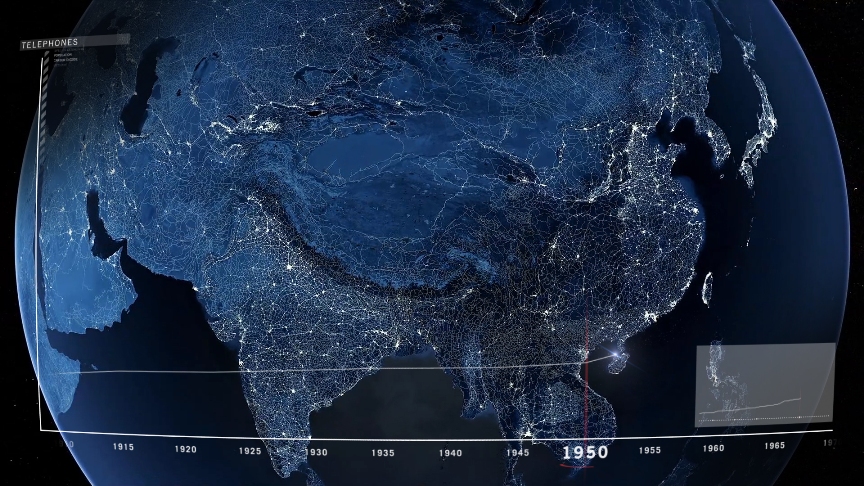
The data visualization, which is already an online viral hit with over 700,000 views, demonstrates that while we have had a dramatic impact on Earth for many thousands of years, it has only been since the 1950s we have grown into a colossal global force.

“The Anthropocene changes our relationship with the planet. We have a new responsibility and we need to determine how to meet that responsibility,” says co-director of the film, Owen Gaffney, director of communications at the International Geosphere-Biosphere Programme (IGBP), based in Stockholm.

“The Rio+20 summit is the largest UN event ever held and the first major international gathering on global sustainability since the concept of the Anthropocene was first popularised,” added Mr Gaffney.

The film opens at the beginning of the Industrial Revolution. As the camera swoops over Earth, viewers watch the planetary impact of humanity: cities, roads, railways, pipelines, cables and shipping lanes until finally the world’s planes spin a fine web around the planet. The film is produced as part of the world’s first educational portal on the Anthropocene.

The film was co-directed by Canadian data visualization expert and anthropologist Felix Pharand-Deschenes from the education organization GLOBAIA.

Pharand-Deschenes said: “Data visualization is a powerful tool to help us view the world and our place in it and to help foster the global awareness needed to support global sustainability and governance. Science can make use of these tools to help bring research to more people.”

The film was commissioned for a major international science conference, Planet Under Pressure, held in March 2012. The conference was designed to provide scientific leadership in support of the Rio+20 summit.

Conference co-chair Dr Mark Stafford Smith from CSIRO in Australia, said: “The film picks up the main theme of the Planet Under Pressure conference: the risks we face are global, urgent and interconnected. Our search for solutions must take this into account.”

The film was produced by the International Geosphere-Biosphere Programme and Globaia. It is part of the website, Anthropocene.info which is co-sponsored by IGBP; Globaia, CSIRO, Stockholm Resilience Centre, Stockholm Environment Institute, International Human Dimensions Programme.

සිවුමංසල කොලූගැටයා #60: රටට රුපියල් බිලියනයක් ඉතිරි කළ හැකි පැය බාගය

This is the Sinhala text of my Sunday column in Ravaya newspaper, 1 April 2012.

Facing an electricity generation crisis, Sri Lanka has embarked on a countrywide energy conservation drive — urging everyone to switch off all non-essential lights, and reduce other forms of power consumption.

The island nation will also join Earth Hour on the evening of today, 31 March 2012. The Ministry of Power and Energy has also launched a campaign called ‘Save Today for Tomorrow’.

Beyond these important yet token gestures, are there smart options that can save significant quantities of electricity, 85% of which is now generated in Sri Lanka using imported, costly fossil fuels?

Yes, there is one: advance the clock by half an hour. Faced with power crises in the past, governments did this in the 1990s — and with tangible results. This is evidence based policy and action. But a vocal minority in Lanka resented this progressive move all along, and in April 2006, they successfully lobbied the (current) government to revert Sri Lanka’s standard time to GMT+5:30 from GMT+6 which had been used since 1996.

I wrote about Sri Lanka giving up on Daylight Saving time in April 2006 in this SciDev.Net opinion essay: Science loses in Sri Lanka’s debate on standard time. As I noted: “In doing so, the government completely ignored expert views of scientists and intellectuals. It listened instead to a vocal minority of nationalists, astrologers and Buddhist monks who had lobbied the newly elected president to ‘restore the clock to original Sri Lankan time’.”

Earth Hour 2012 on 31 March 2012

මිහිතලය සඳහා පැයක් (Earth Hour) යන තේමාවෙන් 2012 මාර්තු 31 වන සෙනසුරාදා ලෝක ව්‍යාප්ත පාරිසරික එකමුතුවීමක් සිදු වනවා. එය පුද්ගල මට්ටමින් ක‍්‍රියාත්මක වුවත් ශ‍්‍රි ලංකාව මෙවර නිල (රාජ්‍ය) මට්ටමින් ද එයට සම්බන්ධ වනවා. එහි මුඛ්‍ය අරමුණ එදින සවස 8.30 සිට 9.30 දක්වා පැයක කාලය තුළ අත්‍යවශ්‍ය නොවන විදුලි බුබුළු නිවා දමා හැකි තාක් විදුලිබලය ඉතිරි කිරිමයි.

මෙය සංකේතාත්මක පියවරක්. ඉතා විශාල සංඛ්‍යාවක් ස්වෙච්ඡවෙන් මේ උත්සාහයට දායක වුවත් තනි පැයක් ඇතුළත ඉතිරි කළ හැකි විදුලය ප‍්‍රමාණය සීමිතයි. එහෙත් ඒ හරහා අපට දිනපතා විදුලිය පිරිමැසිමට ඇති හැකියාව ගැන දැනුවත් විමක් සිදු වනවා. 2007 සිට සෑම වසරක ම මාර්තුවේ අවසන් සෙනසුරාදා සවස පවත්වන මේ මිහිතල පැයට ගිය වසරේ රටවල් 135ක බිලියන් 1.8ක් පමණ දෙනා හවුල් වුනා.

අළුත් ම විදුලිබල ජනන තොරතුරුවලට අනුව දැනට මෙරට විදුලිබල අවශ්‍යතාවයයෙන් 85%ක් ම ජනනය කරන්නේ තාප බලාගාරවලින්. එනම් පෙට්‍රෝලියම් හෝ ගල් අගුරු ඉන්ධන ලෙස ගනිමින්. අපේ රටේ හමු නොවන මේ ඉන්ධන පිටරටින් මිළට ගැනිමට අතිවිශාල වියදමක් දරනවා. මේ ඉන්ධන දහනයේදී නිකුත්වන කාබන් ඩයොක්සයිඞ් වායුව මිහිතලය උණුසුම් කිරිමට දායක වනවා.

විදුලිබල අමාත්‍යවරයා ජනමාධ්‍යවලට මෑතදි පවසා ඇති අන්දමට අපේ රටේ ජනනය කරන විදුලිබලයෙන් හතරෙන් පංගුවක් ම අකාර්යකෂම භාවිතය නිසා අපතේ යනවා. මෙරට සමස්ත ජාතික ආදායමින් 12%ක් විදුලිබල ජනනය සඳහා ගල් අගුරු හා ඛනිජතෙල් පිටරටින් ගෙවිමට වැය කරන්නට සිදුව ඇති මේ අවස්ථාවේ මේ නාස්තිය අතිමහත් බව ඔහු අවධාරණය කරනවා (ද සන්ඬේ ටයිම්ස්, 2012 මාර්තු 18).

බලශක්ති අමාත්‍යාංශය දියත් කර තිබෙන හෙට වෙනුවෙන් අද නම් වූ බලශක්ති සුරැකීමේ ජාතික සත්කාරයෙන් හැම දිනෙක ම සවස 6.30 හා 9.30 අතර විදුලි බුබුලක් නිවා දමා විදුලිය ඉතිරි කරන්න යයි අමාත්‍යාංශය අප සැමගෙන් ඉල්ලා සිටිනවා.

මෙරට විදුලිබල පාරිභෝගිකයන් මිලියන 5න් මිලියන 4.6ක් ම ගෘහස්ත මට්ටමේ බවත්, සවස් කාලයේ වොට් 60ක විදුලි බුබුලක් පැය 3ක් නිවා තැබීම හරහා රටක් වශයෙන් සමස්තයක් ලෙස (cumulatively) සැළකිය යුතු විදුලිබල ප‍්‍රමාණයක් ඉතිරි කර ගත හැකි බවත් අමාත්‍යාංශය ගණන් බලා තිබෙනවා.

මිහිතලයේ පැය සංකේතාත්මක වශයෙනුත්, “හෙට වෙනුවෙන් අද” ප‍්‍රයත්නය ඊට වඩා ප‍්‍රායෝගික හා දිගුකාලීන ලෙසටත් විදුලිබල සංරක්ෂණයට කරන දායකත්වය ප‍්‍රශංසනීයයි.

එහෙත් විදුලිබල කප්පාදුවකින් තොරව දිගට ම සැපයුම ලබා දීමටත්, ඒ සඳහා යන අධික ජනන වියදම පිරිමසා ගැනීමටත් මීට අමතරව ගත හැකි තවත් වඩා සාර්ථක උපාය මාර්ගයක් (smart option) තිබේ ද?

මැදහත් විද්වතුන් වසර ගණනක සිට පෙන්වා දෙන එබදු උපාය මාර්ගයක් තිබෙනවා. එනම් අපේ රටේ සම්මත වේලාව ඔරලෝසුවේ පැය බාගයක් ඉදිරියට ගැනීමයි.

මෙයින් විදුලිබලය ඉතිරිකර ගැනිමේ හැකියාව තේරුම් ගන්නට නම් මුලින් ම අපේ විදුලිබල පරිභෝජනයේ දෛනික රටාව ගැන අවබෝධයක් ලද යුතුයි.

Sri Lanka Electricity Demand Load Curve

ශ‍්‍රී ලංකාවේ විදුලිබල පරිභෝජනය දවසේ පැය 24 පුරා එක ලෙස සිදු වන්නේ නැහැ. එහි වෙනස් වන දෛනික රටාවක් පැහැදිලිව හදුනාගෙන තිබෙනවා. ඒ අනුව දිවයිනේ සමස්ත විදුලබල පරිභෝජනය සැලකිය යුතු ලෙසින් ඉහළ යන (peak) කාල පරාසයන් දෙකක් තිබෙනවා. එයින් පළමුවැන්න දළ වශයෙන් උදේ 5.30 සිට 6.30 දක්වා කාලයේ.

වැඩිපුර ම ආලෝකය සඳහා කැරෙන මේ විදුලි භාවිතය උදාසන හිරු එළිය වැටිම සමග අඩු වනවා. දවසේ ඊළග උච්චවීම ඇරඹෙන්නේ හිරු බැස යාමත් සමග දළ වශයෙන් සවස 6.30ට පමණ. විදුලි ආලෝකය මෙන් ම ටෙලිවිෂන් නැරඹිම සඳහාත් විදුලිය භාව්තා කෙරෙන මේ උච්චවීම, රාත‍්‍රි 10.30 පමණ දක්වා පවතිනවා. ගෘහස්ථ විදුලි පරිභෝජනය වැඩිපුර ම සිදුවන්නේ මේ පැය හතර ඇතුළතයි.

ශ‍්‍රි ලංකාවේ සම්මත වේලාව දැන් පවතින වේලාවට වඩා පැය බාගයක් (විනාඩි 30ක්) ඉදිරියට ගත හොත් විදුලිබල පරිභෝජනය අඩු කර ගත හැක්කේ කෙසේ ද? මේ ගැන දැනට රටේ සිටින ප‍්‍රවීණතම විදුලි ඉංජිනේරුවකු හා බලශක්ති සැලසුම්කරුවෙකු වන ආචාර්ය තිලක් සියඹලාපිටියගෙන් මා විමසුවා. මේ ඔහු දුන් සරල විග‍්‍රහයයි.

සම්මත වේලාව ඉදිරියට ගැනිමෙන් විදුලිබල පරිභෝජනය අඩු කර ගැනිමට නම් සියළු දෛනික කාර්යයන් (පාසල් හා කාර්යාල අරඹන හා හමාර කරන වේලාවන් ආදිය) සිදු කරන වේලාවන්හි කිසිදු වෙනසක් නොකළ යුතුයි. එවා එසේ ම පවත්වා ගනිමින් සම්මත වේලාව පැය බාගයක් ඔරලෝසුවේ ඉදිරියට ගත විට හිරු උදාව (ආසන්න වශයෙන්) පැය බාගයක් ප‍්‍රමාද වී සිදු වනවා. එවිට උදයේ අපට ටිකක් වැඩි කලූවර කාලයක් අත් විදින්නටත්, ඒ සඳහා යම් තරමකට අමතර විදුලි එළියක් යොදා ගන්නටත් සිදු වනවා.

එහෙත් අපේ සමස්ථ විදුලි පරිභෝජනයේ උච්චවීම උදයේ දී අඩුයි; සවසට වැඩියි. සම්මත වේලාව පැය බාගයක් ඔරලෝසුවේ ඉදිරියට ගත් විට හිරු බැසීම ද පැය බාගයකින් ප‍්‍රමාද වී සිදුවනවා. එනම් අප වැඩ හමාර වී ගෙදර ආ පසු හිරු එළිය පවතින කාලය වැඩියි. එවිට අප විදුලි ආලෝක දල්වන්නේ වඩාත් ප‍්‍රමාද වී නිසා සවස් කාලයේ පරිභෝජන උච්චවීම තරමක් අඩු වනවා.

විදුලිබල ජනන සැළසුම්කරුවන් පරිගණක ආකෘති යොදා ගෙන සුක්‍ෂම ලෙස ගණන් බලා ඇති ආකාරයට සම්මත වෙලාව පැය බාගයක් ඉදිරියට ගෙන අන් සියලූ කටයුතු සුපුරුදු පරිදි කළහොත් සවස් කාලයේ ඉතිරි කර ගත හැකි විදුලිය ප‍්‍රමාණය උදේ කාලයේ අමතරව වැය වන විදුලිය මෙන් පස් (5) ගුණයක්. මෙය තනි ගෘහයකට මෙන් ම සමස්ත විදුලි ජනන පද්ධතියටත් වාසිදායක බව ආචාර්ය සියඹලාපිටිය පෙන්වා දෙනවා.

“විදුලි පරිභෝගිකයන් හැටියට විදුලි බිලේ යම් අඩුවක් ලද හැකියි. විදුලිය සපයන්නා හැටියට විදුලිබල මණ්ඩලයට තාප බලශක්ති ජනනයට වැය වන අතිමහත් වියදම යම් තරමකට අඩු කර ගත හැකියි. සමස්ත පද්ධතිය මත දිනපතා සන්ධ්‍යා කාලයට ඇති වන දැඩි ඉල්ලූම හා බැදුණු සම්පේ‍්‍රෂණ අපතේයාම් හා කාන්දුවීම් ද අඩු වන අතර (තාප බලාගාර ක‍්‍රියාකාරිත්වය තරමක් අඩු වන විට) එය පරිසරයට ද හිතකරයි,” ආචාර්ය සියඹලාපිටිය කියනවා.

ඔහු 2006දී අවසන් වරට ගණන් බැලූ අවස්ථාවේ සම්මත වේලාව පැය බාගයකින් ඉදිරියට ගැනිම හරහා මෙරට විදුලිජනන පද්ධතියට ලබා ගත හැකි ඉතිරිය (අරපිරිමැස්ම) සමස්ත විදුලි ජනනයෙන් සියයට බාගයක් (0.5%) වුනා. දැනට (2012) විදුලිජනන සංඛ්‍යා ලේඛණ අනුව බලන විට මෙයින් වසරකට ගිගාවොට් පැය 60ක් ඉතිරි කර ගැනිමේ විභවය තිබෙනවා. පවතින විදුලි ජනන වියදම්වලට ආදේශ කළ විට මේ ඉතිරිය රුපියල් මිලියන 900ක් පමණ වනවා.

මෙසේ විදුලිය ඉතිරි කර ගැනිමේ විභවය හරිහැටි තේරුම් ගන්නට මෙරට විදුලි පරිභෝජනයේ දෛනික රටාව පෙන්වන මේ ප‍්‍රස්තාරය ඉතා වැදගත්. මේ පරිභෝජන රටාව වසරේ බොහෝ දිනවලට අදාළ වන අතර, ඉඳහිට එය වෙනස් වන්නේ උත්සව සමයට හා ශ‍්‍රී ලංකාව තරග කරන ජාත්‍යන්තර ක‍්‍රිකට් තරගාවලි ටෙලිවිෂනයෙන් විකාශය කරන දිනවල පමණයි.

දැනට දිවයිනේ සම්මත වේලාව ලෝක සම්මත (ග‍්‍රිනිච්) වේලාවෙන් පැය පහ හමාරක් (5.30) ඉදිරියෙන් පවතිනවා. 1996 දැඩි විදුලිබල අර්බුදය මතු වූ අවස්ථාවේ එවක රජය සම්මත වේලාව පැයකින් ඉදිරියට ගත්තා (එනම් ගි‍්‍රනිච් වේලාව + 6.30). ඉන් මාස කිහිපයකට පසු එය යළිත් පැය බාගයක් පස්සට ගැනිමෙන් ග‍්‍රිනිච් වේලාවට පැය 6ක් ඉදිරියෙන් වසර ගණනක් පවත්වා ගෙන ගියා (1997-2006 කාලය).

එහෙත් දශක ගණනක් මෙරට පැවති, අපේ ඇත්තන් පුරුදු වී සිටි වේලාව නැවතත් ප‍්‍රතිස්ථානය කළ යුතු යයි ජ්‍යොතිෂවේදීන් ඇතුළු සුළුතරයක් දිගින් දිගට එල්ල කළ බලපෑම් හමුවේ, රජය 2006 අපේ‍්‍රල් මාසයේ මෙරට සම්මත වේලාව නැවතත් ග‍්‍රීනිච් +5.30 බවට වෙනස් කළා.

1996ට පෙර පැවතුණේ ද එකී සම්මත වේලාවයි. නමුත් මෙය ඓතිහාසිකව පැවත ආ සම්මතයක් නොවෙයි. මුළු ලෝකයේ ම අද භාවිත කරන සම්මත වේලාව පිළිබඳව එකගත්වයට එළඹුණේ 1884දී ලන්ඩනයේ පවත්වන ලද ජාත්‍යන්තර සම්මේලනයකදීයි. ඊට පෙර ලෝකයේ විවිධ රටවල් තමන්ට රිසි හා ආවේනික පරිදි වේලාවන් පවත්වා ගෙන ගියා. එහෙත් රටවල් අතර වෙළදාම, සංචරනය හා සන්නිවේදනය වැඩි වන විට වේලාව පිළිබඳ ලෝක සම්මුතියක් අත්‍යවශ්‍ය වුණා.

විදුලිබලය අරපිරිමැස්ම සඳහා සම්මත වේලාව පැය බාගයකින් ඉදිරියට ගැනීම මුල් වරට රජයට යෝජනා වූයේ 1983දී. එවකට සිටි ජනාධිපතිවරයා විද්වතුන්ගේ නිර්දේශය කැබිනට් මණ්ඩලයට ඉදිරිපත් කළත් කැබිනට් එකගතාවක් නොවූ නිසා ක‍්‍රියාත්මක කළේ නැහැ.

විදුලිබලය අරපිරිමැස්ම හරහා විදේශ විනිමය ඉතිරි කර ගන්නා අතර ම කාබන් ඩයොක්සයිඞ් මුදා හැරිම අඩු කර ගන්නටත් අපේ විදුලිබල අමාත්‍යාංශය දක්වන උනන්දුව මීටත් වඩා තීව‍්‍ර කර ගන්නට සම්මත වේලාවේ වෙනස දායක වනු ඇති.

එළඹෙන ඉන්ධන අර්බුදය හමුවේ අපේ දිනචර්යාවේ සුළු වෙනසක් කිරිම මගින් රටේ මෙන් ම ගෙදර ආර්ථිකයටත් වාසියක් ඉතිරියක් ළගා කර ගන්නට ඔබ කැමති ද?

එබදු දුරදර්ශී පියවරක් හරහා වසරකට රුපියල් බිලියනයකට ආසන්න ගණනක් ඉතිරි කර ගැනීමට රජය යොමු වුව හොත්, ඒ ගැන ලක් ජනතාවගේ ප‍්‍රතිචාරය කෙබදු වේවි ද?

එහෙත් ජ්‍යෙතිෂවේදීන්ගේ ග‍්‍රහණයට හසු වූ මෙරට ප‍්‍රතිපත්ති සම්පාදකයන්, තාක්ෂණික වශයෙන් ප‍්‍රශස්ත වන මේ ඉදිරි පියවර තැබිමට එඩිතර වෙයි ද?

Love that Bug: Spinal Beetle completes charity run across South Asia

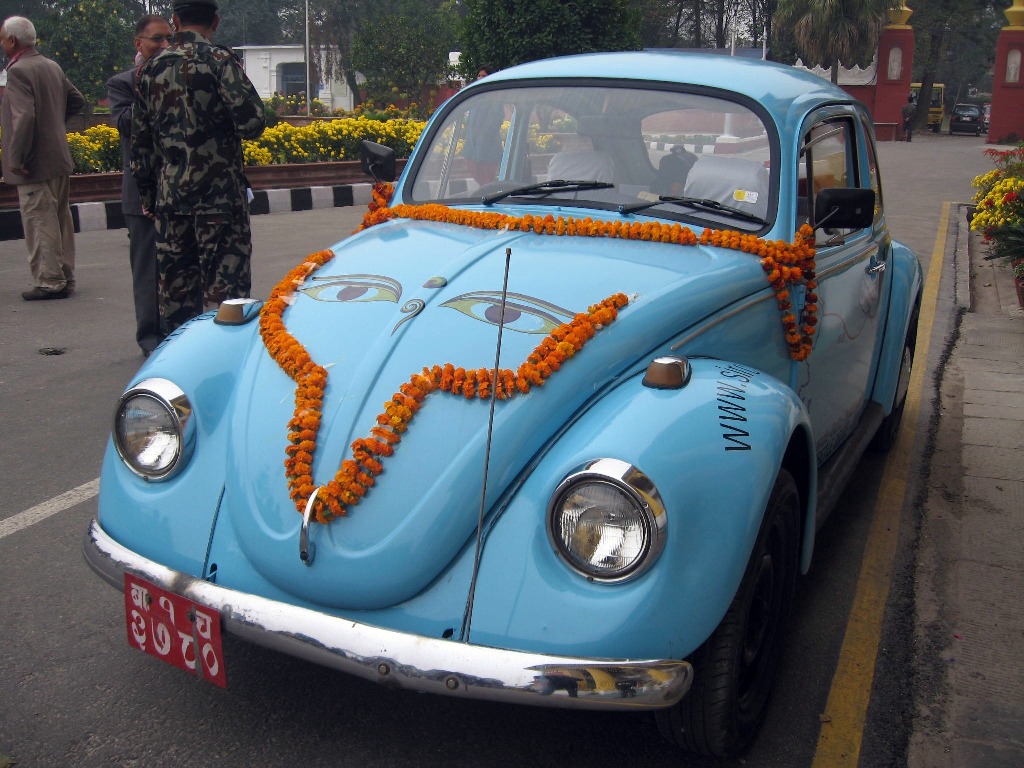
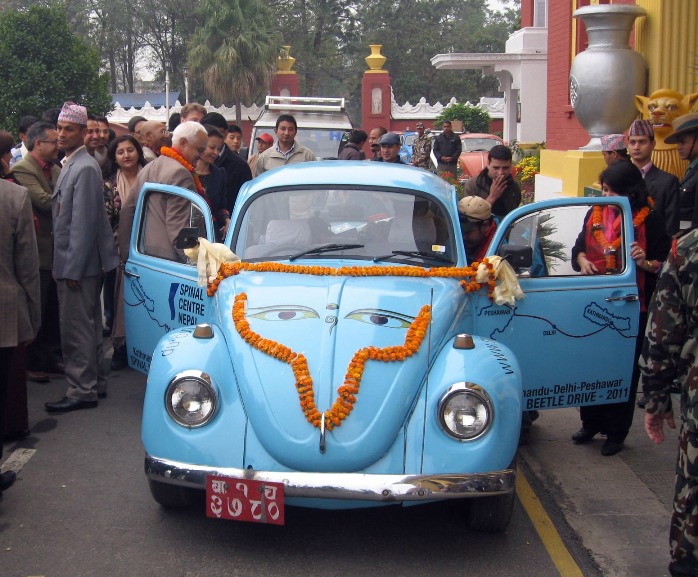
Here's looking at you, people! The Love Bug had only two eyes, but the Spinal Beetle has four. Photo by Nalaka Gunawardene

Deep down in our hearts, we are all Volkswagen Beetle fans: some of us have owned one (my first car was a red bug!), others dream of doing so. The world’s most enduringly popular car design has a particular appeal in South Asia.

And now, South Asian VW Beetle fans have a adorable new mascot. Move over, Disney’s Love Bug (thanks for tons of fun); welcome, Spinal Beetle!

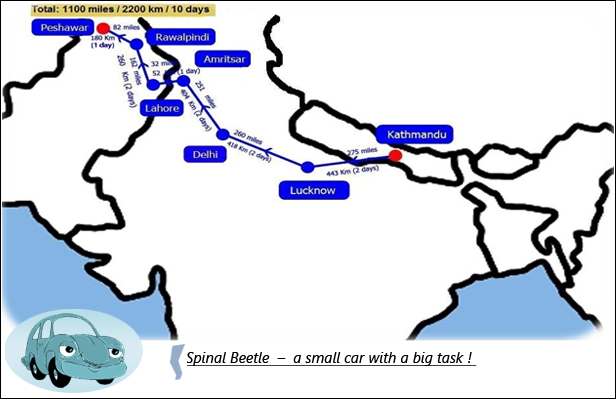
My friend – and hero – Kanak Mani Dixit and his wife Shanta have just completed a 2,200 km (1,100 mile) journey in their nearly 40-year-old Beetle that took them from Kathmandu in Nepal to Peshawar in Pakistan. It was a 12-day, 3-country drive that was to raise funds for spinal injury treatment in Nepal.

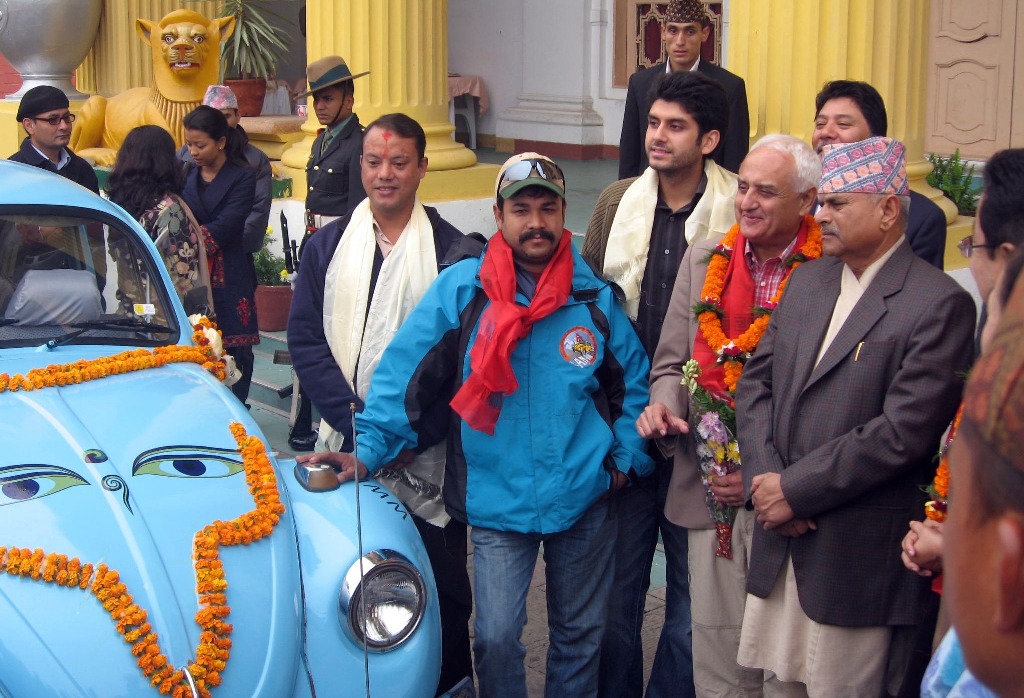
By happy coincidence, I was in Kathmandu on 4 Nov 2011 when the President of Nepal waved off Kanak and Shanta on their journey from the President’s House. It was an informal gathering of friends and well-wishers — with none of the pomposity usually associated with heads of state.

So the photos in this post are all mine. The text that follows is from Kanak and his media team:

President Ram Baran Yadav about to send off Kanak Mani Dixit and Shanta Dixit on 12-day journey in Spinal Beetle - Photo by Nalaka Gunawardene

The ‘Great Nepal-India-Pakistan Spinal Beetle Drive’ arrived in Peshawar on 16 November, ending a 1100-mile odyssey that took the 1973 VW Beetle from Kathmandu through Lucknow, Agra, Delhi, Amritsar, Lahore, Islamabad and Rawalpindi.

“It was an exhilarating journey across the friendly landmass of Southasia, and I hope a pointer towards easy land-crossings for people from all our countries,” said Dixit. “Most of our journey was along the Grand Trunk Road, built originally by Sher Shah Suri in the 16th century. The 21st century demands that we open this highway for the people, commerce and ideas to flow.”

The journey of the sky-blue Beetle was conducted with three goals of promoting ‘land connectivity’ in Southasia, developing links between spinal injury institutions across the Subcontinent, and raising funds for the Spinal Injury Rehabilitation Centre in Nepal.

“The matter of land connectivity is important because airline links can never provide the mass-level contact that our people and economies deserve. One would want to see the same cacophony at the Atari-Wagah border as at the Nepal-India border of Bhairahawa-Sunauli,” said Dixit.

The trip was helpful in developing linkages between organisations such as the Spinal Centre in Nepal, the Indian Spinal Injuries Centre in Delhi (ISIC), the Mayo Hospital in Lahore, the National Institute for Rehabilitation Medicine in Islamabad, the Armed Forces Institute for Rehabilitation Medicine in Rawalpindi, and the Paraplegic Centre in Peshawar.

As for the goal of raising emergency funds for the Spinal Centre-Nepal in order to cope with sudden rise in demand for its services, Dixit said that a little over half of the USD 110,000 goal had been raised. “We hope to complete our goal through a retroactive campaign because the spinally injured of Nepal badly need support,” he said.

Dixit is a civil rights activist, writer and journalist who injured his spine in a trekking accident a decade ago. The Spinal Centre was started in 2002 and inaugurated by the late Sir Edmund Hillary.

Kanak and Shanta Dixit setting off on their long journey in Spinal Beetle from Sheetal Niwas on 4 Nov 2011 morning - Photo by Nalaka Gunawardene

In the ‘Spinal Beetle’ driven by Dixit, he was accompanied by Shanta Dixit, educator and founding member of the Spinal Centre-Nepal. The back-up car, a Mahindra Bolero, included VW Beetle specialist Naresh Nakarmi, Spinal Centre staff member Suman Khadka and Eelum Dixit, doing videography and photography. Social worker Meera Jyoti is chair of the Spinal Centre-Nepal.

The Spinal Beetle drive was flagged off on 4 November by President Ram Baran Yadav of Nepal. In New Delhi, it was received by Maj. H.P.S. Ahluwalia, founder of ISIC, as well as journalist Kuldip Nayar and actor Om Puri. The physicist and peace activist A.H. Nayyar received the Spinal Beetle at the Wagah-Atari border. Throughout the Southasian drive, the team was graciously hosted by members of the Pakistan-India People’s Forum for Peace and Democracy and other organisations, such as the Indian Doctors for Peace and Development in Agra, and Asha for Education in Lucknow.

Among the many interesting aspects of the trip, from the emotional to the historical, Dixit includes the following:

• The Spinal Beetle team responded to the request of 96-year-old Barkat Singh ‘Pahalwan’ of Jalandhar (Indian Punjab) that some earth be collected from his childhood village of Fatehgarh near Sialkot (Pakistani Punjab). Taking a detour from the GT Road, the team found the place, which had now become an urban suburb of Sialkot, and collected a jarful of agricultural earth for Barkat Singh. (for a picture of Barkat Singh and other images, go to ‘Selected Photographs’ on http://www.sirc.org.np)

• The memory of Sher Shah Suri, the Afghan sultan from present-day Bihar who ruled from Agra, followed the team through much of the route, which he had regularised in the mid-16th century as an administrative and commercial artery. His memory was revived by the ‘kos’ markers along the Delhi-Chandigarh stretch, a neglected postal station outside Wazirabad, the great roadside banyans providing shade to travellers then and now, and the Rohtas Fort on the approach to Rawalpindi.

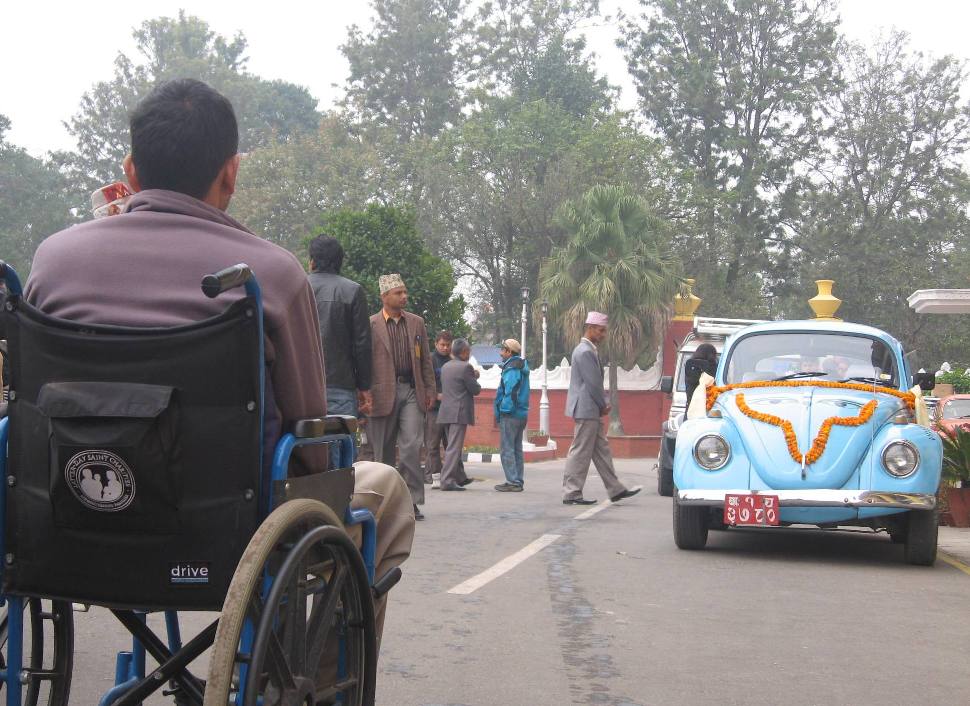
A Nepali on wheelchair watches Spinal Beetle about to depart on a long journey to raise funds for people like him - Photo by Nalaka Gunawardene

• Having started in the Lumbini region of Nepal, where the Buddha was born more than 2,500 years ago, the Spinal Beetle ended its journey in the Gandhar region around Peshawar, a vast centre for Buddhist learning, art and architecture where the Sakyamuni was first etched in human form a few centuries later. In the Potohar Plateau near Islamabad, the Spinal Beetle visited the gigantic Buddhist stupa at the village of Manikyal.

• Arriving in Agra, the Spinal Beetle visited the Taj Mahal on the day of Eid ul-Azha. It arrived in Amritsar and visited Harminder Saheb (the Golden Temple) on the Guru Nanak’s birthday. Passing Gorkha District of Nepal (named after the Gorakhnath temple situated there), the Spinal Beetle traversed Gorakhpur, the base of the Nath sect, and ended its journey in Peshawar where the team visited the Gorakhnath Temple there, opened only a month ago after 60 years of closure. The Delhi-Amritsar leg of the journey was started with a visit to the dargah of Nizamuddin Aulia.

• After watching the mock-militarist show at the Wagah-Atari border between the Indian and Pakistani goose-stepping men in khaki, that very evening the team attended a play on Bhagat Singh and his fight for independence, put on by the Ajoka Theatre of Lahore.

• The Bharatpur government hospital in Chitwan District of Nepal was the first stop of the Spinal Beetle out of Kathmandu. The Bharatpur hospital sought help for setting up a spinal injury rehabilitation unit, which is in line with the Spinal Centre’s belief in decentralising rehabilitation. As a gesture of goodwill for the Nepal-India-Pakistan drive, the hospital committee donated NRs 50,000, which was gratefully received.

• In New Delhi, Maj. H.P.S. Ahluwalia of ISIC suggested that Dixit work to set up a Southasian network for spinal injury rehabilitation, given the specificity of the need. There was an enthusiastic response to this idea throughout the rest of the trip all the way to the Paraplegic Centre in Peshawar.

• At the Mayo Hospital in Lahore, the Medical Superintendent Dr. Zahid Pervaiz and Head of Rehabilitation Medicine Dr. Waseem Iqbal provided information on spinal injury and trauma response that had been developed in Pakistan. They graciously offered four-year full fellowships for two doctors to be sent by the Spinal Centre-Nepal.

Only a Nepali team and a German Bug could get past border babus like this!

• In Islamabad, the Nepal team got specific information on the response to the 2005 earthquake which hit Kashmir and the Hazara division. The team invited Pakistani specialists to Kathmandu to share information on the medical, rescue, social work and humanitarian aspects, so that Nepal would be better able to tackle the mega-tremor that is projected to hit Kathmandu Valley and surrounding areas before long.

• In Islamabad, activist and politician Nafisa Khattak introduced the team to the Melody Theatre, which had served as a staging ground for the sudden rush of victims from the 2005 earthquake. Poignantly, this only cinema hall of the city had been set to torch by a radical mob some years earlier.

• In Agra, members of the Indian Doctors for Peace and Development reminded the team that while there were 8-9 neurosurgeons in the city, there was no rehabilitation centre.

• The Volkswagen Club of Pakistan (VCP) took the Spinal Beetle under its wings in Islamabad and made sure that the car was made ship-shape after the climb up from the Punjab plains. Discussion was started with the club members about organising a VW Beetle rally from Islamabad all the way to Dhaka through India and via Kathmandu, as an exemplary means to develop people-to-people contact in the Subcontinent. This would require cooperation between the VCP, the Association of Nepal’s Beetle Users (ANBUG), the Volkswagen Club of Bangladesh and the Volkswagen Beetle community in India.

• At a meeting organised by the Pakistan-India People’s Forum for Peace and Democracy and the Islamabad Cultural Forum, Dixit spoke on the theme of ‘land connectivity’ in Southasia. “If on an old VW Beetle can do the Kathmandu-to-Peshawar trip with ease, imagine how easy it will be for everyone else.” At this time of geopolitical rapprochement between India, Pakistan and Bangladesh, a special push must be made for land connectivity, he added. “Let a hundred thousand networks bloom across Southasia, in the spectrum from spinal injury to VW Beetles and beyond, to bring the people together.”

More on the Spinal Beetle drive: The sudden rise of the number of patients over the last year has forced the Spinal Centre-Nepal to raise its service from 39 beds to 51. We seek to raise USD 110,000 from the 1,100 mile journey of the Spinal Beetle, at the ‘rate’ of USD 100 per mile from friends and supporters worldwide. By the time the Spinal Beetle arrived at Peshawar on 16 November, a little over half that amount had been raised. The Spinal Beetle Rally is also an effort to raise awareness of spinal injury prevention, rescue, care and rehabilitation in the Subcontinent.

The Spinal Beetle has done the Kathmandu-Dhaka stretch twice, in 2002 and 2005, and touched base at the Centre for the Rehabilitation of the Paralysed (CRP) in Bangladesh. The CRP would be a key institution in the networking of spinal injury rehabilitation institutions that is proposed.

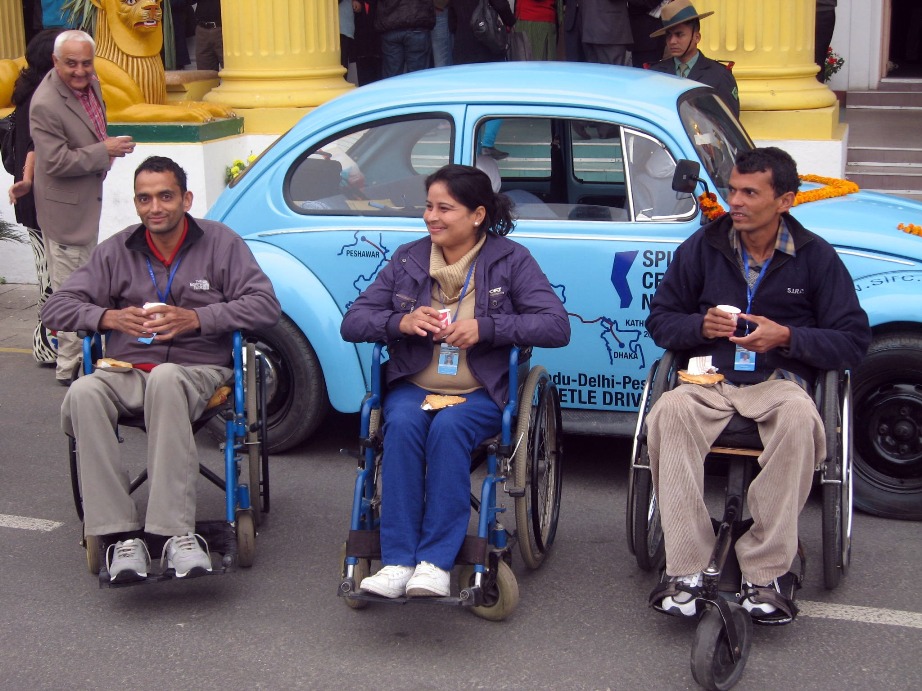
The Spinal Beetle will carry their hopes and dreams across three countries, driven by that small man standing behind - Photo by Nalaka Gunawardene

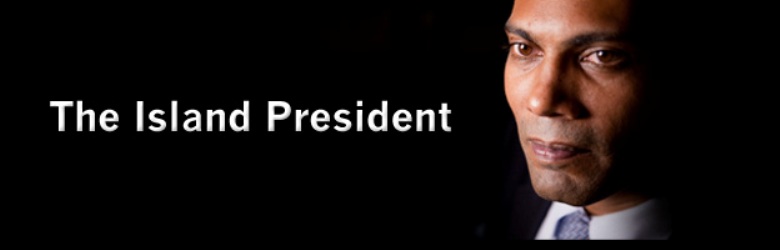
The Island President: New film profiles Mohamed Nasheed at the Frontline of Climate Justice

When it comes to climate change, we're all Maldivians!
President Mohamed Nasheed of the Maldives is an articulate, passionate climate witness on behalf of his endangered island nation of 350,000 people. The technocratic and amiable President is one of the youngest heads of state in the world today. The one-time freelance journalist (who worked with and for various media when he was in political exile) remains very accessible to the international media. He knows the power of old and new media — and how to leverage it for his cause.

I admit to being a Nasheed fan. During the past couple of years, I have blogged about, interviewed and made a short film about President Nasheed. In the less than three years he has been in office, he has faced more than his fair share of economic and political challenges at home, but he has never lost sight of the long-term, bigger issue of climate change advocacy.

And now, his global status as the ‘rock star of climate change’ is enhanced by ‘The Island President’, a 90-minute, feature-style major documentary about him produced by a leading American production company, Actual Films. The film is to be released this summer at various film festivals. I can’t wait to catch it.

The Island President has been in the making for nearly two years. The film makers had exclusive access to the President both in his island nation and on his international travels.

The Island President: Official Trailer

The official Synopsis reads: “The Island President is a a dramatic feature documentary that lifts the issue of global warming out of the theoretical and into the personal. President Mohamed Nasheed is trying to save 385,000 people from drowning. His nation of 1,200 low-lying islands, the Maldives, is sinking into the Indian Ocean as sea levels rise due to global warming.

“With a young, charismatic South Asian leader updating a role once played by Jimmy Stewart, The Island President is like a non-fiction Mr. Smith Goes to Washington elevated to the world stage. Actual Films has secured exclusive access to follow President Nasheed as he prepares over the coming months for the 2009 Copenhagen Climate Summit in December. The terms of the 1997 Kyoto Treaty on Climate Change are about to expire, and leaders from around the world will converge on Copenhagen to hammer out a new treaty with renewed urgency. As the Danish Minister for Climate and Energy acknowledged, “the December days in Copenhagen in 2009 will be…a political thriller on an international scale.” The Summit will be an international showdown where President Nasheed will try to convince world leaders to finally take serious action against looming danger of climate change. The stakes couldn’t be higher-President Nasheed sees this as the last chance to save his homeland, and the world.”

The Island President is a co-production involving Actual Films, AFTERIMAGE PUBLIC MEDIA and the Independent Television Service (ITVS), with funding provided by the Corporation for Public Broadcasting (CPB).

Read about the film makers: Jon Shenk, Director; Bonni Cohen, Producer; and Richard Berge, Producer.

October 2009: President Mohamed Nasheed: Encounter with a genial climate crusader…

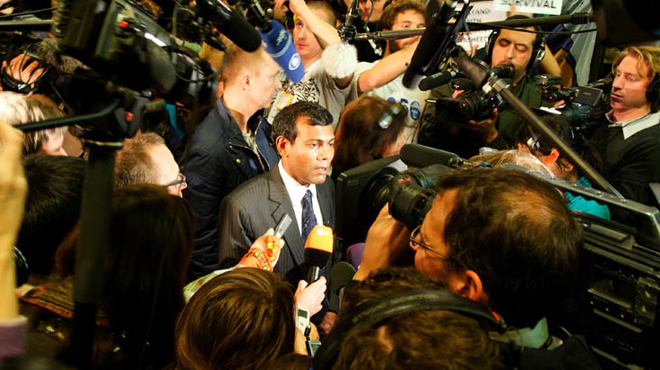
President Nasheed knows what to say and how to say it to the eager media...

‘Amazing Grace’ movie: Story of William Wilberforce, the Model Campaigner

One man, one resolve -- and history is changed!
“When people speak of great men, they think of men like Napoleon – men of violence. Rarely do they think of peaceful men. But contrast the reception they will receive when they return home from their battles. Napoleon will arrive in pomp and in power, a man who’s achieved the very summit of earthly ambition. And yet his dreams will be haunted by the oppressions of war. William Wilberforce, however, will return to his family, lay his head on his pillow and remember: the slave trade is no more.”

Those words are uttered by the character Lord Charles Fox in the British House of Commons towards the end of the 2006 movie Amazing Grace. They sum up the singular accomplishment of William Wilberforce (1759 – 1833), British politician, philanthropist and leader of the movement to abolish the slave trade.

The movie, based on his true story, is not just a well-made period drama. It also offers dramatic insights into one of the most successful – and consequential – social justice campaigns in history. It reminds us that a determined man or woman can, indeed, make a difference in our complex world.

Inspired by a recent visit to Yorkshire, where Wilberforce hailed from, I’ve just watched the movie — and am amazed to find how many such striking parallels there are to evidence-based policy change and law reform in a very different world of ours more than two centuries later.

But first, here’s the storyline from the Internet Movie Database (IMDb):

“In 1797, William Wilberforce, the great crusader for the British abolition of slavery, is taking a vacation for his health even while he is sicker at heart for his frustrated cause. However, meeting the charming Barbara Spooner, Wilberforce finds a soulmate to share the story of his struggle. With few allies such as his mentor, John Newton, a slave ship captain turned repentant priest who penned the great hymn, “Amazing Grace,” Prime William Pitt, and Olaudah Equiano, the erudite former slave turned author, Wilberforce fruitlessly fights both public indifference and moneyed opposition determined to keep their exploitation safe. Nevertheless, Wilberforce finds the inspiration in newfound love to rejuvenate the fight with new ideas that would lead to a great victory for social justice.”

A detailed plot synopsis on IMDB

Wikipedia has a good summary of how Wilberforce and his few determined friends sustained a campaign against this inhuman yet highly lucrative trade.

Wilberforce was every bit the resolute campaigner: used every trick in the book, and then some. He diligently amassed incriminating evidence about the mass-scale abuse of human rights taking place in far-away Africa and on the high seas transporting captured African slaves. He wrote and spoke extensively using facts and figures as well as appeals to human emotions. He collected eye witness testimonials, and gathered over 300,000 signatures in a petition from ordinary people calling for abolition of slavery — which countered the political argument that people didn’t care.

William Wilberforce by Karl Anton Hickel, circa 1794
Wilberforce must have been among the first to realise the power of collective consumer action. On his urging, conscientious consumers in Britain boycotted sugar grown in the Caribbean with slave labour. One of the most sucessful campaigns the Abolition Movement was responsible for was the Sugar Boycott. According to one source: “In 1791 the society distributed leaflets encouraging the public, and especially women, not to buy or use sugar produced in the West Indies by slaves. As a result about 300,000 people boycotted sugar and sales began to drop. In an effort to increase sales, some shops stocked only sugar imported from India, which had not been produced by slaves, and goods were labelled to show this.”

He also worked on and with influential religious and political connections. He surrounded himself with a few trustworthy friends who stay the course despite multiple setbacks, ridicule and character assassination. He was passionate to the point of being obsessive. Yet he also knew when to speak and when to make a tactical retreat. His timing was impeccable as were his patience and commitment.

He wasn’t successful with every social justice campaign he took up. First elected to Parliament in 1780, he campaigned unsuccessfully for penal and electoral reform. It was in 1787, at the encouragement of William Pitt the Younger — his long-long friend and Prime Minister — that he took up the cause of abolition at Westminster. But his humanitarian and ethical arguments had to meet the economic interests of those who had made vast fortunes from the slave trade or the use of slave labour. Many of his fellow Parliamentarians had deep vested interests that wanted to see the status quo continue. Others were in the pay of slave traders.

It was not until 1807 — full 20 years after Wilberforce first started his campaign — that the Abolition Bill was finally passed. Just before that, Wilberforce wrote his famous ‘Letter on the Abolition of the Slave Trade, Addressed to the Freeholders and Other Inhabitants of Yorkshire’, justifying his preoccupation with abolition against claims that he was neglecting their local interests at Westminster, and setting out all his arguments against the slave trade.

Then, as now, elected people’s representatives have to perform this difficult balancing act — between their constituency’s immediate, everyday needs and the greater good or national interest. Which is why all progressive legislators and social justice campaigners should watch Amazing Grace, and read the Wilberforce biography.

Times have indeed changed, but their challenges have not.

Wikipedia entry on Amazing Grace movie

Watch the trailer for Amazing Grace:

Cooling without warming: Cool Biz for a safer future?

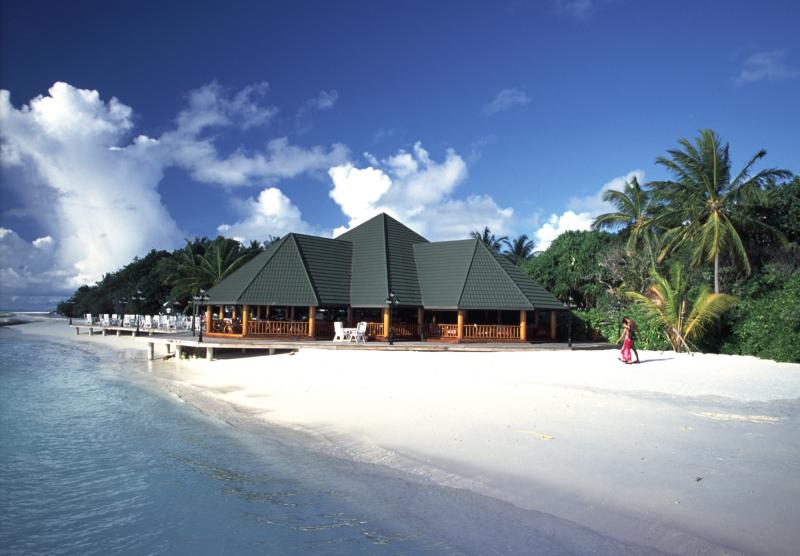
Image courtesy - Paradise Island Resort, Maldives
Paradise, The Maldives. 10 May 2011

I’m sitting in Paradise – and freezing. This isn’t quite what I imagined it to be.

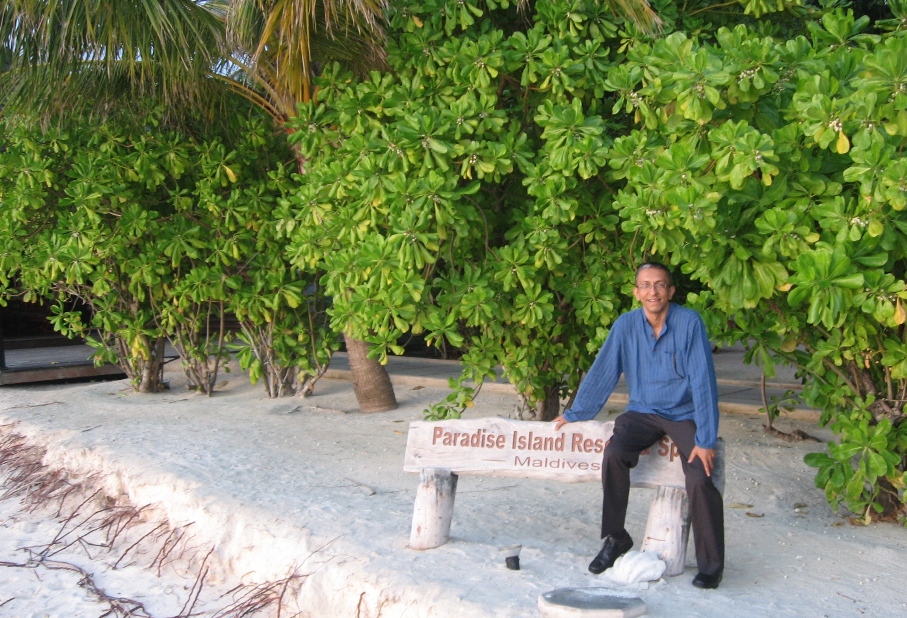
Well, actually I’m attending a serious inter-governmental meeting being held at the Paradise Island Resort and Spa in the Maldives.

The setting is exotic enough – I’m near some of the finest beaches and bluest seas in the world. It’s a cloudy day outside, with tropical sunshine interrupted by occasional showers. We’re just a few hundred kilometres north of the Equator.

But it’s whole different world inside the meeting room. We have no windows and are visually cut off from the scenery. And the air conditioning is too strong. Even the 50 or so people inside the room don’t emit enough body heat to counter the chill spilling out from the ceiling.

Paradise (resort) isn’t alone. Across tropical Asia, our public offices, hotels and shopping malls just love to freeze us out.

This habit has a particular irony at this meeting. Convened by the UN Environment Programme (UNEP), it’s discussing how to stay cool without killing the planet.

To be precise, how air conditioning and refrigeration industries can continue their business – and keep cooling people and goods – without damaging the ozone layer or warming the planet.

It’s the semi-annual meeting of government officials from across Asia who help implement the Montreal Protocol to control and phase out several dozen industrial chemicals that damage the ozone layer in the upper atmosphere.

A nitpicker in Paradise? Photo by Darryl D'Monte

Adopted in 1987 and now ratified by 196 countries, it is the world’s most successful environmental treaty. It has reversed a catastrophic loss of ozone high up in the Earth’s atmosphere, and prevented tens of thousands of cases of skin cancer and cataract.

A landmark was reached at the end of 2009, when it succeeded in totally phasing out the production and use of chlorofluorocarbons (CFCs) — chemicals that had helped the cooling industries for decades. Now, a bigger challenge remains: removing two other widely used gases known as HCFCs and HFCs.

Both were originally promoted as substitutes for CFCs in the early days of the Protocol. HCFCs are less ozone-damaging than CFCs, while HFCs are fully ozone-safe. However, both have a high global warming potential — up to 1,700 times that of Carbon dioxide — and therefore contribute to climate change.

It was only a few years ago that scientists and officials realized that there was little point in fixing one atmospheric problem if it aggravated another. So in 2007, the Montreal Protocol countries agreed to address the climate impacts of their work.

The Montreal Protocol now encourages the countries to promote the selection of alternatives to HCFCs that minimize environmental impacts, in particular impacts on climate change.

The air conditioning and refrigeration industries are being encouraged to switch from HCFC to substitutes ahead of the global phase-out deadline of 2030. Alternatives — including natural refrigerants such as ammonia, carbon dioxide, hydrocarbons — are entering the market for many applications.

Parallel to this, consumers are being encouraged to opt for newer appliances that are both ozone-safe and climate friendly.

It takes time and effort for this message to spread and take hold. Many users — especially in the developing countries — only consider the purchase price of appliances and not necessarily the long-term energy savings or planetary benefits.

Events like the first Asian Ozone2Climate Roadshow, held in the Maldivian capital Malé from 8 to 12 May 2011, are pushing for this clarity and awareness. It’s still an uphill task: too many people have to be won over on too many appliances using a wide range of chemicals and processes.

And sitting here at my freezing corner of Paradise, I feel we should add another message: conserving energy includes a more rational and sensible use of air conditioning.

Perhaps we should promote and adopt the Japanese practice of Cool Biz.

Introduced by the Japanese Ministry of Environment in the summer of 2005, the idea behind Cool Biz was simple: ensure the thermostat in all air conditioners stayed fixed at 28 degrees Centigrade.

CoolBiz Logo
That’s not exactly a very cool temperature (and certainly no freezing), but not unbearable either.

The Cool Biz dress code advised office workers to starch collars “so they stand up and to wear trousers made from materials that breathe and absorb moisture”. They were encouraged to wear short-sleeved shirts without jackets or ties.

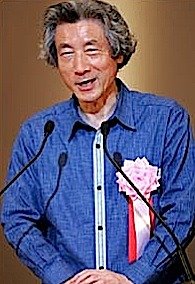
A Cool Koizumi: Leading from the front...
Then Prime Minister Junichiro Koizumi himself set the tone, wearing informal attire. But then, he was already known for his unorthodox style.

Clothes designers and retailers chipped in, with clothes offering greater comfort at higher temperatures.

Cool Biz changed the Japanese work environment – and fast. I remember walking into a meeting at a government office in Tokyo a few weeks after the idea had been introduced, and finding I was the most formally dressed.

The Japanese like to count things. When the first season of Cool Biz ended, they calculated the countrywide campaign to have saved at least 460,000 tons of Carbon dioxide emissions (by avoided electricity use). That’s about the same emissions from a million Japanese households for a month.

The following year, an even more aggressive Cool Biz campaign helped save an estimated 1.14 million tons of Carbon dioxide – or two and half times more than in the first year.

The idea also traveled beyond Japan. In 2006, the South Korean Ministry of Environment and the British Trade Union Congress both endorsed the idea.

This summer, the seventh since Cool Biz started, there is an added reason for the Japanese to conserve energy. As the Asahi Shimbun reported on 28 April 2011: “In what has been dubbed the ‘power-conserving biz’ campaign, many companies plan to conserve energy during the peak summer period in light of expected power shortages caused by the crisis at the Fukushima No. 1 nuclear power plant.”

Meanwhile, the rest of us freeze-happy tropical Asians can evolve our own Cool Biz practices – we don’t need to wait for governments and industry to launch organized campaigns.

For a start, we – as consumers or patrons – can urge those who maintain public-access buildings to observe voluntary upper limits of cooling. Sensitive thermostats can automatically adjust air conditioner operations when temperatures rise above a pre-determined comfortable level.

It all depends on how many of us pause to think. Of course, we can also continue business as usual – and freeze ourselves today for a warmer tomorrow.

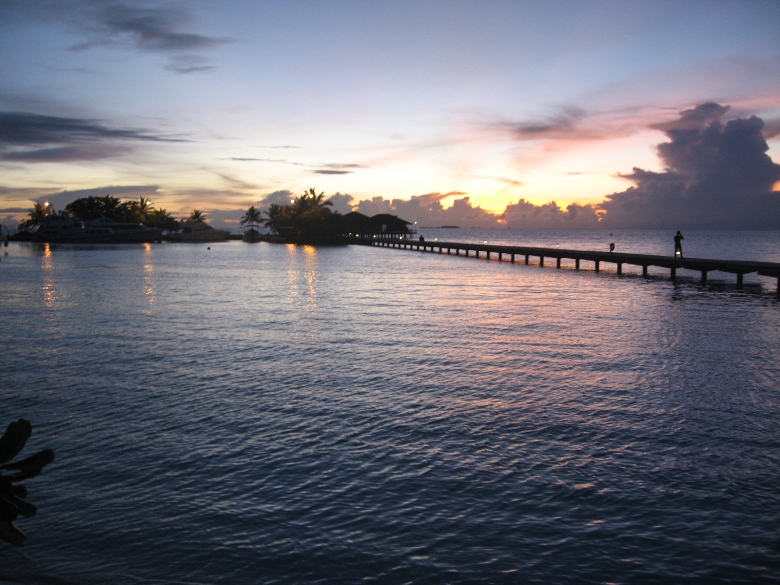
The sun sets in Paradise too - photo by Nalaka Gunawardene

Anand Patwardhan: Film maker as perennial trouble-maker

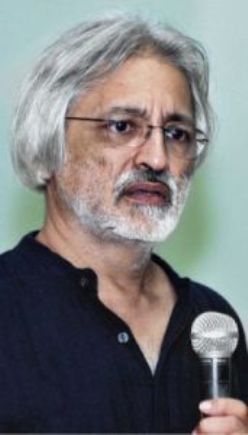
Anand Patwardhan

Anand Patwardhan is one of India’s best known and most outspoken documentary film makers. He has been making political documentaries for over three decades, pursuing diverse and controversial issues that are at the crux of social and political life in India. He epitomises the activist film maker and has inspired a generation of socially sensitive film makers.

In the world’s largest democracy that is India, and in a country with a vibrant and diverse media that is considered to be among the most free in the developing world, Anand has constantly run into problems getting his films seen on broadcast television. Many of his films were at one time or another banned by state television channels in India and became the subject of litigation by Anand, who successfully challenged the censorship rulings in court.

As his website notes, several of his films have also incurred the wrath of right wing fundamanentalists both in India and abroad. “In keeping with the uneven nature of India’s democratic institutions and its sharply divided polity, bouquets have been accompanied by brickbats.”

I came across a good interview with Anand Patwardhan in the Indian current affairs magazine Frontline, issue for 4 – 17 December 2010. Here are two questions concerning the censorship problems he has often faced:

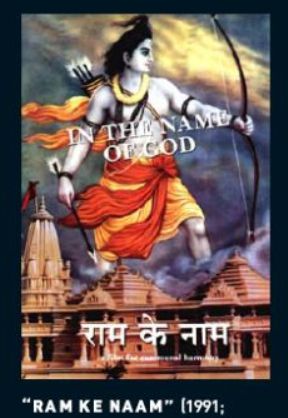
Ram Ke Naam (In the Name of God), 1991
Q: You have had problems getting clearance from the Central Board of Film Certification for almost all your films, and then later they were not allowed to be screened on Doordarshan. Your films are also not screened on private channels. How do you see this constant struggle with these forms of censorship?

A: Right from the first film, I faced censorship in some form or the other. Even the Janata Party after it came to power refused to screen Waves of Revolution though it was against the Emergency. L.K. Advani was the Information and Broadcasting Minister then. I had added an epilogue which said that the janata raj [people’s rule] that the film spoke about was not the same as [that of] the Janata Party now in power. I also drew attention to the political prisoners still being held in jail. Finally, after media pressure built up, the film was screened on Doordarshan.

Prisoners of Conscience also got into trouble with the censor board, and it took a letter from Satyajit Ray to the government saying that they must not stop a film like this to get the required clearance.

Ram Ke Naam followed the rath yatra of Advani and the violence in Ayodhya on October 30, 1990, when the Babri Mosque was attacked for the first time. It was meant to be a warning to the nation about the rise of Hindutva fundamentalism. I had trouble with the censors initially, but it finally got through in 1992 and then I had trouble with Doordarshan, which refused to show it. Finally, after the film won a national award for Best Investigative Documentary, I was able to go to court and argue that the government cannot give me a national award and yet say that I cannot show the film on Doordarshan, which it had been doing systematically. In fact, whenever any film of mine won a national award, I used it to go to court. I argued that not showing such a film on national TV was a denial of my right to freedom of expression and of the viewers’ right to information.

On these grounds I have won seven cases till now – five in the High Courts and two in the Supreme Court after the government went in appeal. Ram Ke Naam was finally shown on Doordarshan in 1997. The judge ordered that the film should be telecast at prime time.

Stills from Anand Patwardhan (courtesy his website)

Q: Why have you not approached private channels to screen your films?

A: The private media, including television, are not about giving people information. They are run by corporates more interested in providing entertainment. Their news and analysis are restricted to five and 10 second [sound] bites. Their clear mandate is commercial. They will ask, “Where are the advertisers who will endorse your product? Who is going to give the money to show this? Are we going to waste one and a half hours of TV time on issues?”

I have also discovered that even in the private domain there is political censorship. A few days before the Allahabad High Court verdict on [the] Ayodhya [title suit] was due, a private channel approached me to screen Ram Ke Naam. They paid me for three broadcasts but stopped after showing the film just once despite extremely positive feedback from viewers. On inquiring, I was told that the channel was pressured not to show the film by both the Information and Broadcasting Ministry and the TV Broadcasters’ Association. Anyone who watches Ram Ke Naam will realise that this censorship was done to protect the interests of unscrupulous politicians who had used the emotive appeal of Ram for financial and political gain.

The situation today is such that you cannot pinpoint where the censorship is coming from. During the Emergency you at least knew who the enemy was. But now what do you do when every wing of society – whether it’s the legal system, and so on – is complicit in a blanket suppression of facts.

Read the full interview in Frontline magazine, issue for 4 – 17 December 2010

Read TVE Asia Pacific profile and interview with Ananda Patwardhan in 2002