Ray Wijewardene website: Celebrating a Man for All Elements!

Ray Wijewardene (1924 - 2010): A man for all elements

One year has passed since Ray Wijewardene’s death aged 86. In that year, I’ve been privileged to play a part in celebrating his life and preserving his legacy.

My main contribution todate is building the official Ray Wijewardene website, which was launched in time for Ray’s 87th birth anniversary. It can now be accessed at: http://www.raywijewardene.net

Here’s the promotional blurb I sent out to a few dozen people this weekend:

Philip Revatha (Ray) Wijewardene (1924 – 2010) was an extraordinary Sri Lankan who was rightly called a Renaissance Man. Educated at two of the most prestigious universities in the world (Cambridge and Harvard), he excelled in many different areas of human endeavour: agriculture, aviation, engineering design, inventions, renewable energy technologies and water sports. He also painted and played the violin.

The Ray Wijewardene official website went ‘live’ just in time for Ray’s 87th birth anniversary on 20 August 2011.

This informative website captures highlights of Ray’s rich and colourful life that covered different areas of human endeavour: agriculture, aviation, engineering design, renewable energy, transport and water sports. It promotes his vision for self-reliance, innovation and sustainable development in Sri Lanka and in other countries in the humid tropics.

Weaving the four elements: Ray's logo
The website introduces Ray as ‘a man for all elements’, and showcases his personal logo that symbolised the integration of the four elements in eastern philosophy: water, fire, air and matter/Earth.

It carries first person narratives written by five individuals who knew Ray in different capacities: aviator Capt Elmo Jayawardena, renewable energy specialist P G Joseph, science writer Nalaka Gunawardene, conservationist Dr Ranjith Mahindapala and biologist Rohan Pethiyagoda. It also collates links to tributes and appreciations that were published in the media following Ray’s death in August 2010.

In another section, the website has a photo gallery that includes many hitherto-unseen images drawn from the Wijewardene family albums and from various other institutional and media sources. These offer glimpses of Ray Wijewardene’s education, training, career and leisure activities that took him to the universities of Cambridge and Harvard, international service with the United Nations, the Olympic and Asian games and the grassroots in Sri Lanka.

The website was conceived and built by the Colombo-based non-profit media foundation TVE Asia Pacific. It is an entirely voluntary effort that involved the collaboration of many individuals from different backgrounds and geographical locations. Information and images were sourced from Ray’s family members, friends and associates.

More information, photographs and videos are to be added as new material becomes available. The website actively seeks memories, anecdotes and images for the Ray biography compilation project that is now underway.

The Ray Wijewardene Charitable Trust (RWCT) was established in early 2011 to promote Ray’s vision and ideas in Sri Lanka. The Trust will support innovation in areas that were close to Ray’s heart. This website is the Trust’s first public activity to preserve Ray’s legacy.

සිවුමංසල කොලූගැටයා #28: සැබෑ හරිත විප්ලවයක් සොයා ගිය රේ විජේවර්ධන

In this Ravaya column (in Sinhala), I summarise the views of late Dr Ray Wijewardene on sustainable farming. Written to mark his first death anniversary, it is the beginning of a series of explorations of his critical thinking on issues of agriculture, energy, environmental conservation and innovation.

This first appeared in Ravaya Sunday broadsheet newspaper on 21 August 2011.

See also next week’s column:
28 Aug 2011: සිවුමංසල කොලූගැටයා #29: වෙලට නොබැස පොතෙන් ගොවිතැන් කරන කෘෂි විද්‍යාඥයෝ

‘ඔබ මෙහි ආවේ කොහොම ද?’

ආචාර්ය රේ විජේවර්ධන තමන් හමු වන්නට ආ අමුත්තන්ගෙන් නිතර මේ ප‍්‍රශ්නය ඇසුවා. බොහෝ දෙනකුගේ උත්තරය වූයේ මෝටර් රථයකින් හෝ බස් රථයකින් පැමිණි බවයි.

“ඔබ පැමිණ ඇත්තේ පිටරටින් ගෙනා වාහනයක්, පිටරටින් ගෙනා ඛනිජ තෙල් දහනය කරමින්, පිටරටින් ම ගෙනා තාර දමා තැනූ මහ පාරක් ඔස්සේයි.” එවිට ඔහු කියනවා. “ඉතින් ඔබ තවමත් සිතනව ද මේ නිදහස් හා ස්වාධීන රටක් කියා?’

මේ ප‍්‍රශ්නය දුසිම් ගණනක් දෙනා සමග රේ විජේවර්ධන මතු කරන්නට ඇති. ඒ තරමට ඔහු එබඳු දේ ගැන දිවා රාත‍්‍රී කල්පනා කළා. හැකි සෑම අවස්ථාවක ම රටේ විද්වතුන්, පාලකයන් හා ව්‍යාපාරිකයන්ගේ අවධානය යොමු කළා.

ඉංග‍්‍රීසියෙන් නිදහසට කියන ‘independent’ යන වචනයට වඩා ඔහු කැමති වූයේ ‘non-dependent’ යන්නටයි. අපේ මූලික අවශ්‍යතා හැකි තාක් දුරට අප ම සම්පාදනය කර ගැනීමෙන් පමණක් අපේ රටට සැබෑ නිදහසක් හා ස්වාධීපත්‍යයක් ලද හැකි බව ඔහු තරයේ විශ්වාස කළා.

විද්‍යා ජ්‍යොති, දේශමාන්‍ය ආචාර්ය පිලිප් රේවත (රේ) විජේවර්ධන අපෙන් වියෝ වී වසරක් පිරෙන මේ මොහොතේ ඔහුගේ අදීන චින්තනය ගැන ටිකක් කථා කරමු.

ඉංජිනේරුවකු හැටියට බි‍්‍රතාන්‍යයේ කේම්බි‍්‍රජ් සරසවියේ ඉගෙනුම ලැබූවත් ඔහු පසු කලෙක තමන් හදුන්වා දුන්නේ ‘ගොවියකු හා කාර්මිකයකු’ හැටියටයි (farmer and mechanic). පොතේ දැනුම හා න්‍යායයන්ට වඩා ප‍්‍රායෝගික අත්දැකීම් හා අත්හදා බැලීමෙන් ලබා ගන්නා අවබෝධය ඉතා වටිනා බව ඔහු නිතර ම කියා සිටියා.

බටහිර සම්ප‍්‍රදායට විද්‍යා අධ්‍යාපනයක් හා තාක්‍ෂණ පුහුණුවක් ලද ඔහු, පසු කලෙක තම උත්සාහයෙන් පෙරදිගට හා ශ්‍රී ලංකාවට උරුම වූ දේශීය දැනුම ප‍්‍රගුණ කළා. එහෙත් ඇතැම් අන්තවාදීන් මෙන් එක් දැනුම් සම්ප‍්‍රදායක එල්බ ගෙන අනෙක් සියළු දැනුම් සම්ප‍්‍රදායන් හෙළා දැකීමක් කළේ නැහැ. ඒ වෙනුවට ඔහු පෙර-අපර දෙදිග යා කරමින්, හැම තැනින් ම හරවත් හා ප‍්‍රයෝජනවත් දැනුම උකහා ගනිමින් අපේ කාලයේ සංවර්ධන අභියෝගයන්ට ප‍්‍රතිචාර දැක්විය හැකි ක‍්‍රමෝපායයන් සොයා ගියා.

කෘෂිකර්මය, බලශක්තිය, ඉඩම් පරිහරණය හා පරිසර සංරක්‍ෂණය යන ක්‍ෂෙත‍්‍ර හතරේ නිරවුල් හා නිවහල් දැක්මක් මත පදනම් වූ ප‍්‍රායෝගික ප‍්‍රතිපත්ති, කි‍්‍රයාමාර්ග හා විසඳුම් රාශියක් ඔහු යෝජනා කළා. රේ විජේවර්ධනට කළ හැකි ලොකු ම ගෞරවය නම් ඔහු එසේ දායාද කළ දැනුම් හා අදහස් සම්භාරය ප‍්‍රයෝජනයට ගැනීමයි.

කුඩා වියේදී රේට උවමනා වුණේ අහස්යානා පදවන්න හා නිපදවන්න. එහෙත් උපන් රටට වඩා ප‍්‍රයෝජනවත් වන ශාස්ත‍්‍රයක් උගන්නා හැටියට පියා දුන් අවවාදයට අනුව ඔහු කෘෂිකර්ම ඉංජිනේරු විද්‍යාව (agricultural engineering) හදාරා පසු කලෙක ශෂ්‍ය විද්‍යාව (agronomy) පිළිබඳ විශේෂඥයකු වුණා. නමුත් එම ක්‍ෂෙත‍්‍රයට ප‍්‍රවේශ වන වෙනත් විද්වතුන් මෙන් පොතෙන් ගොවිතැන් කිරීමට හෝ විද්‍යාගාරවල පර්යේෂණ කිරීමට හෝ පමණක් ඔහු සීමා වුණේ නැහැ.

හේන් ගොවියාට හා වෙල් ගොවියාට බලපාන ගැටළු හා අභියෝග හඳුනා ගන්නට ඔහු ඔවුන් සමග ගොවි බිම් හා වෙල්යායවල කල් ගත කළා. මුළු ජීවිත කාලය පුරා ම කෘෂිකර්මය පිළිබඳ ඔහුගේ දැක්මට පාදක වුණේ කුඩා ගොවියාගේ ජීවන තත්ත්වය නගා සිටුවීම හා ගොවිතැනේදී කුඩා පරිමාන ගොවීන් හා ගෙවිලියන්ගේ පරිශ‍්‍රමය වඩාත් කාර්යක්‍ෂම කිරීමයි.

හරිත විප්ලවය (Green Revolution) 1950 දශකයේ ආරම්භ වන අවධියේ තරුණ විද්‍යාඥයකු හා ඉංජිනේරුවකු හැටියට රේ විජේවර්ධනත් එහි කොටස්කරුවකු වුණා. ඝර්ම කලාපීය රටවල කුඩා ගොවීන්ට ලෙහෙසියෙන් හැසිරවිය හැකි, නඩත්තුව වඩාත් පහසු වූ රෝද දෙකේ අත් ට‍්‍රැක්ටරයක් ඔහු නිර්මාණය කළා. බි‍්‍රතාන්‍යයේ සමාගමක් මගින් LandMaster නමින් 1960 හා 1970 දශකවල ලොව පුරා අලෙවි කළේ මේ නිර්මාණයයි.

එහෙත් වසර කිහිපයකින් ඔහු තම නිර්මාණයේ සැබෑ සීමාවන් හඳුනා ගත්තා. 1964 දී අමෙරිකාවේ හාවඞ් සරසවියේ ව්‍යාපාරික පාසලේ තම නිර්මාණය පිළිබඳව තොරතුරු ඉදිරිපත් කරන විට සභාවේ සිටි සුප‍්‍රකට අමෙරිකානු නිපැයුම්කරු හා ඉංජිනේරු බක්මින්ස්ටර් ෆුලර් (Buckminster Fuller) රේට මෙහෙම ප‍්‍රශ්නයක් මතු කළා: “ඔබේ ට‍්‍රැක්ටරය කළේ ගොවිතැන් කටයුතු යාන්ත‍්‍රික කිරීම ද? නැත්නම් මීහරකා යාන්ත‍්‍රික කිරීම ද?”

20 වන සියවසේ තාක්‍ෂණ කේෂත‍්‍රයේ දැවැන්තයකු මතු කළ මේ සරල ප‍්‍රශ්නය හමුවේ තමන් නිරුත්තර වූ බවත්, ඒ ඔස්සේ දිගට කල්පනා හා සංවාද කිරීමෙන් පසු කෘෂිකර්මය පිළිබඳ එතෙක් තිබූ ආකල්ප මුළුමනින් ම වෙනස් කරගත් බවත් රේ පසුව ඉතා නිහතමානීව ප‍්‍රකාශ කළා. එම තීරණාත්මක මුණ ගැසීමෙන් අනතුරුව බක්මින්ස්ටර් ෆුලර් හා රේ විජේවර්ධන සමස්ත හරිත විප්ලවය විචාරශීලීව විග‍්‍රහ කළා. රේ එතැන් පටන් සිය ජීවිත කාලය ම කැප කළේ සොබා දහමට වඩාත් සමීප වන ගොවිතැන් කිරීමේ ක‍්‍රම ප‍්‍රගුණ කරන්නට හා ප‍්‍රචලිත කරන්නටයි. පරිසරයට හිතකර ගොවිතැන (conservation faming) අපට අළුත් දෙයක් නොවන බව ඔහු පෙන්වා දුන්නා.

පසු කලෙක (1995) ඔහු හරිත විප්ලවය දෙස හැරී බැලූවේ මේ විදියටයි.  “හරිත විප්ලවයේ ප‍්‍රධාන අරමුණ වුණේ හැකි තාක් බාහිර එකතු කිරීම් (රසායනික පොහොර, කෘමි නාශක, වල් නාශක, දෙමුහුම් බීජ වර්ග) හරහා අස්වැන්න වැඩි කිරීමයි. එහෙත් එහිදී අප අමතක කළ දෙයක් තිබුණා. ගොවින්ට අවශ්‍ය හුදෙක් අස්වනු වැඩි කර ගැනීමට පමණක් නොවෙයි. ගොවිතැනින් හැකි තරම් වැඩි වාසියක් හා ලාබයක් උපයා ගන්නටයි. නමුත් හරිත විප්ලවය හඳුන්වා දුන් හැම දෙයක් ම මිළට ගන්නට යාමේදී ගොවියාගේ නිෂ්පාදන වියදම ඉහළ ගියා. එයට සාපේක්‍ෂව (අස්වනු වැඩි වූවත්) ඔවුන්ගේ ශුද්ධ ලාභය එතරම් වැඩි වූයේ නැහැ. ඔවුන්ගේ ණයගැති භාවය නම් වැඩි වුණා. ඊට අමතරව බාහිර රසායනයන් අධිකව එක් කිරීම නිසා ගොවිබිම්වල ස්වාභාවික පරිසරය දරුණු ලෙස දුෂණයට ලක් වුණා.”

අද මේ කරුණු බොහෝ දෙනා පිළි ගෙන ඇතත් 1960 දශකය අගදී රේ මෙබඳු අදහස් ප‍්‍රසිද්ධියේ ප‍්‍රකාශ කළ විට ඒවා මනෝ විකාර හා සංවර්ධන-විරෝධී, කඩාකප්පල්කාරී අදහස් හැටියට සැළකුණා. බතින් බුලතින් රට ස්වයංපෝෂණය කිරීමේ ඒකායන ඉලක්කයට කොටු වී සිටි දේශපාලකයන්ට හා නිලධාරීන්ට මේ අදහස්වල වටිනාකම වැටහුනේ බොහෝ කලක් ගත වූ පසුවයි.

ප‍්‍රශ්නයක් මතු කළ හැම විට ම එයට හොඳ විසඳුම් සොයා යාමේ මාහැගි පුරුද්දක් රේට තිබුණා. හරිත විප්ලවය බලාපොරොත්තු වූ තරම් දිගු කාලීන වාසි ලබා නොදුන් නිසා එයට විකල්ප සෙවීම අවශ්‍ය වුණා. එහිදී ඔහු නවීන විද්‍යා දැනුම ප‍්‍රතික්‍ෂෙප කළේ නැහැ. දෙවන ලෝක යුද්ධයේ නිමාවෙන් පසු ලොව පුරා සීඝ‍්‍රයෙන් වර්ධනය වූ ජනගහනයට සරිලන තරමට ආහාර නිෂ්පාදනය වැඩි කිරීමේ ප‍්‍රායෝගික අවශ්‍යතාවය ඔහු හොඳ හැටි දුටුවා.

ඔහු කියා සිටියේ පෙරදිග අපේ වැනි රටවල දිගු කලක් තිස්සේ ගොවිතැන් සඳහා යොදා ගත් දේශීය දැනුම කාලීන අවශ්‍යතාවයන්ට අනුව සකසා ගැනීමෙන් වඩාත් කාර්යක්‍ෂම, පරිසරයට මෙන් ම අපේ සෞඛ්‍යයටද හිතකර ආහාර බෝග නිෂ්පාදනයකට යොමු විය හැකි බවයි. මෙය හඳුන් වන්නේ low external input sustainable agriculture (LEISA) කියායි.

මා රේ විජේවර්ධන හඳුනා ගත්තේ 1980 දශකය මැද දී. ඔහු ඉතා නිහතමානී ලෙසින් හා උද්‍යොගයෙන් තරුණ විද්‍යා ලේඛකයකු හා පුවත්පත් කලාවේදීයකු වූ මගේ ප‍්‍රශ්නවලට පිළිතුරු දුන්නා. ඔහුගේ විෂය ක්‍ෂෙත‍්‍රයන්ට අදාල කරුණක් ගැන අසා දැන ගැනීමට  ඕනෑ ම වේලාවක දුරකථනයෙන් හෝ මුණගැසී හෝ කථාකිරීමේ අවකාශය ඔහු ලබා දුන්නා.

ඒ බොහෝ අවස්ථාවල ඔහුගේ ඉල්ලීම වූයේ ඔහුගේ නම සඳහන් නොකර නව අදහස් හා තොරතුරු මගේ පාඨකයන්ට බෙදා දෙන ලෙසයි. විශ්වාසනීයත්වය වඩාත් තහවුරුවන්නේ ඒවා මූලාශ‍්‍ර සමග ම ප‍්‍රකාශයට පත් කිරීම බව මා පහදා දුන් විට ඔහු එය පිළි ගත්තා. නමුත් සමහර විද්වතුන් මෙන් ඔහු කිසි දිනෙක මාධ්‍ය ප‍්‍රසිද්ධිය සොයා ගියේ නැහැ. මේ රටේ බොහෝ දෙනකු රේ විජේවර්ධනගේ හපන්කම් හා චින්තනය ගැන නොදන්නේ ඒ නිසා විය හැකියි.

1995 මැද දී ඉන්දියාවේ මුල් පෙළේ විද්‍යා ලේඛකයකු හා පරිසර චින්තකයකු වූ අනිල් අගර්වාල් (Anil Agarwal) මගෙන් සුවිශේෂී ඉල්ලීමක් කළා. ඔහුගේ සංස්කාරකත්වයෙන් පළ කරන Down to Earth විද්‍යා හා පරිසර සඟරාව සඳහා රේ සමග සම්මුඛ සාකච්ජාවක් කරන ලෙසට.”රේ කියන්නේ දියුණුවන ලෝකයේ සිටින අංක එකේ කෘෂි හා ශෂ්‍ය විද්‍යා විශේෂඥයකු පමණක් නොවෙයි, අපට සිටින ඉතාම ස්වාධීන හා නිර්මාණශීලී චින්තකයෙක්” අනිල් මට කියා සිටියා.

අනිල්ගේ ඉල්ලීම පරිදි මා රේ සමග දීර්ඝ සම්මුඛ සාකච්ඡුාවක් පටිගත කළා. එයට වරු දෙක තුනක් ගත වූ බවත්, එහි තොරතුරු සම්පූර්ණ කරන්නට තව දින ගණනාවක් වෙහෙස වූ සැටිත් මට මතකයි. එහි සාරාංශයක් Down to Earth සඟරාවේ 1995 ඔක්තෝබර් 31 කලාපයේ පළ වුණා. වී ගොවිතැන, හේන් ගොවිතැන, හරිත විප්ලවය හා එහි අහිතකර ප‍්‍රතිඵල, බලශක්ති අර්බුදයට දේශීය පිළියම් ආදී තේමා රැසක් ගැන අප කථා කළා.

තමා මාධ්‍යවේදියකු සමග කළ වඩාත් ම විස්තරාත්මක හා ගැඹුරු සංවාදය එය බව රේ පසුව මට කීවා. එහි සම්පූර්ණ සාකච්ජා පිටපත වසර 15ක් මගේ ලේඛන ගොනුවල රැදී තිබුණා. අන්තිමේදී රේගේ අවමංගල්‍යය පැවැත් වුණු දිනයේ, එනම් 2010 අගෝස්තු 20දා, එය මා groundviews.org වෙබ් අඩවිය හරහා පළ කළා. සාකච්ජාව කියවීමට පිවිසෙන්න: http://tiny.cc/RayBye

රේ විජේවර්ධන චින්තනය පිළිබඳ නව වෙබ් අඩවියක් ද මේ සතියේ එළි දකිනවා.

http://www.raywijewardene.net/

Tareque Masud (1956 – 2011): The Song of Freedom, Interrupted

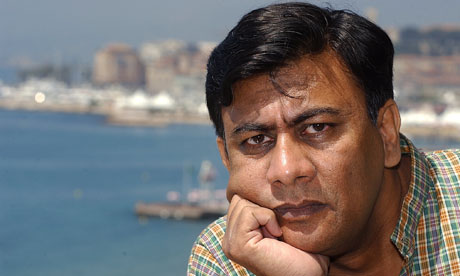
Tareque Masud in Cannes in 2002. Photo by Olivier Laban-Mattei/AFP

South Asia’s notorious killing fields, a.k.a. roads, have robbed us of another highly talented and committed professional. Bangladesh film maker Tareque Masud died on the spot when his microbus collided head-on with a passenger bus in in Ghior, close to Dhaka, on August 13.

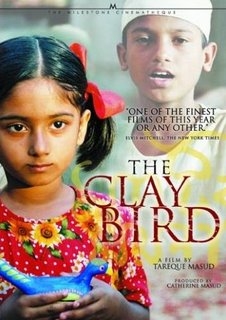
The accident also killed Mishuk Munier, CEO of Bangladesh’s private ATN television news channel and three others, and injured Tareque’s film maker wife Catherine. The Masuds and team had been returning after scouting for locations for their next feature film, named Kagojer Ful (The Paper Flower). It was to be a prequel to his award-winning first full-length feature film, Matir Moina (English release title “The Clay Bird”).

That film, which tells the story of a young boy living at a madrasa or Islamic religious school, was inspired by his own childhood experiences. When it debuted at the Cannes Film Festival in 2002, it won him the International Critic’s Award as well as the FIPRESCI Prize for Directors’ Fortnight for “its authentic, moving and delicate portrayal of a country struggling for its democratic rights.”

Matir Moina was received with critical praise and toured the international circuit. However, the Bangladeshi Government initially refused to issue a censor certificate for national screening, saying it gave a distorted image of the madrasa system, and that it could hurt feelings in this Muslim-dominated country. Confronted by Tareque’s appeal and widespread international pressure, the decision was later reversed.

Matir Moina later became the first entry from Bangladesh in the best foreign language film category at the Oscar awards.

Tareque made several documentaries before venturing into feature film making. I first came to know his work through Muktir Gaan (The Song of Freedom, 78 mins, 1995), the most famous film in early age of his career.

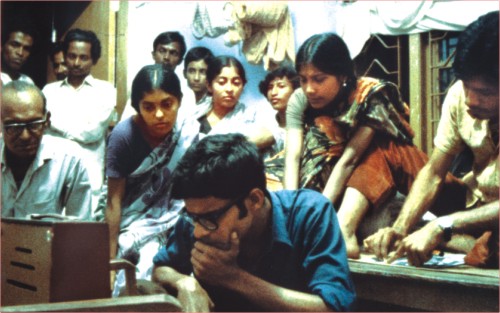
In that documentary, the camera follows a music troupe during the Liberation War of Bangladesh in 1971. The members of the troupe sing songs to inspire freedom fighters. The film was made mainly based on the footage of American filmmaker Lear Levin that Masud got from the basement of Levin’s house in New York.

Catherine Masud tells the untold story of how Muktir Gaan was made

Muktir Gaan was an extraordinarily compelling film that was released theatrically in Bangladesh, blazing a new trail in distributing long-format documentaries in South Asia. It was also a strong entry at the inaugural edition of Film South Asia festival in Kathmandu, where I was on the jury. We awarded it a Jury Special Mention.

A scene from Muktir Gaan, 1995The Masuds followed it up with Muktir Kotha (The Story of Freedom, 82 mins, 1996), an oral history documentary about the experience of ordinary villagers during 1971 Liberation War. They also made many development related films through their Dhaka based production company, AudioVision.

I have fond memories of meeting Tareque and Catherine at the FSA festival. Our paths crossed at least a couple of times more in different corners of South Asia. Although we once discussed a collaborative project, it never happened due to the lack of funding.

As one film critic noted, “They were a delightful couple who managed to be deeply committed to the improvement of Bangladeshi society without ever being pompous or self-righteous.”

The Guardian obituary by Ronald Bergen, 15 Aug 2011

The Making of Matir Moina – Tareque and Catherine Masud

සිවුමංසල කොලූගැටයා #25: “බටහිර විද්‍යාව”, “සාම්ප්‍රදායික දැනුම” සහ දකුණු අප‍්‍රිකාවේ බිහිසුනු HIV/AIDS මංමුලාව

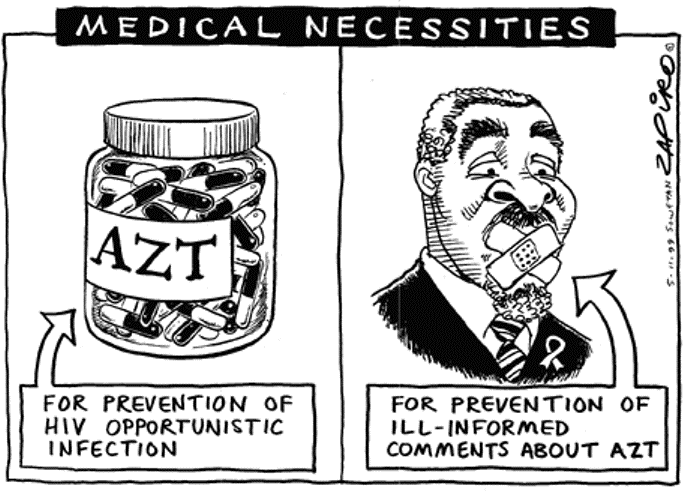
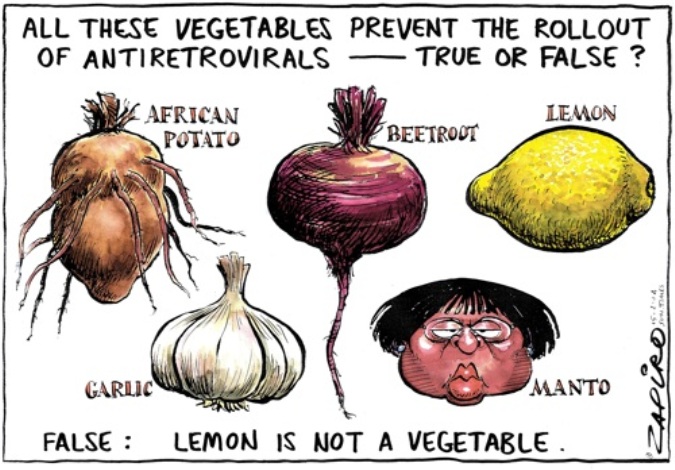
In my Ravaya column (in Sinhala) for 31 July 2011, I look back at South Africa’s HIV/AIDS misadventure under President Thabo Mbeki, who refused to accept the well-established scientific consensus about the viral cause of AIDS and the essential role of antiretroviral drugs in treating it. Instead, he and his health minister embarked on a highly dubious treatment using garlic, lemon juice and beetroot as AIDS remedies — all in the name of ‘traditional knowledge’.

It turned out to be a deadly experiment, and one of the worst policy debacles in the history of public health anywhere in the world. In 2008,  A study by Harvard researchers estimated that the South African government could have prevented the premature deaths of 365,000 people if it had provided antiretroviral drugs to AIDS patients and widely administered drugs to help prevent pregnant women from infecting their babies.

There are lessons for all governments addressing complex, technical issues: do not allow a vocal minority to hijack the policy agenda, ignoring well established science and disallowing public debate on vital issues.

South African cartoonist  Zapiro lampooned President Mbeki's HIV folly
South African cartoonist Zapiro lampooned President Mbeki’s HIV folly

AIDS රෝගය මුලින් ම වාර්තා වී වසර තිහක් ගත වී තිබෙනවා. අමෙරිකාවේ මුල් වරට මේ රෝග ලක්ෂණ සහිතව රෝගීන් වාර්තා වන්නට පටන් ගත්තේ 1981දී. එයට හේතුව HIV නම් වයිරසය බව සොයා ගත්තේ ඊට දෙවසරකට පසුව.

අද HIV/AIDS ලෝක ව්‍යාප්ත වසංගතයක් හා ලෝකයේ ප්‍රධාන පෙළේ සංවර්ධන අභියෝගයක් බවට පත්ව තිබෙනවා. අළුත් ම සංඛ්‍යා ලේඛනවලට අනුව 2009 වන විට HIV ශරීරගත වී ජීවත්වන සංඛ්‍යාව මිලියන් 33ක්. අළුතෙන් ආසාදනය වන සංඛ්‍යාව වසරකට මිලියන් 2.6ක්. HIV ආසාදන උත්සන්න අවස්ථාවේ AIDS රෝගය ඇති වී මිය යන සංඛ්‍යාව වසරකට මිලියන් 2ට වැඩියි.

HIV/AIDS ගැන විවිධ කෝණවලින් විග්‍රහ කළ හැකියි. දුගී දුප්පත්කම, බලශක්ති අර්බුද, පරිසර දූෂණය හා ගැටුම්කාරී තත්ත්වයන්ට මුහුණ දෙන දියුණුවන ලෝකයේ බොහෝ රටවලට ගෙවී ගිය දශක තුන තුළ HIV/AIDS නම් අමතර අභියෝගයට ද මුහුණ දීමට සිදු වුණා. එයින් දැඩි සේ පීඩාවට පත් දකුණු අප්‍රිකාවේ HIV/AIDS ප්‍රතිපත්තිය වසර ගණනක් අයාලේ ගිය කථාවයි අද විග්‍රහ කරන්නේ. මෑතදී මා නැවතත් දකුණු අප්‍රිකාවට ගිය අවස්ථාවේ මගේ දැනුම අළුත් කර ගන්නට ලැබුණු නිසායි.

ලෝකයේ වැඩි ම HIV ආසාදිත ජන සංඛ්‍යාවක් සිටින රට දකුණු අප්‍රිකාවයි. 2007 දී HIV සමග ජීවත් වන දකුණු අප්‍රිකානුවන් සංඛ්‍යාව මිලියන් 5.7 ක් පමණ වුණා. එනම් මුළු ජනගහනය මිලියන් 48න් සියයට 12ක්. එය එරට සෞඛ්‍ය අර්බුදයක් පමණක් නොව සමාජයීය හා ආර්ථීක ප්‍රශ්නයක් ද වෙනවා.

ජනාධිපති නෙල්සන් මැන්ඩෙලාගේ 1994-99 ධූර කාලයේ HIV/AIDS පිළිබඳව දකුණු අප්‍රිකාවේ සෞඛ්‍ය ප්‍රතිපත්ති සකස් වූයේ ලොව පිළිගත් වෛද්‍ය දැනුම හා උපදෙස් මතයි. HIV සමග ජීවත් වන අයට හැකි තාක් කල් නීරෝගීව දිවි ගෙවන්නට ඖෂධ සපයන අතරේ වයිරසය පැතිරයාම වැළැක්වීමේ දැනුවත් කිරීම් හා මහජන අධ්‍යාපන ව්‍යාපාරයක් දියත් වුණා.

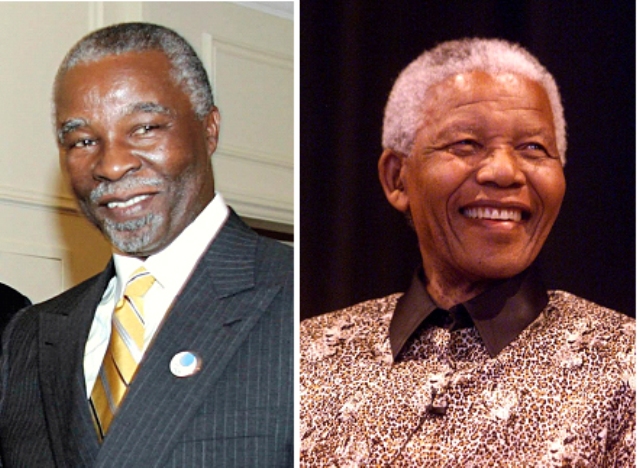
Thabo Mbeki (left) succeeded Nelson Mandela

එහෙත් ඔහුගෙන් පසු ජනාධිපති වූ තාබෝ එම්බෙකි (Thabo Mbeki) මේ ගැන ප්‍රධාන ප්‍රවාහයේ වෛද්‍ය විද්‍යාත්මක දැනුම ප්‍රශ්න කරන්නට පටන් ගත්තා. වෛද්‍ය විශේෂඥ දැනුමක් නොතිබුණත් තියුණු බුද්ධියකින් හෙබි එම්බෙකි, මෙසේ අසම්මත ලෙස සිතන්නට යොමු වුණේ HIV/AIDS ගැන විකල්ප මතයක් දරන ටික දෙනකුගේ බලපෑමට නතු වීම නිසයි.

මේ අයට ඉංග්‍රීසියෙන් AIDS Denialists කියනවා. ඔවුන්ගේ තර්කය AIDS රෝගය හට ගන්නේ HIV වයිරසය නිසා නොව දුප්පත්කම, මන්ද පෝෂණය වැනි සමාජ ආර්ථීක සාධක ගණනාවක ප්‍රතිඵලයක් ලෙසින් බවයි.

එම්බෙකිගේ සෞඛ්‍ය ඇමතිනිය (1999-2008) ලෙස ක්‍රියා කළ මාන්ටෝ ෂබලාලා සිමැංග් (Manto Tshabalala Msimang) මේ අවුල තවත් ව්‍යාකූල කළා. HIV ආසාදනය පාලනය කරන බටහිර වෛද්‍ය විද්‍යාවේ ඖෂධ වෙනුවට සම්ප්‍රදායික අප්‍රිකානු දැනුමට අනුව සුදුළුෑනු, දෙහි සහ බීට්රූට් යුෂ ගැනීම සෑහෙන බවට ඇය ප්‍රසිද්ධියේ ප්‍රකාශ කළා!

මේ නිසා HIV වයිරසයට ප්‍රහාර එල්ල කිරීම වෙනුවට දුප්පත්කම පිටුදැකීම කළ යුතු යයි ස්ථාවරයකට එම්බෙකි යොමු වුණා. HIV මර්දන සෞඛ්‍ය කටයුතු අඩපණ කරන්නටත්, මහජන සෞඛ්‍ය සේවා හරහා ඖෂධ ලබා දීම නතර කිරීමටත් එම්බෙකි රජය පියවර ගත්තා.

HIV සමග ජීවත්වන බහුතරයක් දකුණු අප්‍රිකානුවන්ට AIDS රෝග ලක්ෂණ පහළ වී නැහැ. HIV ශරීරගත වීමෙන් පසු වසර හෝ දශක ගණනක් ජීවත්වීමේ හැකියාව අද වන විට වෛද්‍ය විද්‍යාත්මකව ලබා ගෙන තිබෙනවා. එහෙත් ඒ සඳහා නිතිපතා Anti-Retroviral (ARV) ඖෂධ ගැනීම අවශ්‍යයි.

බොහෝ දියුණු වන රටවල අඩු ආදායම් ලබන HIV ආසාදිතයන්ට මේ ඖෂධ ලබා දෙන්නේ රජයේ වියදමින්. HIV ආසාදිත කාන්තාවන්ට ARV ඖෂධ නිසි කලට ලැබුණොත් ඔවුන් බිහි කරන දරුවන්ට මවගෙන් HIV පැතිරීම වළක්වා ගත හැකියි. එහෙත් එම්බෙකි රජය HIV වයිරසය ගැන විශ්වාස නොකළ නිසා ප්‍රජනන වියේ සිටින HIV ආසාදිත කාන්තාවන්ට එම ඖෂධ දීමත් නතර කළා.

දකුණු අප්‍රිකාව ජාතීන්, භාෂා හා දේශපාලන පක්ෂ රැසක සම්මිශ්‍රණයක්. එමෙන් ම 1994 සිට නීතියේ ආධිපත්‍යය හා රාජ්‍යයේ බල තුලනය පවතින රටක්. ප්‍රජාතන්ත්‍රවාදී සම්ප්‍රදායයන් හා ආයතන ප්‍රබල කරන්නට සැබෑ උත්සාහ ගන්නා රටක්.

මෙබඳු රටක වුවත් වසර කිහිපයක් පුරා ජනාධිපතිවරයාට හා සෞඛ්‍ය ඇමතිනියට මෙබඳු ප්‍රබල ප්‍රශ්නයකදී මේ තරම් අයාලේ යන්නට ඉඩ ලැබුණේ කෙලෙසදැයි මා එරට විද්‍යාඥයන් හා මාධ්‍යවේදීන් කිහිප දෙනකුගෙන් ඇසුවා. ඔවුන් දුන් පිළිතුරුවල සම්පිණ්ඩනය මෙයයි.

තාබෝ එම්බෙකි යනු වර්ණභේදවාදයට එරෙහිව දශක ගණනක් අරගලයක යෙදුණු,  පාලක ANC පක්ෂයේ ප්‍රබල චරිතයක්. ඔහුගේ දේශපාලන කැපවීම පිළිබඳව විවාදයක් නැහැ. මැන්ඩෙලා 1994දී ජනාධිපති වන විට එම්බෙකි උප ජනාධිපති වුණා.

1994-99 කාලය තුළ එරට ආර්ථීක වර්ධනයට හා සමාජ සංවර්ධනයට නායකත්වය සැපයූ ඔහු අප්‍රිකානු කලාපයේ දක්ෂ රාජ්‍ය තාන්ත්‍රිකයකු ලෙස නමක් දිනා ගත්තා. මැන්ඩෙලා එක් ධූර කාලයකින් පසු කැමැත්තෙන් විශ්‍රාම ගිය විට එම්බෙකි ANC ජනාධිපති අපේක්ෂකයා වී ජයග්‍රහණය කළා.

පරිණත දේශපාලකයකු රටේ ජනාධිපති ලෙස මහජන ඡන්දයෙන් තේරී පත්ව සිටින විටෙක, වැරදි උපදෙස් නිසා එක් වැදගත් ප්‍රශ්නයක් සම්බන්ධයෙන් ඔහු නොමග යාමට අභයෝග කරන්නේ කෙසේ ද? දකුණු අප්‍රිකාවේ වෛද්‍යවරුන් හා අනෙක් විද්වතුනට තිබූ ප්‍රශ්නය එයයි. සාම්ප්‍රදායික දැනුම එක එල්ලේ හෙළා නොදැක, එහි සීමාවන් ඇති බව පෙන්වා දෙමින්, රටේ නායකයා හා සෞඛ්‍ය ඇමති සමග හරවත් සංවාදයක යෙදෙන්නට සීරුවෙන් හා සංයමයෙන් කටයුතු කරන්නට ඔවුන්ට සිදු වුණා.

South African cartoonist Zapiro ridicules HIV denialist health minister 'Madam Beetroot'
South African cartoonist Zapiro ridicules HIV denialist health minister ‘Madam Beetroot’

ANC පක්ෂය තුළ ම එම්බෙකිගේ HIV/AIDS ස්ථාවරය ගැන ප්‍රශ්න මතු වුණා. එහෙත් මැන්ඩෙලා මෙන් විකල්ප අදහස් අගය කිරීමේ හැකියාවක් එම්බෙකිට නොතිබූ නිසාත්, ජනාධිපති හැටියට වඩා ඒකමතික පාලනයක් ඔහු ගෙන යන්නට උත්සාහ කළ නිසාත් පක්ෂය ඇතුළෙන් දැඩි ප්‍රතිරෝධයක් ආවේ නැහැ.

2002 දී පැවති ANC පක්ෂ රැස්වීමකදී මැන්ඩෙලා මේ ගැන සාවධානව අදහස් දැක් වූ විට එම්බෙකි හිතවාදියෝ ‘ජාතියේ පියා’ හැටියට අවිවාදයෙන් සැළකෙන මැන්ඩෙලාට වාචිකව ප්‍රහාර එල්ල කළා. එයින් පසු මැන්ඩෙලා ද තම අනුප්‍රාප්තිකයාගේ HIV/AIDS ප්‍රතිපත්ති ප්‍රසිද්ධියේ ප්‍රශ්න කිරීමෙන් වැළකුණා.

එම්බෙකි හිතවාදියෝ එතැනින් නතර වුණේ නැහැ. සිය නායකයාගේ අසම්මත HIV/AIDS න්‍යායට එරෙහිව කථා කරන විද්‍යාඥයන් හා වෛද්‍යවරුන්ට මඩ ප්‍රහාර දියත් කළා. දකුණු අප්‍රිකාවේ සිටින ලොව පිළිගත් ප්‍රතිශක්තිවේදය පිළිබඳ විශේෂඥයකු වූ මහාචාර්ය මක්ගොබා (Prof Malegapura Makgoba) ජනාධිපතිගෙන් ඉල්ලා සිටියා ලොව හිනස්සන මේ න්‍යායෙන් අත් මිදෙන ලෙස.

මේ මහාචාර්යවරයා බටහිර විද්‍යාවට ගැතිකම් කරන, අප්‍රිකාවේ සාම්ප්‍රදායික දැනුම හෙළා දකින්නකු ලෙස ජනාධිපති කාර්යාලය විසින් හදුන්වනු ලැබුවා. සුදු ජාතික හෝ ඉන්දියානු සම්භවය සහිත විද්වතකු ජනාධිපති මතවාද ගැන ප්‍රශ්න කළ විට එය ‘කළු ජාතික නායකයාට අවමන් කිරීමේ’ සරල තර්කයකට ලඝු කරනු ලැබුවා.

මේ මඩ ප්‍රහාර හා රාජ්‍ය යාන්ත්‍රණයට එරෙහිව හඬක් නැගූ සුදු හා කළු ජාතික දකුණු අප්‍රිකානුවන් ටික දෙනකු ද සිටියා. ඔවුන් විද්‍යා ක්‍ෂෙත‍්‍රයෙන් පමණක් නොව සාහිත්‍ය, කලා සහ සාමයික ක්‍ෂෙත‍්‍රවලින් ද මතුව ආවා.

එහිදී  දැවැන්ත කාර්ය භාරයක් ඉටු කළේ කේප්ටවුන්හි ආච්බිෂොප් ඩෙස්මන්ඩ් ටූටූ. වර්ණභේදවාදයට, අසාධාරණයට හා දිළිඳුබවට එරෙහිව දශක ගණනක් තිස්සේ අරගල කරන, 1984 නොබෙල් සාම ත්‍යාග දිනූ ඔහු, මුළු ලෝකය ම පිළිගත් චරිතයක්. 1994න් පසු ඡන්දයෙන් බලයට පත් හැම රජයක ම හොඳ දේ අගය කරන අතර වැරදි ප්‍රතිපත්ති නොබියව විවේචනය කරන්නෙක්.

ඩෙස්මන්ඩ් ටූටූ මුලදී පෞද්ගලිකවත් පසුව මහජන සභාවලත් එම්බෙකිගේ HIV/AIDS මංමුලාව ගැන කථා කළා. මහජන උන්නතියට ඍජුව ම බලපාන මෙබඳු ප්‍රශ්න සම්බන්ධයෙන් විවෘත සංවාදයක් පැවතිය යුතු බවත්, බහුතර විද්වත් මතයට ගරු කිරීම ප්‍රජාතන්ත්‍රවාදී රජයක වගකීම බවත් ඔහු අවධාරණය කළා.

2004 දී එක් ප්‍රසිද්ධ දේශනයකදී ඔහු කීවේ: “සුදු පාලකයන්ට එරෙහිව අරගල කරන සමයේ අපි ඉතා ප්‍රවේශමෙන් කරුණු ගවේෂණය කර, තර්කානුකූලව ඒවා ඉදිරිපත් කළා. දැන් ටිකෙන් ටික ඒ වෙනුවට එහෙයියන්ගේ හා ප්‍රෝඩාකාරයන්ගේ සම්ප්‍රදායක් ඉස්මතු වෙමින් තිබෙනවා. HIV/AIDS ගැන ජනාධිපති එම්බෙකිගේ විශ්වාස මීට වඩා බෙහෙවින් විවාදයට ලක් කළ යුතුයි. අභියෝග හා විවාදවලට ලක් කිරීමෙන් සත්‍යයට හානි වන්නේ නැහැ. එය වඩාත් නිරවුල් වෙනවා. මෙසේ ප්‍රශ්න කිරීම නිසා මා ජනාධිපතිගේ හතුරකු වන්නේ නැහැ. ජනසම්මතවාදී සමාජවල නායකයා කියූ පළියට යමක් පරම සත්‍යය වන්නේ නැහැ. එය තර්කානුකූල හා සාක්ෂි මත පදනම් වී ඇත්දැයි විවාදාත්මකව විග්‍රහ කිරීම අත්‍යවශ්‍යයි.”

1991 නොබෙල් සාහිත්‍ය ත්‍යාගය දිනූ සුදු ජාතික දකුණු අප්‍රිකානු ලේඛිකා නැඩීන් ගෝඩිමර් ද මේ සංවාදයට එක් වුණා. 2004 දී ඇය ප්‍රසිද්ධ ප්‍රකාශයක් කරමින් කීවේ ජනාධිපති එම්බෙකීගේ අනෙක් සියළු ප්‍රතිපත්ති තමා අනුමත කරන නමුත් HIV/AIDS ගැන ඔහුගේ ස්ථාවරය පිළි නොගන්නා බවයි.

දකුණු අප්‍රිකාවේ ස්වාධීන ජනමාධ්‍ය ද ජනාධිපති හා ඇමතිනියන්ගේ HIV/AIDS මනෝ විකාර දිගට ම විවේචනය කළා. ඇමතිනියට Madam Beetroot හෙවත් ‘බීට්රූට් මැතිනිය’ යන විකට නාමය දෙනු ලැබුවා. එහෙත් මේ දෙපළ දිගු කලක් තම වැරදි මාර්ගයෙන් ඉවත් වූයේ නැහැ. විවේචකයන්ගේ දේශපාලන දැක්ම, ජාතිය හා සමේ වර්ණය අනුව යමින් මේවා හුදෙක් ‘විරුද්ධවාදීන්ගේ කඩාකප්පල්කාරී වැඩ’ ලෙස හඳුන්වා දුන්නා.

2002 වන විට ANC පක්ෂය තුළින්, රට තුළින් හා ජාත්‍යන්තර විද්වත් සමූහයා වෙතින් මතුව ආ ප්‍රබල ඉල්ලීම් හමුවේ ජනාධිපති එම්බෙකි එක් පියවරක් ආපස්සට ගත්තා. එනම් ආන්දෝලනයට තුඩු දුන් HIV/AIDS ප්‍රතිපත්ති ගැන මින් ඉදිරියට ප්‍රසිද්ධියේ කිසිවක් නොකීමට. ජනාධිපති මෙසේ මුනිවත රැක්කත් සෞඛ්‍ය ඇමතිනියගේ අයාලේ යාම තවත් කාලයක් සිදු වුණා.

2003 දී විශ්‍රාමික අමෙරිකානු ජනාධිපති බිල් ක්ලින්ටන් එම්බෙකි හමු වී පෞද්ගලික ආයාචනයක් කළා. නොමග ගිය දකුණු අප්‍රිකානු HIV/AIDS ප්‍රතිපත්ති නැවත හරි මඟට ගන්නට ක්ලින්ටන් පදනම විද්වත් හා මූල්‍ය ආධාර දීමට ඉදිරිපත් වූ විට එම්බෙකි එය පිළි ගත්තා. (මෙය ප්‍රසිද්ධ වූයේ වසර ගණනාවකට පසුවයි.)

එහෙත් එරට HIV/AIDS ප්‍රතිපත්ති යළිත් ප්‍රධාන ප්‍රවාහයට පැමිණීම එම්බෙකිගේ ධූර කාලය හමාර වන තුරු ම හරිහැටි සිදුවුණේ නැහැ. 2008 සැප්තැම්බරයේ ඔහු තනතුරින් ඉල්ලා අස් වූ පසු කෙටි කලකට ජනාධිපති වූ කලේමා මොට්ලාතේ තනතුරේ මුල් දිනයේ ම එම්බෙකිගේ සෞඛ්‍ය ඇමතිනිය ඉවත් කළා. ඒ වෙනුවට HIV/AIDS සම්බන්ධයෙන් කාගේත් විශ්වාසය දිනාගත් බාබරා හෝගන් සෞඛ්‍ය ඇමති ලෙස පත් කළා. ඇය ප්‍රතිපත්ති හරි මගට ගන්නට හා ARV ප්‍රතිකාර ව්‍යාප්ති කරන්නට ඉක්මන් පියවර ගත්තා.

එහෙත් ඒ වන විට අතිවිශාල හානියක් සිදු වී හමාරයි. 2008 නොවැම්බරයේ අමෙරිකාවේ හාවඩ් සරසවියේ පර්යේෂකයෝ ගණන් බැලීමක් කළා. 2002-2005 වකවානුවේ නොමග ගිය HIV/AIDS ප්‍රතිපත්ති නිසා ප්‍රතිකාර හා සෞඛ්‍ය පහසුකම් අහිමි වූ දකුණු අප්‍රිකානුවන් සංඛ්‍යාව පිළිබඳව. ඍජු හෝ වක්‍ර වශයෙන් 365,000ක් දෙනා මේ අවිද්‍යාත්මක ප්‍රතිපත්ති නිසා අකාලයේ මිය ගිය බව ඔවුන්ගේ නිගමනයයි. (ක්‍රමවේදය සඳහා බලන්න: http://www.hsph.harvard.edu/news/magazine/spr09aids/)

මේ ජීවිත හානි වලට වගකිව යුත්තේ කවුද?

දිවි සුරකින දැනුම සම්බන්ධයෙන් සෙල්ලම් කරන්නට යාමේ අවදානම හා එහි භයානක ප්‍රතිඵලවලට දකුණු අප්‍රිකාවේ HIV/AIDS මංමුලාව මතක හිටින පාඩමක්.

The Island President: New film profiles Mohamed Nasheed at the Frontline of Climate Justice

When it comes to climate change, we're all Maldivians!
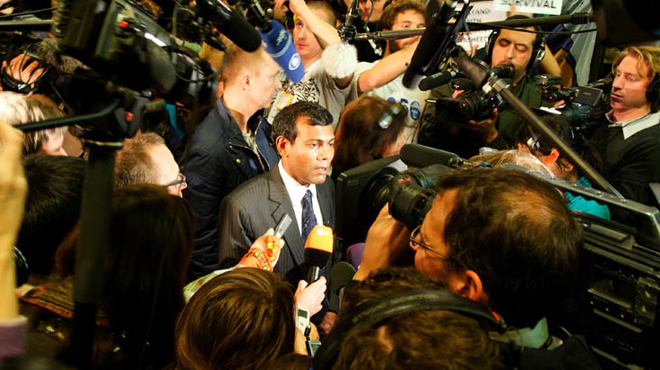
President Mohamed Nasheed of the Maldives is an articulate, passionate climate witness on behalf of his endangered island nation of 350,000 people. The technocratic and amiable President is one of the youngest heads of state in the world today. The one-time freelance journalist (who worked with and for various media when he was in political exile) remains very accessible to the international media. He knows the power of old and new media — and how to leverage it for his cause.

I admit to being a Nasheed fan. During the past couple of years, I have blogged about, interviewed and made a short film about President Nasheed. In the less than three years he has been in office, he has faced more than his fair share of economic and political challenges at home, but he has never lost sight of the long-term, bigger issue of climate change advocacy.

And now, his global status as the ‘rock star of climate change’ is enhanced by ‘The Island President’, a 90-minute, feature-style major documentary about him produced by a leading American production company, Actual Films. The film is to be released this summer at various film festivals. I can’t wait to catch it.

The Island President has been in the making for nearly two years. The film makers had exclusive access to the President both in his island nation and on his international travels.

The Island President: Official Trailer

The official Synopsis reads: “The Island President is a a dramatic feature documentary that lifts the issue of global warming out of the theoretical and into the personal. President Mohamed Nasheed is trying to save 385,000 people from drowning. His nation of 1,200 low-lying islands, the Maldives, is sinking into the Indian Ocean as sea levels rise due to global warming.

“With a young, charismatic South Asian leader updating a role once played by Jimmy Stewart, The Island President is like a non-fiction Mr. Smith Goes to Washington elevated to the world stage. Actual Films has secured exclusive access to follow President Nasheed as he prepares over the coming months for the 2009 Copenhagen Climate Summit in December. The terms of the 1997 Kyoto Treaty on Climate Change are about to expire, and leaders from around the world will converge on Copenhagen to hammer out a new treaty with renewed urgency. As the Danish Minister for Climate and Energy acknowledged, “the December days in Copenhagen in 2009 will be…a political thriller on an international scale.” The Summit will be an international showdown where President Nasheed will try to convince world leaders to finally take serious action against looming danger of climate change. The stakes couldn’t be higher-President Nasheed sees this as the last chance to save his homeland, and the world.”

The Island President is a co-production involving Actual Films, AFTERIMAGE PUBLIC MEDIA and the Independent Television Service (ITVS), with funding provided by the Corporation for Public Broadcasting (CPB).

Read about the film makers: Jon Shenk, Director; Bonni Cohen, Producer; and Richard Berge, Producer.

October 2009: President Mohamed Nasheed: Encounter with a genial climate crusader…

President Nasheed knows what to say and how to say it to the eager media...

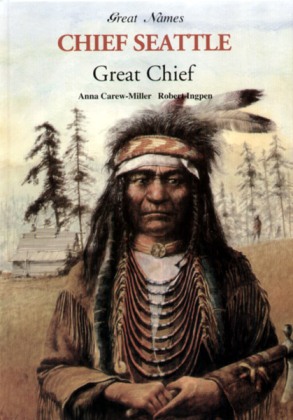
සිවුමංසල කොලූගැටයා #21: ප‍්‍රතිනිර්මාණය වූ සියැටල් නායක කථාව/මිථ්‍යාව

In this Ravaya column, in Sinhala and printed in the Ravaya newspaper of 3 July 2011,
I point out that a certain speech said to be uttered by a native American chief is, in fact, a latter day script by a filmmaker.

The same ground was covered in English in my April 2009 blog post: ‘Chief Seattle speech’: Global environmental legend, or pervasive myth?

අද්භූත හෝ අහඹු සිදුවීම් පාදක කර ගත් කථාන්තරවලට අපි මිථ්‍යා (myths) යයි කියනවා. දේව විශ්වාස, ඇදහිලි ආදියත් ඇතැම් අය මේ ගණයට ම එකතු කරනවා. ඒවායේ ඇත්ත නැත්ත කෙසේ වෙතත් මිථ්‍යාවන්ට දැඩි ඇල්මක් එදා මෙන් ම අදත් මිනිස් සමාජයේ තිබෙනවා. 21 වන සියවසට පිවිසියත් අප ඇතැම් දෙනකු තවමත් නූතන මිථ්‍යාවන් වැළඳගන්නේ ඒ නිසයි. එබදු මිථ්‍යාවන්, උගත් හා වෘත්තිකයන් සේ පුහුණව ලැබූ අය අතරත් හමුවනවා. ‘සියැටල් නායකයාගේ මහා දාර්ශනික පාරිසරික පණිවුඩය’ එයින් එකක්.

මේ කථාවේ කතුවරයා ලෙස බොහෝ දෙනා සළකන්නේ Chief Seattle නමින් ප‍්‍රකට, 1780-1866 කාලයේ වාසය කළ අමෙරිකාවේ ආදිවාසී ජන නායකයෙක්. (ඉතිහාසයේ වැරදි නම් කිරීමක් නිසා කලක් මේ ජනයාට ‘රතු ඉන්දියනුවන්’ යයි කීවත් අද ඒ නම භාවිතයේ නැහැ.) ඒ ආදිවාසීන්ගේ නිජබිම්වල 16 හා 17 වන සියවස්වල පැමිණ පදිංචි වූ යුරෝපීය සුදු ජාතිකයන් සමග සාමකාමීව සහජීවනය වෙත යොමු වූ නායකයකු ලෙස සියැටල් ඉතිහාසගත වී තිබෙනවා. ඔහුගේ නම විවිධාකාරයෙන් ලියනවා. Sealth, Seathl හා See-ahth වශයෙන්. එහෙත් වඩාත් ම ප‍්‍රකට සියැටල් නායකයා හැටියටයි. මිනිසාගේ පාරිසරික වගකීම් ගැනත්, මිහිතලය හා අප කරන ගනුදෙනුව ගැනත් උදාර අදහස් පළ කළ කෙනකු ලෙස අප ඔහු ගැන අසා තිබෙනවා.

The man was real; the speech wasn't his
1854 වසරේ මුල් කාර්තුවේ දවසක බටහිර ඇමෙරිකාවේ සියැටල් නගරයේ එලිමහන් රැස්වීමකදී සියැටල් නායකයා හැගීම්බර කථාවක් කළ බවට යම් සාක්‍ෂි තිබෙනවා. එයට ආසන්න ම හේතුව වූයේ පාරම්පරිකව ආදිවාසීන් ජීවත් වූ ඉඩම් සුදු ජාතිකයන්ට විකුණන ලෙස රජයෙන් කළ ඉල්ලීමයි. ‘ඉඩම් අයිතිය’ පිළිබඳ සංකල්පයක් නොතිබූ ආදිවාසීන් මෙයින් වික්‍ෂිප්ත වුණා. ඒ වන විට සිදුවෙමින් තිබූ පාරිසරික හා සාමාජයීය අකටයුතුකම් ගැන ද නායකයාගේ සිතේ ලොකු කලකිරීමක් තිබෙන්නට ඇති. නමුත් ඔහු තමන්ගේ බසින් එදා කළ කථාවේ වාර්තාවක් නැහැ.

ඊට වසර කිහිපයකට පසු සුදු ජාතික වෛද්‍යවරයකු හා ලේඛකයකු වූ හෙන්රි ස්මිත් මුල් වරට ඒ කථාවේ ඉංග‍්‍රීසි අනුවාදයක් සකස් කළා. ඒ සඳහා ඔහු කිහිප වතාවක් සියැටල් නායකයා මුණ ගැසී කථා බහ කළත් ඔහුගේ අනුවාදයට වැල්වටාරම් හා මනරම් අදහස් එකතු කළ බව ඇන්ඩි කාර් (Andy Carr) නම් අමෙරිකානු පරිසරවේදියා හා පර්යේෂකයා විශ්වාස කරනවා.

1887දී මේ ඉංග‍්‍රීසි අනුවාදය මුල් වරට Seattle Sunday Star පුවත්පතේ පළ වුණා. එයින් පසු විවිධ දාර්ශනික, ආගමික හා පාරිසරික ප‍්‍රකාශනවල එය නැවත නැවතත් පළ කරනු ලැබුවා. 1969 දී අමෙරිකාවේ ටෙක්සස් විශ්ව විද්‍යාලයේ සම්භාව්‍ය සාහිත්‍යය පිළිබඳ මහාචාර්ය විලියම් ඇරෝස්මිත් (Prof William Arrowsmith) නැවත වරක් එය කාලානුරූපිත ලෙස සංස්කරණය කළා.

1970 අපේ‍්‍රල් 22 දා අමෙරිකාවෙන් ඇරඹුණු මිහිතල දිනය (Earth Day) සඳහා පරිසරවේදීන් මිලියන් 20ක් දෙනා යොදා ගත්තේ ඒ සංශෝධිත කථාවයි. ඒ වන විට වාත දුෂණය, ජල දුෂණය හා රසායනික ද්‍රව්‍ය අධික ලෙස ආහාරපානවලට මිශ‍්‍රවිම ආදී කරුණු ගැන අමෙරිකානු ජනතාව දැනුවත් වෙමින්, කලබල වෙමින් සිටියා. මේ කාලීන සිතුම් පැතුම් මහාචාර්යවරයාගේ සංශෝධනයට ඔහු ඇතුළත් කළා.

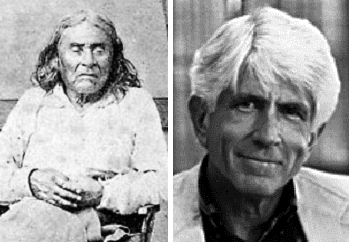
Chief Seattle (left) and actual speech writer Ted Perry

මේ සංශෝධිත කථාව මුල් මිහිතල දිනයේදී ඇසු අය අතර ටෙඞ් පෙරී (Ted Perry) නම් චිත‍්‍රපට තිර රචකයකු ද සිටියා. ඊට ටික දිනකට පසුව එරට කි‍්‍රස්තියානි ටෙලිවිෂන් සමාගමක් (Southern Baptist Television Commission) ඔහුට ඇරයුම් කළා ඒ වන විට සිදුවෙමින් තිබූ පරිසර විපත් පිළිබඳව කිතු දහම පදනම් කරගෙන සාමයිකව විග‍්‍රහ කරන වාර්තා චිත‍්‍රපටයක් රචනා කරන්නට.

සියැටල් නායකයා 1970 දී සිටියා නම්, එවකට මතු වී තිබූ පාරිසරික ප‍්‍රශ්න හා සංවර්ධන පිළිබඳ සංකල්පමය අර්බුද ගැන ඔහු කුමක් කියනු ඇත්දැයි ටෙඞ් පෙරී කල්පනා කළා. මේ අනුව යමින් සියැටල් නායකයාගේ කථාවේ අළුත්ම ප‍්‍රතිනිර්මාණයක් ඔහු ලයාන්විත හා කාව්‍යමය බසින් තිර රචනයකට නැගුවා. මුල් කථාවේ නොතිබුණු දෙවියන් පිළිබඳ ක‍්‍රිස්තියානි සංකල්පත් ඔහු මේ තිර රචනයට එකතු කළා. 1973දී මේ වාර්තා චිත‍්‍රපටය එළි දැක්කේ Home නමින්. චිත‍්‍රපටයට වඩා විශාල ජනප‍්‍රියතාවයක් ලැබුණේ එහි යොදා ගත් සියැටල් නායකයා කළා යැයි කියන දාර්ශනික කථාවටයි.

පසුගිය වසර 40කට අසන්න කාලයක් තිස්සේ ලොව පුරා ප‍්‍රචලිත වී, විවිධ භාෂාවලට පෙරැළී ඇත්තේ මෙසේ හෙන්රි ස්මිත්ගේ මුල් අනුවාදය, විලියම් ඇරෝස්මිත් විසින් කාලානුරූපීව සංශෝධනය කර ටෙඞ් පෙරී විසින් ප‍්‍රතිනිර්මාණය කරන ලද කථාවයි! එඞ්වින් ආරියදාස හා ධර්මසිරි ගමගේ යන ලේඛකයන් මෙහි අගනා සිංහල අනුවාදයන් කර තිබෙනවා.

1980 දශකය අගවන විට ලොව පුරා පාරිසරික ශුද්ධ ලියවිල්ලක මට්ටමට පිළිගැනීමක් ලැබුණු මේ කථාවේ ඓතිහාසික විශ්වාසනීයත්වය ගැන ටික දෙනකු ප‍්‍රශ්න කරන්නට පටන් ගත්තා. සියවසකට වැඩි කාලයක් පුරා සියැටල් නායක කථාවේ පරිනාමය ගැන ජෝන් ස්කල් (John Scull) නම් පර්යේෂකයා විස්තරාත්මකව අධ්‍යයනය කළා. ආදිවාසී නායකයකුගෙන් පටන්ගෙන ක‍්‍රිස්තියානි වාර්තා චිත‍්‍රපටයකින් හමාර වූ ඒ ගමනේදී, මුල් අදහස් විශාල වශයෙන් වෙනස් වී ඇති සැටි ඔහු සාක්‍ෂි සහිතව පෙන්වා දුන්නා. (සාමයික කලා කෘතීන් ගැන මට ප‍්‍රශ්නයක් නැහැ. මෙහිදී අප කථා කරන්නේ පසු කාලීනව සාමයික මුහුණුවරක් දීමෙන් මුල් කෘතිය විකෘති වීම ගැනයි. එහෙත් ‘මුල් කෘතිය’ කුමක්දැයි කිසිවකු හරිහැටි නොදන්නා නිසා සිදු වී ඇති වෙනස්කම් සිතාගන්නටත් අමාරුයි!)

1992 වන විට මේ සැබෑ තත්ත්වය හෙළි කරන ගවේශණාත්මක වාර්තා New York Times හා Newsweek ප‍්‍රකාශනවල පළ වුණා. එහෙත් ඒ වන විට සියැටල් නායක කථාව ලෝක ව්‍යාප්ත මිථ්‍යාවක් බවට පත් වී හමාරයි. ‘සියැටල් නායකයා මෙබදු අදහස් සැබැවින් ම කීවත්, නොකීවත් ඔහු වැනි ශ්‍රේෂ්ඨ පරිසරවේදියකුගේ මුවට මෙබදු අදහස් ආරෝපණය කිරීමේ වරදක් නැතැයි’ පරිසරවේදීන් තර්ක කළා.

එය ප‍්‍රශ්න කරන අයට පරිසරවේදීන්ගෙන් දැඩි විවේචන එල්ල වුණා. ‘සම්ප‍්‍රදායික දැනුම හෙළා දකින්නට උත්සාහ කරන සුදු ජාතික කුමන්ත‍්‍රණයක කොටස්කරුවන්’ හැටියට හදුන්වා දෙනු ලැබුවා. (2009 අපේ‍්‍රල් 22 වනදා මගේ බ්ලොග් අඩවියේ මේ ගැන විග‍්‍රහයක් මා ලියා පළ කළා. එයට ලැබුණු පාඨක ප‍්‍රතිචාර බහුතරයක් ද මේ ආකාරයේ එවායි. ආදිවාසී දැනුම හෙලා දකින බටහිර ඒජන්තයෙකු ලෙස ඇතැම් පාඨකයන් මට අවලාද නැගුවා. (http://tiny.cc/Seattle බලන්න).

ජෝන් ස්කල් මීට වසර කිහිපයකට පෙර මුලින් මතු කළ, මා මතවාදීව එකග වෙන තර්කය මෙයයි. පරිසරය රැකගන්නට අධ්‍යාත්මික හා චින්තනමය වෙනසක් ද අවශ්‍ය බව ඇත්ත. එහෙත් කාව්‍යමය බසින් විසිතුරු වුණු, තාර්කික බවින් හීන වූ මෙබදු ලියැවිල්ලක් කරන්නේ මානව පරිනාමය ගැන අප තුළ මහා කලකිරීමක් හා ඉච්ඡභංගත්වයක් ඇති කිරීමයි. ගොඩ ගන්නට බැරි තරම් අසාධ්‍ය වුණු රෝගියකුගේ මට්ටමට මිහිතලය පත්ව ඇතැයි අදහසක් ද එයින් ජනිත වෙනවා. පරිසරය හා මිනිසා අතර යම් තුලනයක් හා සංහිදියාවක් ඇති කිරීමට අවශ්‍ය මානසික රාමුව මෙය යයි මා සිතන්නේ නැහැ.

1990දී ආචාර්ය ආනන්ද ඩබ්ලිව් පී ගුරුගේ මහාවංශයේ සඳහන් වන ප‍්‍රධාන ඓතිහාසික අවස්ථා පාදක කර ගෙන නිර්මාණාත්මක කෘතියක් ලිව්වා. ‘Voices of Ancient Sri Lanka’ නම් එහි අඩංගු වූයේ මෙරට ඉතිහාසයේ වැදගත් සංධිස්ථානවලදී එවකට විසූ රජවරුන් හා අනෙකුත් ප‍්‍රභූන් පවත්වන්නට ඇතැයි අනුමාන කළ හැකි මහජන කථා පෙළක්. එය පසුව ‘ශ්‍රී ලංකා ප‍්‍රතිරාවය’ නමින් සිංහලෙන් ද පළවුණා.

ඒ පොතේ ලියැවී ඇති වදන්මාලා ගුරුගේ සූරීන්ගේ පරිකල්පනයෙන් මතු වූ, ඔහුගේ කෘතහස්ත ශෛලියෙන් ඔප් වැටුණු ඒවායි. සැබැවින් ම ඒ පුද්ගලයන් එම අදහස් කී බවට තිරසාර සාක්‍ෂි නැහැ. එහෙත් එසේ වූ පමණට එම කතා රසවීදීමට අපට බාධාවක් ද නැහැ. සියැටල් නායකයාගේ කථාවත් මෙයට සමාන තත්ත්වයක්.

සියැටල් නායකයා හරබර කථාවක් කරන්නට ඇති. එය ඔහුට ම ආවේණික උපමා, රූපක ආදියෙන් පිරී තිබෙන්නටත් ඇති. එහෙත් අද ලෝකයේ සංසරනය වන විචිත‍්‍ර කථාව සියැටල්ගේ නොව තිර රචක ටෙඞ් පෙරීගේ බව සිහි තබා ගැනීම වැදගත්. චිත‍්‍රපටය පරිකල්පනාවේ නිදහස ඇති කලාවක්. අප සැබෑ ලෝකය හා පරිකල්පනා ලෝකය අතර වෙනස හදුනාගත යුතුයි.

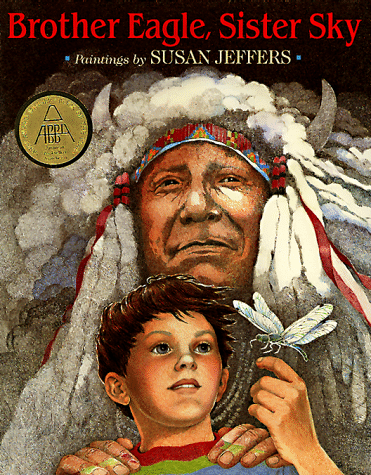
This 1991 book built on the Chief Seattle fable
නොකපන ලද දියමන්තියක් සියැටල් බිහි කළා නම් එය ටෙඞ් පෙරීගේ අතින් හැඩ වැඩ වී ඔටුන්නක සවි වුණා යයි කිව හැකියි. මුල් දියමන්තියේ කාන්තිය වඩාත් ප‍්‍රබල කිරීමේ ගෞරවය තිර රචකයාට හිමි විය යුතුයි. සියැටල් ඇත්තට ම කී දේ කුමක්ද තිර රචකයා එයට එකතු කළේ මොනවාද යන්න මේ වන විට පැහැදිළි නැහැ. ආදීවාසී නායකයෙකු මහා ප‍්‍රාඥයකු හැටියට හුවා දක්වන්නට පරිසරවේදීන් මෙන් ම අධ්‍යාපනවේදීන් ද කැමතියි. එහි ලොකු වරදක් නැති වූවත් මිථ්‍යාවක් මත ගොඩ නගන දර්ශනයට කල් පැවතිය නොහැකි බව අප සිහි තබා ගත යුතුයි.

සියැටල් නායකයා මහ පොළවේ පය ගසා ගෙන එහි හද ගැස්ම හදුනාගත් අය බවට විවාදයක් නැහැ. තමන් මිහිතලය සමග නිරන්තර ගනුදෙනුවක් කරමින් සිටින බවත්, එහිදී ඕනෑවට වඩා උකහා ගත්තොත් එහි අහිතකර විපාක විදින්නට සිදුවන බවත් ආදිවාසීන් හොදාකාර දන්නවා. අද ලෝකයේ සංවර්ධන අර්බුදයේ ලොකු ම අභියෝගයත් එයයි. අපේ (සහ අන් ජීවීන්ගේ) පැවැත්මට අවශ්‍ය පාරිසරික ප‍්‍රවාහයන් විනාශ නොකොට අපේ භෞතික අවශ්‍යතා සපුරා ගන්නේ කෙසේ ද?

ප‍්‍රාග්-නූතන යුගයේ හෝ ගල් යුගයේ ජීවන රටාවකට ආපසු යන්නට හැකියාවක් නැහැ. අල්පේච්ඡ දිවි පෙවෙතක් ගැන කථා කරන පරිසරවේදීන් පවා එබන්දකට සූදානම් නැහැ. මේ නිසා ප‍්‍රායෝගිකව කළ හැකි තුලනයන් මොනවා ද යන්න හදුනාගෙන ඒ සඳහා අපේ කාලය, ශ‍්‍රමය හා නිර්මානශීලී හැකියාව යොමු කිරීමයි අවශ්‍ය වන්නේ. එසේ නැතිව යටගිය දවසකින් නොතිබුණු රොමෑන්ටික් සිහිනයකට හෝ චිත‍්‍රපට තිරනාටක රචකයෙකුගේ වදන් සිත්තමකට හෝ අපේ ලෝකයේ මහා ප‍්‍රශ්න විසඳන්නට හැකියාවක් නැහැ.

පරිසරවේදීනි, දැන්වත් අවදිවන්න!

‘Cheque-book development’: BBC World News editorial air time being sold to development agencies?

The BBC Trust – an independent body which safeguards the values of the publicly funded British Broadcasting Corporation – recently faulted the BBC Panorama series for faking child labour footage in India, apologised to the corporate house falsely implicated, and returned a prestigious TV award won by the 2008 programme concerned.

This was certainly a welcome move. But there is much more that the guardian of BBC values can and should investigate, among them the conduct of the BBC’s global TV broadcasting arm currently branded as BBC World News (earlier called BBC World TV). In this context, I want to draw attention to an op-ed essay I wrote in August 2007 that flagged an on-going practice where publicity-hungry development agencies were paying intermediaries who are apparently selling editorial coverage on BBC World. This is unethical and possibly illegal. I called it ‘Cheque-book development’.

The essay originally appeared in MediaChannel.org, an outspoken media-watch website produced from New York by the highly respected ‘News Dissector’ and media activist Danny Schechter. MediaChannel.org has since experienced funding difficulties and their online archive is currently not accessible. My op-ed also appeared, in full, at Asia Media Forum where it is still available.

Excerpts of the essay were featured in my blog post of 15 August 2007: ‘Cheque-book Development’: Paying public media to deliver development agency logos

I am reproducing the full text of my op-ed essay without any changes so it is more widely available. Despite expressions of dismay from fellow media watchers, there was no reaction of any kind from the BBC at the time. Let us hope the BBC Trust will now consider it worth looking into.

‘Cheque-book development’ corrupting the media?

By Nalaka Gunawardene (August 2007)

BLURB: In their ceaseless efforts to keep their organisations in the media spotlight, spin doctors of development agencies are distorting news values and corrupting the media, turning issue-based communication products into ‘logo delivery mechanisms’.

There is a new kind of ‘tout’ accosting development and humanitarian agency officials at international meetings.

These smart and well-heeled persons are not looking for a supply contract. In the age of spin, they are offering agencies ‘product placement’ – in the globalised news media.

“I can get your agency on BBC World,” is a common claim. In some quarters now, Al Jazeera International (AJI) is also being mentioned.

This is not an over-enthusiastic journalist looking for a scoop. These intermediaries are peddling the jealously-guarded access to highly visible news and current affairs TV channels.

Some are freelancers or stringers, while others are film production company executives. Their media access is hard earned: they all have track records of producing TV news features or documentaries to international broadcast standards.

There is only one problem: they are not supposed to sell this media access to the highest bidder.

But it happens more frequently than we suspect.

I have personally witnessed this kind of offer being made. Worryingly, the development community does not find anything ethically or morally wrong with this practice.

One possible reason: the competition among development and humanitarian organisations for public recognition has intensified in the past decade. Their communication officers are under tremendous pressure to raise the profile of their organisations -– and in some cases, of egotistic bosses.

So when a cash-for-media coverage opportunity comes along, it is too good to be missed.

The obvious question is hardly raised: how come access to a trusted news outlet is being marketed? Instead, many development professionals simply ask: how much?

The answer depends on how many precious seconds of air time, on which broadcast outlet and for what kind of story. But we are not talking about small change: some of these deals involve fifty or hundred thousand US dollars.

And those funds are drawn from the already tight communication budgets of development and humanitarian agencies.

At Asia Media Summit 2006 in Kuala Lumpur, the regional communication chief of a leading UN agency told me how she’d worked with such an ‘access peddler’ to get a post-tsunami story on BBC World TV. The few minutes of coverage almost drained her budget – but the agency management was highly pleased with their ‘few minutes of fame’.

I found that it was not a BBC staffer but a freelancer who was involved. Money had exchanged hands, though I didn’t find out how much, or on what kind of contractual arrangement it was done.

This is not an isolated incident. As development organisations compete more intensely for external funding, they are increasingly adopting desperate strategies to gain higher media visibility for their names, logos and bosses.

Communication officers in some leading development and humanitarian organisations have been reduced to publicists. When certain UN agency chiefs tour disaster or conflict zones, their spin doctors precede or follow them. Some top honchos now travel with their own ’embedded journalists’ – all at agency expense.

In this publicity frenzy, these agencies’ communication products are less and less on the issues they stand for or reforms they passionately advocate. Instead, the printed material, online offerings and video films have become ‘logo delivery mechanisms’.

The access peddlers know this weakness very well, and have turned it into a veritable cottage industry.

It’s not just the development sector’s vanity that fuels this process. Many 24/7 news channels are struggling to fill their hours inexpensively. Some turn a blind eye to ethical sourcing as long as they can have a steady supply of subsidised content.

Some media outlets are harder to penetrate than others. CNN International regulations prevent access peddling by its staff or intermediaries. The Public Broadcasting System (PBS) in the United States does not allow interviews with representatives of any entity sponsoring the production or broadcast of a programme.

Sadly, not every broadcaster is as careful.

This practice is wrong on two counts. One, allowing intermediaries to sell access to the airwaves is a form of corruption. Two, every time this happens, it siphons off tax-payer supported development funds intended for combating poverty and suffering in the majority world.

It is the reverse of cheque-book journalism, where some media organisations pay celebrity or other sources for exclusive access to their stories. When development agencies are paying sections of the media to get promotional or favourable stories aired, we must call it ‘cheque-book development’.

Some practitioners might argue that the end justifies the means. But beyond narcissism, the development benefit of logo-delivery media coverage is highly debatable.

Journalistic stories, whether on development, humanitarian or any other topic, must earn their place in the media on their intrinsic value. Despite greater corporatisation of the media, a good story can still stand up on its own.

Attaching cash to a development story seriously distorts those news values, making it harder for other development players to get rightful media coverage for their stories.

The origins of this unhealthy trend dates back to at least the 1970s, when the World Bank and some UN agencies started buying air time on public television networks to broadcast promotional films. Throwing money was a lot easier than working with producers to generate sustained coverage on issues of public interest. This spoilt the chances for others who were not willing or able to buy airtime but had public interest content to offer.

Paradoxically, the same development agencies take to the moral high ground on transparency and corruption in the global south. But as they broker more cash-for-media coverage deals behind the scenes, we are left gasping at the hypocrisy of it all.

Nalaka Gunawardene writes on media, development and society. The views in this essay are entirely his own. He can be reached on and he blogs at https://movingimages.wordpress.com

BBC Panorama, caught faking child labour footage, returns prestigious TV award

Primark: On the Rack
Two weeks after the BBC admitted that its journalists had partly faked child labour footage in India, the public broadcaster has returned a prestigious television award won by the controversial programme.

BBC had earlier won the Current Affairs Home Prize at the Royal Television Society awards for its show Primark: On The Rack, which was first broadcast on BBC 1 channel in June 2008.

In an internal investigation, the BBC Trust – an independent body which safeguards the values of the publicly funded corporation – found that it ‘more likely than not’ that certain footage in the Panorama programme was not authentic.

The implicated retailer, Primark, criticised the BBC for taking so long to find in its favour when evidence casting doubt on some of the video material has been in the corporation’s possession since before the documentary first aired in 2008.

BBC Panorama claims to be the world’s longest running investigative TV show, and has been on the air for more than 50 years. In that time, it has done some excellent exposures on matters of vital public interest.

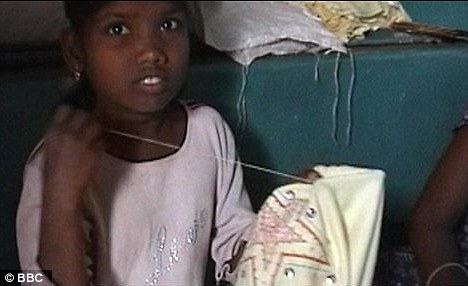
Yet hinting a decline in both editorial and ethical standards at the BBC, the reporting team was found to have taken liberties with certain visuals in this particular programme. It investigated Primark’s claims that it can deliver ‘cheap, fast fashion’ without breaking ethical guidelines, and included footage obtained in a Bangalore workshop of three boys carrying out an activity described in the programme as ‘testing the stitching’ on Primark garments.

According to the Daily Mail: “The BBC Trust’s Editorial Standards Committee examined evidence such as the unedited ‘rushes’ of the programme and emails to the production team from the freelance journalist Dan McDougall, who obtained the footage.”

BBC Trustee and Chair of the ESC Alison Hastings said after their investigations: “The BBC’s investigative journalism is rightly held in very high regard, and for more than fifty years Panorama has made a very significant contribution to that. But great investigative journalism must be based on the highest standards of accuracy, and this programme on Primark failed to meet those standards. While it’s important to recognise that the programme did find evidence elsewhere that Primark was contravening its own ethical guidelines, there were still serious failings in the making of the programme. The Trust would like to apologise on behalf of the BBC to Primark and to the audience at home for this rare lapse in quality.”

Read full report here.

Despite all these developments, the BBC Panorama official web page for this programme shows no indication of this turn of events. Accessed on at 01:30 GMT on 30 June 2011, the page says it was “last updated at 13:31 GMT, Wednesday, 18 June 2008 14:31 UK”. No apology, no correction, no link to the BBC Trust’s report.

The programme’s blurb still reads: “Panorama puts Primark’s claims that it can deliver cheap, fast fashion without breaking ethical guidelines to the test. Posing as industry buyers in India, the programme’s reporter Tom Heap and his team find some of India’s poorest people working long, gruelling hours on Primark clothes in slum workshops and refugee camps.”

So who puts the BBC Panorama to test? Are investigative journalists above the ethics of journalism because their work is hazardous, and is ultimately meant to be in the public interest?

Even Homer nods, and the best intended investigative journalists can – and do – make occasional mistakes. The important question is whether this was a bona fide error in judgement, or does it suggest a trend where the BBC’s investigative journalists and producers arrogantly believe that the end justifies the means?

Many documentaries rely on re-enactments for certain scenes, which are usually labelled as such. Does exposing child labour in supply chains give the license for do-gooding journalists to manipulate individuals and images to suit a preconceived notion of a corporation’s complicity? Could they not have resorted to other means – perhaps with less dramatic visuals, but more honest in their sourcing?

Does this rare admission of error on the part of the BBC also raise questions about the integrity of some other hard-hitting and controversial Panorama investigations over the years which have taken on some big-time targets such as the Vatican, the United Nations Peace Keepers or the CIA?

Hard questions indeed for the usually self-righteous Auntie Beeb.

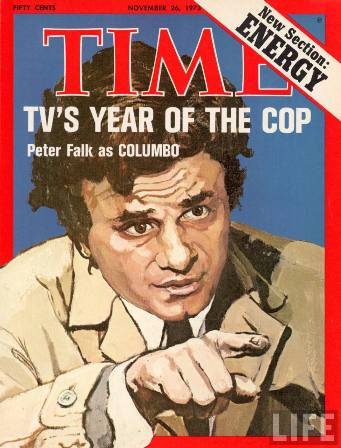
Peter Falk (1927-2011): Goodbye to Columbo from a fan in Colombo

Peter Falk (1927-2011)
Actor Peter Falk, who just died aged 83, was truly an icon of globalised popular culture. With no props besides his rumpled jacket and raspy voice, he held a whole generation spell-bound with intelligent television (and showed why the term need not be an oxymoron).

Columbo’s creators, Richard Levinson and William Link, modeled the character after the crazy-like-a-fox sleuth in the French classic “Les Diaboliques’’ (1955). But it was Peter Falk who brought the character alive and gave it a unique flavour.

It turns out that Falk didn’t originate the role of Lieutenant Columbo of the Los Angeles police. Bert Freed had first played Columbo in a 1960 teleplay. Falk wasn’t even the front-runner for the part when NBC wanted to revive the character in 1968 for a made-for-television movie, “Prescription: Murder.’’ The network had hoped to cast entertainer Bing Crosby for that program.

“An agent called and said that Crosby was scheduled to play golf and couldn’t turn it down to go over and talk’’ to the show’s creators, Falk told The Washington Post in 1990.

“He did love golf,’’ Mr. Falk said. “I play, too, but I went over and talked to them.’’

‘Just One More Thing’: Remembering Peter Falk, TV’s ‘Columbo’

Columbo could elicit an inadvertent confession from a suspect by prefacing his question with a seemingly harmless, “Just one more thing” – the phrase that became synonymous with his character and the title of the actor’s 2006 memoir.

Falk once described the character he played for 30 years in these words: “He’s unique — if he were up for auction, he would be described as ‘one of a kind, a human with the brain of Sherlock Holmes who dresses like the homeless.’ ’’

Arthur C Clarke once complained, good-naturedly, that Falk was the reason why most Americans couldn’t correctly spell the capital of Sri Lanka. (I have my own theories on geographically challenged Americans, but those can wait.)

Growing up in suburban Colombo in the 1980s, when we had just two (state-owned) TV channels and limited international fare, Columbo gave me hours of stimulating, enriching entertainment. So this is one ardent fan saying Thank You and Goodbye from…Colombo.

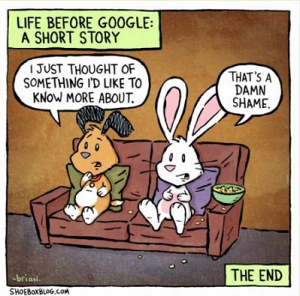
Was There Life Before Google (BG)? Sure, but try finding it!

Like many things, is Google a mixed blessing?

I now divide my life into two distinctive eras: Before Google (BG) and After Google (AG). The monumental ‘dividing event’ occurred somewhere in 1999 <em>Anno Domini (AD), when the now ubiquitous online phenomenon entered my life.

It was a good friend, photojournalist and new media activist Shahidul Alam, who first told me about this new kind of search engine with a funny-sounding name. Google. At that time, it was just a noun.

I was already weary of the simple, simplistic and yellow-page like listings offered by Yahoo, and welcomed this refreshing change. I immediately switched — and haven’t looked at another search engine in the past dozen years. And I also liked its cheerful, multi-coloured logo.

Things weren’t so slick or quick at the beginning, and even Google was learning by doing. We were still in the dial-up era, when 56 kbps Internet access speeds were still mostly an aspiration. Besides, there was far less content online, and far fewer ways to access and process it.

Where Google stood apart, from every other service, was in its better targeted search results. The research of any given quest was still in our hands, but narrowing down was helpful.

We’ve come a long way, and eons in Internet terms, since those early and murky days. With my always on, reasonably fast broadband connection, I now Google effortlessly many times day and night: I know I’m leaving a steady datastream of everything I look for, and that it can be traced, analysed and interpreted by anyone who can force Google to part with this back-end data (usually governments). But that’s the price I pay for Google’s versatile services.

I touched on this when I talked about ’21st Century Media: New Frontiers, New Barriers’ last month at Sri Lanka Press Institute on World Press Freedom Day, 3 May 2011. Here’s my PowerPoint:

A few weeks ago I tweeted “Was there life before Google?” My own tongue-in-cheek answer was: Sure, but I can’t easily locate anything from that period!

Not everyone appreciates Tweeted humour. I received a range of replies online and offline, mostly negative. Some cyber-skeptics faulted me for ‘deifying an American corporation like Google that is out take over the world’ (they haven’t heard the news!).

Others, school teachers and librarians among them, told me that Google has plenty to answer for. They lamented that many people have now forgotten the art and science of looking for a specific piece of information and imagery using well-organised information sources that combine physical and computer-based services. Professional information managers view Google as a superficial, hit-or-miss, much diluted version of their noble craft. Cyber take-away to be consumed on the run, as opposed to a gourmet meal to be partaken and enjoyed at leisure.

Sounds familiar?
I’m old enough to have used libraries diligently and regularly for several years of my working life. I still do, when I can’t easily locate something online — especially historical content that remains under-represented or non-existent on the web. For me, it’s not a question of either/or.

In fact, my frustration is that enough content from the pre-Internet period (much of history) is not yet available online in properly searchable ways. That includes my own personal archive. I’ve been producing journalistic output in the media for 25 years in print, radio and television outlets. The electronic media output is completely lost, and practically everything I wrote before 2000 AD (or Year 1 of my personal AG) is also not online. And my output in Sinhala, including my current Sunday column in the Ravaya newspaper, is not available online.

No, I don’t idolise Google as a global deity. But I thank Google a few times every day. Increasingly often, that includes times when I want to locate a specific reference to something I myself have written and published. This is what happens after writing several thousand pieces on a wide range of subjects and topics.

I envy those who can still recall precise details of their own vast bibliographies. As for me, I routinely turn to my usually reliable and well-informed friend Google. She rarely lets me down.

PS: One facility I stubbornly refuse to use is GMail. Google’s idea of a web-based email service never appealed to me, a Digital Immigrant who is not fully convinced about storing all my correspondence ‘in the cloud’. What really puts me off is how fleeting, erratic and often utterly incomprehensible GMail users are in their replies. There are a few honourable exceptions, but most GMailers I know are a confused and confusing bunch. I love you, Google, but when it comes to email, thanks but I’ll continue to operate my own accounts, branded on my own domain name.