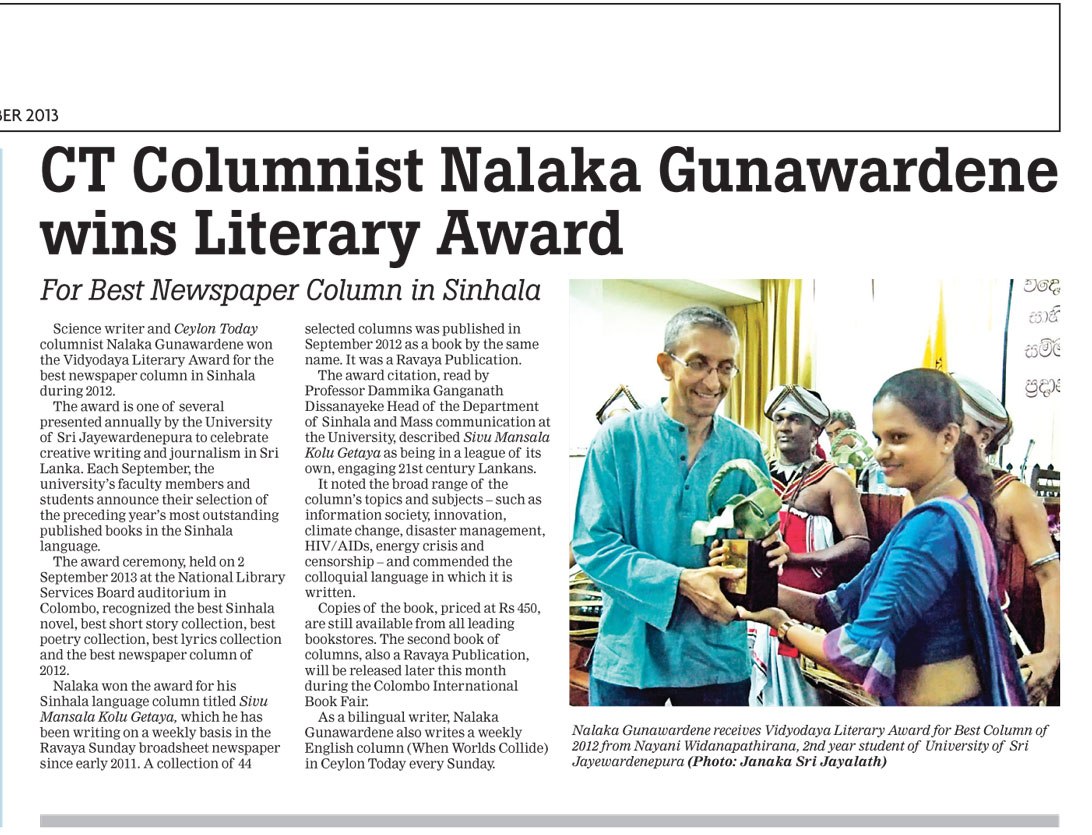
Science writer Nalaka Gunawardene won the Vidyodaya Literary Award for the best newspaper column in Sinhala during 2012.
The award is one of several presented annually by the University of Sri Jayawardenapura to celebrate creative writing and journalism in Sri Lanka. Each September, the University’s faculty members and students announce their selection of the preceding year’s most outstanding published books in the Sinhala language.
The award ceremony, held on 2 September 2013 at the National Library Services Board auditorium in Colombo, recognized the best Sinhala novel, best short story collection, best poetry collection, best lyrics collection and the best newspaper column of 2012.
Nalaka won the award for his Sinhala language column titled Sivu Mansala Kolu Getaya (සිවුමංසල කොලූ ගැටයා), which he has been writing on a weekly basis in the Ravaya Sunday broadsheet newspaper since early 2011. A collection of 44 selected columns was published in September 2012 as a book by the same name. It was a Ravaya Publication.
The award citation, read by Professor Dammika Ganganath Dissanayeke, Head of the Department of Sinhala and Mass communication at the University, described Sivu Mansala Kolu Getaya as being in a league of its own, engaging twenty first century Lankans.
It noted the broad range of the column’s topics and subjects – such as information society, innovation, climate change, disaster management, HIV/AIDs, energy crisis and censorship – and commended the colloquial language in which it is written.
Copies of the book, priced at Rs 450, are still available from all leading bookstores. The second book of columns, also a Ravaya Publication, will be released later this month during Colombo International Book Fair.
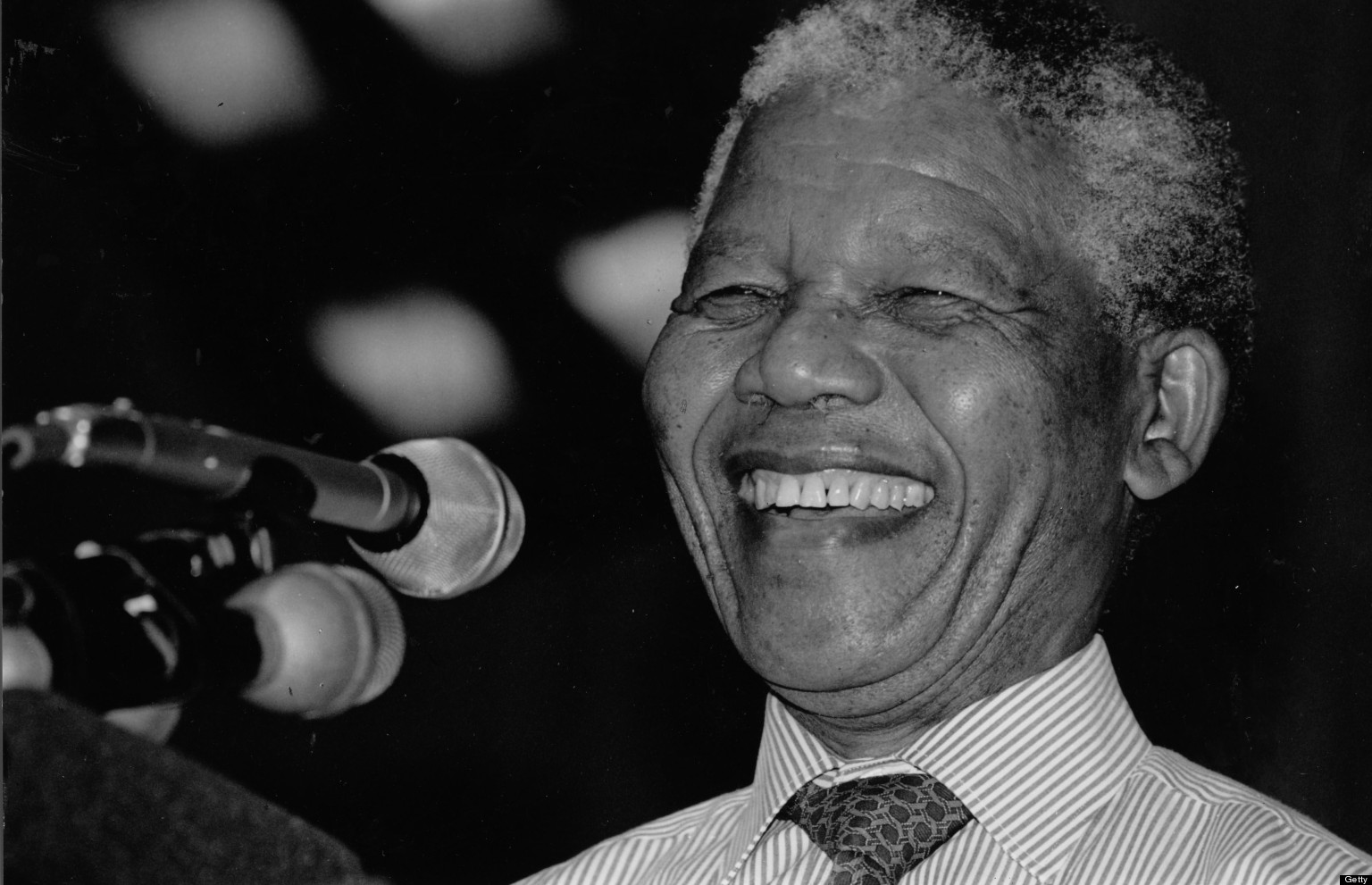
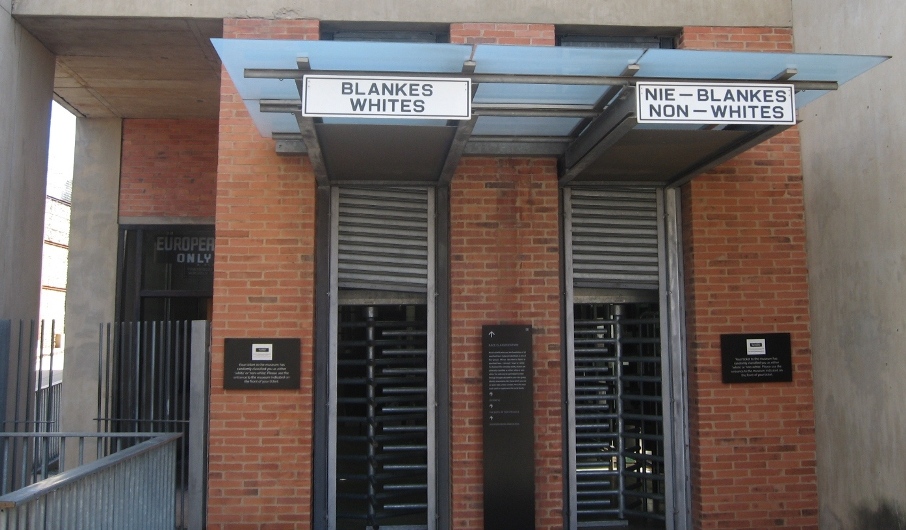
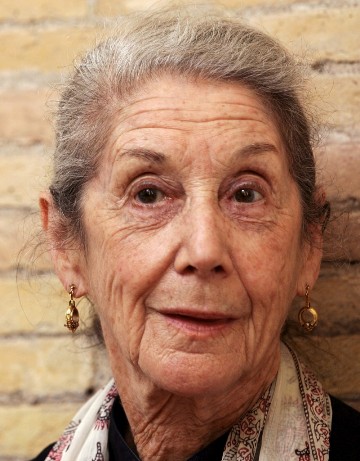
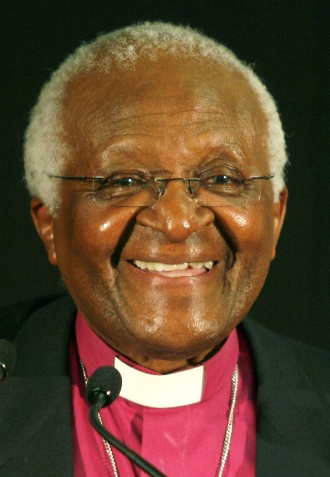
In my Ravaya column this week (in Sinhala), I look at the role of public intellectuals and artistes who supported Nelson Mandela in his anti-apartheid struggle as well as in forging the Rainbow Nation after majority rule started in 1994. In particular, I look at how the Nobel Laureates Nadine Gordimer and Desmond Tutu critically cheer-led Mandela and ANC.
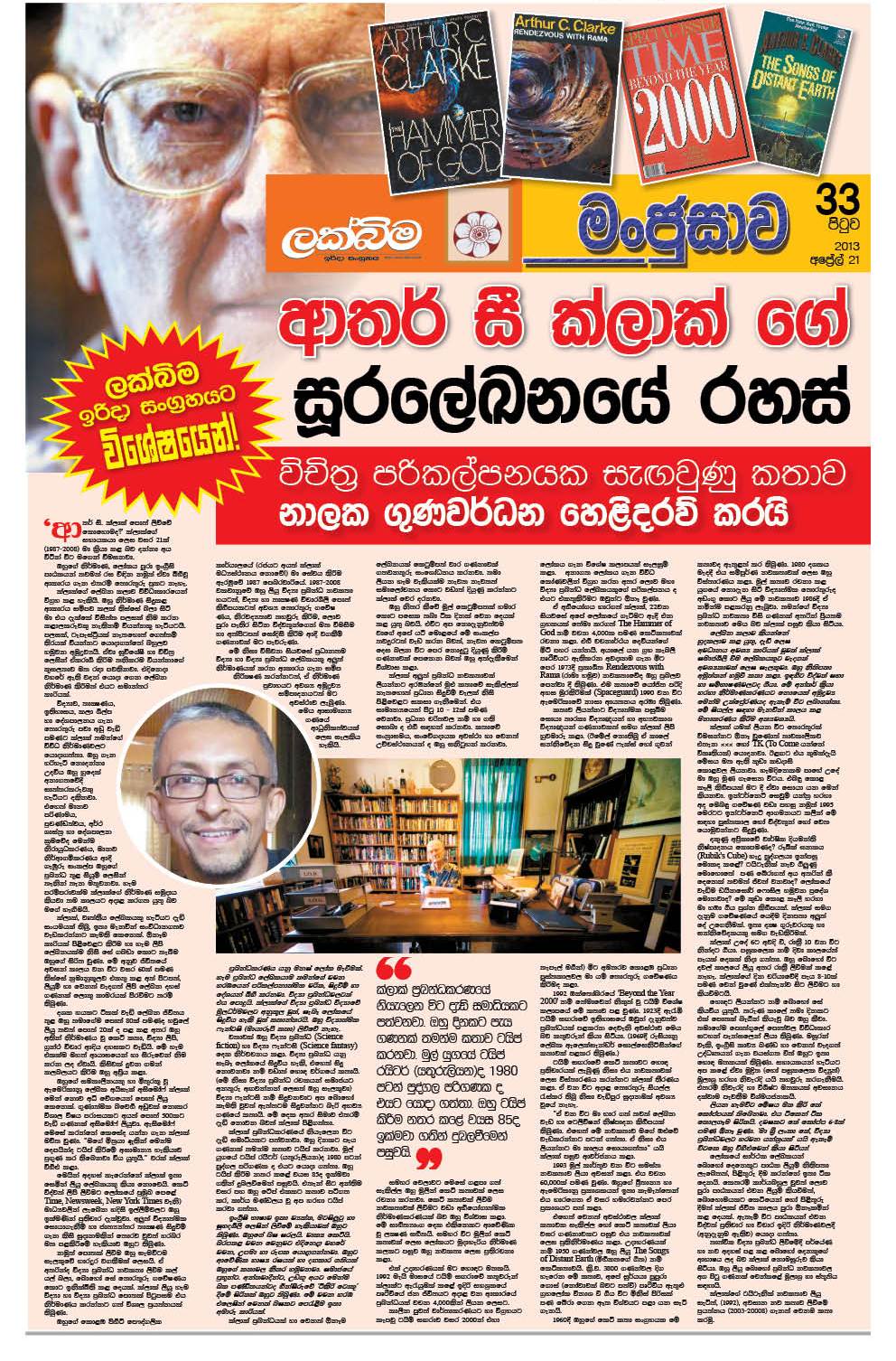
How did Arthur C Clarke write acclaimed science fiction? Did he just dream up all his stories, or was there a meticulous research and development process? (The latter was closer to the truth.)
But there is limited awareness of the man and his creative accomplishments in Sri Lanka, his adopted home for over half a century. I wrote a book (in Sinhala) last year introducing Arthur C Clarke’s scientific ideas and visions for the future. This year, I have started chronicling how he wrote science fiction.
The first such article appeared in Sunday Lakbima, a popular Sinhala broadsheet newspaper, on 21 April 2013. Here is that text, which is not easy to locate online as they (and many other Lankan newspapers) use mini-blackholes to publish their web editions…
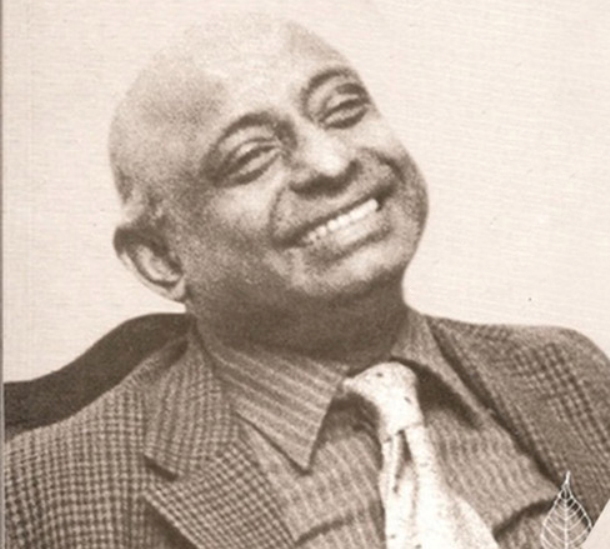
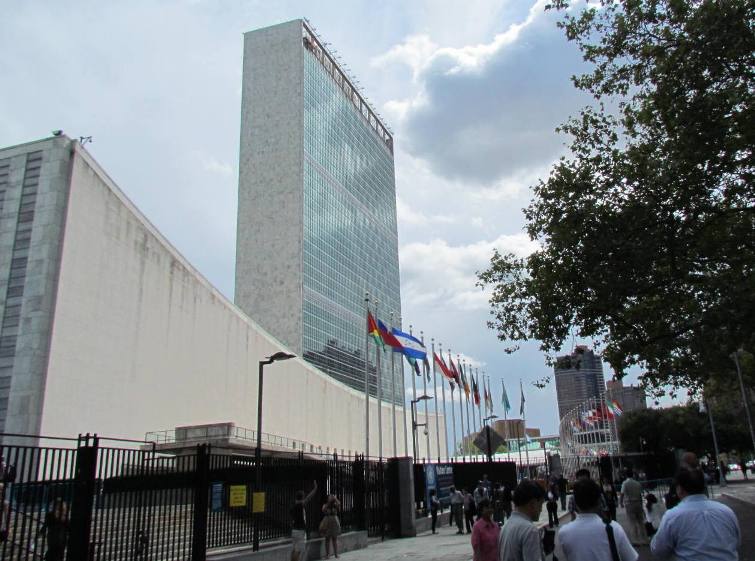
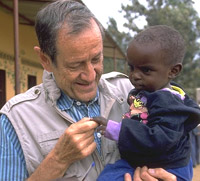
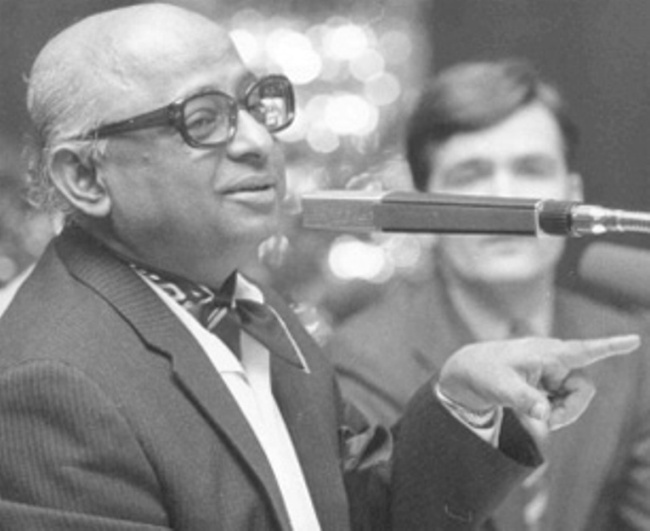
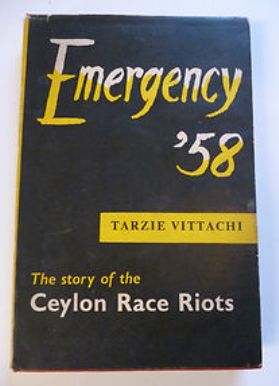
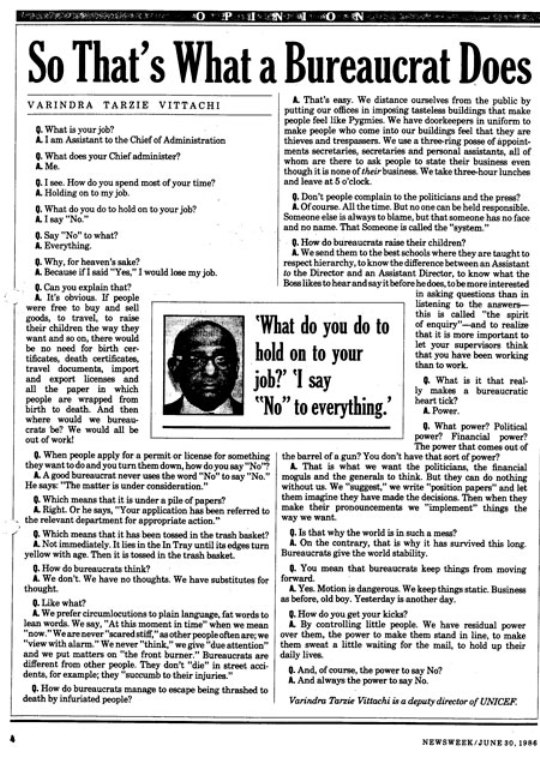
I have devoted another weekend column in Ravaya newspaper (in Sinhala) to celebrate the memory of the illustrious Lankan journalist, editor and development communicator, Tarzie Vitachi (1921 – 1993). This time, I talk about his time at the United Nations, first as communication chief at UNFPA, and then as Deputy Executive Director at UNICEF.
My weekend column in Ravaya newspaper (in Sinhala) is devoted this week to remember the illustrious Lankan journalist, editor and development communicator, Tarzie Vitachi (1921 – 1993).
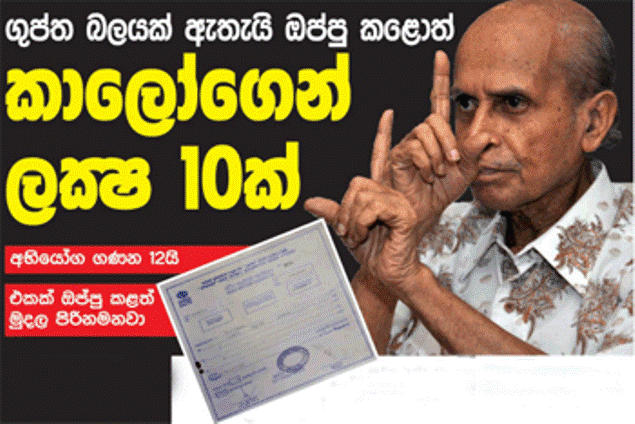
In this week’s Ravaya Sunday newspaper column (in Sinhala), I’ve written a tribute to Dr Carlo Fonseka, Emeritus Professor of Physiology at the University of Colombo, rationalist and public intellectual, who turned 80 earlier this month.
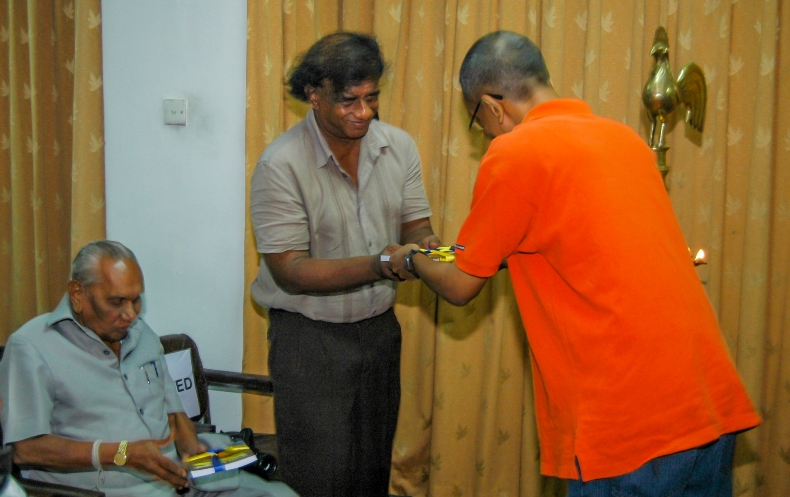
Nalaka presenting book to his science teacher & first publisher, Asanga Abeysundara
Asanga Abeysundara was my zoology teacher as well as my earliest editor-publisher. For several years in the 1980s, he edited and published (in properly printed form) a progressive science magazine in Sinhala named Maanawa (meaning ‘human’).
This non-profit publication, started in 1978 as a wall newspaper at the University of Colombo by its founder when he was an undergraduate there, later evolved into a magazine with a small circulation and loyal readership.
It was a platform for aspiring young writers – many of them in school or university at the time – to write about science, technology and their impact on society. As part of the editorial team, I remember we covered big issues like the origins of life, cost-benefits of space exploration, HIV/AIDS and human evolution.
Maanawa was entirely a labour of love: everybody, including the editor, worked for free. But printers and distributors charged for their services, which the limited sales couldn’t recover. So, despite passion and voluntary editorial inputs, the magazine stopped printing after sometime.
Yet, showing resilience and innovation, Maanawa became the first Sinhala publication to produce an Internet edition in 1996 — the year after commercial connectivity was introduced in Sri Lanka. The web edition, which played a pioneering role, is no longer online.
But this modest yet spirited publication had lasting influence on Sri Lanka’s science communication scene. Many writers who cut their teeth at Maanawa later joined Vidusara, a weekly science magazine launched by a commercial publisher in late 1987.
Others, like Chanuka Wattegama and myself, went in different directions — but are still active in science communication in one way or another.
In December 2012, I invited Asanga as a guest of honour to the launch of my Sinhala book, Mind Journeys with Arthur C Clarke. Chanuka, who wrote the introduction to the book, was a speaker (along with Dr Rohan Samarajiva).
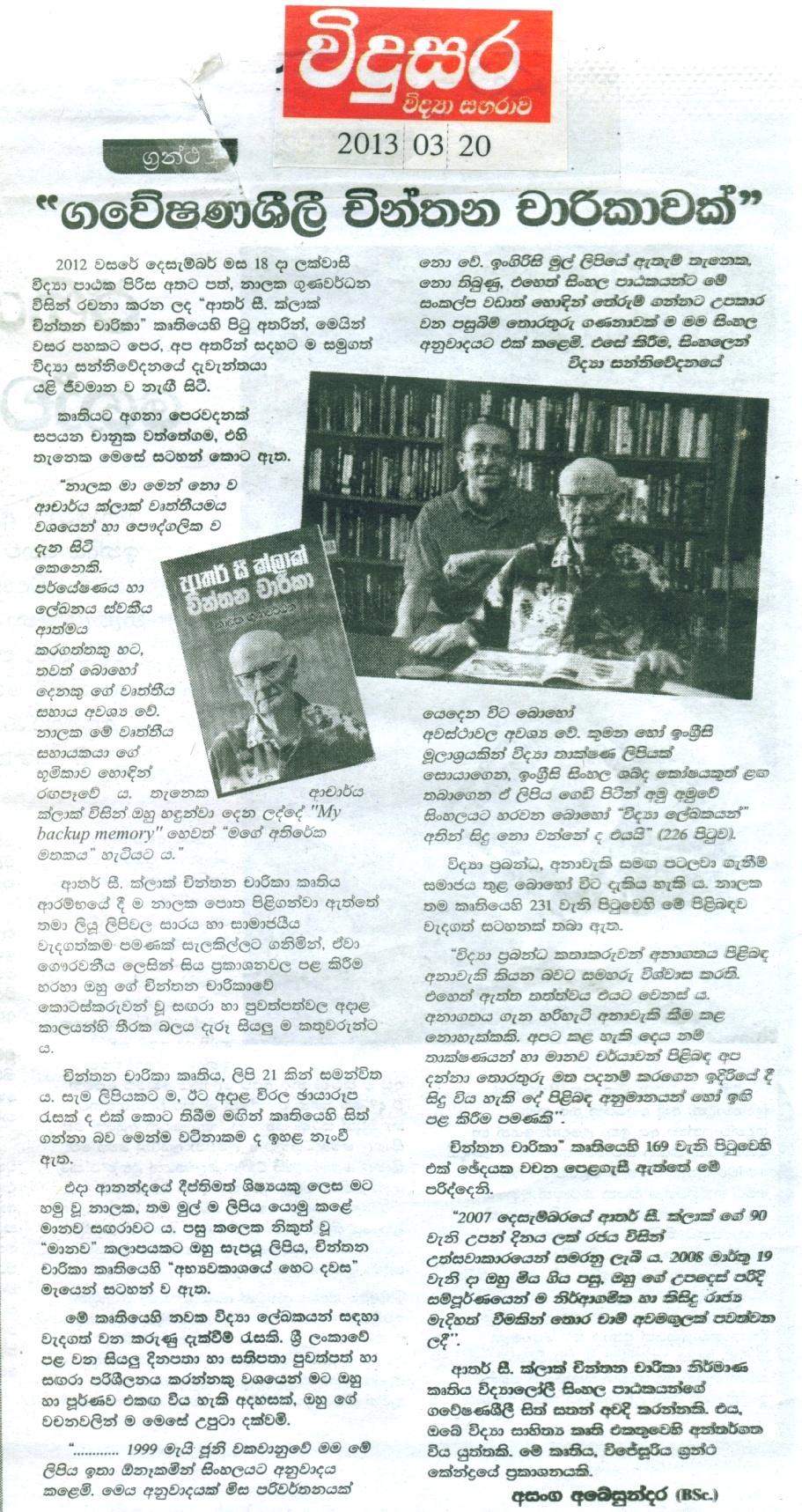
I’m delighted to read Asanga write a review of the book, which appears in Vidusara issue of 20 March 2013:
Vidusara review of Arthur C Clarke Chintana Charika by Nalaka Gunawardene
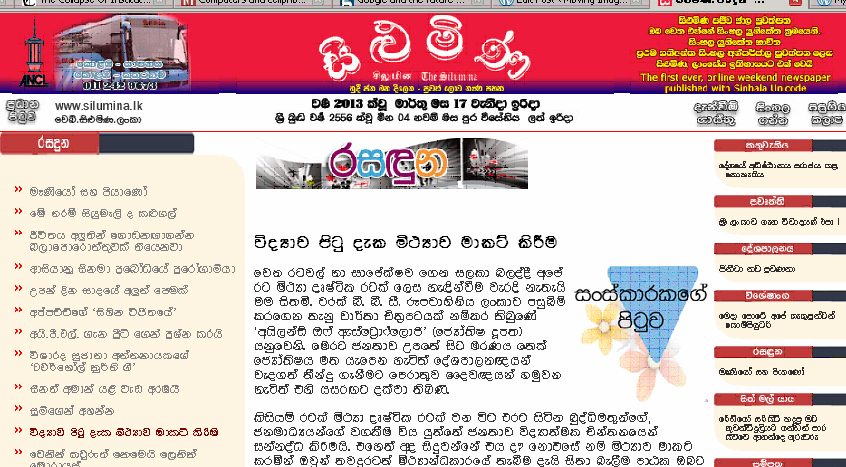
A perceptive review of my Sinhala language book, Mind Journeys with Arthur C Clarke, which came out in December 2012, has just appeared in Silumina broadsheet newspaper.
The writer is Sunil Mihindukula, a senior journalist who is best known for his writing on the performing arts, especially cinema. But Sunil has broad interests, and is a rare open-minded and skeptical person among Sinhala language journalists many of who are ‘true believers’ of assorted dogmas.
Sunil places my book in the context of rationalism and critical thinking that is so lacking in today’s Sri Lanka. Here’s an excerpt:
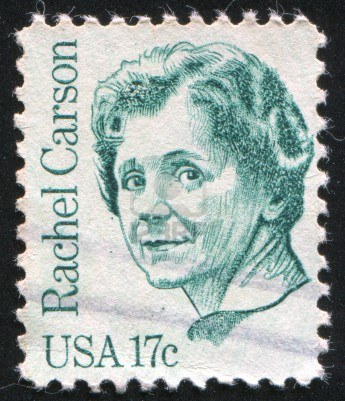
In this week’s Ravaya column (in Sinhala), I look at the lasting influence of Silent Spring, a popular science book that first came out 50 years ago, and is now widely regarded as a book that changed our thinking about the environment.
Its author, marine biologist Rachel Carson (1907 – 1964) was an early practitioner of evidence based policy advocacy. She was measured in what she wrote, and asked more questions than she could answer at the time. Yet the chemicals industry accused her of being anti-progress and scare-mongering. Smear campaigns targeted her as a single woman, and suggested that she was “probably a Communist”. How she weathered this storm holds valuable lessons for all modern day activists.
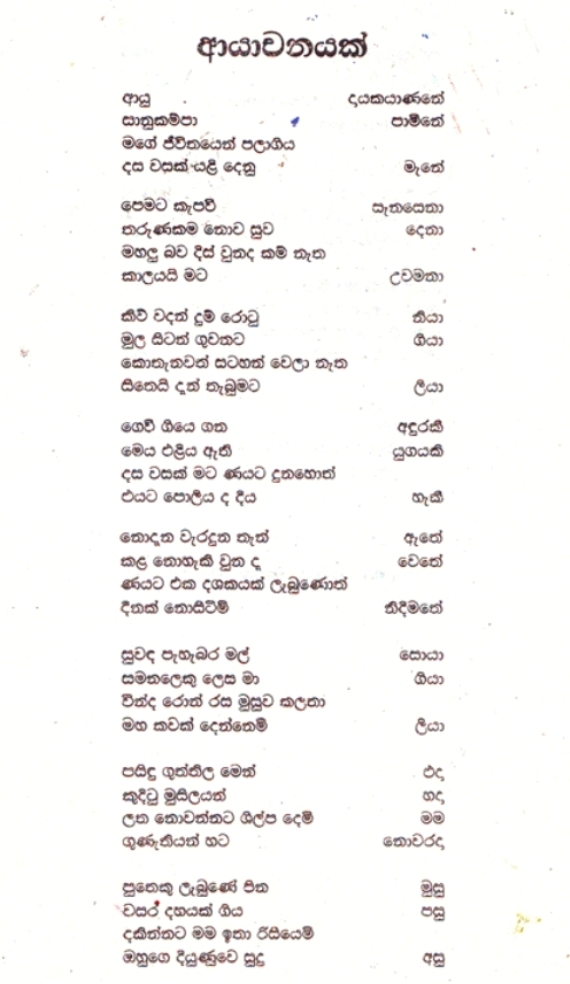
Karunaratne Abeysekera (1930–1983) was one of Sri Lanka’s most accomplished Sinhala broadcasters. He was also a poet and lyricist — one who had great talent to combine words and phrases in ways that soothed and energised a whole nation.
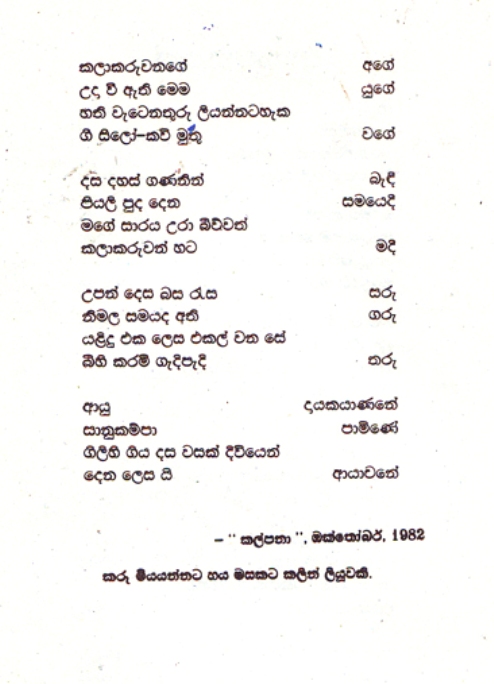
In October 1982, Karu (as he was affectionately called by friends and fans alike) wrote an especially moving and memorable Sinhala poem in the then popular Sinhala monthly magazine Kalpana. I first read this poem as a school boy in October 1982, and it left a deep impression that the first few lines stuck in my mind for decades.
In this poem, which opens with the words ආයු දායකයාණනේ, සානුකම්පා පාමිනේ…, Karu asks the giver-of-life (unspecified, and not alluding to any religious or superhuman entity) to grant him 10 more years of life so that he can…do more good, and do things he’s somehow not been able to do yet in his life. (He says it much more beautifully.)
Alas, that was not to be. Six months after this poem appeared in print, Karu was gone: he died in April 1983 aged 53.
As we enter a New Year, I borrow Karu’s evocative words and make them my own personal wish — or plea, if you like. I thank Karu’s son Dileepa Abeysekera for helping locating the full words. He calls it a little “time bomb” of the mind that his father has left behind…




 Open Minds!