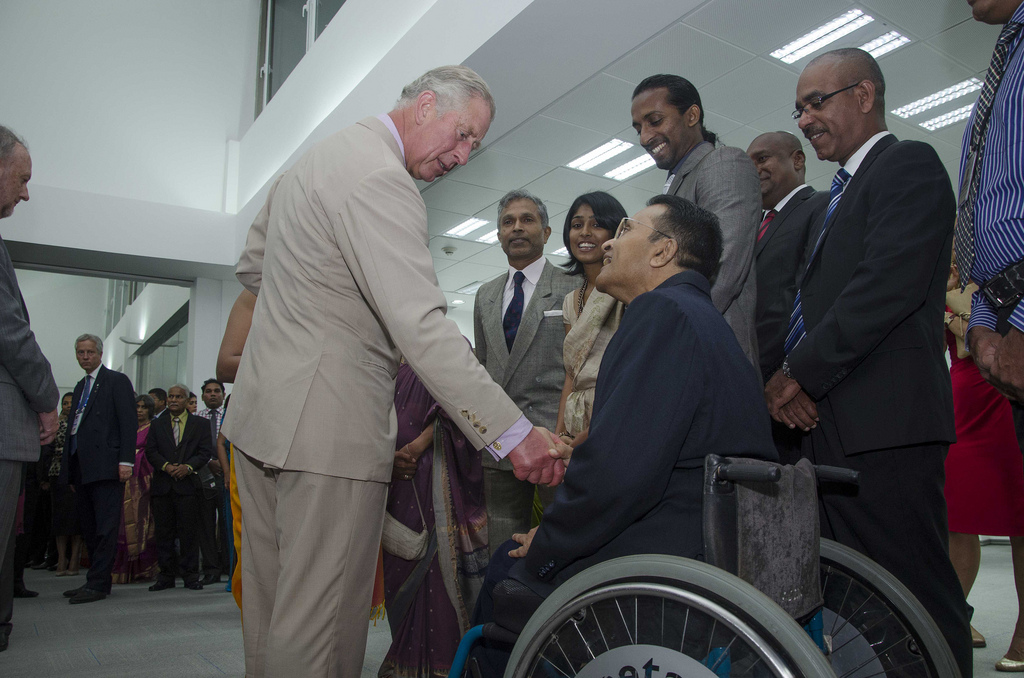
Prince Charles talks with Dr Ajith C S Perera, activist for mobility access, at the opening of British Council new building in Colombo, 16 Nov 2013 – Photo courtesy British Council Sri Lanka
Charlie is a charmer: he can be engaging, a good listener and smiles a lot.
At least these are my impressions of having watched Prince Charles at close range at a reception hosted by the Colombo British Council this evening – coupled with the opening of their new building.
The future king was ushered in without much fanfare (even his security was light touch and courteous). He spent around 40 minutes talking his way through the crowded room.
He chatted with many of the 250 or so guests — friends and partners of the British Council. It included a number of students and youth activists, as well as teachers, writers and scholars.
The Prince listened to short speeches by the British Council Sri Lanka Director and their global CEO. He then made the shortest speech of the evening: less than a minute, in which he made us laugh.
He basically thanked everyone, and expressed relief that the building he’d inaugurated on his last visit (1998) hadn’t been demolished.
Shortly afterwards, he left as quietly as he arrived. The party continued.
It was a brief encounter, but devoid of hype and pomposity that have characterised the Commonwealth Heads of Government Meeting (CHOGM) taking place in Colombo this week — the main reason why Prince Charles was in town.
I was quite tempted to take a quick photo with my mobile phone (cameras were not allowed). But our hosts had earnestly requested that we don’t take any photos. For once, I played by the rules.
In a more officious setting, I would quite likely have defied the restriction (after all, no one was watching our good conduct, as usually happens at Lanka government functions these days).
Yet the British Council has a special place in our hearts and minds. It’s a friendly oasis for artistes, learners, performers and activists. While they pursue their mission of promoting British cultural interests abroad, British Councils truly engage the community. Violating their request for taking a murky crowd photo would have been too unkind…
Part of that brand loyalty for British Council is explained in this short essay by Eranda Ginige of British Council Sri Lanka. In it, he reflects on their library in Colombo, which remains a community hub even as most readers trade paperbacks for portable devices.
Charlie produced unexpected gains, too. When I finally reached home, I had a rousing welcome from the two adorable females – a teenager and Labrador – who raise me:
Dear Charlie, You’ve boosted my approval rating among household teenagers but Digital Native puzzled I didn’t snap u! http://t.co/h0hPmBM8Ec
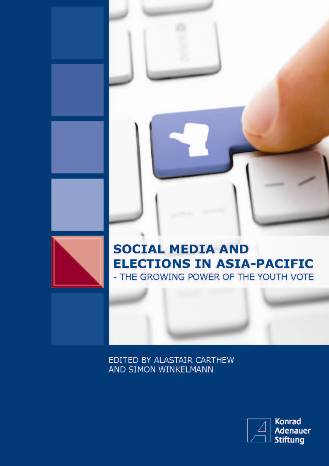
Did youth vote and social media make a difference in Colombo Municipal Council election in Sri Lanka held in October 2011?
This was the question that Chanuka Wattegama and I asked ourselves and set out to answer when invited to contribute a chapter to a regional book on how social media are influencing elections in Asia.
The book comprises 10 chapters covering 11 nations written by local contributors from Australia, Indonesia, Japan, Malaysia, New Zealand, Singapore, South Korea, Sri Lanka, the Philippines, Taiwan and Thailand.
It examines trends and outcomes surrounding recent elections in these countries — and how social media influenced election campaigning and voting, especially among young voters.
Topics include:
• Use of social media surrounding elections
• Digital electioneering
• How social media can make a difference
• How important is voting to young people?
• Detailed polling of political trends
Our summary for the Sri Lanka chapter:
The Colombo Municipal Council (CMC) is the local government body that administers Sri Lanka’s largest city and its commercial capital. Its last election, held in October 2011, saw the nationally ruling coalition losing this key municipality while winning all other municipalities as well as many of the smaller local government bodies.
What made CMC election outcome different? This election saw some apolitical activists and researchers engaging the mayoral candidates on social media, questioning and critiquing their election manifestos and trying to hold them accountable. Did these online activities influence voter behaviour? What lesson does this hold for other elections and the overall political landscape in Sri Lanka?
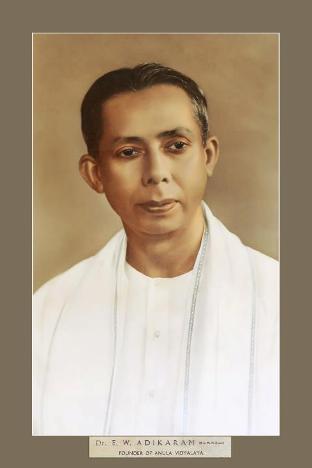
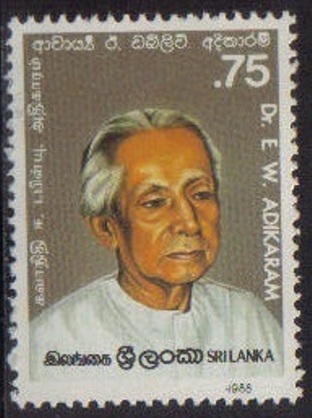
In this week’s Ravaya column (in Sinhala), I pay tribute to scholar and free thinker Dr E W Adikaram (1905-1985), a Lankan pioneer in public communication of science in Sinhala.
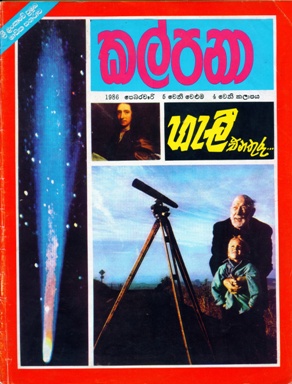
I also recall with gratitude how, a few months before his death at age 80, he advised and guided me through a challenging science writing assignment on the history and science of comets.
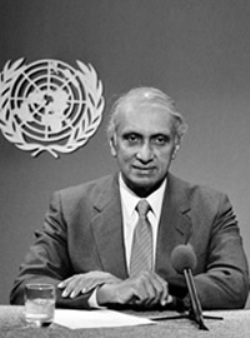
Gamani Corea, Secretary General of UNCTAD (1974-1984)
“I have a rather large nose that dominates my photos,” said Gamani Corea as I asked him to pose for a photo in his spacious garden at Horton Place, in the heart of residential Colombo.
“Then how come your nose isn’t as famous as JR’s?” I asked as I snapped a few photos. That reference was to our first Executive President J R Jayewardene, whose prominent nose was the delight of cartoonists for decades.
Economist, diplomat and international civil servant Dr Gamani Corea (1925-2013), one of the most accomplished Sri Lankans of the 20th century, had just given me an interview.
It was sometime in late 1990. Dr Corea was dividing his time between Colombo and Geneva. I was a young science reporter working for Asia Technology magazine published from Hong Kong
A few weeks earlier, I’d suggested to my editors a story about Dr Corea’s proposal to revamp the Colombo Plan — an inter-governmental organisation to strengthen economic and social development of countries in the Asia Pacific region — with a new focus on science and technology.
He didn’t know me before, but turned out to be both approachable and amiable. He matched my eagerness with energetic and optimistic answers. We chatted for the better part of an hour.
Dr. Corea, who served as Secretary-General of UNCTAD from 1974 to 1984, died on 3 November 2013 aged 87. As UNCTAD website noted, he was known for his vision of a rebalanced international economic order that would provide fairer treatment to developing countries.
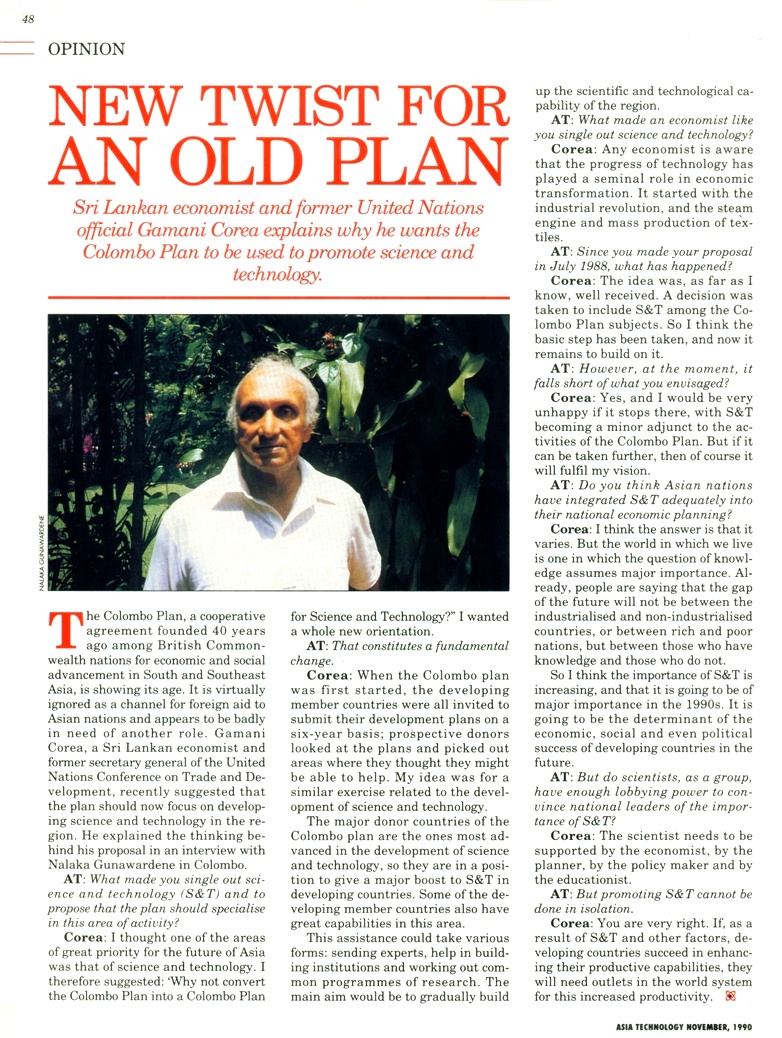
I wrote up that interview for Asia Technology November 1990 issue. Here’s a scan, illustrated by my photo with his not-so-famous nose:
Dr Gamani Corea interviewed by Nalaka Gunawardene – Asia Technology, Nov 1990
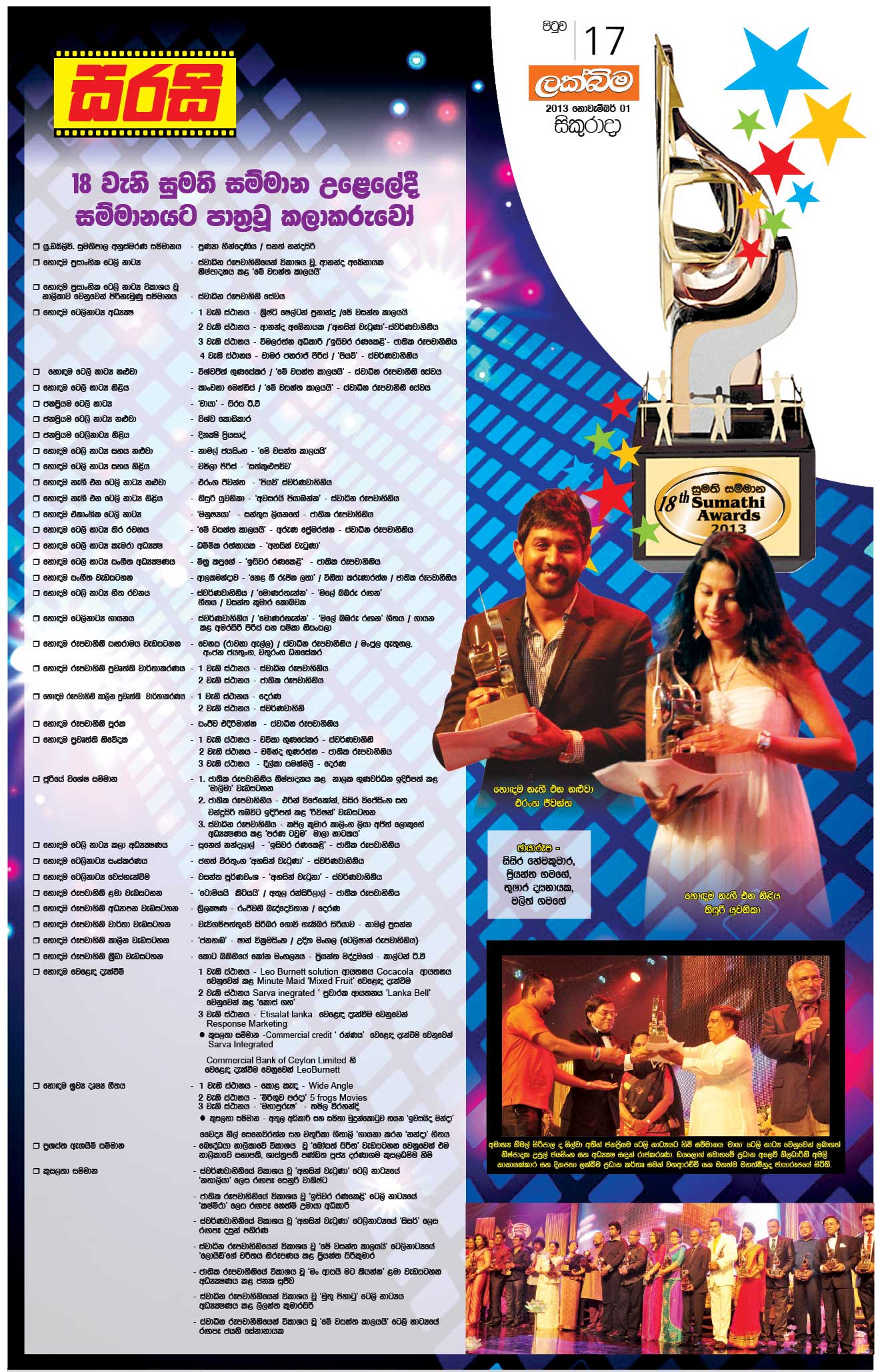
I’m delighted that Malima TV show on innovation, which I presented on Sri Lanka’s national TV Rupavahini for much of 2012, just won a Sumathi Tele Award — our equivalent of the Emmy Awards.
A Special Jury Award was presented to Malima at the 18th Sumathi Tele Awards festival held in Colombo on 30 October 2013.
The jury commended the studio-based show for both its content and presentation, noting our creative effort to link technology to everyday life in solving problems.
Exact jury citation (in Sinhala) read:
උතුර දකුණ මාරු නොකොට,
බුද්ධියෙන් ප්රඥාව කරා,
සතුටින් ගුණ නුවනින් යනුව ජීවිතය ගවේෂණය සඳහා
නව දිශානතියකින් කළ ඉදිරිපත් කිරීමක්.
සංකල්ය නිර්මාණයේ නිර්මාණශීලීතාව අගය කිරීමක්.
ජාතික රූපවාහිනීය නිෂ්පාදනය කළ,
නාලක ගුණවර්ධන ඉදිරිපත් කළ,
සුමින්ද තිලකසේන අධ්යක්ෂණය කළ
මාලිමා වැඩසටහනට පිරිනමනු ලබන සම්මානයයි මේ…..
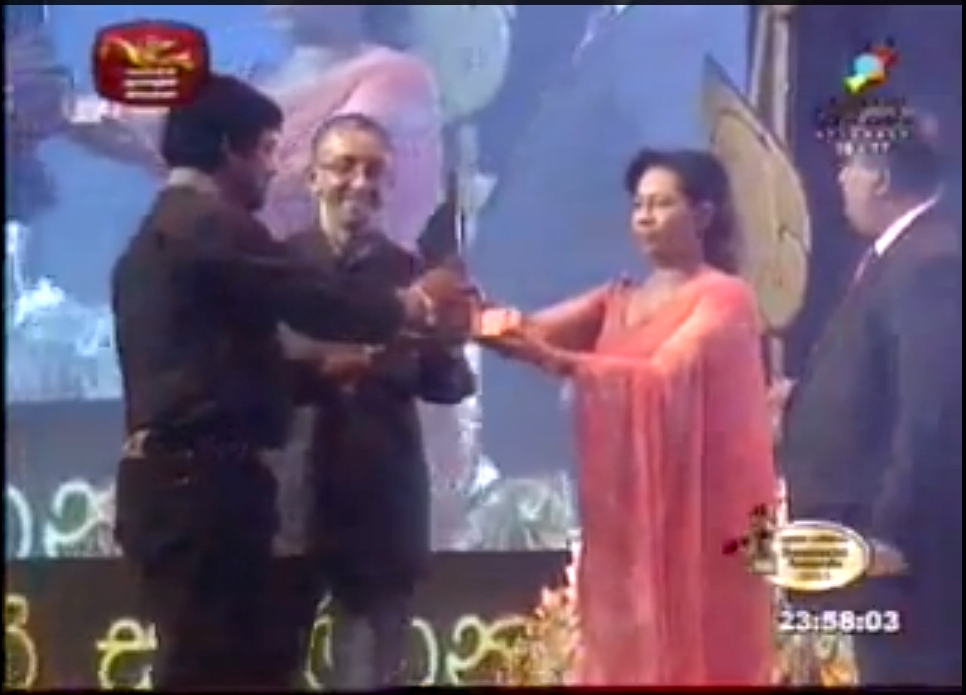
The award was received by the show’s producer Mr Suminda Thilakasena and myself; it was presented by Ms Pavithra Wanniarachchi, Minister of Power & Energy, one of the guests of honour that evening.
Ms Pavithra Wanniarachchi, Minister of Power & Energy, presents Sumathi Tele Award to Suminda Thilakasena (left) and Nalaka Gunawardene on 30 Oct 2013
Sumathi Awards have been organised by the privately owned Sumathi Group since 1995. It has established itself as the leading awards festival of the Lankan television industry that started in 1979.
Rupavahini broadcast of the evening (our award is presented around 16th minute):
Full awards list, as published in Lakbima daily newspaper, 1 November 2013:
Full list of award winners at 18th Sumathi Tele Awards, as published in Daily Lakbima, 1 Nov 2013
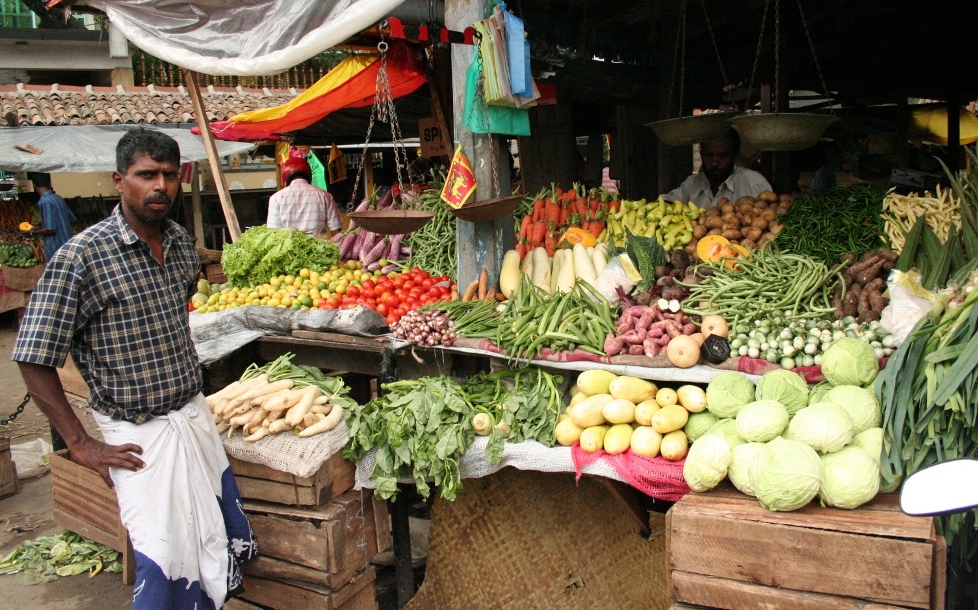
In this week’s Ravaya column (in Sinhala), I discuss the public health implications of rising levels of pesticide residues in our food. I cite research by the Hector Kobbekaduwa Agrarian Research and Training Institute (HARTI) on pesticide use habits of upcountry vegetable and potato farmers, which makes alarming reading.
Among other things, researchers found that up to a quarter of surveyed farmers grow some chemicals-free vegetables their own use! So this is not a matter of ignorance, but willful poisoning of the unsuspecting consumer.
I met the Lankan scholar, science writer and social activist Dr E W Adikaram (1905-1985) only twice, during the last few weeks of his life, but those encounters left a lasting impression.
Trained in both sciences and the humanities, he was a rare public intellectual with the courage of his convictions to speak out on matters of public interest — even when such views challenged widely held dogmas or went against populist trends. As a sceptical inquirer as well as a spiritualist, he always ‘walked his talk’.
A versatile communicator in Sinhala and English, Adikaram conducted regular radio programmes, delivered thousands of talks across the island, and wrote dozens of pamphlets and booklets on practical as well as spiritual topics – all delivered in simple and lucid language.
As a pioneering science writer in Sinhala, he edited and published popular science magazines. In all this, his hallmark was the spirit of inquiry and courteous engagement.
Among his most memorable pieces was an essay titled “Isn’t the Nationalist a Mental Patient?” Its original Sinhala version was published in the Sunday newspaper Silumina in 1958. As he recalled many years later, “It was a strange coincidence that this article first appeared in print just a couple of days before the outbreak of the sad conflict between the Sinhalese and the Tamils in 1958.”
I have just shared this important essay online, with a new annotation.
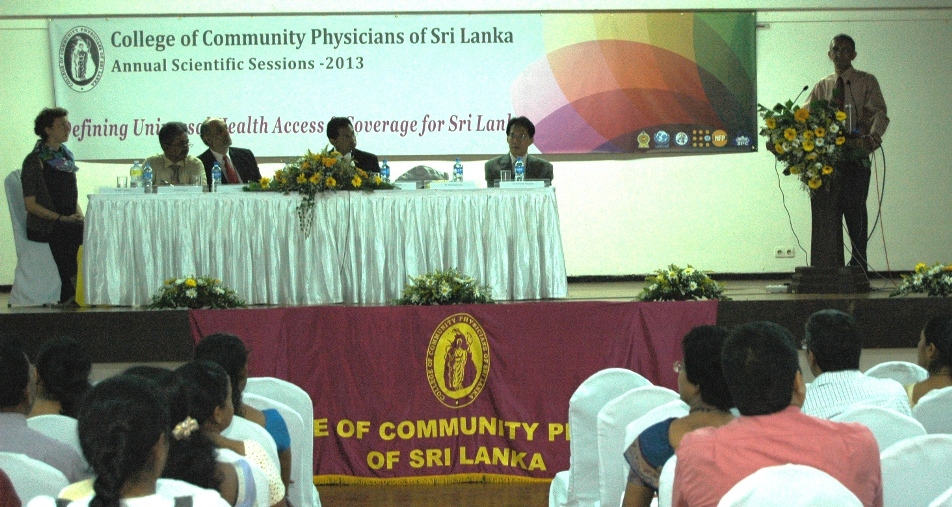
In this week’s Ravaya column (in Sinhala), I explore the nexus between public perceptions and public health – a topic I discussed in a recent talk to the College of Community Physicians Sri Lanka held in Colombo on 23 – 24 September 2013.
Nalaka Gunawardene speaks at Annual Scientific Sessions of College of Community Physicians Sri Lanka, 24 Sep 2013 Colombo – Photo by Janaka Sri Jayalath
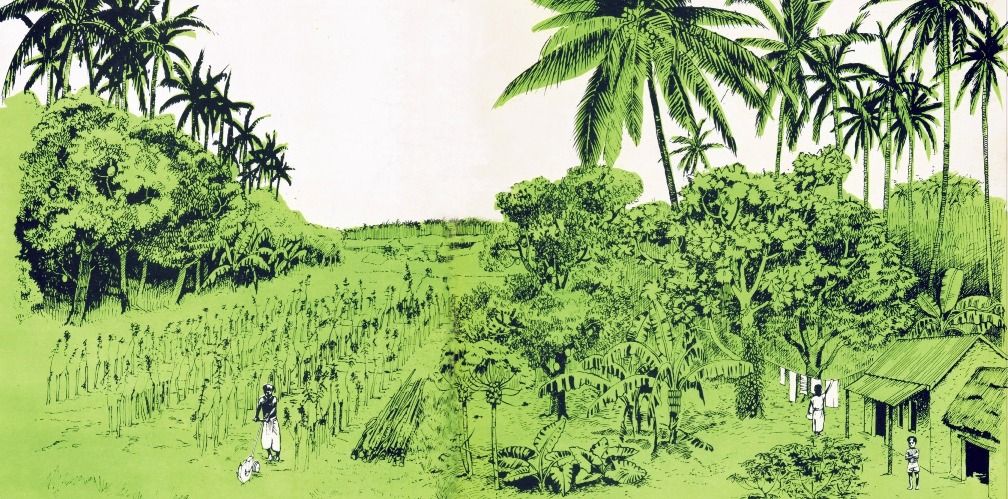
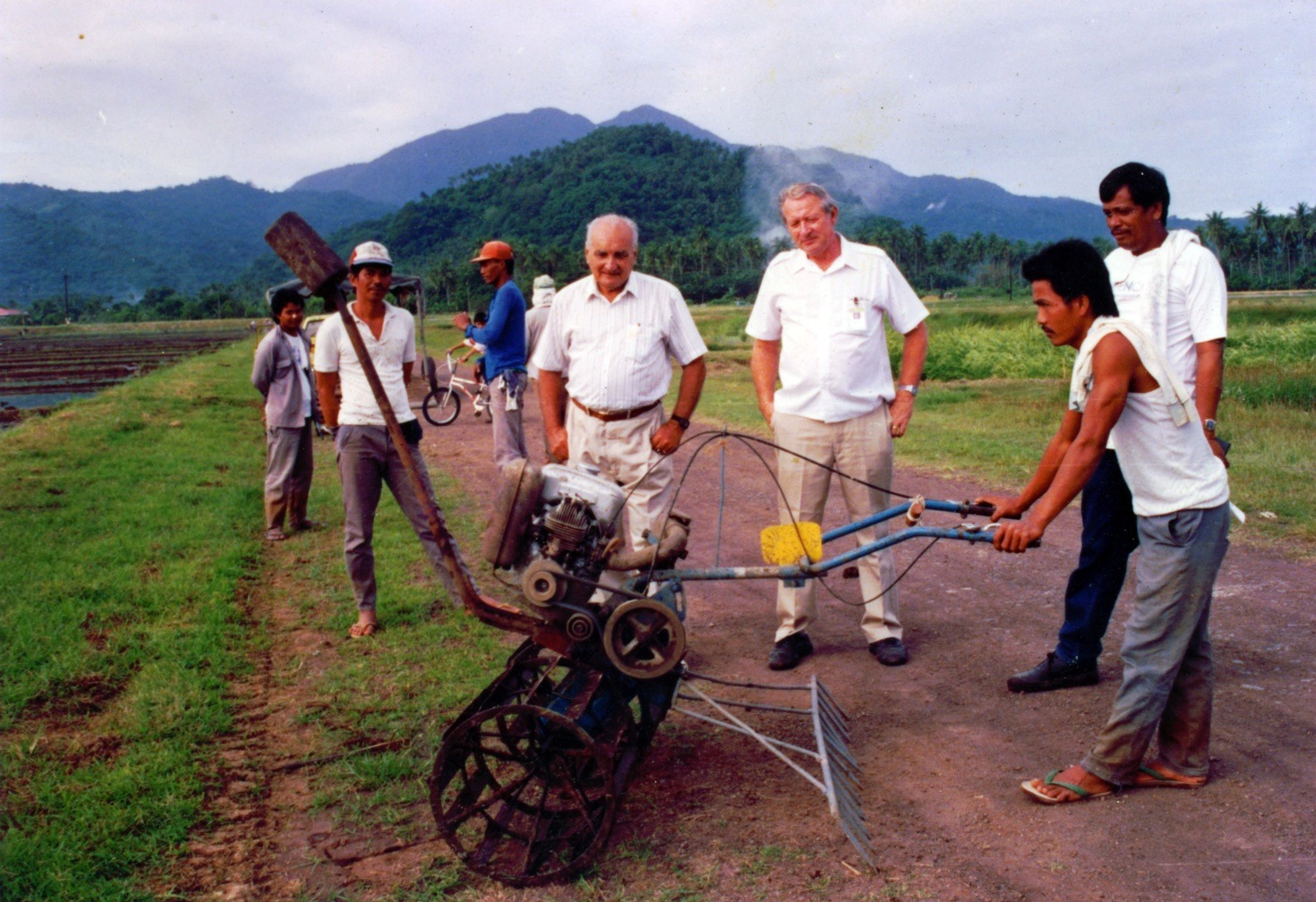
This week, my Ravaya Sunday column (in Sinhala) carries the third and concluding part of my long exchange with the late Dr Ray Wijewardene, agro-engineer turned farmer and a leading practitioner in conservation farming in the humid tropics. Today, we discuss soil conservation in Sri Lanka’s hill country, restoring shifting (chena) cultivation to its original method, and how small farmers can become more resilient to market forces.
Nalaka Gunawardene speaks at Annual Scientific Sessions of College of Community Physicians Sri Lanka, 24 Sep 2013 Colombo – Photo by Janaka Sri Jayalath
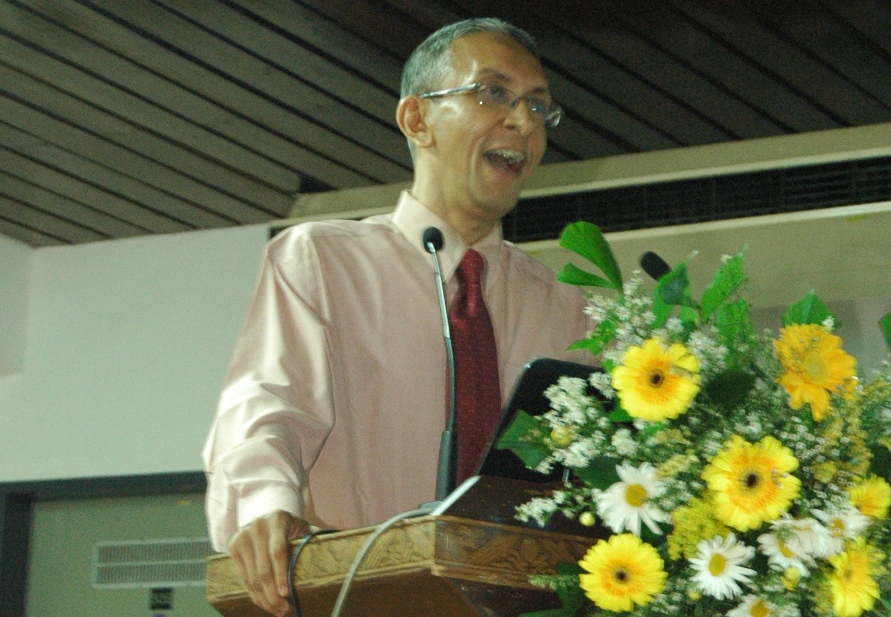
Speaking to an audience of medical practitioners, researchers and academics focusing on community medicine, I explored how public perceptions influence private choices and, ultimately, public health trends and progress.
I was part of a plenary session titled ‘Multi-sectoral approaches for universal health access’, co-chaired by the Director General of Health Services (Dr Palitha Maheepala) and WHO Country Representative in Sri Lanka (Dr F R Mehta).
Achieving universal health access and a robust public healthcare system requires not only medical and para-medical systems but also paying attention to sociological, anthropological and psychological aspects of wellness and illness in the Lankan context, I argued.
Nalaka Gunawardene speaking at Annual Scientific Sessions of College of Community Physicians Sri Lanka, 24 Sep 2013 Colombo – Photo by Janaka Sri Jayalath
I have long been interested in the nexus between public perceptions and environmental conservation. The same principles apply in public health: it’s not just facts, figures and technocratic analysis but people’s impressions, apprehensions, suspicions and fears that shape the public mind. These, in turn, influence public policies (which in democracies try to respond to public opinion — for better or worse!).
Investing LKR billions of public funds in the health sector is necessary, but not sufficient. Such public funds are at risk of being undermined if the public mind is occupied by assorted demons old and new. The new demons come dressed in the clothes of pseudo-science!
The media can either amplify ill-founded public perceptions, or help clarify matters. For the latter, medical professionals need to collaborate with sympathetic media editors and practitioners. This is a long-haul task.




 Open Minds!