Malima episode #2: New ideas – from robot arms to simplified traffic lights…

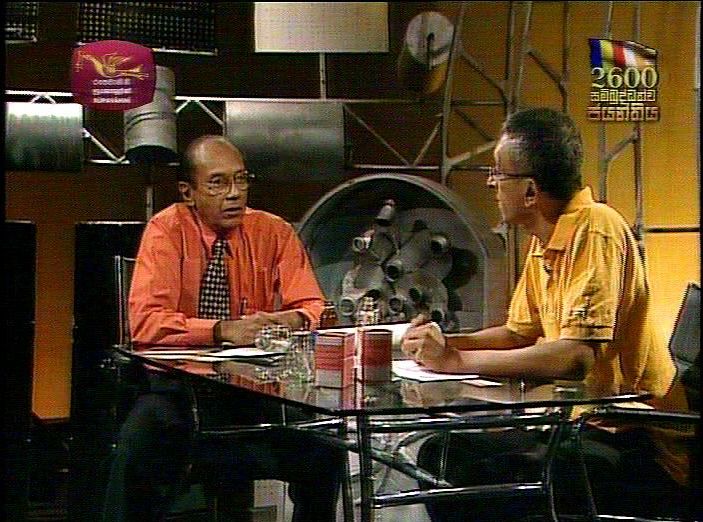
Malima (New Directions in Innovation) is a Sinhala language TV series on science, technology and innovation produced and first broadcast by Sri Lanka’s Rupavahini TV channel on 26 January 2012.

Produced by Suminda Thilakasena and hosted by science writer Nalaka Gunawardene, it is a half-hour show in magazine style.

Malima: Episode 2 presented by Nalaka Gunawardene from Nalaka Gunawardene on Vimeo.

This episode features:

• An interview with engineering student W Rakitha Brito who has invented several tools and robots for use in the aviation industry

• A glimpse of the ‘pehi pattalaya’, an ancient Lankan technology for extracting medicinal oil from various seeds

• Why doesn’t the woodpecker get headaches after a hard day’s work? Scientists who probed this have come up with new technology to prevent injury in accidents.

• Interview with young inventor Jayashanka Dushan, 17, a student of Bomiriya National School in Kaduwela, on his invention of simplified, low-cost and energy efficient traffic light using LEDs

Breaking News on a Restless Planet: Covering Disasters in a Networked Society

Communicating Disasters: ZiF Conference in Bielefeld
How do we cope with a warming planet while living in an increasingly WikiLeakable world? Exactly one year ago, I explored this in my talk given at the University of Colombo during the LEAF Conference.

As I reflected then: “We live in a crisis-ridden world where we have to cope with multiple emergencies unfolding at the same time, impacting us on different fronts. This illustration captures three of them: crisis in biodiversity, man-made climate change, and the new reality of living in a rapidly WikiLeakable world — what I called the Global Glass House.”

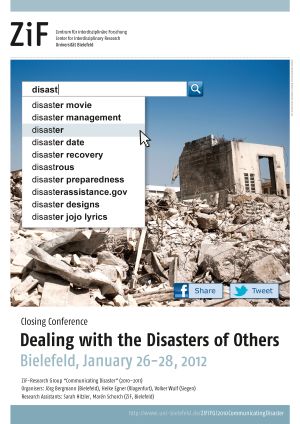
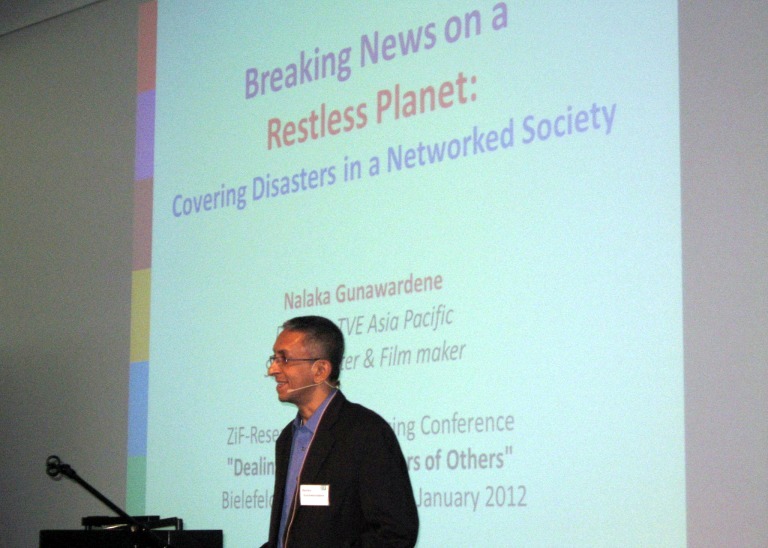
I returned to this theme and explored it further this week when giving a keynote address at the Bielefeld University in Germany. I was participating in their international and inter-disciplinary conference on “Dealing with the Disaster of Others”, 26-28 January 2012. The conference was the culmination of a year-long research project on this theme carried out at the University’s Centre for Interdisciplinary Research (ZiF).

I also built on ideas initially discussed in my 2007 book, Communicating Disasters, which was part of the reference material used during th ZiF research project.

Nalaka Gunawardene speaks at ZiF Conference on Communicating Disasters, Bielefeld, Germany: 27 Jan 2012

Here’s the Summary (Abstract) of my talk. PowerPoint slides below.

Breaking News on a Restless Planet: Covering Disasters in a Networked Society

by Nalaka Gunawardene
Science Writer, Blogger & Columnist; Director – TVE Asia Pacific (TVEAP)

Communicating disasters — before, during and after they happen — is fraught with many challenges. The increased volume and flow of information, enabled by the proliferation of information and communication technologies (ICTs), fills some gaps — but not all. Other critical elements such as institution building, training and awareness raising are needed at all levels to create societies that are better informed and prepared.

The news media, driven by their quest for what is new, true and interesting, can be useful allies for disaster managers. But the nexus between these two groups has always been contentious, and the acceleration of the news cycle has made it more so. Having to sustain 24/7 coverage for their fragmented and distracted audiences places enormous pressures on news media to break news first — and reflect later. In this scenario, how can empathetic, ethical and balanced reporting happen?

As disasters increase in frequency and intensity partly due to climate change, mainstream media practitioners across Asia struggle to keep up. Disasters are more drawn out (e.g. Pakistan floods, 2010 & Thailand floods, 2011), geographically scattered (Indian Ocean tsunami, 2004) and economically devastating (Tohoku/Fukushima, 2011) than before. This stretches the capacities and resources of many news organisations. Saturation coverage of unfolding disasters can also cause ‘compassion fatigue’ and apathy in audiences.

In today’s networked society, news media are no longer the sole gatherers or distributors of news. Without the trappings and inertia of the institutionalised media, citizen journalists are quick to adopt ICT tools and platforms. What does this mean for communicating disasters that requires care and sensitivity? In which ways can we find synergy between mainstream and new/social media to better serve the public interest on a warming planet? What value-additions can the mainstream media still offer to the coverage of disasters near and far?

We examine these and other larger questions with reference to recent disasters in Asia.

Here’s the PPT:

සිවුමංසල කොලූගැටයා #50: අවිචාරයේ සැඩ සුළගට මැදි වුණු හේතුවාදී පහන් සිළුව

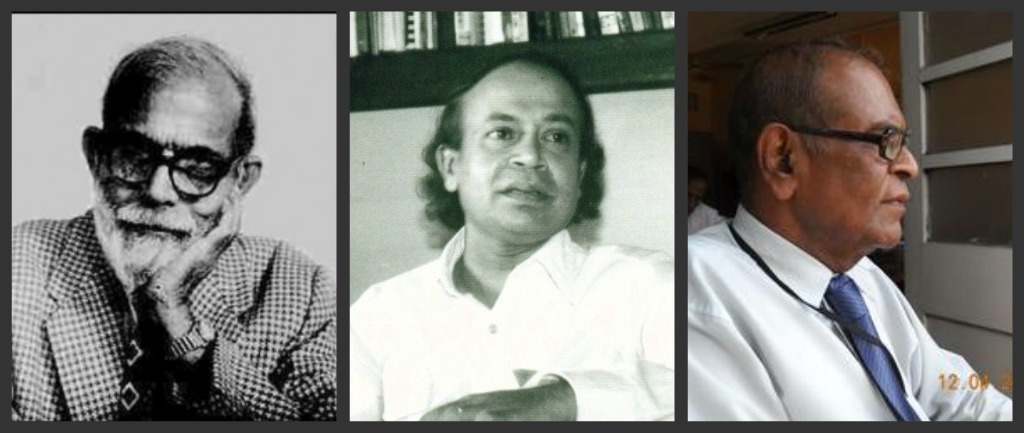
Keepers of Rationalist Flame L to R - Abraham Kovoor, Carlo Fonseka, Dharmapala Senaratne

Assorted charlatans and religious zealots across the island of Sri Lanka must have heaved a collective sigh of relief when they heard that Dharmapala Senaratne was no more. He had made it his business to make life difficult for those preying on the gullible public. Dharmapala was President of the Sri Lanka Rationalist Association (SLRA), a small group of earnestly sceptical enquirers who won’t take anyone’s word about anything. They want to investigate and debate.

The voluntary group was originally set up in 1960 by the late Dr Abraham Thomas Kovoor (1898 – 1978), a Kerala-born science teacher who settled down in newly independent Ceylon and, after his retirement in 1959, took to investigating so-called supernatural phenomena and paranormal practices. He found adequate physical or psychological explanations for almost all of them. In that process, he exposed many so-called ‘god men’ and black magicians who thrive on people’s misery and superstitions.

My column (in Sinhala) for Ravaya newspaper on 22 Jan 2012 is an exploration of the many challenges that rationalists and free thinkers face in today’s Sri Lanka. It’s also a critique of our mainstream media, where space/time for open discussion and debate today is LESS than what it was a generation ago — despite the channel explosion and proliferation of print publications.

I have covered the same ground in an English op ed essay published on Groundviews on 13 Jan 2012, titled Can Rationalists Awaken the Sleep-walking Lankan Nation?

කියන්නා කෙසේ කීවත් අසන්නා සිහි බුද්ධියෙන් ඇසිය යුතුයි!

අපේ සමාජයේ කී දෙනෙකු මේ වටිනා උපදේශය අනුගමනය කරනවා ද? කටකථා හා ප‍්‍රලාපවලට රැවටෙන, අන්ධ විශ්වාසවල එල්බ ගෙන සිටින හා ප‍්‍රතිරූප වන්දනාවේ යෙදෙන අය බහුල වත්මන් ලක් සමාජයේ, විවෘත මනසකින් යුතුව විචාරශීලිව කටයුතු කිරීම අසීරු කාරියක්. නිදහස් මතධාරියා සැක කටයුතු පුද්ගලයෙකු ලෙස හංවඩු ගැසීමේ අවදානමක් ද තිබෙනවා.

මේ අභියෝග මැද්දෙන් නොසැලී, නොබියව අඩ සියවසකට වැඩි කාලයක් කටයුතු කර ඇති ප‍්‍රතිපත්තිගරුක කණ්ඩායමක් නම් ශ‍්‍රී ලංකා හේතුවාදී සංගමයයි. 2005 සිට එහි සභාපති ලෙස කටයුතු කළ නීතිඥ ධර්මපාල සේනාරත්න 2011 දෙසැම්බර් අගදී මිය ගියා. ඔහුගේ වියෝව නිමිත කර ගෙන හේතුවාදීන්ගේ වත්මන් භූමිකාව හා දායකත්වය ගැන අද ටිකක් කථා කරමු.

නිර්දේශපාලනීය, නිර්ආගමික හා වෙනත් කිසිදු ලේබලයකින් තොර වූ හේතුවාදී සංගමය (Sri Lanka Rationalists Association) ආරම්භ කළේ ආසියාවේ බිහි වූ විශිෂ්ඨතම හේතුවාදියෙකු හා නිදහස් චින්තකයෙකු ලෙස සැලකෙන ආචාර්ය ඒබ‍්‍රහම් තෝමස් කොවූර් (1898 – 1978) විසින්. හේතුවාදීන් අද දක්වා පවත්වා ගෙන එන්නේ අඩ සියවසකට පෙර කොවූර් දැල් වූ විචාරශීලි ගවේෂණයේ පහන් සිළුවයි. එහෙත් අද පවතින අන්ධකාරයට හා සැඩ සුළංවලට එරෙහිව මේ පහන් සිළුව ප‍්‍රමාණවත් ද?

හේතුවාදීන් යනු ඉන්ද්‍රීය ගෝචර ප‍්‍රත්‍යක්‍ෂයන් (facts) හා නිරීක්‍ෂණ (observations) සැලකිල්ලට ගනිමින්, මේ සාධක තර්කානුකූලව ගොනු කරන පිරිසක්. ඔවුන් ඇදහිලි හා විශ්වාස මත එල්බ ගන්නේ නැහැ. හැම දෙයක් ම ප‍්‍රශ්න කරනවා. මේ විචාරශීලි බව වත්මන් සංකීර්ණ සමාජයේ යහතින් ජීවත්වීමට අත්‍යවශ්‍ය කුසලතාවක් (survival skill).

ඉන්දියාවේ කේරල ප‍්‍රාන්තයේ උපත ලබා, කල්කටාවෙන් විද්‍යා අධ්‍යාපනය ලැබු කොවූර් 1950 දශකයේ ශ‍්‍රී ලංකාවට ආවේ විද්‍යා ගුරුවරයෙකු ලෙස. තර්ස්ටන් විද්‍යාලයේ විද්‍යා ගුරුවරයා ලෙස 1959දී විශ‍්‍රාම ලැබූ ඔහු, ස්ථිර පදිංචියට ශ‍්‍රී ලංකාව තෝරා ගත්තා. ඔහු ප‍්‍රකට වූයේ විශ‍්‍රාම ගැනීමෙන් පසු වඩාත් සක‍්‍රිය ලෙස නියැළුණු හේතුවාදී විමර්ශන කටයුතු නිසායි. භූතයන්, හොල්මන්, ආවේශ වීම් ඇතුළු අද්භුත හෝ අසාමාන්‍ය යැයි පිළිගැනෙන සිදුවීම් හා සම්ප‍්‍රදායන් රාශියක් ඔහුගේ විමර්ශනයට ලක් වුණා. තර්කානුකූලව, ගවේෂණාත්මකව විග‍්‍රහ කරන විට මේවා සියල්ල ම පාහේ භෞතික ලෝකයේ විද්‍යාත්මක සංකල්පවලින් හෝ මනෝවිද්‍යාත්මක හේතු මගින් හෝ පහදා දීමට ඔහු සමත් වුණා.

‘‘තමන්ගේ ආශ්චර්යයන් පරීක්‍ෂා කිරීමට ඉඩ නොදන්නා වංචනිකයෙක්. එබඳු දේ විමසීමට ධෛර්යය නොමැත්තා පහසුවෙන් රැවටිය හැකි කෙනෙක්. එබඳු ආශ්චර්යයන් හා මතවාදයන් ඉස්මුදුනින් පිළිගෙන අදහන්නා මෝඩයෙක්’’ යැයි කොවූර් එදා කී දේ අදටත් හරියට ම ගැලපෙනවා.

කොවූර්ගේ හපන්කම් ගැන අපේ පාඨකයන් බොහෝ දෙනෙකු අසා, කියවා තිබෙනවා. ඒ නිසා එය පුන පුනා කීමට අවශ්‍ය නැහැ. කොවූර් 1978දී මිය යන විට මගේ වයස අවුරුදු 12යි. ඒ නිසා කොවූර් ජීවමානව දැක අසා ගන්නට හෝ මුණගැසෙන්නට හෝ මට අවස්ථාවක් ලැබුණේ නැහැ. එහෙත් ඔහුගේ සමකාලීනයන්ට අනුව කොවූර් කිසි දෙයකින් නොසැළුණු, දැඩි අධිෂ්ඨානයක් හා තියුණු බුද්ධියකින් හෙබි කෙනෙක්. උපන් රටින් තවත් රටකට සංක‍්‍රමණය වී, අළුත් රටේ ජන සමාජයට බද්ධ වී එහි ජන විඥානයට ධනාත්මකව දායකවීම පහසු කාරියක් නොවෙයි.

කොවූර් ශ්‍රී ලංකා හේතුවාදී සංගමය ආරම්භ කළේ 1960දී. විවෘත මනසකින් යුත් විචාරශීලී ලාංකිකයන් රැසක් එයට ඇද ගන්නට ඔහු සමත් වුණා. එනයින් බලන විට කොවූර් හේතුවාදී සංගමයෙන් හා ව්‍යාපාරයෙන් ඔබ්බට ගිය විද්‍යාත්මක චින්තන විප්ලවයකට මුල පිරුවා යයි කිව හැකියි. මේ සඳහා විද්‍යාව ඉහළට උගත් එහෙත් ඒ උගත්කමින් මනස මොට කර නොගත් බුද්ධිමතුන් ගණනාවක් මෙන්ම සිංහලෙන් හා දෙමලෙන් ජන සමාජයට මේ පණිවුඩ ගෙන යා හැකි ලේඛන හැකියාව ඇති කලාකරුවන් කිහිප දෙනකු ද ඔහු සම්බන්ධ කර ගත්තා.

එයින් මුල් ගණයට වැටුණු අයගෙන් වඩාත් ප‍්‍රකට වූ චරිතයක් වෛද්‍ය කාලෝ ෆොන්සේකා. තරුණ වෛද්‍යවරයකු හැටියට 1970 දී පමණ ඔහු ගිනි පෑගීමේ විද්‍යාත්මක පදනම ගවේෂණාත්මකව ඔප්පු කළේ එය කිසිදු හාස්කමක් හෝ දේවබලයක් හෝ නැතිව කළ හැකි බව ප‍්‍රායෝගිකව පෙන්වා දෙමින්.

කොවූර් වටා ඒකරාශී වූ දෙවැනි ගණයේ චරිත අතර පසු කලෙක ප‍්‍රවීණ ලේඛකයන් වූ අජිත් තිලකසේන හා අමුණුගොඩ තිලකරත්න ද සිටියා. ධර්මපාල සේනාරත්න තරුණයකු හැටියට හේතුවාදී ව්‍යාපාරයට ඇදී ආවේ මේ 1960-1970 යුගයේයි.

මෙරට හේතුවාදී ව්‍යාපාරයේ ස්වර්ණමය යුගය වූයේ ද ඒ දශක දෙකයි. එයට එක් හේතුවක් නම් කොවූර් හා ඔහු වටා එක් වූ දක්‍ෂයන් පිරිසයි. එහෙත් එවකට ලක් සමාජය අදට වඩා එදා විවෘත හා බුද්ධිගෝචර වූ බවට ද තර්ක කළ හැකියි. ඒ ඇයි?

1963 ජන සංගණනයට අනුව මෙරට ජනගහනයෙන් සියයට 76.8ක් දෙනා සාක්‍ෂරතාවය ලබා සිටියා. 1971 සංගණනය වන විට එය සියයට 78.5 දක්වා දියුණු වූ අතර මේ වන විට එය සියයට 92ක් පමණ වනවා. මෙරට අධ්‍යාපන මට්ටම් හා ඒවාට යොමු වන ජන සංඛ්‍යාව හා ප‍්‍රතිශතයන් ඉහළ ගොස් ඇති බව පැහැදිලියි.

සන්නිවේදන තාක්‍ෂණයය පැත්තෙන් බැලූ විට ද සංඛ්‍යාත්මකව විශාල වැඩිවීමක් සිදු වී තිබෙනවා. දුරකථන, රේඩියෝ හා පුවත්පත් පරිශීලනය කරන ජන සංඛ්‍යාව හා ප‍්‍රතිශතය වැඩි අතර එදා නොතිබුණු ටෙලිවිෂන් හා ඉන්ටර්නෙට් මාධ්‍යත්, ජංගම දුරකථනත් අද සමාජයේ ස්ථාපිත වෙලා. තොරතුරු හා දැනුම ලබා ගන්නට හා බෙදා ගන්නට හැකියාව මීට වසර 50 කට වඩා අද පැහැදිළිව ම වැඩියි.

මේ ප‍්‍රමාණාත්මක දියුණවත් සමග ගුණාත්මකව දියුණුවක් ඇති වී තිබේ ද යන්න විවාදත්මකයි. අපේ ඇතැම් අය මෙන් මා යටගියාව ගැන රොමෑන්ටික් ලෙසින් අතිශයොක්තියෙන් දකින්නකු නොවේ. එහෙත් හේතුවාදීන්ගේ ස්වර්ණමය යුගයේ ඔවුන්ගේ සමාජ මෙහෙවරට අනුබල දෙන්නට, දිරි ගන්වන්නට මෙරට බුද්ධිමතුන්, කලාකරුවන්, වෘත්තිකයන් හා පුවත්පත් කතුවරයන් රැසක් ඉදිරිපත්ව සිටියා. කොවුර් නඬේ ගුරා වූවත් ඔහු ඒ අභීත බුද්ධිමය චාරිකා ගියේ ලොකු කුඩා බොහෝ දෙනාගේ ආශිර්වාදය හා සහයෝගය ඇතිවයි.

කොවුර්ගේ අභාවයෙන් පසු හේතුවාදී සංගමයට තවත් වසර කිහිපයක් නායකත්වය දුන්නේ නීතිඥයකු හා ඉංග‍්‍රීසි කවියකු ලෙස ප‍්‍රකටව සිටි මර්වින් කාසි චෙට්ටියි. එහෙත් කොවුර්ගේ යුගයේ තිබූ ක‍්‍රියාකාරීත්වය දිගට ම පවත්වා ගැනීම අභියෝගයක් වුණා. වසර ගණනාවක් අකර්මණ්‍යව තිබූ හේතුවාදී සංගමය නැවත ප‍්‍රාණවත් කරනු ලැබුවේ 2005දී. එයට හවුල් වූ ධර්මපාල සේනාරත්න එහි සභාපති හැටියට පත් වී, මිය යන තුරු ම නායකත්වය ලබා දුන්නා.

2005දී හේතුවාදී සංගමය යළි පණ ගන්වන විට ලක් සමාජය ප‍්‍රබල ලෙස වෙනස් වී තිබුණා. සංවෘත ව තිබූ ආර්ථිකය 1977දී විවෘත කිරීමෙන් හා 1979දී ටෙලිවිෂන් හදුන්වා දීමෙන් පසු බිහි වූ පළමුවන පරම්පරාව සමාජයේ විවිධ ක්‍ෂෙත‍්‍රවල බලපෑම් කිරීම ඇරැඹි තිබුණා. එමෙන් ම දකුණේ තරුණ අරගල දෙකක් ප‍්‍රචණ්ඩ හිංසනයෙන් හමාර වී, උතුරේ සන්නද්ධ යුද්ධයක් දිගින් දිගට ම දැල්වෙමින් පැවතුණා. ධනවාදී හා සමාජවාදී කඳවුරු දෙකකට බෙදා දශක ගණනක් ගෙන ගිය සීතල යුද්ධය හමාර වුණු ලෝකයක බටහිර සභ්‍යත්වය හා ඉස්ලාම් මූලධර්මවාදය අතර නොනිමෙන ගැටුමක් ඒ වෙනුවට ඉස්මතුව ඇවිත්.

මේ නිසා කොවුර් හා පිරිස 1960-1970 යුගයේ අත් විදි ශ්‍රී ලංකාවට හා ලෝකයට වඩා බෙහෙවින් වෙනස් වූ යථාර්ථයකට ධර්මපාල සේනාරත්නගේ නායකත්වයෙන් යුතු හේතුවාදී සංගමය මුහුණ දුන්නා.

හේතුවාදීන්ගේ සමාජ මෙහෙවර හා නොනිමි අභියෝග ගැන තව බොහෝ දේ කථා කළ හැකියි. මා කොවූර් ඇතුළු පුරෝගාමී හේතුවාදීන් පිරිස දකින්නේ තම කාල වකවානුවේ පැවති සමාජ තත්‍වය හොඳින් ග‍්‍රහණය කර ගෙන තීරණාත්මක සමාජ දායකත්වයක් ලබා දුන් පිරිසක් හැටියටයි. ඔවුන්ගේ මූලධර්ම තවදුරටත් වලංගු නමුත් අද වඩාත් සංකීර්ණ වූත් ඇතැම් සාධකවලින් 1960ට වඩා පසුගාමී වූත් ලක් සමාජයට බලපෑම් කරන්නට නම් හේතුවාදීන් සිය උපක‍්‍රම වෙනස් කළ යුතුයි.

අපේ මවුපියන්ගේ තරුණ අවධියේ කෙටි කලෙකින් ලක් සමාජයේ බුද්ධිමත් ස්ථරයන්ගේ පිළි ගැනීමට පාත‍්‍ර වූ ආචාර්ය කොවූර් බැරි වෙලාවත් අද මුල් වරට මෙරටට පැමිණ ඒ මෙහෙවර ම ඉටු කරන්නට තැත් කළොත් ප‍්‍රතිචාරය කෙබඳු වේවි ද?

ඔහු කියන දෙයට සවන් දෙනවා වෙනුවට ඔහුගේ සම්භවය, පෙනුම හා පසුබිම ගැන අවධානය යොමු වෙයි. ”රැවුල වවා ගත්, දකුණු ඉන්දියානු සම්භවය ඇති මලයාලි ජාතිකයෙකු අපේ සංස්කෘතික උරුමයට හා ජාතික අනන්‍යතාවයට (සමහර විට ජාතික ආරක්‍ෂාවට පවා!) තර්ජනයක් කරන බවට” චෝදනා එල්ල විය හැකියි. නැතහොත් පුවත්පත් සාකච්ඡවල දී ඔහුට ’ජාතිද්‍රෝහ’, රාජ්‍ය විරෝධි’ ලේබල් ලෙහෙසියෙන් ඇලවිය හැකියි! අදෘශ්‍යමාන භුත අවතාර හා පිල්ලි වෙනුවට නාඳුනන තුවක්කුකරුවන්ගේ තර්ජනයට ඔහු ලක් විය හැකියි!

කොවූර් නිතර උපුටා දැක් වූ ප‍්‍රියතම උද්ධෘතයක් වූයේ බුදුන් වහන්සේ කාලාම සූත‍්‍රයේ දුන් උපදේශයයි. කිසිවක් පිළිගැනීමට පෙර විචාරශීලිව විමර්ශනය කිරීමේ ක‍්‍රමවේදය සරලව හා නිරවුල්ව එහි කැටි කොට තිබෙනවා. සම්ප‍්‍රදායන්ට, කටකථාවලට, ගුරු කුලයට, ශුද්ධ ලේඛනවලට, මතවාදයන්ට, විශේෂඥයන්ට නතු නොවී තමන් ම යමක් සොයා බලා තර්කානුකූලව තේරුම් ගැනීමේ වැදගත්කම එයින් අවධාරණය කැරෙනවා.

කොවූර් සහ ඔහුගේ හේතුවාදී සහෘදයන්ගේ ක‍්‍රමවේදයත් එයයි.
බහුතර බෞද්ධයන් සිටින මේ රටේ අති බහුතරයක් දෙනා නොකරන්නේත් එයමයි!

සිවුමංසල කොලූගැටයා #49: මාමයිට් බෝතලයෙන් ඇරඹුණු දිවි සුරකින විප්ලවය

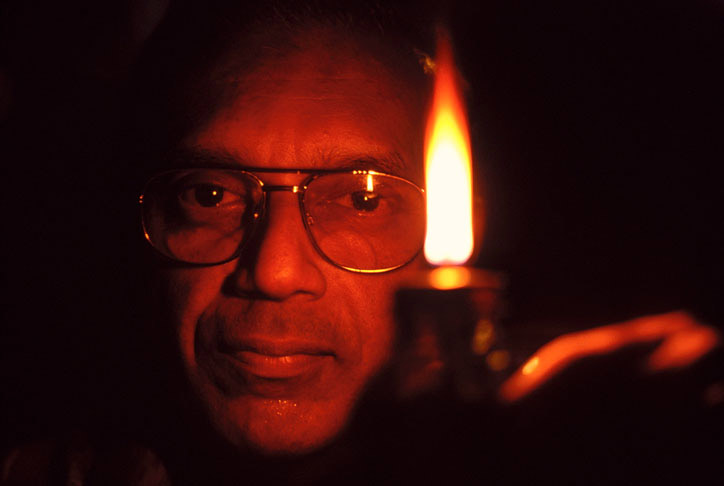
In December 2009, I wrote in a blog post: “It’s easy to curse the darkness, and many among us regularly do. Only a few actually try to light even a small candle to fight it. Dr Wijaya Godakumbura of Sri Lanka is one of them – he literally lights lamps, thousands of them, against the darkness of ignorance and poverty.”

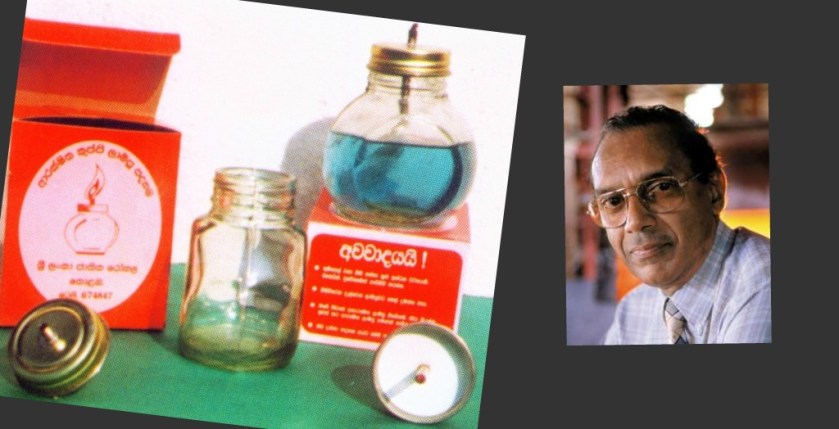
“But his lamps are different, and a great deal safer compared to normal lamps and kerosene, which can start fires risking life and property of users. The design is simple yet effective, inspired in part by the Marmite bottle known the world over: it’s small and squat, with two flat sides – equipped with a safe metal screw cap to hold the wick. It’s quite stable and hard to topple.”

I have written this week’s Ravaya Sinhala science column about Dr Godakumbura and his innovative, life-saving bottle lamp. I also feature him in an interview in MALIMA – the new TV series on science, technology and innovation I host from this month on Sri Lanka’s national TV Rupavahini.

The inventive doctor and his life-saving bottle lamp

විසඳන්නට කැප වෙනවා නම් අපේ වැනි රටවල බොහෝ දෙනකුට දිනපතා බලපාන ගැටළු හා ප‍්‍රශ්න කෙතරම් තිබෙනවා ද? එහෙත් එයට ඉදිරිපත් වන්නේ කී දෙනා ද?

පසුගිය දෙසතිය පුරා මේ කොලමින් මා සම්පිණ්ඩනය කළේ නව නිපැයුම් කරන්නට යොමු වන, අසම්මත විදියට හිතන මානවයන්ට ඉතිරිව තිබෙන තාක්‍ෂණික, සමාජයීය හා වෙළදපොල අභියෝග ගැනයි. ඒ සඳහා මා පාදක කර ගත්තේ ඉන්දියාවෙන් පැමිණ මෙරට නව නිපැයුම්කරුවන්ට උපදෙස් හා දිරිගැන්වීම් ලබා දුන් ආචාර්ය අනිල් කුමාර් ගුප්තගේ අදහස්.

ආචාර්ය ගුප්ත 2011 දෙසැම්බරයේ කොළඹ කළ දේශනයේදී හුවා දැක් වූ එක් ශ්‍රීලාංකික නව නිපැයුමක් ගැන මා ද දිගු කලෙක සිට අවධානයෙන් සිටිනවා. ඒ තමයි ‘සුදීප’ ආරක්‍ෂිත කුප්පි ලිම්පුව. එහි නිර්මාතෘ හා ප‍්‍රවර්ධකයා ශෛල්‍ය වෛද්‍ය විශේෂඥ විද්‍යාජ්‍යොති විජය ගොඩකුඹුර. 1964දී වෛද්‍යවරයකු ලෙස රාජ්‍ය සෞඛ්‍ය සේවයට එක් වී 1970 දශකය මුල බි‍්‍රතාන්‍යයේ විශේෂඥ පුහුණුව ලද ඔහු, පිලිස්සුම් අනතුරු වැළැක්වීම හා ඒවාට ප‍්‍රතිකාර කිරීම ගැන ලොව පිළිගත් විද්වතෙක්. ලෝක සෞඛ්‍ය සංවිධානය හා විදෙස් රටවල් ඔහුගෙන් උපදෙස් ලබා ගන්නවා.

ඔහුගේ ලොකු ම සමාජ මෙහෙවර 1992දී ඇරඹි අද දක්වා කර ගෙන එන ආරක්‍ෂිත කුප්පි ලාම්පු ප‍්‍රචලිත කිරීමේ ව්‍යාපාරයයි. රූපවාහිනියෙන් මේ මාසයේ සිට මා ඉදිරිපත් කරන නව නිපැයුම් පිළිබඳ වැඩසටහන් මාලාවේ මුල් ම වැඩ සටහනෙන් මා ඔහු සමග සම්මුඛ සාකච්ඡුාවක් කළා.

ඕනෑම වීදුරු බෝතලයකට මූඩියක් හා තිරයක් සවි කිරීමෙන් කුප්පි ලාම්පුවක් තනා ගත හැකි යයි සිතීම වරදක්. වරදේ බරපතලකම තේරුම් යන්නේ කුප්පි ලාම්පුව පෙරළුණු විටයි. කොයිතරම් ප‍්‍රවේශමෙන් කි‍්‍රයා කළත් නිතිපතා පාවිච්චියේ දී ලාම්පු අහම්බෙන් පෙරළීමට ඉඩක් තිබෙනවා. එසේ පෙරළීමේදී වීදුරු නොබිදී වූවත් ඇතුළේ තිබෙන භූමිතෙල් ඉවත විසිර ගොස් ඒ සැනින් අවට තිබෙන දෙයට ගිනි අවුළුවන්නට හැකියි. ගෙදරදොරේ කුප්පි ලාම්පු අනතුරු බහුතරයක් සිදු වන්නේ මේ අන්දමින්.

ලාම්පු එළියෙන් පාඩම් කරන දරුවන් හා කෑම පිසින ගෘහනියන් වඩාත් ම මේ අන්තරායට මුහුණ දෙනවා. ගෙයක් තුළ බලාපොරොත්තු නැති විටෙක හට ගන්නා එබදු ගින්නක් සිරුරට පැතිරීමෙන් බරපතල පිලිස්සුම් තුවාල ලබන සැළකිය යුතු සංඛ්‍යාවක් වාර්ෂිකව රෝහල්ගත වනවා. වෛද්‍ය ප‍්‍රතිකාර ලබා දීමෙන් ඇතැම් දෙනකුගේ ජීවිත බේරා ගත්ත ද දිවි ඇති තෙක් පිලිස්සුම් කැලැල් ඉතිරි වනවා.

සමාජ ආර්ථික සංවර්ධනය පැත්තෙන් බැලූවොත් මිනිසුන් කුප්පි ලාම්පු භාවිත කරන්නේ විදුලි බලය තම ප‍්‍රදේශයට තවමත් ලැබී නොතිබීම හෝ විදුලි බලය ලබා ගන්නට තරම් වත්කමක් නැති වීම හෝ නිසා විය හැකියි. විදුලිය ඇති නිවෙස්වලත් විදුලිය විසන්ධි වූ විට ඉටිපන්දම් හා කුප්පි ලාම්පු යොදා ගන්නවා.

“කුප්පි ලාම්පු භාවිත කරන්නන් බහුතරයක් දුගී ජනයායි. ඔවුන් දිනපතා මුහුණ දෙන අවදානම ගැන විද්‍යාඥයන්ගේ හා සමාජයේ අනෙක් අයගේ ප‍්‍රබල හැ`ගීමක් තිබුණේ නැහැ” වෛද්‍ය ගොඩකුඹුර සිහිපත් කරනවා.

පිලිස්සුම් තුවාල ලබා රෝහල් ගත කැරෙන රෝගීන් හා ඔවුන්ගේ පවුල්වල උදවිය විදින වේදනාව හා සිත් තැවුල ගැන වෛද්‍ය ගොඩකුඹුර හොදින් දන්නවා. පිලිස්සුම් රෝගීන්ට දිගට ම ප‍්‍රතිකාර කිරීමෙන් කම්පාවටත්, විඩාවටත් පත් වූ ඔහු අනතුරට නිමිත්ත වූ කුප්පි ලාම්පු රෝගීන්ගේ පවුලේ සාමාජිකයන් හරහා ගෙන්වා ගෙන පරීක්‍ෂා කළා. අවිහිංසක පෙනුමක් ඇතත් මේ ලාම්පු බහුතරයක් භයානක අනතුරු ඇති කිරීමේ හැකියාවකින් යුක්ත බව ඔහු තේරුම් ගත්තා.

බොහෝ අනතුරුවලට හේතුව ප‍්‍රමිතයක් තොරව නිපදවා වෙළඳපොලේ තිබෙන අනාරක්‍ෂිත කුප්පි ලාම්පුයි. ඒවා පෙරැළීමට තිබෙන හැකියාව වැඩියි. එමෙන් ම පෙරැළුණු විගස ඇතුළත ඇති භූමිතෙල් අවට හැම තැනෙක ම විසිර යනවා. මේ සාධක දෙක පාලනය කළොත් අනතුරු අවම කළ හැකි බව වෛද්‍ය ගොඩකුඹුර වටහා ගත්තා. භූමිතෙල් සිරුරට වැටීමෙන් හට ගන්නා ගින්නක් ලෙහෙසියෙන් නිවා ගන්නටත් බැහැ. එයට විනාඩි ගණනක් ගත වනවා. ඒ කාලය තුළ ගිනි ගත් දරුවා හෝ වැඩිහිටියා හෝ දරුණු පිළිස්සීමකට ලක් වීමට හැකියි.

Dr Wijaya Godakumbura holding his invention - Photo courtesy Rolex Awards/Tomas Bertelsen

ලාංකිකයන් සිය ගණනකගේ ජීවිත අදුරු කරන, හානි කරන මේ අනතුරු වළක්වා ගැනීමට නම් ගිනි ගැනීමේ හැකියාව අවම කළ කුප්පි ලාම්පු භාවිතයට යොමු විය යුතු බව ඔහු තේරුම් ගත්තා. වඩාත් ආරක්‍ෂිත ලාම්පු සැළසුමක් යෝජනා කරන මෙන් ඔහු ජනතාවට විවෘත ඇරයුමක් ද කළා. එහෙත් එයට ප‍්‍රතිචාර ලෙස ලැබුණු බොහෝ සැළසුම් එක්කෝ සංකීර්ණ වැඩියි. නැතිනම් නිපදවීමේ වියදම අධිකයි.

දිගු කලක් සිට අපේ රටේ ප‍්‍රචලිත මාමයිට් බෙදා හරින්නේ එයට ම ආවේනික වූ බෝතලයක. එය ලෙහෙසියෙන් පෙරළන්නට බැහැ. කුප්පි ලාම්පුවක් ආරක්‍ෂිත වීමට එයට මාමයිට් බෝතලයේ හැඩය ඉතා සුදුසු බව වෛද්‍ය ගොඩකුඹුර තීරණය කළා. හැඩයට අමතරව කුප්පි ලාම්පුවේ මුදුනට හොඳට තද කළ හැකි ස්කුරුප්පු ආකාරයේ මුඩියක් ද ඔහු යොදා ගත්තා. මේ අත්හදා බැලීම්වල අවසන් ප‍්‍රතිඵලය තමයි සුදීප ආරක්‍ෂිත කුප්පි ලාම්පුව.

සුදීප ලාම්පුවේ බෝතලය බර වැඩි, මහත හා මිටි බැවින් ලෙහෙසියෙන් පෙරැළෙන්නේ නැහැ. පැතලි මතු පිටවල් දෙකක් තිබෙන නිසා පෙරැළුනත් රෝල් වී යන්නේ නැහැ. මනා සේ තද කරන ලද කරාමය නිසා ඇතුළත තිබෙන භූමිතෙල් අවට විසිරෙන්නේත් නැහැ. ආයාසයකින් පෙරැළුවත් අහම්බෙන් ගිනි ඇති කිරීමට ඇති හැකියාව විශාල වශයෙන් අඩු වනවා. එමෙන් ම සියුම් කොටස් නැති නිසා වසර ගණනාවක් පාවිච්චි කළ හැකියි.

පවතින සමාජ තත්ත්වයක් ගැන කම්පාවට පත් වූ මේ නිපැයුම්කරුවා එයට සරල තාක්‍ෂණික විසදුමක් සොයා ගත්තා පමණක් නොවෙයි. එය ලක් සමාජයට හදුන්වා දී ප‍්‍රචලිත කරන්නට වසර 20ක කාලයක් මහත් සේ කැප වී සිටිනවා. මා වෛද්‍ය ගොඩකුඹුර තුළ දකින සුවිශේෂත්වයත් එයයි.

සුදීප ලාම්පුව මහ පරිමාණයෙන් තැනීමට වීදුරු කර්මාන්ත ශාලාවක් එකග වුණා. ශ්‍රී ලංකා වෛද්‍ය ආයතනය, ශෛල්‍ය වෛද්‍යවරුන්ගේ සංගමය හා පිළිස්සුම් අනතුරු වැළැක්වීමේ ජාතික කමිටුව යන හැමගේ ආශිර්වාදය ඇතිව එය හදුන්වා දුන්නේ 1992 දී. නිෂ්පාදන වියදම හැකි තාක් අවම කරගෙන අඩු මිළකට සුදීප ලාම්පු වෙළඳපොලට ගෙන ආවාග

එය ජනප‍්‍රිය කිරීමට මාධ්‍ය හා ස්වේච්ඡ සංවිධාන හරහා වෛද්‍ය ගොඩකුඹුර ජාතික මට්ටමේ ව්‍යායාමයක නිරත වුණා. තමන්ට ඇති විවේක කාලවල ස්වේච්ඡවෙන් ක‍්‍රියා කරමින් සුදීප ලාම්පු ගැන දැනුවත් කරන්නට සිංහ සමාජ, රොටරි සමාජ, සර්වෝදය හා වෙනත් ජනතා සංවිධාන සමග සහයෝගයෙන් ඔහු ක‍්‍රියා කළ හැටි මා දන්නවා.

1990 දශකය පුරා වෛද්‍ය ගොඩකුඹුර මේ දැනුවත් කිරීම් හා සුදීප ලාම්පු ප‍්‍රවර්ධනය කර ගෙන ගියා. එහි වැදගත්කම ගැන හැම දෙනා ම පිළි ගත්තත් එයට බරපැන දැරීමට පෙරට ආවේ ටික දෙනයි. 1993දී කැනේඩියානු තානාපති කාර්යාලය ඔහුට ආධාර කළ අතර මේ සද්කාර්යය ගැන මාධ්‍ය හරහා දැන ගත් ආචාර්ය ආතර් සී ක්ලාක් ද පරිත්‍යාගයක් කළා.

සුදීප ලාම්පුවේ තීරණාත්මක කඩඉම වූයේ 1998දී රෝලෙක්ස් ජාත්‍යන්තර සම්මානය (Rolex Award for Enterprise) පිරිනැමීමයි. නව අදහස් හා නිපැයුම් හරහා ජන සමාජයට අසාමාන්‍ය දායකත්වයක් දෙන ව්‍යාපෘති පහක් තෝරා දෙවසරකට වරක් පිරිනමන මේ ත්‍යාගය නිසා සුදීප ලාම්පුව හා වෛද්‍ය ගොඩකුඹුර ලෝක අවධානයට ලක් වුණා. එම ත්‍යාගයෙන් ලද අමෙරිකානු ඩොලර් 50,000 යොදවා ආරක්‍ෂිත කුප්පි ලාම්පු පදනම නමින් ස්වේච්ඡ සංවිධානයක් ඔහු පිහිට වූවා. එදා මෙදා තුර ජාත්‍යන්තර සම්මාන, ත්‍යාග හා පිළිගැනිම් රැසක් මේ නිපැයුමට ලැබී තිබෙනවා. BBC, CNN, Reader’s Digest හා Newsweek ඇතුළු ජාත්‍යන්තර මාධ්‍ය මේ නිර්මාණය ගැන ප‍්‍රශංසාත්මකව වාර්තා කොට තිබෙනවා.

එක නිවෙසකට කුප්පි ලාම්පු දෙකක්වත් අවශ්‍ය වන බැවින් දිවයින පුරා අඩු තරමින් කුප්පි ලාම්පු ලක්‍ෂ 14ක් පාවිච්චි වන බවට අපට අනුමාන කළ හැකියි. 1992 සිට අද දක්වා සුදීප කුප්පි ලාම්පු ලක්‍ෂ 8ක් පමණ බෙදා හැර තිබෙනවා. එයින් බහුතරයක් තවමත් භාවිතයේ ඇතැයි සිතුවත් ඉතිරිය සඳහා යොදා ගැනෙන්නේ මරු කැඳවිය හැකි අනාරක්‍ෂිත ලාම්පුයි.

මුල් වසර කිහිපයේ සුදීප ලාම්පුව සහනදායී මිළකට විවෘත වෙළඳපොලේ අලෙවි කරනු ලැබුවා. එහෙත් වාණිජමය මට්ටමින් සම්බන්ධීකරණය ස්වේච්ඡ ආයතනයකට දිගට ම කළ නොහැකි වූ නිසා මෑත වසරවල වෛද්‍ය ගොඩකුඹුරගේ පිළිවෙත වී ඇත්තේ නොමිළයේ සුදීප ලාම්පු බෙදා දීමයි. එහිදී නිපදවීමේ වියදම දානපතීන්ගේ හා අනුග‍්‍රාහකයන්ගෙන් පියවා ගන්නවා. රාජගිරියේ පවත්වා ගෙන යන කුඩා කාර්යාලයට සෞඛ්‍ය අමාත්‍යාංශයෙන් වාර්ෂිකව ප‍්‍රතිපාදනයක් ලැබෙනවා.

මෑතක පටන් සමෘධි ජාලයන් හරහා සුදීප ලාම්පු බෙදා හැරීමට එකගතාවක් ඇති කර ගෙන තිබෙනවා. උතුරු නැගෙනහිර පළාත්වල සුදීප ලාම්පු නොමිලයේ බෙදා දෙන්නට ආරක්‍ෂක හමුදාවල සහය ලැබුණු බව වෛද්‍ය ගොඩකුඹුර කියනවා. මෙකී නොකී සැමගේ උදවු උපකාර ගැන ඔහු කථා කරන්නේ මහත් කෘතඥපූර්වකවයි.

වෛද්‍ය ගොඩකුඹුරගේ අනෙක් සුවිශේෂ දායකත්වය නම් පිළිස්සුම් අනතුරු වළක්වා ගැනීම සඳහා දිගු කලක් තිස්සේ ඔහු ස්වේච්ඡවෙන් කරන දැනුවත් කිරීම් මාලාවයි.

දීප ව්‍යාප්තව නමුත් තනි තනිව හට ගන්නා පිළිස්සුම් අනතුරුවලින් වාර්ෂිකව මෙතරම් දෙනකුට හානි සිදුවන බව බොහෝ මාධ්‍යවේදීන් හා වෛද්‍යවරුන් පවා ඒ දක්වා වටහා ගෙන තිබුණේ නැහැ. එමෙන්ම භූමිතෙල් නිසා හට ගන්නා ගිනි නිවන ක‍්‍රම හා වහා දිය යුතු ප‍්‍රථමාධාර ගැනත් ඔහු ජනතාව දැනුවත් කළා.

රාජ්‍ය හෝ විද්වත් ආයතනික තන්ත‍්‍රයකින් සිදුවිය යුතු මේ කාර්යය තවමත් ඔහු නිහඩව කරගෙන යනවා. පොදු උන්නතියට කැප වූ වෘත්තිකයකුට වෙළඳපොල සමාජය තුළ වුවද කළ හැකි සමාජ මෙහෙවර ගැන ඔහුගේ කථාවෙන් ඕනෑතරම් ආදර්ශ ගත හැකියි.

“පිලිස්සුම් අනතුරු ගැන ප‍්‍රතිපත්ති සම්පාදකයන්ගේ හා සෞඛ්‍ය සේවා ක්‍ෂෙත‍්‍රයේ අවධානය යොමු වනවා මදි. තවමත් බොහෝ සේ තැත් කරන්නේ බෝවන හා බෝ නොවන රෝගවලට ප‍්‍රතිකාර කරන්නයි. අනතුරු ගත්ත ද රිය අනතුරුවලට ලැබෙන මාධ්‍ය අවධානය පිලිස්සුම්වලට ලැබෙන්නේ නැහැ,” ඔහු කියනවා.

සුදීප කුප්පි ලාම්පු ගෙවී ගිය දශක දෙක තුළ කොපමණ ජීවිත ගණනක් බේරා දී ඇත්දැයි මා ඔහුගෙන් ඇසුවා. ඒ ගණන ඔහු දන්නේ නැහැ. එය සිය ගණනක් බවට අපට අනුමාන කළ හැකියි. දියේ ගිලීම් පිළිබඳ මහජන අවධානය හා දැනුවත් කිරීමේ වැඩ සටහනකට ද මේ දිනවල වෛද්‍ය ගොඩකුඹුර ප‍්‍රවේශ වී සිටිනවා.

අපේ රටට තව ඕනෑ කරන්නේ තම දැනුම හා අත්දැකීම් පදනම් කර ගනිමින් රටේ ප‍්‍රශ්නවලට හැකි පමණින් විසදුම් සොයා යන මෙවන් විද්වතුන්.

බලන්න: http://www.safebottlelamp.org

Malima – New Directions in Innovation: Episode 1 (broadcast: 12 Jan 2012)

What’s new – or just round the corner? Join me on Malima to find out!

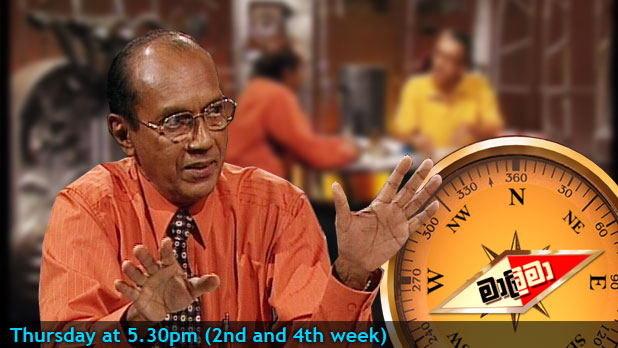
Malima is the Sinhala term for a compass. Malima is also the name of a new TV series on science, technology innovation that I am hosting from this month on Rupavahini, Sri Lanka’s national TV channel.

Produced by Suminda Thilakasena, the show premiered on 12 January 2012. It will be broadcast every other Thursday at 17:30 (5.30 pm) Sri Lanka time.

Malima is a half-hour show in magazine style. Each episode will have several short segments:
– compact interviews introducing accomplished Lankan inventors (with patents, awards, etc.)
– profiles of school children and/or youth who have come up with innovative devices or concepts
– interviews with leading scientists and engineers on frontiers of technology
– vignettes on traditional knowledge and Lankan technological heritage
– news from other countries on interesting new innovations or scientific insights

Dr Wijaya Godakumbura being interviewed by Nalaka Gunawardene on Malima

The first episode features:

• An interview with Dr Wijaya Godakumbura, inventor and promoter of the multi award winning Sudeepa safe bottle lamp that saves hundreds of lives

• German aircraft company e-volo has built the world’s first electric multicopter, a new kind of flying machine

• Ancient Lankan technology of extracting medicinal essence from plant products

• Interview with child inventor Sajini Jayanetti, 15, about two of her inventions: Automatic Fixed Amount Liquid Chemical Adder; and a new method to prevent drunken driving

Malima (New Directions in Innovation): Episode 1 from Nalaka Gunawardene on Vimeo.

සිවුමංසල කොලුගැටයා #48: නව නිපැයුම්කරුවන්ට සැබෑ ලෝකයෙන් අභියෝග රැසක්

In our age of technology, hundreds of millions of people — most of them poor, and women — are still toiling away in tasks where simple machines or devices could reduce their daily drudgery. Few inventors have bothered with these — probably because the beneficiaries are on the margins of society. Their needs are not a priority for most research institutes or high tech laboratories.

This is the theme of my Ravaya column (in Sinhala) published on 8 Jan 2012, reproduced in full below.It was inspired by, and mostly based on the inaugural Ray Wijewardene memorial lecture delivered by Dr Anil Kumar Gupta, India’s top innovation-spotter, in Colombo on 13 December 2011. He spoke on “Grassroots Innovation for Inclusive Development: From Rhetoric to Reality”

It covers the same ground as did my English op-ed essay, published in The Sunday Times on 25 Dec 2011: Wanted: More ‘Idiots’ to tackle grassroots innovation challenges.

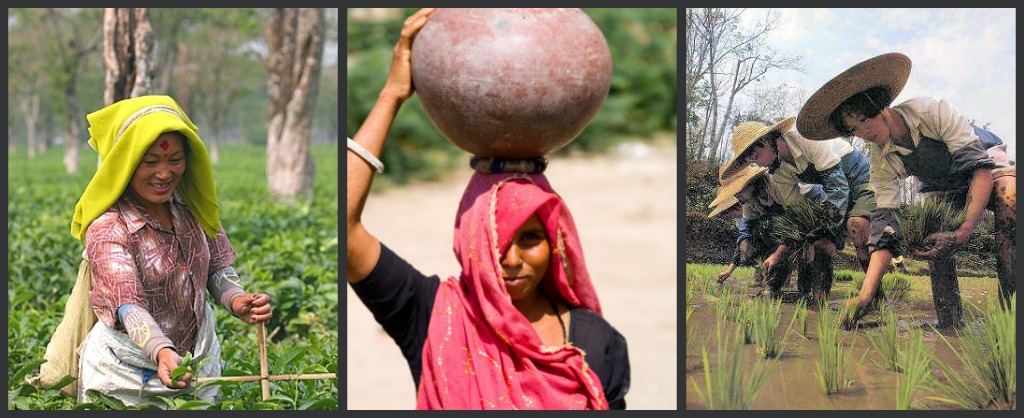
Tea plucking, water fetching and rice transplanting -- three tasks that millions of women do manually everyday...

‘එළිමහනේ එදිනෙදා වැඩකටයුතුවලදී අපට ඉතා ප්‍රයෝජනවත් වන, මිනිස් බලයෙන් දිවෙන තනි රෝදයේ වාහනය කුමක්ද?’

මා පාසල් යන කාලයේ රසවත්ව හා හරවත්ව විද්‍යාව ඉගැන් වූ ගුරුවරයෙකු මේ ප්‍රශ්නය අපට යොමු කළා තවමත් මතකයි. උත්තරය – වීල් බැරෝව නැතිනම් වීල් බැරැක්කය.

මීට සියවස් 24කට පෙර පුරාණ ග්‍රීසියේත්, සියවස් 18කට පෙර චීනයේත් වීල් බැරැක්ක භාවිත වූ බවට සාක්ෂි තිබෙනවා. වීල් බැරැක්කය ලීවර හා රෝදය නමැති යාන්ත්‍රික සංකල්ප දෙක දක්ෂ ලෙස සංකලනය කොට නිපදවා ගත් සරල විසඳුමක්. එදිනෙදා ජීවිතයේ මානවයන් වෙහෙස කරන ආයාසය (drudgery) අඩු කරමින් ඔවුන්ගේ ඵලදායීතාව වැඩි කරන නිපැයුමක්.

වීල් බැරැක්කය මගේ සිහියට ආවේ 2011 දෙසැම්බරයේ කොළඹදී රේ විජේවර්ධන සමරු දේශනය පැවැත් වූ ඉන්දියාවේ ආචාර්ය අනිල් කුමාර් ගුප්තට සවන් දෙන විටයි. නවෝත්පාදනයන් (innovations) ගම් මට්ටමින් හා බිම් මට්ටමින් හඟනා ගෙන ප්‍රවර්ධනය කිරීමේ භාරත-ව්‍යාප්ත ප්‍රයත්නයක යෙදී සිටින මේ අසාමාන්‍ය ගණයේ විද්වතා දැක් වූ අදහස් කීපයක් අප ගිය සතියේ සාරාංශගත කළා.

සිය දේශනයේදී අනිල් ගුප්ත අවධානය යොමු කළ එක් තේමාවක් වූයේ නව නිපැයුම්කරුවන්ට තවමත් හරිහැටි විසඟම් සොයා ගන්නට නොහැකිව ඉතිරි වී තිබෙන ප්‍රායෝගික අභියෝගයි. වසරක් පාසා ලෝකයේ නව නිපැයුම් හා සංකල්පවල බුද්ධිමය අයිතිය තහවුරු කැරෙන පේටන්ට් ලක්ෂ ගණනක් අදාල බලධාරීන් නිකුත් කරනවා. එසේ වූවත් මානවයන් මිලියන් සිය ගණනක් දිනපතා මුහුණදෙන ගැටළු ගණනාවකට තවමත් පිළිගත හැකි හා ප්‍රචලිත මට්ටමේ විසඟම් ලැබී නැහැ.

“කෘත්‍රිම චන්ද්‍රිකා නිපදවා උඩුගුවන් ගත කිරීමේ හැකියාව ඉන්දියාව ලබා තිබෙනවා. ලෝකයේ ඉහළ ම පෙළේ විද්‍යා පර්යේෂණාගාර හා පරිගණක සමාගම් රැසක් ඉන්දියාවේ තිබෙනවා. ඒත් දිගු කලක් තිස්සේ මිලියන් ගණනක් දුගී ඉන්දියානුවන් දිනපතා මහත් සේ වෙහෙස කරවන ප්‍රායෝගික ගැටළු රැසකට හරිහැටි විසඟම් සපයාගන්නට අපට තවමත් නොහැකි වී තිබෙනවා,” ආචාර්ය ගුප්ත අවංක තක්සේරුවක් කළා. ඔහු මෙය දකින්නේ අධි තාක්ෂණික ජයග්‍රහණ ගැන උදම් වන විද්‍යාවේ පසුබෑමක් හැටියටයි.

ආචාර්ය ගුප්තගේ පුරෝගාමීත්වයෙන් 1987දී ඇරඹි මී මැසි ජාලය (Honey Bee Network) හරහා ගම් හා බිම් මට්ටමේ සාමාන්‍ය ඉන්දියානුවන් අතින් බිහි වූ නවෝත්පාදන දහස් ගණනක් ලේඛනගත කොට තිබෙනවා. එහෙත් තවමත් සාර්ථක ලෙස විසඳා ගත නොහැකි වූ ප්‍රායෝගික අභියෝග ගණනාවක් ද ඇති බව ඔහු පෙන්වා දෙනවා.

එයට ප්‍රබල උදාහරණ තුනක්:

• ආසියාව පුරා ම හමුවන වෙල්යාය බොහොමයක ගොයම් සිටුවීමේ කාර්යය තවමත් කැරෙන්නේ දෛනික ශ්‍රමිකයන් ලෙස සුළු ගෙවීමක් ලබන කාන්තාවන් අතින්. දිගු වේලාවක් කොන්ද නවා ගෙන වතුරේ බැස ගෙන කළ යුතු මෙය ලෙහෙසි පහසු කාරියක් නොවෙයි. වතුරේ සිටීමෙන් විවිධ සමේ රෝග ඇති වීමේ අවදානමක් ද තිබෙනවා. ගොයම් සිටුවීමේ යන්ත්‍ර සැළසුම් කිහිපයක් ම යෝජනා වී ඇතත් කාර්යක්ෂම හා පාවිච්චියට පහසු යන්ත්‍රයක් තවමත් භාවිතයට පැමිණ නැති බව ගුප්ත කියනවා.

• ලිප් ගල් තුනක් මත පදනම් වූ දර ලිප ආසියාව හා අප්‍රිකාව පුරා සියවස් ගණනක් තිස්සේ පාවිච්චි කැරෙනවා. සාම්ප්‍රදායික දර ලිප, බලශක්තිය අපතේ යවන අතර දුම් පිට කිරීම හරහා ගෘහණියන්ගේ සෞඛ්‍යයට ද අහිතකර බලපෑම් කරනවා. වඩාත් අරපිරිමැසුම්දායක දර ලිපක් සැළසුම් කිරීමට දශක ගණනාවක සිට විවිධ රටවල උත්සාහ කර ඇතත් විද්‍යාඥයන් හා ඉංජිනේරුවන් යෝජනා කරන සැළසුම් බොහොමයක් ගෘහණියන් අතර ජනප්‍රිය වී නැහැ. විවිධ හැඩයේ භාජන යොදා ගනිමින්, විවිධාකාර ආහාර ද්‍රව්‍ය නොයෙක් ක්‍රමවලට පිස ගැනීමට හැකියාව ඇති සරල දර ලිපක් සැළසුම් කිරීමේ අභියෝගය තවමත් මුළුමනින් ජය ගෙන නැති බවයි ගුප්තගේ මතය. මේ සඳහා තාක්ෂණය, සැලසුම්කරණය හා සාංස්කෘතික සාධක යන කාරණා ත්‍රිත්වය ම සැලකිල්ලට ගත යුතුයි.

• ලංකාව, ඉන්දියාව, කෙන්යාව වැනි රටවල තේ කර්මාන්තයේ තේ දළු නෙළීම තවමත් මුළුමනින් ම පාහේ කරන්නේ කාන්තාවන් විසින්. තේ දළු කූඩයක් පිටේ බැඳ ගෙන, බෑවුම් සහිත බිම්වල ගමන් කරමින් සියුම්ව තේ දළු නෙළීම දිනකට පැය කිහිපයක් කළ යුතුයි. තේ පානය රස විඳින බොහෝ දෙනෙකු දළු නෙළීමේදී අතට හා ගතට දැනෙන වේදනාත්මක විඩාව ගැන දන්නේ නැහැ. දළු නෙළීමේ කාර්යය අර්ධ වශයෙන් හෝ යාන්ත්‍රීකරණය කළ හැකි නම් නෙළන්නියන්ගේ රැකියාවලට තර්ජනයක් නොකොට ඔවුන්ගේ ආයාසය අඩු කළ හැකියි.

“මේ අභියෝග ගැන සරසවි හා විද්‍යා පර්යේෂණ ආයතන එතරම් තැකීමක් කරන්නේ නැහැ. මේ දෛනික කාර්යයන්ගෙන් පීඩාවට පත් වන්නේ දුගී හා ග්‍රාමීය මිනිසුන් – විශේෂයෙන් ම කාන්තාවන්. එබඳු අයට තමන්ගේ ගැටළු ගැන හඬක් නැඟීමට ඇති ඉඩකඩ ඉතා අඩුයි. බිම් මට්ටමේ නව නිපැයුම්කරුවන් පවා මේ අභියෝග ගැන ඇති තරම් අවධානයක් යොමු කර නැහැ!” ඔහු පෙන්වා දුන්නා.

සමහර ගැටළුවලට අර්ධ විසඳුම් ලබා දීමට නව නිපැයුම්කරුවන් සමත්ව සිටිනවා. උදාහරණයක්ථ බොහෝ ග්‍රාමීය ප්‍රදේශවල කාන්තාවන් බීමට ජලය සොයා කිලෝමීටර් ගණනක් දුර ගමන් කරනවා. සොයා ගන්නා ජලය කලගෙඩි හෝ වෙනත් භාජනවලට පුරවා හිසේ හෝ ඉනේ තබා ගෙන ගෙදර ගෙන යාමයි සිරිත. මේ ක්‍රියාවේ ආයාසය අඩු කර ගන්නට පානි හාරි (Pani Hari) නම් සරල ඇටවුමක් ඉන්දියාවේ කිම්ජිබායි කනාඩියා (Khimjibhai Kanadia) නිපද වූවා. එයින් කරන්නේ හිස මත තබා ගත් වතුර කලයේ බර, උරහිස් දෙකට බෙදා හැරීමයි. මීට අමතරව වතුර පුරවා පැළඳගෙන යා හැකි වතුර කබායක් (water-carrying jacket) තවත් නිපැයුම්කරුවෙකු සැලසුම් කර තිබෙනවා. මේවා යම් මට්ටමකට ගැටළුව විසඳන නමුත් පුළුල් භාවිතයට ගන්නට පෙර වැඩි දියුණු කළ යුතු බව ගුප්ත කියනවා.

තවත් පුළුල්ව අත්දකින ප්‍රායෝගික ගැටළුවක් නම් කඳුකර බෑවුම් ප්‍රදේශවල භාණ්ඩ ප්‍රවාහනයයි. අඩි පාරක් පමණක් ඇති, බයිසිකලයක්වත් පැද ගෙන යා නොහැකි බෑවුම් ප්‍රදේශවල පදිංචිකරුවන් හැම දෙයක් ම කරපිටින් ඔසවා ගෙන යා යුතුයි. නැතිනම් ගවයන්, බූරුවන් වැනි සතුන් යොදා ගත යුතුයි. කඳුහෙල් බහුල බෑවුම් බිමෙහි යා හැකි ට්‍රොලියක් වැනි ප්‍රවාහන ක්‍රමයක් නිපද වූවොත් කඳුකර වැසියන් මිලියන ගණනක් එයින් වාසි ලබනවා නියතයි.

පසුගිය අඩ සියවසක කාලය පුරා විශාල වශයෙන් ආයෝජන කළත් තවමත් සාර්ථකව විසඳා නොගත් සංවර්ධන අභියෝගයක් නම් ග්‍රාමීය වැසිකිළි සැළසුමයි. ජලය භාවිතය අරපිරිමසින, මළ මුත්‍ර මනා සේ ඉවත දමන, අඩු වියදමින් තනා ගත හැකි වැසිකිළි සැළසුම් තවමත් ජය නොගත් අභියෝගයක්. ලෝකයේ බිලියන 7ක ජනගහනයෙන් බිලියන 2කට කිසි වැසිකිළි පහසුමකමක් නැහැ. නිරාවරණය වූ එළිමහන් තැන්වල මළපහ කිරීම නිසා ජලය අපවිත්‍ර වීමෙන් හට ගන්නා පාචන රෝග හා අකල් මරණ සංඛ්‍යාව විශාලයි.

හඳ මතුපිට ජල සම්පත් ගවේෂණය කරන්නට ස්වයංක්‍රීය අභ්‍යවකාශ යානා නිර්මාණය කළ ඉන්දියාවේ ම තවමත් මිලියන් 400ක් මිනිසුන් අන්ත දුගී ජීවිත ගත කරමින් බීමට පිරිසිදු වතුර සොයා ගැනීමේ දෛනික අරගලයක යෙදෙනවා. දියුණු වන ලෝකයේ බොහෝ රටවල යථාර්ථය මෙයට වෙනස් නැහැ. තවමත් හරිහැටි විසඳා නොගත් මෙකී නොකී ප්‍රායෝගික අභියෝගවල ලැයිස්තුවක් ආචාර්ය ගුප්ත සම්පාදනය කර තිබෙනවා.

නාගරික හා ග්‍රාමීය දුගී ජනයා දිනපතා මුහුණ දෙන ආයාසකාරී තත‍වයන්ට හැකි තාක් විසඳුම් සොයා දීමට ජාතික මට්ටමේ ප්‍රමුඛතාවක්, ආයෝජනයක් හා කැපවීමක් අවශ්‍ය බව ගුප්ත අවධාරණය කරනවා. තනි නිපැයුම්කරුවන්, රාජ්‍ය පර්යේෂණයාතන මෙන් ම පෞද්ගලික අංශය ද මේ අභියෝගවලට මීට වඩා ප්‍රතිචාර දැක්විය යුතු බව ඔහු කියනවා.

අප ගිය සතියේ ද සඳහන් කළ පරිදි හැම නව නිපැයුමක් ම ලොව හොල්ලන හෝ වෙළඳපොළ අල්ලන හෝ ඒවා වීම අවශ්‍ය නැහැ. ප්‍රායෝගික ගැටළුවලට විසඳුම් සොයා යාමේදී කුඩා පරිමාණයේ දියුණු කිරීමකින් වුවත්, බොහෝ දෙනෙකුට සහනයක්, උපකාරයක් ලබා දිය හැකියි. එබන්දකට පේටන්ට් බලපත්‍රයක් නොලැබෙන්නට පුළුවනිග එහෙත් නව නිපැයුම්කරුවන්ගේ එක ම අරමුණ විය යුත්තේ පේටන්ට් ගොන්නක් හිමි කර ගැනීම නොවෙයි.

‘3 Idiots’ හින්දි චිත්‍රපටයේ එක් ජවනිකාවක යාන්ත්‍රික ඉංජිනේරු ගුරුවරයා යන්ත්‍රයක් නිර්වචනය කරන ලෙස සිසුන්ට කියනවා. අමීර් ඛාන් රඟපාන චරිතය වන රංචෝගේ විග්‍රහයට අනුව යන්ත්‍රයක් යනු මිනිස් ආයාසය අඩු කරන ඕනෑ ම උපක්‍රමයක් හෝ උපකරණයක්. එහෙත් උගත්කමේ මාන්නයෙන් පිම්බුණු මහාචාර්යවරයාට ඒ සරල විග්‍රහය සෑහෙන්නේ නැහැ. පාරිභාෂික වචන හා බරපතල සංකල්ප ඇතුළත් මහ දිග නිර්වචනයක් ඔහුට අවශ්‍යයි. ඉංජිනේරු තාක්ෂණය ජනතාවගේ ප්‍රශ්න විසඳන්නට මීට වඩා යොදා නොගැනීමට හේතුව මෙබඟ පොතේ ගුරුන් අපේ සමාජයේ බහුලවීමයි.

එදිනෙදා ගැටළු විසඳන්නට වඩාත් ප්‍රයෝජනවත් වන්නේ තැනට සුදුසු විදියට හා සූක්ෂම බුද්ධියෙන් යුක්තව පවතින මෙවලම් (tools) සහ යන්ත්‍ර (machines) යොදා ගැනීමයි. පවතින මෙවලමක් හෝ යන්ත්‍රයක් හෝ සකසා ගත නොහැකි නම් අලුතින් යමක් නිපදවීමේ අවකාශය තිබෙනවා. එහිදී නිපැයුම්කරුවන් කළ යුත්තේ හැකි තාක් සරල හා අඩු වියදම් විසඳුම් සොයා යාමයි.

ප්‍රායෝගික ගැටළු විසඳීමේදි ඒවාට නිතිපතා මුහුණ දෙන මිනිසුන්, ගැහණුන් හා ළමයින් සම්බන්ධ කර ගැනීම ද වැදගත්. තාක්ෂණවේදීන්, ඉංජිනේරුවන් හා විද්‍යාඥයන්ට ගැටළු විසඳීමේ මූලධර්ම මට්ටමේ චින්තනය ලබා දිය හැකියි. අත්හදා බැලීම් කළ හැකියි. එහෙත් අන්තිමේදී විසඳුමක් සාර්ථක වන්නේ එය පාවිච්චි කරන අය අතර පිළිගැනීමට ලක් වූවොත් පමණයි.

නාගරික හා ග්‍රාමීය දුගී ජනයා දිනපතා මුහුණ දෙන ආයාසකාරී තත‍වයන්ට හැකි තාක් විසඳුම් සොයා දීමට ජාතික මට්ටමේ ප්‍රමුඛතාවක්, ආයෝජනයක් හා කැපවීමක් අවශ්‍ය බව ගුප්ත අවධාරණය කරනවා. තනි නිපැයුම්කරුවන්, රාජ්‍ය පර්යේෂණයාතන මෙන් ම පෞද්ගලික අංශය ද මේ අභියෝගවලට මීට වඩා ප්‍රතිචාර දැක්විය යුතු බව ඔහු කියනවා.

ගැටළු විසඳීමේ සාර්ථකත්වයට සාධක තුනක් මුසු වීම අවශ්‍ය බව ගුප්තගේ මතයයි. ඉංග්‍රීසි C අකුරෙන් ඇරඹෙන ඒ වචන තුන: curiosity (කුතුහලය), compassion (මානව දයාව) හා collaboration (සාමුහික ක්‍රියාකාරිත්වය).

ආචාර්ය ගුප්ත ලාංකික විද්වතුන්ට හා නව නිපැයුම්කරුවන්ට දාර්ශනික ඔවදනක් ද දුන්නා. “දශක ගණනාවක් ඉන්දියාවේ උගතුන් හා පර්යේෂකයන් අපට තිබෙන ගැටළු හා අභියෝග ගැඹුරින් අධ්‍යයනය කළා. ඒවාට විසඳුම් ගැනත් බෙහෙවින් වාද විවාද කළා. ඒත් ප්‍රායෝගිකව යමක් කරන්නට අප පෙරට ආවේ නැහැ. මගේ පරම්පරාවේ උගතුන් කළ මේ ලොකු වරද නැවතත් නොකරන්නට වග බලා ගන්න!”

නව නිපැයුම්කරුවන්ට ඔහු දුන් වැදගත් ම අවවාදය මෙයයි: “පන්ති කාමර, විද්‍යාගාර හා වැඩපොළවලට කොටු වී නොසිට සැබෑ ලෝකයේ හැකි තරම් සැරිසරන්නග මඟ තොටේ, කඩමණ්ඩියේ, වෙල් යායවල, හේන්වල හා ගං ඉවුරුවල විසඳා ගත යුතූ – හැකි ප්‍රායෝගික ගැටළු රැසක් තිබෙනවාග පවතින සමාජ තත්ත‍වයන් ගැන තෘප්තිමත් නොවූ මානවයන් ඒවා ගැන සංවේදී වනවා. නව නිපැයුම් බිහිවන්නේ ඔවුන් අතින්. ඔවුන්ගේ පර්යේෂණාගාරය මුළු මහත් ජන සමාජයයි!”

සිවුමංසල කොලූගැටයා #47: ගැටළු විසඳන අසම්මත චින්තනයට ඉඩ දෙන්න!

In this week’s Sunday column for Ravaya newspaper (1 Jan 2012), I summarise key points made by Dr Anil K Gupta, founder of the Honey Bee Network of innovation in India, when he delivered the inaugural Ray Wijewardene Memorial Lecture in Colombo on 13 Dec 2011. The same ground is covered in an article I wrote in The Nation on 18 Dec 2011. All archived on this blog.

Anil K Gupta in Colombo, photo by Anisha Gooneratne

2009 දී නිෂ්පාදිත ‘3 Idiots’ හින්දි චිත්‍රපටය ඉන්දියාවේ පමණක් නොවෙයි බොලිවුඩ් චිත්‍රපට රස වි`දින ලොව පුරා සිටින රසිකයන් අතර මහත් සේ ජනප්‍රිය වුණා. රාජ්කුමාර් හිරානි අධ්‍යක‍ෂණය කළ මේ චිත්‍රපටය ඉන්දියාවේ ඉහළ ම ආදායම ලද හින්දි චිත්‍රපටය ලෙස වාර්තාවක් ද පිහිටවූවා.

සාමාන්‍ය වට්ටෝරු ක්‍රමයේ හින්දි චිත්‍රපටයකට වැඩි අරුතක්, ගැඹුරක් හා නැවුම් බවක් ගැබ් වුණු ‘3 Idiots’ චිත්‍රපටයේ අමීර් ඛාන් රඟ පාන රංචෝ (Rancho) චරිතය සුවිශේෂයි. කථාව දිග හැරෙන්නේ ඉන්දියාවේ ප්‍රමුඛ පෙළේ තාක‍ෂණික සරසවියක ඉංජිනේරු උපාධි අපේක‍ෂකයන් තිදෙනකු වටායි. දැඩි තරගකාරී තේරීමකින් අනතුරුව එයට ඇතුළත් වන සිසුන් බහුතරයක් දේශන හා නිර්දේශිත ග්‍රන්ථ, විචාර බුද්ධියකින් තොරව ගෙඩි පිටින් කඩපාඩම් කරනවා. ඒ මතකයන් විභාගවලදී නැවත වමාරනවා.

එහෙත් රංචෝ එයට වෙනස්. ඔහු යන්ත්‍රවලට හා යාන්ත්‍රික හැමදේට සැබැවින් ම ඇළුම් කරනවා. ඔහු හැමදාමත් මුල් තැනට එන්නේ කට පාඩමින් නොව මූලධර්ම හා ප්‍රායෝගික අත්හදා බැලීම් මත පදනම් වූ අවබෝධය හරහායි. ගුරුවරුන්ගෙන් ප්‍රශ්න කරන හා ඇතැම් විට ඔවුන්ට අභියෝග කරන මේ අමුතු තරුණයා, ගතානුගතික මහාචාර්යවරුන්ට හා සරසවි පාලකයන්ට එතරම් ප්‍රිය වන්නේ නැහැ.

‘3 Idiots’ කථාව දශකයක් පුරා දිවෙනවා. උපාධි ලැබීමෙන් පසු රාජ්‍ය හෝ ව්‍යාපාරික හෝ ෙක‍ෂත්‍රයන්හි උසස් රැකියා හඹා යන අනෙක් සගයන්ට රංචෝ ගැන ආගිය තොරතුරක් සොයා ගන්නට නොහැකි වනවා. වෙනත් සිදුවීම් වැලක් ද අත්දැකීමෙන් පසුව කථාව අවසන් වන්නේ ඔහුගේ සමීපතම සරසවි සගයන් දෙදෙනා රංචෝ යළි සොයා ගැනීමෙන්. ඒ වන විට හිමාලය කදුවැටියේ ලදාක් (Ladakh) ඉන්දියානු ප්‍රාන්තයේ විද්‍යා ගුරුවරයකු හැටියට ඉතා තෘප්තිමත් දිවියක් ගෙවන රංචෝ, නව නිපැයුම් 400කට අධික සංඛ්‍යාවක බුද්ධිමය අයිතිය තහවුරු කැරෙන පේටන්ට් බලපත්‍රධාරියකු වී සිටිනවා.

‘3 Idiots’ චිත්‍රපටය අසාමාන්‍ය නිර්මාණයක් වීමට හේතුවක් වූයේ නව නිපැයුම්කරුවන් පිළිබඳ සානුකම්පිත බැල්මක් යොමු කිරීමයි. ඉන්දියාවේ මහ නගරවලින් බැහැර ගම්බද ප්‍රදේශවල ප්‍රායෝගික ගැටළු විසදීමට නව නිපැයුම් බිහි කළ තිදෙනකුගේ සැබෑ නිර්මාණ මේ චිත්‍රපටයෙන් හදුන්වා දෙනවා.

• ජංගම රෙදි සෝදන යන්ත්‍රය නිපදවා ඇත්තේ බයිසිකලයක් පාදක කර ගෙනයි. එය තැනින් තැන ගෙන යා හැකියි. පාදිකය හෙවත් පෙඩලය පෑගීමෙන් ජනනය වන ශක්තියෙන් ක්‍රියාත්මක වන එයට රෙදි, සබන් කුඩු හා ජලය ඇතුළත් කර පෙරළීමට භාජනය කරනවා. මේ නිර්මාණය බිහි කළේ කේරලයේ විසි හැවිරිදි තරුණියක වන රෙම්යා ජෝසි. විදුලි බලය නැති ප්‍රදේශවල මෙය ඉතා ප්‍රයෝජනවත් යන්ත්‍රයක්.

• අඩු වියදමින් ගමන් යාමට ඉන්දියාවේ බොහෝ දෙනකු යොදා ගන්නා ස්කූටරයකට, ධාන්‍ය ඇට පිටි බවට පත් කරන කුඩා ඇඹරුම් යන්ත්‍රයක් සවි කිරීමේ අදහස මුලින් ම ආවේ මහාරාෂ්ට්‍රයේ චිත්‍රශිල්පියකු වන ජැහැන්ගීර් පේන්ටර්ටයි. තම ප්‍රදේශයේ නිතර විදුලිබලය විසන්ධි වීම නිසා අපහසුතාවයට පත් වන තම බිරිඳ ඇඹරුම්හල්වල රස්තියාදුවීම වළක්වන්නට ඔහු මේ ඇටවුම තැනූ බව කියනවා. එය වෙළඳපොළේ ඇති යන්ත්‍ර දෙකක් බද්ධ කිරීමකින් ප්‍රායෝගික ගැටළුවක් නිර්මාණශීලීව විසදීමක්.

• අශ්වයන්ගේ හා බැටළුවන්ගේ ලොම් කැපීම සඳහා සරල යන්ත්‍රයක් නිපදවා ඇත්තේ උත්තර්ප්‍රදේශයේ කරණවෑමියකු වන මොහොමඩ් ඉඩ්රිස්. ඒ සඳහා මිනිස් බලය යොදා ගන්නේ බයිසිකල් ඩයිනමෝවක් හරහායි.

එකිනෙකට වෙනස් වූවත් මේ හැම නිපැයුමකට ම පොදු සාධක තිඛෙනවා. එදිනෙදා ජීවිතයේ ගැටළු විස`දීමට හා වැඩකටයුතු වඩාත් පහසුකර ගැනීමට ඒවා උපකාර වනවා. ලෙහෙසියෙන් සොයා ගත හැකි දේ යොදාගෙන අඩු වියදමින් තනා ගන්නා මේ නිපැයුම් නඩත්තු කිරීම ද ලෙහෙසියි. ඒවා නිපදවා ඇත්තේ විශේෂඥ දැනුම නොලැබූ එහෙත් නිපැයුම් ඥානය සහජයෙන් ම ලද සාමාන්‍ය මිනිසුන් විසින්.

මේ නව නිපැයුම් සමහරක් ලොව හොල්ලන, අළුත් කර්මාන්ත බිහි කළ හැකි ඒවා නොවෙයි. ඒවා කරන්නේ පවතින තාක‍ෂණයක් හෝ යන්ත්‍රයක් හෝ මේ දක්වා නොසිතූ ආකාරයේ භාවිතයකට යොදා ගැනීමයි. එහෙත් ඒ හරහා එකී ගැටළුවට නිතිපතා මුහුණ දෙන ලක‍ෂ සංඛ්‍යාත ගැහැණුන් හා මිනිසුන්ගේ ආයාසය (drudgery) තරමකටවත් අඩු වීමෙන් ඔවුන්ට සෙතක්, විරාමයක් හා පහසුවක් සැළසෙනවා. ඇත්තට ම විද්‍යාවේ ප්‍රායෝගික භාවිතය වන තාක‍ෂණයෙන් අප බලාපොරොත්තු වන එක් ප්‍රධාන ප්‍රයෝජනයක් වන්නේ ද මෙයයි.

2010 අගෝස්තුවේ අපෙන් වියෝ වුණු ආචාර්ය රේ විෙජ්වර්ධන, සුලබ ගණයේ ඉංජිනේරුවන්ට වඩා බොහෝ සේ වෙනස් විධියට සිතූ හා ප්‍රායෝගික ගැටළු විසඳන්නට තාක‍ෂණය යොදා ගත් නව නැපැයුම්කරුවෙක්. ඔහුගේ නිපැයුම් හුදෙක් පේටන්ට් ලබා ගැනීමට සීමා වුණේ නැහැ. ඔහු උත්සාහ කළේ ගොවියන්ගේ, ගෘහණියන්ගේ, පදිකයන්ගේ හා අනෙකුත් සාමාන්‍ය ජනතාවගේ එදිනෙදා කාර්යයන් වඩාත් පහසුවෙන්, ඉක්මනින් හා ලාබදායකව කිරීමට සරල යන්ත්‍ර හා උපක්‍රම අත්හදා බලන්නටයි. ඔහුගේ ක්‍රියාකලාපය උගත් මාන්නයෙන් පිම්බුණු බහුතරයක් ඉංජිනේරුවන් අතර එතරම් පිළි ගැනීමකට ලක් වුණේ නැහැ.

එහෙත් විදෙස් පර්යේෂකයන් හා ව්‍යාපාරිකයන් අපට වඩා මේ ‘විකාරකාරයා’ අගය කළා. කලක් තිස්සේ රේ විජේවර්ධන අනුගාමිකයකු වූ ඉන්දියානු විද්වතකු ගිය මස කොළඹට ආවේ පළමුවන රේ විජේවර්ධන අනුස්මරණ දේශනය පවත්වන්නට. එය රේ විජේවර්ධන භාරයේ හා ලංකා ඉංජිනේරු ආයතනයේ සහයෝගයෙන් සංවිධානය කෙරුණා.

මේ සඳහා පැමිණි ආචාර්ය අනිල් කුමාර් ගුප්ත (Dr Anil Kumar Gupta) අහමදාබාද් නුවර ඉන්දියානු කළමණාකරණ ආයතනයේ (IIMA) මහාචාර්යවරයෙක්. එහෙත් ඔහු සම්ප්‍රදායික අච්චුවේ පොත් ගුරෙක් නොවෙයි. ගම් හා බිම් මට්ටමේ නවෝත්පාදනයන් (innovations) සොයමින් ඉන්දියාව පුරා සැරිසරන යාත්‍රිකයෙක්. හැම වසරක ම සති තුනක් ඔහු දුර බැහැර ගම්මානවල සංචාරය කරමින් නව අදහස්, සංකල්ප නිපැයුම් හා ගැටළු විස`දීමේ ජන උත්සාහයන් හ`දුනාගන්නට තැත් කරනවා. ඔහුගේ අරමුණ නව නිපැයුම් හා උපක්‍රම බිහි කරන ඉන්දියානුවන්ට ඒ සඳහා නිසි ඇගයීම ලබා දෙන අතර ඔවුන්ගේ බුද්ධිමය හිමිකම රැක ගැනීමට උපකාර වීමයි.

“මහ නගරවලින් ඈත්ව ඉන්දියාවේ ගම් දනවුවල අළුත් විධියට ප්‍රායෝගික ගැටළු විසඳන්නට තැත් කරන මිනිසුන්, ගැහැණුන් හා දරුවන් දහස් ගණනක් සිටිනවා. මේ බොහෝ දෙනකු කැලේ පිපුණු මල් වාගෙයි. ඔවුන්ගේ හපන්කම්වලින් අසල්වාසීන් හා ගම්වාසින් සහනයක් ලැබූවත් අපේ රටේ පවතින විධිමත් අධ්‍යාපන ක්‍රමයෙන්, විද්‍යා පර්යේෂණ ආයතනවලින් හෝ රාජ්‍ය දෙපාර්තමේන්තවලින් ඒ අයට මග පෙන්වීමක් හෝ උදව්වක් ලැඛෙන්නේ නැහැ. එයට හේතූව මේ අය සම්මත රටාවන්ට පරිබාහිරවීමයි,” ඔහු පැවසුවා.

පවතින තත්වයන් ගැන සෑහිමකට පත් නොවී එය හැකි අන්දමකින් දියුණු කිරීමේ ලොකු ඕනෑකමක් ඇති මානවයන් හැම සමාජයක ම සිටිනවා. එහෙත් ආසියානු සමාජවල තවමත් බහුලව ඇති දැඩි සමාජ මට්ටම් හා ධූරානුක්‍රම නිසා අසම්මත විදියට හිතන, ක්‍රියාකරන පුද්ගලයන් බොහෝ විට කොන් කැරෙන සැටිල පිස්සන් හැටියට අවමන් ලබන සැටි 2011 ඔක්තෝබර් 16 වනදා කොලමින් අපි විග්‍රහ කළා. මහාචාර්ය ගුප්තගේ ප්‍රයත්නය මේ අහිතකර සමාජ ප්‍රවාහයන්ගෙන් අසම්මතවාදීන් මුදවා ගෙන ඔවුන්ට නිදහසේ සිතන්නට, අත්හදා බලන්නට හා නව අදහස්වලින් අර්ථලාභ ලබන්නට ඉඩකඩ පෑදීමයි.

මේ සඳහා 1986-87 දී ඔහු Honey Bee Network (මී මැසි ජාලය) නම් ස්වාධීන ජනතා ව්‍යාපාරයක් දියත් කළා. එහි අරමුණ භාරතය පුරා විසිර සිටින බිම් මට්ටමේ නව නිපැයම්කරුවන් සම්බන්ධ කිරීමයි. ඒ සාමුහිකත්වය හරහා ඔවුන් බලාත්මක කිරීමයි.

මී මැසි ජාලයේ කටයුතු වඩාත් විධිමත් කරන්නට ඔහු SRISTI හා GIAN නමින් තවත් ආයතන දෙකක් 1990 දශකයේදී පිහිට වූවා. ඒ ආයතන ත්‍රිත්වයේ ම සහභාගීත්වයෙන් 2000 දී ඉන්දියානු රජය ජාතික නවෝත්පාදන පදනම (National Innovation Foundation, http://www.nifindia.org) පිහිටවූවා. මේ ආයතන ව්‍යුහයන් සියල්ලට පොදු සාධකය වන ආචාර්ය ගුප්ත දැඩි සේ අවධාරණය කරන්නේ නිලධාරිවාදය හා උගත්කමේ මාන්නය මතු වන්නට ඉඩ නොදී බිම් මට්ටමේ නව නිපැයුම්කරුවන් සමග කටයුතු කිරීමේ අවශ්‍යතාවයයි.

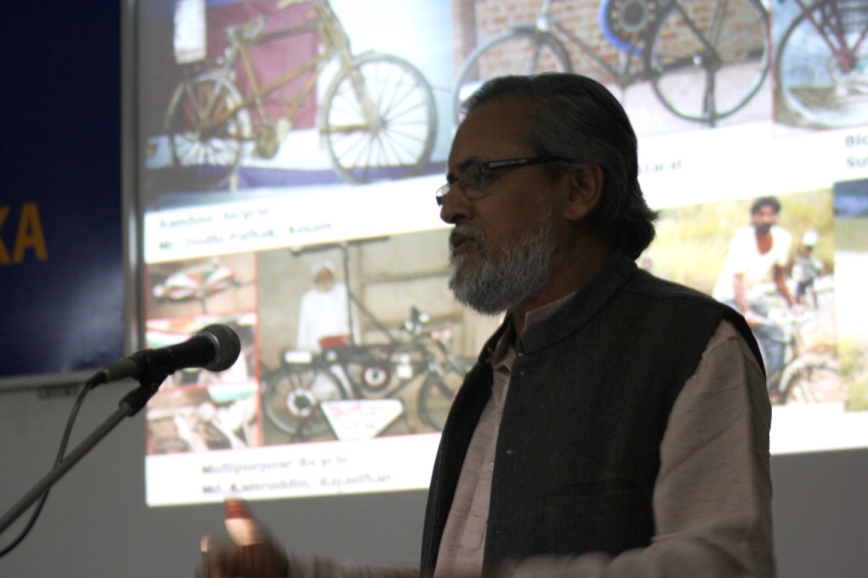
සිය කොළඹ දේශනයේදී ආචාර්ය ගුප්ත, ග්‍රාමීය ඉන්දියානුවන්ගේ නව නිපැයුම් හා අදහස් සඳහා උදාහරණ ගණනාවක් ඡායාරූප හා වීඩියෝ සහිතව ඉදිරිපත් කළා. බයිසිකල් හා අතින් ක්‍රියා කරන වතුර පොම්ප ඉන්දියාව පුරා ම හමුවනවා. එහෙත් ඒවා අසම්මත භාවිතයන්ට යොදා ගන්නට සිතන්නේ ටික දෙනකු පමණයි.

19 වන සියවසේ යුරෝපයේ නිපදවනු ලැබූ බයිසිකලය 21 වන සියවසේ ඉන්දියාවේ බහුවිධ ප්‍රයෝජන සඳහා යොදා ගන්නා සැටි අපූරුයි. දිය-ගොඩ දෙකේ ම ගමන් කරන බයිසිකලයක් බිහාරයේ මොහමඩ් සයිදුල්ලා නිපදවා තිඛෙනවා. ‘3 Idiots’ හරහා ජනප්‍රිය වූ රෙදි සෝදන යන්ත්‍රය හැරුණු විට බයිසිකල් තාක‍ෂණය යොදා ගෙන එළවළු කපන්නට, වතුර අදින්නට සරල උපකරණ ඉන්දියානුවන් තනා තිඛෙනවා.

“නව අදහස් හා නිපැයුම් කරන බොහෝ දෙනකු කථාවට වඩා වැඩට දක‍ෂ උදවියයි. ඔවුන් නිහඬව යම් දේවල් අත්හදා බලනවා. ඔවුන් බොහෝ විට තමන්ගේ හපන්කම් ගැන හඬ නගා කථා කරන්න කැමති නැහැ. ඔවුන් රැස්වීම් හා උත්සවවලට එන්නේත් කලාතුරකින්. මේ නිසා ගම් දනවු හරහා සැරිසරමින් හපන්කම් ඇති දක‍ෂයන් හ`දුනාගැනීම අවශ්‍ය වනවා!” ආචාර්ය ගුප්ත කියනවා.

හැම නව නිපැයුමක් ම මහා පරිමානයෙන් නිපදවා වෙළඳපොලට ගෙන ඒම අපහසුයි. එමෙන් ම ඇතැම් නිර්මාණ තව දුරටත් තාක‍ෂණය පැත්තෙන් හෝ සැළසුම්කරණය (design) පැත්තෙන් හෝ දියුණු කිරීම අවශ්‍යයි. මේ නිසා නවෝත්පාදනයට සමගාමීව ව්‍යවසාය (enterprise) හා ආයෝජනය (investment) යන සාධක දෙක ද ප්‍රවර්ධනය කළ යුතු බව ඔහු පෙන්වා දුන්නා. මේ සාධක තුන එක් තැන් වූ විට බිම් මට්ටමේ නව නිපැයුම්කරණය සඳහා උපකාර වන රන් ත්‍රිකෝණයක් බිහිවන බව ඔහුගේ මතයයි (‘golden triangle’ for grassroots creativity).

එහෙත් නව අදහස් ජනනය කරන හැම නිපැයුම්කරුවකුට ම ව්‍යාපාරික ඥානය නැති බවත්, වෙළඳපොලට ඒමට බොහෝ නිපැයුම්කරුවන්ට මගපෙන්වීම අවශ්‍ය බවත් ඔහු අවධාරණය කළා. “සමහර නව නිපැයුම්කරුවන්ට තමන්ගේ නිපැයුම් මහා පරිමාණයෙන් නිපදවා, ප්‍රචාරණය කොට අලෙවි කළ හැකියි. එහෙත් ඔවුන් බහුතරයකගේ හැකියාව ඇත්තේ තාක‍ෂණ ගැටළු විසදීමට නිසා අප ඒ සඳහා ඔවුන්ට අවකාශය හා පහසුකම් සළසා දිය යුතුයි.”

එමෙන්ම තම බුද්ධිමය අයිතිය තහවුරු කර ගන්නට බිම් මට්ටමේ නිපැයුම්කරුවන්ට නීතිමය උපදෙස් හා උදවු අවශ්‍යයි. පොදු උන්නතියට කැමති නීතිඥයන්ගේ ස්වේච්ඡා දායකත්වය ඇතිව ඉන්දියාවේ මී මැසි ජාලය නව නිපැයුම් 550කට අධික සංඛ්‍යාවකට සාර්ථකව පේටන්ට් ලබා ගෙන තිඛෙනවා. ‘ඉන්දියාවේ ඇතැම් ප්‍රමුඛ පෙළේ විද්‍යා පර්යේෂණාගාරවලටවත් මෙපමණ පේටන්ට් සංඛ්‍යාවක් ලැබී නැහැ’. ගුප්ත ආඩම්බරයෙන් කියනවා.

ලංකාවේ නව නිපැයුම්කරුවන්ට සිය බුද්ධිමය දේපල රැක ගැනීමේදී නිලධාරිවාදය හා නීති රාමුව සමග ගනුදෙනු කරන්නට සිදු වනවා. ඔවුන්ට ද මෙසේ උපකාරවීමට රේ විජේවර්ධන භාරයට හැකි නම් කෙතරම් හොඳ ද?

නමුත් සරසවි හා රාජ්‍ය පර්යේෂණාගාරවලින් බැහැරව නව නිපැයුම් කරන බිම් මට්ටමේ ලාංකිකයන් සිටිනවා ද? ඔවුන් කවුද?

අනිල් ගුප්ත සිය සභාවේ සිටි 200කට අධික පිරිසට මේ ප්‍රශ්න ඉදිරිපත් කළා. ඊළඟට ඔහු කළේ මෙරට පසුගිය වසර කිහිපය තුළ පේටන්ට් මට්ටමට ළඟ වූ නව නිපැයුම් ගණනාවක ලයිස්තුවක් පෙන්වීමයි. ආරක‍ෂිත භූමිතෙල් කුප්පි ලාම්පුව ඒ අතරින් බොහෝ දෙනා දැන සිටි, වෙළඳපොලේ කලක සිට තිඛෙන නිපැයුමක්. එහෙත් ලයිස්තුවේ අනෙක් බොහෝ ලාංකික නිපැයුම් ඒ විද්වත් සභාවේ බහුතරයක් දැන නොසිටි බව පෙනී ගියා. ගුප්තගේ අනුමානය හරි. අපේ නව නිපැයුම්කරුවන් ගැන අපේ ඇගැයීම හා දැනුවත්කම ඉතා සීමිතයි.

“නව අදහස්, උපක්‍රම හා නිපැයුම් අත්හදා බලන ලාංකිකයන් එමට සිටිනවා. ඔවුන් බොහෝ දෙනකු ඉතා නිහඬව තම කාර්යයේ නියැලි අයයි. ඒ අයට මතු වන්නට ඉඩ දෙන්න. සමාජ මට්ටම්, අධ්‍යාපනික මට්ටම්, වයස හෝ ස්ත්‍රී-පුරුෂ භාවය බාධක කර ගන්න එපා! ඔවුන් සොයා ගෙන යන්න. ඔවුන්ට අවශ්‍ය පහසුකම් දෙන්න. නමුත් ඔවුන්ගේ අසම්මත චින්තනය මොට නොකරන්න!”

නව නිපැයුම්කරුවන් දහස් ගණනක් සොයා ගත් ඉන්දියානු විද්වතාගේ මේ වටිනා ඔවදන් අපේ රටේ උගතුන්, නිලධාරීන් හා මාධ්‍යවේදීන් කුමන අයුරකින් පිළිගනී ද?

Anil Gupta’s Advice: Unleash Sri Lanka’s Grassroots Innovators!

This is the full text of an article I have written in The Nation Sunday newspaper today, 18 Dec 2011, with more images, embedded weblinks and in a better searchable format. It is based on the inaugural Ray Wijewardene Memorial Lecture delivered by Prof Anil K Gupta on 13 Dec 2011 and my conversations with him in Colombo.

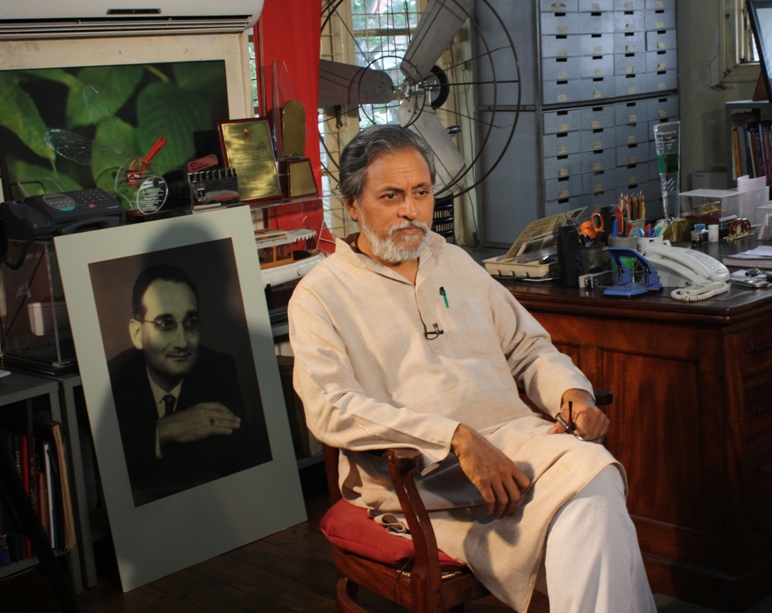
Prof Anil Gupta sits in the Colombo study of late Dr Ray Wijewardene - photo by Anisha Gooneratne

What does an inventor look like?

A nerdy kid in glasses and a white coat, tinkering perilously in a lab? Or a tightly-focused technician toiling away in a greasy workshop?

Perhaps. But most innovators are ordinary people moving among us. For the most part, they are unnoticed and unsung as they try to crack problems that have engaged their attention — or frustrated them for too long.

At one level, many of us improvise everyday for personal gain — to save money, lighten our workload or boost yields. Only a few take it to a higher level. They are unhappy with the status quo. They probe how things work and speculate how it can improve. They tackle problems that daunt most.

Spotting them isn’t easy. Such innovators may come from any social, educational or cultural background but they all march to the beat of a different drum. While education and training help, some of the most successful inventors in history were entirely self-taught.

The late Ray Wijewardene was one quintessential ‘tinkerer’ who led a life-long quest to solve practical problems and improve the quality of life – for himself, those around him, and society at large. He left his mark in agriculture, engineering design, renewable energy, transport and aviation. Just as importantly, he nurtured other innovators to go after nagging problems. A firm believer in trial and error, he encouraged constant experimentation.

Ray’s spirit of enquiry and enterprise was rekindled this week when one of the world’s leading innovation-spotters delivered the inaugural Ray Wijewardene Memorial Lecture in Colombo.

Dr Anil Kumar Gupta, a Professor at the Indian Institute of Management (IIM) in Ahmedabad, India, and Founder of the Honey Bee Network, spoke on “Grassroots Innovation for Inclusive Development: From Rhetoric to Reality” at the Institution of Engineers on 13 December 2011.

With inspiring examples and illustrations, Gupta emphasized that grassroots innovations can provide a new ray of hope – if we let them grow.

Speaking of his own country’s experience, he said: “Outside of India’s major cities, unsung heroes of the country are solving, or trying to solve, local problems in spite of the structures that have bypassed them so far. Creativity, compassion and collaboration are the key characteristics of these voices from grassroots. Let’s listen to them and resonate with them!”

And it isn’t just an Indian phenomenon. At the outset, Gupta listed a dozen recent innovations made by Lankans. Some, like the safe kerosene bottle lamp, are widely known but most remain obscure. Yet, all have been authenticated, and many granted patents.

Home-grown inventions

Few among the packed Colombo audience of over 200 seemed to recognise these home-grown innovations — just the point the professor was making.

“You get innovators all over Sri Lanka, but most are not known or recognised even in their own communities,” he said.

To make matters more challenging, most innovators tend to be loners: they are day-dreamers who don’t follow the pack.

“They don’t come to meetings or speak up much. We have to reach out to them, make them feel comfortable and valued,” Gupta added.

His suggestion: Sri Lanka should launch a national effort to discover its own innovators — both technological and social. The media can play a big role in spotting and promoting innovators, as can schools, universities and state agencies with relevant mandates.

But Gupta also had a strong word of caution: “Whatever we do, we must never try to convert these precious ‘odd-balls’ into conformists.”

Ray would surely have applauded. He was an accomplished non-conformist, or maverick, who didn’t fit into the stereotyped academic or engineering circles. Now the Ray Wijewardene Charitable Trust (RWCT), set up to promote his legacy, wants to nurture innovation in Sri Lanka.

The Trust made an auspicious start by inviting Anil Gupta to deliver the first lecture in Ray’s memory. Gupta and Wijewardene were kindred spirits who stayed in touch over the years across the Palk Strait.

Gupta himself defies the standard notion of an academic. He is an unusual professor who walks his talk — and walks through the villages and slums of India in search of innovation. His mission for the past two decades has been to ensure that grassroots innovators receive due recognition, respect and reward for their bright ideas. He also seeks to embed an innovative ethic in educational policy and institutions.

He founded the Honey Bee Network in 1986-87 “to promote a fair and responsible knowledge ecosystem”, where innovators can benefit by sharing their ideas. In the 1990s, he set up the Society for Research and Initiatives for Sustainable Technologies and Institutions (SRISTI) and Grassroots Innovation Augmentation Network (GIAN) both of which support the Honey Bee Network to scale up and convert grassroots innovations into viable products.

The man doesn’t sit in his campus; he goes innovator-scouting all over India. “In our walks, we move from village to village spotting grassroots innovations and honouring them. We have come across very simple modifications make life easier for people, and also help save natural resources,” Gupta said.

A simple example: at a rural location, he found someone had fitted six tapes on to the outlet of a single water pump. It allowed that many to draw water at the same time, and also reduced pumped up water going waste.

The bicycle is another invention that has been adapted for multiple purposes across India. Genius improvisers are using it for moving on land (and water), generating electricity, helping with the cooking, and even in washing clothes.

The popular Hindi film 3 Idiots featured a pedal-powered washing machine, which was inspired by the invention of a 20-year-old woman from Kerala, Remya Jose. It has since been showcased on Discovery Channel as part of the ‘Indian Innovators’ series of short films.

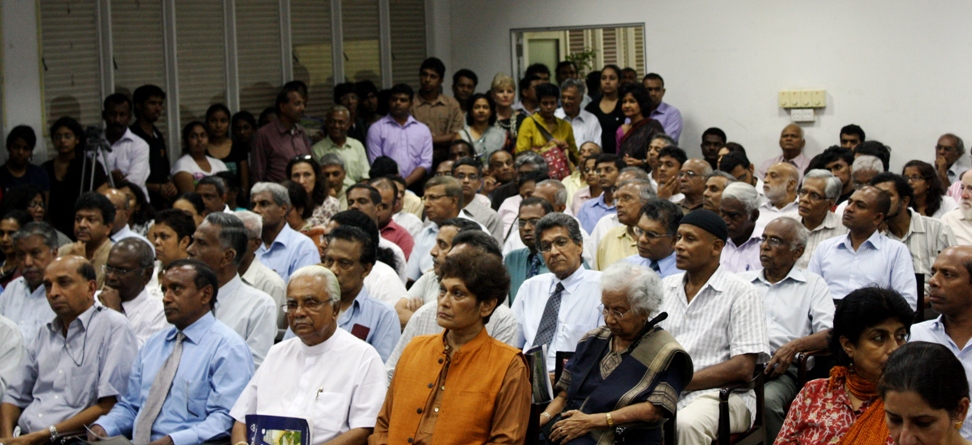
Part of audience at Ray Wijewardene Memorial Lecture in Colombo, 13 Dec 2011 - photo by Anisha Gooneratne

Benefit sharing

One defining characteristic of such grassroots innovation is that those tinkering are also immediate benefits of any improvements. As Gupta puts it: “From agricultural innovations to the gas-powered iron or pressure-cooker-driven coffee maker, we find that solutions developed by producers who are also users reflect the concerns of both the production and consumption environments.”

Not all inventions need to be earth-shattering. In fact, many aren’t – and that is perfectly fine, says Gupta.

“Even basic improvements in a water pump, for example, can make life easier for millions of people. When we look for design improvements, we should consider not only the benefits to humans, but even to domesticated animals.”

How can society ensure that grassroots innovators not just receive accolades but also get paid for their creative ideas?

Much of innovation related knowledge is ‘open source’ – meaning it has been developed by a number of people collaboratively and non-secretively. But that doesn’t mean their knowledge rights should be trampled with.

Taking out patents is one way to ensure such rights. The Honey Bee network has successfully obtained over 550 patents for grassroots innovations – more than some well-funded laboratories in India! This was made possible by mobilising pro bono lawyers and other volunteers.

The spirit of volunteerism common in Asian cultures can do much to nurture innovation and safeguard intellectual property rights at the same time, Gupta said.

His hope: “The Ray Wijewardene Trust should be able to find public-spirited lawyers in Sri Lanka to emulate the Indian experience.”

And what about glaring gaps that often exist between inventive minds and the ruthless market?

Don’t try to turn every innovator into businessman, Gupta said. “Most innovators are not good entrepreneurs because they are incorrigible improvisers. In many cases, we try to persuade and counsel innovators to work on their products. There are some who do very well, while others take time.”

Instead of trying to turn every inventor into an entrepreneur, we have to create institutions, schemes and networks that bring these two types together – the one who tinker and those who market.

We have to find ways to link innovation with investment and enterprise. Together, these three elements form what Gupta calls the ‘golden triangle’ for grassroots creativity.

Science writer Nalaka Gunawardene is a trustee of the Ray Wijewardene Charitable Trust, and has been profiling Lankan innovators for 25 years.

Prof Anil K Gupta rekindles the innovative spirit of Ray Wijewardene

Prof Anil K Gupta lights oil lamp in front of Ray Wijewardene photo before delivering Inaugural Ray Lecture in Colombo, 13 Dec 2011 - photo by Ruveen Mandawala

Ray Wijewardene was a man well ahead of his time, which might explain why he was not better understood and appreciated. He was also a systemic thinker who went to the root of problems and looked for elegant and efficient ways of solving them. He was not mesmerised by technology alone.”

With these words, an eminent Indian scholar paid tribute to the late Ray Wijewardene (1924 – 2010), whose website I helped design and launch a few weeks ago.

Dr Anil Kumar Gupta, a Professor at the Indian Institute of Management (IIM) in Ahmedabad, India, and Founder of the Honey Bee Network, spoke on “Grassroots Innovation for Inclusive Development: From Rhetoric to Reality” at the Institution of Engineers Sri Lanka (IESL) on 13 December 2011.

The IESL auditorium was packed to capacity, with more people standing and spilling over to the corridor. Anil Gupta gave an engaging talk that makes him the subcontinent’s foremost innovation-spotter. With inspiring examples and illustrations, he emphasized that grassroots innovations can provide a new ray of hope — provided we let them grow.

The lecture was organised by IESL and the Ray Wijewardene Charitable Trust (RWCT), set up to promote Ray’s legacy, and committed to nurturing innovation in Sri Lanka.

The Trust made an auspicious start by inviting Anil Gupta to deliver the first lecture in Ray’s memory. Gupta and Wijewardene were kindred spirits who stayed in touch over the years across the Palk Strait.

“It is a privilege for me and the Honey Bee Network to be invited for a lecture in honour of such an illustrious innovator, social change activist and thought leader of our sub-continent, and indeed the entire developing world,” Professor Gupta said when I first reached out to him a few months ago to invite for the lecture.

More coverage of the talk itself will follow, both on this blog and on Ray website.

17 Dec 2011: 3 Idiots and Honey Bee Network launch India’s Grassroots Innovators into New Orbit

The Nation, 18 Dec 2011: Anil Gupta’s Advice: Unleash Sri Lanka’s Grassroots Innovators!

Prof Anil Gupta delivers inaugural Ray Wijewardene memorial lecture in Colombo, 13 Dec 2011 - Photo by Ruveen Mandawala

Anil K Gupta is an unusual professor who walks the talk — and walks through the villages and slums of India in search of innovation. His mission is to ensure that grassroots innovators receive due recognition, respect and reward for their bright ideas. He also seeks to embed an innovative ethic in educational policy and institutions.

He founded the Honey Bee Network in 1986-87 “to promote a fair and responsible knowledge ecosystem”, where innovators can benefit by sharing their ideas. In the 1990s, he set up the Society for Research and Initiatives for Sustainable Technologies and Institutions (SRISTI) and Grassroots Innovation Augmentation Network (GIAN) both of which support the Honey Bee Network to scale up and convert grassroots innovations into viable products.

All three entities are partners of the National Innovation Foundation (NIF India), an autonomous body under the Department of Science and Technology in India. Since 2000, NIF has mobilized more than 160,000 innovations and traditional knowledge practices from all over India, and now holds the largest database of its kind in the world. Professor Gupta is Executive Vice Chair of the NIF, and is also a member of the National Innovation Council of India.

More images at http://www.facebook.com/RayWijewardene

Christina Scott (1961 – 2011): Passionate science journalist, interrupted mid-sentence…

Christina Scott: A funny story always got funnier when she related it...

I was travelling in the Himalayan Republic of Nepal when I heard the sad news: Christina Scott, a pioneering science journalist from South Africa, has just been killed in a road accident. She would have turned 50 on November 20.

As Mike Shanahan, whose tweet broke the sad news of Christina’s hasty departure, wrote: there is one star less in Africa.

Christina’s tragic and abrupt departure elicited an outpouring of grief, memories and tributes from science journalists, scientists and others who knew and admired her. I’m late to join that, I know, but here’s the slightly expanded version of what I just posted on SciDev.Net as a reader comment:

“Short, stroppy reporter with a funny accent. Likes to eat sushi. No head for alcohol and caffeine addiction.” That’s how Canadian-born Christina chose to introduce herself. Everyone has an anecdote about her, reminding us of the colourful and highly talented person she was.

Christina was passionate, articulate and had a clear vision of how science, technology and innovation could make a difference to millions of people in Africa, Asia and Latin America. She made science fun. She was also great fun to work with.

Christina and I didn’t meet that often, separated as we are by time zones and the Indian Ocean. But our few encounters — usually at professional gatherings of science journalists — left a deep impression.

We first met at the Fifth World Conference of Science Journalists in Melbourne in April 2007, where we were both speakers.

She and I were part of a memorable plenary session on ‘Reporting Science in Emerging Economies’ that was put together by SciDev.Net and produced by Julie Clayton. It had science journalists or editors from Brazil, China, India, Sri Lanka and Zambia.

It was Christina who came up with a novel idea to dim the meeting hall lights just as we started. In the semi-darkness, she lit a single cigarette lighter to symbolise how science journalists in the developing world struggled daily with power outages, poor literacy, unsympathetic editors and uncaring governments.

Earlier in that conference, Christina compared some of her professional tribe to extremophile bacteria: hardy enough to survive in very harsh environments. The broad conclusion from our session was that, just as life finds a way against many odds, so does science journalism. In conditions far from ideal, science journalism happens — and even thrives — thanks to the resilience, resourcefulness and commitment of its practitioners.

Christina Scott (left) making a point. Photo courtesy WFSJ

Christina excelled in communicating science through print, web and broadcast media. She switched easily between written and spoken words, and could hold an audience in any medium. Such multimedia journalists are rare.

But she didn’t allow the technology ‘tail’ to wag the journalism ‘dog’. In 2007, she was still wondering if Internet, computes and online communications could make much headway in reaching out a majority of South Africans. It wasn’t a lack of connectivity and computers any longer, but a more basic absence of electricity in many remote areas.

To her, old fashioned radio was still the most cost-effective way to reach more people quickly. That was also her favourite medium, one in which she did some of most memorable coverage.

Christina had a fine sense of theatrical performance to engage a live audience. She knew just how to shook and hook them. She had no time or patience for political correctness or euphemisms; she just spoke truth to power.

I learnt much by being in her audience, or sharing a platform with her. It was exhilarating to see how she engaged audiences full of jaded and sceptical journalists.

Once, during a panel discussing HIV/AIDS, she asked her audience how many were aged over 50 years. A few hands went up. “In South African terms, chances are you’re already dead,” she declared.

She didn’t have comforting words for those below 35 either: “You’re probably infected with HIV, and don’t know it yet — and go around giving it to others!”
That’s how she summed up the stark realities of South Africa, which has one of the highest HIV infection rates in the world. She then personalized, with a wish was that her daughter, then 15, would get through college without contracting HIV.

Christina Scott was a supernova who shone bright and fiery. Her trail would continue to blaze for a long time. But we won’t hear that spirited voice, in that funny accent, always ready to tell an interesting story.
Here are links to some tributes found online:

Christina Scott: Editorial by SciDev.Net editor David Dickson

ResearchResearh.com: Christina Scott, doyenne of African science journalism, dies
by Ehsan Masood

Mail & Guardian: Christina Scott: Farewell to ‘short, stroppy’ giant
by Adele Baleta

Mike Shanahan blog: One less star in Africa tonight

WFSJ Website: Tribute to Christina Scott RIP

Africa STI: Christina Scott, Africa’s Foremost Science Journalist, dies

Facebook Page: Remembering Christina Scott

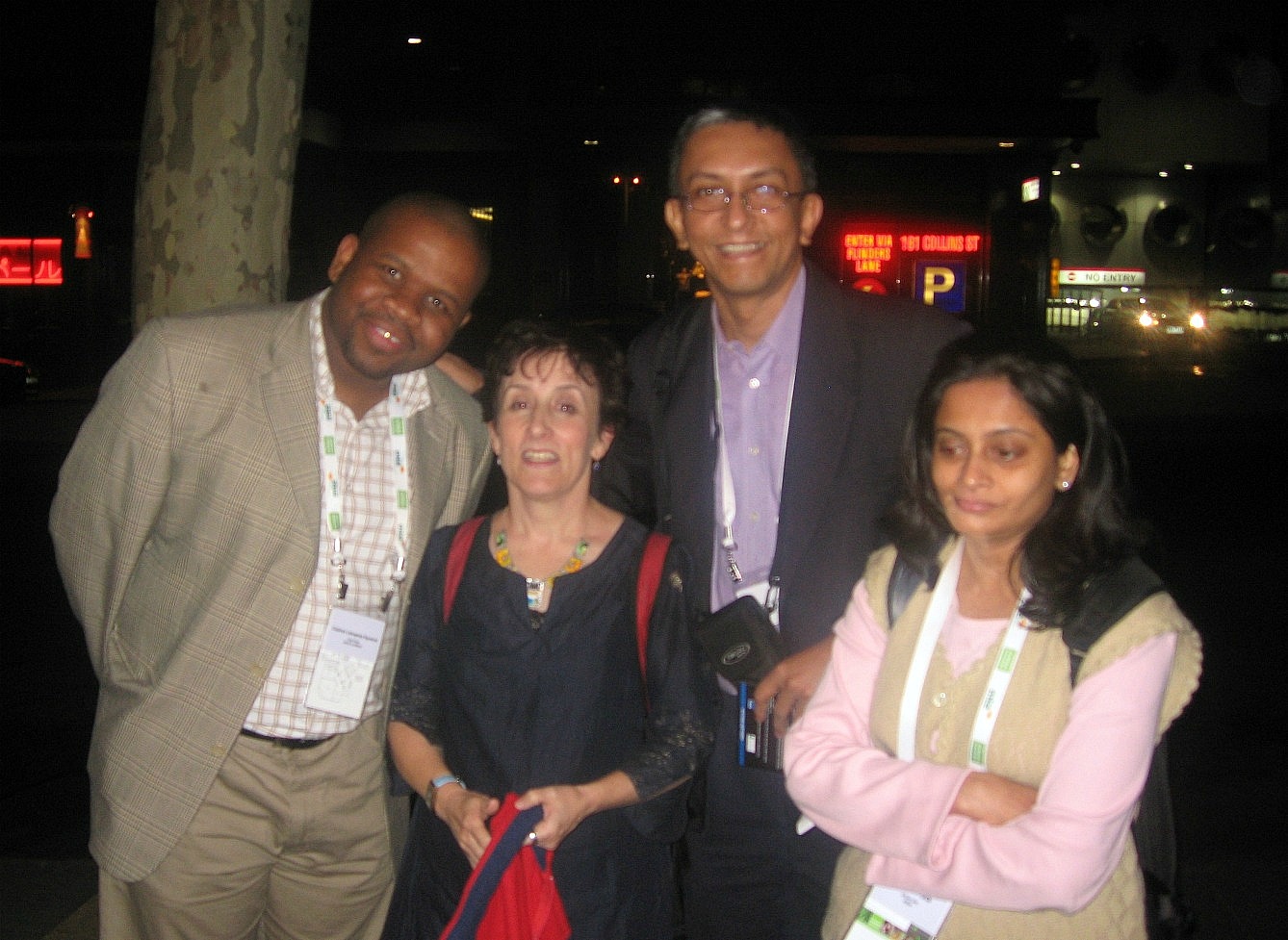
In Melbourne, April 2007: L to R - To be identified, Christina Scott, Nalaka Gunawardene and T V Padma