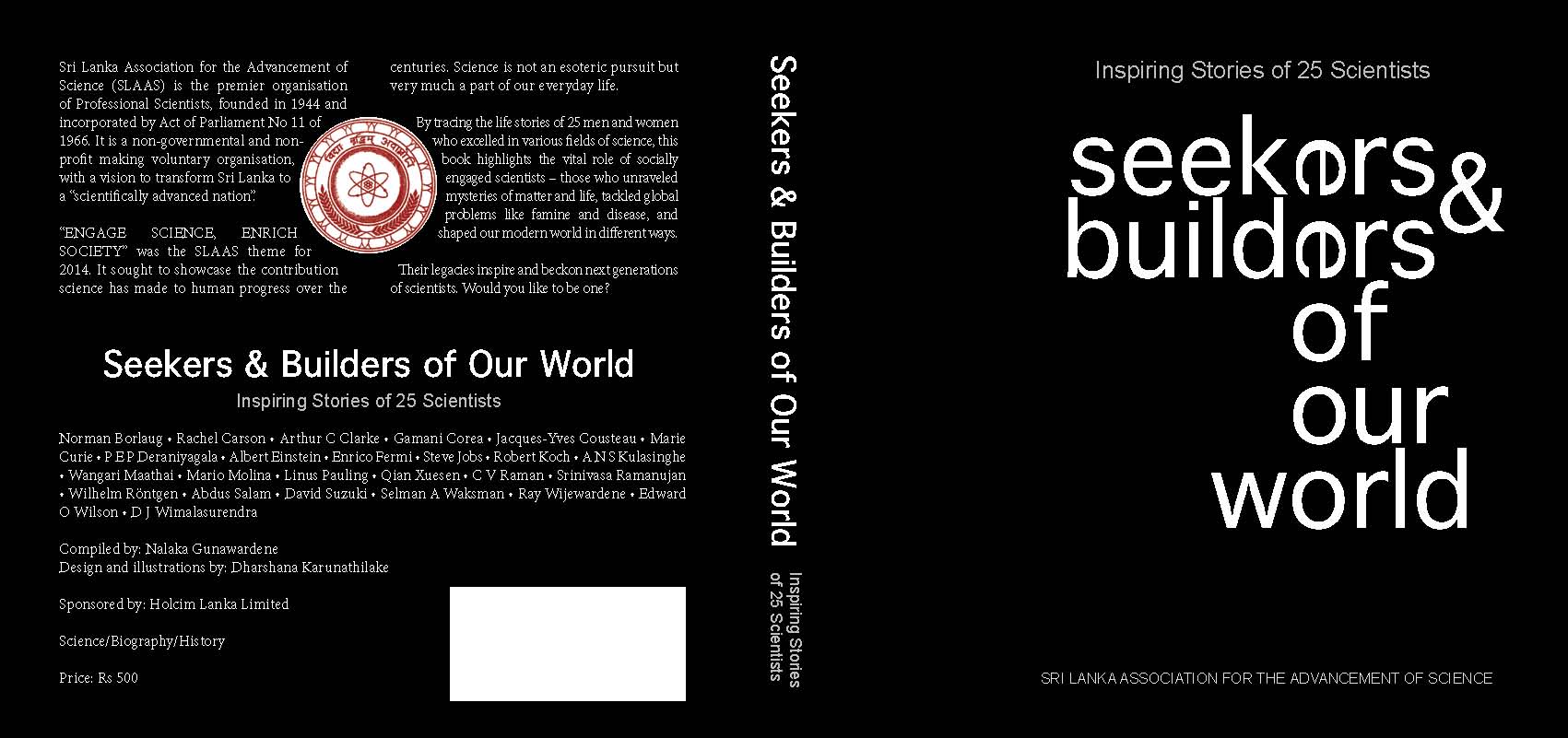
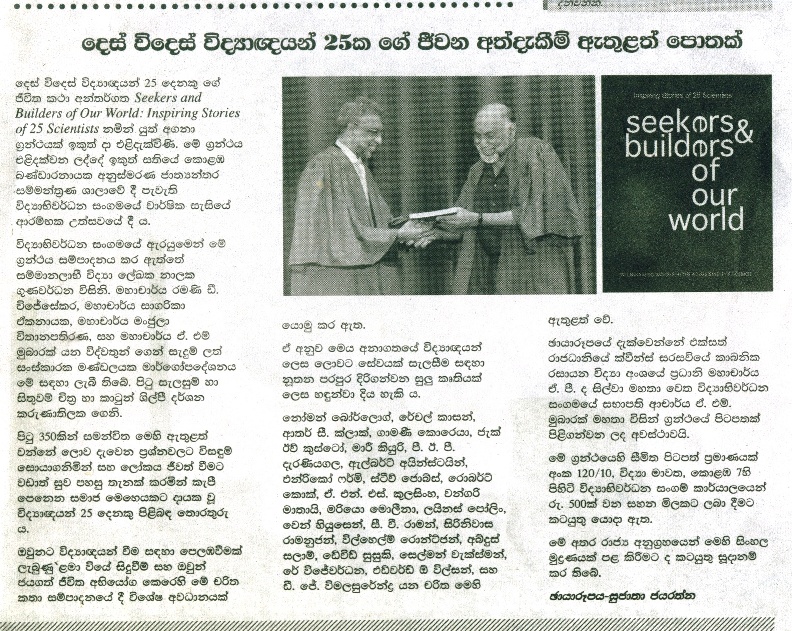
Vidusara, Sri Lanka’s only weekly science newspaper, carries this news item in its issue of 10 December 2014 on my latest book, just published by Sri Lanka Association for the Advancement of Science (SLAAS):
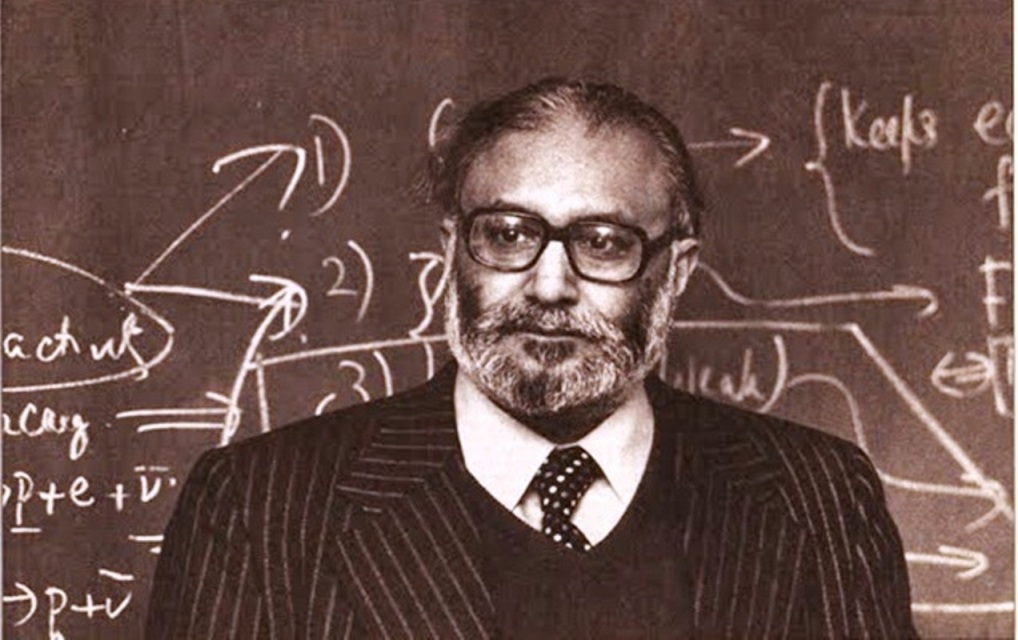
Twenty-five years ago, I interviewed the first national of Pakistan – as well as the first muslim — to win a Nobel Prize: theoretical physicist Dr Abdus Salam (1926 – 1996).
Salam was one of the most influential theoretical physicists of the 20th century. He shared the Nobel Prize in Physics in 1979 with two American physicists, Sheldon Lee Glashow and Steven Weinberg.
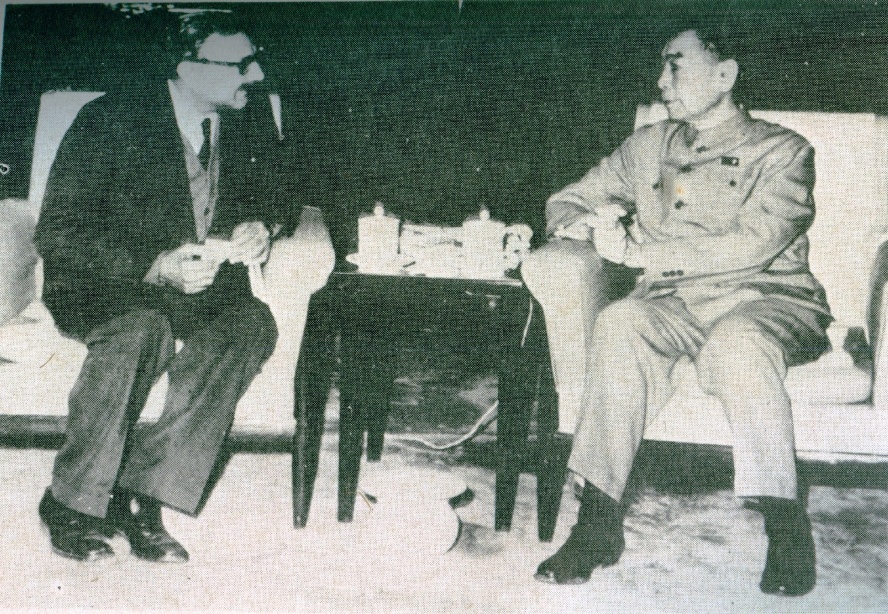
In last week’s Ravaya column (in Sinhala), I profiled the accomplished South Asian who probed further from where Albert Einstein left off, and is called Einstein of the developing world. This week, I render into Sinhala segments of the two interviews I did with him – first in 1989 when he visited Sri Lanka, and again in 1990 when I visited him at the International Center for Theoretical Physics, ICTP.
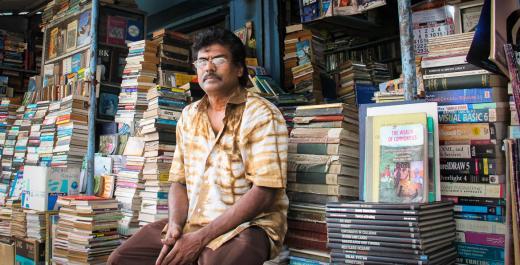
Priyankara Pitiduwagamage, owner of Priyankara Bookshop on the D.R. Wijewardena Mawatha, an avenue in Colombo, waits for customers outside his secondhand bookshop. He and other bookshop owners hope that they will be integrated into the new entertainment and leisure facilities being developed on this street by the government. GPI Photo by Chathuri Dissanayake
Last week, I wrote in my Ravaya column (in Sinhala) about Lankan writer Deeman Ananda (1933-2007), who wrote over 1,000 books of crime fiction, detective fiction and other thrillers in Sinhala from 1960s well into the 1980s.
I had lots of reader responses – many of them thanking me for the info and insights on this neglected writer.
Today, I probe further why a popular and prolific writer like Deeman Ananda was ridiculed and demonized by the literary mainstream and critics. I argue that the artificial and rigid divide between Lankan popular culture and so-called high culture is at the root of such discrimination. Besides Ananda, other creative professionals – from singers and dramatists to comic artists – have also suffered from this misplaced prejudice.
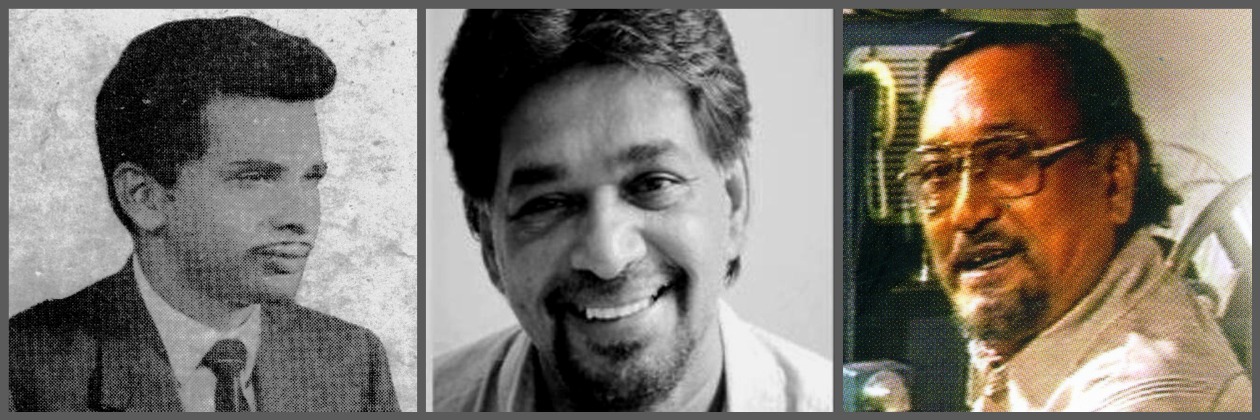
‘Giants’ of popular culture in Sri Lanka: L to R – Deeman Ananda, Nimal Lakshapathiarachchi, Titus Thotawatte
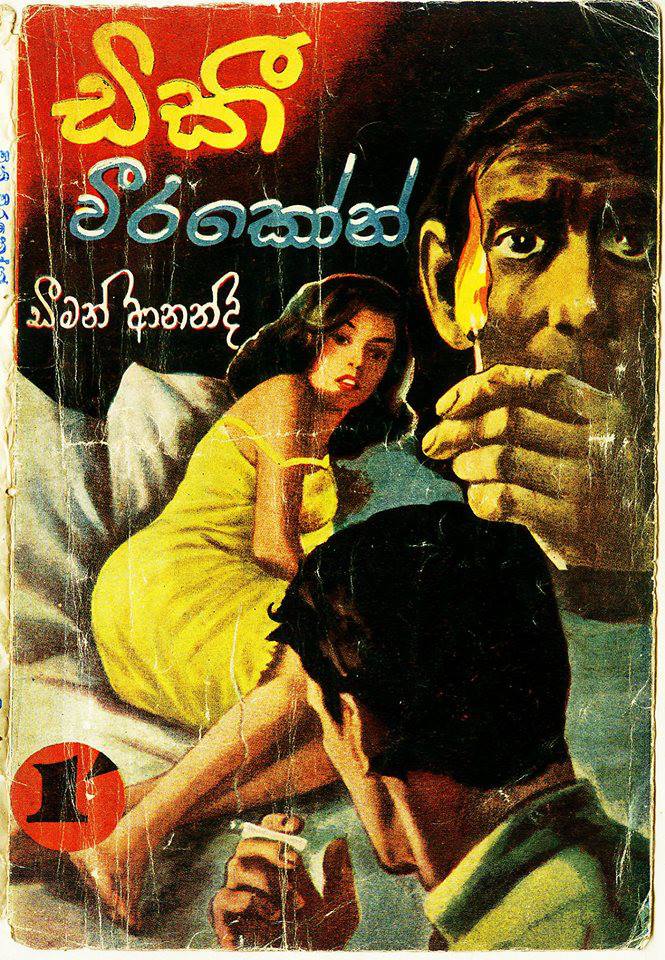
This week in my Ravaya column (in Sinhala), I pay tribute to Lankan writer Deeman Ananda (1933-2007), who wrote over 1,000 books of crime fiction, detective fiction and other thrillers in Sinhala from 1960s well into the 1980s.
Deeman’s books provided light entertainment and were highly popular among a whole generation of young readers, many of who took to reading thanks to these books. Yet the Deeman was ridiculed and demonized by the literary mainstream while many parents, teachers and schools outright ‘banned’ these books. This, in turn, made them even more popular – kids who read these books secretively later ‘graduated’ on to other literary genres.
Besides writing 1,009 is in a quarter century, Deeman Ananda also wrote screenplay for four Sinhala movies, and scripted the second comic book in Sinhala, named Thisa, published in the mid 1960s. Despite all these contributions, he died under-rated and under-appreciated. Yet he remains a well-loved icon on Lankan popular culture – and I salute him as one who went upstream against cultural orthodoxy.
Three Deeman Ananda book covers – from over 1,000 crime thrillers he wrote in Sinhala
“Mathematics is not only one of the most valuable inventions—or discoveries—of the human mind, but can have an aesthetic appeal equal to that of anything in art. Perhaps even more so, according to the poetess who proclaimed, “Euclid alone hath looked at beauty bare.”
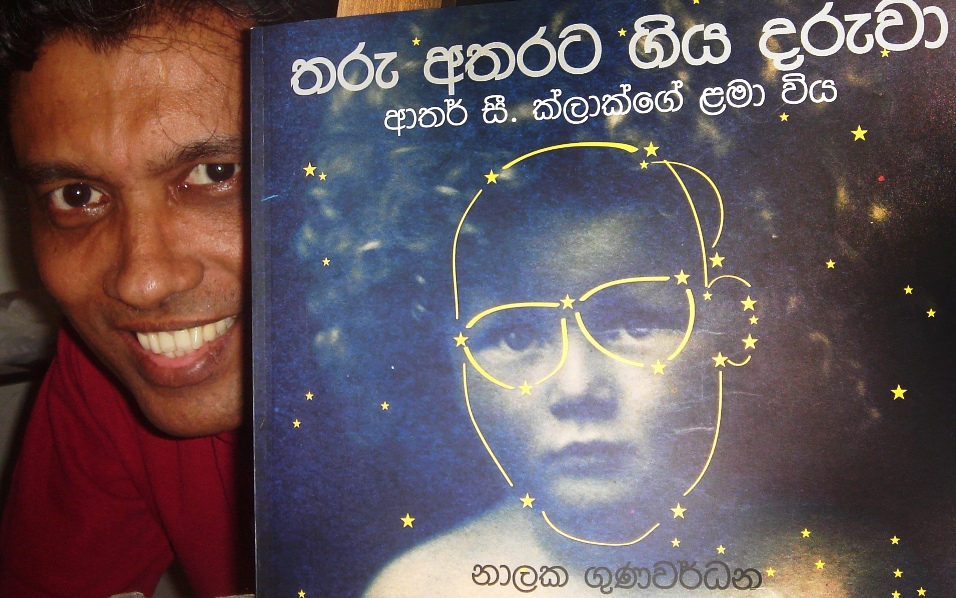
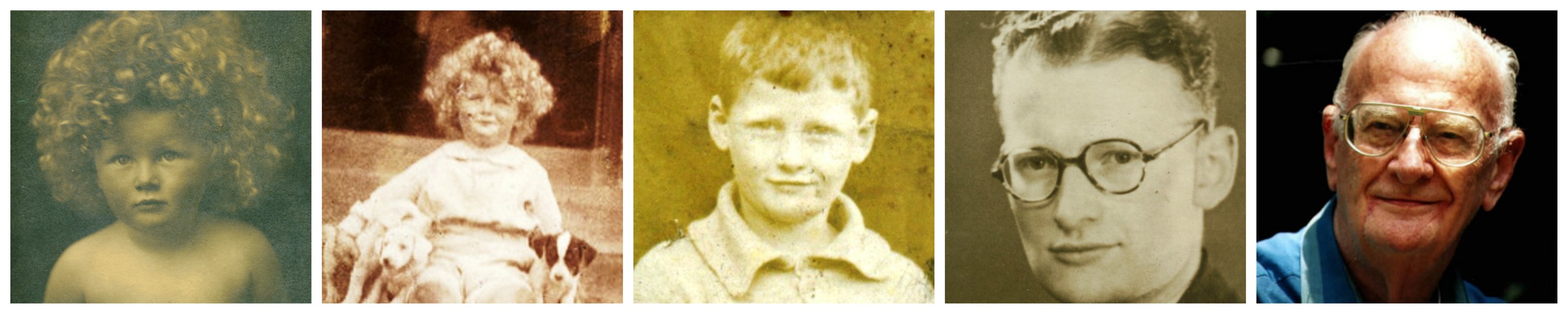
Tharu Atharata Giya Daruwa – Childhood of Arthur C Clarke – by Nalaka Gunawardene
A new Sinhala language book, being released this week, traces the formative years of Sir Arthur C Clarke (1917 – 2008), author, undersea explorer and futurist.
Titled ‘Tharu Atharata Giya Daruwa: Childhood of Arthur C Clarke’, the book is written by Lankan science writer Nalaka Gunawardene who worked with Clarke for 21 years as research associate at his personal office in Colombo.
The book, in story-telling style in conversational Sinhala, is suitable for readers of all ages, and especially for parents, teachers and children.
Clarke’s accomplishments are known much more than his humble origins and early inspirations in life. He was born in rural England as the First World War was ending, and spent his childhood years in Minehead, Somerset, close to the sea. His experiences were shaped largely by growing up on the family farm, exploring the local beach, and working part-time at the village post office.
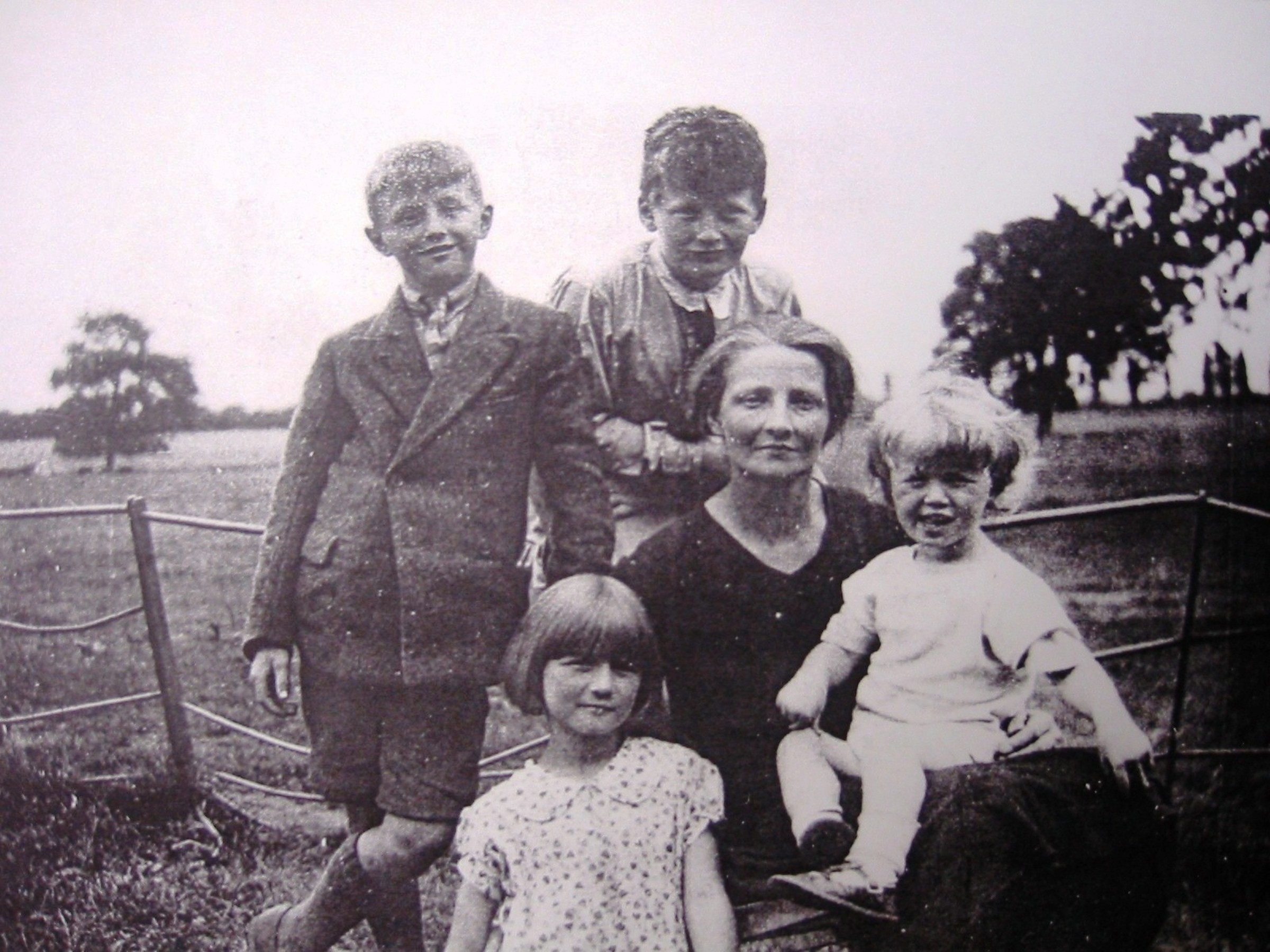
Arthur was the eldest in a family of four, who were raised by their dynamic mother, widowed at a young age. Despite cycling 20 km to school and back and helping on the farm, he excelled in studies and pursued serious hobbies — star gazing, mechanical experiments and nature observations.
“Early on, he cultivated habits like good time management, thrift, careful storage of everything and multi-tasking – all of which lasted a lifetime,” says Nalaka Gunawardene. “He knew the value and limits of money, respected the dignity of labour, and appreciated honesty and hard work in everyone.”
The book is widely illustrated with 74 photographs including many drawn from family albums preserved by the Arthur C Clarke Trust that now manages the Clarke Literary Estate. It also carries some original caricatures drawn by cartoonist and artist Dharshana Karunathilake who designed the book.
Chapters are devoted to facets of young Arthur Clarke, covering pursuits like avid reading, fiction writing, rocket building, movie watching and his elaborate yet harmless pranks. Throughout the book, readers discover less known facets of the global figure – such as his fondness for animals, dinosaurs and comics.
While confining mostly to his first 20 years, the book connects Clarke’s childhood exploits with his later feats in science fiction, undersea diving, space exploration and telecommunications.
In a career spanning over six decades, he wrote some 100 books and more than 1,000 short stories and essays covering both science fiction and science fact. He was the first to propose geostationary communications satellites, and one of his stories later inspired the World Wide Web.
Arthur C Clarke (1917-2008): “He never grew up, but he never stopped growing”
“Sir Arthur used to joke that one secret of his success was his careful choice of parents,” says Nalaka. “More seriously, what roles did family, education, peers, travel and social interactions play in producing the distinctively his combination of sharp wit, irreverence, playful humour and, above all, vivid yet realistic imagination? My book goes in search of some answers from his childhood.”
The book collates information, images and insights Nalaka has accumulated over the years working closely with Clarke on the latter’s literary and scientific projects. Nalaka twice visited Clarke’s home town of Minehead, family farm Ballifants and town of Taunton where he schooled. Photos from these travels enrich the book which quotes Clarke’s biological and Lankan family members.
In 2012, Nalaka was a collaborator to the extensively revised and expanded edition of Clarke’s authorized biography, titled Visionary: The Odyssey of Sir Arthur C. Clarke. It was written by Neil McAleer, who also wrote the original 1992 biography.
Nalaka reiterates that the best way for Sri Lanka to celebrate the legacy of Arthur C Clarke is to adapt his ideas for a better world based on knowledge, ethics, compassion and imagination.
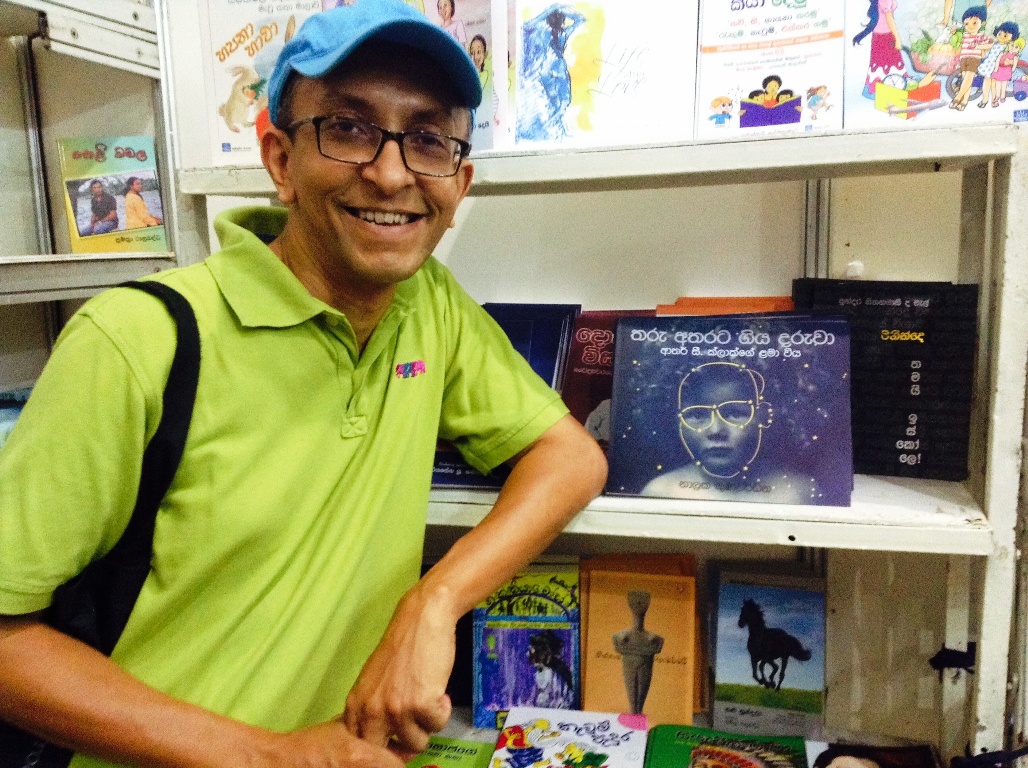
The 120-page large format book, published by Suratha Books, is priced at LKR 600. It will be on sale at several booths the Colombo International Book Fair from 10 to 16 September 2014, with significant discounts. A book launch event is to be held later.
Promo note for my latest Sinhala language book, being released this week at Colombo International Book Fair to be held from 10 – 17 September 2014.
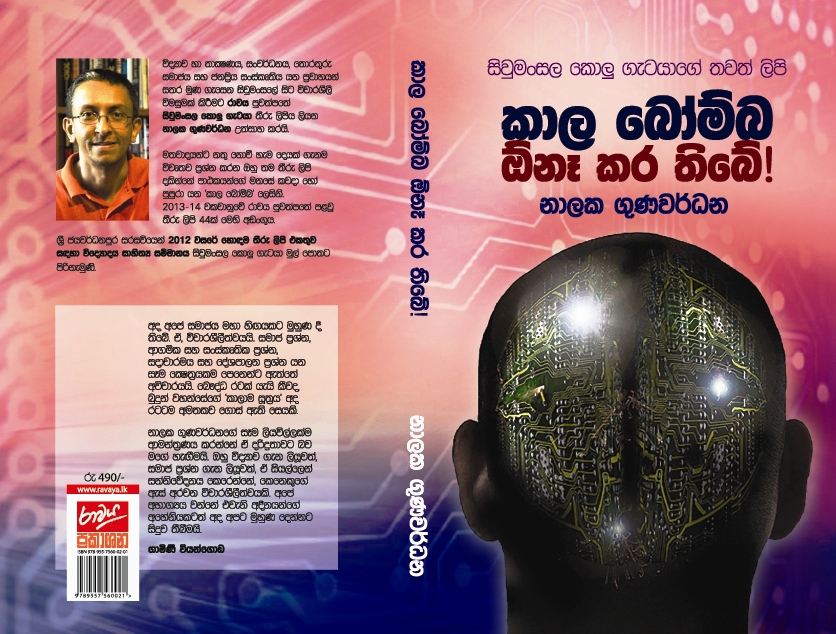
Kaala Bomba One Kara Thibe – by Nalaka Gunawardene (Ravaya Publishers, 2014) book cover
Award winning science writer Nalaka Gunawardene’s latest Sinhala book, Kaala Bomba One Kara Thibe (‘කාල බෝම්බ ඕනෑ කර තිබේ!’ = Wanted: Time Bombs of the Mind!), will be released at the Colombo International Book Fair that starts on 10 September 2014.
A Ravaya Publication, the book compiles 44 of his weekly columns named Sivu Mansala Kolu Getaya published in the Ravaya newspaper during 2013-14.
Launched in 2011, the popular column offers musings of a sceptical inquirer who sits at the intersection (or confluence) of science, development, mass media and information society. The University of Sri Jayawardenapura presented Nalaka a Vidyodaya Literary Award for the best newspaper column of 2012.
Written in an easy, conversational Sinhala rich in metaphor and analogy, Nalaka connects the local with global and also bridges sciences and humanities. The new collection touches on pharmaceuticals, organic farming, tobacco control, rationalism, citizen journalism and social media among many other topics.
“Lankan society today suffers from a major deficiency of critical thinking. Blind faith and sycophancy dominate our social, religious, political and cultural spheres. Whether writing on science, development or social issues, Nalaka Gunawardene comes up with refreshing doses of scepticism,” says Gamini Viyangoda, leading Sinhala writer and political commentator.
In his quest for clarity and reason, Nalaka talks to researchers, activists and officials. He also draws on his many experiences and global travels as a journalist and development communicator.
In his foreword, researcher and university lecturer Dr Udan Fernando says: “At a time when insularity and monoculturalism are being celebrated in Sri Lanka, Nalaka represents the endangered cosmopolitan perspective.”
Nalaka has dedicated this book to two giants of public science in Sri Lanka: late Prof Cyril Ponnamperuma (1923-1994) and late Dr Ray Wijewardene (1924-2010). “They embraced the best of East and West without losing their roots. We urgently need such public intellectuals today,” Nalaka says.
The book includes columns profiling the work of both scientists, including the Sinhala adaptation of a long interview with Dr Wijewardene.
The title is inspired by the words of Swedish economist, Gunnar Myrdal, who once said, “Books are like time bombs. If they contain ideas that are correct, then one day they will explode. And if they don’t, they will be consigned to the dustbin of history.”
The 300-page book is priced at Rs. 490. It will be available from leading bookstores, and at special discounts from the Ravaya booth during the Colombo Book Fair.
Sivu Mansala Kolu Getaya – columnhead in Ravaya newspaper






 Open Minds!