Text of my ‘When Worlds Collide’ column published in Ceylon Today Sunday newspaper on 4 November 2012
Last Monday, I discussed the end of the world on a live TV talk show. The latest date for ‘imminent doom’ is 21 December 2012.
I do have better things to do on a Poya day afternoon, but this modern myth has become pervasive that we might as well use it as an opening to get people to pause and think.
That’s why retired astrophysicist Dr Kavan Ratnatunga (ex-NASA and Space Telescope researcher) and I joined Hiru TV alongside an astrologer (a maker of horoscopes, not to be confused with astronomers who study the night sky) and a Buddhist monk.
Kavan and I were ready for a good debate, and to have some fun in myth busting. Over the years, we’ve tackled assorted superstitions, urban legends and tall tales on public TV and…
News feature published in Ceylon Today newspaper on 4 Nov 2012:
Wanted: Young Lankans for Antarctica!
By Nalaka Gunawardene
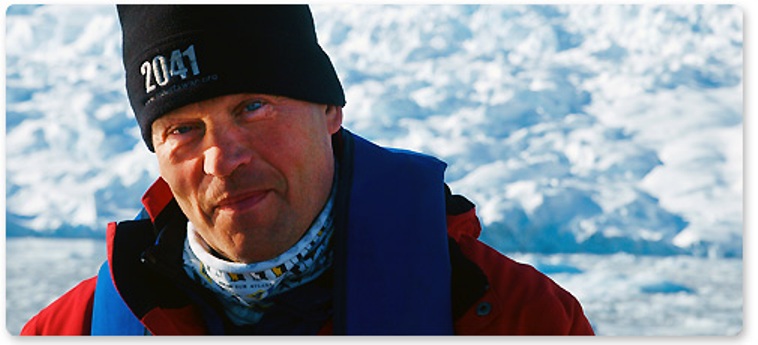
Sir Robert Swan, polar explorer
Environmentally inclined young Lankan men and women have a new opportunity to broaden their horizons: by joining an international youth expedition to the Antarctica!
This open invitation came from the polar explorer, environmental leader and motivational speaker Sir Robert Swan, who is in Sri Lanka on a short visit.
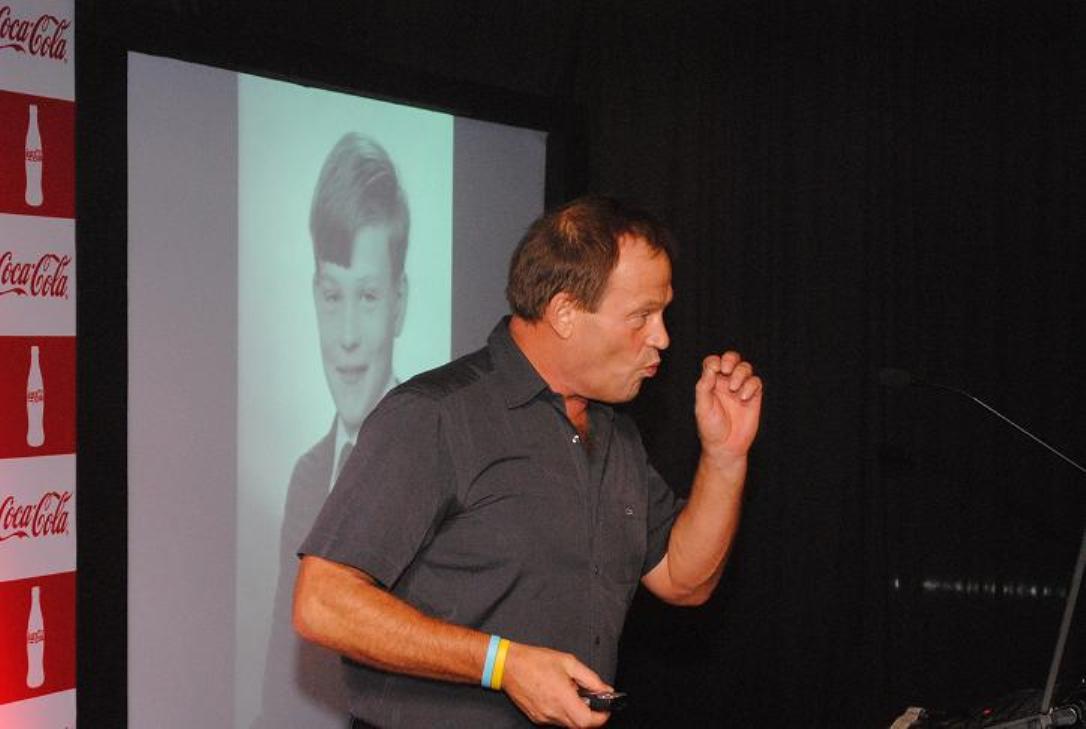
“Going to the Antarctica – the last great wilderness of the world, twice the size of Australia – is a life changing experience. We want more young people to experience it, and be transformed about what is happening to our environment, and what we can do about it,” he told a packed audience at the Galle Face Hotel on Saturday morning.
British born Swan, the first person in history to walk to both the North and South poles, has dedicated his life to the preservation of Antarctica by the promotion of recycling, renewable energy and sustainability to combat the effects of climate change.
His non-profit foundation, 2041 (www.2041.com), operates the world’s first educational base (E-Base) in Antarctica. Since 2008, it serves as a resource for teachers and an inspiration to young people around the world.
Swan introduced Imalka de Silva, said to be the first Lankan woman to visit Antarctica, who was part of an international team of youth who spent two and a half weeks at E-Base in early 2010.
“I want more young people to have that amazing experience, so that they too can champion the local environmental initiatives in a global context,” Imalka said.
She will soon be launching a new project that seeks to link the business community and environment conservation. Already, MAS Holdings (which organized the Robert Swan talk), Coca Cola (which sponsored his visit to Sri Lanka) and Millennium IT are interested in supporting competitively chosen young Lankans to visit the Antarctica, she revealed.
“Our concern for the environment needs to be broadened into a business opportunity, and only then will society change its ways,” she said.
Robert Swan, who has been spending time with selected youth groups working on environmental issues in Sri Lanka, added: “Sri Lanka can show regional leadership in motivating young people to act on environment and sustainability.”
Sir Robert Swan giving a talk in Sri Lanka – image by 2041.com
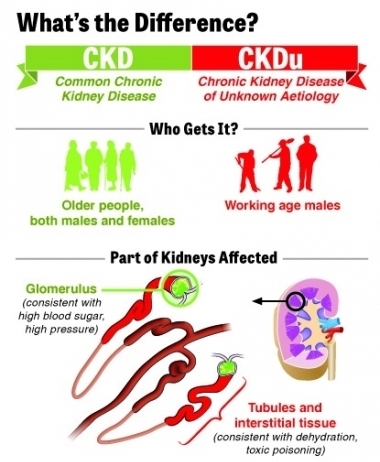
In Sri Lanka, mass kidney failure during the past two decades has been followed by what I call a mass media failure. Most of our media have failed to understand, analyse and report adequately on this public health emergency. Instead of helping affected people and policy makers to work out solutions, some journalists have become amplifiers of extreme activist positions.
I talked about this at at the International Science Communication Leadership Workshop, held as part of Association of Academies & Societies of Sciences in Asia (AASSA) General Assembly in Colombo, 16-19 October 2012. An English article based on my talk appeared in Ceylon Today a few days ago:
Mass Kidney Failure & Mass Media Failure: Go ‘Upstream’ for Remedies!
I have just written up similar views (NOT a translation!) for my weekend Sinhala language column in Ravaya broadsheet newspaper:
CKDu infographic courtesy Center for Public Integrity, USA
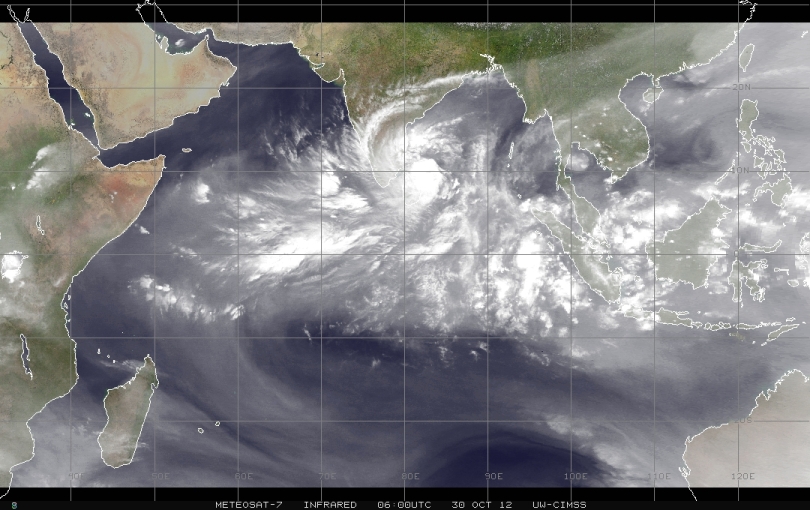
Meteosat 7 weather satellite image of the Indian Ocean – 30 Oct 2012 at 6 UTC As Hurricane Sandy hammered the US East Coast earlier this week, we had our own meteorological worries. A tropical cyclone — belatedly named Neelam — swept past parts of Sri Lanka’s North and East. It then headed to southern India.
The two atmospheric turbulences were not comparable. Sandy was far more ferocious. But Neelam caused enough disruption as well — it wasn’t just a passing gust of wind.
As I followed the two disasters through print, TV and web media reporting, I wondered: how come we had more about Sandy in our own media than on Neelam?
Is it because, as some argue, the global media were so preoccupied with Sandy, and provided saturation coverage? Or are our own media outlets unable, or unwilling, to cover a local weather anomaly with depth and clarity?
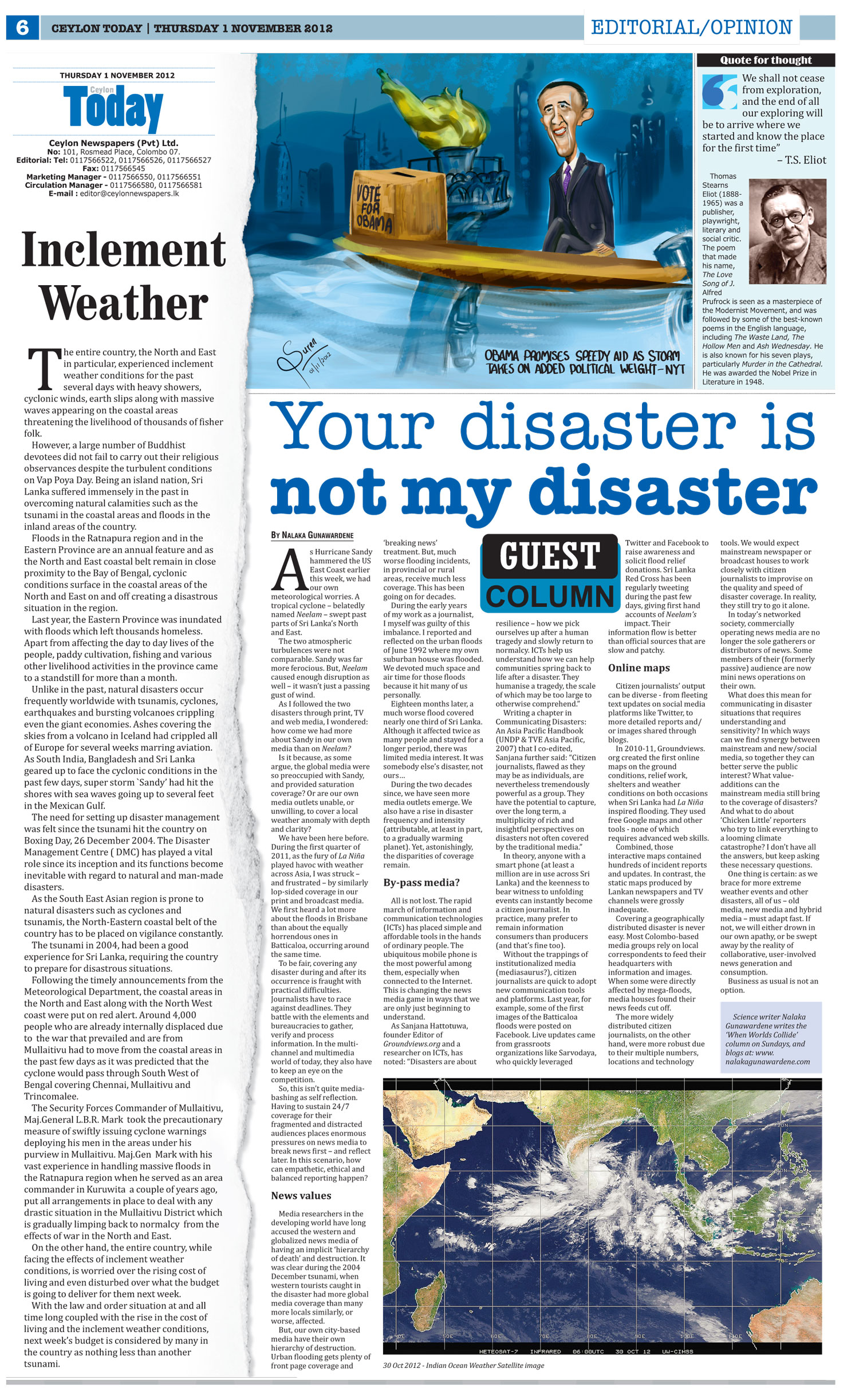
This is the opening of my latest op-ed essay, Your Disaster is Not My Disaster, published in Ceylon Today newspaper, 1 Nov 2012.
Another excerpt:
“In today’s networked society, commercially operating news media are no longer the sole gatherers or distributors of news. Some members of their (formerly passive) audience are now mini news operations on their own.
“What does this mean for communicating in disaster situations that requires understanding and sensitivity? In which ways can we find synergy between mainstream and new/social media, so together they can better serve the public interest? What value-additions can the mainstream media still bring to the coverage of disasters? And what to do about ‘Chicken Little’ reporters who try to link everything to a looming climate catastrophe? I don’t have all the answers, but keep asking these necessary questions.”
Here’s the full text, saved from the e-paper:
Your Disaster is not My Disaster – by Nalaka Gunawardene, Ceylon Today 1 Nov 2012

 Open Minds!