සිවුමංසල කොලූගැටයා #65: විකල්ප ඉතිහාසයන් සොයා යන ගමනක්…

Journalists are trained to ask six basic questions in pursuit of their stories. “What If?” is not among them – but is one of my personal favourites. I’ve been fascinated by might-have-beens all my life, at all levels: personal and collective.

In this week’s Sunday column (6 May 2012) in Ravaya newspaper (in Sinhala), I start exploring alternative history possibilities for Sri Lanka where very few creative writers have ventured into that realm. Is this because Lankan history is considered ‘sacrosanct’ by many?

I set off by challenging this widely held assumption, pointing out that history is but a set of chronicles written by the winners and the powerful, that is (or should be!) open to question, scrutiny and speculation. I plan to revisit this theme with specific alternative history scenarios for Sri Lanka in the coming weeks. Watch this space — and make your own suggestions!
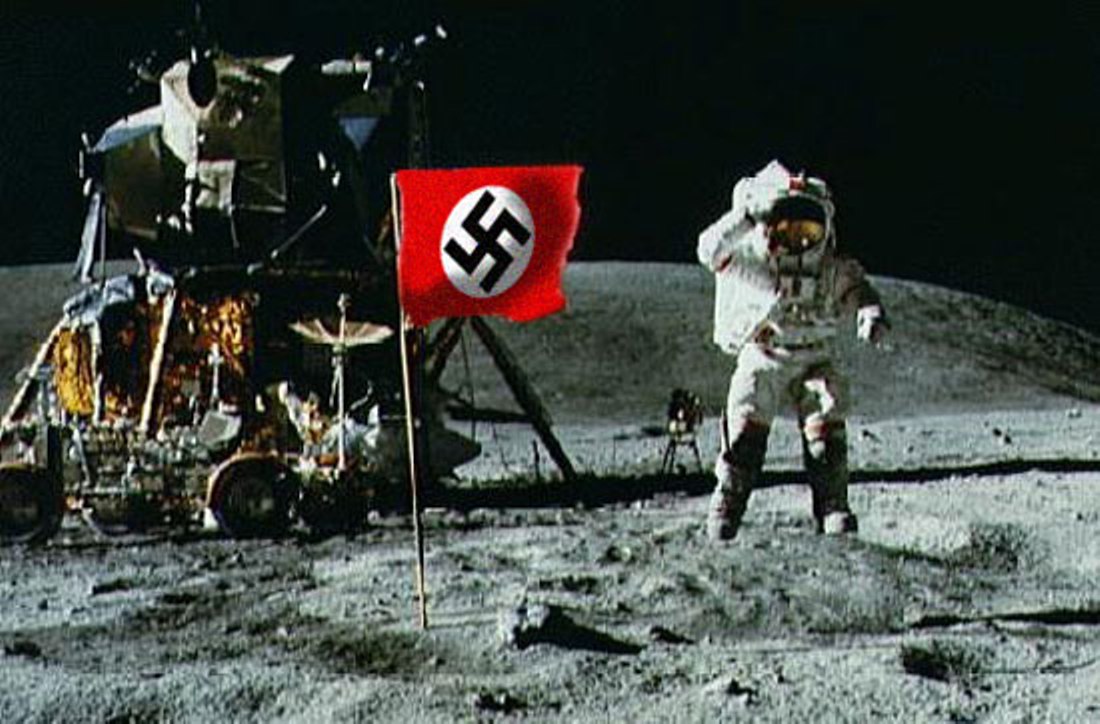
What if Germany won World War 2 – and conquered not just Earth, but outer space?

ඉතිහාසය ප‍්‍රබන්ධයක් ද?

මේ සරල ප‍්‍රශ්නය බොහෝ වාද විවාද හා ආන්දෝලයන්ට තුඩු දෙන්නක්. තොරතුරු සමාජයේ ප‍්‍රගමනයත් සමග එදිනෙදා රටතොට සිදුවීම් විවිධාකාරයෙන් වාර්තා කරන මූලාශ‍්‍රයන් තිබෙනවා. ජනමාධ්‍ය ඒ අතර මුල් තැන ගන්නවා. එහෙත් සංවිධානාත්මක මුද්‍රිත මාධ්‍ය බිහි වී වසර 500කට වැඩි කලක් නැහැ. විද්‍යුත් මාධ්‍ය සියල්ල බිහි වූයේ 20 සියවසේදී.

වාර්තාකරණයට හසු නොවූ දිගු කලක් පුරා මිනිස් ශිෂ්ටාචාරයන් හා ජන සමාජයන් ඇති වී, පරිනාමය වී, ඇතැම් විට බිඳ වැටී ගොස් තිබෙනවා. ඒ  ගැන විස්තරාත්මකව හදාරන්නට පුරාවිද්‍යාත්මක සාක්ෂි හා ශාස්ත‍්‍රීය ලිපි ලේඛණ ආදී මුලාශ‍්‍රයන්ට යොමු විය යුතුයි. ඒ සියල්ල පරිශිලනය කිරිමෙන් පසුවත් “ඉතිහාසය” යනු අංග සම්පුර්ණ ලේඛනගත කිරිමක් නොව සිදුවීම් මාලාවක් ගැන එය වාර්තා කරන අයගේ විග‍්‍රහයක් ලෙස සැළකිය හැකියි.

එහෙත් වාර්තාකරණයේදී හෝ ශාස්ත‍්‍රීය විග‍්‍රහයන් කිරිමේදී හෝ බල පවත්වන සාක්ෂි මත පදනම් වීම, මැදහත් වීම ආදී ගුණාංග ප‍්‍රබන්ධ රචකයන්ට අදාල නැහැ. ඒ නිසා ඉතිහාසය පදනම් කර ගෙන විවිධාකාරයේ කල්පනා ලෝක මවන්නට නවකථා හා කෙටිකථා ලියන අයටත්, චිත‍්‍රපට නිපදවන්නන්ටත් පූර්ණ නිර්මාණාත්මක නිදහස තිබෙනවා.

විකල්ප ඉතිහාසයක් ගැන පරිකල්පනය කිරිම ලොව පුරා විද්‍යා ප‍්‍රබන්ධ ලේඛකයන් අතර ජනප‍්‍රිය තේමාවක්. ඉතිහාසයේ තීරණාත්මක මොහොතක අප දන්නා සිදුවීම වෙනස් ආකාරයකට සිදු වූවා නම් එතැන් සිට ජන සමාජයක, රටක හෝ මුළු ලෝකයේ ම කථාව දිග හැරෙන්නේ කෙසේ ද? විකල්ප ඉතිහාසය කථා (alternative history stories) කියන්නේ මේ ඔස්සේ යමින් ප‍්‍රබන්ධ කිරීමයි.

එහෙත් විකල්ප ඉතිහාසයන්  යනු අතීතයේ සැබෑ සිද්ධීන් විකෘති කිරීම හෝ තමන්ගේ මතවාදයට ගැලපෙන පරිදි ප‍්‍රතිනිර්මාණය කිරීම හෝ නොවෙයි. (එසේ කිරීම මේ දිනවල ඇතැම් රටවල මහත්  ඕනෑකමින් කෙරෙනවා. එයට කියන්නේ revisionist history හෙවත් ප‍්‍රතිශෝධිත ඉතිහාසය කියායි.)

මෙරට සිංහලෙන් ස්වතන්ත‍්‍ර විද්‍යා ප‍්‍රබන්ධ ලිවීම ගැන ගිය වසරේ කොලමකින් (2011 මාර්තු 20) මා විග‍්‍රහ කළා. සිංහල විද්‍යා ප‍්‍රබන්ධ රචකයන් තවමත් හරිහැටි ගවේෂණය කොට නැති බොහෝ සංකල්ප ඇති බව මා පෙන්වා දුන්නා. එයින් එකක් නම් විකල්ප ඉතිහාසයන් මැවීමයි.

ලොව විද්‍යා ප‍්‍රබන්ධ සාහිත්‍යයේ වඩාත් ජනප‍්‍රිය විකල්ප ඉතිහාස තේමාවක් වන්නේ දෙවන ලෝක යුද්ධයෙන් මිත‍්‍ර පාක්‍ෂික හමුදා පරාජය වී හිට්ලර්ගේ ජර්මනිය පෙරටු කොට ගත් (ඉතාලිය හා ජපානය ද ඇතුළත් වූ) ප‍්‍රතිපක්‍ෂය ජය ගැනීමයි. මෙය විවිධාකාරයෙන් හසු කර ගත් ප‍්‍රබන්ධ ලියැවී තිබෙනවා. 2006දී රොබට් හැරිස් ලියූ Fatherland නවකථාවේ සිදුවීම් පෙළ දිග හැරෙන්නේ දිවි ඇති තෙක් නායකයා වන හිට්ලර්ගේ 75 වන උපන්දිනය වටායි. (අප අත්දුටු ඉතිහාසයේ නම් පරාජය අබිමුඛව හිට්ලර් සිය දිවි නසා ගත්තේ වයස 56දී.) ප‍්‍රමුඛ පෙළේ බි‍්‍රතාන්‍ය විද්‍යා ප‍්‍රබන්ධ ලේඛකයකු වන ස්ටීවන් බැක්ස්ටර් ද ජර්මනිය දෙවන ලෝක යුද්ධය ජය ගැනීම ගැන ප‍්‍රබන්ධ ලියා තිබෙනවා.

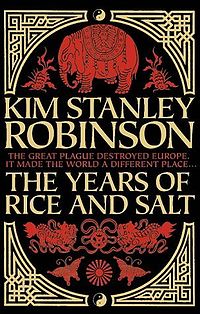
අමෙරිකානු විද්‍යා ප‍්‍රබන්ධ ලේඛක කිම් ස්ටැන්ලි රොබින්සන්ගේ ‘The Years of Rice and Salt‘ නව කථාවේ පදනම මධ්‍ය කාලීන යුරෝපයේ ජනගහනයෙන් සියයට 99ක් ම මහමාරියෙන් මිය යාමයි. අප දන්නා ඉතිහාසයේ මහමාරිය යුරෝපයට  තර්ජනයක් එල්ල කළත් ඒ වසංගතය ජන සමාජයන් අතු ගා දැම්මේ නැහැ. එසේ වූවා නම් කාර්මික විප්ලවය බිහිවන්නේ බි‍්‍රතාන්‍යයෙන් නොව ඉන්දියාවෙන් බවත්, අමෙරිකා මහාද්වීපය සොයා ගෙන එහි ජනවාස ඇති කරන්නේ චීන ජාතිකයන් බවත් ඔහුගේ කථාවේ දිග හැරෙන විකල්ප ඉතිහාසයයි.

වසංගත රෝග, කෘමි උවදුරු හා ස්වාභාවික ව්‍යසන නිසා ගරා වැටුණු හෝ බිඳ වැටුණු මිනිස් ශිෂ්ඨාචාර ගණනාවක් ඉතිහාසයේ තිබෙනවා. අපේ දිවයිනේ වියලි කලාපයේ සහශ‍්‍රයකට වැඩි කලක් පැවති දියුණු ශිෂ්ඨාචාරය හා රාජධානි කෙමෙන් අතරමැදි කලාපයට හා තෙත් කලාපයට සංක‍්‍රමණය වීමට එක් හේතුවක් ලෙස පිළි ගැනෙන්නේ මැලේරියා උවදුරයි. මැලේරියාව ඇති කරන රුධිර පරපෝෂිතයා පැතිරෙන්නේ එක්තරා මදුරු විශේෂයක් හරහා බව සොයා ගත්තේ 1897දී. ඉන්දියාවේ කල්කටාවේ සිටි ඉංග‍්‍රීසි වෛද්‍යවරයකු වූ රොනල්ඞ් රොස් විසින්. එය එසේ නොවී මැලේරියා-මදුරු සම්බන්ධය සියවස් ගණනකට පෙර ලාංකිකයන් තේරුම් ගත්තා නම් අපේ ඉතිහාසය මීට වෙනස් විය හැකි ද? අද අපට කළ හැක්කේ එබදු දේ ගැන අනුමාන හා පරිකල්පනය කිරීම පමණයි.

ඉන්දියානු සාගරයේ වැදගත් සංධිස්ථානයක පිහිටි ලංකා දුපත ප‍්‍රාග් ඉතිහාසයේ මෙන්ම ලිඛිත ඉතිහාස කාලය පුරා ම විවිධාකාර බාහිර සම්බන්ධතා රාශියකට පාත‍්‍ර වී තිබෙනවා. මේවායින් සමහරක් අහිතකර බලපෑම් (උදා: යටත් විජිතවාදීන්). තවත් ඒවා හිතකර බලපෑම් (උදා: ඉන්දියාවෙන් බුදු දහම, ආයුර්වේදය, පාලි – සංස්කෘත හා කලා ආභාෂයන් ලැබීම).

විකල්ප ඉතිහාස සංකල්පයන් ලංකා ඉතිහාසයට අදාල කොට විද්‍යා ප‍්‍රබන්ධ ලියැ වී ඇත්දැයි මා විපරම් කළා. සොයා ගන්නට නැහැ. එයට හේතුවක් නම් අපේ ඉතිහාසය “ශුද්ධ ලියවිල්ලක්” මෙන් ලක් සමාජය සළකන බැවින් ඒ ගැන ප‍්‍රශ්න කිරීමට, පරිකල්පනය කිරීමට බොහෝ දෙනා පැකිලීමයි.

එහෙත් ඉතිහාසය යනු දේව භාෂිතයක් නොවෙයි. ලොව හැමදාමත්, හැම තැනෙකමත් ඉතිහාසය ලියා ඇත්තේ ජයග‍්‍රාහකයන්, ප‍්‍රබලයන් හා බලාධිකාරීන් විසින්. මේ නිසා ඉතිහාසය හැටියට අපට හුරු පුරුදු සංකල්ප බොහෝ දුරට පුරුෂාධිපත්‍යය හා බහුතර කොටස්වල නැඹුරුව පෙන්නුම් කරන ලියැවීම් මිස අපක්‍ෂපාතී ශාස්ත‍්‍රීය විමර්ශන නොවෙයි.

ඉතිහාසය ගැන කථා කිරිමේදී බොහෝ දෙනා ආවේගශීලි වන සැටිත් අපට දැකිය හැකියි. එයට හේතුව තමන්ගේ පෞද්ගලික හා සාමූහික අනන්‍යතාවය රාමු කර ගන්නට ඉතිහාසයේ ඇතැම් සිද්ධින් හෝ ප‍්‍රවාදයන් හෝ උපකාර කර ගැනීමයි. රාමුව යන්තමින්වත් ප‍්‍රශ්න කරනවාට ඔවුන් නොකැමති වන්නේ එයින් තමන් ගොඩ නගා මතවාද හා තර්කයන් බිඳ වැටේ යයි බියකින් විය යුතුයි.

ඉතිහාසය සැබෑ සිදුවීම් මෙන් ම අතිශයෝක්තීන්, ප‍්‍රලාප හා අතරමැදි කථාවලින් සංයුක්ත මිශ‍්‍රණයක්. එහි තනි කතුවරයකු නැහැ. එසේ ම තනි උරුමක්කාරයකුත් නැහැ. මේ නිසා ඉතිහාසය ප‍්‍රවේශමින් පරිහරණය කරනවා වෙනුවට එය වාද විවාද හා සියුම් ශාස්ත‍්‍රීය පරික්ෂාවන්ට ලක් කළ යුතුයි. එමෙන්ම ප‍්‍රබන්ධ නිර්මාණකරුවන්ට තමන් කැමති පරිදි ඉතිහාසයේ සැරිසරන්නට ඉඩ තිබිය යුතුයි.

අපේ රටේ ඈත හා මෑත ඉතිහාසය විකල්ප ඉතිහාසයයන් සඳහා විද්‍යා ප‍්‍රබන්ධ කෝණයෙන් බැලීම තුළින් ඉතිහාසය ගැන අපේ ආකල්ප වෙනස් කළ හැකි ද?

* 1959 සැප්තැම්බර් 25 වනදා අගමැති එස්. ඩබ්ලිව්. ආර්. ඞී. බණ්ඩාරනායකට කුමන්ත‍්‍රණකාරී සාහසිකයා එල්ල කළ වෙඩි පහරවල් නොවැදුණා නම්?

* 1962 ජනවාරි 27 වනදා සිරිමාවෝ බණ්ඩාරනායක රජය පෙරළන්නට තැත් කළ හමුදා කුමන්ත‍්‍රණය සාර්ථක වූවා නම්?

* 1993 මැයි 1 වනදා මැයි දින පෙළපාලියට මරාගෙන මැරෙන බෝම්බ ප‍්‍රහාරය එල්ල වූ අවස්ථාවේ ජනාධිපති ආර්. පේ‍්‍රමදාස නිරුපද්‍රිතව බේරුණා නම්?

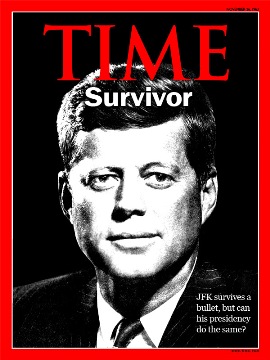
Imaginary TIME Cover – What if JFK survived assassination attempt
මේ අයුරින් මෑත ඉතිහාසයේ තීරණාත්මක අවස්ථා ගැන අපට විවිධාකාරයෙන් පරිකල්පනය කළ හැකියි. (වෙනත් රටවලත් ඔවුන්ට අදාළ දෛවෝපගත සිදුවීම් ගැන මෙසේ ප‍්‍රබන්ධ කැරෙනවා: මහත්මා ගාන්ධි හෝ ජනාධිපති ජෝන් කෙනඩි ඝාතන උත්සාහයන් අසාර්ථක වූවා නම්?)

මා ඉතිහාසඥයකු නොවෙයි. මේ නිසා විකල්ප ඉතිහාස පරිකල්පනය තනිවම කරන්නේ නැතිව මා දන්නා හදුනන විද්වතුන් කිහිප දෙනකුට මෙරටට අදාලව තමන්ගේ ප‍්‍රියතම විකල්ප ඉතිහාසයන් යෝජනා කරන ලෙස මා ඉල්ලා සිටියා. ඔවුන්ගෙන් මතු වූ විකල්ප ඉතිහාස අදහස් අපට “නොගෙවුණු කාල” (might-have-beens) හැටියට සළකමින් ඉතිහාසගත සිහින දකින්නට යොදා ගත හැකියි.

ඉදිරි කොලම්වලින් මෙරට ඈත – මෑත ඉතිහාසයේ ප‍්‍රකට මෙන් ම අප‍්‍රකට තීරණාත්මක සිදුවීම් අරභයා විකල්ප ඉතිහාසයන් ගැන පරිකල්පනය කරන්නට මා අදහස් කරනවා. මෙයට පාඨක ඔබටත් දායක විය හැකියි. තනි වැකියකින් හෝ ජේදයකින් ඔබේ ප‍්‍රියතම විකල්ප ඉතිහාසය ලියා එවන්න. ravaya at nalaka.org

How can scientists use web videos to communicate climate science?

Let’s face it: not every scientist is a potential David Attenborough, David Suzuki or Carl Sagan. Such supernovae are rare in any field.

But in this digital age, most scientists can use online platforms and simple digital tools to communicate directly with the public and/or policy makers. At least some scientists try to tap this potential — and we are grateful.

The World Resources Institute (WRI), a respected non-profit research and advocacy group, is currently trying to understand “how recent climate science discoveries can best be communicated via video”.

With support from Google, and with the help of three climate scientists, WRI has recently produced 3 different video types in order to test which works best. They are currently on display on their website, with a request for readers to vote and comment:

1. “A webcam talk” uses a self-recorded video of the scientist discussing his findings

2. “A conversation” uses a slideshow with a voiceover of the scientist discussing his findings

3. “A whiteboard talk” is a professionally shot video of the scientist in front of whiteboard discussing his findings

Here is the comment I submitted: the challenges WRI face are common and widely shared. And I do have some experience covering climate and other complex science and environmental stories across Asia for the visual and print media.

First, thanks for asking — and for exploring best public engagement method, which most technical experts and their organisations don’t bother to do.

Second, Andy Dessler comes across as an eager expert — not all scientists are! Some are visibly condescending and disdainful in doing ‘public’ talks that they immediately put off non-technical audiences.

Third, the options you’ve presented above are NOT mutually exclusive. For best results, you can mix them.

Webcam method is helpful, but people don’t want to see any talking head for more than a few seconds at a time. They want to see WHO is talking, and also WHAT is being talked about. The images in Conversation method come in here.

I realise webcams are usually set up inside buildings, but visually speaking the more interesting backdrops are in the open. In this case, if Andy Dessler were to record his remarks outdoors, on a clear and sunny day with some clouds in the far background sky, that would have been great!

I’m personally less convinced about Whiteboard Talk: many in your audience probably don’t want to be lectured to, or be reminded of college days. I would avoid that.

More about my work at http://www.tveap.org/

Nalaka Gunawardene's avatarWhen Worlds Collide, by Nalaka Gunawardene

Text of my ‘When Worlds Collide’ column published in Ceylon Today Sunday newspaper on 29 April 2012

As I lie awake in the wee hours of the morning struggling to breathe, I remember Saneeya Hussain.

And when I see yet another road accident on our increasingly mean streets, I think of Sachitra Silva.

It is now seven years since both these lives were snuffed out, on opposite sides of the planet, within a couple of weeks. The shock and grief have subsided; the memories linger.

I knew and worked with both these committed journalists. I connect their premature deaths to the inter-related urban scourges of our own making that are now running amok: crazy traffic and fouled air.

Saneeya was an ebullient, passionate journalist who blazed new trails in empathetic media coverage of social, political and development issues – initially in her native Pakistan, and then at South Asian…

View original post 910 more words

සිවුමංසල කොලූගැටයා #64: අවුරුදු සුනාමිය 2: ඉතිං ඊට පස්සෙ?

In this week’s Ravaya Sunday column (in Sinhala) appearing on 29 April 2012, I reflect on the Indian Ocean undersea quake on 11 April 2012, and the tsunami watch that followed.

Taking Sri Lanka as the example, I raise some basic concerns that go beyond the individual incident, and address fundamentals of disaster early warning and information management in the Internet age.

I ask: Was the tsunami warning and coastal evacuation on April 11 justified in Sri Lanka? I argue that this needs careful, dispassionate analysis in the coming weeks. ‘Better safe than sorry’ might work the first few times, but let us remember the cry-wolf syndrome. False alarms and evacuation orders can reduce public trust and cooperation over time.

I have covered similar ground in an English op ed essay just published on Groundviews.org: Nurturing Public Trust in Times of Crisis: Reflections on April 11 Tsunami Warning

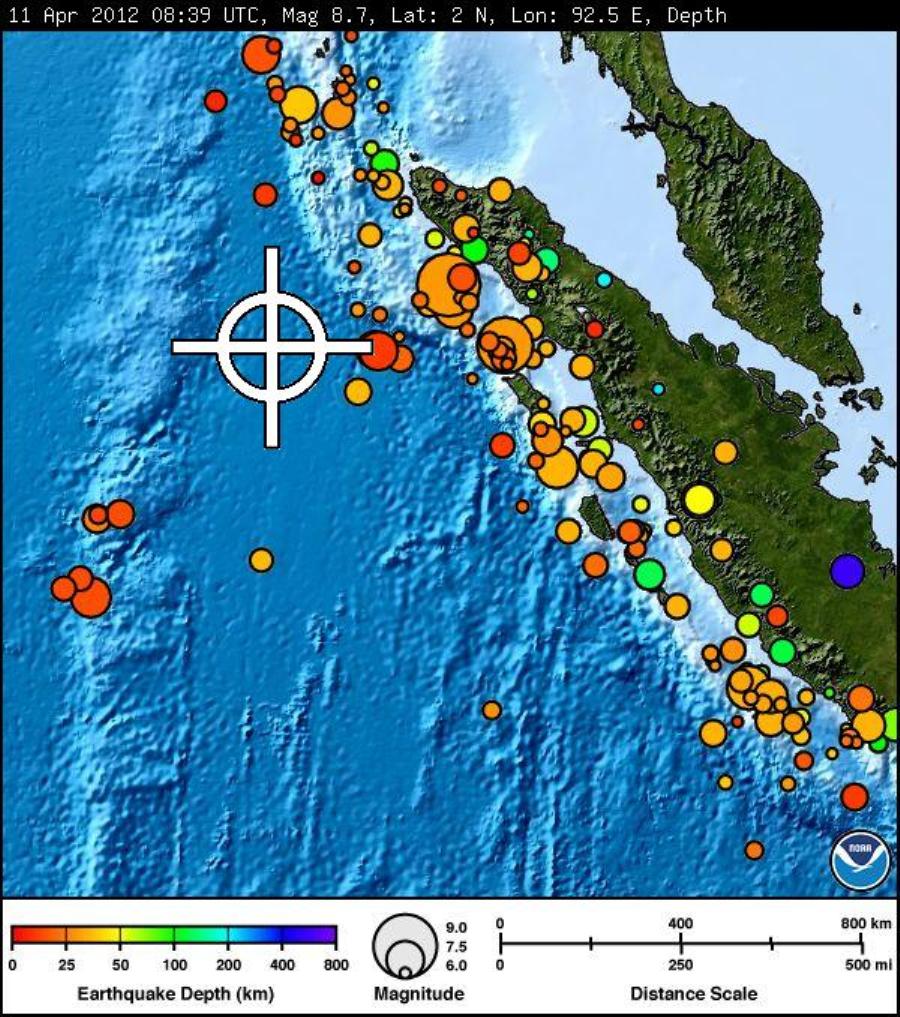
Map showing epicentre of undersea quake in Indian Ocean on 11 April 2012 - courtesy Pacific Tsunami Warning Centre & US Geological Survey

“පිටසක්වලින් ආ අවුරුදු සුනාමිය” මැයෙන් කොලමක් මා ලිව්වේ හරියට ම වසරකට පෙර, 2011 අපේ‍්‍රල් 24දා. ඒ 2011 අපේ‍්‍රල් 15 වනදා මෙරට ටෙලිවිෂන් නාලිකාවක් වගකීම් විරහිතව කළ සජීව විකාශයක් නිසා හට ගත් මහජන භීතිය හා එයට පසුබිම් වූ කරුණු විග‍්‍රහ කරමින්.

2012 අපේ‍්‍රල් 11 වනදාත් ශ‍්‍රී ලංකාවේ වෙරළබඩ ප‍්‍රදේශ බොහොමයක සුනාමි අනතුරක සේයාව මතු වීම නිසා කලබල තත්ත්වයක් හටගත්තා. මෙය ආවේ පිටසක්වලින් නෙවෙයි. ඉන්දියානු සාගරයේ පතුලෙන්. හරියටම කිවහොත් ඉන්දුනීසියාවේ බන්ඩා අචි නගරයට කිමි 440ක් නිරිතදිගින් සාගරයේ කිමි 33ක් යටින්. එදින ශ‍්‍රී ලංකා වේලාවෙන් පස්වරු 2.08ට භූකම්පන මානයේ 8.6ක් සටහන් කළ ප‍්‍රබල භූමිකම්පාවක් හට ගත්තා.

එය සැර බාල වූ භූචලනයක් ලෙස අපේ රටේද විවිධ තැන්වලට දැනුනා. එයින් විනාඩි 6ක් ගත වූ පසු අමෙරිකාවේ හවායි දුපත්වල පිහිටි, අමෙරිකානු රාජ්‍ය ආයතනයක් වන පැසිෆික් සුනාමි අනතුරු ඇගවිමේ කේන්ද්‍රය (PTWC) විසින් ඒ ගැන මුල් ම විද්‍යාත්මක තොරතුරු සන්නිවේදන සිය වෙබ් අඩවිය හරහා නිකුත් කළා. එයින් කියැවුණේ ඉන්දියානු සාගර සුනාමියක් හට ගැනිමේ යම් අවදානමක් ඇති බවත්, මේ කලාපයේ වෙරළබඩ රටවල් තව දුරටත් ආරක්ෂාකාරි පියවර ගැනිම සදහා සුදානමින් හා සීරුවෙන් සිටිය යුතු බවත්. මේ සීරුවෙන් සිටීම විද්‍යාඥයන් Tsunami Watch ලෙස ලෙස නම් කරනවා.

මුහුදු පතුලේ ප‍්‍රබල භූචලනයක් සිදු වූ මොහොතේ පටන් PTWC විද්‍යාඥයන් ඉතා කඩිසර ලෙසින් මුහුදු රළ ක‍්‍රියාකාරිත්වය හා සාගර තරංග ගැන දුර සිට මැනීම කරනවා. මේ සදහා ස්වයංක‍්‍රීය ලෙස තොරතුරු සැපයීමේ හැකියාව ඇති සංවේදී උපකරණ ඉන්දියානු සාගරයේ බොහෝ ස්ථානවල පිහිටුවා තිබෙනවා. සමහරක් සාගරයේ පාවෙමින් චන්ද්‍රිකා හරහා තොරතුරු එවේලේ ම විකාශය කරන අතර තවත් ඒවා වෙරළබඩ යම් ස්ථානවල සවි කර තිබෙනවා.

මේවායින් එසැනින් ලැබෙන අළුත් ම විද්‍යාත්මක දත්තල එම සාගර ප‍්‍රදේශයේ ඓතිහාසික සුනාමි ඇති වීමේ ප‍්‍රවණතා ද සැලකිල්ලට ගෙන සුනාමියක් හට ගැනීමේ හැකියාව ගැන PTWC විද්‍යාඥයින් ඉක්මන් තක්සේරුවක් කරනවා.

අපේ‍්‍රල් 11 වනදා ඉන්දියානු සාගරයේ මුල් භූචලනයෙන් හා ඉනික්බිති හටගත් පසු කම්පන (aftershocks) නිසා සුළු මට්ටමේ සාගර තරංග බලපෑමක් හට ගත්තත් එය සුනාමියක් බවට පත් වූයේ නැහැ. මේ නිසා ශ‍්‍රි ලංකා වේලාවෙන් පස්වරු 2.15ට හදුන්වා දෙනු ලැබූ සුනාමි සීරුවෙන් සිටීම සවස 6.06ට PTWC විසින් නතර කරනු ලැබුවා.

මේ පැය හතරකට ආසන්න කාලය තුළ ඔවුන් විද්‍යාත්මක නිවේදන (Indian Ocean Tsunami Watch Bulletins) හයක් නිකුත් කළා. එම විග‍්‍රහයන් සැළකිල්ලට ගෙන ජාතික මට්ටමෙන් තීරණ ගැනීම හා ක‍්‍රියාත්මක වීම එක් එක් රටවලට භාර වගකීමක්. අපේ‍්‍රල් 11 වනදා එය අදාළ රටවල විවිධ ආකාරයෙන් සිදු වුණා. මුල් භූ චලනයෙන් විනාඩි 6ක් ඇතුළත එයට සමීපතම රටවන ඉන්දුනීසියාව අනතුරු ඇගවීමක් නිකුත් කළ අතර, ඉන්දියාව විනාඩි 8කින් සිය නැගෙනහිර වෙරළට එබදු අනතුරු ඇගවීමක් නිකුත් කළා.

ශ‍්‍රි ලංකාවේ ජාතික මට්ටමේ නිල අනතුරු ඇගවීම නිකුත් කරනු ලැබුවේ එදින පස්වරු 3.30ට පමණයි. ශ‍්‍රි ලංකාවේ නැගෙනහිර හා දකුණු වෙරළබඩ ප‍්‍රදේශවල ජිවත් වන ජනතාව හැකි ඉක්මණින් ආරක්ෂිත ස්ථාන කරා ඉවත්වන ලෙස අවවාද කරනු ලැබේ, එයින් කියැවුණා.

සුනාමි අනතුරු ඇගවීමක් දේශීය වශයෙන් නිකුත් කිරිම ඉතා වගකිම් සහගත තීරණයක්. එහිදී විද්‍යාත්මක සාධක මත පදනම් වී, මහජන ආරක්ෂාව ද සැලකිල්ලට ගෙන හැකි තාක් ඉක්මනින් ක‍්‍රියා කළ යුතු වනවා. එහෙත් හැමදෙයක් ම මුළුමනින් තහවුරු කර ගන්නා තුරු බලා සිටිය හොත් කඩිනමින් පැමිණෙන සුනාමි වැනි ආපදාවකදී අනතුරු ඇගවීම ප‍්‍රමාද වැඩි විය හැකියි.

අවම වශයෙන් වෙරළ ප‍්‍රදේශවලින් රට තුළට යාමට පැය බාගයකට කාලයක් තිබිය යුතුයි. මේ නිසා තමන්ට තිබෙන අළුත් ම එහෙත් අසම්පුර්ණ විද්‍යාත්මක තොරතුරු මත, රට ලෝකය ගැන තමන් සතු පුළුල් අවබෝධය ද යොදා ගනිමින් සුනාමි අනතුරු ඇගවීමක් නිකුත් කරනවා ද නැද්ද යන තීරණය ගන්නට අදාළ නිලධාරින්ට සිදු වනවා.

මාධ්‍ය, සිවිල්, සංවිධාන හා ආරක්ෂක හමුදාවලට කළ හැක්කේ එසේ නිල වශයෙන් ගන්නා තීරණයක් පතුරුවා හැරිම පමණයි. අනතුරු ඇගවීමක් නිකුත් කිරිමේ බලය තනිකර ම රටක මධ්‍යම රජයට පමණක් සීමා විය යුතුයි.

2004දී අපට තිබුනු ලොකු ම අඩුපාඩුව වූයේ ජාත්‍යන්තරව ලැබෙන සුනාමි අනතුරු ඇගවීමක් ගැන දේශීය වශයෙන් තීරණයක් ගැනීමට හා ඒ තීරණය හැකි ඉක්මණින් අදාළ ප‍්‍රදේශවල මහජනතාවට දැනුම් දීමට නොහැකි වීමයි. 2004 සුනාමියෙන් පසුව මේ මුලික අඩුපාඩු මග හරවා ගෙන ඇතත්, සුනාමි අනතුරක සේයාව මතු වූ විටෙක ආරක්ෂිත පියවර මනා සේ සම්බන්ධිකරණය වීම ගැන තවමත් විසදා නොගත් ගැටළු තිබෙන බව අපේ‍්‍රල් 11දා අත්දැකීමෙන් පෙනී ගියා.

සුනාමි අනතුරු ඇගවීමකදී හැසිරිය යුතු ආකාරය ගැන බොහෝ වෙරළබඩ ප‍්‍රදේශවල ජනතාව මේ වන විට දැනුවත් කර තිබෙනවා. මෙයට ආපදා කළමණාකරන මධ්‍යස්ථානය (DMC) මෙන් ම සර්වෝදය හා රතු කුරුස සංගමය වැනි ස්වේච්චා ආයතන ද මුල් වුණා. එහෙත් සුනාමි අනතුරු ඇගවීමෙන් පසු බටහිර, දකුණු හා නැගෙනහිර වෙරළ ප‍්‍රදේශවල ඇති වුණු විකෂිප්ත තත්ත්වය හා සංත‍්‍රාසය (panic) ගැන පසු විපරමක් කළ යුතුයි.

2004 – 2011 කාලය තුළ සන්නිවේදන තාක්ෂණය බොහෝ සේ දියුණු වී තිබෙනවා. 2004දී මිලියන් 2ක් පමණ වූ මෙරට ජංගම දුරකථන සංඛ්‍යාව 2011 අග වන විට මිලියන් 18 ඉක්මවා ගියා. මෙරට ජනගහනයෙන් සියයට 15 – 20ක් දෙනා නිතිපතා ඉන්ටර්නෙට් භාවිතා කරනවා. මේ නිසා සම්ප‍්‍රදායික රේඩියෝ හා ටෙලිවිෂන් මාධ්‍යවලට අමතරව ජංගම දුරකථන හා ඉන්ටර්නෙට් හරහා ද හදිසි අවස්ථාවල තොරතුරු ගලා යනවා.

හදිසි අවස්ථාවක ජංගම දුරකථන ජාල ධාරිතාව ඉක්මවා ගොස් තදබදයක් හට ගැනීම සුලබයි. ඉන්ටර්නෙට් සේවා අඩාල නොවී ක‍්‍රියාත්මක වූ නිසා Facebook හා Twitter වැනි වෙබ් මාධ්‍යවල සැලකිය යුතු තොරතුරු හුවාමරුවක් සිදු වුණා. ඒ අතර ඇතැම් රේඩියෝ හා ටෙලිවිෂන් නාලිකාවල නිවේදකයන් ආවේගශීලිව ජනතාව බියපත් කිරිමට හා කලබල වැඩි කිරිමට දායක වූ බවත් කිව යුතුයි.

මේ ගැන විග‍්‍රහයක් කරමින් මෙරට හිටපු විදුලි සංදේශ නියාමකවරයකු හා සන්නිවේදන විශේෂඥයකු වන මහාචාර්ය රොහාන් සමරජීව කීවේ: “හදිසි අවස්ථාවක තොරතුරු හුවමාරු වීමේදි නිල මුලාශ‍්‍රවලට හෝ ප‍්‍රධාන ප‍්‍රවාහයේ (විද්‍යුත්) මාධ්‍යවලට සීමා වූ යුගය හමාරයි. ඉන්ටර්නෙට් ප‍්‍රචලිත වීම හා ජනප‍්‍රියවිමත් සමග ලෝකයේ නොයෙක් තැන්වලින් මතු වන අළුත් ම තොරතුරු හා විග‍්‍රහයන් එසැනින්ම ලබා ගැනිමේ හැකියාව අපේ සමාජයේ දැන් විවෘත වී තිබෙනවා. මේ නව සන්නිවේදන යථාර්ථය ආපදා අනතුරු ඇගවීම් නිකුත් කිරිමේ වගකීම හා නිල බලය ඇති රාජ්‍ය ආයතන හා නිලධාරින් සැලකිල්ලට ගත යුතුයි.”

නිල රාජ්‍ය මුලාශ‍්‍ර මුලික අනතුරු ඇගවීමෙන් පසු දිගින් දිගට අළුත් තොරතුරු සැපයීමට පෙරට ආවේ නැහැ. මෙබදු අවස්ථාවක රාජ්‍ය නිලධාරින් තනි නාලිකාවකට දෙකකට සම්බන්ධ වීම සෑහෙන්නේ නැහැ. එමෙන්ම ජේ්‍යෂ්ඨ නිලධාරින් මාධ්‍ය හරහා ජනතාවට තොරතුරු දීම ඉතා වැදගත්. ජන මනස කැළඹි ඇති විට යම් තරමකට හෝ ඔවුන්ට අස්වැසිල්ලක් ලැබෙන්නේ එවිටයි.

භූ චලනයෙන් කෙටි වේලාවක් ඇතුළත දෙස් විදෙස් ජනමාධ්‍ය සියල්ලට ම විවෘත වෙමින් බහුවිධ මාධ්‍ය හරහා මිලියන් 235කට අධික සිය රටවැසියන්ට සම්බන්ධ වූ ඉන්දුනීසියානු ජනාධිපති සුසිලෝ යොදියෝනෝ ඒ කාර්යය ඉතා දක්ෂ ලෙස ඉටු කළ බව ටයිම් සගරාවේ ශ‍්‍රී ලංකා වාර්තාකරු අමන්ත පෙරේරා පෙන්වා දෙනවා.

“තනතුරෙන් උසස් රාජ්‍ය නිලධාරියකු හෝ නායකයකු එදින අපේ රටේ දේශීය සන්නිවේදනයට මැදිහත් නොවීම කණගාටුවට කරුණක්. සජීව විද්‍යුත් මාධ්‍ය වාර්තාකරණයේදී හදිසි අවස්ථාව පහව යන තුරු දිගින් දිගට ම ජනමාධ්‍ය හරහා ජනතාවට තොරතුරු දීම හා සන්සුන් කිරිම අත්‍යවශ්‍යයි. මේ සදහා ඇති තරම් ලක් රජයෙන් නිල ප‍්‍රකාශකයන් සොයා ගන්නට මාධ්‍යවලට නොහැකි වුණා,” අමන්ත කියනවා.

අපේ‍්‍රල් 11දා සුනාමි අනතුරු ඇගවීම් නිකුත් කිරිම හා එයින් පසු සිදු වූ සමස්ත ක‍්‍රියාදාමය ගැන මැදහත් විමර්ශනයක් කළ යුතුයි. එදා බලය ලත් නිලධාරින් ක‍්‍රියා කරන්නට ඇත්තේ පරිස්සම හා ආරක්ෂාව පැත්තට වැඩි බරක් තබමින් විය යුතුයි. එය එදින තත්ත්වය බේරා ගන්නට උදවු වුණත්, මෙබදු අනතුරු ඇගවීම් විටින් විට නිකුත් කර සුනාමි නොඑන විට අනතුරු ඇගවීම් පිළිබද මහජන විශ්වාසය ටිකෙන් ටික අඩු වීමේ අවදානමක් තිබෙනවා. False Alarms නමින් හැදින්වෙන මේ තත්ත්වය දිගු කාලීනව ආපදා කළමණාකරනයට අහිතකරයි.

“කොටියා ආවා” යයි නිතර නිතර කෑගසමින් විහිලූ කරන්නට පුරුදුව සිටි තරුණයාගේ කථාව අප දන්නවා. ඇත්තට ම කොටියකු ආ විට ඔහුගේ අනතුරු ඇගවීම කිසිවකු විශ්වාස කළේ නැහැ!

බංගලාදේශය, පිලිපීනය, තායිලන්තය වැනි අපේ කලාපයේ රටවල මෑත වසරවල අත්දැකීම්වලින් පෙනී යන්නේ අනවශ්‍ය ලෙස කලබල වී අනතුරු ඇගවීමක් නිකුත් කොටල එනවා යැයි කී සුනාමි නොපැමිණි විට අදාල නිල ආයතන ගැන ජන මනසේ ඇති විශ්වාසය පළුදු වන බවයි. මේ නිසා අපේ‍්‍රල් 11 වනදා ප‍්‍රවේශම්කාරිවීම ගැන උදම් අනන අතරේ මේ දිගු කාලීන විපාකය ගැන සීරුවෙන් සිතා කටයුතු කළ යුතු බව මහාචාර්ය සමරජීව අවධාරණය කරනවා.

එසේ ම සුනාමි සන්නිවේදනයේදී වචන හරඹයේ සිදුවන ව්‍යාකුලතා වළක්වා ගැනිමට සරල වර්ණ සංකේත ක‍්‍රමයක් යොදා ගත හැකියි. එහිදී සුනාමි නොමැති තත්ත්වය කොළ පාටිනුත්, සුනාමියක් සිදුවීමේ සේයාව හෝ අවදානම (Watch) තැඹිලි පාටිනුත්, නියත වශයෙන්ම සුනාමියක් මහ එන බව දත් විට (Warning) රතු පාටිනුත් නියෝජනය කළ හැකියි. මෙය රථවාහන සංඥා ක‍්‍රමයට සමාන නිසා මාධ්‍යවේදීන් හෝ පොදු මහජනතාව හෝ වරදවා වටහා ගන්නට ඉඩක් නැහැ.

Public Trust in Times of Crisis: Reflections on April 11 Indian Ocean Tsunami Warning

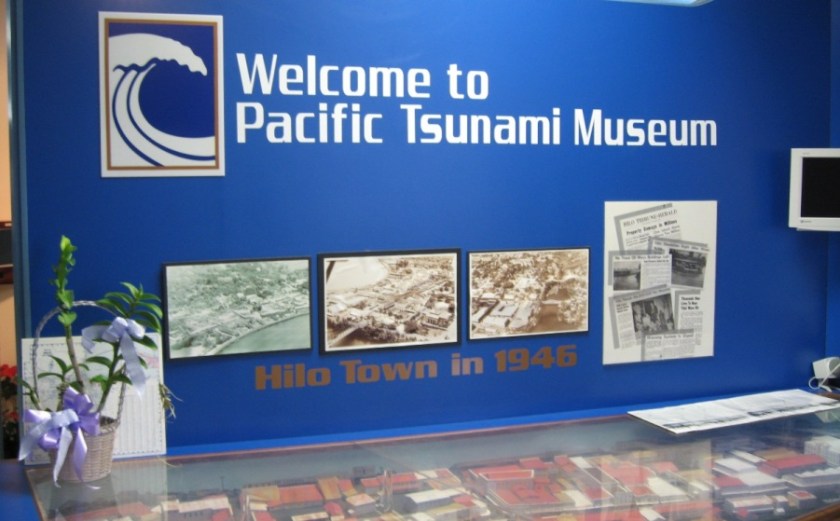
Entrance to Pacific Tsunami Museum in Hilo, Hawaii, photo by Nalaka Gunawardene, Jan 2007

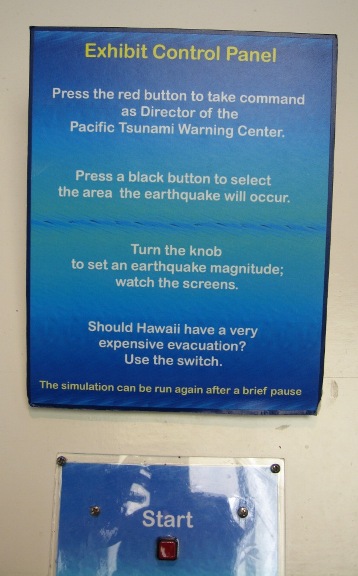
Five years ago, on a visit to the Pacific Tsunami Museum in Hilo, Hawaii, I played an interesting simulation game: setting off an undersea earthquake and deciding whether or not to issue a tsunami warning to the many countries in and around the Pacific.

The volunteer-run museum, based in ‘the tsunami capital of the world’, engages visitors on the science, history and sociology of tsunamis. The exhibits are mostly mechanical or use basic electronic displays, but the messages are carefully thought out.

The game allowed me to imagine being Director of the Pacific Tsunami Warning Centre (PTWC), a US government scientific facility in Ewa Beach, Hawaii, where geophysicists monitor seismic activity round the clock. When the magnitude exceeds 7.5, its epicentre is located and a tsunami watch is set up. Then, combining the seismic, sea level and historical data, PTWC decides if it should be upped to a warning.

Tsunami simulation game - low tech, high lesson
The museum game allows players to choose one of three locations where an earthquake happens — Alaska, Chile or Japan — and also decide on its magnitude from 6.0 to 8.5 on the Richter Scale.

This is an instance where scientists must quickly process large volumes of information and add their own judgement to the mix. With rapid onset hazards like tsunamis, every second counts. Delays or inaction can be costly — but false alarms don’t come cheap either.

I played the game thrice, and erring on the side of caution, issued a local (Hawaiian) evacuation every time. If it were for real, that would have caused chaos and cost the islanders a lot of money.

In fact, those who make decisions on tsunami alerts or warnings have to take many factors into account – including safety, economic impact and even political fall-out.

After playing the simulation game, I can better appreciate the predicament government officials who shoulder this responsibility. They walk a tight rope, balancing short-term public safety and long term public trust in the entire early warning system.

This is how I open a new op ed essay that reflects on the Indian Ocean undersea quake on 11 April 2012, and the tsunami watch that followed.

Taking Sri Lanka as the example, but sometimes referring to how other Indian Ocean rim countries reacted to the same situation, I raise some basic concerns that go beyond this individual incident, and address fundamentals of disaster early warning and information management in the Internet age.

Another except:
“So was the tsunami warning and coastal evacuation on April 11 justified? This needs careful, dispassionate analysis in the coming weeks. ‘Better safe than sorry’ might work the first few times, but let us remember the cry-wolf syndrome. False alarms and evacuation orders can reduce public trust and cooperation over time.”

In particular, I focus on nurturing public trust — which I call the ‘lubricant’ that can help move the wheels of law and order, as well as public safety, in the right direction.

Read full essay on Groundviews.org:
Nurturing Public Trust in Times of Crisis: Reflections on April 11 Tsunami Warning

Nalaka Gunawardene's avatarWhen Worlds Collide, by Nalaka Gunawardene

Text of my ‘When Worlds Collide’ column published in Ceylon Today Sunday newspaper on 22 April 2012

To warn or not to warn — that was the question. On 11 April 2012, following a powerful undersea earthquake, government officials in many Indian Ocean rim countries agonised over this.

The 8.6 magnitude quake occurred at 8.38 UTC (14:08 Sri Lanka Time), 440 km southwest of Banda Aceh in Indonesia and 33 km beneath the ocean floor. That was relatively close to the location from where the devastating tsunami originated on Boxing Day 2004.

Earthquakes can’t be predicted, but once detected, they require rapid assessment and decision making, especially in maritime countries in case of a tsunami.

The Pacific Tsunami Warning Centre (PTWC) – a scientific facility of the US government, located in Hawaii – issued its first information bulletin six minutes after the 4/11 quake. It introduced an Indian Ocean-wide Tsunami…

View original post 1,020 more words

සිවුමංසල කොලූගැටයා #62: හුස්ම ගන්නට ආසයි – බයයි!

On 20 April 2012, we marked seven years since Saneeya Hussain left us. Journalist and activist Saneeya suffered a needless and tragic death at when she ran out of fresh air in South Asia and was caught up in the urban traffic congestion of Sao Paulo.

In this week’s Ravaya Sunday column, I remember Saneeya’s legacy and plight and discuss the latest dimensions of outdoor air pollution in Sri Lanka that threatens fellow asthma sufferers like myself. The same information is covered in English at: Gasping for Fresh Air, Seeking More Liveable Cities in South Asia

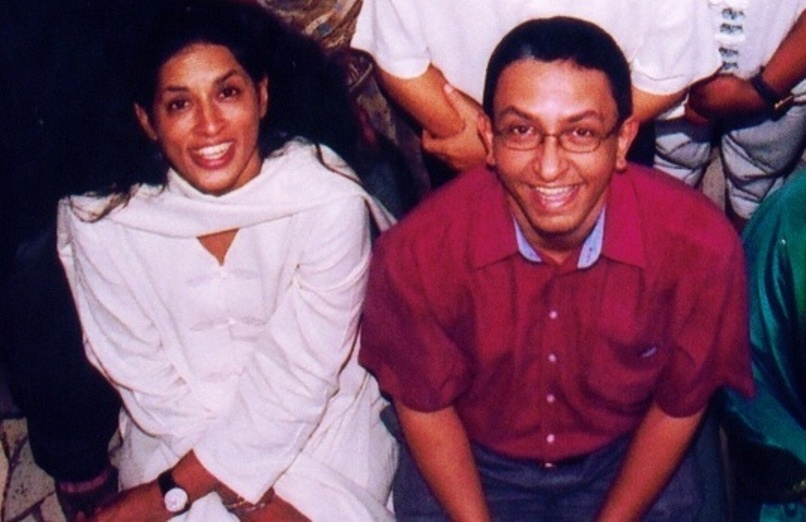
Saneeya Hussain & Nalaka Gunawardene: Singapore, Nov 2002

පාරිසරික ප‍්‍රශ්න විද්‍යාත්මක තොරතුරු මත පදනම් වී, තර්කානුකූලව හා තුලනාත්මකව විග‍්‍රහ කිරීම අවශ්‍යයි. එහෙත් බොහෝ දෙනා දත්ත හා සංඛ්‍යා ලේඛනවලින් පමණක් සෑහීමකට පත් වන්නේ නැහැ. සන්නිවේදකයන් හොදින් අත්දුටු සත්‍යයක් නම් ඕනෑ ම තර්කානුකූල විග‍්‍රහයකට මානුෂික මානයක් ද (human interest) තිබිය යුතු බවයි.

වාහන හා කර්මාන්ත ශාලාවලින් පිට වන දුමාරයෙන් ඇති වන වාත දුෂණය ගැන අප මීට පෙර විග‍්‍රහ කළා. මෙරට වාතදුෂණයේ අමිහිරි පැත්ත ගැන විද්‍යාත්මකව කළ කථාව එතැන් සිට ඉදිරියට ගෙන යන්නට මගේ මිතුරියකගේ සැබෑ කථාවක් අද යොදා ගන්නවා.

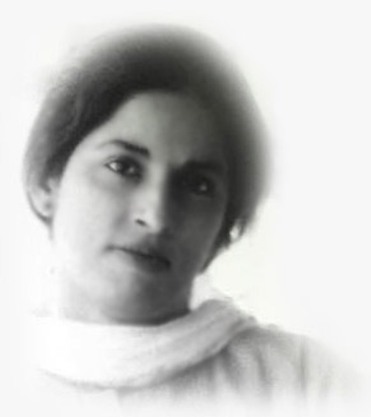
ඇගේ නම සනියා හුසේන් (Saneeya Hussain). ඇය උපන්නේ 1954දී පාකිස්ථානයේ ලාහෝර් නුවර. ඉසුරුබර පවුලක උපන්නත්, ලැබිය හැකි ඉහළ ම පාසල් හා සරසවි උගෙනුමක් ලැබුවත් ඇයට ඕනෑ වුණේ සමාජ සාධාරණත්වය හා පොදු උන්නතිය (public interest) සදහා ක‍්‍රියා කරන්නයි. මේ නිසා ඇය වෘත්තියෙන් පුවත්පත් කලාවේදීනියක් වුණා.

පාකිස්ථානයේ ඉංග‍්‍රීසි පුවත්පත් හා සගරාවල ගවේෂණාත්මක මාධ්‍යවේදිනියක් හැටියට වසර ගණනාවක් සනියා කටයුතු කළා. විශේෂයෙන් ම 1980 දශකයේ පාරිසරික ප‍්‍රශ්න ගැන හරිත කෝණයට සීමා නොවී (වනාන්තර හා වනජීවීන්ට පමණක් කොටු නොවී) මානව සමාජයට ම බලපාන සම්පත් පරිභෝජනය, ආපදා හා තිරසාර සංවර්ධනය ගැන ඈ පුරෝගාමී සන්නිවේදනයක යෙදුණා. පසුව ලෝක සංරක්‍ෂණ සංගමයේ (IUCN) පාකිස්ථානු කාර්යාලයේ සන්නිවේදන ප‍්‍රධානියා හැටියටත් කටයුතු කළා.

2002දී සනියා පැනෝස් දකුණු ආසියා (Panos South Asia) ආයතනයේ විධායක අධ්‍යක්‍ෂ හැටියට පත් වුණා. එය දකුණු ආසියාතිකයන් විසින් ම පාලනය කරන, දකුණු ආසියාව සඳහා ම කැප වූ ආයතනයක්. සාක් කලාපයේ රටවල සංවර්ධනය පිළිබඳව හරවත් සංවාද හා විවේචනයන් කිරීමට මේ කලාපයේ මාධ්‍යවේදීන්, ජන සංවිධාන ක‍්‍රියාකාරිකයන් හා පර්යේෂකයන්ට අනුග‍්‍රහය දීම මේ ආයතනයේ අරමුණයි.

Saneeya Hussain 1954 – 2005

එහි මූලස්ථානය ඇත්තේ නේපාලයේ කත්මණ්ඩු නුවරයි. නව තනතුර භාර ගෙන ඉතා උද්‍යොගයෙන් සනියා කත්මණ්ඩු නුවරට පදිංචියට ගියත් ඇයට එහි වාසය කිරීම ලෙහෙසි වුණේ නැහැ. එයට හේතුව ඇය ළමා වියේ සිට ම ඇදුම රෝගියකු වීම.
කත්මණ්ඩු නුවර කදුවලින් වට වූ නිම්නයක්. හරියට අපේ මහනුවර වගෙයි (නමුත් මුහුදු මට්ටමින් ඊට වඩා පිහිටීම උසයි (මීටර 1,350; අඩි 4,430) නිම්නයේ වාතය එක් රැස් වුණත් පිට වන්නට කපොල්ලක් නැහැ. මේ නිසා දුෂණය වූ වාතය කත්මණ්ඩු නිම්නයේ ම රැඳෙමින් එහි වැසියන්ට පීඩා කරනවා.

කත්මණ්ඩු වාත දුෂණයට ප‍්‍රධාන හේතුව වාහනවලින් පිට වන දුමාරය. විශේෂයෙන් ම ද්විත්ව පහර (two stroke) එන්ජින් තිබෙන මෝටර් සයිකල හා ත‍්‍රීරෝද රථවල දුමාරය තුළ හරිහැටි නොදැවී පිටවෙන සියුම් අංශු (particulate matter) රැසක් තිබෙනවා. හුස්ම ගන්නා විට ශරීරගත වී වැඩි ම හානියක් කරන්නේ මේවායි.

වසර දෙකකට වැඩි කාලයක් කත්මණ්ඩු වාතය සමග සනියා පොර බැදුවා. ඒ කාලය තුළ ඇය පැනෝස් හරහා විශාල වැඩ කොටසක් කළා. එහෙත් ඇදුම රෝගය එන්න එන්න ම උත්සන්න වෙද්දී ඇයට පරාජය පිළි ගන්නට සිදු වුණා. (ඇය තරම් දරුණු ඇදුම රෝගියකු නොවූවත් මටත් කත්මණ්ඩු හා නවදිල්ලිය බදු නගර ගැන පෙනහල්ලෙන් අත්දුටු මතකයන් තිබෙනවා.)

අන්තිමේදී 2004දී ඇය පැනෝස් රැකියාවෙන් අස් වී, ඇගේ බ‍්‍රසීල ජාතික සැමියා සමග ඔහුගේ රටේ සාඕ පෝලෝ (Sao Paulo) නුවරට ගියා. එය දකුණු ඇමෙරිකාවේ තිබෙන විශාලතම හා අතිශය ජනාකීර්ණ නගරයයි. මිලියන 21ක ජනගහනයක් වාසය කරනවා. ඒ කියන්නේ ශ‍්‍රී ලංකාවේ සමස්ත ජන සංඛ්‍යාවයි.

ඇගේ ඇදුම රෝගය ඇයත් සමග සාඕ පොලෝ නගරයටත් ආවා. බෙහෙත් මගින් එය පාලනය කර ගන්නට ඇය උත්සාහ කලා. 2005 අපේ‍්‍රල් 7දා ඇයට ප‍්‍රබල ඇදුම තත්ත්වයක් හට ගත්තා. සැමියා ලූයිස් ඇය වාහනයේ දමා ගෙන ආසන්න ම රෝහලට ගියා. අවාසනාවට එසේ ගියේ නගරයේ සවස තදබදය තිබෙන විටයි. ආපදා එළි පත්තු කර ගෙනල හදිසියක් බව අගවමින් ලූයිස් හැකි තරම් ඉක්මනට රෝහලට යන්නට මහත් උත්සාහයක් ගත්තා.

ඒත් කිලෝමීටර් 2ක් යන්නට ඔහුට විනාඩි 20ක් ගත වුණා. රෝහලට ළගාවන විට සනියාට සිහිය තිබුණේ නැහැ. එහි ගිය විගස හදිසි ප‍්‍රතිකාර ලැබුණත් ඒ වන විට ඇගේ මොළයට ඔක්සිජන් නොලැබී විනාඩි 15ක් ගත වී තිබුණා. මේ නිසා වෙන කිසිදු ශාරීරික හානියක් නොමැති වූවත් ඇය කෝමාවකට පත් වුණා. ඒ කෝමාවෙන් ඇය යළිත් ප‍්‍රකෘති තත්ත්වයට ආවේ නැහැ.

මහාද්වීප හතරක විහිදුණු මිතුරු මිතුරියන් කම්පාවට පත් කරවමින් සනියා හුසේන් 2005 අපේ‍්‍රල් 20 වනදා මිය ගියා. එවිට ඇගේ වයස 51යි. ඇගේ වියෝවෙන් පසු ලොව වටා මිතුරන්ට ඊමේල් පණිවුඩයක් යවමින් ලූවිස් ඇසුවේ: “සනියා මැරුණේ ඇදුම නිසා ද? වාහන තදබදය නිසා ද?”

මේ ප‍්‍රශ්නයට උත්තරය කුමක් වූවත්, ශ්වසන රෝගාබාධ නිසා මෙන්ම නාගරික වාහන තදබදය නිසාත් අකාලයේ මිය යන මිනිසුන් සංඛ්‍යාව වසරක් පාසා ඉහළ යන බව සංඛ්‍යා ලේඛනවලින් ඔප්පු වනවා.

සනියා හුසේන්ගේ අවාසනාවන්ත ඉරණම අද හෝ හෙට දිනෙක අප බොහෝ දෙනකුටත් අත් විය හැකියි. ඇදුම රෝගයෙන් විටින් විට පීඩා විදින්නකු ලෙස මේ ප‍්‍රශ්නයට මා පෞද්ගලිකව ම මුහුණ දෙනවා.

ඇදුම උත්සන්න වීමට කාලගුණික හා වෙනත් භෞතික සාධක ද යම් තරමකට හේතු වූවත් එයට බලපාන ප‍්‍රධාන සාධකය වාත දුෂණයයි. වාත දුෂණයට අති විශාල දායකත්වයක් සපයන්නේ වාහනවලින් පිටවන දුමාරය මිස (අපේ ඇතැම් පරිසරවේදීන් පැරණි දත්ත මත පදනම් වී කියන හැටියට) කර්මාන්ත ශාලා නොවෙයි.

මීට වසර 15කට හෝ දශකයකට හෝ පෙර නවදිල්ලිය, කත්මණ්ඩු වැනි දකුණු ආසියාතික අගනගර මහත් සේ වාත දුෂණයට ලක් වී තිබුණා. කැළඹුණු මහජනයාගේ බලපෑම් නිසා වාත දුෂණය අඩු කිරීමේ දිගු කාලීන ප‍්‍රතිපත්ති හා පියවර හදුන්වා දීමට ඒ නගරවල හා රටවල බලධාරීන් පෙළඹුණා.

දකුණු ආසියාවේ නාගරික වාත දුෂණයට එරෙහිව තීරණාත්මක පියවර ගැනීම අතින් පෙරමුණ ගත්තේ නවදිල්ලි නාගරික ප‍්‍රදේශයයි. මිලියන් 14කට වැඩි ජනතාවක් වාසය කරනල ලෝකයේ මහා නගර (mega cities) අතර වඩාත් සීඝ‍්‍රයෙන් විශාල වන නගරයක් ලෙස සැළකෙන දිල්ලියේ වාත දුෂණය බරපතල සෞඛ්‍ය ප‍්‍රශ්නයක් බවට පත් වූයේ 1990 දශකයේදී.

එයට හේතු සාධක අධ්‍යයනය කළ පරිසරය හා විද්‍යාව සඳහා වන කේන්‍ද්‍රය (Centre for Science and Environment, CSE) නම් පර්යේෂණායතනය කියා සිටියේ නගරයේ වාහන සංඛ්‍යාව බලහත්කාරයෙන් අඩු කරනවා වෙනුවට වාහනවල දහනය වන ඉන්ධන වඩා ප‍්‍රශස්ත කිරීමෙන් වාත දුෂණය පටන් ගන්නා තැනදී ම සීමා කර ගත හැකි බවයි. මේ අනුව සම්පිණ්ඩිත ස්වාභාවික වායුව (Compressed Natural Gas හෙවත් CNG) නම් ඉන්ධනයෙන් දිල්ලියේ බස් රථ හා ත‍්‍රීරෝද රථ ධාවනය කිරීම ඇරඹුණා. මෙය 1990 දශකය පුරා විද්වතුන්, පාරිසරික ක‍්‍රියාකාරිකයන්, රාජ්‍ය නිලධාරීන් හා ශ්‍රේෂ්ඨාධිකරණය සාමූහිකව ගත් උත්සාහයක ප‍්‍රතිඵලයයි.

ඊට අමතරව පොදු ප‍්‍රවාහන සේවා දියුණු කිරීමට විධිමත් පියවර හා ආයෝජන සිදු කෙරුණා. දිල්ලි නගරයේ උමං දුම්රිය සේවයක් හදුන්වා දීම හරහා වාහන තදබදය අඩු වීමට පටන් ගෙන තිබෙනවා. දිගු කාලීන දැක්මක්, ප‍්‍රතිපත්තිමය කැප වීමක් හා නිසි ආයෝජන තුළින් වාහන තදබදය මෙන් ම වාත දුෂණය ද පාලනය කර ගත හැකි බවට දිල්ලිය කදිම උදාහරණයක්.

වගකීමකින් යුතුව දත්ත රැස් කොට සාක්‍ෂි මත උද්ඝෝෂණ කිරීම හරහා දේශපාලකයන් හා රාජ්‍ය නිලධාරීන් ද පොදු උන්නතියට ඒකරාශී කර ගත හැකි බව ඉන්දියානු අත්දැකීම්වලින් මනාව පැහැදිලි වනවා.

ඉන්දියාවේ වාහන තදබදය, වාත දුෂණය හා අවිධිමත් නාගරික සංවර්ධනය අඩු කර ගැනීමේ අත්දැකීම් ශ‍්‍රී ලංකාවට අදාල කර ගන්නේ කෙසේද යන්න ගැන CSE ආයතනයේ මූලිකත්වයෙන් ජාතික මට්ටමේ වැඩමුළුවක් හා මාධ්‍යවේදීන් දැනුවත් කිරීමේ සැසිවාරයක් 2011 අපේ‍්‍රල් මාසයේ කොළඹදී පවත් වනු ලැබුවා.

එහිදී ඉන්දියානු පාරිසරික පර්යේෂකයන් පෙන්වා දුන් වැදගත් කරුණක් වූයේ මෙරට පොදු ප‍්‍රවාහන සේවාවලින් 90%ක් හා සමස්ත වාහන සංඛ්‍යාවෙන් 45%ක් ඉන්ධන ලෙස ඞීසල් යොදා ගන්නා බවයි. මෙරට භාවිතයට ගැනෙන සල්ෆර් (ගෙන්දගම්) ප‍්‍රමාණය අධික වූ ඞීසල් දහනයේ බරපතල සෞඛ්‍ය විපාක ලොව පුරා හදුනා ගෙන තිබෙනවා.

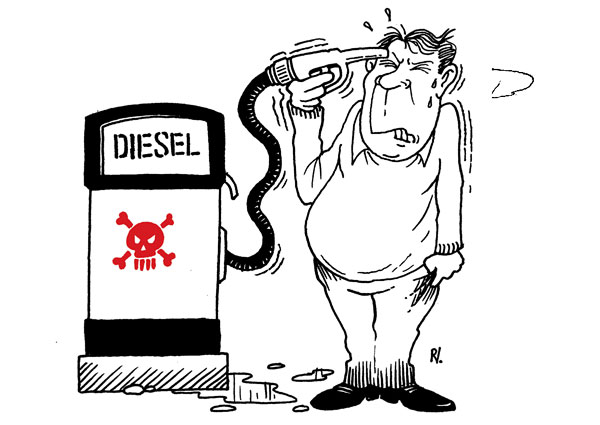
Diesel fumes are now increasingly seen as carcinogenic

ලෝක සෞඛ්‍ය සංවිධානය දැන් ඞීසල් දහන දුමාරය පිලිකාකාරයක් ලෙස සළකන බවත්, ඞීසල් නිසා ඇති වන වාත දුෂණය, පෙට‍්‍රල් වාහනවලට වඩා බෙහෙවින් වැඩි බවත් CSE ආයතන දත්ත සහිතව පෙන්වා දුන්නා. මෙරට වාත දුෂකයන් වන සල්ෆර් ඩයොක්සයිඞ් හා pm10 අංශුවලින් 96%ක් ම පිට වන්නේ ඞීසල් වාහනවලන්. මේ නිසා ඞීසල් ඉන්ධන පවිත‍්‍ර කර ගැනිම හා ඞීසල් වාහන එන්ජින් නඩත්තුව ගැන වැඩි අවධානයක් යොමු කළ යුතු බව දැන් පිළි ගැනෙනවා. වැඩි විස්තර සඳහා බලන්න http://tiny.cc/Gasp සහ http://tiny.cc/Gasp2

කොළඹ හා තදාසන්න ප‍්‍රදේශවල වාහන තදබදය හා වාත දුෂණය ගැන නිතර කථබහ කෙරුණත් ඒ ගැන දිගුකාලින විසදුම් සෙවීමට අපේ සාමූහික උත්සාහයන් සාර්ථක වී නහැ. වාහන පිටරටින් ගෙන්වීම ඉහළ ගොස් අපේ මාර්ග පද්ධතිය දැඩි ලෙස තදබදයට ලක් වීමෙන් පසු විසදුම් සෙවීමට දැන් අපට සිදු වී තිබෙනවා!

අපේ රටේ මහාමාර්ගවල වාහන ධාවන වේගයේ ජාතික සාමාන්‍යය පැයට කිමි 26ක් බවත්, කොළඹ දිස්ත‍්‍රික්කයේ එය පැයට කිමි 22ක් බවත් මොරටුව සරසවියේ ප‍්‍රවාහනය පිළිබඳ මහාචාර්ය අමල් කුමාරගේ කියනවා. එළඹෙන වසරවලදී මෙය පැයට කිමි 19 දක්වා අඩු විය හැකි බවත්, කොළඹ දිස්ත‍්‍රික්කයේ පැයට කිමි 15 විය හැකි බවත් ඔහු ප‍්‍රකේෂපනය කරනවා.

රටක වාහන තදබදය අඩුකිරිමට මහාමාර්ග පළල් කිරිම හෝ අළුතෙන් පාරවල් තැනීම සෑහෙන්නේ නැහැ. එයින් ලැබෙන සහනය තාවකාලිකයි. ඊට වඩා ක‍්‍රමානුකූලවත්, දිගුකාලීනවත් වාහන තදබදයට හා වාත දුෂණයට පිළියම් සොයා සාමූහිකව යොමු වීමේ බලවත් අවශ්‍යතාවය අද මතු වී තිබෙනවා.

සනියා හුසේන් වාර්තා චිත‍්‍රපටය නරඹන්න http://tiny.cc/SanFilm

From Ceylon with Love: Tea for the Titanic?

This short feature was published in The Sunday Times (Sri Lanka) of 15 April 2012. However, for some reason, their web edition didn’t include it.

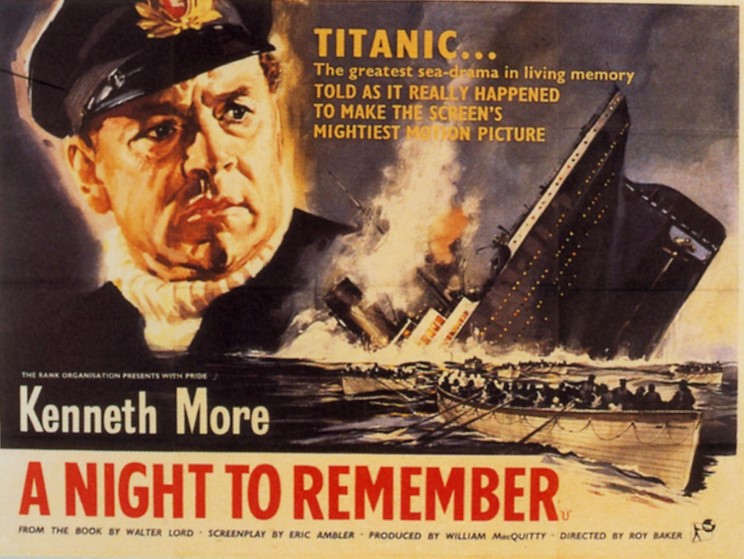
A poster for A Night to Remember, 1958

From Ceylon with Love: Tea for the Titanic?

by Nalaka Gunawardene

Many consider the 1958 British movie A Night to Remember as the most authentic Titanic film of all time. Directed by Roy Ward Baker, it was based on the 1955 book of the same name by Walter Lord, and made in consultation with many survivors.

One scene unfolds inside the turbine engine room soon after the crew realised their ship was doomed. The chief engineer discusses how to keep the lights going for as long as possible. “I’ll give the word when it’s time to go — and then it’s every man for himself,” he says.

His deputy tries to calm down the crewmen: “If any of you feel like praying, you’d better go ahead. The rest of you can join me for a cup of tea!”

Even in such dire circumstances, the quintessentially British habit kept them going. But what kind of tea was served on board the Titanic? Did some of it come from Ceylon? That is plausible, given the cosmopolitan nature of the floating city and diverse tastes of its wealthy passengers.

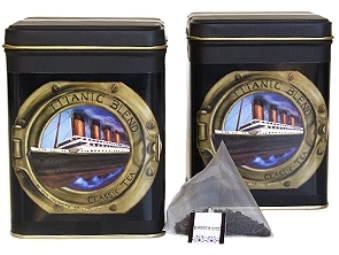
Harney & Sons Fine Teas, a tea blender in New York, recently launched RMS Titanic Tea Blend as “a commemorative tea to honour the 100th anniversary of those who perished when the Titanic sank”. Their website says: “Reflecting the quality of tea that was served on the Titanic, this blend includes Chinese Keemun, one of the last teas the British still consumed in 1912, as Britain had mostly switched to black teas from Assam, India and Ceylon.” (see http://tiny.cc/TiTea for more).

Perhaps an aficionado of tea could dig (dive?) deep for evidence. Interestingly, Sir Arthur C Clarke once wrote a science fiction thriller where Ceylon Tea was indeed on board the Titanic — albeit for a different purpose.

In his 1990 novel The Ghost from the Grand Banks — where British-American and Japanese teams are competing to raise the wreck in time for the centenary — he imagined how crates of Ceylon Tea were used as the perfect packing material for precious and fragile cargo.

“The Chinese had discovered centuries ago that their wares could travel safely the length of the Silk Road if they were packed in tea leaves. No one found anything better until polystyrene foam came along,” he wrote.

In Clarke’s story, which culminates in 2012, a wealthy English aristocrat travelling first class had carried exquisite glassware – Medici Goblets from Venice – packed in standard 80-pound Ceylon Tea chests. Nearly a century later, his great-grandson uses deep remote operating vehicles (ROVs) to recover some from the bottom of the Atlantic.

Clarke describes the first item that came up: “The chest still displayed, in stencilled lettering unfaded after a century in the abyss, a somewhat baffling inscription: BROKEN ORANGE PECKOE, UPPER GLENNCAIRN ESTATE, MATAKELLE.”

Despite journeying across (most of) the Atlantic and then sinking four kilometres to the bottom of the sea, the glassware is found intact – thanks to the ship’s designers or the tea producers (or both)…

William MacQuitty
Clarke was well known for plugging his adopted homeland whenever possible in his writing, public speaking and global TV shows. ‘Addicted’ to the brew, he once called himself a ‘machine that turned fine Ceylon Tea into science fiction’.

In his novel’s acknowledgements, Clarke highlights another link between the Titanic and Ceylon, this time for real. William MacQuitty (1905 – 2004), the Belfast-born writer, photographer and filmmaker who produced A Night to Remember, had been based in Ceylon in the 1930s working for the Standard Chartered Bank. He returned to the island in 1954 to produce Beachcomber, a British movie that was partly shot on location here.

Having drawn much inspiration and insights from A Night to Remember, Clarke dedicated his own novel as follows: “For my old friend Bill MacQuitty – who, as a boy, witnessed the launch of RMS Titanic, and, forty-five years later, sank her for the second time.”

Herbal Porridge, Lankan style: Have a Kola Kenda and a Smile!

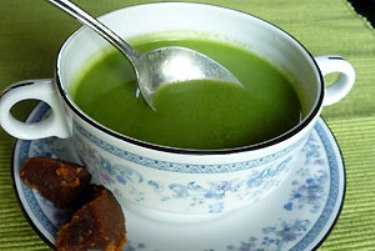
Kola Kenda - herbal porridge, Lankan style

Have a Kola Kenda and a Smile!

That was the – not very original – slogan I coined 30 years ago as a school boy to promote and popularise kola kenda, the Lankan version of herbal porridge.

I’ve always been an ardent eater of green leaves and veggies (isn’t everybody?). So I didn’t need any special persuasion to drink kola kenda.

Most of my peers didn’t share this enthusiasm. They didn’t mind the taste, but the whole thing seemed too old fashioned. Self-respecting teenagers shouldn’t be seen drinking a favourite of their grandparents, they argued.

As often happened, I disagreed. Not only did I take delight in partaking my kola kenda, but also kept trying to convince my peers that, hey, kola kenda was cool.

First I tried the rational, evidence-based approach. I found out as much as I could about kola kenda and distilled it into a few non-technical, non-preachy lines. I wrote about in our school magazine, spoke about it at the school assembly, and seized every other opportunity to plug the green stuff.

I must have been around 15 or 16 years old at the time, but even then, I realised kola kenda had an image problem. So — following the golden advice, “Don’t just sit there; do something!” — I tried to improve it.

I abbreviated kola kenda to KK. I designed a stylish logo for it, independent of any corporate branding. Adapting a popular tag-line for Coca Cola at the time, I even came up with the slogan, “Have a KK – and a smile!”

None of this really worked; after six months, I gave up being the kola kenda evangelist. But that campaign earned me an inevitable nickname: kola-kendaya.

I was proud of it then as I’m now.

Years later, when I started running my own household, I realized making kola kenda is a tedious process. So, despite being a life-long kola-kendaya, I don’t make it too often.

Kola Kenda, CBL style!

That’s why I’m very grateful to Ceylon Biscuits Limited — a leading food products company — for introducing Herbal Porridge powder, which comes in easy-to-prepare packs. Simply mix the powdered content with water, boil or microwave, and in three minutes we get a fairly authentic kola kenda.

I’m all for modernising traditional recipes: retaining the nutrition and taste, while reducing the drudgery. That’s just what CBL have done. It comes in five flavours too: gotukola, welpenela, haathawariya, karapincha and mixed herbs.

At LKR 50 (less than US$ 50 cents) per pack of 3 servings, it’s good value for money.

I’m now working on my resident teenager to try it sometime. She’s not yet convinced. I’m hoping that this 21st Century Girl would prove smarter than those ignorant boys who turned their backs to KK 30 years ago…

Revisiting ‘The Ghost from the Grand Banks’: Arthur C Clarke’s Titanic novel of 1990

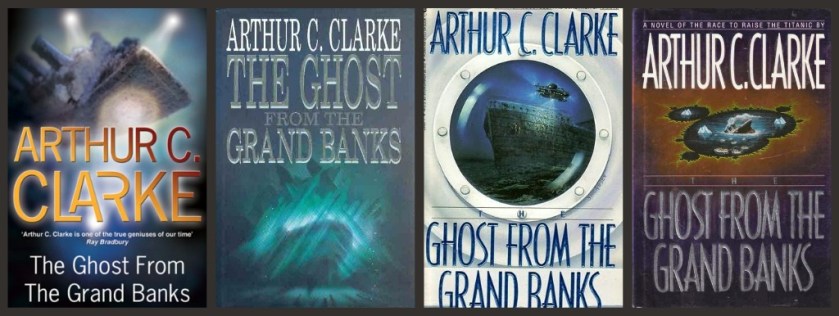
The Ghost from the Grand Banks - many covers, one story

Writing the Foreword to the book on ‘Communicating Disasters‘ that I co-edited in 2007, Sir Arthur C Clarke said: “I was born five years after the biggest maritime disaster the world had known: the sinking of the ‘unsinkable’ RMS Titanic while on her maiden voyage. My home town Minehead, in Somerset, was not more than a couple of hundred kilometres from Southampton, from where the Titanic set off. All my life, I have been intrigued by the Titanic disaster.”

The Titanic — whose wreck not discovered at the time — made a cameo appearance in his 1976 novel, Imperial Earth. For the Quincentennial of the United States, the wreck is raised and carried to New York.

But he continued to be haunted by the mighty ship (as did, and do, many others). He finally had to write a whole novel to exorcise it from his mind.

One day in early 1989, Sir Arthur asked me: “Does ‘Ghost from the Grand Banks’ mean anything to you?”

It didn’t — but that wasn’t surprising as I’d been raised on the other side of the planet, in an entirely different generation.

The Grand Banks of Newfoundland are a group of underwater plateaus southeast of Newfoundland on the North American continental shelf. The cold Labrador Current mixes with the warm waters of the Gulf Stream here — making it one of the richest fishing grounds in the world.

It is also close to where the Titanic sank on the night of 14/15 April 1912, and has served as the launching point of various shipwreck expeditions.

That heralded the genesis of an entirely new Arthur C Clarke novel. For me, it was the beginning of an exhilarating journey across space and time, supporting the creative process of one of the finest science fiction writers of the 20th Century.

I was working as Sir Arthur’s research assistant at the time, two years into my fascinating association with the late author (which lasted 21 years).

Over the next few months, I was to research and/or cross-check all sorts of records, data and other nuggets of information, which Sir Arthur — the master weaver of narratives — then worked into an entirely new novel.

The novel, published in late 1990 as The Ghost from the Grand Banks, was an ocean-based thriller set in the (then) near future. It revolved around rival British-American and Japanese teams trying to raise the legendary ship’s wreck in time for the centenary in 2012. Both teams mobilise mega-bucks and cutting edge technology: while one team relies on 50 billion little glass balls, the other’s ambitious plan involves making the world’s largest ice cube…

Two weeks before the centenary of the Titanic‘s maiden voyage – and its tragic sinking – I re-read the novel. On the information society front, at least, I found that The Ghost from the Grand Banks stands up remarkably well in 2012.

Living as we do at the time when his story culminated, we can now compare Sir Arthur’s ‘extrapolations of the future’ – he carefully avoided labelling any of his ideas as ‘predictions’ – with what has become our reality.

I then wrote an essay comparing his imagined world of 2012 with what we are living and experiencing now. It has just been published by Groundviews.org: Arthur C Clarke’s World of 2012: Insights from his Titanic Novel