3 Idiots and Honey Bee Network launch India’s Grassroots Innovators into a new orbit

A brilliant piece of science communication: grassroots innovators ride on the back of 3 Idiots

Sometimes it takes a feature film — a fictitious story — to trigger changes in real life.

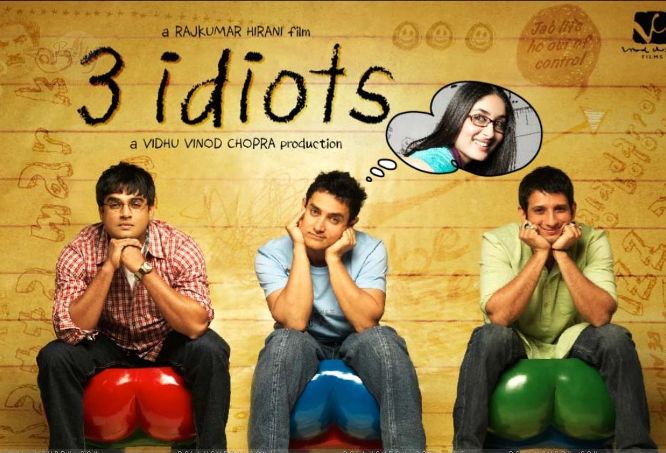
Consider 3 Idiots, a 2009 Indian comedy film directed by Rajkumar Hirani, which has become the highest grossing Bollywood film of all time.

The story was about an impoverished but smart student-inventor and wannabe engineer “Rancho”, or Ranchoddass Shyamaldas Chanchad, played by Aamir Khan. Featured prominently in the story were three quirky inventions: a scooter-powered flour mill, a cycle-powered horse shaver and an exercycle-cum-washing machine.

There were all real inventions made by little known people in India’s backyards. They were sourced from the National Innovation Foundation (NIF), set up in 2000 as an autonomous body under the Department of Science and Technology in India.

NIF itself was inspired by the country’s largest promoter grassroots invention, the Honey Bee Network set up 25 years ago “to promote a fair and responsible knowledge ecosystem”, where innovators can benefit by sharing their ideas. Honey Bee is a metaphor for the cross-pollination of ideas.

Both NIF and Honey Bee figure in the credits of 3 Idiots. The movie’s producer Vidhu Vinod Chopra also announced a fund for the three real-life brains: a Kerala teenager, a Uttar Pradesh barber and a Maharashtra painter.

“3 Idiots was a great effort to link the small ideas with the big picture” Honey Bee founder Dr Anil Kumar Gupta, was quoted in 2009 as saying. “They (the movie makers) have ignited the fire, now we have to channel it. It’s a great opportunity to create mass awareness.”

Gupta, who is also a Professor at the Indian Institute of Management (IIM) in Ahmedabad, India,
delivered a well attended lecture in Colombo on “Grassroots Innovation for Inclusive Development: From Rhetoric to Reality”
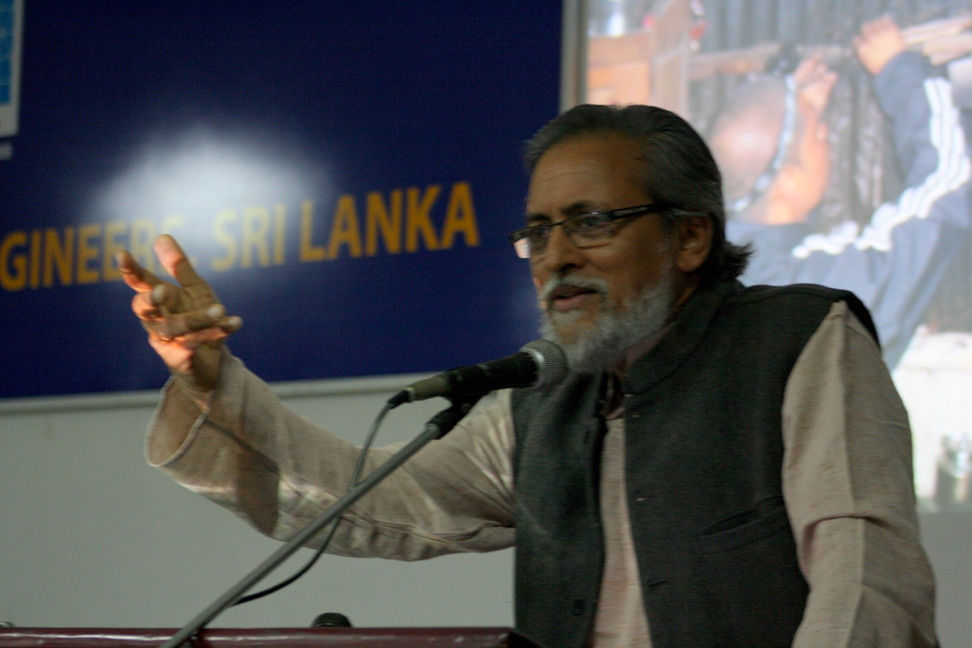
Anil Gupta delivers Ray Wijewardene Memorial Lecture in Colombo, 13 Dec 2011 - Photo by Anisha Gooneratne

With inspiring examples and illustrations, Gupta emphasized that grassroots innovations can provide a new ray of hope – if we let them grow.

Speaking of his own country’s experience, he said: “Outside of India’s major cities, unsung heroes of the country are solving, or trying to solve, local problems in spite of the structures that have bypassed them so far. Creativity, compassion and collaboration are the key characteristics of these voices from grassroots. Let’s listen to them and resonate with them!”

He added: “One resource in which economically poor people may be rich is their knowledge and innovative potential. Honey Bee Network started has created a new benchmark in the field of scouting, documentation, dissemination, value addition, protection of IPR and benefit sharing.”

Honey Bee Network has mobilised thousands of green grassroots innovations and traditional knowledge from around the country. Many of the innovators have got patent in US and also in India. The technologies have been commercialised not only within the country but also internationally.

“Journey from the grassroots to global is bound to provide model for India to become a creative, collaborative, and compassionate society sharing its innovations with disadvantaged people in the rest of the world,” Gupta said.

During his lecture, Gupta showed two short video films featuring grassroots innovations by Indians. Searching further, I found that these were part of a Discovery Channel series, first aired in 2006.

Called `Beyond Tomorrow’, it showcased Indian and global innovations, and featured novel ideas that have been transformed into fully operational machines. In association with NIF India, Discovery juxtaposed Indian grassroots innovations along with the global technological breakthroughs.

One such innovation is the amphibious bicycle, designed by Mr Mohammad Saidullah, from Bihar – a conventional bicycle that can be modified to cross ponds and water bodies. It can also be used during floods.

As Deepak Shourie, Managing Director, Discovery Networks India, said: “…These grassroots innovators have no or little academic qualification or formal training but through their single-minded focus, unmatched passion and above all the ‘need’ have created unique products and solutions. Discovery Channel salutes their spirit of innovation.”

Here are four such vignettes of Indian grassroots innovators in action:

Pedal Operated Washing Machine: This washing machine follows a “tumble wash” system which can be operated using a pedal system that has been developed using parts of a conventional bicycle. In rural areas, this electricity free washing machine can have enormous applications and simplify the lives of many. Ms. Remya Jose from Kerala.

Amphibious Bicycle: A conventional cycle retrofitted to cross rivers, ponds and other water bodies. Now, you will have no obstacles in commuting during floods and in areas having high proportion of water coverage like the Kerala backwaters. Innovator: Mohammad Saidullah from Bihar.

Scooter for the physically challenged: The innovator of this product, Dhanjibhai, is physically challenged. He has modified an existing scooter making it possible for the physically challenged to ride it. The scooter has the potential to become a treasured possession for the physically challenged. Innovator: Dhanjibhai Kerai from Gujarat.

Tree Climber: A device which makes climbing high trunk trees like palm and coconut very simple and safe. Has a direct use in the maintenance of electric poles, street lights, etc. Innovator: Appachan from Kerala. *more examples mentioned in the fact sheet.

Watch more short films on YouTube

The Day of 7 Billion Humans is here…and we keep counting!

Now playing on a planet dear to you: 7 Billion People...and counting

When I was born in the mid 1960s, the world’s combined human population was around three and a half billion (having passed the 3 billion mark in 1960). In my life time of 45 years, this number has doubled.

We can never pinpoint it exactly, but the world’s demographers have agreed to count 31 October 2011 as the Day of Seven Billion. Sometime today, our human numbers will add up to 7 billion…and keep rising.

That’s 7,000,000,000 living and breathing people — all of who will need to be fed, clothed, sheltered and cared for in many other ways. And they will have higher aspirations in the 21st Century than ever before in history.

If I was too young to remember the day of 4 billion, which was sometime in 1974, I can well remember the last two billion marks.

In 1987 — the year I entered journalism — human numbers passed five billion. A dozen years later, in 1999, the six billion was reached. By then, I too had added my contribution of one co-produced human being (and stopped there).

Of course, it’s not just a numbers game. It’s far more complex, nuanced and dynamic than simply counting people. And as Einstein so wisely remarked, “Everything that can be counted does not necessarily count; everything that counts cannot necessarily be counted.”

During this year, National Geographic magazine is publishing a 7-part series examining specific challenges and solutions to the issues we face. The magazine introduces the series with its January cover story “7 Billion,” offering a broad overview of demographic trends that got us to today and will impact us all tomorrow. The first in-depth story will appear in the March issue, focusing on humans’ impact on the planet’s geology. Other stories will follow throughout 2011.

As I first highlighted in January blog post, this video accompanies the in-depth coverage:

Correction added by NatGeo editors: in 2050, 70% of the population will be living in “urban areas,” not “megacities” as stated in an earlier version of this video.

The Face of 7 Billion is another interactive feature on NGS website. Zoom in on this graphic in which the world’s 7 billion population is depicted by 7,000 human figures, each representing a million people.

A world party of 7 Billion?
In another short video on National Geographic website, Nigel Holmes imagines how much space we would need to host a world party for 7 billion people in 2011.

I don’t like the word population: it sounds cold, clinical and detached. Zoologists can talk about ant populations or elephant populations, but when demographers (and others, including journalists) refer to our the counting of species as human population, I somehow feel it’s too impersonal. Aren’t we more than mere numbers? So in my own writing and TV scripts, I use the phrase ‘human numbers’.

Can you visualise 7 billion?
Semantics apart, our rising numbers are indeed a cause for concern. We didn’t quite see the ‘population bomb’ go off the way we were warned about – thank the secular Force – but we still face formidable challenges.

Our planet’s natural systems are over-stretched not only by our sheer numbers, but also by our technologies and consumption. The many signs of planetary stress include accelerated loss of species, fast spreading deserts, and declining air and water quality. To cap it all, scientists now confirm that human activity is changing our climate.

On the New York Times Dot Earth blog, science writer Andrew C. Revkin regularly examines efforts to balance human affairs with the planet’s limits.

Steve Jobs, Apple and Big Brother: Remembering a famous TV commercial

Founded in the afterglow of the hippie movement and nurtured in the easy-going ways of the American West Coast, Apple was once anarchic. It was then an underdog taking on the corporate behemoths led by IBM.

That early character was famously captured in the 1984 Superbowl TV commercial for the Apple Macintosh, broadcast on 22 January 1984. Directed by Ridley Scott of Blade Runner and Alien fame, the 60-second commercial depicted a grim futuristic world where total information and mind control prophesied by author George Orwell in his dystopian novel 1984 had become all too real. Big Brother, in this instance, was supposed to be Apple’s rival IBM whose tyranny is shattered by the daring Apple…

The commercial went ahead despite the rest of the Apple Board hating it. The story goes how co-founder Steve Wozniac offered to personally pay for air time if the company won’t pick up the tab. In the end, it was aired and became one of the most memorable TV commercials of all time.

It also came back to haunt Apple and Jobs decades later. Apple has always been fiercely protective of its products in development, but many felt the company over-reacted in April 2010 when the gadget website Gizmodo did a product tear-down of iPhone 4 that had been leaked weeks ahead of official release date. On Apple’s instigation, police seized computers used by the Gizmodo editor concerned: the watchdog group Electronic Frontier Foundation criticized the raid as violating journalist source protection laws.

That week, Satire news host Jon Stewart – himself an Apple fan – asked if Apple had gone too far. On his Daily Show, he said: “Remember back in 1984, you had those awesome ads about overthrowing Big Brother? Look in the mirror, man!…It wasn’t supposed to be this way – Microsoft was supposed to be the evil one! But you guys are busting down doors in Palo Alto”

Invoking the other famous commercial, Stewart added: “You used to be the misfits, the rebels, the troublemakers, the square pegs in the round holes, the ones who were never fond of the rules. Remember?”

Jobs, with his eyes firmly fixed on the future and his place in history already assured, chose not to remember, fondly or otherwise. Jobs disliked nostalgia, and would have shrugged off the torrent of it that followed his departure.

Read the full story behind Apple’s 1984 Super Bowl Ad

Steven Paul Jobs (1955 – 2011): The Crazy One

Apple’s “Think different” commercial, remixed in appreciation of Steve Jobs. From Ken Segall’s Observatory — http://kensegall.com/blog

Releasing it on Gizmodo, he wrote: “I’m sure he would have hated it, but whatever. You’re dead now, Steve, you crazy round peg in the square hole, you handsome bastard, you insufferable and unrepeatable genius you, you awesome man with The Vision. Deal with it, because now the world will suck a bit more without your love for perfection, your hyperbolic obsession with magical devices, your insanely great ideas and booms and one more things.”

And here’s the original Think Different commercial, created for Apple Computers in 1997 by the Los Angeles office of advertising agency TBWA\Chiat\Day:


Read the story of Think Different ad campaign here

Ray Wijewardene website launched: Paying it forward…

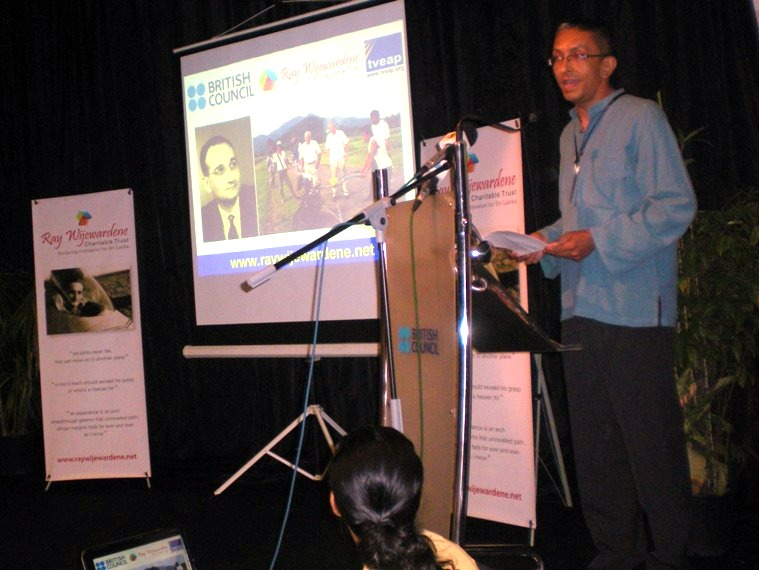
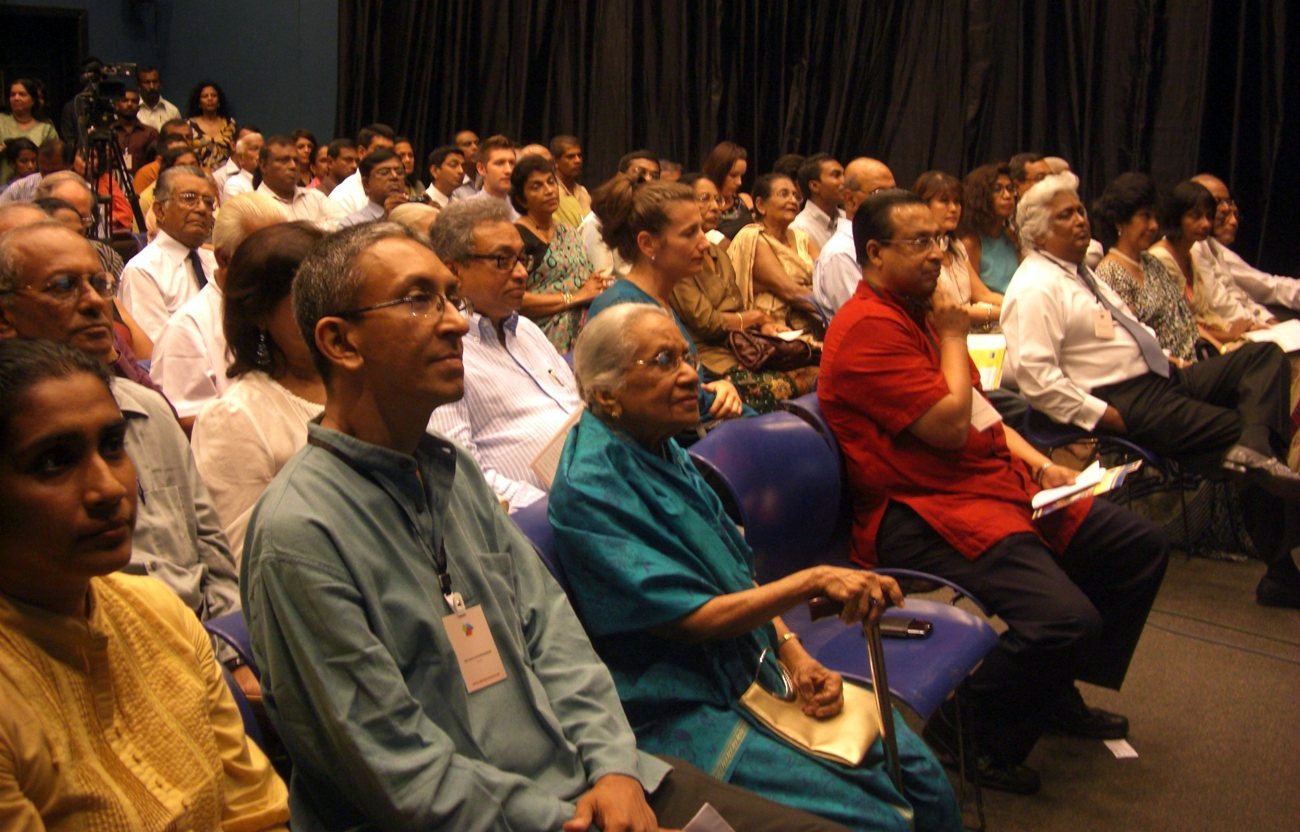
We launched the Ray Wijewardene website at the British Council Colombo on September 28 evening to a packed house of friends and well-wishers. My colleague Nadeeja Abeyasekera and I introduced the site – product of months of work. Here are my opening remarks:

Nalaka Gunawardene introduces Ray Wijewardene website at British Council Colombo, 28 Sep 2011 - photo by Dhanushka Fernando

Introduction to the Ray Wijewardene website:
by Nalaka Gunawardene, Director, TVE Asia Pacific

It’s a privilege for me and my colleagues at TVE Asia Pacific to have built the Ray Wijewardene website as an entirely voluntary effort.

This is our DIGITAL TRIBUTE to Ray Wijewardene, an outstanding scientist and thinker, not just of Sri Lanka, but of the entire developing world. On top of that, Ray was also a good friend and supporter of our own development communication work for many years. This is our way of PAYING IT FORWARD!

Looking back, I can say that this website was conceived in a moment of frustration and outrage. Let me explain!

When Ray passed away in August last year, there was very little SPECIFIC information about him anywhere on the World Wide Web. And there were ONLY a couple of good photographs online, which most newspapers and websites used when reporting on his death. They really had no choice!

In the days and weeks that followed, many warm tributes appeared in our newspapers. These shared precious memories and anecdotes about Ray. But I couldn’t help noticing that many lacked specifics, and some even had inaccuracies…probably inadvertent? Some didn’t even spell his name correctly!

We all know how Ray led a very productive and creative life — but it was not easy to find specific and accurate information about his thinking and many accomplishments. The reality these days is that if Google can’t find you, millions will never get to know about you!

I wanted to bridge this info gap as fast as possible!

So when I joined the Ray Wijewardene Charitable Trust as a Trustee, I offered to build a website as our first activity. We had no dedicated funds, but we just went ahead on a VOLUNTARY BASIS — relying on GOODWILL and IN-KIND contributions from many, e.g.
• We pooled information from Ray’s family members and friends;
• We sourced images from family and professional contacts; and
• We asked a few to write about different facets of Ray’s work/play.

This is what we call a NO-BUDGET ACTIVITY! We’ve harnessed the collaborative spirit very common on the Web. And we thank to all who joined this collaborative effort! They’re too many to mention by name – they know who they are…

Part of audience at the launch of Ray Wijewardene website, 28 Sep 2011 - Photo by Ruveen Mandawala

My colleagues at TVE Asia Pacific worked long and hard to weave all this material into the website that we launch today. As with all our products, we aim this at the interested non-specialist. We’ve tried to keep it simple, concise and engaging – we know that web visitors have very short the attention spans!

Let me ask my colleague Nadeeja Abeyasekera, who built this website, to take you on a quick tour…to entice you to browse more at your leisure!

In my view, a website is never really finished…so we will continue to add new content and links to this as and when necessary to keep it current and relevant. We also solicit more information and images from all of you, some of which can be published on this website and the rest can support the research effort for the proposed biography.

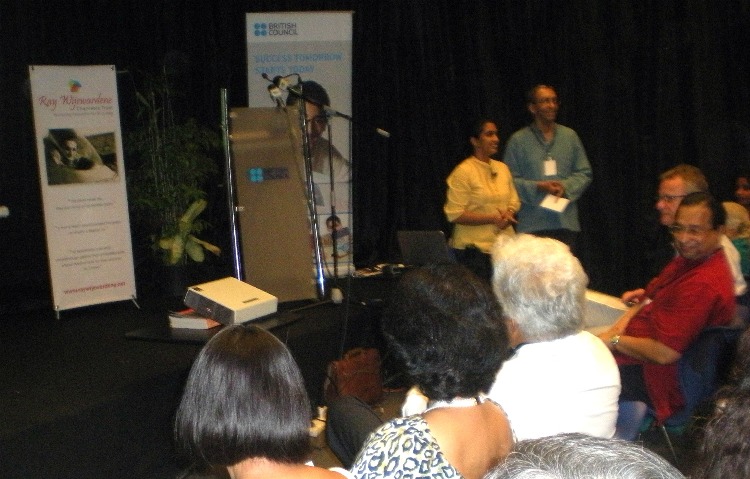
Nadeeja Abeyasekera (in yellow) & Nalaka Gunawardene take questions fron the audience

More images at http://www.facebook.com/RayWijewardene

සිවුමංසල කොලූගැටයා #33: නොබියව ඇත්ත කතා කළ ජනතාවාදී විද්‍යාඥයා

This is the Sinhala text of my latest Ravaya column, where this week I am paying tribute to Dr Osmund W Jayaratne (1924-2006), a remarkable physicist, science populariser and public intellectual whom I knew and worked with for many years.

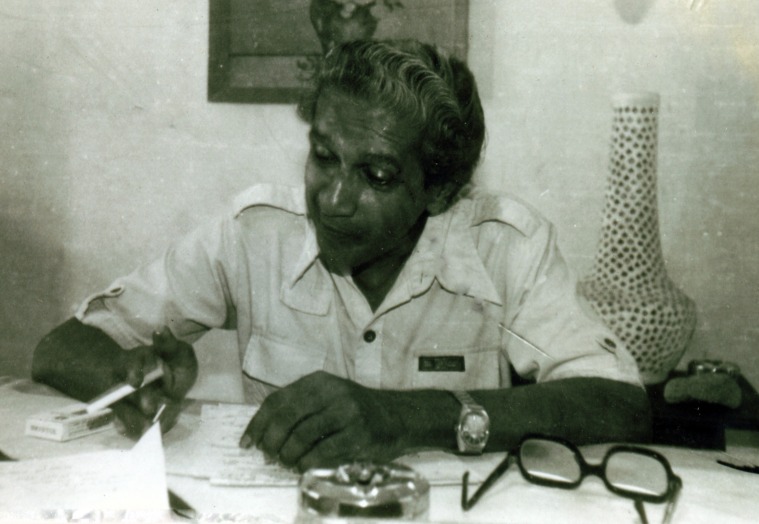
Prof Osmund W Jayaratne - 1985 photo by Sunny Nawagattegama

කලින් කලට අපේ රට දැඩි නියගයන්ට මුහුණ දෙනවා. මීට දශක දෙකකට පමණ පෙර එබදු එක් අවස්ථාවක රටේ විධායක ජනාධිපතිවරයා තායිලන්තයෙන් විද්‍යාඥ පිරිසක් මෙරටට කැදවූවා කෘත්‍රිම වර්ෂාව ඇති කරන්නට. ඔවුන්ගේ උත්සාහය වූයේ ලංකාවේ මධ්‍යම කදුකරයේ ජලධාරක ප්‍රදේශවලට ඉහළින් ඇති වළාකුළුවලට ජලාකර්ශක රසායන ද්‍රව්‍ය (hygroscopic chemicals) ඉසීමෙන් වැසි ඇති කිරීමයි. මේ සදහා ගුවන් හමුදා හෙලිකොප්ටර් යොදා ගෙන සැළකිය යුතු වියදමක් දරනු ලැබුවත් එයින් කිසිදු අමතර වර්ෂාවක් ලැබුණේ නැහැ. නවීන විද්‍යාව සොබා දහමට මුක්කු ගසන්නට යාම ගැන රටේ ඇතැම් දෙනා තුළ හාස්‍යයක් නම් ඇති වුණා.

එයින් ටික දිනකට පසු විද්‍යාභිවර්ධන සංගමයේ වාර්ෂික සැසි වාරයේ භෞතික විද්‍යා අංශයේ මුඛ්‍ය දේශනය පැවැත් වූයේ එවකට එම විෂය සම්බන්ධයෙන් මෙරට සිටි ප්‍රවීණතම විද්‍යාඥයායි. ‘කෘත්‍රිම වැසි ඇති කිරීම ඇත්තද බොරුද?’ (Rain-making: Fact or Fallacy?) යන තේමාවෙන් දේශනය කළ මේ විද්‍යාඥයා මැදහත්ව හා තර්කානුකූලව පෙන්වා දුන්නේ තායිලන්තයේ සිට පැමිණි පිරිස පිළි ගත් විද්‍යාත්මක පදනමකින් හෝ ක්‍රමවේදයකින් හෝ තොරව ලක් රජය හා අපේ රාජ්‍ය නායකයා නොමග යැවූ ආකාරයයි. ගෝනිවල පුරවා ගත් රසායන ද්‍රව්‍ය හෙලිකොප්ටර් මගින් වළාකුළුවලට ඉසිනු ලැබූවත් ඒවා කිසිදු කාලගුණ බලපෑමක් ඇති නොකර පොළවට පතිත වූ සැටිත්, අපේ රටට වර්ෂාව ලැඛෙන ස්වාභාවික ප්‍රවාහයන් ගැන හරිහැටි අවබෝධයකින් තොරව මේ ව්‍යාපෘතිය සැළසුම් කළ සැටිත් ඔහු පෙන්වා දුන්නා.

එවකට බලගතු ස්ථාවරයක සිටි ජනාධිපතිවරයා ඇතුළු රජය ‘හෑල්ලූ කිරීම’ ගැන ඇතැම් දේශපාලන ගැත්තන් ඔහුට චෝදනා කළත් එතෙක් මුනිවත රැකි අපේ අනෙක් විද්‍යාඥයෝ ඔහුගේ තර්කානුකූල කරුණු දැක්වීම ඉහළින් පිළි ගත්තා. මේ විද්‍යාඥයා මහාචාර්ය ඔස්මන්ඩ් ජයරත්න.

එදා මෙදා කාලය තුළ විවිධ සංවර්ධන හා ආපදා කළමනාකරණ ව්‍යාපෘති සඳහා විද්‍යාත්මක ක්‍රම හා තාක‍ෂණයන් යොදා ගන්නට හැම රජයක් ම විටින් විට පෙළඹෙනවා. ඒ සමහර අවස්ථාවල අවශ්‍ය විශේෂඥ දැනුම හා අත්දැකීම් ඇති දේශීය විද්වතුන් සිටියදී විවිධ හේතු නිසා විදේශීය විශේෂඥයන් පෙරටු කරගෙන ඒවා ක්‍රියාත්මක වෙනවා. තවත් විටෙක බලයේ සිටින රජයට සමීප වී එයින් ප්‍රතිලාභ ලබන අපේ ම සමහර විද්‍යාඥයන් වැරදි ප්‍රතිපත්ති හා ක්‍රියාමාර්ග ගැන දේශපාලකයන්ට හෝ නිලධාරීන්ට හෝ එරෙහිව ප්‍රසිද්ධියේ තර්කයක්වත් මතු කරන්නේ නැහැ.

මහාචාර්ය ඔස්මන්ඩ් වික්‍රම ජයරත්න අප අතරින් වියෝ වී පස් වසරක් ගෙවී යන්නේ 2011 සැප්තැම්බර් මාසයට. මේ රසකාමී, ජනතාවාදී විද්‍යාඥයා පිළිබද මතකයන් රැසක් ඔහු ඇසුරු කළ අප බොහෝ දෙනකුගේ සිත්වල හොදින් සටහන් වී තිඛෙනවා.

ඔස්මන්ඩ් ජයරත්න වෘත්තියෙන් භෞතික විද්‍යාඥයෙක්. 1924 දී කොළඹ උපත ලැබූ ඔහු, රාජකීය විද්‍යාලයෙන් හා කොළඹ සරසවියෙන් ඉගෙනුම ලබා පසුව බ්‍රිතාන්‍යයේ ඉම්පිරීයල් සරසවියෙන් ආචාර්ය උපාධිය දිනා ගත්තා. ඔහුගේ පර්යේෂණ ෙක‍ෂත්‍රය වුණේ ඉහළ වායුගෝලයේ ජල වාෂ්ප ඝනීභවනය හා වර්ෂාපතන ක්‍රියාවලියයි.

එහෙත් බහුතරයක් ලාංකිකයන් ඔහු හදුනා ගත්තේ ඔහුගේ වඩාත් පුළුල් සමාජ මෙහෙවර හරහායි. ප්‍රතිපත්ති ගරුක වාමාංශික දේශපලනයේ නිරත වූ ඔහු ලංකා සමසමාජ පක‍ෂයේ සාමාජිකයකු ලෙස ජීවිත කාලයක් ක්‍රියා කළා. 1954-57 කාලයේ කොළඹ නගර සභාවේ සභිකයකු වුණා. 1972-74 වකවානුවේ ලංකා විශ්ව විද්‍යාල පද්ධතියේ කොළඹ මණ්ඩපයේ අධිපති (අද කියන හැටියට උපකුලපති) ලෙස සේවය කළා. සිංහලෙන් භෞතික විද්‍යාව උගන්වන්නට කොළඹ හා පේරාදෙනිය සරසවි ඇදුරකු ලෙස පුරෝගාමී මෙහෙවරක් ඉටු කරන අතර ප්‍රසිද්ධ දේශන, විද්‍යා ගවේෂණ හා මාධ්‍ය හරහා විද්‍යාව ජනතාව අතරට ගෙන යන්නට විශාල දායකත්වයක් ලබා දුන්නා.

පොදු උන්නතිය හා රටේ සම්පත් රැක ගැනීම පිණිස තමන්ගේ විශේෂඥ දැනුම පසුබිම් කරගෙන කාලීන මාතෘකා ගැන ප්‍රසිද්ධ සභාවල හෝ මාධ්‍ය හරහා හෝ විවෘතව නොබියව අදහස් දක්වන විද්වතුන් (public intellectuals) අපට සිටින්නේ ඉතා සීමිත සංඛ්‍යාවක්. අති බහුතරයක් උගතුන් එක්කෝ නිහඩව පසෙකට වී බලා සිටිනවා. තවත් සමහරුන් පෞද්ගලිකව දැඩි විවේචන කළත් ප්‍රසිද්ධියේ කිසිවක් කියන්නේ නැහැ. ටික දෙනෙක් වැල යන අතට මැස්ස ගසමින් තමන්ගේ දැනුම හා උගත්කම ඉහළම ඉල්ලූමට අලෙවි කරනවා. එබදු උගතුන් බහුල අපේ සමාජයේ උඩුගංබලා පිහිනූ, කිසි දිනෙක ප්‍රතිපත්ති හෝ දැනුම පාවා නොදුන්, ප්‍රතිරූප තනා ගන්නට විකාර කථා නොකී සැබෑ විද්‍යාඥයකු ලෙස ඔස්මන්ඩ් ජයරත්නටයන්ට අප ප්‍රණාමය පුද කරනවා.

මුල් වරට මා ඔස්මන්ඩ් මුණ ගැසුණේ 1985 අගදී. එවකට මා තවමත් පාසල් සිසුවෙක්. වසර 76කට පසුව නැවත පායන හැලීගේ වල්ගාතරුව ගැන විස්තරාත්මක කවරයේ කථාවක් ලියන්නට ‘කල්පනා’ සගරාව සදහා තොරතුරු රැස් කරන කාලේ මා ඔහු හමුවන්නට ගියා. ඒ වන විට කොළඹ සරසවියේ භෞතික විද්‍යා අංශයේ ප්‍රධානියා වූ ඔහු මා ඉතා සුහදව පිළි ගෙන වල්ගාතරු ගැන තාරකා විද්‍යාත්මක හා භෞතික විද්‍යාත්මක පසුබිම මැනවින් පහදා දුන්නා. ඔහු වල්ගාතරු වෙනුවට භාවිතා කළ සිංහල වචනය වූයේ ‘ධූමකේතු’ යන්නයි.

සම්පූර්ණ ස්වාභාවික සංසිද්ධියක් වන මේ ආකාශ වස්තු රාත්‍රී අහසේ කලින් කලට දිස්වීම නිසා අපේ මහ පොළවේ කිසිදු බලපෑමක් ඇති නොවන බවත්, ඒ ගැන කිසිදු බියක් සැකක් ඇතිකර නොගත යුතු බවත් ඔහු පැහැදිලි කළා. “මේවා සම්පූර්ණයෙන් ම මිත්‍යා මත. මොනවා හරි පෞද්ගලික ලාභ ප්‍රයෝජන තකා ගෙන, එහෙම නැතිනම් අහිංසක ජනතාව කලබල කරවන්න හිතාගෙන ඇතැම් උදවිය පතුරු වන කටකථා. ඇයි මතක නැද්ද 1955 සූර්යග්‍රහණය වෙලාවේ අපේ රටේ සිද්ධ වුණු වදකහ සුදිය?”

මේ ආකාරයට නොබියව, තර්කානුකූලව ඕනෑ ම දෙයක් විග්‍රහ කිරීමේ හැකියාව ඔස්මන්ඩ්ට තිබුණා. මේ නිසා තමයි ඔහු ජනප්‍රිය විද්‍යා දේශකයකු හා ගුරුවරයකු වූයේ. නවීන විද්‍යාව ඉක්මවා ගිය දාර්ශනික හා දේශපාලනමය දැක්මක් ඔහු සතු වුණා. ඔහුගේ දර්ශනය නිර්ආගමිකයි. ඔහුගේ දේශපාලනය සමාජවාදීයි. මේ නැඹුරුව සගවා ගන්නට ඔහු කිසි විටෙක උත්සාහ නොකළා වගේ ම තමන්ගේ මතවාදයන්ට වෙනස් මත දරන අය සමග ගැටුම් ඇති කර නොගෙන සුහදව හා සහයෝගයෙන් කටයුතු කිරීමේ මාහැගි චරිත ලක‍ෂණයත් ඔහුට තිබුණා.

මා දෙවැනි වරට ඔස්මන්ඩ් ජයරත්නයන් හමු වූයේ ලංකා තරුණ තාරකාවේදීන්ගේ සංගමය (Young Astronomers’ Association of Sri Lanka) හරහායි. 1985 දී ආධුනික තාරකා විද්‍යාවට ලැදි පාසල් හා සරසවි සිසු සිසුවියන් පිරිසක් එක් වී පිහිටුවා ගත් මේ සංගමයේ මාර්ගෝපදේශකයා වූයේ ඔස්මන්ඩ්. ඇතුල්කෝට්ටේ පැවති අපේ රැස්වීම්වලට ඔහු හැකි සෑම විටක ම සහභාගී වුණා. ඒ වන විට ජ්‍යෙෂ්ඨ මහාචාර්යවරයකු වූ ඔහු තම කාලය, දැනුම මේ තරුණ පිරිස වෙනුවෙන් දායක කළේ තනිකර ම ස්වේච්ඡාවෙන්. තාරකා විද්‍යා දැනුම ගවේෂණය හා රාත්‍රී අහස නිරීක‍ෂණය කරන අවස්ථාවල ඔහු අප හා බද්ධ වූයේ සම වයසේ විනෝදකාමියකුගේ විලසින්. උගත්කමෙන් මතුවන උද්ධච්චකම හෝ බොරු මාන්නය හෝ ඔහුට තිබුණේ නැහැ.

සංගමයේ සභාපතිවරයා හැටියට 1986/87 කාලයේ මා මහජන රැස්වීම් කිහිපයක් සංවිධානය කළා. එයින් වඩාත් අවධානය ඇද ගත්තේ අභ්‍යවකාශ යුගයට තිස් වසරක් පිරීම සමරන්නට 1987 ඔක්තෝබරයේ කොළඹ පැවති උත්සවය හා ප්‍රදර්ශනයයි. එහි ප්‍රධාන අමුත්තා ලෙස පැමිණි ආචාර්ය ආතර් සී ක්ලාක් කළ කථාව, කිසිදු පිටපතක් හෝ පෙර සූදානමක් නැතිව ඔස්මන්ඩ් එවේලේ ම සිංහලට පරිවර්තනය කළා.

ඉංග්‍රීසි කථා කරන පසුබිමක හැදී වැඩී, මුළු අධ්‍යාපනය ම ඉංග්‍රීසියෙන් ලැබූ ඔස්මන්ඩ් සිංහල උගත්තේ වැඩිහිටියකු ලෙස සමාජවාදී දේශපාලනයට පිවිසියාට පසුවයි. ඒ පසුබිම් කථාව ඔහුගේ ස්වයංලිඛිත චරිතාපදානයේ ඔහු විස්තර කරනවා. එහෙත් ඔහුගේ සිංහල කථාවකට සවන් දුන්නා නම් ඒ බව අදහන්නත් අමාරු තරම්. බස හැසිරවීමට අමතරව පියකරු, සිනාමුසු ශරීර ශෛලියක් ඔහුට තිබුණා. ඔස්මන්ඩ් සභාවක් අමතා කථා කරනු මිනිසුන් බලා සිටියේ මහත් ආකර්ෂණයකට ලක් වූ පරිද්දෙන්. ප්‍රේක‍ෂක පිරිසකට මේ තරම් සමීප වන්නට ඔහුට හැකි වූයේ ආචාර්ය ලූඩොවයික් යටතේ ඉංග්‍රීසි වේදිකා නාට්‍ය ගණනාවක රගපෑමෙන් ලද ආභාෂය නිසා විය යුතුයි.

1987 දී මා වෘත්තිමය මට්ටමෙන් විද්‍යා ලේඛනයට හා පුවත්පත් කලාවට පිවිසි පසු ඔස්මන්ඩ් මගේ හො`ද පාඨකයකු හා තොරතුරු මූලාශ්‍රයක් බවට පත් වුණා. පත්තර හරහා ප්‍රතිරූප ගොඩ නංවා ගැනීමේ අවශ්‍යතාවයක් ඔහුට තිබුණේ නැහැ. විද්‍යාත්මක චින්තනය, හේතුවාදී දර්ශනය හා උසස් අධ්‍යාපනය වැනි පුළුල් විෂය ෙක‍ෂත්‍රයන් සම්බන්ධයෙන් ඔහු මට ගුරුහරුකම් දුන්නේ පත්තරයේ නම හෝ පින්තූරය පළ ගන්නට නොවෙයි. The Island පත්‍රයේ විද්‍යා කතුවරයා ලෙස මා කටයුතු කළ වසර කිහිපය තුළ විටින් විට ඉතා හරවත් ලිපි ලියා දුන්නා.

1990 දී ටික කලකට මාත් ඔහුත් අසල්වාසීන් වුණා. රාජගිරියේ වැලිකඩවත්ත පාරේ කුලී ගෙයක මා පදිංචියට ගිය විට ඔහු වාසය කළේ මීටර් 25ක් තරම් නුදුරින්. මේ නිසා විද්‍යා, දේශපාලන හා මාධ්‍ය ලෝකය ගැන විටින් විට කථා බහ කරන්නට අවස්ථාව උදා වුණා. ඔහුගේ බිරිද ජොයිස් හා ඔහු හමුවන්නට සරසවි ඇදුරන් හා කලාකරුවන් නිතර පැමිණියා. රසවතකු වූ ඔස්මන්ඩ් ඇසුර නිසා මේ ඇතැම් දෙනා හදුනා ගැනීමේ අවස්ථාව මට ලැබුණා.

මේ වකවානුවේ ඔස්මන්ඩ්ගේ ජීවිත කථාව ලිපි පෙළක් සේ කොටස් වශයෙන් පළ කිරීමට ‘දිනපතා දිවයින’ පුවත්පත තීරණය කළා. 1940 ගණන්වලින් ඇරඹුණු ඔස්මන්ඩ්ගේ මහත්මා දේශපාලනය ගැන රසබර යටගියාව මේ හරහා හසු කර ගත්තා. එහෙත් වැඩිකල් යන්නට කලින් කිසිදු හේතුවක් නොදක්වා මේ ලිපි පෙළ නතර කරනු ලැබුවා. ඒ වෙනුවට ඒ දිනවල ජාත්‍යන්තර සම්මානයක් ලද ප්‍රවීන නිලි අනෝජා වීරසිංහගේ ජීවිත කථාව පළ කිරීම ඇරඹුවා. කිසිදා ප්‍රසිද්ධිය හඹා නොගිය තමන්ට දිවයිනෙන් සැළකූ ආකාරය ගැන සංවේදී ඔස්මන්ඩ් තුළ කම්පනයක් ඇති කළා. ‘අනෝජා තරම් මා රූප සොබාවෙන් පිරිපුන් නැති බව ඇත්තයි. ඒත් මගේ කථාව අද තරුණ තරුණියන්ට කියා ගන්නට තිබුණා නම් කොයි තරම් හොඳ ද?’ ඔහු ඒ ගැන මා සමග කීවේ එහෙමයි. (පසු කලෙක විදුසර පුවත්පත ඔහුගේ ජීවන කථාව පළ කළත් දිනපතා පුවත්පතක පුළුල් පාඨක පිරිසකට එය සම කළ හැකි වූවා යයි මා සිතන්නේ නැහැ.)

වැලිකඩවත්තේ නිවසින් හදිසියේ පදිංචිය මාරු කරන්නට ඔස්මන්ඩ්ට සිදු වුණේ පෞද්ගලික ජීවිතයේ ප්‍රබල සිදුවීමක් නිසායි. ඒ ගැන කියන්නට මගේ නිවසට ඔහු පැමිණි අවස්ථාව අපේ අවසාන හමු වීමයි. ඒ වන විටත් ඇසේ සුද ඉවත් කිරීමට කළ ශල්‍යකර්මයක් අනපේක‍ෂිත ලෙස වැරදී යාම නිසා ඔහුගේ ඇස් පෙනීම අඩාල වෙමින් තිබුණා. ඔහු සිය ජීවිතයේ අවසාන වසර කිහිපය ගත කළේ නෙත් අඳ වූවකු ලෙසින්. ඒ වකවානුවේ ඔහු මතකයෙන් කියා, ඔහුගේ බිරිද අත්පිටපත් කළ ජීවිත කථාවේ (Memoirs of Osmund Jayaratne, 2004) ඔහු කියන්නේ සිය නෙත් අඳ වීම ගැන අක‍ෂි වෛද්‍යවරුන්ට දොස් නොකියන බවයි.

ඔහු ඒ මතක පොත හමාර කරන්නේ ජීවිත කාලය පුරා ප්‍රවර්ධනය කළ සමාජවාදී ලෝකයක් 21 වන සියවසේදී ප්‍රමාද වී හෝ බිහි වනු ඇතැයි සුබදායක බලාපොරොත්තුවක් සම`ගයි. මුදල් වෙනුවට මිනිසුන්ගේ හොඳහිත එකතු කළ, නිහතමානීව හා චාම්ව ජීවත් වූ ඔස්මන්ඩ් ගැන දෙනගම සිරිවර්ධන ලියූ චරිතාපදානය ‘පොදුජනතාවගේ විද්‍යාඥයා’ යැයි නම් කිරීම ඉතා උචිතයි.

සිවුමංසල කොලූගැටයා #32: ඔන්න බබෝ අන්නා එනවා!

This is my weekly column in Sinhala, published in the Ravaya newspaper on 18 Sep 2011. In this, I discuss how India’s prominent anti-corruption activist Anna Hazare uses broadcast television and new media in his advocacy campaigns.

Can this drunken wild beast be tamed by anyone?

අන්නා හසාරේ!

ඉන්දියාව පුරා ම රැව් දෙන නමක් හා ජන ඝෝෂාවක් බවට මේ නම පත්ව තිඛෙනවා. ඔහු තනි සුදු කපු ඇදුමෙන් සැරසුණු, ගාන්ධි තොප්පියක් පැළ`ද ගත්, ඇස් කන්නාඩි සහිත කුඩා මිනිසෙක්. දූෂණයට හා වංචාවට එරෙහිව සමස්ත ඉන්දියාව දෙදරුම් කවන හ`ඩක් බවට මේ පුංචි මිනිහා පත්ව සිටිනවා. ඔහුගේ උපන් නම කිසාන් බාපත් බබුරාවෝ හසාරේ ((Kisan Bapat Baburao Hazare).එහෙත් ජනප්‍රිය හා ජනාදර නාමය අන්නා හසාරේ Anna Hazare.

කලක් ඉන්දියානු යුධ හමුදාවේ ජීප් රියදුරකු ලෙස රැකියාව කළත් ඔහු වඩාත් ප්‍රකට වූයේ ග්‍රාම සංවර්ධනය හා පරිසර සංරක‍ෂණය සදහා ප්‍රජා මට්ටමින් කැප වුණු ක්‍රියාකාරිකයකු හැටියටයි. මහත්මා ගාන්ධිගේ දර්ශනය අනුව යමින් දුගී දුප්පත් ඉන්දියානුවන්ට ආත්ම ගෞරවයකින් යුතු ව හිස ඔසවන්නට අවස්ථා උදා කර දීමයි ඔහුගේ අවසාන ඉලක්කය. එයට මහා බාධකයක් බවට පත් ව තිඛෙන දූෂණයට එරෙහිව ඔහු පොදු ජන යුද්ධයක් ප්‍රකාශ කොට තිඛෙනවා. නීතිමය රාමුව තුළ හරි දේ හරියට කරන්නට රජයට හා ව්‍යාපාරිකයන්ට අවිහිංසාවාදීව බල කිරීමයි ඔහුගේ අරගලයේ අරමුණ.

අන්නා හසාරේ ගැන මා මුලින් ම දැන ගත්තේ 2000 වසරේදී. විද්‍යාව හා පරිසරය සදහා වන මධ්‍යස්ථානය (Centre for Science and Environment, CSE) නම් පර්යේෂණ ආයතනය ආරම්භ කළ මා මිත්‍ර ඉන්දියානු විද්‍යා ලේඛක හා පරිසරවේදී අනිල් අගර්වාල් හසාරේ ගැන මහත් උද්‍යොගයෙන් කථා කළා. හසාරේ සිය ග්‍රාම සංවර්ධන වැඩ පටන් ගත් මහාරාෂ්ට්‍ර ප්‍රාන්ත්‍රයේ රාලේගාන් සිද්ධි (Ralegan Siddhi) ගම්මානයට ගොස් ඒ ක්‍රියාදාමය සමීපව අධ්‍යයනය කළ අනිල්, එහි වැදගත්කම කල් තබා ම තේරුම් ගත්තා.

පරිසරය, සංවර්ධනය හා දූෂණය ගැන ඉන්දියානු අත්දැකීම් පාදක කරගෙන ජාත්‍යන්තර වාර්තා චිත්‍රපටයක් හදන්නට අනිල්ගේ අනුගාමික, වාර්තා චිත්‍රපට අධ්‍යක‍ෂක ප්‍රදීප් සාහාට (Pradip Saha) 2000 දී මා අවස්ථාවක් පාදා දුන්නා. ඒ අනුව ඔහු නිපද වූ Bandits and Backhanders නම් වාර්තා චිත්‍රපටය BBC World ලෝක ටෙලිවිෂන් සේවය හරහා විකාශය වුණා. එහි විනාඩි 6 ක් වෙන් කළේ අන්නා හසාරේ දූෂණයට එරෙහිව එවකට ගම් මට්ටමෙන් කරමින් සිටි උද්ඝෝෂණ ගැනයි.

තමා දූෂණයට එරෙහි වන්නට තීරණය කළේ ඇයි ද යන්න හසාරේ එහිදී පැහැදිලි කරනවා: “අපට ඕනැ වුණේ දුප්පත්කම අඩු කරමින් අපේ ගම්වල ජීවන තත්ත්වය නගා සිටුවන්න. මහ රජය හා ප්‍රාන්ත රජය ග්‍රාම සංවර්ධනයට හා දුගී බව පිටු දකින්නට වෙන් කරන මුදල්වලින් අති විශාල ප්‍රමාණයක් දූෂණය නිසා අතරමගදී කාන්දු වී අතුරුදහන් වන සැටි අපි හො`දාකාර දුටුවා. සංවර්ධන ප්‍රතිපාදන වශයෙන් ලැඛෙන එක රුපියලකින් සත 10 – 12 ක් වත් අන්තිමේදී එය ඉලක්ක කරන ගම්වලට හෝ ගැමියන්ට හෝ ලැඛෙන්න නැහැ. මේ නිසා ගම් දියුණු කරන්නට නම් මුලින් ම දූෂණය පිටු දැකිය යුතු බව අප තේරුම් ගත්තා.”

හසාරේගේ ග්‍රාම සංවර්ධන හා දූෂණ විරෝධී ව්‍යපාරය පන්නරය ලැබුවේ බිම් ප්‍රමාණයෙන් මෙන් ම ජනගහනය අතින් ද ඉන්දියාවේ තුන් වන විශාල ප්‍රාන්තය වන මහාරාෂ්ට්‍රයේදී. (සංසන්දනය සදහා එය ලංකාව මෙන් හතර හමාර ගුණයක් විශාල බිම් ප්‍රමාණයක්. මෙරට ජනගහනය මෙන් පස් ගුණයක් එහි වාසය කරනවා.) හසාරේ ඇතුළු ක්‍රියාකාරිකයන් පිරිස දූෂණයට සම්බන්ධ රාජ්‍ය නිලධාරීන් හා දූෂණයට දිරි දෙන අනෙක් අය ගැන කරුණු ගවේෂණය කරනවා. එසේ තහවුරු කර ගත් පසු හසාරේ අනුගාමිකයෝ ඇතුළු අනෙක් ගම්වාසීන් දූෂිත නිලධාරියකුගේ නිවස ඉදිරිපිට මහපාරේ සාමකාමීව බිම වාඩි වී හින්දු භක්ති ගී කියනවා. බැලු බැල්මට ආගමික ක්‍රියාවක් සේ පෙනුනත් මෙයින් සංකේතවත් වන්නේ කුමක් ද යන්න ටික කලකින් හැමෝ ම දැන ගන්නවා. එයින් ඒ පවුල ම ගමේ අවමානයට ලක් වෙනවා.

Anna Hazare: He means business!

සියුම් ලෙසින් මහජන මතය ඇති කරමින් දූෂකයන්ට බලපෑම් කිරීමට ඔහු මහාරාෂ්ට්‍ර ප්‍රාන්තයේ ගත් පියවර, දැන් ජන මාධ්‍ය හා නව මාධ්‍යවල පිහිටෙන් මුළු රටට ම ව්‍යාප්ත කරනවා. දූෂණය ඉන්දියානු සමාජයේ හැම තැන ම පිලිකාවක් සේ පැතිර ඇති බවත්, දූෂිතයන් නම් කිරීමෙන් හා හෑල්ලූවට පත් කිරීමෙන් පමණක් එය මැඩ පැවැත්විය නොහැකි බවත් ඔහු ඉක්මනින් ම තේරුම් ගත්තා. ඒ නිසා දූෂණයට ඉඩ සළසන රාජ්‍ය ප්‍රතිපත්ති, නීති, රෙකුලාසි සහ ක්‍රියාකලාපයන්ගේ ප්‍රබල සංශෝධන ඇති කළ යුතු බවත්, ඒ සටන ගම් මට්ටමේ සිට ඉහළටත්, ජාතික පාර්ලිමේන්තු මට්ටමේ සිට පහළටත් එකවර ජයගත යුතු බවත් ඔහු නිගමනය කළා.

ඉතා සැකෙවින් කියනවා නම් අන්නා හසාරේගේ දූෂණය පිටු දැකීමේ ව්‍යයාමයේ නිමිත්ත එයයි. හසාරේ දූෂණයට එරෙහිව වඩාත් දැඩි නීති ඉල්ලා සිය පළමු සත්‍යග්‍රහය කළේ 2011 අප්‍රේල් මුල සතියේ. දූෂණ හා වංචා විමර්ශනය කිරීමට ඔම්බඩ්ස්මන්වරයකු පත් කරන ලෙස බල කරමින් ඔහු තමන්ගේ ම නීති කෙටුම්පතක් ඉන්දීය රජයට ඉදිරිපත් කළා.

මෙය සාර්ථක වන්නට නම් ලෝකයේ (ජනගහනයෙන්) විශාලතම ප්‍රජාතන්ත්‍රවාදී රට වන ඉන්දියාවේ මහජන මතය දූෂණයට එරෙහිව පෙළ ගැස්විය යුතු බවත්, ඒ සදහා ජනමාධ්‍ය අත්‍යවශ්‍ය බවත් හසාරේ දන්නවා. ගමෙන් මතුව ආ සැබෑ ජන ක්‍රියාකාරිකයකු වූවත්, අද වන විට ජාතික හා ජාත්‍යන්තර ප්‍රතිරූපයක් ගොඩ නගා ගෙන තිඛෙන හසාරේ, මාධ්‍ය චරිතයක් හැටියට ඉන්දියානු ටෙලිවිෂන් නාලිකාවලට නැතුව ම බැරි තත්ත්වයක් උදාවී තිඛෙනවා. රජයට ජන බලපෑම් එල්ල කරන්න ඒ යථාර්ථයෙන් ඔහුත් ප්‍රයෝජන ගන්නවා.

හසාරේගේ සංවිධායකයන් කණ්ඩායම කෙටි කාලයක් ඇතුළත් අති විවිධ වූත් සංකීර්ණ වූත් ඉන්දියානු ජනමාධ්‍ය හා වෙබ් මාධ්‍ය ඉතා හොදින් හසුරුවන්නට සමත්ව සිටිනවා. එහි ප්‍රතිඵලය නම් 21 වන සියවසේ මහත්මා ගාන්ධි ලෙසින් දැවැන්ත ප්‍රතිරූපයක් හසාරේ ගොඩ නගා ගැනීමයි.

2011 අප්‍රේල් 3 – 11 අතර සතියක කාලය තුළ අන්නා හසාරේගේ පළමුවන සත්‍යග්‍රහය ගැන වාර්තාකරණයට වෙන් කරන ලද සමස්ත ටෙලිවිෂන් නාලිකා ගුවන් කාලය පැය 655ක්. එය මිළට ගත්තා නම් වැය වන මුදල ඉන්දියානු රුපියල් බිලියන 1.76 ක් (ලංකා රුපියල් බිලියන් 4 ක් පමණ) බවත් එරට විද්්‍යුත් මාධ්‍ය වෙළදපොල අධ්‍යයනය කරන පර්යේෂණ සමාගමක් ගණන් බලා තිඛෙනවා. නමුත් ඉන්දියාවේ මාධ්‍ය ෙක‍ෂත්‍රය ගැන ස්වාධීනව නිරීක‍ෂණය කරන The Hoot වෙබ් අඩවිය ප්‍රකාශ කරන්නේ අන්නා හසාරේ ඊටත් වඩා විද්්‍යුත් මාධ්‍යවලට වටිනා සම්පතක් බවයි.

අන්නා හසාරේගේ මාධ්‍ය ප්‍රතිරූපය පවත්වාගෙන යන්නට උපදෙස් දෙන්නේ හිටපු ටෙලිවිෂන් මාධ්‍යවේදීන් පිරිසක්. අළුතෙන් යමක් කියන කරන විට ඒ සදහා උපරිම සජීව ටෙලිවිෂන් ප්‍රවෘත්ති වාර්තාකරණයක් ලබා ගත හැකි වේලාවන් හා ස්ථානයන් ගැන ඔවුන් හසාරේට හොද මග පෙන්වීමක් කරනවා. ප්‍රධාන පෙළේ ක්‍රිකට් තරගයක් විකාශය වන වේලාවට හෝ ජනප්‍රිය ටෙලි නාට්‍යයක් ප්‍රචාරය වන විට හෝ ඔහු කිසි විටෙක මාධ්‍ය අමතන්නේ නැහැ. ඉන්දියාවේ ජාතික සංකේත හා ජාතික වශයෙන් වැදගත් ස්ථාන හා දිනයන් වටා හසාරේගේ බල කිරීමේ ව්‍යාපාරයේ හැම අළුත් පියවරක් ම තබන්නට මේ සන්නිවේදන උපදේශකයන් වග බලා ගන්නවා.

2011 අගෝස්තු 16 වනදා ඔහු අත්අඩංගුවට ගත් විට තව දුරටත් ඔහුගේ සජීව රූප දර්ශන ටෙලිවිෂන් නාලිකාවලට ලබාගත නොහැකි වුණා. එවිට හසාරේ කණ්ඩායම කළේ ඔහුගේ පණිවුඩ රැගත් කෙටි වීඩියෝ YouTube වෙබ් අඩවිය හරහා ප්‍රචාරය කිරීමයි. ඊට අමතරව ජංගම දුරකථන හා Facebook හරහා ඉතා පුළුල් විධියට හසාරේගේ ප්‍රතිරූපය මුල් තැනක තබමින් දූෂණයට එරෙහිව ඉන්දියානුවන් පෙළ ගස්වන්නට ඔවුන් සමත්ව සිටිනවා.

මේ සදහා මුදල් වියදම් කරනවා වෙනුවට හසාරේ කරන්නේ පරිගණක තාක‍ෂණය අතින් හපන් ඉන්දියානුවන්ට ස්වේච්ඡාවෙන් තම කාලය හා කුසලතා ප්‍රදානය කරන ලෙස ඉල්ලීමයි. ‘අපට ඕනෑ හැම ඉන්දියානුවකුගේ ම සාක්කුවේ අන්නා ගෙන යනවා දකින්නටයි’ යනුවෙන් කියන්නේ එසේ ස්වේච්ඡාවෙන් කටයුතු කරන පරිගණකවේදීයකු වන නිශාන්ත් කුමාර් ඩීන්.

මේ පරිගණක හා ජංගම දුරකථන ‘සුනාමිය’ ඇරඹුණේ කරග්පුර්හි ඉන්දියානු තාක‍ෂණ ආයතනය (Indian Institute of Technology Kharagpur) නම් විශ්ව විද්‍යාලයේ පරිගණක සිසුන් අතර. ‘බලවත් උදවිය ඉදහිටවත් ටිකක් සලිත කරන්නට අපිත් ආසයි. ඒත් එයට අපට අවස්ථාවක් ලැඛෙන්නේ කලාතුරකින්’ එහි ශිෂ්‍යයකු වන රිටේෂ් සිං කියනවා.

රාජ්‍ය බලය හා ව්‍යාපාරික බලය තිබුණත් ඇති තරම් උපක්‍රමශීලි නොවීම නිසා ඉන්දියානු රජය මේ දිනවල මාධ්‍ය සබදතා පැත්තෙන් ලොකු පසුබෑමක සිටින බව පාලක කොංග්‍රස් පක‍ෂයේ දැවැන්තයන් ම පිළි ගන්නවා. එහෙත් මහජන ඡන්දයෙන් බලයට පත් වුණු ප්‍රජාතන්ත්‍රවාදී රජයකට මෙසේ ජනමාධ්‍යවල බලය යොදා ගෙන බලපෑම් කිරීමට අන්නා හසාරේට සදාචාරමය හෝ නීතිමය හෝ අයිතියක් ඇත්දැයි ඉන්දියාවේ ඇතැම් දෙනා ප්‍රශ්න කරනවා. හැම දෙයක් ගැන ම මෙසේ දිගින් දිගට වාද කිරිම ඉන්දියානු ජන සමාජයේ ගති සොබාවක්.

අන්නා හසාරේගේ අරගලය ජය ගනීවි ද යන්න හරි හැටි කිව නොහැකියි. එහෙත් එයට අවශ්‍ය ගම්‍යතාවය ජනනය කරන්න හා පවත්වා ගන්න ඔහු උපක්‍රමශීලී බව නම් පැහැදිලියි. අද කාලේ මහත්මා ගාන්ධි ජීවත් වූවා නම් ඔහුත් ජන මාධ්‍ය හා නව මාධ්‍ය තමන්ගේ නිදහස් අරගලයට පුළුල් ලෙස යොදා ගන්නට තිබුණා. පොදු යහපතට සන්නිවේදන තාක‍ෂණයන් යොදා ගැනීමේ වටිනාකම 21 වන සියවසේ සියළු ජනතා ක්‍රියාකාරිකයන් වටහා ගත යුතුයි. එහිදී වෙළදපොලට හා ව්‍යාපාරික ප්‍රජාවට නතු වී තිඛෙන වාණිජමය මාධ්‍ය හා දුරකථන සේවා ඔස්සේ ද මහජනතාවට සමීප වීමට විශාල ඉඩක් ඇති බව හසාරේ හොද හැටි දන්නවා.

ප්‍රදීප් සාහා නිපද වූ වාර්තා චිත්‍රපටය නරඹන්න:

Moji Riba: Capturing oral history in moving images

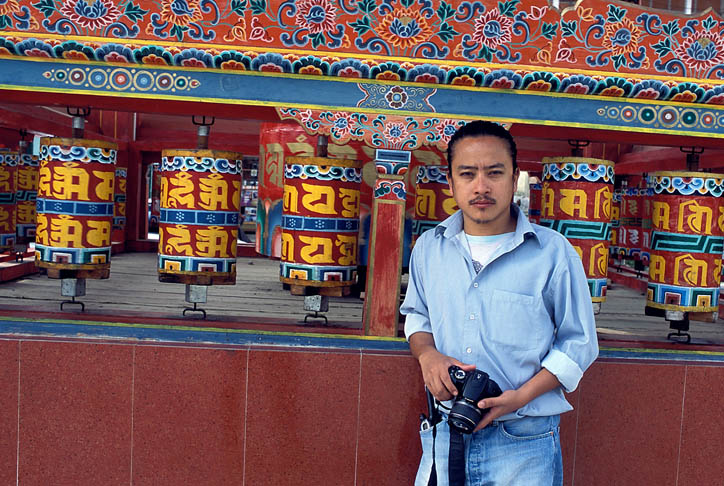
Moji Riba has been working since 1997 to document Arunachal Pradesh's rich cultural heritage. Image courtesy Rolex Awards

“I like to think of our heritage as an elastic band. I want to stretch this as much into the future generations as we can – till it reaches its edge and snaps. Each day I wake up and hope that this never happens. But that is sadly a finality we have to stare at – unless of course, there is a revolution of some kind!”

That’s how Moji Riba, Indian film-maker and cultural anthropologist, sums up the raison d’etre for his work.

He has reasons to worry. He lives and works in India’s north-eastern Arunachal Pradesh, which an isolated remote and sparsely populated part of the country that is home to 26 major tribal communities,. Each one has its own distinctive dialect, lifestyle, faith, traditional practices and social mores. They live side by side with about 30 smaller communities.

Today, a combination of economic development, improved communications, the exodus of the young and the gradual renunciation of animist beliefs for mainstream religions threatens Arunachal’s colourful traditions. “It is not my place to denounce this change or to counter it,” says Moji. “But, as the older generation holds the last link to the storehouse of indigenous knowledge systems, we are at risk of losing out on an entire value system, and very soon.”

Can anyone capture culture – a dynamic, hugely variable phenomenon – and preserve it in a museum or lab? Not quite. Preserving the communities as a living reservoir of culture is the best method. In addition, modern communication technologies can be used to record the myriad practices and memories – the indigenous knowledge and oral history of a people.

This is just what Moji Riba has been doing for over a decade. He founded and heads the Centre for Cultural Research and Documentation (CCRD) in Naharlagun, Arunachal Pradesh. The non-profit centre, established in 1997, focuses on audio-visual documentation of the folklore, ritual practices and oral histories of the diverse tribes that inhabit the north-eastern states of India and how the indigenous people are adapting to the processes of rapid change.

Moji, who holds a masters degree in mass communication from the prestigious Mass Communication Research Center (MCRC), Jamia Millia Islamia University, New Delhi, could easily have joined the exodus of talent from his state to the metropolitan centres in India. But he chosen to return to his roots with his enhanced skills and expanded worldview.

Over the past decade, he and the centre have made 35 documentaries for television stations and for government and non-governmental agencies. But the centre is more than just an archive or library: it is also a platform offering the tribal people an opportunity to voice their concerns and share experiences.

In 2004, Moji was instrumental in creating the diploma in mass communications at Itanagar’s Rajiv Gandhi University, to augment understanding of cultural values and local customs. He currently divides his time as head of the university’s communications department and running CCRD.

“CCRD has been using documentary films as a tool to document and understand the transitional tribal society and to share that experience through the medium of television,” says Moji. “In these 10 years, we have primarily produced television documentaries on linkages between issues of culture, environment and development and how one cannot be seen in isolation from the other.”

CCRD films have been showcased on Doordarshan, India’s national broadcaster, and various other national and international forums.

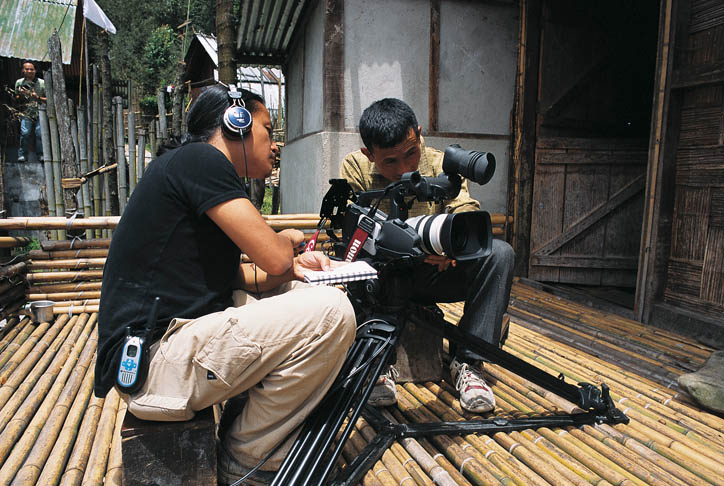
Riba teaches Hage Komo the basic camera skills that will allow the young Apatani to film an interview with his father and an animist priest, thus recording his tribe's oral history (Photo courtesy Rolex Awards)

Years of hard work and quiet persistence are beginning to pay off. Moji has just been selected as an Associate Laureate of Rolex Awards for Enterprise, a prestigious global honour. He is being recognised for ‘helping to preserve and document the rich cultural heritage of India’s Arunachal Pradesh tribes’.

He is among the 10 winners of the 2008 Rolex Awards for Enterprise, which for more than 30 years have supported pioneering work in science and medicine, technology and innovation, exploration and discovery, the environment and cultural heritage.

Read the full profile on Moji and his work on Rolex Awards website

I have known Moji for half a decade, in which time my admiration for him has continued to grow. We first met during a South Asian TV training workshop TVE Asia Pacific organised in Kathmandu in October 2003. Since then, Moji worked with us as a freelance film director and producer. In 2005, he directed Deep Divide, a half-hour, three-country documentary on the state of environmental justice in South Asia. In 2006, he filmed stories for TVEAP series Digita4Change (in Bhutan) and The Greenbelt Reports (in three locations in India).

Moji’s films have drawn the attention of film festivals and reviewers. My friend Darryl D’Monte, one of the most senior journalists in India, wrote in 2006 about one film titled When the Mist is Lifted: “As an insider, he (Moji) is able to draw out the contradiction between old and new lifestyles and practices. In remarks after the screening, he spoke about the difficulties of making films in the northeast, and understandably expressed his reluctance to make another film on Arunachal, which has been his staple over the years.”

rolex-awards-logoWith support from the Rolex Award, Moji and CCRD plan to implement in 2009 the Mountain Eye Project, an unconventional and ambitious initiative that aims to create a cinematic time capsule documenting a year in the life of 15 different ethnic groups. They will select and train young people from each community to do the filming. This gives him access to enough film-makers as well as access to people with an intimate understanding of village life.

According to Moji, the Mountain eye Project is the result of the learnings that have emerged from about a decade’s work on documentation of the folklore and cultural heritage of the tribal groups in northeast India. It seeks to involve local communities in extensively documenting the disappearing cultural practices and traditional knowledge and to build an audio-visual archive of this data.

It also proposes to activate a vast network of outreach activities through museums in order to inculcate in children and youth, an appreciation of traditional heritage and creating respect for cultural diversity.

Watch this space.

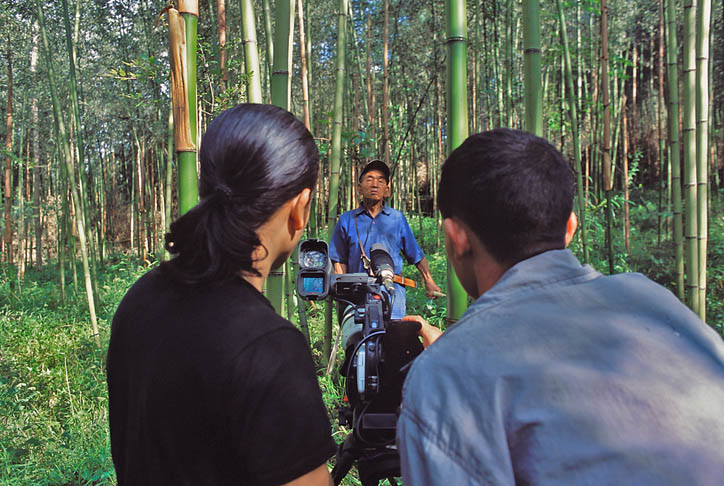
Hage Komo gets video instructions from Moji Riba, who is enlisting local young people to capture the oral histories, languages and rituals of their tribes for his project. Komo films his father gathering bamboo in a grove outside Hari Village. (Photo courtesy Rolex Awards)

Palitha Perera: The man who refused to be His Master’s Voice

The Island)
Doyen of Sri Lankan cartoonists, Wijesoma, saw it all coming (courtesy: The Island)

This cartoon is more than a quarter of a century old. It was drawn by W R Wijesoma, the doyen of Sri Lankan political cartoonists, in March 1982 — barely a month after Sri Lanka’s national television broadcaster Rupavahini commenced its transmissions.

I was a school boy in my mid teens when this happened, but I remember the story behind the cartoon. It was Sri Lanka’s first executive president J R Jayewardene who inaugurated the national TV station, which was donated to Sri Lanka by the Japanese government as part of its large package of aid to the island nation. At the inauguration, JR (as everyone called him) made this lofty speech, where he expressed his hope that Rupavahini would also be a satyavahini (meaning: the picture tube should also dispense the truth).

In practice, that presidential wish never had a chance. JR was in office from 1978 to 1989, and Rupavahini’s fledgling years coincided with his second term. Despite his ideals, his own government misused the new medium from almost day one for blatant, partisan propaganda. In the event, it was my old colleague Wijesoma’s vision of a ‘party-vahini’ (a propaganda vehicle for party in office) that became our sad, stark reality. Some have also called it pacha-vahini (dispenser of lies).

I recall all this on World Television Day, 21 November, because I’ve been reading a very interesting book by a remarkable man who was associated with Rupavahini’s inauguration. His name is Palitha Perera, and he is one of the most senior and respected radio and TV broadcasters in Sri Lanka today. Among other feats, Palitha holds the distinction of having been the inaugural announcer on two Sri Lankan TV channels – Rupavahini (15 February 1982) and TNL TV (21 July 1993).

Live with Palitha Perera
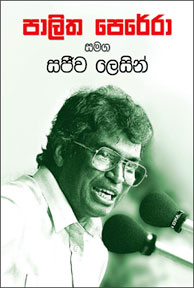
Palitha has recently penned his first book, titled Palitha Perera Samaga Sajeeva Lesin (Live with Palitha Perera; Surasa Books, Colombo; 2008). It’s not written in the ‘been-there, done-that’ style of self importance. True, it has a rich sprinkling of autobiographical details expressed in Palitha’s lucid, entertaining writing style. But in recalling men and matters, and his own multiple roles in shaping events, he is both modest and moderate -– hallmarks of his professional career.

As I note in a book review published today on Groundviews.org: “His reminiscences provide some unique insights into our broadcasting history for nearly half a century. He chronicles little known facts and praises unsung heroes. In doing so, he offers a ringside account of the progress — and decline — of state broadcasting in Sri Lanka from the early 1960s to the present.”

Palitha is one of the few broadcasters who successfully moved from radio to television broadcasting. Many other announcers, interviewers and producers of the radio era failed to make that leap, for the two media are different.

In fact, Palitha has been in broadcasting longer than I’ve been alive. I grew up in the 1970s listening to Palitha’s deep, clear and friendly voice. He was Sri Lanka’s pioneering cricket commentator in Sinhala and that’s how he has had the greatest impact on our culture and society.

As I say in the review: “Here we have, straight from the original source, the story of how cricket became the de facto national past-time, if not our national addiction or religion! Like it or hate it, cricket is an integral part of our popular culture. Radio (and later TV) cricket commentaries take much of the credit (or blame, in some people’s view) for building up this uncommon fervour that occasionally unites our otherwise utterly and bitterly divided nation.”

Palitha has also made his name as the country’s foremost interviewer on both radio and television. In his time, Palitha has interviewed dozens of public figures from Presidents and prime ministers to social activists and trade unionists. He is always prepared and well informed. He remains calm and friendly at all times, yet is dogged in his questioning. This style has exposed many a hypocrite and charlatan.

It was said that boxer Mohammad Ali used to ‘float like a butterfly and sting like a bee’. I would say Palitha Perera floats like a butterfly and stings like a butterfly. It never hurts his interviewee personally, but he is piercing and penetrative all the same.

Unlike many other broadcasters who have cheer-led governments prostituting the airwaves, a public property, Palitha Perera never lost sight of who his real masters were: the audience.

Read my full review on Groundviews

Anyone can make video film, right? Why do we need professionals?

Anyone can cook, right?

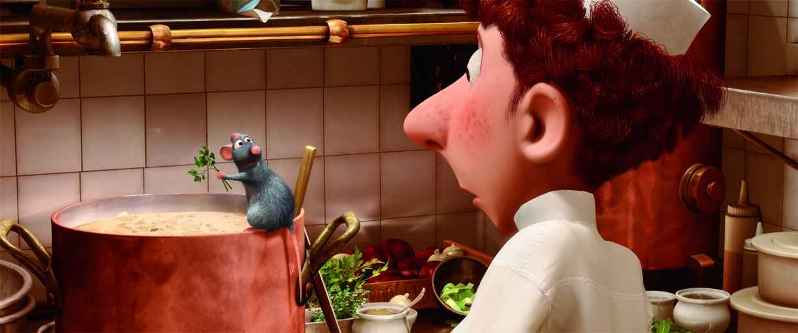
I really enjoyed the Disney/Pixar film Ratatouille (2007), which won the year’s best animated feature film Oscar award and deserved it.

Here’s the plot summary from IMDB: Remy is a young rat in the French countryside who arrives in Paris, only to find out that his cooking idol is dead. When he makes an unusual alliance with a restaurant’s new garbage boy, the culinary and personal adventures begin despite Remy’s family’s skepticism and the rat-hating world of humans. Read full synopsis on IMDB

The movie opens with a TV show featuring Chef Auguste Gusteau, owner of the best restaurant in Paris, talking about his bestselling cookbook, which proudly bears his mantra “Anyone Can Cook!”

Well, that’s heretical to the fine artistes of gourmet. But it’s revived the age old debate between fully-trained professionals and new-entrant amateurs, and inspired some interesting discussions online. One blogger thought: “Remy the rat is a perfect metaphor for the non-expert Web 2.0 knowledge maker. He has no credentials and must prove himself through his actual knowledge and application of knowledge rather than through credentials.”

He added: “What’s the moral of the story? Even without being an acknowledged expert on a topic, if you work hard to express your ideas in clever ways, you too can be respected for what you know.”

I’ve only just read these views, but they resonate with what I felt when I watched the movie in late 2007. The story certainly reminded me of a heated debate in my own field of moving images: can anybody and everybody make video, now that the tech barriers and costs have come down? If this is the case, what’s the point of having highly trained, better paid professionals who do it for a living?

I shan’t try to resolve that debate here. But here’s an interesting take on the debate from the Onion News Network. They report: YouTube is offering a cash prize to the first user to upload a video with a shred of originality or artistic merit.