Who will defend Earth? Interview with M Moidel, filmmaker of ‘Planetary Defense’ documentary

In December 2008, when talking about Earth-threatening asteroids, I referred to Planetary Defense, an excellent documentary film made by Canadian filmmaker M Moidel, who runs the Space Viz production company.

Since its 2007 release, the film has inspired discussion and debate. It had its global premiere at the UN Headquarters, and been screened at high level meetings of people who share this concern. It has also been broadcast on United Nations TV and various TV channels, and is available on DVD.

Synopsis: Scientists and the military have only recently awakened to the notion that impacts with Earth do happen. “Planetary Defense” meets with both the scientific and military communities to study our options to mitigate an impact from asteroids and comets, collectively known as NEO’s (Near Earth Objects). Who will save Earth?

In the aftermath of the meteor that exploded in the skies over Chelyabinsk, in Siberia, Russia, on 15 February 2013, I interviewed Toronto-based M Moidel by email on the continuing relevance of his film. Excerpts from that interview:

How did you choose this topic for a scientific documentary?

I take a great interest in writing/filming subject matter which is so big, that it should shape the way we go about our daily lives, like if we contacted extra-terrestrials (ETs), or colonized Mars. Those big events would have major consequences on our re-thinking of our real place in the Cosmos.

The threat of being wiped out by an asteroid is similarly humbling. Most of us don’t think about Extinction Level Events on a day-to-day basis and what we might do about it.

How realistic are the prospects of a large enough asteroid colliding with our Earth?

David Morrison (former NASA Space Scientist) said in my film, Planetary Defense: “If we actually found an asteroid on a collision course, we could predict the impact decades in advance. And we believe we have the technology in our space program to deflect it, so that the event doesn’t even happen. I could study earthquakes all my life, and I might be able to improve my ability to predict them, but I could never develop a technology to stop an earthquake from happening. In studying asteroids, I not only have the potential to predict the next calamity, but actually to avoid it.”

Interview clip with NASA scientist David Morrison:

I like to present the options where we have the ability to change our destiny (or not act upon it at all). That’s a story that interests me. (Besides, it’s the ultimate literary conflict: Man vs. Nature!) It’s that ability to do something about possible calamity (as Neil deGrasse Tyson, Astrophysicist and Frederick P. Rose Director of the American Museum of Natural History, says in my film) that leaves the viewers “scared for our future, but empowered to do something about it”.

What was the most surprising element you uncovered during your information research for this documentary?

There were several surprising factoids:
• The fact that only a handful of people, a hundred or so around the Earth, are working on the NEO Mitigation Hazard issue.
• The fact that so few people think about something that is unlikely to happen in our lifetime — but the consequences of not doing something about it are too horrible.
• The fact that we COULD do something about it, unlike the dinosaurs, because we have a Space Programme!
• The fact that there is so little day-to-day concern or knowledge about it among ordinary (non-technical) people.
• The fact that so little (sustained or pulsing) force is required to move a big asteroid or comet (once it is de-spun) so that it misses the Earth entirely.

As Arthur C Clarke concluded in the last interview clip in Planetary Defense (before the Epilogue): “The dinosaurs became extinct because they didn’t have a space programme!”

What were the reactions to your film ‘Planetary Defense’ when it was first released in 2007?

Prior to the final edit, I sought out editorial reviews from the key participants. The scientists who participated in it also advised me as they each received advance copies. I listened to each expert and made appropriate changes so I knew the content would be spot-on.

The reaction, upon release, was spectacular! There are four major reviewers of educational content in the United States. To get a review from any one of them is not easy. “Planetary Defense” received two of the four with simultaneous reviews in both “Booklist” (Chicago) and “The Library Journal” (NYC).

Following that, the United Nations TV premiered it understanding immediately how this is a global issue. It has aired in Canada a few years running.

The infamy was not comparable to the effect of Orson Welles’ (1938) CBS radio broadcast of H. G. Wells’ novel “The War of the Worlds” (1898) elicited on the public; but I was happy with the appreciation from both the scientific and educational communities.

Of course the comments speak for themselves – see: http://www.spaceviz.com/img/Planetary_Defense_comments.pdf

Spaceguard is a scientifically credible concept, yet it has not received too much political support. Why?

For two reasons. One, policy makers have limited budgets. They ask: “Who was the last person to die from an asteroid impact? After the laughing subsides, the vote is taken (if any) that this issue can be kicked down the line for a few more years, to the next administrations’ budget.

Two, the second reason is also sad. Humans have very little memory for horrible events unless it happened to them, as a people or a country.

For example, outside Indian Ocean rim countries and Pacific island nations (that are exposed to tsunami hazard), how many westerners really empathize and think regularly about tsunamis? About 250,000 people perished in the Boxing Day tsunami of 2004, and yet it’s a bygone memory outside those affected areas.
Planetary Defense, a SpaceViz Documentary by M Moidel

Can the Siberian meteorite on 15 February 2013 change this?

Siberia just experienced an actual airburst, a one in a 100 year event. This time around, unlike the 1908 Tunguska event, there were plenty of video cameras to record the event from all angles. After going viral for not even a week, the story has died down from the news (not enough devastation or death?) and people are going about their daily business.

Although the Russian government is now calling for Space-faring nations to cooperate and work on a Space Defense or Planetary Defense, it might take a few more near-misses, on a regular basis, to make any real ‘impact’ in human beings acquiescence to this threat!

What, in your imagination, is the best thing that can happen for political leaders to take NEO impact threat more seriously?

Well, it almost happened with the airburst over Siberia. As I said, we have short attention spans (when not enough death and destruction) or when it doesn’t happen to “us”. So either more regular, deadly impacts are required — or hopefully, films like mine can wake up a few more policy makers before all that death and destruction occurs. I’m doing my part…

‘Planetary Defense’ sounds a bit Utopian on a highly divided planet?

Well, that’s an excellent question. But at the risk of repeating myself, people have short attention spans — and shorter memories when it doesn’t affect them directly.

What’s odd is it does affect all of us directly — and we can do something about it! It is not cost-prohibitive either to search for NEOs, test deflection mechanisms or actually engage in a defensive mission.

Currently, NEO searches are being done on minimal budgets. The how-to’s are being thought out by some of the greatest minds on the planet. The military is (also) awakening to the threat.

The recent airburst over Siberia has fueled Russian interest in Space Defense technology. Decades of planning, command and control, NEO characterizations and deflection techniques — all these are critical in mitigating impacts with the Earth. All these aspects are covered in my film (aside from an overview of the subject). The road map is in place!

For all these reasons and more, my film is still very timely! So yes, we can all come together to work on this because it’s not cost-prohibitive (and the cost of doing nothing is simply…unthinkable).

Sir Arthur C Clarke, who gave you an interview, called Planetary Defense ‘one of the most important documentaries made’. Why?

Humanity’s view of ourselves changed in 1968 after seeing Earth as a whole planet floating in the darkness of Space (Apollo 8 photographs). From then on, we started thinking a bit more globally.

Perhaps it won’t take a deadly impact nor a Utopian dream. Perhaps knowledge of the threat from ‘out there’ might finally imbue logic upon the denizens of Earth and we can act as one world (or at least one people) in the cause of self-preservation and the continuation of ‘life as we know it’. There is no “Plan B for Planet Earth”.

Apollo 8's enduring legacy (image courtesy NASA)
Earthrise: Apollo 8's enduring legacy (image courtesy NASA)

සිවුමංසල කොලූගැටයා #64: අවුරුදු සුනාමිය 2: ඉතිං ඊට පස්සෙ?

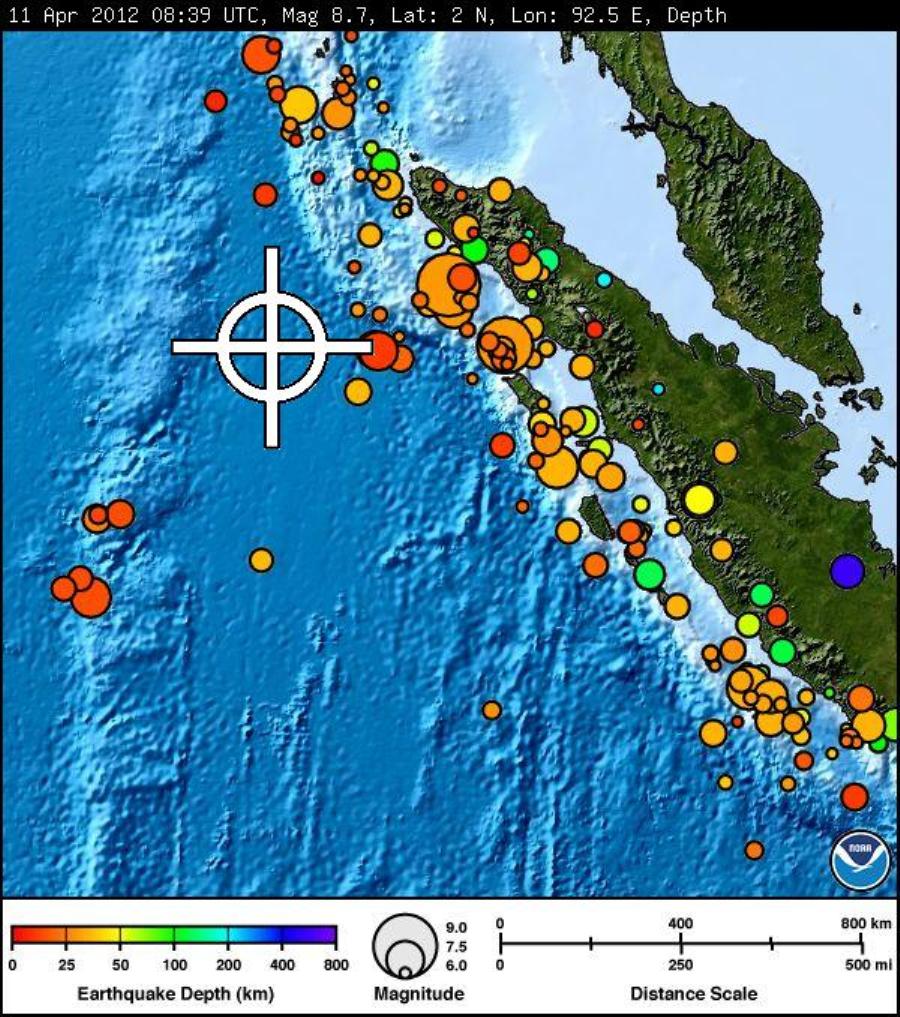
In this week’s Ravaya Sunday column (in Sinhala) appearing on 29 April 2012, I reflect on the Indian Ocean undersea quake on 11 April 2012, and the tsunami watch that followed.

Taking Sri Lanka as the example, I raise some basic concerns that go beyond the individual incident, and address fundamentals of disaster early warning and information management in the Internet age.

I ask: Was the tsunami warning and coastal evacuation on April 11 justified in Sri Lanka? I argue that this needs careful, dispassionate analysis in the coming weeks. ‘Better safe than sorry’ might work the first few times, but let us remember the cry-wolf syndrome. False alarms and evacuation orders can reduce public trust and cooperation over time.

I have covered similar ground in an English op ed essay just published on Groundviews.org: Nurturing Public Trust in Times of Crisis: Reflections on April 11 Tsunami Warning

Map showing epicentre of undersea quake in Indian Ocean on 11 April 2012 - courtesy Pacific Tsunami Warning Centre & US Geological Survey

“පිටසක්වලින් ආ අවුරුදු සුනාමිය” මැයෙන් කොලමක් මා ලිව්වේ හරියට ම වසරකට පෙර, 2011 අපේ‍්‍රල් 24දා. ඒ 2011 අපේ‍්‍රල් 15 වනදා මෙරට ටෙලිවිෂන් නාලිකාවක් වගකීම් විරහිතව කළ සජීව විකාශයක් නිසා හට ගත් මහජන භීතිය හා එයට පසුබිම් වූ කරුණු විග‍්‍රහ කරමින්.

2012 අපේ‍්‍රල් 11 වනදාත් ශ‍්‍රී ලංකාවේ වෙරළබඩ ප‍්‍රදේශ බොහොමයක සුනාමි අනතුරක සේයාව මතු වීම නිසා කලබල තත්ත්වයක් හටගත්තා. මෙය ආවේ පිටසක්වලින් නෙවෙයි. ඉන්දියානු සාගරයේ පතුලෙන්. හරියටම කිවහොත් ඉන්දුනීසියාවේ බන්ඩා අචි නගරයට කිමි 440ක් නිරිතදිගින් සාගරයේ කිමි 33ක් යටින්. එදින ශ‍්‍රී ලංකා වේලාවෙන් පස්වරු 2.08ට භූකම්පන මානයේ 8.6ක් සටහන් කළ ප‍්‍රබල භූමිකම්පාවක් හට ගත්තා.

එය සැර බාල වූ භූචලනයක් ලෙස අපේ රටේද විවිධ තැන්වලට දැනුනා. එයින් විනාඩි 6ක් ගත වූ පසු අමෙරිකාවේ හවායි දුපත්වල පිහිටි, අමෙරිකානු රාජ්‍ය ආයතනයක් වන පැසිෆික් සුනාමි අනතුරු ඇගවිමේ කේන්ද්‍රය (PTWC) විසින් ඒ ගැන මුල් ම විද්‍යාත්මක තොරතුරු සන්නිවේදන සිය වෙබ් අඩවිය හරහා නිකුත් කළා. එයින් කියැවුණේ ඉන්දියානු සාගර සුනාමියක් හට ගැනිමේ යම් අවදානමක් ඇති බවත්, මේ කලාපයේ වෙරළබඩ රටවල් තව දුරටත් ආරක්ෂාකාරි පියවර ගැනිම සදහා සුදානමින් හා සීරුවෙන් සිටිය යුතු බවත්. මේ සීරුවෙන් සිටීම විද්‍යාඥයන් Tsunami Watch ලෙස ලෙස නම් කරනවා.

මුහුදු පතුලේ ප‍්‍රබල භූචලනයක් සිදු වූ මොහොතේ පටන් PTWC විද්‍යාඥයන් ඉතා කඩිසර ලෙසින් මුහුදු රළ ක‍්‍රියාකාරිත්වය හා සාගර තරංග ගැන දුර සිට මැනීම කරනවා. මේ සදහා ස්වයංක‍්‍රීය ලෙස තොරතුරු සැපයීමේ හැකියාව ඇති සංවේදී උපකරණ ඉන්දියානු සාගරයේ බොහෝ ස්ථානවල පිහිටුවා තිබෙනවා. සමහරක් සාගරයේ පාවෙමින් චන්ද්‍රිකා හරහා තොරතුරු එවේලේ ම විකාශය කරන අතර තවත් ඒවා වෙරළබඩ යම් ස්ථානවල සවි කර තිබෙනවා.

මේවායින් එසැනින් ලැබෙන අළුත් ම විද්‍යාත්මක දත්තල එම සාගර ප‍්‍රදේශයේ ඓතිහාසික සුනාමි ඇති වීමේ ප‍්‍රවණතා ද සැලකිල්ලට ගෙන සුනාමියක් හට ගැනීමේ හැකියාව ගැන PTWC විද්‍යාඥයින් ඉක්මන් තක්සේරුවක් කරනවා.

අපේ‍්‍රල් 11 වනදා ඉන්දියානු සාගරයේ මුල් භූචලනයෙන් හා ඉනික්බිති හටගත් පසු කම්පන (aftershocks) නිසා සුළු මට්ටමේ සාගර තරංග බලපෑමක් හට ගත්තත් එය සුනාමියක් බවට පත් වූයේ නැහැ. මේ නිසා ශ‍්‍රි ලංකා වේලාවෙන් පස්වරු 2.15ට හදුන්වා දෙනු ලැබූ සුනාමි සීරුවෙන් සිටීම සවස 6.06ට PTWC විසින් නතර කරනු ලැබුවා.

මේ පැය හතරකට ආසන්න කාලය තුළ ඔවුන් විද්‍යාත්මක නිවේදන (Indian Ocean Tsunami Watch Bulletins) හයක් නිකුත් කළා. එම විග‍්‍රහයන් සැළකිල්ලට ගෙන ජාතික මට්ටමෙන් තීරණ ගැනීම හා ක‍්‍රියාත්මක වීම එක් එක් රටවලට භාර වගකීමක්. අපේ‍්‍රල් 11 වනදා එය අදාළ රටවල විවිධ ආකාරයෙන් සිදු වුණා. මුල් භූ චලනයෙන් විනාඩි 6ක් ඇතුළත එයට සමීපතම රටවන ඉන්දුනීසියාව අනතුරු ඇගවීමක් නිකුත් කළ අතර, ඉන්දියාව විනාඩි 8කින් සිය නැගෙනහිර වෙරළට එබදු අනතුරු ඇගවීමක් නිකුත් කළා.

ශ‍්‍රි ලංකාවේ ජාතික මට්ටමේ නිල අනතුරු ඇගවීම නිකුත් කරනු ලැබුවේ එදින පස්වරු 3.30ට පමණයි. ශ‍්‍රි ලංකාවේ නැගෙනහිර හා දකුණු වෙරළබඩ ප‍්‍රදේශවල ජිවත් වන ජනතාව හැකි ඉක්මණින් ආරක්ෂිත ස්ථාන කරා ඉවත්වන ලෙස අවවාද කරනු ලැබේ, එයින් කියැවුණා.

සුනාමි අනතුරු ඇගවීමක් දේශීය වශයෙන් නිකුත් කිරිම ඉතා වගකිම් සහගත තීරණයක්. එහිදී විද්‍යාත්මක සාධක මත පදනම් වී, මහජන ආරක්ෂාව ද සැලකිල්ලට ගෙන හැකි තාක් ඉක්මනින් ක‍්‍රියා කළ යුතු වනවා. එහෙත් හැමදෙයක් ම මුළුමනින් තහවුරු කර ගන්නා තුරු බලා සිටිය හොත් කඩිනමින් පැමිණෙන සුනාමි වැනි ආපදාවකදී අනතුරු ඇගවීම ප‍්‍රමාද වැඩි විය හැකියි.

අවම වශයෙන් වෙරළ ප‍්‍රදේශවලින් රට තුළට යාමට පැය බාගයකට කාලයක් තිබිය යුතුයි. මේ නිසා තමන්ට තිබෙන අළුත් ම එහෙත් අසම්පුර්ණ විද්‍යාත්මක තොරතුරු මත, රට ලෝකය ගැන තමන් සතු පුළුල් අවබෝධය ද යොදා ගනිමින් සුනාමි අනතුරු ඇගවීමක් නිකුත් කරනවා ද නැද්ද යන තීරණය ගන්නට අදාළ නිලධාරින්ට සිදු වනවා.

මාධ්‍ය, සිවිල්, සංවිධාන හා ආරක්ෂක හමුදාවලට කළ හැක්කේ එසේ නිල වශයෙන් ගන්නා තීරණයක් පතුරුවා හැරිම පමණයි. අනතුරු ඇගවීමක් නිකුත් කිරිමේ බලය තනිකර ම රටක මධ්‍යම රජයට පමණක් සීමා විය යුතුයි.

2004දී අපට තිබුනු ලොකු ම අඩුපාඩුව වූයේ ජාත්‍යන්තරව ලැබෙන සුනාමි අනතුරු ඇගවීමක් ගැන දේශීය වශයෙන් තීරණයක් ගැනීමට හා ඒ තීරණය හැකි ඉක්මණින් අදාළ ප‍්‍රදේශවල මහජනතාවට දැනුම් දීමට නොහැකි වීමයි. 2004 සුනාමියෙන් පසුව මේ මුලික අඩුපාඩු මග හරවා ගෙන ඇතත්, සුනාමි අනතුරක සේයාව මතු වූ විටෙක ආරක්ෂිත පියවර මනා සේ සම්බන්ධිකරණය වීම ගැන තවමත් විසදා නොගත් ගැටළු තිබෙන බව අපේ‍්‍රල් 11දා අත්දැකීමෙන් පෙනී ගියා.

සුනාමි අනතුරු ඇගවීමකදී හැසිරිය යුතු ආකාරය ගැන බොහෝ වෙරළබඩ ප‍්‍රදේශවල ජනතාව මේ වන විට දැනුවත් කර තිබෙනවා. මෙයට ආපදා කළමණාකරන මධ්‍යස්ථානය (DMC) මෙන් ම සර්වෝදය හා රතු කුරුස සංගමය වැනි ස්වේච්චා ආයතන ද මුල් වුණා. එහෙත් සුනාමි අනතුරු ඇගවීමෙන් පසු බටහිර, දකුණු හා නැගෙනහිර වෙරළ ප‍්‍රදේශවල ඇති වුණු විකෂිප්ත තත්ත්වය හා සංත‍්‍රාසය (panic) ගැන පසු විපරමක් කළ යුතුයි.

2004 – 2011 කාලය තුළ සන්නිවේදන තාක්ෂණය බොහෝ සේ දියුණු වී තිබෙනවා. 2004දී මිලියන් 2ක් පමණ වූ මෙරට ජංගම දුරකථන සංඛ්‍යාව 2011 අග වන විට මිලියන් 18 ඉක්මවා ගියා. මෙරට ජනගහනයෙන් සියයට 15 – 20ක් දෙනා නිතිපතා ඉන්ටර්නෙට් භාවිතා කරනවා. මේ නිසා සම්ප‍්‍රදායික රේඩියෝ හා ටෙලිවිෂන් මාධ්‍යවලට අමතරව ජංගම දුරකථන හා ඉන්ටර්නෙට් හරහා ද හදිසි අවස්ථාවල තොරතුරු ගලා යනවා.

හදිසි අවස්ථාවක ජංගම දුරකථන ජාල ධාරිතාව ඉක්මවා ගොස් තදබදයක් හට ගැනීම සුලබයි. ඉන්ටර්නෙට් සේවා අඩාල නොවී ක‍්‍රියාත්මක වූ නිසා Facebook හා Twitter වැනි වෙබ් මාධ්‍යවල සැලකිය යුතු තොරතුරු හුවාමරුවක් සිදු වුණා. ඒ අතර ඇතැම් රේඩියෝ හා ටෙලිවිෂන් නාලිකාවල නිවේදකයන් ආවේගශීලිව ජනතාව බියපත් කිරිමට හා කලබල වැඩි කිරිමට දායක වූ බවත් කිව යුතුයි.

මේ ගැන විග‍්‍රහයක් කරමින් මෙරට හිටපු විදුලි සංදේශ නියාමකවරයකු හා සන්නිවේදන විශේෂඥයකු වන මහාචාර්ය රොහාන් සමරජීව කීවේ: “හදිසි අවස්ථාවක තොරතුරු හුවමාරු වීමේදි නිල මුලාශ‍්‍රවලට හෝ ප‍්‍රධාන ප‍්‍රවාහයේ (විද්‍යුත්) මාධ්‍යවලට සීමා වූ යුගය හමාරයි. ඉන්ටර්නෙට් ප‍්‍රචලිත වීම හා ජනප‍්‍රියවිමත් සමග ලෝකයේ නොයෙක් තැන්වලින් මතු වන අළුත් ම තොරතුරු හා විග‍්‍රහයන් එසැනින්ම ලබා ගැනිමේ හැකියාව අපේ සමාජයේ දැන් විවෘත වී තිබෙනවා. මේ නව සන්නිවේදන යථාර්ථය ආපදා අනතුරු ඇගවීම් නිකුත් කිරිමේ වගකීම හා නිල බලය ඇති රාජ්‍ය ආයතන හා නිලධාරින් සැලකිල්ලට ගත යුතුයි.”

නිල රාජ්‍ය මුලාශ‍්‍ර මුලික අනතුරු ඇගවීමෙන් පසු දිගින් දිගට අළුත් තොරතුරු සැපයීමට පෙරට ආවේ නැහැ. මෙබදු අවස්ථාවක රාජ්‍ය නිලධාරින් තනි නාලිකාවකට දෙකකට සම්බන්ධ වීම සෑහෙන්නේ නැහැ. එමෙන්ම ජේ්‍යෂ්ඨ නිලධාරින් මාධ්‍ය හරහා ජනතාවට තොරතුරු දීම ඉතා වැදගත්. ජන මනස කැළඹි ඇති විට යම් තරමකට හෝ ඔවුන්ට අස්වැසිල්ලක් ලැබෙන්නේ එවිටයි.

භූ චලනයෙන් කෙටි වේලාවක් ඇතුළත දෙස් විදෙස් ජනමාධ්‍ය සියල්ලට ම විවෘත වෙමින් බහුවිධ මාධ්‍ය හරහා මිලියන් 235කට අධික සිය රටවැසියන්ට සම්බන්ධ වූ ඉන්දුනීසියානු ජනාධිපති සුසිලෝ යොදියෝනෝ ඒ කාර්යය ඉතා දක්ෂ ලෙස ඉටු කළ බව ටයිම් සගරාවේ ශ‍්‍රී ලංකා වාර්තාකරු අමන්ත පෙරේරා පෙන්වා දෙනවා.

“තනතුරෙන් උසස් රාජ්‍ය නිලධාරියකු හෝ නායකයකු එදින අපේ රටේ දේශීය සන්නිවේදනයට මැදිහත් නොවීම කණගාටුවට කරුණක්. සජීව විද්‍යුත් මාධ්‍ය වාර්තාකරණයේදී හදිසි අවස්ථාව පහව යන තුරු දිගින් දිගට ම ජනමාධ්‍ය හරහා ජනතාවට තොරතුරු දීම හා සන්සුන් කිරිම අත්‍යවශ්‍යයි. මේ සදහා ඇති තරම් ලක් රජයෙන් නිල ප‍්‍රකාශකයන් සොයා ගන්නට මාධ්‍යවලට නොහැකි වුණා,” අමන්ත කියනවා.

අපේ‍්‍රල් 11දා සුනාමි අනතුරු ඇගවීම් නිකුත් කිරිම හා එයින් පසු සිදු වූ සමස්ත ක‍්‍රියාදාමය ගැන මැදහත් විමර්ශනයක් කළ යුතුයි. එදා බලය ලත් නිලධාරින් ක‍්‍රියා කරන්නට ඇත්තේ පරිස්සම හා ආරක්ෂාව පැත්තට වැඩි බරක් තබමින් විය යුතුයි. එය එදින තත්ත්වය බේරා ගන්නට උදවු වුණත්, මෙබදු අනතුරු ඇගවීම් විටින් විට නිකුත් කර සුනාමි නොඑන විට අනතුරු ඇගවීම් පිළිබද මහජන විශ්වාසය ටිකෙන් ටික අඩු වීමේ අවදානමක් තිබෙනවා. False Alarms නමින් හැදින්වෙන මේ තත්ත්වය දිගු කාලීනව ආපදා කළමණාකරනයට අහිතකරයි.

“කොටියා ආවා” යයි නිතර නිතර කෑගසමින් විහිලූ කරන්නට පුරුදුව සිටි තරුණයාගේ කථාව අප දන්නවා. ඇත්තට ම කොටියකු ආ විට ඔහුගේ අනතුරු ඇගවීම කිසිවකු විශ්වාස කළේ නැහැ!

බංගලාදේශය, පිලිපීනය, තායිලන්තය වැනි අපේ කලාපයේ රටවල මෑත වසරවල අත්දැකීම්වලින් පෙනී යන්නේ අනවශ්‍ය ලෙස කලබල වී අනතුරු ඇගවීමක් නිකුත් කොටල එනවා යැයි කී සුනාමි නොපැමිණි විට අදාල නිල ආයතන ගැන ජන මනසේ ඇති විශ්වාසය පළුදු වන බවයි. මේ නිසා අපේ‍්‍රල් 11 වනදා ප‍්‍රවේශම්කාරිවීම ගැන උදම් අනන අතරේ මේ දිගු කාලීන විපාකය ගැන සීරුවෙන් සිතා කටයුතු කළ යුතු බව මහාචාර්ය සමරජීව අවධාරණය කරනවා.

එසේ ම සුනාමි සන්නිවේදනයේදී වචන හරඹයේ සිදුවන ව්‍යාකුලතා වළක්වා ගැනිමට සරල වර්ණ සංකේත ක‍්‍රමයක් යොදා ගත හැකියි. එහිදී සුනාමි නොමැති තත්ත්වය කොළ පාටිනුත්, සුනාමියක් සිදුවීමේ සේයාව හෝ අවදානම (Watch) තැඹිලි පාටිනුත්, නියත වශයෙන්ම සුනාමියක් මහ එන බව දත් විට (Warning) රතු පාටිනුත් නියෝජනය කළ හැකියි. මෙය රථවාහන සංඥා ක‍්‍රමයට සමාන නිසා මාධ්‍යවේදීන් හෝ පොදු මහජනතාව හෝ වරදවා වටහා ගන්නට ඉඩක් නැහැ.

Public Trust in Times of Crisis: Reflections on April 11 Indian Ocean Tsunami Warning

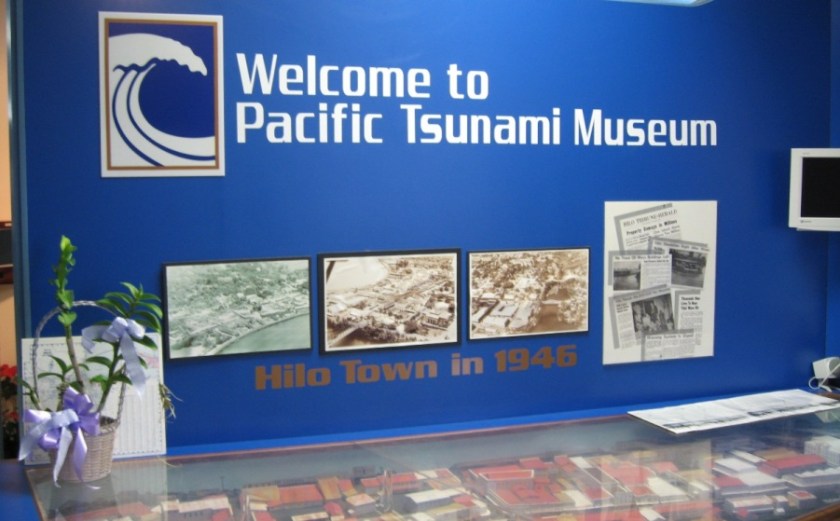
Entrance to Pacific Tsunami Museum in Hilo, Hawaii, photo by Nalaka Gunawardene, Jan 2007

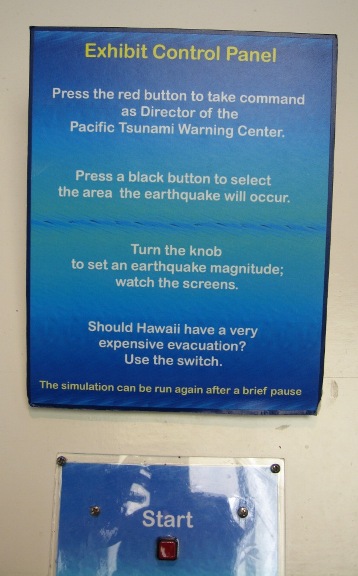
Five years ago, on a visit to the Pacific Tsunami Museum in Hilo, Hawaii, I played an interesting simulation game: setting off an undersea earthquake and deciding whether or not to issue a tsunami warning to the many countries in and around the Pacific.

The volunteer-run museum, based in ‘the tsunami capital of the world’, engages visitors on the science, history and sociology of tsunamis. The exhibits are mostly mechanical or use basic electronic displays, but the messages are carefully thought out.

The game allowed me to imagine being Director of the Pacific Tsunami Warning Centre (PTWC), a US government scientific facility in Ewa Beach, Hawaii, where geophysicists monitor seismic activity round the clock. When the magnitude exceeds 7.5, its epicentre is located and a tsunami watch is set up. Then, combining the seismic, sea level and historical data, PTWC decides if it should be upped to a warning.

Tsunami simulation game - low tech, high lesson
The museum game allows players to choose one of three locations where an earthquake happens — Alaska, Chile or Japan — and also decide on its magnitude from 6.0 to 8.5 on the Richter Scale.

This is an instance where scientists must quickly process large volumes of information and add their own judgement to the mix. With rapid onset hazards like tsunamis, every second counts. Delays or inaction can be costly — but false alarms don’t come cheap either.

I played the game thrice, and erring on the side of caution, issued a local (Hawaiian) evacuation every time. If it were for real, that would have caused chaos and cost the islanders a lot of money.

In fact, those who make decisions on tsunami alerts or warnings have to take many factors into account – including safety, economic impact and even political fall-out.

After playing the simulation game, I can better appreciate the predicament government officials who shoulder this responsibility. They walk a tight rope, balancing short-term public safety and long term public trust in the entire early warning system.

This is how I open a new op ed essay that reflects on the Indian Ocean undersea quake on 11 April 2012, and the tsunami watch that followed.

Taking Sri Lanka as the example, but sometimes referring to how other Indian Ocean rim countries reacted to the same situation, I raise some basic concerns that go beyond this individual incident, and address fundamentals of disaster early warning and information management in the Internet age.

Another except:
“So was the tsunami warning and coastal evacuation on April 11 justified? This needs careful, dispassionate analysis in the coming weeks. ‘Better safe than sorry’ might work the first few times, but let us remember the cry-wolf syndrome. False alarms and evacuation orders can reduce public trust and cooperation over time.”

In particular, I focus on nurturing public trust — which I call the ‘lubricant’ that can help move the wheels of law and order, as well as public safety, in the right direction.

Read full essay on Groundviews.org:
Nurturing Public Trust in Times of Crisis: Reflections on April 11 Tsunami Warning

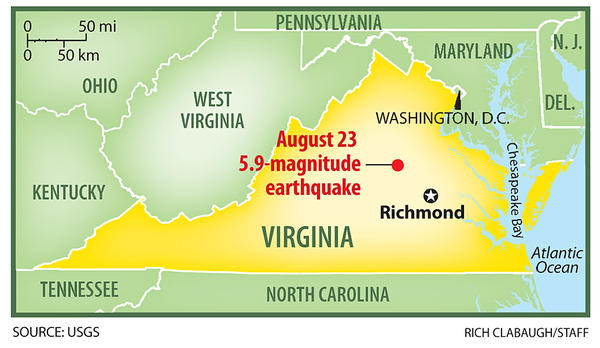
It’s an earthquake, stupid: Reflections on Virginia’s 5.8 tremble on Aug 23

Map courtesy Christian Science Monitor
I’ve been travelling for 25 years, but never once experienced an earthquake. Oh, I regularly visit places located in highly seismically active zones: Japan, Indonesia and Nepal among them. However, I’ve never been in the right place at the right time — or should it be ‘the wrong place at the wrong time’?

That was finally corrected with the US East Coast earthquake on 23 August,the last day of my visit to Washington DC, where I’d been staying with a friend in Alexandria, Virginia. Daughter Dhara and I had just finished packing for our long return journey and making ourselves some lunch. Our friends were at work; we were alone with another visitor.

Around 2 pm, and without any warning, the whole house started shaking. The basement made the biggest noise and a cupboard full of glassware next to the dining table rattled quite hard – for a moment I thought it was going to crash forward.

But luckily it didn’t. The noise and vibrations last for about 20-30 seconds. By then I figured that it was an earthquake. We were within a few feet of the front door, so we quick ran outside. Wrong move, we later heard (we should instead have crept under a table and waited for things to settle). But all our neighbours too did the same, rushing out looking all panicked…

Things settled down soon enough, and no further tremours were felt. After a few minutes, we went back inside.

But I was puzzled: the US East Coast is not known to be seismically that active. Yet a few minutes later the US Geological Survey, which monitors earthquakes worldwide, posted an update: this was indeed a magnitude 5.8 quake which was centred in the state of Virginia — the epicentre was only around 50km from where we are at the time. The largest previous earthquake (magnitude 4.8) in this area had occurred in 1875. Smaller earthquakes that cause little or no damage are felt each year or two.

Within an hour of the incident (late by social media standards!), I tweeted: “After 25 yrs of world travel, incl a dozen visits to Japan, I’ve finally experienced a #quake in Virginia, USA. Shaken but not stirred…”

What I didn’t express, until now, is the sense of relief that as quakes go, this was a relatively harmless tremour!

As news started coming in, we heard that the impact had been felt more forcefully in nearby towns and neighbourhoods. Government and corporate offices – including the US Congress and Pentagon (Defence Dept) — evacuated as a precautionary measure. Many shopping malls and other public places closed up in a hurry. The cell phone networks were clogged with too many people calling each other. It was a mild form of panic, something the Californians on the West Coast — so accustomed to tremours in their lives — found amusing.

The US media — perhaps starved of breaking news in the lazy days of Summer — went into overdrive with saturation coverage. Much of it was cacophonous, but some outlets were more informed and measured.

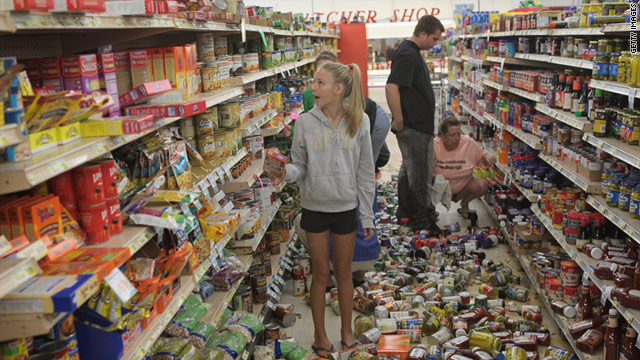
Volunteers help restock shelves in Mineral, Virginia, just a few miles from the epicenter of Aug 23 earthquake - Image courtesy CNN.com

Among the more perceptive pieces was what an op ed that appeared on CNN.com and written by Christa von Hillebrandt-Andrade, manager of the Caribbean Tsunami Warning Program of the U.S. National Weather Service and president of the Seismological Society of America, She noted: “Although seismologists, historians and emergency managers have recognized the potential for an earthquake along the East Coast for years, most people were caught by surprise and so responded inappropriately. The ground doesn’t shake as much in the East as it does in California, Alaska, the Pacific Northwest, Puerto Rico or the Virgin Islands. But because of the great concentration of population and infrastructure in the East, it’s an area of immense risk.”

She added: “Since earthquakes are infrequent in this region, most people don’t know earthquake preparedness measures. Instead of running out of buildings, they should have dropped, covered and held on. Earthquakes are natural phenomena that become disasters when we don’t prepare adequately — or are not educated in proper measures.

“The 2004 tsunami is an example of a rare event catching people unprepared, with catastrophic results. In December of that year, more than 230,000 lives were lost in countries around the Indian Ocean. Residents and tourists were taken by surprise — they were not warned, nor did they recognize the natural signs.”

She also cited the exception to that norm: the British school girl Tilly Smith who was vacationing on a Thai beach that day and recognised the tell-tale signs of the oncoming tsunami. In the wake of the Virginia quake, my Oct 2007 blog post about Tilly has attracted considerable attention.

Read the full article: Quake a wake-up call for Eastern U.S. By Christa von Hillebrandt-Andrade, CNN.com

A ‘Greek’ among Geeks and Greens…

Asking questions. Connecting the dots. Explaining matters.

These actions sum up what I have been doing in the spheres of communication and development for over 20 years. They form the cornerstone in my attempts to make sense of our globalised world and heady times.

As a journalist, I was trained to look for what’s New, True and Interesting (‘NTI Test’). Early on, I went beyond just reporting events, and probed the underlying causes and processes. With experience, I can now offer my audiences something more: perspective and seasoned opinion.

I look back (slightly) and look around (a lot) in a half-hour, in-depth TV interview with media researcher/activist and fellow citizen journalist Sanjana Hattotuwa. This was part of The Interview (third series) produced by Young Asia Television, and broadcast on two Sri Lankan TV channels, TNL and ETv on May 8 (with repeats).

Watch the full interview online: Sanjana Hattotuwa talks to Nalaka Gunawardene

Nalaka Gunawardene from Young Asia Television on Vimeo.

I have always worn multiple ‘hats’, and dabbled in multiple pursuits rather than follow narrow paths of enquiry. I see myself continuing to oscillate between the ‘geeks’ and greens, and where possible, bridging their worlds.

I sometimes feel a strange kinship with the ancient Greeks, who first asked some fundamental questions about the universe. They didn’t always get the answers right, and neither do I.

But it’s very important that we question and critique progress – I do so with an open mind, enthusiasm and optimism.

Note: I was also a guest in the first series of this show, in February 2009, which led to this blogpost.

Can cricket unite a divided Sri Lanka? Answer is in the air…will it be caught?

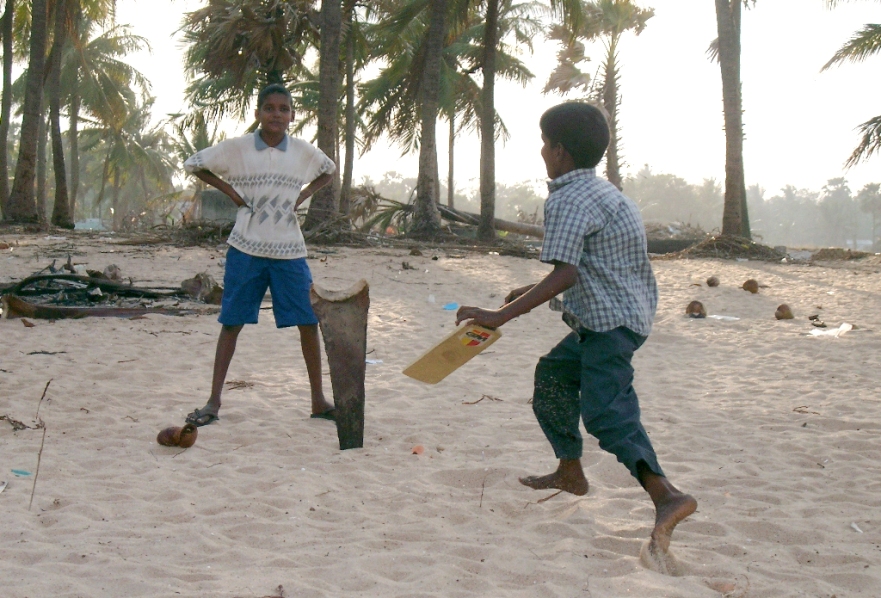
Boys playing cricket on tsunami hit beach in eastern Sri Lanka, January 2005 (photo by Video Image)

Two boys playing cricket on a beach, with a makeshift bat and wicket. What could be more ordinary than this in cricket-crazy Sri Lanka, where every street, backyard or bare land can host an impromptu game?

But the time and place of this photo made it anything but ordinary. This was somewhere along Sri Lanka’s east coast, one day in mid January 2005. Just a couple of weeks after the Indian Ocean tsunami had delivered a deadly blow to this part of the island on 26 December 2004.

My colleagues were looking for a survivor family whose story we could document for the next one year as part of the Children of Tsunami media project that we had just conceived. On their travels, they came across these two boys whose family was hit hard by the tsunami: they lost a sibling and their house was destroyed.

They were living in a temporary shelter, still recovering from the biggest shock of their short lives. But evidently not too numbed to play a small game of cricket. Perhaps it was part of their own way of coping and healing.

More than six years and many thousand images later, I still remember this photo for the quiet defiance and resilience it captured. Maybe that moment in time for two young boys on a devastated beach is symbolic of the 20 million plus men, women and children living in post-war Sri Lanka today.

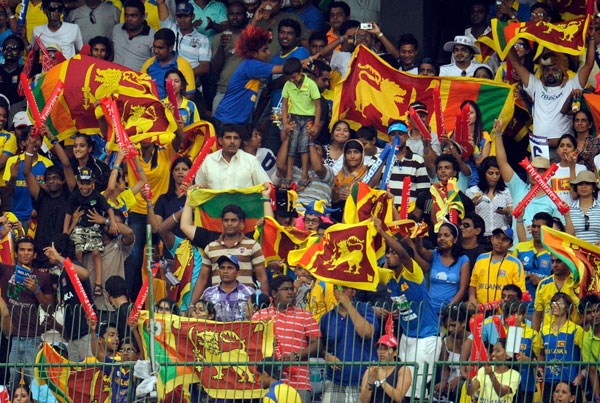
We are playing cricket, or cheering cricket passionately and wildly even as we try to put a quarter century of war, destruction and inhumanity behind us. And at least on the cricket front, we’re doing darn well: the Sri Lanka national team beat New Zealand on March 29 to qualify for the ICC Cricket World Cup finals on April 3 in Mumbai.

We’ve been here once before – in March 1996 – and won the World Cup against many odds. Can we repeat or improve that performance? We’ll soon know.

Of course, rebuilding the war-ravaged areas and healing the deep-running wounds of war is going to be much harder than playing the ball game.

My friends at Groundviews is conducting an interesting informal poll: World Cup cricket aiding reconciliation in Sri Lanka: Fact or fiction?

A few days ago, Captain of Lankan cricket team Kumar Sangakkara described post-war northern Sri Lanka as a scene of devastation after paying his first visit to the region. People of the north have been deprived for 30 years of everything that is taken for granted in Colombo, he told the media.

He toured the north with team mate and wiz bowler Muttiah Muralitharan, who is patron of the Foundation of Goodness. The charity, itself a response to the 2004 tsunami, “aims to narrow the gap between urban and rural life in Sri Lanka by tackling poverty through productive activities”.

Earlier this month, Lankan novelist Shehan Karunatilaka wrote a highly moving essay in the London Observer titled ‘How cricket saved Sri Lanka’. The blurb read: “As co-host of the current World Cup, Sri Lankans are relishing their moment on the sport’s biggest stage. And no wonder. For them, cricket is much more than a game. After years of civil war, the tsunami and floods, it’s still the only thing holding their chaotic country together.”

In that essay, which is well worth a read, he noted: “Many of us believe in the myth of sport; some more than others. Clint Eastwood and Hollywood have turned the 1995 Rugby World Cup into a sport-conquers-apartheid fantasy in Invictus. CLR James believed cricket to be the catalyst for West Indian nationalism. A drunk in a Colombo cricket bar once told me that Rocky IV had hastened the fall of the Soviet Empire.”

He added: “Let’s abandon the myths for now. Sport cannot change a world. But it can excite it. It can galvanise a nation into believing in itself. It can also set a nation up for heartbreak.”

Cricket has indeed excited the 20 million Lankans from all walks of life, and across the various social, economic and cultural divides. It has rubbed off on even a cricket-skeptic like myself.

We will soon know whether the Cricket World Cup will be ours again. Whatever happens at the Wankhede Stadium in Mumbai on April 2, we have a long way to go on the road to recovery and reconciliation.

Colombo, 29 March 2011: When Sri Lanka beat New Zealand to qualify for Cricket World Cup 2011 Finals

Wiz Quiz 10: Japan’s struggle with the four elements

Image courtesy Vision Magazine
Earth, water, fire and air.

These are the four basic elements of matter as seen in ancient Greek, Hindu and other traditions. Each had different names for them, but the concepts were similar.

And in recent days, Japan has been experiencing multiple disasters involving all these elements.

It started with the 9.0-magnitude megathrust earthquake off the coast of Japan that occurred at 2.46 pm Japan time on 11 March 2011. Its epicentre was 130 kilometres off the east coast of the Oshika Peninsula of Tohoku, near Sendai. The earthquake triggered highly destructive tsunami waves of up to 10 meters (33 ft) that struck nearby coastal areas minutes after the quake, and in some cases travelled up to 10 km (6 miles) inland. The earthquake and tsunami waves killed over 5,000 people, caused massive property damage and started fires in some affected locations. Most worrying was the damage caused to the Fukushima II nuclear power plant where reactors damaged by the quake and tsunami led to an accidental leak of radioactivity.

Japan has a long history of living and coping with disasters, but the magnitude and confluence of multiple disasters has plunged the country into the worst crisis since the Second World War. This week’s Wiz Quiz devotes several questions to the history and science of tsunamis.

As it turns out, thanks to Japan’s strict building codes and preparedness, the country could absorb much of the powerful earthquake. But the massive tsunami is what caused most of the damage — there is little defence against the mighty waves that come roaring inland, wiping out everything in their path…

Read Wiz Quiz 10: Japan’s struggle with four elements

Grace under pressure: Japan faces tough test from 3/11 disasters – quake, tsunami, meltdown…

Cartoon by Geneva-based Patrick Chappatte, who works for International Herald and Le Temps

Since Friday March 11 afternoon, I’ve been watching the unfolding humanitarian tragedy in Japan caused by multiple disasters — 8.9 earthquake, tsunami, dam burst, fires, and now the meltdown of three nuclear reactors.

Our heart-felt sympathy goes out to all Japanese people, among whom I count many friends. No nation deserves to be battered simultaneously like this by natural and (partly) man-made calamities.

Yet, few nations are better prepared and equipped to deal with such crises. Japan may be reeling right now, but things could have been far worse if not for their readiness to face emergencies both at individual and institutional levels.

Amidst scenes of utter destruction and dislocation, the Japanese people were reacting with the stoic calm for which Japan is famous. “What’s amazing is that everyone I saw — cops on their white bicycles, boys reading comics in alleys, kids walking home with their parents — appeared graceful under this unexpected disaster,” Tokyo resident Irie Otoko wrote to The New York Times.

But make no mistake: this is a big one as disasters come. The death toll is feared to exceed 10,000, and the property damage alone is likely to be tens of billions of dollars. The societal, economic and emotional costs are hard to quantify at this early stage.

It was only a couple of weeks ago that I was walking the streets of Tokyo, enjoying the calm and orderly life in the modern Roppongi and the old world charm of Kagurazaka. But once again, Planet Earth has reminded us who is in charge.

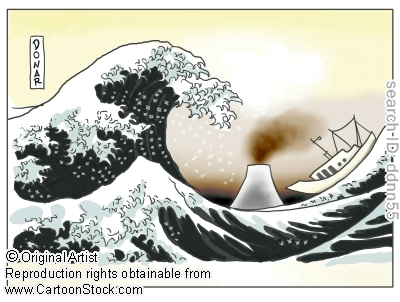
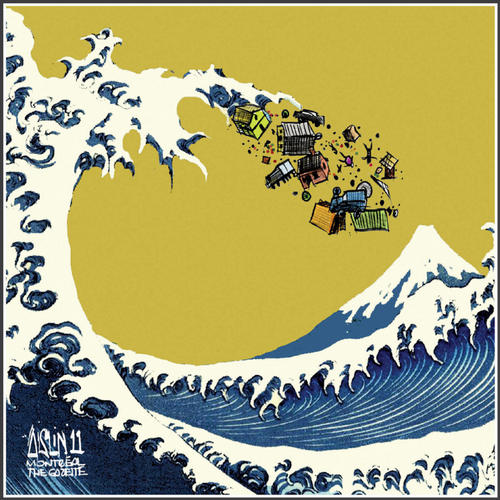
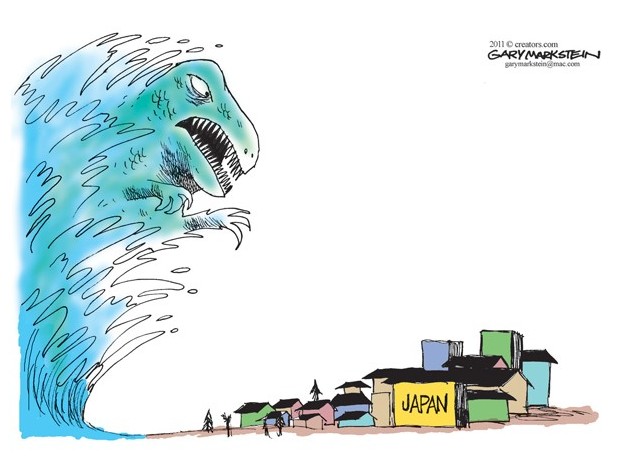
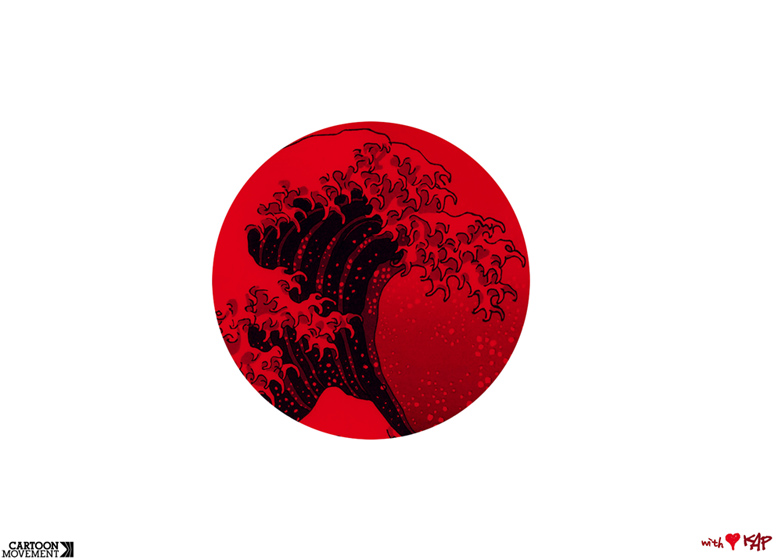
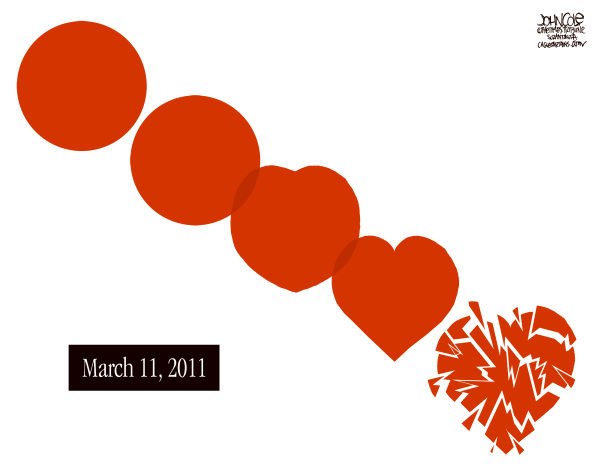
And cartoonists are capturing the planetary sentiment with their usual economy of words.

Cartoon by Terry Mosher, The Star, Toronoto, Canada
Cartoon by Gary Markstein, Copyright 2011 Creators Syndicate
Courtesy: Cartoon Movement

What were the most iconic images of Asian Tsunami of December 2004?

Every major disaster produces its own iconic images which determine how the collective memory of the world would remember the incident.

In a blog post to mark the sixth anniversary, I quoted photojournalist Shahidul Alam as saying: “The immediacy of an iconic image, its ability to engage with the viewer, its intimacy, the universality of its language, means it is at once a language of the masses, but also the key that can open doors. For both the gatekeepers and the public, the image has a visceral quality that is both raw and delicate. It can move people to laughter and to tears and can touch people at many levels. The iconic image lingers, long after the moment has gone. We are the witnesses of our times and the historians of our ages. We are the collective memories of our communities.”

Looking back six years later, which of the numerous images of the Asian Tsunami of 26 December 2004 have achieved that iconic status? It was one of the most widely photographed disasters of our time — but which handful of images do we remember now, more than 2,000 days later?

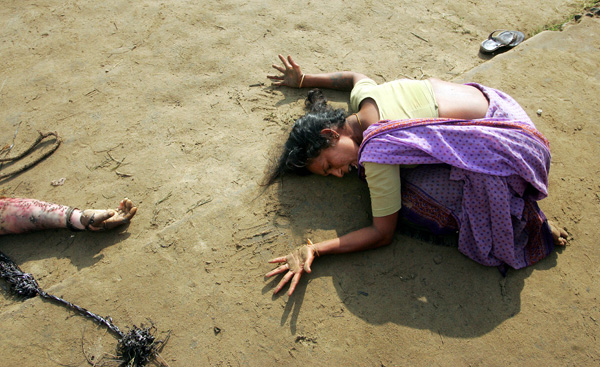
One image that lingers, for its frozen horror and tragedy, is this one taken by Reuters photojournalist Arko Datta in Tamil Nadu, southern India. It later won him the World Press Photo and other international awards.

An Indian woman mourns the death of a relative killed in the Asian tsunami. The picture was taken in Cuddalore, Tamil Nadu, on 28 December 2004 (REUTERS, Arko Datta)

For a mega-disaster that was distributed over a very large area along the Indian Ocean rim, covering a dozen countries in South and Southeast Asia, there must be more iconic images — either globally or nationally. What image/s do YOU remember the December 2004 Tsunami by?

It doesn’t matter if they the image was taken by a professional photographer (i.e. one who is paid to do that job) or a holiday maker or a local resident…as long as it was widely shared and has entered our collective consciousness. Please nominate your images with links, which we will display here.

This photo is a fake!
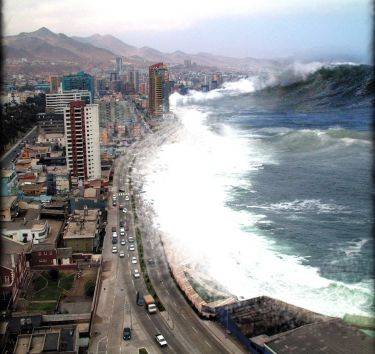
Note: Beware of fake tsunami images that are in circulation, which some people are peddling either knowingly or unknowingly. One of them — allegedly the waves hitting Phuket in Thailand — is exposed at Urban Legends as digitally imagined fantasy. Another set of images is real enough — but have nothing to do with the tsunami. These show people running away from an oncoming burst of water, seemingly a big wave. They are of a TIDAL BORE, not a tsunami, taken in October 2002 at the Qiantang Jian River in Hangzhou, Zhejiang, China — an area known for tidal bores.

Capturing Nature’s Fury: Revisiting Asian Tsunami memories through photographs

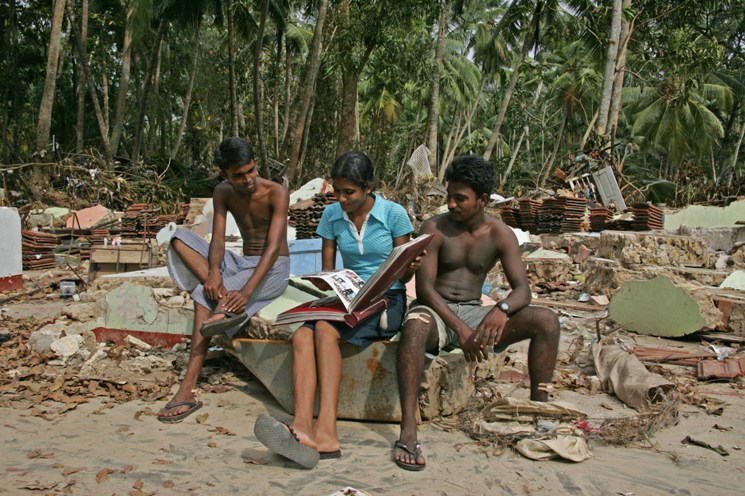
Tsunami survivors look at an lbum of family photos in Telwatte, Sri Lanka - Photo by Shahidul Alam

Today marks the 6th anniversary of the Boxing Day Tsunami of December 2004. The occasion is being marked solemnly in many locations hit by the waves all along the Indian Ocean rim countries.

Among them is Peraliya, close to Telwatte, where the worst train crash in railroad history occurred that day — when an overcrowded passenger train was destroyed on a coastal railway in Sri Lanka by the tsunami. The government-owned Sri Lanka Railways will never be able to live down their day of infamy when a packed train headed to disaster with no warning… They have the gumption — and insensitivity — to operate a memorial train today along the same path that led more than 2,000 passengers to a watery grave six years ago.

After six years, most survivors have moved on and rebuilt their shattered lives. Memories are also beginning to fade a bit, but for those directly affected, they will remember 26 December 2004 for the rest of their lives. And we who shared their tragedy and misery will keep reliving the memories through photographs, videos and the growing body of creative writing that the region-wide disaster inspired.

Photographs stand out as possibly the most enduring memory aids of a disaster. As disaster survivors sift through what is left of their homes, family photo albums are among the most cherished possessions they seek to recover. Why are snapshots of frozen moments so powerfully evocative to individuals, communities and the world?

I posed this question in the introductory blurb I wrote for my friend Shahidul Alam‘s chapter on disasters and photography in our 2007 book, Communicating Disasters: An Asia Pacific Resource Book.

Titled Capturing Nature’s Fury, the chapter drew on Shahidul’s experiences not only with the tsunami, which he covered in Sri Lanka, but also the earthquakes in Bam, Iran (December 2003) and Kashmir (October 2005), and cyclones and floods in his native Bangladesh.

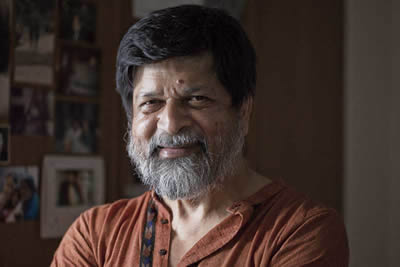
Shahidul Alam. Photo: Rahnuma Ahmed/Drik/Majority World
Describing the circumstances of the above photo, Shahidul wrote: “In the ruins of Telwatte, where the fateful train disaster had taken place, I came across a family that had gathered in the wreckage of their home. I wanted to ask them their stories, find out what they had seen, but stopped when I saw them pick up the family album. They sat amidst the rubble and laughed as they turned page after page.”

Zooming out, he further reflected:

“I had seen it before. As people rummaged through the ruins of their homes, the first thing they searched for was photographs. Years earlier at a disaster closer to home, I had photographed a group of children amidst the floods of 1988. The children insisted on being photographed. As I pressed the shutter, I realised that the boy in the middle was blind. He would never see the photograph he was proudly posing for. Why was it so important for the blind boy to be photographed?

“Though my entry into photography had been through a happy accident, my choice of becoming a photographer had been a very conscious one. Having felt the power of the image I recognised its ability to move people. The immediacy of an iconic image, its ability to engage with the viewer, its intimacy, the universality of its language, means it is at once a language of the masses, but also the key that can open doors.

“For both the gatekeepers and the public, the image has a visceral quality that is both raw and delicate. It can move people to laughter and to tears and can touch people at many levels. The iconic image lingers, long after the moment has gone. We are the witnesses of our times and the historians of our ages. We are the collective memories of our communities.

“For that blind boy in Bangladesh and for the many who face human suffering but may otherwise be forgotten, the photograph prevents them from being reduced to numbers. It brings back humanity in our lives.”

Read the full chapter: Capturing Nature’s Fury, by Shahidul Alam


Photographer Chuli de Silva’s memories of the Tsunami, recalled six years later

Dec 2007: Asian Tsunami: A moving moment frozen in time