සිවුමංසල කොලූගැටයා #37: අලි-මිනිස් සංහිදියාවේ අළුත් පිටුවක්

This is my latest Sinhala column published in Ravaya newspaper on 23 October 2011, which is about human-elephant interactions in Sri Lanka, which has the highest density of Asian elephants in the world. I have covered much of the same ground in English in another recent essay, Chandani: Riding a Jumbo Where No Woman Has Gone Before…
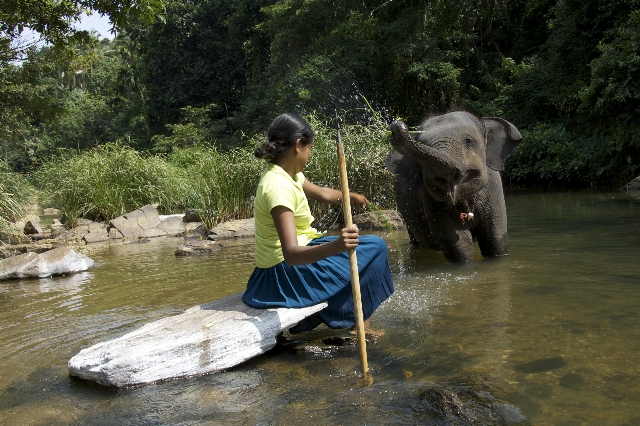

ඔක්තෝබර් මුල සතියේ කොළඹින් ඇරඹුණු, ගාල්ල මහනුවර හා යාපනය නගරවලට ද යන්නට නියමිත යුරෝපීය චිත්‍රපට උළෙලේ ප්‍රදර්ශනය කළ එක් චිත්‍රපටයකට මගේ විශේෂ අවධානය යොමු වුණා. ජර්මන් චිත්‍රපට කණ්ඩායමක් ලංකාවේ රූපගත කොට 2010දී නිර්මාණය කළ එය, Chandani: The Daughter of the Elephant Whisperer නම් වාර්තා චිත්‍රපටයක්. සිංහලෙන් ‘චාන්දනී – ඇත්ගොව්වාගේ දියණිය’ සේ අරුත් දිය හැකියි. අපේ රටේ ඈත අතීතයට දිව යන අලි – මිනිස් සබදතාවන්ගේ අළුත් පැතිකඩක්, කථාවක ස්වරූපයෙන් කියන නිර්මාණයක් හැටියට මේ චිත්‍රපටය මා දකිනවා.

අලි ඇතුන් ගැන චිත්‍රපට නිපදවන්නට සිනමාවේ මෙන් ම ටෙලිවිෂන් කර්මාන්තයේත් බොහෝ දෙනා කැමතියි. ගොඩබිම වෙසෙන විශාල ම ජීවීන් හැටියටත්, සමාජශීලි හා බුද්ධිමත් සත්ත්ව විශේෂයක් හැටියටත්, අලි ඇතුන්ගේ සුවිශේෂ බවක් තිඛෙනවා. බටහිර චිත්‍රපට කණ්ඩායම් වැඩි අවධානයක් යොමු කරන්නේ අප්‍රිකානු අලියාටයි. ආසියානු අලි ඇතුන් ගැන චිත්‍රපට රූපගත කරන්නට වුවත් ඔවුන් තෝරා ගන්නේ ලංකාවට වඩා ඉන්දියාව, තායිලන්තය වැනි රටවල්. මා මීට පෙර වතාවක (2011 මාර්තු 13) පෙන්වා දුන් පරිදි සොබාදහම ගැන චිත්‍රපට නිපදවන විදේශීය කණ්ඩායම් මෙරටට ඇද ගන්නට අප තවමත් එතරම් උත්සාහයක් ගන්නේ නැහැ. ඉදහිට හෝ මෙහි එන විදෙස් චිත්‍රපට නිෂ්පාදකයන්ට හසු කර ගන්නට හැකි විසිතුරු සැබෑ කථා විශාල ප්‍රමාණයක් අප සතුව තිඛෙනවා. චාන්දනී චිත්‍රපටය එයට තවත් උදාහරණයක්.

මේ චිත්‍රපටය වනජීවීන් හෝ පරිසරය හෝ ගැන කථාවක් නොවෙයි. එය අවධානය යොමු කරන්නේ හීලෑ අලි ඇතුන් හා මිනිසුන් අතර සබදතාවයටයි. වාර්තා චිත්‍රපටයකට වඩා නාට්‍යමය හා රියැලිටි ස්වරූපයෙන් නිර්මිත මෙහි මිනිස් ‘චරිත’ තුනක් හමුවනවා.

කථා නායිකාව 16 හැවිරිදි චාන්දනී රේණුකා රත්නායක. ඇය පින්නවෙල අලි අනාථාගාරයේ ප්‍රධාන ඇත්ගොව්වා වන සුමනබණ්ඩාගේ දෙටු දියුණිය. සිට පිය පරම්පරාවේ සාම්ප්‍රදායිකව කර ගෙන ආ අලි ඇතුන් හීලෑ කර රැක බලා ගැනීමේ කාරියට අත තබන්නට ඇයට ලොකු ඕනෑකමක් තිඛෙනවා. පවුලේ පිරිමි දරුවකු නැති පසුබිම තුළ සුමනබණ්ඩා එයට එක`ග වී පරම්පරාගත දැනුම හා ශිල්පක්‍රම ටිකෙන් ටික චාන්දනීට උගන් වනවා. මේ සදහා කණ්ඩුල නම් අලි පැටවකු සොයා ගෙන එන ඔහු කණ්ඩුලගේ වගකීම් සමුදාය ක්‍රම ක්‍රමයෙන් චාන්දනීට පවරනවා.

ලංකාවේ අලි ඇතුන් පිළිබදව 1995දී පොතක් ලියූ ජයන්ත ජයවර්ධන කියන හැටියට අලින් හීලෑ කිරීමේ වසර තුන් දහසකට වඩා පැරණි සම්ප්‍රදායක් අපට තිඛෙනවා. වනගත අලින් අල්ලා, මෙල්ල කොට පුහුණු කළ හැකි වූවත් බල්ලන්, පූසන් වැනි ගෘහස්ත සතුන්ගේ මට්ටමට අලින් හීලෑ නොවන බවත් ඔහු කියනවා.

“ර්‍ගොඩබිම වෙසෙන දැවැන්ත ම සත්ත්වයා වන අලියාට විශාල ශරීර ශක්තියක් තිඛෙන නිසා ඔවුන් හැසිරවීම ප්‍රවේශමෙන්, සීරුවෙන් කළ යුක්තක්. අලි පුහුණුවට ආවේනික වූ වචන දුසිමක් පමණ යොදාගෙන මේ දැවැන්තයන්ට අණ දීමේ කලාවක් අපේ ඇත්ගොව්වන්ට තිඛෙනවා. එහිදී ඇත්ගොව්වා සහ අලියා අතර ඇතිවන සබදතාවය ඉතා වැදගත්.”

එම සම්ප්‍රදාය පිළිබද ඉගි කිහිපයක් අප චාන්දනී චිත්‍රපටයේ දකිනවා. අලි හසුරු වන බස් වහර, අලියාගේ සිරුරේ මර්මස්ථාන හා අලින්ගේ ලෙඩට දුකට ප්‍රතිකාර කිරීමට කැප වූ දේශීය සත්ත්ව වෙදකම් ආදීය එයට ඇතුළත්. අලි පුහුණු කිරීම හා මෙහෙයවීම ක්‍රමවේදයන් ගණනාවක සංකලනයක්. එයට දැනුම, ශික‍ෂණය, කැපවීම යන සියල්ල අවශ්‍යයි. චාන්දනීට මේ අභියෝග ජය ගත හැකිද යන්න පිරිමි ඇත්ගොව්වන්ට මෙන් ම ඇගේ අසල්වාසීන්ට ද ප්‍රශ්නයක්. කථාව දිග හැරෙන්නේ එයට චාන්දනී හා ඇගේ පියා ඉවසිලිවන්තව හා අධිෂ්ඨානයෙන් මුහුණ දෙන ආකාරය ගැනයි.

මෙහි දී චාන්දනීගේ මග පෙන්වීමට වනජීවී ෙක‍ෂත්‍ර නිලධාරියකු වන මොහමඩ් රහීම් ඉදිරිපත් වනවා. මොහොමඩ් සමග උඩවලවේ ජාතික වනෝද්‍යානය හා ඒ අවට ගම්මානවල සංචාරය කරන චාන්දනී, වනගත අලි ඇතුන් මුහුණ දෙන ඉඩකඩ, ආහාර හා ජලය පිළිබද දැවෙන ප්‍රශ්න දැක ගන්නවා.

තදබද වූ මේ දූපතේ, සීමිත බිම් ප්‍රමාණයක් සදහා මිනිසුන් හා අලින් අතර පවතින නිරතුරු අරගලයෙන් වසරක් පාසා අලි 150ක් පමණත්, මිනිසුන් 50 දෙනකු පමණත් මිය යනවා. මේ අලි-මිනිස් ගැටුමට ඓතිහාසික, සාමාජයීය හා ආර්ථීක සාධක ගණනාවක් ඇතත් ඒවා විග්‍රහ කිරීමට මේ චිත්‍රපටය උත්සාහ කරන්නේ නැහැ. එබදු දැඩි අර්බුදයක් පසුබිමේ ඇති බව ප්‍රේක‍ෂකයාට සිහිපත් කළත් එයට සරල පැලැස්තර විසදුම් ඉදිරිපත් කරන්නේත් නැහැ.

මේ චිත්‍රපටයේ මා දකින එක් ගුණයක් නම් මිනිසුන්ට වඩා අලි ඇතුන්ගේ ජීවිත වටිනා බව තර්ක කරන අන්තවාදී පරිසරවේදීන්ට එහි කිසිදු තැනක් නොදීමයි. ඒ වෙනුවට මිනිස් සමාජයට පිවිස යම් තරමකට හීලෑ බවක් ලැබූ අලි ඇතුන් සමග සානුකම්පිකව ගනුදෙනු කරන මානවයන් ද ලක් සමාජයේ සිටින බව මේ චිත්‍රපටය හීන්සීරුවේ ලෝකයට කියනවා. අවිහිංසාවාදය හා සාංස්කෘතික සාරධර්ම ගැන දේශනා කිරීමකින් තොරව එය ප්‍රායෝගිකව මේ දූපතේ සිදු වන හැටි රූපානුසාරයෙන් හා කථානුසාරයෙන් පෙන්වා දෙනවා.

අලින් හා මිනිසුන් අතර මිතුදම වෘතාන්ත චිත්‍රපට ගණනාවක ම තේමාව ලෙස මින් පෙරත් යොදා ගෙන තිඛෙනවා. සිනමාවේ මුල් යුගයේ උදාහරණයක් නම් 1937දී නිර්මාණය වූ Elephant Boy රුඩ්යාඩ් කිප්ලිංගේ ඔදදප්ස කථාව පදනම් කරගෙන තැනූ ඒ චිත්‍රපටයෙන් කියවුණේ කැලයේ අලින් සමග මිතුරු වන දරුවකු ගැනයි. හීලෑ කළ අලි ඇතුන් හා දරුවන් ගැනත් සිනමා සිත්තම් බිහි වී තිඛෙනවා. ජපන් ජාතික චිත්‍රපට අධ්‍යක‍ෂක ෂුන්සාකු කවාකේ 2005දී නිර්මාණය කළ Hoshi ni natta shonen (Shining Boy and Little Randy) චිත්‍රපටයෙන් කියැවුණේ ඇත්ගොව්වකු වීමේ ආශාවෙන් තායිලන්තයට ගිය ජපන් දරුවකුගේ සැබෑ කථාවයි.

බොහෝ විට මෙබදු චිත්‍රපටවල ප්‍රධාන මිනිස් චරිතය වන්නේ පිරිමි ළමයෙක්. චාන්දනී වැනි දැරියක් මෙබදු කාරියකට ඉදිරිපත් වීම සැබෑ ලෝකයේ කොතැනක වූවත් අසාමාන්‍ය වීම මෙයට හේතුව විය හැකියි. ඉතිහාසය පුරා ම පිරිමින් පමණක් සිදු කළ වගකීමක් කාන්තාවකට පැවරීම හරහා සුමනබණ්ඩා සියුම් සමාජ විප්ලවයකටත් දායක වනවා. එහෙත් චාන්දනී චිත්‍රපටයේ අරමුණ එබදු මහා පණිවුඩ සන්නිවේදනය නොවෙයි. එය දැරියක හා අලි පැටවකු අතර ඇතිවන මිතුරුකම වටා ගෙතුණු විසිතුරු කථාන්තරයක්.

ලංකාවේ අලි ඇතුන් කණ්ඩායම් දෙකකට ඛෙදිය හැකියි. වනගත (වල්) අලි හා හීලෑ කළ අලි හැටියට. 2011 අගෝස්තුවේ පැවැත්වූ මුල් ම අලි ඇත් සංගණනයෙන් සොයා ගත්තේ වනගත අලි ඇතුන් 7,339ක් මෙරට සිටින බවයි. (රක‍ෂිත ප්‍රදේශවල හෝ ඒවා ආසන්නයේ 5,879කුත් අනෙකුත් ප්‍රදේශවල තවත් 1,500කුත් වශයෙන්.) ඇතැම් පරිසරවේදීන් මේ සංගණනයේ ක්‍රමවේදය විවේචනය කළා. එහෙත් පරිපූර්ණ දත්තවලට වඩා කුමන හෝ දත්ත සමුදායක් ලබාගැනීම හරහා අලි සංරක‍ෂණයට රුකුලක් ලැඛෙන බව සිතිය හැකියි.

අපේ රටේ හීලෑ අලි ඇතුන් සිය ගණනක් ද සිටිනවා. එමෙන්ම මේ දෙකොටසට අතරමැදි සංක්‍රමනීය තත්ත්වයේ අලි ඇතුන් ද සිටිනවා. ස්වාභාවික පරිසරයේ විවිධ හේතු නිසා මවු සෙනෙහස අහිමි වූ ලාබාල අලි පැටවුන්ට රැකවරණය දෙමින් ඔවුන් ලොකු මහත් කිරීමට පින්නවෙල අලි අනාථාගාරය ඇරඹුවේ 1975දී. මේ වන විට සියයකට ආසන්න අලි ඇතුන් සංඛ්‍යාවක් එහි නේවාසිකව සිටිනවා. දෙස් විදෙස් සංචාරකයන් අතර ජනප්‍රිය ආකර්ශනයක් බවට පත්ව ඇති මේ අනාථාගාරයේ, පශ= වෛද්‍යවරුන් හා සත්ත්ව විද්‍යාඥයන්ගේ අනුදැනුම ඇතිව අලි ඇතුන් බෝ කිරීමේ වැඩපිළිවෙලක් ද 1982 සිට ක්‍රියාත්මක වනවා. මීට අමතරව උඩවලවේ වනෝද්‍යානයට බද්ධිතව ඇත් අතුරු සෙවන නම් තවත් තැනක් ද පිහිටුවා තිඛෙනවා.

ලංකාවේ වෘතාන්ත චිත්‍රපටයක් නිපදවීමට සාමාන්‍යයෙන් යොද වන තරමේ මුදල් හා තාක‍ෂණික ආයෝජනයක් මේ වාර්තා චිත්‍රපටයට වැය කරන්නට ඇතැයි අනුමාන කළ හැකියි. එහෙත් මේ ආයෝජනයේ උපරිම ඵල නෙළා ගන්නට එහි සංස්කරණය (editing) මීට වඩා කල්පනාකාරී හා නිර්දය ලෙස සිදු කළා නම් හැකි වන බව චිත්‍රපට මාධ්‍යයේ ශිල්පීය ක්‍රම දත් මගේ ඇතැම් මිතුරන්ගේ අදහසයි.

ආසියානු අලි ඇතුන් වනගතව හමුවන රටවල් අතරින් වැඩි ම අලි ඝනත්වය (highest Asian elephant density) ඇත්තේ ලංකාවේයි. මේ දූපතේ බිම් හා සොබා සම්පත්, මිලියන් 20කට වැඩි ජන සංඛ්‍යාවක් හා හත් දහසකට අධික අලි ඇතුන් ගණනක් අතර තුලනය කර ගන්නේ කෙසේද යන්න අප මුහුණ දෙන ප්‍රබල සංරක‍ෂණ අභියෝගයක්. අලි ඇතුන් ගැන කථා කරන විට පරිසරවේදීන් බහුතරයක් ආවේගශීලී වනු දැකිය හැකියි. මෙරට ඉතිරිව ඇති වනාන්තර, තණබිම් හා විල්ලූ ප්‍රදේශවලට ස්වාභාවිකව දරා ගත හැකි අලි ඇතුන් සංඛ්‍යාව කොපමණ ද? ඒ සංඛ්‍යාව ඉක්මවා අලි ගහණයක් ඇති බව විද්‍යාත්මකව සොයා ගතහොත් අතිරික්තය ගැන කුමක් කළ හැකි ද – කළ යුතු ද? වනගත අලින්ට සමාන්තරව හීලෑ අලින් මනා සේ රැක බලා ගැනීම ඔස්සේ අලින් වද වී යාමේ තර්ජනය පාලනය කළ හැකි ද? මේ සියල්ල සංකීර්ණ ප්‍රශ්නයි.

ඒවාට පිළිතුරු සොයන්නට විද්‍යාත්මක ක්‍රමවේදයන් මෙන් ම අපේ සාරධර්ම ද යොදා ගත හැකියි. විසදුම් සොයා යන අතර අලි – මිනිස් සබදතාවයේ පැතිකඩ ගැන නිවැරදි, නිරවුල් සන්නිවේදනයක් දේශීයව මෙන් ම ජාත්‍යන්තරව ද කළ යුතුයි. ‘මිනී මරන අලි’ හා ‘අලි මරන මිනිසුන්’ ගැන සරල ත්‍රාසජනක වාර්තාවලින් ඔබ්බට යන තුලනාත්මක කථාබහකට අප යොමු විය යුතුයි. එමෙන් ම අලි – දිවි – වලසුන්ට සීමා නොවූ අතිශයින් විවිධ හා විචිත්‍ර ජීවි විශේෂ රාශියක් මේ දූපතේ අපත් සමග වෙසෙන බවත් අමතක නොකරන්න!

Titus Thotawatte (1929 – 2011): The Final Cut

Also published on Groundviews.org on 20 Oct 2011

Titus Thotawatte: The Magician

Emmanuel Titus de Silva, who was better known as Titus Thotawatte, was the finest editor in the six decades of the Lankan cinema. He was also a great assimilator and remixer – a ‘builder of bridges’ across cultures, media genres and generations.
Titus straddled the distinctive spheres of cinema and television with a technical dexterity and creativity rarely seen in either one. Both spheres involve playing with sound and pictures, but at different levels of scale, texture and ambition. Having excelled in the craft of making movies in the 1960s and 1970s, Titus successfully switched to television in the 1980s and 1990s. There, he again blaze his own innovative trail in Sri Lanka’s nascent television industry. As a result, my generation remembers him for his television legacy whereas my patents’ generation recall more of his cinematic accomplishments.

Titus left an indelible mark in the history of moving images. The unifying thread that continued from 16mm and 35mm formats in the cine world to U-matic and Betacam of the TV world was his formidable genius for story telling.

Titus de Silva, as he was then known, was a member of the ‘three musketeers’ who left the Government Film Unit (GFU) in the mid 1950s to take their chances in making their own films. The other two were director Lester James Peries and cinematographer Willie Blake. Lester recalls Titus as “an extraordinarily talented but refreshingly undisciplined character” who had been shunned from department to department at GFU “as he was by nature a somewhat disruptive force”!

The trio would go on to make Rekava (Line of Destiny, 1956) – and make history. In his biography by A J Gunawardana, Lester recalls how they were full of self-confidence, “cocky as hell” and determined to overcome the artificiality of studio sets. “We were revolutionaries, shooting our enemies with the camera, and set on changing the course of Sinhala film. In our ignorance, we were blissfully unaware of the hazards ahead – seemingly insurmountable problems we had to face, problems that no book on film-making can ever tell you about!”

In the star-obsessed world of cinema, the technical craftsmen who do the real magic behind the cameras rarely get the credit or recognition they deserve. Editors, in particular, must perform a very difficult balancing task – between the director, with his own vision of how a story should be told, and the audience that fully expects to be lulled into suspending their disbelief. Good editors distinguish themselves as much for what they include (and how) as for what they leave on the ‘cutting room floor’.

The tango between Lester and Titus worked well, both in the documentaries they made while at GFU, and the two feature films they did afterward: Rekava was followed by Sandeshaya (The Message, 1960).

They also became close friends. At his own expense, Titus also accompanied Lester to London where they re-edited and sub-titled Rekava (into French) for screening at the Cannes festival of 1957. As Lester recalls, “Titus was a great source of moral and technical strength to me; his presence was invaluable during sub-titling of the film”.

Titus Thotawatte - photo courtesy biography by Nuwan Nayanajith Kumara

In all, Titus edited a total of 25 Lankan feature films, nine of which he also directed. The cinematic trail that started with Rekava in 1956 continued till Handaya in 1979. While most were in black and white, typical of the era, Titus also edited the first full length colour feature film made in Sri Lanka: Ran Muthu Duwa (1962).

His dexterity and versatility in editing and making films were such that his creations are incomparable among themselves. In the popular consciousness, perhaps, Titus will be remembered the most for his last feature film Handaya – which he both directed and edited. Ostensibly labelled as a children’s film, it reached out and touched the child in all of us (from 8 to 80, as the film’s promotional line said). It was an upbeat story of a group of children and a pony – powerful visual metaphors for the human spirit triumphing in a harsh urban reality that has been exacerbated in the three decades since the film’s creation.

Handaya swept the local film awards at the Saravaviya, OCIC and Presidential film awards for 1979/1980. It also won the Grand Prix at the International Children and Youth Film Festival in Giffoni, Italy, in 1980. That a black and white, low-budget film outcompeted colour films from around the world was impressive enough, but the festival jury watched the film without any English subtitles was testimony to Titus’s ability to create cine-magic that transcended language.

Despite the accolades from near and far, a sequel to Handaya was scripted but never made: the award-winning director just couldn’t raise the money! This and other might-have-beens are revealed in the insightful Thotawatte biography written by journalist Nuwan Nayanajith Kumara. Had he been born in a country with a more advanced film industry with greater access to capital, the biographer speculates, Titus could have been another Steven Spielberg or Walt Disney.

Titus Thotawatte was indeed the closest we had to a Disney. As the pioneer in language versioning at Rupavahini from its early days in 1982, he not only voice dubbed some of the world’s most popular cartoons and classical dramas, but localised them so cleverly that some stories felt better than the originals! Working long hours with basic facilities but abundant talent, Titus once again sprinkled his ‘pixie dust’ in the formative years of national television.

In May 2002, when veteran broadcaster (and good friend) H M Gunasekera passed away, I called him the personification of the famous cartoon character Tintin. I never associated Titus personally, but having grown up in the indigenised cartoon universe that he created on our television, I feel as if I have known him for long. Therefore, Therefore, I hope Titus won’t mind my looking for a cartoon analogy for himself.

I don’t have to look very far. According to his loyal colleagues (and his biographer), Titus was a good-hearted and jovial man with a quick temper and scathing vocabulary. It wasn’t easy working with him. That sounds a bit like the inimitable Captain Haddock, the retired merchant sailor who was Tintin’s most dependable human companion. Haddock had a unique collection of expletives and insults, providing some counterbalance to the exceedingly polite Tintin. Yet beneath the veneer of gruffness, Haddock was a kind and generous man. It was their complementarity that livened up the globally popular stories, now a Hollywood movie by Steven Spielberg awaiting December release.

Perhaps that’s too simplistic an analogy for Titus. From all accounts, he was a brilliantly creative and multi-layered personality who embodied parts of Dr Dolittle (Dosthara Honda Hitha), Top Cat (Pissu Poosa), Bugs Bunny (Haa Haa Hari Haawa) and a myriad other characters that he rendered so well into Sinhala that some of my peers in Sri Lanka’s first television generation had no idea of their ‘foreign’ origins…

Titus was also a true ‘Gulliver’ whose restlessly imaginative mind traversed space and time — even after he was confined to one place during the last dozen years of his life.

A pity he spent too much time in Lilliput…

Chandani: Riding a Jumbo Where No Woman Has Gone Before…

Chandani Ratnayake with Kandula: She wants to become Sri Lanka's ambassador to elephants...

This film review has just appeared in The Nation newspaper, Sri Lanka, and can be accessed online at http://www.nation.lk/2011/10/16/eyefea6.htm

Years ago, I resolved not to watch any more documentaries about elephants – I have sat through far more than my fair share of them at film festivals across Asia and Europe. I have nothing against elephants; it’s just that most films about them are so predictably formulaic. Sooner or later, they all suggest: we greedy humans have robbed these giants of their jungles, and are now driving them to extinction.

While that is undeniable, the ground reality is a bit more nuanced. But few filmmakers or film commissioners want to go there. In any case, even the most balanced conservation film would still be trapped in an anthropocentric view of the human-elephant relationship: how differently might an elephant tell the same story?

Given these misgivings, I was pleasantly surprised by Arne Birkenstock’s new film, Chandani: The Daughter of the Elephant Whisperer (88 mins, 2010). He proves that it is always possible to find a refreshingly new way of telling a very old story.

The German film, shot entirely on location in Sri Lanka, centres around a young girl who loves elephants so much that she wants to spend the rest of her life tending to them. Sixteen-year-old Chandani Renuka Ratnayake is the eldest daughter Sumanabanda, the chief mahout at the elephant orphanage in Pinnawela. They hail from a family that has tamed and looked after elephants for generations. Lacking a son, he agrees to let Chandani train as a mahout.

There is only one small problem: Chandani is going where no Lankan woman has gone before. Other mahouts and the community doubt whether the eager young lass can rise to the many challenges involved in this hitherto male-only profession.

Sumanabanda brings home an elephant calf named Kandula, and assigns it to Chandani. Under the watchful eye of her father, Chandani does all the feeding, bathing and other chores. She has to divide her time between school and her boisterous charge. Soon, the two young ones bond with each other.

She also receives guidance from a wildlife ranger named Mohammed Raheem. He takes her to the Udawalawe National Park, an important habitat for wild elephants. There, she gets glimpses of the daily skirmish between wild elephants and humans for the land claimed by both species.

Exploring the relationship between children and elephants is a recurrent theme for filmmakers across cultures and genres. An early example was Elephant Boy (1937), a British adventure film directed by documentary filmmaker Robert J. Flaherty and Zoltan Korda, based on Rudyard Kipling’s “Toomai, of the Elephants”. A few years ago I watched the Japanese film Hoshi ni natta shonen — with a goofy English name, Shining Boy and Little Randy — directed by Shunsaku Kawake in 2005. It was the bittersweet story of a young boy who goes to Thailand to become Japan’s first elephant trainer.

The child character is usually male, possibly influenced by Mowgli of Jungle Book fame. But here, Chandani is playing herself: she has grown up watching the complexities of ex-situ conservation of the largest land mammal.

The elephant orphanage, set up on a 10-hectare coconut estate in 1975 to look after young elephants whose mothers have been killed — often in violent confrontations with villagers — is now home to nearly a hundred elephants. A captive breeding programme, introduced in 1982, has resulted in several live births.

Pinnawela continues a long tradition — going back to over 3,000 years — where elephants are captured, tamed and trained in Sri Lanka. Jayantha Jayewardene, an expert on Asian elephants, says the elephant, although tamed and trained, is not quite a domesticated animal in the same sense that dogs are.

As he explains in his book, The Elephant in Sri Lanka: “It (the elephant) is an immensely powerful animal whose strength and wild nature calls for caution in handling it, especially during capture and the initial training stages. Later on, using less than a dozen words of command, the handler, called a mahout, is able to exercise control over this powerful animal. In most instances, the elephant and mahout develop a strong and lasting bond.”

After months of training, Chandani faces her moment of truth. She has to accompany Kandula in the local perahera, the procession that tours the streets with decoratively dressed elephants as star attractions. Peraheras are noisy, crowded and sometimes chaotic affairs: participating elephants and mahouts need focus and coordination.

The young girl and elephant prove their mettle. If Chandani’s family and peers are impressed by that public performance, the indifferent state is not. Sumanabanda is belatedly informed that he is not legally allowed to raise an elephant at home (even if he paid ‘good money’ for the creature). Eventually, he and his daughter agree that it is best for Kandula to return to the jungle. Their emotional attachment is strong by now, making separation painful. As Chandani watches Kandula being taken away, she reflects on her chosen future…

Relaxed Drama

The film is labeled as a documentary, but there is considerable movement, tension and other emotions that lend it a dramatic quality. Evidently, many sequences have been scripted. We don’t know how much time and effort that entailed. It probably helped that Chandani and Sumanabanda seem ease-going people. The director has managed to get even the (usually stiff) government officials to relax for the camera.

By staying tightly focused on his characters, Birkenstock avoids a common pitfall in many elephant films that either eulogise pachyderms or editorialise too heavily about their predicament. He blends striking images with an evocative soundtrack to tell a compelling story that is informed by real world issues — but not deep immersed in them.

This mix is welcome indeed. In 2000, when I served on the global jury of Wildscreen, the world’s leading wildlife and natural history film festival in Bristol, UK, we told filmmakers that simply documenting animal and plant behaviour and their habitats was no longer adequate in a world facing a multitude of environmental crises. There was an urgent need, our jury statement said, for films that explored the nexus between the natural environment and human society — both the conflict and harmony between the two.

Chandani and Kandula the elephant

Forming the backdrop to Chandani are the tough choices confronting biodiversity conservation in Sri Lanka. The wildlife ranger Mohammed, in particular, brings in both specialised knowledge and official perspective — mercifully without any activist shrill. Hard core environmentalists might not find this film ‘green enough’. For mass audiences worldwide, however, it conveys a very important message: how some ordinary Lankans are doing their bit for inter-species harmony against many odds.

That is no small accomplishment on our crowded island which has the world’s highest density of wild Asian Elephants. The first-ever nationwide elephant census in August 2011 produced a total of 7,379 jumbos across the island: 5,879 of them were spotted near parks and sanctuaries, while another 1,500 were estimated to be living in other areas. Some environmentalists were unhappy with the methodology and questioned its results. But even imperfect data can inspire more systematic conservation measures.

Sooner or later, we have to answer the hard question: how many wild elephants can the island’s remaining forests realistically sustain? This has already sparked off heated arguments. In the long-term, the survival of the Lankan Elephant might be assured only though captive breeding.

Meanwhile, every year, a few dozen elephants and humans perish in increasingly violent encounters over land and food. As we search for lasting solutions, we need more Chandanis, Mohammeds and Sumanabandas to show us the way.

Science writer Nalaka Gunawardene is far more interested in wild-life in urban jungles than wildlife in natural ones.

Chandani and Kandula pass a very public test!

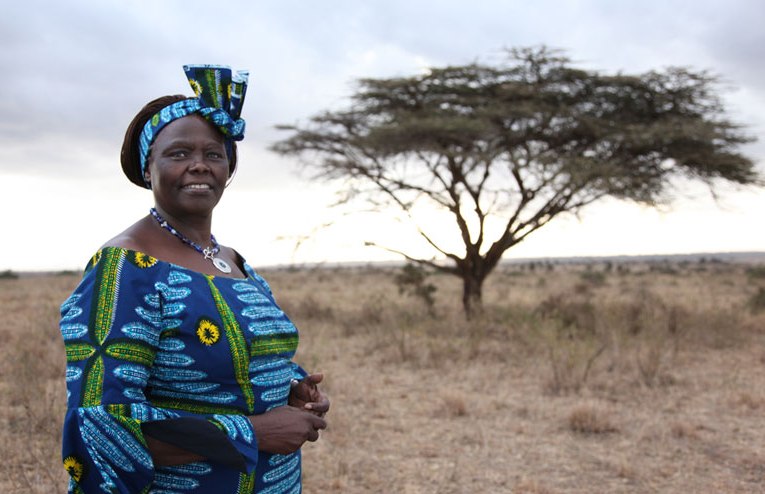
Wangari Maathai (1940 – 2011): Tree planter, activist, visionary and mother

Wangari Muta Maathai (1 April 1940 – 25 September 2011)

“We are very fond of blaming the poor for destroying the environment. But often it is the powerful, including governments, that are responsible.”

That was a typical remark by Wangari Muta Maathai, the Kenyan environmental and political activist who has just died.

In the 1970s, Maathai founded the Green Belt Movement, an environmental non-governmental organisation focused on the planting of trees, environmental conservation, and women’s rights.

In 2004, she became the first African woman to receive the Nobel Peace Prize for “her contribution to sustainable development, democracy and peace.”

The Green Belt Movement in a profile about their founder counted the many roles she played: environmentalist; scientist; parliamentarian; founder of the Green Belt Movement; advocate for social justice, human rights, and democracy; elder; and Nobel Peace Laureate.

“”It is the people who must save the environment. It is the people who must make their leaders change. And we cannot be intimidated. So we must stand up for what we believe in,” Wangari Maathai kept saying.

As a tribute, I have assembled a few links to interesting online videos featuring her.

Taking Root, a long format documentary, tells the dramatic story of Wangari Maathai whose simple act of planting trees grew into a nationwide movement to safeguard the environment, protect human rights, and defend democracy—a movement for which this charismatic woman became an iconic inspiration.

TAKING ROOT: The Vision of Wangari Maathai Trailer on PBS YouTube channel:

Wangari Maathai & The Green Belt Movement, short film by StridesinDevelopment:

Riz Khan’s One on One: Wangari Maathai: Part 1
Interview with Al Jazeera English first broadcast on 19 Jan 2008

“I will be a hummingbird” – Wangari Maathai

Two more memorable quotes from her to inspire us all:

“I have always believed that, no matter how dark the cloud, there is always a thin, silver lining, and that is what we must look for.”

“We cannot tire or give up. We owe it to the present and future generations of all species to rise up and walk!”

Tareque Masud (1956 – 2011): The Song of Freedom, Interrupted

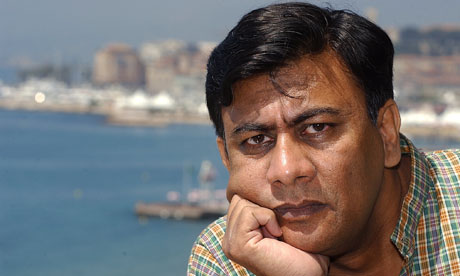
Tareque Masud in Cannes in 2002. Photo by Olivier Laban-Mattei/AFP

South Asia’s notorious killing fields, a.k.a. roads, have robbed us of another highly talented and committed professional. Bangladesh film maker Tareque Masud died on the spot when his microbus collided head-on with a passenger bus in in Ghior, close to Dhaka, on August 13.

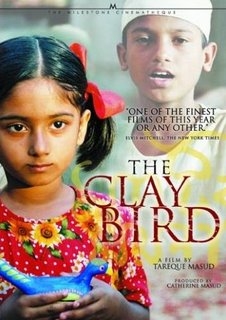
The accident also killed Mishuk Munier, CEO of Bangladesh’s private ATN television news channel and three others, and injured Tareque’s film maker wife Catherine. The Masuds and team had been returning after scouting for locations for their next feature film, named Kagojer Ful (The Paper Flower). It was to be a prequel to his award-winning first full-length feature film, Matir Moina (English release title “The Clay Bird”).

That film, which tells the story of a young boy living at a madrasa or Islamic religious school, was inspired by his own childhood experiences. When it debuted at the Cannes Film Festival in 2002, it won him the International Critic’s Award as well as the FIPRESCI Prize for Directors’ Fortnight for “its authentic, moving and delicate portrayal of a country struggling for its democratic rights.”

Matir Moina was received with critical praise and toured the international circuit. However, the Bangladeshi Government initially refused to issue a censor certificate for national screening, saying it gave a distorted image of the madrasa system, and that it could hurt feelings in this Muslim-dominated country. Confronted by Tareque’s appeal and widespread international pressure, the decision was later reversed.

Matir Moina later became the first entry from Bangladesh in the best foreign language film category at the Oscar awards.

Tareque made several documentaries before venturing into feature film making. I first came to know his work through Muktir Gaan (The Song of Freedom, 78 mins, 1995), the most famous film in early age of his career.

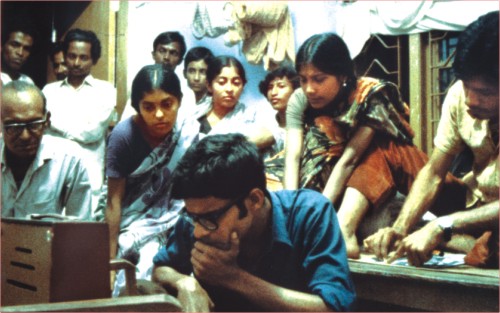
In that documentary, the camera follows a music troupe during the Liberation War of Bangladesh in 1971. The members of the troupe sing songs to inspire freedom fighters. The film was made mainly based on the footage of American filmmaker Lear Levin that Masud got from the basement of Levin’s house in New York.

Catherine Masud tells the untold story of how Muktir Gaan was made

Muktir Gaan was an extraordinarily compelling film that was released theatrically in Bangladesh, blazing a new trail in distributing long-format documentaries in South Asia. It was also a strong entry at the inaugural edition of Film South Asia festival in Kathmandu, where I was on the jury. We awarded it a Jury Special Mention.

A scene from Muktir Gaan, 1995The Masuds followed it up with Muktir Kotha (The Story of Freedom, 82 mins, 1996), an oral history documentary about the experience of ordinary villagers during 1971 Liberation War. They also made many development related films through their Dhaka based production company, AudioVision.

I have fond memories of meeting Tareque and Catherine at the FSA festival. Our paths crossed at least a couple of times more in different corners of South Asia. Although we once discussed a collaborative project, it never happened due to the lack of funding.

As one film critic noted, “They were a delightful couple who managed to be deeply committed to the improvement of Bangladeshi society without ever being pompous or self-righteous.”

The Guardian obituary by Ronald Bergen, 15 Aug 2011

The Making of Matir Moina – Tareque and Catherine Masud

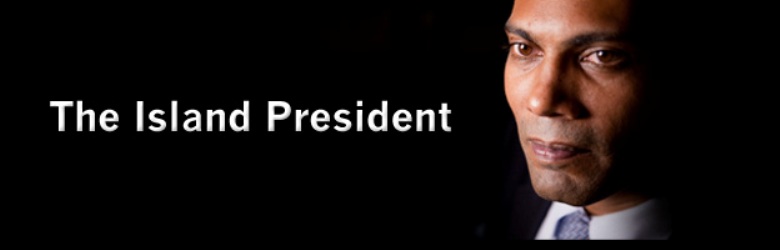
The Island President: New film profiles Mohamed Nasheed at the Frontline of Climate Justice

When it comes to climate change, we're all Maldivians!
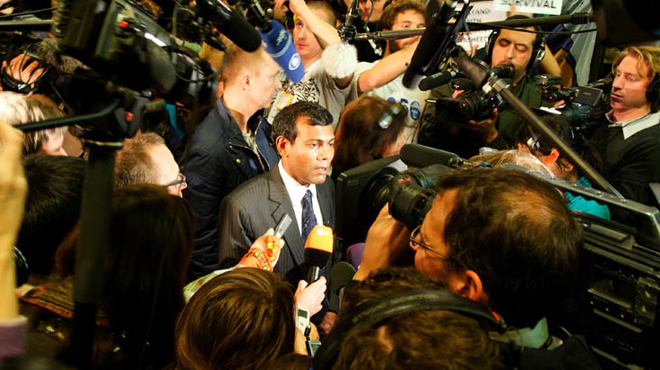
President Mohamed Nasheed of the Maldives is an articulate, passionate climate witness on behalf of his endangered island nation of 350,000 people. The technocratic and amiable President is one of the youngest heads of state in the world today. The one-time freelance journalist (who worked with and for various media when he was in political exile) remains very accessible to the international media. He knows the power of old and new media — and how to leverage it for his cause.

I admit to being a Nasheed fan. During the past couple of years, I have blogged about, interviewed and made a short film about President Nasheed. In the less than three years he has been in office, he has faced more than his fair share of economic and political challenges at home, but he has never lost sight of the long-term, bigger issue of climate change advocacy.

And now, his global status as the ‘rock star of climate change’ is enhanced by ‘The Island President’, a 90-minute, feature-style major documentary about him produced by a leading American production company, Actual Films. The film is to be released this summer at various film festivals. I can’t wait to catch it.

The Island President has been in the making for nearly two years. The film makers had exclusive access to the President both in his island nation and on his international travels.

The Island President: Official Trailer

The official Synopsis reads: “The Island President is a a dramatic feature documentary that lifts the issue of global warming out of the theoretical and into the personal. President Mohamed Nasheed is trying to save 385,000 people from drowning. His nation of 1,200 low-lying islands, the Maldives, is sinking into the Indian Ocean as sea levels rise due to global warming.

“With a young, charismatic South Asian leader updating a role once played by Jimmy Stewart, The Island President is like a non-fiction Mr. Smith Goes to Washington elevated to the world stage. Actual Films has secured exclusive access to follow President Nasheed as he prepares over the coming months for the 2009 Copenhagen Climate Summit in December. The terms of the 1997 Kyoto Treaty on Climate Change are about to expire, and leaders from around the world will converge on Copenhagen to hammer out a new treaty with renewed urgency. As the Danish Minister for Climate and Energy acknowledged, “the December days in Copenhagen in 2009 will be…a political thriller on an international scale.” The Summit will be an international showdown where President Nasheed will try to convince world leaders to finally take serious action against looming danger of climate change. The stakes couldn’t be higher-President Nasheed sees this as the last chance to save his homeland, and the world.”

The Island President is a co-production involving Actual Films, AFTERIMAGE PUBLIC MEDIA and the Independent Television Service (ITVS), with funding provided by the Corporation for Public Broadcasting (CPB).

Read about the film makers: Jon Shenk, Director; Bonni Cohen, Producer; and Richard Berge, Producer.

October 2009: President Mohamed Nasheed: Encounter with a genial climate crusader…

President Nasheed knows what to say and how to say it to the eager media...

BBC Panorama, caught faking child labour footage, returns prestigious TV award

Primark: On the Rack
Two weeks after the BBC admitted that its journalists had partly faked child labour footage in India, the public broadcaster has returned a prestigious television award won by the controversial programme.

BBC had earlier won the Current Affairs Home Prize at the Royal Television Society awards for its show Primark: On The Rack, which was first broadcast on BBC 1 channel in June 2008.

In an internal investigation, the BBC Trust – an independent body which safeguards the values of the publicly funded corporation – found that it ‘more likely than not’ that certain footage in the Panorama programme was not authentic.

The implicated retailer, Primark, criticised the BBC for taking so long to find in its favour when evidence casting doubt on some of the video material has been in the corporation’s possession since before the documentary first aired in 2008.

BBC Panorama claims to be the world’s longest running investigative TV show, and has been on the air for more than 50 years. In that time, it has done some excellent exposures on matters of vital public interest.

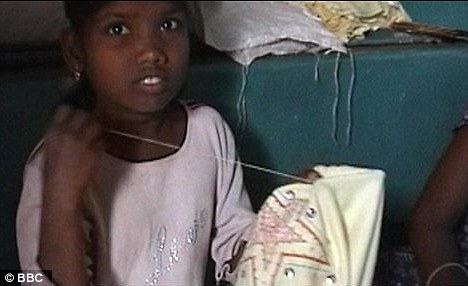
Yet hinting a decline in both editorial and ethical standards at the BBC, the reporting team was found to have taken liberties with certain visuals in this particular programme. It investigated Primark’s claims that it can deliver ‘cheap, fast fashion’ without breaking ethical guidelines, and included footage obtained in a Bangalore workshop of three boys carrying out an activity described in the programme as ‘testing the stitching’ on Primark garments.

According to the Daily Mail: “The BBC Trust’s Editorial Standards Committee examined evidence such as the unedited ‘rushes’ of the programme and emails to the production team from the freelance journalist Dan McDougall, who obtained the footage.”

BBC Trustee and Chair of the ESC Alison Hastings said after their investigations: “The BBC’s investigative journalism is rightly held in very high regard, and for more than fifty years Panorama has made a very significant contribution to that. But great investigative journalism must be based on the highest standards of accuracy, and this programme on Primark failed to meet those standards. While it’s important to recognise that the programme did find evidence elsewhere that Primark was contravening its own ethical guidelines, there were still serious failings in the making of the programme. The Trust would like to apologise on behalf of the BBC to Primark and to the audience at home for this rare lapse in quality.”

Read full report here.

Despite all these developments, the BBC Panorama official web page for this programme shows no indication of this turn of events. Accessed on at 01:30 GMT on 30 June 2011, the page says it was “last updated at 13:31 GMT, Wednesday, 18 June 2008 14:31 UK”. No apology, no correction, no link to the BBC Trust’s report.

The programme’s blurb still reads: “Panorama puts Primark’s claims that it can deliver cheap, fast fashion without breaking ethical guidelines to the test. Posing as industry buyers in India, the programme’s reporter Tom Heap and his team find some of India’s poorest people working long, gruelling hours on Primark clothes in slum workshops and refugee camps.”

So who puts the BBC Panorama to test? Are investigative journalists above the ethics of journalism because their work is hazardous, and is ultimately meant to be in the public interest?

Even Homer nods, and the best intended investigative journalists can – and do – make occasional mistakes. The important question is whether this was a bona fide error in judgement, or does it suggest a trend where the BBC’s investigative journalists and producers arrogantly believe that the end justifies the means?

Many documentaries rely on re-enactments for certain scenes, which are usually labelled as such. Does exposing child labour in supply chains give the license for do-gooding journalists to manipulate individuals and images to suit a preconceived notion of a corporation’s complicity? Could they not have resorted to other means – perhaps with less dramatic visuals, but more honest in their sourcing?

Does this rare admission of error on the part of the BBC also raise questions about the integrity of some other hard-hitting and controversial Panorama investigations over the years which have taken on some big-time targets such as the Vatican, the United Nations Peace Keepers or the CIA?

Hard questions indeed for the usually self-righteous Auntie Beeb.

Everybody Lives Downstream – but not with the same peace of mind!

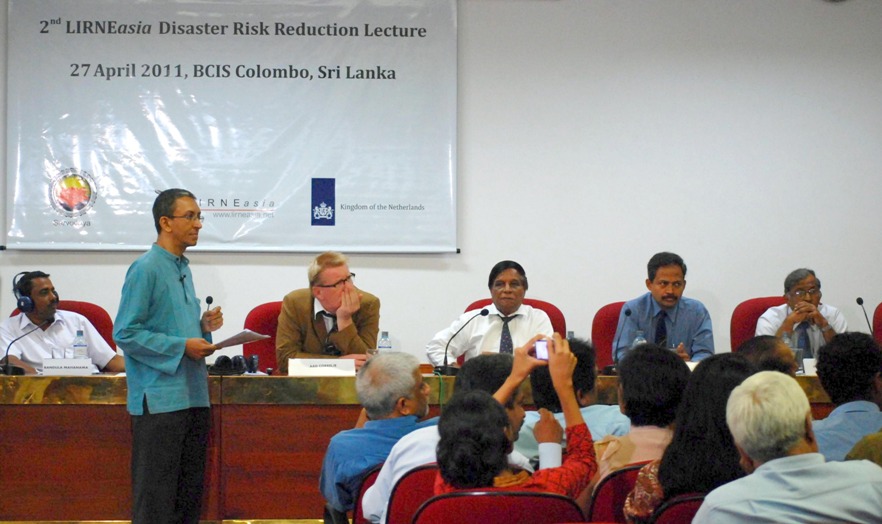
2nd LIRNEasia Disaster Risk Reduction Lecture, 27 April 2011 in Colombo: Nalaka Gunawardene (standing) moderates panel discussion
Writing on 20 April 2011, exactly 25 years after the Kantale large dam breached and washed away downstream villages, I posed the question: “If there were to be a catastrophic dam failure in Sri Lanka today, is there a warning system in place to detect the failure and issue timely warnings? Have the downstream communities participated in evacuation drills and know what action needs to be taken when a warning is issued?”

I’ve been asking such questions for a while. In fact, the post-mortem of the Kantale dam breach was one of the bigger stories I covered soon after I entered mainstream journalism in late 1987. By then, a few months after the incident, a presidential commission of inquiry was looking into what caused that particular disaster.

My interest in this subject is perhaps inevitable. I live in a country that has a high concentration of man-made water bodies. There are approximately 320 large and medium sized dams in Sri Lanka, and over 10,000 smaller dams, referred to as “wewas”, most of them built more than 1,000 years ago. In fact, Sri Lanka probably has the highest number of man-made water bodies in the world. According to the Sri Lanka Wetlands Database, the major irrigation reservoirs (each more than 200 hectares) cover an area of 7,820 hectares, while the seasonal/minor irrigation tanks (each less than 200 hectares) account for 52,250 hectares. This adds up to 60,070 hectares or just over 600 square kilometres — nearly a tenth of the island’s total land area.

Lankans are justifiably proud of their ancient hydrological civilisation — but don’t take enough care of it. Nothing lasts forever, of course, but irrigation systems can serve for longer if properly maintained. In a world where extreme weather is becoming increasingly commonplace, we can’t afford to sit on 25 centuries of historical laurels. Unless we maintain the numerous dams and irrigation systems – most of which are still being used for farming – heritage can easily turn into hazard.

Cartoon from Daily Mirror, 20 Jan 2011
As indeed happened in early 2011, when massive and successive floods lashed the country’s Dry Zone where most reservoirs are located. It was a strong reminder how dams and reservoirs not only attenuate the effects of heavy rains, but if breached, can magnify the effects of such rainfall.

More than 200 small dams did breach during those rains, causing extensive damage to crops and infrastructure. The most dangerous form of breach, the over-topping of the earthen dams of large reservoirs, was avoided only by timely measures taken by irrigation engineers — at considerable cost to those living downstream. This irrigation emergency was captured by a local cartoonist: the head in this caricature is that of the minister of irrigation.

In early February, Sri Lanka announced that it will expand its dam safety programme to cover more large reservoirs and will ask for additional funding from the World Bank following recent floods. Never mind the irony of a proud heritage now having to be maintained with internationally borrowed money. Public safety, not national vanity, comes first.

All this provided a timely setting for the 2nd LIRNEasia Disaster Risk Reduction Lecture in Colombo, which I chaired and moderated. This enabled the issues of flood protection and dam safety to be revisited, building on the path-finding work in 2005-2006 done by LIRNEasia, Vanguard Foundation and Sarvodaya in developing an early warning system for dam hazards in Sri Lanka.

Bandula Mahanama
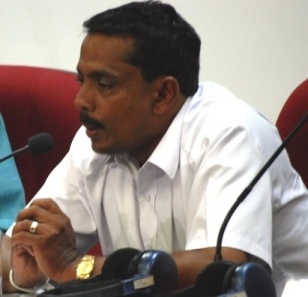
The main lecture was delivered by Dr Aad Correlje of the Delft University of Technology, the Netherlands. The response panel comprised Bandula Mahanama (a farmer organisation leader from one of the worst flood-affected areas in the Polonnaruwa District), S Karunaratne (Sri Lanka National Committee on Large Dams), Dr Kamal Laksiri (Ceylon Electricity Board) and U W L Chandradasa (Disaster Management Center). A summary is found on LIRNEasia’s blog.

Dams and irrigation systems are widely seen as the exclusive domain of civil engineers. They certainly have a critical role to play, but are not the only stakeholders. I was very glad that both our panel and audience included voices from many of these groups — especially the many communities who live immediately downstream of dams and reservoirs. Some of them are always in the shadow of a dam hazard, and yet helpless about it.

This was the gist of farmer leader Bandula Mahanama’s remarks – he made a passionate plea for a more concerted effort to improve proper maintenance of dams and reservoirs. “Wewas are part of our life, but right now our lives are in danger because the irrigation heritage is in a state of disrepair,” he noted.

I will write more about this in the coming weeks. My last thought from the chair was something I first heard many years ago in a global documentary. When it comes to water management, everybody lives downstream.

That’s certainly the case — but some are more downstream than others. And not everyone lives with the same peace of mind. We need to do something about it.

See also my recent writing in Sinhala on this topic, as part of my weekly science and development column in the Ravaya newspaper in Sri Lanka:

Nalaka Gunawardene’s Ravaya column – 27 Feb 2011 – Dam Safety in Sri Lanka

Kantale Dam Breach, 25 years later: Film captures memories and worries

Kantale Reservoir: Full again, but what if another dam breach happens as in April 1986?

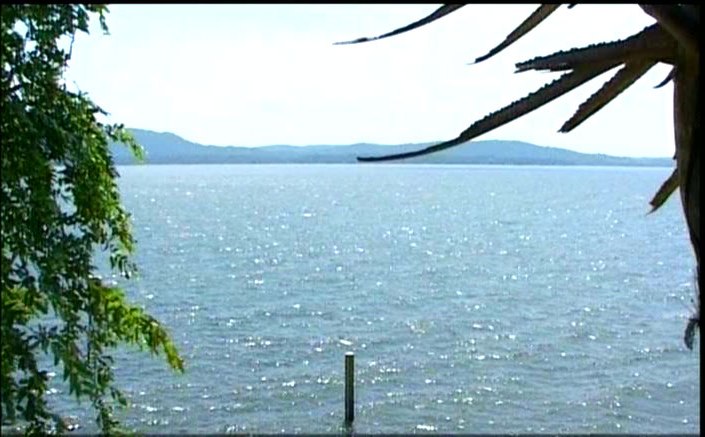
There are approximately 320 medium and large dams in Sri Lanka and over 10,000 small dams, most of which were built more than 1,000 years ago. The consequences of a major dam failure in Sri Lanka can be devastating to life, property and the environment.

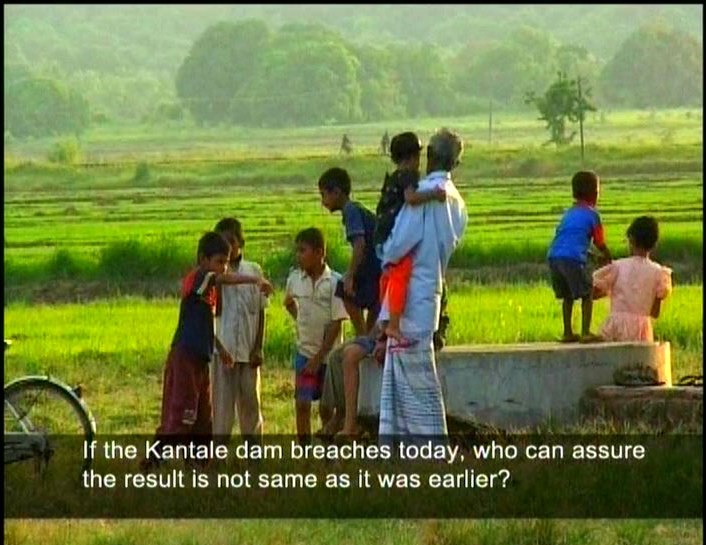
One such dam disaster happened exactly 25 years ago, on 20 April 1986, when the ancient Kantale dam, 50 feet high and over 13,000 feet long, breached. Its waters rapidly flooded several villages downstream, killing 127 people and destroying over 1,600 houses and paddy lands.

A short documentary made in 2005 revisited the scene of this disaster 19 years later to gather memories and opinions of the affected people and engineers involved. The film, made by Divakar Gosvami, was part of a 2005 study on dam safety by LIRNEasia, Vanguard Foundation, Sri Lanka National Committee of Large Dams and Sarvodaya. Its final report asked: if there were to be a catastrophic dam failure in Sri Lanka today, is there a warning system in place to detect the failure and issue timely warnings? Have the downstream communities participated in evacuation drills and know what action needs to be taken when a warning is issued?

Kantale Dam Breach Revisited: Part 1 of 2

Kantale Dam Breach Revisited: Part 2 of 2

This film is not merely documenting a tragic moment of recent history. It also carries the caution: have we learned the lessons from this incident?

Dr Rohan Samarajiva, Chair and CEO of LIRNEasia, has just written: “As I watch it again in April 2011, I wonder whether all that they had built up since 1986 had got washed away, again. Two successive periods of heavy rainfall at the beginning of the year devastated the livelihoods of the people of the wav bandi rajje, the irrigation civilization we are so proud of. Flood upon flood. More than 200 small tanks breached; big tanks were saved by the emergency actions of irrigation engineers.”

In another recent piece, he asks: Twenty five years after Kantale: Have we learned?

First Orbit: Retracing the historic journey of Yuri Gagarin, 50 years ago

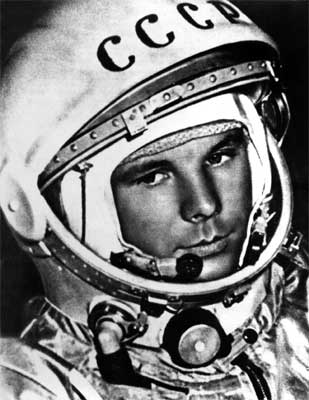
Yuri Gagarin: On 12 April 1961, he really went where no human had gone before...
It was exactly 50 years ago that a human being first traveled to outer space. Yuri Alekseyevich Gagarin was launched into Earth orbit by the former Soviet Union on 12 April 1961, creating history.

He travelled to orbit aboard the Vostok 3KA-3 (Vostok 1), which made a single orbital flight that lasted 108 minutes, or just under two hours. The maximum speed reached was 28,260 kilometers per hour – faster than any human had moved before. At its highest point, Gagarin was about 200 miles (327 kilometers) above Earth.

He paved the way for hundreds of men and women from many nations to travel to near space as well as to the Moon. Up to mid 2010, a little over 500 human beings have travelled to space from 38 nationalities.

First Orbit, a new documentary film that reconstructs Gagarin’s historic flight, has just been released for free viewing on YouTube. The making of this documentary is a remarkable story in itself.

Gagarin’s original spacecraft did not have space or capacity for filming, so there is no visual record of what he saw. But he kept in touch with his control room via radio, and gave many interviews upon return that help us imagine what he experienced.

These words by Gagarin have become famous: “Circling the Earth in the orbital spaceship, I marvelled at the beauty of our planet. People of the Earth, let us safeguard and enhance this beauty – not destroy it!”

Now, First Orbit literally takes us to space in an attempt to retrace what Gagarin saw. It is directed by Dr Christopher Riley, the British writer, broadcaster and film maker, and was made in partnership with the Russian space agency. Additional material has come from the European Space Agency (ESA) and NASA.

The new documentary has been partly filmed by Italian astronaut Paolo Nespoli, currently on a long-duration mission at the International Space Station (ISS) in Earth orbit. By matching the orbital path of ISS, as closely as possible, to that of Gagarin’s Vostok 1 spaceship and filming the same vistas of the Earth through the new giant cupola window, the film has captured a new digital high definition view of the Earth below, half a century after Gagarin first witnessed it. Read more about how the film was made

Most importantly, First Orbit is a a free film that everyone can watch online in full, and also allowed to be downloaded for free. This is in the spirit of Gagarin’s first flight which was not just for one nation, but for all mankind.

Watch the trailer for First Orbit:

Watch the full length documentary First Orbit (1 hr 39 mins):