Anil Gupta’s Advice: Unleash Sri Lanka’s Grassroots Innovators!

This is the full text of an article I have written in The Nation Sunday newspaper today, 18 Dec 2011, with more images, embedded weblinks and in a better searchable format. It is based on the inaugural Ray Wijewardene Memorial Lecture delivered by Prof Anil K Gupta on 13 Dec 2011 and my conversations with him in Colombo.
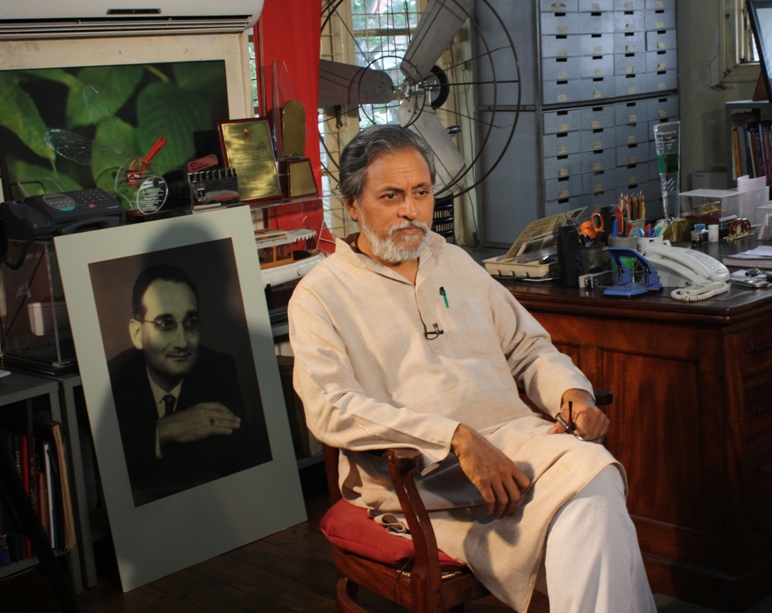
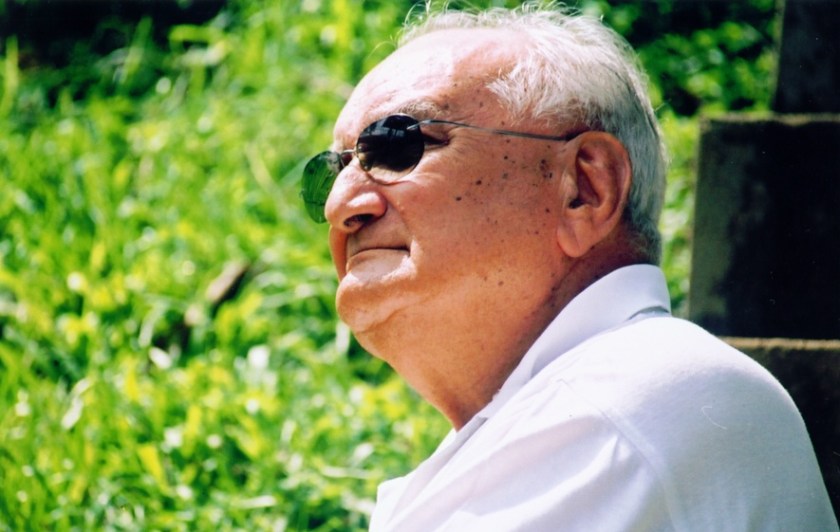
Prof Anil Gupta sits in the Colombo study of late Dr Ray Wijewardene - photo by Anisha Gooneratne

What does an inventor look like?

A nerdy kid in glasses and a white coat, tinkering perilously in a lab? Or a tightly-focused technician toiling away in a greasy workshop?

Perhaps. But most innovators are ordinary people moving among us. For the most part, they are unnoticed and unsung as they try to crack problems that have engaged their attention — or frustrated them for too long.

At one level, many of us improvise everyday for personal gain — to save money, lighten our workload or boost yields. Only a few take it to a higher level. They are unhappy with the status quo. They probe how things work and speculate how it can improve. They tackle problems that daunt most.

Spotting them isn’t easy. Such innovators may come from any social, educational or cultural background but they all march to the beat of a different drum. While education and training help, some of the most successful inventors in history were entirely self-taught.

The late Ray Wijewardene was one quintessential ‘tinkerer’ who led a life-long quest to solve practical problems and improve the quality of life – for himself, those around him, and society at large. He left his mark in agriculture, engineering design, renewable energy, transport and aviation. Just as importantly, he nurtured other innovators to go after nagging problems. A firm believer in trial and error, he encouraged constant experimentation.

Ray’s spirit of enquiry and enterprise was rekindled this week when one of the world’s leading innovation-spotters delivered the inaugural Ray Wijewardene Memorial Lecture in Colombo.

Dr Anil Kumar Gupta, a Professor at the Indian Institute of Management (IIM) in Ahmedabad, India, and Founder of the Honey Bee Network, spoke on “Grassroots Innovation for Inclusive Development: From Rhetoric to Reality” at the Institution of Engineers on 13 December 2011.

With inspiring examples and illustrations, Gupta emphasized that grassroots innovations can provide a new ray of hope – if we let them grow.

Speaking of his own country’s experience, he said: “Outside of India’s major cities, unsung heroes of the country are solving, or trying to solve, local problems in spite of the structures that have bypassed them so far. Creativity, compassion and collaboration are the key characteristics of these voices from grassroots. Let’s listen to them and resonate with them!”

And it isn’t just an Indian phenomenon. At the outset, Gupta listed a dozen recent innovations made by Lankans. Some, like the safe kerosene bottle lamp, are widely known but most remain obscure. Yet, all have been authenticated, and many granted patents.

Home-grown inventions

Few among the packed Colombo audience of over 200 seemed to recognise these home-grown innovations — just the point the professor was making.

“You get innovators all over Sri Lanka, but most are not known or recognised even in their own communities,” he said.

To make matters more challenging, most innovators tend to be loners: they are day-dreamers who don’t follow the pack.

“They don’t come to meetings or speak up much. We have to reach out to them, make them feel comfortable and valued,” Gupta added.

His suggestion: Sri Lanka should launch a national effort to discover its own innovators — both technological and social. The media can play a big role in spotting and promoting innovators, as can schools, universities and state agencies with relevant mandates.

But Gupta also had a strong word of caution: “Whatever we do, we must never try to convert these precious ‘odd-balls’ into conformists.”

Ray would surely have applauded. He was an accomplished non-conformist, or maverick, who didn’t fit into the stereotyped academic or engineering circles. Now the Ray Wijewardene Charitable Trust (RWCT), set up to promote his legacy, wants to nurture innovation in Sri Lanka.

The Trust made an auspicious start by inviting Anil Gupta to deliver the first lecture in Ray’s memory. Gupta and Wijewardene were kindred spirits who stayed in touch over the years across the Palk Strait.

Gupta himself defies the standard notion of an academic. He is an unusual professor who walks his talk — and walks through the villages and slums of India in search of innovation. His mission for the past two decades has been to ensure that grassroots innovators receive due recognition, respect and reward for their bright ideas. He also seeks to embed an innovative ethic in educational policy and institutions.

He founded the Honey Bee Network in 1986-87 “to promote a fair and responsible knowledge ecosystem”, where innovators can benefit by sharing their ideas. In the 1990s, he set up the Society for Research and Initiatives for Sustainable Technologies and Institutions (SRISTI) and Grassroots Innovation Augmentation Network (GIAN) both of which support the Honey Bee Network to scale up and convert grassroots innovations into viable products.

The man doesn’t sit in his campus; he goes innovator-scouting all over India. “In our walks, we move from village to village spotting grassroots innovations and honouring them. We have come across very simple modifications make life easier for people, and also help save natural resources,” Gupta said.

A simple example: at a rural location, he found someone had fitted six tapes on to the outlet of a single water pump. It allowed that many to draw water at the same time, and also reduced pumped up water going waste.

The bicycle is another invention that has been adapted for multiple purposes across India. Genius improvisers are using it for moving on land (and water), generating electricity, helping with the cooking, and even in washing clothes.

The popular Hindi film 3 Idiots featured a pedal-powered washing machine, which was inspired by the invention of a 20-year-old woman from Kerala, Remya Jose. It has since been showcased on Discovery Channel as part of the ‘Indian Innovators’ series of short films.
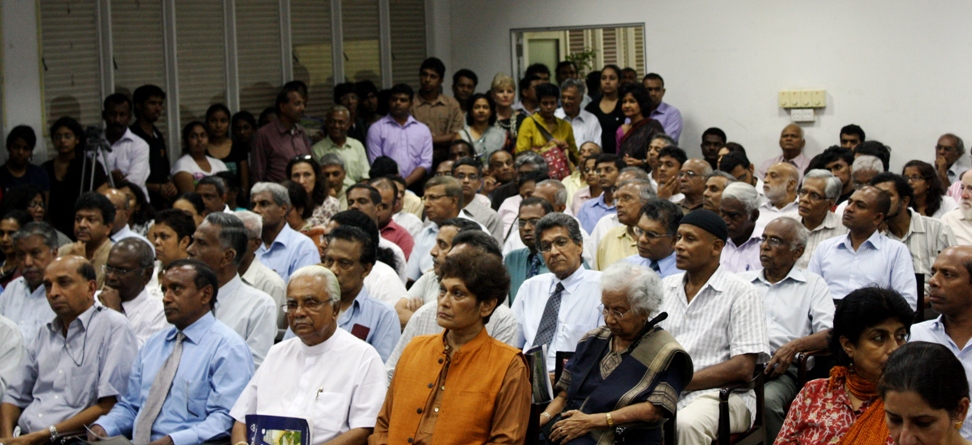
Part of audience at Ray Wijewardene Memorial Lecture in Colombo, 13 Dec 2011 - photo by Anisha Gooneratne

Benefit sharing

One defining characteristic of such grassroots innovation is that those tinkering are also immediate benefits of any improvements. As Gupta puts it: “From agricultural innovations to the gas-powered iron or pressure-cooker-driven coffee maker, we find that solutions developed by producers who are also users reflect the concerns of both the production and consumption environments.”

Not all inventions need to be earth-shattering. In fact, many aren’t – and that is perfectly fine, says Gupta.

“Even basic improvements in a water pump, for example, can make life easier for millions of people. When we look for design improvements, we should consider not only the benefits to humans, but even to domesticated animals.”

How can society ensure that grassroots innovators not just receive accolades but also get paid for their creative ideas?

Much of innovation related knowledge is ‘open source’ – meaning it has been developed by a number of people collaboratively and non-secretively. But that doesn’t mean their knowledge rights should be trampled with.

Taking out patents is one way to ensure such rights. The Honey Bee network has successfully obtained over 550 patents for grassroots innovations – more than some well-funded laboratories in India! This was made possible by mobilising pro bono lawyers and other volunteers.

The spirit of volunteerism common in Asian cultures can do much to nurture innovation and safeguard intellectual property rights at the same time, Gupta said.

His hope: “The Ray Wijewardene Trust should be able to find public-spirited lawyers in Sri Lanka to emulate the Indian experience.”

And what about glaring gaps that often exist between inventive minds and the ruthless market?

Don’t try to turn every innovator into businessman, Gupta said. “Most innovators are not good entrepreneurs because they are incorrigible improvisers. In many cases, we try to persuade and counsel innovators to work on their products. There are some who do very well, while others take time.”

Instead of trying to turn every inventor into an entrepreneur, we have to create institutions, schemes and networks that bring these two types together – the one who tinker and those who market.

We have to find ways to link innovation with investment and enterprise. Together, these three elements form what Gupta calls the ‘golden triangle’ for grassroots creativity.

Science writer Nalaka Gunawardene is a trustee of the Ray Wijewardene Charitable Trust, and has been profiling Lankan innovators for 25 years.

Prof Anil K Gupta rekindles the innovative spirit of Ray Wijewardene

Prof Anil K Gupta lights oil lamp in front of Ray Wijewardene photo before delivering Inaugural Ray Lecture in Colombo, 13 Dec 2011 - photo by Ruveen Mandawala

Ray Wijewardene was a man well ahead of his time, which might explain why he was not better understood and appreciated. He was also a systemic thinker who went to the root of problems and looked for elegant and efficient ways of solving them. He was not mesmerised by technology alone.”

With these words, an eminent Indian scholar paid tribute to the late Ray Wijewardene (1924 – 2010), whose website I helped design and launch a few weeks ago.

Dr Anil Kumar Gupta, a Professor at the Indian Institute of Management (IIM) in Ahmedabad, India, and Founder of the Honey Bee Network, spoke on “Grassroots Innovation for Inclusive Development: From Rhetoric to Reality” at the Institution of Engineers Sri Lanka (IESL) on 13 December 2011.

The IESL auditorium was packed to capacity, with more people standing and spilling over to the corridor. Anil Gupta gave an engaging talk that makes him the subcontinent’s foremost innovation-spotter. With inspiring examples and illustrations, he emphasized that grassroots innovations can provide a new ray of hope — provided we let them grow.

The lecture was organised by IESL and the Ray Wijewardene Charitable Trust (RWCT), set up to promote Ray’s legacy, and committed to nurturing innovation in Sri Lanka.

The Trust made an auspicious start by inviting Anil Gupta to deliver the first lecture in Ray’s memory. Gupta and Wijewardene were kindred spirits who stayed in touch over the years across the Palk Strait.

“It is a privilege for me and the Honey Bee Network to be invited for a lecture in honour of such an illustrious innovator, social change activist and thought leader of our sub-continent, and indeed the entire developing world,” Professor Gupta said when I first reached out to him a few months ago to invite for the lecture.

More coverage of the talk itself will follow, both on this blog and on Ray website.

17 Dec 2011: 3 Idiots and Honey Bee Network launch India’s Grassroots Innovators into New Orbit

The Nation, 18 Dec 2011: Anil Gupta’s Advice: Unleash Sri Lanka’s Grassroots Innovators!

Prof Anil Gupta delivers inaugural Ray Wijewardene memorial lecture in Colombo, 13 Dec 2011 - Photo by Ruveen Mandawala

Anil K Gupta is an unusual professor who walks the talk — and walks through the villages and slums of India in search of innovation. His mission is to ensure that grassroots innovators receive due recognition, respect and reward for their bright ideas. He also seeks to embed an innovative ethic in educational policy and institutions.

He founded the Honey Bee Network in 1986-87 “to promote a fair and responsible knowledge ecosystem”, where innovators can benefit by sharing their ideas. In the 1990s, he set up the Society for Research and Initiatives for Sustainable Technologies and Institutions (SRISTI) and Grassroots Innovation Augmentation Network (GIAN) both of which support the Honey Bee Network to scale up and convert grassroots innovations into viable products.

All three entities are partners of the National Innovation Foundation (NIF India), an autonomous body under the Department of Science and Technology in India. Since 2000, NIF has mobilized more than 160,000 innovations and traditional knowledge practices from all over India, and now holds the largest database of its kind in the world. Professor Gupta is Executive Vice Chair of the NIF, and is also a member of the National Innovation Council of India.

More images at http://www.facebook.com/RayWijewardene

සිවුමංසල කොලූගැටයා #37: අලි-මිනිස් සංහිදියාවේ අළුත් පිටුවක්

This is my latest Sinhala column published in Ravaya newspaper on 23 October 2011, which is about human-elephant interactions in Sri Lanka, which has the highest density of Asian elephants in the world. I have covered much of the same ground in English in another recent essay, Chandani: Riding a Jumbo Where No Woman Has Gone Before…


ඔක්තෝබර් මුල සතියේ කොළඹින් ඇරඹුණු, ගාල්ල මහනුවර හා යාපනය නගරවලට ද යන්නට නියමිත යුරෝපීය චිත්‍රපට උළෙලේ ප්‍රදර්ශනය කළ එක් චිත්‍රපටයකට මගේ විශේෂ අවධානය යොමු වුණා. ජර්මන් චිත්‍රපට කණ්ඩායමක් ලංකාවේ රූපගත කොට 2010දී නිර්මාණය කළ එය, Chandani: The Daughter of the Elephant Whisperer නම් වාර්තා චිත්‍රපටයක්. සිංහලෙන් ‘චාන්දනී – ඇත්ගොව්වාගේ දියණිය’ සේ අරුත් දිය හැකියි. අපේ රටේ ඈත අතීතයට දිව යන අලි – මිනිස් සබදතාවන්ගේ අළුත් පැතිකඩක්, කථාවක ස්වරූපයෙන් කියන නිර්මාණයක් හැටියට මේ චිත්‍රපටය මා දකිනවා.

අලි ඇතුන් ගැන චිත්‍රපට නිපදවන්නට සිනමාවේ මෙන් ම ටෙලිවිෂන් කර්මාන්තයේත් බොහෝ දෙනා කැමතියි. ගොඩබිම වෙසෙන විශාල ම ජීවීන් හැටියටත්, සමාජශීලි හා බුද්ධිමත් සත්ත්ව විශේෂයක් හැටියටත්, අලි ඇතුන්ගේ සුවිශේෂ බවක් තිඛෙනවා. බටහිර චිත්‍රපට කණ්ඩායම් වැඩි අවධානයක් යොමු කරන්නේ අප්‍රිකානු අලියාටයි. ආසියානු අලි ඇතුන් ගැන චිත්‍රපට රූපගත කරන්නට වුවත් ඔවුන් තෝරා ගන්නේ ලංකාවට වඩා ඉන්දියාව, තායිලන්තය වැනි රටවල්. මා මීට පෙර වතාවක (2011 මාර්තු 13) පෙන්වා දුන් පරිදි සොබාදහම ගැන චිත්‍රපට නිපදවන විදේශීය කණ්ඩායම් මෙරටට ඇද ගන්නට අප තවමත් එතරම් උත්සාහයක් ගන්නේ නැහැ. ඉදහිට හෝ මෙහි එන විදෙස් චිත්‍රපට නිෂ්පාදකයන්ට හසු කර ගන්නට හැකි විසිතුරු සැබෑ කථා විශාල ප්‍රමාණයක් අප සතුව තිඛෙනවා. චාන්දනී චිත්‍රපටය එයට තවත් උදාහරණයක්.

මේ චිත්‍රපටය වනජීවීන් හෝ පරිසරය හෝ ගැන කථාවක් නොවෙයි. එය අවධානය යොමු කරන්නේ හීලෑ අලි ඇතුන් හා මිනිසුන් අතර සබදතාවයටයි. වාර්තා චිත්‍රපටයකට වඩා නාට්‍යමය හා රියැලිටි ස්වරූපයෙන් නිර්මිත මෙහි මිනිස් ‘චරිත’ තුනක් හමුවනවා.

කථා නායිකාව 16 හැවිරිදි චාන්දනී රේණුකා රත්නායක. ඇය පින්නවෙල අලි අනාථාගාරයේ ප්‍රධාන ඇත්ගොව්වා වන සුමනබණ්ඩාගේ දෙටු දියුණිය. සිට පිය පරම්පරාවේ සාම්ප්‍රදායිකව කර ගෙන ආ අලි ඇතුන් හීලෑ කර රැක බලා ගැනීමේ කාරියට අත තබන්නට ඇයට ලොකු ඕනෑකමක් තිඛෙනවා. පවුලේ පිරිමි දරුවකු නැති පසුබිම තුළ සුමනබණ්ඩා එයට එක`ග වී පරම්පරාගත දැනුම හා ශිල්පක්‍රම ටිකෙන් ටික චාන්දනීට උගන් වනවා. මේ සදහා කණ්ඩුල නම් අලි පැටවකු සොයා ගෙන එන ඔහු කණ්ඩුලගේ වගකීම් සමුදාය ක්‍රම ක්‍රමයෙන් චාන්දනීට පවරනවා.

ලංකාවේ අලි ඇතුන් පිළිබදව 1995දී පොතක් ලියූ ජයන්ත ජයවර්ධන කියන හැටියට අලින් හීලෑ කිරීමේ වසර තුන් දහසකට වඩා පැරණි සම්ප්‍රදායක් අපට තිඛෙනවා. වනගත අලින් අල්ලා, මෙල්ල කොට පුහුණු කළ හැකි වූවත් බල්ලන්, පූසන් වැනි ගෘහස්ත සතුන්ගේ මට්ටමට අලින් හීලෑ නොවන බවත් ඔහු කියනවා.

“ර්‍ගොඩබිම වෙසෙන දැවැන්ත ම සත්ත්වයා වන අලියාට විශාල ශරීර ශක්තියක් තිඛෙන නිසා ඔවුන් හැසිරවීම ප්‍රවේශමෙන්, සීරුවෙන් කළ යුක්තක්. අලි පුහුණුවට ආවේනික වූ වචන දුසිමක් පමණ යොදාගෙන මේ දැවැන්තයන්ට අණ දීමේ කලාවක් අපේ ඇත්ගොව්වන්ට තිඛෙනවා. එහිදී ඇත්ගොව්වා සහ අලියා අතර ඇතිවන සබදතාවය ඉතා වැදගත්.”

එම සම්ප්‍රදාය පිළිබද ඉගි කිහිපයක් අප චාන්දනී චිත්‍රපටයේ දකිනවා. අලි හසුරු වන බස් වහර, අලියාගේ සිරුරේ මර්මස්ථාන හා අලින්ගේ ලෙඩට දුකට ප්‍රතිකාර කිරීමට කැප වූ දේශීය සත්ත්ව වෙදකම් ආදීය එයට ඇතුළත්. අලි පුහුණු කිරීම හා මෙහෙයවීම ක්‍රමවේදයන් ගණනාවක සංකලනයක්. එයට දැනුම, ශික‍ෂණය, කැපවීම යන සියල්ල අවශ්‍යයි. චාන්දනීට මේ අභියෝග ජය ගත හැකිද යන්න පිරිමි ඇත්ගොව්වන්ට මෙන් ම ඇගේ අසල්වාසීන්ට ද ප්‍රශ්නයක්. කථාව දිග හැරෙන්නේ එයට චාන්දනී හා ඇගේ පියා ඉවසිලිවන්තව හා අධිෂ්ඨානයෙන් මුහුණ දෙන ආකාරය ගැනයි.

මෙහි දී චාන්දනීගේ මග පෙන්වීමට වනජීවී ෙක‍ෂත්‍ර නිලධාරියකු වන මොහමඩ් රහීම් ඉදිරිපත් වනවා. මොහොමඩ් සමග උඩවලවේ ජාතික වනෝද්‍යානය හා ඒ අවට ගම්මානවල සංචාරය කරන චාන්දනී, වනගත අලි ඇතුන් මුහුණ දෙන ඉඩකඩ, ආහාර හා ජලය පිළිබද දැවෙන ප්‍රශ්න දැක ගන්නවා.

තදබද වූ මේ දූපතේ, සීමිත බිම් ප්‍රමාණයක් සදහා මිනිසුන් හා අලින් අතර පවතින නිරතුරු අරගලයෙන් වසරක් පාසා අලි 150ක් පමණත්, මිනිසුන් 50 දෙනකු පමණත් මිය යනවා. මේ අලි-මිනිස් ගැටුමට ඓතිහාසික, සාමාජයීය හා ආර්ථීක සාධක ගණනාවක් ඇතත් ඒවා විග්‍රහ කිරීමට මේ චිත්‍රපටය උත්සාහ කරන්නේ නැහැ. එබදු දැඩි අර්බුදයක් පසුබිමේ ඇති බව ප්‍රේක‍ෂකයාට සිහිපත් කළත් එයට සරල පැලැස්තර විසදුම් ඉදිරිපත් කරන්නේත් නැහැ.

මේ චිත්‍රපටයේ මා දකින එක් ගුණයක් නම් මිනිසුන්ට වඩා අලි ඇතුන්ගේ ජීවිත වටිනා බව තර්ක කරන අන්තවාදී පරිසරවේදීන්ට එහි කිසිදු තැනක් නොදීමයි. ඒ වෙනුවට මිනිස් සමාජයට පිවිස යම් තරමකට හීලෑ බවක් ලැබූ අලි ඇතුන් සමග සානුකම්පිකව ගනුදෙනු කරන මානවයන් ද ලක් සමාජයේ සිටින බව මේ චිත්‍රපටය හීන්සීරුවේ ලෝකයට කියනවා. අවිහිංසාවාදය හා සාංස්කෘතික සාරධර්ම ගැන දේශනා කිරීමකින් තොරව එය ප්‍රායෝගිකව මේ දූපතේ සිදු වන හැටි රූපානුසාරයෙන් හා කථානුසාරයෙන් පෙන්වා දෙනවා.

අලින් හා මිනිසුන් අතර මිතුදම වෘතාන්ත චිත්‍රපට ගණනාවක ම තේමාව ලෙස මින් පෙරත් යොදා ගෙන තිඛෙනවා. සිනමාවේ මුල් යුගයේ උදාහරණයක් නම් 1937දී නිර්මාණය වූ Elephant Boy රුඩ්යාඩ් කිප්ලිංගේ ඔදදප්ස කථාව පදනම් කරගෙන තැනූ ඒ චිත්‍රපටයෙන් කියවුණේ කැලයේ අලින් සමග මිතුරු වන දරුවකු ගැනයි. හීලෑ කළ අලි ඇතුන් හා දරුවන් ගැනත් සිනමා සිත්තම් බිහි වී තිඛෙනවා. ජපන් ජාතික චිත්‍රපට අධ්‍යක‍ෂක ෂුන්සාකු කවාකේ 2005දී නිර්මාණය කළ Hoshi ni natta shonen (Shining Boy and Little Randy) චිත්‍රපටයෙන් කියැවුණේ ඇත්ගොව්වකු වීමේ ආශාවෙන් තායිලන්තයට ගිය ජපන් දරුවකුගේ සැබෑ කථාවයි.

බොහෝ විට මෙබදු චිත්‍රපටවල ප්‍රධාන මිනිස් චරිතය වන්නේ පිරිමි ළමයෙක්. චාන්දනී වැනි දැරියක් මෙබදු කාරියකට ඉදිරිපත් වීම සැබෑ ලෝකයේ කොතැනක වූවත් අසාමාන්‍ය වීම මෙයට හේතුව විය හැකියි. ඉතිහාසය පුරා ම පිරිමින් පමණක් සිදු කළ වගකීමක් කාන්තාවකට පැවරීම හරහා සුමනබණ්ඩා සියුම් සමාජ විප්ලවයකටත් දායක වනවා. එහෙත් චාන්දනී චිත්‍රපටයේ අරමුණ එබදු මහා පණිවුඩ සන්නිවේදනය නොවෙයි. එය දැරියක හා අලි පැටවකු අතර ඇතිවන මිතුරුකම වටා ගෙතුණු විසිතුරු කථාන්තරයක්.

ලංකාවේ අලි ඇතුන් කණ්ඩායම් දෙකකට ඛෙදිය හැකියි. වනගත (වල්) අලි හා හීලෑ කළ අලි හැටියට. 2011 අගෝස්තුවේ පැවැත්වූ මුල් ම අලි ඇත් සංගණනයෙන් සොයා ගත්තේ වනගත අලි ඇතුන් 7,339ක් මෙරට සිටින බවයි. (රක‍ෂිත ප්‍රදේශවල හෝ ඒවා ආසන්නයේ 5,879කුත් අනෙකුත් ප්‍රදේශවල තවත් 1,500කුත් වශයෙන්.) ඇතැම් පරිසරවේදීන් මේ සංගණනයේ ක්‍රමවේදය විවේචනය කළා. එහෙත් පරිපූර්ණ දත්තවලට වඩා කුමන හෝ දත්ත සමුදායක් ලබාගැනීම හරහා අලි සංරක‍ෂණයට රුකුලක් ලැඛෙන බව සිතිය හැකියි.

අපේ රටේ හීලෑ අලි ඇතුන් සිය ගණනක් ද සිටිනවා. එමෙන්ම මේ දෙකොටසට අතරමැදි සංක්‍රමනීය තත්ත්වයේ අලි ඇතුන් ද සිටිනවා. ස්වාභාවික පරිසරයේ විවිධ හේතු නිසා මවු සෙනෙහස අහිමි වූ ලාබාල අලි පැටවුන්ට රැකවරණය දෙමින් ඔවුන් ලොකු මහත් කිරීමට පින්නවෙල අලි අනාථාගාරය ඇරඹුවේ 1975දී. මේ වන විට සියයකට ආසන්න අලි ඇතුන් සංඛ්‍යාවක් එහි නේවාසිකව සිටිනවා. දෙස් විදෙස් සංචාරකයන් අතර ජනප්‍රිය ආකර්ශනයක් බවට පත්ව ඇති මේ අනාථාගාරයේ, පශ= වෛද්‍යවරුන් හා සත්ත්ව විද්‍යාඥයන්ගේ අනුදැනුම ඇතිව අලි ඇතුන් බෝ කිරීමේ වැඩපිළිවෙලක් ද 1982 සිට ක්‍රියාත්මක වනවා. මීට අමතරව උඩවලවේ වනෝද්‍යානයට බද්ධිතව ඇත් අතුරු සෙවන නම් තවත් තැනක් ද පිහිටුවා තිඛෙනවා.

ලංකාවේ වෘතාන්ත චිත්‍රපටයක් නිපදවීමට සාමාන්‍යයෙන් යොද වන තරමේ මුදල් හා තාක‍ෂණික ආයෝජනයක් මේ වාර්තා චිත්‍රපටයට වැය කරන්නට ඇතැයි අනුමාන කළ හැකියි. එහෙත් මේ ආයෝජනයේ උපරිම ඵල නෙළා ගන්නට එහි සංස්කරණය (editing) මීට වඩා කල්පනාකාරී හා නිර්දය ලෙස සිදු කළා නම් හැකි වන බව චිත්‍රපට මාධ්‍යයේ ශිල්පීය ක්‍රම දත් මගේ ඇතැම් මිතුරන්ගේ අදහසයි.

ආසියානු අලි ඇතුන් වනගතව හමුවන රටවල් අතරින් වැඩි ම අලි ඝනත්වය (highest Asian elephant density) ඇත්තේ ලංකාවේයි. මේ දූපතේ බිම් හා සොබා සම්පත්, මිලියන් 20කට වැඩි ජන සංඛ්‍යාවක් හා හත් දහසකට අධික අලි ඇතුන් ගණනක් අතර තුලනය කර ගන්නේ කෙසේද යන්න අප මුහුණ දෙන ප්‍රබල සංරක‍ෂණ අභියෝගයක්. අලි ඇතුන් ගැන කථා කරන විට පරිසරවේදීන් බහුතරයක් ආවේගශීලී වනු දැකිය හැකියි. මෙරට ඉතිරිව ඇති වනාන්තර, තණබිම් හා විල්ලූ ප්‍රදේශවලට ස්වාභාවිකව දරා ගත හැකි අලි ඇතුන් සංඛ්‍යාව කොපමණ ද? ඒ සංඛ්‍යාව ඉක්මවා අලි ගහණයක් ඇති බව විද්‍යාත්මකව සොයා ගතහොත් අතිරික්තය ගැන කුමක් කළ හැකි ද – කළ යුතු ද? වනගත අලින්ට සමාන්තරව හීලෑ අලින් මනා සේ රැක බලා ගැනීම ඔස්සේ අලින් වද වී යාමේ තර්ජනය පාලනය කළ හැකි ද? මේ සියල්ල සංකීර්ණ ප්‍රශ්නයි.

ඒවාට පිළිතුරු සොයන්නට විද්‍යාත්මක ක්‍රමවේදයන් මෙන් ම අපේ සාරධර්ම ද යොදා ගත හැකියි. විසදුම් සොයා යන අතර අලි – මිනිස් සබදතාවයේ පැතිකඩ ගැන නිවැරදි, නිරවුල් සන්නිවේදනයක් දේශීයව මෙන් ම ජාත්‍යන්තරව ද කළ යුතුයි. ‘මිනී මරන අලි’ හා ‘අලි මරන මිනිසුන්’ ගැන සරල ත්‍රාසජනක වාර්තාවලින් ඔබ්බට යන තුලනාත්මක කථාබහකට අප යොමු විය යුතුයි. එමෙන් ම අලි – දිවි – වලසුන්ට සීමා නොවූ අතිශයින් විවිධ හා විචිත්‍ර ජීවි විශේෂ රාශියක් මේ දූපතේ අපත් සමග වෙසෙන බවත් අමතක නොකරන්න!

Chandani: Riding a Jumbo Where No Woman Has Gone Before…

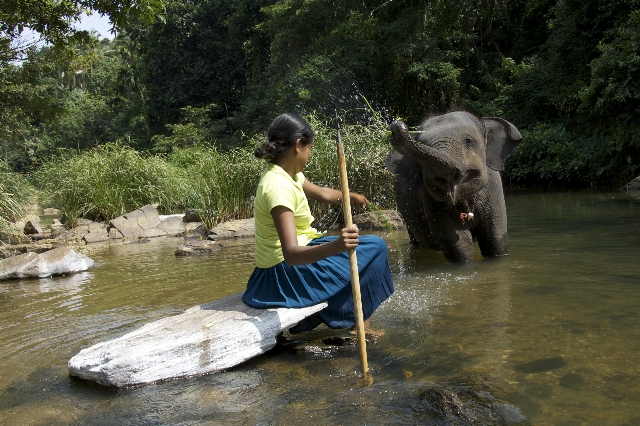
Chandani Ratnayake with Kandula: She wants to become Sri Lanka's ambassador to elephants...

This film review has just appeared in The Nation newspaper, Sri Lanka, and can be accessed online at http://www.nation.lk/2011/10/16/eyefea6.htm

Years ago, I resolved not to watch any more documentaries about elephants – I have sat through far more than my fair share of them at film festivals across Asia and Europe. I have nothing against elephants; it’s just that most films about them are so predictably formulaic. Sooner or later, they all suggest: we greedy humans have robbed these giants of their jungles, and are now driving them to extinction.

While that is undeniable, the ground reality is a bit more nuanced. But few filmmakers or film commissioners want to go there. In any case, even the most balanced conservation film would still be trapped in an anthropocentric view of the human-elephant relationship: how differently might an elephant tell the same story?

Given these misgivings, I was pleasantly surprised by Arne Birkenstock’s new film, Chandani: The Daughter of the Elephant Whisperer (88 mins, 2010). He proves that it is always possible to find a refreshingly new way of telling a very old story.

The German film, shot entirely on location in Sri Lanka, centres around a young girl who loves elephants so much that she wants to spend the rest of her life tending to them. Sixteen-year-old Chandani Renuka Ratnayake is the eldest daughter Sumanabanda, the chief mahout at the elephant orphanage in Pinnawela. They hail from a family that has tamed and looked after elephants for generations. Lacking a son, he agrees to let Chandani train as a mahout.

There is only one small problem: Chandani is going where no Lankan woman has gone before. Other mahouts and the community doubt whether the eager young lass can rise to the many challenges involved in this hitherto male-only profession.

Sumanabanda brings home an elephant calf named Kandula, and assigns it to Chandani. Under the watchful eye of her father, Chandani does all the feeding, bathing and other chores. She has to divide her time between school and her boisterous charge. Soon, the two young ones bond with each other.

She also receives guidance from a wildlife ranger named Mohammed Raheem. He takes her to the Udawalawe National Park, an important habitat for wild elephants. There, she gets glimpses of the daily skirmish between wild elephants and humans for the land claimed by both species.

Exploring the relationship between children and elephants is a recurrent theme for filmmakers across cultures and genres. An early example was Elephant Boy (1937), a British adventure film directed by documentary filmmaker Robert J. Flaherty and Zoltan Korda, based on Rudyard Kipling’s “Toomai, of the Elephants”. A few years ago I watched the Japanese film Hoshi ni natta shonen — with a goofy English name, Shining Boy and Little Randy — directed by Shunsaku Kawake in 2005. It was the bittersweet story of a young boy who goes to Thailand to become Japan’s first elephant trainer.

The child character is usually male, possibly influenced by Mowgli of Jungle Book fame. But here, Chandani is playing herself: she has grown up watching the complexities of ex-situ conservation of the largest land mammal.

The elephant orphanage, set up on a 10-hectare coconut estate in 1975 to look after young elephants whose mothers have been killed — often in violent confrontations with villagers — is now home to nearly a hundred elephants. A captive breeding programme, introduced in 1982, has resulted in several live births.

Pinnawela continues a long tradition — going back to over 3,000 years — where elephants are captured, tamed and trained in Sri Lanka. Jayantha Jayewardene, an expert on Asian elephants, says the elephant, although tamed and trained, is not quite a domesticated animal in the same sense that dogs are.

As he explains in his book, The Elephant in Sri Lanka: “It (the elephant) is an immensely powerful animal whose strength and wild nature calls for caution in handling it, especially during capture and the initial training stages. Later on, using less than a dozen words of command, the handler, called a mahout, is able to exercise control over this powerful animal. In most instances, the elephant and mahout develop a strong and lasting bond.”

After months of training, Chandani faces her moment of truth. She has to accompany Kandula in the local perahera, the procession that tours the streets with decoratively dressed elephants as star attractions. Peraheras are noisy, crowded and sometimes chaotic affairs: participating elephants and mahouts need focus and coordination.

The young girl and elephant prove their mettle. If Chandani’s family and peers are impressed by that public performance, the indifferent state is not. Sumanabanda is belatedly informed that he is not legally allowed to raise an elephant at home (even if he paid ‘good money’ for the creature). Eventually, he and his daughter agree that it is best for Kandula to return to the jungle. Their emotional attachment is strong by now, making separation painful. As Chandani watches Kandula being taken away, she reflects on her chosen future…

Relaxed Drama

The film is labeled as a documentary, but there is considerable movement, tension and other emotions that lend it a dramatic quality. Evidently, many sequences have been scripted. We don’t know how much time and effort that entailed. It probably helped that Chandani and Sumanabanda seem ease-going people. The director has managed to get even the (usually stiff) government officials to relax for the camera.

By staying tightly focused on his characters, Birkenstock avoids a common pitfall in many elephant films that either eulogise pachyderms or editorialise too heavily about their predicament. He blends striking images with an evocative soundtrack to tell a compelling story that is informed by real world issues — but not deep immersed in them.

This mix is welcome indeed. In 2000, when I served on the global jury of Wildscreen, the world’s leading wildlife and natural history film festival in Bristol, UK, we told filmmakers that simply documenting animal and plant behaviour and their habitats was no longer adequate in a world facing a multitude of environmental crises. There was an urgent need, our jury statement said, for films that explored the nexus between the natural environment and human society — both the conflict and harmony between the two.

Chandani and Kandula the elephant

Forming the backdrop to Chandani are the tough choices confronting biodiversity conservation in Sri Lanka. The wildlife ranger Mohammed, in particular, brings in both specialised knowledge and official perspective — mercifully without any activist shrill. Hard core environmentalists might not find this film ‘green enough’. For mass audiences worldwide, however, it conveys a very important message: how some ordinary Lankans are doing their bit for inter-species harmony against many odds.

That is no small accomplishment on our crowded island which has the world’s highest density of wild Asian Elephants. The first-ever nationwide elephant census in August 2011 produced a total of 7,379 jumbos across the island: 5,879 of them were spotted near parks and sanctuaries, while another 1,500 were estimated to be living in other areas. Some environmentalists were unhappy with the methodology and questioned its results. But even imperfect data can inspire more systematic conservation measures.

Sooner or later, we have to answer the hard question: how many wild elephants can the island’s remaining forests realistically sustain? This has already sparked off heated arguments. In the long-term, the survival of the Lankan Elephant might be assured only though captive breeding.

Meanwhile, every year, a few dozen elephants and humans perish in increasingly violent encounters over land and food. As we search for lasting solutions, we need more Chandanis, Mohammeds and Sumanabandas to show us the way.

Science writer Nalaka Gunawardene is far more interested in wild-life in urban jungles than wildlife in natural ones.

Chandani and Kandula pass a very public test!

Ray Wijewardene: Saluting a thinker who also tinkered

Working with a Genial Giant: Ray Wijewardene

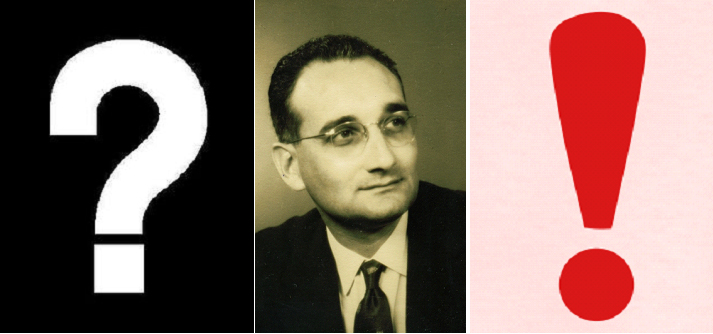
As a communicator, I look for ways to say more with less. The ‘gold standard’ for brevity was set two centuries ago by the French poet, playwright, novelist and essayist Victor Hugo.

The story goes like this. Victor Hugo was travelling out of town and wanted to know how his latest book was selling. He messaged (telegraphed?) his agent: ?

The agent, not to be outdone, replied: !

Enough said. How I wish I could beat that economy of words…

I have a fondness for both question marks and exclamation marks — I used a good deal of both in my own speaking and writing. I use these as a metaphor in a tribute I just wrote about one of my mentors: Ray Wijewardene.

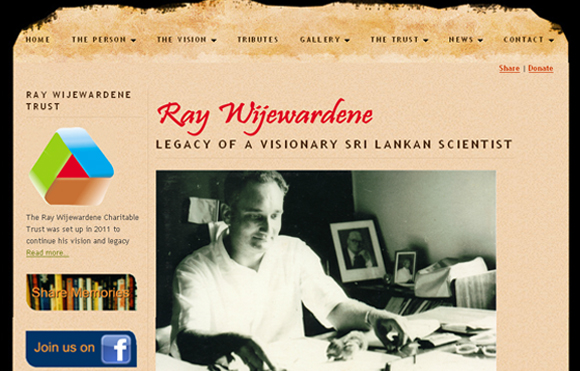
Ray Wijewardene: An Extraordinary Thinker and Tinkerer has just been published by Groundviews.org. It also appears on the official website about Ray Wijewardene, being formally launched today.

Here are the opening paras of my essay:

“If I had to condense the multi-faceted and fascinating life of Ray Wijewardene, I would reduce it to a whole lot of question marks and exclamation marks. In his 86 years, Ray generated more than his fair share of both.

“He was unpigeonholeable: engineer, farmer, inventor, aviator and sportsman all rolled into one. Whether at work or play, he was an innovative thinker who rose above his culture and training to grasp the bigger picture.”

Full essay: Ray Wijewardene: An Extraordinary Thinker and Tinkerer

The website was built by my team at TVE Asia Pacific (TEVAP) as a public education resource. read TVEAP News story:
TVEAP unveils new website on outstanding Sri Lankan scientist and visionary

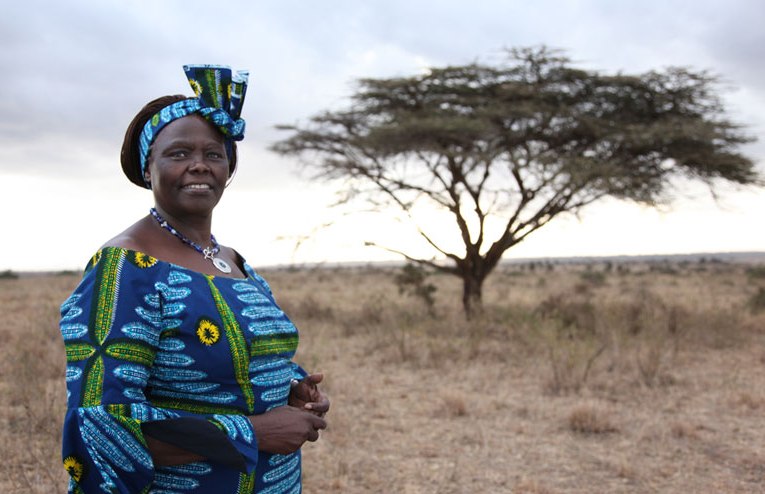
Wangari Maathai (1940 – 2011): Tree planter, activist, visionary and mother

Wangari Muta Maathai (1 April 1940 – 25 September 2011)

“We are very fond of blaming the poor for destroying the environment. But often it is the powerful, including governments, that are responsible.”

That was a typical remark by Wangari Muta Maathai, the Kenyan environmental and political activist who has just died.

In the 1970s, Maathai founded the Green Belt Movement, an environmental non-governmental organisation focused on the planting of trees, environmental conservation, and women’s rights.

In 2004, she became the first African woman to receive the Nobel Peace Prize for “her contribution to sustainable development, democracy and peace.”

The Green Belt Movement in a profile about their founder counted the many roles she played: environmentalist; scientist; parliamentarian; founder of the Green Belt Movement; advocate for social justice, human rights, and democracy; elder; and Nobel Peace Laureate.

“”It is the people who must save the environment. It is the people who must make their leaders change. And we cannot be intimidated. So we must stand up for what we believe in,” Wangari Maathai kept saying.

As a tribute, I have assembled a few links to interesting online videos featuring her.

Taking Root, a long format documentary, tells the dramatic story of Wangari Maathai whose simple act of planting trees grew into a nationwide movement to safeguard the environment, protect human rights, and defend democracy—a movement for which this charismatic woman became an iconic inspiration.

TAKING ROOT: The Vision of Wangari Maathai Trailer on PBS YouTube channel:

Wangari Maathai & The Green Belt Movement, short film by StridesinDevelopment:

Riz Khan’s One on One: Wangari Maathai: Part 1
Interview with Al Jazeera English first broadcast on 19 Jan 2008

“I will be a hummingbird” – Wangari Maathai

Two more memorable quotes from her to inspire us all:

“I have always believed that, no matter how dark the cloud, there is always a thin, silver lining, and that is what we must look for.”

“We cannot tire or give up. We owe it to the present and future generations of all species to rise up and walk!”

සිවුමංසල කොලූගැටයා #29: වෙලට නොබැස පොතෙන් ගොවිතැන් කරන කෘෂි විද්‍යාඥයෝ

My weekly column on science, development and media, published in Ravaya newspaper on 28 August 2011 (converted into unicode Sinhala font using UCSC online facility, which has some limitations).

See also last week’s column:
21 Aug 2011: සිවුමංසල කොලූගැටයා #28: සැබෑ හරිත විප්ලවයක් සොයා ගිය රේ විජේවර්ධන

Ray Wijewardene with farmers in the field

ආචාර්ය රේ විෙජ්වර්ධනගේ චින්තනයෙන් හා වසර 86ක ජීවිතයෙන් අපට උගත හැකි පාඩම් රැසක් තිඛෙනවා. එයින් කිහිපයක් ගිය සතියේ සදහන් කළා. අද අපි නැවතත් ඒ ‘සරු කෙතට’ පිවිසෙනවා.

‘කෘෂිකර්මාන්තය’ ලෙසින් ගරු ගාම්භීර විධියට හ`දුන්වන ගොවිතැන් කිරීම ගැන රේ විෙජ්වර්ධනට තිබුණේ සැබෑ උනන්දුවක්. එහෙත් ඔහු ගොවිතැන් කිරීම දැක්කේ විද්‍යාඥයන් හා ප්‍රතිපත්ති සම්පාදකයන් දකින කෝනයෙන් නොවෙයි. අනියත කාලගුණ තත්ත්වයන් හමුවේ මහපොළවත් සමග නිරතුරුව ගනුදෙනු කරමින් ආහාර හා වෙනත් බෝග වවන කුඩා පරිමානයේ ගොවීන් ගැන බැතිබර ලෙන්ගතුකමක් ඔහුට තිබුණා. කුඩා ගොවීන්ගේ ප්‍රශ්න හදුනාගන්නට නම් ඔවුන් සමග වෙලට හා හේනට බැසිය යුතු බව ඔහු විශ්වාස කළා.

කෘෂිවිද්‍යා පර්යේෂකයන් අති බහුතරයක් දෙනා එසේ නොකර, පොතෙන් ගොවිතැන් කිරීම නිසා ගොවීන්ට අදාල හෝ ප්‍රයෝජනවත් වන උපදෙස් දීමට ඔවුන් අපොහොසත් වන බව රේ කියා සිටියා. “උපාධිධාරී නෝනාවරුන්ට හා මහත්වරුන්ට මාත් සමග වෙලට බසින්නට මා නිතර ඇරැයුම් කරනවා. එහෙත් අතේ පයේ මඩ තැවරීම ගැන බියෙන් ඔවුන් බොහෝ දෙනෙකු එසේ කරන්නේ නැහැ. මේ අයගේ දැනුම හා ශිල්ප ක්‍රම බොහෝ විට ගොවියාගේ උවමනාකම්වලට බද්ධ නොවෙන්නේ මේ පරතරය හා ආකල්ප නිසායි.”

ඝර්ම කලාපීය (tropical) රටවල ගොවිතැන් කිරීමේදීත්, සමශීතෝෂණ (temperate) රටවල ගොවිතැන් කිරීමේදීත් ප්‍රබල වෙනස්කම් තිඛෙන බව ඔහු කියා සිටියා. ඝර්ම කලාපයේ අපේ වැනි රටවල මුළු වසර පුරා හිරු එළිය ලැඛෙනවා. එහෙත් සමශීතෝෂණ කලාපීය රටවල හිරුඑළිය හරිහැටි ලැඛෙන්නේ ගිම්හානයේ දී පමණයි. මේ නිසා සාපේක‍ෂව ඉක්මනින් හිරු එළිය ආහාර බවට පත් කළ හැකි කෙටි කාලීන බෝග වගාව ඒ රටවලට වඩාත් උචිතයි.

ඇත්තට ම වී ශාකයත් සමශීතෝෂණ දේශගුණය ඇති චීනය වැනි රටවලින් ඇරඹී ඉන්දියාව හරහා අපට ලැබුණු දායාදයක්. එසේ වූව ද කාලයාගේ ඇවෑමෙන් ඝර්ම කලාපීය රටවල ජනයා වී ගොවිතැනට හොදහැටි හුරු වී ඇති බව ඔහු පෙන්වා දුන්නා. ඓතිහාසිකව අපේ මුතුන් මිත්තන්ගේ ප්‍රධාන ආහාරය බත් පමණක් නොව කොස්, දෙල් හා විවිධ අලවර්ග වූ බවත්, ඒ සමහරක් බහුවාර්ෂික බෝග වසර පුරා ම හිරු එළිය උකහාගනිමින් ආහාර නිපදවිය හැකි ඝර්ම කලාපීය දේශගුණයට මනා සේ ගැලපෙන බවත් ඔහු කියා සිටියා.

ඝර්ම කලාපීය ගොවීන්ට තිඛෙන ප්‍රධානතම අභියෝග දෙක නම් පසේ සරු බව රැක ගැනීම සහ ගොවිබිමේ වල් පැළෑටි පාලනය කිරීම. මේ අභියෝග දෙක ගැන දැඩි අවධානය යොමු කරමින් ඔහු වසර ගණනාවක් විවිධ අත්හදා බැලීම් කළා. ඝර්ම කලාපීය වනාන්තරවල මේ සාධක දෙක සොබාදහම ඉතා කාර්යක‍ෂම අයුරින් තුලනය කර ගන්නා සැටි අධ්‍යයනය කළ රේ, වනාන්තර අනුකරණය කිරීම ගොවිබිමට ගැලපෙන සැටි පෙන්වා දුන්නා.

ඝර්ම කලාපීය රටවල කිසිම අවස්ථාවක පසේ (වඩාත් ම සාරවත්) මතු පිට තට්ටුව නිරාවරණය වන්නට ඉඩ නොතැබිය යුතු බව ඔහු අවධාරණයෙන් කියා සිටියා. එසේ වූව හොත් අධික හිරුඑළියෙන් පස දූවිලි බවට පත්විය හැකි අතර, වර්ෂාව නිසා ඉක්මනින් සෝදා පාලූවට ලක්වීමට ද හැකියි. මේ තත්ත්වයන් වළක්වා ගන්නට ගොවිබිම්වල කුඩා පදුරු මෙන් ම තැනින් තැන ලොකු ගස් ද වැවිය යුතුයි. මේ ගස්වලින් ගිලිහී වැටෙන කොළ රොඩු වැස්ම නිසා පස ආරක‍ෂා වනවා. එමෙන් ම වල් පැළෑටි බිහිවීම ද වළක්වනවා.

දේශගුණික හා කාලගුණික සාධක ඛෙහෙවින් වෙනස් වූ සමශීතෝෂණ රටවල ගොවිතැන් කිරීම සදහා මුළු ගොවිබිම් යාය ම එළිපෙහෙළි කරනවා. එය ඔවුන්ට ගැලපෙන නමුත් ඝර්ම කලාපයේ අපට ඉතා අහිතකර බවත්, මේ වෙනස හදුනා නොගෙන ඒ ආකාරයේ විවෘත ගොවි බිම් අපේ රටේ ද ඇති කිරීමෙන් අපේ සරු පස විශාල වශයෙන් සෝදා පාළුවට ලක් වූ බවත් රේ පෙන්වා දුන්නා. සමශීතෝපණ රටවලින් කෘෂිකර්ම පශ්චාත් උපාධි ලබා අපේ ඝර්ම කලාපීය රටේ කෘෂිකර්ම ප්‍රතිපත්ති හදන හා පර්යේෂණ කරන බොහෝ විශේෂඥයන්ට මේ තිත්ත ඇත්ත දිරවා ගන්නට අමාරු වුණා. එයින් නොසැලූණු රේ මේ සංකල්ප ප්‍රායෝගිකව අපේ ගොවීන්ට හ`දුන්වා දෙන්නට වෙහෙස ගත්තා.

1970 දශකයේ වැඩි කාලයක් ඔහු ගත කළේ අපි්‍රකාවේ රටවල කෘෂිකර්ම උපදේශකයකු හැටියටයි. ඒ කාලයේ ලැබූ අත්දැකීම් හා කළ පර්යේෂණ පදනම් කර ගෙන ඔහු බෑවුම් කදුකර ප්‍රදේශවලට වඩාත් උචිත වගා ක්‍රමයක් හැටියට Sloping Agricultural Land Technology (SALT) ලංකාවේ ප්‍රවර්ධනය කළා. SALT 1970 දශකයේ පිලිපීනයෙන් ඇරඹුණු ක්‍රමවේදයක්. ඉතා ම සරලව කිවහොත ඉක්මනින් වැවෙන රනිල ශාක (leguminous plants) සමෝච්ච රේඛා පදනමට බෑවුම්වල වවනවා. වායුගෝලයෙන් නයිට්‍රජන් උකහා ගෙන පසේ ගැටිත‘ බවට පත් කිරීමේ හැකියාව ඇති එම ගස් පේළි අතර වෙනත් බෝග වගා කළ හැකියි.

1980දී යළිත් ලංකාවට ආ රේ, SALT ක්‍රමය අපේ කදුකරයට ගැලපෙන ලෙස සකස් කිරීමට අත්හදා බැලීම් කළා. ඉක්මනින් වැවෙන රනිල ශාක මෙන් ම දිගු කලක් වැවෙන වෙනත් බහුවාර්ෂික ශාක ද කදු බෑවුම්වල සිටුවීමෙන් වගාවට සෙවනක්, කොළරොඩු දායකත්වයක් මෙන්ම පස සෝදා යාමට එරෙහිව ස්වාභාවික බැම්මක් ද ලැඛෙනවා.

රාජ්‍ය කෘෂිකර්ම නිලධාරීවාදය මේ නව අදහස්වලට එතරම් කැමැති නොවූ නිසා ඔහු පෞද්ගලික අංශය සමග ඉදිරියට ගියා. කදුකරයේ ඇතැම් තැන්වල දුම්කොළ වවන කුඩා ගොවීන්ගේ බිම්වල සරු බව රකින්නට SALT ක්‍රමය යොදා ගත්තා. 1989 සිට ඌව පලාතේ දඩයම්පොළ ගම්මානය කේන්ද්‍ර කර ගෙන කළ SALT අත්හදා බැලීම් සාර්ථකවීමත් සමග අවට ප්‍රදේශ රැසක දුම්කොළ ගොවීන් පමණක් නොවෙයි අනෙකුත් එළවළු ගොවීන්ද මේ ක්‍රමවේදයට පෙළඹුණා.

ලංකාවේ SALT ක්‍රමය සදහා ග්ලිරිසීඩියා (Gliricidia sepium) නමින් උද්හිද විද්‍යාත්මකව හදුන්වන ශාකය වඩාත් උචිත බව ඔහුගේ නිගමනය වුණා. මේ ශාකය විවිධ නම් වලින් අපේ රටේ හැදින්වෙනවා: ගිනිසිරියා, වැටහිරියා, වැටමාර, ලදප්පා, නාංචි, සෙවන, මකුලතා හා ඇල්බීසියා වශයෙන්.

SALT යොදා ගෙන දුම්කොළ ගොවීන් සමග කළ පාංශ= සංරක‍ෂණ කටයුතුවලට ඇගැයීමක් හැටියට 1997දී බි්‍රතාන්‍යයේ වර්ල්ඩ් අවෙයාර් සම්මානය World Aware Award පිරිනමනු ලැබුවා. එහෙත් දුම්කොළ කර්මාන්තයට එරෙහි මෙරට ඇතැම් දෙනා මේ උත්සාහය හෙළා දැක්කා. දුම්කොළ සමාගම සමග හවුලේ උඩරට පාංශ= සංරක‍ෂණයට යොමුවීම ගැන අපේ සමහර පරිසරවේදීන් රේ විෙජ්වර්ධනට දැඩි සේ දෝෂාරෝපණය කළා.

ඒ ගැන මා ඔහුගෙන් ඇසූ විට ඔහු කිවේ මෙයයි: “දුම්කොළ නෙළා ගත් පසු නිපදවන භාණ්ඩය ගැන මට උනන්දුවක් නැහැ. මගේ සමස්ත අවධානය යොමු වුණේ කුඩා පරිමානයේ දුම්කොළ ගොවීන් හා ඔවුන්ගේ කදුකර ගොවි බිම් ගැනයි. දුම්කොළ වැවීමෙන් වැඩි ආදායමක් ලැඛෙන නිසා ඔවුන් ඒ බෝගය වවනවා. දුම්කොළ වෙනුවට වෙනත් බෝග වවන්නට මේ ගොවීන්ට අවශ්‍ය අවස්ථාව, තාක‍ෂණය හා වෙළදපොළ සළසා දෙන්න යයි මා අපේ පරිසරවේදීන්ට අභියෝග කරනවා”

ටික කලකට පසු ක`දුකර තේ වතුවලට ද SALT ක්‍රමය හදුන්වා දුන්නා. අද වන විට ලංකාවේ මෙන් ම ඉන්දියාවේ තේ වතුවලත් මේ ක්‍රමය ක්‍රියාත්මක වනවා. ලංකා තේ පර්යේෂණ මණ්ඩලයේ සභාපතිවරයා හැටියට වසර කිහිපයක් කටයුතු කළ රේ වැඩි අවධානයක් යොමු කළේ උඩරට කදුකර පරිසරයට හානි නොකර අපේ තේ කර්මාන්තයේ ඵලදාව වැඩි කරගන්නා තරසාර ක්‍රම පිළිබදවයි.

“දුම්කොළ හා තේ කර්මාන්තයන් සංවිධානාත්මක ලෙස ක්‍රියාත්මක වන නිසා ඔවුන් හරහා අළුත් අදහස් අත්හදා බලන්නට හා හ`දුන්වා දෙන්නට වඩාත් ලෙහෙසියි” ඔහු පැහැදිලි කළා. එහෙත් එතැනින් පටන් ගත් SALT ක්‍රමවේදය ටිකෙන් ටික කදුකර ප්‍රදේශවල ගොවිතැන් කරන හැම දෙනාට ම ව්‍යාප්ත කිරීමේ වැදගත්කම ඔහු පෙන්වා දුන්නා.

වල්පැළෑටි පාලනයට වල්නාශක යොදා ගත හැකි වූවත් එවිට විෂ රසායන ගොවිබිමට හා අවට පරිසරයට එකතු වන නිසා එය හිතකර ක්‍රමයක් නොවෙයි. වී ගොවිතැනේදී අපේ ගොවීන් වෙල්යායවල වතුර බදින්නේ වැඩිපුර ම වැඩිපුරම වල් පැළෑටි ගිල්වා මරා දැමීමට බවත්, වී ශාකයේ භෞතික අවශ්‍යතාවයන්ට එතරම් ජල ප්‍රමාණයක් උවමනා නැති බවත් ඔහු තේරුම් ගත්තා. ඔහුගේ ගණනය කිරීමට අනුව වී කිලෝග්‍රෑම් 1ක් නිපදවන්නට ජලය ටොන් 20ක් යෙදවීමේ අනුපාතයක් ලංකාවේ සමහර ප්‍රදේශවල තිඛෙනවා.

ගොවීන්ට නොමිළයේ ලැඛෙන අහස් (වැසි) දිය හෝ වාරි ජලය මේ තරම් අධික ලෙස වී ගොවිතැනට යෙදීම දිගට ම කර ගෙන යා නොහැකි බවට 1990 දශකය මුලදී ඔහු අනතුරු ඇගවූවා. 21 වන සියවසේ මතුවන ජල හිගය ගැන කල් තබා දුටු ඔහු, ජලය මෙතරම් විශාල ප්‍රමාණයක් යොදා නොගෙන එම වී අස්වැන්න ම ලබා ගැනීමේ ක්‍රමවේදයන් ප්‍රචලිත කිරීමේ වැදගත්කම අවධාරණය කළා.

වී වගාවේ SRI ක්‍රමය පෙන්වා දෙන්නේත් වඩා අඩු ජලයක් භාවිතා කරමින් ගොවිතැන් කළ හැකි බවයි. වෙල් යායට වතුර බ`දිනවා වෙනුවට කොළ රොඩු වැස්මක් ලබා දීමෙන් ඉතා අඩු වියදමකින් හා පරිශ්‍රමයකින් කුඹුරේ වල් පැළ මර්දනය වන බව රේ සොයාගත්තේ SRI ක්‍රමය ප්‍රචලිත වන්නට කලින්.

“ලංකාව සැබැවින් ම වාසනාවන්ත දිවයිනක්. වසර පුරා අපට හිරුඑළිය ලැඛෙනවා. සරු පසක් හා යහපත් දේශගුණයක් තිඛෙනවා. අපට අවශ්‍ය ආහාර බෝග සියල්ලත්, අපේ බලශක්ති අවශ්‍යතාවයෙන් කොටසකුත් අපේ පොළවෙන් ම වවා ගත හැකියි.” මේ රේ විෙජ්වර්ධන නිතර කළ ප්‍රකාශයක්. එය කෙසේ කළ යුතු ද, කළ හැකි ද යන්න ඔහු ප්‍රායෝගිකව පෙන්වා දුන්නා. දැන් අපට තිඛෙන්නේ රේ සොයා දුන් මාවතෙහි නොබියව හා කඩිනමින් ගමන් කිරීමයි.

රේ විෙජ්වර්ධන අදීන චින්තනය පිළිබ`ද නව වෙබ් අඩවියට පිවිසෙන්න: www.raywijewardene.net

Ray Wijewardene website: Celebrating a Man for All Elements!

Ray Wijewardene (1924 - 2010): A man for all elements

One year has passed since Ray Wijewardene’s death aged 86. In that year, I’ve been privileged to play a part in celebrating his life and preserving his legacy.

My main contribution todate is building the official Ray Wijewardene website, which was launched in time for Ray’s 87th birth anniversary. It can now be accessed at: http://www.raywijewardene.net

Here’s the promotional blurb I sent out to a few dozen people this weekend:

Philip Revatha (Ray) Wijewardene (1924 – 2010) was an extraordinary Sri Lankan who was rightly called a Renaissance Man. Educated at two of the most prestigious universities in the world (Cambridge and Harvard), he excelled in many different areas of human endeavour: agriculture, aviation, engineering design, inventions, renewable energy technologies and water sports. He also painted and played the violin.

The Ray Wijewardene official website went ‘live’ just in time for Ray’s 87th birth anniversary on 20 August 2011.

This informative website captures highlights of Ray’s rich and colourful life that covered different areas of human endeavour: agriculture, aviation, engineering design, renewable energy, transport and water sports. It promotes his vision for self-reliance, innovation and sustainable development in Sri Lanka and in other countries in the humid tropics.

Weaving the four elements: Ray's logo
The website introduces Ray as ‘a man for all elements’, and showcases his personal logo that symbolised the integration of the four elements in eastern philosophy: water, fire, air and matter/Earth.

It carries first person narratives written by five individuals who knew Ray in different capacities: aviator Capt Elmo Jayawardena, renewable energy specialist P G Joseph, science writer Nalaka Gunawardene, conservationist Dr Ranjith Mahindapala and biologist Rohan Pethiyagoda. It also collates links to tributes and appreciations that were published in the media following Ray’s death in August 2010.

In another section, the website has a photo gallery that includes many hitherto-unseen images drawn from the Wijewardene family albums and from various other institutional and media sources. These offer glimpses of Ray Wijewardene’s education, training, career and leisure activities that took him to the universities of Cambridge and Harvard, international service with the United Nations, the Olympic and Asian games and the grassroots in Sri Lanka.

The website was conceived and built by the Colombo-based non-profit media foundation TVE Asia Pacific. It is an entirely voluntary effort that involved the collaboration of many individuals from different backgrounds and geographical locations. Information and images were sourced from Ray’s family members, friends and associates.

More information, photographs and videos are to be added as new material becomes available. The website actively seeks memories, anecdotes and images for the Ray biography compilation project that is now underway.

The Ray Wijewardene Charitable Trust (RWCT) was established in early 2011 to promote Ray’s vision and ideas in Sri Lanka. The Trust will support innovation in areas that were close to Ray’s heart. This website is the Trust’s first public activity to preserve Ray’s legacy.

සිවුමංසල කොලූගැටයා #28: සැබෑ හරිත විප්ලවයක් සොයා ගිය රේ විජේවර්ධන

In this Ravaya column (in Sinhala), I summarise the views of late Dr Ray Wijewardene on sustainable farming. Written to mark his first death anniversary, it is the beginning of a series of explorations of his critical thinking on issues of agriculture, energy, environmental conservation and innovation.

This first appeared in Ravaya Sunday broadsheet newspaper on 21 August 2011.

See also next week’s column:
28 Aug 2011: සිවුමංසල කොලූගැටයා #29: වෙලට නොබැස පොතෙන් ගොවිතැන් කරන කෘෂි විද්‍යාඥයෝ

‘ඔබ මෙහි ආවේ කොහොම ද?’

ආචාර්ය රේ විජේවර්ධන තමන් හමු වන්නට ආ අමුත්තන්ගෙන් නිතර මේ ප‍්‍රශ්නය ඇසුවා. බොහෝ දෙනකුගේ උත්තරය වූයේ මෝටර් රථයකින් හෝ බස් රථයකින් පැමිණි බවයි.

“ඔබ පැමිණ ඇත්තේ පිටරටින් ගෙනා වාහනයක්, පිටරටින් ගෙනා ඛනිජ තෙල් දහනය කරමින්, පිටරටින් ම ගෙනා තාර දමා තැනූ මහ පාරක් ඔස්සේයි.” එවිට ඔහු කියනවා. “ඉතින් ඔබ තවමත් සිතනව ද මේ නිදහස් හා ස්වාධීන රටක් කියා?’

මේ ප‍්‍රශ්නය දුසිම් ගණනක් දෙනා සමග රේ විජේවර්ධන මතු කරන්නට ඇති. ඒ තරමට ඔහු එබඳු දේ ගැන දිවා රාත‍්‍රී කල්පනා කළා. හැකි සෑම අවස්ථාවක ම රටේ විද්වතුන්, පාලකයන් හා ව්‍යාපාරිකයන්ගේ අවධානය යොමු කළා.

ඉංග‍්‍රීසියෙන් නිදහසට කියන ‘independent’ යන වචනයට වඩා ඔහු කැමති වූයේ ‘non-dependent’ යන්නටයි. අපේ මූලික අවශ්‍යතා හැකි තාක් දුරට අප ම සම්පාදනය කර ගැනීමෙන් පමණක් අපේ රටට සැබෑ නිදහසක් හා ස්වාධීපත්‍යයක් ලද හැකි බව ඔහු තරයේ විශ්වාස කළා.

විද්‍යා ජ්‍යොති, දේශමාන්‍ය ආචාර්ය පිලිප් රේවත (රේ) විජේවර්ධන අපෙන් වියෝ වී වසරක් පිරෙන මේ මොහොතේ ඔහුගේ අදීන චින්තනය ගැන ටිකක් කථා කරමු.

ඉංජිනේරුවකු හැටියට බි‍්‍රතාන්‍යයේ කේම්බි‍්‍රජ් සරසවියේ ඉගෙනුම ලැබූවත් ඔහු පසු කලෙක තමන් හදුන්වා දුන්නේ ‘ගොවියකු හා කාර්මිකයකු’ හැටියටයි (farmer and mechanic). පොතේ දැනුම හා න්‍යායයන්ට වඩා ප‍්‍රායෝගික අත්දැකීම් හා අත්හදා බැලීමෙන් ලබා ගන්නා අවබෝධය ඉතා වටිනා බව ඔහු නිතර ම කියා සිටියා.

බටහිර සම්ප‍්‍රදායට විද්‍යා අධ්‍යාපනයක් හා තාක්‍ෂණ පුහුණුවක් ලද ඔහු, පසු කලෙක තම උත්සාහයෙන් පෙරදිගට හා ශ්‍රී ලංකාවට උරුම වූ දේශීය දැනුම ප‍්‍රගුණ කළා. එහෙත් ඇතැම් අන්තවාදීන් මෙන් එක් දැනුම් සම්ප‍්‍රදායක එල්බ ගෙන අනෙක් සියළු දැනුම් සම්ප‍්‍රදායන් හෙළා දැකීමක් කළේ නැහැ. ඒ වෙනුවට ඔහු පෙර-අපර දෙදිග යා කරමින්, හැම තැනින් ම හරවත් හා ප‍්‍රයෝජනවත් දැනුම උකහා ගනිමින් අපේ කාලයේ සංවර්ධන අභියෝගයන්ට ප‍්‍රතිචාර දැක්විය හැකි ක‍්‍රමෝපායයන් සොයා ගියා.

කෘෂිකර්මය, බලශක්තිය, ඉඩම් පරිහරණය හා පරිසර සංරක්‍ෂණය යන ක්‍ෂෙත‍්‍ර හතරේ නිරවුල් හා නිවහල් දැක්මක් මත පදනම් වූ ප‍්‍රායෝගික ප‍්‍රතිපත්ති, කි‍්‍රයාමාර්ග හා විසඳුම් රාශියක් ඔහු යෝජනා කළා. රේ විජේවර්ධනට කළ හැකි ලොකු ම ගෞරවය නම් ඔහු එසේ දායාද කළ දැනුම් හා අදහස් සම්භාරය ප‍්‍රයෝජනයට ගැනීමයි.

කුඩා වියේදී රේට උවමනා වුණේ අහස්යානා පදවන්න හා නිපදවන්න. එහෙත් උපන් රටට වඩා ප‍්‍රයෝජනවත් වන ශාස්ත‍්‍රයක් උගන්නා හැටියට පියා දුන් අවවාදයට අනුව ඔහු කෘෂිකර්ම ඉංජිනේරු විද්‍යාව (agricultural engineering) හදාරා පසු කලෙක ශෂ්‍ය විද්‍යාව (agronomy) පිළිබඳ විශේෂඥයකු වුණා. නමුත් එම ක්‍ෂෙත‍්‍රයට ප‍්‍රවේශ වන වෙනත් විද්වතුන් මෙන් පොතෙන් ගොවිතැන් කිරීමට හෝ විද්‍යාගාරවල පර්යේෂණ කිරීමට හෝ පමණක් ඔහු සීමා වුණේ නැහැ.

හේන් ගොවියාට හා වෙල් ගොවියාට බලපාන ගැටළු හා අභියෝග හඳුනා ගන්නට ඔහු ඔවුන් සමග ගොවි බිම් හා වෙල්යායවල කල් ගත කළා. මුළු ජීවිත කාලය පුරා ම කෘෂිකර්මය පිළිබඳ ඔහුගේ දැක්මට පාදක වුණේ කුඩා ගොවියාගේ ජීවන තත්ත්වය නගා සිටුවීම හා ගොවිතැනේදී කුඩා පරිමාන ගොවීන් හා ගෙවිලියන්ගේ පරිශ‍්‍රමය වඩාත් කාර්යක්‍ෂම කිරීමයි.

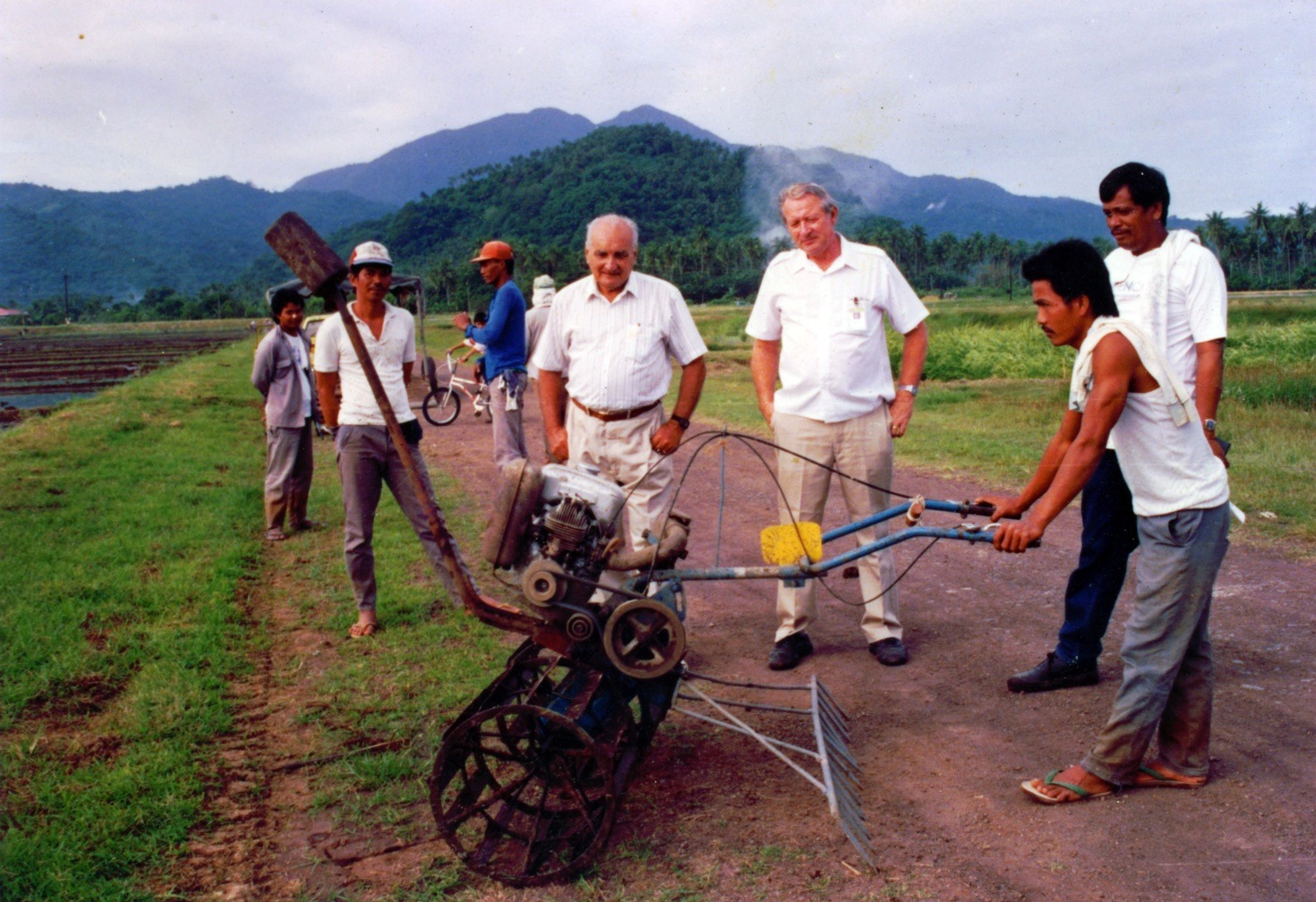
හරිත විප්ලවය (Green Revolution) 1950 දශකයේ ආරම්භ වන අවධියේ තරුණ විද්‍යාඥයකු හා ඉංජිනේරුවකු හැටියට රේ විජේවර්ධනත් එහි කොටස්කරුවකු වුණා. ඝර්ම කලාපීය රටවල කුඩා ගොවීන්ට ලෙහෙසියෙන් හැසිරවිය හැකි, නඩත්තුව වඩාත් පහසු වූ රෝද දෙකේ අත් ට‍්‍රැක්ටරයක් ඔහු නිර්මාණය කළා. බි‍්‍රතාන්‍යයේ සමාගමක් මගින් LandMaster නමින් 1960 හා 1970 දශකවල ලොව පුරා අලෙවි කළේ මේ නිර්මාණයයි.

එහෙත් වසර කිහිපයකින් ඔහු තම නිර්මාණයේ සැබෑ සීමාවන් හඳුනා ගත්තා. 1964 දී අමෙරිකාවේ හාවඞ් සරසවියේ ව්‍යාපාරික පාසලේ තම නිර්මාණය පිළිබඳව තොරතුරු ඉදිරිපත් කරන විට සභාවේ සිටි සුප‍්‍රකට අමෙරිකානු නිපැයුම්කරු හා ඉංජිනේරු බක්මින්ස්ටර් ෆුලර් (Buckminster Fuller) රේට මෙහෙම ප‍්‍රශ්නයක් මතු කළා: “ඔබේ ට‍්‍රැක්ටරය කළේ ගොවිතැන් කටයුතු යාන්ත‍්‍රික කිරීම ද? නැත්නම් මීහරකා යාන්ත‍්‍රික කිරීම ද?”

20 වන සියවසේ තාක්‍ෂණ කේෂත‍්‍රයේ දැවැන්තයකු මතු කළ මේ සරල ප‍්‍රශ්නය හමුවේ තමන් නිරුත්තර වූ බවත්, ඒ ඔස්සේ දිගට කල්පනා හා සංවාද කිරීමෙන් පසු කෘෂිකර්මය පිළිබඳ එතෙක් තිබූ ආකල්ප මුළුමනින් ම වෙනස් කරගත් බවත් රේ පසුව ඉතා නිහතමානීව ප‍්‍රකාශ කළා. එම තීරණාත්මක මුණ ගැසීමෙන් අනතුරුව බක්මින්ස්ටර් ෆුලර් හා රේ විජේවර්ධන සමස්ත හරිත විප්ලවය විචාරශීලීව විග‍්‍රහ කළා. රේ එතැන් පටන් සිය ජීවිත කාලය ම කැප කළේ සොබා දහමට වඩාත් සමීප වන ගොවිතැන් කිරීමේ ක‍්‍රම ප‍්‍රගුණ කරන්නට හා ප‍්‍රචලිත කරන්නටයි. පරිසරයට හිතකර ගොවිතැන (conservation faming) අපට අළුත් දෙයක් නොවන බව ඔහු පෙන්වා දුන්නා.

පසු කලෙක (1995) ඔහු හරිත විප්ලවය දෙස හැරී බැලූවේ මේ විදියටයි.  “හරිත විප්ලවයේ ප‍්‍රධාන අරමුණ වුණේ හැකි තාක් බාහිර එකතු කිරීම් (රසායනික පොහොර, කෘමි නාශක, වල් නාශක, දෙමුහුම් බීජ වර්ග) හරහා අස්වැන්න වැඩි කිරීමයි. එහෙත් එහිදී අප අමතක කළ දෙයක් තිබුණා. ගොවින්ට අවශ්‍ය හුදෙක් අස්වනු වැඩි කර ගැනීමට පමණක් නොවෙයි. ගොවිතැනින් හැකි තරම් වැඩි වාසියක් හා ලාබයක් උපයා ගන්නටයි. නමුත් හරිත විප්ලවය හඳුන්වා දුන් හැම දෙයක් ම මිළට ගන්නට යාමේදී ගොවියාගේ නිෂ්පාදන වියදම ඉහළ ගියා. එයට සාපේක්‍ෂව (අස්වනු වැඩි වූවත්) ඔවුන්ගේ ශුද්ධ ලාභය එතරම් වැඩි වූයේ නැහැ. ඔවුන්ගේ ණයගැති භාවය නම් වැඩි වුණා. ඊට අමතරව බාහිර රසායනයන් අධිකව එක් කිරීම නිසා ගොවිබිම්වල ස්වාභාවික පරිසරය දරුණු ලෙස දුෂණයට ලක් වුණා.”

අද මේ කරුණු බොහෝ දෙනා පිළි ගෙන ඇතත් 1960 දශකය අගදී රේ මෙබඳු අදහස් ප‍්‍රසිද්ධියේ ප‍්‍රකාශ කළ විට ඒවා මනෝ විකාර හා සංවර්ධන-විරෝධී, කඩාකප්පල්කාරී අදහස් හැටියට සැළකුණා. බතින් බුලතින් රට ස්වයංපෝෂණය කිරීමේ ඒකායන ඉලක්කයට කොටු වී සිටි දේශපාලකයන්ට හා නිලධාරීන්ට මේ අදහස්වල වටිනාකම වැටහුනේ බොහෝ කලක් ගත වූ පසුවයි.

ප‍්‍රශ්නයක් මතු කළ හැම විට ම එයට හොඳ විසඳුම් සොයා යාමේ මාහැගි පුරුද්දක් රේට තිබුණා. හරිත විප්ලවය බලාපොරොත්තු වූ තරම් දිගු කාලීන වාසි ලබා නොදුන් නිසා එයට විකල්ප සෙවීම අවශ්‍ය වුණා. එහිදී ඔහු නවීන විද්‍යා දැනුම ප‍්‍රතික්‍ෂෙප කළේ නැහැ. දෙවන ලෝක යුද්ධයේ නිමාවෙන් පසු ලොව පුරා සීඝ‍්‍රයෙන් වර්ධනය වූ ජනගහනයට සරිලන තරමට ආහාර නිෂ්පාදනය වැඩි කිරීමේ ප‍්‍රායෝගික අවශ්‍යතාවය ඔහු හොඳ හැටි දුටුවා.

ඔහු කියා සිටියේ පෙරදිග අපේ වැනි රටවල දිගු කලක් තිස්සේ ගොවිතැන් සඳහා යොදා ගත් දේශීය දැනුම කාලීන අවශ්‍යතාවයන්ට අනුව සකසා ගැනීමෙන් වඩාත් කාර්යක්‍ෂම, පරිසරයට මෙන් ම අපේ සෞඛ්‍යයටද හිතකර ආහාර බෝග නිෂ්පාදනයකට යොමු විය හැකි බවයි. මෙය හඳුන් වන්නේ low external input sustainable agriculture (LEISA) කියායි.

මා රේ විජේවර්ධන හඳුනා ගත්තේ 1980 දශකය මැද දී. ඔහු ඉතා නිහතමානී ලෙසින් හා උද්‍යොගයෙන් තරුණ විද්‍යා ලේඛකයකු හා පුවත්පත් කලාවේදීයකු වූ මගේ ප‍්‍රශ්නවලට පිළිතුරු දුන්නා. ඔහුගේ විෂය ක්‍ෂෙත‍්‍රයන්ට අදාල කරුණක් ගැන අසා දැන ගැනීමට  ඕනෑ ම වේලාවක දුරකථනයෙන් හෝ මුණගැසී හෝ කථාකිරීමේ අවකාශය ඔහු ලබා දුන්නා.

ඒ බොහෝ අවස්ථාවල ඔහුගේ ඉල්ලීම වූයේ ඔහුගේ නම සඳහන් නොකර නව අදහස් හා තොරතුරු මගේ පාඨකයන්ට බෙදා දෙන ලෙසයි. විශ්වාසනීයත්වය වඩාත් තහවුරුවන්නේ ඒවා මූලාශ‍්‍ර සමග ම ප‍්‍රකාශයට පත් කිරීම බව මා පහදා දුන් විට ඔහු එය පිළි ගත්තා. නමුත් සමහර විද්වතුන් මෙන් ඔහු කිසි දිනෙක මාධ්‍ය ප‍්‍රසිද්ධිය සොයා ගියේ නැහැ. මේ රටේ බොහෝ දෙනකු රේ විජේවර්ධනගේ හපන්කම් හා චින්තනය ගැන නොදන්නේ ඒ නිසා විය හැකියි.

1995 මැද දී ඉන්දියාවේ මුල් පෙළේ විද්‍යා ලේඛකයකු හා පරිසර චින්තකයකු වූ අනිල් අගර්වාල් (Anil Agarwal) මගෙන් සුවිශේෂී ඉල්ලීමක් කළා. ඔහුගේ සංස්කාරකත්වයෙන් පළ කරන Down to Earth විද්‍යා හා පරිසර සඟරාව සඳහා රේ සමග සම්මුඛ සාකච්ජාවක් කරන ලෙසට.”රේ කියන්නේ දියුණුවන ලෝකයේ සිටින අංක එකේ කෘෂි හා ශෂ්‍ය විද්‍යා විශේෂඥයකු පමණක් නොවෙයි, අපට සිටින ඉතාම ස්වාධීන හා නිර්මාණශීලී චින්තකයෙක්” අනිල් මට කියා සිටියා.

අනිල්ගේ ඉල්ලීම පරිදි මා රේ සමග දීර්ඝ සම්මුඛ සාකච්ඡුාවක් පටිගත කළා. එයට වරු දෙක තුනක් ගත වූ බවත්, එහි තොරතුරු සම්පූර්ණ කරන්නට තව දින ගණනාවක් වෙහෙස වූ සැටිත් මට මතකයි. එහි සාරාංශයක් Down to Earth සඟරාවේ 1995 ඔක්තෝබර් 31 කලාපයේ පළ වුණා. වී ගොවිතැන, හේන් ගොවිතැන, හරිත විප්ලවය හා එහි අහිතකර ප‍්‍රතිඵල, බලශක්ති අර්බුදයට දේශීය පිළියම් ආදී තේමා රැසක් ගැන අප කථා කළා.

තමා මාධ්‍යවේදියකු සමග කළ වඩාත් ම විස්තරාත්මක හා ගැඹුරු සංවාදය එය බව රේ පසුව මට කීවා. එහි සම්පූර්ණ සාකච්ජා පිටපත වසර 15ක් මගේ ලේඛන ගොනුවල රැදී තිබුණා. අන්තිමේදී රේගේ අවමංගල්‍යය පැවැත් වුණු දිනයේ, එනම් 2010 අගෝස්තු 20දා, එය මා groundviews.org වෙබ් අඩවිය හරහා පළ කළා. සාකච්ජාව කියවීමට පිවිසෙන්න: http://tiny.cc/RayBye

රේ විජේවර්ධන චින්තනය පිළිබඳ නව වෙබ් අඩවියක් ද මේ සතියේ එළි දකිනවා.

http://www.raywijewardene.net/

සිවුමංසල කොලූගැටයා #21: ප‍්‍රතිනිර්මාණය වූ සියැටල් නායක කථාව/මිථ්‍යාව

In this Ravaya column, in Sinhala and printed in the Ravaya newspaper of 3 July 2011,
I point out that a certain speech said to be uttered by a native American chief is, in fact, a latter day script by a filmmaker.

The same ground was covered in English in my April 2009 blog post: ‘Chief Seattle speech’: Global environmental legend, or pervasive myth?

අද්භූත හෝ අහඹු සිදුවීම් පාදක කර ගත් කථාන්තරවලට අපි මිථ්‍යා (myths) යයි කියනවා. දේව විශ්වාස, ඇදහිලි ආදියත් ඇතැම් අය මේ ගණයට ම එකතු කරනවා. ඒවායේ ඇත්ත නැත්ත කෙසේ වෙතත් මිථ්‍යාවන්ට දැඩි ඇල්මක් එදා මෙන් ම අදත් මිනිස් සමාජයේ තිබෙනවා. 21 වන සියවසට පිවිසියත් අප ඇතැම් දෙනකු තවමත් නූතන මිථ්‍යාවන් වැළඳගන්නේ ඒ නිසයි. එබදු මිථ්‍යාවන්, උගත් හා වෘත්තිකයන් සේ පුහුණව ලැබූ අය අතරත් හමුවනවා. ‘සියැටල් නායකයාගේ මහා දාර්ශනික පාරිසරික පණිවුඩය’ එයින් එකක්.

මේ කථාවේ කතුවරයා ලෙස බොහෝ දෙනා සළකන්නේ Chief Seattle නමින් ප‍්‍රකට, 1780-1866 කාලයේ වාසය කළ අමෙරිකාවේ ආදිවාසී ජන නායකයෙක්. (ඉතිහාසයේ වැරදි නම් කිරීමක් නිසා කලක් මේ ජනයාට ‘රතු ඉන්දියනුවන්’ යයි කීවත් අද ඒ නම භාවිතයේ නැහැ.) ඒ ආදිවාසීන්ගේ නිජබිම්වල 16 හා 17 වන සියවස්වල පැමිණ පදිංචි වූ යුරෝපීය සුදු ජාතිකයන් සමග සාමකාමීව සහජීවනය වෙත යොමු වූ නායකයකු ලෙස සියැටල් ඉතිහාසගත වී තිබෙනවා. ඔහුගේ නම විවිධාකාරයෙන් ලියනවා. Sealth, Seathl හා See-ahth වශයෙන්. එහෙත් වඩාත් ම ප‍්‍රකට සියැටල් නායකයා හැටියටයි. මිනිසාගේ පාරිසරික වගකීම් ගැනත්, මිහිතලය හා අප කරන ගනුදෙනුව ගැනත් උදාර අදහස් පළ කළ කෙනකු ලෙස අප ඔහු ගැන අසා තිබෙනවා.

The man was real; the speech wasn't his
1854 වසරේ මුල් කාර්තුවේ දවසක බටහිර ඇමෙරිකාවේ සියැටල් නගරයේ එලිමහන් රැස්වීමකදී සියැටල් නායකයා හැගීම්බර කථාවක් කළ බවට යම් සාක්‍ෂි තිබෙනවා. එයට ආසන්න ම හේතුව වූයේ පාරම්පරිකව ආදිවාසීන් ජීවත් වූ ඉඩම් සුදු ජාතිකයන්ට විකුණන ලෙස රජයෙන් කළ ඉල්ලීමයි. ‘ඉඩම් අයිතිය’ පිළිබඳ සංකල්පයක් නොතිබූ ආදිවාසීන් මෙයින් වික්‍ෂිප්ත වුණා. ඒ වන විට සිදුවෙමින් තිබූ පාරිසරික හා සාමාජයීය අකටයුතුකම් ගැන ද නායකයාගේ සිතේ ලොකු කලකිරීමක් තිබෙන්නට ඇති. නමුත් ඔහු තමන්ගේ බසින් එදා කළ කථාවේ වාර්තාවක් නැහැ.

ඊට වසර කිහිපයකට පසු සුදු ජාතික වෛද්‍යවරයකු හා ලේඛකයකු වූ හෙන්රි ස්මිත් මුල් වරට ඒ කථාවේ ඉංග‍්‍රීසි අනුවාදයක් සකස් කළා. ඒ සඳහා ඔහු කිහිප වතාවක් සියැටල් නායකයා මුණ ගැසී කථා බහ කළත් ඔහුගේ අනුවාදයට වැල්වටාරම් හා මනරම් අදහස් එකතු කළ බව ඇන්ඩි කාර් (Andy Carr) නම් අමෙරිකානු පරිසරවේදියා හා පර්යේෂකයා විශ්වාස කරනවා.

1887දී මේ ඉංග‍්‍රීසි අනුවාදය මුල් වරට Seattle Sunday Star පුවත්පතේ පළ වුණා. එයින් පසු විවිධ දාර්ශනික, ආගමික හා පාරිසරික ප‍්‍රකාශනවල එය නැවත නැවතත් පළ කරනු ලැබුවා. 1969 දී අමෙරිකාවේ ටෙක්සස් විශ්ව විද්‍යාලයේ සම්භාව්‍ය සාහිත්‍යය පිළිබඳ මහාචාර්ය විලියම් ඇරෝස්මිත් (Prof William Arrowsmith) නැවත වරක් එය කාලානුරූපිත ලෙස සංස්කරණය කළා.

1970 අපේ‍්‍රල් 22 දා අමෙරිකාවෙන් ඇරඹුණු මිහිතල දිනය (Earth Day) සඳහා පරිසරවේදීන් මිලියන් 20ක් දෙනා යොදා ගත්තේ ඒ සංශෝධිත කථාවයි. ඒ වන විට වාත දුෂණය, ජල දුෂණය හා රසායනික ද්‍රව්‍ය අධික ලෙස ආහාරපානවලට මිශ‍්‍රවිම ආදී කරුණු ගැන අමෙරිකානු ජනතාව දැනුවත් වෙමින්, කලබල වෙමින් සිටියා. මේ කාලීන සිතුම් පැතුම් මහාචාර්යවරයාගේ සංශෝධනයට ඔහු ඇතුළත් කළා.

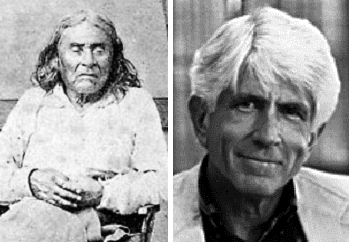
Chief Seattle (left) and actual speech writer Ted Perry

මේ සංශෝධිත කථාව මුල් මිහිතල දිනයේදී ඇසු අය අතර ටෙඞ් පෙරී (Ted Perry) නම් චිත‍්‍රපට තිර රචකයකු ද සිටියා. ඊට ටික දිනකට පසුව එරට කි‍්‍රස්තියානි ටෙලිවිෂන් සමාගමක් (Southern Baptist Television Commission) ඔහුට ඇරයුම් කළා ඒ වන විට සිදුවෙමින් තිබූ පරිසර විපත් පිළිබඳව කිතු දහම පදනම් කරගෙන සාමයිකව විග‍්‍රහ කරන වාර්තා චිත‍්‍රපටයක් රචනා කරන්නට.

සියැටල් නායකයා 1970 දී සිටියා නම්, එවකට මතු වී තිබූ පාරිසරික ප‍්‍රශ්න හා සංවර්ධන පිළිබඳ සංකල්පමය අර්බුද ගැන ඔහු කුමක් කියනු ඇත්දැයි ටෙඞ් පෙරී කල්පනා කළා. මේ අනුව යමින් සියැටල් නායකයාගේ කථාවේ අළුත්ම ප‍්‍රතිනිර්මාණයක් ඔහු ලයාන්විත හා කාව්‍යමය බසින් තිර රචනයකට නැගුවා. මුල් කථාවේ නොතිබුණු දෙවියන් පිළිබඳ ක‍්‍රිස්තියානි සංකල්පත් ඔහු මේ තිර රචනයට එකතු කළා. 1973දී මේ වාර්තා චිත‍්‍රපටය එළි දැක්කේ Home නමින්. චිත‍්‍රපටයට වඩා විශාල ජනප‍්‍රියතාවයක් ලැබුණේ එහි යොදා ගත් සියැටල් නායකයා කළා යැයි කියන දාර්ශනික කථාවටයි.

පසුගිය වසර 40කට අසන්න කාලයක් තිස්සේ ලොව පුරා ප‍්‍රචලිත වී, විවිධ භාෂාවලට පෙරැළී ඇත්තේ මෙසේ හෙන්රි ස්මිත්ගේ මුල් අනුවාදය, විලියම් ඇරෝස්මිත් විසින් කාලානුරූපීව සංශෝධනය කර ටෙඞ් පෙරී විසින් ප‍්‍රතිනිර්මාණය කරන ලද කථාවයි! එඞ්වින් ආරියදාස හා ධර්මසිරි ගමගේ යන ලේඛකයන් මෙහි අගනා සිංහල අනුවාදයන් කර තිබෙනවා.

1980 දශකය අගවන විට ලොව පුරා පාරිසරික ශුද්ධ ලියවිල්ලක මට්ටමට පිළිගැනීමක් ලැබුණු මේ කථාවේ ඓතිහාසික විශ්වාසනීයත්වය ගැන ටික දෙනකු ප‍්‍රශ්න කරන්නට පටන් ගත්තා. සියවසකට වැඩි කාලයක් පුරා සියැටල් නායක කථාවේ පරිනාමය ගැන ජෝන් ස්කල් (John Scull) නම් පර්යේෂකයා විස්තරාත්මකව අධ්‍යයනය කළා. ආදිවාසී නායකයකුගෙන් පටන්ගෙන ක‍්‍රිස්තියානි වාර්තා චිත‍්‍රපටයකින් හමාර වූ ඒ ගමනේදී, මුල් අදහස් විශාල වශයෙන් වෙනස් වී ඇති සැටි ඔහු සාක්‍ෂි සහිතව පෙන්වා දුන්නා. (සාමයික කලා කෘතීන් ගැන මට ප‍්‍රශ්නයක් නැහැ. මෙහිදී අප කථා කරන්නේ පසු කාලීනව සාමයික මුහුණුවරක් දීමෙන් මුල් කෘතිය විකෘති වීම ගැනයි. එහෙත් ‘මුල් කෘතිය’ කුමක්දැයි කිසිවකු හරිහැටි නොදන්නා නිසා සිදු වී ඇති වෙනස්කම් සිතාගන්නටත් අමාරුයි!)

1992 වන විට මේ සැබෑ තත්ත්වය හෙළි කරන ගවේශණාත්මක වාර්තා New York Times හා Newsweek ප‍්‍රකාශනවල පළ වුණා. එහෙත් ඒ වන විට සියැටල් නායක කථාව ලෝක ව්‍යාප්ත මිථ්‍යාවක් බවට පත් වී හමාරයි. ‘සියැටල් නායකයා මෙබදු අදහස් සැබැවින් ම කීවත්, නොකීවත් ඔහු වැනි ශ්‍රේෂ්ඨ පරිසරවේදියකුගේ මුවට මෙබදු අදහස් ආරෝපණය කිරීමේ වරදක් නැතැයි’ පරිසරවේදීන් තර්ක කළා.

එය ප‍්‍රශ්න කරන අයට පරිසරවේදීන්ගෙන් දැඩි විවේචන එල්ල වුණා. ‘සම්ප‍්‍රදායික දැනුම හෙළා දකින්නට උත්සාහ කරන සුදු ජාතික කුමන්ත‍්‍රණයක කොටස්කරුවන්’ හැටියට හදුන්වා දෙනු ලැබුවා. (2009 අපේ‍්‍රල් 22 වනදා මගේ බ්ලොග් අඩවියේ මේ ගැන විග‍්‍රහයක් මා ලියා පළ කළා. එයට ලැබුණු පාඨක ප‍්‍රතිචාර බහුතරයක් ද මේ ආකාරයේ එවායි. ආදිවාසී දැනුම හෙලා දකින බටහිර ඒජන්තයෙකු ලෙස ඇතැම් පාඨකයන් මට අවලාද නැගුවා. (http://tiny.cc/Seattle බලන්න).

ජෝන් ස්කල් මීට වසර කිහිපයකට පෙර මුලින් මතු කළ, මා මතවාදීව එකග වෙන තර්කය මෙයයි. පරිසරය රැකගන්නට අධ්‍යාත්මික හා චින්තනමය වෙනසක් ද අවශ්‍ය බව ඇත්ත. එහෙත් කාව්‍යමය බසින් විසිතුරු වුණු, තාර්කික බවින් හීන වූ මෙබදු ලියැවිල්ලක් කරන්නේ මානව පරිනාමය ගැන අප තුළ මහා කලකිරීමක් හා ඉච්ඡභංගත්වයක් ඇති කිරීමයි. ගොඩ ගන්නට බැරි තරම් අසාධ්‍ය වුණු රෝගියකුගේ මට්ටමට මිහිතලය පත්ව ඇතැයි අදහසක් ද එයින් ජනිත වෙනවා. පරිසරය හා මිනිසා අතර යම් තුලනයක් හා සංහිදියාවක් ඇති කිරීමට අවශ්‍ය මානසික රාමුව මෙය යයි මා සිතන්නේ නැහැ.

1990දී ආචාර්ය ආනන්ද ඩබ්ලිව් පී ගුරුගේ මහාවංශයේ සඳහන් වන ප‍්‍රධාන ඓතිහාසික අවස්ථා පාදක කර ගෙන නිර්මාණාත්මක කෘතියක් ලිව්වා. ‘Voices of Ancient Sri Lanka’ නම් එහි අඩංගු වූයේ මෙරට ඉතිහාසයේ වැදගත් සංධිස්ථානවලදී එවකට විසූ රජවරුන් හා අනෙකුත් ප‍්‍රභූන් පවත්වන්නට ඇතැයි අනුමාන කළ හැකි මහජන කථා පෙළක්. එය පසුව ‘ශ්‍රී ලංකා ප‍්‍රතිරාවය’ නමින් සිංහලෙන් ද පළවුණා.

ඒ පොතේ ලියැවී ඇති වදන්මාලා ගුරුගේ සූරීන්ගේ පරිකල්පනයෙන් මතු වූ, ඔහුගේ කෘතහස්ත ශෛලියෙන් ඔප් වැටුණු ඒවායි. සැබැවින් ම ඒ පුද්ගලයන් එම අදහස් කී බවට තිරසාර සාක්‍ෂි නැහැ. එහෙත් එසේ වූ පමණට එම කතා රසවීදීමට අපට බාධාවක් ද නැහැ. සියැටල් නායකයාගේ කථාවත් මෙයට සමාන තත්ත්වයක්.

සියැටල් නායකයා හරබර කථාවක් කරන්නට ඇති. එය ඔහුට ම ආවේණික උපමා, රූපක ආදියෙන් පිරී තිබෙන්නටත් ඇති. එහෙත් අද ලෝකයේ සංසරනය වන විචිත‍්‍ර කථාව සියැටල්ගේ නොව තිර රචක ටෙඞ් පෙරීගේ බව සිහි තබා ගැනීම වැදගත්. චිත‍්‍රපටය පරිකල්පනාවේ නිදහස ඇති කලාවක්. අප සැබෑ ලෝකය හා පරිකල්පනා ලෝකය අතර වෙනස හදුනාගත යුතුයි.

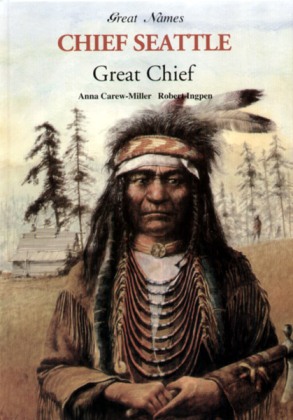
This 1991 book built on the Chief Seattle fable
නොකපන ලද දියමන්තියක් සියැටල් බිහි කළා නම් එය ටෙඞ් පෙරීගේ අතින් හැඩ වැඩ වී ඔටුන්නක සවි වුණා යයි කිව හැකියි. මුල් දියමන්තියේ කාන්තිය වඩාත් ප‍්‍රබල කිරීමේ ගෞරවය තිර රචකයාට හිමි විය යුතුයි. සියැටල් ඇත්තට ම කී දේ කුමක්ද තිර රචකයා එයට එකතු කළේ මොනවාද යන්න මේ වන විට පැහැදිළි නැහැ. ආදීවාසී නායකයෙකු මහා ප‍්‍රාඥයකු හැටියට හුවා දක්වන්නට පරිසරවේදීන් මෙන් ම අධ්‍යාපනවේදීන් ද කැමතියි. එහි ලොකු වරදක් නැති වූවත් මිථ්‍යාවක් මත ගොඩ නගන දර්ශනයට කල් පැවතිය නොහැකි බව අප සිහි තබා ගත යුතුයි.

සියැටල් නායකයා මහ පොළවේ පය ගසා ගෙන එහි හද ගැස්ම හදුනාගත් අය බවට විවාදයක් නැහැ. තමන් මිහිතලය සමග නිරන්තර ගනුදෙනුවක් කරමින් සිටින බවත්, එහිදී ඕනෑවට වඩා උකහා ගත්තොත් එහි අහිතකර විපාක විදින්නට සිදුවන බවත් ආදිවාසීන් හොදාකාර දන්නවා. අද ලෝකයේ සංවර්ධන අර්බුදයේ ලොකු ම අභියෝගයත් එයයි. අපේ (සහ අන් ජීවීන්ගේ) පැවැත්මට අවශ්‍ය පාරිසරික ප‍්‍රවාහයන් විනාශ නොකොට අපේ භෞතික අවශ්‍යතා සපුරා ගන්නේ කෙසේ ද?

ප‍්‍රාග්-නූතන යුගයේ හෝ ගල් යුගයේ ජීවන රටාවකට ආපසු යන්නට හැකියාවක් නැහැ. අල්පේච්ඡ දිවි පෙවෙතක් ගැන කථා කරන පරිසරවේදීන් පවා එබන්දකට සූදානම් නැහැ. මේ නිසා ප‍්‍රායෝගිකව කළ හැකි තුලනයන් මොනවා ද යන්න හදුනාගෙන ඒ සඳහා අපේ කාලය, ශ‍්‍රමය හා නිර්මානශීලී හැකියාව යොමු කිරීමයි අවශ්‍ය වන්නේ. එසේ නැතිව යටගිය දවසකින් නොතිබුණු රොමෑන්ටික් සිහිනයකට හෝ චිත‍්‍රපට තිරනාටක රචකයෙකුගේ වදන් සිත්තමකට හෝ අපේ ලෝකයේ මහා ප‍්‍රශ්න විසඳන්නට හැකියාවක් නැහැ.

පරිසරවේදීනි, දැන්වත් අවදිවන්න!