Dispatch from Rio+20: The UN Kicks the Paper Habit – at last!

Text of my news feature published in Ceylon Today newspaper on 23 June 2012
The UN Kicks the Paper Habit – at last!

By Nalaka Gunawardene
In Rio de Janeiro, Brazil

The United Nations secretariat – the world’s largest bureaucracy – has long been known as a formidable ‘paper factory’. It cranks out millions of documents every year in the organisation’s six working languages. Some of it is not read even once.

A few years ago, it acknowledged producing over 700 million printed pages every year (2005 figures). The cost of printing documents in its New York and Geneva offices along was over 250 million dollars a year.

And major international conferences convened by the UN have seen a splurge of paper – both official documents and many that are simply self-promotional of various participating national delegation, development agencies or companies. When such events end, literally tons of paper are left behind convention sites.

Environmentalists have been urging the UN to go easy on paper for many years, both to save trees pulped to make paper, and to reduce chemicals use and carbon emissions in printing or copying.

The message is finally being heeded. The United Nations Conference on Sustainable Development in Rio de Janeiro is the first major UN event to reduce paper use – and it shows.

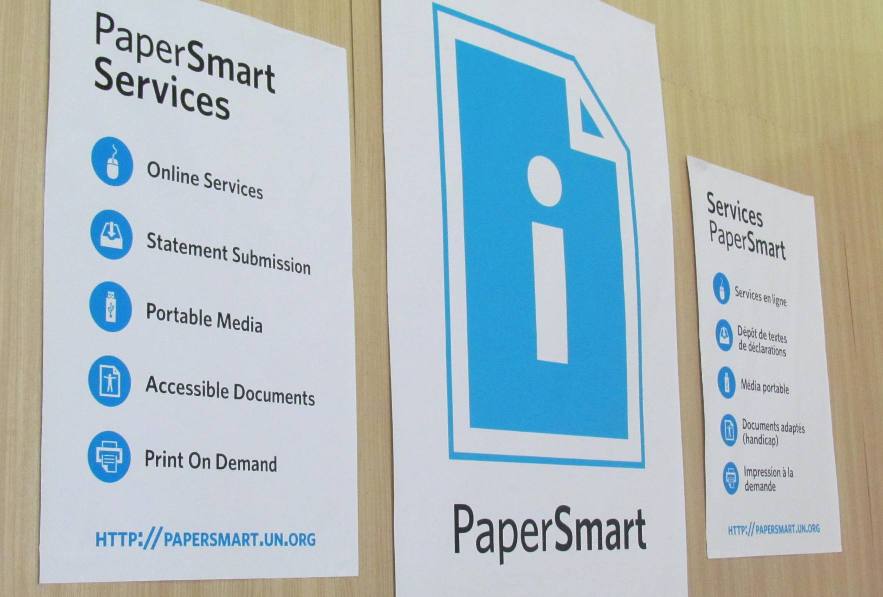
The entire meeting process is using less paper, and more electronic means for generating and sharing information. It’s the result of a new initiative called PaperSmart.

The vast Rio Centro convention centre, where the main inter-governmental meetings and major groups’ discussions are being held, is surprisingly paper-free.

So is the media centre, the operations base for hundreds of journalists from all over the world covering dozens of parallel sessions and events. In the past, this was a favourite ‘dumping ground’ for paper based materials.

At Rio+20 this week, only a handful of non-governmental organisations, academic bodies and activist groups still peddled paper. Most others had cut back on indiscriminate distribution of publications, posters, postcards and other materials.

Of course, the UN system loves to belabour the point. A dedicated website (http://papersmart.un.org) explains the underlying thinking and mechanics. PaperSmart is based on four principles: sustainability, efficiency, accessibility and knowledge management.

Switching from atoms to electrons has not been easy or smooth. Some participants – including web-savvy journalists – have been struggling with the complicated Rio+20 website and related online UN information services.

It’s still a work in progress, but PaperSmart is definitely a positive development to be cheered.

“After decades of sanctimonious preaching about the environment, the United Nations is taking a step in the right direction,” says Thalif Deen, the UN Bureau Chief of the developing world’s news agency, Inter Press Service (IPS).

Deen is a veteran of many UN conferences and processes who has seen how telexes and teleprinters gave way to instant global communications with Internet-enabled laptops and smartphones.

He recalls: “I was on the reporting staff of the first conference newspaper IPS published during the 1992 Earth Summit in Rio where the UN’s carbon foot print was all over the conference centre: reams and reams of reports and documents and thousands of UN staffers flying in from UN offices the world over.”

Deen hails Rio+20 as “a major breakthrough for a global institution long accused of extravagance and conspicuous consumption”.

A few years ago, Deen asked Shashi Tharoor, then UN under-secretary-general for public information, on when the paperless office might finally arrive at the UN Secretariat.

The digitally savvy Tharoor admitted the UN’s track record was not a good one. He then offered a comparison: “The amount of paper we use in a year to produce every single UN document, in all six official languages, is equivalent to what the New York Times consumes to print a single Sunday edition.”

Things have evolved a bit both in the newspaper industry and the UN bureaucracy since that remark was made in 2005. Newspapers in the west are now selling less, especially in paper editions.

Simply stamping out paper use can be misleading unless the total energy and resource uses are factored in. In recent years, concerns have been raised on the carbon emissions of massive internet servers.

Of course, these are dwarfed by the amount of planet-warming gases spewed out by delegates flying long distances to be in the same crowded conference with thousands of others.

As at June 20 evening, Rio+20 had close to 40,000 officially registered participants in various categories. Many unofficial events attract more.

Environmentalists, relieved by the reduced use of paper, would also be quick to point out growing problems of electronic waste.

It seems there is no such thing as an impact-free communication!

සිවුමංසල කොලූගැටයා #71: රියෝ සමුළුව – තිරසාර අනාගතයකට හුදකලා චාරිකාවක්?

This week’s Ravaya column (in Sinhala) is a preview of a key challenge being taken up at the UN Conference on Sustainable Development being held in Rio de Janeiro, Brazil, this month. I raise the question: how can Sri Lanka transform its economy into a green economy in pursuit of sustainable development?

I explored similar ground in my English column on 10 June 2012: When Worlds Collide #19: How Green is the Lankan Economy?

Rio+20 UN Conference Logo

පරිසරය හා සංවර්ධනය පිළිබඳ එක්සත් ජාතීන්ගේ මහා සමුළුවක් බ‍්‍රසීලයේ රියෝ ද ජනෙයිරෝ නුවර පැවැත් වෙනවා. ජ්‍යෙෂ්ඨ රාජ්‍ය නිලධාරින්, අමාත්‍යවරුන් හා රාජ්‍ය නායක මට්ටමින් පවත්වන අන්තර්-රාජ්‍ය රැස්වීම්වලට අමතරව විද්‍යාඥයන්, පරිසරවේදීන් හා වෙනත් විද්වතුන් එක් රැස් කරන සාකච්ඡ, වැඩමුළු, සම්මන්ත‍්‍රණ රාශියක් ද මේ දිනවල එම නගරයේ සංවිධානය කැරෙනවා.

1955 සිට එක්සත් ජාතීන්ගේ සංවිධානයේ රාජ්‍ය මට්ටමින් සාමාජිකත්වය දරණ (සහ ඒ සඳහා වාර්ෂිකව සාමාජික ගාස්තුවක් මහජන මුදලින් ගෙවන) ලක් රජය ද මේ සමුළුවට රාජ්‍ය මට්ටමින් සහභාගි වනවා.

මෙය හුදෙක් හරිත ප‍්‍රශ්න පිළිබඳ පාරිසරික සමුළුවක් නොවෙයි. ලෝකයේ දුගී දුප්පත්කම, සමාජ අසමානතා හා විසමතා දුරු කිරීමට ආර්ථික සංවර්ධනය අත්‍යවශ්‍ය බවත්, එම සංවර්ධනය තිරසාර කරගැනීමට ක‍්‍රමවේදයන් සකසා ගත යුතු බවත් රියෝ සමුළුවේදී එයට සහභාගි වන රටවල් ප‍්‍රතිපත්ති මට්ටමින් පිළි ගන්නවා.

ලක් රජයේ ඇතැම් කොටස්කරුවන් නොදන්නාකමට එක්සත් ජාතීන්ගේ සංවිධානය හෙළා දැක්කත්, මේ සමුළුවේ වැදගත්කම අවබෝධ කරගත් මෙරට පරිසර අමාත්‍යාංශය හා විදේශ කටයුතු අමාත්‍යාංශය මාස ගණනාවක් තිස්සේ ඒ සඳහා නිල සුදානමක් සිදු කළා. එක්සත් ජාතීන්ගේ සාමාජිකත්වය දරණ රටවල් 193න් එකක් හැටියට රියෝ සමුළුවේදී ශ‍්‍රී ලංකාව ද තිරසාර සංවර්ධනය සම්බන්ධයෙන් දේශීය මට්ටමේ ප‍්‍රගතිය හා ඉදිරි දැක්ම කැටි කැරෙන වාර්තාවක් ඉදිරිපත් කරනු ඇති.

මානව හිමිකම් සුරැකීම සම්බන්ධයෙන් එක්සත් ජාතීන්ගේ රාමුව තුළ අනවශ්‍ය ලෙස ගැටුම් ඇති කර ගන්නා ලක් රජය, අනාගත මානව සුබසිද්ධිය ගැන ලෝක මට්ටමින් කථාබහ කරන මේ සමුළුවේදී වඩාත් සුබවාදී ලෙසින් සහභාගි වීම අගය කළ යුතුයි.

රියෝ සමුළුවේ එක් ප‍්‍රධාන තේමාවක් වන්නේ වර්තමාන ආර්ථික රටාව වඩාත් පරිසරයට හා මානවයන්ට හිතකර එකක් බවට පත්කර ගන්නේ කෙසේ ද යන්නයි. මෙයට Green Economy හෙවත් හරිත ආර්ථිකය යයි කීව ද මෙහිදී ‘හරිත’ යන්න විග‍්‍රහ කැරෙන්නේ වඩාත් පුළුල් අරුතින්. අපේ ඇතැම් හරිතවේදීන් බහුලව යොදා ගන්නා ගස්කොළ, වනසතුන් හා සොබාදහම යන පටු අරුතින් නොවෙයි.

එක්සත් ජාතීන්ගේ පාරිසරික වැඩසටහන (UNEP) හරිත ආර්ථිකය විග‍්‍රහ කරන්නේ “මානව උන්නතිය හා සමාජ සාධාරණත්වය ප‍්‍රවර්ධනය කරන අතර ම පාරිසරික අවදානම් අඩු කරමින් සොබා සම්පත් නැණවත්ව පරිහරණය කරන අන්දමේ ආර්ථික ක‍්‍රමයක්” හැටියටයි.

එබදු ආර්ථිකයක මූලික ගුණාංග හා අරමුණ තුනක් හදුනාගෙන තිබෙනවාථ

• පාෂාණිභූත ඉන්ධන (පෙට‍්‍රල්, ගල් අගුරු හා ගෑස්) වඩාත් අඩුවෙන් දහනය කරමින්, මිහිතලය උණුසුම් කරන කාබන් ඩයොක්සයිඞ් අඩුවෙන් පිට කරන ආර්ථිකයක්.

• සොබා සම්පත් අරපිරිමැස්මෙන් භාවිත කරන, නාස්තිය අවම කළ, වඩාත් කාර්යක්ෂම ආර්ථිකයක්.

• සංවර්ධනයේ ප‍්‍රතිලාභ දුප්පත් හා පොහොසත් හැම අතර සාධාරණව බෙදා ගන්නා ආර්ථිකයක්.

මෙයින් තෙවැනි අරමුණ ඉටු කර ගැනීම ලෙහෙසි පහසු කාරියක් නොවේ. සියවස් ගණනාවක් තිස්සේ යුතෝපියානු (Utopian) ඉලක්කයක් ලෙස සැළකුණු මේ සමානාත්මතාවය, ධනවාදය තුළන් හෝ සමාජවාදය තුළින් හෝ ළගා කර ගන්නට නොහැකිව තිබෙනවා. මේ සදාතනික පැතුමට හරිත ආර්ථිකයෙන්වත් නව ජවයක් ලැබෙයි ද? එය කියන්නට බැහැ. එයට මුල් වන්නේ දේශපාලනික හා සමාජයීය සාධක නිසා.

ඉහත පළමු හා දෙවැනි අරමුණු සඳහා නම් විද්‍යාව හා තාක්ෂණය නැණවත්ව හා ක‍්‍රමවත්ව යොදා ගත හැකියි. එහෙත් හරිත ආර්ථිකයක් වසරකින් හෝ දශකයකින් එකවර පැන නැෙඟන්නේ නැහැ. එය සෙමෙන් හා ක‍්‍රමයෙන් ගොඩ නැඟිය යුතු ක‍්‍රමීය වෙනසක්. සොබාදහම රැක ගැනීමට පමණක් ලඝු කළොත් එය සිදු වන්නේත් නැහැ. හරිත ආර්ථිකයකට යොමු වීම හරහා රටක, ප‍්‍රජාවක මෙන් ම පවුලක ආර්ථිකයකටත් ලාබදායී හා ප‍්‍රයෝජනවත් විය යුතුයි.

විශේෂයෙන් බලශක්ති සම්බන්ධයෙන් හරිත ආර්ථිකයකට යොමු වීමේ වැඩි නැඹුරුවක් ඇතැයි UNEP කියනවා.මෙයට එක් ප‍්‍රධාන හේතුවක් නම් ඉහළ යන තෙල් මිළයි. ඛනිජ තෙල් වඩාත් පිරිමැසුම්දායක ලෙස භාවිතා කරන අතර පුනර්ජනනීය ඉන්ධන ප‍්‍රභවයන් (Renewable energy sources) වෙත යොමු වීමේ හදිසි අවශ්‍යතාවය අද ලෝකයට ම තේරුම් ගොස් තිබෙනවා.

සූර්ය, සුළං හා ජෛව ඉන්ධන බලශක්තිය වඩාත් කාර්යක්ෂමව ජනනය කොට, ගබඩා කොට, ප‍්‍රයෝජනයට ගැනීමේ තාක්ෂණයන් දියුණු කරන්නට ඉන්දියාව, චීනය, ජපානය, අමෙරිකාව, බ‍්‍රසීලය වැනි රටවල් අද විශාල ලෙස පර්යේෂණ කරනවා. මුදල් ආයෝජනය කරනවා.

එහෙත් හරිත ආර්ථිකයක් බිහිවීමට නවීන තාක්ෂණයන් හා ක‍්‍රමවේදයන් පමණක් සෑහෙන්නේ නැහැ. එයට හිතකර ප‍්‍රතිපත්ති රාමුවක් හා සමස්ත රාජ්‍ය ක්ෂේත‍්‍රයේ ම කැපවීම අවශ්‍යයි. මෙරට පුනර්ජනනීය බලශක්ති ප‍්‍රවර්ධනය කරන පෞද්ගලික සමාගම් මෙන් ම ස්වෙච්ඡ ආයතනවලටත් කලක් තිස්සේ තිබෙන ගැටළුවක් නම් එබදු පැහැදිලි හා හිතකර ප‍්‍රතිපත්ති රාමුවක් නොතිබීමයි.

මේ තත්ත්වය කෙමෙන් හොඳ අතට හැරෙන බව ද කිව යුතුයි. විදුලි හා බලශක්ති අමාත්‍යාංශය පුනර්ජනනීය බලශක්තිය නිපදවන තනි පුද්ගලයන්ගෙන් හා සමාගම්වලින් අතිරික්ත විදුලිය ලබා ගැනීමට කැමති වීම එක් මෑත හොඳ ප‍්‍රවණතාවක්. Net Metering ලෙස හැදින්වෙන මෙය ජාතික විදුලිබල ජනන ජාලය මත දැනට ඇති පීඩනය යම් තරමකට හෝ සැහැල්ලූ කිරීමට උදවු වනු ඇති.

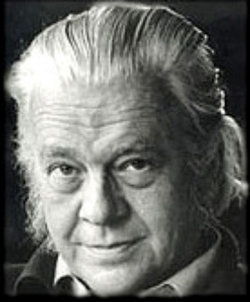
Ernst “Fritz” Schumacher

තිරසාර සංවර්ධන ගැනත්, අළුත් ආර්ථික ක‍්‍රමයක දැඩි අවශ්‍යතාවය ගැනත් මීට වසර 40කට පෙර පෙන්වා දුන් ජර්මානු-බි‍්‍රතාන්‍ය ආර්ථික විද්‍යාඥ අර්න්ස්ට් ෂූමාකර්ගේ (Ernst Schumacher) ජන්ම ශත සංවත්සරය සමරන්නට මාර්තුවේ කොළඹදී වැඩමුළුවක් පැවැත් වුණා. අසීමිත ලෙස ආර්ථික වර්ධනය පසුපස හඹා යාම සොබා සම්පත්වලට හා මානව සමාජයට දිගු කාලීනව දරා ගත නොහැකි බව කල් තබා වටහා ගෙන ලෝකයට අනතුරු ඇගවූ අසාමාන්‍ය ගණයේ විද්වතකු හැටියට ෂූමාකර් පිළි ගැනෙනවා.

එහෙත් “පුංචි නම් ලස්සනයි” (Small is Beautiful) නමින් 1973දී ඔහුගේ වඩාත් ම ප‍්‍රකට කෘතිය ලියූ වකවානුවේ එබදු සංකල්ප මතු කරන්නන් දෙස බොහෝ දෙනා බැලූවේ සැකයෙන් හා අවඥාවෙන්. මානව චින්තනය වෙනස් කරන්නට අසම්මත ලෙස සිතු හා අදහස් පළ කළ බොහෝ දෙනා මෙන් ෂූමාකර් ද තමන් ජීවත් වූ යුගයට වඩා ඉදිරියෙන් සිටි බව කොළඹ වැඩමුළුවේ කථිකයන් කියා සිටියා.

එහිදී කථා කළ බලශක්ති සංසදයේ විධායක අධ්‍යක්ෂක හා බලශක්ති අමාත්‍යාංශයේ උපදේශක අසෝක අබේගුණවර්ධන කීවේ මෙරට බලශක්ති ජනනයට සිදු කැරෙන කාබන් ඩයොක්සයිඞ් විමෝචනය ටිකෙන් ටික සීමා කිරීමේ උවමනාව හදුනාගෙන ඇති බවත්, ඒ සඳහා 2020න් පසුව ක‍්‍රමානුකූලව යොමු වනු ඇති බවත්. එහෙත් මේ ඉලක්කය වෙත ළගා වීමට හරස්වන තාක්ෂණික හා ආර්ථික බාධක ඉවත් කළ යුතුව ඇතැයි ද ඔහු සඳහන් කළා. (මේ බාධක මොනවාදැයි ඔහු විස්තර කළේ නැහැ.)

තිරසාර සංවර්ධනයට මෙරට තිබෙන ලොකු ම බාධකයක් ලෙස හදුනාගෙන ඇත්තේ රජයේ විවිධ ආයතන අතර සම්බන්ධිකරණයක් නැති විමයි. මේ සම්බන්ධිකරණය ඇති කිරීමට තිරසාර සංවර්ධනය සඳහා ජාතික කවුන්සිලයක් (National Council for Sustainable Development) 2008දී පිහිටුවනු ලැබුවා. ජනාධිපතිවරයාගේ සභාපතිත්වයෙන් යුත් එහි ආර්ථික ක්ෂේත‍්‍රයට අදාළ අමාත්‍යාංශ 22ක් නියෝජනය වනවා. රජයේ පාරිසරික ප‍්‍රතිපත්ති හා හරිත ලංකා පාරිසරික වැඩසටහන ක‍්‍රියාත්මක කිරීමට සහය වීම මේ කවුන්සිලයේ වගකීමයි.

හරිත ලංකා වැඩසටහන යටතේ පුළුල් ඉලක්ක 10ක් ප‍්‍රකාශයට පත් කොට තිබෙනවා. සැමට පිවිතුරු වාතය ලබා දීම, වගකීමක් සහිත ඉඩම් පරිහරණය, නාගරික ප‍්‍රදේශවල පාරිසරික තත්ත්ව පාලනය, කාර්මික ක‍්‍ර‍්‍රියාවලින් ඇති වන පාරිසරික බලපෑම් කළමණාකරණය, දේශගුණ විපර්යාසවලට මුහුණදීම ආදිය ඒ අතර තිබෙනවා.

නම සඳහන් නොකිරිමේ එකගත්වය මත පරිසර අමාත්‍යාංශයේ ජේ්‍යෂ්ඨ නිලධාරියකු කීවේ මේ උතුම් අරමුණු සදඟා රජයේ සෙසු අමාත්‍යාංශ හා ආයතන ඒකරාශි කොට සම්බන්ධිකරණය කිරිම ඉතා අපහසු වී ඇති බවයි. ඉඩම්, ජලය, කෘෂිකර්මාන්තය, බලශක්ති ජනනය, කර්මාන්ත, ප‍්‍රවාහනය ආදී ප‍්‍රධාන ප‍්‍රවාහයේ ක‍්‍රියාකාරකම් සියල්ල සිදු වන්නේ පරිසර අමාත්‍යාංශයෙන් පරිබාහිරවයි.

මේ යථාර්ථය තුළ තිරසාර සංවර්ධනයක් ඇති කරන්නට නම් සොබා සම්පත් කළමණාකරණය කරන හෝ පාරිසරික බලපෑම් ඇතිකරන හෝ දැවැන්තයන්ගේ දායකත්වය අත්‍යවශයි. එය හුදෙක් පරිසර දිනයකට, මිහිතල දිනයකට හෝ හරිත ලියවිල්ලකට සීමා නොවිය යුතුයි.

මෑත උදාහරණයක් ගනිමු. හරිත ලංකා වැඩසටහනේ එක් ඉලක්කයක් නම් 2016 වන විට මෙරටට අවශ්‍ය ඛනිජ තෙල් ප‍්‍රමාණයෙන් 10%ක් ජෛව ඉන්ධනවලින් (biofuel) නිපදවා ගැනීමයි. (පෙට‍්‍රල් වාහනවල එන්ජින් වෙනස්කමක් නොකොට, එන්ජින්වලට හානියක් ද නොවී 10-15%ක් ඊතයිල් මද්‍යසාරය මිශ‍්‍ර කළ හැකියි. වාහනවල ඛනිජ තෙල් බිල අඩු කර ගන්නට ඒවාට මධ්‍යසාර මිශ‍්‍ර කිරිම විද්‍යාත්මකව අත්දුටු ක‍්‍රමයක්.)

එහෙත් මෑතදී මාධ්‍ය වාර්තා කලේ මෙරට අතිරික්ත බඩඉරිගු ටොන් 10,000ක් කැනඩාවට හා තායිවානයට විකිණූ බවයි. එය අපේ කෘෂිකර්මයේ හා ජාත්‍යන්තර වෙළදාමේ ජයග‍්‍රහණයක් ලෙස හුවා දක්වා තිබුණා. බඩඉරිගු ටොන් 10,000 අලෙවියෙන් මෙරට කොපමණ විදේශ විනිමයක් ලැබෙනවා දැයි ප‍්‍රකාශිත නැතත්, මේ අතිරික්තය ජෛව ඉන්ධන නිපදවීමට යොදා ගත්තා නම් කොපමණක් වටිනා ඛනිජතෙල් සඳහා ආදේශ කළ හැකිව තිබුණා ද?

බඩඉරිගු පැසවීමෙන් ජෛව ඉන්ධන මද්‍යසාර නිපදවා ගත හැකියි. රියෝ සමුළුවට බ‍්‍රසීලයට යන අපේ නිලධාරින්ට හා අමාත්‍යවරුන්ට එරට ජෛව ඉන්ධන අත්දැකීම දැක බලා ගත හැකි නම් අගෙයි. බහුලව වවන උක් යොදා ගෙන ජෛව ඉන්ධන නිපදවා ඛනිජතෙල්වලට මිශ‍්‍ර කිරීම බ‍්‍රසීලය ඇරඹුවේ 1976දී. අද දියුණු වන රටවල් අතර ජෛව ඉන්ධන බහුලව ම භාවිතා කරන රටත්, ඒ සදහා හොදම තාක්ෂණික හැකියාව ඇති රටත් බ‍්‍රසීලයයි.

තිරසාර සංවර්ධනය කරා යන ගමන පරිසර අමාත්‍යාංශයට පමණක් තනිව යා හැකි හුදකලා චාරිකාවක් නොවෙයි. පරිසර අමාත්‍යාංශයට හැක්කේ ඒ සඳහා ගමන් මග හෙළි පෙහෙළි කොට, පෙර ගමන්කරුවන් වීම හා මාර්ගෝපදේශනයයි. අන්තිමේදී එය පාළු මාවතක් බවට පත් නොකර තිරසාර අනාගතයකට දිවෙන සක‍්‍රිය මාර්ගයක් කිරීමේ වගකීම රාජ්‍ය ක්ෂේත‍්‍රයේ මෙන් ම පෞද්ගලික හා විද්වත් ක්ෂේත‍්‍රවල ආයතන හා තීරක හැම දෙනාට පැවරෙනවා.

අභියෝගයේ බැරුම්කම හරිහැටි හදුනා ගෙන, මනා පෙළගැස්මකින් තිරසාර ගමන ගයොත් රියෝ සමුළුවෙන් ඔබ්බට ශ‍්‍රීලංකාවට බොහෝ දුර යා හැකියි. එහෙත් හිස් වදන් හා ප‍්‍රකාශවලට සීමා වී එක තැන පල් වුණොත්, සමුළුවෙන් සමුළුවට ගොස් එක ම තනුව වාදනය කරන පිරිසක් බවට පත්වීමේ අවදානම ද තිබෙනවා.

දැන ගියොත් රියෝ. නොදැන ගියොත් අනාථයි!

Eco Myths Can’t Save the Planet. Wake Up and Smell the Foul Air!

We Can’t Save the Planet with Green Myths!

This was the title of a talk I gave to Sri Lanka Rationalists’ Association (SLRA) in Colombo, Sri Lanka, on 7 June 2012 — two days after World Environment Day.

In this, I shared my observations on how attempts aimed at environmental conservation and sustainable resource use in Sri Lanka are often hindered by many misconceptions and myths about natural resources and our impact on them.

I invoked the words of George Monbiot, journalist/columnist, The Guardian, UK: “One of the most widespread human weaknesses is our readiness to accept claims that fit our beliefs and reject those that clash with them. We demand impossible standards of proof when confronted with something we don’t want to hear — but will believe any old cobblers if it confirms our prejudices…”

At the outset, I proposed a basic categorization of eco-myths as myths of the first, second and third kind – the last one being the most pervasive and harmful. Drawing on my 25 years of experience as a science writer and journalist, I cite several examples from air pollution, biodiversity and climate change.

There is also the mother of all eco-myths that Lankan nationalists never tire of repeating: romanticising the ‘good old days’ before modernisation and colonisation. Ah, if only real life were that simple…

I acknowledged that scientific knowledge and understanding on some ecological matters are evolving so have to keep an open, inquisitive mind: science does not have all the answers, but provides a framework in which to ask the right questions and to go in search of answers supported by evidence.

I also conceded that many individuals – and their societies – are not always rational. Governments (at least in democracies) take their cue from the people, and so…irrationality feeds on itself.

The bottomline: it’s a free world and individuals may cling on to any fantasy or belief. As long as it doesn’t harm others around the believer, and/or affects collective thinking. When it does, the good of the many must outweigh the good of one.

The last time I took on a myth was April 2009 with my blog post: ‘Chief Seattle speech’: Global environmental legend, or pervasive myth?

See, in particular, the kind of comments and berating I received from the true-believers!

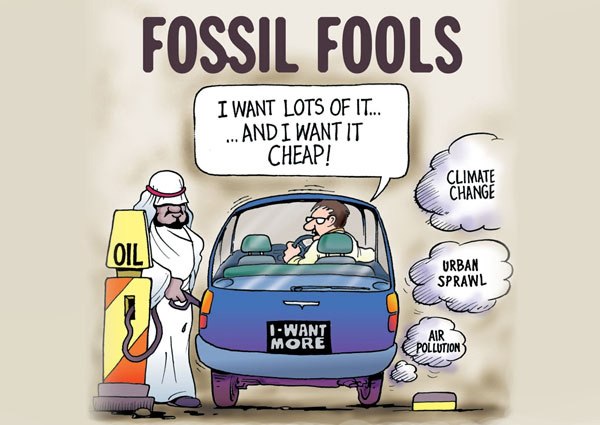
Don’t Be a Fossil Fool: A case for valuing Biotic Carbon in climate talks

Cartoon courtesy Down to Earth magazine, CSE India

• To tackle enhanced global warming that leads to climate change, we need to better understand the global carbon cycle.

• Critical to this understanding is distinguishing between fossil carbon (coal and petroleum) and biotic carbon (photosynthetic biomass – living matter capable of absorbing atmospheric carbon).

• Biotic Carbon offers a ‘lifeboat’ to a world in search of solutions. Valuing biotic carbon can transform the role of farmers and rural communities currently sidelined in global climate change negotiations.

• Current methodologies of carbon trading have seriously warped both economics and ecology. What takes place today is more like carbon laundering.

These outspoken views are expressed in a new web video by Dr Ranil Senanayake, a globally experienced systems ecologist with four decades of experience across Asia, Africa and Latin America.

Titled “Rethinking Carbon and Climate Change”, the 16 minute video is released on TVE Asia Pacific’s YouTube channel in time for World Environment Day 2012 and ahead of the UN Conference on Sustainable Development, or Rio+20 in Brazil.

This is edited from a long interview I filmed with the maverick scientist in mid March 2012.

Watch the full film online:

This film is released under Creative Commons Attribution-NonCommercial-ShareAlike 3.0 license.

Read Q&A style interview on Groundviews (covers much else):
Sri Lanka’s Fast-track to Post-war Development: Remember the Mahaweli’s Costly Lessons!

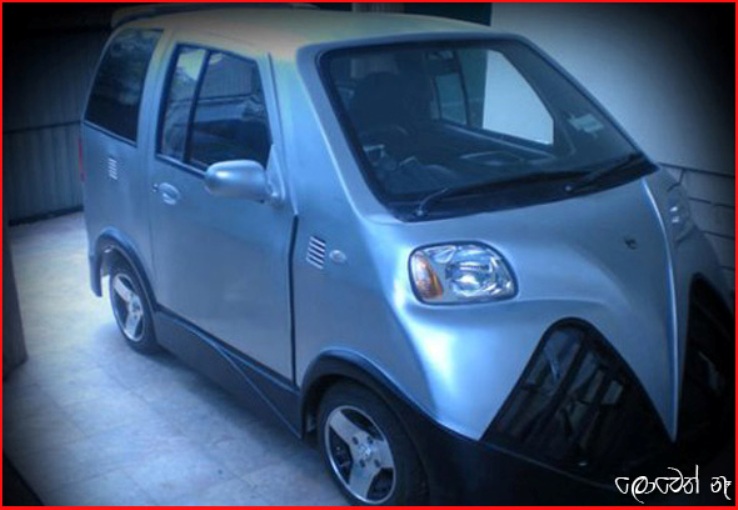
Malima: Episode #7: Meet ELCA, Sri Lanka’s own battery-powered electric car!

ELCA prototype built by Nilanga Senevirathne Epa 2012

Malima (New Directions in Innovation) is a Sinhala language TV series on science, technology and innovation. This episode was produced and first broadcast by Sri Lanka’s Rupavahini TV channel on 10 May 2012.

Produced by Suminda Thilakasena and hosted by science writer Nalaka Gunawardene, this episode features three stories:

REVA meets ELCA! Indian-made compact electric car REVA has been on the market for a decade. Now, a young Lankan has made a home-grown version. Nilanga Senevirathne Epa’s ELCA (short for Electric Car) is a two-door, two-seater ideal for city and suburban running; it can reach speeds of up to 60 km per hour. Over 60% of the car is made locally but the motor and battery are imported from Japan. When fully charged, its lead-acid batteries can power the car for 80 to 100 km on — recharging can be done at home by connecting it to 5 Amp ordinary power outlet for 8 hours. Nilanga is now working with a leading company to mass produce ELCA for the local market. Next target: make batteries locally to sell them cheaper. If all goes well, ELCA should be running on Lankan roads before end 2013.

Ride, pack and go! Nearly two centuries after the bicycle was invented, they are still innovating with it. We bring you an international story about a bicycle that can be folded up and carried in a case!

Dengue mosquitoes, beware! An interview with school boy inventor G A Hirun Dhananjaya Gajasinghe, of Ruwanwella Rajasinghe Central School, who has designed a device with which gutters can be remotely turned upside down for easy cleaning. By emptying water and leaf debris collecting in gutters without having to climb to the roof, this invention can help in the battle against dengue-carrying mosquitoes – a formidable public enemy in many parts of Sri Lanka. This comes just in time for the rainy season!

How can scientists use web videos to communicate climate science?

Let’s face it: not every scientist is a potential David Attenborough, David Suzuki or Carl Sagan. Such supernovae are rare in any field.

But in this digital age, most scientists can use online platforms and simple digital tools to communicate directly with the public and/or policy makers. At least some scientists try to tap this potential — and we are grateful.

The World Resources Institute (WRI), a respected non-profit research and advocacy group, is currently trying to understand “how recent climate science discoveries can best be communicated via video”.

With support from Google, and with the help of three climate scientists, WRI has recently produced 3 different video types in order to test which works best. They are currently on display on their website, with a request for readers to vote and comment:

1. “A webcam talk” uses a self-recorded video of the scientist discussing his findings

2. “A conversation” uses a slideshow with a voiceover of the scientist discussing his findings

3. “A whiteboard talk” is a professionally shot video of the scientist in front of whiteboard discussing his findings

Here is the comment I submitted: the challenges WRI face are common and widely shared. And I do have some experience covering climate and other complex science and environmental stories across Asia for the visual and print media.

First, thanks for asking — and for exploring best public engagement method, which most technical experts and their organisations don’t bother to do.

Second, Andy Dessler comes across as an eager expert — not all scientists are! Some are visibly condescending and disdainful in doing ‘public’ talks that they immediately put off non-technical audiences.

Third, the options you’ve presented above are NOT mutually exclusive. For best results, you can mix them.

Webcam method is helpful, but people don’t want to see any talking head for more than a few seconds at a time. They want to see WHO is talking, and also WHAT is being talked about. The images in Conversation method come in here.

I realise webcams are usually set up inside buildings, but visually speaking the more interesting backdrops are in the open. In this case, if Andy Dessler were to record his remarks outdoors, on a clear and sunny day with some clouds in the far background sky, that would have been great!

I’m personally less convinced about Whiteboard Talk: many in your audience probably don’t want to be lectured to, or be reminded of college days. I would avoid that.

More about my work at http://www.tveap.org/

සිවුමංසල කොලූගැටයා #60: රටට රුපියල් බිලියනයක් ඉතිරි කළ හැකි පැය බාගය

This is the Sinhala text of my Sunday column in Ravaya newspaper, 1 April 2012.

Facing an electricity generation crisis, Sri Lanka has embarked on a countrywide energy conservation drive — urging everyone to switch off all non-essential lights, and reduce other forms of power consumption.

The island nation will also join Earth Hour on the evening of today, 31 March 2012. The Ministry of Power and Energy has also launched a campaign called ‘Save Today for Tomorrow’.

Beyond these important yet token gestures, are there smart options that can save significant quantities of electricity, 85% of which is now generated in Sri Lanka using imported, costly fossil fuels?

Yes, there is one: advance the clock by half an hour. Faced with power crises in the past, governments did this in the 1990s — and with tangible results. This is evidence based policy and action. But a vocal minority in Lanka resented this progressive move all along, and in April 2006, they successfully lobbied the (current) government to revert Sri Lanka’s standard time to GMT+5:30 from GMT+6 which had been used since 1996.

I wrote about Sri Lanka giving up on Daylight Saving time in April 2006 in this SciDev.Net opinion essay: Science loses in Sri Lanka’s debate on standard time. As I noted: “In doing so, the government completely ignored expert views of scientists and intellectuals. It listened instead to a vocal minority of nationalists, astrologers and Buddhist monks who had lobbied the newly elected president to ‘restore the clock to original Sri Lankan time’.”

Earth Hour 2012 on 31 March 2012

මිහිතලය සඳහා පැයක් (Earth Hour) යන තේමාවෙන් 2012 මාර්තු 31 වන සෙනසුරාදා ලෝක ව්‍යාප්ත පාරිසරික එකමුතුවීමක් සිදු වනවා. එය පුද්ගල මට්ටමින් ක‍්‍රියාත්මක වුවත් ශ‍්‍රි ලංකාව මෙවර නිල (රාජ්‍ය) මට්ටමින් ද එයට සම්බන්ධ වනවා. එහි මුඛ්‍ය අරමුණ එදින සවස 8.30 සිට 9.30 දක්වා පැයක කාලය තුළ අත්‍යවශ්‍ය නොවන විදුලි බුබුළු නිවා දමා හැකි තාක් විදුලිබලය ඉතිරි කිරිමයි.

මෙය සංකේතාත්මක පියවරක්. ඉතා විශාල සංඛ්‍යාවක් ස්වෙච්ඡවෙන් මේ උත්සාහයට දායක වුවත් තනි පැයක් ඇතුළත ඉතිරි කළ හැකි විදුලය ප‍්‍රමාණය සීමිතයි. එහෙත් ඒ හරහා අපට දිනපතා විදුලිය පිරිමැසිමට ඇති හැකියාව ගැන දැනුවත් විමක් සිදු වනවා. 2007 සිට සෑම වසරක ම මාර්තුවේ අවසන් සෙනසුරාදා සවස පවත්වන මේ මිහිතල පැයට ගිය වසරේ රටවල් 135ක බිලියන් 1.8ක් පමණ දෙනා හවුල් වුනා.

අළුත් ම විදුලිබල ජනන තොරතුරුවලට අනුව දැනට මෙරට විදුලිබල අවශ්‍යතාවයයෙන් 85%ක් ම ජනනය කරන්නේ තාප බලාගාරවලින්. එනම් පෙට්‍රෝලියම් හෝ ගල් අගුරු ඉන්ධන ලෙස ගනිමින්. අපේ රටේ හමු නොවන මේ ඉන්ධන පිටරටින් මිළට ගැනිමට අතිවිශාල වියදමක් දරනවා. මේ ඉන්ධන දහනයේදී නිකුත්වන කාබන් ඩයොක්සයිඞ් වායුව මිහිතලය උණුසුම් කිරිමට දායක වනවා.

විදුලිබල අමාත්‍යවරයා ජනමාධ්‍යවලට මෑතදි පවසා ඇති අන්දමට අපේ රටේ ජනනය කරන විදුලිබලයෙන් හතරෙන් පංගුවක් ම අකාර්යකෂම භාවිතය නිසා අපතේ යනවා. මෙරට සමස්ත ජාතික ආදායමින් 12%ක් විදුලිබල ජනනය සඳහා ගල් අගුරු හා ඛනිජතෙල් පිටරටින් ගෙවිමට වැය කරන්නට සිදුව ඇති මේ අවස්ථාවේ මේ නාස්තිය අතිමහත් බව ඔහු අවධාරණය කරනවා (ද සන්ඬේ ටයිම්ස්, 2012 මාර්තු 18).

බලශක්ති අමාත්‍යාංශය දියත් කර තිබෙන හෙට වෙනුවෙන් අද නම් වූ බලශක්ති සුරැකීමේ ජාතික සත්කාරයෙන් හැම දිනෙක ම සවස 6.30 හා 9.30 අතර විදුලි බුබුලක් නිවා දමා විදුලිය ඉතිරි කරන්න යයි අමාත්‍යාංශය අප සැමගෙන් ඉල්ලා සිටිනවා.

මෙරට විදුලිබල පාරිභෝගිකයන් මිලියන 5න් මිලියන 4.6ක් ම ගෘහස්ත මට්ටමේ බවත්, සවස් කාලයේ වොට් 60ක විදුලි බුබුලක් පැය 3ක් නිවා තැබීම හරහා රටක් වශයෙන් සමස්තයක් ලෙස (cumulatively) සැළකිය යුතු විදුලිබල ප‍්‍රමාණයක් ඉතිරි කර ගත හැකි බවත් අමාත්‍යාංශය ගණන් බලා තිබෙනවා.

මිහිතලයේ පැය සංකේතාත්මක වශයෙනුත්, “හෙට වෙනුවෙන් අද” ප‍්‍රයත්නය ඊට වඩා ප‍්‍රායෝගික හා දිගුකාලීන ලෙසටත් විදුලිබල සංරක්ෂණයට කරන දායකත්වය ප‍්‍රශංසනීයයි.

එහෙත් විදුලිබල කප්පාදුවකින් තොරව දිගට ම සැපයුම ලබා දීමටත්, ඒ සඳහා යන අධික ජනන වියදම පිරිමසා ගැනීමටත් මීට අමතරව ගත හැකි තවත් වඩා සාර්ථක උපාය මාර්ගයක් (smart option) තිබේ ද?

මැදහත් විද්වතුන් වසර ගණනක සිට පෙන්වා දෙන එබදු උපාය මාර්ගයක් තිබෙනවා. එනම් අපේ රටේ සම්මත වේලාව ඔරලෝසුවේ පැය බාගයක් ඉදිරියට ගැනීමයි.

මෙයින් විදුලිබලය ඉතිරිකර ගැනිමේ හැකියාව තේරුම් ගන්නට නම් මුලින් ම අපේ විදුලිබල පරිභෝජනයේ දෛනික රටාව ගැන අවබෝධයක් ලද යුතුයි.

Sri Lanka Electricity Demand Load Curve

ශ‍්‍රී ලංකාවේ විදුලිබල පරිභෝජනය දවසේ පැය 24 පුරා එක ලෙස සිදු වන්නේ නැහැ. එහි වෙනස් වන දෛනික රටාවක් පැහැදිලිව හදුනාගෙන තිබෙනවා. ඒ අනුව දිවයිනේ සමස්ත විදුලබල පරිභෝජනය සැලකිය යුතු ලෙසින් ඉහළ යන (peak) කාල පරාසයන් දෙකක් තිබෙනවා. එයින් පළමුවැන්න දළ වශයෙන් උදේ 5.30 සිට 6.30 දක්වා කාලයේ.

වැඩිපුර ම ආලෝකය සඳහා කැරෙන මේ විදුලි භාවිතය උදාසන හිරු එළිය වැටිම සමග අඩු වනවා. දවසේ ඊළග උච්චවීම ඇරඹෙන්නේ හිරු බැස යාමත් සමග දළ වශයෙන් සවස 6.30ට පමණ. විදුලි ආලෝකය මෙන් ම ටෙලිවිෂන් නැරඹිම සඳහාත් විදුලිය භාව්තා කෙරෙන මේ උච්චවීම, රාත‍්‍රි 10.30 පමණ දක්වා පවතිනවා. ගෘහස්ථ විදුලි පරිභෝජනය වැඩිපුර ම සිදුවන්නේ මේ පැය හතර ඇතුළතයි.

ශ‍්‍රි ලංකාවේ සම්මත වේලාව දැන් පවතින වේලාවට වඩා පැය බාගයක් (විනාඩි 30ක්) ඉදිරියට ගත හොත් විදුලිබල පරිභෝජනය අඩු කර ගත හැක්කේ කෙසේ ද? මේ ගැන දැනට රටේ සිටින ප‍්‍රවීණතම විදුලි ඉංජිනේරුවකු හා බලශක්ති සැලසුම්කරුවෙකු වන ආචාර්ය තිලක් සියඹලාපිටියගෙන් මා විමසුවා. මේ ඔහු දුන් සරල විග‍්‍රහයයි.

සම්මත වේලාව ඉදිරියට ගැනිමෙන් විදුලිබල පරිභෝජනය අඩු කර ගැනිමට නම් සියළු දෛනික කාර්යයන් (පාසල් හා කාර්යාල අරඹන හා හමාර කරන වේලාවන් ආදිය) සිදු කරන වේලාවන්හි කිසිදු වෙනසක් නොකළ යුතුයි. එවා එසේ ම පවත්වා ගනිමින් සම්මත වේලාව පැය බාගයක් ඔරලෝසුවේ ඉදිරියට ගත විට හිරු උදාව (ආසන්න වශයෙන්) පැය බාගයක් ප‍්‍රමාද වී සිදු වනවා. එවිට උදයේ අපට ටිකක් වැඩි කලූවර කාලයක් අත් විදින්නටත්, ඒ සඳහා යම් තරමකට අමතර විදුලි එළියක් යොදා ගන්නටත් සිදු වනවා.

එහෙත් අපේ සමස්ථ විදුලි පරිභෝජනයේ උච්චවීම උදයේ දී අඩුයි; සවසට වැඩියි. සම්මත වේලාව පැය බාගයක් ඔරලෝසුවේ ඉදිරියට ගත් විට හිරු බැසීම ද පැය බාගයකින් ප‍්‍රමාද වී සිදුවනවා. එනම් අප වැඩ හමාර වී ගෙදර ආ පසු හිරු එළිය පවතින කාලය වැඩියි. එවිට අප විදුලි ආලෝක දල්වන්නේ වඩාත් ප‍්‍රමාද වී නිසා සවස් කාලයේ පරිභෝජන උච්චවීම තරමක් අඩු වනවා.

විදුලිබල ජනන සැළසුම්කරුවන් පරිගණක ආකෘති යොදා ගෙන සුක්‍ෂම ලෙස ගණන් බලා ඇති ආකාරයට සම්මත වෙලාව පැය බාගයක් ඉදිරියට ගෙන අන් සියලූ කටයුතු සුපුරුදු පරිදි කළහොත් සවස් කාලයේ ඉතිරි කර ගත හැකි විදුලිය ප‍්‍රමාණය උදේ කාලයේ අමතරව වැය වන විදුලිය මෙන් පස් (5) ගුණයක්. මෙය තනි ගෘහයකට මෙන් ම සමස්ත විදුලි ජනන පද්ධතියටත් වාසිදායක බව ආචාර්ය සියඹලාපිටිය පෙන්වා දෙනවා.

“විදුලි පරිභෝගිකයන් හැටියට විදුලි බිලේ යම් අඩුවක් ලද හැකියි. විදුලිය සපයන්නා හැටියට විදුලිබල මණ්ඩලයට තාප බලශක්ති ජනනයට වැය වන අතිමහත් වියදම යම් තරමකට අඩු කර ගත හැකියි. සමස්ත පද්ධතිය මත දිනපතා සන්ධ්‍යා කාලයට ඇති වන දැඩි ඉල්ලූම හා බැදුණු සම්පේ‍්‍රෂණ අපතේයාම් හා කාන්දුවීම් ද අඩු වන අතර (තාප බලාගාර ක‍්‍රියාකාරිත්වය තරමක් අඩු වන විට) එය පරිසරයට ද හිතකරයි,” ආචාර්ය සියඹලාපිටිය කියනවා.

ඔහු 2006දී අවසන් වරට ගණන් බැලූ අවස්ථාවේ සම්මත වේලාව පැය බාගයකින් ඉදිරියට ගැනිම හරහා මෙරට විදුලිජනන පද්ධතියට ලබා ගත හැකි ඉතිරිය (අරපිරිමැස්ම) සමස්ත විදුලි ජනනයෙන් සියයට බාගයක් (0.5%) වුනා. දැනට (2012) විදුලිජනන සංඛ්‍යා ලේඛණ අනුව බලන විට මෙයින් වසරකට ගිගාවොට් පැය 60ක් ඉතිරි කර ගැනිමේ විභවය තිබෙනවා. පවතින විදුලි ජනන වියදම්වලට ආදේශ කළ විට මේ ඉතිරිය රුපියල් මිලියන 900ක් පමණ වනවා.

මෙසේ විදුලිය ඉතිරි කර ගැනිමේ විභවය හරිහැටි තේරුම් ගන්නට මෙරට විදුලි පරිභෝජනයේ දෛනික රටාව පෙන්වන මේ ප‍්‍රස්තාරය ඉතා වැදගත්. මේ පරිභෝජන රටාව වසරේ බොහෝ දිනවලට අදාළ වන අතර, ඉඳහිට එය වෙනස් වන්නේ උත්සව සමයට හා ශ‍්‍රී ලංකාව තරග කරන ජාත්‍යන්තර ක‍්‍රිකට් තරගාවලි ටෙලිවිෂනයෙන් විකාශය කරන දිනවල පමණයි.

දැනට දිවයිනේ සම්මත වේලාව ලෝක සම්මත (ග‍්‍රිනිච්) වේලාවෙන් පැය පහ හමාරක් (5.30) ඉදිරියෙන් පවතිනවා. 1996 දැඩි විදුලිබල අර්බුදය මතු වූ අවස්ථාවේ එවක රජය සම්මත වේලාව පැයකින් ඉදිරියට ගත්තා (එනම් ගි‍්‍රනිච් වේලාව + 6.30). ඉන් මාස කිහිපයකට පසු එය යළිත් පැය බාගයක් පස්සට ගැනිමෙන් ග‍්‍රිනිච් වේලාවට පැය 6ක් ඉදිරියෙන් වසර ගණනක් පවත්වා ගෙන ගියා (1997-2006 කාලය).

එහෙත් දශක ගණනක් මෙරට පැවති, අපේ ඇත්තන් පුරුදු වී සිටි වේලාව නැවතත් ප‍්‍රතිස්ථානය කළ යුතු යයි ජ්‍යොතිෂවේදීන් ඇතුළු සුළුතරයක් දිගින් දිගට එල්ල කළ බලපෑම් හමුවේ, රජය 2006 අපේ‍්‍රල් මාසයේ මෙරට සම්මත වේලාව නැවතත් ග‍්‍රීනිච් +5.30 බවට වෙනස් කළා.

1996ට පෙර පැවතුණේ ද එකී සම්මත වේලාවයි. නමුත් මෙය ඓතිහාසිකව පැවත ආ සම්මතයක් නොවෙයි. මුළු ලෝකයේ ම අද භාවිත කරන සම්මත වේලාව පිළිබඳව එකගත්වයට එළඹුණේ 1884දී ලන්ඩනයේ පවත්වන ලද ජාත්‍යන්තර සම්මේලනයකදීයි. ඊට පෙර ලෝකයේ විවිධ රටවල් තමන්ට රිසි හා ආවේනික පරිදි වේලාවන් පවත්වා ගෙන ගියා. එහෙත් රටවල් අතර වෙළදාම, සංචරනය හා සන්නිවේදනය වැඩි වන විට වේලාව පිළිබඳ ලෝක සම්මුතියක් අත්‍යවශ්‍ය වුණා.

විදුලිබලය අරපිරිමැස්ම සඳහා සම්මත වේලාව පැය බාගයකින් ඉදිරියට ගැනීම මුල් වරට රජයට යෝජනා වූයේ 1983දී. එවකට සිටි ජනාධිපතිවරයා විද්වතුන්ගේ නිර්දේශය කැබිනට් මණ්ඩලයට ඉදිරිපත් කළත් කැබිනට් එකගතාවක් නොවූ නිසා ක‍්‍රියාත්මක කළේ නැහැ.

විදුලිබලය අරපිරිමැස්ම හරහා විදේශ විනිමය ඉතිරි කර ගන්නා අතර ම කාබන් ඩයොක්සයිඞ් මුදා හැරිම අඩු කර ගන්නටත් අපේ විදුලිබල අමාත්‍යාංශය දක්වන උනන්දුව මීටත් වඩා තීව‍්‍ර කර ගන්නට සම්මත වේලාවේ වෙනස දායක වනු ඇති.

එළඹෙන ඉන්ධන අර්බුදය හමුවේ අපේ දිනචර්යාවේ සුළු වෙනසක් කිරිම මගින් රටේ මෙන් ම ගෙදර ආර්ථිකයටත් වාසියක් ඉතිරියක් ළගා කර ගන්නට ඔබ කැමති ද?

එබදු දුරදර්ශී පියවරක් හරහා වසරකට රුපියල් බිලියනයකට ආසන්න ගණනක් ඉතිරි කර ගැනීමට රජය යොමු වුව හොත්, ඒ ගැන ලක් ජනතාවගේ ප‍්‍රතිචාරය කෙබදු වේවි ද?

එහෙත් ජ්‍යෙතිෂවේදීන්ගේ ග‍්‍රහණයට හසු වූ මෙරට ප‍්‍රතිපත්ති සම්පාදකයන්, තාක්ෂණික වශයෙන් ප‍්‍රශස්ත වන මේ ඉදිරි පියවර තැබිමට එඩිතර වෙයි ද?

Welcome to the Anthropocene: How the Earth Lit Up

Some geologists now believe that human activity has so irrevocably altered our planet that we have entered a new geological age.

A decade ago the Nobel Laureate Dutch chemist, Paul J Crutzen, coined a new term for it: the Anthropocene.

The proposed new epoch was discussed at a major conference held at the Geological Society in London in the summer of 2011.

A new short video explaining it in simple terms was released this week in connection with the Planet Under Pressure conference, London 26-29 March 2012.

Welcome to the Anthropocene from WelcomeAnthropocene on Vimeo.

As they say, it offers a “3-minute journey through the last 250 years of our history, from the start of the Industrial Revolution to the Rio+20 Summit”.

The film charts the growth of humanity into a global force on an equivalent scale to major geological processes.

The film is part of the world’s first educational webportal on the Anthropocene, commissioned by the Planet Under Pressure conference, and developed and sponsored by anthropocene.info

I’m not at the conference, but following it on SciDev.Net’s blog.

Welcome to the Anthropocene, by Mićo Tatalović, Deputy news editor, SciDev.Net

සිවුමංසල කොලූගැටයා #59: වදකහ සුදියේ සිට ලෝක විනාශය දක්වා…

In this week’s Sunday column, published in Ravaya newspaper of 25 March 2012, I
return to take another critical look at the hype and hysteria surrounding the world ‘ending’ in December 2012.

Last week’s column elicited several reader responses online and offline. While many agreed with my rational reasoning, some were miffed by my puncturing their inflated obsession! A few challenged me to provide an assurance that there won’t be any major disasters in 2012 — we were NOT talking about random disasters, but a planetary scale one which qualifies as End of the World.

This week, we look at how certain environmentalists are linking global warming and 2012 world ending myth, adding to existing public confusion about climate change. I cite as an example of this green alarmism a highly distorted article Sinhala published by Practical Action Sri Lanka, a usually moderate and sensible development organisation. Its country director admits it was an ill-advised public outreach effort.

I also refer to a recent scientific analysis that probed whether highly destructive large-scale earthquakes in the past few years, in countries bordering the Pacific and Indian oceans, indicate an increased global risk of these deadly events. Its conclusion: there is no such evidence.

‘2012 ලෝක විනාශය’ ගැන ලෝක ව්‍යාප්ත මිථ්‍යාව විග‍්‍රහ කරමින් පසුගිය සතියේ මා ලියූ කොලමට ප‍්‍රතිචාර රැසක් ලැබුණා. එයින් බහුතරයක් මගේ විචාරශීලී ප‍්‍රවේශයත් සමග එකග වූ නමුත් ටික දෙනකු මට අභියෝග කළේ 2012දී කිසිදු ව්‍යසනයක් සිදු නොවන බවට සහතික විය හැකිදැයි විමසමින්.

අප කථා කළේ හැම වසරක ම ලොව තැනින් තැන සිදු වන ආපදා ගැන නොවෙයි. මුළු මහත් පෘථිවිය ම විනාශ වී යන, අඩු තරමින් මිහිපිට ජීවීන් හැම දෙනා ම හදිසි මරණයට පත් වන මට්ටමේ මහා විනාශයක් ගැනයි. එබන්දක් ඇති කිරිමට හැකි යයි ජනප‍්‍රිය විද්‍යා ප‍්‍රබන්ධ චිත‍්‍රපටවල යෝජිත සංසිද්ධීන්ගේ විය නොහැකියාව හෝ සම්භාවිතාවේ ඉතා අඩුවීමයි අප පැහැදිලි කළේ.

කොළම මගේ බ්ලොග් අඩවියේ පළ වූ පසු ඉන්ටර්නෙට් හරහා එය කියවන පාඨකයන් ඒ වටා සංවාදයක් ගොඩ නගමින් සිටිනවා. ඔවුන් අතරින් මුලින් අදහස් දැක් වූ ලිෂාන් පුවක්ඕවිට නම් පාඨකයා මතු කළ පැතිකඩ මීට පෙර මගේ අවධානයට ලක් වී තිබුණේ නැහැ: “මේ 2012 අනිසි බිය ගන මගේ මිතුරන් කිහිප දෙනෙකු ද බිය වී සිටිනවා. විවාහයට පත් වී දරුවන් ලබන්නට බිරිඳ කොතරම් කැමති වුවත් වෘත්තියෙන් අලෙවි විධායකයෙකු ලෙස සේවය කරන මා මිතුරා පවසා සිටින්නේ 2012 දෙසැ 22 පසුව ඒ ගැන කල්පනා කල යුතු බවත්, දැන් කල යුත්තේ මේ මහා විනාශයෙන් ගැලවීමට ක්‍රම සෙවීම බවත්!” http://tiny.cc/2012Boom

ලෝක විනාශය ගැන මහජනයා තුළ හට ගන්නා බිය අවස්ථාවාදී ලෙස තමන්ගේ අරමුණු සදහා හරවා ගන්නා නොයෙක් පුද්ගලයන් මෙන් ම කණ්ඩායම් ද සිටිනවා. මෙයින් වඩාත් සූක්‍ෂම හා සටකපට උත්සාහයන් අපට දැකිය හැක්කේ විවිධ ආගම්වලයි.

ඇතැම් අන්තවාදී ඇදහීම් (cults) මෙන් ම ප‍්‍රධාන පෙළේ ආගම් ද ලෝක විනාශය ගැන බියක් පතුරුවා තම අනුගාමික පිරිස වැඩි කරගන්නට උත්සාහ කරනවා. යම් දිනෙක ‘නියතව’ හට ගන්නා ලෝක විනාශයක් ගැන විස්තරාත්මක අනාවැකි කියා, ඇතැම් විට ඒවා විචිත‍්‍ර ලෙසින් සිතුවම්වලට නගා අනුගාමිකයන් බිය කරනවා. ඉන් පසු හීන්සීරුවේ ඔවුන්ට කියන්නේ තම ආගම තරයේ අදහන (එනම් පූජකයන් කියන දේ අවිචාරශීලීව කරන) අය පමණක් ආශ්චර්යමත් ලෙසින් බේරා ගනු ලබන බවයි! මුළු ලෝකය ම විනාශ වන විට ටික දෙනකු පමණක් දිවි ගලවා ගන්නේ කෙසේද? එය දන්නේ වරප‍්‍රසාදලාභී පූජකයන් කිහිප දෙනකු පමණයි.

ලෝක විනාශය සංකල්පයට මුවා වී බඩ වඩා ගන්නේ ආගම්වාදීන් පමණක් නොවෙයි. අද කාලයේ දේශපාලන ක‍්‍රියාකාරිකයන්, සමාජ ශෝධකයන් මෙන් ම පරිසරවේදීන් ද මේ අන්තගාමී ක‍්‍රමෝපායට නැඹුරු වී තිබෙනවා. අන් අය කෙසේ වෙතත් පරිසරවේදීන් ආවේගශීලීව හා අතිශයෝක්තියෙන් සන්නිවේදනය කිරීම මා අනුමත කරන්නේ නැහැ.

විවෘත ආර්ථික ක‍්‍රමයේ හා අදහස් ප‍්‍රකාශනයට නිදහස ඇති මේ ලෝකයේ, විවිධාකාර වෙළඳ ප‍්‍රචාර හෝ මතවාදයන් හෝ පැතිරවීමට ඉඩකඩ තිබෙනවා. මහජනයා මුලා කොට ඔවුන්ගෙන් මුදල් වංචා නොකරන තුරු, කැමති අය ස්වයංමුලාවකට පත් කිරීම නීති විරෝධී නැහැ. එහෙත් එය සදාචාර විරෝධීයි.

අතිශයෝක්තිය, සත්‍යය හා බොරුව මුසු කළ අර්ධ-ප‍්‍රබන්ධ ආදිය හරහා පෙරට එන්නේ අන්ධ භක්තිය හා අයාලේ දිවීමයි. බෙහෙත් තෙල් හා වාජීකරණ වෙළෙන්දන්ට වඩා වගකීමක් විද්වතුන්ගෙන් හා සමාජ ක‍්‍රියාකාරීන්ගෙන් අප බලාපොරොත්තු වනවා. එහෙත් අද ලෝකයේ මහා පාරිසරික ප‍්‍රශ්න හා අභියෝග ගැන ඇතැම් පරිසරවේදීන්ගේ ක‍්‍රියාකලාපය බලාගෙන ගියාම ආගම් ප‍්‍රචාරකවාදීන්ට දෙවැනි නැහැ.

දේශගුණ විපර්යාස උදාහරණයකට ගනිමු. මේ ප‍්‍රශ්නයට මුලල බලශක්ති ජනනය සඳහා පෙට්‍රෝලියම් හා ගල් අගුරු අධික ලෙස දහනය කිරීම නිසා වායුගෝලයේ කාබන්ඩයොක්සයිඞ් ප‍්‍රමාණය ඉහළ යාම හා ඒ මගින් හිරුගේ උණුසුම වැඩිපුර රඳවා ගැනීමයි. මිහිතලය රත් වීම නියත වශයෙන් ම සිදුවන බව විද්‍යාඥයන් අද පිළිගන්නවා. එය නිරීක්‍ෂණ රැසකින්ද සනාථ වෙනවා. එහෙත් මේ රත්වීමෙන් ඇති වන විපාක ගැන පූර්ණ අවබෝධයක් තවමත් නැහැ. අපට සිතා ගත හැකි ආකාරයට මෙන් ම නොසිතූ විරූ අන්දමින් ද මිහිතලය රත්වීම අපටත්, අනෙක් ජීවීන්ටත්, සමස්ත ග‍්‍රහලෝකයටත් බලපෑ හැකියි.

ආපදා උත්සන්න වීම, ආහාර හා ජල හිගයන් උග‍්‍රවීම මෙන් ම ඇතැම් පරිසර පද්ධති (උදා: කොරල්පර) සහමුලින් විනාශ වී යාම ද සිදු විය හැකියි. එහෙත් මේ විපාකවල කාල පරාසය හා සීඝ‍්‍රතාවය අප තවමත් හරිහැටි දන්නේ නැහැ. ලොව පුරා විද්‍යාඥයන් පර්යේෂණ කරමින් කරමින්, පරිගණක ආකෘති අධ්‍යයනය කරමින් වෙර දරන්නේ කෙමෙන් උණුසුම් වන ලෝකයක ගති සොබා තේරුම් ගන්නටයි.

මේ අතරට කඩා පනින සමහර පරිසරවේදීන් කියන්නෙ දැනටමත් අප ප‍්‍රමාද වැඩි බවයි. මොනවා කළත් – නොකළත් අප හැමදෙනාගේ ඉරණම දැනටමත් තීන්දු වී හමාර බවයි. සමහර පරිසරවේදීන් දැන් ලෝක විනාශ සංකල්පයත් එයට සම්බන්ධ කරනවා. මෙබදු අන්තගාමී මතයක එල්බ සිටින්නට ඔවුන්ට නිදහස ඇතත්, එබදු කථා කියමින් මහජනයා බියපත් කරන්නට ඉඩ දිය යුතු ද?

දේශගුණ විපර්යාස සුළු කොට තැකිය යුතු නැහැ. එහි කෙටි කාලීන හා දිගුකාලීන ප‍්‍රතිඵල භායානකයි. එහෙත් එය ලෝක විනාශයකට සම කිරීම පිළි ගත හැකි තර්කයක් නොවෙයි. ළිඳට වැටුණු මිනිසකු ළිං කටෙන් ගොඩ ආ යුතු සේ දේශගුණ විපර්යාසවලට තුඩු දුන් බලශක්ති ජනන ක‍්‍රමයන් හා සම්පත් පරිභෝජන රටා වෙනස් කර ගෙන ඒ මහා ප‍්‍රශ්නයෙඅපන් ටිකෙන් ටික අත්මිදිය හැකි ක‍්‍රම විද්වතුන් සොයමින් සිටිනවා.

අවාසනාවකට ලොව පිළිගත් විද්වත් ආයතන පවා ඇතැම් විට අතිශයෝකිතියට හා ආවේගයන්ට නතු වනවා. විකල්ප සංවර්ධනයක් සඳහා අවංකව ම කැපවුණුල ප‍්‍රැක්ටිකල් ඇක්ෂන් (Practical Action) නම් ලෝක ව්‍යාප්ත සංවිධානයක් තිබෙනවා. ‘පුංචි නම් ලස්සනයි’ (Small is Beautiful) පොත ලියූ ජර්මන් ආර්ථික විද්‍යාඥ අර්න්ස්ට් ෂූමාකර් පිහිට වූ මේ ආයතනයේ ශ්‍රී ලංකා කාර්යාලය 2008දී නිකුත් කළ “ජන තාක්‍ෂණ පුවත්” නම් සිංහල වාරිකය (2 වෙලූම, 3 කලාපය) දැක මා කම්පාවට පත් වුණා.

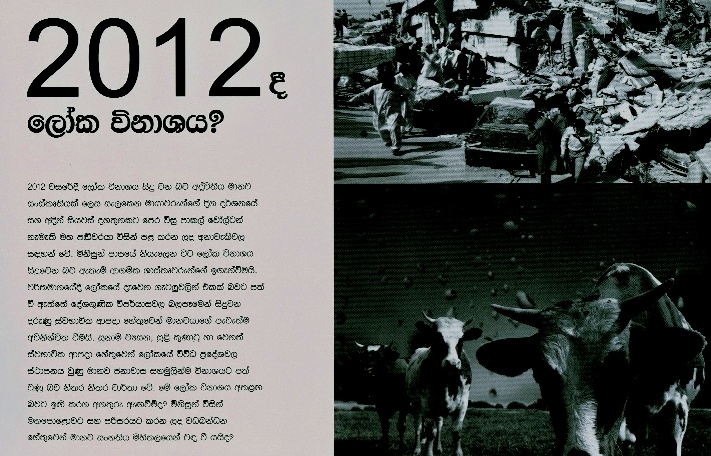
Jana Thakshana Puwath 2008 Vol 2 No 3 - p13
දේශගුණ විපර්යාස ගැන තොරතුරු රැුගත් මේ සගරාවේ විග‍්‍රහයන් බොහෝ ආවේගශීලීයි. පාඨකයන් බියපත් කරවන වදන් හරඹයක් ඔවුන් කරනවා. 2012දී ලෝක විනාශය මැයෙන් 13 පිටුවේ මෙසෙ කියනවා:

“2012 වසරේදී ලෝක විනාශය සිදු ව බව අද්විතීය මානව සංස්කෘතියක් ලෙස සැලකෙන මායාවරුන්ගේ දින දර්ශනයේ සහ අදින් සියවස් දහතුනකට පෙර විසූ පාකල් වෝලටන් නැමැති මහ පඩිවරයා විසින් පළ කරන ලද අනාවැකිවල සඳහන් වේ. මිනිසුන් පාපයේ නියැලෙන විට ලෝක විනාශය සිදුවෙන බව ඇතැම් ආගමික ශාස්තෘවරුන්ගේ ඉගැන්විමයි. වර්තමානයේදී ලෝකයේ දැවෙන ගැටලූවලින් එකක් බවට පත් වී ඇත්තේ දේශගුණික විපර්යාසවල බලපෑමෙන් සිදුවන දරුණු ස්වභාවික අපදා හේතුවෙන් මානවයාගේ පැවැත්ම අවිනිශ්චිත වීමයි. සුනාමි ව්‍යසන, සුළි කුණාටු හා වෙනත් ස්වභාවික ආපදා හේතුවෙන් ලෝකයේ විවිධ ප‍්‍රදේශවල ස්ථාපනය වුණු මානව ජනාවාස සහමුලින්ම විනාශයට පත් වුණු බව නිතර නිතර වාර්තා වේ. මේ ලෝක විනාශය අතළග බවට ඉගි කරන අනතුරු ඇගවීම්ද? මිනිසුන් විසින් මහපොළොවට සහ පරිසරයට කරන ලද වධ බන්ධන හේතුවෙන් මානව සංහතිය මිහිතලයෙන් වඳ වී යයි ද?”

මේ ත‍්‍රාසජනක ප‍්‍රබන්ධයක පිටපතක් ද? මෙබදු සන්නිවේදන කරන්නට වගකිවයුතු ආයතන ඉඩ දෙන්නේ ඇයි?

ප‍්‍රැක්ටිකල් ඇක්ෂන් ශ්‍රී ලංකා අධ්‍යක්‍ෂවරිය වන ආචාර්ය විශාඛා හැදැල්ලගේ වෙතින් මා මේ ගැන විමසුවා. මනා සංස්කරණ අධීක්‍ෂණයකින් තොරව ජන සමාජයට ගිය මේ ප‍්‍රකාශනය පිළිබඳ මගේ විවේචනය ඇය පිළි ගත්තා. මෙය සිය ආයතනයේ නිල ස්ථාවරය නොවන බවත්, එය ලියූ නිදහස් ලේඛකයාගේ තනි අදහසක් බවත් ඇය කියනවා. (මේ ආයතනය පරිසර සංවිධානයක් ද නොවේ.)

ලෝක විනාශය හා දේශගුණ විපර්යාස එකට මිශ‍්‍ර කිරීම හැරුණු විට විද්‍යාත්මකව වැරදි තවත් කරුණු එම ප‍්‍රකාශනයේ තිබෙනවා. සැබෑ තත්ත්වය හතර පස් ගුණයකින් වැඩිකොට පැවසීම හා ලිවීම අපේ පරිසරවේදීන් අතර සුලභ පුරුද්දක්. ඇත්ත ඇති සැටියෙන් කීමට හා නොදන්නා දේ එසේ පිළිගැනීමට ඔවුන් මැලි ඇයි?

අභව්‍ය දේ ගැන අතිශයෝක්ති ගොතා මිනිසුන් බියපත් කර තමන්ගේ ඇදහිලිවලට ඇද ගන්නට තැත් කරන විවිධ ආගම්වාදීන් සහ මෙබදු පරිසරවේදීන් අතර එතරම් වෙනසක් නැහැ.මේ දෙපිරිසේ ම විශ්වසනීයත්වය පලූදු වී ඇති බව පැහැදිලියි. ඇරත් 2012 ලෝක විනාශය ඔවුන් කියන පරිදි සිදු නොවූ විට ඔවුන් යළිත් සමාජයට මුහුණ දෙන්නේ කෙසේ ද?

මින් පෙර නොවූ වීරූ අසාමාන්‍ය ගණයේ භූචලන ලෝකයේ සිදු වෙමින් පවතිනවා ද? නැතිනම් අද ඒ ගැන ජනමාධ්‍යවලින් කැරෙන වාර්තාකරණය තීව‍්‍ර වී ඇත් ද? ලෝකයේ ප‍්‍රමුඛ පෙළේ භූවිද්‍යාඥයන් කියන්නේ මිහිතලය උණුසුම් වීමෙන් පොළව මතුපිට යම් විපර්යාස සීඝ‍්‍ර වී ඇතත් පෘථිවි අභ්‍යන්තරයේ එබදු ප‍්‍රවණතාවක් තවමත් දැකිය නොහැකි බවයි.

එසේ නම් 2001-2011 කාලය තුළ ප‍්‍රබල භූමිකම්පා ගණනාවක් චීනය, චිලී, ජපානය හා ඉන්දුනීසියාව වැනි රටවලින් වාර්තා වූයේ ඇයි? 1900 සිට 2010 දක්වා භූකම්පන මානයේ අංක 7ට වඩා ඉහළින් සිදු වූ සියළු ම භූ චලනයන් විස්තරාත්මකව අධ්‍යයනය කළ අමෙරිකාවේ විද්‍යාඥ දෙපළක් 2011 අගදී කියා සිටියේ භූමිකම්පාවල ප‍්‍රබලත්වයේ උත්සන්න වීමක් සංඛ්‍යාත්මකව නොදකින බවයි.

අමෙරිකාවේ ස්ක‍්‍රිප්ස් සාගර විද්‍යා පර්යේෂණායතනයේ භූවිද්‍යාඥ පීටර් ෂියරර් හා කැලිෆෝනියා විශ්වවිද්‍යාලයේ (බර්ක්ලි) ෆිලිප් ස්ටාක් සිය විශ්ලේෂණය 2011 දෙසැම්බර් 19දා එරට විද්‍යා ඇකඩමියේ වෙබ් අඩවිය හරහා ප‍්‍රකාශයට පත් කළා. වසර 110ක භූමිකම්පා දත්ත පදනම් කර ගෙන නම් පෘථිවි අභ්‍යන්තරයේ ප‍්‍රචන්ඩත්වයේ වැඩිවීමක් දැකිය නොහැකි බවත්, එබන්දක් ගැන හරි හැටි කීමට ඊටත් වැඩි කාල පරාසයක දත්ත විමසා බැලිය යුතු බවත් ඔවුන් කියනවා. ඔවුන්ගේ අවසන් නිගමනය නම් මෑත වසරවල අත්දුටු මහා පරිමානයේ භූමිකම්පා එසේ කෙටි කලක් තුළ ඇති වීම හුදෙක් අහඹු සිදුවීමක් මිස පෘථිවි අභ්‍යන්තරයේ විපර්යාසයක ඉගියක් නොවන බවයි. http://tiny.cc/MegaQ

සිදු වන්නට හැකියාව ඉතා අඩු, වඩාත් ම බිහිසුණු සිදුවීම් ගැන මේ තරම් කලබලවීමක් හා භිතියක් ඇති කර ගන්නට අපේ ඇත්තන් නැඹුරු වන්නේ ඇයි? ස්වයංමුලාව හා ස්වයංභීතිය ඒ තරමට අපේ තනි හා සාමුහික චින්තනයට සමීප වෙලාද?

1955 ජුනි 20 වනදා අපේ දිවයිනට අවසාන වරට පූර්ණ සූර්යග‍්‍රහණයක් දිස් වූ අවස්ථාවේ ලස්සන වන්නට යයි සිතා ගෙන වදකහ බී රෝහල් ගත වූ කථාව අප අසා තිබෙනවා. අදට වඩා අධ්‍යාපන මට්ටම් අඩු වූ එවකට එබන්දකට හසු වූවත්, තොරතුරු සමාජයේ ඇලී ගැලී වාසය කරන වත්මන් ලාංකිකයන් 2012 ලෝක විනාශය ගැන මෙතරම් දැඩිව අදහන්නේ ඇයි? විචාරශීලිව හා තුලනාත්මකව යමක් විග‍්‍රහ කිරීමේ හැකියාව ඒ තරමට අප සමාජයේ මොට වී ගිහින් ද?

Cooling without warming: Cool Biz for a safer future?

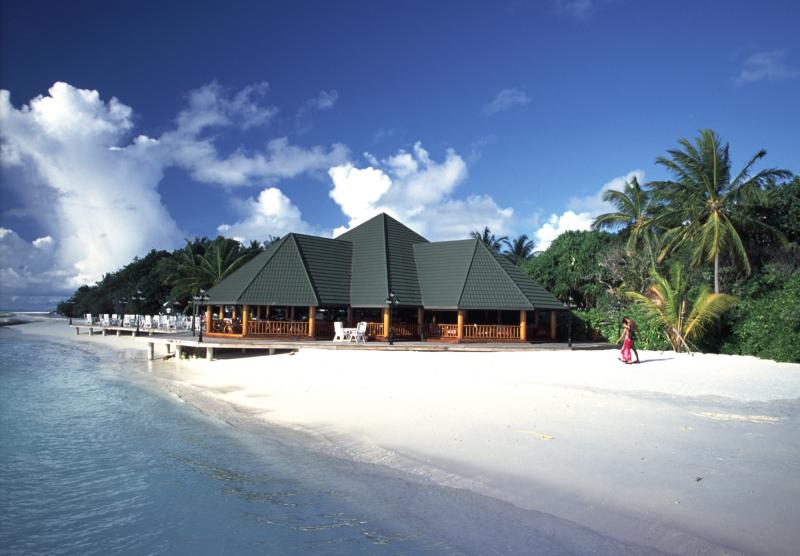
Image courtesy - Paradise Island Resort, Maldives
Paradise, The Maldives. 10 May 2011

I’m sitting in Paradise – and freezing. This isn’t quite what I imagined it to be.

Well, actually I’m attending a serious inter-governmental meeting being held at the Paradise Island Resort and Spa in the Maldives.

The setting is exotic enough – I’m near some of the finest beaches and bluest seas in the world. It’s a cloudy day outside, with tropical sunshine interrupted by occasional showers. We’re just a few hundred kilometres north of the Equator.

But it’s whole different world inside the meeting room. We have no windows and are visually cut off from the scenery. And the air conditioning is too strong. Even the 50 or so people inside the room don’t emit enough body heat to counter the chill spilling out from the ceiling.

Paradise (resort) isn’t alone. Across tropical Asia, our public offices, hotels and shopping malls just love to freeze us out.

This habit has a particular irony at this meeting. Convened by the UN Environment Programme (UNEP), it’s discussing how to stay cool without killing the planet.

To be precise, how air conditioning and refrigeration industries can continue their business – and keep cooling people and goods – without damaging the ozone layer or warming the planet.

It’s the semi-annual meeting of government officials from across Asia who help implement the Montreal Protocol to control and phase out several dozen industrial chemicals that damage the ozone layer in the upper atmosphere.

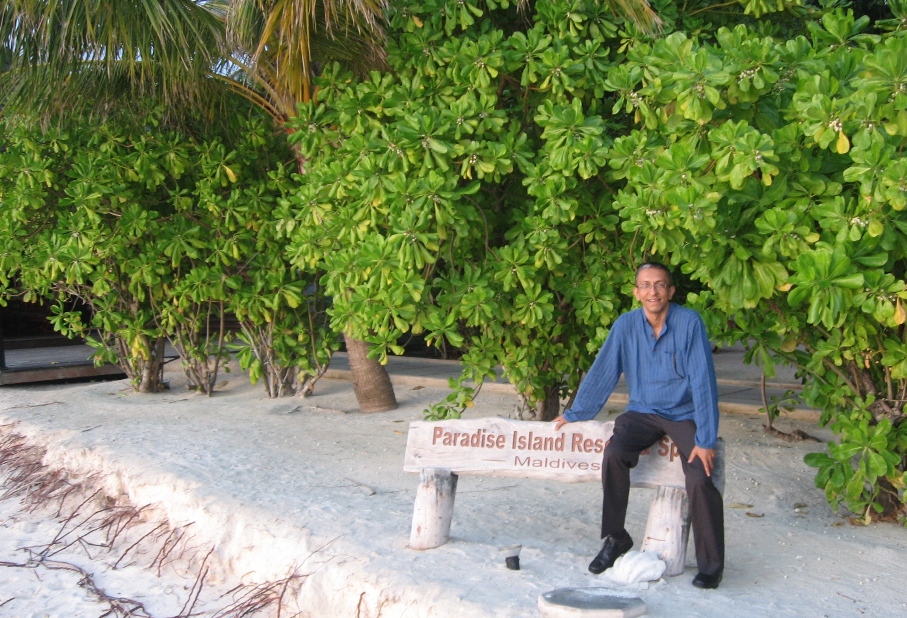
A nitpicker in Paradise? Photo by Darryl D'Monte

Adopted in 1987 and now ratified by 196 countries, it is the world’s most successful environmental treaty. It has reversed a catastrophic loss of ozone high up in the Earth’s atmosphere, and prevented tens of thousands of cases of skin cancer and cataract.

A landmark was reached at the end of 2009, when it succeeded in totally phasing out the production and use of chlorofluorocarbons (CFCs) — chemicals that had helped the cooling industries for decades. Now, a bigger challenge remains: removing two other widely used gases known as HCFCs and HFCs.

Both were originally promoted as substitutes for CFCs in the early days of the Protocol. HCFCs are less ozone-damaging than CFCs, while HFCs are fully ozone-safe. However, both have a high global warming potential — up to 1,700 times that of Carbon dioxide — and therefore contribute to climate change.

It was only a few years ago that scientists and officials realized that there was little point in fixing one atmospheric problem if it aggravated another. So in 2007, the Montreal Protocol countries agreed to address the climate impacts of their work.

The Montreal Protocol now encourages the countries to promote the selection of alternatives to HCFCs that minimize environmental impacts, in particular impacts on climate change.

The air conditioning and refrigeration industries are being encouraged to switch from HCFC to substitutes ahead of the global phase-out deadline of 2030. Alternatives — including natural refrigerants such as ammonia, carbon dioxide, hydrocarbons — are entering the market for many applications.

Parallel to this, consumers are being encouraged to opt for newer appliances that are both ozone-safe and climate friendly.

It takes time and effort for this message to spread and take hold. Many users — especially in the developing countries — only consider the purchase price of appliances and not necessarily the long-term energy savings or planetary benefits.

Events like the first Asian Ozone2Climate Roadshow, held in the Maldivian capital Malé from 8 to 12 May 2011, are pushing for this clarity and awareness. It’s still an uphill task: too many people have to be won over on too many appliances using a wide range of chemicals and processes.

And sitting here at my freezing corner of Paradise, I feel we should add another message: conserving energy includes a more rational and sensible use of air conditioning.

Perhaps we should promote and adopt the Japanese practice of Cool Biz.

Introduced by the Japanese Ministry of Environment in the summer of 2005, the idea behind Cool Biz was simple: ensure the thermostat in all air conditioners stayed fixed at 28 degrees Centigrade.

CoolBiz Logo
That’s not exactly a very cool temperature (and certainly no freezing), but not unbearable either.

The Cool Biz dress code advised office workers to starch collars “so they stand up and to wear trousers made from materials that breathe and absorb moisture”. They were encouraged to wear short-sleeved shirts without jackets or ties.

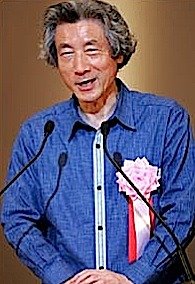
A Cool Koizumi: Leading from the front...
Then Prime Minister Junichiro Koizumi himself set the tone, wearing informal attire. But then, he was already known for his unorthodox style.

Clothes designers and retailers chipped in, with clothes offering greater comfort at higher temperatures.

Cool Biz changed the Japanese work environment – and fast. I remember walking into a meeting at a government office in Tokyo a few weeks after the idea had been introduced, and finding I was the most formally dressed.

The Japanese like to count things. When the first season of Cool Biz ended, they calculated the countrywide campaign to have saved at least 460,000 tons of Carbon dioxide emissions (by avoided electricity use). That’s about the same emissions from a million Japanese households for a month.

The following year, an even more aggressive Cool Biz campaign helped save an estimated 1.14 million tons of Carbon dioxide – or two and half times more than in the first year.

The idea also traveled beyond Japan. In 2006, the South Korean Ministry of Environment and the British Trade Union Congress both endorsed the idea.

This summer, the seventh since Cool Biz started, there is an added reason for the Japanese to conserve energy. As the Asahi Shimbun reported on 28 April 2011: “In what has been dubbed the ‘power-conserving biz’ campaign, many companies plan to conserve energy during the peak summer period in light of expected power shortages caused by the crisis at the Fukushima No. 1 nuclear power plant.”

Meanwhile, the rest of us freeze-happy tropical Asians can evolve our own Cool Biz practices – we don’t need to wait for governments and industry to launch organized campaigns.

For a start, we – as consumers or patrons – can urge those who maintain public-access buildings to observe voluntary upper limits of cooling. Sensitive thermostats can automatically adjust air conditioner operations when temperatures rise above a pre-determined comfortable level.

It all depends on how many of us pause to think. Of course, we can also continue business as usual – and freeze ourselves today for a warmer tomorrow.

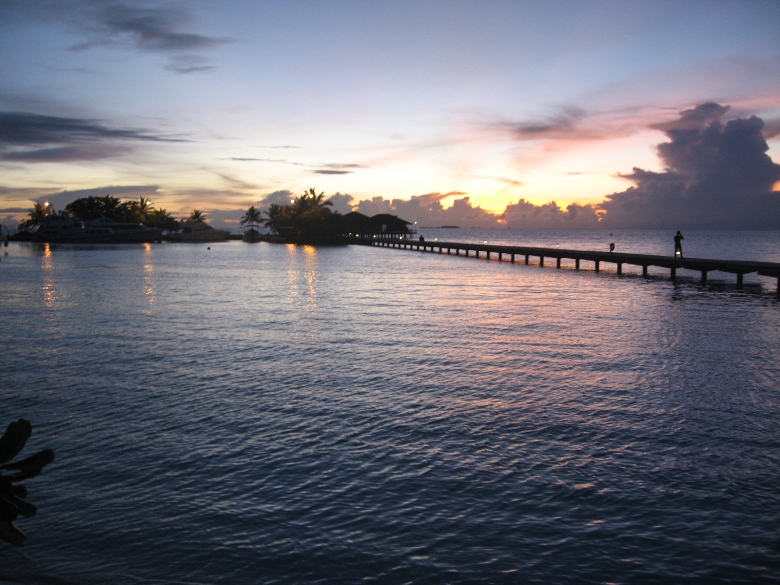
The sun sets in Paradise too - photo by Nalaka Gunawardene