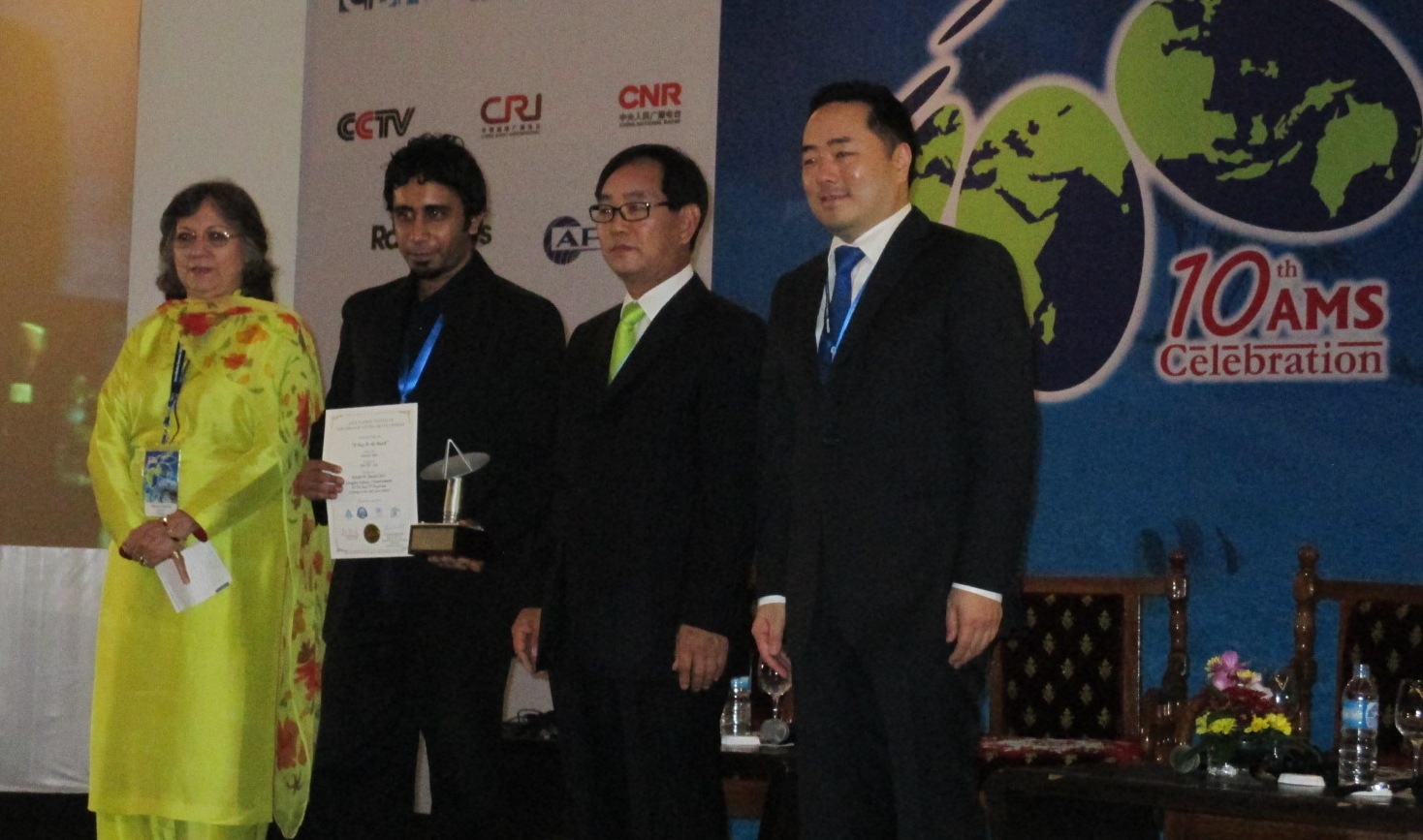
L to R – Moneeza Hashmi (Jury chair), Clarence Dass, Young-Woo Park (Regional Director, UNEP), Yang Binyuan (AIBD Director)
Fijian filmmaker and broadcaster Clarence Dass is a star at Asia Media Summit 2013 in Manado, Indonesia, this week.
First, he won the coveted World TV Award in the Science and Environment category, for his futuristic, dramatized film titled “A Day at the Beach” made for and broadcast by Fiji Broadcasting Corporation (FBC) TV.
That earned him US$ 5,000 prize money, a trophy and a certificate – as well as an all expenses paid trip to Manado, where he just collected them in front of 350 broadcast managers and professionals from across Asia Pacific.
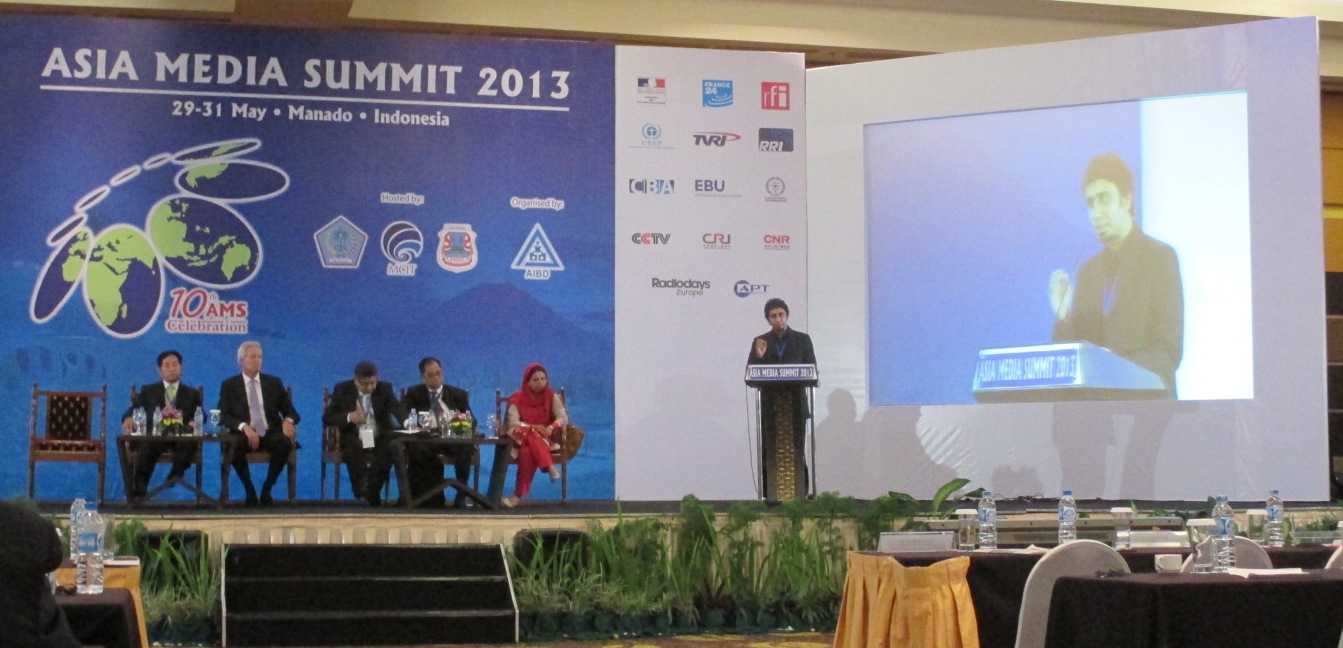
To top it up, he then spoke passionately and articulately during a session on taking action for sustainable development: how can media help?
While TV productions are all team work, public speaking is a solo art. Coming last of five panelists and youngest among them, Clarence made the most perceptive and practical remarks of all.
Clarence would have done well in any case. Now in his early 30s, he has been active in Fiji media since 2001, having started in newspapers as a music journalist, before moving onto radio presenting/producing and then TV production.
He is very digitally savvy, but as his panel remarks showed, also people savvy.
“Today, we have to produce media on-the-go for people who are constantly on the go,” he said. “We have to find ways to bring sustainable development elements into this.”
In “A Day at the Beach”, Clarence imagines a futuristic, climate ravaged Fiji and the Pacific in 2063. A young girl asks: did it have to be this way? Wasn’t there something earlier generations could do?
A bit evocative of The Age of Stupid movie (2009), which I had mentioned during our training. But it’s a universal theme.
Clarence offered some advice from his station’s experience. Key among them is to mix information with entertainment, so as to attract and sustain audiences who are constantly distracted these days.
“As Fiji’s national broadcaster, we provide info-tainment and edu-tainment programmes all the time,” he said.
Clarence Dass speaks on sustainable development how can media help at Asia Media Summit 29 May 2013
Other nuggets of wisdom from the amiable Pacific islander:
* Always ask for whom we are creating content. Knowing and profiling our audience is essential.
* We must make our content engaging. We need to find the right level so our programming appeals to both between laymen and experts.
* Beware of using too many effects and gimmicks, which can dilute the message. How much creativity is too much? Every producer has to ask that question.
* Small scale broadcasters in developing countries have to make content interesting on very limited budgets. Funding is a huge issue. But if managed properly, limited funds can still be made to go a long way.
How can we discern signs of climate change that unfold slowly over time, and manifest in many different ways? And how best to prepare ourselves and increase our resilience against inevitable impacts?
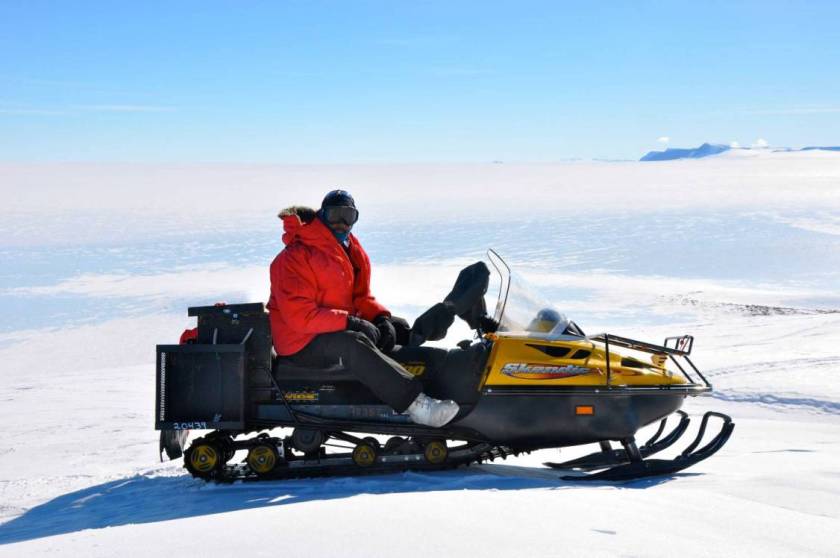
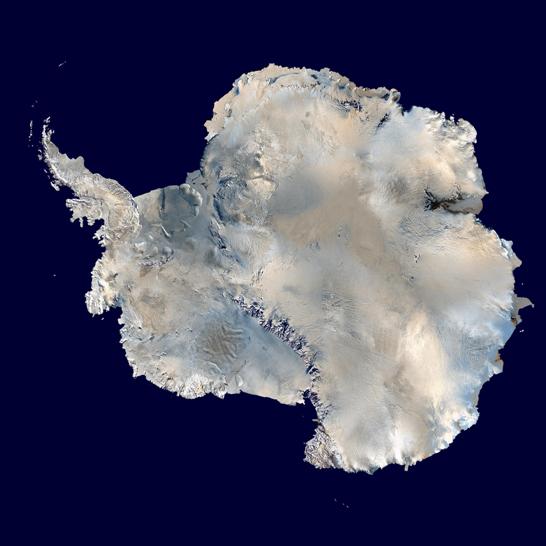
This week’s Ravaya column is a follow up to my initial one on Antarctica two weeks ago, සිවුමංසල කොලූගැටයා #92: ඇන්ටාක්ටිකාවට අත නොතබනු!. I had such a good response from readers, some of who wanted to know how many Lankans have been to Antarctica.
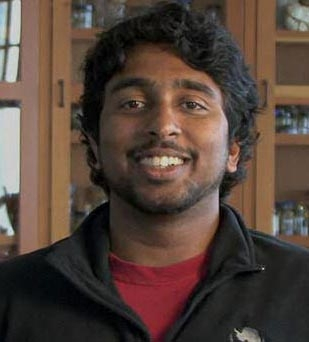
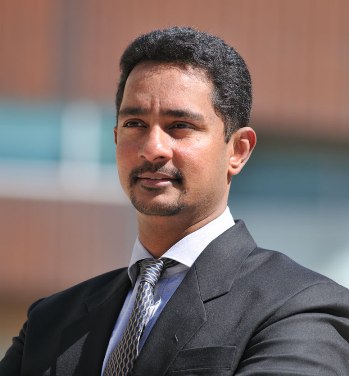
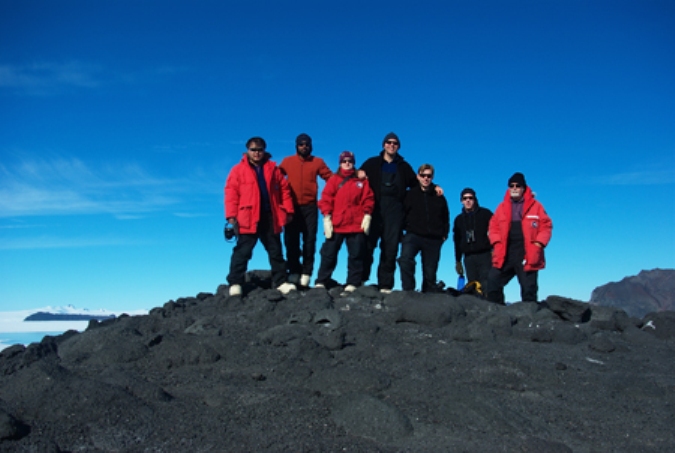
I asked around, and have found information on three: Marine biologist Dr Nishad Jayasundara (who visited in 2010), youth activist Imalka de Silva (also in 2010) and astronomer Dr Ray Jayawardhana (2010-11). This column is a summary of what they did. It also answers a question: did trail-blazing Lankan biochemist Dr Cyril Ponnamperuma (1924 – 1994), who studied Antarctic meteorites in the 1970s, ever visit the frozen continent himself?
In this week’s Sunday column in Ravaya newspaper (in Sinhala), I’ve written about polar explorer Sir Robert Swan’s 2041 campaign to preserve the Antarctica as the world’s last great wilderness.
News feature published in Ceylon Today newspaper on 4 Nov 2012:
Wanted: Young Lankans for Antarctica!
By Nalaka Gunawardene
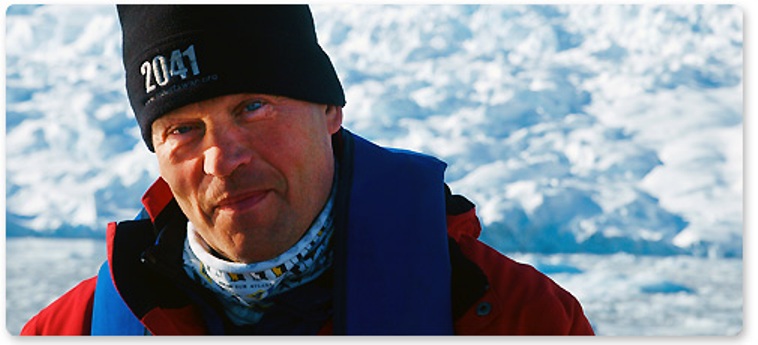
Sir Robert Swan, polar explorer
Environmentally inclined young Lankan men and women have a new opportunity to broaden their horizons: by joining an international youth expedition to the Antarctica!
This open invitation came from the polar explorer, environmental leader and motivational speaker Sir Robert Swan, who is in Sri Lanka on a short visit.
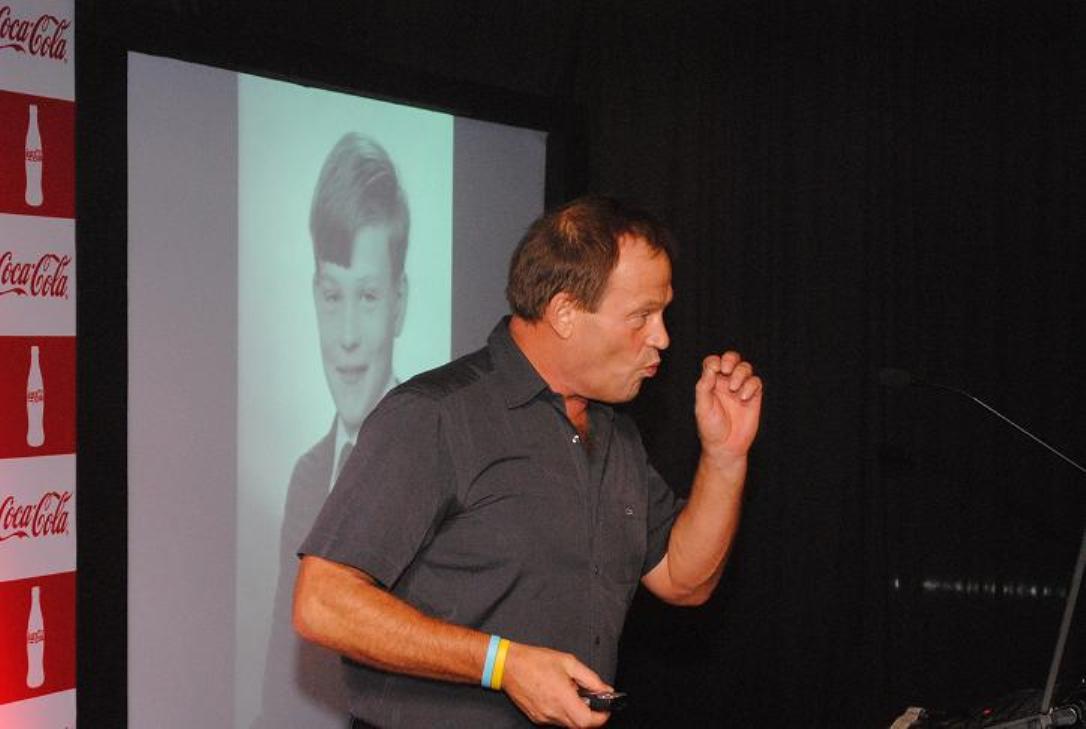
“Going to the Antarctica – the last great wilderness of the world, twice the size of Australia – is a life changing experience. We want more young people to experience it, and be transformed about what is happening to our environment, and what we can do about it,” he told a packed audience at the Galle Face Hotel on Saturday morning.
British born Swan, the first person in history to walk to both the North and South poles, has dedicated his life to the preservation of Antarctica by the promotion of recycling, renewable energy and sustainability to combat the effects of climate change.
His non-profit foundation, 2041 (www.2041.com), operates the world’s first educational base (E-Base) in Antarctica. Since 2008, it serves as a resource for teachers and an inspiration to young people around the world.
Swan introduced Imalka de Silva, said to be the first Lankan woman to visit Antarctica, who was part of an international team of youth who spent two and a half weeks at E-Base in early 2010.
“I want more young people to have that amazing experience, so that they too can champion the local environmental initiatives in a global context,” Imalka said.
She will soon be launching a new project that seeks to link the business community and environment conservation. Already, MAS Holdings (which organized the Robert Swan talk), Coca Cola (which sponsored his visit to Sri Lanka) and Millennium IT are interested in supporting competitively chosen young Lankans to visit the Antarctica, she revealed.
“Our concern for the environment needs to be broadened into a business opportunity, and only then will society change its ways,” she said.
Robert Swan, who has been spending time with selected youth groups working on environmental issues in Sri Lanka, added: “Sri Lanka can show regional leadership in motivating young people to act on environment and sustainability.”
Sir Robert Swan giving a talk in Sri Lanka – image by 2041.com
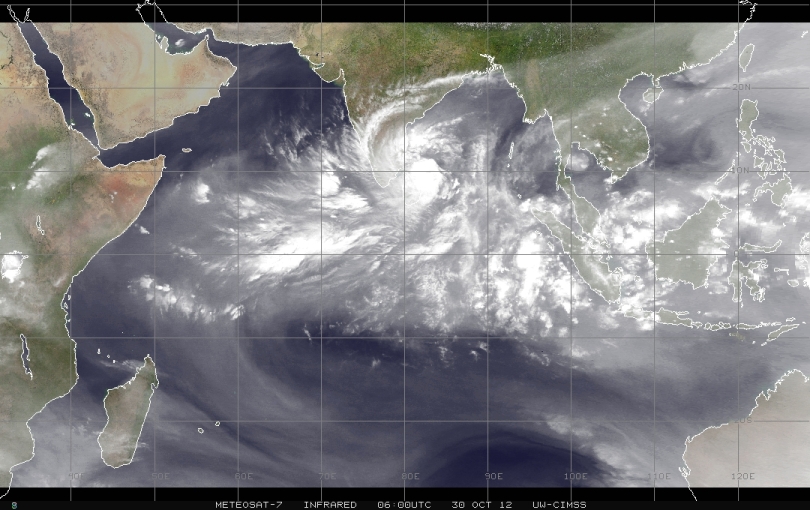
Meteosat 7 weather satellite image of the Indian Ocean – 30 Oct 2012 at 6 UTC As Hurricane Sandy hammered the US East Coast earlier this week, we had our own meteorological worries. A tropical cyclone — belatedly named Neelam — swept past parts of Sri Lanka’s North and East. It then headed to southern India.
The two atmospheric turbulences were not comparable. Sandy was far more ferocious. But Neelam caused enough disruption as well — it wasn’t just a passing gust of wind.
As I followed the two disasters through print, TV and web media reporting, I wondered: how come we had more about Sandy in our own media than on Neelam?
Is it because, as some argue, the global media were so preoccupied with Sandy, and provided saturation coverage? Or are our own media outlets unable, or unwilling, to cover a local weather anomaly with depth and clarity?
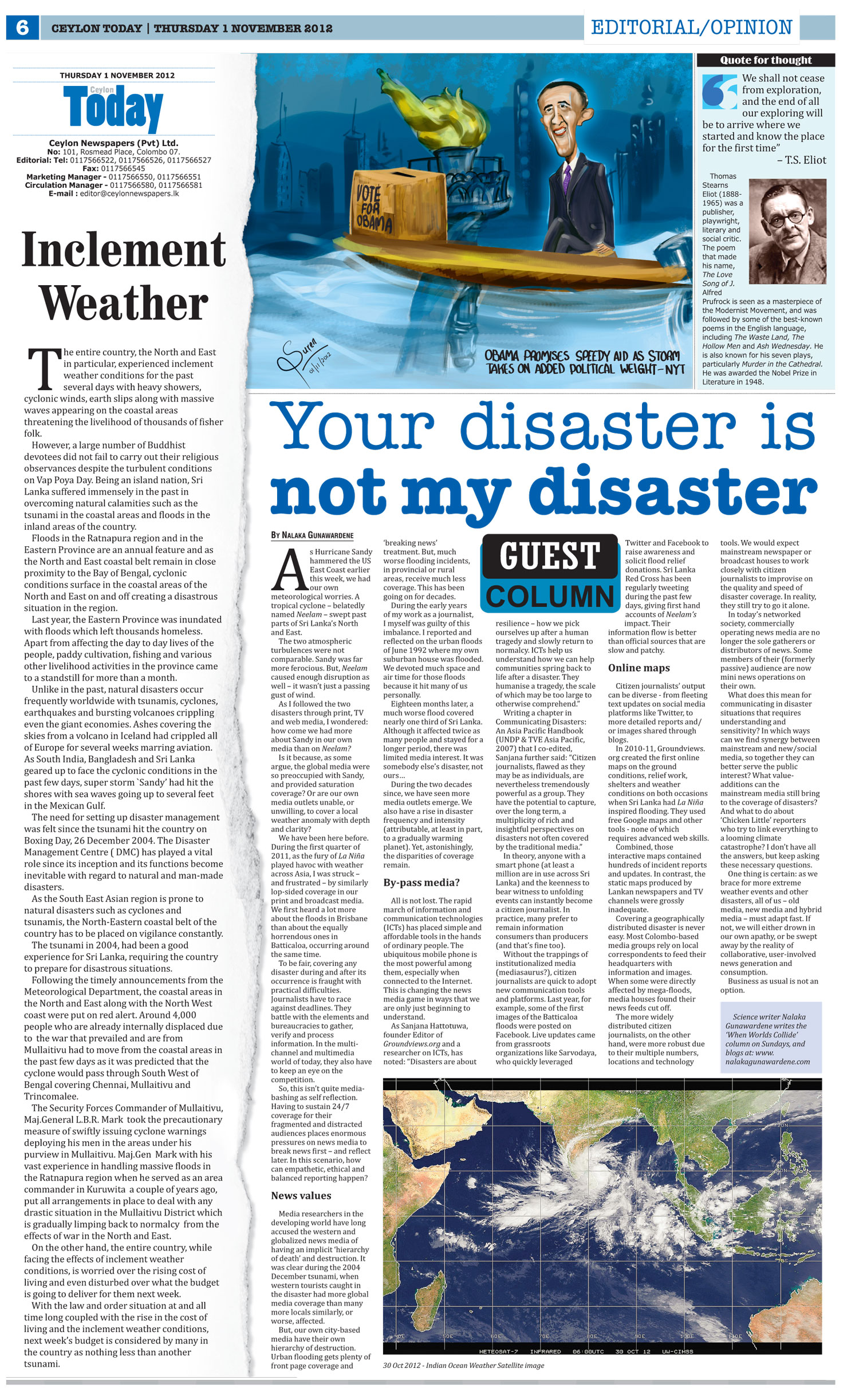
This is the opening of my latest op-ed essay, Your Disaster is Not My Disaster, published in Ceylon Today newspaper, 1 Nov 2012.
Another excerpt:
“In today’s networked society, commercially operating news media are no longer the sole gatherers or distributors of news. Some members of their (formerly passive) audience are now mini news operations on their own.
“What does this mean for communicating in disaster situations that requires understanding and sensitivity? In which ways can we find synergy between mainstream and new/social media, so together they can better serve the public interest? What value-additions can the mainstream media still bring to the coverage of disasters? And what to do about ‘Chicken Little’ reporters who try to link everything to a looming climate catastrophe? I don’t have all the answers, but keep asking these necessary questions.”
Here’s the full text, saved from the e-paper:
Your Disaster is not My Disaster – by Nalaka Gunawardene, Ceylon Today 1 Nov 2012
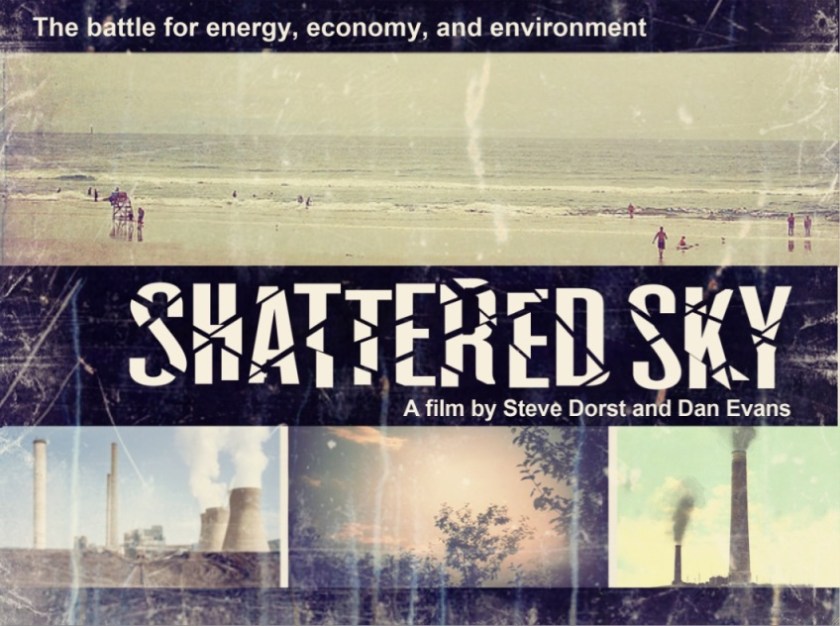
A film by Steve Dorst and Dan Evans.
An invisible compound threatens Earth’s life-support systems, with effects so pervasive that scientists sound the alarm, businesses must innovate, politicians are forced to take action—and American leadership is absolutely vital. Climate change? No…the hole in the ozone layer. For the first time in film, Shattered Sky tells the story of how—during geopolitical turmoil, a recession, and two consecutive Republican administrations— America led the world to solve the biggest environmental crisis ever seen. Today, will we dare to do the same on energy and climate?
A film by Steve Dorst and Dan Evans. The story of how America led the world to solve the biggest environmental crisis ever seen. Today, will we dare to do the same on energy and climate?
A new film looks at American leadership during the ozone crisis and compares it to the situation with global warming today. A good interview with the filmmaker.
On 16 September, the International Day for the Preservation of the Ozone Layer will be observed once again all over the world. This year’s theme is “Protecting our atmosphere for generations to come”.
Exactly 25 years ago, governments of the world came together at a historic conference in Montreal, Canada, to adopt the Montreal Protocol on Substances that Deplete the Ozone Layer.
In a quarter century, it has rallied governments and industries in both developed and developing countries to phase out, or substantially reduce, nearly 100 chemicals that damage the ozone layer in the upper atmosphere.
The Ozone Secretariat and UNEP OzonAction have jointly produced two 30-second videos mark the 25th anniversary of the Montreal Protocol (MP).
These Public Service Announcements (PSAs) hail the extraordinary achievements of this Multilateral Environmental Agreement over a quarter century. They also project the MP as a protector of our shared atmosphere for generations to come.
The first PSA briefly introduces the ozone layer depletion issue and highlights its recovery that was made possible when countries of the world joined hands for saving the ozone layer – a global action at its best.
The second PSA revolves around the multiple benefits of the Protocol: it is not just a treaty protecting the ozone layer, but has multiple benefits for our biodiversity, climate, human health and the global economy.
The third version of this PSA (below) is twice as long, gives more info and moves at a more leisurely pace.
These PSAs, made by friends in the UK are proof that even a highly esoteric and technical subject like ozone protection can be presented in engaging, human interest terms.
Growing up in an Ozone Safe World: that’s worth celebrating!
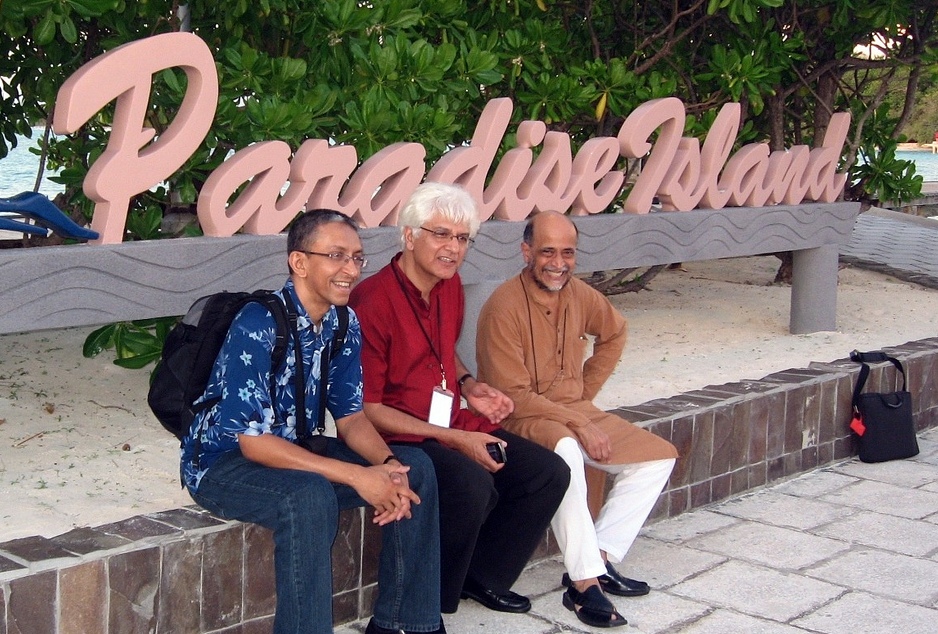
To keep up with the silly season, here’s another photo taken in July 2011 in…well, read the sign behind us.
Waiting to be let in – surely they know our bylines? L to R – Nalaka Gunawardene, Kunda Dixit, Darryl D’Monte – Maldives, May 2011
PS: It’s actually in the Maldives, where fellow journalists Kunda Dixit, Darryl D’Monte and I were working hard to earn an honest living at a regional meeting on ozone and climate. Yes, we were let in — and we liked the salubrious settings…
L to R – Nalaka Gunawardene, Darryl D’Monte & Kunda Dixit in Paradise, May 2011
Animation films are hard to make all around. Even with digital technologies, the art and science of making entertaining and informative animations remains a challenge — and that’s why there are few good ones around.
I was thus happy to discover There’s No Tomorrow, a half-hour animated documentary about resource depletion, energy and the impossibility of infinite growth on a finite planet.
Inspired by the pro-capitalist cartoons of the 1940s, the film is an introduction to the energy dilemmas facing the world today. It is made by Incubate Pictures.
Their intro text says:
“The average American today has available the energy equivalent of 150 slaves, working 24 hours a day. Materials that store this energy for work are called fuels. Some fuels contain more energy than others. This is called energy density.”
“Economic expansion has resulted in increases in atmospheric nitrous oxide and methane, ozone depletion, increases in great floods, damage to ocean ecosystems, including nitrogen runoff, loss of rainforest and woodland, increases in domesticated land, and species extinctions.”
“The global food supply relies heavily on fossil fuels. Before WW1, all agriculture was Organic. Following the invention of fossil fuel derived fertilisers and pesticides there were massive improvements in food production, allowing for increases in human population.The use of artificial fertilisers has fed far more people than would have been possible with organic agriculture alone.”


 Open Minds!