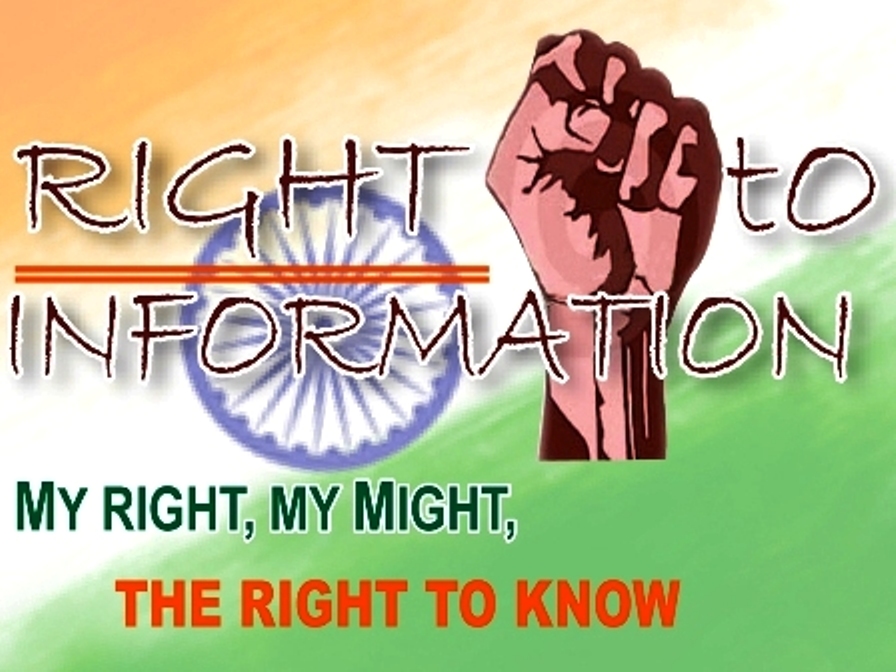
[Op-ed] Sri Lanka’s Right to Information: A New Journey Begins Now!

Text of an op-ed essay I wrote within hours of Sri Lanka’s Parliament passing the Right to Information (RTI) law. It has been published in The Sunday Observer today, 26 June 2016.
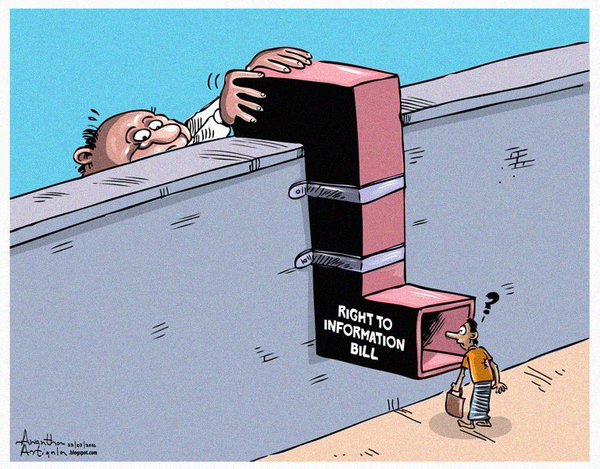
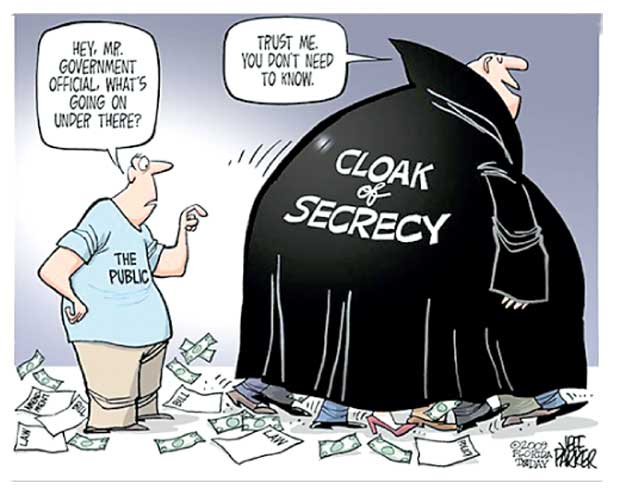
Cartoon by Awantha Artigala, Daily Mirror newspaper Sri Lanka

Right to Information: A New Journey Begins Now!

 By Nalaka Gunawardene

On 24 June 2016, Sri Lanka’s Parliament unanimously adopted the Right to Information (RTI) law.

This marks the culmination of over two decades of advocacy by civil society groups and journalists. It also fulfills a key promise of the yahapalana government.

Passing the law has been no easy task, as it went through a year of drafting, judicial review by Supreme Court, and considerable political scrutiny. The government and other political parties in Parliament – who rarely agree on anything – came together to pass the law without a vote.

However, our challenges are far from over. Now begins the daunting task of implementing the new law. RTI calls for a complete reorientation of government in how it handles information and promotes openness. This is unfamiliar ground.

As one skeptical citizen, Harindra Dassanayake (@HarindraBD) said on Twitter within hours of the law passing: “Lanka as many good laws, with hopeless or zero impact. Hope RTI [would] be different. It’s time to act and not celebrate.”

Indeed, there is much to do. The law’s adoption is only a fresh start. Proper implementation requires political will, administrative support and sufficient public funds.

We would also need on-going monitoring by civil society groups and the media to guard against the whole process becoming mired in too much red tape.

Late comers, quick learners?

With the new law, Sri Lanka becomes the 108th country in the world to have introduced RTI laws, also known as freedom of information laws.

That leaves only Bhutan in South Asia without a national RTI law, according to Venkatesh Nayak, Programme Coordinator with the Commonwealth Human Rights Initiative (CHRI) in New Delhi.

Nayak, a noted RTI expert and activist, says that countries without RTI laws are becoming a smaller and smaller minority on the planet.

He adds: “But for the long drawn ethnic conflict, Sri Lanka would have been the second country in South Asia to enact a national RTI law if efforts made in 2003-4 had reached fruition.”

In the event, Sri Lanka took the belated first step in April 2015, when the 19th Amendment to the Constitution made the right to information a fundamental right. The RTI Act puts in place the administrative arrangement to enable citizens can exercise that right.

Sri Lanka is certainly a late comer to the global RTI community, but we can exploit this to our advantage. Our neighbours and others countries have so much experience in this respect that can help us in implementation.

For example, RTI has emerged such a powerful tool in the hands of Indian citizens since the national law came into effect in 2005. So much so that it is now become a verb (as in “We will RTI this information” when confronted with a problem).

Across India, young schoolchildren and grandmothers with no formal education are using RTI requests to solve local level problems – from overdue scholarship payments to restoring suspended rural bus services.

Meanwhile in Bangladesh, which adopted its RTI law in 2009, citizens and NGOs are creatively using public information to combat poverty and counter corruption.

RTI has transformed Indian society within a decade

RTI needs imagination

What transformative impacts can the RTI law have on Lankan society, politics and governance? The answer is in everybody’s hands.

Unlike most other laws, RTI is one for citizens to seize and use. That, in turn, requires a commitment to the public interest, plus plenty of imagination and tenacity.

When the new Act comes into effect six months from now, any citizen of any age should be able to seek and receive information held with a public authority at central, provincial or local levels.

The law covers all organs of the State – Parliament, Executive (President and Cabinet) and the Judiciary. This includes the police and public sector corporations, local government bodies, as well as private entities carrying out public functions or providing public services under contract or license from local authorities (to the extent such work is concerned).

To be sure, the law has some exemptions when the right of access to information may be denied on legitimate grounds such as protecting the privacy of individuals, safeguarding national security and preventing the premature release of vital economic data (e.g. exchange rates, regulation of banking and taxation). These are common to RTI laws the world over.

Some are not happy with the extent of exemptions. But in my view, we should focus on so much information that now becomes our right to ask for — and receive within 21 days or less.

On the part of public authorities, they will no longer be allowed to release information as and when they wish. RTI law defines how it must be done and failure to do so has consequences for public officials.

Citizens, on their part, must find sufficient purpose and focus in information they can demand and receive. RTI is not a mere political slogan, but a practical tool for solving problems.

Problem solving

For example, how does our local body spend our tax money? On what basis are Samurdhi beneficiaries selected? Or how are government jobs given to some and not others?

RTI will prise open the hitherto closely guarded ‘reservoirs’ of information.

A five member RTI Commission appointed by the President — on the recommendations of the Constitutional Council — will monitor and process and investigate citizen complaints and appeals. The Commission’s decisions can also be challenged before the Court of Appeal.

All this concerns the ‘supply side’ of public information, which is surely going to be enhanced.  But what about the demand side? Are we ready for active citizenship armed with more information?

To draw an analogy from water management, opening sluice gates of a water reservoir can benefit only if the downstream systems are in place and the users are ready. With both water and information, recipients need to know how to make the best use of what comes through.

In the coming weeks and months, much needs to be done to ensure RTI readiness among public officials, and RTI awareness among the public.

Finally, citizens can look back at govt...do we know how?
Finally, citizens can look back at govt…do we know how?

Bigger Picture

As we get busy with the nitty-gritty operational details, let us not lose sight of the bigger picture. RTI signifies unleashing a new potential, and a major change in the status quo.

First, we must shake off a historical legacy of governments not being open or accountable to citizens. For over 2,000 years of monarchy, over 400 years of colonial rule and 67 years of self-rule since independence, all our governments have restricted public information – even mundane ones unrelated to any security or sensitive issues.

The ‘default setting’ in most government agencies is to deny and restrict information. To change this, both public servants and citizens will need a paradigm shift in their minds.

As long-standing champions of RTI, Lankan media and civil society must now switch roles. While benefiting from RTI themselves, they can nurture the newly promised openness in every sphere of public life. They can show, inspire and equip other citizens how best to make use of it.

However, RTI is not just a piece of law or changing how governments share public information. At its most basic, RTI is a collective state of mind. With its adoption, our society can start moving along a more open, informed and inquisitive pathway.

Science writer and columnist Nalaka Gunawardene has long chronicled the rise of Sri Lanka’s information society. He tweets at @NalakaG
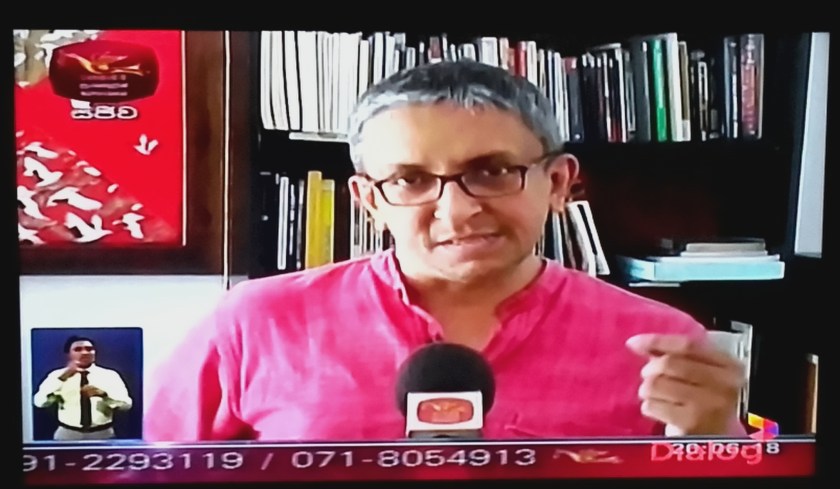
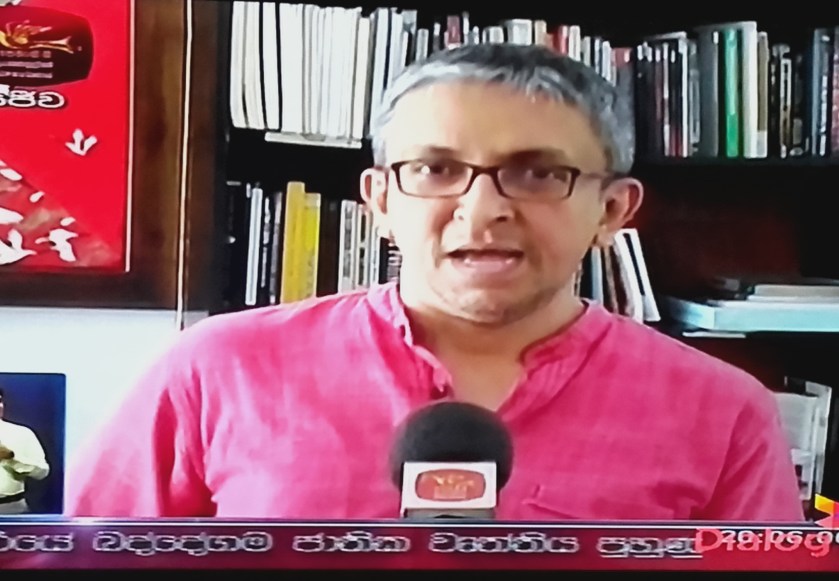
RTI Sri Lanka: තොරතුරු නීතිය සම්මත වීමත් සමග ශ්‍රී ලංකාව ඉතිහාසයේ කඩඉමක් පසු කරයි

[Main points I made in a TV news interview with national broadcaster Rupavahini on 25 June 2016, within 24 hours of Sri Lanka’s Parliament passing the Right to Information law.]

Nalaka Gunawardene in Rupavahini interview on Sri Lanka's new Right to Information RTI Law, 25 June 2016
Nalaka Gunawardene in Rupavahini interview on Sri Lanka’s new Right to Information RTI Law, 25 June 2016

2016 ජූනි 24 වනදා පාර්ලිමේන්තුවේ ඒකච්ඡන්දයෙන් තොරතුරු දැන ගැනීමේ පනත සම්මත වී පැය 24ක් යන්නට පෙර ඒ ගැන කෙටි සාකච්ඡාවක් රූපවහිනියට මා ලබා දුන්නා.

නීතිවේදියෙක් නොවන මා මේ නව නීතියේ සමාජයීය වැදගත්කම අවධාරණය කළා. මෙන්න මා කී ප්‍රධාන අදහස්:

රාජ්‍ය පාලනය ගැන තොරතුරු ඉල්ලා ලැබීමේ අයිතිය පුරවැසි අපට මේ ලැබෙන්නේ දිගු ඉතිහාසයේ පළමුවැනි වතාවටයි.

සීමාන්තික බලතල සහිත රජවරුන් අපේ රට පාලනය කළ වසර 2,000ක පමණ කාලයක් තුළ රටේ කිසිදු පරිපාලන තොරතුරක් (හෝ වෙනත් කිසිම අයිතිවාසිකමක්) ඉල්ලීමේ වරම ජනතාවට තිබුණේ නැහැ. අපේ පැරැන්නෝ යටත්වැසියන් මිස කිසි දිනෙක නිවහල් අභිමානවත් පුරවැසියන් වූයේ ද නැහැ.

අධිපතිවාදය, වැඩවසම් මානසිකත්වය, ගතානුගතිකත්වය යන සියල්ල අපට ඓතිහාසිකව උරුම වී තිබෙනවා. සියවස් 25ක ලිඛිත ඉතිහාසයක් ඇති අපේ රටේ විවෘත හා මහජනතාවට වග කියන ආණ්ඩුකරණයක් ඉතා මෑතක් වන තුරු කිසි දිනෙක පැවතියේ නැහැ. මැග්නා කාර්ටා (Magna Carta) වැනි සම්මුතියක් හරහා අපේ රජුන්ගේ බලතල කිසි ලෙසකින් හෝ සමනය වූයේ ද නැහැ.

ලෝකයේ මුල්ම තොරතුරු අයිතිය පිළිබඳ නීතිය ස්වීඩනයේ සම්මත වූයේ 1766දී. එයින් වසර 250ක් සපිරෙන 2016දී ශී‍්‍ර ලංකාවේ තොරතුරු නීතිය සම්මත වීම පමා වී හෝ අප ද ශිෂ්ට ලෝක සමාජයට එක් කරනවා.

මේ වැඩවසම් ඉතිහාසයේ අවස්ථිතියෙන් (inertia of feudal history) කෙමෙන් අත් මිදී සමානාත්මතාවය මත පදනම් වූ නූතන සමාජයක් වෙත යන ගමන ඉතා දුෂ්කරයි. අන්ධකාරයේ දිගු කලක් සිටි සමහරුන්ට දැන් එම තත්ත්වයෙහි දොසක් නොපෙනෙනවා ඇති. එහෙත් ඔවුන්ගේ ප‍්‍රතිරෝධය මැද, ප‍්‍රමාද වී හෝ ලක් සමාජය 21 වන සියවසට රැගෙන එන්නට ප‍්‍රගතිශීලී හා පරමාදර්ශී ටික දෙනකුට හැකි වීම කෙතරම් අපූරු ද?

නමුත් මා කලෙක සිට කියන පරිදි තොරතුරු නීතියක් සම්මත කර ගැනීම යහපාලනයේ එක් මූලික කඩඉමක් පමණයි.

ඕනෑම රටක තොරතුරු නීතියක් සාර්ථක වන්නේ එයින් එරට පුරවැසියන් වැඩ ගන්නා පමණටයි. ආවේග, අනුමාන, ඇදහිලි හා කුමන්ත‍්‍රණවාදී ප‍්‍රබන්ධ මත පදනම් වී නිගමනවලට එළඹීමට හුරුව සිටින අපේ සමාජය තොරතුරු, දත්ත, සාක්ෂි හා හරවත් විග‍්‍රහයන් හරහා ඉදිරියට ගෙන යාමේ දැවැන්ත අභියෝගය අප හමුවේ තිබෙනවා…

Nalaka Gunawardene in Rupavahini interview on Sri Lanka's Right to Information RTI Law, 25 June 2016
Nalaka Gunawardene in Rupavahini interview on Sri Lanka’s Right to Information RTI Law, 25 June 2016


Right to Information (RTI): Citizens Benefit Most!

On 11 May 2016, Sri Lanka’s Ministry of Parliamentary Reforms & Mass Media convened a meeting with the senior managers of print and broadcasting media house to discuss how media can support the new Right to Information (RTI) law that has recently been tabled in Parliament.

Nearly 15 years in the making, the RTI law is to be debated in June and expected to be adopted with multi-party consensus. The law represents a transformation across government by opening up hitherto closed public information (with certain cleared specified exceptions).

While media can also benefit from RTI, it is primarily a law for ordinary citizens to demand and receive information related to everyday governance (most of it at local levels). For this, citizens need to understand the RTI process and potential benefits. Media can play a major role in explaining RTI law, and promoting its use in many different ways to promote the public interest and to nurture a culture of evidence-based advocacy for good governance and public accountability.

This presentation was made by media researcher and columnist Nalaka Gunawardene in his capacity as a member of the voluntary Right to Information Task Force convened by the Ministry of Parliamentary Reforms & Mass Media. He illustrates how RTI can benefit citizens, and shares examples from other South Asian countries where newspapers and broadcast houses have been promoting RTI in innovative ways.


සිවුමංසල කොලූගැටයා #266: තොරතුරු නීතියේ වැඩිම ප‍්‍රයෝජන සාමාන්‍ය පුරවැසියන්ටයි!

In this week’s Ravaya column (appearing in the print issue of 1 May 2016), I return to the topic of Sri Lanka’s new Right to Information (RTI) law that has recently been tabled in Parliament.

Over 15 years in the making, the RTI law is to be debated in June and expected to be adopted with multi-party consensus. The law represents a transformation across government by opening up hitherto closed public information (with certain cleared specified exceptions).

While media can also benefit from RTI, it is primarily a law for ordinary citizens to demand and receive information related to everyday governance (most of it at local levels). For this, citizens need to understand the RTI process and potential benefits. Media can play a major role in explaining RTI law, and promoting its use in many different ways to promote the public interest and to nurture a culture of evidence-based advocacy for good governance and public accountability.

In this column, I look at how RTI can benefit citizens, and share examples from other South Asian countries where even school children are using RTI to solve local level problems that affect their family, school or local community.

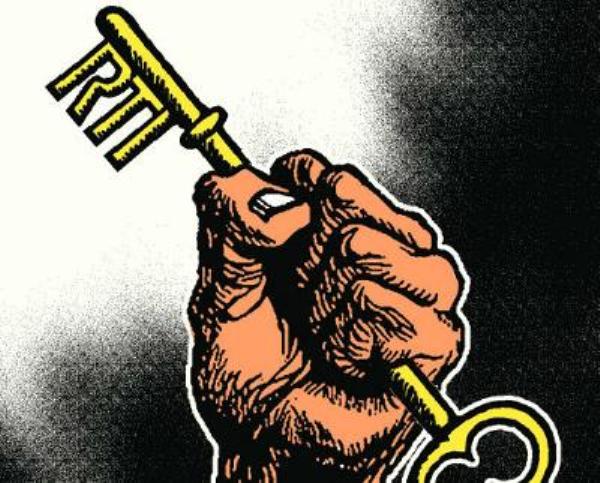
RTI Law is like a key that opens government information

වසර 15ක පමණ සිවිල් සමාජ අරගලයකින් පසුව ශ‍්‍රී ලංකාවේ තොරතුරු අයිතිය තහවුරු කැරෙන නව නීතිය කෙටුම්පතක් ලෙස පාර්ලිමේන්තුවේ සභාගත කොට තිබෙනවා. ඉදිරි සති කිහිපය තුළ මෙය විවාදයට ගෙන සම්මත වීමට නියමිතයි.

2015 අපේ‍්‍රල් මාසයේ සම්මත වූ 19 වන ව්‍යවස්ථා සංශෝධනය මගින් දැනටමත් තොරතුරු දැන ගැනීමේ අයිතිය මෙරට මූලික මානව අයිතියක් ලෙස පිළිගෙන හමාරයි. මේ නීතිය කරන්නේ එය ප‍්‍රායෝගිකව ක‍්‍රියාත්මක කිරීමට අවශ්‍ය ක‍්‍රමවේදය බිහි කිරීමයි.

එසේම තොරතුරු අයිතියට අදාළ වන්නේ කුමන රාජ්‍ය ආයතන හා කිනම් ආකාරයේ තොරතුරුද, හෙළිදරව් කළ නොහැකි තොරතුරු වර්ග මොනවාද (ව්‍යතිරේක) හා හෙළිදරව් කළ යුතු තොරතුරු නොදී සිටින රාජ්‍ය නිලධාරීන්ට එරෙහිව පුරවැසියන්ට ගත හැකි පරිපාලනමය ක‍්‍රියාමාර්ග මොනවාද ආදිය මේ පනතෙන් විස්තර කැරෙනවා.

මේ කෙටුම්පත භාෂා තුනෙන්ම පාර්ලිමේන්තුවේ වෙබ් අඩවියෙන් බලාගත හැකියි. http://www.parliament.lk/uploads/bills/gbills/english/6007.pdf

මේ හැකියාව තිබියදීත් පනත් කෙටුම්පත නොකියවා අනුමාන හෝ  ඕපාදුප මත පදනම් වී මේ ගැන දුර්මත පතුරු වන අයත් සිටිනවා. (මෑතදී මට දුරකථනයෙන් කතා කළ එක් ජාතික පුවත්පතක මාධ්‍යවේදියෙක් ඇසුවේ තොරතුරු පනත මගින් මාධ්‍යවේදීන්ට හා සෙසු පුරවැසියන්ට දඬුවම් දීමට අදහස් කරනවාද කියායි!)

තොරතුරු අයිතිය හා නීතිය ගැන මීට පෙර කිහිප වතාවක් අප මේ තීරු ලිපියේ සාකච්ඡා කළා. යළිත් මේ තේමාවට පිවිසෙන්නේ තවමත් මේ සංකල්පය ලක් සමාජයට ආගන්තුක නිසායි.

ලෝකයේ මුල්ම තොරතුරු නීතිය සම්මත වී 2016ට වසර 250ක් සපිරෙනවා. 1766දී එම නීතිය හඳුන්වා දුන්නේ ස්වීඩනයේ. එදා මෙදාතුර රටවල් 100කට වැඩි ගණනක තොරතුරු නීති සම්මත කරගෙන තිබෙනවා.

අපේ සාර්ක් කලාපයේ තොරතුරු නීතියක් නොමැතිව සිටි එකම රට ශ‍්‍රී ලංකාවයි. ශිෂ්ට සම්පන්න ජන සමාජයකට හා ප‍්‍රජාතන්ත‍්‍රවාදී රාජ්‍ය පාලනයකට අත්‍යවශ්‍ය යැයි සැලකෙන මේ නීතිය ප‍්‍රමාද වී හෝ අපට ලැබීම හොඳයි. එහෙත් මේ නීතිය සාර්ථක වන්නේ එය ගැන සමස්ත ජන සමාජයම දැනුවත් හා උද්‍යෝගිමත් වූ විට පමණයි.

බොහෝ නීති පනවන්නේ රජයට යම් ඉලක්ක හා අරමුණු සාක්ෂාත් කර ගන්න. එහෙත් තොරතුරු නීතිය මහජනයා අතට ලැබෙන, ඔවුන් බලාත්මක කළ හැකි නීතියක්.

A009-001(1)

තොරතුරු නීතිය මාධ්‍යවේදීන් සඳහා යයි මතයක් පවතිනවා. හිටපු ජනාධිපතිවරයා වරක් කතුවරුන් අමතමින් කීවේ ‘ඔබට තොරතුරු නීතියක් මොකටද?  ඕනෑ දෙයක් මගෙන් අහන්න’ කියායි!

මාධ්‍යවේදීන්ටද තොරතුරු නීතිය උපකාර වෙතත් තමන්ට අවශ්‍ය සැඟවුණු තොරතුරු සොයා යෑමේ උපක‍්‍රම ඔවුන් සතුව තිබෙනවා. එවැනි ආයතනික හෝ සිවිල් බලයක් නොමැති සාමාන්‍ය පුරවැසියන්ට රාජ්‍ය ආයතන සතු තොරතුරු ඉල්ලා ලබාගන්නට අයිතියක් තහවුරු කරන්නේ තොරතුරු නීතිය මගින්.

මහජන මුදලින් නඩත්තු කැරෙන මහජන සේවයට පිහිටුවා ඇති රාජ්‍ය ආයතනවල ක‍්‍රියාකලාපය විමර්ශනය කිරීමට එම මහජනයාට ඇති අයිතිය තහවුරු කිරීමයි  තොරතුරු නීතිය මගින් කරන්නේ.

ඕනෑම රටක තොරතුරු නීතියක් සාර්ථක වන්නේ එහි තමන්ට තිබෙන ප‍්‍රායෝගික වැදගත්කම හා එය භාවිතය ගැන මහජනයා දැනුවත් වූ තරමටයි.

නීතිඥ ගිහාන් ගුණතිලක 2014දී ලියූ, ශ‍්‍රී ලංකා පුවත්පත් ආයතනය පළ කළ තොරතුරු නීතිය පිළිබඳ අත්පොතෙහි මේ ප‍්‍රයෝජන උදාහරණ කිහිපයකින් පැහැදිලි කරනවා.

උදාහරණ 1: අපේ නිවෙස ඉදිරියෙන් දිවෙන පාර අබලන් වී තිබූ නිසා එය පිළිසකර කරනු ලබනවා. එහෙත් එහි ප‍්‍රමිතිය හා නිමාව සැක සහිතයි. මේ ගැන පුරවැසියන් ලෙස අපට කුමක් කළ හැකිද?

තොරතුරු අයිතිය යටතේ පාර පිළිසකර කිරීමට අදාළ පළාත් පාලන ආයතනයෙන් හෝ මාර්ග සංවර්ධන අධිකාරියෙන් හෝ විමසිය හැකි වනවා. ඒ සඳහා කොපමණ මහජන මුදල් ප‍්‍රතිපාදන වෙන් කළාද, කොන්ත‍්‍රාත් දීමට ටෙන්ඩර් කැඳ වූවාද, වැය කළ මුදල් ද්‍රව්‍යවලට හා වේතනවලට බෙදී ගියේ කෙසේද ආදි සියල්ල හෙළි කිරීමට අදාළ ආයතනයට සිදු වනවා.

බොහෝ විට මේ තොරතුරු පිටු රැසකින් සමන්විත ෆයිල් එකක් විය හැකියි. එය ලද පසු අධ්‍යයනය කොට මහජන මුදල් නිසි ලෙස වැය වී ඇත්ද හා එසේ නැතිනම් ඇයිද යන්න දත හැකියි. මේ දක්වා සැකය හා අනුමානය පදනම් කර ගෙන කළ තර්ක හා චෝදනා මින් පසු තොරතුරු සාක්ෂි මත පදනම්ව කළ හැකි වනවා.

උදාහරණ 2: හැම වසරකම රටේ මහත් ආන්දෝලනයක් ඇතිකරන ක‍්‍රියාදාමයක් නම් රජයේ පාසල්වලට දරුවන් ඇතුළු කර ගැනීමයි. ක‍්‍රමවේදයක් ස්ථාපිත කොට තිබෙත්, නිසි පාරදෘශ්‍යභාවයක් නැති නිසා අක‍්‍රමිකතා හා දුෂණ රැසකට ඉඩ පෑදී තිබෙනවා.

තොරතුරු නීතිය යටතේ මේ ක‍්‍රමවේදය ගැන  ඕනෑම රජයේ පාසලකින් විස්තරාත්මක තොරතුරු ඉල්ලා සිටීමට පුරවැසි අපට හැකි වනවා. දරුවන් ඇතුළු කිරීමට යොදා ගත් නිර්ණායක මොනවාද, ඉල්ලූම් කළ සමස්ත සංඛ්‍යාව අතරින් තෝරා ගත් දරුවන් ඒ නිර්ණායක සියල්ල සපුරා සිටියාද, ප‍්‍රතික්ෂේප කිරීමට නිශ්චිත හේතු මොනවාද ආදි සියලූ තොරතුරු හා තීරණ හෙළි කරන ලෙස තොරතුරු නීතිය යටතේ අපට බල කළ හැකියි.

උදාහරණ 3: ගොවිතැන් වැඩිපුර කරන ප‍්‍රදේශයක ගොවීන්ට ජලය ලබා දීමට නව ඇළ මාර්ග ඉදි කිරීමට මහජන මුදල් වෙන් කැරෙනවා. එය එසේ කළ බවත්, මාධ්‍ය හරහා වාර්තා වනවා. එහෙත් මාස හා වසර ගණනක් ගෙවී ගියත් ඇළ මාර්ග ඉදි වන්නේ නැහැ. කුමක් වූවාදැයි නොදැන ගොවීන් වික්ෂිප්තව සිටිනවා.

තොරතුරු නීතිය යටතේ තව දුරටත් නොදන්නාකමින් හා අවිනිශ්චිත බවින් කල් ගෙවිය යුතු නැහැ. වාරි ඇළ මාර්ග සඳහා වෙන් කළ ප‍්‍රතිපාදනවලට කුමක් වූවාද,  එය වෙනත් දෙයකට යොදා ගත්තාද, නැතිනම් වැය නොකිරීම නිසා යළිත් භාණ්ඩාගාරයට ගියාද, එසේ නම් ඒ සඳහා වගකිව යුත්තේ කවුද ආදි මේ සියල්ල ගැන පරිපාලන තොරතුරු  ඕනැම පුරවැසියකු ඉල්ලා සිටියොත් හෙළි කිරීමට අදාළ රාජ්‍ය ආයතනයට සිදු වනවා. එහිදී තොරතුරු ඉල්ලීම පීඩාවට පත් ගොවීන්ට පමණක් නොව සියලූ පුරවැසියන් සතු අයිතියක්.

උදාහරණ 4: රටේ බහුතරයක් ජනයා සෞඛ්‍ය සේවා සඳහා යන්නේ රජයේ රෝහල්වලට. මහජන මුදලින් නඩත්තු කැරෙන රාජ්‍ය සෞඛ්‍ය සේවා පද්ධතියේ අඩුපාඩු තිබෙනවා. වාර්ෂිකව සෞඛ්‍ය ක්ෂේත‍්‍රයට අති විශාල මුදලක් වෙන් කළත්, පරිපාලන දුර්වලතා නිසා හැම විටම නිසි ප‍්‍රතිඵල ලැබෙන්නේ නැහැ.

තමන්ට අදාළ රජයේ රෝහලක කටයුතු සිදු වන ආකාරය ගැන සෑහීමකට පත්විය නොහැකි නම් ආයතනයේ පරිපාලන තොරතුරු ඉල්ලීමට නව නීතිය යටතේ පුරවැසියන්ට අයිතියක් ලැබෙනවා.

බෙහෙත් හිඟය, රෝග විනිශ්චයට උපකාර වන පරීක්ෂණ පහසුකම් ක‍්‍රියාත්මක නොවීම, වෛද්‍යවරුන් අනුයුක්ත නොකිරීම ආදි  ඕනෑම කරුණක් ගැන අනුමාන හා සැකයක් මත පදනම් වී චෝදනා කරනු වෙනුවට සැබෑ තොරතුරු ලබා ගෙන, ඒවා විමර්ශනය කොට වඩාත් නිවැරදි නිගමනවලට එළැඹීමට හැකි වනවා.

තවත් උදාහරණ  ඕනෑ තරම් අපට පරිකල්පනය කළ හැකියි.

Cartoon by Awantha Artigala, Daily Mirror newspaper Sri Lanka

රජයේ ආයතනයක ඇති වන පුරප්පාඩු පිරවීමේදී නිසි ක‍්‍රමවේදයක් අනුගමනය කළාද කියා දැන ගැනීමට එම තනතුරුවලට ඉල්ලූම් කළ, එහෙත් නොලද  ඕනෑම කෙනකුට හැකි වනවා. පොලිසිය සමග කැරෙන ගනුදෙනුවලදී දැනට වඩා පාරදෘශ්‍ය වීමට පොලිස් තන්ත‍්‍රයට තොරතුරු නීති හරහා බල කළ හැකියි.

තොරතුරු ඉල්ලා සිටින මහජනයා නොතකා සිටීමට හෝ අනවශ්‍ය ලෙස කල් දමමින් රස්තියාදු කිරීමට ඇති අවකාශ ඇහිරීම අලූතෙන් පිහිටුවීමට නියමිත තොරතුරු කොමිසමේ වගකීමයි. ව්‍යතිරේකවලට සම්බන්ධ නොවූ වෙනත්  ඕනෑම තොරතුරක් නොදී සිටින (මධ්‍යම, පළාත් සභා හා පළාත් පාලන ආයතන මට්ටමේ) රාජ්‍ය ආයතන ගැන මෙකී තොරතුරු කොමිසමට පැමිණිලි කළ හැකි වනවා.

තොරතුරු නීතිය මෙවලමක් කර ගෙන යහපාලනය ඉල්ලා සිටීම පුරවැසි අප සැමගේ යුතුකමක් හා වගකීමක්.

තොරතුරු නීතිය ප‍්‍රාන්ත මට්ටමින් 1990 දශකයේ මැද භාගයේ පටන්ද ජාතික මට්ටමින් 2005 සිටද ක‍්‍රියාත්මක වන ඉන්දියාවේ එම නීතිවලින් වැඩිපුරම ප‍්‍රයෝජන ගන්නේ සාමාන්‍ය පුරවැසියෝ. මාධ්‍ය හෝ සිවිල් සංවිධානවලට වඩා ඉදිරියෙන් සිටින්නේ ඔවුන්.

තොරතුරු අයිතිය බාල මහලූ, උගත් නූගත් හැම පුරවැසියෙකුටම හිමි වන්නක්. ඡන්ද බලය මෙන් යම් වයස් සීමාවකින් ඔබ්බට ගිය පසු ලැබෙන්නක් නොවෙයි.

foi-laws

ඉන්දියාවේ පාසල් සිසුන් හා ළාබාල දරුවන් පවා තොරතුරු නීතියෙන් ප‍්‍රයෝජන ගන්නවා. මේ ගැන රසවත් උදාහරණයක් ගිය වසරේ වාර්තා වුණා.

දකුණු ඉන්දියාවේ හයිද්‍රාබාද් නුවරට සමීප නිසාමාබාද් දිස්ත‍්‍රික්කයේ වයස 10-12 අතර පාසල් සිසුන් තොරතුරු නීතිය යටතේ මහජන තොරතුරු ඉල්ලා අවස්ථා හතරකදී සාර්ථකව එය ලබා ගත්තා.

දස හැවිරිදි මනෝජ්ට තිබූ ප‍්‍රශ්නය බීඩි එතීමේ නිරත වූ මව්පියන්ගේ දරුවන්ට කම්කරු දෙපාර්තමේන්තුව දෙන ඉන්දියානු රුපියල් 1,000ක වාර්ෂික ශිෂ්‍යාධාරය නොලැබීමයි. මව්පියන් සුසුම් හෙළමින් සිටින අතර මනෝ්ජ් මේ අසාධාරණයට අදාළ තොරතුරු ඉල්ලා කම්කරු දෙපාර්තමේන්තුවට ගියා. මෙයින් කලබලයට පත් කම්කරු නිලධාරීන් ශිෂ්‍යාධාර හිඟ මුදල් ලබා දී ප‍්‍රමාදයට හේතු දක්වන ලියුමක් ද මේ දරුවාට යැව්වා.

මෙයින් දිරිමත් වූ මනෝජ් තම ප‍්‍රදේශයේ පුරාවිද්‍යාත්මක වැදගත්කම ගැන පුරාවිද්‍යා දෙපාර්තමේන්තුවෙන් තොරතුරු ඉල්ලා එය ලබා ගත්තා. එයද තොරතුරු නීතිය යටතේයි.

මේ දෙස බලා සිටි ඔහුගේ පාසල් සගයෝ වෙනස් ප‍්‍රශ්න ගැන තොරතුරු ඉල්ලීම් ගොනු කරන්න පටන් ගත්තා. කවීතා නම් ළාබාල දැරිය තම ගමට හරියට බස් සේවාවක් නොතිබීමට හේතු විමසා සිටියා. අදාළ නිලධාරීන් ප‍්‍රතිචාර නොදැක් වූ විට ඇය තොරතුරු නීති ඉල්ලීමක් ගොනු කළා.

ප‍්‍රාන්ත රජයට හිමි බස් සමාගම මුලින් කීවේ එම මාර්ගයේ බස් ධාවනය පාඩු ලබන බවයි. එහෙත් දැරිය ඉල්ලූ තොරතුරුවලින් එය එසේ නොවන බව ගම්වාසීන්ට පෙනී ගියා. අන්තිමේදී බස් සේවය නැවත ස්ථාපිත කිරීමට රාජ්‍ය බස් සමාගමට සිදු වුණා. මේ නිසා ඒ ගමින් අවට පාසල්වලට යන ශිෂ්‍ය සංඛ්‍යාව වැඩිවුණා.

මෙවන් උදාහරණ විශාල ගණනක් ගෙවී ගිය දශකයේ ඉන්දියාවෙන් වාර්තාගතයි. අපට වඩා සාක්ෂරතාවෙන් අඩු ඉන්දීය මහජනයා මෙතරම් නිර්මාණශීලීව හා ධෛර්යමත්ව තොරතුරු නීතිය තම ප‍්‍රශ්න විසඳීමට යොදා ගන්නා සැටි තොරතුරු නීතිය ලැබීමට ආසන්න ලක් සමාජයට මාහැඟි ආදර්ශයක්.

සිවුමංසල කොලූගැටයා #246: තොරතුරු අයිතිය විවෘත ආණ්ඩුකරණයට මුල් පියවරයි

Illustration by Echelon magazine, http://www.echelon.lk

After many years of advocacy by civil society groups and journalists, Sri Lanka is set to soon adopt a law guaranteeing citizens’ Right to Information (RTI, also known as freedom of information laws in some countries). With that, we will join over 100 other countries that have introduced such progressive laws.

The first step is already taken. The 19th Amendment to the Constitution, passed in Parliament in April 2015, made the right to information a fundamental right. The Right to Information Act is meant to institutionalize the arrangement – i.e. put in place the administrative arrangement where a citizen can seek and receive public information.

RTI signifies unleashing a new potential, and a major change in status quo. First, we need to shake off a long historical legacy of governments not being open or accountable to citizens.

In this week’s Ravaya column, (appearing in issue of 22 Nov 2015), I explore how RTI can gradually lead to open government. I also introduce the 9 key principles of RTI.

I have covered the same ground in English here:

20 Nov 2015: Right to Information should be a step towards Open Government

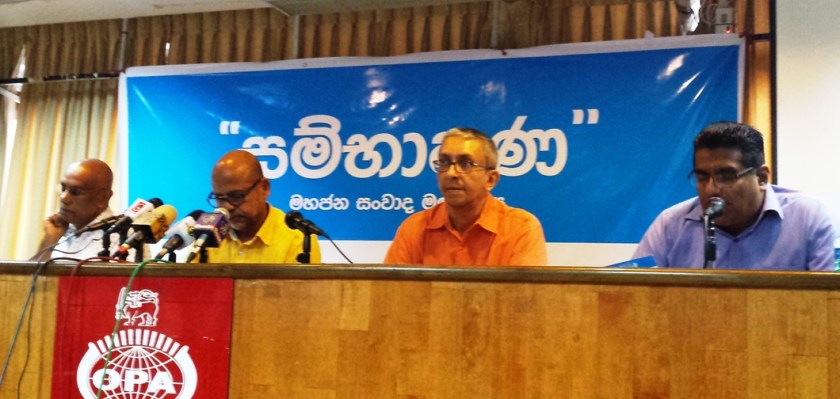
L to R - Wijayananda Jayaweera, Gamini Viyangoda, Nalaka Gunawardene, Shan Wijetunge. At Right to Information public forum on 17 Nov 2015 in Colombo. Photo by Sampath Samarakoon
L to R – Wijayananda Jayaweera, Gamini Viyangoda, Nalaka Gunawardene, Shan Wijetunge. At Right to Information public forum on 17 Nov 2015 in Colombo. Photo by Sampath Samarakoon

තොරතුරු දැනගැනීමේ අයිතිය තහවුරු කැරෙන නීතිය සම්මත වන තුරු මේ වසර පුරාම අපි බලා සිටිනවා. ‘අද නෑ හෙට’ වගේ වැඩක්!

යහපාලනයේ එක් ප‍්‍රධාන පොරොන්දුවක් වූයේද තොරතුරු අයිතියයි. එක් අඩක් ඉටු වී තිබෙනවා කිව හැකියි. මන්ද 2015 අපේ‍්‍රල් 28දා පාර්ලිමේන්තුවේ සම්මත වූ 19 වන ව්‍යවස්ථා සංශෝධනයේ තොරතුරු අයිතිය මූලික අයිතිවාසිකමක් ලෙස පැහැදිලිවම පිළිගෙන තිබෙනවා.

මේ අයිතිය ප‍්‍රායෝගිකව ක‍්‍රියාත්මක කිරීමට තොරතුරු නීතිය අවශ්‍යයි. ඒ හරහා සමස්ත රාජ්‍ය පරිපාලන තන්ත‍්‍රයේම වෙනසක් සිදු කැරෙනවා. හැකි තාක් මහජනයාට රහසිගතව කටයුතු කිරීමේ ඓතිහාසික සම්ප‍්‍රදායෙන් මිදී වඩාත් විවෘත හා තොරතුරු බෙදා ගන්නා රාජ්‍ය පාලනයකට යොමුවීමේ ක‍්‍රමවේදයක් මේ නීතිය හරහා හඳුන්වා දීමට නියමිතයි.

තොරතුරු නීති කෙටුම්පත් හරිහැටි හදා ගන්නට මෙතරම් කල් ගත වන්නේ ඇයි?

මනා නීති සම්පාදනය සඳහා ආදර්ශයට ගත හැකි තොරතුරු නීති දකුණු ආසියාවේත්, ඉන් පිටතත් රටවල් 100ක තිබෙනවා. මේ නිසා හැම නීති වැකියක්ම අලූතෙන්ම වචන ගැලපිය යුතු නැහැ. තොරතුරු අයිතිය පිළිබඳ ජාත්‍යන්තර යහ සම්ප‍්‍රදායන් ගැන බොහෝ ලේඛනද තිබෙනවා. යුනෙස්කෝ ආයතනය මේ ගැන විශේෂ අවධානය යොමු කොට තිබෙනවා.

මෙතැන ඇත්තේ නීති හැකියාවන් පිළිබඳ ගැටලූවක් නොව ආකල්පමය එල්බ ගැනීම් බවයි දැන ගන්නට තිබෙන්නේ. අපේ නීතිපති දෙපාර්තමේන්තුව හා නීති කෙටුම්පත් දෙපාර්තමේන්තුව බෙහෙවින් ගතානුගතික පදනමක පිහිටා ක‍්‍රියාකිරීම නිසා තොරතුරු බෙදා ගන්නවාට වඩා බදා ගන්නට නැඹුරු වූ නීතියක් බිහි වීමේ අවදානම තිබෙනවා. මේ අවසාන අදියරේදී ස්වාධීන නීති විශාරදයන් හා සිවිල් සමාජ ක‍්‍රියාකාරිකයන් අවදියෙන් හා අවධානයෙන් සිටීම අත්‍යවශ්‍යයි. නැතිනම් එතරම් ප‍්‍රයෝජනයක් ගත නොහැකි නාමමාත‍්‍රික තොරතුරු නීතියක් සම්මත විය හැකියි.

රාජ්‍ය දෙපාර්තමේන්තු දෙකක පටු මානසිකත්වයට වඩා පුළුල් අභියෝගයක්ද මෙහිදී මා දකිනවා. එනම් අපේ ඉතා වැඩවසම් ඓතිහාසික උරුමය හා නූතනත්වය අතර අරගලයයි.

සියවස් 25ක ලිඛිත ඉතිහාසයක් ඇති අපේ රටේ විවෘත හා මහජනතාවට වගකියන ආණ්ඩුකරණයක් ඉතා මෑතක් වන තුරු කිසි දිනෙක පැවතියේ නැහැ. මැග්නා කාර්ටා (Magna Carta) වැනි සම්මුතියක් හරහා අපේ රජුන්ගේ බලතල කිසි ලෙසකින් හෝ සමනය වූයේ ද නැහැ.

1 May 2015: සිවුමංසල කොලූගැටයා #217: වසර 800කට පෙර යහපාලන අඩිතාලම දැමූ මැග්නා කාටාව

සීමාන්තික බලතල සහිත රජවරුන් අපේ රට පාලනය කළ වසර 2,000ක පමණ කාලයක් තුළ රටේ කිසිදු පරිපාලන තොරතුරක් (හෝ වෙනත් කිසිම අයිතිවාසිකමක්) ඉල්ලීමේ වරම ජනතාවට තිබුණේ නැහැ. අපේ පැරැන්නෝ යටත් වැසියන් මිස කිසි දිනෙක පුරවැසියන් වූයේ නැහැ.

ඉන්පසු එළැඹුණු යටත් විජිත පාලන යුගවලත් එම පාලකයන් කිසි විටෙක තොරතුරු හෙළි කිරීමට බැඳී සිටියේ නැහැ. බි‍්‍රතාන්‍ය පාලන තන්ත‍්‍රය තුළ ලේඛන පවත්වා ගැනීම ඉතා හොඳින් සිදු කළත්, ඒ ලේඛන ඔවුන්ගේ ලන්ඩනයේ යටත් විජිත පරිපාලකයන්ට මිස මෙරට සාමාන්‍ය ජනයාට පරිශීලනය කළ හැකි වූයේ නැහැ. (මේ වාර්තා දැන් නම් බි‍්‍රතාන්‍ය කෞතුකාගාරයේ ඕනෑම කෙනෙකුට කියවිය හැකියි. බි‍්‍රතාන්‍ය පාලන යුගය දැඩි ලෙස විවේචනය කරන හැම දෙනෙකුම පාහේ තම මූලාශ‍්‍ර යොදා ගන්නේ එම වාර්තායි.)

නිදහසින් පසුව රට පාලනය කළ අපේම ආණ්ඩුත් බොහෝ දුරට රටවැසියන්ට තොරතුරු කැමැත්තෙන් දෙනවා වෙනුවට හැකි තාක් වසන් කිරීමේ සම්ප‍්‍රදාය දිගටම ගෙන ගියා. යටත් විජිත සමයේ ආභාෂය මෙන්ම ඉතිහාසයේ කිසි දිනෙක රටවැසියාට විවෘත වූ ආණ්ඩුකරණයක් (Open Government) නොතිබීම ද එයට හේතු වූවා විය හැකියි.

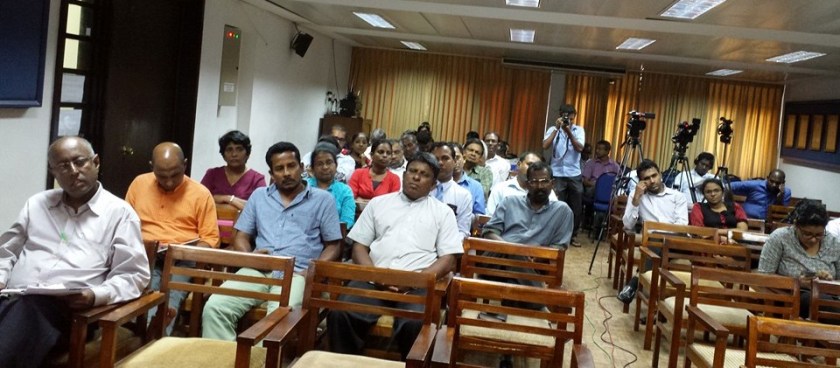
Part of the audience at RTI Public Forum on 17 Nov 2015 in Colombo

මෙයින් අදහස් කැරෙන්නේ නිදහසින් පසු අපට තිබූ සියලූ රජයන් දුර්දාන්ත හෝ දරදඬු පාලනයන් වීය කියා නොවෙයි. ඇතැම් ප‍්‍රජාතන්ත‍්‍රවාදී නායකයන් පවා රට වැසියන්ට සැලකුවේ හරියට දෙමවුපියන් ළමයින් දෙස බලන ආකල්පයට සමාන මානසිකත්වයකින්. වැසියන් රැක බලා ගෙන ඔවුන්ට අවශ්‍ය සම්පාදන කර දීම විනා ඔවුන් ස්වාධීනව සිතන පතන “වැඩිහිටියන්” වීම අවශ්‍ය යැයි ඩී එස් හා ඩඩ්ලි වැනි නායකයන්ට නොසිතෙන්නට ඇති.

සමාජ ක‍්‍රියාකාරික හා ලේඛක ගාමිණී වියන්ගොඩගේ මතය නම් තොරතුරු උවමනාවෙන්ම රටවැසියන්ට නොදී සිටින්නේ තොරතුරු හරහා රටවැසියන් බලාත්මක වන නිසායි. වසන් කළ යුතු අමිහිරි හා අශෝබන බොහෝ දේ හැම රාජ්‍ය පාලනයකම තිබෙන බවත්, මේ තොරතුරු පිට වීම හා ගලා යාම පවතින බල සංකේන්ද්‍රයන්ට බරපතල ප‍්‍රශ්නයක් බවත් ඔහු කියනවා.

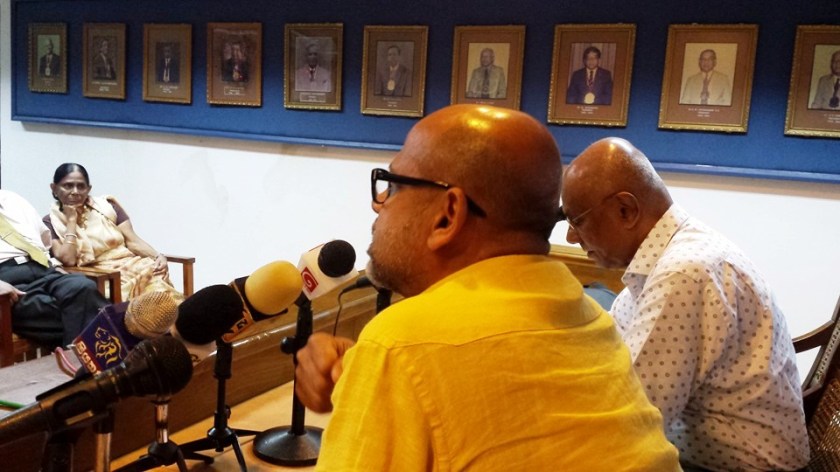
Writer and activist Gamini Viyangoda speaks at RTI Public Forum on 17 Nov 2015

කාලානුරූපව වෙනස් වෙන්නට කාලය ඇවිත්! අපේ ඓතිහාසික උරුමය කිසි දිනෙක විවෘත ආණ්ඩුකරණයකට නැඹුරු නොවූවත්, 21 වන සියවසේ යහපාලනයට හා ප‍්‍රජාතන්ත‍්‍රවාදයට එය අත්‍යවශ්‍ය ගුණයක් ලෙස දැන් සැලකෙනවා.

විවෘත ආණ්ඩුකරණයේ සංකල්පය 18 වන සියවසේ බටහිර යුරෝපයේ පුනරුදය (Age of Enlightenment) වෙත දිවෙනවා. සීමාන්තික බලතල සහිත රාජාණ්ඩු වඩාත් බල තුලනයකට යටත් කළ යුතු බවටත්, මහජන මතයට සංවේදී ආණ්ඩුකරණයක් බිහි විය යුතු බවටත් ප‍්‍රංශ හා ජර්මන් දාර්ශනිකයන් තර්ක කිරීම ඇරඹුණේ ඒ සමයේයි.

මෙය නීතිගත කරමින් ලොව මුල්ම තොරතුරු නීතිය 1766දී හඳුන්වා දුන්නේ ස්වීඩනයයි. මාධ්‍ය නිදහස හා තොරතුරු අයිතිය නීතියෙන් තහවුරු කිරීම ඉන් පසු එළැඹි දශකවල බොහෝ බටහිර රටවල සිදු කෙරුණා. රාජ්‍ය පාලනයේ රහසිගත බව වඩ වඩාත් පටු පරාසයකට සීමා කිරීමෙන්, විවෘත බව සාමාන්‍යකරණය කිරීමට 20 වන සියවස පුරා පරිණත ප‍්‍රජාතන්ත‍්‍රවාදී රටවල නීතිමය, ප‍්‍රතිපත්තිමය මෙන්ම යහ සම්ප‍්‍රදායික පියවර ගෙන තිබෙනවා.

මේ ගෝලීය ඓතිහාසික පසුබිම තුළ මා තොරතුරු නීතිය දකින්නේ මෙරට සමස්ත ආණ්ඩුකරණය වඩාත් විවෘත හා මහජනතාවට වගකියන තත්ත්වයට පත් කරන්නට දායක වන එක් පියවරක් හැටියටයි.

මෙයට සමාන්තරව සමාලෝචනයට ලක් විය යුතු හා සංශෝධනය කළ යුතු තවත් නීති තිබෙනවා. 1955 අංක 32 දරණ රාජ්‍ය රහස් පනත එයින් ප‍්‍රමුඛයි. 1911දී බි‍්‍රතාන්‍යයේ සම්මත වූ නීතියක් ආශ‍්‍රයෙන් සම්පාදිත අපේ 1955 රාජ්‍ය රහස් නීතිය යල්පැන ගිය, නූතන ප‍්‍රජාතන්ත‍්‍රවාදී සම්ප‍්‍රදායන්ට කිසිසේත් නොගැළපෙන එකක්.

එහි රාජ්‍ය රහස් යන්න අනවශ්‍ය තරම් පුළුල්ව නිර්වචනය කැරෙන බවත්, එය නිදහසට කාරණයක් ලෙස දක්වමින් දශක ගණනාවක් පුරා රාජ්‍ය නිලධාරීන් සැබැවින්ම රහසිගත නොවිය යුතු බොහෝ තොරතුරු ද වසන් කරන බවත් නීති පර්යේෂකයන් කියනවා.

‘1911 රාජ්‍ය රහස් නීතිය 1989දී බි‍්‍රතාන්‍යය සංශෝධනය කළා. එය වඩාත් ජන සම්මතවාදී ප‍්‍රමිතියකට ඔවුන් දැන් ගෙනැවිත් තිබෙනවා. අප තවමත් 1911 බි‍්‍රතාන්‍ය නීතියට සමාන වන නීතියක එල්බ ගෙන සිටීම ඛෙදජනකයි.’ නීතිඥ හා පර්යේෂිකා කිෂාලි පින්ටෝ ජයවර්ධන කියනවා.

තොරතුරු නීතිය ගැන මෑතදී පොතක් ලියා ඇති නීති පර්යේෂක ගිහාන් ගුණතිලක කියන්නේ හොඳ තොරතුරු නීතියක ගැබ් විය යුතු මූලධර්ම 9ක් තිබෙන බවයි. ඒවා සැකෙවින් මෙසේයි.

  1. රජයක් හැම විටම හැකි තාක් තොරතුරු හෙළි කිරීමට නැඹුරු විය යුතුයි (Maximum Disclosure). බදා ගෙන සිටිනවා වෙනුවට බෙදා ගැනීමට මුල් තැන දිය යුතුයි.
  2. යම් කෙනකු තොරතුරක් ඉල්ලන තුරු නොසිට, ස්වේච්ඡුාවෙන්ම මහජන තොරතුරු පළ කිරීම කළ යුතුයි (Obligation to Publish). මෙයට පරිපාලන මෙන්ම මූල්‍ය තොරතුරු හා වෙනත් දත්තද ඇතුළත් විය හැකියි. (තම වෙබ් අඩවි හරහා මෙසේ කරන රාජ්‍ය ආයතන ගණනාවක් තිබෙනවා.)
  3. මහජන ආයතන සියල්ලම විවෘත ආණ්ඩුකරණය ^Open Government& සංකල්පයට අනුගත විය යුතුයි. රහසිගතභාවය පෙරටු කොට ගත් පරිපාලන සම්ප‍්‍රදායන් ඉවත දමා විවෘත භාවය මුල් කර ගත් ක‍්‍රමවේදයන් හඳුන්වා දිය යුතුයි.
  4. නිශ්චිත හේතු නිසා මහජනයාට තොරතුරු දිය නොහැකි අවස්ථා හෙවත් ව්‍යතිරේක (Exceptions) හැකි තාක් සීමා කළ යුතුයි. එසේ නොදී සිටීමට පැහැදිලි සාධාරණීකරණයක් තිබිය යුතුයි.
  5. තොරතුරු අයිතිය ප‍්‍රායෝගිකව ක‍්‍රියාත්මක වීමට නිශ්චිත පරිපාලන ක‍්‍රමවේදයක් බිහි කළ යුතුයි. තොරතුරු සොයා එන මහජනයා රස්තියාදු නොකර කාර්යක්ෂමව හා ආචාරශීලීව තොරතුරු ලබාදෙන ක‍්‍රමයක් මේ නීතිය හරහා ස්ථාපිත විය යුතුයි. එසේම තොරතුරු සම්පාදනය කොට ලබාදීමට නීතියෙන් සීමිත කාලයක් නිශ්චය කළ යුතුයි. එසේම හරිහැටි ඉටු නොකෙරෙන තොරතුරු ඉල්ලීම් ගැන විමර්ශනය කළ හැකි ස්වාධීන ආයතනයක් පිහිටුවිය යුතුයි. (තොරතුරු කොමිසම නම් වන්නේ එයයි.)
  6. තොරතුරු ලබා ගැනීමේදී එයට යම් ගෙවීමක් කළ යුතු වුවත්, එම අය කිරීම සාධාරණ හා මහජනයාට දරා ගත හැකි එකක් විය යුතුයි. එහිදී මූලික සංකල්පය විය යුත්තේ තොරතුරුවලින් සන්නද්ධ වන ජන සමාජයේ වටිනාකම, එම තොරතුරු සම්පාදනය කිරීමට වැය වන මුදලට වඩා බෙහෙවින් වැඩි බවයි.
  7.  සියලූ රාජ්‍ය ආයතනවල සියලූ රැස්වීම් මහජනතාවට විවෘත විය යුතුයි (Open Meetings). මන්ද තමන්ගේ නාමයෙන් නිලධාරීන් කුමක් කරන්නේද යන්න දැන ගැනීමට ජනතාවට අයිතියක් ඇති නිසා. ඉඳහිට ඇතැම් රැස්වීම් මහජනයාට විවෘත නොවුවත්, ඒවා පැවැත් වූ බව ප‍්‍රසිද්ධියේ ප‍්‍රකාශ කළ යුතුයි. සංවෘත රැස්වීම් පැවැත්වීම සාධාරණීකරණය කළ හැකි විය යුතුයි.
  8. තොරතුරු නීතිය සම්මත කර ගත් පසුව, රටේ පවතින අන් සියලූ නීති එයට අනුගත වන පරිදි නැවත විග‍්‍රහ කළ යුතුයි. ඉදිරියේදී සම්මත වන කිසිදු නීතියක් මගින් තොරතුරු හෙළි කිරීම සීමා නොකළ යුතුයි. එසේම යහ චේතනාවෙන් තොරතුරු මහජනයාට ලබා දෙන රාජ්‍ය නිලධාරීන්ට නිසි ආරක්ෂාව ලැබිය යුතුයි. නොබියව තම රාජකාරිය නීති ගරුකව කිරීමට රාජ්‍ය සේවකයන් සැමට හැකි වන පරිසරයක් තිබිය යුතුයි.
  9. රාජ්‍ය තන්ත‍්‍රයේ සේවය කිරීම නිසා තමන් අතට පත් වන, පොදු උන්නතියට වැදගත් තොරතුරු හෙළිදරවු කරන පුද්ගලයන්ට නීතිමය රැකවරණ ලැබිය යුතුයි (Protection for Whistle-blowers). රජයේ ආයතන තුළ කැරෙන අකටයුතුකම් ගැන තොරතුරු මාධ්‍යවලට හෝ වෙනත් පිරිසකට හෝ ලබා දීම අපරාධයක් හෝ විනය විරෝධී ක‍්‍රියාවක් ලෙස නොව පොදු උන්නතියට උදව් කිරීමක් ලෙස සැලකිය යුතුයි. එහිදී ආයතන සංග‍්‍රහයේ විධිවිධාන උල්ලංඝනය වුවත් එයට ඔබ්බට යන විනිශ්චයක් හරහා අදාළ තොරතුරු මුදා හරින පුද්ගලයන් එසේ කිරීමේ පොදු වැදගත්කම සැලකිල්ලට ගත යුතුයි.

තොරතුරු නීතිය පිළිබඳව නොවැම්බර් 17 වැනිදා කොළඹදී පැවති මහජන සංවාදයකදී මා කීවේ මෙයයි:

තොරතුරු අයිතිය දිනා ගැනීම දශක එක හමාරක පමණ සිවිල් ක‍්‍රියාකාරීත්වයේ මංසළකුණක්. එහෙත් නීතිය සම්මත කර ගත් පමණීන් අභියෝග හමාර වන්නේ නැහැ.

වඩාත් විවෘත වුත්, මහජනයාට වග වන්නා වුත් ආණ්ඩුකරණයකට දේශපාලකයන් හා රාජ්‍ය නිලධාරීන් සැවොම ආකල්පමය වශයෙන් ප‍්‍රවේශ විය යුතුයි.

තොරතුරු සොයා යන, තොරතුරු ලද විට ඒවා නිසි ලෙස විග‍්‍රහ කොට නිගමනවලට එළැඹීමේ හැකියාව හෙවත් තොරතුරු සාක්ෂරතාව (information literacy) සමාජයේ ප‍්‍රවර්ධනය කිරීම අප කාගේත් වගකීමක්.

ආවේග, අනුමාන, කුමන්ත‍්‍රණ තර්ක හෝ විශ්වාස මත පදනම් වනවා වෙනුවට දත්ත හා විග‍්‍රහයන් මත පදනම් වී නිගමනවලට එළඹීමටත්, ඒ හරහා අපේ ප‍්‍රජාතන්ත‍්‍රවාදය වඩාත් සවිබල ගැනීවීමටත් ලොකු වගකීමක් පුරවැසි හැමට තිබෙනවා.

See also:

15 October 2015: Exploring Open Data and Open Government in Sri Lanka

23 July 2015: සිවුමංසල කොලූගැටයා #227: භාෂණයේ නිදහසට හා ප‍්‍රශස්ත මාධ්‍යකරණයට දේශපාලන කැපවීමක් ඕනෑ!

21 Feb 2015: සිවුමංසල කොලූගැටයා #208: තොරතුරු අයිතිය තහවුරු කරන්නට තොරතුරු සාක්ෂරතාව අත්‍යවශ්‍යයි!

17 Feb 2015: සිවුමංසල කොලූගැටයා #207: “තොරතුරු නීතිය ලැබුණාට මදි. එයින් නිසි ඵල නෙළා ගත යුතුයි!”


Right to Information should be a step towards Open Government

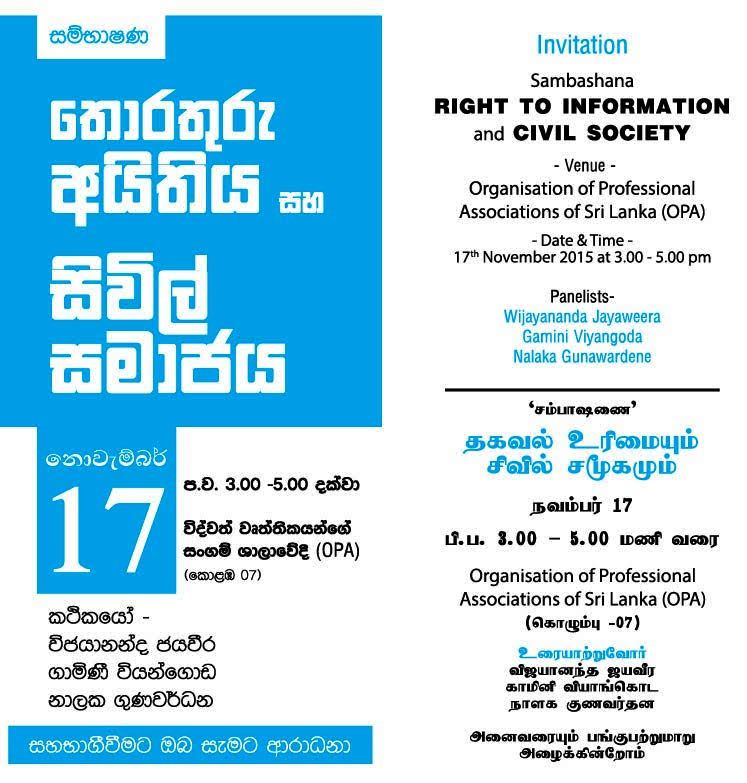
Transparency International Sri Lanka (TISL) held a Public Forum on the Right to Information in Colombo on 17 November 2015. I was one of three panelists, along with Wijayananda Jayaweera and Gamini Viyangoda. The panel was moderated by TISL’s Shan Wijetunge.

RTI Public Forum on 17 Nov 2015

The meeting was conducted in Sinhala. After the event, a journalist from an English language newspaper asked for a summary of my remarks in English, so I wrote this up.

L to R - Wijayananda Jayaweera, Gamini Viyangoda, Nalaka Gunawardene, Shan Wijetunge. At Right to Information public forum on 17 Nov 2015 in Colombo. Photo by Sampath Samarakoon
L to R – Wijayananda Jayaweera, Gamini Viyangoda, Nalaka Gunawardene, Shan Wijetunge. At Right to Information public forum on 17 Nov 2015 in Colombo. Photo by Sampath Samarakoon

Summary of remarks made at Right to Information Public Forum held in Colombo on 17 Nov 2015

 By Nalaka Gunawardene

Science writer, columnist and new media researcher

After many years of advocacy by civil society groups and journalists, Sri Lanka is set to soon adopt a law guaranteeing citizens’ Right to Information (RTI, also known as freedom of information laws in some countries). With that, we will join over 100 other countries that have introduced such progressive laws.

The first step is already taken. The 19th Amendment to the Constitution, passed in Parliament in April 2015, made the right to information a fundamental right.

The Right to Information Act is meant to institutionalize the arrangement – i.e. put in place the administrative arrangement where a citizen can seek and receive public information.

Some have been critical of the current draft of the RTI Bill as it falls short of the ideal. But in my view, adopting even an imperfect RTI law would be progress.

But we need to see the law’s adoption as only the beginning of a long journey. Proper implementation will require adequate political will, administrative support and sufficient public funds. We would also need sustained monitoring by civil society groups and media to guard against the whole process becoming mired in too much red tape.

RTI signifies unleashing a new potential, and a major change in status quo. First, we need to shake off a long historical legacy of governments not being open or accountable to citizens.

For over 2,000 years of monarchy, over 400 years of colonial rule and 67 years of self-rule since independence, all our governments have restricted public information – even mundane ones unrelated to any security or sensitive issues.

Thus, the ‘default setting’ in most government agencies seems to be to deny and restrict information. When this finally changes, both public servants and citizens will need to adjust.

Information custodians can no longer release selectively, or demand petty bribes for doing so. Citizens, on their part, must find purpose and focus in information they can demand and receive. RTI is not a mere political slogan.

To draw an analogy from water management, opening sluice gates of a water reservoir can benefit only if the downstream systems are in place and the users are ready. With both water and information, recipients need to know how to make the best use of what comes through.

As long-standing champions of RTI, Lankan media and civil society must now switch roles. While benefiting from RTI themselves, they can nurture the newly promised openness in every sphere of public life. They can show, inspire and equip other citizens how best to make use of it.

However, RTI is not just a piece of law or changing how governments share public information. At its most basic, RTI is a collective state of mind. With its adoption, a society can start moving along a more open, informed and inquisitive pathway.

Better management of public information – which covers its proper gathering, storing, analysing and disseminating – should come into sharper focus with RTI.

In a related development, Sri Lanka has just joined an international, multilateral initiative called the Open Government Partnership (OGP). It is the first country in South Asia to do so.

OGP is a global effort “to make governments better”. It aims to secure firm commitments from governments to promote transparency, empower citizens, fight corruption, and harness new technologies to strengthen governance. OGP was launched in September 2011, and since then, the partnership has grown to 69 countries representing over a third of the world’s population.

To join OGP, a country must meet minimum eligibility criteria. These cover the timely publication of essential budget documents forms the basic building blocks of budget accountability; RTI guaranteed by law; rules that require public disclosure of income and assets for elected and senior public officials; and openness to citizen participation and engagement in policymaking and governance, including basic protections for civil liberties.

With its impending RTI law, Sri Lanka became eligible to join OGP. Its membership was confirmed at the recent OGP Conference held in Mexico City in late October 2015, where Sri Lanka endorsed the Open Government Declaration committing “to foster a global culture of open government that empowers and delivers for citizens, and advances the ideals of open and participatory 21st century government.”

Sri Lanka was represented at this event by Justice Minister Wijeyadasa Rajapakshe, Deputy Minister of Foreign Affairs Dr Harsha de Silva, and Sri Lanka’s Ambassador to the United States Prasad Kariyawasam. (Embassy press release: http://slembassyusa.org/embassy_press_releases/sri-lanka-joins-the-open-government-partnership/)

In his speech in Mexico City, Minister Wijeyadasa Rajapakshe said: “Our people have proven that citizens will and should be at the heart of the destiny of any country. Importantly, the events this year reaffirm the resilience of our democracy and make it apparent that it is the people that demand an ‘open government’ for my country.”

Now the Yahapalana Government must walk this lofty talk.

OGP member countries are required to prepare a National Action Plan (NAP) which should be done collaboratively by the government and civil society. Such plans should cover a two-year period and consist of a set of commitments that advance transparency, accountability, participation and/or technological innovation.

The bottomline with Right to Information is this. RTI is not simply a legal or technocratic solution. It is not a quick fix to all problems that affect our society. But it heralds a new way of thinking – a paradigm shift, if you like – that would make our government more open, and our society more focused on using information and data to make our lives better.

Part of the audience at RTI Public Forum on 17 Nov 2015 in Colombo
Writer and activist Gamini Viyangoda speaks at RTI Public Forum on 17 Nov 2015

Echelon March 2015 column: Beyond RTI – Towards Open Government

Text of my column written for Echelon monthly business magazine, Sri Lanka, March 2015 issue. Published online at: http://www.echelon.lk/home/beyond-rti-towards-open-government/

Beyond RTI: Towards Open Government

 By Nalaka Gunawardene

Illustration by Echelon magazine, http://www.echelon.lk/

After many years of advocacy by civil society, Sri Lanka is set to adopt a law that guarantees citizens’ Right to Information (RTI). With that, we will at last catch up with nearly 100 countries that have introduced such progressive laws.

Better late than never — but passing the law is only a beginning. Institutionalising it requires effort and funds. Continued vigilance is needed on civil society’s part to guard against the process becoming mired in red tape.

RTI signifies unleashing a new potential. To draw an analogy from water management, opening a ‘sluice’ does not by itself mean much unless the downstream systems are in place. In both cases, the recipients need to know how to make the best use of what comes through.

Journey so far

Why is RTI such a big deal?

Its basis is that in democracies, the public have every right to know what is being done in their name by those entrusted with governance.

RTI is the right to access and obtain information from public officials. This right serves several purposes: improve public participation in policy making; promote transparency and accountability in government; and minimise wastage and corruption of state resources by public officials.

RTI and freedom of information are used interchangeably, but there is an important distinction between the two.

According to lawyer Gehan Gunatilleke, who recently wrote a book on the subject (published by Sri Lanka Press Institute, 2014), freedom of information implies a citizen’s freedom to access and receive public information on request. In such a situation, the government should not violate that freedom by restricting access. RTI goes further, and implies that information is an inherent right of the people. Governments are duty-bound to provide such information.

The concept of RTI can be traced back to the principle of ‘public access’ which emerged in Europe during the 18th century. In 1766, Sweden became the first country to legislate RTI: it allowed the public access to government documents.

The Universal Declaration of Human Rights, adopted at the United Nations in 1948, recognised the right to seek, impart and receive information as part the fundamental right to freedom of speech and expression (Article 19).

Article 19 of Universal Declaration of Human Rights

RTI does not mean opening up everything. Sensitive information – related to national security, for example – is excluded. The challenge is to strike a healthy balance between full transparency and a few justified exemptions.

 Indian experience

In Asia, India was a frontrunner in developing RTI laws. The campaign for RTI started in the 1990s with a grassroots movement driven by social activists and rural groups. They saw its clear value to counter the growing misuse of authority and public funds by local officials.

State level RTI laws were adopted in Tamil Nadu (1997), Goa (1997), Rajasthan (2000), Delhi (2001) and Maharashtra (2002). The national law came into effect in October 2005 after a decade of agitation.

Under the Indian law, citizens can request information from any ‘public authority’ within 30 days. It covers all branches of government — executive, legislature and judiciary – as well as institutions and statutory bodies set up by an act of national Parliament or a state legislature. Even non-governmental organisations, if they receive significant amounts of government funds, are covered.

The act required all public authorities to appoint a public information officer (PIO) to handle RTI requests. It also mandated computerizing of public records so that certain categories of information are proactively published online, enabling interested citizens to just look it up.

Since the RTI law was introduced, India has seen an improvement in governance, dissemination of information and involvement of civil society in the governance process, says Dr Rajesh Tandon, founder and head of the Society for Participatory Research in Asia (PRIA), a voluntary organisation providing support to grassroots initiatives.

At the same time, Tandon points out that some challenges remain at implementation level. Certain states in India have been more active in creating a culture of information sharing and open government, he told me in a television interview in mid 2014.

As Indians found out, it isn’t easy to shake off centuries of misplaced state secrecy and mistrust in the public. “Old rules and procedures continue to co-exist as new laws and methods are invented. Official Secrecy Act and Right to Information Act co-exist, just as written precedent and e-governance co-exist,” says Tandon (watch our full interview: https://vimeo.com/118544161).

 New challenges

In Sri Lanka, civil society groups and journalists’ organisations were at the forefront advocating RTI. Groups like Transparency International and Sri Lanka Press Institute (SLPI) have been lobbying, training and raising awareness on the societal value of this right.

However, RTI is not only for journalists or social activists. It is a right for all citizens living in modern societies where their well-being – sometimes even survival – depends on knowing critical information. Ignorance may have been bliss once upon a time, but it is not recommended for the 21st century.

Reorienting the public institutions to a new culture of openness and sharing will be an essential step. Undoing decades of habits will take effort.

Asanga Welikala, a legal scholar now with the Edinburgh Law School, said in a tweet that we need a moratorium of ‘at least two years’ before RTI law comes into force – so as to train officials and make all government procedures compliant.

He also says the Information Commission must have a proper budget for promotion and public awareness of the new Act, rights and procedures. For example, how to ensure citizen information requests can be accommodated equally in both official languages and the link language?

As champions of RTI, media and civil society must now switch roles. While benefiting from it themselves, they can nurture the newly promised openness in every sphere, showing citizens how best to make use of it.

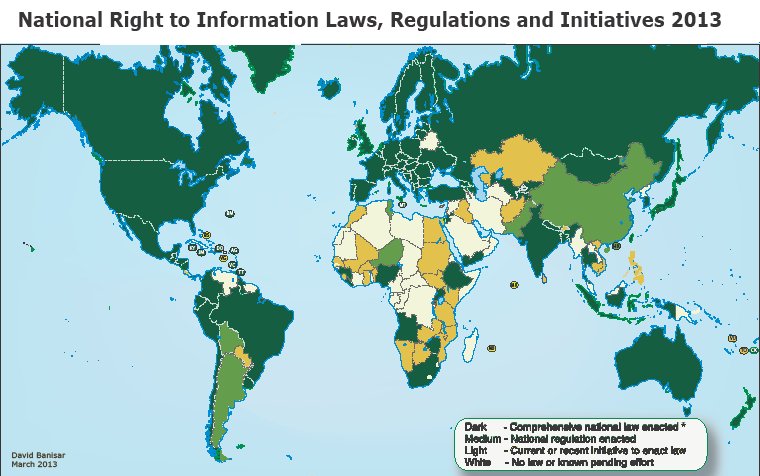
National Right to Ino laws status - as of 2013 Source: http://home.broadpark.no/~wkeim/foi.htm
National Right to Ino laws status – as of 2013 Source: http://home.broadpark.no/~wkeim/foi.htm

Info Literacy

Public information can exist in many forms today – ranging from minutes of meetings, budget allocation and expense records, and scientifically gathered information such as census data, or trade statistics. These may be stored on paper, tape or – increasingly – in digital formats.

In recent years, with digital technologies the volume of specialised data held by governments has risen phenomenally. Both the data custodians and public today need higher levels of information literacy to navigate through this torrent.

The good news: the web makes it easier to store and share information. ‘Open Data’ means that certain data should be freely available to everyone to use and republish as they wish, without restrictions from copyright, patents or other mechanisms of control.

The open data approach is especially applied to scientific data and government data. But the debate is far from settled: while there are many strong arguments for opening up, some are concerned about potential misuses. Guidelines are still evolving.

A key attribute of open data is its usability. Each country needs to adopt information gathering and data storage standards, so as to minimize users facing problems that arise with the use of different devices, systems and measuring systems.

Some public data custodians in South Asia still release vast amounts of data in hard copy (paper-based) form. For example, India’s Marine Fisherfolk Census of 2010 had results running into thousands of pages of data tables – they were only released on paper. That made further analysis impossible. Undaunted, a fishers’ collective mobilised some tech-savvy volunteers to create computerised spreadsheet databases.

Like many other elements of good governance, RTI’s effectiveness depends on imagination, innovation and persistence on the part of citizens. Its best results will accrue in a society and political culture where evidence and analysis are trusted. Sri Lanka is not there yet.

The road to RTI is a journey, not a destination!

ACT


සිවුමංසල කොලූගැටයා #208: තොරතුරු අයිතිය තහවුරු කරන්නට තොරතුරු සාක්ෂරතාව අත්‍යවශ්‍යයි!

In this week’s Ravaya column (in Sinhala), I discuss the history and current state of play in relation to right to information (RTI). This is in the context of the new Lankan government planning to introduce an RTI law.

To review the work of government at all levels, citizens/voters need to access public sector information – about decisions, proceedings, budgets, expenditures, problems and performance. Close to 100 countries now have laws guaranteeing people’s RTI.

Sadly, Sri Lanka is lagging behind all other SAARC countries, five of which have already enacted RTI laws and two (Afghanistan and Bhutan) have draft bills under consideration. Attempts to introduce RTI in Sri Lanka were repeatedly thwarted by the previous government, which cited various excuses for avoding such a progressive law.

In this column, I also argue that RTI’s effectiveness depends on imagination, innovation and persistence on the part of all citizens. Its best results will accrue in a society and political culture where evidence and analysis are respected. Sri Lanka is not there yet.

RTI will be a significant milestone in a long journey that must continue.

ACT

තොරතුරු අයිතිය නීතිගත කෙරෙන කෙටුම්පතක් ළඟදීම පාර්ලිමේන්තුවට ඉදිරිපත් කැරෙනවා. මෙය නව රජයේ එක් යහපාලන ප‍්‍ර‍්‍රතිඥාවක් ඉටු කිරීමක්.

තොරතුරු දැන ගැනීමේ අයිතිය (Right to Information) ශිෂ්ට හා ප‍්‍රජාතන්තවාදී සමාජවල මුලික අංගයක් වී තිබෙනවා. ජාතික ආරක්‍ෂාවට බලපෑමක් කළ හැකි රහස්‍ය තොරතුරු හැර රාජ්‍ය පරිපාලනයට හා පලාත්පාලනයට සම්බන්ධ එදිනෙදා තොරතුරු පැහැදිලි ක‍්‍රමවේදයක් හරහා ඕනෑම පුරවැසියකුට ලබා ගත හැකි වීම මෙහි අරමුණයි.

ලෝකයේ රටවල් සියයකට වැඩි සංඛ්‍යාවක් තොරතුරු නීති පනවා තිබෙනවා. දකුණු ආසියාවේ මේ සම්බන්ධයෙන් වඩාත් පසුගාමීව තිබෙන්නේ ශී‍්‍ර ලංකාවයි. සාක් රටවල් අටෙන් පහක (ඉන්දියාව, පකිස්ථානය, බංගලාදේශය, නේපාලය, මාලදිවයින) එම නීති සම්මත වී කි‍්‍රයාත්මක වන අතර රටවල් දෙකක (ඇෆ්ගනිස්තානය, භූතානය) නීති කෙටුම්පත් විවාද කරමින් සිටිනවා.

තොරතුරු අයිතිය හුදෙක් මාධ්‍යවලට හෝ සිවිල් සමාජ සංවිධානවලට හෝ සීමා වූවක් නොවෙයි. මිලියන 21ක් වන අප සියලූ දෙනාගේ අයිතියක්. ඒ නිසා එය හරිහැටි සාක්ෂාත් කර ගන්නේ කෙසේද යන්න මෙනෙහි කිරීම වැදගත්.

තොරතුරු ගලනය මා දකින්නේ ජල ගලනයට සමාන සංසිද්ධියක් ලෙසයි. වාරි ජලය රඳවා තබන ජලාශයක සොරොවු විවර කිරීමත් සමඟ ජලය යටිගංබලා ගලා යනවා. එවිට එයින් ප‍්‍රයෝජන ගන්නට නම් ඇළ මාර්ග හරිහැටි තිබීම හා සූදානමක් පැවතීම අවශ්‍යයි.

කලක් තිස්සේ නිලධාරිවාදී බැමි මඟින් අවුරා තිබූ මහජනයාට අදාළ තොරතුරු මේ නව නීතිය හරහා ගලා යාමට සැලැස්වූ විට එයින් හරිහැටි ප‍්‍රයෝජන ගන්නට ද නිසි සූදානමක් හා කුසලතා තිබිය යුතුයි. එසේ නැතිනම් තොරතුරු ප‍්‍රවාහය පොදු උන්නතියට යොදා ගන්නට බැරි වනවා.

National Right to Ino laws status - as of 2013 Source: http://home.broadpark.no/~wkeim/foi.htm
National Right to Ino laws status – as of 2013 Source: http://home.broadpark.no/~wkeim/foi.htm

තොරතුරු අයිතිය පිළිබඳ සංකල්පය මුලින්ම මතුව ආවේ 18 වන සියවසේ යුරෝපයේයි. එයට පදනම වැටුණේ පොදු ජනයාට රාජ්‍ය පාලනය විමසීමේ අයිතිය තහවුරු වීමත් සමගයි. ප‍්‍රභූවරුන්, උගතුන් හෝ වෙනත් වරප‍්‍රසාද ලත් පිරිස්වලට සීමා නොවී හැම පුරවැසියකුටම තම රට පාලනය කිරීම පිළිබඳව තොරතුරු දැන ගැනීමට හා ඒ ගැන විමර්ෂණයට අයිතියක් ඇතිබව ලිබරල් මතවාදී යුරෝපීයයන් පිළිගත්තා.

මේ අනුව ක‍්‍රියා කරමින් ලෝකයේ මුල්ම තොරතුරු දැනගැනීමේ නීතිය හඳුන්වා දුන්නේ 1766දී ස්වීඩනයේ. රාජාණ්ඩු මෙන්ම ප‍්‍රජාතන්ත‍්‍රික ආණ්ඩු පවතින යුරෝපීය රටවල මේ සංකල්පය පිළිගෙන නීතිගත කරනු ලැබුවා. එය ප‍්‍රජාතන්ත‍්‍රවාදයේ මූලික අංගයක් ලෙස ගෝලීයකරණය වූයේ 20 වන සියවස දෙවන භාගයේ.

එයට දායක වූ වැදගත් සිදුවීමක් නම් 1948දී මානව හිමිකම් පිළිබඳ විශ්ව ප‍්‍රඥප්තිය එක්සත් ජාතීන්ගේ සංවිධානයේදී සම්මත කරගනු ලැබීමයි. මේ වන විට ශ‍්‍රී ලංකාව ද ඇතුලූ ලෝකයේ අති බහුතරයක් රාජ්‍ය මේ ප‍්‍රඥප්තියේ මානව හිමිකම් දැක්ම හා මූලධර්ම නිල වශයෙන් පිළිගෙන තිබෙනවා. www.un.org/en/documents/udhr/

වගන්ති 30කින් සමන්විත සංක්ෂිප්ත ලේඛනයක් වන මෙහි 19 වන වගන්තිය කියන්නේ තමන් කැමති මතයක් දැරීමට හා එය ප‍්‍රකාශ කිරීමට හැම මානවයකුටම මූලික නිදහසක් ඇති බවයි. බලපෑමකින් තොරව එසේ මත දැරීමටත්, තොරතුරු ලබා ගැනීමට හා බෙදා හැරීමටත්, ඕනෑම මාධ්‍යයක් හරහා දේශසීමා ඉක්මවා ක‍්‍රියා කිරීමටත් මානව අයිතියක් තිබෙන බව එයින් පැහැදිලිව කියනවා.

Article 19 of Universal Declaration of Human Rights

අප මීට පෙර ද විග‍්‍රහ කළ පරිදි ආසියාවේ තොරතුරු අයිතිය පිළිගෙන නීතිගත කිරීමේ පෙරගමන්කරුවකු වූයේ ඉන්දියාවයි. එය දශකයකට වඩා සිවිල් සමාජ ක‍්‍රීයාකාරකයන්ගේ උද්ඝෝෂණවල ප‍්‍රතිඵලයක්.

ඇත්තටම මෙබඳු නීතියක ප‍්‍රායෝගික වැදගත්කම මුලින්ම හඳුනා ගත්තේ ඉන්දියාවේ බිම් මට්ටමේ සමාජ ක‍්‍රියාකාරිකයන් (නගරයේ සිටින ප‍්‍රතිපත්ති මට්ටමේ ක‍්‍රියාකාරිකයන් නොවේ). මහජන සුබසාධනය හා ග‍්‍රාමීය යටිතල පහසුකම් නඩත්තුවට වෙන් කැරෙන රාජ්‍ය මුදල් ප‍්‍රතිපාදන අකාර්යක්ෂම හා දුෂිත ලෙසින් භාවිත කිරීම 1980 දශකයේ හා 1990 දශකයේ එරට ප‍්‍රබල ප‍්‍රශ්නයක් වූවා.

ග‍්‍රාම හා ප‍්‍රාන්ත මට්ටමේ දේශපාලකයන් හා නිලධාරීන් කරන කියන දේ විමර්ෂණයට මහජනයාට බලය ලබා ගැනීමටයි තොරතුරු අයිතිය අවශ්‍ය වූයේ. එයට ප‍්‍රාන්ත මට්ටමින් නීති පැනවීම තමිල්නාඩුව (1997), ගෝව (1997), රාජස්ථානය (2000), දිල්ලිය (2001), මහාරාෂ්ට‍්‍රය (2002) සිදු වුණා. (ඉන්දියාවේ ප‍්‍රාන්ත බොහොමයක් ශ‍්‍රී ලංකාවට වඩා භූමියෙන් හා ජනගහනයෙන් විශාලයි.) ජාතික මට්ටමේ තොරතුරු නීතියක් සම්මත කර ගත්තේ 2005දී.

ඉන්දියානු තොරතුරු නීතිය යටතේ එරට ඕනෑම පුරවැසියකුට (මධ්‍යම, ප‍්‍රාන්ත හෝ පළාත්පාලන මට්ටමේ) රජයේ ආයතනයකින් තොරතුරු ඉල්ලා සිටිය හැකියි. එය දින 30ක් ඇතුළත ලබා දීමට එම ආයතන නීතියෙන් බැඳී සිටිනවා. එසේ නොවුවහොත් හෝ ලබා දුන් තොරතුරු ගැන සෑහීමකට පත් විය නොහැකි නම් හෝ පැමිණීලි කිරීමට මධ්‍යම තොරතුරු කොමිසමක්ද (Central Information Commission) පිහිටුවා තිබෙනවා.

රජයේ විධායකය, පාර්ලිමේන්තුව හා අධිකරණය යන අංග ත‍්‍රිත්වයේම තොරතුරු මේ නීතියට ආවරණය වනවා. එසේම රාජ්‍ය මුදල් ප‍්‍රතිපාදන ලබන අර්ධ රාජ්‍ය හා රාජ්‍ය නොවන සංවිධානවල තොරතුරුද පුරවැසියන්ට මේ හරහා ඉල්ලා සිටිය හැකියි.

තොරතුරු අයිතිය නීතිගත වීම හොඳ ආරම්භයක් පමණයි. තොරතුරු අයිතිය නීතිගත වීමෙන් පසු බිහි වන නව යථාර්ථයට අනුගත වීමට සමස්ත රාජ්‍ය තන්ත‍්‍රය ද අලූත් දිශානතියකට යොමු වීම අවශ්‍යයි. යටත් විජිත පාලන සමයේ සිට මහජනයාට කරුණු වසන් කිරීමේ අරමුණින් ක‍්‍රියාත්මක වූ රාජ්‍ය පරිපාලනය වඩාත් විවෘත හා පාරදෘශ්‍ය කිරීමට නීතිමය රාමුවක් පමණක් නොව ආකල්පමය වෙනසක් අත්‍යවශ්‍යයි.

RTI Activist bb

2005 තොරතුරු අයිතිය නීතිගත වීමත් සමඟ ඉන්දියාවේ සියලූ රාජ්‍ය ආයතන සිය තොරතුරු පරිගණක ගත කළ යුතු බවටත්, හැකි සෑම විටම එසේ ඩිජිටල්කරණය වූ තොරතුරු නිල වෙබ් අඩවි හරහා ඕනෑම කෙනකුට ලෙහෙසියෙන් බැලිය හැකි ලෙස ඉන්ටර්නෙට් ගත කළ යුතු බවත් තීරණය වුණා. මෙය ක‍්‍රියාත්මක වීම තොරතුරු ගලනයට මහත් සේ දායක වී තිබෙනවා.

එසේම පසුගිය සතියේ සම්මුඛ සාකච්ඡාවේදී ආචාර්ය රාජේෂ් ටැන්ඩන් කී පරිදි තොරතුරු ලද හැකි වීම හරහා යහපාලනයට දායක වීමේ ප‍්‍රායෝගික අවස්ථා හා විභවය ගැන පුරවැසියන්ට හා සිවිල් සංවිධානවලට නිසි දැක්මක්, පරිකල්පනයක් හා කැප වීමක් අවශ්‍යයි.

තොරතුරු සාක්ෂරතාව (information literacy) මෙහිදී වැදගත් හා තීරණාත්මක වෙනවා. තොරතුරු යටතේ බොහෝ දේ රාජ්‍ය තන්ත‍්‍රය තුළ තිබෙනවා. රැස්වීම් වාර්තා, ටෙන්ඩර් මණ්ඩල තොරතුරු, අයවැය ප‍්‍රතිපාදන, මූල්‍ය වියදම් වාර්තා, විගණන වාර්තා ආදිය පමණක් නොව විද්‍යාත්මකව රැස් කරන ලද දත්ත ද එයට ඇතුළත්.

මේ දෙවැනි කාණ්ඩයට ජන සංගණන හා අනෙකුත් රාජ්‍ය සමීක්ෂණවල සම්පූර්ණ තොරතුරු හා විශ්ලේෂණත්, අස්වනු සංඛ්‍යා ලේඛන, විදේශ වෙළදාම් (ආනායන- අපනයන) සංඛ්‍යා ලේඛන ආදියද අයත් වනවා.

නූතන තොරතුරු බොහොමයක ස්වභාවය නම් ඒවා තාක්ෂණික ස්වභාවයකින් යුක්ත වීමයි. සමහරක් තොරතුරු තේරුම් ගැනීමට විශේෂඥ දැනුමක් හා කුසලතා අවශ්‍යයි. මෑත වසරවල රාජ්‍ය අංශය පරිගණක භාවිතය වැඩිවීමත් සමඟ තොරතුරු ඩිජිටල් ආකාරයෙන් පවත්වා ගැනීම ඇරඹී තිබෙනවා. එහෙත් සමස්ත රාජ්‍ය ක්ෂේත‍්‍රයට බලපාන ඩිජිටල් දත්ත ප‍්‍රමිතීන් තවමත් දක්නට නැහැ.

මේ නිසා ඩිජිටල් දත්ත විවිධ තාක්ෂණික පරිමානයන් හා මෘදුකාංගයන් යටතේ පවතිනවා. මේවා ලබා ගන්නා සමාජ ක‍්‍රියාකාරිකයන් හෝ පර්යේෂකයන් ඒ දත්ත විශ්ලේෂණය කරන විට නොගැලපීම්වලට (data incompatibility) මුහුණ දෙනවා.

තොරතුරු අයිතිය නීතිගත වීමේ නිසි ඵල නෙලා ගන්නට නම් අප සැවොම අපේ තොරතුරු සාක්ෂරතාව දියුණු කර ගත යුතුයි. එසේ නොවුවහොත් තොරතුරු ප‍්‍රවාහයට හසු වී අප ගසා ගෙන යාමේ අවදානමක් තිබෙනවා.

තොරතුරු සාගතය ගැන කලක් තිස්සේ පැමිණීලි කරමින් සිටින අපේ සමාජ රියාකාරිකයන් හා මාධ්යවේදීන් තොරතුරු ගලනය උත්සන්න වූ විට එයට කෙසේ හැඩ ගැසේද?

හුදෙක් ආවේගයන් හෝ අනුමානයන් හෝ මත පදනම් නොවී සංඛ්‍යාලේඛන හා විශ්වාස කටයුතු මූලාශ‍්‍ර හරහා නිගමනවලට එළඹීම අද කාලේ අත්‍යවශ්‍ය කුසලතාවක්. අපේ සමහරුන් පිලූණු වූ දත්ත හෝ වැරදි නිරීක්ෂණ (පක්ෂග‍්‍රාහී) හෝ යොදා ගෙන යම් වැරදි ස්ථාවරයන්ට එළඹෙනු නිතර දත්නට ලැබෙනවා.

(සුලභ උදාහරණයක්: ශ‍්‍රී ලංකාව කෘෂිකාර්මික රටක් යැයි පුන පුනා කීවත් තව දුරටත් එය සංඛ්‍යා ලේඛනවලින් තහවුරු වන්නේ නැහැ. මහබැංකු වාර්ෂික වාර්තාවට අනුව 2013දී දළ ජාතික නිෂ්පාදනයට කෘෂිකර්මයේ දායකත්වය 10.6% පමණයි. ජන ලේඛන හා සංඛ්‍යාලේඛන දෙපාර්තමේන්තුවට අනුව 2013දී කෘෂිකර්මාන්තයට සම්බන්ධ ජීවිකාවක නියැලි මෙරට රැකියා නියුක්තිකයන්ගේ ප‍්‍රතිශතය 22.5%යි. මේ සංඛ්‍යා ලේඛන රහසිගත නොව විවෘතව ඒ ආයතනවල ප‍්‍රකාශනවල අඩංගුයි.)

තවත් උදාහරණයක්: ජංගම දුරකථන භාවිතය ජනගහණයෙන් 100කට ගිණුම් 105 දක්වා ඉහළ ගොස් තිබියදීත් තවමත් සමහරුන් කියන්නේ මෙය නාගරික හා වරප‍්‍රසාද ලත් අයගේ තාක්ෂණයක් බවයි.

මේ තොරතුරු මහජනයාට දැනටමත් විවෘතව තිබියදීත් ඒවා පරිශීලනය නොකරන උදවිය තොරතුරු අයිතියෙන් නිසි ප‍්‍රයෝජන ගනියිද?

Do we know how to cope with all this info?

තොරතුරු ගලනය විධිමත් වීමත් සමඟ එය ක‍්‍රම ක‍්‍රමයෙන් වඩාත් විවෘත වූත්, වගකීම් සහිත වූත් රාජ්‍ය පාලනයකට හැසිරවීම අප හමුවේ විශාල අභියෝගයක්.

සිල්ලර මට්ටමේ රාජ්‍ය තොරතුරු මෙන්ම තොග මට්ටමේ රාජ්‍ය තොරතුරු ද ඉලක්කගත ඉල්ලීම් හරහා ලබා ගෙන ඒවා සූක්ෂම ලෙස විමර්ෂණය කොට නොගැලපීම්, සැක කටයුතු තැන් හෝ අක‍්‍රමිකතා හඳුනා ගැනීමේ හැකියාව පුරවැසියන් හැටියට අප ප‍්‍රගුණ කළ යුතුයි.

වර්තමානයේ රාජ් ක්ෂෙතරයේ බොහෝ අකටයුතුකම් හා අකරමිකතා සිදු කැරෙන්නේත් සුක්ෂම හා සටකපට ලෙසින්. මේ නිසා ගවේෂණාත්මක මාධ්යකරුවන්ගේ හා රහස් පරීක්ෂකයන්ගේ කුසලතා ගොන්න වඩාත් අවශ් වනවා.

විද්වත් ස්වරූපයකින් පවතින සමහර රාජ්‍ය දත්ත ද විකෘති කොට කෙන්ද කන්ද කළ අවස්ථා පසුගිය දශකයක කාලයේ අප දුටුවා. ආර්ථික වර්ධනය ගැන මෑත වසරවල මහ බැංකුව මහත් උජාරුවෙන් හුවා දැක්වූ සමහර සංඛ්‍යා ලේඛන, සැබෑ තත්ත්වය වැඩිකොට පෙන්වීමක් බව දැන් තහවුරු වී තිබෙනවා. මෙබඳු අවස්ථාවල විද්වත් රාජ්‍ය තොරතුරු විචාරශීලීව කියැවීමේ හැකියාව මාධ්‍ය හා සිවිල් ක‍්‍රියාකාරිකයන්ට තිබිය යුතුයි.

අවසාන විනිශ්චයේදී විවෘත හා වගකීම් සහිත රාජ්‍යකරණයක් (open and accountable government) බිහි වීමට රාජ්‍ය නායකයාගේ අවංක ප‍්‍රතිඥා පමණක් සෑහෙන්නේ නැහැ. කලක් රහසිගතව හා ඇතැම් විට වංචනිකව පැවත ආ රාජ්‍ය පරිපාලනය විවෘත කර ගැනීමට පුරවැසි සැමගේ මැදිහත්වීම, සංශයවාදී බව හා තොරතුරු සාක්ෂරතාව අවශ්‍යයි.

දැන ගියොත් යහපාලනය. නොදැන ගියොත් අතරමඟ!


Echelon Feb 2015: ‘People Power’ Beyond Elections

Illustration by Echelon magazine, http://www.echelon.lk

Text of my column written for Echelon monthly business magazine, Sri Lanka, Feb 2015 issue. Published online at: http://www.echelon.lk/home/people-power-beyond-elections/

‘People Power’ Beyond Elections

 By Nalaka Gunawardene

Sri Lanka’s democratic credentials were put to test once again during the Presidential Election on 8 January 2015.

An impressive 81.52% of registered voters turned up, and their majority choice changed the regime. A well-oiled system that has been holding elections since 1931 proved its efficacy again. And if its integrity came under threat, the formidable Commissioner of Elections stood up for the due process.

As we pat ourselves on the back, however, let us remember: an election is a necessary but not a sufficient condition for a vibrant democracy. There is much more to democracy than holding free and fair elections.

The ‘sufficient conditions’ include having public institutions that allow citizens the chance to participate in political process on an on-going basis; a guarantee that all people are equal before the law (independent and apolitical judiciary); respect for cultural, ethnic and religious diversity; and freedom of opinion without fearing any repercussions. Sri Lanka has much work to do on all these fronts.

Democracy itself, as practised for centuries, can do with some ‘upgrading’ to catch up with modern information societies.

Historically, people have responded to bad governance by changing governments at elections, or by occasionally overthrowing corrupt or despotic regimes through mass agitation.

Yet such ‘people power’ has its own limits: in country after country where one political party – or the entire political system — was replaced with another through popular vote (or revolt), people have been disappointed at how quickly the new brooms lose their bristles.

The solution must, therefore, lie in not just participating in elections (or revolutions), but in constantly engaging governments and keeping the pressure on them to govern well.

In practice, we citizens must juggle it along with our personal and professional lives. As information society advances, however, new tools and methods are becoming available to make it easier.

Social Accountability

This relatively new approach involves citizens gathering data, systematically analysing it and then engaging (or confronting, when necessary) elected and other officials in government. Citizens across the developing world are using information to improve the use of common property resources (e.g. water, state land and electromagnetic spectrum, etc.), and management of funds collected through taxation or borrowed from international sources.

Such engagement enables citizens as well as civil society organisations (CSOs) to engage with policymakers and citizen service providers. Some call it social accountability (or SAcc), and others refer to it as participatory democracy. Whatever the label, the idea is to ensure greater accountability in how the public sector manages public funds and responds to citizens’ needs.

For this to work, citizens need to access public sector information – about budgets, expenditures, problems and performance. Over 100 countries now have laws guaranteeing people’s right to information (RTI). Sadly, Sri Lanka is lagging behind all other SAARC countries, five of which have already enacted RTI laws and two (Afghanistan and Bhutan) have draft bills under consideration. Attempts to introduce RTI in Sri Lanka were repeatedly thwarted by the previous government.

Economist Hernando de Soto (image from Wikipedia)

An early champion of social accountability was the Peruvian economist Hernando de Soto who has been researching on poverty, development and governance issues. He says: “Supposedly in a democracy, if the majority of people are poor, then they set the criteria of what is right. Yet all those mechanisms that allow [society] to decide where the money goes — and that it is appropriately allocated — are not in place throughout the Third World.”

The result? “We take turns electing authoritarian governments. The country, therefore, is left to the [whims] of big-time interests, and whoever funded the elections or parties. We have no right of review or oversight. We have no way for the people’s voice to be heard — except for eight hours on election day!”

It is this important right of review and oversight in between elections that SAcc promotes. Call it an ‘insurance’ against democracy being subverted by big money, corrupt officials or special interest groups…

A dozen years ago, concerned by development investments being undermined by pervasive corruption and excessive bureaucracy, the World Bank started advocating SAcc. Their research shows how, even in the most hopeless situations, ordinary people often come together to collect their voice and exert pressure on governments to be responsive.

“Social accountability is about affirming and operationalising direct accountability relationships between citizens and the state. It refers to the broad range of actions and mechanisms beyond voting that citizens can use to hold the state to account,” says a World Bank sourcebook on the subject. (See: http://go.worldbank.org/Y0UDF953D0)

What does that mean in plain language? Seeking to go beyond theory and jargon, the Bank funded a global documentary in 2003, which I co-produced. Titled ‘Earth Report: People Power’ and first broadcast on BBC in February 2004, it featured four inspiring SAcc examples drawn from Brazil, India, Ireland and Malawi (online: http://goo.gl/xQnr9v).

These case studies, among the best at the time, showed how SAcc concepts could be adapted in different societies and economic systems


  • In Porto Alegre, Brazil, community members participate annually in a series of meetings to decide on the City Budget. This material is presented to Parliament which finds it difficult to refuse the recommendations — because over 20,000 have contribute to its preparation. As many or more watch how the budget is spent.


  • In Rajasthan, India, an advocacy group named MKSS holds a public meeting where the affidavits of local candidates standing for the state elections are available to the people. This ‘right to information’ extends all the way down to villages where people can find out about public spending.


  • In Ireland, the government has partnered with trade unions, employers, training institutions and community groups on a strategy to deal with problems affecting youth (such as school drop-outs and high unemployment). Citizens set priorities for social spending.


  • In Malawi, villagers participate in assessing local health clinics by scoring various elements of the service. A Health Village Committee then meets the service providers who also assess themselves. Together, they work out ways to improve the service.

During the last decade, many more examples have emerged – some driven by public intellectuals, others by civil society groups or socially responsible companies. Their issues, challenges and responses vary but everyone is looking for practical ways to sustain civic engagement in between elections.

The development community has long held romanticized views on grassroots empowerment. While SAcc builds on that, it is no castle in the air: the rise of digital technologies, web and social media allows better monitoring, analysis and dissemination. And government monopolies over public information have been breached — not just by progressive policies and RTI laws but also by efforts such as WikiLeaks.

Confronted by the growing flood of often technical information, citizens need to be well organised and skilled to use in the public interest. Evidence-based advocacy is harder than rhetorical protests.

Dr Bela Bhatia, then an associate fellow at the Centre for the Study of Developing Societies in India, says on the film: “Ultimately the responsibility in a democracy is ours…and if today we have corrupt politicians, it is because we have allowed corruption to happen, to take root.”

Rather than debating endlessly on how things became so bad, SAcc promoters show a way forward – with emphasis on collaboration, not confrontation.

“It’s up to the governments to make up their mind whether they want to respect the more participatory model or invite more confrontation, to invite violence and perhaps ultimately the dismantling of the very democratic system,” says Bhatia.

How can we deepen our democracy with SAcc? Start with RTI, and see what happens.