Sri Lanka’s Free Media Movement (FMM) is media freedom watchdog organization of Journalists. Started in 1992, it completes 25 years in 2017. FMM has been active in all areas relating to media freedom, defending the rights of journalists and other media workres. It also has called for reform of legislation, agitating against censorship and intimidation of media personnel and standing for broad principles of democracy and human rights.
I was invited to speak at the 25th anniversary commemoration held in Colombo on 21 November 2017. Here is a synopsis of my remarks, which were delivered in Sinhala (see below):
Sri Lanka’s media went through its worst period in history during the decade 2005-2014, when journalists and media houses became regular targets of goon squads who acted with impunity. Prominent journalists were killed, made to disappear, or captured and tortured. The government of the day promised ‘prompt investigations’ but nothing happened. For some time, Sri Lanka was one of the most dangerous places in the world for journalists. FMM and other media rights groups did whatever they could, non-violently, to defend media freedom and the public’s right to know.
That state of siege has ended with the change of government in January 2015. Critics of the government and independent journalists no longer face violent reprisals. But no one can be certain whether this marks a temporary ‘ceasefire’ or a permanent ‘peace’ in the long drawn conflict between the Lankan state and Lankan journalists.
So let us take advantage of the current ‘lull’ — for however long it lasts — to advocate some legal and institutional reforms that will strengthen the safety of journalists and ensure the Constitutional guarantees of free expression work in reality. For the media community to have societal support for these reforms, the media’s ethical conduct and professionalism must be improved, urgently. Otherwise, why should the public support the rights of an irresponsible, unethical and compromised media?
Note: I spoke these views in my personal capacity.
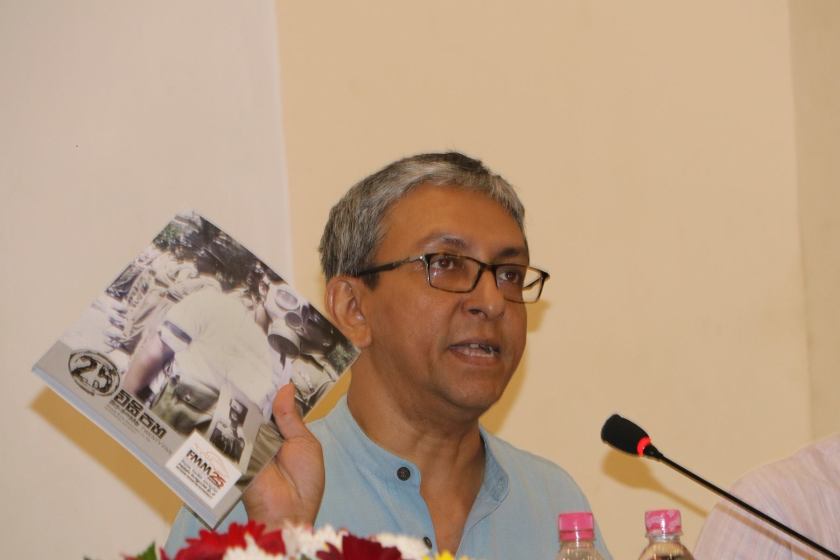
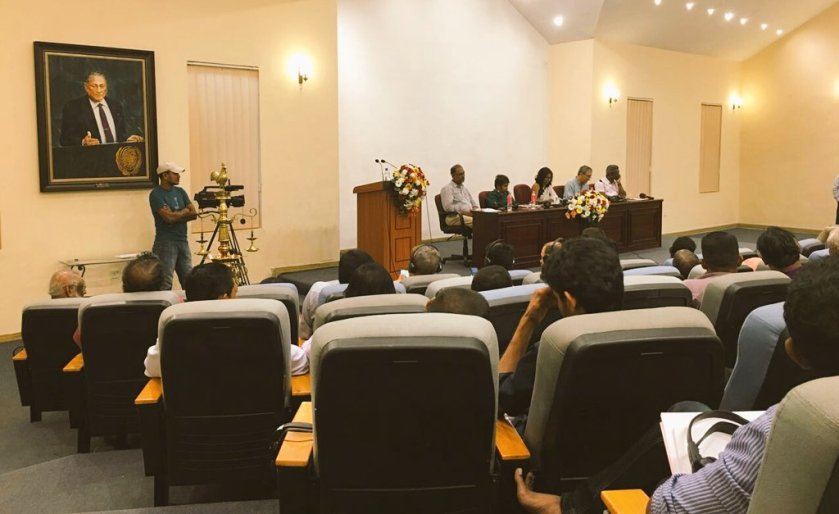
Nalaka Gunawardene speaks at Free Media Movement (Sri Lanka) 25th anniversary, on 21 Nov 2017FMM 25 anniversary meeting in Colombo, 21 Nov 2017FMM 25 anniversary meeting in Colombo, 21 Nov 2017 – part of the audience
Brief comment provided to Daily Mirror newspaper, Sri Lanka, on 20 January 2017:
‘Eyes in the Sky’ need ethical and careful ‘pilots’
By Nalaka Gunawardene
Bird’s eye view provides a new, useful perspective in journalistic story telling. Image courtesy InterNews Sri Lanka
For some, drones conjure images of death and destruction – military applications have been their most widely reported application. But unmanned aerial vehicles or UAVs are increasingly being used for many peaceful purposes. That poses a host of ethical and legal challenges we must confront to get the best of this new technology while minimizing potential harms.
In the past few years, the cost of drones came down (an entry level unit sells for around LKR 35,000 in Colombo) as their versatility increased. This spurred many uses from newsgathering and post-disaster assessments to goods delivery and smart farming.
In Sri Lanka, surveyors, photographers, TV journalists and political parties were among the early civilian users of drones. They all grasped the value of the ‘bigger picture’ perspective such aerial photos or videos can provide. Until recently, accessing that vantage point was possible only through helicopters or fixed wing aircraft – a facility few could afford.
Having the bird’s eye view helps journalists and their audiences to make sense of complex situations like climate change impacts, conflicts over resources or political agitations. We certainly need more field-based and investigative reporting that goes beyond press releases and press conferences. Drones are fast joining the journalists’ toolkit — but what matters is their imaginative and responsible use.
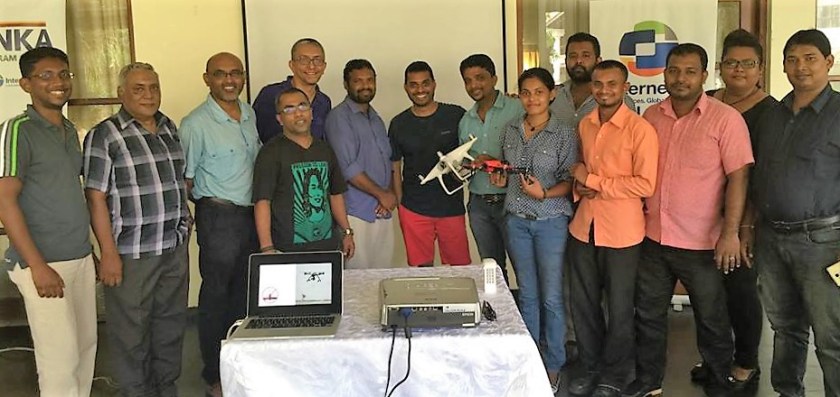
Participants and trainers at Sri Lanka’s first workshop on drone assisted journalism, Aug 2016 in Mt Lavinia
Here, we have both good news and bad news. On the positive side, over two dozen journalists and photojournalists have been trained in drone-assisted journalism during 2016 by drone journalism enthusiast (and drone pilot) Sanjana Hattotuwa and journalist Amantha Perera. Some trainees have since done good stories with drone-gathered images. Examples include probing the drought’s impacts in the dry zone, rising garbage crisis in Kattankudy on the east coast, and taking a close look at land use patterns in Hambantota.
Internews Sri Lanka: Drone gathered footage supporting journalism
The downside is that some news organisations are deploying drones without due regard for public safety or existing codes of media ethics. A drone hovered over the Colombo general cemetery as slain editor Lasantha Wickremetunge’s body was exhumed in September 2016. That disregarded a family request for privacy.
The end never justifies the means in good journalism. If some media groups continue to operate drones in such reckless manner, they risk discrediting the new technology and attracting excessive regulations.
Drones or any other new technologies need to be anchored in the basic ethics of journalism. Each new tool would also bring along its own layer of ethics. Where drone use is concerned, respecting privacy and considering the safety of others is far more important than, say, when using a handheld camera.
In February 2016, the Civil Aviation Authority of Sri Lanka (CAASL) published regulations for drone operation which apply to all users including journalists. This has been updated in January 2017. The Information Department, in a recent release, says it is working with CAASL to simplify these rules and streamline approval processes. That is a welcome move.
For now, Lankan journalists can follow the Code of Ethics for Drone Journalists already formulated by practitioners and researchers in the United States. It is available at: http://www.dronejournalism.org/code-of-ethics/
Nalaka Gunawardene is a columnist and independent media researcher. He tweets from @NalakaG
In May 2016, the major new study on the media sector I edited titled Rebuilding Public Trust:An Assessment of the Media Industry and Profession in Sri Lanka, noted:
“The new government faces the daunting task of healing the wounds of a civil war which lasted over a quarter of a century and left a deep rift in the Lankan media that is now highly polarised along ethnic, religious and political lines. At the same time, the country’s media industry and profession face their own internal crises arising from an overbearing state, unpredictable market forces, rapid technological advancements and a gradual erosion of public trust.”
The report quoted Dr Ranga Kalansooriya, who worked in the print media (Sinhala and English) and later served as Director General of Sri Lanka Press Institute, as saying:
“The ethnically non-diverse newsrooms of both sides have further fuelled the polarisation of society on ethnic lines, and this phenomenon has led the media in serving its own clientele with ‘what it wants to know’ than ‘what it needs to know’.”
This is precisely what the One Sri Lanka Journalism Fellowship Program (OSLJF) has addressed, in its own small way. An initiative of InterNews, an international media development organisation, OSLJF was a platform which has brought together Sinhala, Tamil and Muslim working journalists from across the country to conceptualize and produce stories that explored issues affecting all ordinary Lankans.
From December 2015 to September 2016, some 30 full-time or freelance journalists reporting for the country’s mainstream media were supported to engage in field-based, multi-sourced stories on social, economic and political topics of public interest. They worked in multi-ethnic teams, mentored by senior Lankan journalists drawn from the media industry who gave training sessions to strengthen the skills and broaden the horizons of this group of early and mid-career journalists.
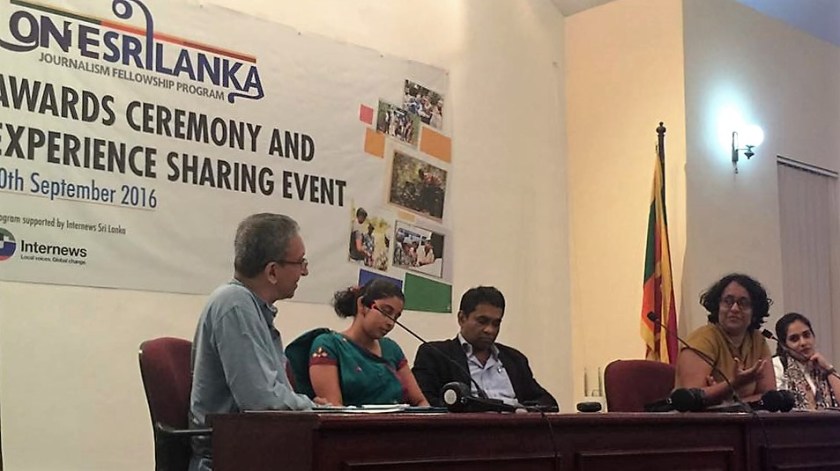
As the project ends, the participating journalists, mentors and administrators came together at an event in Colombo on 20 September 2016 to share experiences and impressions. This was more than a mere award ceremony – it also sought to explore how the learnings can be institutionalized within the country’s mainstream and new media outlets.
I was asked to host the event, and also to moderate a panel of key media stakeholders. As a former journalist who remains a columnist, blogger and media researcher, I was happy to accept this as I am committed to building a BETTER MEDIA in Sri Lanka.
Panel on Future of Sri Lankan Journalism in the Digital Age. L to R – Nalaka Gunawardene (moderator); Deepanjali Abeywardena; Dr Ranga Kalansooriya; Dr Harini Amarasuriya; and Gazala Anver
Here are my opening remarks for the panel:
“If you don’t like the news … go out and make some of your own!” So said Wes (‘Scoop’) Nisker, the US author, radio commentator and comedian who used that line as the title of a 1994 book.
Instead of just grumbling about imperfections in the media, more and more people are using digital technologies and the web to become their own reporters, commentators and publishers.
Rise of citizen journalism and digital media start-ups are evidence of this.
BUT we cannot ignore mainstream media (MSM) in our part of the world. MSM – especially and radio broadcasters — still have vast reach and they influence public perceptions and opinions. It is VITAL to improve their professionalism and ethical conduct.
In discussing the Future of Journalism in the Digital Age today, we want to look at BOTH the mainstream media AND new media initiatives using web/digital technologies.
BOTTOMLINE: How to uphold timeless values in journalism: Accuracy, Balance, Credibility and promotion of PUBLIC INTEREST?
I posed five broad questions to get our panelists thinking:
What can be done to revitalize declining quality and outreach of mainstream media?
Why do we have so little innovation in our media? What are the limiting factors?
What is the ideal mix and balance of mainstream and new media for Lanka?
Can media with accuracy, balance and ethics survive in our limited market? If so, how?
What can government, professionals and civil society to do to nurture a better media?
Panel on Future of Sri Lankan Journalism in the Digital Age. L to R – Nalaka Gunawardene (moderator); Deepanjali Abeywardena; Dr Ranga Kalansooriya; Dr Harini Amarasuriya; and Gazala Anver
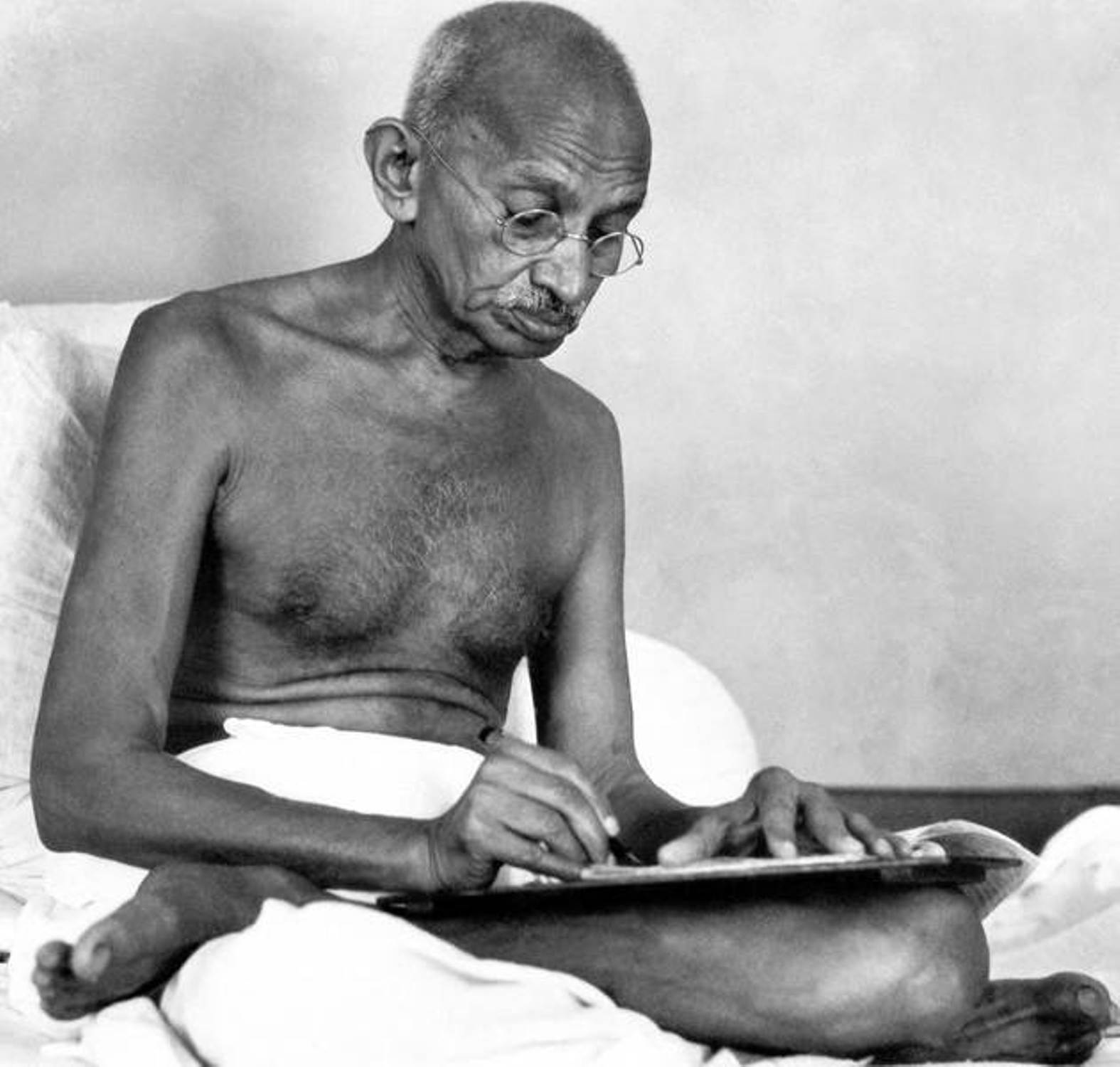
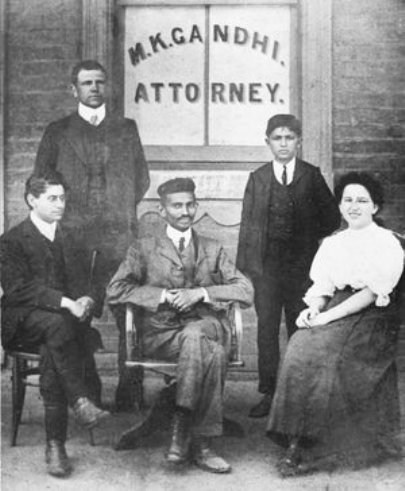
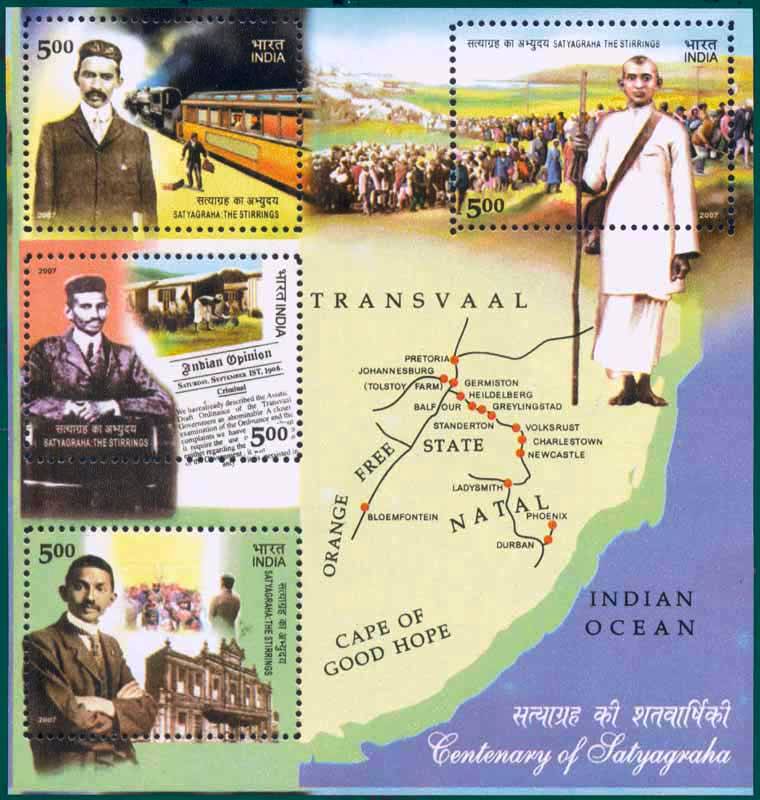
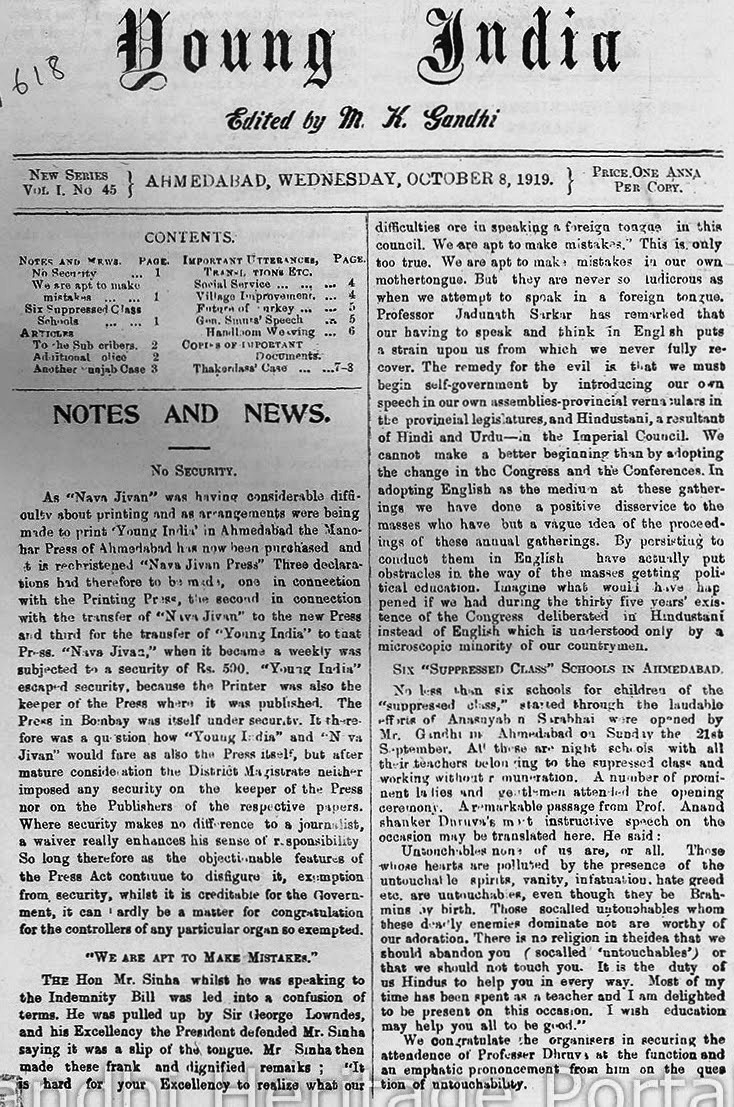
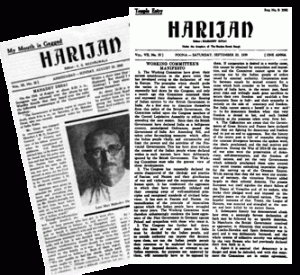
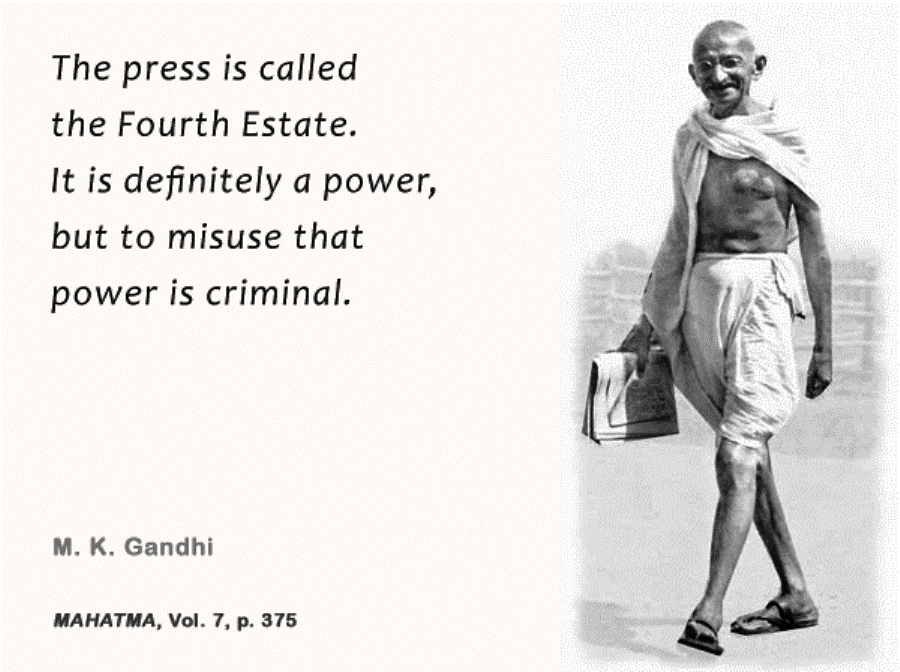
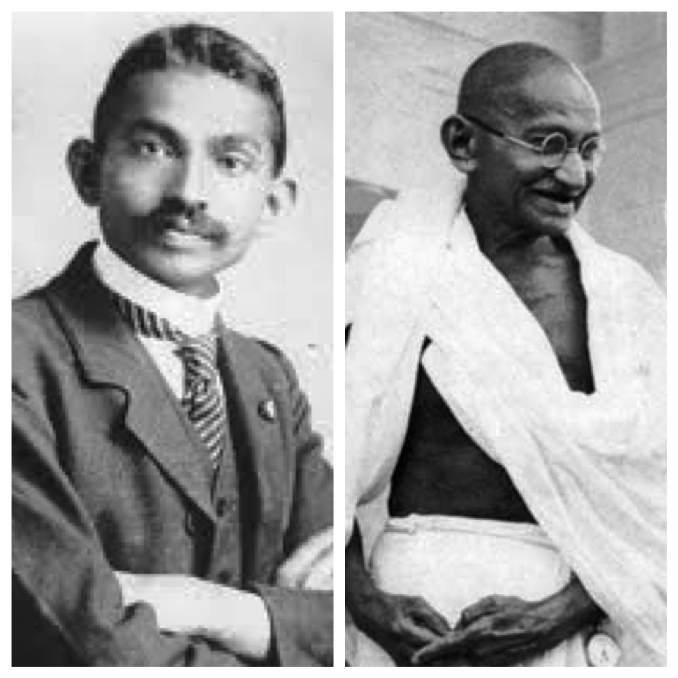
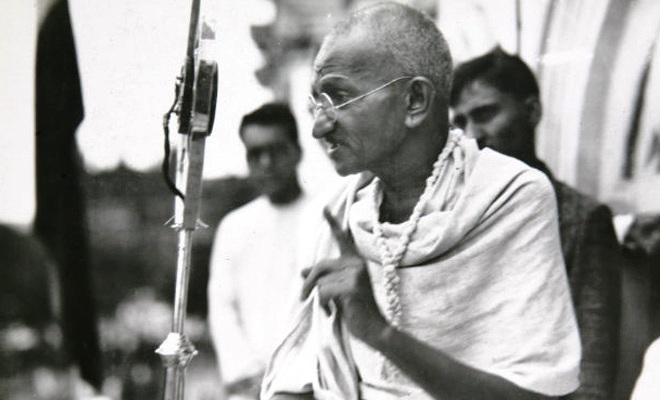
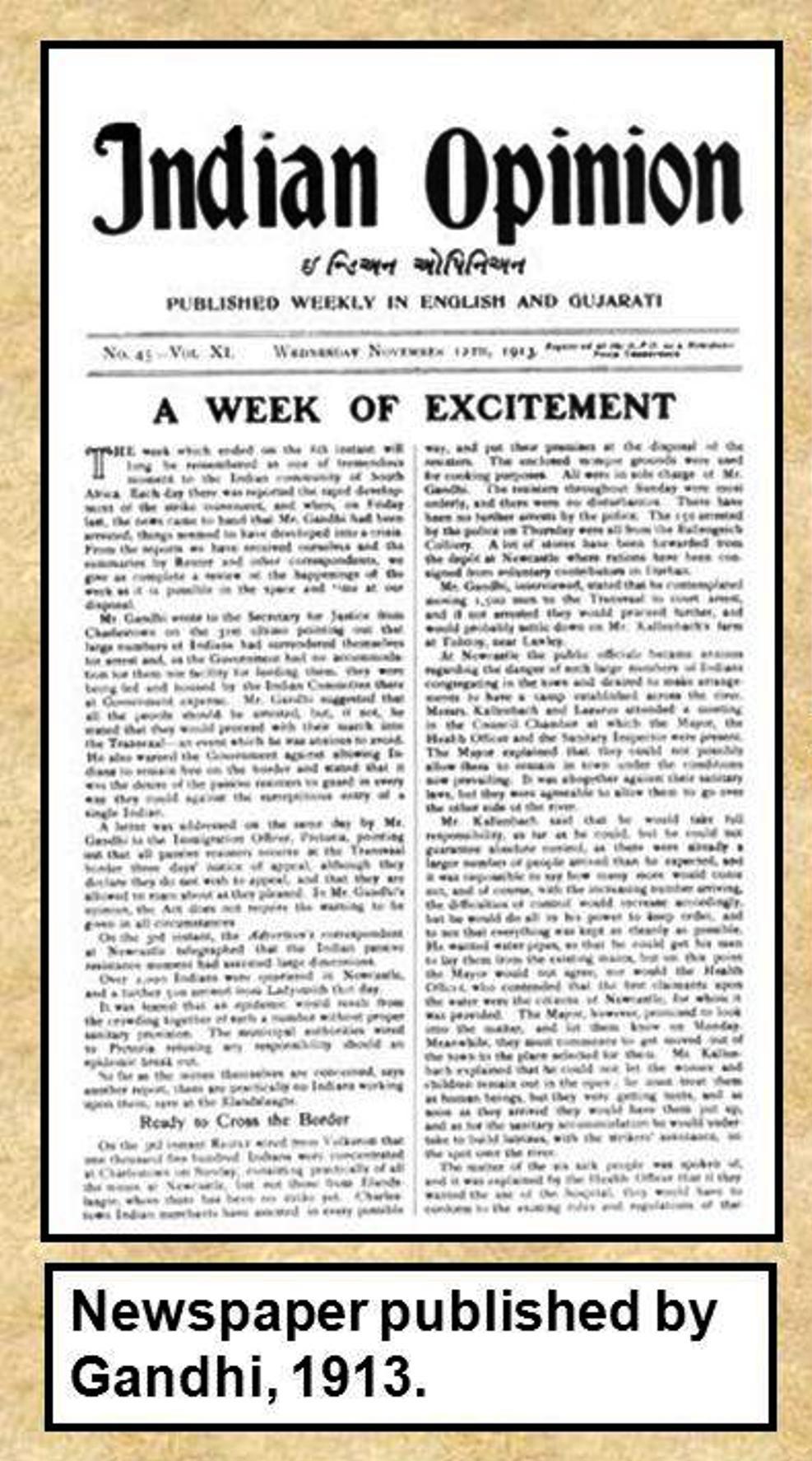
Besides being a political leader and social reformer, Mahatma Gandhi was also a prolific writer, journalist and editor for much of his life. He was the editor of three English weeklies, namely Indian Opinion (in South Africa during 1903-1915), Young India (1919- 1931), and Harijan (1933-1942 and 1946-January 1948).
These journals, which he described as “viewspapers”, were means of political and social movements. But they were also printed, distributed and sold in the open market just like other journalistic products.
What can today’s journalists and publishers learn from Gandhi? I revisit this again in this week’s Ravaya column (published on 21 June 2015), continuing an exploration started last week.
“Journalism to be useful and serviceable to the country will take its definite place only when it becomes unselfish and when it devotes its best for the service of the country, and whatever happens to the editors or to the journal itself, editors would express the views of the country irrespective of consequences…”
Mahatma Gandhi said these words on 22 March 1925, when unveiling the portrait of S. Kasthuriranga Iyengar, the late Editor of The Hindu, at the newspaper’s Chennai office. These words summed up the basic tenets of true journalism that Gandhi believed in – and practised.
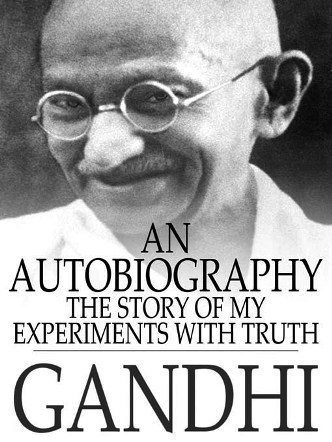
Besides being a political leader and social reformer, Gandhi was also a prolific writer, journalist and editor for much of his life. He was the editor of three English weeklies, namely Indian Opinion (in South Africa during 1903-1915), Young India (1919- 1931), and Harijan (1933-1942 and 1946-January 1948).
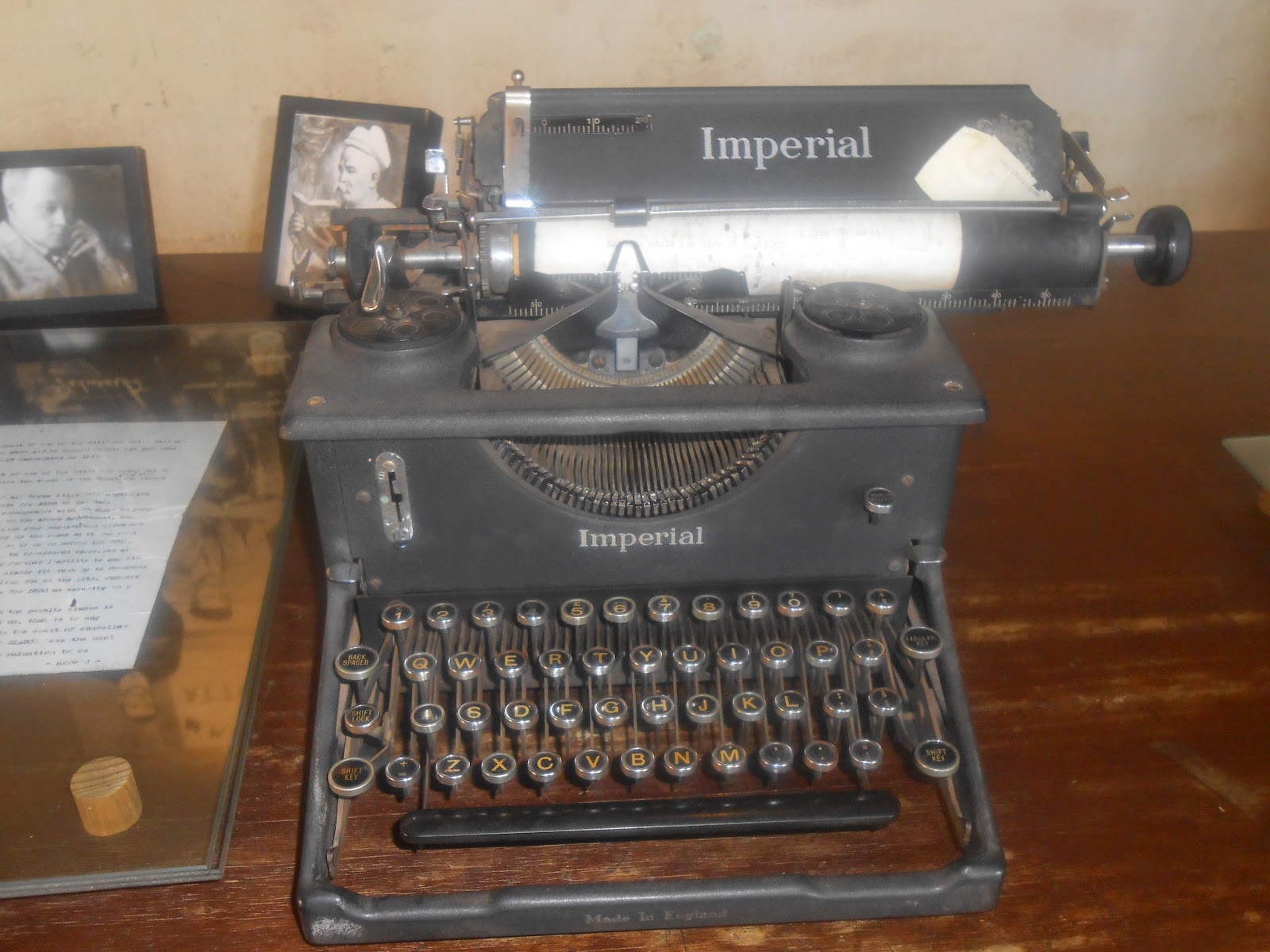
Indian Opinion was bi-lingual (English and Gujarati). For some time it had also Hindi and Tamil sections. Young India had a Gujarati edition – Navajivan. Harijan was printed in several Indian language editions. These journals, which he described as “viewspapers”, were means of political and social movements. But they were also printed, distributed and sold in the open market just like other journalistic products.
What can today’s journalists learn from Gandhi as a mass communicator and journalist/editor? I explore this in this week’s Ravaya column (published on 14 June 2015).






 Open Minds!