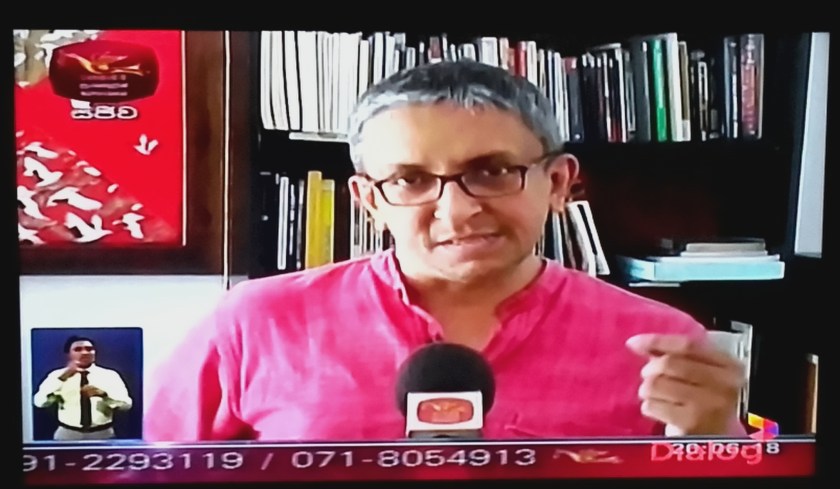
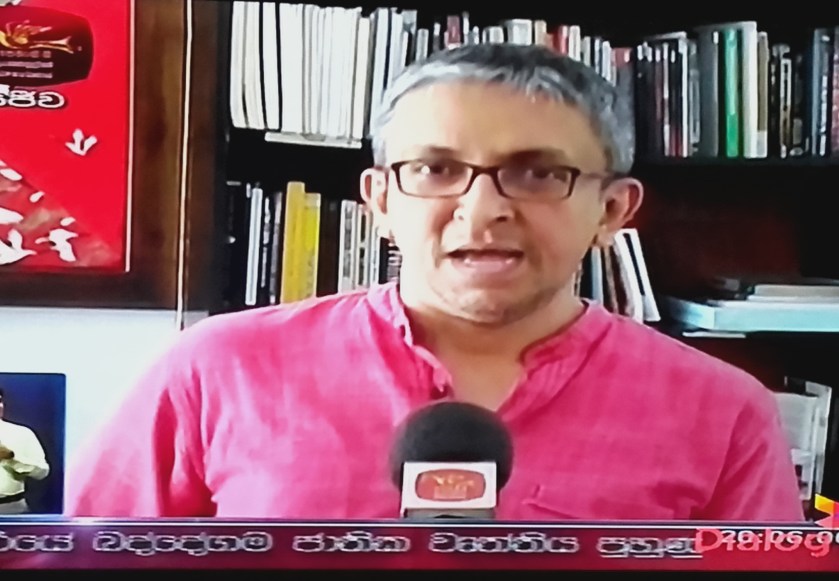
[Main points I made in a TV news interview with national broadcaster Rupavahini on 25 June 2016, within 24 hours of Sri Lanka’s Parliament passing the Right to Information law.]
Nalaka Gunawardene in Rupavahini interview on Sri Lanka’s new Right to Information RTI Law, 25 June 2016
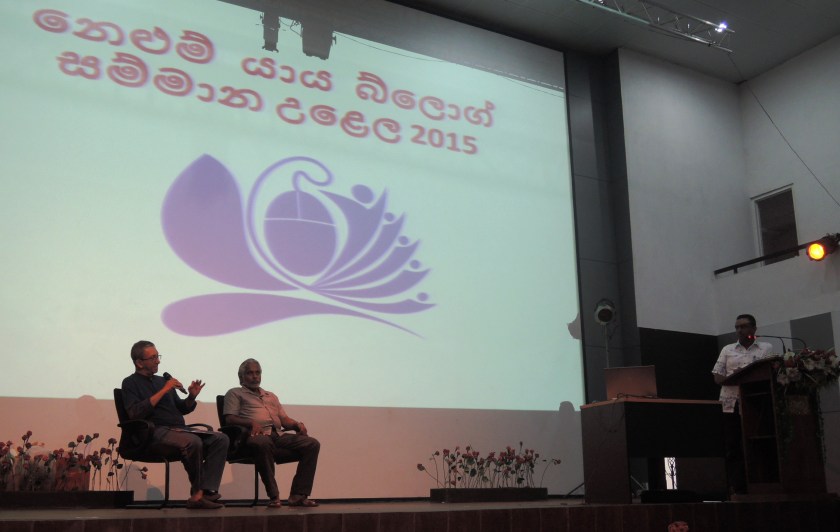
Nalaka Gunawardene (left) & Ajith Perakum Jayasinghe at Nelum Yaya Blog awards for 2015, held on 26 March 2016
In this week’s Ravaya column (appearing in the print issue of 3 April 2016), I probe why the blogosphere and other social media platforms are vital for public discourse in the Lankan context.
Sri Lanka’s mainstream media does not serve as an adequate platform for wide-ranging public discussion and debate. Besides being divided along ethnic and political lines, the media is also burdened by self-imposed restrictions where most don’t critique certain social institutions. Among the top-ranked ‘sacred cows’ are the armed forces and clergy (especially Buddhist clergy).
No such “no-go areas” for bloggers, tweeps and Facebookers. New media platforms have provided a space where irreverence can thrive: a healthy democracy badly needs such expression. I base this column partly on my remarks at the second Nelum Yaya Blog Awards ceremony held on 26 March 2016.
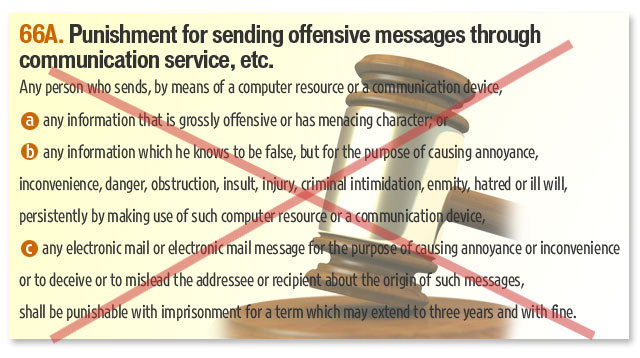
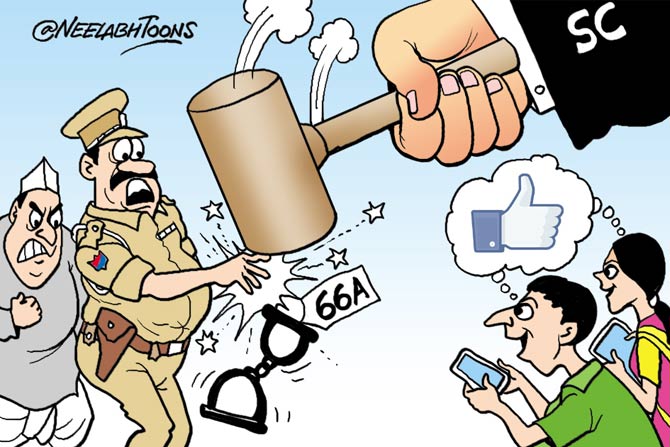
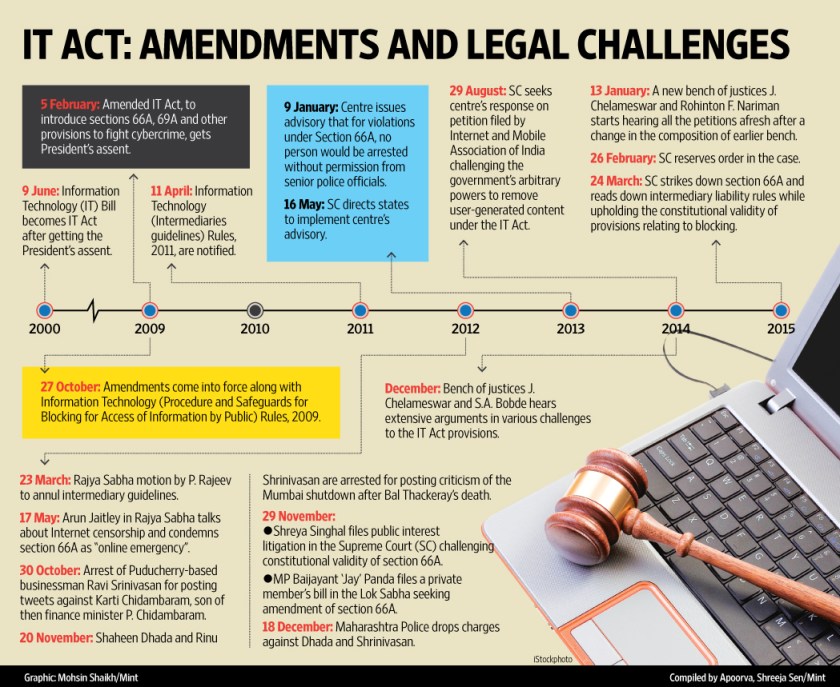
I also refer to a landmark ruling in March 2015, where the Supreme Court of India struck down a “draconian” law that allowed police to arrest people for comments on social media networks and other websites.
India’s apex court ruled that Section 66A of the Information Technology Act was unconstitutional in its entirety, and the definition of offences under the provision was “open-ended and undefined”.
The provision carried a punishment of up to three years in jail. Since its adoption in 2008, several people have been arrested for their comments on Facebook or Twitter. The law was challenged in a public interest litigation case by a law student after two young women were arrested in November 2012 in Mumbai for comments on Facebook following the death of a politician.
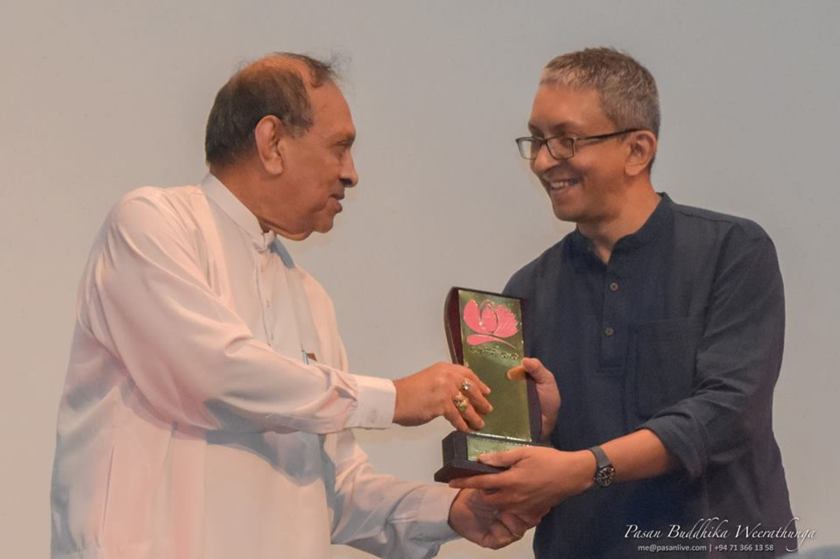
Speaker Karu Janasuriya presents Lifetime Award to Nalaka Gunawardene at Nelum Yaya Blog Awards on 26 March 2016 – Photo by Pasan B Weerasinghe
Last week, I wrote in my Ravaya column (in Sinhala) about Lankan writer Deeman Ananda (1933-2007), who wrote over 1,000 books of crime fiction, detective fiction and other thrillers in Sinhala from 1960s well into the 1980s.
I had lots of reader responses – many of them thanking me for the info and insights on this neglected writer.
Today, I probe further why a popular and prolific writer like Deeman Ananda was ridiculed and demonized by the literary mainstream and critics. I argue that the artificial and rigid divide between Lankan popular culture and so-called high culture is at the root of such discrimination. Besides Ananda, other creative professionals – from singers and dramatists to comic artists – have also suffered from this misplaced prejudice.
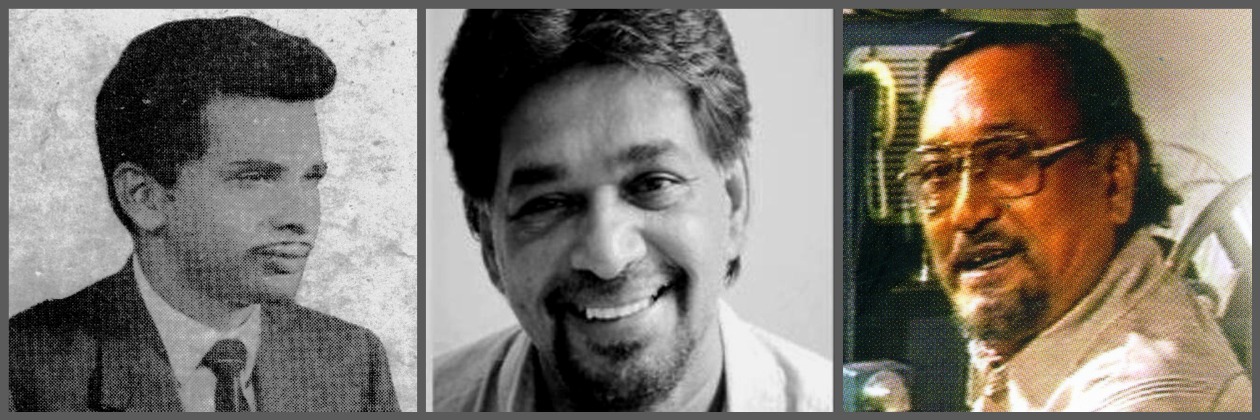
‘Giants’ of popular culture in Sri Lanka: L to R – Deeman Ananda, Nimal Lakshapathiarachchi, Titus Thotawatte
My column on Einstein’s obscure visit to Ceylon in October 1922 was well received, and some appreciative readers asked me to look at the human being behind the intellectual. So, in this week’s Ravaya column (in Sinhala language), I explore Einstein the humanist, pacifist and supporter of civic rights all his life.



 Open Minds!