I couldn’t write the When Worlds Collide column this week. Instead, here is a news feature I wrote for Ceylon Today, published on Sunday 16 Dec 2012:
It helps to take a look at the bigger picture once in a while. Today’s modern space and imaging technologies allow us to explore the biggest picture possible – at a planetary level.
Images of our Earth from space have been available for around 40 years. The first images that emerged from early space missions in the 1960s – showing a blue marble hanging in the darkness of space – energized the environmental movement worldwide.
But as technology advances, that vantage view keeps getting better.
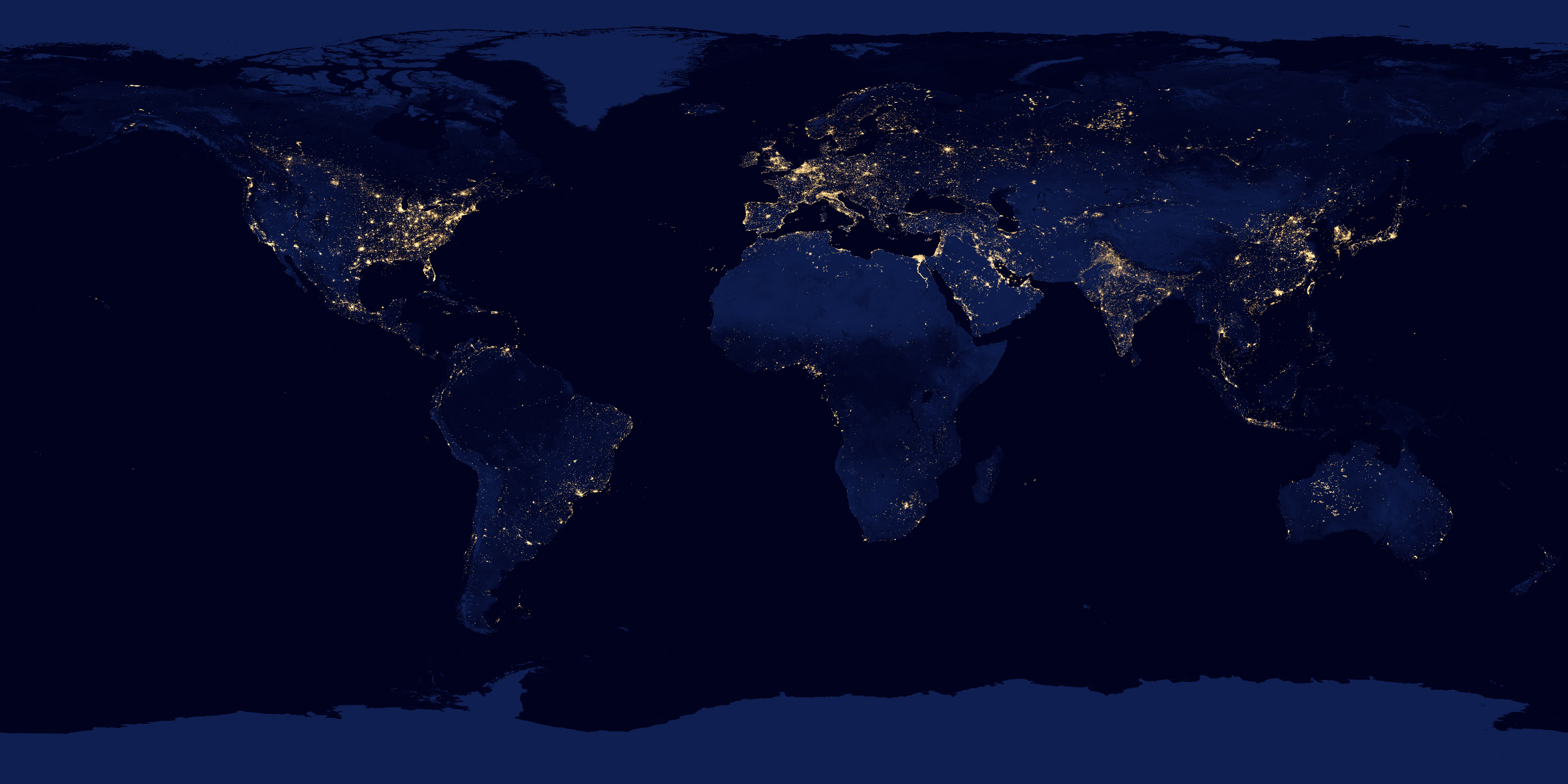
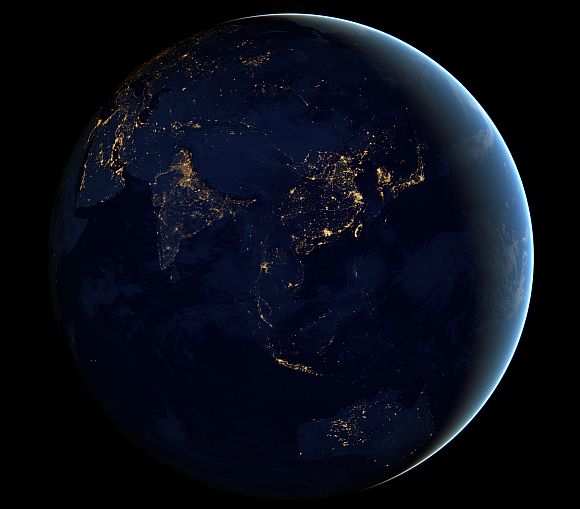
Earlier this month, the US space agency NASA released a series of new images that offer an unprecedented new look at our planet at night.
A global composite image, constructed using cloud-free night images from a new…
Last month, NASA released a series of new images that offer an unprecedented new look at our planet at night. The global composite image, constructed using cloud-free night images from a new generation weather satellite, shows the glow of natural and human-built phenomena across the planet in greater detail than ever before. Each white dot on the map represents the light of a city, fire, ship at sea, oil well flare or another light source. (Explore at: http://earthobservatory.nasa.gov)
This week’s Ravaya column (in Sinhala) is on what these night lights mean. I talk to astrophysicist Dr Kavan Ratnatunga about understanding Sri Lanka at night as it can be seen from space.
Earth at night 2012 NASA composite satellite image
What might happen if we suddenly found ourselves in a borderless world? Or at least in a world where free movement across political borders was allowed? Which places would see a mass exodus, and to where might people be attracted the most?
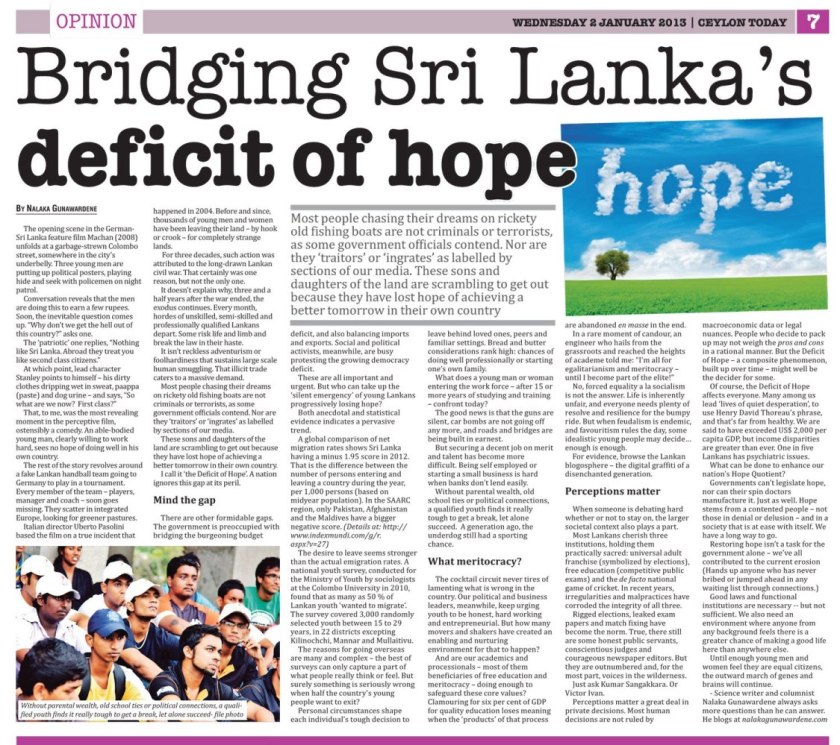
I very nearly included the old Soviet joke in my latest op-ed essay titled ‘Bridging Sri Lanka’s Deficit of Hope’ that is published today by Groundviews.org.
It asks WHY many thousands of young men and women of Sri Lanka have been leaving their land — by hook or crook – for completely strange lands. This has been going on for over a generation.
Here’s an excerpt:
For three decades, such action was attributed to the long-drawn Lankan civil war. That certainly was one reason, but not the only one.
It doesn’t explain why, three and a half years after the war ended, the exodus continues. Every month, hordes of unskilled, semi-skilled and professionally qualified Lankans depart. Some risk life and limb and break the law in their haste.
It isn’t reckless adventurism or foolhardiness that sustains large scale human smuggling. That illicit trade caters to a massive demand.
Most people chasing their dreams on rickety old fishing boats are not criminals or terrorists, as some government officials contend. Nor are they ‘traitors’ or ‘ingrates’ as labelled by sections of our media.
These sons and daughters of the land are scrambling to get out because they have lost hope of achieving a better tomorrow in their own country.
I call it the Deficit of Hope. A nation ignores this gap at its peril.
As usual, I ask more questions than I can answer on my own. But I believe it’s important to raise these uncomfortable questions.
Towards the end, I ask: What can be done to enhance our nation’s Hope Quotient?
“Governments can’t legislate hope, nor can their spin doctors manufacture it. Just as well. Hope stems from a contented people — not those in denial or delusion — and in a society that is at ease with itself. We have a long way to go.”
Karunaratne Abeysekera (1930–1983) was one of Sri Lanka’s most accomplished Sinhala broadcasters. He was also a poet and lyricist — one who had great talent to combine words and phrases in ways that soothed and energised a whole nation.
In October 1982, Karu (as he was affectionately called by friends and fans alike) wrote an especially moving and memorable Sinhala poem in the then popular Sinhala monthly magazine Kalpana. I first read this poem as a school boy in October 1982, and it left a deep impression that the first few lines stuck in my mind for decades.
In this poem, which opens with the words ආයු දායකයාණනේ, සානුකම්පා පාමිනේ…, Karu asks the giver-of-life (unspecified, and not alluding to any religious or superhuman entity) to grant him 10 more years of life so that he can…do more good, and do things he’s somehow not been able to do yet in his life. (He says it much more beautifully.)
Alas, that was not to be. Six months after this poem appeared in print, Karu was gone: he died in April 1983 aged 53.
As we enter a New Year, I borrow Karu’s evocative words and make them my own personal wish — or plea, if you like. I thank Karu’s son Dileepa Abeysekera for helping locating the full words. He calls it a little “time bomb” of the mind that his father has left behind…
The WordPress.com stats helper monkeys prepared a 2012 annual report for this blog.
Here’s an excerpt:
About 55,000 tourists visit Liechtenstein every year. This blog was viewed about 230,000 times in 2012. If it were Liechtenstein, it would take about 4 years for that many people to see it. Your blog had more visits than a small country in Europe!
Text of my ‘When Worlds Collide’ column published in Ceylon Today Sunday newspaper on 30 December 2012
“The ‘control of nature’ is a phrase conceived in arrogance, born of the Neanderthal age of biology and philosophy, when it was supposed that nature exists for the convenience of man. The concepts and practices of applied entomology for the most part date from that Stone Age of science. It is our alarming misfortune that so primitive a science has armed itself with the most modem and terrible weapons, and that in turning them against the insects, it has also turned them against the earth.”
With those cautionary words ended Silent Spring, a popular science book that first came out 50 years ago, and is now widely regarded as a book that changed our thinking about the environment.
Its author was a marine biologist turned science writer, Rachel Louise Carson, who…
For much of 2012, a large section of the print and broadcast media in Sri Lanka behaved like the proverbial chicken who panicked himself and the rest of the jungle claiming the sky was falling.
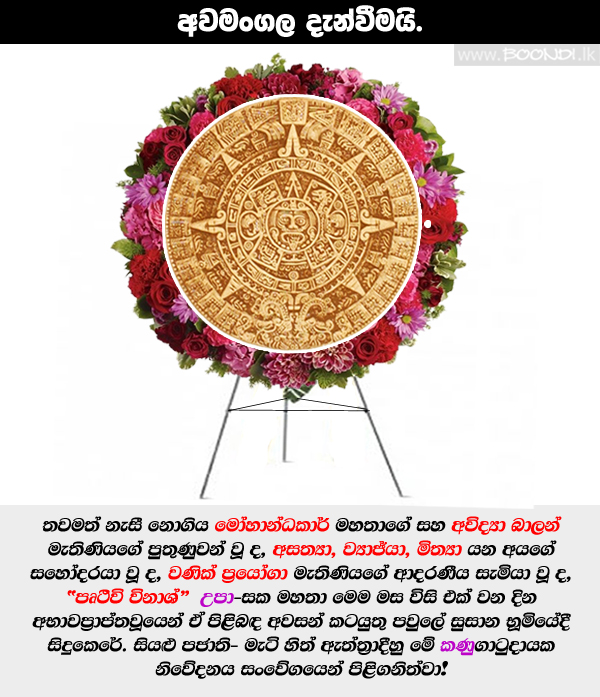
They uncritically and sometimes gleefully peddled the completely unsubstantiated and imaginary prophecies of doom and gloom – specifically, about the world ending on 21 December 2012.
And just like Chicken Little did, our media too had plenty of uncritical followers – a case of the blind leading the blind. They worked themselves into a misplaced frenzy, imagining all sorts of scenarios for the world’s end.
In this week’s Ravaya column (in Sinhala), I take a critical look at our uncritical and fear-mongering media, especially broadcast media. Appears in print issue of 30 Dec 2012.
As I wrote in my blog that morning, Ass-trologers (my new name for those claiming to read our destiny in the stars) and other dabblers in pseudo-science and non-science have a lot of explaining to do.
Perhaps the greatest damage these false prophets of doom – and their uncritical multipliers in the media — did was to distract us from the real hazards that we are confronted with.
The long list includes better known threats like nuclear weapons and accelerated climate change as well as the more slowly building up ones like water scarcities, antibiotic resistance and demographic changes.
There are also some hazards that are not frequent, but have the potential to inflict planetary scale damage when they do occur. The…
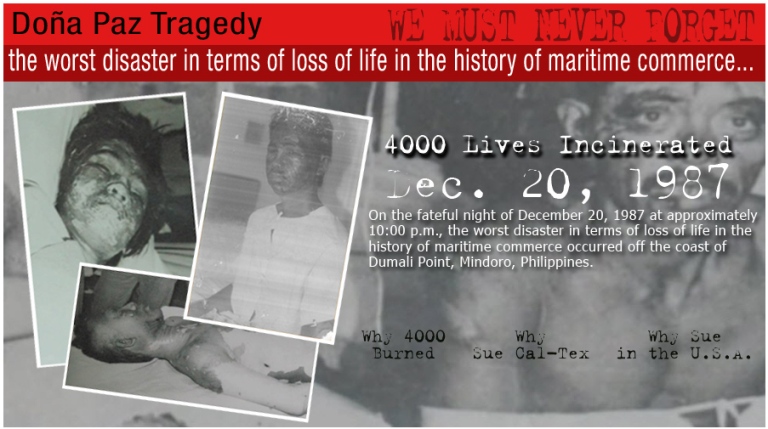
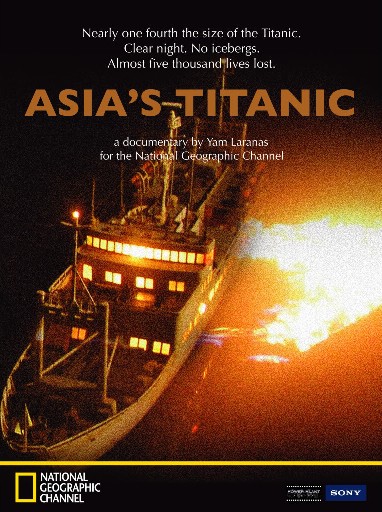
This week’s Ravaya column (in Sinhala) is dedicated to the memory of the world’s worst peace-time maritime disaster in terms of lives lost.
No, it wasn’t the sinking of the Titanic. It’s a disaster that happened 75 later, on the other side of the planet – in Asia.
It is the sinking of the MV Doña Paz, off the coast of Dumali Point, Mindoro, in the Philippines on 20 December 1987. That night, the 2,215-ton passenger ferry sailed into infamy with a loss of over 4,000 lives – many of them burnt alive in an inferno at sea.
Nobody is certain exactly how many lives were lost — because many of them were not supposed to be on that overcrowded passenger ferry, sailing in clear tropical weather on an overnight journey.
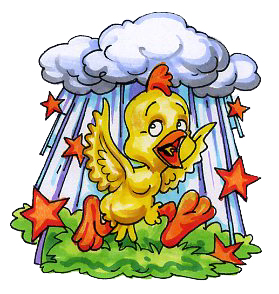
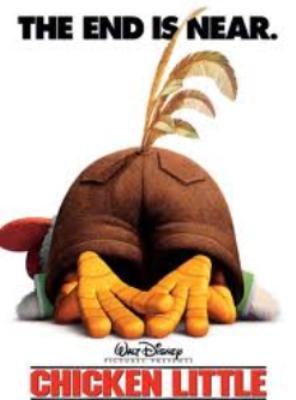
That was the refrain of a certain Chicken Licken or Chicken Little, the lead character in a popular folk tale. The rather timid creature was easily scared, and each time something slightly out of the ordinary was experienced, it always assumed the worst.
“The sky is falling!” has entered the English language as an idiom for hysterical or mistaken belief that disaster is imminent. If the original Chicken Little was prone to hallucination, its modern day equivalents are more likely feigning hysteria for their own reasons and gains.
For much of 2012, a large section of the print and broadcast media in Sri Lanka has behaved like Chicken Little. They have uncritically and sometimes gleefully peddled the completely unsubstantiated and imaginary prophecies of doom and gloom – specifically, about the world ending on 21 December 2012.
And just like Chicken Little did, our media too had plenty of uncritical followers – a case of the blind leading the blind. They worked themselves into a misplaced frenzy, imagining all sorts of scenarios for the world’s end.
Some involved terrestrial hazards while others, extra-terrestrial ones. The prophets of doom were too busy churning out more and more fantastic tales to realize that, if all their various scenarios were to happen, we would need not one but several worlds…
Ah, but our intrepid media won’t allow such facts to get in the way of a good story, or reality checks to hold down their run-away imagination. Fear and panic sell newspapers, and keep TV ratings high…
As the leading Indian rationalist Sanal Edamaruku has noted, “Selling every day anything from bunkers to miracle bracelets and wonder cures to gullible, fearful people, they don’t just exploit them; they massively reinforce the mind crippling vicious circle of superstition in their lives. The superstition generator is running overtime, even in many of our otherwise so critical and progressive media.”
We the minority of sceptical readers have long endured not only the incredible shrill of assorted doomsday prophecies in our media, but the distraction of public attention and the deprivation of valuable media space and time for covering issues of genuine public interest. In desperation and frustration, we decided to present Chicken Little Media Awards
Nominations were called via Twitter and Facebook, and selecting the worst performers was truly difficult as the contenders were engaged in a race to the bottom. The online debate about these choices will continue.
But after considerable deliberation, meanwhile, here is our choice…
Chicken Little Media Awards 2012
Most Hysterical Sinhala newspaper: Mawbima
Runner-up: Lankadeepa
Most Giddy-headed TV channel: Sirasa TV
Runners-up: Swarnawahini and TV Derana
Two-headed Chicken Little Award: Vidusara science magazine, which accommodated both critical views as well as outright superstition (thus covering all bases?)
Headless Chicken Little Award: All-astrology newspapers that thrive on people’s gullibility
We salute all reporters, editors and media managers who have peddled mind-rotting tall tales about the world ending.





 ලෝක විනාශ මිථ්යාවක් මතු වූ ප්රථම වතාව මෙය නොවෙයි. එහෙත් මෙතරම් ලෝක ව්යාප්ත මට්ටමින් මෙබඳු මුලාවක් හා භීතියක් මෙවර හට ගත්තේ ජනමාධ්ය හා තොරතුරු තාක්ෂණය හරහා මේ ප්රබන්ධය අති විශාල ජනකායක් අතරට ඉක්මනින් පැතිරුණු නිසයි. තොරතුරු සමාජය හා මාධ්ය චර්යාව ගැන නෙත් යොමා සිටින මට මේ ගැන නිරීක්ෂණ හා අත්දැකීම් කිහිපයක් තිබෙනවා.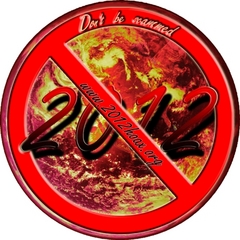

 Ah, but our intrepid media won’t allow such facts to get in the way of a good story, or reality checks to hold down their run-away imagination. Fear and panic sell newspapers, and keep TV ratings high…
