This Hague based inter-governmental organisation was recognised for implementing — through inspections, destruction and by other means — the Chemical Weapons Convention, an arms control treaty in effect from 1997 and singed by 165 countries.
In the past, the Norwegian Nobel Committee – which administers the Prize — has through several prizes highlighted the need to eliminate nuclear weapons as well as landmines. With the 2013 decision, it has lent support to the global campaign to end the production and use of chemical weapons.
There were 259 candidates for the Nobel Peace Prize 2013, 50 of them organizations. These included the Pakistani schoolgirl activist
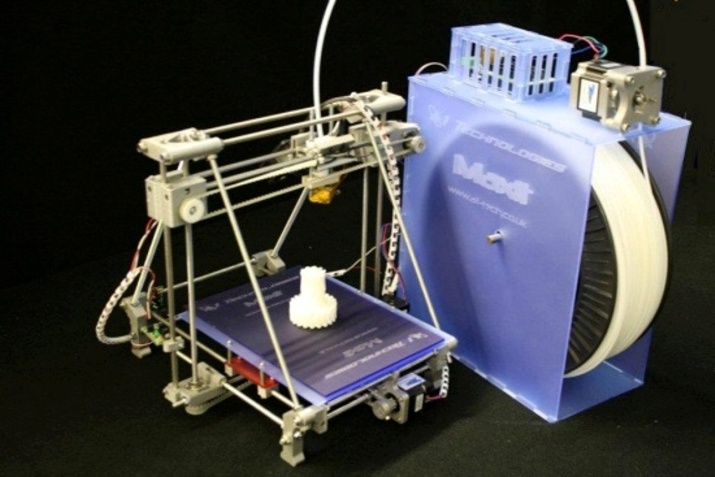
My latest Ravaya column (in Sinhala) is about the promise and challenges of 3D printing technology.
Sri Lanka took many years to come to terms with colour copiers and printers in 2D. For a while, they were not even allowed. This time around, regulating 3D printing will be harder — and there won’t be as much time to endlessly ponder what to do.
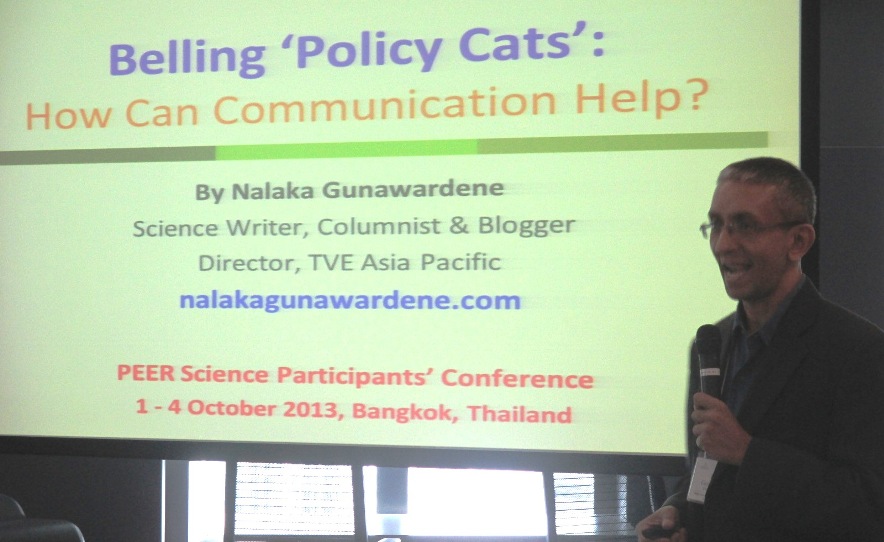
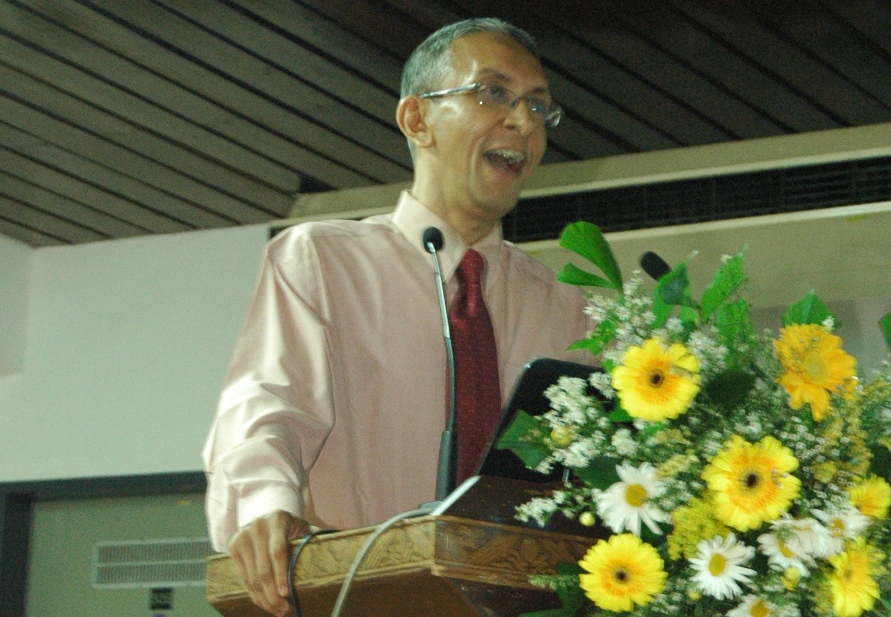
Nalaka Gunawardene speaks at PEER Science Conference 2013 in Bangkok, 3 Oct 2013
How to ‘Bell’ the policy ‘cats’?
This question is often asked by researchers and activists who would like to influence various public policies. Everyone is looking for strategies and engagement methods.
The truth is, there is no one sure-fire way — it’s highly situation specific. Policy makers come in many forms and types, and gaining their attention depends on many variables such as a country’s political system, governance processes, level of bureaucracy and also timing.
Perfecting the finest ‘bells’ and coming across the most amiable and receptive ‘cats’ is an ideal rarely achieved. The rest of the time we have to improvise — and hope for the best.
Good research, credible analysis and their sound communication certainly increase chances of policy engagement and eventual influence.
How Can Communications Help in this process? This was the aspect I explored briefly in a presentation to the PEER Science Participants’ Conference 2013 held in Bangkok, Thailand, from 1 to 4 Oct 2013.
It brought together over 40 principal investigators and other senior researchers from over a dozen Asian countries who are participating in Partnerships for Enhanced Engagement in Research (PEER) Science program. PEER Science is a grant program implemented by the (US) National Academies of Science on behalf of the U.S. Agency for International Development (USAID) and in cooperation with the National Science Foundation (NSF).
I flagged some key findings of a global study by SciDev.Net (where I am an honorary trustee) which looked at the different contextual settings within which policymakers, the private sector, NGOs, media organisations and the research community operate to better understand how to mainstream more science and technology evidence for development and poverty reduction purposes.
I like show and tell. To illustrate many formats and approaches available, I shared some of my work with LIRNEasia and IWMI, two internationally active research organisations for which I have produced several short videos (through TVE Asia Pacific) communicating their research findings and policy recommendations.
I don’t believe in ghosts and spirits, but I’m interested in how such notions shape people’s behaviour. As literacy and education levels rise, I notice how old demons are being replaced by new, more potent ones.
With modernisation, fewer Lankans uncritically accept Maha Sona, Mohinee and Riri Yaka that dominated the psychological landscape for generations. In their place, a new set of modern-day demons have emerged.
These ‘demons’ come in many shapes and forms. They include various half truths, misconceptions, fallacies, myths and conspiracy theories. Playing on an insular and insecure national psyche, these elements seem to have multiplied…
In this week’s Ravaya column (in Sinhala), I explore the nexus between public perceptions and public health – a topic I discussed in a recent talk to the College of Community Physicians Sri Lanka held in Colombo on 23 – 24 September 2013.
Nalaka Gunawardene speaks at Annual Scientific Sessions of College of Community Physicians Sri Lanka, 24 Sep 2013 Colombo – Photo by Janaka Sri Jayalath
In its latest assessment report, released in Stockholm this week, the global scientific body says the main cause is human actions that emit planet warming (greenhouse) gases into the atmosphere.
The authoritative report, distilling the work of hundreds of climate researchers, projects global temperatures to rise by between 0.3 and 4.8 degrees Celsius by late this century. (The low end can only be maintained if governments sharply cut emissions.)
As temperatures rise, polar ice and glaciers melt. Due to this and the thermal expansion of water in warmer climes, world sea levels could rise by between 26 and 82 cm (10 to 32 inches) by or before 2100.
Meanwhile, the world’s oceans have acidified rapidly in recent…
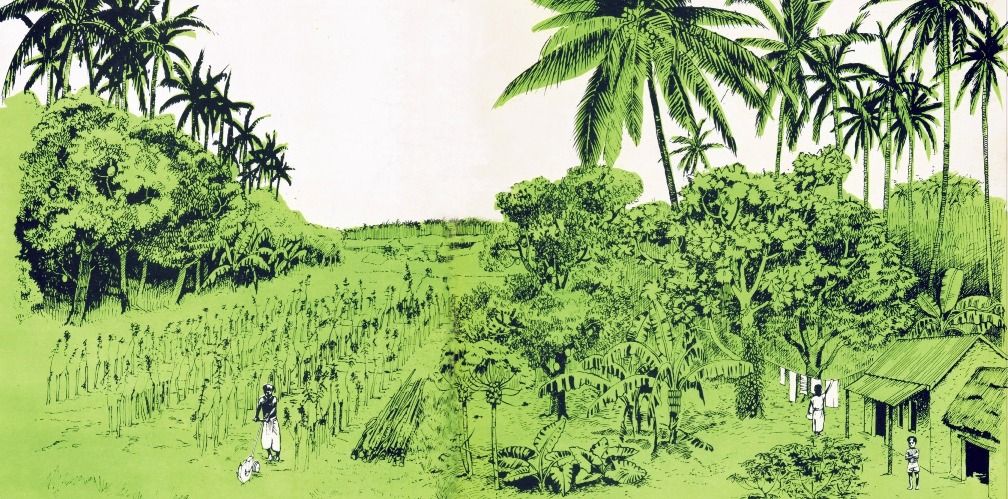
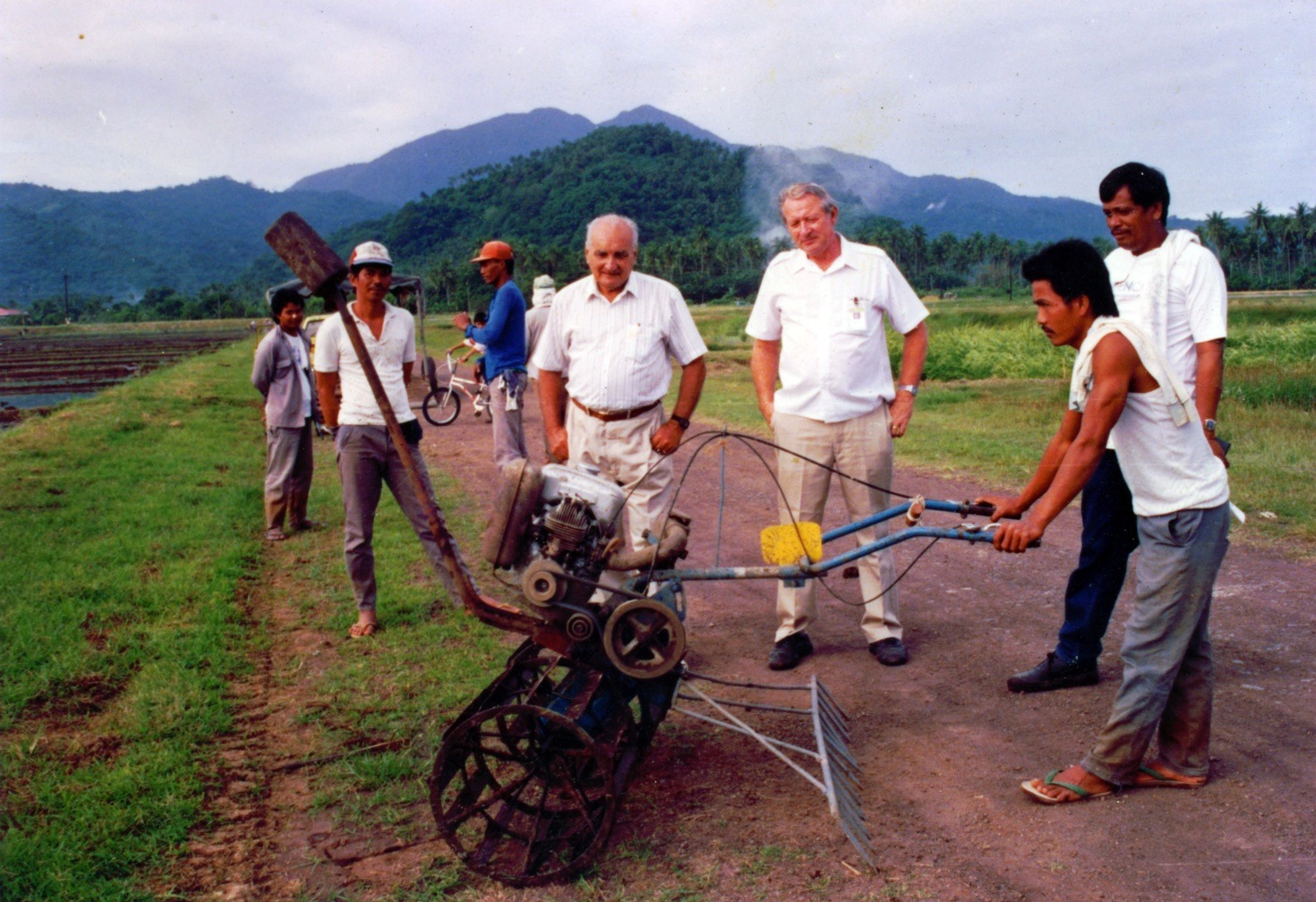
This week, my Ravaya Sunday column (in Sinhala) carries the third and concluding part of my long exchange with the late Dr Ray Wijewardene, agro-engineer turned farmer and a leading practitioner in conservation farming in the humid tropics. Today, we discuss soil conservation in Sri Lanka’s hill country, restoring shifting (chena) cultivation to its original method, and how small farmers can become more resilient to market forces.
Nalaka Gunawardene speaks at Annual Scientific Sessions of College of Community Physicians Sri Lanka, 24 Sep 2013 Colombo – Photo by Janaka Sri Jayalath
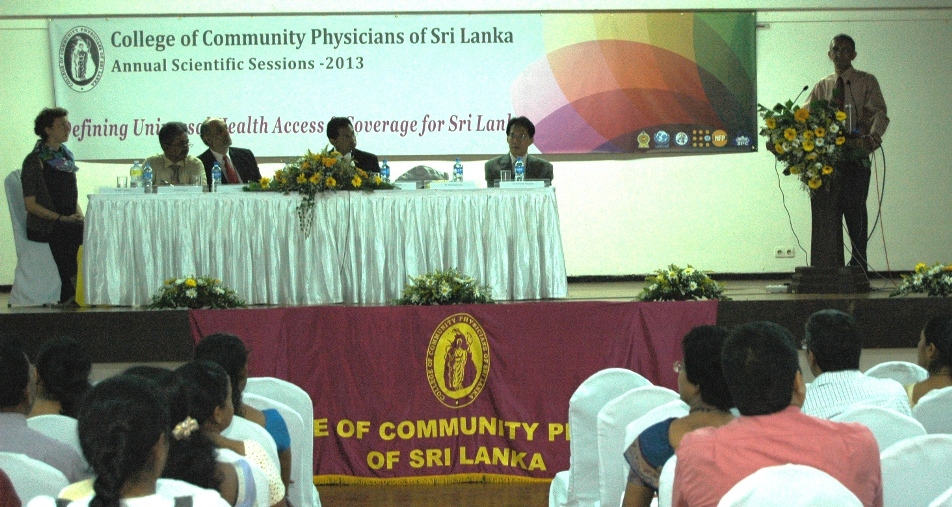
Speaking to an audience of medical practitioners, researchers and academics focusing on community medicine, I explored how public perceptions influence private choices and, ultimately, public health trends and progress.
I was part of a plenary session titled ‘Multi-sectoral approaches for universal health access’, co-chaired by the Director General of Health Services (Dr Palitha Maheepala) and WHO Country Representative in Sri Lanka (Dr F R Mehta).
Achieving universal health access and a robust public healthcare system requires not only medical and para-medical systems but also paying attention to sociological, anthropological and psychological aspects of wellness and illness in the Lankan context, I argued.
Nalaka Gunawardene speaking at Annual Scientific Sessions of College of Community Physicians Sri Lanka, 24 Sep 2013 Colombo – Photo by Janaka Sri Jayalath
I have long been interested in the nexus between public perceptions and environmental conservation. The same principles apply in public health: it’s not just facts, figures and technocratic analysis but people’s impressions, apprehensions, suspicions and fears that shape the public mind. These, in turn, influence public policies (which in democracies try to respond to public opinion — for better or worse!).
Investing LKR billions of public funds in the health sector is necessary, but not sufficient. Such public funds are at risk of being undermined if the public mind is occupied by assorted demons old and new. The new demons come dressed in the clothes of pseudo-science!
The media can either amplify ill-founded public perceptions, or help clarify matters. For the latter, medical professionals need to collaborate with sympathetic media editors and practitioners. This is a long-haul task.
Text of my ‘When Worlds Collide’ column published in Ceylon Today Sunday broadsheet newspaper on 22 September 2013
A dozen years ago, a leading tele-drama director and I had a friendly debate live on national TV Rupavahini’s breakfast show. He argued that our island was being visited by alien beings who, he said, were making contact with ‘chosen individuals’ in certain remote locations.
I had argued many times with other peddlers of UFO myths, but wasn’t prepared for our artiste’s next argument. “Alien visitations are not my imagination. There’s plenty…






 Open Minds!