Brief comment provided to Daily Mirror newspaper, Sri Lanka, on 20 January 2017:
‘Eyes in the Sky’ need ethical and careful ‘pilots’
By Nalaka Gunawardene
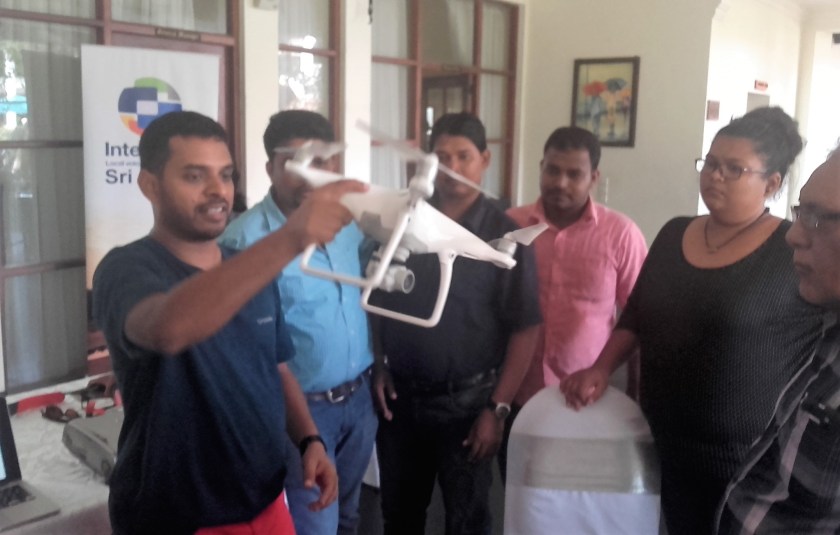
Bird’s eye view provides a new, useful perspective in journalistic story telling. Image courtesy InterNews Sri Lanka
For some, drones conjure images of death and destruction – military applications have been their most widely reported application. But unmanned aerial vehicles or UAVs are increasingly being used for many peaceful purposes. That poses a host of ethical and legal challenges we must confront to get the best of this new technology while minimizing potential harms.
In the past few years, the cost of drones came down (an entry level unit sells for around LKR 35,000 in Colombo) as their versatility increased. This spurred many uses from newsgathering and post-disaster assessments to goods delivery and smart farming.
In Sri Lanka, surveyors, photographers, TV journalists and political parties were among the early civilian users of drones. They all grasped the value of the ‘bigger picture’ perspective such aerial photos or videos can provide. Until recently, accessing that vantage point was possible only through helicopters or fixed wing aircraft – a facility few could afford.
Having the bird’s eye view helps journalists and their audiences to make sense of complex situations like climate change impacts, conflicts over resources or political agitations. We certainly need more field-based and investigative reporting that goes beyond press releases and press conferences. Drones are fast joining the journalists’ toolkit — but what matters is their imaginative and responsible use.
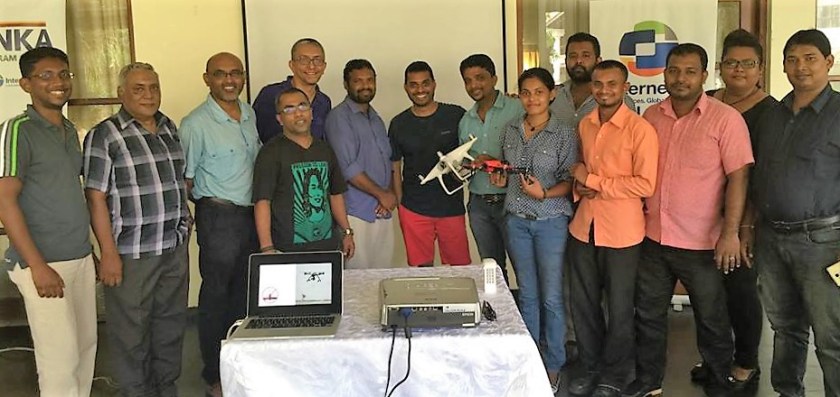
Participants and trainers at Sri Lanka’s first workshop on drone assisted journalism, Aug 2016 in Mt Lavinia
Here, we have both good news and bad news. On the positive side, over two dozen journalists and photojournalists have been trained in drone-assisted journalism during 2016 by drone journalism enthusiast (and drone pilot) Sanjana Hattotuwa and journalist Amantha Perera. Some trainees have since done good stories with drone-gathered images. Examples include probing the drought’s impacts in the dry zone, rising garbage crisis in Kattankudy on the east coast, and taking a close look at land use patterns in Hambantota.
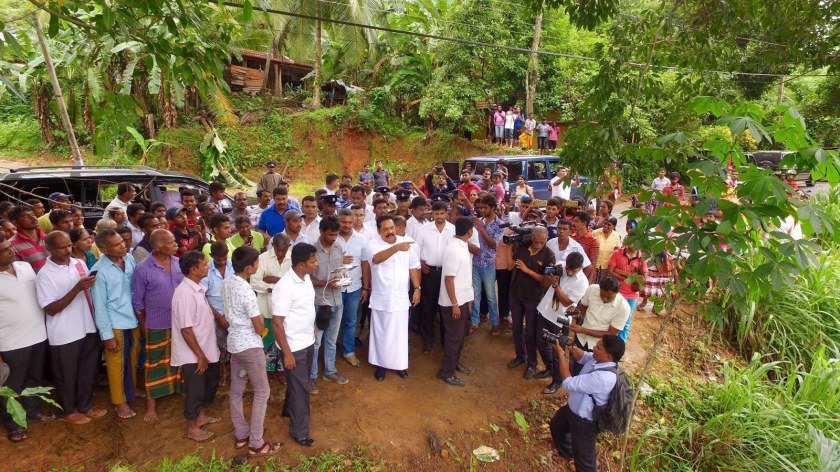
Internews Sri Lanka: Drone gathered footage supporting journalism
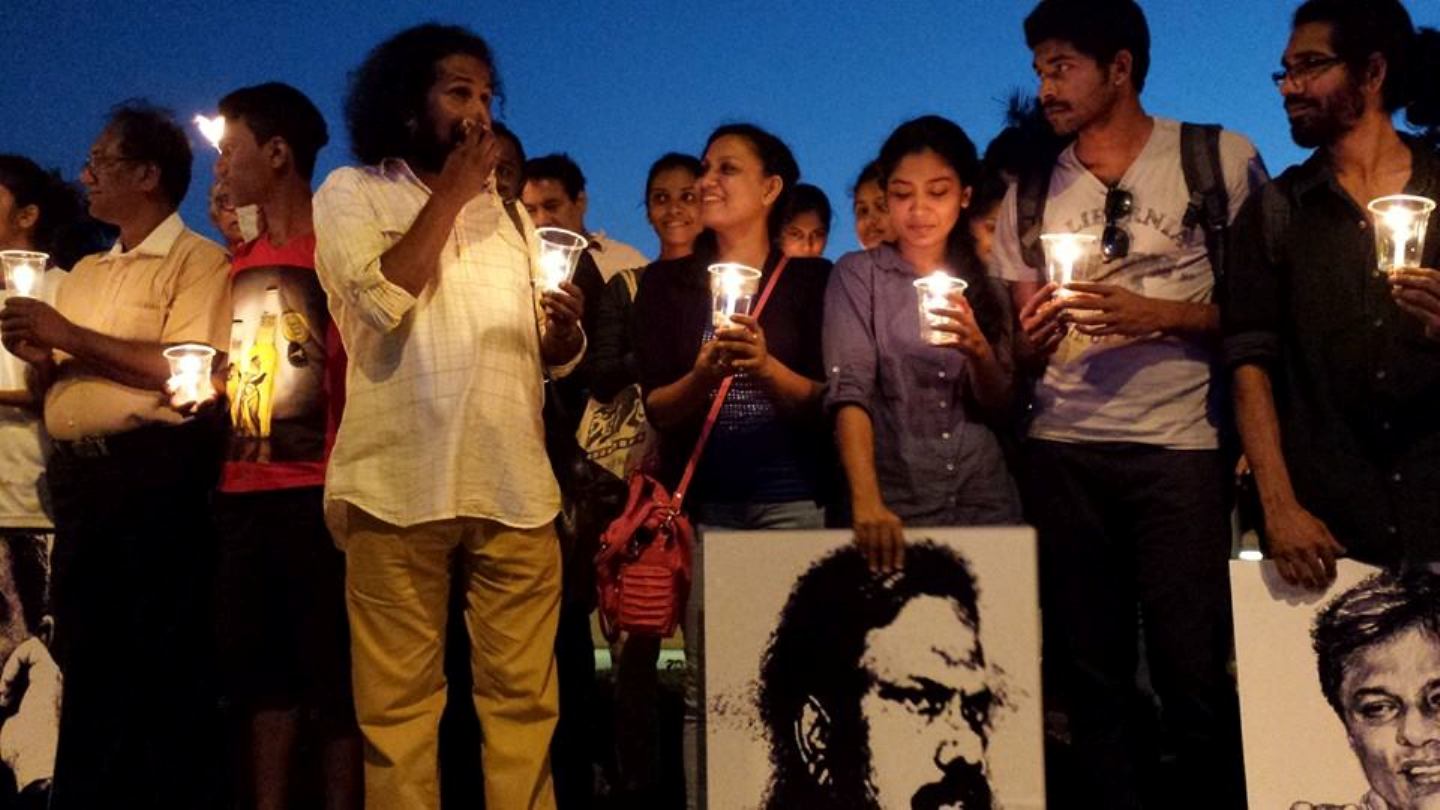
The downside is that some news organisations are deploying drones without due regard for public safety or existing codes of media ethics. A drone hovered over the Colombo general cemetery as slain editor Lasantha Wickremetunge’s body was exhumed in September 2016. That disregarded a family request for privacy.
The end never justifies the means in good journalism. If some media groups continue to operate drones in such reckless manner, they risk discrediting the new technology and attracting excessive regulations.
Drones or any other new technologies need to be anchored in the basic ethics of journalism. Each new tool would also bring along its own layer of ethics. Where drone use is concerned, respecting privacy and considering the safety of others is far more important than, say, when using a handheld camera.
In February 2016, the Civil Aviation Authority of Sri Lanka (CAASL) published regulations for drone operation which apply to all users including journalists. This has been updated in January 2017. The Information Department, in a recent release, says it is working with CAASL to simplify these rules and streamline approval processes. That is a welcome move.
For now, Lankan journalists can follow the Code of Ethics for Drone Journalists already formulated by practitioners and researchers in the United States. It is available at: http://www.dronejournalism.org/code-of-ethics/
Nalaka Gunawardene is a columnist and independent media researcher. He tweets from @NalakaG
For some, drones still conjure images of death and destruction – that has been their most widely reported use. But that reality is fast changing. Unmanned aerial vehicles (UAVs) are being used for many peaceful purposes, from newsgathering and post-disaster assessments to goods delivery and smart farming.
Drones come in various shapes and sizes: as miniature fixed-wing airplanes or, more commonly, quadcopters and other multi-bladed small helicopters. All types are getting simpler, cheaper and more versatile.
Unlike radio-controlled model aircraft, which aviation hobbyists have used for decades, UAVs are equipped with an autopilot using GPS and a camera controlled by the autopilot. These battery operated flying machines can be manually controlled or pre-programmed for an entire, low altitude flight.
In this week’s Ravaya column (in Sinhala, appearing in the print issue of 25 Sep 2016), I survey the many civilian applications of drones – and the legal, ethical and technical challenges they pose.
Drones are already being used in Sri Lanka by photographers, TV journalists and political parties but few seem to respect public safety or privacy of individuals.
I quote Sanjana Hattotuwa, a researcher and activist on ICTs, who in August 2016 conducted Sri Lanka’s first workshop on drone journalism which I attended. I agree with his view: drones are here to stay, and are going to be used in many applications. So the sooner we sort out public safety and privacy concerns, the better for all.
In this week’s Ravaya column (appearing in the print issue of 17 July 2016), I discuss Sri Lanka govermment’s recently announced plans to introduce an electronic National Identity Card (e-NIC) replacing the current, mandatory NIC based on a system that was launched in 1971.
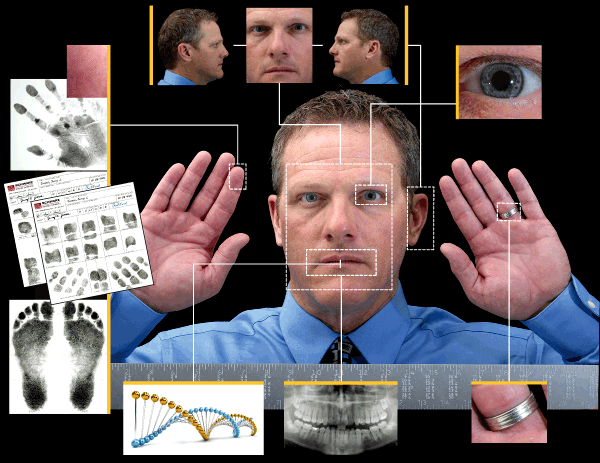
The Department of Registration of Persons (the ID card office) is to start collecting fingerprints to issue 16.5 million electronic identity cards (eNICs) in 2016 that will contain biometric security features such as fingerprints. According to media reports, fingerprints are to be collected manually at 331 district and divisional level units and scanned and entered into a national register.
But we should be asking some critical questions about this initiative that collects biometric data of all citizens. Is the government capable of ensuring data security of this massive database? Can it be misused for citizen surveillance in the hands of an authoritarian regime?
Deploying modern technology is fine, but that must be accompanied by adequate human rights safeguards and a political culture that treats citizen data with respect. And there needs to be judicial oversight.
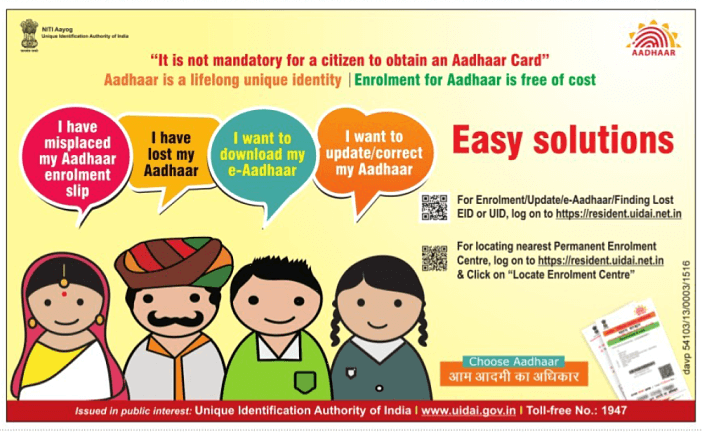
What about a similar, but much larger scale, biometrics-driven ID project in neighbouring India? In recent years, India’s unique identification number project (Aadhaar) has been criticised by privacy activists for its inadequate safeguards. Considered to be the world’s largest national identification number project, it aims to collect biometric and demographic data of all residents, store them in a centralised database and issue a 12-digit unique number.
As SciDev.Net reported on 3 June 2016: “Aadhaar…received statutory backing in March 2016 after five years of political wrangling. Finally the present government moved it as a money bill to prevent it being stopped in the Rajya Sabha (upper house of parliament). Opposition leaders have challenged the move as unconstitutional in the Supreme Court.
“The court’s existing view on Aadhaar is that biometric identification should be voluntary. On 23 September 2013, the court ordered that ‘no person should suffer for not getting Aadhaar’. Yet, since introduction, Aadhaar has been creeping up on India’s 1.3 billion population with service after service being made unavailable to citizens who are not enrolled.”
SciDev.Net added that the main objections to Aadhaar are no different from objections that have come up in other countries and they have to do with privacy. In the UK, plans to issue biometric national identity cards were dropped in January 2011 and there has been opposition enough in the US to slow down implementation of the ‘Real ID’ scheme.
“Privacy and Surveillance: The state should respect and protect the privacy of all citizens. There should be strict limits to the state surveillance of private individuals’ and entities’ telephone conversations and electronic communications. In exceptional situations, such surveillance should only be permitted with judicial oversight and according to a clear set of guidelines.”
In this week’s Ravaya column, (in Sinhala, appearing in issue of 2 August 2015), I have expanded on this by exploring the extent of state electronic surveillance in Sri Lanka.
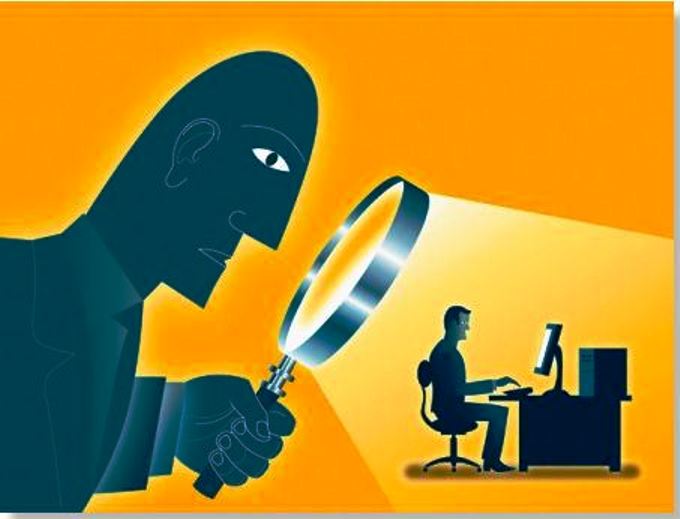
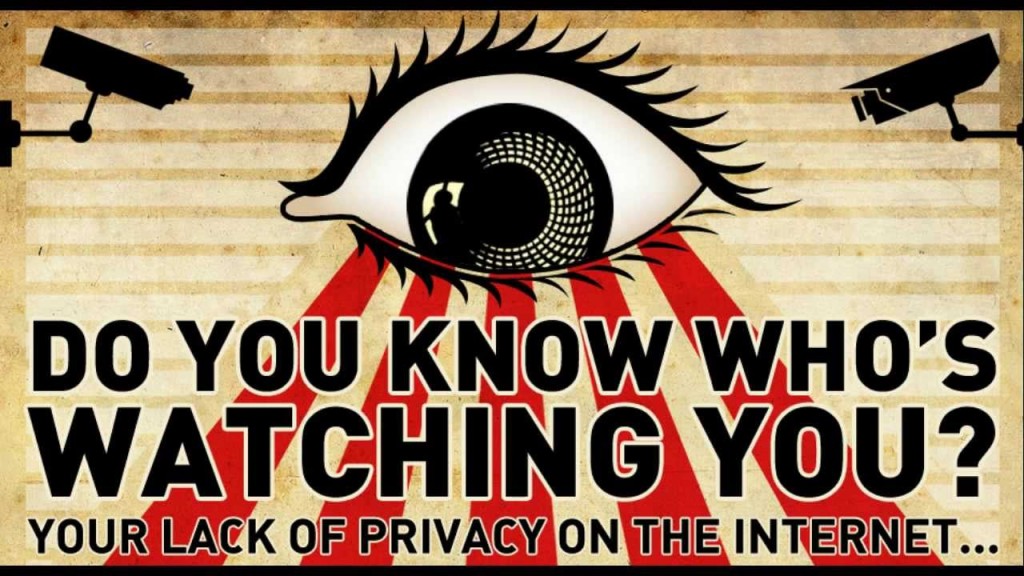
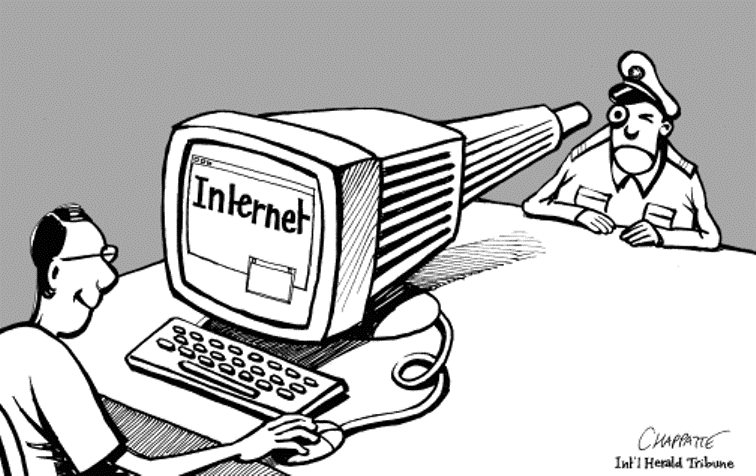
I also look at the legal provisions for surveillance and gaps in legal protection for privacy in Sri Lanka. All this points out to an overbearing state that spies on private citizens as and when it pleases, all on the pretext of national security. We need clearer guidelines and judicial oversight to restrain the state from turning into Big Brother.
Are we being watched by our government without our knowledge or consent? Is it legal?
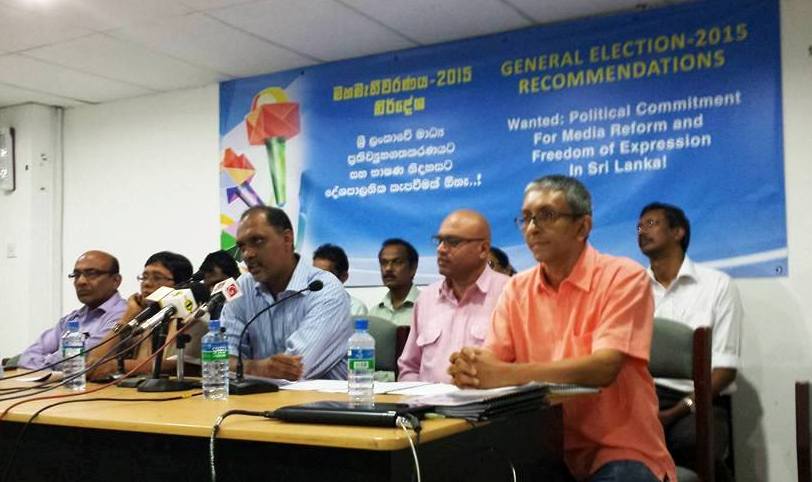
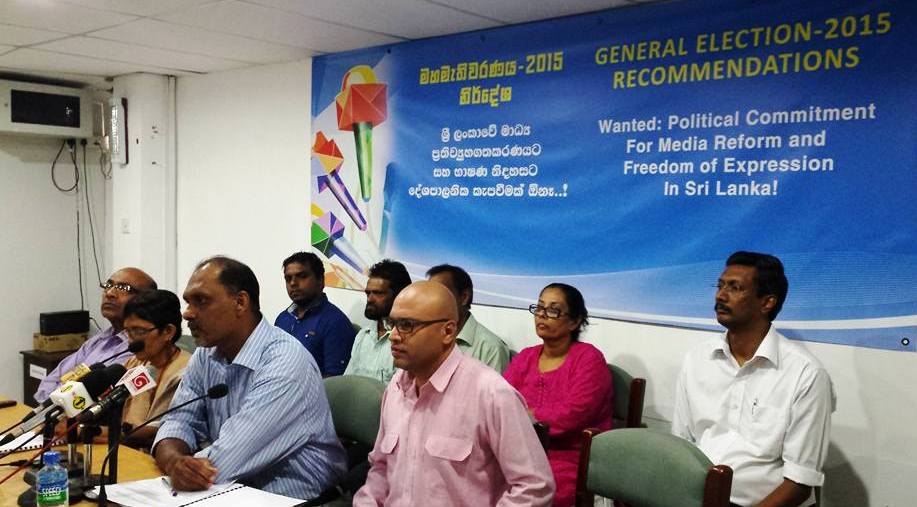
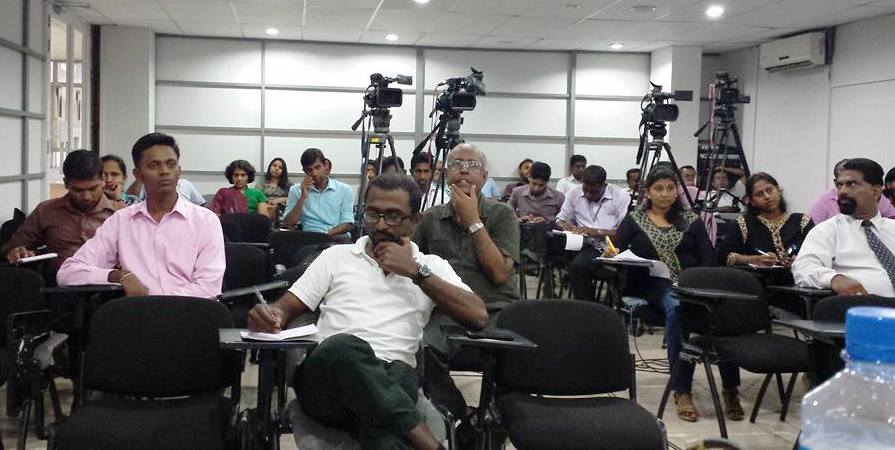
Media Reform Recommendations for Political Party Commitment prior to Sri Lanka General Election 2015. Press Conference at Sri Lanka Press Institute, 21 July 2015
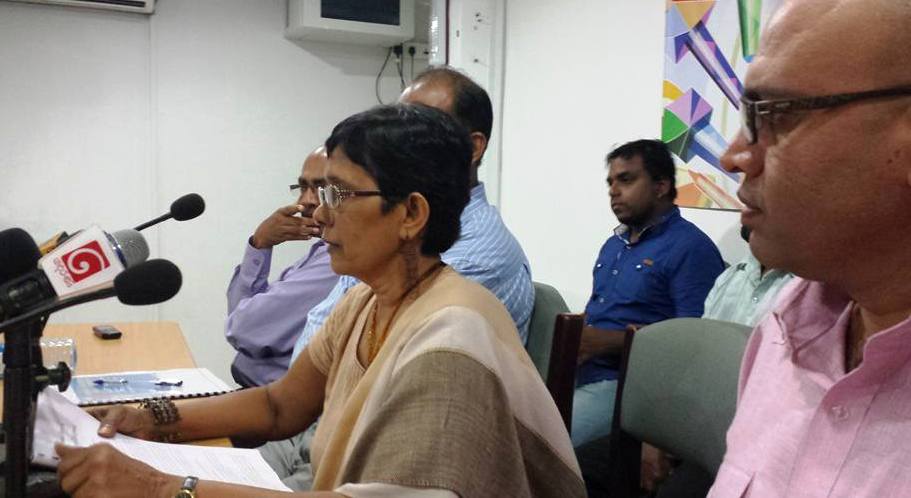
Seetha Ranjanee, Convenor of Free Media Movement of Sri Lanka, speaks at press conference on media reforms: Sri Lanka Press Institute, Colombo. 21 July 2015
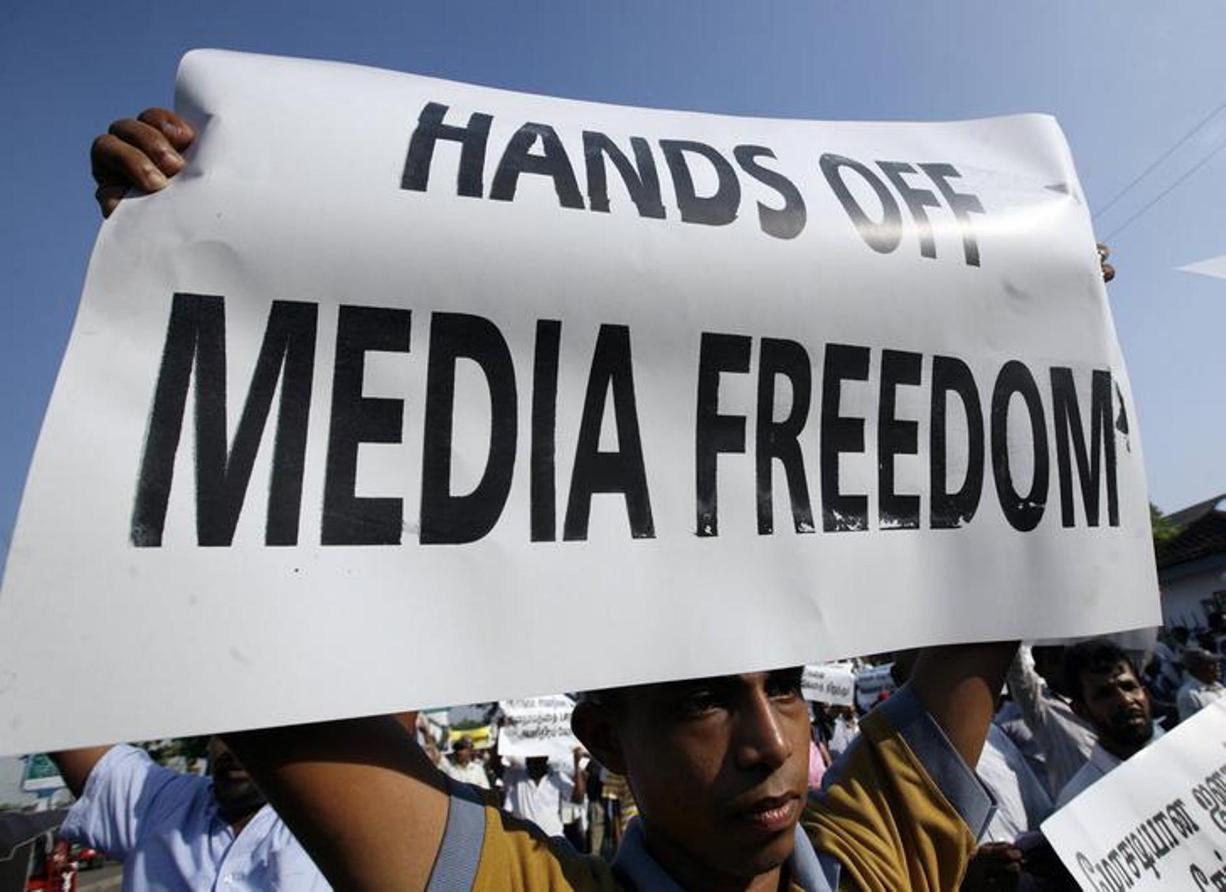
Media sector reforms in Sri Lanka have become both urgent and important. Media freedom cannot be consolidated without other reforms that create a more professional and responsible media.
Some progress has been made since the Presidential election. The new government has taken steps to end threats against media organisations and journalists, and started or resumed criminal investigations on some past atrocities. Political websites that were arbitrarily blocked from are once again accessible. Journalists who went into exile to save their lives have started returning.
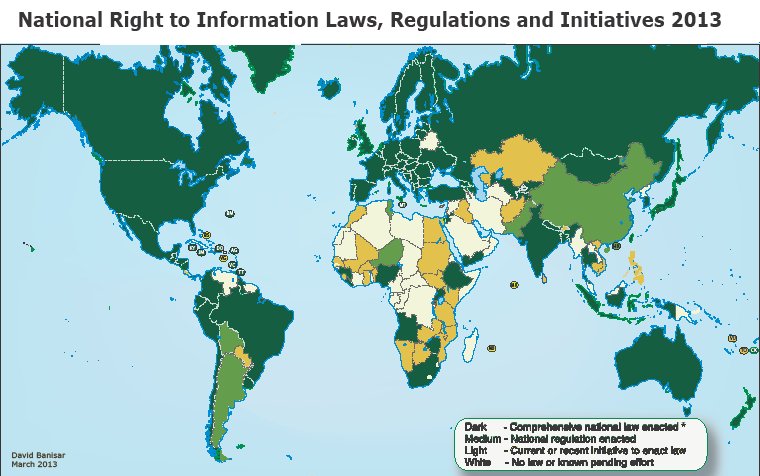
On the law-making front, meanwhile, the 19th Amendment to the Constitution recognized the right to information as a fundamental right. But the long-awaited Right to Information Bill could not be adopted before Parliament’s dissolution.
Thus much more remains to be done. For this, a clear set of priorities has been identified through recent consultative processes that involved media owners, practitioners, researchers, advocacy groups and trainers. These discussions culminated with the National Summit on Media Reforms organised by the Ministry of Media, the University of Colombo, Sri Lanka Press Institute (SLPI) and International Media Support (IMS), and held in Colombo on 13 and 14 May.
In my latest Ravaya column (in Sinhala language, published on 12 July 2015), I list the priorities for media policy and law reforms that require political commitment by all political parties in Sri Lanka.









 Open Minds!