සිවුමංසල කොලූගැටයා #29: වෙලට නොබැස පොතෙන් ගොවිතැන් කරන කෘෂි විද්‍යාඥයෝ

My weekly column on science, development and media, published in Ravaya newspaper on 28 August 2011 (converted into unicode Sinhala font using UCSC online facility, which has some limitations).

See also last week’s column:
21 Aug 2011: සිවුමංසල කොලූගැටයා #28: සැබෑ හරිත විප්ලවයක් සොයා ගිය රේ විජේවර්ධන
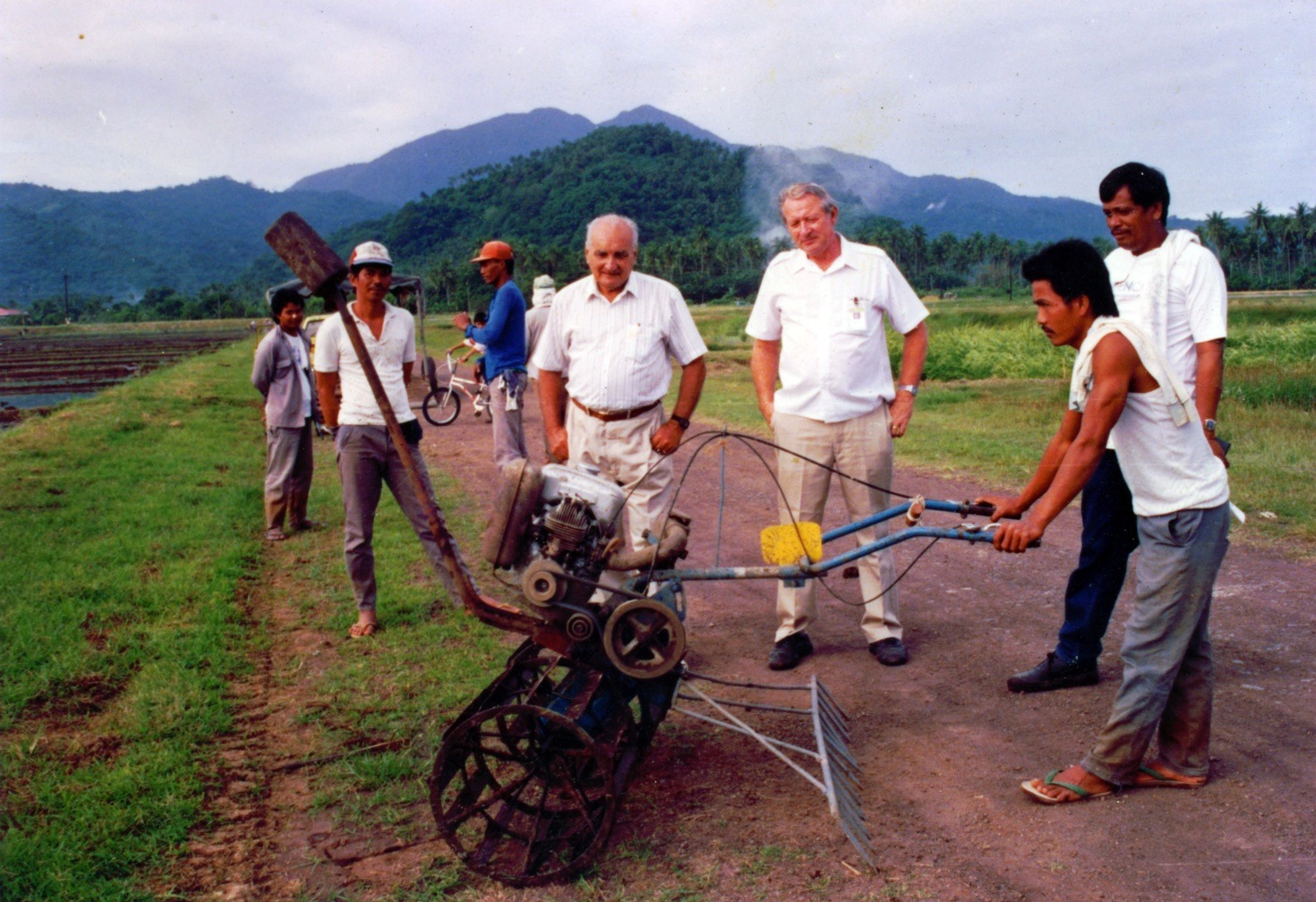
Ray Wijewardene with farmers in the field

ආචාර්ය රේ විෙජ්වර්ධනගේ චින්තනයෙන් හා වසර 86ක ජීවිතයෙන් අපට උගත හැකි පාඩම් රැසක් තිඛෙනවා. එයින් කිහිපයක් ගිය සතියේ සදහන් කළා. අද අපි නැවතත් ඒ ‘සරු කෙතට’ පිවිසෙනවා.

‘කෘෂිකර්මාන්තය’ ලෙසින් ගරු ගාම්භීර විධියට හ`දුන්වන ගොවිතැන් කිරීම ගැන රේ විෙජ්වර්ධනට තිබුණේ සැබෑ උනන්දුවක්. එහෙත් ඔහු ගොවිතැන් කිරීම දැක්කේ විද්‍යාඥයන් හා ප්‍රතිපත්ති සම්පාදකයන් දකින කෝනයෙන් නොවෙයි. අනියත කාලගුණ තත්ත්වයන් හමුවේ මහපොළවත් සමග නිරතුරුව ගනුදෙනු කරමින් ආහාර හා වෙනත් බෝග වවන කුඩා පරිමානයේ ගොවීන් ගැන බැතිබර ලෙන්ගතුකමක් ඔහුට තිබුණා. කුඩා ගොවීන්ගේ ප්‍රශ්න හදුනාගන්නට නම් ඔවුන් සමග වෙලට හා හේනට බැසිය යුතු බව ඔහු විශ්වාස කළා.

කෘෂිවිද්‍යා පර්යේෂකයන් අති බහුතරයක් දෙනා එසේ නොකර, පොතෙන් ගොවිතැන් කිරීම නිසා ගොවීන්ට අදාල හෝ ප්‍රයෝජනවත් වන උපදෙස් දීමට ඔවුන් අපොහොසත් වන බව රේ කියා සිටියා. “උපාධිධාරී නෝනාවරුන්ට හා මහත්වරුන්ට මාත් සමග වෙලට බසින්නට මා නිතර ඇරැයුම් කරනවා. එහෙත් අතේ පයේ මඩ තැවරීම ගැන බියෙන් ඔවුන් බොහෝ දෙනෙකු එසේ කරන්නේ නැහැ. මේ අයගේ දැනුම හා ශිල්ප ක්‍රම බොහෝ විට ගොවියාගේ උවමනාකම්වලට බද්ධ නොවෙන්නේ මේ පරතරය හා ආකල්ප නිසායි.”

ඝර්ම කලාපීය (tropical) රටවල ගොවිතැන් කිරීමේදීත්, සමශීතෝෂණ (temperate) රටවල ගොවිතැන් කිරීමේදීත් ප්‍රබල වෙනස්කම් තිඛෙන බව ඔහු කියා සිටියා. ඝර්ම කලාපයේ අපේ වැනි රටවල මුළු වසර පුරා හිරු එළිය ලැඛෙනවා. එහෙත් සමශීතෝෂණ කලාපීය රටවල හිරුඑළිය හරිහැටි ලැඛෙන්නේ ගිම්හානයේ දී පමණයි. මේ නිසා සාපේක‍ෂව ඉක්මනින් හිරු එළිය ආහාර බවට පත් කළ හැකි කෙටි කාලීන බෝග වගාව ඒ රටවලට වඩාත් උචිතයි.

ඇත්තට ම වී ශාකයත් සමශීතෝෂණ දේශගුණය ඇති චීනය වැනි රටවලින් ඇරඹී ඉන්දියාව හරහා අපට ලැබුණු දායාදයක්. එසේ වූව ද කාලයාගේ ඇවෑමෙන් ඝර්ම කලාපීය රටවල ජනයා වී ගොවිතැනට හොදහැටි හුරු වී ඇති බව ඔහු පෙන්වා දුන්නා. ඓතිහාසිකව අපේ මුතුන් මිත්තන්ගේ ප්‍රධාන ආහාරය බත් පමණක් නොව කොස්, දෙල් හා විවිධ අලවර්ග වූ බවත්, ඒ සමහරක් බහුවාර්ෂික බෝග වසර පුරා ම හිරු එළිය උකහාගනිමින් ආහාර නිපදවිය හැකි ඝර්ම කලාපීය දේශගුණයට මනා සේ ගැලපෙන බවත් ඔහු කියා සිටියා.

ඝර්ම කලාපීය ගොවීන්ට තිඛෙන ප්‍රධානතම අභියෝග දෙක නම් පසේ සරු බව රැක ගැනීම සහ ගොවිබිමේ වල් පැළෑටි පාලනය කිරීම. මේ අභියෝග දෙක ගැන දැඩි අවධානය යොමු කරමින් ඔහු වසර ගණනාවක් විවිධ අත්හදා බැලීම් කළා. ඝර්ම කලාපීය වනාන්තරවල මේ සාධක දෙක සොබාදහම ඉතා කාර්යක‍ෂම අයුරින් තුලනය කර ගන්නා සැටි අධ්‍යයනය කළ රේ, වනාන්තර අනුකරණය කිරීම ගොවිබිමට ගැලපෙන සැටි පෙන්වා දුන්නා.

ඝර්ම කලාපීය රටවල කිසිම අවස්ථාවක පසේ (වඩාත් ම සාරවත්) මතු පිට තට්ටුව නිරාවරණය වන්නට ඉඩ නොතැබිය යුතු බව ඔහු අවධාරණයෙන් කියා සිටියා. එසේ වූව හොත් අධික හිරුඑළියෙන් පස දූවිලි බවට පත්විය හැකි අතර, වර්ෂාව නිසා ඉක්මනින් සෝදා පාලූවට ලක්වීමට ද හැකියි. මේ තත්ත්වයන් වළක්වා ගන්නට ගොවිබිම්වල කුඩා පදුරු මෙන් ම තැනින් තැන ලොකු ගස් ද වැවිය යුතුයි. මේ ගස්වලින් ගිලිහී වැටෙන කොළ රොඩු වැස්ම නිසා පස ආරක‍ෂා වනවා. එමෙන් ම වල් පැළෑටි බිහිවීම ද වළක්වනවා.
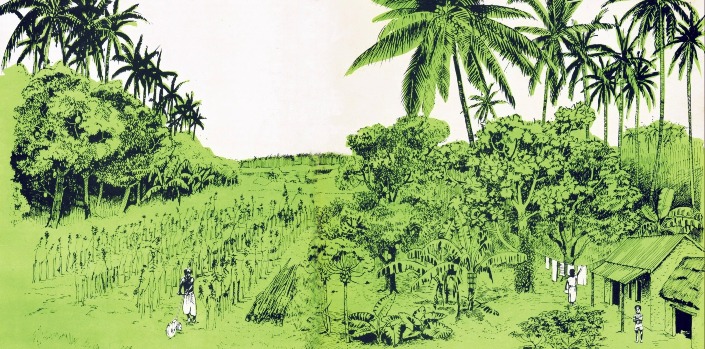
දේශගුණික හා කාලගුණික සාධක ඛෙහෙවින් වෙනස් වූ සමශීතෝෂණ රටවල ගොවිතැන් කිරීම සදහා මුළු ගොවිබිම් යාය ම එළිපෙහෙළි කරනවා. එය ඔවුන්ට ගැලපෙන නමුත් ඝර්ම කලාපයේ අපට ඉතා අහිතකර බවත්, මේ වෙනස හදුනා නොගෙන ඒ ආකාරයේ විවෘත ගොවි බිම් අපේ රටේ ද ඇති කිරීමෙන් අපේ සරු පස විශාල වශයෙන් සෝදා පාළුවට ලක් වූ බවත් රේ පෙන්වා දුන්නා. සමශීතෝපණ රටවලින් කෘෂිකර්ම පශ්චාත් උපාධි ලබා අපේ ඝර්ම කලාපීය රටේ කෘෂිකර්ම ප්‍රතිපත්ති හදන හා පර්යේෂණ කරන බොහෝ විශේෂඥයන්ට මේ තිත්ත ඇත්ත දිරවා ගන්නට අමාරු වුණා. එයින් නොසැලූණු රේ මේ සංකල්ප ප්‍රායෝගිකව අපේ ගොවීන්ට හ`දුන්වා දෙන්නට වෙහෙස ගත්තා.

1970 දශකයේ වැඩි කාලයක් ඔහු ගත කළේ අපි්‍රකාවේ රටවල කෘෂිකර්ම උපදේශකයකු හැටියටයි. ඒ කාලයේ ලැබූ අත්දැකීම් හා කළ පර්යේෂණ පදනම් කර ගෙන ඔහු බෑවුම් කදුකර ප්‍රදේශවලට වඩාත් උචිත වගා ක්‍රමයක් හැටියට Sloping Agricultural Land Technology (SALT) ලංකාවේ ප්‍රවර්ධනය කළා. SALT 1970 දශකයේ පිලිපීනයෙන් ඇරඹුණු ක්‍රමවේදයක්. ඉතා ම සරලව කිවහොත ඉක්මනින් වැවෙන රනිල ශාක (leguminous plants) සමෝච්ච රේඛා පදනමට බෑවුම්වල වවනවා. වායුගෝලයෙන් නයිට්‍රජන් උකහා ගෙන පසේ ගැටිත‘ බවට පත් කිරීමේ හැකියාව ඇති එම ගස් පේළි අතර වෙනත් බෝග වගා කළ හැකියි.

1980දී යළිත් ලංකාවට ආ රේ, SALT ක්‍රමය අපේ කදුකරයට ගැලපෙන ලෙස සකස් කිරීමට අත්හදා බැලීම් කළා. ඉක්මනින් වැවෙන රනිල ශාක මෙන් ම දිගු කලක් වැවෙන වෙනත් බහුවාර්ෂික ශාක ද කදු බෑවුම්වල සිටුවීමෙන් වගාවට සෙවනක්, කොළරොඩු දායකත්වයක් මෙන්ම පස සෝදා යාමට එරෙහිව ස්වාභාවික බැම්මක් ද ලැඛෙනවා.

රාජ්‍ය කෘෂිකර්ම නිලධාරීවාදය මේ නව අදහස්වලට එතරම් කැමැති නොවූ නිසා ඔහු පෞද්ගලික අංශය සමග ඉදිරියට ගියා. කදුකරයේ ඇතැම් තැන්වල දුම්කොළ වවන කුඩා ගොවීන්ගේ බිම්වල සරු බව රකින්නට SALT ක්‍රමය යොදා ගත්තා. 1989 සිට ඌව පලාතේ දඩයම්පොළ ගම්මානය කේන්ද්‍ර කර ගෙන කළ SALT අත්හදා බැලීම් සාර්ථකවීමත් සමග අවට ප්‍රදේශ රැසක දුම්කොළ ගොවීන් පමණක් නොවෙයි අනෙකුත් එළවළු ගොවීන්ද මේ ක්‍රමවේදයට පෙළඹුණා.

ලංකාවේ SALT ක්‍රමය සදහා ග්ලිරිසීඩියා (Gliricidia sepium) නමින් උද්හිද විද්‍යාත්මකව හදුන්වන ශාකය වඩාත් උචිත බව ඔහුගේ නිගමනය වුණා. මේ ශාකය විවිධ නම් වලින් අපේ රටේ හැදින්වෙනවා: ගිනිසිරියා, වැටහිරියා, වැටමාර, ලදප්පා, නාංචි, සෙවන, මකුලතා හා ඇල්බීසියා වශයෙන්.

SALT යොදා ගෙන දුම්කොළ ගොවීන් සමග කළ පාංශ= සංරක‍ෂණ කටයුතුවලට ඇගැයීමක් හැටියට 1997දී බි්‍රතාන්‍යයේ වර්ල්ඩ් අවෙයාර් සම්මානය World Aware Award පිරිනමනු ලැබුවා. එහෙත් දුම්කොළ කර්මාන්තයට එරෙහි මෙරට ඇතැම් දෙනා මේ උත්සාහය හෙළා දැක්කා. දුම්කොළ සමාගම සමග හවුලේ උඩරට පාංශ= සංරක‍ෂණයට යොමුවීම ගැන අපේ සමහර පරිසරවේදීන් රේ විෙජ්වර්ධනට දැඩි සේ දෝෂාරෝපණය කළා.

ඒ ගැන මා ඔහුගෙන් ඇසූ විට ඔහු කිවේ මෙයයි: “දුම්කොළ නෙළා ගත් පසු නිපදවන භාණ්ඩය ගැන මට උනන්දුවක් නැහැ. මගේ සමස්ත අවධානය යොමු වුණේ කුඩා පරිමානයේ දුම්කොළ ගොවීන් හා ඔවුන්ගේ කදුකර ගොවි බිම් ගැනයි. දුම්කොළ වැවීමෙන් වැඩි ආදායමක් ලැඛෙන නිසා ඔවුන් ඒ බෝගය වවනවා. දුම්කොළ වෙනුවට වෙනත් බෝග වවන්නට මේ ගොවීන්ට අවශ්‍ය අවස්ථාව, තාක‍ෂණය හා වෙළදපොළ සළසා දෙන්න යයි මා අපේ පරිසරවේදීන්ට අභියෝග කරනවා”

ටික කලකට පසු ක`දුකර තේ වතුවලට ද SALT ක්‍රමය හදුන්වා දුන්නා. අද වන විට ලංකාවේ මෙන් ම ඉන්දියාවේ තේ වතුවලත් මේ ක්‍රමය ක්‍රියාත්මක වනවා. ලංකා තේ පර්යේෂණ මණ්ඩලයේ සභාපතිවරයා හැටියට වසර කිහිපයක් කටයුතු කළ රේ වැඩි අවධානයක් යොමු කළේ උඩරට කදුකර පරිසරයට හානි නොකර අපේ තේ කර්මාන්තයේ ඵලදාව වැඩි කරගන්නා තරසාර ක්‍රම පිළිබදවයි.

“දුම්කොළ හා තේ කර්මාන්තයන් සංවිධානාත්මක ලෙස ක්‍රියාත්මක වන නිසා ඔවුන් හරහා අළුත් අදහස් අත්හදා බලන්නට හා හ`දුන්වා දෙන්නට වඩාත් ලෙහෙසියි” ඔහු පැහැදිලි කළා. එහෙත් එතැනින් පටන් ගත් SALT ක්‍රමවේදය ටිකෙන් ටික කදුකර ප්‍රදේශවල ගොවිතැන් කරන හැම දෙනාට ම ව්‍යාප්ත කිරීමේ වැදගත්කම ඔහු පෙන්වා දුන්නා.

වල්පැළෑටි පාලනයට වල්නාශක යොදා ගත හැකි වූවත් එවිට විෂ රසායන ගොවිබිමට හා අවට පරිසරයට එකතු වන නිසා එය හිතකර ක්‍රමයක් නොවෙයි. වී ගොවිතැනේදී අපේ ගොවීන් වෙල්යායවල වතුර බදින්නේ වැඩිපුර ම වැඩිපුරම වල් පැළෑටි ගිල්වා මරා දැමීමට බවත්, වී ශාකයේ භෞතික අවශ්‍යතාවයන්ට එතරම් ජල ප්‍රමාණයක් උවමනා නැති බවත් ඔහු තේරුම් ගත්තා. ඔහුගේ ගණනය කිරීමට අනුව වී කිලෝග්‍රෑම් 1ක් නිපදවන්නට ජලය ටොන් 20ක් යෙදවීමේ අනුපාතයක් ලංකාවේ සමහර ප්‍රදේශවල තිඛෙනවා.

ගොවීන්ට නොමිළයේ ලැඛෙන අහස් (වැසි) දිය හෝ වාරි ජලය මේ තරම් අධික ලෙස වී ගොවිතැනට යෙදීම දිගට ම කර ගෙන යා නොහැකි බවට 1990 දශකය මුලදී ඔහු අනතුරු ඇගවූවා. 21 වන සියවසේ මතුවන ජල හිගය ගැන කල් තබා දුටු ඔහු, ජලය මෙතරම් විශාල ප්‍රමාණයක් යොදා නොගෙන එම වී අස්වැන්න ම ලබා ගැනීමේ ක්‍රමවේදයන් ප්‍රචලිත කිරීමේ වැදගත්කම අවධාරණය කළා.

වී වගාවේ SRI ක්‍රමය පෙන්වා දෙන්නේත් වඩා අඩු ජලයක් භාවිතා කරමින් ගොවිතැන් කළ හැකි බවයි. වෙල් යායට වතුර බ`දිනවා වෙනුවට කොළ රොඩු වැස්මක් ලබා දීමෙන් ඉතා අඩු වියදමකින් හා පරිශ්‍රමයකින් කුඹුරේ වල් පැළ මර්දනය වන බව රේ සොයාගත්තේ SRI ක්‍රමය ප්‍රචලිත වන්නට කලින්.

“ලංකාව සැබැවින් ම වාසනාවන්ත දිවයිනක්. වසර පුරා අපට හිරුඑළිය ලැඛෙනවා. සරු පසක් හා යහපත් දේශගුණයක් තිඛෙනවා. අපට අවශ්‍ය ආහාර බෝග සියල්ලත්, අපේ බලශක්ති අවශ්‍යතාවයෙන් කොටසකුත් අපේ පොළවෙන් ම වවා ගත හැකියි.” මේ රේ විෙජ්වර්ධන නිතර කළ ප්‍රකාශයක්. එය කෙසේ කළ යුතු ද, කළ හැකි ද යන්න ඔහු ප්‍රායෝගිකව පෙන්වා දුන්නා. දැන් අපට තිඛෙන්නේ රේ සොයා දුන් මාවතෙහි නොබියව හා කඩිනමින් ගමන් කිරීමයි.

රේ විෙජ්වර්ධන අදීන චින්තනය පිළිබ`ද නව වෙබ් අඩවියට පිවිසෙන්න: www.raywijewardene.net
Ray Wijewardene website: Celebrating a Man for All Elements!

Ray Wijewardene (1924 - 2010): A man for all elements

One year has passed since Ray Wijewardene’s death aged 86. In that year, I’ve been privileged to play a part in celebrating his life and preserving his legacy.

My main contribution todate is building the official Ray Wijewardene website, which was launched in time for Ray’s 87th birth anniversary. It can now be accessed at: http://www.raywijewardene.net
Here’s the promotional blurb I sent out to a few dozen people this weekend:

Philip Revatha (Ray) Wijewardene (1924 – 2010) was an extraordinary Sri Lankan who was rightly called a Renaissance Man. Educated at two of the most prestigious universities in the world (Cambridge and Harvard), he excelled in many different areas of human endeavour: agriculture, aviation, engineering design, inventions, renewable energy technologies and water sports. He also painted and played the violin.

The Ray Wijewardene official website went ‘live’ just in time for Ray’s 87th birth anniversary on 20 August 2011.

This informative website captures highlights of Ray’s rich and colourful life that covered different areas of human endeavour: agriculture, aviation, engineering design, renewable energy, transport and water sports. It promotes his vision for self-reliance, innovation and sustainable development in Sri Lanka and in other countries in the humid tropics.

Weaving the four elements: Ray's logo
The website introduces Ray as ‘a man for all elements’, and showcases his personal logo that symbolised the integration of the four elements in eastern philosophy: water, fire, air and matter/Earth.

It carries first person narratives written by five individuals who knew Ray in different capacities: aviator Capt Elmo Jayawardena, renewable energy specialist P G Joseph, science writer Nalaka Gunawardene, conservationist Dr Ranjith Mahindapala and biologist Rohan Pethiyagoda. It also collates links to tributes and appreciations that were published in the media following Ray’s death in August 2010.

In another section, the website has a photo gallery that includes many hitherto-unseen images drawn from the Wijewardene family albums and from various other institutional and media sources. These offer glimpses of Ray Wijewardene’s education, training, career and leisure activities that took him to the universities of Cambridge and Harvard, international service with the United Nations, the Olympic and Asian games and the grassroots in Sri Lanka.

The website was conceived and built by the Colombo-based non-profit media foundation TVE Asia Pacific. It is an entirely voluntary effort that involved the collaboration of many individuals from different backgrounds and geographical locations. Information and images were sourced from Ray’s family members, friends and associates.

More information, photographs and videos are to be added as new material becomes available. The website actively seeks memories, anecdotes and images for the Ray biography compilation project that is now underway.

The Ray Wijewardene Charitable Trust (RWCT) was established in early 2011 to promote Ray’s vision and ideas in Sri Lanka. The Trust will support innovation in areas that were close to Ray’s heart. This website is the Trust’s first public activity to preserve Ray’s legacy.

සිවුමංසල කොලූගැටයා #28: සැබෑ හරිත විප්ලවයක් සොයා ගිය රේ විජේවර්ධන

In this Ravaya column (in Sinhala), I summarise the views of late Dr Ray Wijewardene on sustainable farming. Written to mark his first death anniversary, it is the beginning of a series of explorations of his critical thinking on issues of agriculture, energy, environmental conservation and innovation.

This first appeared in Ravaya Sunday broadsheet newspaper on 21 August 2011.

See also next week’s column:
28 Aug 2011: සිවුමංසල කොලූගැටයා #29: වෙලට නොබැස පොතෙන් ගොවිතැන් කරන කෘෂි විද්‍යාඥයෝ

‘ඔබ මෙහි ආවේ කොහොම ද?’

ආචාර්ය රේ විජේවර්ධන තමන් හමු වන්නට ආ අමුත්තන්ගෙන් නිතර මේ ප‍්‍රශ්නය ඇසුවා. බොහෝ දෙනකුගේ උත්තරය වූයේ මෝටර් රථයකින් හෝ බස් රථයකින් පැමිණි බවයි.

“ඔබ පැමිණ ඇත්තේ පිටරටින් ගෙනා වාහනයක්, පිටරටින් ගෙනා ඛනිජ තෙල් දහනය කරමින්, පිටරටින් ම ගෙනා තාර දමා තැනූ මහ පාරක් ඔස්සේයි.” එවිට ඔහු කියනවා. “ඉතින් ඔබ තවමත් සිතනව ද මේ නිදහස් හා ස්වාධීන රටක් කියා?’

මේ ප‍්‍රශ්නය දුසිම් ගණනක් දෙනා සමග රේ විජේවර්ධන මතු කරන්නට ඇති. ඒ තරමට ඔහු එබඳු දේ ගැන දිවා රාත‍්‍රී කල්පනා කළා. හැකි සෑම අවස්ථාවක ම රටේ විද්වතුන්, පාලකයන් හා ව්‍යාපාරිකයන්ගේ අවධානය යොමු කළා.

ඉංග‍්‍රීසියෙන් නිදහසට කියන ‘independent’ යන වචනයට වඩා ඔහු කැමති වූයේ ‘non-dependent’ යන්නටයි. අපේ මූලික අවශ්‍යතා හැකි තාක් දුරට අප ම සම්පාදනය කර ගැනීමෙන් පමණක් අපේ රටට සැබෑ නිදහසක් හා ස්වාධීපත්‍යයක් ලද හැකි බව ඔහු තරයේ විශ්වාස කළා.

විද්‍යා ජ්‍යොති, දේශමාන්‍ය ආචාර්ය පිලිප් රේවත (රේ) විජේවර්ධන අපෙන් වියෝ වී වසරක් පිරෙන මේ මොහොතේ ඔහුගේ අදීන චින්තනය ගැන ටිකක් කථා කරමු.

ඉංජිනේරුවකු හැටියට බි‍්‍රතාන්‍යයේ කේම්බි‍්‍රජ් සරසවියේ ඉගෙනුම ලැබූවත් ඔහු පසු කලෙක තමන් හදුන්වා දුන්නේ ‘ගොවියකු හා කාර්මිකයකු’ හැටියටයි (farmer and mechanic). පොතේ දැනුම හා න්‍යායයන්ට වඩා ප‍්‍රායෝගික අත්දැකීම් හා අත්හදා බැලීමෙන් ලබා ගන්නා අවබෝධය ඉතා වටිනා බව ඔහු නිතර ම කියා සිටියා.

බටහිර සම්ප‍්‍රදායට විද්‍යා අධ්‍යාපනයක් හා තාක්‍ෂණ පුහුණුවක් ලද ඔහු, පසු කලෙක තම උත්සාහයෙන් පෙරදිගට හා ශ්‍රී ලංකාවට උරුම වූ දේශීය දැනුම ප‍්‍රගුණ කළා. එහෙත් ඇතැම් අන්තවාදීන් මෙන් එක් දැනුම් සම්ප‍්‍රදායක එල්බ ගෙන අනෙක් සියළු දැනුම් සම්ප‍්‍රදායන් හෙළා දැකීමක් කළේ නැහැ. ඒ වෙනුවට ඔහු පෙර-අපර දෙදිග යා කරමින්, හැම තැනින් ම හරවත් හා ප‍්‍රයෝජනවත් දැනුම උකහා ගනිමින් අපේ කාලයේ සංවර්ධන අභියෝගයන්ට ප‍්‍රතිචාර දැක්විය හැකි ක‍්‍රමෝපායයන් සොයා ගියා.

කෘෂිකර්මය, බලශක්තිය, ඉඩම් පරිහරණය හා පරිසර සංරක්‍ෂණය යන ක්‍ෂෙත‍්‍ර හතරේ නිරවුල් හා නිවහල් දැක්මක් මත පදනම් වූ ප‍්‍රායෝගික ප‍්‍රතිපත්ති, කි‍්‍රයාමාර්ග හා විසඳුම් රාශියක් ඔහු යෝජනා කළා. රේ විජේවර්ධනට කළ හැකි ලොකු ම ගෞරවය නම් ඔහු එසේ දායාද කළ දැනුම් හා අදහස් සම්භාරය ප‍්‍රයෝජනයට ගැනීමයි.

කුඩා වියේදී රේට උවමනා වුණේ අහස්යානා පදවන්න හා නිපදවන්න. එහෙත් උපන් රටට වඩා ප‍්‍රයෝජනවත් වන ශාස්ත‍්‍රයක් උගන්නා හැටියට පියා දුන් අවවාදයට අනුව ඔහු කෘෂිකර්ම ඉංජිනේරු විද්‍යාව (agricultural engineering) හදාරා පසු කලෙක ශෂ්‍ය විද්‍යාව (agronomy) පිළිබඳ විශේෂඥයකු වුණා. නමුත් එම ක්‍ෂෙත‍්‍රයට ප‍්‍රවේශ වන වෙනත් විද්වතුන් මෙන් පොතෙන් ගොවිතැන් කිරීමට හෝ විද්‍යාගාරවල පර්යේෂණ කිරීමට හෝ පමණක් ඔහු සීමා වුණේ නැහැ.

හේන් ගොවියාට හා වෙල් ගොවියාට බලපාන ගැටළු හා අභියෝග හඳුනා ගන්නට ඔහු ඔවුන් සමග ගොවි බිම් හා වෙල්යායවල කල් ගත කළා. මුළු ජීවිත කාලය පුරා ම කෘෂිකර්මය පිළිබඳ ඔහුගේ දැක්මට පාදක වුණේ කුඩා ගොවියාගේ ජීවන තත්ත්වය නගා සිටුවීම හා ගොවිතැනේදී කුඩා පරිමාන ගොවීන් හා ගෙවිලියන්ගේ පරිශ‍්‍රමය වඩාත් කාර්යක්‍ෂම කිරීමයි.

හරිත විප්ලවය (Green Revolution) 1950 දශකයේ ආරම්භ වන අවධියේ තරුණ විද්‍යාඥයකු හා ඉංජිනේරුවකු හැටියට රේ විජේවර්ධනත් එහි කොටස්කරුවකු වුණා. ඝර්ම කලාපීය රටවල කුඩා ගොවීන්ට ලෙහෙසියෙන් හැසිරවිය හැකි, නඩත්තුව වඩාත් පහසු වූ රෝද දෙකේ අත් ට‍්‍රැක්ටරයක් ඔහු නිර්මාණය කළා. බි‍්‍රතාන්‍යයේ සමාගමක් මගින් LandMaster නමින් 1960 හා 1970 දශකවල ලොව පුරා අලෙවි කළේ මේ නිර්මාණයයි.

එහෙත් වසර කිහිපයකින් ඔහු තම නිර්මාණයේ සැබෑ සීමාවන් හඳුනා ගත්තා. 1964 දී අමෙරිකාවේ හාවඞ් සරසවියේ ව්‍යාපාරික පාසලේ තම නිර්මාණය පිළිබඳව තොරතුරු ඉදිරිපත් කරන විට සභාවේ සිටි සුප‍්‍රකට අමෙරිකානු නිපැයුම්කරු හා ඉංජිනේරු බක්මින්ස්ටර් ෆුලර් (Buckminster Fuller) රේට මෙහෙම ප‍්‍රශ්නයක් මතු කළා: “ඔබේ ට‍්‍රැක්ටරය කළේ ගොවිතැන් කටයුතු යාන්ත‍්‍රික කිරීම ද? නැත්නම් මීහරකා යාන්ත‍්‍රික කිරීම ද?”

20 වන සියවසේ තාක්‍ෂණ කේෂත‍්‍රයේ දැවැන්තයකු මතු කළ මේ සරල ප‍්‍රශ්නය හමුවේ තමන් නිරුත්තර වූ බවත්, ඒ ඔස්සේ දිගට කල්පනා හා සංවාද කිරීමෙන් පසු කෘෂිකර්මය පිළිබඳ එතෙක් තිබූ ආකල්ප මුළුමනින් ම වෙනස් කරගත් බවත් රේ පසුව ඉතා නිහතමානීව ප‍්‍රකාශ කළා. එම තීරණාත්මක මුණ ගැසීමෙන් අනතුරුව බක්මින්ස්ටර් ෆුලර් හා රේ විජේවර්ධන සමස්ත හරිත විප්ලවය විචාරශීලීව විග‍්‍රහ කළා. රේ එතැන් පටන් සිය ජීවිත කාලය ම කැප කළේ සොබා දහමට වඩාත් සමීප වන ගොවිතැන් කිරීමේ ක‍්‍රම ප‍්‍රගුණ කරන්නට හා ප‍්‍රචලිත කරන්නටයි. පරිසරයට හිතකර ගොවිතැන (conservation faming) අපට අළුත් දෙයක් නොවන බව ඔහු පෙන්වා දුන්නා.

පසු කලෙක (1995) ඔහු හරිත විප්ලවය දෙස හැරී බැලූවේ මේ විදියටයි.  “හරිත විප්ලවයේ ප‍්‍රධාන අරමුණ වුණේ හැකි තාක් බාහිර එකතු කිරීම් (රසායනික පොහොර, කෘමි නාශක, වල් නාශක, දෙමුහුම් බීජ වර්ග) හරහා අස්වැන්න වැඩි කිරීමයි. එහෙත් එහිදී අප අමතක කළ දෙයක් තිබුණා. ගොවින්ට අවශ්‍ය හුදෙක් අස්වනු වැඩි කර ගැනීමට පමණක් නොවෙයි. ගොවිතැනින් හැකි තරම් වැඩි වාසියක් හා ලාබයක් උපයා ගන්නටයි. නමුත් හරිත විප්ලවය හඳුන්වා දුන් හැම දෙයක් ම මිළට ගන්නට යාමේදී ගොවියාගේ නිෂ්පාදන වියදම ඉහළ ගියා. එයට සාපේක්‍ෂව (අස්වනු වැඩි වූවත්) ඔවුන්ගේ ශුද්ධ ලාභය එතරම් වැඩි වූයේ නැහැ. ඔවුන්ගේ ණයගැති භාවය නම් වැඩි වුණා. ඊට අමතරව බාහිර රසායනයන් අධිකව එක් කිරීම නිසා ගොවිබිම්වල ස්වාභාවික පරිසරය දරුණු ලෙස දුෂණයට ලක් වුණා.”

අද මේ කරුණු බොහෝ දෙනා පිළි ගෙන ඇතත් 1960 දශකය අගදී රේ මෙබඳු අදහස් ප‍්‍රසිද්ධියේ ප‍්‍රකාශ කළ විට ඒවා මනෝ විකාර හා සංවර්ධන-විරෝධී, කඩාකප්පල්කාරී අදහස් හැටියට සැළකුණා. බතින් බුලතින් රට ස්වයංපෝෂණය කිරීමේ ඒකායන ඉලක්කයට කොටු වී සිටි දේශපාලකයන්ට හා නිලධාරීන්ට මේ අදහස්වල වටිනාකම වැටහුනේ බොහෝ කලක් ගත වූ පසුවයි.

ප‍්‍රශ්නයක් මතු කළ හැම විට ම එයට හොඳ විසඳුම් සොයා යාමේ මාහැගි පුරුද්දක් රේට තිබුණා. හරිත විප්ලවය බලාපොරොත්තු වූ තරම් දිගු කාලීන වාසි ලබා නොදුන් නිසා එයට විකල්ප සෙවීම අවශ්‍ය වුණා. එහිදී ඔහු නවීන විද්‍යා දැනුම ප‍්‍රතික්‍ෂෙප කළේ නැහැ. දෙවන ලෝක යුද්ධයේ නිමාවෙන් පසු ලොව පුරා සීඝ‍්‍රයෙන් වර්ධනය වූ ජනගහනයට සරිලන තරමට ආහාර නිෂ්පාදනය වැඩි කිරීමේ ප‍්‍රායෝගික අවශ්‍යතාවය ඔහු හොඳ හැටි දුටුවා.

ඔහු කියා සිටියේ පෙරදිග අපේ වැනි රටවල දිගු කලක් තිස්සේ ගොවිතැන් සඳහා යොදා ගත් දේශීය දැනුම කාලීන අවශ්‍යතාවයන්ට අනුව සකසා ගැනීමෙන් වඩාත් කාර්යක්‍ෂම, පරිසරයට මෙන් ම අපේ සෞඛ්‍යයටද හිතකර ආහාර බෝග නිෂ්පාදනයකට යොමු විය හැකි බවයි. මෙය හඳුන් වන්නේ low external input sustainable agriculture (LEISA) කියායි.

මා රේ විජේවර්ධන හඳුනා ගත්තේ 1980 දශකය මැද දී. ඔහු ඉතා නිහතමානී ලෙසින් හා උද්‍යොගයෙන් තරුණ විද්‍යා ලේඛකයකු හා පුවත්පත් කලාවේදීයකු වූ මගේ ප‍්‍රශ්නවලට පිළිතුරු දුන්නා. ඔහුගේ විෂය ක්‍ෂෙත‍්‍රයන්ට අදාල කරුණක් ගැන අසා දැන ගැනීමට  ඕනෑ ම වේලාවක දුරකථනයෙන් හෝ මුණගැසී හෝ කථාකිරීමේ අවකාශය ඔහු ලබා දුන්නා.

ඒ බොහෝ අවස්ථාවල ඔහුගේ ඉල්ලීම වූයේ ඔහුගේ නම සඳහන් නොකර නව අදහස් හා තොරතුරු මගේ පාඨකයන්ට බෙදා දෙන ලෙසයි. විශ්වාසනීයත්වය වඩාත් තහවුරුවන්නේ ඒවා මූලාශ‍්‍ර සමග ම ප‍්‍රකාශයට පත් කිරීම බව මා පහදා දුන් විට ඔහු එය පිළි ගත්තා. නමුත් සමහර විද්වතුන් මෙන් ඔහු කිසි දිනෙක මාධ්‍ය ප‍්‍රසිද්ධිය සොයා ගියේ නැහැ. මේ රටේ බොහෝ දෙනකු රේ විජේවර්ධනගේ හපන්කම් හා චින්තනය ගැන නොදන්නේ ඒ නිසා විය හැකියි.

1995 මැද දී ඉන්දියාවේ මුල් පෙළේ විද්‍යා ලේඛකයකු හා පරිසර චින්තකයකු වූ අනිල් අගර්වාල් (Anil Agarwal) මගෙන් සුවිශේෂී ඉල්ලීමක් කළා. ඔහුගේ සංස්කාරකත්වයෙන් පළ කරන Down to Earth විද්‍යා හා පරිසර සඟරාව සඳහා රේ සමග සම්මුඛ සාකච්ජාවක් කරන ලෙසට.”රේ කියන්නේ දියුණුවන ලෝකයේ සිටින අංක එකේ කෘෂි හා ශෂ්‍ය විද්‍යා විශේෂඥයකු පමණක් නොවෙයි, අපට සිටින ඉතාම ස්වාධීන හා නිර්මාණශීලී චින්තකයෙක්” අනිල් මට කියා සිටියා.

අනිල්ගේ ඉල්ලීම පරිදි මා රේ සමග දීර්ඝ සම්මුඛ සාකච්ඡුාවක් පටිගත කළා. එයට වරු දෙක තුනක් ගත වූ බවත්, එහි තොරතුරු සම්පූර්ණ කරන්නට තව දින ගණනාවක් වෙහෙස වූ සැටිත් මට මතකයි. එහි සාරාංශයක් Down to Earth සඟරාවේ 1995 ඔක්තෝබර් 31 කලාපයේ පළ වුණා. වී ගොවිතැන, හේන් ගොවිතැන, හරිත විප්ලවය හා එහි අහිතකර ප‍්‍රතිඵල, බලශක්ති අර්බුදයට දේශීය පිළියම් ආදී තේමා රැසක් ගැන අප කථා කළා.

තමා මාධ්‍යවේදියකු සමග කළ වඩාත් ම විස්තරාත්මක හා ගැඹුරු සංවාදය එය බව රේ පසුව මට කීවා. එහි සම්පූර්ණ සාකච්ජා පිටපත වසර 15ක් මගේ ලේඛන ගොනුවල රැදී තිබුණා. අන්තිමේදී රේගේ අවමංගල්‍යය පැවැත් වුණු දිනයේ, එනම් 2010 අගෝස්තු 20දා, එය මා groundviews.org වෙබ් අඩවිය හරහා පළ කළා. සාකච්ජාව කියවීමට පිවිසෙන්න: http://tiny.cc/RayBye

රේ විජේවර්ධන චින්තනය පිළිබඳ නව වෙබ් අඩවියක් ද මේ සතියේ එළි දකිනවා.

http://www.raywijewardene.net/

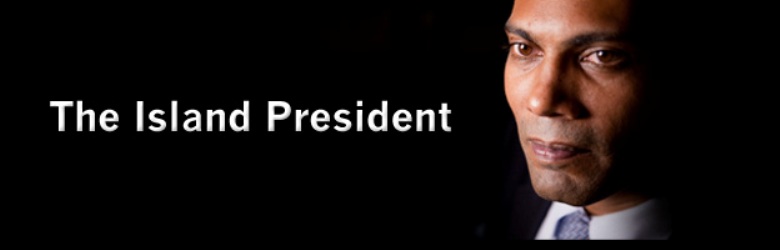
The Island President: New film profiles Mohamed Nasheed at the Frontline of Climate Justice

When it comes to climate change, we're all Maldivians!
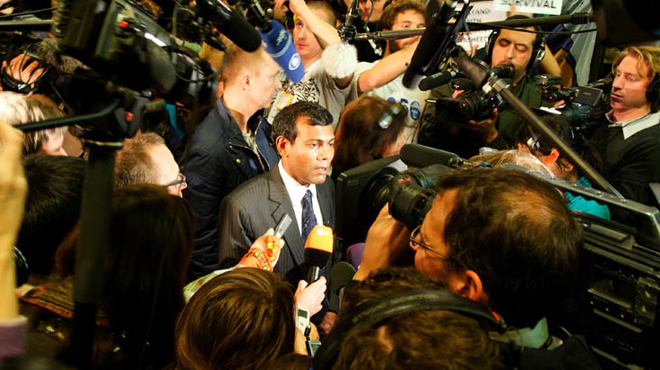
President Mohamed Nasheed of the Maldives is an articulate, passionate climate witness on behalf of his endangered island nation of 350,000 people. The technocratic and amiable President is one of the youngest heads of state in the world today. The one-time freelance journalist (who worked with and for various media when he was in political exile) remains very accessible to the international media. He knows the power of old and new media — and how to leverage it for his cause.

I admit to being a Nasheed fan. During the past couple of years, I have blogged about, interviewed and made a short film about President Nasheed. In the less than three years he has been in office, he has faced more than his fair share of economic and political challenges at home, but he has never lost sight of the long-term, bigger issue of climate change advocacy.

And now, his global status as the ‘rock star of climate change’ is enhanced by ‘The Island President’, a 90-minute, feature-style major documentary about him produced by a leading American production company, Actual Films. The film is to be released this summer at various film festivals. I can’t wait to catch it.

The Island President has been in the making for nearly two years. The film makers had exclusive access to the President both in his island nation and on his international travels.

The Island President: Official Trailer

The official Synopsis reads: “The Island President is a a dramatic feature documentary that lifts the issue of global warming out of the theoretical and into the personal. President Mohamed Nasheed is trying to save 385,000 people from drowning. His nation of 1,200 low-lying islands, the Maldives, is sinking into the Indian Ocean as sea levels rise due to global warming.

“With a young, charismatic South Asian leader updating a role once played by Jimmy Stewart, The Island President is like a non-fiction Mr. Smith Goes to Washington elevated to the world stage. Actual Films has secured exclusive access to follow President Nasheed as he prepares over the coming months for the 2009 Copenhagen Climate Summit in December. The terms of the 1997 Kyoto Treaty on Climate Change are about to expire, and leaders from around the world will converge on Copenhagen to hammer out a new treaty with renewed urgency. As the Danish Minister for Climate and Energy acknowledged, “the December days in Copenhagen in 2009 will be…a political thriller on an international scale.” The Summit will be an international showdown where President Nasheed will try to convince world leaders to finally take serious action against looming danger of climate change. The stakes couldn’t be higher-President Nasheed sees this as the last chance to save his homeland, and the world.”

The Island President is a co-production involving Actual Films, AFTERIMAGE PUBLIC MEDIA and the Independent Television Service (ITVS), with funding provided by the Corporation for Public Broadcasting (CPB).

Read about the film makers: Jon Shenk, Director; Bonni Cohen, Producer; and Richard Berge, Producer.

October 2009: President Mohamed Nasheed: Encounter with a genial climate crusader…

President Nasheed knows what to say and how to say it to the eager media...

සිවුමංසල කොලූගැටයා #21: ප‍්‍රතිනිර්මාණය වූ සියැටල් නායක කථාව/මිථ්‍යාව

In this Ravaya column, in Sinhala and printed in the Ravaya newspaper of 3 July 2011,
I point out that a certain speech said to be uttered by a native American chief is, in fact, a latter day script by a filmmaker.

The same ground was covered in English in my April 2009 blog post: ‘Chief Seattle speech’: Global environmental legend, or pervasive myth?

අද්භූත හෝ අහඹු සිදුවීම් පාදක කර ගත් කථාන්තරවලට අපි මිථ්‍යා (myths) යයි කියනවා. දේව විශ්වාස, ඇදහිලි ආදියත් ඇතැම් අය මේ ගණයට ම එකතු කරනවා. ඒවායේ ඇත්ත නැත්ත කෙසේ වෙතත් මිථ්‍යාවන්ට දැඩි ඇල්මක් එදා මෙන් ම අදත් මිනිස් සමාජයේ තිබෙනවා. 21 වන සියවසට පිවිසියත් අප ඇතැම් දෙනකු තවමත් නූතන මිථ්‍යාවන් වැළඳගන්නේ ඒ නිසයි. එබදු මිථ්‍යාවන්, උගත් හා වෘත්තිකයන් සේ පුහුණව ලැබූ අය අතරත් හමුවනවා. ‘සියැටල් නායකයාගේ මහා දාර්ශනික පාරිසරික පණිවුඩය’ එයින් එකක්.

මේ කථාවේ කතුවරයා ලෙස බොහෝ දෙනා සළකන්නේ Chief Seattle නමින් ප‍්‍රකට, 1780-1866 කාලයේ වාසය කළ අමෙරිකාවේ ආදිවාසී ජන නායකයෙක්. (ඉතිහාසයේ වැරදි නම් කිරීමක් නිසා කලක් මේ ජනයාට ‘රතු ඉන්දියනුවන්’ යයි කීවත් අද ඒ නම භාවිතයේ නැහැ.) ඒ ආදිවාසීන්ගේ නිජබිම්වල 16 හා 17 වන සියවස්වල පැමිණ පදිංචි වූ යුරෝපීය සුදු ජාතිකයන් සමග සාමකාමීව සහජීවනය වෙත යොමු වූ නායකයකු ලෙස සියැටල් ඉතිහාසගත වී තිබෙනවා. ඔහුගේ නම විවිධාකාරයෙන් ලියනවා. Sealth, Seathl හා See-ahth වශයෙන්. එහෙත් වඩාත් ම ප‍්‍රකට සියැටල් නායකයා හැටියටයි. මිනිසාගේ පාරිසරික වගකීම් ගැනත්, මිහිතලය හා අප කරන ගනුදෙනුව ගැනත් උදාර අදහස් පළ කළ කෙනකු ලෙස අප ඔහු ගැන අසා තිබෙනවා.

The man was real; the speech wasn't his
1854 වසරේ මුල් කාර්තුවේ දවසක බටහිර ඇමෙරිකාවේ සියැටල් නගරයේ එලිමහන් රැස්වීමකදී සියැටල් නායකයා හැගීම්බර කථාවක් කළ බවට යම් සාක්‍ෂි තිබෙනවා. එයට ආසන්න ම හේතුව වූයේ පාරම්පරිකව ආදිවාසීන් ජීවත් වූ ඉඩම් සුදු ජාතිකයන්ට විකුණන ලෙස රජයෙන් කළ ඉල්ලීමයි. ‘ඉඩම් අයිතිය’ පිළිබඳ සංකල්පයක් නොතිබූ ආදිවාසීන් මෙයින් වික්‍ෂිප්ත වුණා. ඒ වන විට සිදුවෙමින් තිබූ පාරිසරික හා සාමාජයීය අකටයුතුකම් ගැන ද නායකයාගේ සිතේ ලොකු කලකිරීමක් තිබෙන්නට ඇති. නමුත් ඔහු තමන්ගේ බසින් එදා කළ කථාවේ වාර්තාවක් නැහැ.

ඊට වසර කිහිපයකට පසු සුදු ජාතික වෛද්‍යවරයකු හා ලේඛකයකු වූ හෙන්රි ස්මිත් මුල් වරට ඒ කථාවේ ඉංග‍්‍රීසි අනුවාදයක් සකස් කළා. ඒ සඳහා ඔහු කිහිප වතාවක් සියැටල් නායකයා මුණ ගැසී කථා බහ කළත් ඔහුගේ අනුවාදයට වැල්වටාරම් හා මනරම් අදහස් එකතු කළ බව ඇන්ඩි කාර් (Andy Carr) නම් අමෙරිකානු පරිසරවේදියා හා පර්යේෂකයා විශ්වාස කරනවා.

1887දී මේ ඉංග‍්‍රීසි අනුවාදය මුල් වරට Seattle Sunday Star පුවත්පතේ පළ වුණා. එයින් පසු විවිධ දාර්ශනික, ආගමික හා පාරිසරික ප‍්‍රකාශනවල එය නැවත නැවතත් පළ කරනු ලැබුවා. 1969 දී අමෙරිකාවේ ටෙක්සස් විශ්ව විද්‍යාලයේ සම්භාව්‍ය සාහිත්‍යය පිළිබඳ මහාචාර්ය විලියම් ඇරෝස්මිත් (Prof William Arrowsmith) නැවත වරක් එය කාලානුරූපිත ලෙස සංස්කරණය කළා.

1970 අපේ‍්‍රල් 22 දා අමෙරිකාවෙන් ඇරඹුණු මිහිතල දිනය (Earth Day) සඳහා පරිසරවේදීන් මිලියන් 20ක් දෙනා යොදා ගත්තේ ඒ සංශෝධිත කථාවයි. ඒ වන විට වාත දුෂණය, ජල දුෂණය හා රසායනික ද්‍රව්‍ය අධික ලෙස ආහාරපානවලට මිශ‍්‍රවිම ආදී කරුණු ගැන අමෙරිකානු ජනතාව දැනුවත් වෙමින්, කලබල වෙමින් සිටියා. මේ කාලීන සිතුම් පැතුම් මහාචාර්යවරයාගේ සංශෝධනයට ඔහු ඇතුළත් කළා.

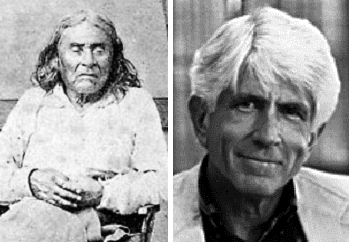
Chief Seattle (left) and actual speech writer Ted Perry

මේ සංශෝධිත කථාව මුල් මිහිතල දිනයේදී ඇසු අය අතර ටෙඞ් පෙරී (Ted Perry) නම් චිත‍්‍රපට තිර රචකයකු ද සිටියා. ඊට ටික දිනකට පසුව එරට කි‍්‍රස්තියානි ටෙලිවිෂන් සමාගමක් (Southern Baptist Television Commission) ඔහුට ඇරයුම් කළා ඒ වන විට සිදුවෙමින් තිබූ පරිසර විපත් පිළිබඳව කිතු දහම පදනම් කරගෙන සාමයිකව විග‍්‍රහ කරන වාර්තා චිත‍්‍රපටයක් රචනා කරන්නට.

සියැටල් නායකයා 1970 දී සිටියා නම්, එවකට මතු වී තිබූ පාරිසරික ප‍්‍රශ්න හා සංවර්ධන පිළිබඳ සංකල්පමය අර්බුද ගැන ඔහු කුමක් කියනු ඇත්දැයි ටෙඞ් පෙරී කල්පනා කළා. මේ අනුව යමින් සියැටල් නායකයාගේ කථාවේ අළුත්ම ප‍්‍රතිනිර්මාණයක් ඔහු ලයාන්විත හා කාව්‍යමය බසින් තිර රචනයකට නැගුවා. මුල් කථාවේ නොතිබුණු දෙවියන් පිළිබඳ ක‍්‍රිස්තියානි සංකල්පත් ඔහු මේ තිර රචනයට එකතු කළා. 1973දී මේ වාර්තා චිත‍්‍රපටය එළි දැක්කේ Home නමින්. චිත‍්‍රපටයට වඩා විශාල ජනප‍්‍රියතාවයක් ලැබුණේ එහි යොදා ගත් සියැටල් නායකයා කළා යැයි කියන දාර්ශනික කථාවටයි.

පසුගිය වසර 40කට අසන්න කාලයක් තිස්සේ ලොව පුරා ප‍්‍රචලිත වී, විවිධ භාෂාවලට පෙරැළී ඇත්තේ මෙසේ හෙන්රි ස්මිත්ගේ මුල් අනුවාදය, විලියම් ඇරෝස්මිත් විසින් කාලානුරූපීව සංශෝධනය කර ටෙඞ් පෙරී විසින් ප‍්‍රතිනිර්මාණය කරන ලද කථාවයි! එඞ්වින් ආරියදාස හා ධර්මසිරි ගමගේ යන ලේඛකයන් මෙහි අගනා සිංහල අනුවාදයන් කර තිබෙනවා.

1980 දශකය අගවන විට ලොව පුරා පාරිසරික ශුද්ධ ලියවිල්ලක මට්ටමට පිළිගැනීමක් ලැබුණු මේ කථාවේ ඓතිහාසික විශ්වාසනීයත්වය ගැන ටික දෙනකු ප‍්‍රශ්න කරන්නට පටන් ගත්තා. සියවසකට වැඩි කාලයක් පුරා සියැටල් නායක කථාවේ පරිනාමය ගැන ජෝන් ස්කල් (John Scull) නම් පර්යේෂකයා විස්තරාත්මකව අධ්‍යයනය කළා. ආදිවාසී නායකයකුගෙන් පටන්ගෙන ක‍්‍රිස්තියානි වාර්තා චිත‍්‍රපටයකින් හමාර වූ ඒ ගමනේදී, මුල් අදහස් විශාල වශයෙන් වෙනස් වී ඇති සැටි ඔහු සාක්‍ෂි සහිතව පෙන්වා දුන්නා. (සාමයික කලා කෘතීන් ගැන මට ප‍්‍රශ්නයක් නැහැ. මෙහිදී අප කථා කරන්නේ පසු කාලීනව සාමයික මුහුණුවරක් දීමෙන් මුල් කෘතිය විකෘති වීම ගැනයි. එහෙත් ‘මුල් කෘතිය’ කුමක්දැයි කිසිවකු හරිහැටි නොදන්නා නිසා සිදු වී ඇති වෙනස්කම් සිතාගන්නටත් අමාරුයි!)

1992 වන විට මේ සැබෑ තත්ත්වය හෙළි කරන ගවේශණාත්මක වාර්තා New York Times හා Newsweek ප‍්‍රකාශනවල පළ වුණා. එහෙත් ඒ වන විට සියැටල් නායක කථාව ලෝක ව්‍යාප්ත මිථ්‍යාවක් බවට පත් වී හමාරයි. ‘සියැටල් නායකයා මෙබදු අදහස් සැබැවින් ම කීවත්, නොකීවත් ඔහු වැනි ශ්‍රේෂ්ඨ පරිසරවේදියකුගේ මුවට මෙබදු අදහස් ආරෝපණය කිරීමේ වරදක් නැතැයි’ පරිසරවේදීන් තර්ක කළා.

එය ප‍්‍රශ්න කරන අයට පරිසරවේදීන්ගෙන් දැඩි විවේචන එල්ල වුණා. ‘සම්ප‍්‍රදායික දැනුම හෙළා දකින්නට උත්සාහ කරන සුදු ජාතික කුමන්ත‍්‍රණයක කොටස්කරුවන්’ හැටියට හදුන්වා දෙනු ලැබුවා. (2009 අපේ‍්‍රල් 22 වනදා මගේ බ්ලොග් අඩවියේ මේ ගැන විග‍්‍රහයක් මා ලියා පළ කළා. එයට ලැබුණු පාඨක ප‍්‍රතිචාර බහුතරයක් ද මේ ආකාරයේ එවායි. ආදිවාසී දැනුම හෙලා දකින බටහිර ඒජන්තයෙකු ලෙස ඇතැම් පාඨකයන් මට අවලාද නැගුවා. (http://tiny.cc/Seattle බලන්න).

ජෝන් ස්කල් මීට වසර කිහිපයකට පෙර මුලින් මතු කළ, මා මතවාදීව එකග වෙන තර්කය මෙයයි. පරිසරය රැකගන්නට අධ්‍යාත්මික හා චින්තනමය වෙනසක් ද අවශ්‍ය බව ඇත්ත. එහෙත් කාව්‍යමය බසින් විසිතුරු වුණු, තාර්කික බවින් හීන වූ මෙබදු ලියැවිල්ලක් කරන්නේ මානව පරිනාමය ගැන අප තුළ මහා කලකිරීමක් හා ඉච්ඡභංගත්වයක් ඇති කිරීමයි. ගොඩ ගන්නට බැරි තරම් අසාධ්‍ය වුණු රෝගියකුගේ මට්ටමට මිහිතලය පත්ව ඇතැයි අදහසක් ද එයින් ජනිත වෙනවා. පරිසරය හා මිනිසා අතර යම් තුලනයක් හා සංහිදියාවක් ඇති කිරීමට අවශ්‍ය මානසික රාමුව මෙය යයි මා සිතන්නේ නැහැ.

1990දී ආචාර්ය ආනන්ද ඩබ්ලිව් පී ගුරුගේ මහාවංශයේ සඳහන් වන ප‍්‍රධාන ඓතිහාසික අවස්ථා පාදක කර ගෙන නිර්මාණාත්මක කෘතියක් ලිව්වා. ‘Voices of Ancient Sri Lanka’ නම් එහි අඩංගු වූයේ මෙරට ඉතිහාසයේ වැදගත් සංධිස්ථානවලදී එවකට විසූ රජවරුන් හා අනෙකුත් ප‍්‍රභූන් පවත්වන්නට ඇතැයි අනුමාන කළ හැකි මහජන කථා පෙළක්. එය පසුව ‘ශ්‍රී ලංකා ප‍්‍රතිරාවය’ නමින් සිංහලෙන් ද පළවුණා.

ඒ පොතේ ලියැවී ඇති වදන්මාලා ගුරුගේ සූරීන්ගේ පරිකල්පනයෙන් මතු වූ, ඔහුගේ කෘතහස්ත ශෛලියෙන් ඔප් වැටුණු ඒවායි. සැබැවින් ම ඒ පුද්ගලයන් එම අදහස් කී බවට තිරසාර සාක්‍ෂි නැහැ. එහෙත් එසේ වූ පමණට එම කතා රසවීදීමට අපට බාධාවක් ද නැහැ. සියැටල් නායකයාගේ කථාවත් මෙයට සමාන තත්ත්වයක්.

සියැටල් නායකයා හරබර කථාවක් කරන්නට ඇති. එය ඔහුට ම ආවේණික උපමා, රූපක ආදියෙන් පිරී තිබෙන්නටත් ඇති. එහෙත් අද ලෝකයේ සංසරනය වන විචිත‍්‍ර කථාව සියැටල්ගේ නොව තිර රචක ටෙඞ් පෙරීගේ බව සිහි තබා ගැනීම වැදගත්. චිත‍්‍රපටය පරිකල්පනාවේ නිදහස ඇති කලාවක්. අප සැබෑ ලෝකය හා පරිකල්පනා ලෝකය අතර වෙනස හදුනාගත යුතුයි.

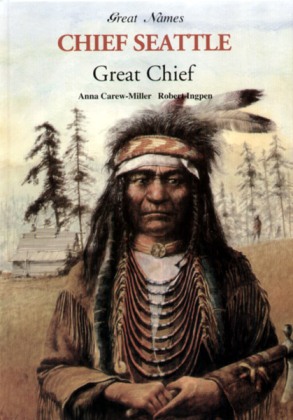
This 1991 book built on the Chief Seattle fable
නොකපන ලද දියමන්තියක් සියැටල් බිහි කළා නම් එය ටෙඞ් පෙරීගේ අතින් හැඩ වැඩ වී ඔටුන්නක සවි වුණා යයි කිව හැකියි. මුල් දියමන්තියේ කාන්තිය වඩාත් ප‍්‍රබල කිරීමේ ගෞරවය තිර රචකයාට හිමි විය යුතුයි. සියැටල් ඇත්තට ම කී දේ කුමක්ද තිර රචකයා එයට එකතු කළේ මොනවාද යන්න මේ වන විට පැහැදිළි නැහැ. ආදීවාසී නායකයෙකු මහා ප‍්‍රාඥයකු හැටියට හුවා දක්වන්නට පරිසරවේදීන් මෙන් ම අධ්‍යාපනවේදීන් ද කැමතියි. එහි ලොකු වරදක් නැති වූවත් මිථ්‍යාවක් මත ගොඩ නගන දර්ශනයට කල් පැවතිය නොහැකි බව අප සිහි තබා ගත යුතුයි.

සියැටල් නායකයා මහ පොළවේ පය ගසා ගෙන එහි හද ගැස්ම හදුනාගත් අය බවට විවාදයක් නැහැ. තමන් මිහිතලය සමග නිරන්තර ගනුදෙනුවක් කරමින් සිටින බවත්, එහිදී ඕනෑවට වඩා උකහා ගත්තොත් එහි අහිතකර විපාක විදින්නට සිදුවන බවත් ආදිවාසීන් හොදාකාර දන්නවා. අද ලෝකයේ සංවර්ධන අර්බුදයේ ලොකු ම අභියෝගයත් එයයි. අපේ (සහ අන් ජීවීන්ගේ) පැවැත්මට අවශ්‍ය පාරිසරික ප‍්‍රවාහයන් විනාශ නොකොට අපේ භෞතික අවශ්‍යතා සපුරා ගන්නේ කෙසේ ද?

ප‍්‍රාග්-නූතන යුගයේ හෝ ගල් යුගයේ ජීවන රටාවකට ආපසු යන්නට හැකියාවක් නැහැ. අල්පේච්ඡ දිවි පෙවෙතක් ගැන කථා කරන පරිසරවේදීන් පවා එබන්දකට සූදානම් නැහැ. මේ නිසා ප‍්‍රායෝගිකව කළ හැකි තුලනයන් මොනවා ද යන්න හදුනාගෙන ඒ සඳහා අපේ කාලය, ශ‍්‍රමය හා නිර්මානශීලී හැකියාව යොමු කිරීමයි අවශ්‍ය වන්නේ. එසේ නැතිව යටගිය දවසකින් නොතිබුණු රොමෑන්ටික් සිහිනයකට හෝ චිත‍්‍රපට තිරනාටක රචකයෙකුගේ වදන් සිත්තමකට හෝ අපේ ලෝකයේ මහා ප‍්‍රශ්න විසඳන්නට හැකියාවක් නැහැ.

පරිසරවේදීනි, දැන්වත් අවදිවන්න!

BBC Panorama, caught faking child labour footage, returns prestigious TV award

Primark: On the Rack
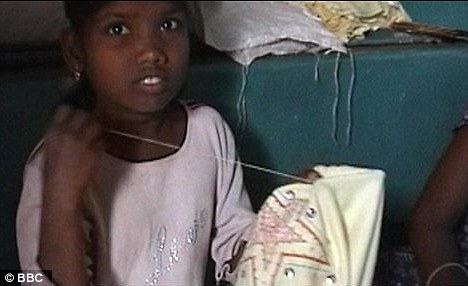
Two weeks after the BBC admitted that its journalists had partly faked child labour footage in India, the public broadcaster has returned a prestigious television award won by the controversial programme.

BBC had earlier won the Current Affairs Home Prize at the Royal Television Society awards for its show Primark: On The Rack, which was first broadcast on BBC 1 channel in June 2008.

In an internal investigation, the BBC Trust – an independent body which safeguards the values of the publicly funded corporation – found that it ‘more likely than not’ that certain footage in the Panorama programme was not authentic.

The implicated retailer, Primark, criticised the BBC for taking so long to find in its favour when evidence casting doubt on some of the video material has been in the corporation’s possession since before the documentary first aired in 2008.

BBC Panorama claims to be the world’s longest running investigative TV show, and has been on the air for more than 50 years. In that time, it has done some excellent exposures on matters of vital public interest.

Yet hinting a decline in both editorial and ethical standards at the BBC, the reporting team was found to have taken liberties with certain visuals in this particular programme. It investigated Primark’s claims that it can deliver ‘cheap, fast fashion’ without breaking ethical guidelines, and included footage obtained in a Bangalore workshop of three boys carrying out an activity described in the programme as ‘testing the stitching’ on Primark garments.

According to the Daily Mail: “The BBC Trust’s Editorial Standards Committee examined evidence such as the unedited ‘rushes’ of the programme and emails to the production team from the freelance journalist Dan McDougall, who obtained the footage.”

BBC Trustee and Chair of the ESC Alison Hastings said after their investigations: “The BBC’s investigative journalism is rightly held in very high regard, and for more than fifty years Panorama has made a very significant contribution to that. But great investigative journalism must be based on the highest standards of accuracy, and this programme on Primark failed to meet those standards. While it’s important to recognise that the programme did find evidence elsewhere that Primark was contravening its own ethical guidelines, there were still serious failings in the making of the programme. The Trust would like to apologise on behalf of the BBC to Primark and to the audience at home for this rare lapse in quality.”

Read full report here.

Despite all these developments, the BBC Panorama official web page for this programme shows no indication of this turn of events. Accessed on at 01:30 GMT on 30 June 2011, the page says it was “last updated at 13:31 GMT, Wednesday, 18 June 2008 14:31 UK”. No apology, no correction, no link to the BBC Trust’s report.

The programme’s blurb still reads: “Panorama puts Primark’s claims that it can deliver cheap, fast fashion without breaking ethical guidelines to the test. Posing as industry buyers in India, the programme’s reporter Tom Heap and his team find some of India’s poorest people working long, gruelling hours on Primark clothes in slum workshops and refugee camps.”

So who puts the BBC Panorama to test? Are investigative journalists above the ethics of journalism because their work is hazardous, and is ultimately meant to be in the public interest?

Even Homer nods, and the best intended investigative journalists can – and do – make occasional mistakes. The important question is whether this was a bona fide error in judgement, or does it suggest a trend where the BBC’s investigative journalists and producers arrogantly believe that the end justifies the means?

Many documentaries rely on re-enactments for certain scenes, which are usually labelled as such. Does exposing child labour in supply chains give the license for do-gooding journalists to manipulate individuals and images to suit a preconceived notion of a corporation’s complicity? Could they not have resorted to other means – perhaps with less dramatic visuals, but more honest in their sourcing?

Does this rare admission of error on the part of the BBC also raise questions about the integrity of some other hard-hitting and controversial Panorama investigations over the years which have taken on some big-time targets such as the Vatican, the United Nations Peace Keepers or the CIA?

Hard questions indeed for the usually self-righteous Auntie Beeb.

Cooling without warming: Cool Biz for a safer future?

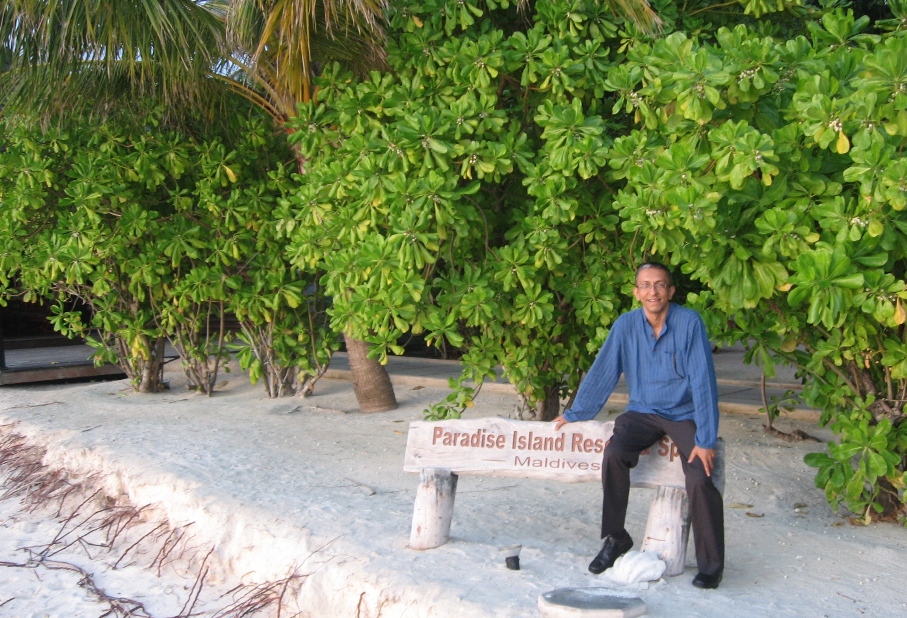
Image courtesy - Paradise Island Resort, Maldives
Paradise, The Maldives. 10 May 2011

I’m sitting in Paradise – and freezing. This isn’t quite what I imagined it to be.

Well, actually I’m attending a serious inter-governmental meeting being held at the Paradise Island Resort and Spa in the Maldives.

The setting is exotic enough – I’m near some of the finest beaches and bluest seas in the world. It’s a cloudy day outside, with tropical sunshine interrupted by occasional showers. We’re just a few hundred kilometres north of the Equator.

But it’s whole different world inside the meeting room. We have no windows and are visually cut off from the scenery. And the air conditioning is too strong. Even the 50 or so people inside the room don’t emit enough body heat to counter the chill spilling out from the ceiling.

Paradise (resort) isn’t alone. Across tropical Asia, our public offices, hotels and shopping malls just love to freeze us out.

This habit has a particular irony at this meeting. Convened by the UN Environment Programme (UNEP), it’s discussing how to stay cool without killing the planet.

To be precise, how air conditioning and refrigeration industries can continue their business – and keep cooling people and goods – without damaging the ozone layer or warming the planet.

It’s the semi-annual meeting of government officials from across Asia who help implement the Montreal Protocol to control and phase out several dozen industrial chemicals that damage the ozone layer in the upper atmosphere.

A nitpicker in Paradise? Photo by Darryl D'Monte

Adopted in 1987 and now ratified by 196 countries, it is the world’s most successful environmental treaty. It has reversed a catastrophic loss of ozone high up in the Earth’s atmosphere, and prevented tens of thousands of cases of skin cancer and cataract.

A landmark was reached at the end of 2009, when it succeeded in totally phasing out the production and use of chlorofluorocarbons (CFCs) — chemicals that had helped the cooling industries for decades. Now, a bigger challenge remains: removing two other widely used gases known as HCFCs and HFCs.

Both were originally promoted as substitutes for CFCs in the early days of the Protocol. HCFCs are less ozone-damaging than CFCs, while HFCs are fully ozone-safe. However, both have a high global warming potential — up to 1,700 times that of Carbon dioxide — and therefore contribute to climate change.

It was only a few years ago that scientists and officials realized that there was little point in fixing one atmospheric problem if it aggravated another. So in 2007, the Montreal Protocol countries agreed to address the climate impacts of their work.

The Montreal Protocol now encourages the countries to promote the selection of alternatives to HCFCs that minimize environmental impacts, in particular impacts on climate change.

The air conditioning and refrigeration industries are being encouraged to switch from HCFC to substitutes ahead of the global phase-out deadline of 2030. Alternatives — including natural refrigerants such as ammonia, carbon dioxide, hydrocarbons — are entering the market for many applications.

Parallel to this, consumers are being encouraged to opt for newer appliances that are both ozone-safe and climate friendly.

It takes time and effort for this message to spread and take hold. Many users — especially in the developing countries — only consider the purchase price of appliances and not necessarily the long-term energy savings or planetary benefits.

Events like the first Asian Ozone2Climate Roadshow, held in the Maldivian capital Malé from 8 to 12 May 2011, are pushing for this clarity and awareness. It’s still an uphill task: too many people have to be won over on too many appliances using a wide range of chemicals and processes.

And sitting here at my freezing corner of Paradise, I feel we should add another message: conserving energy includes a more rational and sensible use of air conditioning.

Perhaps we should promote and adopt the Japanese practice of Cool Biz.

Introduced by the Japanese Ministry of Environment in the summer of 2005, the idea behind Cool Biz was simple: ensure the thermostat in all air conditioners stayed fixed at 28 degrees Centigrade.

CoolBiz Logo
That’s not exactly a very cool temperature (and certainly no freezing), but not unbearable either.

The Cool Biz dress code advised office workers to starch collars “so they stand up and to wear trousers made from materials that breathe and absorb moisture”. They were encouraged to wear short-sleeved shirts without jackets or ties.

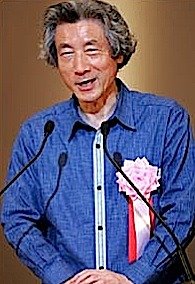
A Cool Koizumi: Leading from the front...
Then Prime Minister Junichiro Koizumi himself set the tone, wearing informal attire. But then, he was already known for his unorthodox style.

Clothes designers and retailers chipped in, with clothes offering greater comfort at higher temperatures.

Cool Biz changed the Japanese work environment – and fast. I remember walking into a meeting at a government office in Tokyo a few weeks after the idea had been introduced, and finding I was the most formally dressed.

The Japanese like to count things. When the first season of Cool Biz ended, they calculated the countrywide campaign to have saved at least 460,000 tons of Carbon dioxide emissions (by avoided electricity use). That’s about the same emissions from a million Japanese households for a month.

The following year, an even more aggressive Cool Biz campaign helped save an estimated 1.14 million tons of Carbon dioxide – or two and half times more than in the first year.

The idea also traveled beyond Japan. In 2006, the South Korean Ministry of Environment and the British Trade Union Congress both endorsed the idea.

This summer, the seventh since Cool Biz started, there is an added reason for the Japanese to conserve energy. As the Asahi Shimbun reported on 28 April 2011: “In what has been dubbed the ‘power-conserving biz’ campaign, many companies plan to conserve energy during the peak summer period in light of expected power shortages caused by the crisis at the Fukushima No. 1 nuclear power plant.”

Meanwhile, the rest of us freeze-happy tropical Asians can evolve our own Cool Biz practices – we don’t need to wait for governments and industry to launch organized campaigns.

For a start, we – as consumers or patrons – can urge those who maintain public-access buildings to observe voluntary upper limits of cooling. Sensitive thermostats can automatically adjust air conditioner operations when temperatures rise above a pre-determined comfortable level.

It all depends on how many of us pause to think. Of course, we can also continue business as usual – and freeze ourselves today for a warmer tomorrow.

The sun sets in Paradise too - photo by Nalaka Gunawardene

Everybody Lives Downstream – but not with the same peace of mind!

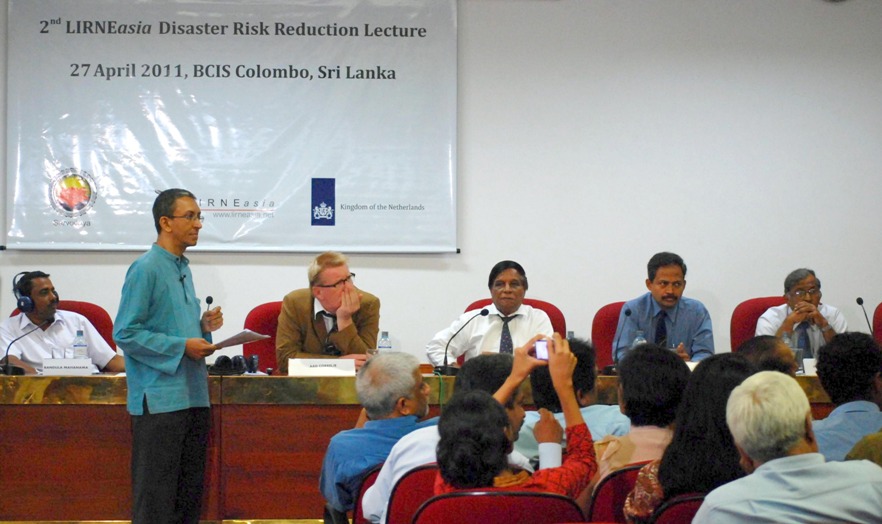
2nd LIRNEasia Disaster Risk Reduction Lecture, 27 April 2011 in Colombo: Nalaka Gunawardene (standing) moderates panel discussion
Writing on 20 April 2011, exactly 25 years after the Kantale large dam breached and washed away downstream villages, I posed the question: “If there were to be a catastrophic dam failure in Sri Lanka today, is there a warning system in place to detect the failure and issue timely warnings? Have the downstream communities participated in evacuation drills and know what action needs to be taken when a warning is issued?”

I’ve been asking such questions for a while. In fact, the post-mortem of the Kantale dam breach was one of the bigger stories I covered soon after I entered mainstream journalism in late 1987. By then, a few months after the incident, a presidential commission of inquiry was looking into what caused that particular disaster.

My interest in this subject is perhaps inevitable. I live in a country that has a high concentration of man-made water bodies. There are approximately 320 large and medium sized dams in Sri Lanka, and over 10,000 smaller dams, referred to as “wewas”, most of them built more than 1,000 years ago. In fact, Sri Lanka probably has the highest number of man-made water bodies in the world. According to the Sri Lanka Wetlands Database, the major irrigation reservoirs (each more than 200 hectares) cover an area of 7,820 hectares, while the seasonal/minor irrigation tanks (each less than 200 hectares) account for 52,250 hectares. This adds up to 60,070 hectares or just over 600 square kilometres — nearly a tenth of the island’s total land area.

Lankans are justifiably proud of their ancient hydrological civilisation — but don’t take enough care of it. Nothing lasts forever, of course, but irrigation systems can serve for longer if properly maintained. In a world where extreme weather is becoming increasingly commonplace, we can’t afford to sit on 25 centuries of historical laurels. Unless we maintain the numerous dams and irrigation systems – most of which are still being used for farming – heritage can easily turn into hazard.

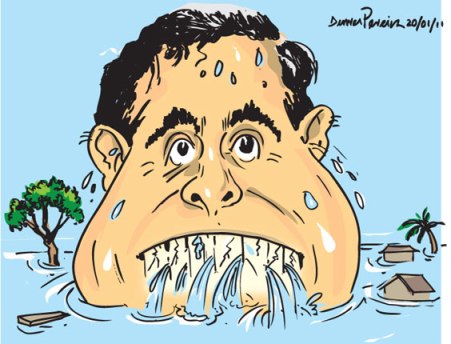
Cartoon from Daily Mirror, 20 Jan 2011
As indeed happened in early 2011, when massive and successive floods lashed the country’s Dry Zone where most reservoirs are located. It was a strong reminder how dams and reservoirs not only attenuate the effects of heavy rains, but if breached, can magnify the effects of such rainfall.

More than 200 small dams did breach during those rains, causing extensive damage to crops and infrastructure. The most dangerous form of breach, the over-topping of the earthen dams of large reservoirs, was avoided only by timely measures taken by irrigation engineers — at considerable cost to those living downstream. This irrigation emergency was captured by a local cartoonist: the head in this caricature is that of the minister of irrigation.

In early February, Sri Lanka announced that it will expand its dam safety programme to cover more large reservoirs and will ask for additional funding from the World Bank following recent floods. Never mind the irony of a proud heritage now having to be maintained with internationally borrowed money. Public safety, not national vanity, comes first.

All this provided a timely setting for the 2nd LIRNEasia Disaster Risk Reduction Lecture in Colombo, which I chaired and moderated. This enabled the issues of flood protection and dam safety to be revisited, building on the path-finding work in 2005-2006 done by LIRNEasia, Vanguard Foundation and Sarvodaya in developing an early warning system for dam hazards in Sri Lanka.

Bandula Mahanama
The main lecture was delivered by Dr Aad Correlje of the Delft University of Technology, the Netherlands. The response panel comprised Bandula Mahanama (a farmer organisation leader from one of the worst flood-affected areas in the Polonnaruwa District), S Karunaratne (Sri Lanka National Committee on Large Dams), Dr Kamal Laksiri (Ceylon Electricity Board) and U W L Chandradasa (Disaster Management Center). A summary is found on LIRNEasia’s blog.

Dams and irrigation systems are widely seen as the exclusive domain of civil engineers. They certainly have a critical role to play, but are not the only stakeholders. I was very glad that both our panel and audience included voices from many of these groups — especially the many communities who live immediately downstream of dams and reservoirs. Some of them are always in the shadow of a dam hazard, and yet helpless about it.

This was the gist of farmer leader Bandula Mahanama’s remarks – he made a passionate plea for a more concerted effort to improve proper maintenance of dams and reservoirs. “Wewas are part of our life, but right now our lives are in danger because the irrigation heritage is in a state of disrepair,” he noted.

I will write more about this in the coming weeks. My last thought from the chair was something I first heard many years ago in a global documentary. When it comes to water management, everybody lives downstream.

That’s certainly the case — but some are more downstream than others. And not everyone lives with the same peace of mind. We need to do something about it.

See also my recent writing in Sinhala on this topic, as part of my weekly science and development column in the Ravaya newspaper in Sri Lanka:

Nalaka Gunawardene’s Ravaya column – 27 Feb 2011 – Dam Safety in Sri Lanka

Gasping for Fresh Air in Delhi and Colombo: Miles to go before we can breathe easily!

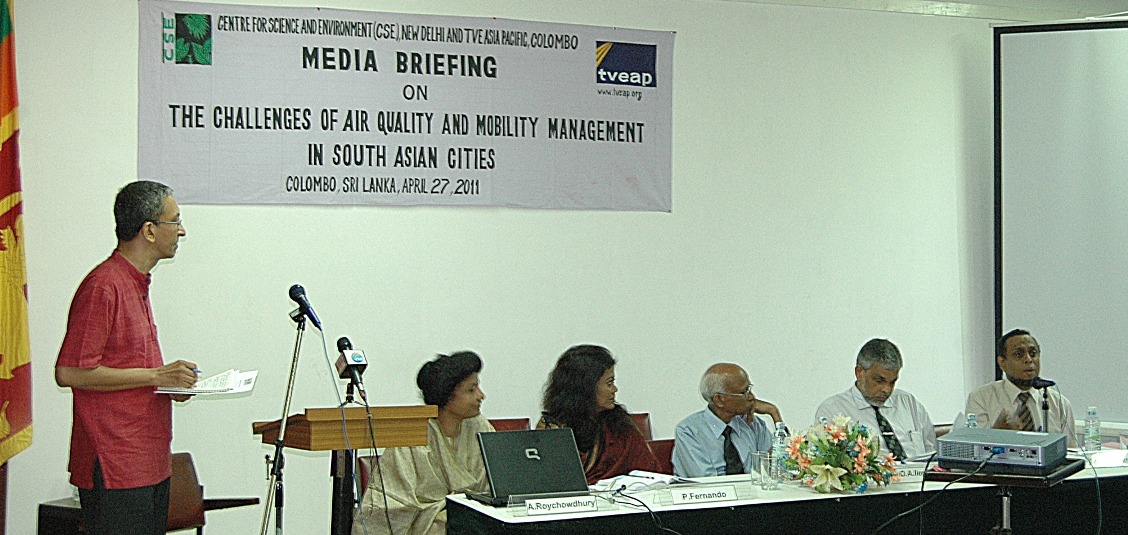
CSE TVEAP Media Briefing on Air Qualitry Issues in Colombo, 27 April 2011

Almost exactly four years ago, I wrote a blog post called Gasp! Asthma on the rise – and we made it all possible. I argued how we who suffer from Asthma — and our numbers keep increasing — are also contributing to making the bad problem worse.

So I write, speak and make films about clean air entirely with an enlightened self interest: I want to breathe more easily. This week, just a few days ahead of the annual World Asthma Day, I once again declared this as I opened a Media Briefing on the Challenges of Air Quality and Mobility Management in South Asian Cities organised in Colombo today by the Centre for Science and Environment (CSE), New Delhi and TVE Asia Pacific.

I held up my life-saving inhaler that I always carry around wherever I go, and am never more than a few feet away from. This is not theatrics, but drama in real life. Almost exactly a year ago, I was rushed to hospital at night for nebulisation. I don’t suffer such attacks too often, thank goodness, but I also don’t want to take chances — as I can never count on good air in my home city.

And I’m far from being alone. Wherever I go, I find increasing numbers of fellow asthma sufferers: we gripe and groan, but only a few among us realise that our lifestyles, choices and apathy contributes to the worsening quality of our air.

Almost every South Asian city today is reeling under severe air pollution and gridlocked urban traffic congestion. Colombo, a medium sized city by South Asian standards, has the (slight) advantage of the sea breeze flushing out part of its polluted air — but Greater Colombo is still struggling with polluting fuels, outdated vehicle technologies and rising numbers of private vehicles leading to massive congestion. Air quality levels vary considerably as we travel to the interior of the island, but some provincial cities now have mounting air pollution problems.

Finding the 'Common Air' in everybody's self interest...

This is why we collaborated with CSE, which has a long track record in knowledge-based advocacy for clean air in India and other countries of developing Asia, to organise this event. It was an open forum where air quality experts in Sri Lanka and India engaged Sri Lankan journalists and broadcasters on the status of Sri Lanka’s air quality and what it can learn from the neighbouring countries.

In my remarks, I said: “The quest for clean air in developing Asia is much more than a simple pollution story. It has many layers and complex links to government policies, regulation, industrial lobbies and technology options.

I added: “Our big challenge, as professional story-tellers, is to ask tough questions, seek clarity and then connect the dots for our audiences. At stake is our health, prosperity and indeed our very lives. Air pollution kills, slowly but surely!”

See my PowerPoint presentation:

Read more: Gasping for Fresh Air, Seeking More Liveable Cities in South Asia

Resilience 2011: As the planet warms, become more like bamboo!

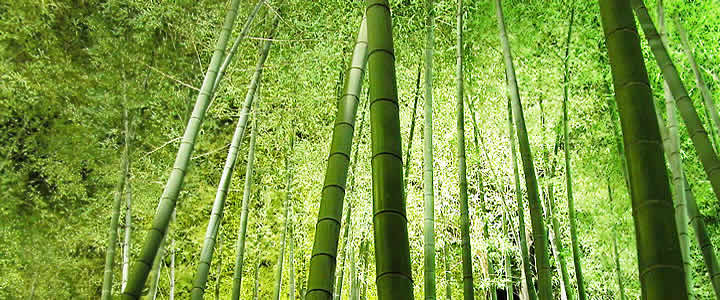
We can't go wrong, emulating Ma Nature...

“The bamboo that bends is stronger than the oak that resists,” says a Japanese Proverb.

In these times of climate change, we all need to bear this in mind. It’s not how we resist the battering, but how we pick up again after repeated onslaughts.

Bamboo is an amazingly versatile plant (actually, a grass) with many uses in Asian cultures. We use it for buildings, furniture, outdoor infrastructure, artistic decor and even eat parts of it.

Beyond these utility functions, the bamboo holds a philosophical lesson that the ancient Japanese and Chinese knew very well: its flexibility is its strength. It can bend and move with the wind or water or other element, rather than being rigid, unyielding and ultimately vulnerable to an unexpected jolt and sideways shift.

Bamboo was mentioned several times by Asian researchers and practitioners who came together at Resilience 2011: Asia Regional Conference on Building Livelihood Resilience in Changing Climate, held in Kuala Lumpur, Malaysia, from 3 to 5 March 2011.

Resilience was discussed and interpreted in a number of ways at the conference. But participants broadly agreed that it is the ability of any individual or community or system to absorb external shocks, bounce back and transform or continue to grow.

Such bouncing back, in some climate related situations, could be to alternatives rather than to the original condition. For example, if poorly built structures are damaged in a disaster or extreme weather condition, the recovery could – and should – be to build back better.

Indeed, the bamboo metaphor is widely used in various fields from business management to self-help counseling. See these interesting links for further insights:

Australian Anthill, June 2009: ‘Be the bamboo’: Thinking tips for innovative minds

The Great Work Blog: The wisdom of Bamboo