සිවුමංසල කොලූගැටයා #72: ඉන්ටර්නෙට් නොදැන ගොස් මංමුලා වූ උගත්තු…

My Sunday (Sinhala) column in Ravaya this week was on impressions of the National Media Summit 2012 held at the University of Kelaniya, Sri Lanka, on 24-25 May 2012. My own talk at the Summit, during a session New Media policies for Sri Lanka, was titled New Media, Old Minds: A Bridge Too Far?.

I shared my impressions in an English blog post on May 25 itself.
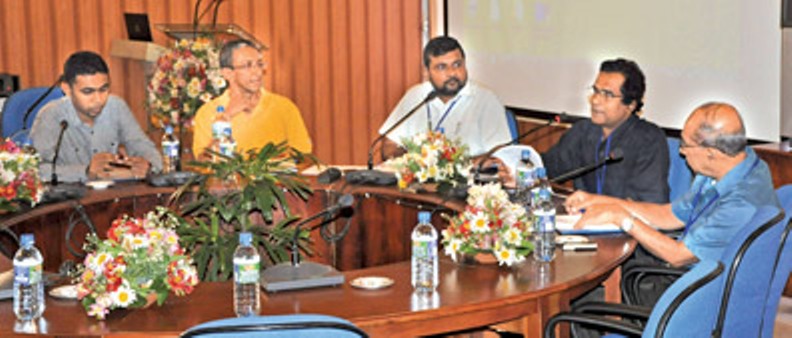
National Media Summit 2012 at University of Kelaniya, 25 May 2012

සාමාන්‍ය ජනතාව බැලූ බැල්මට පෙනෙන පරිද්දෙන් හෝ කලක් තිස්සේ සිතේ මුල් බැසගත් ආකල්පයන් පදනම් කර ගෙන හෝ ප‍්‍රශ්න විග‍්‍රහ කළත්, සරසවි ඇදුරන් හා පර්යේෂකයන් ඊට වඩා විවෘත මනසකින් ක‍්‍රමානුකූලව කටයුතු කරනු ඇතැයි අපේක්‍ෂාවක් තිබෙනවා.

පෙනෙන මානය (perception) හා සැබෑ තත්ත්‍වය අතර වෙනසක් තිබිය හැකියි. මේ හිඩැස අඩු කර ගන්නට අපට සමීක්‍ෂණ, නිල සංඛ්‍යා ලේඛන හා විද්වත් පර්යේෂණ උදවු වනවා. සාක්‍ෂි මත පදනම් වූ තර්ක වඩාත් ප‍්‍රබලයි. එහෙත් යල්පැන ගිය දත්ත හා තොරතුරු භාවිත නොකිරීමට අප සැවොම වග බලා ගත යුතුයි.

කැළණිය සරසවිය 2012 මැයි 24 – 25 දෙදින පැවැත් වූ 2012 ජාතික මාධ්‍ය සමුළුවේ නව මාධ්‍ය හා ප‍්‍රතිපත්ති ගැන සැසියේ කථා කරන්නට මට ද ඇරැයුම් කර තිබුණා. සංවාද කරන්නට ඇරැයුම් ලද විට මා කරන්නේ බහුලව එල්බගත් මතවාදයන් හා ජනප‍්‍රිය තර්කවලින් ඔබ්බට ගොස් අසම්මත විදියට ප‍්‍රශ්න විග‍්‍රහ කිරිමට මා අමතන සභාවට අභියෝග කිරිමයි.

මෙරට ජන මාධ්‍ය හා සන්නිවේදනය උගන්වන හැම සරසවියකින් ම ඇදුරු හා සිසු මට්ටමේ නියෝජිතයන් කැළණිය සරසවියට පැමිණ සිටියා. අපේ ජන මාධ්‍ය ක්ෂේත‍්‍රයට ඉදිරි වෘත්තිකයන් බිහි කරන්නෙත්, මාධ්‍ය හා තොරතුරු සමාජයට අදාළ ප‍්‍රතිපත්ති ගැන රජයට උපදෙස් දෙන්නෙත් මේ දැනුම් ගවේෂක උදවියයි.

මේ අයට මා සරල ප‍්‍රශ්න දෙකක් ඉදිරිපත් කළා. මේ ප‍්‍රකාශ දෙක සත්‍ය ද අසත්‍ය දැයි විමසුවා.

• මෙරට ග‍්‍රාමීය ප‍්‍රදේශවල තවමත් වැඩිපුර ම ප‍්‍රචලිත ජනමාධ්‍යය රේඩියෝවයි.

• ඉන්ටර්නෙට් යනු අපේ ජනගහනයෙන් 5%කට අඩු ප‍්‍රතිශතයක් භාවිත කරන, ඇති හැකි අයට සීමා වූ වියදම් අධික මාධ්‍යයකි.

සභාවේ බහුතරයක් දෙනා කියා සිටියේ රේඩියෝව අපේ ගම්වල ප‍්‍රචලිත ම මාධ්‍යය බවයි. ඉන්ටර්නෙට් ගැන ප‍්‍රකාශය හරි ද වැරදි ද යන්න ගැන ඊට වඩා මත බෙදුමක් ඇති බව පෙනී ගියා.

මෙහි සැබෑ තත්ත්වය මොකක්ද? නිල සංඛ්‍යා ලේඛන පදනම් කර ගනිමින් මා පෙන්වා දුන්නේ බොහෝ දෙනා සිත් සෝදිසියට විශ්වාස කරන දේ සත්‍ය නොවන බවයි.

• ජන ලේඛන හා සංඛ්‍යාලේඛන දෙපාර්තමේන්තුව කළ 2009-2010 ගෘහස්ත ඒකක ආදායම් හා වියදම් සමික්ෂණයට අනුව මෙරට නාගරික, ග‍්‍රාමීය හා වතු යන ප‍්‍රදේශ තුනේ ම නිවෙස්වල මේ වන විට රේඩියෝ යන්ත‍්‍රවලට වඩා ටෙලිවිෂන් යන්ත‍්‍ර තිබෙනවා. දීප ව්‍යාප්තව නිවාස 80%ක ටෙලිවිෂන් හමු වන විට රේඩියෝ ඇත්තේ නිවාස 75.4%ක පමණයි. (2012 පෙබරවාරි 26 කොලම කියවන්න) www.tiny.cc/HIES910 බලන්න.

ශ‍්‍රී ලංකා විදුලි සංදේශ නියාමන කොමිසම එක් රැස් කරන නිල තොරතුරුවලට අනුව 2011 අවසන් වන විට මෙරට ස්ථාපිත ඉන්ටර්නෙට් සබඳතා 375,000ක් සහ ජංගම ඉන්ටර්නෙට් සබඳතා 711,000ක් තිබුණා. මේ දෙක එකතු කළ විට සබ`දතා 1,086,000 (මිලියන් එකයි අසුහය දහසක්) වුණා. එක සබඳතාවකින් තිදෙනකු ඉන්ටර්නෙට් හා බද්ධ වනවා යයි උපකල්පනය කළොත් ඉන්ටර්නෙට් භාවිත කරන්නන්ගේ සංඛ්‍යාව මිලියන් 3 ඉක්මවා යනවා. ලෝක විදුලිසංදේශ සංගමය (ITU) දත්ත දුවා දක්වන තවත් මුලාශ‍්‍රයක් කියන්නේ ශ‍්‍රී ලංකාවේ අඩු තරමින් ඉන්ටර්නෙට් නිතිපතා (සතියකට දෙතුන් වතාවක්වත්) භාවිත කරන සංඛ්‍යාව මිලියන් 2.5ක් පමණ වන බවයි. මේ අඩු ඇස්තමේන්තුව ගත්ත ද එය ජනගහනයෙන් 10% ඉක්මවා යනවා.

මෙරට ඉන්ටර්නෙට් භාවිත කරන සමස්ත සංඛ්‍යාව හරිහැටි ගණන් බැලීම ඉතා අසීරු නමුත් 2012 පෙබරවාරිය වන විට එය මිලියන් 2 හා 2.5 අතර සංඛ්‍යාවක තිබු බව තොරතුරු සමාජයේ ප‍්‍රගමනය අධ්‍යයනය කරන ලර්න්ඒෂියා (LIRNEasia) පර්යේෂණායතනය ඒ මාසයේ ප‍්‍රකාශයට පත් කළ Broadband in Sri Lanka නම් වාර්තාවේ කියනවා. http://tiny.cc/BBSL බලන්න.

මෙබදු නිල සංඛ්‍යා ලේඛන හා විද්වත් විශ්ලේෂණ අද වන විට පහසුවෙන් ඉන්ටර්නෙට් හරහා ම සොයා ගත හැකියි. එසේ තිබියදීත් අපේ ඇතැම් ජනමාධ්‍ය ඇදුරන් පිළුණු වූ දත්ත මත එල්බ ගෙන සිිටින්නේ ඇයි?

ශ‍්‍රී ලංකාවට ජංගම දුරකථන තාක්ෂණය 1989දීත්, වාණිජ මට්ටමේ ඉන්ටර්නෙට් සේවා 1995දීත් හදුන්වා දුන්නා. වසර 23ක ජංගම දුරකථන ඉතිහාසයක් හා වසර 17ක ඉන්ටර්නෙට් අත්දැකීමක් ලක් සමාජයට තිබෙනවා. මුල් වසරවල ඇති හැකි අය අතර සෙමින් පැතිරුණු මේ නව මාධ්‍ය තාක්ෂණයන් 2000 දශකයේදී සමාජයේ විවිධ ආර්ථික මට්ටම් හරහා විහිද ගියා. නිසි විදුලි සංදේශ නියාමන ප‍්‍රතිපත්ති හා වඩා ලාබදායක විද්යුත් උපකරණ බිහි වීම මෙයට දායක වුණා.

ඉක්මණින් පරිනාමය වන විද්යුත් මාධ්‍ය හා වෙබ් මාධ්‍ය ගැන විද්‍යාත්මක පර්යේෂණ නිබන්ධන හා පෙළපොත් ලියැවෙන තුරු බලා සිටිය නොහැකියි. ලෝකයේ වෙනත් රටවල මාධ්‍ය ඇදුරන් හා පර්යේෂකයන් කරන්නේ නව මාධ්‍ය හා නව තාක්ෂණය ඔස්සේ ම ඒවා ගැන නිරික්ෂණ කරමින්, අළුත් මතවාද හා සංවාද ඒ හරහා ගොඩ නැංවීමයි.

බි‍්‍රතාන්‍යයේ විවෘත විශ්ව විද්‍යාලයේ ආචාර්ය ජෝන් නෝට්න් (Dr John Naughton) එවැනි අයෙක්. ප‍්‍රධාන ප‍්‍රවාහයේ The Observer පුවත්පතට කොලම් ලියන අතර ඔහු මාධ්‍ය හා තොරතුරු සමාජය ගැන ඒවා හරහා ම බ්ලොග්, ට්විටර් ආදිය ඔස්සේ නිතර කථා බහ කරනවා. එබදු ගවේෂණය කරන ඉන්දියානු, ඉන්දුනීසියානු, තායි හා සෙසු ආසියානු පර්යේෂකයන් ද සිටිනවා.

අපේ කිසිදු සරසවියක එබදු නව මාධ්‍ය පෙරගමන්කරුවකු සිටිදැයි සොයා ගන්නට අපහසුයි. කැළණියේ මාධ්‍ය සමුළුවේ වෙබ් මාධ්‍ය ගැන සංවාද හරවත්ව හෝ ඉලක්කගතව කිරීමට රැස්ව සිටි උගතුන් අපොහොසත් වුණා.

නව මාධ්‍ය (new media) අර්ථ දක්වන්නේ කෙසේ ද? මෙය සෙද්ධාන්තිකව ක්ෂේත‍්‍රය හැදැරීමේදී අදාළ සහ වැදගත් වුවත් ප‍්‍රායෝගිකව විග‍්‍රහ කිරිම එතරම් ලෙහෙසි නැහැ. නව මාධ්‍ය සැසියේ සැළකිය යුතු කාලයක් මේ ගැන තර්ක විතර්කවලට වෙන් කෙරුණා. මගේ අදහස වුයේ ඕනෑ ම මාධ්‍යයක් “නව” මාධ්‍යයක් වීම පුද්ගලයාට මෙන් ම ජන සමාජයකටත් සාපේක්ෂ සාධකයක් බවයි. (1980 දශකයේ ටෙලිවිෂන් අපට නව මාධ්‍යයක් වන විට ලෝකයේ බොහෝ රටවල එය අරභයා පරම්පරාවක හෝ දෙකක අත්දැකීම් සමුදායක් තිබුණා.)

ඉන්ටර්නෙට් මාධ්‍යය හරහා ප‍්‍රවෘත්ති හෝ ඕපාදුප බෙදා හරින වෙබ් අඩවි සුළුතරයක් තිබෙනවා. මේවා ගැන උඩින් පල්ලෙන් බලා පොදු නිගමනවලට එළඹීම හා ප‍්‍රතිපත්ති නිර්දේශ කිරිම අනතුරුදායක මෙන්ම ඇතැම් විට හාස්‍යජනක ක‍්‍රියාවක්. “රජයට හා ප‍්‍රභූන්ට අපහසා කරන වෙබ් අඩවි පාලනය කළ යුතුයි”, වැනි සරල උද්‍යොගපාඨ දේශපාලන වේදිකාවලින් ඇසී පුරුදු වුණත්, විද්වත් සභාවල මීට වඩා කරුණු තෝරා බේරා ගෙන සමබරව විග‍්‍රහ කිරිමේ හැකියාවක් උගතුන්ට තිබිය යුතුයි. අවාසනාවකට එදා සංවාදයේ මෙබදු විසමතා, අතිශයෝක්තීන් හා අනවශ්‍ය තරමට ලඝු කිරීම් ගණනාවක් දකින්නට හා අසන්නට ලැබුණා.

උදාහරණයකට බොහෝ කොට සංවෘත අවකාශයක් වන Facebook සහ සහජයෙන් ම විවෘත හා පොදු අවකාශයක් (Public Space) වන සමස්ත ඉන්ටර්නෙට් මාධ්‍යය අතර මූලික වෙනස පවා තේරුම් නොගත් උගතුන් සිටින බව පෙනී ගියා.

ලක් සමාජය අන් කවරදාටත් වඩා වේගයෙන් වෙනස් වෙමින් පවතිනවා. එය ආර්ථික, දේශපාලනමය, සාංස්කෘතික මෙන් ම තාක්ෂණික අංශයන්ට ද අදාළයි. මේ වෙනස්කම්වලට ජන ව්‍යූහයේ (demographic), තාක්‍ෂණයේ මෙන්ම පාරිභෝගික රටාවල බලපෑම ද හේතු වනවා. අපේ පෞද්ගලික අත්දැකීම්වලට සීමා වී මිලියන් 20ක ජන සමාජයේ තත්ත්‍වය ගැන නිගමනවලට එළඹීම ශාස්ත‍්‍රවේදීන් නොකළ යුත්තක්. ඔවුන් ඊට වඩා පර්යේෂණ හා තර්කානුකූල පදනමකින් ක‍්‍රියා කළ යුතුයි.

ඉන්ටර්නෙට් හරහා පැමිණෙන මාධ්‍ය අපේ සමාජයේ හා ජනප‍්‍රිය සංස්කෘතියේ තවත් පැතිකඩක් බවට පත් වී ගෙන යනවා. මෙය එයට සමීප හා එයත් සමග ගනුදෙනු කරන අයට නම් අරුමයක් හෝ අසාමාන්‍ය දෙයක් නොවෙයි. එහෙත් එයට ආගන්තුක උදවියට නම් මේ ප‍්‍රවාහය “උන්මාදයක්” හෝ “මනෝ විකාරයක්” ලෙස පෙනිය හැකියි.

නමුත් ඉන්ටර්නෙට් නොදැන හා පරිහරණය නොකර වත්මන් තොරතුරු සමාජයේ යම් මට්ටමකින් ඔබ්බට යා නොහැකි ආකාරයේ යථාර්ථයක් බිහි වෙමින් පවතිනවා. විශේෂයෙන් නව දැනුම සොයා යන, දැනුම ගවේෂණය කරමින් එයට එකතු කරන පර්යේෂකයන්ට, ශිෂ්‍යයන්ට හා සරසවි ඇදුරන්ට නව මාධ්‍ය හැකියාව අවශ්‍යයි.

එයින් අදහස් වන්නේ පරිගණක දෘඩාංග හා මෘදුකාංග ගැන ඉංජිනේරු මට්ටමේ දැනුමක් හැමට තිබිය යුතුයි කියා නොවෙයි. වසර 20කට වැඩි කලක් දිනපතා පරිගණක භාවිත කරන මට පරිගණකයක් අළුත්වැඩියා කිරීමට හෝ එහි කාර්මික ගැටළු විසඳීමට හැකියාව නැහැ. මා එය දකින්නේ මෝටර් රථ භාවිතය වගෙයි.

වත්මන් සමාජයේ මධ්‍යම පාංතික බොහෝ දෙනා තමන්ගේ කාරයක්, මෝටර් බයිසිකලයක් හෝ ත‍්‍රීරෝද රථයක් මිළට ගෙන පදවා ගෙන යන්නට පෙළඹෙනවා. එසේ කරන බොහෝ දෙනා මෝටර් කාර්මික තාක්ෂණය ගැඹුරින් දන්නේ නැහැ. වාහනයේ ඉන්ධන, ලිහිස්සි තෙල් හා වතුර අවශ්‍ය පමණට යොදන්නටත්, හදිසියේ රෝදයක හුළං බැස්සොත් එය මාරු කර ගන්නටත් රියදුරන් වන අප බොහෝ දෙනාට හැකියි. එමෙන්ම මාර්ග නීතිවලට අනුව ආරක්‍ෂාකාරී ලෙස රිය පදවන සැටි අප දන්නවා. වඩාත් සංකීර්ණ නඩත්තු හෝ අලූත්වැඩියාවක් අවශ්‍ය වූ විට අප මෝටර් කාර්මික ගරාජයකට යනවා.

පරිගණක භාවිතය හරහා සයිබර් අවකාශයේ සැරිසරන අයටත් තිබිය යුතු මූලික දැනුමක්, කුසලතාවක් හා රීති මාලාවක් තිබෙනවා. මේවා නොදත් ඇතැම් විද්වතුන් හා වෘත්තිකයන්, ලෙහෙසියෙන් වළක්වා ගත හැකි තොරතුරු තාක්‍ෂණ වැරදි කරනවා. බැට කෑ විට තාක්‍ෂණයට දොස් පවරනවා. කුමන්ත‍්‍රණවාදී තර්ක කරනවා!

ස්වයංමුලාවට පත් සරසවි ඇදුරන්ගෙන් උගන්නා සිසුන් මෙන් ම ඔවුන්ගෙන් ගුරුහරුකම් ගන්නා රාජ්‍ය නිලධාරින්ට කුමක් සිදු වේද? තොරතුරු සමාජයේ ඉදිරි ගමන උපෙක්ෂා සහගතවත්, මැදහත් ලෙසිනුත් නිරික්සමින් විද්වත් අදහස් දැක්වීමේ වගකීම සරසවි ඇදුරන්ට තිබෙනවා. එය හරිහැටි ඉටු නොවන බව පැය කිහිපයක් ඔවුන් සමග ගත කිරිමෙන් මට පෙනී ගියා. http://tiny.cc/NMOM ද බලන්න.
New Media, Old Minds: A Bridge Too Far?

National Media Summit 2012 at University of Kelaniya, 25 May 2012

New Media, Old Minds: A Bridge Too Far?

This was the title of a presentation I made at National Media Summit 2012, at University of Kelaniya, Sri Lanka, this morning. I was asked to talk about New Media and policies for Sri Lanka.

In my audience were academics and researchers on journalism and mass communication drawn from several universities of Sri Lanka. I was told the biennial event is to help frame new research frameworks and projects.

Now, I’m not a researcher in the conventional sense of that term, and am fond of saying I don’t have a single academic bone in my body. Despite this, occasionally, universities and research institutes invite me to join their events as speaker, panelist or moderator.

University of Kelaniya, a state university in Sri Lanka, has the island’s oldest mass communication department, started in the late 1960s.

Perhaps inertia and traditions weigh down such places — while I had a patient hearing, I found our ensuing discussion disappointing. The historical analogies, policy dilemmas and coping strategies I touched on in my presentation didn’t get much comment or questions.

Instead, rather predictably, the ill-moderated discussion meandered on about the adverse social and cultural impacts of Internet and mobile phones and the need to ‘control’ everything in the public interest (where have I heard that before?).

And much time was wasted on debating on what exactly was new media and how to define and categorise it (I’d argued: it all depends on who answers the question!).

Part of the confusion arose from many conflating private, closed communications online (e.g. Facebook) with the open, more public interest online content (e.g. news websites). Similarly, the critical need for common technical standards (to ensure inter-operability) was mistaken by some as the need for dull and dreary orthodoxy in content!

Concepts like Citizen Journalism, user-generated content, privacy, right to information were all bandied around — but without clarity, focus or depth. Admittedly we couldn’t cover everything under the Sun. But we didn’t even discuss what options and choices policy makers have when confronted with rapidly evolving new media types.

Half anticipating this, I had included a line in my talk that said: “Academics must research, analyse & advise (policy makers). But are Lankan academics thought-leaders in ICT?

I was being a polite guest by not explicitly answering my own question (but as a helpful hint, I mentioned dinosaurs a few times!). In the end, my audience provided a clear (and sadly, negative) answer: far from being path-finders or thought-leaders, they are mostly laggards who don’t even realise how much they have to catch up!

And some of them are framing Lankan media policy and/or advising government on information society issues. HELP!

Don’t take my word for it. Just try to find ANY online mention of National Media Summit 2012 that just ended a few hour ago. Google indexes content pretty fast these days — but there is NONE that I can find on Google as May 25 draws to an end (except my own PPT on SlideShare!).

Or try accessing the Mass Communication Dept at University of Kelaniya. For the past few weeks and even now, it remains inaccessible while the rest of that university website works.

New Media, Old Minds: A Bridge Too Far? YES, for now, it does seem that way…

Do You HEAR Me? New film looks at voice-based emergency communications

Phoning each other during personal or shared emergencies is one of the commonest human impulses. Until recently, technology and costs stood in the way. No longer.

We now have practically all grown-ups (and some young people too) in many Asian countries carrying around phones or having easy, regular access to them. For example, Sri Lanka’s tele-density now stands at 106.1 phones 100 people (2011 figures).

What does this mean in times of crisis caused by disasters or other calamities? This is explored in a short video I just made for LIRNEasia:

Synopsis:

With the spread of affordable telecom services, most Asians now use their own phones to stay connected. Can talking on the phone help those responding to emergencies to be better organised? How can voice be used more efficiently in alerting and reporting about disasters? Where can computer technology make a difference in crisis management?

These questions were investigated in an action research project by LIRNEasia in partnership with Sarvodaya, Sri Lanka’s largest development organisation. Experimenting with Sahana disaster management software and Freedom Fone interactive voice response system, it probed how voice-based reporting can fit into globally accepted standards for sharing emergency data. It found that while the technology isn’t perfect yet, there is much potential.

Produced by TVE Asia Pacific for LIRNEasia with funding support from Humanitarian Innovation Fund in the UK.

Hurtling towards Information Society at the speed of light – with nobody in charge?

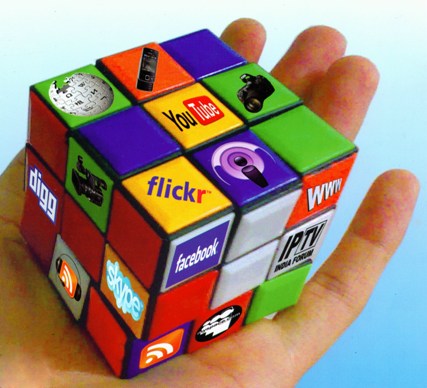
Who can crack this web 2.0 challenge? Image courtesy i4d magazine
As the 19th Century was drawing to a close, the newspaper publisher William Randolph Hearst (later immortalised in Citizen Kane) cabled a leading astronomer of the day: ‘Is there life on Mars? Please cable one thousand words’.

The scientist replied: ”Nobody knows” – written 500 times.

This would be my answer today, if a modern-day media tycoon were to ask me a different, yet equally compelling question: where are we headed with the bewildering developments in information and communication technologies, in which the mainstream media are a part?

And that would be the easiest 1,000 words I’d have written. But being me, I laboured a lot more in addressing that question in my talk to an assembled group of media tycoons and senior journalists in Colombo earlier this week, at the Sri Lanka launch of Asia Media Report 2009.

If I was too reflective on media futures, I can probably blame it on the venue: the Galle Face Hotel, Colombo’s oldest and grandest, where only a dozen years ago Sir Arthur C Clarke wrote the final chapters of his novel, 3001: The Final Odyssey. A bust of Sir Arthur still stands in the hotel’s lobby.

So, with the Indian Ocean lashing gently on the rocky beach only a few feet away, and under the slightly bemused gaze of Sir Arthur, I took my audience on a quick and rough tour of the near future — the one no one about which nobody is an expert!

Here are some excerpts:

Two waves that started separately have combined to radically change how people generate, access, store and share information: the rolling out of broadband internet, and the phenomenal spread of mobile phones.

The headline figures are impressive. For the first time in history, we now have the technological means to quickly reach out to most of humanity:
More than 4.1 billion mobile phones were in use by end 2008, a majority of them in the developing world.
Nearly a quarter of the world population (over 1.5 billion people) has access to the web, at varying levels of bandwidth.
• Thousands of radio and TV channels saturate the airwaves – these still are the primary source of news and information for billions.

Many of us don’t realise that even the basic mobile phone in use today packs more processing power than did the entire Apollo 11 spaceship that took astronauts to the Moon 40 years ago.

Where this growth in processing power and proliferation of devices might lead us, we can only guess — no one really knows. This can be both exhilarating for some — and very disconcerting for entities that were previously in control of the free flow of information, such as governments, academics – and dare I say it – the mainstream media!

Is that your final answer? Surely not...?
They may not accept this, individual governments, and their collective known as the United Nations, don’t have full control over what is going on. But the ‘information genie’ is now firmly out of the bottle, and evolving by the day that it’s impossible to put it back inside. This is both fascinating and frightening.

If it offers any comfort, even big corporations like Microsoft, Apple or Google are all learning by doing. Everything seems to be permanently in experimental — or beta — mode…

What would emerge from the current chaos? The best brains on the planet are trying to come up with plausible answers.

There is talk about the ‘post-media age’. In the broadcast circles that I move in, they now acknowledge, quietly, that the post-broadcasting age is already dawning.

Is what we hear the death cry of the Old Order…or birth pangs of a new Information Society? Or perhaps both?

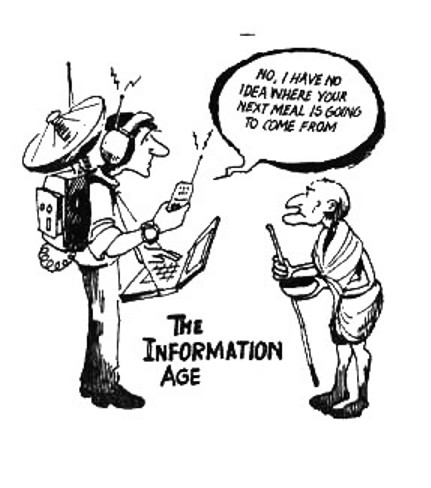
And how inclusive is that information society? As Asia Media Report 2009 reminds us, not everyone is invited to the party. Large sections of Asian society are left out.

But don’t expect such people to remain excluded for too long. Armed with mobile phones and other ICT tools, they are going to crash the party, whether we like it or not.