Text of my ‘When Worlds Collide’ column published in Ceylon Today Sunday broadsheet newspaper on 1 September 2013
After nearly a month of confusion and panic, the government now says it “probably overreacted” in its response to stories of contamination in milk powder imported from New Zealand.
“There was a debate that built up in the country over this issue,” information minister Keheliya Rambukwelle told reporters on August 30. “I personally think our response was beyond the actual need. There was an overreaction when thinking in technical terms.”
The minister added, however, that a government always erred on the side of caution in trying to protect consumers.
In early August, Sri Lanka stopped the import of milk from New Zealand after discovering trace amounts of dicyanamide (DCD) a fertilizer additive, in four batches of milk sold by several firms. Concerns were also expressed on the presence of whey protein…
In this week’s Ravaya column (in Sinhala), I discuss the recent controversy surrounding food safety of imported milk powder, and how certain medical doctors and scientists conducted themselves.
Text of my ‘When Worlds Collide’ column published in Ceylon Today Sunday broadsheet newspaper on 25 August 2013
“For every expert, there is an equal and opposite expert!”
With those tongue-in-cheek words, Sir Arthur C Clarke opened a June 1998 op-ed essay published in Science, journal of the American Association for the Advancement of Science. It probably struck a chord, and he soon added it as a fourth to his better known Three Laws.
The dilemma he highlighted is even more acute today. How can politicians make the best possible public policies when there is no scientific consensus in many technically complex issues?
And what can the public do when politicians in office are using scientific evidence only when it suits them, and ignore all the inconvenient truths? In other words, when governments are being expediently ‘evidence-based’?
Responsible governments have to balance the short and long term public…
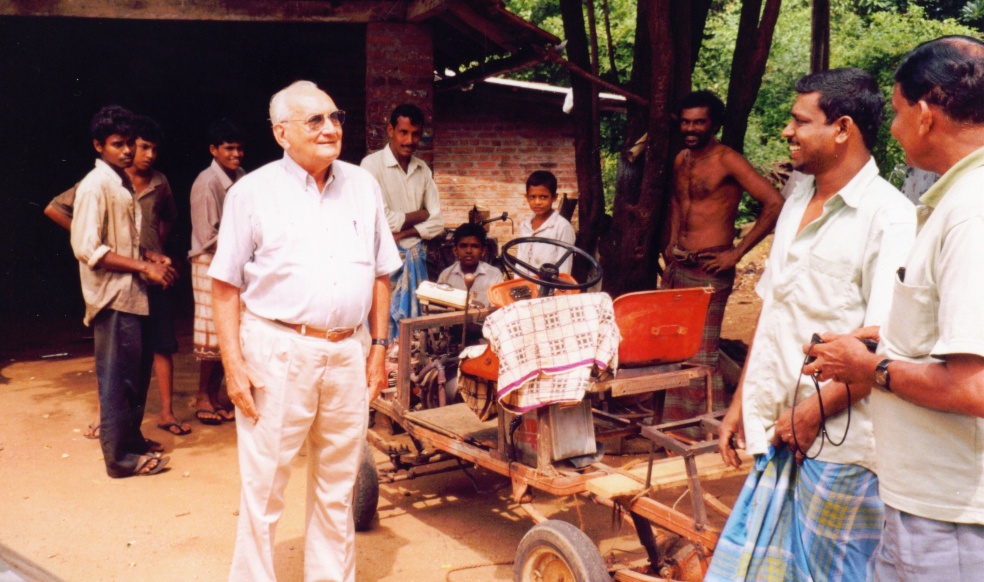
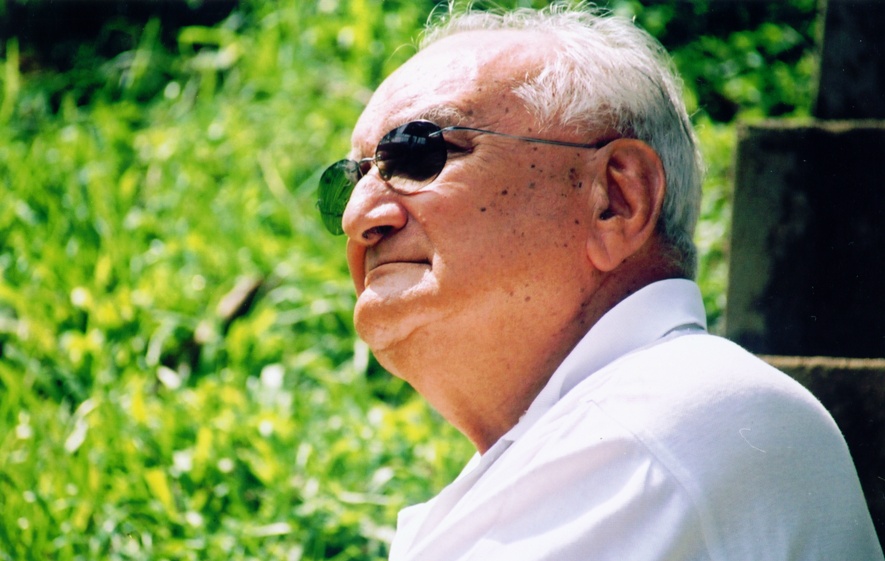
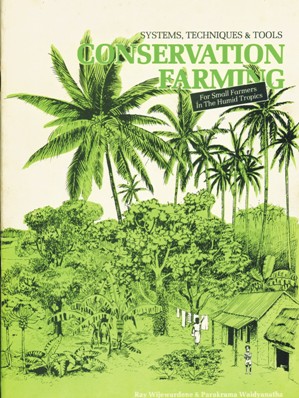
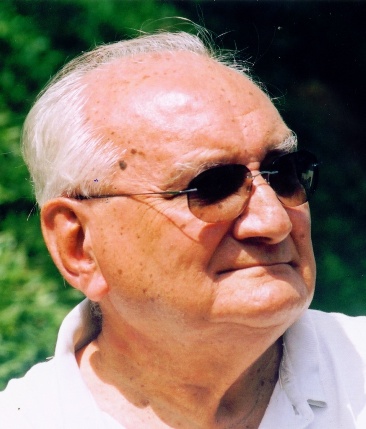
This week, my Ravaya Sunday column (in Sinhala) carries the second part of my long exchange with the late Dr Ray Wijewardene, agro-engineer turned farmer and a leading practitioner in conservation farming in the humid tropics.
Text of my ‘When Worlds Collide’ column published in Ceylon Today Sunday broadsheet newspaper on 18 August 2013
“If this flight is a waste of my time, you’re going to pay for it,” Julian Manning, managing director of Ceylon Tobacco Company (CTC) told Ray Wijewardene as they took a helicopter ride over the Mahaweli river valley in Sri Lanka’s hill country one day in the late 1980s.
“It’s not, and I’m right – and you’ll pay for it,” said a confident Ray, who wanted to show how haphazard farming on steep slopes was causing large scale soil erosion and environmental damage.
An engineer turned farmer, Ray knew how to take the ‘toad’s eye view’ of ground realities. As an avid aviator, he also had the ‘bird’s eye view’ – which is what he wanted to show the tobacco chief.
It worked. Pointing to the denuded hillsides, Ray emphasised the…
In this week’s Ravaya column (in Sinhala), I have adapted a long exchange I did in 1995 with the late Dr Ray Wijewardene, agro-engineer turned farmer and a leading practitioner in conservation farming in the humid tropics. The rest of this exchange will appear in future columns.
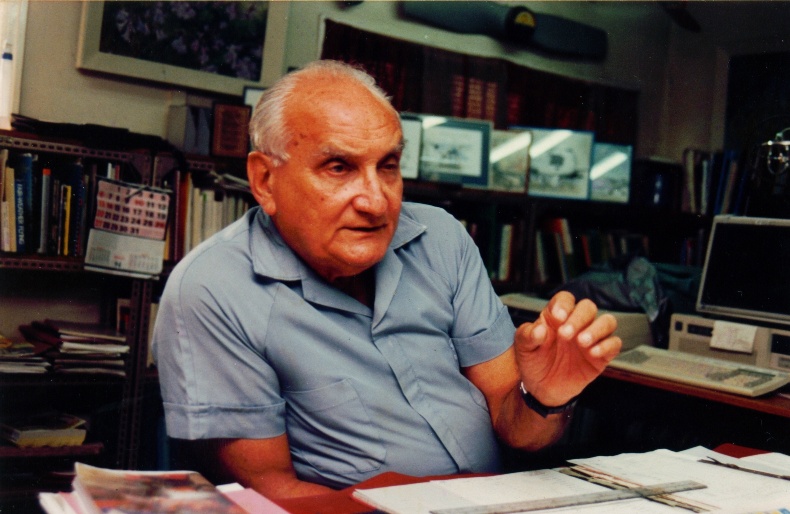
Ray Wijewardene (1924 – 2010) was an accomplished engineer, aviator, inventor, Olympian athlete and a public intellectual of the highest calibre. Although educated at Cambridge and further trained at Harvard, he preferred to introduce himself as a farmer and mechanic ‘who got his hands dirty’. His third death anniversary falls on 18 August 2013.
It was among his flying machines that I first met Ray in late 1986 at the Ratmalana Airport, just south of Colombo. One Sunday morning, he took time off to talk to a group of us high school leavers participating in a Science for Youth programme. It exposed us to various (then) modern technologies. Much of that ‘new knowledge’ has long become obsolete; but the inspiration propelled many of us to pursue careers in science.
That inspiration stemmed mostly from the shy and unorthodox Ray Wijewardene. Although he was then in his early 60s, he had the sense of wonder of a 10-year-old. He gave us practical demonstrations about problem solving and innovation in three areas close to his heart: energy, agriculture and transport.
At the time, he was looking for ways to improve the ordinary bicycle, so that riders could go faster with less effort. He also talked about buffaloes, earthworms and growing our food and energy to become truly ‘non-dependent’ on costly imports.
It was his flying machines that fascinated us the most. As a pilot, Ray was licensed to fly all three kinds of flying machines: fixed-wing aircraft, helicopters and autogyros. But this pilot was flying not only factory-fitted, mass-manufactured units: he built and flew his own ultra-light aircraft and helicopters.
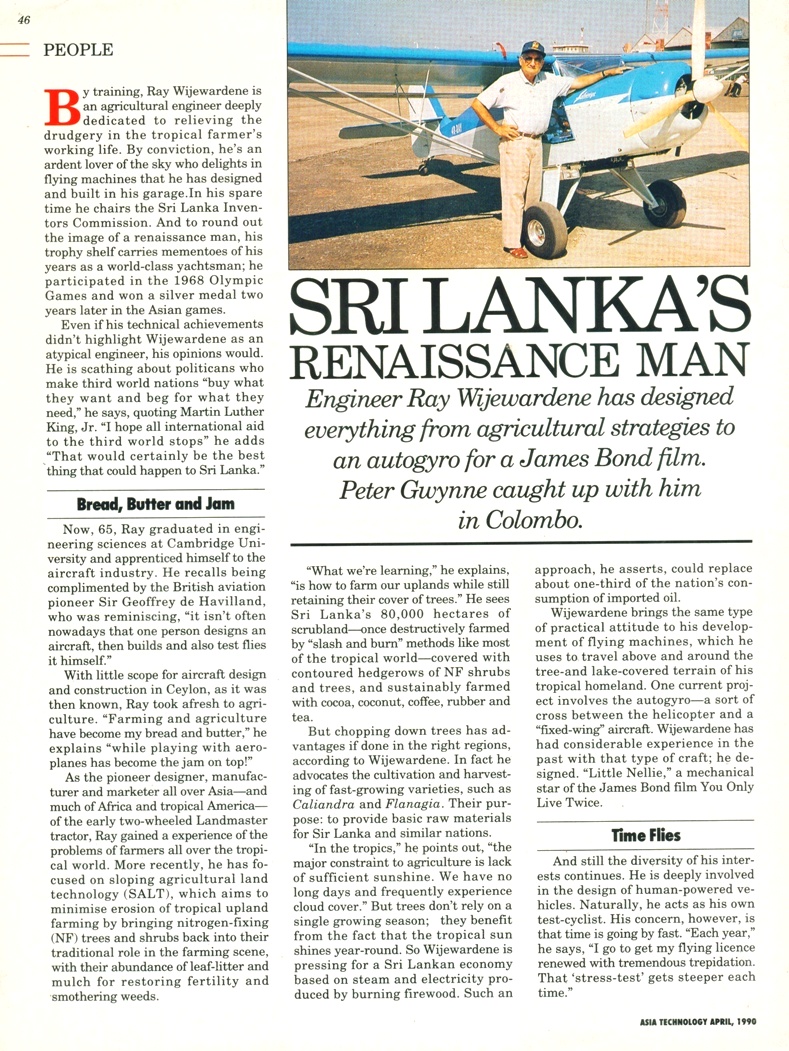
I have just unearthed, from the depths of my own archives, an interview I arranged in early 1990 between Ray and science writer Peter Gwynne, who at the time was editor of Asia Technology magazine published from HongKong. I was their Sri Lanka correspondent.
Peter, who held a BA and MA in metallurgy from Oxford and had been a science writer with various publications (including Newsweek) before moving to HongKong, was on a short visit to Colombo. So I took him to meet one of my most colourful and outspoken scientific friends — Ray. Beyond the predictable Oxbridge banter, they talked about many things. I was just a fascinated fly on the wall…
Based on that encounter, Peter wrote a perceptive profile of Ray — and called him Sri Lanka’s Renaissance Man. An apt title, indeed, given that Ray was talented in many pursuits including music and painting, and had a refined sense of aesthetics, probably the basis of his design sense. (It took me 21 years to come up with anything comparable: when creating the Ray Wijewardene website in 2011, I called him ‘A Man for All Elements’).
Here’s the full profile from Asia Technology, April 1990:
Ray Wijewardene profiled in Asia Technology, April 1990
PS: Asia Technology was a bold venture that didn’t last too long (even though it was part of the Dow Jones Company). The full colour, glossy publication was an early chronicler of Asia’s rise in science and technology, but was ahead of its time. It blazed like a supernova for a year and half, and then folded.
Text of my ‘When Worlds Collide’ column published in Ceylon Today Sunday broadsheet newspaper on 11 August 2013
Everybody lives downstream of somebody else!
That was the core message in a column I wrote a year ago (26 August 2012) about agricultural runoff causing major environmental and public health problems.
One such impact in Sri Lanka, mass scale chronic kidney failure (CKDu), has received much attention in recent months. One of several hypotheses for this medical emergency implicates chemical pesticides.
Some environmentalists have demanded action as a precautionary measure. In April 2013, the Health Ministry said it would ban the import of three pesticides (Chlorpynphos, Propanyl and Caboryl): apparently chemicals in these pesticides were found in urine samples of CKDu patients.
Banning rarely solves problems. But tightening the 90% state subsidy on chemical fertilisers, (which in 2009 cost 0.6% of total GDP) can reduce overuse and the…
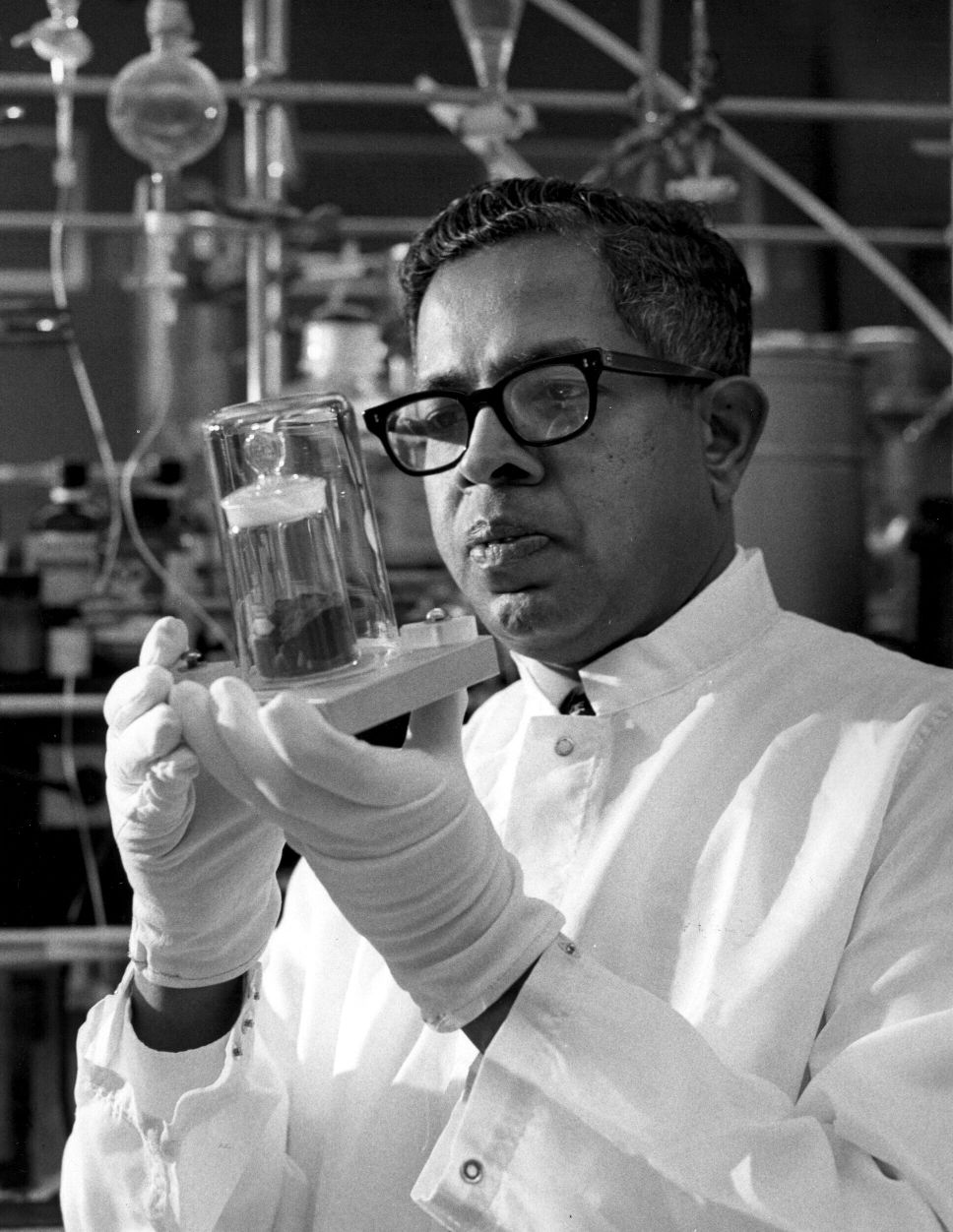
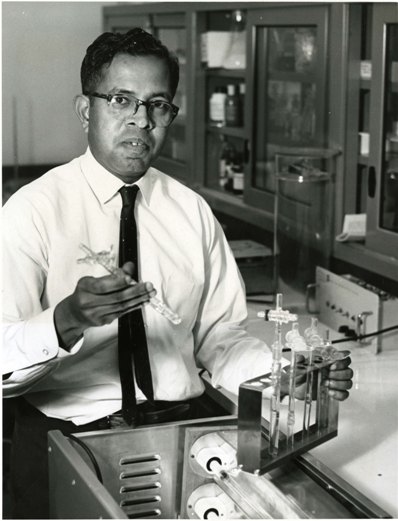
In this week’s Ravaya column, I pay tribute to Dr Cyril Ponnamperuma, Lankan biochemist who was one of the best known and most accomplished scientists produced by Sri Lanka.
Text of my ‘When Worlds Collide’ column published in Ceylon Today Sunday broadsheet newspaper on 4 August 2013
There was a memorable scene in the film Star Trek IV: The Voyage Home (1986). Chief Engineer Scotty, having time-travelled 200 years back to late 20th century San Francisco with his crew mates, encounters an early Personal Computer (PC).
Sitting in front of it, he addresses the machine affably as “Computer!” Nothing happens. Scotty repeats himself; still no response. He doesn’t realise that voice recognition capability hadn’t arrived yet.
Exasperated, he picks up the mouse and speaks into it: “Hello, computer?” The computer’s owner offers helpful advice: “Just use the keyboard.”
Scotty looks astonished. “A keyboard?” he asks, and adds in a sarcastic tone: “How quaint!”
He then proceeds to use the keyboard with amazing dexterity — too good to be true for someone raised in a future world where human-computer interactions…




 Open Minds!