Malima (New Directions in Innovation) is a Sinhala language TV series on science, technology and innovation produced and first broadcast by Sri Lanka’s Rupavahini TV channel on 26 January 2012.
Produced by Suminda Thilakasena and hosted by science writer Nalaka Gunawardene, it is a half-hour show in magazine style.
• An interview with engineering student W Rakitha Brito who has invented several tools and robots for use in the aviation industry
• A glimpse of the ‘pehi pattalaya’, an ancient Lankan technology for extracting medicinal oil from various seeds
• Why doesn’t the woodpecker get headaches after a hard day’s work? Scientists who probed this have come up with new technology to prevent injury in accidents.
• Interview with young inventor Jayashanka Dushan, 17, a student of Bomiriya National School in Kaduwela, on his invention of simplified, low-cost and energy efficient traffic light using LEDs
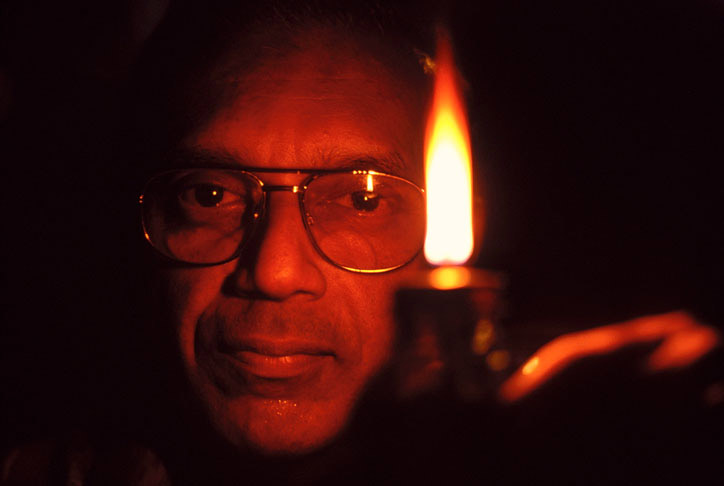
In December 2009, I wrote in a blog post: “It’s easy to curse the darkness, and many among us regularly do. Only a few actually try to light even a small candle to fight it. Dr Wijaya Godakumbura of Sri Lanka is one of them – he literally lights lamps, thousands of them, against the darkness of ignorance and poverty.”
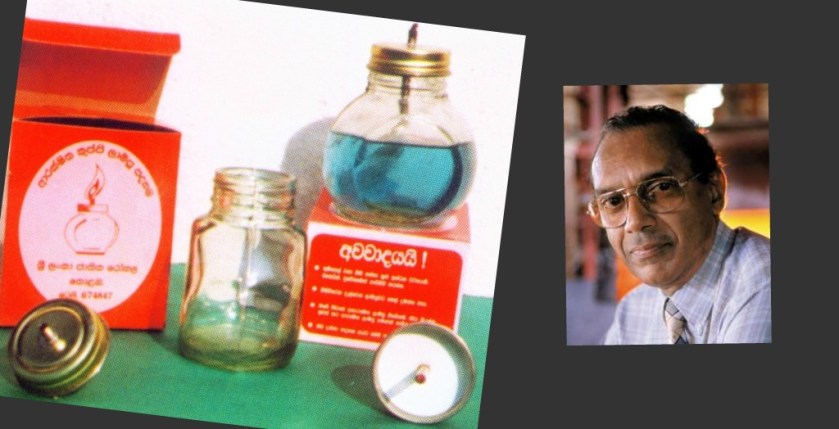
“But his lamps are different, and a great deal safer compared to normal lamps and kerosene, which can start fires risking life and property of users. The design is simple yet effective, inspired in part by the Marmite bottle known the world over: it’s small and squat, with two flat sides – equipped with a safe metal screw cap to hold the wick. It’s quite stable and hard to topple.”
I have written this week’s Ravaya Sinhala science column about Dr Godakumbura and his innovative, life-saving bottle lamp. I also feature him in an interview in MALIMA – the new TV series on science, technology and innovation I host from this month on Sri Lanka’s national TV Rupavahini.
The inventive doctor and his life-saving bottle lamp
What’s new – or just round the corner? Join me on Malima to find out!
Malima is the Sinhala term for a compass. Malima is also the name of a new TV series on science, technology innovation that I am hosting from this month on Rupavahini, Sri Lanka’s national TV channel.
Produced by Suminda Thilakasena, the show premiered on 12 January 2012. It will be broadcast every other Thursday at 17:30 (5.30 pm) Sri Lanka time.
Malima is a half-hour show in magazine style. Each episode will have several short segments:
– compact interviews introducing accomplished Lankan inventors (with patents, awards, etc.)
– profiles of school children and/or youth who have come up with innovative devices or concepts
– interviews with leading scientists and engineers on frontiers of technology
– vignettes on traditional knowledge and Lankan technological heritage
– news from other countries on interesting new innovations or scientific insights
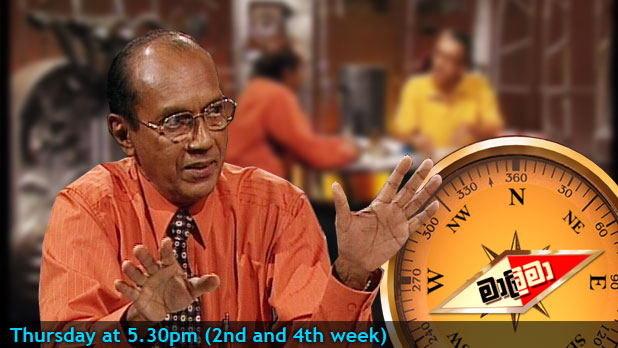
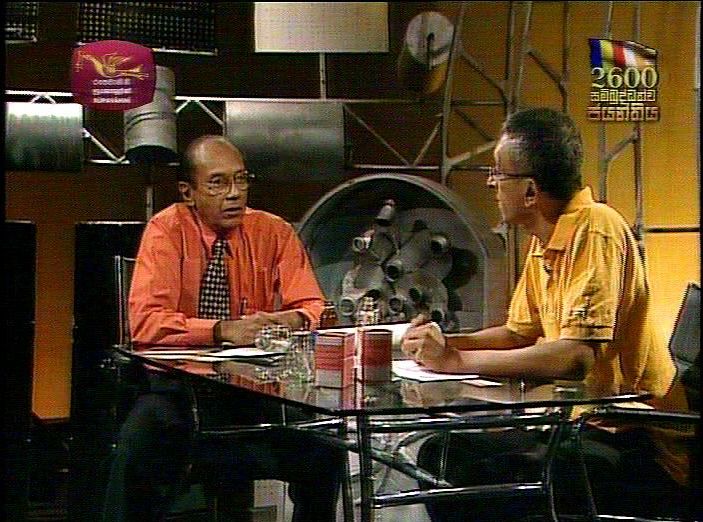
Dr Wijaya Godakumbura being interviewed by Nalaka Gunawardene on Malima
The first episode features:
• An interview with Dr Wijaya Godakumbura, inventor and promoter of the multi award winning Sudeepa safe bottle lamp that saves hundreds of lives
• German aircraft company e-volo has built the world’s first electric multicopter, a new kind of flying machine
• Ancient Lankan technology of extracting medicinal essence from plant products
• Interview with child inventor Sajini Jayanetti, 15, about two of her inventions: Automatic Fixed Amount Liquid Chemical Adder; and a new method to prevent drunken driving
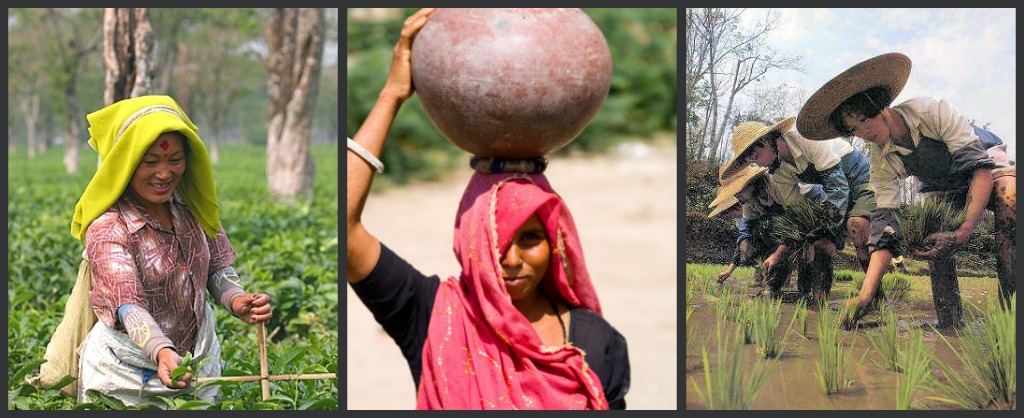
In our age of technology, hundreds of millions of people — most of them poor, and women — are still toiling away in tasks where simple machines or devices could reduce their daily drudgery. Few inventors have bothered with these — probably because the beneficiaries are on the margins of society. Their needs are not a priority for most research institutes or high tech laboratories.
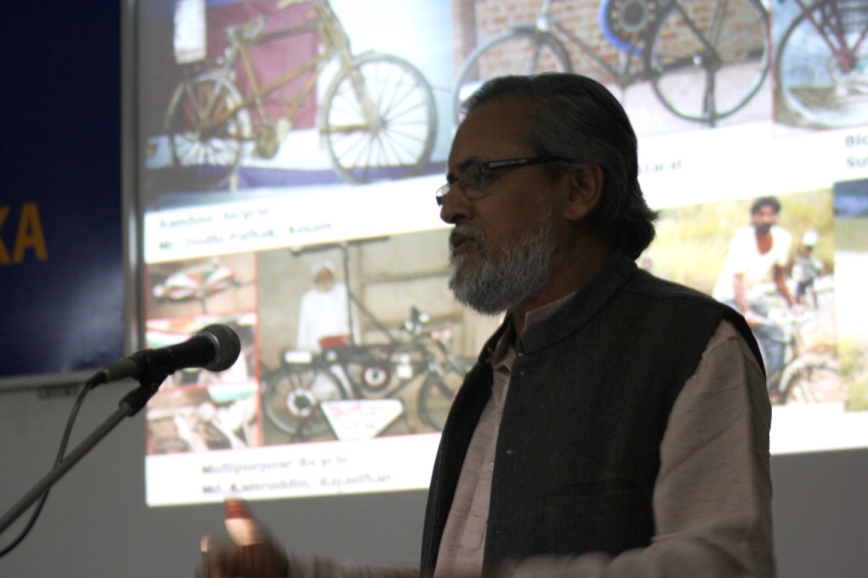
This is the theme of my Ravaya column (in Sinhala) published on 8 Jan 2012, reproduced in full below.It was inspired by, and mostly based on the inaugural Ray Wijewardene memorial lecture delivered by Dr Anil Kumar Gupta, India’s top innovation-spotter, in Colombo on 13 December 2011. He spoke on “Grassroots Innovation for Inclusive Development: From Rhetoric to Reality”
Aspirations are common; solutions are not...Cartoon by R K Laxman
The late Ray Wijewardene was very fond of this cartoon, drawn decades ago by the outstanding Indian cartoonist, R K Laxman.
It epitomised, in Ray’s view, poor people’s aspirations for useful technology: machines or processes that provided relief from drudgery and put money in their pockets.
The bicycle used to be a common aspiration among many people. Among today’s generation, the mobile phone is another. (But most people who want a phone have already got one – for a variety of personal and utilitarian reasons).
Ironically in our age of technology, hundreds of millions of people — most of them poor, and a majority of women — are still toiling away in tasks where simple machines or devices could reduce their daily drudgery.
Few inventors have bothered with these — probably because the beneficiaries are on the margins of society. Their needs are not a priority for most research institutes or high tech laboratories.
It was inspired by, and mostly based on the inaugural Ray Wijewardene memorial lecture delivered by Dr Anil Kumar Gupta, India’s top innovation-spotter, in Colombo on 13 December 2011. He spoke on “Grassroots Innovation for Inclusive Development: From Rhetoric to Reality”
India’s Honey Bee Network, which Gupta founded in the mid 1980s, has documented
thousands of grassroots innovations and traditional knowledge practices for a quarter century. And yet, many everyday life problems remain unresolved. Ones, when tackled, can bring immediate relief to hundreds of millions of men and women from their daily drudgery.

 Open Minds!