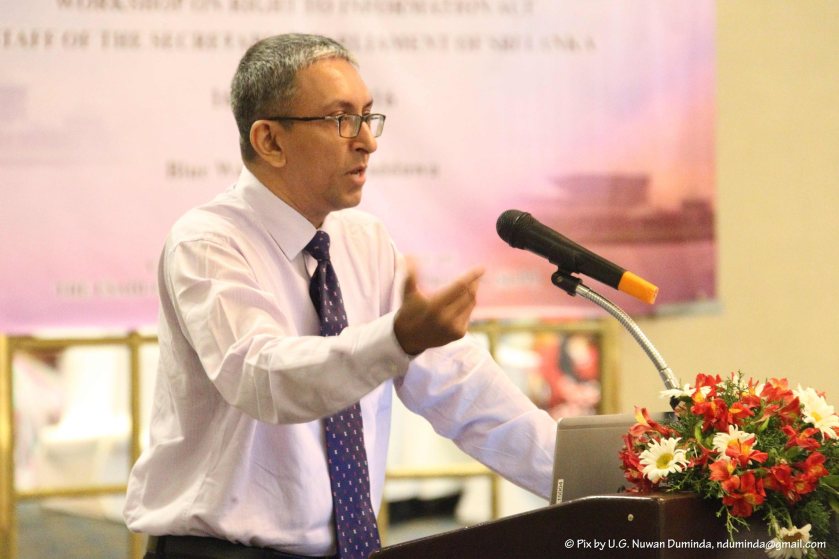
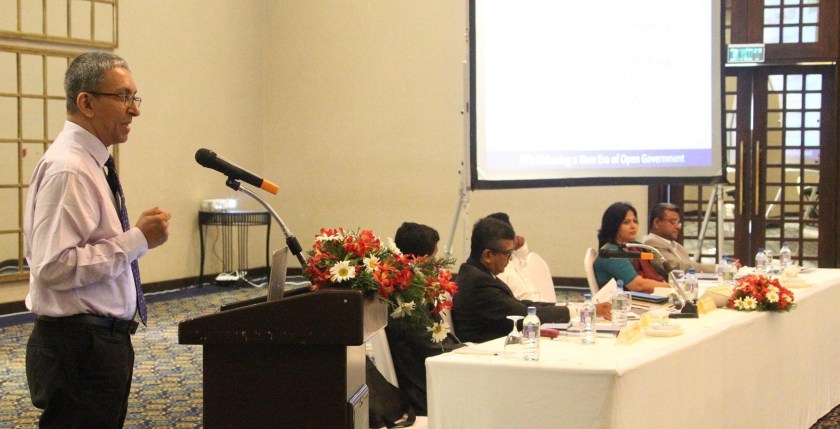
Nalaka Gunawardene speaks at RTI Seminar for Sri Lanka Parliament staff, 16 Aug 2016
On 16 August 2016, I was invited to speak to the entire senior staff of the Parliament of Sri Lanka on Right to Information (RTI) – South Asian experiences.
Sri Lanka’s Parliament passed the Right to Information (RTI) law on 24 June 2016. Over 15 years in the making, the RTI law represents a potential transformation across the whole government by opening up hitherto closed public information (with certain clearly specified exceptions related to national security, trade secrets, privacy and intellectual property, etc.).
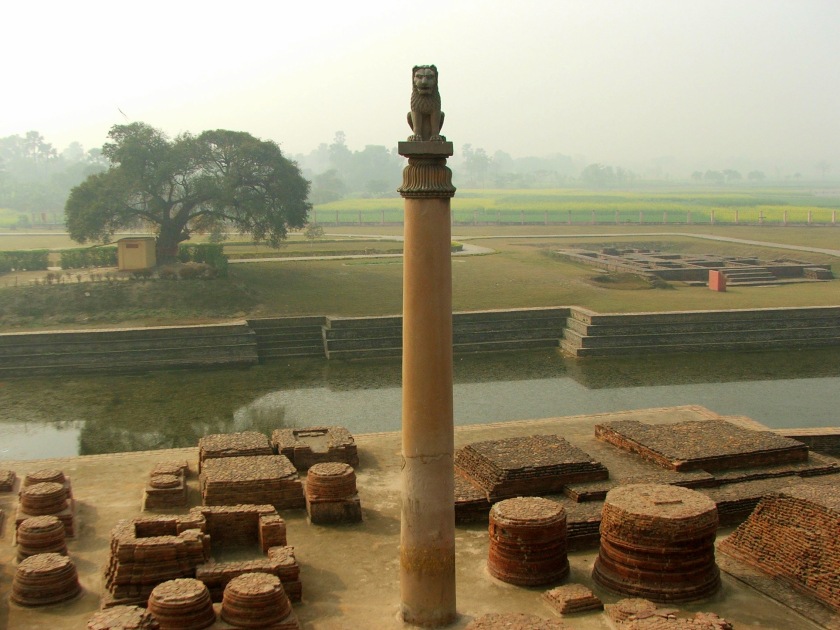
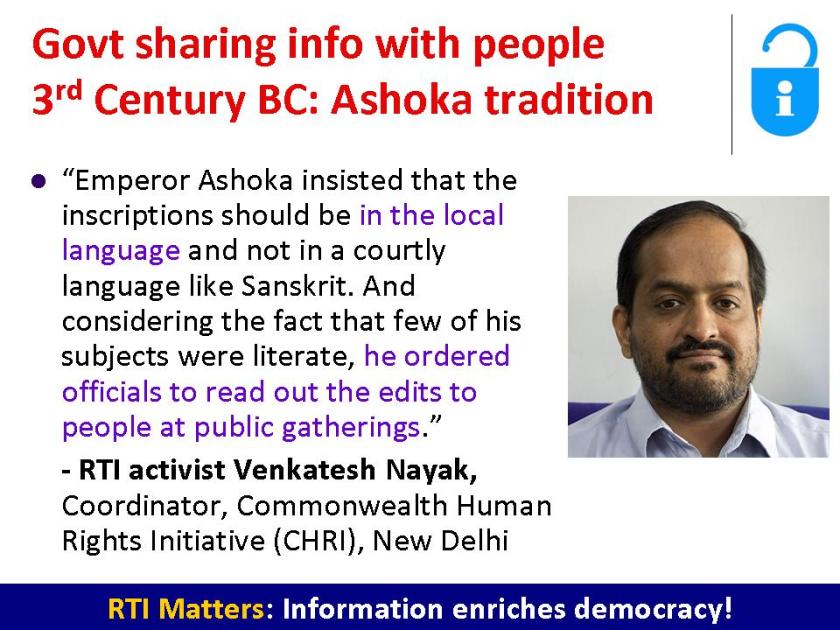
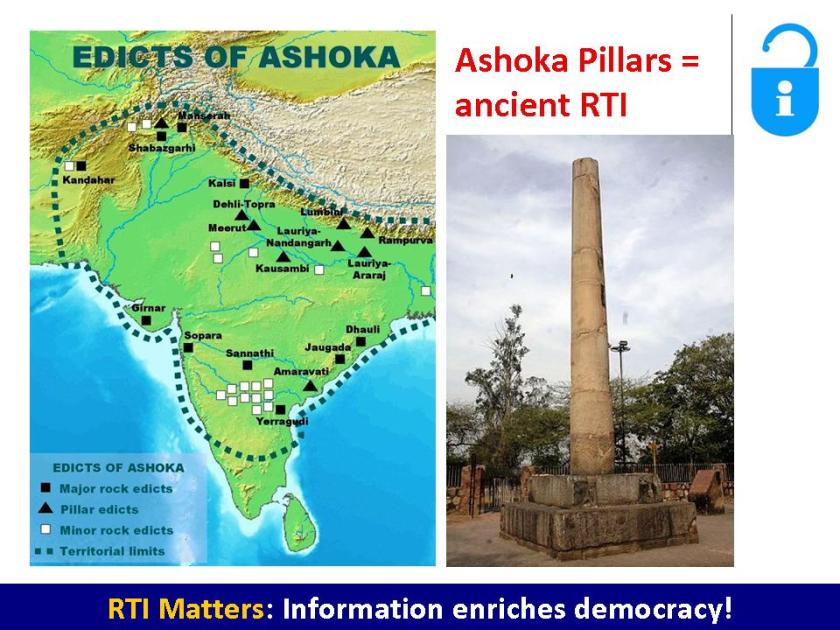
This presentation introduces the concept of citizens’ right to demand and access public information held by the government, and traces the evolution of the concept from historical time. In fact, Indian Emperor Ashoka (who reigned from c. 268 to 232 Before Christ) was the first to grant his subjects the Right to Information, according to Indian RTI activist Venkatesh Nayak, Coordinator, Commonwealth Human Rights Initiative (CHRI). Ashoka had inscribed on rocks all over the Indian subcontinent his government’s policies, development programmes and his ideas on various social, economic and political issues — including how religious co-existence.
Nalaka Gunawardene speaks at RTI Seminar for Parliament staff, Sri Lanka – 16 Aug 2016
Therefore, adopting an RTI law signifies upholding a great Ashokan tradition in Sri Lanka. The presentation looks at RTI good practices and implementation experiences in India, Nepal, Bangladesh, Pakistan and Maldives – all these South Asian countries passed an RTI law before Sri Lanka, and there is much that Sri Lanka can learn from them.
The presentation ends acknowledging the big challenges in implementing RTI in Sri Lanka – reorienting the entire public sector to change its mindset and practices to promote a culture of information sharing and transparent government.
Sri Lanka’s Parliament is debating the Right to Information (RTI) Bill on June 23 – 24.
Over 15 years in the making, the RTI law represents a potential transformation across the whole government by opening up hitherto closed public information (with certain clearly specified exceptions related to national security, trade secrets, privacy and intellectual property, etc.).
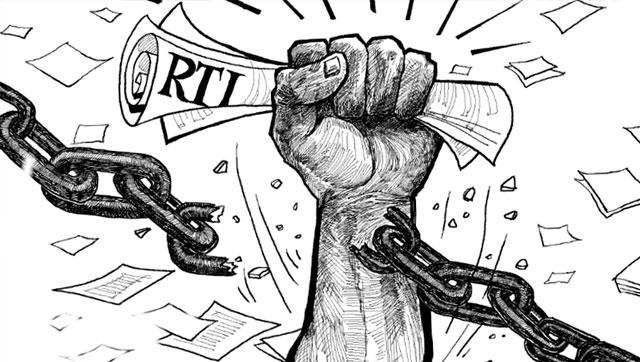
While the media benefits from RTI, it is primarily a law for ordinary citizens to demand and receive information related to everyday governance (most of it at local levels). RTI changes the default mode of government from being classified to open.
In this week’s Ravaya column (appearing in the print issue of 26 June 2016), I point out that although the modern-day concept of Right to Information (also known as Freedom of Information) arose in Europe in the 18th century, there are comparable precedents in the East that date back to over two millennia.
Indian Emperor Ashoka (who reigned from c. 268 to 232 Before Christ) was the first to grant his subjects the Right to Information (RTI), according to Indian RTI activist Venkatesh Nayak, Coordinator, Commonwealth Human Rights Initiative (CHRI).
Speaking at a seminar on RTI in Colombo last month, Nayak said that Ashoka had inscribed on rocks all over the Indian subcontinent his government’s policies, development programmes and his ideas on various social, economic and political issues — including how religious co-existence.
“He insisted that the inscriptions should be in the local language and not in a courtly language like Sanskrit. And considering the fact that few of his subjects were literate, he enjoined officials to read out the edits to people at public gatherings,” Nayak added.
Therefore, adopting an RTI law signifies upholding a great Ashokan tradition in Sri Lanka. And implementing it would be a huge challenge – reorienting the entire public sector to change its mindset and practices to promote a culture of information sharing and transparent government.

 Open Minds!