This was the title of a talk I gave to Sri Lanka Rationalists’ Association (SLRA) in Colombo, Sri Lanka, on 7 June 2012 — two days after World Environment Day.
In this, I shared my observations on how attempts aimed at environmental conservation and sustainable resource use in Sri Lanka are often hindered by many misconceptions and myths about natural resources and our impact on them.
I invoked the words of George Monbiot, journalist/columnist, The Guardian, UK: “One of the most widespread human weaknesses is our readiness to accept claims that fit our beliefs and reject those that clash with them. We demand impossible standards of proof when confronted with something we don’t want to hear — but will believe any old cobblers if it confirms our prejudices…”
At the outset, I proposed a basic categorization of eco-myths as myths of the first, second and third kind – the last one being the most pervasive and harmful. Drawing on my 25 years of experience as a science writer and journalist, I cite several examples from air pollution, biodiversity and climate change.
There is also the mother of all eco-myths that Lankan nationalists never tire of repeating: romanticising the ‘good old days’ before modernisation and colonisation. Ah, if only real life were that simple…
I acknowledged that scientific knowledge and understanding on some ecological matters are evolving so have to keep an open, inquisitive mind: science does not have all the answers, but provides a framework in which to ask the right questions and to go in search of answers supported by evidence.
I also conceded that many individuals – and their societies – are not always rational. Governments (at least in democracies) take their cue from the people, and so…irrationality feeds on itself.
The bottomline: it’s a free world and individuals may cling on to any fantasy or belief. As long as it doesn’t harm others around the believer, and/or affects collective thinking. When it does, the good of the many must outweigh the good of one.
In this Ravaya column, in Sinhala and printed in the Ravaya newspaper of 3 July 2011,
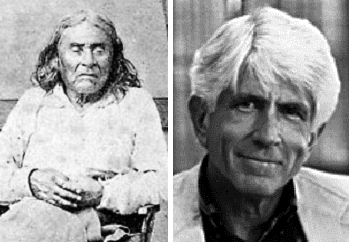
I point out that a certain speech said to be uttered by a native American chief is, in fact, a latter day script by a filmmaker.
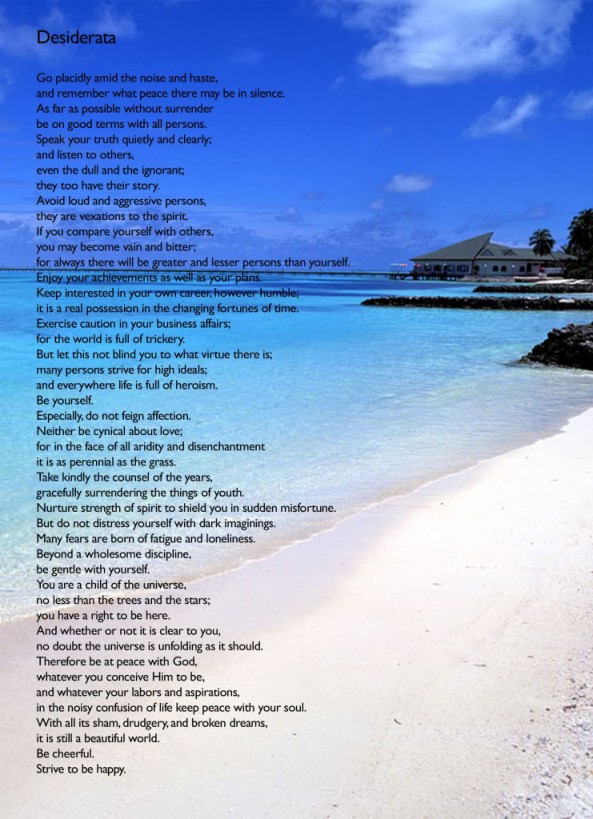
“Desiderata” is Latin for “desired things”, and the plural of desideratum. Desiderata is also the title of a famous prose poem written by Max Ehrmann an American spiritual writer and attorney.
It captures his thoughts about attaining happiness in life. Its universal and timeless sentiments have resonated with people all over the world. As with the ‘Chief Seattle speech‘, another urban legend has emerged suggesting that this poem was “found” at Old St. Paul’s Church in Baltimore and is as old as 1692.
None of this takes away from the beauty and profundity of the poem. Living in a world full of clutter and noise, I find much comfort in this. Here’s one illustrated version I found online:
 We Can’t Save the Planet with Green Myths!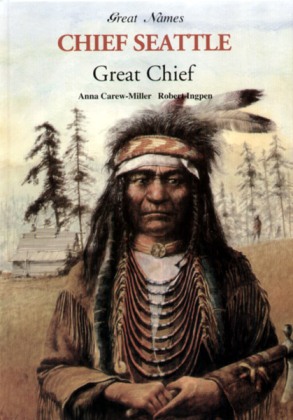

 Open Minds!