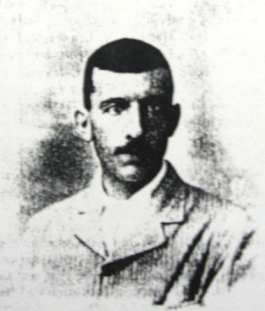
Most people in the land of his birth have never heard of him, and therein hangs a sad tale of how the country neglects its intellectual and scientific heritage. I have written about him in English some years ago. See: From Trincomalee to Mars: The fascinating journey of Percy B Molesworth
නිධන් හොරුන්ගෙන් පුරාවස්තු හා කෞතුක වටිනාකමක් ඇති ස්ථාන රැක ගන්නේ කෙසේ ද? මේ ප්රශ්නය ජන සමාජයේත්, මාධ්යවලත් මේ දිනවල නිතර කථාබහ කැරෙනවා. එහිදී ඇතැම් දෙනා කියන්නේ නිසි උගත්කමක් ඇති විද්වතුන්ට මේ රටේ හරි තැනක් හා තීරක හැකියාවක් තිබුණොත් උරුමය රැක ගැනිම වඩා පහසු වනු ඇති බවයි.
තර්කයක් ලෙස එය වැදගත් වුවත්, හැම උගතකූම එක හා සමාන ලෙසින් සමාජයීය හා ජාතික වගකීම්වලට උර නොදෙන බව අප දන්නවා. ඇත්තට ම අපේ රටේ බොහෝ ප්රශ්න උ්රග්රවීමට ප්රබල හේතුවක් නම් පොදු උන්නතියට කැප වූ බුද්ධිමතුන් (public intellectuals) හිඟවීමයි. ඒ වෙනුවට අපට සිටින්නේ ඇඟ බේරා ගෙන වැඩ කරන, පටු ලෙස සිය වෘත්තීමය කාර්ය භාරය විග්රහ කර ගන්නා විද්වත් බහුතරයක්.
විද්යා හා තාක්ෂණ ක්ෂේත්රවල උරුමයට (heritage) අදාල ස්ථාන හා වස්තු ද තිබෙනවා. මේවාට වෙළඳපොලේ එතරම් ද්රව්යමය වටිනාකමක් නොලැබුණත් අපේ රටේ නව දැනුම හා නව නිපැයුම් සොයා යාමේ ඉතිහාසය ගැන විමසන විට විද්යාත්මක උරුමයට අදාළ ස්ථාන හා භාණ්ඩ රැක ගැනීම වැදගත් වනවා. ශ්රී ලංකාවේ නීතිමය නිර්වචනයට අනුව වසර සියයට වඩා පැරණි භාණ්ඩයක කෞතුක වටිනාකමක් හා පුරා විද්යාත්මක වැදගත්කමක් ඇතැයි සැළකෙනවා.
ශ්රී ලංකාවේ ඓතිහාසික වශයෙන් වැදගත් ම දුරදක්නය ප්රවේශම් කර නොගැනීමේ ඛේදවාචකයත් මේ කථාවට අදාලයි. විද්යා හා තාක්ෂණ උරුමයක් රැක ගැනීමට අපොහොසත් වූ මේ රටේ පැරණි ම සරසවිය ගැන අප සිහිපත් කරන්නේ ආයතනයකට නිගරු කිරීමට නොව උගත් සැවො ම එක සේ වගකීම් නොදරණ බවට උදාහරණයක් ලෙසයි.
ඒ සඳහා අප සියවසකට වඩා අතීතයට යා යුතුයි. මෙරට නූතන තාරකා විද්යා නිරීක්ෂණයේ පුරෝගාමියා ලෙස අවිවාදයෙන් සැළකෙන්නේ පර්සි බ්රේබෲක් මෝල්ස්වර්ත් (Percy Braybrooke Molesworth, 1867-1908). බි්රතාන්ය දෙමවුපියන්ට ලංකාවේ ඉපදී, ජීවිතයේ වැඩි කාලයක් මෙරට ගත කර, මෙරට ම මිය ගිය ඔහු වෘත්තියෙන් හමුදා ඉංජිනේරුවරයෙක්. එහෙත් වැඩි උනන්දුව තිබුණේ තාරකා විද්යා නිරීක්ෂණවලටයි.
පර්සිගේ පියා, ශ්රීමත් ගිල්ෆඞ් ලින්ඩිසේ මෝල්ස්වර්ත් ලංකා දුම්රිය සේවයේ ප්රථම සාමාන්යාධිකාරවරයා. මෙරට මුල් ම දුම්රිය 1864 දෙසැම්බරයේදී කොළඹ සිට අඹේපුස්ස දක්වා ධාවනය කොට ඉතිහාසගත වී තිබෙනවා.
බි්රතාන්යයේ අධ්යාපනය ලබා හමුදා පුහුණුව ද ලද පර්සි මෝල්ස්වර්ත්, කෙටි කලක් හොංකොංහි සේවය කිරිමෙන් පසු තමා උපන් රට වූ ලංකාවට ආවා. 1896දී ත්රිකුණාමලයේ කොටුවට අනුයුක්ත කරනු ලැබු ඔහු, රාජකාරි වශයෙන් කාර්යබහුල නොවූ නිසා වැඩි කාලයක් ගත කළේ තාරකා විද්යා නිරීක්ෂණවලටයි. එම ක්ෂේත්රයේ උසස් අධ්යාපනයක් ලබා නොසිටියත් ඉතා උද්යෝගිමත් හා ක්රමානුකූල ආධුනික තාරකා විද්යාඥයකු ලෙස ඔහු ශාස්ත්රීය වශයෙන් වැදගත් ගවේෂණ රැසක් කළා.
ඒ සඳහා අඟල් 12.5 ක (සෙමී 32) පරාවර්තක දුරදක්නයක් බි්රතාන්යයේ සිට ගෙන වූත් සිය ගෙවත්තේ සවි කළා. 1890 දශකයේ හා විසිවන සියවසේ මුල් වසර කිහිපය තුළ ජාත්යන්තර වශයෙන් පිළි ගැනීමට ලක් වූ පර්යේෂණාත්මක සොයා ගැනීම් ගණනාවක් කිරීමට ඔහු සමත් වුණා.
විශේෂයෙන් ම චන්ද්රයා හා ග්රහලෝක නිරික්ෂණයටත්, ඒවා දුරදක්නයක ආධාරයෙන් සිතුවම් කිරීමටත් පර්සි ලොකු උනන්දුවක් දැක්වුවා. මේ නිරීක්ෂණවල සුක්ෂම බව හා ඔහු කළ විද්යාත්මක නිබන්ධන නිසා 1898දී බි්රතාන්යයේ රාජකීය තාරකා විද්යා සංගමයේ (Royal Astronomical Society, RAS) සාමාජිකත්වය ඔහුට පිරිනමනු ලැබුවා.
බ්රහස්පති ග්රහයා මතුපිට සුවිශාල වායුගෝලීය කැළඹීමක් ලෝකයේ තාරකා විද්යාඥයන් හැමට පෙර මුලින් ම ඔහු නිරීක්ෂණය කලේ 1901දී. මේ නිසා ලෝකයේ ප්රමුඛතම නිරීක්ෂණාත්මක තාරකා විද්යාඥයකු ලෙස ප්රසිද්ධියට පත් ඔහු ලංකා දුපතට ද කීර්තියක් ගෙන ආවා.
මෝල්ස්වර්ත් වයස 41දී අකාලයේ මිය ගියේ 1908දී. ඉන් පසු ඔහුගේ ත්රිකුණාමලයේ නිරීක්ෂණාගාරය ගරා වැටුණා. එහි තිබූ ඔහුගේ දුරදක්නය යම් ආකාරයකින් කාලයාගේ ඇවෑමෙන් කොළඹට ගෙනෙනු ලැබුවා.
එය මුලින් කාලගුණ විද්යා දෙපාර්තමේන්තුවට අයත් නිරීක්ෂණාගාරයේ තිබුණු බවත්, පසුව කොළඹ සරසවියට තෑගි කළ බවත් වාර්තාවලට අනුව තහවුරු වනවා. රීඞ් මාවතට සමාන්තර කොළඹ සරසවි ක්රීඩා පිටියේ dome ආකාර කුඩා ගොඩනැගිල්ලක එය පිහිටුවනු ලැබුවා.
එහි නඩත්තුව හා භාවිතය විද්යා පීඨයේ ඇදුරන්ට හා සිසුන්ට භාර වී තිබුණා. එහෙත් කලින් කලට ඔවුන් වෙනස් වන විට දුරදක්නය නඩත්තුවේ අඩුපාඩුකම් ද සිදු වුණා. ආයතනික මට්ටමෙන් මේ වටිනා විද්යාත්මක උපකරණය ගැන තැකීමක් කොළඹ සරසවියට කිසිදිනක තිබුණා ද යන්න සැක සහිතයි.
1970 දශකය මුල් කාලයේ ආචාර්ය වී කේ සමරනායකගේ මූලිකත්වයෙන් මේ ඓතිහාසික දුරදක්නය අළුත්වැඩියා කළ හැටි තාරකා විද්යාඥ ආචාර්ය කාවන් රත්නතුංගට හොඳට මතකයි. ඉනික්බිති එය වසර ගණනාවක් රාත්රී අහස නිරීක්සන්නට යොදා ගත්තා.
1988දී රට කැළඹී තිබුණු අවස්ථාවේ මේ දුරදක්නයේ ලෝහමය කොටස් කිසිවකු විසින් සොරකම් කරනු ලැබුවා. ඒ ගැන සොයා බලන්නට ඉස්පාසුවක් සරසවි බලධාරීන්ට හෝ පොලිසියට හෝ තිබුණේ නැහැ. මේ ගැන මා ලියූ ලිපියක් ‘The Death of an Observatory’ මැයෙන් 1988 මාර්තු 26 වනදා The Island පත්රයේ පළ වුණා. උතුරේ හා දකුණේ සන්නද්ධ අරගලයන් දෙකක් මුළු රට ම භීතියට හා පීඩනයට ලක් කර තිබූ එවැනි වකවානුවක මෙබදු සොරකමක් ගැන මාධ්ය හරහා කථා කිරීම ගැන මාධ්ය සහෘදයන් සමහරකුගෙන් මට දොස් අසන්නට ද සිදු වුණා.
1988 කොල්ලකෑමෙන් පසු මෝල්ස්වර්ත් දුරදක්නය හරිහැටි පිලිසකර වුයේ නැහැ.
පර්සි මෝල්ස්වර්ත්ගේ විද්යා ගවේෂණ ගැන මහත් සේ පැහැදී සිටි ශ්රීමත් ආතර් සී. ක්ලාක් ද මේ තත්ත්වය වෙනස් කරන්නට උත්සහා කළා. 2003-04 කාලයේ රෝද පුටුවෙන් කොළඹ සරසවියට ගිය ක්ලාක්, නිරීක්ෂණාගාරයේ තත්ත්වය දැක කම්පාවට පත් වුණා. කොළඹ සරසවියේ එවකට සිටි උපකුලපතිවරයාට ලියුමක් ලියමින් ක්ලාක් ඉල්ලා සිටියේ ප්රමාද වී හෝ මෝල්ස්වර්ත්ගේ දුරදක්නයේ ඉතිරිව තිබෙන කොටස් සංරක්ෂණය කරන ලෙසයි.
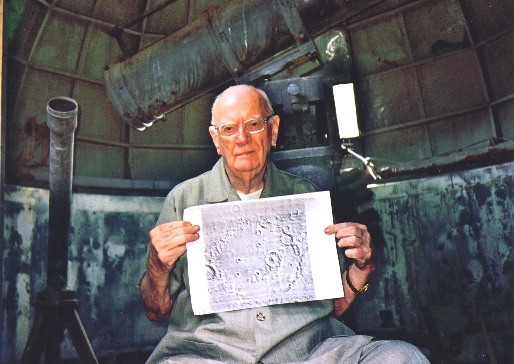
‘ඔබේ සරසවියේ විද්යාත්මක උපකරණ අතරින් වඩාත් ම පැරණි හා ඓතිහාසිකව වැදගත් උපකරණය මෙයයි,’ ක්ලාක් කීවා. එහෙත් මේ ලිපියට සරල පිළිතුරක්වත් ලැබුණේ නැහැ. එබදු ලිපි දෙක තුනක් එවකට සිටි උපකුලපතිවරයාට ලියු බව මා දන්නවා. මොරටුව සරසවියේ කුලපති ලෙස වසර 22ක් (1979 – 2002) කටයුතු කළ ක්ලාක්ගේ ලිපියකට පිළිතුරු එවීමටවත් කොළඹ සරසවි පාලකයන්ට උවමනාවක් තිබුණේ නැහැ!
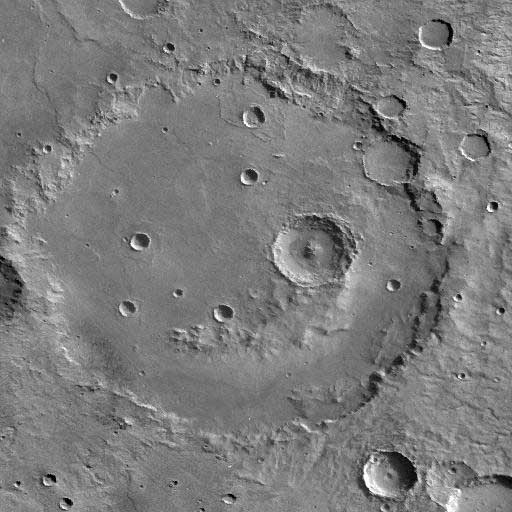
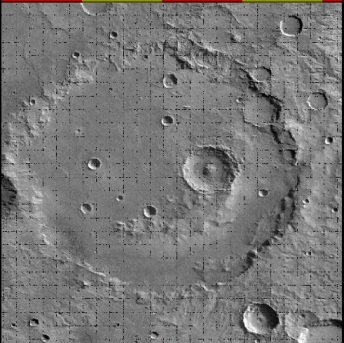
මේ අතර මෝල්ස්වර්ත්ගේ නිරීක්ෂණ සටහන්, වාර්තා පොත් හා පර්යේෂණ පත්රිකා අද දක්වා ලන්ඩන් නුවර RAS පුස්තකාලයේ සුරැකිව තිබෙනවා. ඔහුගේ විදවත් දායකත්වය ලෝක මට්ටමින් ඇගැයීමට ලක් කළ ජාත්යන්තර තාරකා විද්යා සංගමය (International Astronomical Union, IAU) 1973දී අඟහරු ග්රහයා මතුපිට කිමි 175ක් පළල් වූ ආවාටයක් ඔහුගේ නමින් නිල වශයෙන් නම් කළා. (ආකාශ වස්තුවලට නම් දීමේ වරම සතු එක ම විද්වත් සංවිධානය වන IAU හරහා මෙසේ පිළි ගැනීමට පත්ව ඇත්තේ ලාංකිකයන් අතලොස්සක් පමණයි. 2011 අපේ්රල් 3දා කොලම බලන්න.)
එහෙත් මේ පුරෝගාමී තාරකා විද්යාඥයාගේ විද්වත් දායකත්වය ගැන ශ්රී ලංකාවේ කිසිදු පිළි ගැනිමක් හෝ ඇගයීමක් හෝ සිදු වී නැහැ. මෝල්ස්වර්ත් මිය ගොස් සියවසක් පිරුණු 2008 දෙසැම්බරයේ මේ කථාව සම්පිණ්ඩනය කර මා Sunday Times පත්රයට ලිපියක් ලිව්වා.
එය අවසන් කරමින් මා කීවේ “ඔහු ඉපිදල වැඩි කාලයක් ගත කළ රටෙහි පර්සි මෝල්ස්වර්ත් ගැන මතකයන් නැතත් ඒ දුපතෙන් කිමි මිලියන ගණනක් දුරින් පිහිටි රතු ග්රහයා මතුපිට මෝල්ස්වර්ත් ආවාටය ඔහුගේ නම විශ්වයට සිහිපත් කර දෙනවා.” http://tiny.cc/PercyM
පසුගිය වසරේ ඔක්තෝබරයේ ආතර් සී. ක්ලාක්ගේ පෞද්ගලික දුරදක්නය ගැන බොරු මාධ්ය කලබලයක් ඇති වූ විට කොළඹ සරසවියේ භෞතික විද්යාඥ ආචාර්ය චන්දන ජයරත්න උපුටා දක්වමින් කියා තිබුණේ “මේ දුරදක්නය ඇතුළු ආතර් සී. ක්ලාක් පරිහරණය කළ දෑ අනාගත පරපුරට දැක ගැනීමට හැකි ස්ථානයක සංරක්ෂණය කළ යුතු” බවයි. මේ සඳහා රජයට මැදිහත් විය හැකි ද යන්න පුවතෙන් ප්රශ්න කොට තිබුණා. (2011 ඔක්තෝබර 9දා කොලම බලන්න.)
තමන්ගේ සරසවියේ ම තිබුණු මෙරට වටිනා ම දුරදක්නය රැක ගන්නට අපොහොසත් වූ විද්යාඥයන්ට, ක්ලාක්ගේ වසර 30ක් නොපැරණි පෞද්ගලික දුරදක්නය රැක ගන්නට යයි මාධ්ය ප්රකාශ කිරීමට සදාචාරමය අයිතියක් ඇත් ද?
 Open Minds!