When Worlds Collide #113: Outpacing Tsunamis in the Indian Ocean: Are we ready?

Nalaka Gunawardene's avatarWhen Worlds Collide, by Nalaka Gunawardene

Text of my ‘When Worlds Collide’ column published in Ceylon Today newspaper on 4 July 2014

How a tsunami warning system works. AFP FILE PHOTO How a tsunami warning system works. AFP FILE PHOTO

Timely warnings about on-coming disasters can literally save lives – provided the word reaches those at risk. And they know what to do, and react quickly.

These elements form part of disaster risk reduction, or DRR, now receiving greater attention as the frequency and intensity of disasters keep increasing.

In December 2004, the Indian Ocean tsunami caught Sri Lanka by surprise and some 40,000 lives were lost. Most of those could have been saved if only a simple warning – for coastal evacuation – reached them. There was a tight but useful window of around 90 minutes until the killer waves arrived on our East coast (and a bit longer while they went around the island and hit other coastal areas).

Sri Lanka was not…

View original post 1,172 more words
When Worlds Collide #112: Social Media ‘Candles’ for Mainstream Media Blackouts

Nalaka Gunawardene's avatarWhen Worlds Collide, by Nalaka Gunawardene

Text of my ‘When Worlds Collide’ column published in Ceylon Today newspaper on 20 June 2014

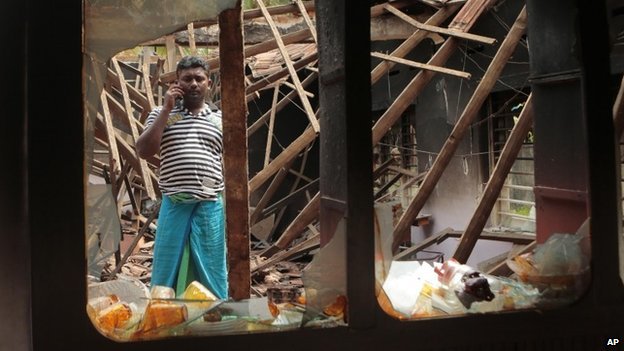
Many Muslim-owned properties have been attacked and some set alight - AP photo Many Muslim-owned properties have been attacked and some set alight – AP photo

What is the best way to manage public information in times of national crises – whether disasters, epidemics or conflict?

All governments face this question from time to time and respond with varying degrees of success. It has become especially challenging today due to multiple, instant modes of communications. Suppressing the flow of information is much harder and ultimately counterproductive.

This point was driven home once again in the aftermath of serious communal riots in Aluthgama, Beruwala and Dharga Town this week. At the time of writing (Wednesday afternoon), all right-minded people were hoping the clashes would not spread elsewhere.

The proliferation of information and communication technologies (ICTs) has introduced a new dimension to such crisis situations. The multiplicity of…

View original post 1,297 more words

When Worlds Collide #111: Science Journalism for Better Governance

Nalaka Gunawardene's avatarWhen Worlds Collide, by Nalaka Gunawardene

Text of my ‘When Worlds Collide’ column published in Ceylon Today newspaper on 13 June 2014

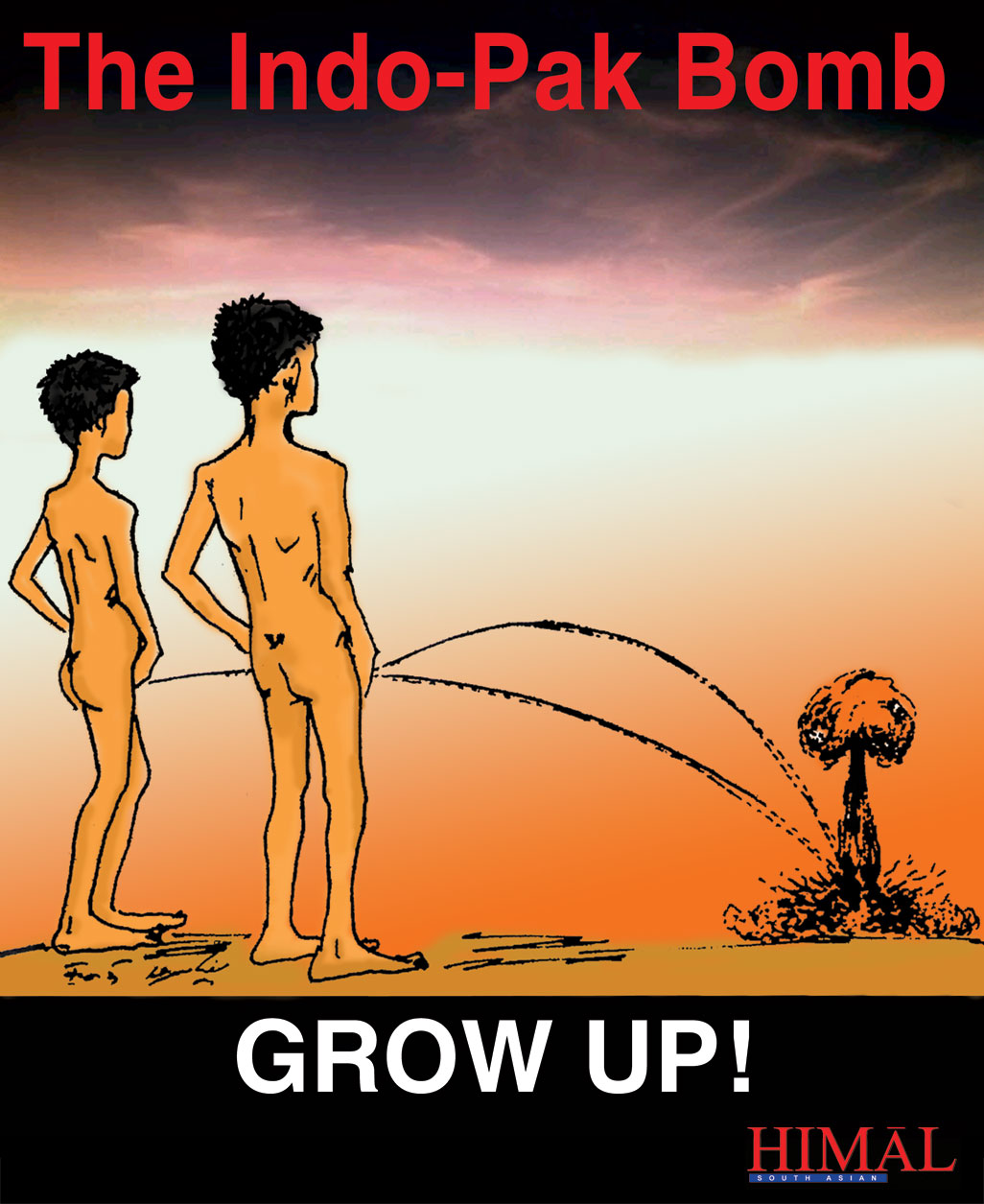
Indo Pak Nuclear rivalry seen by Himal Southasian magazine Indo Pak Nuclear rivalry seen by Himal Southasian magazine

Years ago, as a young science journalist working for Asia Technology magazine of Hong Kong, I was shown around Pakistan’s space agency SUPARCO premises in Karachi. At the time, in early 1990, they were readying the country’s first satellite, Badr 1 (launched later that year on a Chinese rocket).

It was a national showpiece, and no one involved would talk about specifics like costs, benefits and long term research and development (R&D) plans. Although Benazir Bhutto had returned Pakistan to civilian rule, no critical questions could be asked about the country’s nuclear or space programmes.

A few years later, I happened to be in Mumbai when India carried out its second nuclear weapons testing in Pokhran mid May 1998. This ultimate chest thumping act inspired…

View original post 1,092 more words

When Worlds Collide #110: Saluting unknown ‘Tank Man’ 25 Years Later

Nalaka Gunawardene's avatarWhen Worlds Collide, by Nalaka Gunawardene

Text of my ‘When Worlds Collide’ column published in Ceylon Today newspaper on 6 June 2014

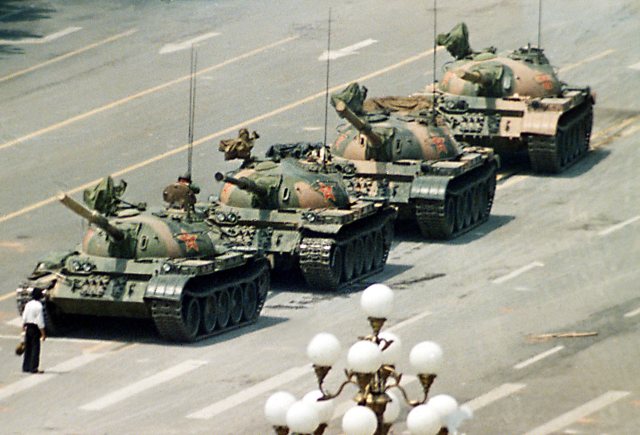
One man against a mighty army - Tank Man in Beijing One man against a mighty army – Tank Man in Beijing

This week marks the 25th anniversary of the Chinese government’s brutal crackdown on protesting students at Beijing’s Tiananmen Square.

In our media saturated world, with hundreds of mainstream and citizen journalists bearing witness to key events, one image often stands out as symbolic. It’s that one which gets etched into our collective memory.

There was such an iconic image from Tiananmen Square. It shows a solitary, unarmed Chinese man standing up against a column of battle tanks rolling down a street.

Captured by several photographers snapping away from a nearby hotel balcony, it is one of the best known moments in 20th century photojournalism.

Perhaps the most widely seen photo was taken by Jeff Widener, an American photojournalist who was…

View original post 1,379 more words

When Worlds Collide #109: Huffing and puffing over Tobacco in Sri Lanka

Nalaka Gunawardene's avatarWhen Worlds Collide, by Nalaka Gunawardene

Text of my ‘When Worlds Collide’ column published in Ceylon Today newspaper on 31 May 2014

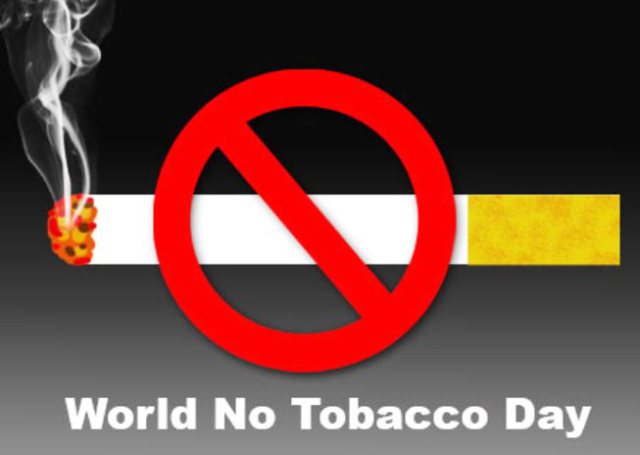
May 31 is World No Tobacco Day May 31 is World No Tobacco Day

Tobacco control presents formidable policy dilemmas. It isn’t a simple or simplistic battle between ‘good’ and ‘evil’ as anti-tobacco activists would make us believe.

There is no doubt that tobacco kills many smokers — and some non-smokers, too. It was in January 1964 that the US Surgeon General issued the first report of the Advisory Committee on Smoking and Health. Based on over 7,000 papers relating to smoking and disease in biomedical literature, it concluded that cigarette smoking was a cause of lung cancer and laryngeal cancer in men, a probable cause of lung cancer in women, and the most important cause of chronic bronchitis.

During the half century since, much more evidence has piled up, yet tobacco remains a legitimate trade. Starting, continuing or quitting smoking…

View original post 1,240 more words

When Worlds Collide #108: Eye Donation at 50 – Promoting Lanka’s Soft Power

Nalaka Gunawardene's avatarWhen Worlds Collide, by Nalaka Gunawardene

Text of my ‘When Worlds Collide’ column published in Ceylon Today newspaper on 23 May 2014

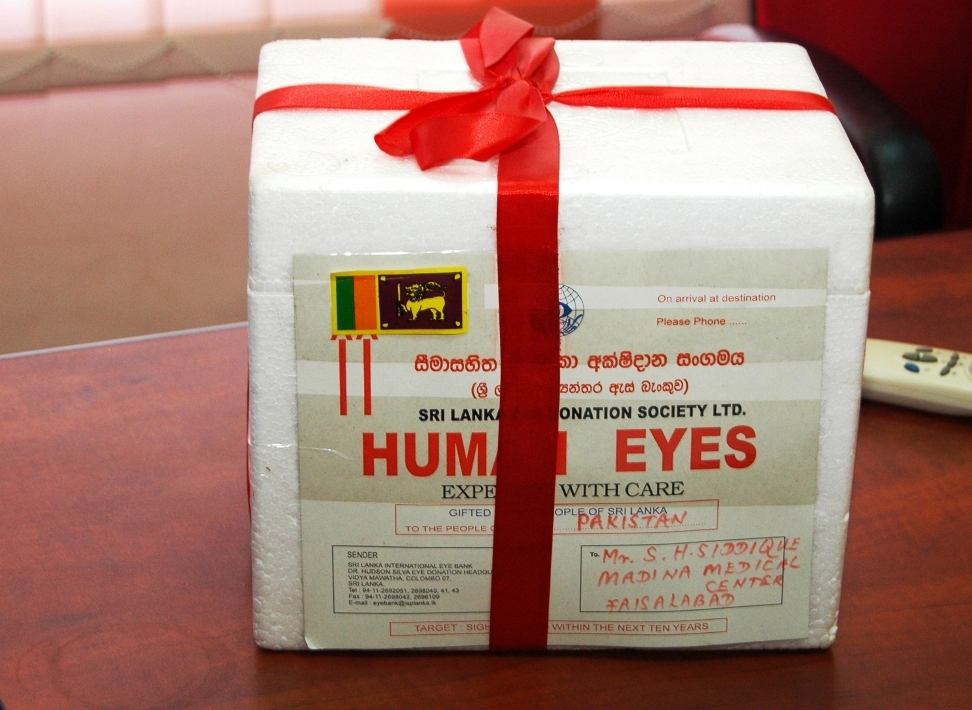
Human Eye Corneas, ready for dispatch at International Eye Bank in Colombo, Sri Lanka on 27 March 2013 - Photo by Janaka Sri Jayalath Human Eye Corneas, ready for dispatch at International Eye Bank in Colombo, Sri Lanka on 27 March 2013 – Photo by Janaka Sri Jayalath

A piece of air cargo, compact and unusual, left our island on 25 May 1964, a Vesak Poya day. It contained a thermos flask, inside which were six sterilised bottles packed in ice. Each one contained a human eye, donated by Lankans who had died in the preceding 24 hours.

Having been hand carried from Colombo to Singapore, they were rushed to Singapore general hospital on arrival. There, eye surgeons grafted the corneas on five people suffering from reversible corneal blindness.

So started a ‘mercy mission’ that has been sustained for half a century, during which time over 66,500 eye corneas have been donated from Sri Lanka to a total…

View original post 1,160 more words

When Worlds Collide #107: Climate Reporting from ‘Ground Zero’

Nalaka Gunawardene's avatarWhen Worlds Collide, by Nalaka Gunawardene

Text of my ‘When Worlds Collide’ column published in Ceylon Today ay newspaper on 16 May 2014

Cartoon by Greg Perry Cartoon by Greg Perry

Can journalists save the planet?

I posed this question in a column nearly two years ago, in June 2012.

During the early years of my career, I called myself an ‘environmental journalist’. But I dropped the label when I realised how environmental journalism was, inadvertently, ghettoising those issues within the media.

I argued: “We do need journalists to specialise in the environment and other development sectors such as health, gender and disaster management. As issues become more complex and nuanced, journalists require more knowledge and skill to make sense of it all.”

Yet we can’t leave sustainable development issues just in the hands of a few ‘green journalists’. To grasp the bigger picture, and to communicate it properly, we need the informed participation of reporters, feature writers, editors…

View original post 964 more words

When Worlds Collide #106: Probing Roots of Violence for Sustainable Peace

Nalaka Gunawardene's avatarWhen Worlds Collide, by Nalaka Gunawardene

Text of my ‘When Worlds Collide’ column published in Ceylon Today broadsheet newspaper on 9 May 2014

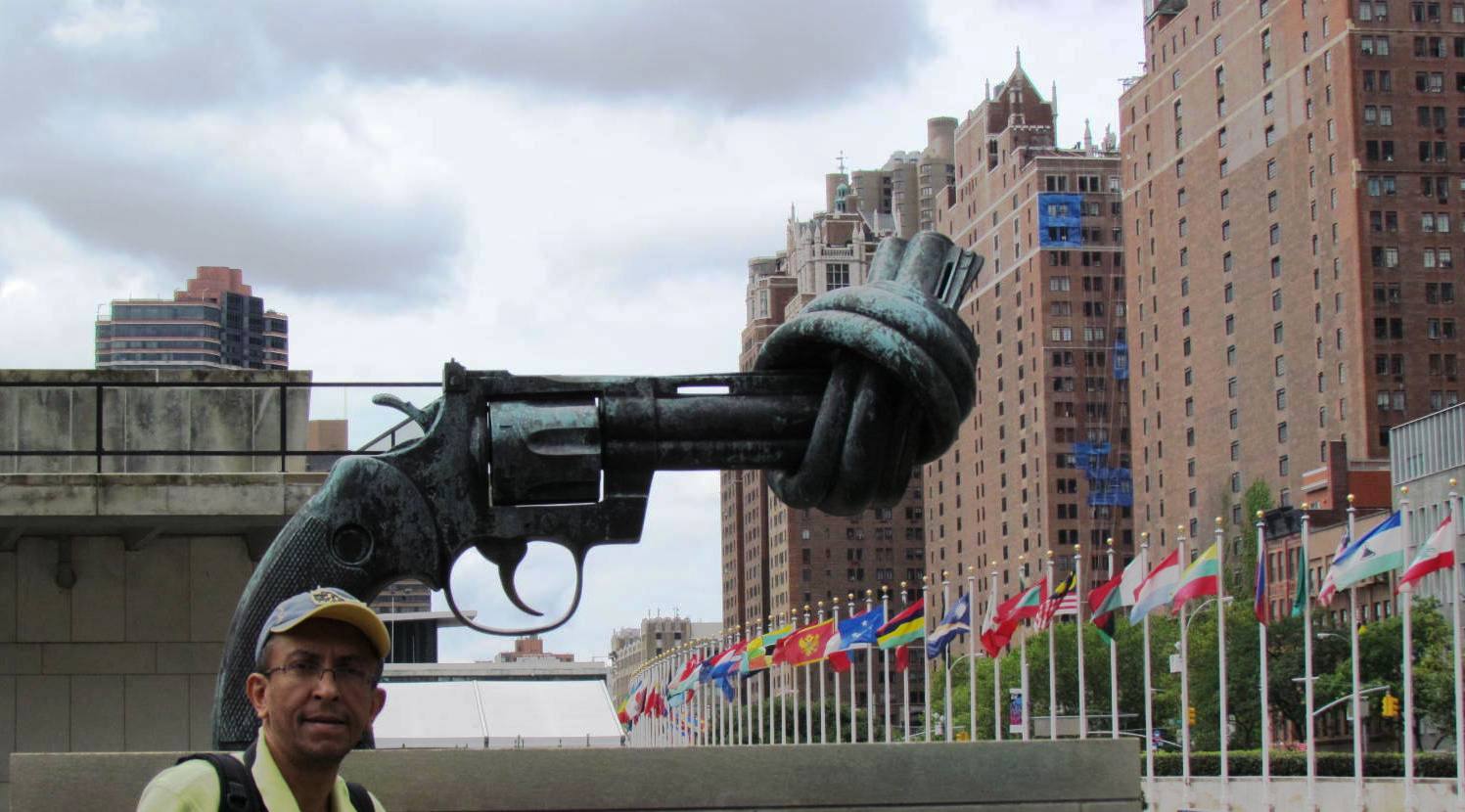
Knotted gun sculpture at UN Headquarters in New York, made by Swedish artist Carl Fredrik Reuterswärd - Photo by Dhara Gunawardene, 2011 Knotted gun sculpture at UN Headquarters in New York, made by Swedish artist Carl Fredrik Reuterswärd – Photo by Dhara Gunawardene, 2011

Then to the rolling Heav’n itself I cried,
Asking, ‘What Lamp had Destiny to guide
Her little Children stumbling in the Dark?’
And – ‘A blind understanding!’ Heav’n replied.

Omar Khayyam, in Rubaiyat

Some memories are etched in our minds forever. I remember exactly how and where I first heard this verse — at a science lecture theatre at University of Colombo in December 1986.

As an eager young journalist, I was covering the annual sessions of the Sri Lanka Association for the Advancement of Science (SLAAS). One presidential address was given by Dr Carlo Fonseka, professor of physiology, rationalist and well known debunker of fire walkers, astrologers…

View original post 1,073 more words

When Worlds Collide #105: Exploring Twentieth Century Time Capsules with British Pathé

Nalaka Gunawardene's avatarWhen Worlds Collide, by Nalaka Gunawardene

Text of my ‘When Worlds Collide’ column published in Ceylon Today broadsheet newspaper on 2 May 2014

Time travel is not a technological possibility – at least not yet. Right now, we can travel back and forth in time only in our imagination – often with some help from photographic, sound and moving image recordings.

British Pathe archive logo

Last month, little ‘time capsules’ offering many frozen moments of the 20th century suddenly came within reach of anyone with Internet access. That’s when the British Pathé company uploaded its massive Newsreel archive on to the free video sharing platform YouTube.

All 85,000 of their historic films and footage can now be viewed, in high resolution, at www.youtube.com/britishpathe. Together, these contain some 3,500 hours of filmed history gathered from dozens of countries between 1896 and 1976.

Newsreels were short documentaries capturing highlights of current or recent events. They were typically shown before the…

View original post 1,061 more words

When Worlds Collide #104: Dengue Control sans Chemicals?

Nalaka Gunawardene's avatarWhen Worlds Collide, by Nalaka Gunawardene

Text of my ‘When Worlds Collide’ column published in Ceylon Today broadsheet newspaper on 25 April 2014

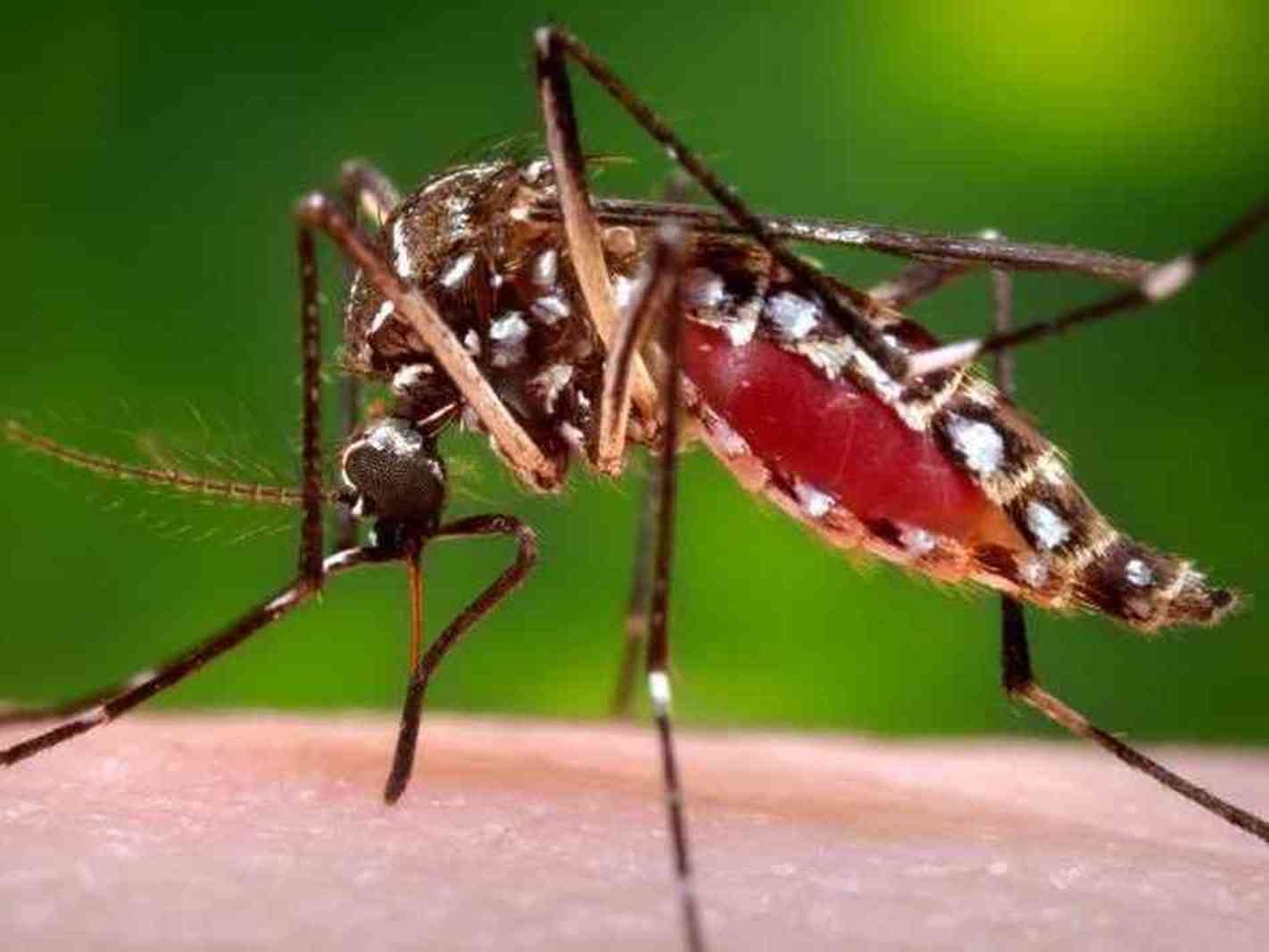
Dengue-carrying mosquito Aedes aegypti Dengue-carrying mosquito Aedes aegypti

Last week, discussing dengue fever as a silent disaster, I wrote: “For now, there is no specific antiviral drug or effective vaccine against dengue. Control and prevention are the best available defences.”

We looked at the value of environmental sanitation — keeping water containers covered, and protecting or sealing off natural water sources. In short, all measures to deprive its mosquito vector the watery medium it needs to breed and multiply.

I return to the topic in view of its high topicality. The national mosquito control week, observed from 2 to 8 April with the slogan of ‘Dengue Free Sri Lanka’, is now behind us. I take a special interest in dengue also because my own child contracted dengue thrice before she reached 10 years (while living…

View original post 919 more words