When Worlds Collide #84: Have Lankans Suspended Disbelief Permanently?

Nalaka Gunawardene's avatarWhen Worlds Collide, by Nalaka Gunawardene

Text of my ‘When Worlds Collide’ column published in Ceylon Today Sunday broadsheet newspaper on 22 September 2013

Please turn off your brain cells

A dozen years ago, a leading tele-drama director and I had a friendly debate live on national TV Rupavahini’s breakfast show. He argued that our island was being visited by alien beings who, he said, were making contact with ‘chosen individuals’ in certain remote locations.

I kept asking: show us some real evidence! Unidentified flying objects (UFOs) are spotted from time to time, I agreed. But further investigations reveal these to be natural phenomena or human-operated objects that had first observers failed to make out. There is no proven connection between such UFOs and intelligent life in the universe (which most scientists agree must exist).

I had argued many times with other peddlers of UFO myths, but wasn’t prepared for our artiste’s next argument. “Alien visitations are not my imagination. There’s plenty…

View original post 1,200 more words

When Worlds Collide #83: Exploring City Life in Lankan Imagination

Nalaka Gunawardene's avatarWhen Worlds Collide, by Nalaka Gunawardene

Text of my ‘When Worlds Collide’ column published in Ceylon Today Sunday broadsheet newspaper on 15 September 2013

What makes real cities?

Beyond urban infrastructure and administrative designations, what turns an urban area into a city proper? Is it bohemian lifestyle, bustling nightlife, a certain defiance of authority, secularism or something else? How are these qualities nurtured, and by whom – the elite, merchant class, artistes or intellectuals?

I posed these harmless questions in a column last April, arguing: “A city, at its most basic, is a collective state of mind. And by that philosophical definition, we cannot find a single city in today’s Sri Lanka!”

I also asked: what made Anuradhapura a great (and proper) city of the ancient world? And how come subsequent seats of government all failed to match that high standard?

I received some predictable reactions. What’s wrong with villages, I was asked. (Nothing —…

View original post 1,204 more words

‘වදකහ සුදියේ සිට ලෝක විනාශය දක්වා’ පොතට එස්. එම්. බන්දුසීල ලියූ පෙරවදන

සම්මානලාභී තීරු ලිපි රචක නාලක ගුණවර්ධනගේ ‘සිවුමංසල  කොලූ ගැටයා’ දෙවැනි පොත ‘වදකහ සුදියේ සිට ලෝක විනාශය දක්වා’ නමින් මේ සතියේ එළි දකියි. 2012-13 වකවානුවෙහි රාවය පුවත්පතට ඔහු ලියූ තීරු ලිපි අතරින් තෝරා ගත් 54ක් මේ පොතෙහි ඇතුළත් ය. මේ පොතට පෙරවදන ලියා ඇත්තේ ප‍්‍රවීණ විද්‍යා පරිවර්තක හා හේතුවාදි කි‍්‍රයාකාරික එස්. එම්. බන්දුසීල මහතා ය.

පෙර වදන

තොරතුරු යුගය ලෙස හඳුන්වනු ලබන වර්තමානයේ  අප මුහුණදී ඇති ප්‍රධානම ප්‍රශ්නයක් වන්නේ මේ දැවැන්ත තොරතුරු ප්‍රවාහය තුළ මිථ්‍යාව හා  මනඃකල්පිතයන්  අතරින් සත්‍යය  තෝරා බේරා ගැනීමයි. මිනිස් ඉතිහාසයේ  කිසිදාක දකින්නට නොතිබූ  විරූ ලෙස  අද දැනුම හා තොරතුරු  ජනනය වන නමුත්  ඒවායේ විවිධ සැඟවුණු අභිමතාර්ථයන්  ඇත්තාක් මෙන්ම  සමහර දැනුම් හා තොරතුරු  යටපත් කිරීමේ ප්‍රවණතාවක්ද ඇති බව අපි දනිමු. මෙහි ප්‍රතිඵලය වී  ඇත්තේ  පොදු ජනතාවට ලැබෙන්නේ  විවිධ මාධ්‍යයන්ට  අවශ්‍ය ආකාරයට හා විවිධ දෘෂ්ටි කෝණවලට ගැලපෙන ආකාරයට   විකෘති කරන ලද තොරතුරු වීමයි.
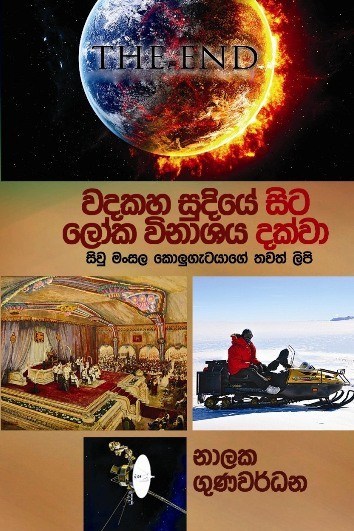
Sivu Mansala Kolu Getaya Book 2 by Nalaka Gunawardene, pub Sep 2013දැනුම පදනම් වූ සමාජයක වැදගත්ම භාණ්ඩය වන්නේ තොරතුරු නමුත් ඒවා පක්ෂග්‍රාහි  හා  සාවද්‍ය වුවහොත් එය  මුලු මහත්  දැනුම් සමාජයේම පැවැත්මට තර්ජනයක් වනු නොඅනුමානයි. මේනිසා මාධ්‍ය හා මාධ්‍යවේදීන්ගේ  කාර්යභාරය වන්නේ  හැකි තරම් නිරවද්‍ය තොරතුරු  ජනතාවට  ලබා දීම වුවත්  අවාසනාවකට මෙන් අද බොහෝ දුරට සිදු නොවන්නේත්  එයයි.

මෙවැනි වාතාවරණයක් තුළ සංවේදනීය සිරස්තල වලින් ඔබ්බට යන  තොරතුරු අපට ලබාගත හැකි වන්නේ  විචාරශීලි හා විවේචනාත්මක ආකල්පයකින්  ඒවා විග්‍රහ කිරීමෙන් පමණි.  අද අප හමුවේ ඇති මේ අසීමිත තොරතුරු  ප්‍රවාහය  මැද  මාධ්‍යකරුවාගේ වගකීම වන්නේ බුද්ධිමය හා විශ්ලේෂණාත්මක ආකල්පයකින්  තොරතුරු  දෙස බැලීමට පාඨකයා හුරුපුරුදු කිරීමයි.

දැන් කලක සිට රාවය පුවත්පතේ පළවන  නාලක ගුණවර්ධනගේ   ‘සිවුමංසල  කොලූ ගැටයා’   නම් තීරු ලිපිය, විවිධ  විෂයයන් හා  මතවාද  පිළිබඳ  බුද්ධිමත් හා විශ්ලේෂණාත්මක  ගවේෂණයක් ලෙස හැඳින්විය හැකිය.  අලුත් ආකාරයකට  මෙන්ම විවේචනාත්මකව  කරුණු හැදෑරීමට  පාඨකයා  යොමු කරන මෙම ලිපි පෙළ පොතක් වශයෙන් එළි දැක්වීම ඉතා අගය  කළ යුතු කර්තව්‍යයකි.

නාලක මෙම තීරු ලිපි තුළින්  විද්‍යාව, පරිසරය, බල ශක්තිය,  සන්නිවේදනය, ඉතිහාසය මෙන්ම විවිධ සමාජීය ගැටලු ආදිය විමර්ශනයට ලක් කරමින්  ප්‍රධාන ධාරාවේ මාධ්‍යවල  අවධානයට යොමු නොවූ  අංශ දෙසට  පාඨකයා  ගෙන යයි. ඒ තුළින් පාඨකයා  විචාරශීලී ලෙස දැනුවත් වනවා පමණක්  නව මානයකින්  සිතීමටද පොළඹවයි. ඒ අනුව බලනවිට  මෙම ලිපි පෙළ, වත්මන් අවිචාරමත්  යුගයේ  සමාජයේ දැනුවත්බව වැඩි කිරීමෙහි  ලා  විශාල සේවයක්  ඉටු කරන බව නිසැකවම කිව හැකිය.

උදාහරණයක් වශයෙන් මෙහි ඇතුළත් කර ඇති  විකල්ප ඉතිහාස ලිපි ලෝකයේ අතීතය හා අනාගතය පිළිබඳව නවතම දෘෂ්ටි කෝණයකින් බැලීමට  අප පොළඹවයි.  ඩීසල් දුමාරයේ සිට  රසායනික පොහොර උගුල  දක්වා වූ විවිධ පරිසර ගැටලු පිළිබඳ ලිපි  පරිසරය ගැන උද්වේගකර ලෙස නොව මැදහත්ව සළකා බැලීමට අප යොමු කරවයි.  විද්‍යා සන්නිවේදනයේ සිට  ලෝක විනාශ මිථ්‍යාව දක්වා වු ලිපි ගණනාවක්  විද්‍යා සන්නිවේදනයේ අභියෝග පිළිබඳව අප දැනුවත් කරයි. කුමන විෂයයක් ගැන වුවත් මෙහි අඩංගු සෑම ලිපියක්ම  නව ආකල්පීය ප්‍රවේශයකින්ඉදිරිපත් කර තිබීම ගැන කතුවරයාට ප්‍රශංසා කළ යුතුය.

‘සිවුමංසල  කොලූ ගැටයා’  තීරු ලිපි පෙළ සඳහා  නාලක  යොදා ගන්නා  සරල  සුගම භාෂා ශෛලිය  ගැනද විශේෂයෙන් සඳහන් කළ යුතුය. ඉතා ගැඹුරු විද්‍යාත්මක සංකල්ප පවා  කාටත් තේරුම් ගත හැකි සරල බසකින් ඉදිරිපත් කිරීමට කතුවරයා සතු සුවිශේෂී හැකියාව සන්නිවේදන කාර්යයන්හි නියැළෙන සියලු දෙනාටම ආදර්ශයක් විය යුතුය.

සිංහල පාඨකයාට නව බුද්ධිමය ප්‍රවාහයන් හඳුන්වාදෙමින්  නව ආරකට සිතීමට  මග පෙන්වන  මෙන්ම  සෑම ක්ෂේත්‍රයක් පුරා පැතිරී ඇති මිථ්‍යාවේ හා මුලාවේ තිමිර පටලයෙන්  අපේ සමාජය මුදවා ගැනීමට ඉවහල් වන මෙවැනි කෘතීන්  තව තවත් බිහි කිරීමට  නාලකට ධෛර්ය හා ශක්තිය  ලැබේවායි  මම ප්‍රාර්ථනා කරමි.

– එස්. එම්. බන්දුසීල

20.07.2013

When Worlds Collide #82: Anita Roddick: Mixing activism, business and compassion

Nalaka Gunawardene's avatarWhen Worlds Collide, by Nalaka Gunawardene

Text of my ‘When Worlds Collide’ column published in Ceylon Today Sunday broadsheet newspaper on 8 September 2013

“Remember me!”

With those words — and with a mischievous smile — entrepreneur and activist Anita Roddick (1942 – 2007) once autographed a book for me.

You’re hard to forget, I told her. Indeed, the maverick founder of The Body Shop is one of the most unforgettable persons I have met in a quarter century of global travels.

Our two close encounters — a dozen years apart, and on two continents – are among my precious memories.

When Anita died six years ago this week, aged 64, media obituaries described her as one of the world’s most successful women entrepreneurs and also as the ‘Queen of Green’.

She was much more than just green. We remember her as a formidable one-woman cheering squad for a range of social, humanitarian and environmental…

View original post 1,174 more words

When Worlds Collide #81: Who Added Conspiracy to Our Milk?

Nalaka Gunawardene's avatarWhen Worlds Collide, by Nalaka Gunawardene

Text of my ‘When Worlds Collide’ column published in Ceylon Today Sunday broadsheet newspaper on 1 September 2013

Cow jumped over the moon

After nearly a month of confusion and panic, the government now says it “probably overreacted” in its response to stories of contamination in milk powder imported from New Zealand.

“There was a debate that built up in the country over this issue,” information minister Keheliya Rambukwelle told reporters on August 30. “I personally think our response was beyond the actual need. There was an overreaction when thinking in technical terms.”

The minister added, however, that a government always erred on the side of caution in trying to protect consumers.

In early August, Sri Lanka stopped the import of milk from New Zealand after discovering trace amounts of dicyanamide (DCD) a fertilizer additive, in four batches of milk sold by several firms. Concerns were also expressed on the presence of whey protein…

View original post 1,202 more words

When Worlds Collide #80: When politicians turn to science for evidence…

Nalaka Gunawardene's avatarWhen Worlds Collide, by Nalaka Gunawardene

Text of my ‘When Worlds Collide’ column published in Ceylon Today Sunday broadsheet newspaper on 25 August 2013

“For every expert, there is an equal and opposite expert!”

With those tongue-in-cheek words, Sir Arthur C Clarke opened a June 1998 op-ed essay published in Science, journal of the American Association for the Advancement of Science. It probably struck a chord, and he soon added it as a fourth to his better known Three Laws.

The dilemma he highlighted is even more acute today. How can politicians make the best possible public policies when there is no scientific consensus in many technically complex issues?

And what can the public do when politicians in office are using scientific evidence only when it suits them, and ignore all the inconvenient truths? In other words, when governments are being expediently ‘evidence-based’?

Responsible governments have to balance the short and long term public…

View original post 1,255 more words

When Worlds Collide #79: SALT can Save Lanka’s Upcountry Land and Soil

Nalaka Gunawardene's avatarWhen Worlds Collide, by Nalaka Gunawardene

Text of my ‘When Worlds Collide’ column published in Ceylon Today Sunday broadsheet newspaper on 18 August 2013

“If this flight is a waste of my time, you’re going to pay for it,” Julian Manning, managing director of Ceylon Tobacco Company (CTC) told Ray Wijewardene as they took a helicopter ride over the Mahaweli river valley in Sri Lanka’s hill country one day in the late 1980s.

“It’s not, and I’m right – and you’ll pay for it,” said a confident Ray, who wanted to show how haphazard farming on steep slopes was causing large scale soil erosion and environmental damage.

An engineer turned farmer, Ray knew how to take the ‘toad’s eye view’ of ground realities. As an avid aviator, he also had the ‘bird’s eye view’ – which is what he wanted to show the tobacco chief.

It worked. Pointing to the denuded hillsides, Ray emphasised the…

View original post 1,162 more words

When Worlds Collide #78: Homicide by Pesticides: Can we escape?

Nalaka Gunawardene's avatarWhen Worlds Collide, by Nalaka Gunawardene

Text of my ‘When Worlds Collide’ column published in Ceylon Today Sunday broadsheet newspaper on 11 August 2013

Everybody lives downstream of somebody else!

That was the core message in a column I wrote a year ago (26 August 2012) about agricultural runoff causing major environmental and public health problems.

One such impact in Sri Lanka, mass scale chronic kidney failure (CKDu), has received much attention in recent months. One of several hypotheses for this medical emergency implicates chemical pesticides.

Some environmentalists have demanded action as a precautionary measure. In April 2013, the Health Ministry said it would ban the import of three pesticides (Chlorpynphos, Propanyl and Caboryl): apparently chemicals in these pesticides were found in urine samples of CKDu patients.

Banning rarely solves problems. But tightening the 90% state subsidy on chemical fertilisers, (which in 2009 cost 0.6% of total GDP) can reduce overuse and the…

View original post 1,131 more words

When Worlds Collide #77: Talking with Computers, beyond Mouse and Keyboard

Nalaka Gunawardene's avatarWhen Worlds Collide, by Nalaka Gunawardene

Text of my ‘When Worlds Collide’ column published in Ceylon Today Sunday broadsheet newspaper on 4 August 2013

Scotty talks to the mouse!

There was a memorable scene in the film Star Trek IV: The Voyage Home (1986). Chief Engineer Scotty, having time-travelled 200 years back to late 20th century San Francisco with his crew mates, encounters an early Personal Computer (PC).

Sitting in front of it, he addresses the machine affably as “Computer!” Nothing happens. Scotty repeats himself; still no response. He doesn’t realise that voice recognition capability hadn’t arrived yet.

Exasperated, he picks up the mouse and speaks into it: “Hello, computer?” The computer’s owner offers helpful advice: “Just use the keyboard.”

Scotty looks astonished. “A keyboard?” he asks, and adds in a sarcastic tone: “How quaint!”

He then proceeds to use the keyboard with amazing dexterity — too good to be true for someone raised in a future world where human-computer interactions…

View original post 1,147 more words

When Worlds Collide #76: Against the Fall of Memory…

Nalaka Gunawardene's avatarWhen Worlds Collide, by Nalaka Gunawardene

Text of my ‘When Worlds Collide’ column published in Ceylon Today Sunday broadsheet newspaper on 28 July 2013

candlelight-vigil

“I’m everything you lost. You won’t forgive me. 

My memory keeps getting in the way of your history.”

So wrote Agha Shahid Ali (1949 – 2001), Kashmiri-American poet, in a famous poem called “Farewell” where he grappled with memories and histories that were both intertwined and warring.

This has been a week of reminiscences, mostly unpleasant or outright horrific, relating to Sri Lanka’s worst communal riots of July 1983. People from across the ethnic spectrum have recalled, in public media, a range of emotions they experienced — from trauma and anguish to shame and helplessness. This mosaic of collective memories is part of the legacy of Black July.

Memories matter, at both private and public levels. But not everyone agrees on the cathartic value of memories. A few argue…

View original post 1,109 more words